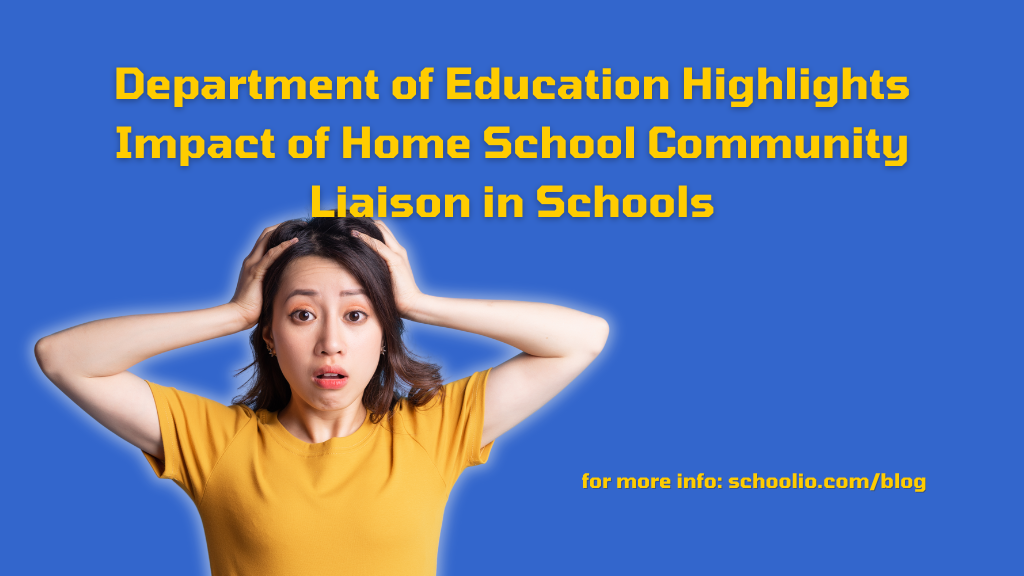
Department of Education Highlights Impact of Home School Community Liaison in Schools

Department of Education Inspectorate reports on the Home School Community Liaison Service in Primary and Post-Primary Schools

Strengthening Home Education Through Community Engagement and Support

At the heart of home education lies the connection between families, schools, and communities. A recent report by the Irish Department of Education highlights the critical role of Home School Community Liaison (HSCL) coordinators in fostering this connection. These dedicated professionals work to improve educational outcomes by bridging the gap between home and school, ensuring children receive the support they need to thrive academically and socially.

Empowering Families in Home Education

The HSCL program showcases how empowering families can lead to better attendance, engagement, and retention in education. Coordinators, who are experienced teachers, collaborate with parents, schools, and community organizations to support children’s learning journeys. From organizing activities like cookery classes and library visits to facilitating access to mental health services, HSCL coordinators help create a robust support system that aligns with the principles of effective homeschooling.

For homeschoolers, the report provides valuable insights into the power of engaging with community resources to enhance educational experiences. Whether through partnerships with local organizations or targeted interventions, a strong community network is essential for fostering growth and resilience in children.

Lessons for Homeschooling Families

The report also highlights areas for improvement that homeschoolers can learn from. Effective use of data, such as tracking attendance and progress, ensures that strategies align with educational goals. Similarly, regular reviews of teaching methods and resources can help families adjust their approaches to better meet their children’s needs.

For those homeschooling, these strategies can be implemented at home to create a more structured and effective learning environment. The emphasis on collaboration, targeted interventions, and ongoing review mirrors the flexibility and adaptability that home education embodies.

The Importance of Inclusion and Advocacy

Homeschooling is a journey that often requires advocacy and inclusion. The HSCL program’s work with marginalized groups, such as children from homeless families and unaccompanied minors, underscores the importance of tailoring education to meet diverse needs. Homeschooling families can draw inspiration from this commitment to equity, striving to create inclusive environments where every child feels valued and supported.

Building a Future of Empowered Education

The Irish Department of Education’s report reinforces the need for systemic support, collaboration, and continuous improvement in education—values that resonate deeply with the homeschooling movement. As families take on the responsibility of home education, they can look to programs like HSCL for strategies that emphasize connection, community, and personalized learning.

By adopting these practices, homeschooling families can ensure their children not only achieve academic success but also develop the social and emotional skills needed to thrive in a rapidly changing world. Together, we can create a future where every child has the opportunity to learn, grow, and succeed.

Source Article:

https://www.gov.ie/en/press-release/12c0d-department-of-education-inspectorate-reports-on-the-home-school-community-liaison-service-in-primary-and-post-primary-schools/

Author:  Sathish Bala

Is Homeschooling Popular in Florida?

Why Homeschooling is Growing in Popularity in Florida

Short answer: Yes! There has been a significant surge in the popularity of homeschooling in Florida in recent years. 

Long answer: Yes! 

In recent years, homeschooling has gained significant popularity amongst families in Florida. There are many variables that have contributed to this shift, as homeschooling is quickly becoming a highly sought after educational alternative for forward-thinking families who are invested in bettering their child’s educational experience and reclaiming autonomy over their child’s learning.

The COVID-19 pandemic played a pivotal role in accelerating interest in homeschooling as families searched for more stable and personalized educational options during periods of school closures. This experience emphasized the appeal of homeschooling’s flexibility and customization, allowing parents to tailor curriculum and learning approaches to accommodate their child’s individual needs, learning styles, and interests more closely than traditional schooling often allows.

Concerns over the quality of education provided in traditional public and private schools have also prompted some parents to explore homeschooling as a means to ensure their children receive a high-quality education aligned with their values. Advancements in educational resources, online learning platforms such as Schoolio, and support networks have made homeschooling more accessible and achievable for families across the state.

The state has recognized homeschooling as a valid educational choice, further supporting its acceptance and integration into the educational landscape.

Ultimately, the recent surge in homeschooling’s popularity reflects a growing trend towards educational diversity and parental empowerment in Florida. As more families discover and embrace the benefits of homeschooling, it is becoming increasingly recognized as a valuable and respected educational choice across the state. 

Click here to start your Journey Homeschooling in Florida with Schoolio.

All About Homeschooling in North Carolina

TL;DR – Quick Answer:
Homeschooling in North Carolina is straightforward: parents must file a Notice of Intent, maintain immunization and attendance records, and conduct annual standardized testing. North Carolina requires the homeschool to be operated by a parent or guardian and to maintain a consistent academic schedule throughout the year.
TL;DR – Quick Answer:
Homeschooling in North Carolina is straightforward: parents must file a Notice of Intent, maintain immunization and attendance records, and conduct annual standardized testing. North Carolina requires the homeschool to be operated by a parent or guardian and to maintain a consistent academic schedule throughout the year.

How Many Children Are Homeschooled In North Carolina?

Can you believe that in the 2023-2024 academic school year over 193,000 students were homeschooling in North Carolina? The number of families in North Carolina choosing to learn at home, instead of opting for traditional schooling, is on the rise. The percent of children being homeschooled in North Carolina has jumped to 12%, raising an important question: Why has there been such a significant shift from learning at school to learning at home? Maybe it’s the opportunity for student-specific curriculum or the flexibility in location and schedule? Whatever the reason, one thing is clear: Homeschooling is gaining traction across the state. Interested in joining the thousands of families homeschooling? Click here to learn more about Schoolio.

Yes! There has been a surge in the popularity of homeschooling in recent years. In the 2023-2024 academic school year over 19,3000 students were homeschooling in North Carolina. Click here to learn more about homeschooling’s popularity in North Carolina.

Interested in joining the thousands of families homeschooling in North Carolina? Click here to learn more about Schoolio: The Homeschool Program for Families in North Carolina.

Is North Carolina A Good Place To Homeschool?

North Carolina is an excellent place to homeschool for families who value flexibility in education and want to take an active role in their child’s learning. The state provides an adaptable framework for homeschooling with straightforward regulations. Parents are required to register with the North Carolina Division of Non-Public Education, maintain records of attendance and immunizations, and administer an annual standardized test. This process ensures that homeschooled children receive a comprehensive education while allowing parents flexibility in curriculum and teaching methods. North Carolina’s emphasis on child-centered education plans allows parents to tailor their teaching approach to cater to their children’s diverse learning styles, needs, and interests; ensuring that each child can thrive both academically and developmentally.

Homeschooling in North Carolina empowers families to actively engage in their children’s educational journey, fostering strong parent-child relationships and providing an enriching education that prepares children for future endeavors. While homeschooling requires commitment and planning, its growing popularity and supportive infrastructure in North Carolina make it a favorable choice for many families seeking an alternative approach to education.

Click here to start your Journey Homeschooling in North Carolina with Schoolio

What Are The Benefits Of Homeschooling In North Carolina?

Homeschooling in North Carolina offers numerous benefits. The state provides a supportive environment with straightforward regulations, allowing parents significant freedom to design personalized educational programs. This flexibility enables customized learning experiences tailored to each child’s needs and interests. Additionally, North Carolina offers a dynamic support network with numerous resources, support groups, and co-ops, along with numerous opportunities for extracurricular activities, sports, and social engagement. These factors collectively make North Carolina an ideal place for homeschooling.

Click here to start your Journey Homeschooling in North Carolina with Schoolio

Curriculum, Programs, and Other Learning Options

What Age Should You Start Homeschooling In North Carolina?

Your child’s homeschooling journey can start at any age. Many parents begin homeschooling in North Carolina from Kindergarten, while others transition to homeschooling in later years. Schoolio provides the support and resources you need to begin homeschooling in North Carolina at any age! Note: It is required that children in North Carolina aged 7 to 16 receive an education.

Click here to learn more about Schoolio.

How To Homeschool Without A Curriculum In North Carolina?

To homeschool without a curriculum in  North Carolina you will need to submit a Notice of Intent to Homeschool to the North Carolina Division of Non-Public Education. Additionally, you should notify your local school of your decision to homeschool, and formally withdraw your child. Next, it’s time to roll up your sleeves and dive in! Click here to learn more about homeschooling without a curriculum, otherwise known as unschooling.

What Are The Best Homeschool Programs In North Carolina?

Choosing the best homeschooling curriculum in North Carolina for your family involves considering several factors to ensure it meets your educational goals and your child’s learning style. Start by assessing your child’s individual needs including their learning preferences, areas of need, and interests. Next, research different homeschooling curriculums available in North Carolina, considering factors such as educational philosophies, format, and the scope of subjects covered. Evaluate the cost, including any additional materials or resources required, and consider your budget for homeschooling. Take advantage of free trials or sample lessons to assess how well the curriculum fits with your child’s learning style and your teaching approach. Click here to learn more about Schoolio’s 7-Day FREE trial.

There are numerous homeschooling curriculums to choose from, but there is only one homeschooling curriculum that offers an all-in-one program specifically designed for students in North Carolina. Click here to learn more about Schoolio.

What Are The Accredited Homeschool Programs In North Carolina?

In North Carolina, there are several accredited and reputable homeschool programs that provide structured curriculum options and support. While it is not required to affiliate with an accredited homeschooling program, some families choose these programs for added structure and to ensure their children receive a comprehensive and enriching education. Some well-regarded accredited homeschool programs in North Carolina include Schoolio, Time4Learning, and K12.

Are There Free Online Homeschooling Options In North Carolina?

Yes. There are many free options and resources available for families homeschooling in North Carolina. Click here to learn more about free homeschooling options in North Carolina. 

Can You Switch To Homeschooling In The Middle Of The Year In North Carolina?

Yes. You can switch to homeschooling at any time during the academic school year. You will need to submit a Notice of Intent to Homeschool to the North Carolina Division of Non-Public Education. Additionally, you should notify your local school of your decision to homeschool, and formally withdraw your child; this can be done with an email or written letter. Schoolio is here to make the transition from learning at school to learning at home seamless. Click here to learn more about Schoolio.

What Are The Homeschooling Subject Requirements In North Carolina?

There are no subject requirements for families homeschooling in North Carolina. This autonomy in subject selection allows for the exploration of topic areas not typically covered in traditional schools, such as financial literacy and emerging technologies. To explore Schoolio’s courses click here.

Legalities & How to Get Started

How Do I Legally Start Homeschooling in North Carolina?

Legal Requirement #1: 

Notify The North Carolina Department of Non-Public Education with a Notice of Intent to Homeschool. This letter formally notifies The North Carolina Department of Non-Public Education of your decision to homeschool and states that you are taking responsibility for your child’s education. Click here for more information. Additionally, you should notify your local school of your decision to homeschool, and formally withdraw your child; this can be done with an email or written letter.

Legal Requirement #2: 

Families must maintain attendance and immunization records for each homeschooled student.

Legal Requirement #3: 

Homeschooling must operate on a regular schedule, excluding holidays and vacations, during at least nine months of the year. This law provides significant flexibility in your homeschooling schedule.

Legal Requirement #4: 

Families must administer a nationally standardized test each year to assess academic achievement in grammar, reading, spelling, and math for every student. Results must be kept on file for one year.

Legal Requirement #5: 

Parents must have at least a high school diploma (or equivalent) to homeschool.

Legal Requirement #6: 

Notify The North Carolina Department of Non-Public Education  when you are no longer homeschooling.

That’s it. Now it’s time for the fun part: creating an educational program for your child that is engaging, personalized, and ignites their love of learning! Click here to learn more about Schoolio.

What Forms Are Needed For Homeschooling In North Carolina?

You need one form and one form only for homeschooling in North Carolina: A Notice of Intent to Homeschool. This letter formally notifies The North Carolina Department of Non-Public Education of your decision to homeschool and states that you are taking responsibility for your child’s education. Click here to learn more.

Do I Need To Complete Progress Reports For Homeschooling In North Carolina?

No. You do not need to complete progress reports for homeschooling in North Carolina. However, progress reports can be helpful for tracking academic achievements, and for uncovering areas of need where intervention may be required. Click here to learn more about Schoolio’s progress reports. 

Are Any Tests Required For Homeschoolers In North Carolina?

Yes. Families must administer a nationally standardized test each year to assess academic achievement in grammar, reading, spelling, and math for every student. Results must be kept on file for one year.

Is Unschooling Legal In North Carolina?

Yes. Unschooling is legal in North Carolina. Click here to learn more about unschooling in North Carolina.

What Is A Notice Of Intent To Homeschool In North Carolina And Do I Need One?

A Notice of Intent to Homeschool is a letter that formally notifies The North Carolina Department of Non-Public Education of your decision to homeschool and states that you are taking responsibility for your child’s education. A Notice of Intent to Homeschool is required in North Carolina. Click here for more information.

Can Someone Else Homeschool My Child In North Carolina?

Yes. Someone else can homeschool your child in North Carolina. While you, as the parent, are responsible for ensuring your child’s education, you can delegate the instruction to others, such as a tutor, a grandparent, a co-op, or an online course.

What If I Want My Kids To Re-Enter The Public School System After Homeschooling?

It’s okay to change your mind! For your child to re-enter public school you will need to contact your local school district to organize which school your child will be attending and when they will re-enter the public system. Your child may be assessed to determine their grade level.

Are There Deadlines I Need To Be Aware Of For Homeschooling In North Carolina?

There are some important dates to be aware of when submitting your Notice of Intent to Homeschool to The North Carolina Department of Non-Public Education. 

Here is a list of those important dates:

  • Submit your Notice of Intent five days prior to your homeschooling start date.
  • No Notices of Intent will be accepted in May and June.

North Carolina’s homeschooling year begins on July 1 and ends on June 30. File your Notice of Intent after July 1.

What Are The Public School Access Provisions For Homeschoolers In North Carolina?

North Carolina does not have a law granting homeschooled students the right to participate in public school classes and activities. Individual schools decide whether to provide homeschoolers with participation opportunities. 

Homeschooled students may have the chance to participate in extracurricular activities such as sports and the arts at their local public school. Additionally, some public schools offer part-time enrollment options or allow homeschoolers to join specific classes and programs. Homeschooled students can also benefit from access to public school libraries and facilities. These provisions help enrich the homeschooling experience and provide valuable resources and opportunities.

What Are The Special Education Provisions For Homeschoolers In North Carolina?

In North Carolina, while homeschoolers don’t automatically receive special education services from public schools, there are valuable opportunities for support available. If your child has special education needs, you can request an evaluation from your local public school district to explore eligibility for services under the Individuals with Disabilities Education Act (IDEA). Should your child qualify, the district can offer specialized instruction, support, and an Individualized Education Program (IEP) tailored to their unique needs. Additionally, some districts provide valuable support services such as counseling or therapy, and there are many community resources and private providers that offer further special education services. Engaging with advocacy groups can also provide helpful guidance and support. 

Click here to learn more about how Schoolio can support your neurodivergent learner.

How Many Days/Hours Are Required For Homeschooling In North Carolina?

There are no specific day or hour requirements for homeschooling in North Carolina. However, homeschooling must operate on a regular schedule, excluding holidays and vacations, during at least nine months of the year. The state’s homeschooling laws provide flexibility, allowing parents to adjust academic scheduling to meet the unique needs of their child, tailoring the educational experience to align with their individual learning style, pace, and interests.

Funding and Costs

Is There Funding For Homeschooling In North Carolina?

No. Currently, there is no funding for families homeschooling in North Carolina. 

While the state does not provide financial support for homeschoolers in North Carolina, families can take advantage of  various resources and strategies to manage their educational expenses. By participating in homeschooling groups, taking advantage of community programs, and choosing low-cost educational resources, such as Schoolio, families homeschooling can provide a rich educational experience without breaking their budget.

Click here to learn more about Schoolio.

How Much Does It Cost To Homeschool In North Carolina?

Homeschooling is priceless, but at what cost? The cost of homeschool in North Carolina ranges from hundreds to thousands of dollars per year based on numerous factors, including subscriptions to online programs, supplies, books, extra-curricular fees, field trips, etc. By choosing a low-cost educational resource, such as Schoolio, families homeschooling can provide a rich educational experience without breaking their budget. Schoolio is a great option for parents looking for a high impact program at a low cost. 

Click here to learn more about Schoolio.

Is There A Tax Credit For Homeschooling In North Carolina?

No. There is no tax credit for homeschooling in North Carolina.

Where to Find Community and Encouragement

What Are The Homeschooling Associations In North Carolina?

The North Carolinians for Home Education and The Home School Legal Defense Association are prominent homeschooling associations in North Carolina that provide guidance, advocacy, and information for families homeschooling.

Are There Homeschooling Conferences In North Carolina?

Yes. North Carolina hosts numerous conferences for families homeschooling in North Carolina. Click here to learn more about one of the largest homeschool conferences in North Carolina: The NCHE Homeschool Conference.

What Are The Homeschooling Support Groups In North Carolina?

North Carolina has many homeschooling support groups that offer resources, advice, and support. Click here to learn more about homeschooling groups in your area.

Are There Free Homeschooling Options in North Carolina?

Free Homeschooling Options in North Carolina

Yes. There are many free homeschooling resources available in North Carolina, including online courses, public library programs, and community group activities.

In North Carolina, homeschooling families have access to a variety of free educational options and resources that support their children’s learning outside of traditional school settings. Public libraries throughout the state offer extensive collections of educational materials, including books, e-books, audiobooks, and online databases, all accessible at no cost. These resources cater to diverse subjects and interests, providing essential support for homeschooling curricula. Educational websites and apps, such as PBS LearningMedia, National Geographic Kids, and BBC Bitesize, offer free educational videos, games, and activities. These options enrich homeschooling experiences across different academic disciplines. Local community centers, museums, and cultural institutions also contribute by offering free or discounted educational programs and workshops. It’s allowing homeschooling families to engage in hands-on learning experiences outside the home. 

There are online educational platforms that offer free trials. Click here to learn more about Schoolio’s 7-Day FREE trial! Schoolio provides families with a low cost educational platform for all your homeschooling needs. 

These free or low cost resources empower families in North Carolina to provide quality education to their children. These are effectively and economically, ensuring an enriching homeschooling experience.

In North Carolina, families can take advantage of a wealth of free homeschooling resources to enhance their children’s education. From public library programs and educational websites to community activities and cultural institutions. These resources provide valuable support for effective and engaging homeschooling. By utilizing these free options, you can enrich your homeschooling experience and ensure your child receives a well-rounded education. Explore these opportunities and make the most of the available resources to support your homeschooling journey in North Carolina.

Is Unschooling Legal in North Carolina?

Yes. Unschooling is legal in North Carolina. This approach is recognized and lawful, offering families the freedom to personalize their children’s educational experiences as they see fit.

Now that you can rest assured that you’re not breaking any laws, let’s explore what unschooling is all about!

Unschooling allows children to learn through self-directed exploration of their interests and natural curiosity, rather than adhering to a structured curriculum typical of traditional schooling. In addition, unschooling presents numerous benefits for children and families who choose this approach. Essentially, it advocates for child-led learning, which enables children to pursue their interests and passions autonomously. Consequently, this approach nurtures intrinsic motivation and cultivates a genuine love for learning. As a result, children engage deeply with subjects that captivate them.

Moreover, the flexibility inherent in unschooling enables learning to occur organically. It adapts to individual learning styles and accommodates diverse schedules and environments. By tailoring education to each child’s unique strengths and interests, unschooling promotes a highly personalized educational experience. Consequently, this approach can be more effective than traditional schooling methods. Schoolio understands that the best learning occurs when students are highly engaged with topics that explore their unique interests. That’s why we’ve created interest-based electives to ignite your child’s passion for learning!

Conclusion

Unschooling is legal in North Carolina, which provides families with the freedom to customize their children’s education. This approach not only allows for self-directed learning but also promotes deep engagement with subjects that genuinely interest the child. If you’re interested in exploring unschooling, Schoolio offers interest-based electives designed to fuel your child’s passion for learning. Click here to discover more about our unique educational options!

Click here to check out Schoolio’s interest-based electives

All About Homeschooling in Texas

TL;DR – Quick Answer:
Homeschooling in Alabama is highly accessible via three legal pathways: enrolling in a church (cover) school, operating as a private school at home, or using a private tutor. Alabama law requires no standardized testing or specific curriculum mandates, giving parents total freedom to tailor their child’s education.

All About Homeschooling in Texas: Benefits, Tips, and Resources

How Many Children Are Homeschooled In Texas?

Can you believe that over 750,000 students are homeschooling in Texas? The number of families in Texas choosing to learn at home, instead of opting for traditional schooling, is on the rise. The percent of children in Texas being homeschooled has surged over recent years, raising an important question: Why has there been such a significant shift from learning at school to learning at home? Maybe it’s the opportunity for student-specific curriculum or the flexibility in location and schedule? Whatever the reason, one thing is clear: Homeschooling is gaining traction across the state. Interested in joining the thousands of families homeschooling in Texas? Click here to learn more about Schoolio: The Homeschool Program for Families in Texas.

Yes! There has been a surge in the popularity of homeschooling in Texas in recent years. Over 750,000 students are homeschooling in Texas. Click here to learn more about homeschooling’s popularity in Texas.

Interested in joining the thousands of families homeschooling in Texas? Click here to learn more about Schoolio: The Homeschool Program for Families in Texas.

Is Texas A Good Place To Homeschool?

Texas is an excellent place to homeschool for families who value flexibility in education and want to take an active role in their child’s learning. Texas offers a highly supportive environment for homeschooling families, with minimal regulations that allow for significant autonomy in designing educational programs. Parents are only required to teach core subject areas such as reading, spelling, grammar, mathematics, and good citizenship. Texas does not require homeschooling families to register with the state or adhere to a standardized curriculum. This legal flexibility allows for a personalized and adaptable homeschooling experience, enabling parents to tailor their teaching approach to cater to their children’s diverse learning styles, needs, and interests; ensuring that every child can thrive both academically and developmentally.

Homeschooling in Texas empowers families to actively engage in their children’s educational journey, fostering strong parent-child relationships and providing an enriching education that prepares children for future endeavors. While homeschooling requires commitment and planning, its growing popularity and supportive infrastructure in Texas make it a favorable choice for many families seeking an alternative approach to education.

Click here to start your Journey Homeschooling in Texas with Schoolio

What Are The Benefits Of Homeschooling In Texas?

Homeschooling in Texas offers numerous benefits. The state provides a supportive environment with minimal regulations, allowing parents significant freedom to design personalized educational programs. Required subjects include reading, spelling, grammar, mathematics, and good citizenship; but there is no need to register with the state or follow a standardized curriculum. This flexibility enables customized learning experiences tailored to each child’s needs and interests. Additionally, Texas offers a dynamic support network with numerous resources, support groups, and co-ops, along with numerous opportunities for extracurricular activities, sports, and social engagement. These factors collectively make Texas an ideal place for homeschooling.

Click here to start your Journey Homeschooling in Texas with Schoolio

Curriculum, Programs, and Other Learning Options

What Age Should You Start Homeschooling In Texas?

Your child’s homeschooling journey can start at any age. Many parents begin homeschooling in Texas from Kindergarten, while others transition to homeschooling in later years. Schoolio provides the support and resources you need to begin homeschooling in Texas at any age! Note: It is required that children in Texas aged 6 to 18 receive an education.

Click here to learn more about Schoolio.

How To Homeschool Without A Curriculum In Texas?

There are no legal requirements to homeschool without a curriculum in Texas. Once you have decided that you would like to homeschool without a curriculum, it’s time to roll up your sleeves and dive in! Click here to learn more about homeschooling without a curriculum, otherwise known as unschooling.

What Are The Best Homeschool Programs In Texas?

Choosing the best homeschooling curriculum in Texas for your family involves considering several factors to ensure it meets your educational goals and your child’s learning style. Start by assessing your child’s individual needs including their learning preferences, areas of need, and interests. Next, research different homeschooling curriculum programs available in Texas, considering factors such as educational philosophies, format, and the scope of subjects covered. Evaluate the cost, including any additional materials or resources required, and consider your budget for homeschooling. Take advantage of free trials or sample lessons to assess how well the curriculum fits with your child’s learning style and your teaching approach. Click here to learn more about Schoolio’s 7-Day FREE trial.

There are numerous homeschooling curriculum programs to choose from, but there is only one homeschooling curriculum that offers an all-in-one program specifically designed for homeschoolers in Texas. Click here to learn more about Schoolio.

What Are The Accredited Homeschool Programs In Texas?

In Texas, there are several accredited and reputable homeschool programs that provide structured curriculum options and support. While homeschooling itself doesn’t require accreditation, some families choose accredited programs for added structure and to ensure their children receive a comprehensive and enriching education. Some well-regarded accredited homeschool programs in Texas include Schoolio, Time4Learning, and The Keystone School.

Are There Free Online Homeschooling Options In Texas?

Yes. There are many free options and resources available for families homeschooling in Texas. Click here to learn more about free homeschooling options in Texas. 

Can You Switch To Homeschooling In The Middle Of The Year In Texas?

Yes. You can switch to homeschooling at any time during the academic school year. While it’s not a legal requirement in Texas, formally withdrawing your child from their current school is a proactive step to ensure a smooth transition to homeschooling. To do this, simply send an email to the school informing them of your decision to homeschool and providing the date of when your homeschooling will begin. 

Schoolio is here to make the transition from learning at school to learning at home seamless. Click here to learn more about Schoolio.

The specific subject requirements for families homeschooling in Texas are reading, spelling, grammar, mathematics, and good citizenship. These homeschooling subject requirements are designed to ensure a comprehensive education while allowing for flexibility and customization. Beyond these core subject areas, parents have the freedom to include additional subjects and tailor the curriculum to their children’s interests. This autonomy in subject selection allows for the exploration of topic areas not typically covered in traditional schools, such as financial literacy and emerging technologies. To explore Schoolio’s courses click here.

What Are The Homeschooling Subject Requirements In Texas?

The specific subject requirements for families homeschooling in Texas are reading, spelling, grammar, mathematics, and good citizenship. These homeschooling subject requirements are designed to ensure a comprehensive education while allowing for flexibility and customization. Beyond these core subject areas, parents have the freedom to include additional subjects and tailor the curriculum to their children’s interests. This autonomy in subject selection allows for the exploration of topic areas not typically covered in traditional schools, such as financial literacy and emerging technologies. To explore Schoolio’s courses click here.

How Do I Legally Start Homeschooling in Texas?

How to Legally Start Homeschooling in Texas: A Step-by-Step Guide

Starting to homeschool in Texas is a straightforward process, but it’s essential to understand the legal requirements to ensure you’re in compliance. In this guide, we’ll walk you through the steps to legally start homeschooling in Texas, covering everything from notifying the school district to choosing the right curriculum.

The only legal homeschooling requirements in Texas are as follows:

Legal Requirement #1:

Homeschooling is required to be a “bona fide” education, which means it must be a genuine and meaningful educational experience.

Legal Requirement #2:

The curriculum must include the five basic subjects of reading, spelling, grammar, mathematics and good citizenship.

Legal Requirement #3: T

The curriculum must be in visual form.

While it’s not a legal requirement in Texas, formally withdrawing your child from their current school is a proactive step to ensure a smooth transition to homeschooling. To do this, simply send an email to the school informing them of your decision and providing the date of when your homeschooling will begin. 

That’s it. Now it’s time for the fun part: creating an educational program for your child that is engaging, personalized, and ignites their love of learning! Click here to learn more about Schoolio: the curriculum for families homeschooling in Texas. 

What Forms Do You Need for Homeschooling in Texas?

Texas does not require specific state forms for homeschooling.

Do I Need To Complete Progress Reports For Homeschooling In Texas?

No. You do not need to complete progress reports for homeschooling in Texas. Progress reports can help track academic achievements and uncover areas where intervention may be needed. Click here to learn more about Schoolio’s progress reports. 

Are Any Standardized Tests Required For Homeschoolers In Texas?

No. Standardized tests are not required for students homeschooling in Texas. 

Yes. Unschooling is legal in Texas. Click here to learn more about unschooling in Texas.

What Is A Notice Of Intent To Homeschool In Texas?

A Notice of Intent to Homeschool is a letter that formally notifies your local school of your decision to homeschool and claims that you are taking responsibility for your child’s education. 

While it’s not a legal requirement in Texas, formally withdrawing your child from their current school with a A Notice of Intent to Homeschool is a proactive step to ensure a smooth transition to homeschooling. To do this, simply send an email to the school informing them of your decision and providing the date of when your homeschooling will begin.  

Can Someone Else Homeschool My Child In Texas?

Yes. Someone else can homeschool your child in Texas. While you, as the parent, are generally responsible for ensuring your child’s education, you can delegate the instruction to others, such as a grandparent, a co-op program, or an enrolled course.

What If I Want My Kids To Re-Enter The Public School System After Homeschooling?

It’s okay to change your mind! For your child to re-enter public school you will need to contact your local school district to organize which school your child will be attending and when they will re-enter the public system. Your child may be assessed to determine their grade level. 

What Are The Public School Access Provisions For Homeschoolers In Texas?

Texas does not have a law granting homeschooled students the right to participate in public school classes and activities. Individual schools decide whether to provide homeschoolers with participation opportunities. 

Homeschooled students may have the chance to participate in extracurricular activities such as sports and the arts at their local public school. Additionally, some public schools offer part-time enrollment options or allow homeschoolers to join specific classes and programs. Homeschooled students can also benefit from access to public school libraries and facilities. These provisions help enrich the homeschooling experience and provide valuable resources and opportunities.

What Are The Special Education Provisions For Homeschoolers In Texas?

In Texas, while homeschoolers don’t automatically receive special education services from public schools, there are valuable opportunities for support available. If your child has special education needs, you can request an evaluation from your local public school district to explore eligibility for services under the Individuals with Disabilities Education Act (IDEA). Should your child qualify, the district can offer specialized instruction, support, and an Individualized Education Program (IEP) tailored to their unique needs. Additionally, some districts provide valuable support services such as counseling or therapy, and there are many community resources and private providers that offer further special education services. Engaging with advocacy groups can also provide helpful guidance and support. 

Click here to learn more about how Schoolio can support your neurodivergent learner.

How many days or hours must you homeschool in Texas?

There are no specific time requirements for homeschooling in Texas. The state’s homeschooling laws provide flexibility, allowing parents to adjust academic scheduling to meet the unique needs of their child, tailoring the educational experience to align with their individual learning style, pace, and interests.

Starting homeschooling in Texas is a straightforward process with just a few legal requirements. By ensuring your child receives a bona fide education that covers key subjects and using a visual curriculum, you’ll be meeting all state guidelines. While not legally required, formally withdrawing your child from their current school is a smart step for a smooth transition. With the legal aspects covered, you can now focus on creating a personalized and engaging learning experience for your child. If you’re ready to dive in, explore how Schoolio can help make your homeschooling journey in Texas a success!

Are There Free Homeschooling Options in Texas?

Free Homeschooling Options in Texas: Explore Your Choices for 2024

Yes. There are many free homeschooling resources available in Texas, including online courses, public library programs, and community group activities.

In Texas, homeschooling families have access to a variety of free educational options and resources that support their children’s learning outside of traditional school settings. Public libraries across the state offer extensive collections of educational materials, including books, e-books, audiobooks, and online databases, all accessible at no cost. These resources cater to diverse subjects and interests, providing essential support for homeschooling curricula. Educational websites and apps, such as PBS LearningMedia, National Geographic Kids, and BBC Bitesize, offer free educational videos, games, and activities that enrich homeschooling experiences across different academic disciplines. Local community centers, museums, and cultural institutions also contribute by offering free or discounted educational programs and workshops, allowing homeschooling families to engage in hands-on learning experiences outside the home. 

Additionally, there are online educational platforms that offer free trials, click here to learn more about Schoolio’s free 7-Day FREE trial! Schoolio provides families with a low cost educational platform for all your homeschooling needs. 

While homeschooling itself is not financially supported by the state, these free or low cost resources empower families to provide quality education to their children effectively and economically, ensuring an enriching homeschooling experience.

In conclusion, Texas offers a wealth of free homeschooling resources, from public library programs to educational websites and community activities. While the state doesn’t fund homeschooling directly, families can still access quality educational support through these no-cost options. Plus, with Schoolio’s affordable platform and 7-DAY FREE TRIAL, you can easily enhance your homeschooling experience, making it both effective and budget-friendly.

Is Unschooling Legal in Texas?

Yes. Unschooling is legal in Texas. Unschooling is a recognized and lawful approach to homeschooling in Texas. It’s offering families the freedom to personalize their children’s educational experiences as they see fit.

Now that you can rest assured that you aren’t breaking any laws. Let me tell you what unschooling is all about! 

Unschooling allows children to learn through self-directed exploration of their interests and natural curiosity, rather than following a structured curriculum typical of traditional schooling. Unschooling presents numerous benefits for children and families who choose this approach. At its core, unschooling advocates for child-led learning, allowing children to pursue their interests and passions autonomously. This approach nurtures intrinsic motivation and cultivates a genuine love for learning as children engage deeply with subjects that captivate them. The flexibility inherent in unschooling enables learning to occur organically, adapting to individual learning styles and accommodating diverse schedules and environments. By tailoring education to each child’s unique strengths and interests, unschooling promotes a highly personalized educational experience. This can be more effective than traditional schooling methods. Schoolio understands that the best learning occurs when students are highly engaged with topics that explore their unique interests. That’s why we’ve created interest-based electives to ignite your child’s passion for learning! 

In conclusion, unschooling is indeed legal in Texas, offering families the flexibility to personalize education through child-led learning. This approach fosters a deep love for learning by focusing on children’s interests and natural curiosity.

Click here to check out Schoolio’s interest-based electives. 

Are There Free Homeschooling Options in Saskatchewan?

Are There Free Homeschooling Options in Saskatchewan?

Yes. There are many free homeschooling resources available in Saskatchewan, including online courses, public library programs, and community group activities.

In Saskatchewan, homeschooling families have access to a variety of free educational options and resources that support their children’s learning outside of traditional school settings. Public libraries throughout the province offer extensive collections of educational materials, including books, e-books, audiobooks, and online databases, all accessible at no cost. These resources cater to diverse subjects and interests, providing essential support for homeschooling curricula. Educational websites and apps, such as PBS LearningMedia, National Geographic Kids, and BBC Bitesize, offer free educational videos, games, and activities that enrich homeschooling experiences across different academic disciplines. Local community centres, museums, and cultural institutions also contribute by offering free or discounted educational programs and workshops, allowing homeschooling families to engage in hands-on learning experiences outside the home. The government of Saskatchewan also provides many free academic resources and materials for homeschooling families. 

Additionally, there are online educational platforms that offer free trials, click here to learn more about Schoolio’s free 7-day trial! Schoolio provides families with a low cost educational platform for all your homeschooling needs. 

These free or low cost resources empower families in Saskatchewan to provide quality education to their children effectively and economically, ensuring an enriching homeschooling experience.

Is Homeschooling Popular in Saskatchewan?

Short answer: Yes! There has been a significant surge in the popularity of homeschooling in Saskatchewan in recent years. 

Long answer: Yes! 

In recent years, homeschooling has gained significant popularity amongst families in Saskatchewan. There are many variables that have contributed to this shift, as homeschooling is quickly becoming a highly sought after educational alternative for forward-thinking families who are invested in bettering their child’s educational experience and reclaiming autonomy over their child’s learning.

The COVID-19 pandemic played a pivotal role in accelerating interest in homeschooling as families searched for more stable and personalised educational options during periods of school closures. This experience emphasised the appeal of homeschooling’s flexibility and customization, allowing parents to tailor curriculum and learning approaches to accommodate their child’s individual needs, learning styles, and interests more closely than traditional schooling often allows.

Concerns over the quality of education provided in traditional public and private schools have also prompted some Saskatchewan parents to explore homeschooling as a means to ensure their children receive a high-quality education aligned with their values. Advancements in educational resources, online learning platforms such as Schoolio, and support networks have made homeschooling more accessible and achievable for families across the province.

The Saskatchewan government has recognized homeschooling as a valid educational choice and has streamlined processes for families to communicate their homeschooling plans to school boards, further supporting its acceptance and integration into the educational landscape.

Ultimately, the recent surge in homeschooling’s popularity reflects a growing trend towards educational diversity and parental empowerment in Saskatchewan. As more families discover and embrace the benefits of homeschooling, it is becoming increasingly recognized as a valuable and respected educational choice across the province. 


Click here to start your Journey Homeschooling in Saskatchewan with Schoolio.

Are There Free Homeschooling Options in Ontario?

Free Homeschooling Options in Ontario

Yes. There are many free homeschooling resources available in Ontario, including online courses, public library programs, and community group activities.

In Ontario, homeschooling families have access to a variety of free educational options and resources. Those are supporting their children’s learning outside of traditional school settings. Public libraries throughout the province offer extensive collections of educational materials. Those are including books, e-books, audiobooks, and online databases, all accessible at no cost. These resources cater to diverse subjects and interests, providing essential support for homeschooling curricula. Educational websites and apps, such as PBS LearningMedia and National Geographic Kids offer free educational videos, games, and activities. They enrich homeschooling experiences across different academic disciplines. Local community centres, museums, and cultural institutions also contribute by offering free or discounted educational programs and workshops. These are allowing homeschooling families to engage in hands-on learning experiences outside the home.

There are online educational platforms that offer free trials, click here to learn more about Schoolio’s FREE two-week trial! Schoolio provides families with a low cost educational platform for all your homeschooling needs. 

While homeschooling itself is not financially supported by the government in Ontario, these free or low cost resources empower families to provide quality education to their children effectively and economically, ensuring an enriching homeschooling experience.