
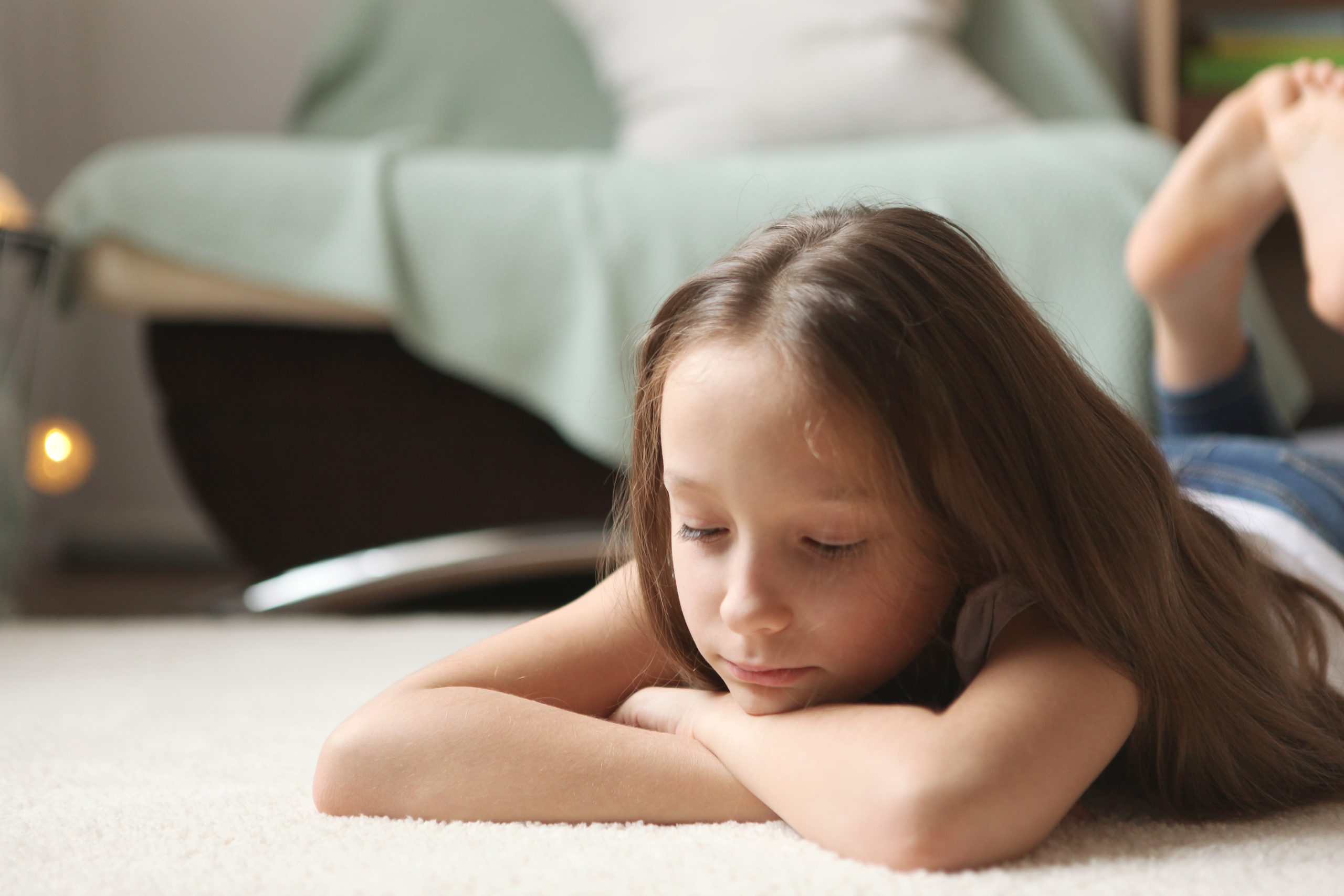
Rejection-Sensitive Dysphoria in neurodivergent kids (RSD) is a condition that describes the intense emotional pain or discomfort some people experience when they perceive rejection or criticism, whether real or imagined. While many individuals may feel hurt by rejection, those with RSD, particularly neurodivergent kids, often experience this pain more deeply and intensely, leading to significant emotional distress. This condition is especially relevant for children with Attention-Deficit/Hyperactivity Disorder (ADHD) and Autism Spectrum Disorder (ASD), as it can compound the challenges they already face in managing emotions and navigating social interactions.
Understanding RSD in Neurodivergent Kids
Rejection-Sensitive Dysphoria in neurodivergent children is characterized by extreme emotional sensitivity to perceived or actual rejection, criticism, or failure. Unlike general emotional sensitivity, RSD is marked by a rapid and overwhelming emotional response that can feel unbearable. The term “dysphoria” refers to a profound state of unease or dissatisfaction, which accurately describes the intense emotional turmoil associated with RSD.
Children with RSD may experience a variety of emotional responses, including:
- Severe Anxiety: Worrying excessively about being judged, rejected, or criticized by others.
- Depression: Feeling deep sadness, hopelessness, or worthlessness after perceived rejection or failure.
- Anger or Rage: Responding with intense anger or frustration when feeling rejected or criticized.
- Social Withdrawal: Avoiding social situations or relationships to prevent the possibility of rejection.
RSD is not a formally recognized diagnosis in the Diagnostic and Statistical Manual of Mental Disorders (DSM-5), but it is widely acknowledged among mental health professionals who see Rejection Sensitive Dysphoria in neurodivergent kids as a significant and impactful issue..
The ADHD and Rejection Sensitive Dysphoria Connection
ADHD is a neurodevelopmental disorder that affects attention, impulse control, and emotional regulation. Children with ADHD often experience heightened emotional sensitivity, which can make them more susceptible to Rejection Sensitive Dysphoria. The neurological basis of ADHD involves differences in brain structure and function, particularly in areas that regulate emotions and responses to social stimuli. These differences can amplify the intensity of emotional reactions to perceived rejection or criticism.
For kids with ADHD, RSD can manifest as:
- Intense Emotional Reactions: Overwhelming feelings of shame, embarrassment, or humiliation in response to criticism or rejection.
- Avoidance Behaviors: Steering clear of situations where they might be judged or rejected, such as public speaking, trying new activities, or forming new relationships.
- Perfectionism: Striving to avoid criticism or rejection by being perfect, which can lead to burnout and exhaustion.
- People-Pleasing: Going to great lengths to gain approval from others, often at the expense of their own needs or desires.
Autism and Rejection Sensitive Dysphoria: How They Intersect
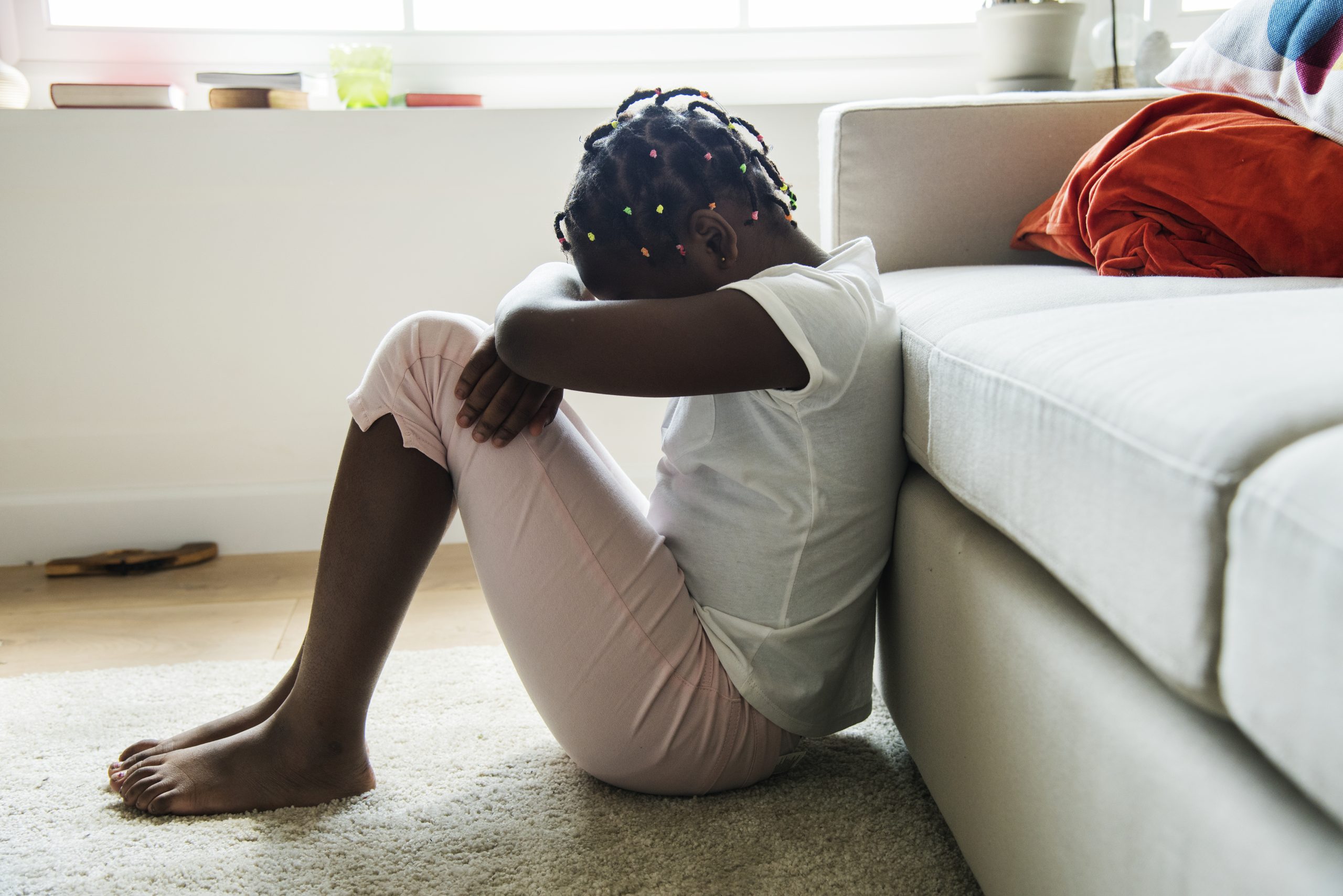
Autism Spectrum Disorder (ASD) is a neurodevelopmental condition characterized by challenges in social communication, repetitive behaviors, and restricted interests. Children with autism may also experience emotional dysregulation and heightened sensitivity to social cues, which can contribute to the development of RSD. Social interactions can be particularly challenging for neurodivergent kids with autism, making them more vulnerable to feelings of rejection or criticism.
For kids with autism, RSD can present as:
- Social Anxiety: Intense fear of social situations where they may be judged or rejected.
- Rigid Thinking: Difficulty accepting criticism or feedback, leading to feelings of distress when things don’t go as planned.
- Meltdowns or Shutdowns: Emotional overload in response to perceived rejection, resulting in either intense outbursts (meltdowns) or withdrawal (shutdowns).
- Difficulty with Change: Struggling with transitions or changes in routine, which can trigger feelings of rejection or inadequacy if they perceive themselves as failing to adapt.

Hyperfixation and Rejection Sensitive Dysphoria in Neurodivergent Kids
RSD in neurodivergent kids can also lead to hyperfixation on the problem they were criticized for or the person who rejected them. Hyperfixation is a common experience in both ADHD and autism, where an individual becomes intensely focused on a particular subject, thought, or task, often to the exclusion of other things.
When neurodivergent children experience criticism or rejection and have Rejection Sensitive Dysphoria, the emotional impact can be so overwhelming that they become consumed by it. This can lead to hyperfixation on the situation, replaying the criticism or rejection in their mind repeatedly, trying to analyze what went wrong, or even obsessing over the person who delivered the criticism or rejection. This can exacerbate feelings of distress, anxiety, and low self-esteem, making it difficult for the individual to move past the incident.
Hyperfixation in the context of RSD can manifest as:
- Replaying the Event: Continuously thinking about the moment of rejection or criticism, trying to understand every detail, and often feeling the emotional pain repeatedly.
- Over-Analyzing the Criticism: Focusing excessively on the problem that was pointed out, which can lead to perfectionism, a desire to “fix” the issue, or an attempt to avoid similar criticism in the future.
- Obsessing Over the Person: Fixating on the person who delivered the criticism or rejection, which may involve trying to figure out why they did it, what they think of the individual, or even attempting to regain their approval.
- Difficulty Letting Go: Struggling to move on from the incident, which can lead to prolonged emotional distress and impact other areas of life, such as relationships, work, or academics.
The Impact of RSD on Daily Life
There can be a profound impact on the daily lives of neurodivergent kids with Rejection Sensitive Dysphoria. The emotional and behavioral responses to perceived rejection can affect various aspects of life, including:
- Emotional Health: The intense emotional pain associated with RSD can lead to chronic anxiety, depression, and low self-esteem. Kids may feel constantly on edge, worrying about potential rejection or criticism in every interaction.
- Relationships: RSD can strain relationships with family, friends, and peers. The fear of rejection may cause neurodivergent kids to withdraw from social situations, leading to isolation and loneliness. Alternatively, they may become overly dependent on others’ approval, leading to unhealthy relationships or attachments.
- Academic and Work Performance: The fear of failure or criticism can cause children to avoid challenging tasks, limit their participation in academic or extracurricular activities, and ultimately hinder their success.
- Social Life: The impact of RSD can extend to social interactions, where the individual might avoid making new friends, joining groups, or engaging in social activities due to the fear of rejection.
Recognizing Rejection Sensitive Dysphoria in Neurodivergent Kids
Recognizing the signs of RSD in neurodivergent kids can be the first step toward managing its impact. Here are some common signs and symptoms to watch for:
- Overreaction to Criticism: An intense emotional response, such as crying, anger, or withdrawal, after receiving criticism or feedback, even when you tried to deliver it very gently.
- Avoidance of Social Situations: Avoiding social interactions, new experiences, or challenges due to fear of rejection or failure.
- People-Pleasing: Going to extreme lengths to gain approval from others, often neglecting personal needs or boundaries.
- Perfectionism: An overwhelming desire to be perfect in order to avoid criticism or rejection.
- Low Self-Esteem: A pervasive sense of inadequacy or worthlessness, often tied to the fear of not being accepted by others.
Coping Strategies for Managing RSD
While Rejection Sensitive Dysphoria in neurodivergent kids can be challenging, there are strategies that can help manage its effects:
- Cognitive-Behavioral Therapy (CBT): CBT can help neurodivergent kids identify and challenge negative thought patterns that contribute to RSD. By reframing thoughts and practicing healthier responses to rejection, they can reduce the emotional impact of RSD. Schoolio’s best-selling unit, Thoughts & Feelings: Learning to Manage How I Think and Feel, is an introduction to CBT for kids of all ages.
- Mindfulness and Relaxation Techniques: Mindfulness practices, such as deep breathing, meditation, and grounding exercises, can help kids stay present and manage emotional reactions to perceived rejection. Learn more about how to help your child with these strategies from our free SEL Parent Bootcamp!
- Setting Boundaries: Learning to set healthy boundaries with others can help protect emotional well-being and reduce the impact of rejection or criticism.
- Self-Compassion: Encouraging self-compassion and self-care can help neurodivergent kids build resilience against the emotional pain of RSD. This includes recognizing their own worth and practicing kindness toward themselves, even when they experience rejection.
- Seeking Support: Connecting with a therapist, counselor, or support group can provide a safe space to discuss experiences with RSD and receive guidance on coping strategies.
- Open Communication: Encouraging open communication with trusted friends and family members can help kids express their feelings and receive support when they experience RSD.

Supporting Neurodivergent Kids with Rejection-Sensitive Dysphoria
Rejection-sensitive dysphoria in neurodivergent kids is a significant challenge that can impact every aspect of their lives, from relationships to academic performance. The intense emotional pain associated with perceived rejection or criticism can be overwhelming, but by recognizing the signs and implementing coping strategies, neurodivergent kids can learn to manage their emotional responses and build resilience. With the right support and tools, those affected by rejection-sensitive dysphoria can lead fulfilling lives and navigate social interactions with greater confidence and ease.