Are There Free Homeschooling Options in Saskatchewan?
Yes. There are many free homeschooling resources available in Saskatchewan, including online courses, public library programs, and community group activities.
In Saskatchewan, homeschooling families have access to a variety of free educational options and resources that support their children’s learning outside of traditional school settings. Public libraries throughout the province offer extensive collections of educational materials, including books, e-books, audiobooks, and online databases, all accessible at no cost. These resources cater to diverse subjects and interests, providing essential support for homeschooling curricula. Educational websites and apps, such as PBS LearningMedia, National Geographic Kids, and BBC Bitesize, offer free educational videos, games, and activities that enrich homeschooling experiences across different academic disciplines. Local community centres, museums, and cultural institutions also contribute by offering free or discounted educational programs and workshops, allowing homeschooling families to engage in hands-on learning experiences outside the home. The government of Saskatchewan also provides many free academic resources and materials for homeschooling families.
Additionally, there are online educational platforms that offer free trials, click here to learn more about Schoolio’s free 7-day trial! Schoolio provides families with a low cost educational platform for all your homeschooling needs.
These free or low cost resources empower families in Saskatchewan to provide quality education to their children effectively and economically, ensuring an enriching homeschooling experience.
Short answer: Yes! There has been a significant surge in the popularity of homeschooling in Saskatchewan in recent years.
Long answer: Yes!
In recent years, homeschooling has gained significant popularity amongst families in Saskatchewan. There are many variables that have contributed to this shift, as homeschooling is quickly becoming a highly sought after educational alternative for forward-thinking families who are invested in bettering their child’s educational experience and reclaiming autonomy over their child’s learning.
The COVID-19 pandemic played a pivotal role in accelerating interest in homeschooling as families searched for more stable and personalised educational options during periods of school closures. This experience emphasised the appeal of homeschooling’s flexibility and customization, allowing parents to tailor curriculum and learning approaches to accommodate their child’s individual needs, learning styles, and interests more closely than traditional schooling often allows.
Concerns over the quality of education provided in traditional public and private schools have also prompted some Saskatchewan parents to explore homeschooling as a means to ensure their children receive a high-quality education aligned with their values. Advancements in educational resources, online learning platforms such as Schoolio, and support networks have made homeschooling more accessible and achievable for families across the province.
The Saskatchewan government has recognized homeschooling as a valid educational choice and has streamlined processes for families to communicate their homeschooling plans to school boards, further supporting its acceptance and integration into the educational landscape.
Ultimately, the recent surge in homeschooling’s popularity reflects a growing trend towards educational diversity and parental empowerment in Saskatchewan. As more families discover and embrace the benefits of homeschooling, it is becoming increasingly recognized as a valuable and respected educational choice across the province.
Click here to start your Journey Homeschooling in Saskatchewan with Schoolio.
Yes. There are many free homeschooling resources available in Ontario, including online courses, public library programs, and community group activities.
In Ontario, homeschooling families have access to a variety of free educational options and resources. Those are supporting their children’s learning outside of traditional school settings. Public libraries throughout the province offer extensive collections of educational materials. Those are including books, e-books, audiobooks, and online databases, all accessible at no cost. These resources cater to diverse subjects and interests, providing essential support for homeschooling curricula. Educational websites and apps, such as PBS LearningMedia and National Geographic Kids offer free educational videos, games, and activities. They enrich homeschooling experiences across different academic disciplines. Local community centres, museums, and cultural institutions also contribute by offering free or discounted educational programs and workshops. These are allowing homeschooling families to engage in hands-on learning experiences outside the home.
There are online educational platforms that offer free trials, click here to learn more about Schoolio’s FREE two-week trial! Schoolio provides families with a low cost educational platform for all your homeschooling needs.
While homeschooling itself is not financially supported by the government in Ontario, these free or low cost resources empower families to provide quality education to their children effectively and economically, ensuring an enriching homeschooling experience.
Supervised & Unsupervised Homeschooling in Alberta: What’s the Difference?
In Alberta, homeschooling is regulated and can be categorized into two main types: supervised vs. unsupervised homeschooling. These categories differ significantly in terms of educational monitoring, support, and academic requirements. Summary of Differences:
Aspect
Supervised Homeschooling
Unsupervised Homeschooling
Registration
Registration with a supervising school authority
Notify your supervising school authority with a Home Education Notification Form
Support
Guidance and support from the school authority
Find support yourself
Educational Plan/Curriculum
Must be approved by the school authority
Created independently by parents
Evaluation
Regular evaluations by the school authority
No formal evaluations
Funding
Funding available
No funding provided
Ressources
Access to resources from the school authority
Resources sourced by parents
Supervised homeschooling involves a formal relationship between homeschooling families and a school authority. Parents must register with this authority, which offers guidance and support throughout the homeschooling process. An important aspect of supervised homeschooling is submitting an educational plan that aligns with the Alberta Program of Studies or presents an alternative approach. The supervising authority must approve this plan. The authority evaluates student progress at least twice a year to ensure the student follows the educational plan and measures overall academic progress. Families in supervised homeschooling may receive funding for educational resources, up to $850 per child per year, depending on the authority’s policies. The school authority might also provide access to curriculum materials and other educational resources.
Unsupervised homeschooling, , or notification-only homeschooling, allows parents to educate their children independently without direct monitoring from a school authority. Parents must notify the Minister of Education of their intent to homeschool. This process is less formal than supervised homeschooling and does not involve a supervising authority. Parents create and implement their child’s educational plan without needing external approval. No formal evaluations are conducted by an authority. Families opting for unsupervised homeschooling handle all sourcing and financing of educational materials themselves, without receiving government funding.
In summary, the key differences between supervised and unsupervised homeschooling in Alberta are the following: 1. External student monitoring
2. academic support
3. legislative requirements.
Supervised homeschooling involves registration with a school authority. It requires submission and approval of an educational plan, regular evaluations, and funding for resources. Unsupervised homeschooling requires only a notification to the Minister of Education. Parents will independently managing their child’s educational plan and progress assessments, no financial support, and no formal evaluations. The choice between supervised homeschoolingand unsupervised homeschoolingdepends on the family’s educational preferences and needs.
Deciding between supervised homeschooling and unsupervised homeschooling? There are some important factors to consider when making your decision.
Deciding between supervised VS unsupervised homeschooling in Alberta for your child involves several important considerations. They’re related to your child’s educational needs, your family’s preferences, and your readiness to manage the homeschooling process. Consider your child’s learning style and needs. A child who benefits from structured guidance might thrive with supervised homeschooling, which provides a formalized plan and regular evaluations. However, if your child is more self-directed, has neurodivergence, or has specific learning needs, the flexibility of unsupervised homeschooling, with its customized curriculum and schedule, might be advantageous.
Time commitment, educational philosophy, and financial aspects are also important in this decision. Supervised homeschooling requires regular interaction with the supervising authority and adherence to a structured plan, which can be time-consuming. Unsupervised homeschooling, on the other hand, allows greater freedom but requires you to independently develop and manage your child’s education. Consider the level of support and resources each option provides: supervised homeschooling offers funding and specific academic materials, while with unsupervised homeschooling you source and finance your own curriculum.
TL;DR – Quick Answer: Explore Free Homeschooling Options in Alberta provides essential benefits for homeschooling families by offering flexibility, community, and expert-led resources. Our 10,000+ strong Schoolio community proves that personalized learning is the future of education.
Explore Free Homeschooling Options in Alberta
Yes. There are many free homeschooling options available in Alberta, including online courses, public library programs, and community group activities.
In Alberta, homeschooling families have access to a variety of free educational options and resources that support their children’s learning outside of traditional school settings. Public libraries throughout the province offer extensive collections of educational materials, including books, e-books, audiobooks, and online databases, all accessible at no cost. These resources cater to diverse subjects and interests, providing essential support for homeschooling curricula. Educational websites and apps, such as PBS LearningMedia, National Geographic Kids, and BBC Bitesize, offer free educational videos, games, and activities that enrich homeschooling experiences across different academic disciplines. Local community centres, museums, and cultural institutions also contribute by offering free or discounted educational programs and workshops, allowing homeschooling families to engage in hands-on learning experiences outside the home.
Additionally, your supervising school authorities in Alberta may provide free academic materials to homeschooling families enrolled in their home education programs. These materials can include textbooks, workbooks, online resources, and other educational tools that align with the provincial curriculum.
There are also online educational platforms that offer free trials, click here to learn more about Schoolio’s FREE two-week trial! Schoolio provides families with a low cost educational platform for all your homeschooling needs.
These free or low cost resources empower families to provide quality education to their children effectively and economically, ensuring an enriching homeschooling experience.
For further reading on evidence-based educational strategies, explore the research provided by the Child Mind Institute.
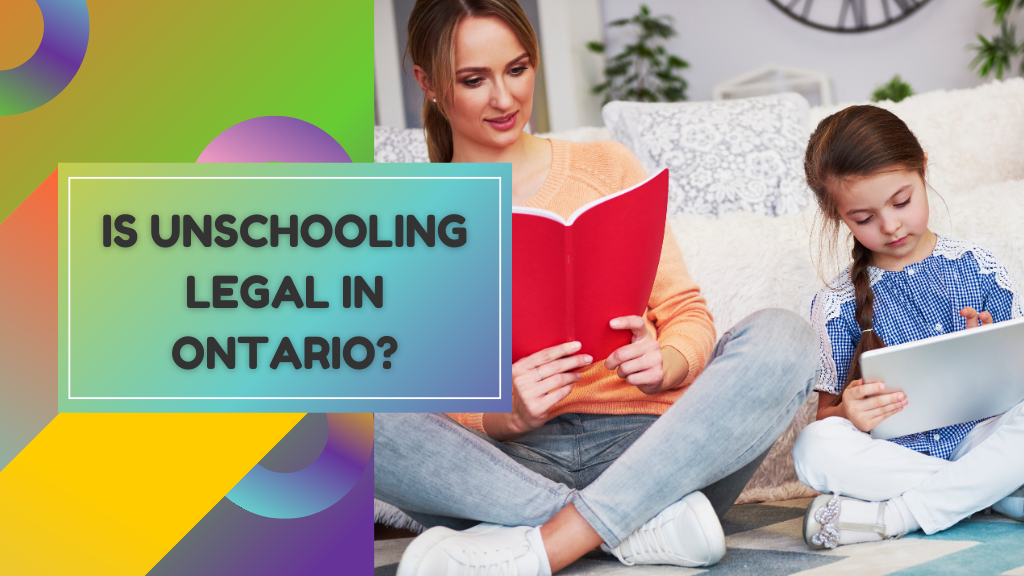
Is Unschooling Legal in Ontario? What You Need to Know
Yes, unschooling is legal in Ontario. Parents choosing this approach must inform their local school board of their intent to homeschool. Unschooling is a recognized and lawful method of homeschooling in Ontario. It’s giving families the freedom to customize their children’s education according to their needs and interests.
Now that you can rest assured that you aren’t breaking any laws let me tell you what unschooling is all about!
Unschooling empowers children to take charge of their education, learning through self-directed exploration driven by their interests and natural curiosity, instead of adhering to a rigid curriculum like traditional schools. This approach offers significant benefits for both children and families who embrace it. At its core, unschooling champions child-led learning, encouraging kids to autonomously pursue their passions. This method fosters intrinsic motivation and a genuine love for learning as children dive deeply into subjects that truly captivate them. The flexibility of unschooling allows learning to happen naturally. It also helps adapting to each child’s unique learning style and accommodating various schedules and environments. By customizing education to align with each child’s strengths and interests, unschooling delivers a highly personalized educational experience that often surpasses traditional methods. Schoolio recognizes that the most effective learning happens when students are deeply engaged with topics they love. This is why we’ve created interest-based electives designed to spark your child’s passion for learning! Click here to check out Schoolio’s interest-based electives.
Schoolio Summer Series Week 6: Captain’s Crew Camp – Set Sail for Adventure!
Welcome to Week 6 of the Schoolio Summer Series! If you haven’t joined us yet, don’t worry—each week is packed with its own unique adventure, so you can start anytime. The Schoolio Summer Series is all about keeping kids curious, engaged, and learning throughout the summer!
Every week, we bring a fresh theme filled with fun resources, a day-by-day schedule, and exciting activities. On Fridays, we share the plan for the upcoming week, complete with lessons, crafts, and more, all organized in an easy-to-follow format. This gives you the weekend to prepare any materials you need. We’re excited to help you create a memorable and educational summer. Let’s set sail into Week 6 of the Schoolio Summer Series: Captain’s Crew Camp! ?☠️
Discover the Peculiar World of Pirates: A Schoolio Summer Camp Adventure
Join us for an thrilling and educational Summer Camp experience where you’ll explore the fascinating world of pirates! Schoolio Summer Series: Captain’s Crew Camp is perfect for curious minds and history enthusiasts of all ages. Dive into a week-long adventure exploring the fascinating world of pirates. Experience buccaneer history through engaging Schoolio curriculum, hands-on activities, and exciting outdoor fun.
Ideal for aspiring historians and those who love uncovering the past, this camp offers a unique chance to learn about pirates while enjoying the great outdoors. Get ready for an unforgettable summer filled with discovery and adventure!
Associated Curricular Activity: Draw What You Would Look Like as a Pirate
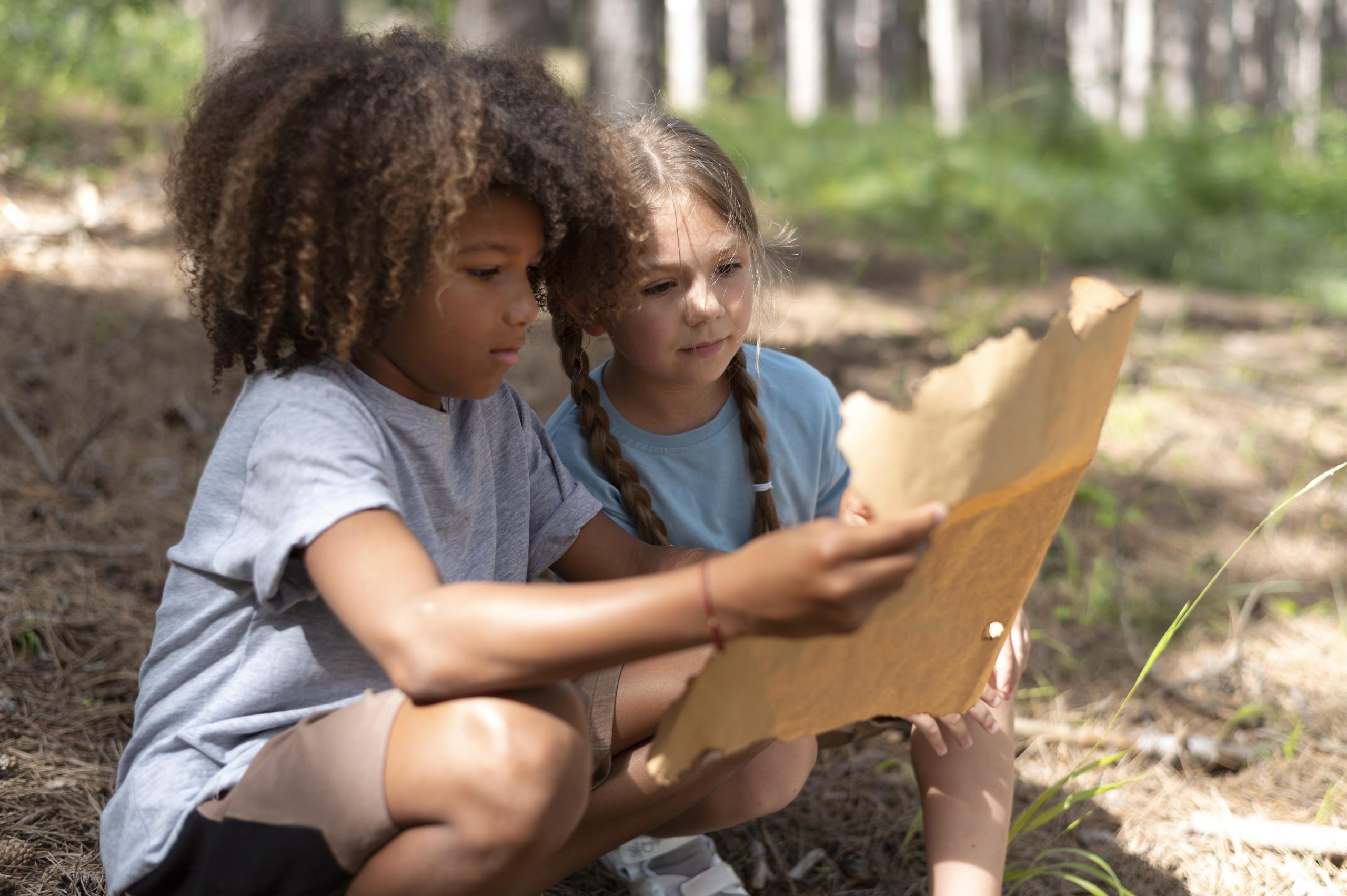
Additional Activity: Create elaborate treasure maps and hide clues around the house for your child to find hidden “treasures.” Then it’s their turn to make a map and hide the treasure!
Daily Outing
Set sail on a boat ride and channel your inner pirate as you explore the open water! Whether you’re aboard a speedy motorboat or paddling in a canoe, you’re sure to have a blast on this thrilling adventure!
Head to your local library and dive into a treasure trove of books about pirates and their thrilling escapades!
Thursday ?☠️
Morning Session
Lesson 7: Pirate Navigation Tools
Schoolio Curriculum: All About Pirates pg. 18-20
Associated Curricular Activity: Make Your Own Compass
Additional Activity: Write your own sea shanty. A sea shanty is a song sung by sailors or pirates to synchronise their work and boost morale while performing tasks aboard ships.
Afternoon Session
Lesson 8: The Natural Navigator
Schoolio Curriculum: All About Pirates pg. 21-22
Associated Curricular Activity: Follow the Stars
Additional Activity: Make Your Own Pirate Flag
Daily Outing
Visit your local museum and uncover intriguing details about pirates and their adventures!
Friday ?☠️
Morning Session
Lesson 9: Pirate Weaponry
Schoolio Curriculum: All About Pirates pg. 23-26
Associated Curricular Activity: Make Your Own Pirate Dagger
Additional Activity: ‘Walk the Plank’ at your local pool, and go for a swim!
Additional Activity: Pirate Movie Night! Watch Hook, Pirates of the Caribbean, or Treasure Island!
Daily Outing
Explore your local aquarium and discover the fascinating sea creatures that pirates encountered on their high-seas adventures!
Set sail on an exciting summer journey with the Schoolio Summer Series: Captain’s Crew Camp! This week, students will explore the captivating world of pirates, discovering the rich history of buccaneers and their impact on the world. Through a blend of engaging educational content and interactive activities, we aim to spark curiosity and foster a love for history in kids, all while creating unforgettable memories.
Don’t forget to download our featured book, All About Pirates, to elevate your child’s experience. This resource is packed with intriguing stories and activities that bring the fascinating world of pirates to life.
Whether your child is a history enthusiast or eager for a new adventure, Captain’s Crew Camp is the perfect way to explore, learn, and grow this summer.
Capture the Adventure! We’d love to see your young explorers in action! Share your photos with us by emailing them or using the hashtag #SchoolioSummer on social media.
Let’s make this summer unforgettable—filled with discovery, learning, and a shared passion for uncovering the mysteries of the pirate world. Join us for the Schoolio Summer Series: Captain’s Crew Camp and inspire a love for history that will last a lifetime!
Ontario Is a Good Place to Homeschool: Flexibility, Support, and Resources
Ontario can be an excellent place to homeschool for families who value flexibility in education and want to take an active role in their child’s learning. The province has a supportive legal framework for homeschooling, allowing parents to customize curriculum and teaching methods according to their child’s needs and interests. Additionally, there are resources, support networks, and online learning platforms, such as Schoolio, available to help homeschooling families in Ontario succeed.
Under Ontario’s Education Act, parents have the legal right to homeschool their children, provided they notify their local school board. This flexibility allows parents to tailor their children’s education to match their unique learning styles, interests, and developmental needs; fostering a personalized learning experience that may not be achievable in conventional classrooms. Concerns over the quality of education in traditional schools often motivates parents to choose homeschooling, enabling them to take an active role in their children’s academic journey.
Beyond academics, homeschooling allows for diverse learning opportunities such as field trips, hands-on experiences, and online courses that enrich children’s education. This approach not only broadens their knowledge base but also cultivates critical thinking skills and a deeper understanding of subjects. Socialisation, another common concern, is addressed through involvement in extracurricular activities and community programs.
Ultimately, homeschooling in Ontario empowers families to actively engage in their children’s educational journey, fostering strong parent-child relationships and providing a comprehensive education that prepares children for future endeavours. While homeschooling requires commitment and planning, its growing popularity and supportive infrastructure in Ontario make it a favourable choice for many families seeking an alternative approach to education. Click here to start your Journey Homeschooling in Ontario with Schoolio.
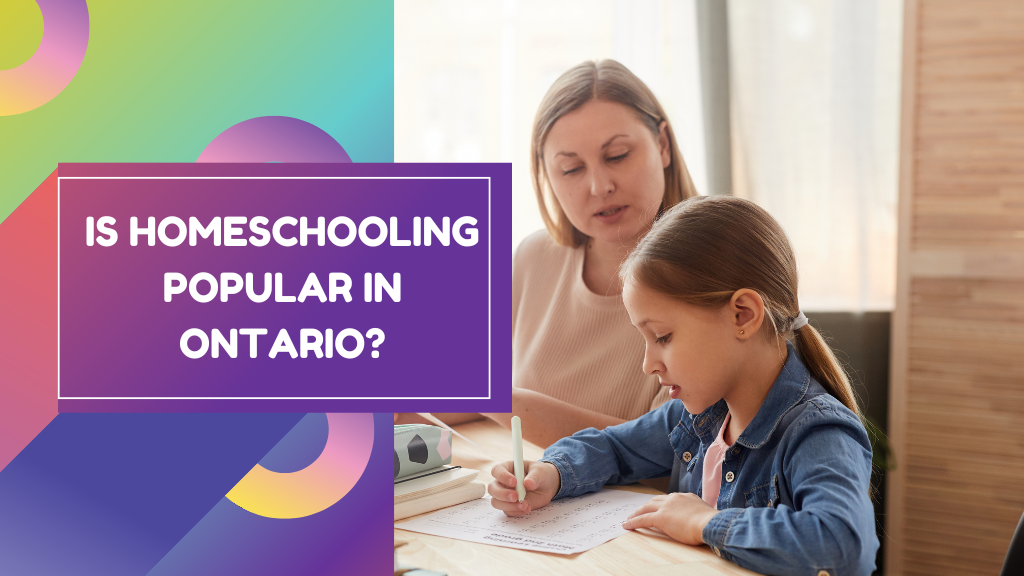
Is Homeschooling Popular in Ontario? Explore the Rising Trend
Short answer: Yes! There has been a significant surge in the popularity of homeschooling in Ontario in recent years.
Long answer: Yes!
In recent years, homeschooling has gained significant popularity amongst families in Ontario. There are many variables that have contributed to this shift, as homeschooling is quickly becoming a highly sought after educational alternative for forward-thinking families who are invested in bettering their child’s educational experience and reclaiming autonomy over their child’s learning.
The COVID-19 pandemic played a pivotal role in accelerating interest in homeschooling as families searched for more stable and personalised educational options during periods of school closures. This experience emphasised the appeal of homeschooling’s flexibility and customization, allowing parents to tailor curriculum and learning approaches to accommodate their child’s individual needs, learning styles, and interests more closely than traditional schooling often allows.
Concerns over the quality of education provided in traditional public and private schools have also prompted some Ontario parents to explore homeschooling as a means to ensure their children receive a high-quality education aligned with their values. Advancements in educational resources, online learning platforms such asSchoolio, and support networks have made homeschooling more accessible and achievable for families across the province.
The Ontario government has recognized homeschooling as a valid educational choice and has streamlined processes for families to communicate their homeschooling plans to school boards, further supporting its acceptance and integration into the educational landscape.
Ultimately, the recent surge in homeschooling’s popularity reflects a growing trend towards educational diversity and parental empowerment in Ontario. As more families discover and embrace the benefits of homeschooling, it is becoming increasingly recognized as a valuable and respected educational choice across the province.
Click here to start your Journey Homeschooling in Ontario with Schoolio.
Understanding the ADHD Types in Your Homeschooling Child
You’re the parent of an ADHD kiddo, but did you know there are ADHD types?
As a homeschooling mom to neurodivergent kids, I understand the unique challenges that come with teaching children who think and learn differently. I have ADHD myself as well, so while homeschooling I have to be aware and manage both my own neurodivergent tendencies and my kids’. It can be a bit of a juggling act some days (and other days it’s a straight up mess!). One thing that helped me was knowing my ADHD type. I have ADHD-Combined Type, which means I experience both hyperactive-impulsive and inattentive symptoms. All the ADHD! This experience has given me a really valuable understanding of the various ADHD types though. In a previous blog, we discussed what ADHD is and how to recognize it in your child. Now, let’s look more into the three ADHD types: Hyperactive-Impulsive Type, Predominantly Inattentive Type (formerly known as ADD), and Combined Type.
Types of ADHD
ADHD is diagnosed using standards laid out by the Diagnostic and Statistical Manual of Mental Disorders, Fifth Edition (DSM-5). According to the DSM-5, ADHD is classified into three ADHD types based on the predominant symptoms: Hyperactive-Impulsive Type, Predominantly Inattentive Type, and Combined Type. Your child’s ADHD type can change over their lifespan in response to life events, circumstances, or age-related changes. Knowing the type can help you better understand your child’s needs and tailor your homeschool to best support them.
Criteria for All ADHD Types
ADHD is a developmental disorder, meaning it is present throughout your life. Typically, to get diagnosed with ADHD, symptoms must have been present before the age of 12 and must have negatively impacted life for at least six months in at least two settings (e.g., home and school). This can be a bit challenging for homeschooled kids, because they don’t attend school! Remember that an official diagnosis may not be required for your needs. If you need to access services or funding to help kids with ADHD, you’ll need a diagnosis with their ADHD type, but if you’re just looking for how to support your child at home, it’s not a requirement. You should also know that it’s normal for ADHD to worsen during times of stress or even when things feel too stable. Your child’s ADHD type and degree it effects them may change as they grow, sometimes seeming better managed and other times seeming more impactful to their learning.
Hyperactive-Impulsive Type
Hyperactive-Impulsive Type is the ADHD type that generally fits the stereotype of a hyperactive kid bouncing off the walls. While less common in adulthood, it can still occur at any time in the lifespan. To receive this classification, you must meet six out of nine symptoms (or five out of nine if over age 17).
Criteria:
Often fidgety or squirmy: Your child may frequently tap their feet, move their limbs, wring their hands, or chew on objects.
Marked restlessness that is difficult to control: They might have a hard time sitting still and feel a constant urge to do something.
Hyperactive as if driven by a motor: Your child may seem to have endless energy, often running around or climbing on things inappropriately.
Lacking the ability to engage in activities quietly: They might fill silence with noise, hum, or talk to themselves loudly.
Incapable of staying seated: They may often get up during meals or while watching TV.
Overly talkative: Your child may talk excessively, often without realizing it until others show signs of fatigue. Sometimes this leads to other kids getting annoyed with your ADHD kiddo.
Difficulty waiting their turn: Waiting in lines or for their turn can be physically painful and stressful for them.
Interrupts or intrudes into conversations and activities of others: They might frequently jump into conversations or take over activities.
Impulsively blurts out answers before questions are completed: Your child might answer questions quickly, often missing the full context.
Daily Symptoms:
Living with the hyperactive-impulsive ADHD type means your child probably has a LOT of energy. This may be a lot of nervous energy if they are in situations where they are trying really hard to mask their ADHD type symptoms, such as “behaving” under threat of punishment. This can be exacerbated by sedentary lifestyles, leading them to seek out dangerous or thrill-seeking activities. They might struggle with waiting their turn, which can impact relationships and create social anxiety. Understanding and managing these symptoms is crucial for their self-acceptance and social interactions.
Predominantly Inattentive Type
Predominantly Inattentive ADHD type is most commonly diagnosed in adults and females. Your child will receive this classification if they meet six out of nine symptoms (or five out of nine if over age 17).
Criteria:
Difficulty organizing tasks and activities: Your child may struggle to keep things in order, manage time, or complete tasks sequentially.
Displaying poor listening skills: They might zone out when spoken to or have trouble paying attention during conversations. This can also be dissociation.
Frequently loses and/or misplaces items needed to complete activities: This is part of your child’s ADHD type, they are not being careless. Your child may often lose instructions, school supplies, or personal items.
Sidetracked by external or unimportant stimuli: They can get easily distracted by irrelevant thoughts or events.We sometimes jokingly call this “squirrelling” in our family, as in “oh look, a squirrel!” in the middle of a sentence about something else entirely. (I think this is a reference to the Disney movie, Up!)
Forgetful in daily activities: They might forget to do chores, return texts, pay bills, or keep appointments. They need lots of reminders and in adulthood, this can look like having 87 phone alarms set per day (or at least, that’s how I am!)
Diminished attention span: Staying focused during lectures, conversations, or long tasks is extremely difficult. This can again lead to dissociation.
Lacking the ability to follow instructions or complete tasks: They may start tasks but struggle to follow through, often skipping steps. This can be due to poor listening skills, forgetfulness, or getting sidetracked.
Avoiding activities requiring concentration: Your child might procrastinate or avoid tasks that demand sustained mental effort. The thought of tackling those tasks that require that level of focus can feel daunting and overwhelming.
Failure to focus on details and/or makes thoughtless mistakes: They may miss crucial details or steps in tasks, leading to mistakes. Rest assured they are not, in fact, “thoughtless”. They are not displaying any of these symptoms out of lack of care and respect for you. It’s a part of their condition.
Daily Symptoms:
Many with inattentive type ADHD go undiagnosed for years, often being labeled as lazy or careless. For your child, understanding their inattentive ADHD can rebuild self-esteem and explain their unique interactions with the world. The greatest struggles include organization, follow-through, and keeping track of important dates. With proper strategies and support, they can manage these symptoms effectively and you’ll greatly increase their self-esteem and self-management of their condition as they grow, setting them up for a more successful adulthood.
Combined Type
When a person meets the criteria for both hyperactive-impulsive and inattentive ADHD types, they are diagnosed with combined type ADHD. It’s common for people with ADHD to have symptoms from both categories, though they may only meet the criteria for one type. I myself meet the criteria for both, which means I am extra special because I have extra strength ADHD, right?
Daily Symptoms:
Children with combined ADHD type experience elements from both hyperactive-impulsive and inattentive categories. This can lead to increased frustration and irritability due to restlessness and misunderstandings. They may juggle multiple projects but struggle to complete them. This approach to life can be refreshing yet challenging, often causing interpersonal conflict and self-esteem issues. However, with appropriate strategies and tools, they can find a path that leverages their strengths. For our kiddos with Combined ADHD type, we need to implement strategies to help them with both sides of the ADHD coin.
Practical Strategies for Parents Tailored to ADHD Types
As a homeschooling parent, you’re uniquely positioned to provide a truly supportive and understanding environment for your ADHD kid to thrive. Not only are you able to help them meet their current needs, but you’re helping them learn how to self-manage throughout their lives. Here are some strategies tailored to each of the ADHD types:
Strategies for Hyperactive-Impulsive Type
Encourage Physical Activity: Incorporate regular physical activity into your child’s daily routine to help manage their energy levels. Exercise also helps release dopamine into the brain, which helps an ADHD kid focus.
Provide a Structured Environment: Establish clear routines and rules to create a predictable and calming environment.
Use Positive Reinforcement: Reward positive behaviors to encourage self-control and reduce impulsivity.
Break Tasks into Smaller Steps: Help your child focus by breaking larger tasks into smaller, more manageable steps. Learn more about task chunking and habit stacking to help them understand how these strategies work.
Teach Self-Regulation Skills: Use techniques like deep breathing or mindfulness to help your child learn to manage their impulses and hyperactivity as well as have emotional regulation skills..
Strategies for Predominantly Inattentive Type
Create a Quiet Workspace: Designate a quiet, distraction-free area for your child to complete their schoolwork.
Use Visual Schedules: Visual aids can help your child stay organized and remember their tasks.
Provide Clear Instructions: Give simple, step-by-step instructions to help your child understand and complete their assignments.
Set Time Limits: Use timers to help your child stay on task and manage their time effectively.
Encourage Regular Breaks: Allow for short, frequent breaks to help your child maintain focus and avoid mental fatigue.
Black Father Is Playing Football With Daughter.
Strategies for Combined Type
Balance Physical and Mental Activities: Incorporate a mix of physical and mental activities throughout the day to cater to both sets of symptoms.
Establish Consistent Routines: Consistent routines can help manage both hyperactive and inattentive behaviors.
Use Multisensory Learning Techniques: Engage multiple senses in learning activities to keep your child interested and focused.
Implement Behavioral Strategies: Combine techniques like positive reinforcement and clear expectations to manage a range of symptoms.
Foster Open Communication: Maintain open lines of communication with your child to understand their challenges and adjust strategies as needed. Make sure they know that you are on their side, and that you support them.
Conclusion
Understanding the different ADHD types and how they manifest in your child is crucial for providing the best support and education. Whether your child has hyperactive-impulsive, inattentive, or combined type ADHD, knowing their specific challenges and strengths will help you tailor your homeschooling approach to their needs. If you need curriculum support that is specifically designed to help neurodivergent learners, Schoolio is the best place to be! Remember, your journey as a homeschooling parent to neurodivergent kids is unique and full of opportunities for learning and connection. Know that while the journey won’t always be easy, with compassion, patience, and a willingness to adapt, you can make a huge difference for your child and their future. Together, you and your child can navigate the world of ADHD with confidence and resilience.
5 Things You Don’t Need to Start Homeschooling | Schoolio Blog
Starting homeschooling can feel overwhelming, especially with the abundance of advice and resources available. It’s easy to believe that you need to have everything perfectly in place before you even begin. However, homeschooling is a flexible and adaptable learning experience that doesn’t require as much as you might think. Let’s explore five things you don’t actually need to start homeschooling.
1. The Most Expensive Curriculum
When starting homeschooling, it’s tempting to think that the best curriculum is the most expensive one. While there are many high-priced options, they aren’t necessarily the best fit for your family. Every child learns differently, so it’s important to choose a curriculum that suits their needs, not just the one with the highest price tag.
When starting homeschooling, a color-coded schedule might look impressive, but it’s not essential for success. While having a schedule is helpful, homeschooling allows for flexibility that traditional schools don’t offer. Rigid schedules can add unnecessary stress and take away from the freedom homeschooling is supposed to provide.
Instead of sticking to a strict timetable, consider creating a loose routine that allows for spontaneity and exploration. This approach can be more beneficial when starting homeschooling, as it enables children to dive deeper into subjects they’re passionate about without feeling rushed.
3. A Designated Learning Space
Many people assume that you need a specific room or area dedicated solely to learning in order to start homeschooling effectively. While having a designated space can be nice, it’s not a necessity. Homeschooling can happen anywhere—in the living room, at the kitchen table, or even outside.
The beauty of starting homeschooling is its adaptability. Learning can take place in various environments, each providing unique opportunities for growth and exploration. The world becomes your classroom, allowing you to tailor the learning experience to what works best for your family.
4. A Teaching Degree
One of the most common misconceptions about starting homeschooling is that parents need a teaching degree to educate their children effectively. While having a teaching background can be helpful, it’s not required. Parents are their children’s first teachers, and homeschooling is an extension of that natural learning relationship.
There are numerous resources available to support parents in their teaching journey, including online communities, workshops, and educational materials. The key to starting homeschooling successfully is a willingness to learn alongside your child and adapt to their changing needs and interests.
5. A “Socialization” Plan
Socialization is often a top concern for parents starting homeschooling. Many worry that their children will miss out on social interactions by not attending a traditional school. However, homeschooling provides ample opportunities for socialization through co-ops, sports teams, community events, and extracurricular activities.
Children can engage with peers in a variety of settings, developing friendships and social skills along the way. The flexibility of starting homeschooling also allows families to tailor social activities to their children’s interests, ensuring they build meaningful connections in environments where they feel comfortable.
Conclusion
Starting homeschooling doesn’t require a long list of expensive or elaborate resources. By focusing on what truly matters—your child’s learning needs and interests—you can create a fulfilling and effective homeschooling experience without unnecessary stress. Remember, the key to starting homeschooling successfully is flexibility, adaptability, and a willingness to embrace the unique journey of learning together.
Starting homeschooling allows for creativity and individuality, making it a rewarding experience for both parents and children. By letting go of the pressure to have everything “perfect,” you can focus on what truly matters: fostering a love of learning and helping your child thrive in their educational journey. Embrace the freedom and possibilities that starting homeschooling offers, and enjoy the adventure!
Schoolio VS IXL: Best Homeschool Curriculum for Personalized Learning
When it comes to homeschooling, choosing the right curriculum provider is essential for your child’s educational success. With many options available, it can be challenging to decide which one is best for your family’s needs. In this blog, we’ll provide a detailed comparison, highlighting Schoolio VS IXL: Best Homeschool Curriculum for Personalized Learning. While both offer comprehensive educational resources, we’ll highlight why Schoolio stands out as the superior choice.
Flexibility and Customization
IXL:
Comprehensive Curriculum: IXL offers a comprehensive K-12 curriculum covering Math, Language Arts, Science, Social Studies, and Spanish.
Individualized Guidance: With real-time analytics, IXL provides personalized guidance to meet the unique needs of each learner.
Family Membership Cost: $19.95 per month per child, with each additional child costing $4.
Schoolio:
Tailored Curriculum: Schoolio allows parents to tailor the curriculum to their child’s specific needs, including those of neurodivergent students, ensuring a personalized educational journey.
Flexibility: Homeschooling with Schoolio provides the flexibility to create a schedule that works best for the family, accommodating various learning paces and styles.
Safe Environment: Parents can ensure a safe, bullying-free environment, fostering a positive and supportive atmosphere ideal for neurodivergent students.
Why Schoolio is Better:
Schoolio offers greater flexibility and customization, making it easier to tailor the learning experience to each child’s unique needs, particularly for neurodivergent students. The ability to create a personalized schedule that fits your family’s lifestyle ensures a more effective and stress-free homeschooling experience.
Curriculum Quality and Variety
IXL:
Core Subjects: IXL covers core subjects including Math, Language Arts, Science, Social Studies, and Spanish.
Real-Time Analytics: IXL’s platform provides real-time analytics to track progress and personalize learning.
Schoolio:
Core Subjects and Electives: Schoolio includes all core subjects (Math, Language, Science, and Social Studies) for all grades, allowing you to mix, match, and personalize the curriculum as needed.
Wide Range of Electives: Schoolio offers hundreds of electives designed to build curiosity and critical thinking skills.
Future Readiness Courses: Schoolio also includes valuable courses like Introduction to Entrepreneurship, Financial Literacy: Smart Consumerism, and Investing and Borrowing to prepare students for real-world challenges.
Expert Support: Schoolio provides extensive resources and expert support to help parents confidently provide a high-quality education tailored to their child’s needs.
Why Schoolio is Better: While both IXL and Schoolio offer comprehensive coverage of core subjects, Schoolio excels with its extensive range of electives and future readiness courses. This allows students to explore diverse interests and develop critical thinking skills, making the learning experience more engaging and holistic.
Cost and Value
IXL:
Family Membership: $19.95 per month per child, with an additional cost of $4 for each extra child.
Schoolio:
Cost: For only $29.99 per month per student, Schoolio offers access to all core subjects and hundreds of electives.
Sibling Discount:Schoolio provides a 30% discount for siblings, making it a more affordable option for families with multiple children.
Why Schoolio is Better: Schoolio’s pricing model provides greater value, especially for families with multiple children. The sibling discount makes it a cost-effective solution while still offering a comprehensive and high-quality education.
Support for Neurodivergent Students
IXL:
Personalized Learning: IXL uses real-time analytics to tailor the learning experience to each student’s needs.
Schoolio:
Specialized Support: Schoolio empowers parents to confidently provide a high-quality education tailored to the needs of neurodivergent students. This includes extensive resources and expert support to ensure a supportive and effective learning environment.
Why Schoolio is Better: Schoolio is particularly well-suited for neurodivergent students, offering tailored support and resources to accommodate their unique needs. The flexibility to create a safe and positive learning environment is crucial for the success of neurodivergent learners.
Conclusion
In the debate of Schoolio VS IXL as the best homeschool curriculum, Schoolio emerges as the superior choice for families seeking flexibility, comprehensive curriculum options, and specialized support for neurodivergent students. Schoolio’s tailored approach, wide range of electives, future readiness courses, and cost-effective pricing make it an ideal option for providing a high-quality, personalized education. Choosing Schoolio means investing in a homeschooling journey that is engaging, adaptable, and supportive of all learning styles and needs. Visit Schoolio to learn more and start your personalized homeschooling adventure today!