Why Canadian Homeschoolers Should Be Using Canadian Curriculum

For Canadian homeschoolers, the appeal of readily available American curriculum can be tempting, but Canadian curriculum is essential for Canadian students. There are less options for Canadian curriculum, and with a wide variety of options, seemingly universal topics, and often well-established brands, it might feel like a convenient choice to go with American content for your homeschooler. However, there are significant reasons why Canadian families should prioritize curricula created specifically for Canadian learners. From metric measurements to Canadian history, using Canadian-made materials ensures that children receive an education that aligns with their cultural and academic needs while supporting Canadian businesses.

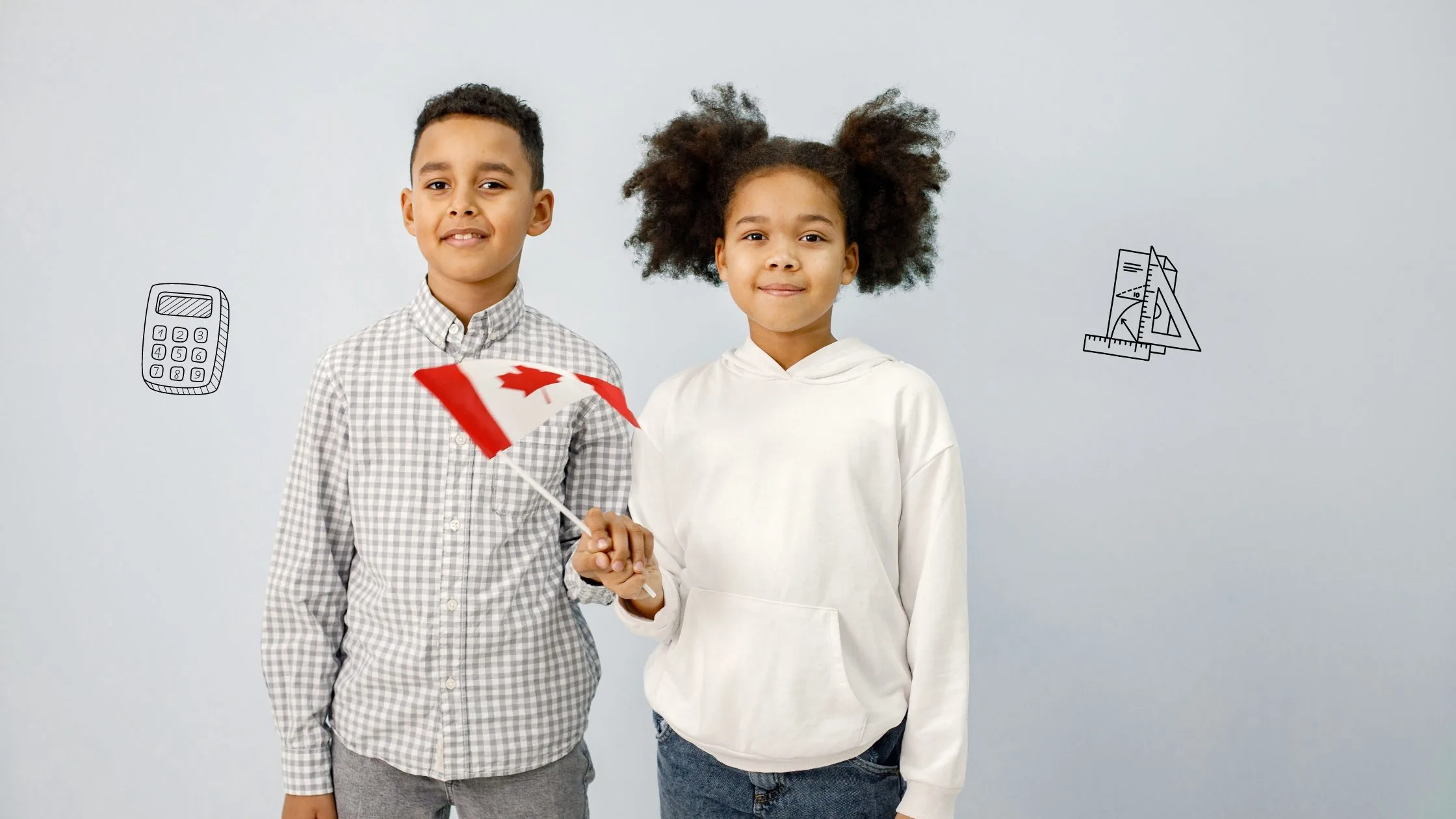
Metric Measurements Matter

One of the most glaring differences between Canadian and American education systems is the use of measurements. Canada operates under the metric system, while the United States primarily uses the imperial system. This discrepancy might seem minor, but it can create confusion for Canadian learners when learning math and science. Remember that most of the world and all of the scientific community use metric measurements, so you do your child a disservice if you teach them imperial only. American curriculum often uses inches, feet, and pounds, while Canadian learners need to work in centimeters, meters, and kilograms to align with their daily lives and future academic expectations. Canadian students should become fluent in metric conversions to prepare for careers and higher education that rely on this system.

Using a Canadian curriculum ensures students become proficient in the measurements they will encounter in real-world applications. For more on the metric system, visit Canada’s Measurement System.

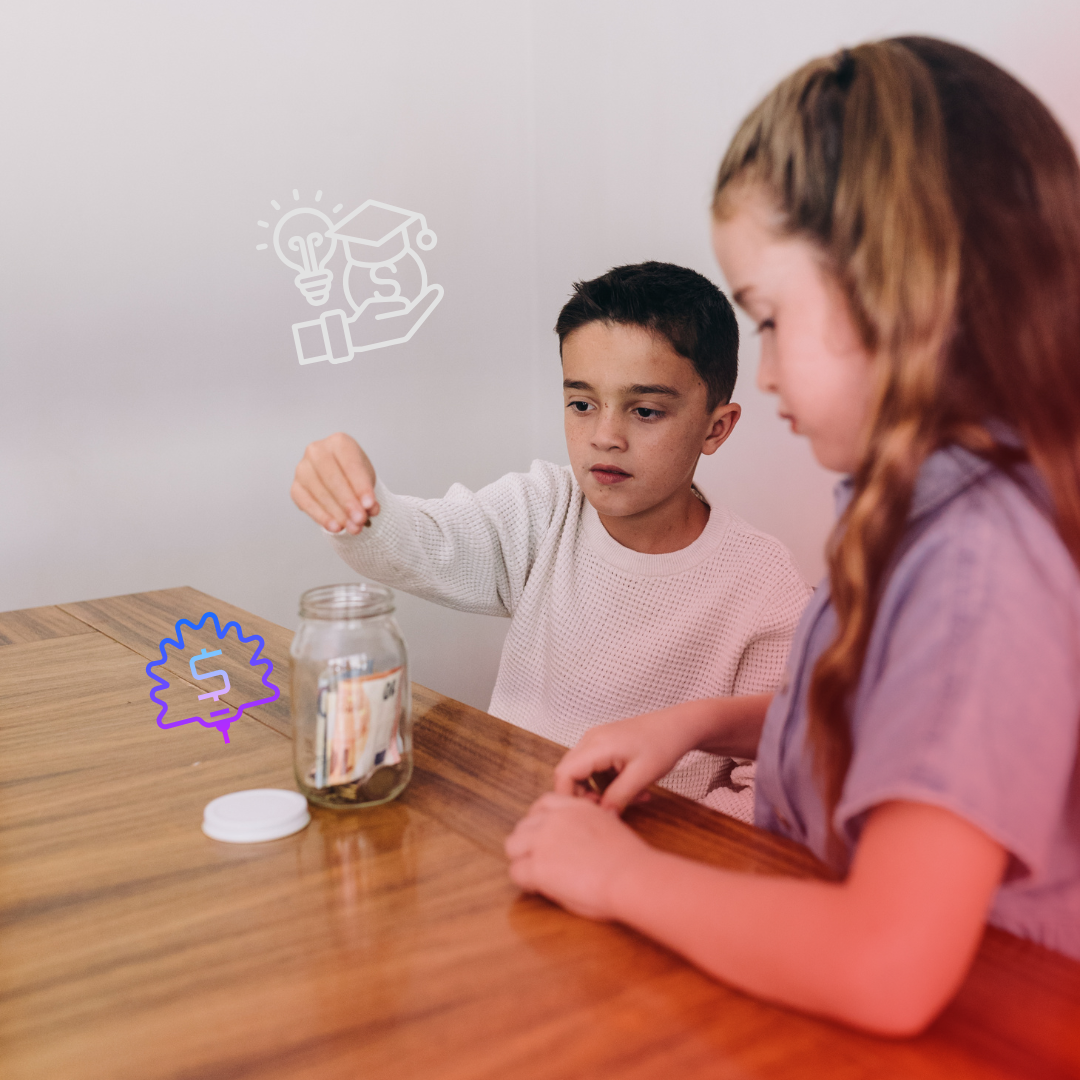
Financial Literacy with Canadian Money

Financial literacy is a cornerstone of any good education, teaching students how to manage money, budget, and make informed financial decisions. Many families who choose to homeschool do so because they are interested in teaching concepts like Financial Literacy that aren’t well covered in schools. However, many American curricula focus exclusively on U.S. dollars, tax systems, and financial norms that don’t translate directly to Canadian realities. Canadian learners benefit from materials that:

  • Use Canadian dollars, coins, and banknotes for practical exercises.
  • Reflect Canadian tax structures, including GST and provincial taxes.
  • Incorporate Canadian banking systems, such as Registered Education Savings Plans (RESPs) and Tax-Free Savings Accounts (TFSAs).

A financial education rooted in Canadian contexts equips students with skills they’ll use throughout their lives. Canadian companies like Schoolio have a robust Canadian-focused Financial Literacy program.

Financial Literacy with Canadian Money

The Importance of Canadian Curriculum for History and Geography

American curricula emphasize U.S. history and geography, and also often cover World History, but rarely if ever do they cover Canada’s rich heritage and vast landscapes. For Canadian homeschoolers, it’s vital to:

  • Learn about Canadian history: From Indigenous peoples and their cultures to Confederation, Canadian history shapes our national identity and values.
  • Understand Canadian geography: With its diverse ecosystems and provinces, Canada’s geography is fundamental to understanding environmental stewardship and regional diversity.
  • Celebrate Canadian contributions: Highlighting Canadian achievements in science, art, and global diplomacy fosters national pride.

By focusing on these topics, Canadian curriculum can help students understand their place in the world and their responsibilities as Canadian citizens. For Canadian history resources, check out The Canadian Encyclopedia or look for a Canadian History curriculum, like Schoolio.

Canadian Ideals in Education

While the U.S. and Canada share some cultural similarities, the two nations differ in significant ways. Canadian education often emphasizes:

  • Inclusivity and multiculturalism: Reflecting Canada’s diverse population and commitment to equity.
  • Environmental responsibility: Encouraging sustainability and climate awareness as national priorities.
  • Peacekeeping and diplomacy: Highlighting Canada’s global role as a mediator and advocate for human rights.

Using Canadian curricula helps ensure that these values are woven into the learning experience, shaping students who are informed, empathetic, and engaged citizens.

Supporting Canadian Businesses

Choosing Canadian-made homeschooling materials not only benefits students but also strengthens the homeschooling community and economy. By supporting Canadian content creators, families:

  • Encourage the growth of local educational resources.
  • Ensure the availability of high-quality, culturally relevant materials for future generations.
  • Contribute to the success of small businesses and entrepreneurs dedicated to Canadian education.

Investing in Canadian businesses creates a positive cycle, fostering innovation and collaboration within the homeschool community.

Canadian Curriculum: A Balanced Approach

This isn’t to say that Canadian homeschoolers should completely avoid American resources. In some cases, supplemental materials from the U.S. can provide valuable insights or enhance a subject. Many Canadian homeschoolers also want to teach their children some American history and geography for relevance. However, the core curriculum should reflect Canada’s unique educational and cultural priorities. By carefully selecting Canadian materials, parents can provide a more relevant and enriching learning experience for their children.

Final Thoughts

Canadian homeschoolers have a wealth of resources at their disposal, and prioritizing Canadian curriculum is an investment in their children’s education and the nation’s future. From metric measurements to Canadian values, these materials ensure learners are prepared for life in Canada while fostering a sense of pride and connection to their home country. By supporting Canadian content creators, homeschoolers help build a robust, vibrant educational landscape that benefits all families across the country.

? Give Your Child a Truly Canadian Education! ?

Don’t settle for an American curriculum that doesn’t align with Canada’s unique history, values, and academic standards. Choose Schoolio’s Canadian curriculum and ensure your homeschooler learns:
✅ Metric measurements used in Canada and worldwide
✅ Financial literacy with Canadian dollars, banking, and taxes
✅ Canadian history, geography, and cultural contributions
✅ The values of inclusivity, sustainability, and diplomacy

? Equip your child with the right tools for success in Canada. Browse our Canadian curriculum today!

?➡ Explore Schoolio’s Canadian Curriculum Now!

The Importance of Choosing a Canadian Math Curriculum for Homeschooling

The Importance of Choosing a Canadian Math Curriculum for Homeschooling

The Importance of Choosing a Canadian Math Curriculum for Homeschooling

Canadian parents often find themselves faced with a crucial decision when it comes to selecting an appropriate educational path for their children. While the allure of American homeschool curriculums is undeniable, there exists a compelling case for embracing a Canadian approach to education. Let’s explore the importance of choosing a Canadian math curriculum for homeschooling.

Cultural Relevance Matters with Math:

Homeschooling goes beyond academics; it’s about instilling values, cultural awareness, and a sense of identity. When children are educated using a curriculum that reflects their own country’s values and context. They are more likely to develop a deep understanding of their roots. A Canadian math curriculum ensures that mathematical concepts are presented in a manner that resonates with the unique cultural nuances of Canada.

Differences in Canadian Math Curriculum:

Temperature Measurements: Celsius vs. Fahrenheit – A Canadian Perspective:

The choice of a Canadian math curriculum extends beyond numerical concepts into the practicalities of daily life. Canada, being a country that predominantly uses the Celsius scale for temperature measurement, underscores the importance of integrating this system into the educational fabric. By opting for a Canadian math program. Homeschooled children not only grasp mathematical concepts but also gain an intuitive understanding of temperature in degrees Celsius, aligning with the norms of their home country. This ensures that Canadian students can interpret and relate to weather forecasts, daily temperatures, and climate discussions in a way that reflects the reality of their environment.

Schoolio Family Plan

Weight Measurements: Kilograms in Canada vs. Pounds in the US – Bridging the Gap:

In the pursuit of a comprehensive Canadian homeschool curriculum, the distinction in weight measurements cannot be overlooked. Canada predominantly uses the metric system, with kilograms as the standard unit of measurement. A Canadian math program, such as the one offered by Schoolio, incorporates this metric system seamlessly. By doing so, students not only become proficient in mathematical computations but also develop an innate understanding of weight in kilograms. This ensures that the weight-related concepts children encounter in their daily lives. From grocery shopping to scientific experiments, align with the Canadian measurement system.

Distance Measurements: Kilometres in Canada vs. Miles in the US – Navigating Canadian Spaces:

Another critical aspect that sets Canadian math curriculum apart is the inclusion of the metric system for distance measurements. Canada uses kilometres as its standard unit, a departure from the miles commonly used in the United States. The Schoolio learning platform recognizes this difference and incorporates it into its educational materials for kids. By learning distance in kilometres, Canadian homeschooled children not only acquire essential math skills but also develop a practical understanding of the distances they encounter in their daily lives. Making their education more relevant to the Canadian landscape and ensuring they navigate their surroundings with precision and accuracy.

Financial Literacy for Kids: A Crucial Aspect of Canadian Math:

Canadian homeschooled children need more than just mathematical proficiency; they need a solid foundation in financial literacy tailored to the Canadian economic landscape and currency. Schoolio’s curriculum integrates financial education seamlessly. Providing a holistic approach to math that prepares children for the financial realities they will face in their own country.

Schoolio e-books

Math Homeschool Resources Designed for Canadian Minds:

The Schoolio math homeschool resources are crafted to align with Canadian educational standards. From foundational arithmetic to advanced algebra, these resources guide students through a curriculum. This curriculum is not only challenging but also imbued with Canadian examples and applications. This approach fosters a deeper understanding of mathematical concepts within the context of Canadian culture.

Schoolio Learning Platform: A Canadian Educational Beacon:

One of the standout options for Canadian homeschooling families is the Schoolio learning platform. Which provides full grade curriculum for American and Canadian learners. This platform not only provides educational materials for kids but also offers a comprehensive Canadian homeschool curriculum. By choosing Schoolio, parents can be confident that their children are receiving an education tailored to the Canadian context. Ensuring a more meaningful and relevant learning experience. Recognizing the importance of preparing children for the digital age, Schoolio incorporates coding lessons into its Canadian homeschool curriculum. Ensuring that children are equipped to thrive in a rapidly evolving global landscape.

Looking for budget-friendly education options? Click here

The Schoolio Family Plan: Uniting Canadian Homeschooling Families:

Schoolio understands the importance of community and support in the homeschooling journey. The Schoolio Family Plan not only provides access to a robust Canadian home education curriculum. But also fosters a sense of belonging by connecting families across the nation. This collaborative approach enhances the homeschooling experience for both parents and students.

Choosing a Canadian math curriculum is not just a matter of academic preference; it’s a decision that shapes a child’s cultural identity. While prepareing them for the economic landscape, and equips them with skills relevant to their own country. Schoolio, with its emphasis on a Canadian homeschool curriculum, emerges as a beacon of educational excellence. Offering a holistic and culturally relevant learning experience for Canadian homeschooled children.

Click to learn about why Canadian learning resources are so important.

Schoolio Learning Resources

Why Parents Are Turning To Homeschooling

Why Parents Are Turning to Homeschooling

The other day, I was at a dentist’s appointment with my kids. While we were there, the secretary asked my daughter if she enjoyed the morning off school to be at the dentist. My daughter responded with a “no” because she despises dentist’s appointments. I followed up the question with, “We will be doing school when we are home as we homeschool.” She looked at me with disbelief and said, “You homeschool? How could your children be socialized then? With online learning, children were struggling with isolation and lack of socialization.” I then went into a long explanation about how homeschooling is far from isolation learning. She still looked confused, as many people do when they wonder why parents are turning to homeschooling as their education choice. 

Here’s why parents are turning to homeschooling:

After two years of the pandemic and homeschooling becoming a norm in education, I shouldn’t still have to give explanations to strangers about my children’s social lives. Yet, that remains one of the most common questions I receive. The world needs to subscribe to the Schoolio Blog and read blogs like Socialization and Homeschooling. One thing that might interest you about homeschooling is that socialization is one of the main reasons why parents are turning to homeschooling as their preferred education method.

Homeschooling improves children’s social skills and interactions.

One of the most important reasons why parents are turning to homeschooling is because of healthy socialization. When homeschooled, children have much less exposure to peer pressure and bullying. Homeschooled children are also able to have more customized social interactions. Additionally, most children in the public school system spend hours in classrooms listening to teachers. In comparison, homeschooled children have many more opportunities for learning activities outside of the home.

A flexible homeschooling curriculum means homeschool families have more opportunities to participate in fun activities. Some of which include: museum trips, park playdates, community service activities, art classes, and track and field days.

Using a flexible homeschool curriculum and making homeschooling a lifestyle significantly improves emotional and psychological development in children. While also strengthening family connections and connections with other homeschooled children.

Homeschooling means having access to higher quality education.

Many parents believe that the quality of education is not what it once was. With a decline in the education budget, increased student enrolment, large class sizes, burnt-out teachers, and other factors. Parents feel that homeschooling gives them more control over their children’s learning. In 2015, long before the pandemic and the devastating effects on children’s education, a Career and College Readiness Survey showed shocking results. These results indicated that less than half of high school students feel academically ready for college.

Interrupted education, overcrowded classrooms, and fewer resources have made it extremely difficult for teachers to provide one-on-one instruction to students. When homeschooling, parents can use a curriculum that follows learning standards while also offering personalized education to their child, which is so often missing in today’s learning venues.

Homeschooling can support a child with diverse learning needs.

Unfortunately, children with learning disabilities or even physical disabilities have difficulty thriving in a traditional learning environment. Many schools don’t have adequate resources and time available to support children with diverse learning needs. Additionally, formal education is a one size fits all model when we all know that one size fits nobody. Having a customizable curriculum and a flexible learning environment is essential for children with diverse learning needs.

Homeschooling means educational stability.

Even before the pandemic began, there were teacher strikes, bad weather and many other reasons students were forced to miss class. Homeschooling means educational stability for many students as they have that flexible learning solution and learning lifestyle that keeps them learning even when schools are not in. Many homeschooling parents (who were homeschooling before the pandemic) were thankful that they had chosen that educational path for their children, as homeschooling offered much-needed stability to their days.

Homeschooling means better educational results.

It might shock you that homeschooled children often score better on federal standardized tests than their public school peers. Brian Ray of the National Home Education Research Institute showed that homeschooled children often achieve much higher results. Regardless of parents’ income or teaching experience.

Homeschooling offers student-athletes and musicians a flexible education option.

Many student-athletes have intense travel and practice schedules. Additionally, many students who participate in fine arts, theatre, or music need time to rehearse and perform. These students need a flexible education option that will work around their busy schedules.

Homeschooling offers a learning environment that children enjoy.

Unfortunately, many public school children feel stressed over the volume of homework and the lack of instruction. Many children don’t thrive in environments that are high stress, where they are required to memorize and keep up with their peers around them. This popular model of education doesn’t cater to the majority of students. Learning should be fun and engaging, not blank and stressful. Homeschooled parents report that they have much more time during their day to incorporate fun activities and hands-on lessons that encourage learning.

Should you homeschool?

Even though many think homeschooling is a terrible option, as the secretary at the dentist did, the reality is that homeschooling can be an excellent option for many families. But is it the right choice for your family? Ask yourself these questions:

  • Does my family need more flexibility?
  • Do I want to give my children and myself the freedom to choose?
  • Would I like to be more involved in my child’s education?
  • Is my child struggling academically?
  • Does my child need more positive social experiences?
  • Are there affordable homeschool curriculums available?
  • Does my work schedule permit this choice for my family?

If you answered yes to more than two of these questions, then homeschooling might be an excellent option for your family. Remember, there are many families and experts available to help guide you through the process of homeschooling, like the caring staff at Schoolio Learning, that wants you to excel on your homeschooling journey. If homeschooling seems like the best option for your family, but you aren’t sure where to start – please reach out to us, and we can help set you and your family up for success.

Can you travel and homeschooling? Check this out.

Check out our one-of-a-kind homeschooling curriculum.  

Why You Should Teach Your Child About Honeybees

Did you know that honeybees are responsible for almost one in every three bites of food that you eat? Honeybees also play an essential role in every aspect of the ecosystem. By supporting the growth of flowers, trees, and many other plants, these then serve as food and shelter for all creatures. Are you wondering why you should teach your child about honeybees? Let’s take a look.

There are many reasons.

There are so many reasons why you should teach your child about honeybees; to narrow it down, here are the three most important reasons.

Learning about honeybees helps our children maintain a healthy respect for buzzing creatures.

It’s very typical for children to have a bit of fear related to bees, especially if they have been stung by a wasp, bumblebee or some other buzzing creature. Fear of bees has caused many misunderstandings from previous generations about their importance. That can all change, and fears can disappear when we educate this generation about what honeybees are like and how important they are to all of us. Honeybees are so much more than tiny, stinging insects, and when we educate our children, they can start to see them for what they are.

Honeybees are essential to human life and health.

You could help your child understand that honeybees are essential to human life and the environment. They work as pollinators and producers of almost every plant that you see. When honeybees thrive, crops thrive, the environment thrives, and we thrive, which is why it’s so important to teach our children that.

The future belongs to our children.

And that future needs honeybees in it to be a promising future. As our children get older, it will be up to them to help shape the world around them. That’s why teaching them to care for, and respect honeybees is so essential, as these honeybees are so crucial for plant life on Earth.

Now, you know why you should teach your child about honeybees, but how can you do it?

1. Create a honeybee garden in your yard.

The honeybees will be extremely grateful to have a garden full of plants to help them thrive. Planning and creating a garden will be fun and informative for your child. Are you curious about what types of plants the honeybees will enjoy the most? Check out this list!

2. Set up a visit with a beekeeper.

Many beekeepers are more than happy to give you a tour and share their knowledge of honeybees. Look up local beekeepers and find out if they do visits. Then enjoy an afternoon learning about honeybees!

3. Go outside!

Taking a walk in nature is an excellent way to get familiar with wildlife and honeybees at the same time.

4. Check out the Schoolio Science unit all about Bees & Honey!

Education really is the best tool for helping our children learn about the importance of honeybees. This is why the Schoolio Science: Bees & Honey Special Interest unit is a must-have.

What’s in the Schoolio Science: All About Honeybees Special Interest Unit?

This unique special interest unit is all the buzz for families aiming to teach their children about the importance of honeybees. Each lesson of this special interest unit is packed with fun and helpful information to bring a bounty of knowledge to your child.

Your child will learn all about Pollination and Pollinators while doing a fun ‘I Spy Pollinators’ game following the lesson. Then they can dive right into the importance of bees in lesson 2, and have fun working on the “What Do Bees Do?“, activity. They then can work on some fun experiments like the pollination experiment where they can use bee, butterfly and flower templates to experiment.

Additionally, your child will have the opportunity to learn important lessons and activities like “Life in the Hive: Who’s Why?”, “Life Cycle of a Honeybee”, “How Do Bees Make Honey?”, and more.

We are pleased to be able to offer such a unique learning unit to help your child learn all about the importance of honeybees for a super affordable price.

Science: All About Honeybees – Special Interest Unit

Pick up your copy of this unit today!


The Burnout Remedy For Parents

Burnout isn’t exclusive to office workers. It’s widespread among parents too. While not as talked about, parents are struggling now more than ever before, which is something that we need to talk about. Unfortunately, many parents (with dads being at the top of that list) don’t seek the help they need when they’re feeling burnt out. Instead, they dismiss their feelings and continue trying to get through it independently. Which has us wondering, what is the burnout remedy for parents?

The burnout remedy for parents that we all need.

Dr. Ben and Dr. Ashley from The Burnout Blueprint have 14 years of combined experience helping parents with burnout. Their vast focus is on quality of life; how do you feel? How are you sleeping? They always found that burnout was gradual; it didn’t happen quickly. However, they have seen burnout in parents become much more prevalent over the past five years and now much worse since the pandemic.

Homeschooling parents are lacking that community which might be aiding in that burnout.

Lindsey Casselman, a co-founder of Schoolio, shares that since the beginning of the pandemic, she has seen a rise in homeschooling parents feeling immensely stressed. She believes that it is due to the lack of community that homeschooling parents are dealing with now. Before the pandemic, parents had access to homeschooling communities and a way to get a break. Now they are essentially cut off while trying to manage their mental health.

Zoey, CEO of Daddy’s Digest, shared that she once was a teacher and yet found it very difficult to try to homeschool her child during the pandemic and believes that parents are feeling very guilty for what their children are facing right now.

Immediately overnight our homes became our workplace.

Dr. Ben shared that immediately overnight, your home became your workplace. We often focus on burnout in the workplace, but we don’t usually look at the home environment, the working from home, and the homeschooling environment. To get well again, we must identify where on the burnout spectrum you are. Are you just starting to feel burnt out? Or are you deep in it? Recognizing this is the first step in the burnout blueprint to get the burnout remedy in full motion.

Pillars of good health are hugely important.

Good food, good sleep, exercise, and surprisingly doing less. These are all very important for parents to emphasize. Are you finding that you are working more and more hours but getting less and less done? Then it’s time to understand that your might be dealing with burnout, and it’s time to get help!

Learn more about The Burnout Blueprint by Daddy’s Digest on the Schoolio Live Q & A, Episode 4.

Click here to watch Episode 4! 

Looking for more helpful homeschooling and parental resources? We’ve got you covered! Be sure to subscribe to our blog so you never miss a helpful blog! 

Subscribe to The Schoolio Blog.

Spring Break On A Budget

It’s almost spring break, a much-needed break for traditional and homeschooling teachers. Along with conventional students and homeschooling students. Many of us dream of heading to a tropical destination to bask in the warm sun while sipping Pina Coladas and listening to the sound of the ocean waves. While a tropical vacation may remain a dream, for now, spring break on a budget can still be fun.

Fun ideas for spring break on a budget.

Visit museums.

Did you know that during spring break/March break, many museums offer discounted or even free activities to help keep kids learning and entertained? While you may have to pay an admission fee to enter the museum, the fun activities are well worth it. Not to mention, when the activities are complete, you can explore the museum with your child. To prepare, you can look up museums in your city or a city near you. Then check into the activities that they have planned for spring break! Super affordable and straightforward.

Have a scavenger hunt.

The weather is warming up, so get outside for a fun scavenger hunt! Don’t worry; you don’t even need to plan anything out. Print off this Fun Scavenger Hunt by CBC Kids, grab some pencils, bundle up, and head outside! Once you’ve completed the scavenger hunt, you can stop at the local coffee shop for some nice hot chocolate to warm up.

Go tobogganing.

If you live in a colder climate, you probably still have some snow at this time of the year. This is perfect for outdoor fun and will tire your kids out while giving them fun memories to cherish forever. And if you actively participate in tobogganing, the cardio from going up the hill will also benefit you!

Make some fun crafts!

Most kids get joy from creating and crafting. There’s something so fun about having supplies and a billion ideas about what you will do with them. Letting your kids freestyle when it comes to crafting can be fun. However, having a plan for crafting time can also be very beneficial. Don’t worry; finding crafts to do is as simple as popping on Pinterest and typing in ‘easy crafts.’ Remember to hit the local craft store to get some essential crafting supplies.

Crafting supplies, you need to keep in your home for spring break on a budget:

  • Coffee filters
  • Paper plates
  • Paper cups
  • Popsicle/wooden craft sticks
  • Toilet paper rolls/paper towel rolls
  • Styrofoam balls
  • Buttons
  • PomPoms
  • Beads
  • String
  • Pipe cleaners
  • Feathers
  • Rocks
  • Yarn
  • Tape
  • Glue
  • Markers
  • Card stock
  • Construction paper
  • Magnets
  • Google eyes
  • Washable paint
  • Paintbrushes
  • Tissue boxes
  • Egg cartons
  • Clothespins

Check out a Maple Sugar Bush.

If the weather cooperates, a sugar bush near you is likely in full operation. Many sugar bushes offer tours during Spring break. This will allow your family to take a guided tour to learn about the unique process of making maple syrup. Most sugar bushes offer free parking and admission, so research the best one to visit for your family.

Go for a free swim at a local pool.

Many local community pools offer free swims during spring break. That means that you can take your kids for some fun splashing activities for free. Find out if your local community centre is hosting a free swim.

Attend a free ice skating event.

Many communities offer free ice skating events during spring break also. Some community centres have ice skating rentals, so if you don’t have a pair, check in first!

Head to the library.

Libraries are great places to visit at any time of the year, especially during spring break. Most libraries offer free activities, crafts, reading sessions, and more. Check into your local library’s schedule and see when these activities occur. And make sure to pick up some fascinating reading material for your learners while you’re there.

Have a make-your-own pizza night and taco night.

On two different evenings, you can have two separate celebrations! One night could be make-your-own pizza night and the other make-your-own taco night! Get your kids to prepare the toppings for your pizza and taco nights. Then let them choose what they’d like to put on theirs! Make it even more fun by using a map to look up countries where Pizza and Tacos are popular options. And learn some fascinating facts about these places while you enjoy your meal.

Let your kids write and perform a play.

Tell your kids that they can create a one-of-a-kind performance. Their timeline: At the beginning of the week, they can start dreaming up their plans, working together to make them great, and coming up with a script and costumes. By the end of the week: it’s showtime! Have a cherished family member or two and friends attend. Make sure to record their play for future memory purposes.

Have an indoor pool party.

I promise this isn’t as scary as it sounds. This can work if you have an inflatable or small kid pool. Head to your local dollar store and buy some plastic paint sheets, then spread those down all over the floor and place the pool and an inflatable pool toy you might have. Play some tropical music and vacation snacks. Spend the day lounging by the pool. This would work even better if you have an unfinished basement. Use the bathtub if you don’t have an inflatable or kid pool!

Bake some treats.

Baking together is an excellent way to find entertainment, learn, and share something yummy. Bake some banana bread, muffins, cookies or bread! And enjoy!

Have a staycation.

Check your family into a local hotel for a one-night staycation if the budget allows. You can utilize the hotel pool, comfy beds, and change of scenery for an affordable price.

Do puzzles and games.

There are so many fun family games and puzzles that you can do over spring break. And some are even available for loan at the local library. Have a family game day with puzzles, popcorn, and games!

Dive into a Special Interest Unit.

Spring break on a budget can be fun with a special interest unit. There are many fun special interest units and novel studies to choose from. Would your child enjoy learning about Bees and Honey? How about Earth Day, Pirates, Spring Activities, or an Evidence Investigation? These and many more Special Interest Units are available on The Schoolio Marketplace!


Explain the War in Ukraine to Your Child.

Over the past two years, children have struggled to understand the COVID-19 virus, shutdowns, school closures, and why they couldn’t see friends and families or do sports and everyday activities they love. Many parents became exhausted by trying to help their children feel normal while explaining the pandemic to their children. Now that the pandemic has begun to slow down, we are met with another crisis—the war in Ukraine. For many of us, this humanitarian crisis is in another continent. However, social media, the news, and the internet can make it feel very close to home. Which has likely caused you to question how to explain the war in Ukraine to your child?

What’s the best way to explain the war in Ukraine to your child?

Even though we’d all like to assume our kids are oblivious to what is happening, they aren’t. Many children are well aware of the Ukraine conflict, which is causing a significant amount of anxiety for many children. Many children have big feelings and questions about what is happening. So, how can you explain the war in Ukraine to your child without causing more anxiety or dismissing it like it’s nothing?

Don’t dismiss their feelings.

Many parents today watched the events of September 11 on the T.V. Trauma has stuck with us. To avoid the anxiety that comes with it, we often dismiss our feelings about such things and tell ourselves, “this isn’t happening here, so it’s fine.” While we may be quick to ignore our emotions, we must be careful not to do the same to our children. You should give your child the time and space to express their feelings. You must acknowledge their feelings and let them know that it’s ok to feel that way.

It’s normal to feel angry, worried, sad, and frustrated. Allowing your child the time and space to explain their feelings is beneficial. And also, your child needs to know that you have feelings about what is happening too. Please know that feeling sad, frustrated and mad about the events is healthy. When you acknowledge your feelings, your child will easily accept theirs. Suggest writing or creating art if your child struggles to explain their feelings.

Let them ask tough questions.

Your child has big feelings, thoughts and questions. They are individuals growing up in a challenging time. Your child needs to know that their concerns, ideas and questions are taken seriously. When your child brings a problem or question to you, it’s important to approach their questions sensitively and honestly. We all assume we must sugarcoat everything for our kids, avoiding topics and discussions about such events.

Many parents don’t realize that allowing their children to ask questions, have these sensitive conversations, and answer their questions honestly and to the best of their knowledge is essential. If you’re struggling to understand something or do not have the answers, you should explain to your child that this is a highly complex situation that not everyone understands. But many are working tirelessly to find solutions and end this war.

Utilize a map or globe when you explain the war in Ukraine to your child.

When explaining the war in Ukraine, take time to help your child understand the geography of the situation. Show your child where you are on the map, then Ukraine and Russia. Take the time to explain and emphasize the countries worldwide that are helping. While also showing them the countries that are not supporting Russia and are actively working to help end this crisis.

Help your child fact-check media.

This is especially important for older children who may have access to social media. It can be tough to figure out what is real and not regarding social media. Anyone could post something, and others can accept it as fact. Remind your child to check sources, and rely on safe domains and trusted people on social media.

Here’s a helpful resource to help your child fact-check.

Common Sense Education – Help Your Students Fact-Check the Web Like Professionals

Teach your children to look for helpers.

In the famous words of Mr. Rogers, “When I was a boy, and I would see scary things in the news, my mother would say to me, ‘look for the helpers. You will always find people who are helping.” While the war in Ukraine is filled with terrible things, we can help our children focus on helpers. Like those at the borders of Ukraine assisting refugees by providing them with food, shelter and clothes. There are always people willing to help.

For older children, help them learn the facts.

Some very reliable resources are available to help our older learners understand what is happening in the world right now. You can help your children learn about what is happening and why, along with reliable, updated information on the current situation.

Check out CBC Kids News for more information.

Don’t be afraid to ask for help.

If your child is struggling to understand, don’t be afraid to ask for help from professionals trained to listen, understand and help your child process their thoughts and feelings better. Additionally, you can utilize the Thoughts and Feelings: Learning how to Manage How I Think and Feel Special Interest Unit to help your child navigate the big feelings they are feeling. Remember that we are all navigating this crisis together; it’s difficult to explain something that we may not fully understand, so remember to be patient with yourself.

Together we can help children in Ukraine.

Explain the war in Ukraine to your child

For March, we donate a portion of all sales to the Save the Children Ukraine Crisis Fund.

Important Lessons Learned From Helping Around the House

Guest Blog: Important Lessons Learned From Helping Around the House by Rebecca Miller

Learning is happening all around us, all the time. Even when we are not following a curriculum, or sitting at a desk with a workbook, educational opportunities arise every day. One of the most common areas that children learn through experience is in the area of housework. There are many important lessons learned from helping around the house. When children are allowed and encouraged to help out around the house (ie. Cooking, laundry, sweeping floors) they learn many skills that they will take into adulthood.

Life Skills

The most obvious thing children learn from helping keep a home tidy and clean is “life skills.” Life Skills are those skills that they will use to be successful adults. Learning to wash dishes, mop floors and make meals earlier in life is vitally important. Young adults who are not required to participate in household chores as children, often find it difficult to transition into adulthood. They are not equipped to take on the responsibility of their own household, because it was something they were just never taught. In order to give our kids an advantage when going out into the world, we need to allow them to build those essential skills as they grow up.

Responsibility and Accountability

Children who regularly do chores or housework, learn early on what it means to be responsible. They learn that it is their responsibility to pick up after themselves. They also learn that being part of a family means you each have a role to play and support each other to have a comfortable living space. If your children complain about having to wash dishes, consider having a discussion with them about how being a family unit means everyone is responsible for pitching in. 

Teamwork

There will be many times in our children’s lives when they will find themselves having to work in a team. Whether they join a sports team or get a job where they have co-workers. Teamwork is a skill they will need in the future. Sharing in the responsibility of housework as they grow up, helps kids learn to work as a team. 

Fine and Gross Motor Skills

There are several tasks around the house that can help children build and strengthen both fine and gross motor skills. We do these actions so regularly that we often don’t stop to think of them as motor skill activities. Hanging laundry on a clothesline with clothespins is a great fine motor activity. Sweeping the floor promotes bilateral (using both sides of the body) co-ordination. Setting the table and matching socks are both activities that can improve sequencing, memory and problem solving skills.

Organization

Following a recipe, sorting recycling, and putting away groceries are just a few of the household tasks that can help teach our kids organizational skills. As adults, we use our ability to organize every day: at work, at home and out in the world. Many parents don’t realize that encouraging our children to take part in the upkeep of the family home can help them become more organized adults. 

Sometimes we can tend to overlook learning opportunities that don’t look like “school.” But, everyday tasks such as sorting recycling and taking out the trash have so many skills hidden within them that it’s important not to overlook them. Even when it feels like it would be easier and faster to just do the housework ourselves. It can be extremely beneficial for our kids to encourage them to take responsibility for our household as well. And the bonus is, it can lighten the load for parents as well.

Schoolio Guest Blog


Read another guest blog by Rebecca Miller – Click Here – 

Stay Curious With Your Homeschool.

Stay Curious With Your Homeschool – Guest Blog by Tawny Stowe

Every child is different! Isn’t this exactly why I wanted to homeschool? To give time and space to my child so he can learn in his own way? Well, intellectually yes. But then I found myself setting up my home exactly like a school. Trying to do all the ‘school like’ things. My heart was hearing Rudolph Steiner loud and clear. Saying “Why did you bother to read my philosophies if you are going to be so mechanical?” Even so, I just couldn’t let go of this idea of how I thought education should be. Because that is all I have ever known. I wasn’t sure how to stay curious with our homeschool. 

What changed…

Luckily for my son and I, I am a Saggitarius who gets bored with routine with ease. So, we were released from the ‘educational’ prison I had created. Just as soon as the weather turned nice enough to spend the majority of our time outside.

Over the spring and summer months I turned my trust to homestead moms. I leaned into Wildschooling ideas, placing a great importance on learning in our natural environment. At first it was sheer necessity, as a single mom I couldn’t manage our spring gardens with a full day of sit down learning. Very quickly this way of learning opened my eyes to a beautiful truth for my son and I. 

Learning about Charlotte Mason and Rudolph Steiner spoke to my soul.

Truly the ideologies of Charlotte Mason and Rudolph Steiner speak to my soul. I find that the more I learn about them the better able I am to embody them and to model them. This has resulted in an epic growth for me and a much deeper connection to my environment. A true healing of my Metis roots, and a stronger richer bond with my son. 

When exploring homeschooling for the first time, or really at any time. It can be so overwhelming to know what to study, and how to study. To be honest, some days it can be overwhelming to know where to even start. Some people have a natural teacher flow to their life and it comes like second nature. While others, like me, have to nurture their teacher flow a bit more until we can really find it. The true key to success in homeschool, is to stay curious and stay in alignment with your values. 

What are the best questions to ask yourself to stay curious?

Some of the best questions to ask yourself usually start with why you want to homeschool? The answers to these questions will guide you towards what philosophies or even curriculums support your desired outcomes. As I deepen my relationship with my son, I find I have to evaluate my reasons constantly against his growth. Constantly checking in with whether I am doing things for him, or for me. Because the answer to that can drastically shift our educational direction. I am continually learning that I must stay as curious as him. Curious about what excites him, what lights him up, what fuels him, what challenges him, what improves his confidence, nourishes his mind, his body and his soul. I use the seasons to prompt my reflection time. This way I can check in where we are both at, four times a year. 

An unexpected path of motherhood.

This journey to homeschool has come with moments of ease and moments of challenge. But above all it has come with a deeper feeling of presence in motherhood. Along with a stronger bond of love between my son and I. Together we grow, one day at a time. I have found that more times than not, it is him teaching me. I am so grateful that life pushed me down this unexpected path of motherhood and homeschooling. As I find myself becoming a much braver, compassionate, resilient human because of this experience.

Staying open to the process and a having a curious mind are the only two real tools needed in my opinion. The rest is about tuning into one another and celebrating the joy within the journey. 

Schoolio Guest Blog

Click Here to read another blog by Tawny Stowe.

When Your Homeschool Schedule Isn’t Going As Planned.

What do you do when your homeschool schedule isn’t going as planned? 

Autumn is such a fitting season for school to resume. The weather outside matches the excitement that many homeschoolers feel when beginning a new school year. Both the new season and the beginning of a school year are fresh, crisp, and filled with promise. Many excited homeschool parents have their colour coded schedules all ready to go. Some are already diving into their curriculum with their students for the year. Staying on schedule can feel really good, but what do you do when your homeschool schedule isn’t going as planned? 

First of all, it happens.

It happens to all of us. Not just in the category of ‘homeschool’, but in all  categories of life. We all have times that we’ve made elaborate plans, and then plans suddenly changed and those hopes you once had are just a distant alternate reality that didn’t come to fruition. When things don’t go as planned it can become frustrating, overwhelming, and sometimes cause anger.  Because we just want things to work out the way we had originally planned, who doesn’t?

So, what do you do when your homeschool plan falls apart? 

Your amazing colour coded, perfectly planned schedule is now null and void. What now? Do you become aggravated? Because now you have to start over from scratch? Do you try to rewrite the plan? Or do you just throw away the plan and wing it? What’s the best alternative to a broken homeschool plan? 

When a setback occurs for your homeschool or any other area of your life you should always:

  • Check in with yourself.

Clarify what the initial goal was. What were you hoping to accomplish with your homeschool plan? How close did you come to accomplishing this goal? Taking a look at what you were hoping to ‘accomplish’ and how close you came are simple ways to ground yourself in reality and help you not too overreact when things get messy and the plan gets interrupted. Change and scheduling issues are inevitable. Because life is a series of ups and downs, so try not to let this pull you down. 

  • Remember the truth. 

Setbacks and messed up plans are not a reflection of you as a person or a homeschool teacher. Sometimes things just don’t go according to plan, and sometimes they do. Life is a never ending balancing act. It’s really important for you to remember that this isn’t your fault. Sometimes things change, and it’s how we react to the change that matters the most. 

  • Know that you aren’t the only one with the scheduling issue. 

Believe it or not most, if not all, homeschool families experience setbacks and delays when it comes to accomplishing that which they had originally planned. For sure it can be frustrating, but homeschool parents are one-of-a-kind. Strong, brave, and not afraid of a set-back. When things get turned upside down, utilize this opportunity to show your kids that life doesn’t go as planned, and through the set-backs we learn important lessons and test our resilience. 

  • Plan for the unexpected.

When things get off-track, plan for them to get off-track again. Because they will! That’s part of life. Sometimes we can’t control our circumstances, really no one can. There isn’t a single person in this world that has the ability to know when the unexpected will happen. So expect the unexpected, because I guarantee it will happen. 

  • Ditch this false idea that things need to be perfect.

It’s homeschool, not traditional school. It won’t look like ‘real school’, because it’s not supposed to. You probably won’t have school desks, a big chalkboard, and colour coded binders (or maybe you will). You won’t be able to get your kids to sit at their desks in their house for 6 hours. Homeschooling is different, and it is beautiful. You can personalize your schedule, you can decide when is the best time for education to begin and end for the day. It’s not perfect, because it’s not meant to be. 

  • Don’t get stuck in it – move forward.

Things didn’t go as you planned? OK. Let’s move forward. Learn from your mistakes. ‘What happened that threw us off our plan? Did I maybe plan too much?’ Relax your schedule. There are so many circumstances that can occur. Like, the whole family catching the flu, the homeschool curriculum company experiencing printing delays, your child finding a topic they’re really interested in and want to spend more time on. And the list continues. 

Instead of becoming upset and discouraged when your homeschool schedule doesn’t go as planned, focus on the fact that sometimes things fall off track. Move forward. Always, move forward.


Additional Resources for you to check out:

Daily Homeschool Planning Tips

Overcoming Setbacks 

Staying Sane When Things Don’t Go As Planned


Teaching Our Kids About The Election

Teaching Our Kids About The Election – Guest Blog by Meredith Blunt

I’m back! Oh and I am super excited about the resource I have to share today. Have you ever found something as a homeschooler that thrills you to the core? If so share it with us in the comments. I LOVE finding amazing educational materials for the kids and myself. And I’m sure that you do, too. Today’s amazing find is all about teaching our kids about the election! 

It’s Election time! 

Here in Canada we are getting ready for a federal election on September 20th this year. As a result, the candidate signs have hit all the roadsides. And the door-knocking is well under way. Some of us have met with our local MP’s and the news is full of election stories. The reality is, if we’re seeing and hearing this, our kids are too.

Which is why learning about our elections history and Canadian democracy is really so important. And is also a great way to bring politics, civics and history to your homeschool curriculum. You can do this while supplementing brick and mortar education.

Elections Canada has amazing educational resources available for all classrooms and teachers. I apologize that my photos can’t completely capture everything I received! All the resources, information, activities and worksheets are available digitally. Or can be shipped to you in English or French.

Be aware each kit contains materials for up to six students. Which is especially good for learning pods. And truly excellent for sharing with members of your local homeschooling groups, too.

Engaging Activities for Kids.

Elections Canada has worked with like-minded organizations that support democracy education. Doing so to create engaging activities and resources for learners from the primary years right through high school. Their collaborators include the Library of Parliament and Provincial and Territorial electoral agencies.

As well as non-governmental agencies like Encounters with Canada, Forum for Young Canadians, MediaSmarts and the Royal Canadian Geographical Society. They are great quality and ship very quickly. Everything is budget-friendly because it’s all free! FREE! I love free.

For Kindergarten to Grade 3. 

For our primary learners (Kindergarten to Grade 3) there is a wonderful election simulation activity called “Choosing our Mascot”. It includes clear and adaptive instructions for us educators. As well as all materials necessary and five beautiful illustrated posters. All of which were Created by an Indigenous artist for each candidate. Along with their campaign speech and song. 

Teaching our Kids about the Election

For Grade 4 and Up!

I am having a hard time choosing a favourite kit for students in Grade 4 and up. You’ll find these activities labelled as ‘secondary’ level however are adaptable to junior and intermediate students. Especially the mapping ones! First, let me preview those because I love a good map!

The Geography of Elections and Mapping Electoral Districts kits are so cool. All the secondary kits begin with great inquiry questions such as “What is my federal electoral community?” And, “How does it compare to others?”.

Geography of Elections includes two huge maps illustrating Canada’s Federal Electoral Districts and the official results of the 42nd general election. This is important because it helps to strengthen map literacy skills. While gaining understanding of the geographic and human factors that help create our country’s electoral districts.

The activity in Mapping Electoral Districts involves maps to use dry-erase markers. They can do this to name and label a country of your imagining with electoral districts. While considering things like population density, languages spoken and shared histories. Map work is a winner in our home!

Teaching our Kids about the Election

Grab your Election kit today!

The kits explore vital, living resources that will help us guide our children into informed voters. And educated, passionate civilians of an evolving and modern democracy, also. With topics ranging from the history of voting rights and civic action in Canada. To becoming a savvy critical thinkers in the online world. This is a big win as a contemporary and impactful component of your home education.


Teaching our kids about the election

About Meredith Blunt:

Everything has a Season – Even Education

Everything has a season – Guest blog by Tawny Stowe

“Everything has a season” … It’s a cliche, but for me it’s also a permission slip! As a homestead mom and an entrepreneur, certain seasons find me a little over my head! This was my first-year homeschooling. And when I began, I had these grand ideals of how to make school happen in my home the way it does in a classroom.

I failed. Miserably.

First I started off with alarms set, I had specific curriculum planned out every day and books set up on the table. I even had specific days for different topics.  At first, my four-year-old was excited and just as quickly he wasn’t. As soon as it turned into a power struggle for our family, I knew something had to change. But being so new to the homeschooling way of life, I didn’t know what!

And then… It happened.

As they say when the student is ready the teacher appears. So as I sat in on a webinar for my business that happened to be led by a homeschooling and homestead mamma of three. In her teaching she fully admitted that as gardening season approaches, her and the kids are done with formal learning for the remainder of the school year. When the demands of the garden increased, all learning revolved around growing food!


This was inspiring!

Suddenly, I felt as if the Spring Season was an open permission slip to let the rigidity and routine of learning go. We could slide into a more “unschooled approach” to education.

Then what took place blew my mind!

The power struggles that my family was facing, vanished. It seems getting a five-year-old to put on rain boots and splash in puddles requires zero effort! We went hunting for bugs, exploring wetlands for migrating birds, and spent time talking about the fertility of the Earth as it unravelled before our very eyes. Then we talked about seeds, and land stewardship (okay he’s five we called it tending to our food and forests). We collected garbage, we kayaked and we explored medicines and wild foods as they presented themselves. As I was walking around from morning to night working in the gardens, wheelbarrowing dirt, starting seeds and transplanting seedlings, and raising baby chicks, my son was with me every step of the way.

Another change in our Homeschooling Journey.

So here we are, now watching this season that started as Spring. Moved into summer and is quickly bringing us to fall.  I am pausing to reflect on what I am harvesting from the seeds I planted and tended all summer. Both in my garden and in my son’s learning environment.

My son has outgrown his shyness. He thrived in the natural world talking to plants, trees, rocks, and animals. We spent a summer taking our winter learning of Anishinaabemowin (Ojibwe Language) and applying it to our outdoor classroom. We read books, we studied field guides. We had countless campfires helping us heal our Metis roots. Doing so by keeping us feeling connected to the Natural Landscape and all of her beings.

A new cycle is here.

In our way of living, we approach harvest as a time of ending, of clearing and even death. We view death as a necessary part of life because through the completion of one cycle a new one can emerge. Our cycle of complete unschooling is coming towards an end. I sense in both of us a desire to return to the blessed moments of connection we had when we spent half days with some structured learning.

Approaching learning through the seasons gives me permission to bring change (or cycles) into our school approach. And as I round up my first full year of homeschooling, I feel blessed. Blessed to have found a way to weave the healing of my Metis roots with my love of nature’s seasons. This all comes with a desire to help raise a child connected to the land through home learning.

Author Spotlight - Tawny Stowe

About the author: Tawny Stowe is a Metis business owner who works on the traditional lands of the Anishnabeg and Haudenosaunee peoples now known as Arden, Ontario, Canada.

Tawny is a steward of land and resources which allows her to embody her role as the Woodland Priestess helping parents return home to themselves and their children through a (re)connection to the Earth. She teaches a remembering of the Mind-Body-Soul through the sharing of children’s stories, song, food, creativity activities, gardening, spirituality + yoga practices, and nature exploration.

Click here to learn more about Tawny