Yes. There are many free homeschooling resources available in Ontario, including online courses, public library programs, and community group activities.
In Ontario, homeschooling families have access to a variety of free educational options and resources. Those are supporting their children’s learning outside of traditional school settings. Public libraries throughout the province offer extensive collections of educational materials. Those are including books, e-books, audiobooks, and online databases, all accessible at no cost. These resources cater to diverse subjects and interests, providing essential support for homeschooling curricula. Educational websites and apps, such as PBS LearningMedia and National Geographic Kids offer free educational videos, games, and activities. They enrich homeschooling experiences across different academic disciplines. Local community centres, museums, and cultural institutions also contribute by offering free or discounted educational programs and workshops. These are allowing homeschooling families to engage in hands-on learning experiences outside the home.
There are online educational platforms that offer free trials, click here to learn more about Schoolio’s FREE two-week trial! Schoolio provides families with a low cost educational platform for all your homeschooling needs.
While homeschooling itself is not financially supported by the government in Ontario, these free or low cost resources empower families to provide quality education to their children effectively and economically, ensuring an enriching homeschooling experience.
TL;DR – Quick Answer: Explore Free Homeschooling Options in Alberta provides essential benefits for homeschooling families by offering flexibility, community, and expert-led resources. Our 10,000+ strong Schoolio community proves that personalized learning is the future of education.
Explore Free Homeschooling Options in Alberta
Yes. There are many free homeschooling options available in Alberta, including online courses, public library programs, and community group activities.
In Alberta, homeschooling families have access to a variety of free educational options and resources that support their children’s learning outside of traditional school settings. Public libraries throughout the province offer extensive collections of educational materials, including books, e-books, audiobooks, and online databases, all accessible at no cost. These resources cater to diverse subjects and interests, providing essential support for homeschooling curricula. Educational websites and apps, such as PBS LearningMedia, National Geographic Kids, and BBC Bitesize, offer free educational videos, games, and activities that enrich homeschooling experiences across different academic disciplines. Local community centres, museums, and cultural institutions also contribute by offering free or discounted educational programs and workshops, allowing homeschooling families to engage in hands-on learning experiences outside the home.
Additionally, your supervising school authorities in Alberta may provide free academic materials to homeschooling families enrolled in their home education programs. These materials can include textbooks, workbooks, online resources, and other educational tools that align with the provincial curriculum.
There are also online educational platforms that offer free trials, click here to learn more about Schoolio’s FREE two-week trial! Schoolio provides families with a low cost educational platform for all your homeschooling needs.
These free or low cost resources empower families to provide quality education to their children effectively and economically, ensuring an enriching homeschooling experience.
For further reading on evidence-based educational strategies, explore the research provided by the Child Mind Institute.
Is Unschooling Legal in Ontario? What You Need to Know
Yes, unschooling is legal in Ontario. Parents choosing this approach must inform their local school board of their intent to homeschool. Unschooling is a recognized and lawful method of homeschooling in Ontario. It’s giving families the freedom to customize their children’s education according to their needs and interests.
Now that you can rest assured that you aren’t breaking any laws let me tell you what unschooling is all about!
Unschooling empowers children to take charge of their education, learning through self-directed exploration driven by their interests and natural curiosity, instead of adhering to a rigid curriculum like traditional schools. This approach offers significant benefits for both children and families who embrace it. At its core, unschooling champions child-led learning, encouraging kids to autonomously pursue their passions. This method fosters intrinsic motivation and a genuine love for learning as children dive deeply into subjects that truly captivate them. The flexibility of unschooling allows learning to happen naturally. It also helps adapting to each child’s unique learning style and accommodating various schedules and environments. By customizing education to align with each child’s strengths and interests, unschooling delivers a highly personalized educational experience that often surpasses traditional methods. Schoolio recognizes that the most effective learning happens when students are deeply engaged with topics they love. This is why we’ve created interest-based electives designed to spark your child’s passion for learning! Click here to check out Schoolio’s interest-based electives.
Schoolio Summer Series Week 6: Captain’s Crew Camp – Set Sail for Adventure!
Welcome to Week 6 of the Schoolio Summer Series! If you haven’t joined us yet, don’t worry—each week is packed with its own unique adventure, so you can start anytime. The Schoolio Summer Series is all about keeping kids curious, engaged, and learning throughout the summer!
Every week, we bring a fresh theme filled with fun resources, a day-by-day schedule, and exciting activities. On Fridays, we share the plan for the upcoming week, complete with lessons, crafts, and more, all organized in an easy-to-follow format. This gives you the weekend to prepare any materials you need. We’re excited to help you create a memorable and educational summer. Let’s set sail into Week 6 of the Schoolio Summer Series: Captain’s Crew Camp! ?☠️
Discover the Peculiar World of Pirates: A Schoolio Summer Camp Adventure
Join us for an thrilling and educational Summer Camp experience where you’ll explore the fascinating world of pirates! Schoolio Summer Series: Captain’s Crew Camp is perfect for curious minds and history enthusiasts of all ages. Dive into a week-long adventure exploring the fascinating world of pirates. Experience buccaneer history through engaging Schoolio curriculum, hands-on activities, and exciting outdoor fun.
Ideal for aspiring historians and those who love uncovering the past, this camp offers a unique chance to learn about pirates while enjoying the great outdoors. Get ready for an unforgettable summer filled with discovery and adventure!
Associated Curricular Activity: Draw What You Would Look Like as a Pirate
Additional Activity: Create elaborate treasure maps and hide clues around the house for your child to find hidden “treasures.” Then it’s their turn to make a map and hide the treasure!
Daily Outing
Set sail on a boat ride and channel your inner pirate as you explore the open water! Whether you’re aboard a speedy motorboat or paddling in a canoe, you’re sure to have a blast on this thrilling adventure!
Head to your local library and dive into a treasure trove of books about pirates and their thrilling escapades!
Thursday ?☠️
Morning Session
Lesson 7: Pirate Navigation Tools
Schoolio Curriculum: All About Pirates pg. 18-20
Associated Curricular Activity: Make Your Own Compass
Additional Activity: Write your own sea shanty. A sea shanty is a song sung by sailors or pirates to synchronise their work and boost morale while performing tasks aboard ships.
Afternoon Session
Lesson 8: The Natural Navigator
Schoolio Curriculum: All About Pirates pg. 21-22
Associated Curricular Activity: Follow the Stars
Additional Activity: Make Your Own Pirate Flag
Daily Outing
Visit your local museum and uncover intriguing details about pirates and their adventures!
Friday ?☠️
Morning Session
Lesson 9: Pirate Weaponry
Schoolio Curriculum: All About Pirates pg. 23-26
Associated Curricular Activity: Make Your Own Pirate Dagger
Additional Activity: ‘Walk the Plank’ at your local pool, and go for a swim!
Additional Activity: Pirate Movie Night! Watch Hook, Pirates of the Caribbean, or Treasure Island!
Daily Outing
Explore your local aquarium and discover the fascinating sea creatures that pirates encountered on their high-seas adventures!
Set sail on an exciting summer journey with the Schoolio Summer Series: Captain’s Crew Camp! This week, students will explore the captivating world of pirates, discovering the rich history of buccaneers and their impact on the world. Through a blend of engaging educational content and interactive activities, we aim to spark curiosity and foster a love for history in kids, all while creating unforgettable memories.
Don’t forget to download our featured book, All About Pirates, to elevate your child’s experience. This resource is packed with intriguing stories and activities that bring the fascinating world of pirates to life.
Whether your child is a history enthusiast or eager for a new adventure, Captain’s Crew Camp is the perfect way to explore, learn, and grow this summer.
Capture the Adventure! We’d love to see your young explorers in action! Share your photos with us by emailing them or using the hashtag #SchoolioSummer on social media.
Let’s make this summer unforgettable—filled with discovery, learning, and a shared passion for uncovering the mysteries of the pirate world. Join us for the Schoolio Summer Series: Captain’s Crew Camp and inspire a love for history that will last a lifetime!
Surge in Homeschooling Popularity in Alberta: Why More Families Are Choosing Homeschooling
Short answer: Yes! There has been a significant surge in homeschooling popularity in Alberta in recent years.
Long answer: Yes!
In recent years, homeschooling has gained significant popularity amongst families in Alberta. There are many variables that have contributed to this surge in homeschooling popularity in Alberta, as it quickly becomes a highly sought-after educational alternative for forward-thinking families who are invested in bettering their child’s educational experience and reclaiming autonomy over their child’s learning.
The COVID-19 pandemic played a pivotal role in accelerating interest in homeschooling as families searched for more stable and personalized educational options during periods of school closures. This experience emphasized the appeal of homeschooling’s flexibility and customization, allowing parents to tailor curriculum and learning approaches to accommodate their child’s individual needs, learning styles, and interests more closely than traditional schooling often allows.
Concerns over the quality of education provided in traditional public and private schools have also prompted some Alberta parents to explore homeschooling as a means to ensure their children receive a high-quality education aligned with their values. Advancements in educational resources, online learning platforms such as Schoolio, and support networks have made homeschooling more accessible and achievable for families across the province.
The Alberta government has recognized homeschooling as a valid educational choice and has streamlined processes for families to communicate their homeschooling plans to school boards, further supporting its acceptance and integration into the educational landscape. This further contributes to the surge in homeschooling popularity in Alberta.
Ultimately, the recent surge in homeschooling’s popularity reflects a growing trend toward educational diversity and parental empowerment in Alberta. As more families discover and embrace the benefits of homeschooling, it is becoming increasingly recognized as a valuable and respected educational choice across the province.
Click here to start your Journey Homeschooling in Alberta with Schoolio.
Ontario Is a Good Place to Homeschool: Flexibility, Support, and Resources
Ontario can be an excellent place to homeschool for families who value flexibility in education and want to take an active role in their child’s learning. The province has a supportive legal framework for homeschooling, allowing parents to customize curriculum and teaching methods according to their child’s needs and interests. Additionally, there are resources, support networks, and online learning platforms, such as Schoolio, available to help homeschooling families in Ontario succeed.
Under Ontario’s Education Act, parents have the legal right to homeschool their children, provided they notify their local school board. This flexibility allows parents to tailor their children’s education to match their unique learning styles, interests, and developmental needs; fostering a personalized learning experience that may not be achievable in conventional classrooms. Concerns over the quality of education in traditional schools often motivates parents to choose homeschooling, enabling them to take an active role in their children’s academic journey.
Beyond academics, homeschooling allows for diverse learning opportunities such as field trips, hands-on experiences, and online courses that enrich children’s education. This approach not only broadens their knowledge base but also cultivates critical thinking skills and a deeper understanding of subjects. Socialisation, another common concern, is addressed through involvement in extracurricular activities and community programs.
Ultimately, homeschooling in Ontario empowers families to actively engage in their children’s educational journey, fostering strong parent-child relationships and providing a comprehensive education that prepares children for future endeavours. While homeschooling requires commitment and planning, its growing popularity and supportive infrastructure in Ontario make it a favourable choice for many families seeking an alternative approach to education. Click here to start your Journey Homeschooling in Ontario with Schoolio.
All About Homeschooling in Ontario: Trends, Laws, and Options
How Many Children are Homeschooled in Ontario?
Can you believe that in the 2021/2022 academic school year over 85,000 students were homeschooling in Ontario? The number of families in Ontario choosing to learn at home, instead of opting for traditional schooling, is on the rise. The percent of Ontario children being homeschooled has jumped to 3.8%, raising an important question: Why has there been such a significant shift from learning at school to learning at home? Maybe it’s the opportunity for student-specific curriculum or the flexibility in location and schedule? Whatever the reason, one thing is clear: Homeschooling is gaining traction across the province. Interested in joining the thousands of families homeschooling in Ontario?
Is Homeschooling Popular in Ontario?
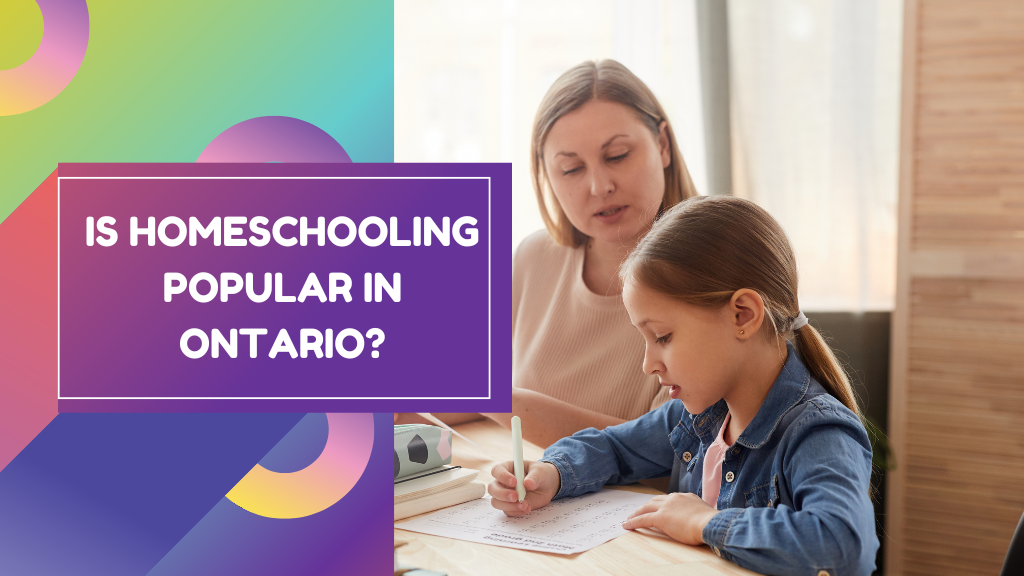
Yes! There has been a surge in the popularity of homeschooling in recent years. In the 2021/2022 academic school year over 85,000 students were homeschooling in Ontario. Click here to learn more about homeschooling’s popularity in Ontario.
Interested in joining the thousands of families homeschooling? Click here to learn more about Schoolio: The Homeschool Program for Ontario Families.
Is Ontario a Good Place to Homeschool?
Ontario is an excellent place to homeschool for families who value flexibility in education and want to take an active role in their child’s learning. In Ontario the legal requirements are minimal, while the online supports available for homeschooling families are vast. Platforms, such as Schoolio, provide support for families beginning or continuing their journey homeschooling. Click here to learn more about why Ontario is a good place to homeschool.
How Easy or Strict is Ontario for Homeschooling?
Homeschooling in Ontario is easy! The only requirement: provide a Notice of Intent to Homeschool to your local school board. That’s it! By removing regulations that require heaps of redundant paperwork, Ontario has enabled parents to prioritise creating exceptional and personalised educational experiences for their children.
Curriculum, Programs, and Other Learning Options
What Age Should You Start Homeschooling in Ontario?
Your child’s homeschooling journey can start at any age. Many parents begin homeschooling from Kindergarten, while others transition to homeschooling in later years. Schoolio provides the support and resources you need to begin homeschooling at any age!
How to Homeschool Without a Curriculum in Ontario?
To homeschool without a curriculum in Ontario, first submit a Notice of Intent to Homeschool to your local school board. Next, it’s time to roll up your sleeves and dive in! Click here to learn more about homeschooling without a curriculum, otherwise known as unschooling.
Is Homeschooling Popular in Ontario? Explore the Rising Trend
Short answer: Yes! There has been a significant surge in the popularity of homeschooling in Ontario in recent years.
Long answer: Yes!
In recent years, homeschooling has gained significant popularity amongst families in Ontario. There are many variables that have contributed to this shift, as homeschooling is quickly becoming a highly sought after educational alternative for forward-thinking families who are invested in bettering their child’s educational experience and reclaiming autonomy over their child’s learning.
The COVID-19 pandemic played a pivotal role in accelerating interest in homeschooling as families searched for more stable and personalised educational options during periods of school closures. This experience emphasised the appeal of homeschooling’s flexibility and customization, allowing parents to tailor curriculum and learning approaches to accommodate their child’s individual needs, learning styles, and interests more closely than traditional schooling often allows.
Concerns over the quality of education provided in traditional public and private schools have also prompted some Ontario parents to explore homeschooling as a means to ensure their children receive a high-quality education aligned with their values. Advancements in educational resources, online learning platforms such asSchoolio, and support networks have made homeschooling more accessible and achievable for families across the province.
The Ontario government has recognized homeschooling as a valid educational choice and has streamlined processes for families to communicate their homeschooling plans to school boards, further supporting its acceptance and integration into the educational landscape.
Ultimately, the recent surge in homeschooling’s popularity reflects a growing trend towards educational diversity and parental empowerment in Ontario. As more families discover and embrace the benefits of homeschooling, it is becoming increasingly recognized as a valuable and respected educational choice across the province.
Click here to start your Journey Homeschooling in Ontario with Schoolio.
ADHD and autistic kids often experience uniquenesses that can be both a source of strength and challenge. Today we’re going to look at one of these cool uniquenesses known as hyperfocus, hyperfixation, and SPINs. SPINs is neurodivergent community slang for Special Interest, a uniqueness so common that neurodivergent folks bond over it regularly! While these terms are sometimes used interchangeably, they actually describe different aspects of how neurodivergent minds can intensely focus on specific tasks, ideas, or topics, so let’s look at each of them individually so we can better support and educate our ADHD and autistic kids!.
What is Hyperfocus in ADHD and Autistic Kids?
Hyperfocus refers to an intense, almost obsessive concentration on a specific task or activity. For ADHD and autistic kids, this state of deep engagement can last for hours, making it difficult for them to shift attention to other tasks. Hyperfocus is not unique to ADHD and autism, but it is particularly common among individuals with these neurodivergent conditions.
Characteristics of Hyperfocus in ADHD and Autistic Kids:
Intense Concentration: When in a state of hyperfocus, ADHD and autistic kids may become so absorbed in an activity that they lose track of time and surroundings. This can include forgetting basic self-care, like eating, drinking, and using the restroom!
Difficulty Transitioning: Shifting attention away from the hyperfocused task can be challenging, often leading to frustration or resistance. Even alarms and warnings might not help with the transition from the task they are hyperfocusing on to something else.
Heightened Productivity: During hyperfocus, these kids can accomplish a significant amount of work in a short period, often with remarkable detail and accuracy.
While hyperfocus can be beneficial for completing complex tasks or deepening knowledge in a particular area, it can also lead to neglecting other important responsibilities, such as homework, chores, or social interactions. However, most hyperfocus is harmless and the ADHD or autistic kid is happy while consumed, so it’s ok to let them enjoy the time as long as they’d like. Bring them a snack once in awhile and remind them to stretch and use the bathroom periodically!
Understanding Hyperfixation in ADHD and Autistic Kids
Hyperfixation is closely related to hyperfocus but differs in some key ways. Hyperfixation refers to an intense and prolonged focus on a specific topic, activity, or object, often to the exclusion of everything else. Unlike hyperfocus, which may be task-specific, hyperfixation is usually topic-specific and can last for weeks, months, or even years.
Key Aspects of Hyperfixation:
Intense Interest: ADHD and autistic kids may become deeply interested in a specific subject, such as dinosaurs, trains, or a particular video game.
Emotional Attachment: Hyperfixation is often accompanied by strong emotional connections to the subject, making it a source of comfort and security. Engaging in their hyperfixation topic is comforting and if they can’t engage in it, they may talk about it instead as a way to access the comfort of the topic.
Difficulty Shifting Focus: Similar to hyperfocus, transitioning away from a hyperfixation can be difficult, sometimes leading to distress or anxiety.
Hyperfixation can be both a strength and a challenge for ADHD and autistic kids. On the one hand, it allows them to develop expertise and deep knowledge in specific areas. A child with a hyperfixation on trains will know so much detail about them! On the other hand, it can make it challenging to balance other aspects of life, such as academics, social relationships, and self-care. They may annoy other kids with their constant interest in one topic, or forget to do things like drink water while engaging with their hyperfixation.
SPINs: Special Interests in Neurodivergent Kids
SPINs, or Special Interests, are a hallmark of autism but are also present in some kids with ADHD. SPINs refer to intense, all-consuming interests in specific subjects that bring immense joy and fulfillment to neurodivergent kids. Stimpunks.org refer to SPINs: “Having a special interest is like having a crush or being newly in love. It is consuming and delightful.” These interests often go beyond mere hobbies and become central to their identity and daily life.
Characteristics of SPINs:
Passionate Engagement: SPINs are pursued with passion and dedication, often involving extensive research, collecting, or creating related content. A SPIN in, say, Pokemon will mean your child knows seemingly EVERYTHING about them and can talk endlessly about the details.
Source of Comfort: Engaging in SPINs can provide a sense of security and calm, particularly in overwhelming or stressful situations.
Social Interaction: While SPINs can sometimes lead to social isolation, they can also be a way for neurodivergent kids to connect with others who share similar interests.
Supporting SPINs in ADHD and autistic kids is crucial for their emotional well-being and development. Encouraging these interests can help build self-esteem, foster social connections, and even lead to future academic or career opportunities.
Managing Hyperfocus, Hyperfixation, and SPINs in ADHD and Autistic Kids
While hyperfocus, hyperfixation, and SPINs can be powerful tools for learning and personal growth, they are also inherent aspects of the neurodivergent experience. These patterns of focus are not something that ADHD and autistic kids can simply “turn off” or ignore. They are deeply rooted in how their brains are wired, and expecting them to easily shift away from these intense states is unrealistic.
For example, my daughter had a SPIN in stuffed animals from the time she was about two years old until probably 10 or so. If we left the house and she forgot to bring a stuffy, she would panic and have a meltdown. She needed it for comfort and security when we were out in the world. It may seem like a silly thing to “need” to us, but I learned that turning around and going back for the forgotten stuffy, and later having an “emergency stuffy” that stayed in the car, was essential to her comfort and ability to cope. Managing without wasn’t something I could realistically ask of her, because she is neurodivergent.
Legitimacy of Neurodivergent Focus Patterns: It’s essential to recognize that hyperfocus, hyperfixation, and SPINs are legitimate parts of the neurodivergent experience. They are not simply quirks or habits to be managed, or for kids to learn to go without, but are integral to how our kids engage with the world. This intense focus can be a source of pride, achievement, and fulfillment, and it’s a important part of comfort and calm. It’s crucial for parents and educators to honor and respect these aspects of neurodivergence.
The Discomfort of Disconnection: For ADHD and autistic kids, being unable to engage in their SPIN or hyperfocus/fixation activity can lead to significant discomfort, frustration, and even distress. This sense of disconnection from what brings them joy and satisfaction can result in emotional dysregulation, anxiety, or a feeling of being “lost.” It’s important to understand that these activities are not just hobbies but are often central to their emotional well-being. This is part of why traditional school can be so hard for ADHD and Autistic kids, because they are separated from their source of comfort and what makes them who they are, for so much of the day This is one of the benefits of homeschooling, your child can engage in their SPIN much more often. Programs like Schoolio are rooted in interest-based learning, and allow you to choose topics in science, social studies, and more that align with your child’s interests, making learning more exciting for your child and decreasing discomfort when learning.
Navigating the In-Between States: There are also times when neurodivergent kids may find themselves in an “in-between” state, where they are not currently engaged in a hyperfixation or SPIN. Neurodivergent adults attest to the discomfort of the time between one SPIN “wearing off” and discovering a new one. This period can be unsettling, as it may feel like a loss of direction or purpose. During these times, it’s important to provide support, offer new opportunities for exploration, and help them navigate this transitional phase with patience and understanding.
Practical Strategies:
Set Time Limits: Encourage breaks and set time limits to ensure that other responsibilities are not neglected. Use visual timers or schedules to help ADHD and autistic kids transition between tasks. Give them lots of transition warning, and don’t take away time from their SPIN for “no good reason” because that will seem unjustified to your ADHD or autistic kid.
Incorporate Interests into Learning: Whenever possible, incorporate their hyperfixations or SPINs into the curriculum. This can make learning more engaging and enjoyable. When my daughter’s SPIN was dragons, we altered a geography activity to include her SPIN. The curriculum wanted her to make a booklet with a page dedicated to each of the physical regions of the country, so I asked her to create a dragon for each region and describe it’s habitat, diet, and other features that it would have based on where it lived. Don’t be afraid to alter your programming to include your child’s special interests!
Create a Balance: It’s great to teach the importance of balancing to your kids. Their intense interests are important, but they do need to learn to not neglect their own self-care or their responsibilities. You may want to encourage participation in other activities and experiences to help them develop new skills and discover other interests, but remember that their SPINs and hyperfocus are not in their control, and are usually harmless and comforting to your child, so don’t feel the need to force them away from it for no reason.
Communicate Openly: Discuss the benefits and challenges of hyperfocus and hyperfixation with your child. Help them understand the characteristics of their ADHD or autism so they learn how to leverage these traits positively while managing potential downsides.
Conclusion
Understanding and managing hyperfocus, hyperfixation, and SPINs in ADHD and autistic kids is essential for helping them thrive. These intense focus patterns are not just challenges to be managed but strengths to be harnessed. By supporting their unique ways of engaging with the world, parents and educators can help neurodivergent kids achieve their full potential and lead fulfilling lives.
Getting started with homeschooling can feel overwhelming, but with the right preparation, you can set yourself and your child(ren) up for a successful and fun experience! Homeschooling has gained immense popularity as an alternative education method, with more parents choosing to educate their children at home each year. According to Brighterly.com, as of June 2024, more than 3.7 million students are homeschooling across the US.
If you’re considering homeschooling, are about to start for the first time, or you’ve already been homeschooling but you haven’t felt successful, then this message about being prepared is for you! But being prepared doesn’t mean you have a rigid schedule and you ordered a school bell on Amazon. Being prepared for getting started with homeschooling looks very different than a teacher preparing a classroom, and that’s an important thing to note! Here’s how to get started with homeschooling and set yourselves up for confidence and success and not frustration and discouragement. We’ve got your back as you embark on this brand new year!
Why Are Parents Getting Started with Homeschooling?
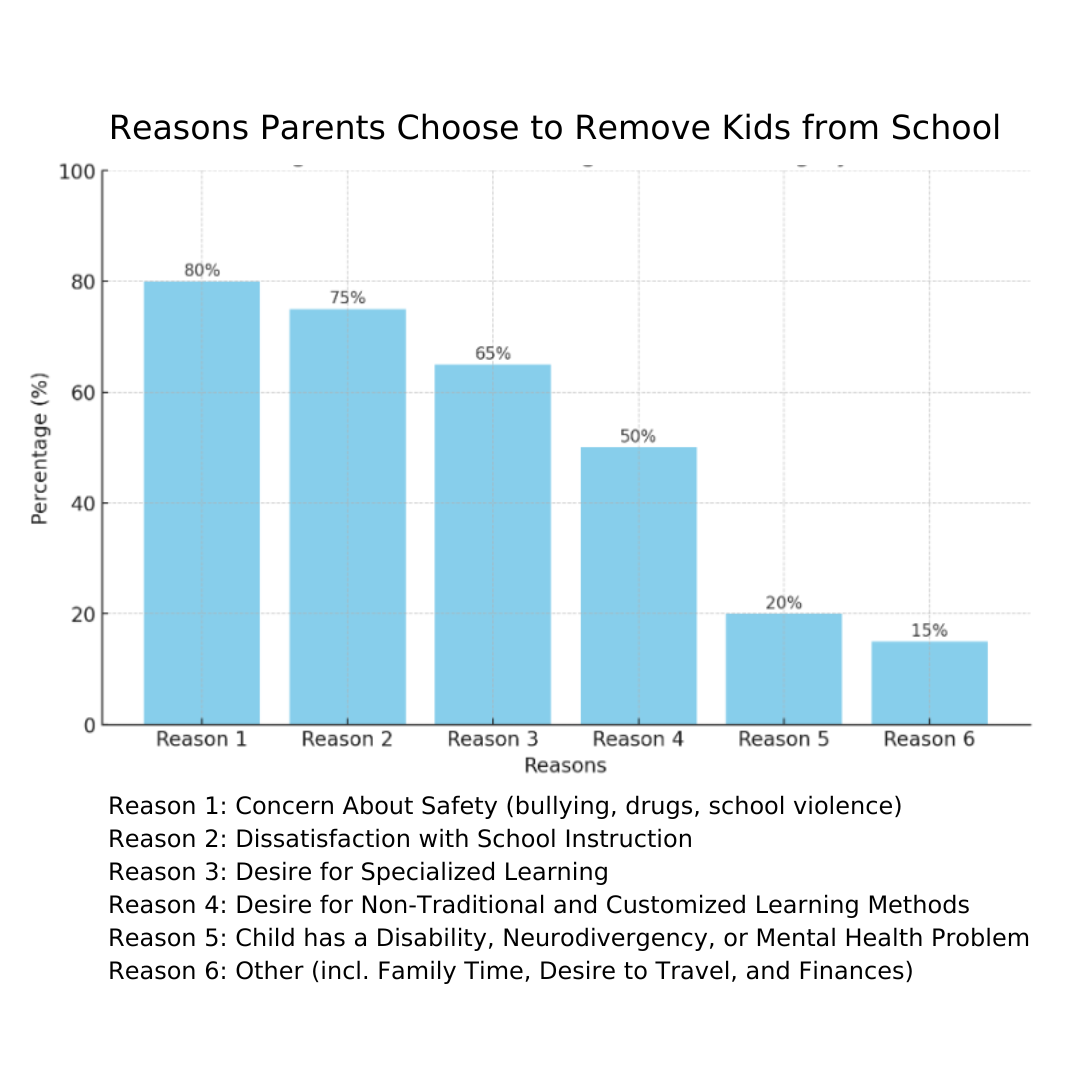
Parents choose homeschooling for different reasons, and your reasons will be personal to you. The top 5 reasons reported for choosing to homeschool in recent surveys are:
Concern about safety, such as bullying, drugs, and school violence.
Dissatisfaction with school instruction might include parents who don’t like what schools are including in the curriculum or parents who think crucial things are left out of the traditional education system. IT can also include parents who disagree with the methods of instruction or disciplinary tactics used in schools.
A desire for specialized learning can mean a parent wants greater emphasis on topics outside of the traditional school realm, such as STEM, the arts, future-readiness, nature, life skills, or sports training.
A desire for non-traditional and customized learning methods typically references parents interest in providing one-on-one instruction to their kids, doing child-led learning, or accommodating different learning needs and styles that a traditional classroom cannot manage.
Children being homeschooled have a disability, neurodivergency, or other unique learning need. In fact, it’s estimated that anywhere from 15-50% of children being homeschooled have a unique need that causes a traditional classroom to not work for them!
Additionally, homeschooling provides flexibility, allowing families to customize their approach, schedule, learning and teaching style, pacing, and other activities. It also strengthens the parent-child bond by actively involving parents in their child’s education.
Know Your “Why” When Getting Started with Homeschooling
One of the most important first steps in getting started with homeschooling is to know your “why.” Why are you choosing to homeschool? Create a mission statement that clearly articulates your core reasons. Some families homeschool for more rigorous academics, some for a more relaxed childhood experience, and others to focus on life skills or specific values. Knowing your “why” will help you stay on track and prevent you from being swayed by what others are doing in their homeschools. Your mission statement is your guiding star. Need help figuring it out? Start with the What Type of Homeschooler quiz here!
Have a Loose Routine to Start
When getting started with homeschooling, I always advocate for routine over schedule. You don’t need timed blocks for every activity and you don’t need to be up, dressed, and sitting at desks by 8 a.m. Instead, decide on a routine that reflects the natural ebb and flow of your family life. A routine provides structure without the pressure of adhering to a strict timetable, allowing for flexibility as you find the best rhythm for your family. If you need help planning a schedule, the Schoolio recommended schedule can help you with something to at least get you started.
Choose Curriculum and Get Familiar with It
Selecting the right curriculum is a crucial step in getting started with homeschooling, but remember that you are never a slave to the program you chose! You can always switch or alter it later as you get more comfortable and discover what does and does not work for your family. If you need help choosing a curriculum, our How to Choose Curriculum guide can be really helpful to organize your thoughts and wishes before you start researching!
Once you’ve chosen your curriculum, take some time to get familiar with it. Some families prefer to loosely divide the curriculum content over the year so they have a rough idea of what they’ll be studying and when. Understanding the curriculum ahead of time will make you feel more confident and prepared as you begin.
Consider Future Readiness Learning When Getting Started with Homeschooling
As you plan your homeschooling year, consider incorporating future readiness learning into your curriculum. This could include topics such as financial literacy, social-emotional learning, digital literacy and safety, emerging technologies, and other life skills that are important to you and your family. These subjects help prepare your children for the realities of adulthood and provide them with essential tools for their future.
Gather Some Materials and Supplies
While getting started with homeschooling doesn’t require a massive stockpile of supplies, you’ll still need some basics like paper, pencils, and rulers. Check your curriculum for any science experiments, art projects, or other hands-on activities planned in the first few weeks and gather the necessary materials. Stocking up on these essentials beforehand ensures that you’re ready to dive into learning without unnecessary interruptions.
Plan Your First Day
Many homeschooling families like to make the first day of homeschool a little extra special. This could involve a surprise gift related to schooling, a photo shoot to commemorate the day, a baking project, or even an outing. Planning something fun for the first day can set a positive tone for the year and create lasting memories. Many homeschool groups and organizations have a “Not-Going-Back-to-School” party or get-together at the beginning of the year. These can be great ways to meet more homeschoolers, have some fun, and launch into your new year with happiness leading the way
The Golden Rule of Getting Started with Homeschooling: Stay Flexible!
One of the greatest advantages of homeschooling is the flexibility it offers. Be prepared to make changes as you go along. It’s okay if something you planned isn’t working or if you discover that an unexpected approach is highly effective. Commit to staying adaptable and open to change. This mindset will help you find your groove as you grow into your homeschooling routine.
Now That You Know How to Get Started with Homeschooling, Let’s Begin!
Getting started with homeschooling on the right foot is key to a successful and fulfilling educational experience. By knowing your “why,” establishing a flexible routine, choosing the right curriculum, and incorporating future readiness learning, you’ll set the stage for a comprehensive education tailored to your child’s needs. Gather your materials, plan a special first day, and embrace the flexibility that homeschooling offers. Remember, this journey is about finding what works best for you and your family—stay flexible, adapt as needed, and enjoy the adventure ahead!
And don’t forget, the team here at Schoolio are always ready to help new homeschoolers, whether or not you are a customer. If you ever need advice, don’t hesitate to reach out to us!
Rejection-Sensitive Dysphoria in neurodivergent kids (RSD) is a condition that describes the intense emotional pain or discomfort some people experience when they perceive rejection or criticism, whether real or imagined. While many individuals may feel hurt by rejection, those with RSD, particularly neurodivergent kids, often experience this pain more deeply and intensely, leading to significant emotional distress. This condition is especially relevant for children with Attention-Deficit/Hyperactivity Disorder (ADHD) and Autism Spectrum Disorder (ASD), as it can compound the challenges they already face in managing emotions and navigating social interactions.
Understanding RSD in Neurodivergent Kids
Rejection-Sensitive Dysphoria in neurodivergent children is characterized by extreme emotional sensitivity to perceived or actual rejection, criticism, or failure. Unlike general emotional sensitivity, RSD is marked by a rapid and overwhelming emotional response that can feel unbearable. The term “dysphoria” refers to a profound state of unease or dissatisfaction, which accurately describes the intense emotional turmoil associated with RSD.
Children with RSD may experience a variety of emotional responses, including:
Severe Anxiety: Worrying excessively about being judged, rejected, or criticized by others.
Depression: Feeling deep sadness, hopelessness, or worthlessness after perceived rejection or failure.
Anger or Rage: Responding with intense anger or frustration when feeling rejected or criticized.
Social Withdrawal: Avoiding social situations or relationships to prevent the possibility of rejection.
RSD is not a formally recognized diagnosis in the Diagnostic and Statistical Manual of Mental Disorders (DSM-5), but it is widely acknowledged among mental health professionals who see Rejection Sensitive Dysphoria in neurodivergent kids as a significant and impactful issue..
The ADHD and Rejection Sensitive Dysphoria Connection
ADHD is a neurodevelopmental disorder that affects attention, impulse control, and emotional regulation. Children with ADHD often experience heightened emotional sensitivity, which can make them more susceptible to Rejection Sensitive Dysphoria. The neurological basis of ADHD involves differences in brain structure and function, particularly in areas that regulate emotions and responses to social stimuli. These differences can amplify the intensity of emotional reactions to perceived rejection or criticism.
For kids with ADHD, RSD can manifest as:
Intense Emotional Reactions: Overwhelming feelings of shame, embarrassment, or humiliation in response to criticism or rejection.
Avoidance Behaviors: Steering clear of situations where they might be judged or rejected, such as public speaking, trying new activities, or forming new relationships.
Perfectionism: Striving to avoid criticism or rejection by being perfect, which can lead to burnout and exhaustion.
People-Pleasing: Going to great lengths to gain approval from others, often at the expense of their own needs or desires.
Black girl with sadness emotion
Autism and Rejection Sensitive Dysphoria: How They Intersect
Autism Spectrum Disorder (ASD) is a neurodevelopmental condition characterized by challenges in social communication, repetitive behaviors, and restricted interests. Children with autism may also experience emotional dysregulation and heightened sensitivity to social cues, which can contribute to the development of RSD. Social interactions can be particularly challenging for neurodivergent kids with autism, making them more vulnerable to feelings of rejection or criticism.
For kids with autism, RSD can present as:
Social Anxiety: Intense fear of social situations where they may be judged or rejected.
Rigid Thinking: Difficulty accepting criticism or feedback, leading to feelings of distress when things don’t go as planned.
Meltdowns or Shutdowns: Emotional overload in response to perceived rejection, resulting in either intense outbursts (meltdowns) or withdrawal (shutdowns).
Difficulty with Change: Struggling with transitions or changes in routine, which can trigger feelings of rejection or inadequacy if they perceive themselves as failing to adapt.
Hyperfixation and Rejection Sensitive Dysphoria in Neurodivergent Kids
RSD in neurodivergent kids can also lead to hyperfixation on the problem they were criticized for or the person who rejected them. Hyperfixation is a common experience in both ADHD and autism, where an individual becomes intensely focused on a particular subject, thought, or task, often to the exclusion of other things.
When neurodivergent children experience criticism or rejection and have Rejection Sensitive Dysphoria, the emotional impact can be so overwhelming that they become consumed by it. This can lead to hyperfixation on the situation, replaying the criticism or rejection in their mind repeatedly, trying to analyze what went wrong, or even obsessing over the person who delivered the criticism or rejection. This can exacerbate feelings of distress, anxiety, and low self-esteem, making it difficult for the individual to move past the incident.
Hyperfixation in the context of RSD can manifest as:
Replaying the Event: Continuously thinking about the moment of rejection or criticism, trying to understand every detail, and often feeling the emotional pain repeatedly.
Over-Analyzing the Criticism: Focusing excessively on the problem that was pointed out, which can lead to perfectionism, a desire to “fix” the issue, or an attempt to avoid similar criticism in the future.
Obsessing Over the Person: Fixating on the person who delivered the criticism or rejection, which may involve trying to figure out why they did it, what they think of the individual, or even attempting to regain their approval.
Difficulty Letting Go: Struggling to move on from the incident, which can lead to prolonged emotional distress and impact other areas of life, such as relationships, work, or academics.
The Impact of RSD on Daily Life
There can be a profound impact on the daily lives of neurodivergent kids with Rejection Sensitive Dysphoria. The emotional and behavioral responses to perceived rejection can affect various aspects of life, including:
Emotional Health: The intense emotional pain associated with RSD can lead to chronic anxiety, depression, and low self-esteem. Kids may feel constantly on edge, worrying about potential rejection or criticism in every interaction.
Relationships: RSD can strain relationships with family, friends, and peers. The fear of rejection may cause neurodivergent kids to withdraw from social situations, leading to isolation and loneliness. Alternatively, they may become overly dependent on others’ approval, leading to unhealthy relationships or attachments.
Academic and Work Performance: The fear of failure or criticism can cause children to avoid challenging tasks, limit their participation in academic or extracurricular activities, and ultimately hinder their success.
Social Life: The impact of RSD can extend to social interactions, where the individual might avoid making new friends, joining groups, or engaging in social activities due to the fear of rejection.
Sad girl sitting in kitchen while woman talking on mobile phone in background
Recognizing Rejection Sensitive Dysphoria in Neurodivergent Kids
Recognizing the signs of RSD in neurodivergent kids can be the first step toward managing its impact. Here are some common signs and symptoms to watch for:
Overreaction to Criticism: An intense emotional response, such as crying, anger, or withdrawal, after receiving criticism or feedback, even when you tried to deliver it very gently.
Avoidance of Social Situations: Avoiding social interactions, new experiences, or challenges due to fear of rejection or failure.
People-Pleasing: Going to extreme lengths to gain approval from others, often neglecting personal needs or boundaries.
Perfectionism: An overwhelming desire to be perfect in order to avoid criticism or rejection.
Low Self-Esteem: A pervasive sense of inadequacy or worthlessness, often tied to the fear of not being accepted by others.
Coping Strategies for Managing RSD
While Rejection Sensitive Dysphoria in neurodivergent kids can be challenging, there are strategies that can help manage its effects:
Cognitive-Behavioral Therapy (CBT): CBT can help neurodivergent kids identify and challenge negative thought patterns that contribute to RSD. By reframing thoughts and practicing healthier responses to rejection, they can reduce the emotional impact of RSD. Schoolio’s best-selling unit, Thoughts & Feelings: Learning to Manage How I Think and Feel, is an introduction to CBT for kids of all ages.
Mindfulness and Relaxation Techniques: Mindfulness practices, such as deep breathing, meditation, and grounding exercises, can help kids stay present and manage emotional reactions to perceived rejection. Learn more about how to help your child with these strategies from our free SEL Parent Bootcamp!
Setting Boundaries: Learning to set healthy boundaries with others can help protect emotional well-being and reduce the impact of rejection or criticism.
Self-Compassion: Encouraging self-compassion and self-care can help neurodivergent kids build resilience against the emotional pain of RSD. This includes recognizing their own worth and practicing kindness toward themselves, even when they experience rejection.
Seeking Support: Connecting with a therapist, counselor, or support group can provide a safe space to discuss experiences with RSD and receive guidance on coping strategies.
Open Communication: Encouraging open communication with trusted friends and family members can help kids express their feelings and receive support when they experience RSD.
Supporting Neurodivergent Kids with Rejection-Sensitive Dysphoria
Rejection-sensitive dysphoria in neurodivergent kids is a significant challenge that can impact every aspect of their lives, from relationships to academic performance. The intense emotional pain associated with perceived rejection or criticism can be overwhelming, but by recognizing the signs and implementing coping strategies, neurodivergent kids can learn to manage their emotional responses and build resilience. With the right support and tools, those affected by rejection-sensitive dysphoria can lead fulfilling lives and navigate social interactions with greater confidence and ease.
Welcome to Week 4 of the Schoolio Summer Series! If you missed out on previous weeks, don’t worry—each week is designed as its own adventure, so you can jump in at any time. This series is a fantastic way to keep your kids engaged and learning throughout the summer!
Every week of the Schoolio Summer Series introduces a new theme filled with resources, a day-by-day schedule, and exciting activities. On Fridays, we share the upcoming week’s plan, including lessons, crafts, and more, all in an easy-to-follow schedule. This gives you the weekend to gather supplies and print any materials you need. We’re thrilled to provide everything you need for a fun and educational summer program. Let’s dive into Week 4 of the Schoolio Summer Series: Woodland Wonders!
Discover Your Neighborhood’s Nature Networks
Get ready to embark on an unforgettable Schoolio Summer Camp adventure where the magic of forests and ponds comes alive. This unique camp experience is perfect for adventurous, nature-loving students eager to explore forests and ponds while engaging in hands-on learning.
Imagine spending your days exploring lush forest trails, identifying majestic trees, and learning about the diverse wildlife that inhabits these woods. You’ll engage in activities such as tree identification and learn about timely topics such as forest conservation. Alongside your forest exploration, enjoy hands-on pond studies, learn about aquatic ecosystems, and participate in activities like water sampling, fishing, and nature-inspired endeavors.
Schoolio Summer Series: Woodland Wonders is designed for those who are enthusiastic about outdoor activities and have a passion for environmental science, biology, and conservation. This immersive experience is meant to connect students with the beauty and mysteries of nature, providing both fun and education.
Associated Curricular Activity: A Walk in the Woods
Additional Activity: Tree Climbing! Safely climb trees in your local community to experience the forest from above and investigate tree anatomy up close.
Wednesday
Morning Session
Lesson 5: Fish
Schoolio Curriculum: Pond Life pg. 17-20
Associated Curricular Activity: Pond Visit, Fish Journal Entry & Fish Identification
Additional Activity: Raft Building! Construct small rafts from natural materials and test their buoyancy on the pond.
Associated Curricular Activity: Deciduous and Coniferous Trees
Additional Activity: Movie Night! Watch The Princess and The Frog, this movie includes scenes set around a bayou pond in New Orleans, where the characters embark on various adventures.
By participating in the Schoolio Summer Series: Woodland Wonders, students not only enjoy a fantastic summer experience but also develop environmental stewardship and a lifelong appreciation for the natural world. We offer a dynamic mix of educational materials and exciting activities that inspire students to become informed, responsible stewards of our planet, all while creating lasting memories.
Join us for this exciting week and discover the wonders waiting just outside your door! Whether you’re a budding naturalist or just looking for a new adventure, Schoolio Summer Series: Woodland Wonders is the perfect way to explore, learn, and grow this summer.
Share the Excitement!
We’d love to see your kids in action during our Schoolio Summer Series! Share photos of your little explorers by emailing them to us or using the hashtag #SchoolioSummer on social media.
Let’s make this a summer to remember, full of wonder, learning, and a dedication to protecting our planet’s biodiversity. Join us in nurturing curiosity and fostering a love for nature. See you at the Schoolio Summer Series: Woodland Wonders!