Lessons from Homeschoolers: Discovering a Balanced Education Journey

Lessons from Homeschoolers: Discovering a Balanced Education Journey

Lessons from Homeschoolers

In recent years, homeschooling has gained popularity as an alternative to traditional schooling. While it may not be the right choice for everyone, homeschoolers have valuable lessons to share with the broader educational community. Beyond the academic aspect, they offer insights into the importance of socialization, the flexibility of homeschooling routines, and the power of minimizing stress. Let’s explore these valuable lessons from homeschoolers that can help reshape our perspective on education.

Lessons from Homeschoolers:

Socialization: A Natural Aspect of Homeschooling:

One of the most persistent misconceptions about homeschooling is the belief that children will lack socialization opportunities. However, homeschoolers often find that socialization comes more naturally in their unique environment. Freed from the constraints of large classrooms, they can interact with individuals of various age groups and backgrounds. Additionally, they engage in social activities such as co-ops, clubs, community organizations, and sports teams. Homeschoolers cultivate diverse social skills, empathy, and adaptability by fostering authentic connections.

Flexible Schedules for Efficient Learning:

Flexible Schedule

Homeschoolers have long understood that education doesn’t need to follow the rigid structure of traditional school settings. They recognize that learning can occur beyond a specific timeframe or in unconventional settings. Homeschooling allows for tailored schedules that cater to individual learning styles and interests. Homeschoolers can optimize their time and focus on meaningful activities by embracing flexibility. Whether it’s a field trip, pursuing hobbies, or delving deeper into a subject of interest. They demonstrate that quality education isn’t solely dictated by hours spent at a desk.

The Power of Stress Reduction:

The pressure to excel academically is often a significant stressor for students in traditional schools. Homeschoolers have discovered that minimizing stress can lead to improved learning outcomes. By removing the constant comparison to peers and focusing on personal growth, they create a nurturing environment that fosters creativity, curiosity, and a genuine love for learning. Homeschoolers prioritize holistic development, recognizing that stress reduction is vital for mental and emotional well-being, ultimately enhancing their educational experience.

Individualized Education: Nurturing Unique Passions:

Schoolio Electives

Homeschooling enables personalized education, allowing students to explore their passions and develop their strengths. Without the constraints of standardized curricula, homeschoolers can tailor their learning experiences. They can delve deeper into subjects of interest, develop specialized skills, and discover their unique talents. This individualized approach encourages self-motivation and cultivates a lifelong love for learning, ensuring a well-rounded education beyond traditional academic boundaries.

Embracing Lifelong Learning:

Homeschooling nurtures a love for lifelong learning by instilling in students the belief that education is a continuous journey. By encouraging curiosity and self-directed exploration, homeschoolers become adept at seeking knowledge independently. They learn to leverage resources such as libraries, online courses, and community experts to expand their understanding of the world. This mindset equips them with the necessary skills to adapt and thrive in an ever-changing society.

A Well-rounded Education Can be Achieved.

Homeschoolers offer valuable lessons that challenge the conventional notions of education. From emphasizing the importance of socialization to embracing flexible schedules and reducing stress, homeschoolers demonstrate that a well-rounded education can be achieved through personalized approaches. By learning from their experiences, we can reimagine education as a dynamic and inclusive journey that prioritizes individual growth, fosters curiosity, and nurtures lifelong learners. Let’s embrace these lessons from homeschoolers to shape a brighter future for education.

What Parents Need to Know Before Homeschooling

What Parents Need to Know Before Homeschooling

What Parents Need to Know Before Homeschooling

Homeschooling is a growing educational choice for parents around the world. The ability to tailor education to suit individual needs and values and its flexibility have made homeschooling an appealing option for many families. However, before embarking on this educational journey, parents must understand the steps to ensure a successful homeschooling experience. This blog will discuss what parents need to know before homeschooling their children.

Essential Steps to Take Before Homeschooling.

Choosing to homeschool your child is a significant decision that comes with a range of responsibilities and considerations. Before diving into the world of homeschooling, it is crucial for parents to take specific steps to ensure a successful and fulfilling educational experience for their children. By following these steps, you can lay a strong foundation for your homeschooling journey, addressing legal requirements, understanding your child’s needs, setting clear goals, and accessing valuable resources. Let’s explore the essential steps that parents should take before embarking on the adventure of homeschooling.

What Parents Need to Know Before Homeschooling:

Familiarize Yourself with Homeschooling Laws and Regulations:

homeschooling laws and regulations

Before diving into homeschooling, it is essential to research and understand the legal requirements and regulations regarding homeschooling in your country or state. Familiarize yourself with the necessary paperwork, reporting procedures, and any mandatory assessments or evaluations that may be required. This will help ensure compliance with educational laws and guarantee that your child’s homeschooling experience is recognized and accepted.

Assess Your Child’s Learning Style and Needs:

Each child has a unique learning style and needs. As a parent, take time to evaluate your child’s strengths, weaknesses, interests, and preferred learning methods. Understanding how your child learns best will enable you to tailor the curriculum and teaching methods to suit their individual needs, promoting an effective and enjoyable learning experience.

Set Clear Goals and Objectives:

Establishing clear goals and objectives for your child’s homeschooling journey is crucial. Determine what you want to achieve academically, as well as any personal or character development goals. These goals will serve as a guide and help you design a curriculum and educational plan that aligns with your aspirations and your child’s individual progress.

Research and Select a Homeschooling Approach:

There are numerous homeschooling approaches and philosophies to choose from, such as classical education, Montessori, unschooling, or unit studies. Conduct thorough research on different approaches and select one that resonates with your educational philosophy and your child’s learning style. Remember that you can also blend multiple approaches to create a personalized curriculum that meets your child’s needs.

Find and Utilize Available Resources:

find and utilize available resources

One advantage of homeschooling is the abundance of resources available to support your child’s education. Seek out local homeschooling communities, support groups, and online forums to connect with experienced homeschoolers who can offer advice, curriculum recommendations, and valuable insights. Libraries, museums, and community organizations can also be excellent sources of educational materials, field trips, and extracurricular activities.

Develop a Flexible Schedule and Routine:

Creating a flexible schedule and routine is crucial for maintaining structure and discipline in your homeschooling environment. Set regular study hours, breaks, and designated spaces for learning. However, remember that one of the benefits of homeschooling is flexibility. Embrace the opportunity to adapt your schedule to your child’s interests, personal rhythm, and learning pace.

Select a Curriculum:

Choosing a curriculum tailored to your child’s needs is a pivotal step in homeschooling. Consider your child’s learning style, interests, and goals when selecting curriculum materials. You can opt for pre-packaged curricula, online resources, or design your own curriculum by combining various materials and educational approaches.

Plan for Socialization Opportunities:

One concern often raised about homeschooling is the potential for limited socialization opportunities. To address this, actively seek out opportunities for your child to interact with peers, whether through homeschooling cooperatives, sports teams, art classes, community organizations, or extracurricular activities. These social interactions play a vital role in developing social skills, fostering friendships, and creating a well-rounded education.

You’re on the Fast Track to Sucess.

Homeschooling offers unique advantages for both parents and children, but it also requires careful planning and preparation. By understanding the legal requirements, assessing your child’s needs, setting clear goals, and utilizing available resources, you can create a successful homeschooling experience. Remember that homeschooling is a flexible and dynamic educational choice, allowing you to customize your child’s education to provide a rewarding and enriching learning journey.

Fun Activities for Summer Break: The Importance of Downtime and Imagination

Fun Activities for Summer Break: The Importance of Downtime and Imagination

fun activities for summer break

Ah, summer break! The glorious time of year when school is out, and children are excited for weeks of endless possibilities. With the sun shining bright and no homework in sight, it’s the perfect opportunity to engage in various fun and adventurous activities. While filling their schedules with organized outings and structured events is tempting, it’s equally important to allow kids the freedom to figure out their own entertainment and let their imaginations soar. Finding fun activities for summer break is great, but providing children with downtime during summer break is crucial for fostering creativity, exploration, and overall well-rounded development in a world that often emphasizes constant stimulation and structured activities. In this blog, we’ll delve into the significance of downtime and the power of imagination in nurturing children’s growth and ensuring a memorable and fulfilling summer break.

The Perfect Balance of Fun and Creativity to Spark Joy.

We have put together the perfect balance of fun and creativity so your children can have a summer break filled with enjoyable activities that nurture their imaginative play. Summertime is a magical period when kids can embrace the freedom of endless days and let their imaginations soar. It’s the opportune moment to engage them in a wide range of exciting experiences that spark joy, foster creativity, and create lasting memories.

Fun Activities for Summer Break:

1. Unstructured Playtime:

In our fast-paced, technology-driven society, children are often overscheduled with organized activities and constantly engaged by screens. However, unstructured playtime plays a vital role in a child’s summer break. It provides them with the freedom to explore their own interests, create their own entertainment, and indulge in activities that truly captivate their attention.

Unstructured play allows children to tap into their imagination, exercise their problem-solving skills, and develop a sense of independence. Whether they build forts out of blankets, engage in imaginative role-playing, or let their minds wander while lying on a patch of grass, unstructured playtime sparks their creativity and fosters a love for self-directed exploration.

Unstructured playtime

2. Nature Exploration:

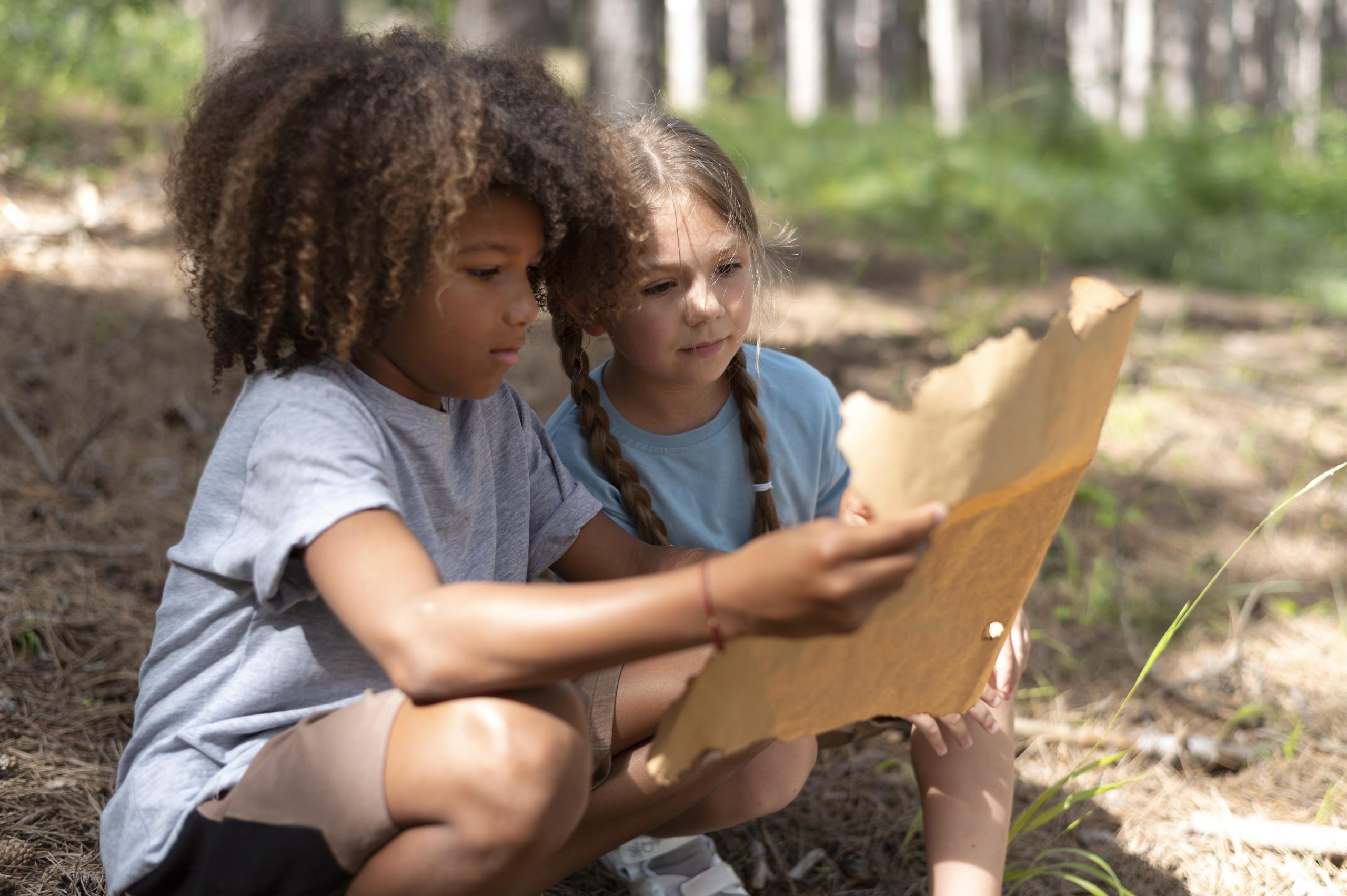
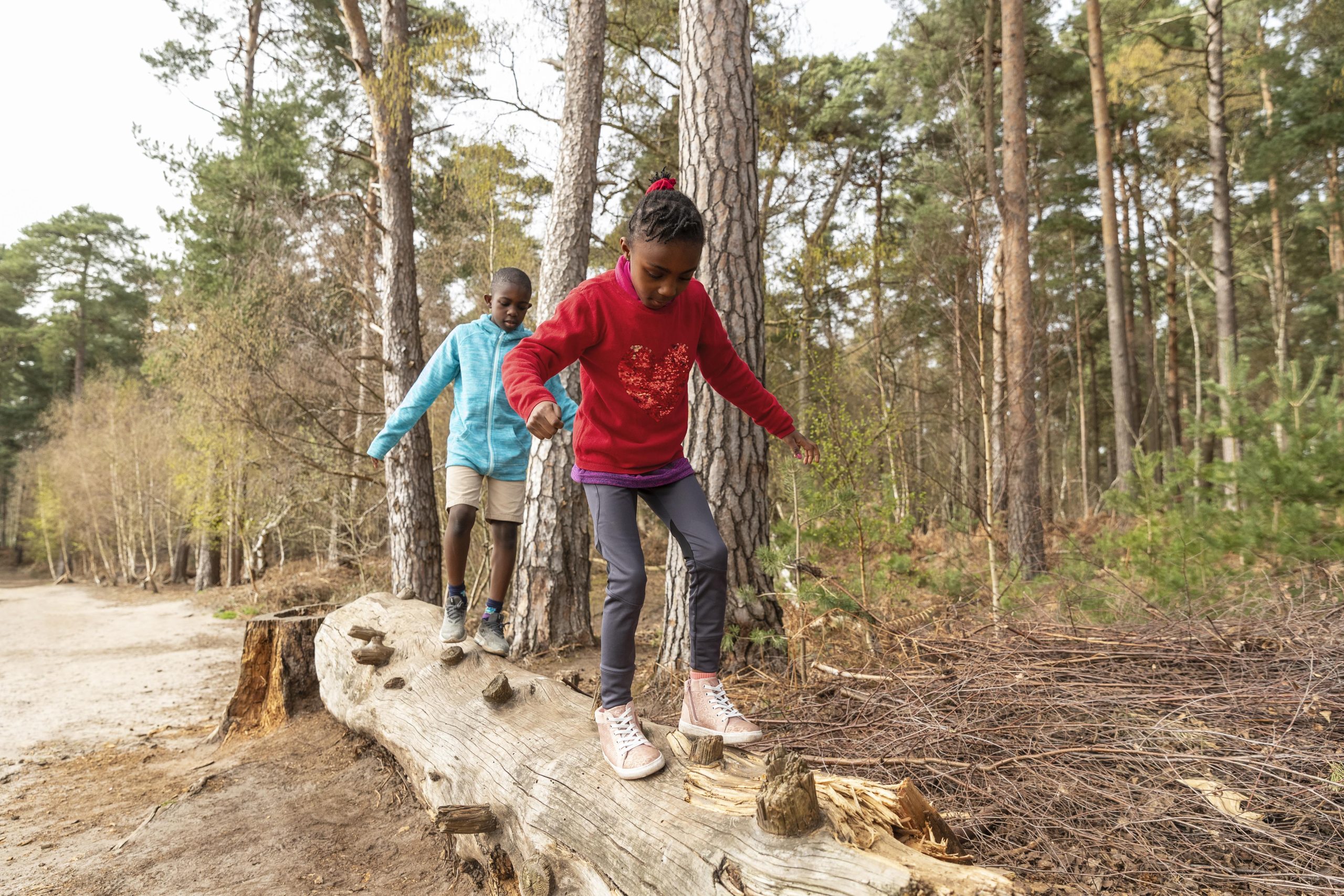
Summer offers the perfect backdrop for children to immerse themselves in the wonders of the natural world. Encouraging kids to spend time outdoors and explore nature provides a fun and refreshing experience and offers numerous benefits for their physical and mental well-being.

Take children on nature walks, visit local parks, or embark on hikes. Encourage them to observe the flowers and animals, listen to the soothing sounds of a babbling brook, or lie down and gaze at the sky, identifying shapes in the clouds. Exploring nature stimulates the senses, sparks curiosity, and instills a sense of awe and appreciation for the world around them. It allows children to connect with their natural surroundings, fostering a deeper understanding of the environment and nurturing their imagination.

3. DIY Crafts and Projects:

Engaging in do-it-yourself (DIY) crafts and projects is an excellent way to unleash children’s creativity and resourcefulness. By providing them with materials and tools, we empower them to transform their ideas into tangible creations, fostering a sense of accomplishment and self-expression.

Set up a dedicated arts and crafts area with various materials such as paints, colored paper, glue, scissors, and recycled objects. Encourage children to repurpose old items into new creations, create artwork, or construct imaginative structures. Whether they’re building a robot out of cardboard boxes, designing a dreamcatcher, or experimenting with different art techniques, DIY projects nurture their problem-solving skills, enhance their patience, and encourage out-of-the-box thinking. Plus, they’ll have tangible mementos of their summer break to cherish.

Check out these Fun Summer Crafts – Click Here!

DIY crafts

4. Reading and Storytelling:

Summer break is the perfect opportunity to instil children’s love for reading and storytelling. While academic reading requirements may take a backseat during the holidays, maintaining a reading routine is essential for supporting literacy skills and intellectual growth.

Set aside dedicated reading time each day where children can explore books of their choice. Take them to the local library or bookstore, allowing them to browse various genres and topics. Encourage them to select books that align with their interests, whether it’s a thrilling adventure, a fantastical tale, or a non-fiction

5. Water Play:

Summer and water activities go hand in hand. Beat the heat and have a blast by incorporating water play into your child’s summer break. Set up a sprinkler in the backyard for them to run through and cool off. Fill up water balloons for epic water balloon fights. Visit local pools, splash pads, or even plan a day trip to a nearby beach or water park. Water play provides endless entertainment and helps children develop their gross motor skills and coordination while enjoying the refreshing benefits of water.

water play

6. Gardening:

Summer is the perfect time to introduce children to the joys of gardening. Start by creating a small garden patch or even a few pots on a balcony or windowsill. Involve children in selecting seeds or plants and teach them how to care for them. Watching their plants grow, blossom, and bear fruits or flowers is a rewarding experience. Gardening instills a sense of responsibility, patience, and an appreciation for nature’s cycles. Plus, it allows children to learn about different plant species, ecosystems, and the importance of sustainability.

Try planting a medicinal garden to teach your children the wonders plants can do for our health. Learn more about Medicinal Plants by clicking the button below.

7. Outdoor Sports and Games:

Enjoy the pleasant weather and engage children in outdoor sports and games. Set up a mini soccer field in the backyard, organize a game of tag or hide-and-seek, or teach them how to ride a bike. Encourage them to try new sports like tennis, basketball, or swimming. Outdoor sports and games provide physical exercise and promote teamwork, social interaction, and healthy competition. They help children develop essential motor skills, boost confidence, and foster a love for an active lifestyle.

outdoor sports and games

8. Camping and Nature Retreats:

Plan a camping or nature retreat with your family during summer break. Whether setting up a tent in the backyard or venturing into the wilderness, camping allows children to disconnect from technology and immerse themselves in the beauty of nature. Engage in hiking, stargazing, storytelling around a campfire, or learning basic survival skills. Camping fosters a sense of adventure, resilience, and appreciation for the great outdoors, leaving lasting memories for both children and adults.

9. Cultural Exploration:

Summer break provides an excellent opportunity for children to explore different cultures, traditions, and cuisines. Research local cultural festivals, art exhibitions, or museums happening in your area and take your children to experience them. Encourage them to try new foods from various cultures and learn about different customs and traditions. Cultural exploration broadens children’s horizons, promotes tolerance and understanding, and nurtures their curiosity about the world.

10. Volunteer Work and Community Service:

Engaging in volunteer work and community service during summer break benefits others and instills a sense of compassion, empathy, and social responsibility in children. Research local volunteer opportunities suitable for children and involve them in projects like helping at animal shelters, cleaning up parks or beaches, or assisting at local community centers. Volunteering gives children a valuable perspective on societal issues and teaches them the importance of giving back to their community.

Volunteer work and community service

Helping Your Child Develop Their Creativity, Independence and Social Skills.

Summer break is a precious time for children to unwind, explore, and let their imaginations soar. By embracing unstructured playtime, encouraging nature exploration, engaging in DIY projects, promoting reading and storytelling, and embracing a range of other fun activities, we can help children make the most of their summer break. Remember, it’s essential to strike a balance between planned activities and allowing children the freedom to figure out their entertainment. This way, they can develop their creativity, independence, and social skills, creating memories that will last a lifetime. So, let this summer be a time of exploration, growth, and endless fun!

10 Ways to Teach Financial Literacy to Your Kids This Summer

10 Ways to Teach Financial Literacy to Your Kids This Summer

10 Ways to Teach Financial Literacy to Your Kids This Summer

In today’s rapidly changing world, the importance of financial literacy cannot be emphasized enough. Teaching your children about money management and financial responsibility is a crucial life skill that will benefit them throughout their lives. Contrary to popular belief, instilling financial literacy in your kids is more manageable than it may seem. With the right tools and creativity, you can turn this summer into an opportunity to educate your children about money and empower them to make wise financial decisions. Let’s learn about 10 ways to teach financial literacy to your kids this summer.

Teaching Your Kids Financial Literacy is Much Easier Than You’d Think.

This summer, take advantage of the free time and relaxed atmosphere to impart valuable financial knowledge to your kids. By incorporating financial literacy lessons into their daily routine, you can help them develop a strong foundation for a financially secure future. The benefits of teaching your child financial literacy during the summer are multifaceted, from cultivating good money habits early on to fostering their confidence in managing finances as they grow older.

Without Further Ado, Here are 10 Simple Ways to Teach Financial Literacy to Your Kids this Summer:

1. Set up a savings goal:

Encourage your child to save for something they want, whether it’s a toy, a gadget, or an experience. Help them create a plan to reach their goal. Doing so by discussing the importance of setting aside money regularly and making choices that align with their long-term savings objective.

Set up a savings goal

2. Introduce an allowance system:

Teach your children about the value of money and how to manage it wisely by giving them a weekly or monthly allowance. This hands-on approach allows them to practice budgeting, saving, and even giving to charity.

3. Create a budgeting exercise:

Involve your child in creating a budget for a family activity or vacation. Discuss the costs involved, such as transportation, accommodation, and entertainment. Encourage them to prioritize spending and make trade-offs, demonstrating the importance of planning and making informed financial decisions.

4. Play financial board games:

Engage in fun board games like Monopoly, The Game of Life, or Cashflow for Kids that simulate real-life financial decisions and encourage strategic thinking. These games provide an interactive way to teach your children about money, investing, and the consequences of financial choices.

5. Start a lemonade stand:

Help your child set up a small business venture, like a lemonade stand, to learn about profit, expenses, and customer service. Guide them through the process of determining the cost of supplies, setting prices, and managing revenue and expenses. This activity fosters an entrepreneurial mindset and teaches valuable lessons about money management.

Start a lemonade stand

6. Teach them about needs vs. wants:

Engage your child in conversations about needs and wants. Discuss the difference between essential needs (such as food, shelter, and clothing) and discretionary wants (like toys or video games). Encourage them to think critically about their spending habits and make conscious choices.

7. Encourage saving with a piggy bank:

Introduce the concept of saving money by providing your child with a piggy bank or a savings account. Teach them the habit of saving a portion of their earnings, whether it’s from their allowance, gifts, or other sources of income. Regularly review their progress and celebrate milestones together.

8. Involve them in grocery shopping:

Take your child to the grocery store and involve them in shopping. Show them how to compare prices, use coupons, and make wise purchasing decisions. Discuss the importance of sticking to a budget and saving money without compromising quality.

Involve them in grocery shopping

9. Discuss investments and compound interest:

Introduce the concept of investments and the power of compound interest. Explain how investing money in stocks, bonds, or other financial instruments can grow their wealth over time. Emphasize the benefits of long-term

10. Explore financial literacy resources:

Utilize educational tools like Schoolio’s Financial Literacy Units, a comprehensive program designed to help children understand money management and value.

We Hope You Enjoyed 10 Ways to Teach Financial Literacy to Your Kids this Summer.

By implementing these simple yet effective strategies, you can empower your children with the knowledge and skills they need to make informed financial decisions. This summer, make financial literacy a part of your child’s education and set them up for a brighter financial future.

Are Your Kids Behind in School? Here’s What to do When You Need More Help With Your Homeschool

Are Your Kids Behind in School? Here’s What to do When You Need More Help With Your Homeschool

Is your homeschooled child behind in school?

Homeschooling can be an incredible opportunity for parents to participate in their children’s education actively. It allows personalized learning, flexibility, and a tailored approach to meet each child’s needs. However, despite the numerous benefits, there may be times when you feel like your kids are falling behind in their studies and you need extra help. Don’t worry; you’re not alone! Many parents face similar challenges. In this blog, we’ll explore some practical steps you can take when you need more support with your homeschooling journey. So, are your kids behind in school?

Evaluate Your Child’s Learning.

It’s essential as a homeschooling parent to take a step back and critically assess whether your child is genuinely falling behind in their learning or if it might be a case of parental guilt creeping in. Parental guilt can often make us feel like we’re not doing enough or that our children are lagging, even when they’re progressing at an average pace. To determine if your child is genuinely struggling, objectively evaluating their learning is crucial. Here are some ways to assess your child’s learning and determine if they are falling behind:

Regular assessments:

Incorporate regular assessments into your homeschooling routine. This can include quizzes, tests, or informal evaluations to gauge your child’s understanding of the material. Tracking their progress over time will help you identify areas where they may be struggling.

Regularly assess your homeschool

Learning benchmarks:

Familiarize yourself with the typical learning benchmarks for your child’s grade level. These benchmarks outline the skills and knowledge that children are expected to acquire at specific stages of their education. Compare your child’s progress to these benchmarks to see if they are on track or if they need additional support.

Observations and discussions:

Pay close attention to your child’s engagement and enthusiasm for learning. Observe their behavior during lessons, note any signs of frustration or disinterest, and have open conversations with them about their educational experience. Their feedback and attitudes can provide valuable insights into their progress.

Portfolio or work samples:

Keep a portfolio or collection of your child’s work samples, including assignments, projects, and assessments. Reviewing these samples periodically can give you a tangible representation of their progress and allow you to spot any gaps or areas that need improvement.

Professional assessments:

If you have concerns about your child’s academic progress, seeking a professional assessment can provide an objective evaluation. Consider consulting an educational psychologist, a specialized tutor, or an education consultant who can assess your child’s abilities and provide recommendations tailored to their specific needs.

Professional assessment

Are Your Kids Behind in School? Here’s What to do:

If you have determined that your child is falling behind in their learning, taking proactive steps to address the situation is essential. Recognizing the need for additional support is the first crucial step toward helping your child catch up and thrive academically. In the following points, we will explore actionable strategies to support your child’s educational progress and bridge any learning gaps they may have encountered. Remember, with the right approach, dedication, and support; you can help your child regain confidence and succeed in their homeschooling journey.

1. Evaluate your approach:

The first step is to actually take a step back and evaluate your current homeschooling approach. Reflect on your teaching methods, curriculum choices, and daily routines. Are you using materials and resources that align with your child’s learning style? Are you providing enough structure and consistency? Sometimes, a slight adjustment in your approach can make a big difference.

2. Seek guidance from experienced homeschoolers:

Connect with other homeschooling families on this journey longer than you. Online forums, social media groups, and local homeschooling associations can be great resources. Ask for advice, share your concerns, and learn from their experiences. They may be able to offer valuable insights and suggest strategies that have worked for them.

Seek guidance from experienced homeschoolers

3. Utilize online resources:

In today’s digital age, many online resources are available to support homeschooling parents. Websites, educational apps, and virtual tutoring platforms offer various educational materials, interactive lessons, and even one-on-one tutoring sessions. Identify areas where your child needs additional help and explore reputable online resources tailored to those subjects or skills.

4. Engage in co-op learning:

Consider joining or creating a homeschool co-op in your local area. Co-ops are homeschooling families who come together to share resources, expertise, and teaching responsibilities. In a co-op, parents can take turns teaching subjects they excel in while their children benefit from other parents’ collective knowledge and diverse teaching styles. Co-ops also provide opportunities for socialization and collaboration among homeschoolers.

5. Hire a tutor:

Hiring a tutor can be a beneficial option if your child requires more individualized attention or specialized instruction. Look for tutors who specialize in the subjects your child is struggling with or have homeschooling experience. Private tutors can provide personalized instruction, identify learning gaps, and create customized lesson plans to help your child catch up and succeed.

Hire a tutor

6. Explore local learning resources:

Beyond online platforms and virtual support, don’t forget about the resources available in your local community. Libraries, museums, art centers, and community centers often offer educational programs and workshops designed for homeschoolers. These resources can provide hands-on learning experiences, access to specialized equipment, and opportunities for your child to engage with peers in a structured educational environment.

7. Consider joining a hybrid homeschool program:

Hybrid homeschool programs combine the benefits of traditional schooling and homeschooling. These programs typically involve home-based learning and on-campus classes or activities. Enrolling your child in a hybrid homeschool program can offer professional instruction in specific subjects, access to facilities and resources, and the chance to interact with other students in a structured setting.

8. Explore the Schoolio Digital Platform:

When looking for an affordable and customizable option to meet your child’s educational needs, the Schoolio Digital Platform can be a valuable resource. This platform offers a comprehensive curriculum for homeschooling families, covering various subjects and grade levels. The best part is that it allows you to tailor the curriculum to suit your child’s learning style, pace, and interests.

The Schoolio Digital Platform

Remember, Every Child is Unique.

Remember, every child learns at their own pace, and occasional setbacks are a natural part of the learning process. Be patient with yourself and your child. Homeschooling is a journey filled with growth and learning opportunities for both of you. By seeking additional help when needed, exploring various resources, and connecting with the homeschooling community, you can provide the support your child requires to thrive academically and personally. Stay flexible, adapt your approach when necessary, and celebrate your child’s progress along the way.

Homeschooling Year-Round or Summer Vacation?

Homeschooling Year-Round or Summer Vacation: Choosing the Path That Fits Your Family

Finding the path that fits for your family

The joyous arrival of summer break is a highly anticipated moment for most students, a time filled with carefree days, vacations, and endless possibilities. However, in homeschooling, where families can tailor their education to their unique needs, choosing between homeschooling year-round or taking a traditional summer vacation becomes a matter of choice. While many homeschooling families eagerly embrace the respite that summer brings. There is a growing contingent that prefers the concept of homeschooling year-round. This blog will explore the idea of homeschooling year-round or summer vacation. While also exploring both benefits and comparing the pros and cons of summer vacation.

Homeschooling Year-Round:

Homeschooling year-round refers to the practice of spreading out educational activities across the entire calendar year, with shorter breaks throughout. Rather than adhering to the traditional summer vacation period. This approach allows families to maintain a more consistent learning schedule and avoid potential learning loss during extended breaks.

Benefits of Homeschooling Year-Round:

1. Continuous Learning:

One of the significant advantages of homeschooling year-round is the continuity it provides. By spreading the educational activities throughout the year, students can maintain a steady learning rhythm, allowing them to retain information more effectively and build upon their knowledge without significant gaps.

2. Flexibility:

Homeschooling year-round offers flexibility in scheduling. Families can adjust their routines to accommodate personal interests, travel plans, or extracurricular activities without the constraints of a fixed summer vacation period. This flexibility enables a more customized education that caters to the individual needs and interests of the child.

homeschooling year-round or summer vacation

3. Reduced Learning Regression:

Long summer breaks can sometimes lead to learning regression, where students may forget or lose some of the knowledge they acquired during the previous school year. By homeschooling year-round, students can consistently reinforce their skills and knowledge, reducing the need for extensive review at the beginning of each academic year.

Summer Vacation and Homeschooling:

The summer break, a cherished tradition in many educational systems, offers many benefits for students and families. While homeschooling families may opt for a year-round approach, it’s important to acknowledge the advantages that a summer break can bring to children’s overall development.

Benefits of Taking a Summer Break:

1. Rest and Rejuvenation:

After months of dedicated learning and academic endeavors, a summer break provides much-needed rest and rejuvenation. It allows students to recharge their batteries, relax, and take a break from the rigors of daily schoolwork. This downtime is essential for maintaining their mental and emotional well-being.

2. Unstructured Play and Exploration:

The summer break offers children the opportunity for unstructured play and exploration. During this time, they can engage in activities they are passionate about, pursue hobbies, and foster creativity. Unstructured play stimulates imagination, problem-solving skills, and social interactions, vital aspects of a child’s holistic development.

3. Family Time and Bonding:

A summer break provides an excellent opportunity for families to spend quality time together. With fewer academic commitments, families can plan vacations, day trips or enjoy leisurely moments at home. These shared experiences foster strong family bonds, create lasting memories, and strengthen connection and belonging.

Summer Vacation and Homeschooling

4. Mental Refreshment and Renewed Motivation:

A break from academic studies during the summer allows students to approach the following school year with renewed motivation and a refreshed mindset. The break provides a chance to reflect on past achievements, set goals for the future, and return to their studies with increased enthusiasm.

Now let’s look at the Pros and Cons of Homeschooling Year-Round or Summer Vacation.

Pros and Cons of Homeschooling Year Round:

Pros:

  • Continuous learning and retention of knowledge.
  • Flexibility in scheduling and personalization of education.
  • Reduced learning regression.
  • Ability to explore topics of interest in greater depth.
  • Less time is spent on review at the beginning of each school year.

Cons:

  • Potential burnout for both students and parents.
  • Limited time for unstructured play and relaxation.
  • Reduced availability for family vacations during peak travel seasons.
  • Difficulty synchronizing schedules with other families or traditional schooling calendars.
Burn out and homeschooling

Pros and Cons of Taking a Summer Vacation:

Pros:

  • Rest and rejuvenation for both students and parents.
  • Opportunity for unstructured play and exploration.
  • Availability for family vacations during peak travel seasons.
  • Exposure to different environments and cultures through travel.

Cons:

  • Potential learning regression and the need for extensive review.
  • Interruption of the learning routine.

  • Difficulty resuming studies after an extended break.
  • Limited flexibility in scheduling.

It’s About Finding Balance.

It’s essential to balance the benefits of a summer break and the continuity of learning. While some families choose a year-round homeschooling approach, incorporating a well-planned summer break can provide numerous advantages, fostering holistic development, promoting mental well-being, and creating lifelong memories.

Finding balance with summer break and learning

Finding a balance between year-round learning and the much-needed summer break can sometimes be challenging in homeschooling. However, there are resources available that can help bridge this gap and provide a solution that satisfies both desires.

Is the Summer Schoolio Program the Answer?

The Summer Schoolio Program is one such resource that can help your child stay on track and achieve homeschooling year-round while still offering them a well-deserved summer break. This program combines the best of both worlds by providing structured educational activities and materials designed to prevent learning regression during the summer months while incorporating fun and relaxation elements.

Summer Schoolio

With The Summer Schoolio Program, your child can engage in academic pursuits that align with their current curriculum, explore new subjects, and participate in stimulating projects and activities, three days a week, all while having the freedom to enjoy the joys of summer. This comprehensive program ensures that your child continues to progress academically and allows them to recharge, pursue their interests, and make lasting summer memories.

Check out 10 books for summer reading!

Planting Time: Help Your Kids Learn to Grow Food and Flowers

Planting Time: Help Your Kids Learn to Grow Food and Flowers

Planting time: Help Your Kids Learn to Grow Food and Flowers

In today’s fast-paced digital world, finding ways to connect our children with nature and teach them valuable life skills is becoming increasingly important. One of the best ways to accomplish this is by teaching kids how to plant and grow food and flowers. Not only does this activity foster a love for nature, but it also promotes responsibility, patience, and a sense of accomplishment. So, let’s explore the wonderful world of gardening and discover how you can help your kids learn to grow their own food and flowers. Keep reading for planting time: help your kids learn to grow food and flowers.

How to Help Your Kids Learn to Grow Food and Flowers:

1. Choose the Right Plants:

To get started, choosing plants suitable for your climate and the available space is essential. Engage your kids in decision-making by researching together and discussing different plant options. Consider both vegetables and flowers, as each offers unique benefits and learning opportunities. Vegetables like tomatoes, lettuce, and carrots are excellent choices for beginners, while marigolds, sunflowers, and pansies are easy-to-grow flowers that add color and beauty to any garden.

2. Planting Seeds or Seedlings:

Now comes the exciting part—planting the seeds or seedlings. Explain to your children the difference between planting seeds and using seedlings, and let them make the choice. If you opt for seeds, show them how to place them in the soil at the appropriate depth and space them out. If using seedlings, demonstrate how to transplant them into the garden or containers carefully. Emphasize the importance of proper watering and provide guidance on the ideal amount of water each plant needs.

3. Nurturing and Caring for Plants:

Gardening requires consistent care and attention; this is where your kids can play a vital role. Teach them about the importance of sunlight, water, and nutrients for plant growth. Explain the concept of weeding and how it helps plants thrive by removing unwanted competition. Encourage your children to monitor the growth of their plants, checking for any signs of pests or diseases. Together, create a watering and maintenance schedule, and assign age-appropriate tasks to foster a sense of responsibility.

Nurturing and caring for plants

4. Harvesting the Fruits (and Vegetables) of Their Labor:

The most rewarding part of gardening is reaping the fruits (and vegetables) of your labor. Involve your children in the harvest, showing them how to pick ripe produce and explaining the significance of waiting for the right moment. Celebrate their accomplishments by cooking meals with the harvested vegetables or creating beautiful flower arrangements with the blooms they grew. This will help your kids understand the value of their efforts and develop a deeper appreciation for the food on their plates or the flowers in their vases.

5. Creating a Medicinal Plants Garden:

In addition to growing food and flowers, another fascinating aspect of gardening with your kids is creating a medicinal plants garden. This not only introduces them to the world of herbal medicine but also encourages them to explore the healing properties of various plants. By cultivating a medicinal garden, you can teach your children about the power of nature in promoting wellness and self-care.

One excellent resource to help you dive deeper into the world of medicinal plants with your kids is the Schoolio Medicinal Plants unit. This educational program provides a structured and engaging curriculum designed to teach children about medicinal herbs’ importance and practical applications. Through the Schoolio Medicinal Plants unit, your children can learn to identify and cultivate medicinal plants while understanding their healing properties.

Rethinking Weeds and Discovering Medicinal Herbs:

One of the fascinating aspects of the Schoolio Medicinal Plants unit is its emphasis on rethinking weeds. Many plants, often labeled as weeds, possess medicinal properties and can be valuable additions to your medicinal garden. This unit encourages children to explore the beneficial attributes of these plants and appreciate their potential healing qualities.

Exploring Medicinal Herbs and Their Uses:

The Schoolio Medicinal Plants unit also introduces children to various medicinal herbs and educates them about their specific uses. Kids can learn about herbs such as lavender for relaxation, chamomile for soothing digestion, and echinacea for boosting the immune system. This knowledge empowers children to understand how these herbs can be used to support health and well-being.

Exploring medicinal herbs and their uses

Practical Applications and DIY Projects:

Another exciting aspect of the Schoolio Medicinal Plants unit is its focus on practical applications of medicinal herbs. Children can explore ways to incorporate these herbs into everyday life, such as making herbal teas, creating herbal salves or balms, and experimenting with natural remedies for common ailments like colds or headaches. This hands-on approach reinforces their learning and allows them to develop practical skills and a deeper appreciation for the natural world.

Planting Time: Help Your Kids Learn to Grow Food and Flowers

By engaging your children in gardening, you can provide them with a hands-on learning experience that fosters a love for nature, patience, and responsibility. Planting and growing food and flowers allows them to witness the magic of life and helps them develop essential life skills. Gardening teaches children about the environment, the importance of sustainability, and the rewards of hard work.

Moreover, introducing them to the Schoolio Medicinal Plants unit expands their knowledge and encourages a deeper understanding of the healing properties of plants. By exploring medicinal herbs and their practical applications, children can better appreciate nature’s power to promote wellness and self-care.

So, embrace planting time with your kids and watch them blossom alongside their plants, growing in knowledge and appreciation for the natural world. Together, you can cultivate a lifelong love for gardening, fostering skills and values that will benefit them for years.

Overcoming School Anxiety: Why Homeschooling Could Be the Right Choice

Overcoming School Anxiety: Why Homeschooling Could Be the Right Choice

Overcoming school anxiety

Education plays a crucial role in shaping a child’s future, but for some students, the traditional school environment can be overwhelming and anxiety-inducing. School anxiety is a real and pervasive issue that affects many children and their families. Fortunately, homeschooling has emerged as a viable alternative that offers numerous benefits for those seeking to overcome school anxiety. This blog post will explore why homeschooling could be the right choice for children struggling with school-related anxiety and overcoming school anxiety.

A recent report highlights that school anxiety is the top reason families choose homeschooling for their children. As school anxiety can stem from various factors, such as bullying, academic pressure, and social struggles. Homeschooling offers a more flexible and personalized learning experience, enabling students to learn comfortably in a familiar environment.

What Does School Anxiety Look Like?

For Clare, a devoted mother, homeschooling became a transformative solution for her child’s school anxiety. Through her dedication and commitment, Clare created an environment that not only addressed her child’s educational needs. But also nurtured their mental and emotional well-being. How did Clare know her daughter was struggling with school anxiety?

She Started Noticing Signs of Distress:

Clare observed several signs indicating that her child, Emily, was experiencing school anxiety. Emily often displayed physical symptoms of distress. Such as stomachaches or headaches, particularly on school mornings. Clare also noticed a decline in Emily’s enthusiasm for school-related activities. As well as a reluctance to discuss her day or complete homework assignments. These consistent indicators prompted Clare to delve deeper into understanding the root cause of Emily’s discomfort.

Signs of school anxiety

She Emphasized Open Communication and Active Listening:

Clare created a safe space for Emily to express her emotions openly and without judgment. Through gentle and compassionate conversations, Clare encouraged Emily to share her feelings and concerns regarding school. By actively listening to her child’s experiences, Clare gained valuable insights into the challenges Emily faced, which helped her better understand the extent of her school anxiety.

Research and Seeking Professional Advice:

To gain further clarity and guidance, Clare conducted extensive research on school anxiety and its impact on children’s well-being. She consulted with educators, psychologists, and other professionals specializing in child development and mental health. These experts validated Clare’s observations and provided valuable strategies and resources to support Emily effectively.

She Began to Connect the Dots:

As Clare delved deeper into the topic of school anxiety, she began to connect the dots between Emily’s experiences and the symptoms commonly associated with this condition. She realized that Emily’s physical and emotional reactions were directly linked to the overwhelming nature of the traditional school environment, including large class sizes, academic pressures, and social dynamics.

Considering homeschooling as a solution

Considering Homeschooling as a Solution:

Armed with a deeper understanding of Emily’s needs, Clare explored various educational alternatives and eventually considered homeschooling as a potential solution. She recognized that homeschooling could provide a more personalized and supportive learning environment, tailored to Emily’s unique requirements. Clare weighed the benefits, challenges, and potential long-term impact of homeschooling before making a well-informed decision.

Committing to Homeschooling:

After careful consideration, Clare made the commitment to homeschool Emily. She dedicated herself to creating a nurturing and individualized learning environment, allowing Emily to thrive academically while addressing her school anxiety. Clare developed a comprehensive plan that encompassed curriculum customization, flexible scheduling, stress-reducing techniques, and a supportive network of fellow homeschooling families.

Observing Positive Changes:

Through homeschooling, Clare witnessed positive changes in Emily’s well-being and overall academic engagement. Emily’s physical symptoms of anxiety subsided, and she regained her enthusiasm for learning. Clare noticed increased confidence and a willingness to explore new subjects and ideas. Emily’s sense of self-worth and joy in the learning process flourished, affirming Clare’s decision to address her school anxiety through homeschooling.

Observing positive changes

Understanding the Signs was a Game-Changer for Clare and Emily.

Clare’s journey of recognizing and addressing her child’s school anxiety through homeschooling exemplifies the power of parental observation, open communication, research, and seeking professional advice. By understanding the signs, connecting the dots, and committing to homeschooling, Clare provided Emily with a nurturing and supportive educational experience that effectively alleviated her school anxiety. Clare’s dedication and proactive approach demonstrate the importance of recognizing and addressing school anxiety to ensure a child’s emotional well-being and educational success.

Why Homeschooling Could Be the Right Choice.

Sathish Bala, CEO of Schoolio.com, emphasizes the importance of finding a suitable learning model for each child: “Every child is unique, and their educational journey should cater to their individual needs. Parents should carefully consider their options, whether public school or homeschooling, to ensure their children receive the support and environment they need to thrive.”

By choosing to homeschool, parents can create a tailored learning experience that addresses their child’s specific needs and reduces anxiety. This personalized approach allows children to develop at their own pace, fostering a love for learning and a more positive educational experience.

homeschooling offers flexibility

Homeschooling also allows for greater flexibility in scheduling, which can alleviate anxiety for many students. Traditional school schedules can be stressful, with early mornings and long hours spent sitting in a classroom. With homeschooling, students can work at their own pace and on their schedule, which can decrease stress and anxiety. Additionally, homeschooling provides a more supportive learning environment, as parents can offer one-on-one attention and support to their children as needed.

Is it too late to homeschool? Click here to read.

How Can Homeschooling Help With Overcoming School Anxiety for Your Child?

1. Personalized Learning Environment:

One of the primary advantages of homeschooling that many homeschooling parents love, is the ability to create a personalized learning environment. One that is tailored to the child’s specific needs. In a traditional school setting, students often face crowded classrooms, rigid schedules, and a one-size-fits-all curriculum. For anxious children, these factors can contribute to their stress and hinder their ability to focus and learn effectively. Homeschooling allows parents to customize the learning experience to suit their child’s unique learning style, pace, and interests. This individualized approach can significantly reduce anxiety and provide a more comfortable learning environment.

2. Flexible Schedule:

Homeschooling offers the flexibility to design a schedule that works best for the child and their family. Which is something that Clare and many other homeschooling parents enjoy. Students with anxiety may struggle with early mornings or struggle to keep up with a fast-paced school routine. With homeschooling, parents can adapt the schedule to accommodate their child’s needs, ensuring ample time for rest, relaxation, and pursuing other interests. This flexibility helps reduce the pressure and anxiety associated with a rigid school timetable.

3. Reduced Social Pressure:

For some students, social interactions at school can trigger anxiety. The pressure to fit in, navigate social dynamics, and face bullying or peer judgment can be overwhelming. Homeschooling provides an opportunity to create a supportive and nurturing social environment for the child. It allows them to engage in social interactions at their own pace, such as through co-op classes, homeschooling groups, or extracurricular activities. These controlled social settings can foster positive relationships and help children build confidence, thus alleviating anxiety.

School bullying

4. Individualized Attention and Support:

In traditional schools, teachers often have limited time and resources to provide individual attention to each student. However, homeschooling allows for one-on-one instruction, enabling parents to promptly identify and address their child’s specific needs. This individualized attention can immensely benefit anxious students who may require additional support or reassurance. Parents can tailor their teaching methods, employ calming strategies, and offer emotional support, creating an environment conducive to learning and reducing anxiety.

5. Emphasis on Mental Health and Well-being:

Homeschooling offers the advantage of prioritizing mental health and well-being as an integral part of the learning process. By homeschooling, parents can actively incorporate stress management techniques, mindfulness exercises, Social Emotional Learning, and opportunities for self-care into their child’s daily routine. They can also promote open communication, allowing the child to express their concerns and emotions without fear of judgment. By focusing on holistic development, homeschooling can help anxious students develop the coping skills necessary to manage their anxiety effectively.

Emphasis on mental health and well-being

Finding the Right Solution for Your Family.

It is important to note that homeschooling may not be suitable for every child or family. And each situation should be carefully considered. However, for those struggling with school anxiety, homeschooling provides a compelling alternative that prioritizes the child’s well-being. And offers a more personalized and supportive learning environment. Finding the right solution for your family is important.

Overcoming School Anxiety: Why Homeschooling Could Be the Right Choice.

Why homeschooling could be the right choice

Overcoming school anxiety is crucial for a child’s academic and emotional growth. Homeschooling can be an effective solution that allows anxious students to thrive in a stress-free and personalized setting. By tailoring the learning environment, providing flexibility, reducing social pressure, offering individualized attention, and emphasizing mental health, homeschooling empowers children to overcome anxiety and unlock their full potential.

Clare’s decision to homeschool her child, Emily, in response to her school anxiety proved to be a transformative experience. Through a personalized learning environment, flexible schedule, emphasis on emotional well-being, individualized attention, and the support of a homeschooling community. Clare created an environment where Emily could thrive. As a result, Emily’s school anxiety subsided, and her love for learning blossomed once again.

Do you suspect bullying? Click here.

Does Math cause anxiety for your child? This might help!

The Metaverse and AI: What Parents Need to Know

The Metaverse and AI: What Parents Need to Know

The Metaverse and AI: What parents need to know

The Metaverse, a virtual world where people interact using digital avatars, and Artificial Intelligence (AI) are two powerful technologies transforming businesses’ operations and innovation. As parents, it’s essential to understand how these developments might impact the future job market and the skills your children need to succeed. Let’s discuss the Metaverse and AI: What parents need to know. 

Combining the Metaverse and AI opens new business growth, collaboration, and innovation possibilities. Companies can leverage these technologies to create immersive customer experiences. While also streamlining operations, and develop innovative products and services. As the business landscape evolves, the demand for professionals with expertise in the Metaverse, AI, and related technologies will grow.

The impact of these technologies on education.

Sathish Bala, CEO of Schoolio.com, emphasizes the impact of these technologies on education: “Today’s children are already exploring the limitless potential of AI through platforms like Roblox. As schools integrate these technologies over the next decade, the boundaries between play and learning will blur, unlocking new and exciting possibilities. In the next ten years, we’ll witness the emergence of entirely new careers that we can’t even imagine yet, and it’s our responsibility to prepare our children for this incredible future.”

For parents, this means preparing their children for a future where the Metaverse and AI play a significant role in the job market. Encouraging your children to develop technology, programming, and creative problem-solving skills will be vital to their future success. In addition, nurturing their curiosity and adaptability can help them thrive in a rapidly changing world.

Artificial Intelligence: What parents need to know

Encouraging children to develop technology and problem-solving skills can be done in several ways. Here are some suggestions:

1. Provide access to technology:

Ensure that your children have access to age-appropriate technology devices. Such as computers, tablets, or coding toys. Encourage them to explore different digital tools, apps, and software that promote problem-solving and critical thinking.

2. Introduce coding and programming:

Introduce your children to coding and programming concepts early on. There are various resources available. Such as coding games, online tutorials, and programming languages specifically designed for children, like Scratch or Blockly. These platforms make learning to code fun and interactive.

3. Engage in hands-on projects:

Encourage your children to engage in hands-on projects that require problem-solving. This can involve building and programming robots, creating circuits, or working on DIY electronics kits. Such activities foster creativity, logical thinking, and problem-solving skills.

4. Support their curiosity:

Cultivate your children’s curiosity about technology by answering their questions. While also discussing new technologies, and exposing them to inspiring stories of inventors and innovators. It’s also important to foster an environment where they feel comfortable exploring, experimenting, and asking questions.

5. Encourage critical thinking and problem-solving:

Guiding your children to think critically and approach problems analytically. While also helping them to break down complex problems into smaller, manageable parts and brainstorm potential solutions. And support them in developing problem-solving strategies. Then guide them through the process when they encounter difficulties.

Critical thinking for kids

6. Promote collaboration and teamwork:

Encourage your children to work on technology-related projects with their peers or siblings. Collaboration and teamwork help develop communication skills, foster creativity, and provide opportunities for learning from others.

7. Attend technology-focused events and workshops:

Look for technology-related events, workshops, or camps in your community or online. These can provide your children with exposure to new technologies, opportunities to learn from experts, and chances to interact with like-minded peers.

8. Be a role model:

Demonstrate your own enthusiasm for technology and problem-solving by sharing your own experiences and projects. While also engaging in discussions with your children about technological advancements. And show them how you use technology to solve problems or pursue your own interests.

Remember, it’s essential to strike a balance between technology and other activities. Such as physical play, social interactions, and creative pursuits. Encouraging a well-rounded approach to learning and development will help your children cultivate a broad range of skills and interests.

What parents need to know about ChatGPT

Understanding the responsibility of using these technologies.

As the Metaverse and AI become more prevalent in the business world. It is also essential to be mindful of the potential ethical and societal implications. This is why parents should discuss the importance of data privacy, responsible AI development, and digital citizenship with their children. Doing so to ensure they understand the responsibilities of using these technologies.

The Metaverse and AI are powerful tools that reshape the business landscape. By offering new opportunities for growth and innovation. Parents should be aware of these developments and help their children develop the skills and knowledge necessary to succeed in a world increasingly influenced by these technologies.

How do you teach your child about ChatGPT?

ChatGPT is an exciting tool for anyone interested in natural language processing and AI. But where does ChatGPT fit with education? And how can you teach your child about ChatGPT and this new advancement in technology?

Pick up the Introduction to ChatGPT & Natural Language Processing unit.

Are you ready to show your learner the latest innovative tools? Do you want your learner prepared for a future that may look very different than today? The Schoolio Introduction to ChatGPT & Natural Language Processing course is for you! This unit is perfect for learning together, so don’t be intimidated if the topic is new to you as a teacher!

Introduction to ChatGPT
How to teach ChatGPT to students

Understanding School Choice and Its Impact on Homeschooling

Understanding school choice and its impact on homeschooling

Understanding School Choice and Its Impact on Homeschooling

School choice is a concept that allows parents to decide the best educational setting for their children. Whether it’s public school, private school, charter school, or homeschooling. This movement empowers families. Doing so by allowing them to choose an educational path that best fits their child’s needs and learning style. Are you curious about understanding school choice and its impact on homeschooling? Let’s dive in.

A unique perspective on school choice.

Sathish Bala, CEO of Schoolio.com and a globally recognized leader in project management, product development, and strategic planning, shares his perspective on school choice. He says, “Empowering parents with the ability to choose the right educational setting for their child is crucial for their growth and development. As a passionate advocate for education and innovation. I believe that school choice can help families find the perfect learning environment for their unique child.”

Schoolio Learning - Understanding School Choice

Why is it important to find the best school choice for your family?

For first-time homeschoolers, it’s essential to understand the different educational options available and how they can impact their child’s learning experience. By utilizing school choice, parents can provide a customized, supportive, and engaging educational journey for their children. Which will then set them up for success in the long term.

There are multiple school choice options available to parents.

  • Public schools: These schools are government-run and funded by taxpayers. They offer free education to students and must adhere to state and federal standards.
  • Private schools: These schools are funded by tuition and private donations. They can be religious or secular and offer a range of educational programs.
  • Charter schools: These are publicly funded schools that operate independently of traditional public schools. They are held to the same academic standards as public schools. But have more flexibility in their curriculum and teaching methods.
  • Homeschooling: This is an educational option in which parents choose to educate their children at home. Homeschooling can be done independently or through an online program. Parents are also free to create a customized curriculum for their children.

The advantages of each of these school choices?

  • Public schools: These schools offer free education to all students and often provide transportation, meals, and extracurricular activities. They also offer a diverse student body and a range of educational programs.
  • Private schools: These schools often have smaller class sizes, more individualized attention, and a focus on specialized subjects. They can also provide a more rigorous academic environment.
  • Charter schools: These schools often have a unique mission or focus, such as STEM education or the arts. They also have more flexibility in their curriculum and teaching methods.
  • Homeschooling: This option allows a customized education tailored to the child’s learning style and interests. It also provides a more flexible schedule and one-on-one attention from the parent-teacher.
School choices

What are the disadvantages of each of these school choices?

  • Public schools: These schools may have larger class sizes and less individualized attention. They may also have limited resources and funding.
  • Private schools: These schools can be expensive, and not all families can afford tuition. They may also lack diversity and offer limited extracurricular activities.
  • Charter schools: These schools may have limited enrollment and unstable funding. They may also lack oversight and accountability.
  • Homeschooling: This option can require significant time and effort from the parent-teacher. And it also may not provide the same extracurricular opportunities as traditional schools.

What impact does school choice have with homeschooling?

School choice can have a significant impact on homeschooling, as it gives parents the option to choose the educational setting that best fits their child’s needs and learning style. As homeschooling is one of the school choice options available to parents. It allows for a customized education that is tailored to the child’s learning style, needs and interests. With homeschooling, parents have the freedom to create a customized curriculum for their child. By utilizing school choice and choosing homeschooling, parents can provide a supportive and engaging educational journey for their children, setting them up for success in the long term.

Are you curious if homeschooling is the right fit for your child? Click here to read more!

homeschooling school choice

How to determine which school choice is best for your family. 

Are you wondering how to determine which school choice is right for your family? You should consider your child’s learning style, interests, and needs, as well as your family’s values and resources. Research each option thoroughly, visit schools or attend homeschooling events, and talk to other parents who have experienced each option. With careful consideration and research, you can make an informed decision about the best educational path for your child.

Here’s Why It’s so Important to Praise Your Child

Here’s why it’s so important to praise your child.

Here's why it's so important to praise your child

As parents, we all want the best for our children. We want them to grow up to be happy, confident, and successful adults. However, sometimes in our efforts to ensure that our children are disciplined and well-behaved, we forget to praise them for their achievements and contributions. Praising your child can significantly impact their self-esteem and overall well-being. So, here’s why it’s so important to praise your child.

The importance of praising your child.

When a child receives praise from their parent, it helps them feel valued and appreciated. This sense of belonging is crucial to a child’s development and can help them build confidence and self-esteem. Praise can also help to reinforce positive behaviors and encourage your child to continue to do well in the future. Additionally, receiving praise can help build a stronger bond between parent and child. When children feel loved and appreciated, they are more likely to open up and share their thoughts and feelings with their parents.

Suggestions for Parents

It’s essential to praise your child appropriately and at the right time. Here are a few suggestions for parents on how to praise their kids and when to do it:

  1. Be specific: When you praise your child, be specific about what they did well. For example, instead of saying, “Good job,” say, “Great work on finishing your homework on time.” This helps your child understand exactly what they did well and reinforces that positive behavior.
  2. Praise effort, not just results: It’s important to praise your child’s effort for something, not just the outcome. Even if your child doesn’t succeed, praise them for trying their best. This helps your child understand that effort and hard work are valued and appreciated, regardless of the outcome.
  3. Praise them in public: When your child does something noteworthy, praise them in front of others. This can be a powerful motivator for your child and help build their confidence. It also helps to reinforce positive behaviors and encourages your child to continue to do well in the future.

Praise is the most powerful parenting tool.

According to Dr. Laura Markham, a child psychologist, “Praise is one of our most powerful parenting tools. When we praise our children, we show them their efforts are valued and appreciated. This, in turn, helps them develop a positive self-image and build their self-confidence.” It’s important to remember that praise can significantly impact your child’s self-esteem and overall well-being.

Here's why it's so important to praise your child

Helping your child grow up to be happy and confident.

In conclusion, praising your child can have many positive benefits for their self-esteem and overall well-being. As parents, we can help our children build confidence and self-esteem by praising them appropriately and at the right time. Following the suggestions outlined in this blog post and the advice of child psychologists like Dr. Laura Markham, we can help our children grow up to be happy, confident, and successful adults. Remember to take the time to praise your child for their achievements and contributions, and watch them thrive.

Are you looking to teach your child more emotional skills?

We hope you enjoyed reading the blog about praising your child. But while you’re here, let’s discuss Social Emotional Learning.

Adding Social Emotional Learning to your child’s learning plan.

Here's why it's so important to praise your child

Social Emotional Learning (SEL) is essential to a child’s development. SEL teaches children to recognize and manage their emotions, build positive relationships, and make responsible decisions. Children who learn these skills are better equipped to handle stress, build healthy relationships, and succeed in school and beyond. SEL has been shown to positively impact academic achievement, mental health, and overall well-being. By incorporating SEL into their daily lives, parents can help their children develop the skills they need to thrive in all areas.

Check out Schoolio’s extensive library of Social Emotional Learning units!

Is Homeschooling Best for My Child?

Is homeschooling best for my child?

Is homeschooling best for my child? What are the positives and drawbacks?

Homeschooling is a topic and form of education that has gained much attention recently, with many parents choosing it over traditional schooling. It is a type of education where children are taught at home by their parents or tutors rather than attending school. Homeschooling offers several benefits but has some drawbacks that parents must consider before making decisions.

The decision to homeschool should be a family decision that involves open communication and discussion. It is essential to involve the child in the decision-making process, as they will be the ones primarily affected by the choice. Parents should also seek the advice and input of other homeschooling families or educational professionals to better understand the advantages and disadvantages of homeschooling and get tips and resources for success.

Advantages to homeschooling.

One of the most significant advantages of homeschooling is that it allows for a more personalized education. Parents can tailor the curriculum to their child’s needs and interests, which can be especially beneficial for children with learning disabilities or those who are gifted. Children can learn at their own pace without the pressure of keeping up with a classroom full of students, which can help them to retain information more effectively.

  • Personalized education tailored to the student’s needs and interests
  • More flexible scheduling to accommodate unique circumstances
  • A safer and more comfortable learning environment free from bullying and negative influences

Homeschooling can provide a more comfortable learning environment.

Homeschooling can also provide a safer and more comfortable learning environment, free from bullying and other negative influences. Parents can control the environment and ensure that their child is not exposed to harmful behaviors or situations. Additionally, homeschooling allows for more flexibility in scheduling, which can be helpful for families with unique circumstances, such as frequent travel, medical concerns, or other unique needs.

What are some drawbacks of homeschooling?

Homeschooling also has some drawbacks that parents should consider before making decisions.

Missed socialization opportunities.

Homeschooled children may miss out on the socialization opportunities of attending a traditional school. They may also lack exposure to diverse perspectives and experiences that can be gained from interacting with a diverse group of peers. Furthermore, homeschooling can be a significant time commitment for parents, who must take on the role of the teacher in addition to their other responsibilities.

Added stress for parents.

From a parent’s perspective, another drawback of homeschooling can be the added responsibility of being the child’s primary teacher, which can be time-consuming and stressful. Additionally, parents may feel isolated or lack support from a community of educators, which can make it more difficult to address challenges or seek guidance. Lastly, homeschooling may require a significant financial investment, including the cost of curriculum materials, resources, and equipment, which may be a barrier for some families.

How can I help my homeschooled child with socialization?

Join a homeschool co-op.

Homeschooling co-ops can be a great way for homeschooled children to socialize and interact with peers their own age. Co-ops are typically organized by homeschooling parents, who come together to provide group learning experiences and social activities for their children. These groups can provide opportunities for children to learn together. While also participating in group projects, and developing social skills in a safe and supportive environment.

Co-ops can also offer benefits to parents, who can share teaching responsibilities and resources. As well as gain support and advice from other homeschooling families. By working together, parents can create a more comprehensive and diverse curriculum for their children. And also provide opportunities for them to explore new topics and interests.

Overall, homeschooling co-ops can be a great way for families to enhance their homeschooling experience. While also providing additional learning and socialization opportunities for their children. However, it is important to carefully research and vet any co-op before joining, to ensure that it aligns with the family’s educational goals and values.

How can I manage as a homeschooling parent?

Homeschooling can be a challenging but rewarding experience for parents who choose to take on the role of teacher. Here are some tips for managing homeschooling:

  1. Establish a routine: Set a schedule for each day that includes time for learning, breaks, and other activities. Stick to the routine as much as possible, but also be flexible when necessary.
  2. Plan ahead: Create lesson plans and activities in advance, and keep a record of what has been covered. This can help to ensure that all necessary topics are covered and can also make it easier to track progress.
  3. Use a variety of resources. There are many different resources available for homeschooling, including textbooks, workbooks, online courses, and educational videos. Use a mix of resources to keep things exciting and engaging for your child.
  4. Get creative: Homeschooling presents an opportunity to be creative and flexible in your approach to education. Consider incorporating hands-on activities, field trips, and other experiential learning opportunities into your child’s education.
  5. Homeschooling can be isolating, so it is important to seek support from other homeschooling families or online communities. Joining a co-op or attending homeschooling events can also provide opportunities for socialization and support.
  6. Take breaks: Homeschooling can be intense, so it is essential to take breaks and recharge. Make time for self-care and relaxation, and don’t be afraid to take a day off when needed.

By following these tips and being flexible, parents can successfully manage homeschooling and provide a high-quality education for their children.

Important checklist before making the decision to homeschool.

Ultimately, the decision to homeschool a child should be based on what is best for the individual child and family. Parents should consider their child’s learning style, interests, and socialization needs, as well as their capabilities and availability. It is also important to research state and local homeschooling laws and regulations to ensure compliance.

Here are some points parents should consider before homeschooling:

  • The child’s learning style, interests, and socialization needs
  • The parent’s capabilities and availability
  • State and local homeschooling laws and regulations
  • The pros and cons of homeschooling, including its advantages and disadvantages
  • The child’s age and grade level, as well as their future educational goals and plans
  • The availability of resources and support, such as homeschooling co-ops or online communities

Homeschooling can be a viable option for some families, but it is not necessarily the best choice for everyone. Parents should carefully weigh the pros and cons before making any decisions about their child’s education. With proper planning, preparation, and research, homeschooling can be a successful and rewarding experience for both parents and children.