The First Four Weeks of the Homeschooling Year: A Strategic Reflection Guide

TL;DR – Quick Answer:
The First Four Weeks of the Homeschooling Year: A Strategic Reflection Guide offers significant advantages for homeschooling families by prioritizing individual learning styles and flexibility. Our community of over 10,000 Schoolio families demonstrates that a personalized, neurodiversity-affirming approach is the key to academic success and emotional well-being.

Reflecting on the first four weeks of homeschooling is a vital strategic diagnostic for every family. To ensure a successful year, parents should audit their goals for realism, evaluate curriculum effectiveness, and prioritize parental self-care to prevent burnout. Transitioning from a rigid institutional schedule to a flexible, interest-led rhythm allows for deeper academic engagement and a stronger parent-child connection.

The first four weeks of a new homeschooling year are often a whirlwind of excitement, trial-and-error, and adjusted expectations. Whether you are a veteran educator or recently made the ‘Mid-Year Crisis Pull,’ this initial month is more than just a warm-up; it is a critical diagnostic period. To ensure the next eight months are successful, families must pause and reflect on their progress, systems, and emotional health.

As we complete this foundational first month, it is time to move beyond ‘surviving the week’ and start looking at the long-term sustainability of your homeschool. Reflection isn’t just about looking back; it is about making the strategic pivots necessary to honor your child’s unique learning style and your own mental bandwidth.

1. Setting Strategic Goals and Expectations

The beginning of a new year is the perfect time to audit your vision. Reflect on your initial goals: Were they realistic, or were you trying to replicate an institutional 7-hour school day? Many parents find that they can achieve higher academic outcomes in just two hours of focused, one-on-one instruction. Revisit your academic milestones and personal development goals, ensuring they align with your family’s core values rather than external pressure.

2. Dynamic Curriculum Evaluation

Is your current curriculum serving you, or are you serving it? If you find yourself battling your child over every lesson, the curriculum might be the problem. The first four weeks should reveal if your chosen materials are engaging and neurodiversity-affirming. If they aren’t, remember that you have the authority to pivot. Utilizing all-in-one homeschooling programs can often remove the prep-work burden and power struggles that cause early-year burnout.

3. Time Management and Rhythm

Reflect on the ‘rhythm’ of your day versus a rigid schedule. The most successful homeschooling families often trade strict bells for a predictable flow. Have you found the balance between structured core subjects and unstructured, interest-led exploration? Assess your time management strategies and adjust your schedule to ensure it remains flexible, adaptable, and conducive to deep learning micro-bursts.

4. Assessing Individual Breakthroughs

Take note of the small wins. Has your child gained confidence in a subject they previously feared? Are they becoming more autonomous? Homeschooling allows you to personalize education to a degree that is impossible in a classroom. If your child is struggling, explore alternative resources or learning environments that foster their individual development. Check our digital learning platform for tools that help track this progress in real-time.

5. Prioritizing Parental Self-Care

You cannot pour from an empty cup. Homeschooling is a marathon, not a sprint, and parental burnout is the #1 reason families return to the public system. Reflect on your own well-being over the last 30 days. Have you established boundaries between ‘school’ and ‘home life’? Incorporating self-care into your routine is a strategic necessity, not an indulgence. As Lindsey Casselman often says, a happy, regulated parent is the most valuable educational resource a child has.

“The first month of homeschooling isn’t about perfect execution; it’s about learning the dance between parent and child. If you’re still stepping on each other’s toes, don’t worry—just change the music. Your flexibility is your greatest strength.” — Sathish Bala, CEO of Schoolio

6. Socialization and Community Building

Isolation is a catalyst for burnout. Reflect on your child’s (and your own) socialization opportunities. Are you participating in local co-ops, sports, or specialized extracurricular activities? Community provides perspective and support that makes the homeschooling journey sustainable. If your child is craving more peer interaction, look for interest-led groups that offer authentic engagement.

7. The Learning Environment Audit

Assess the physical and emotional space you have created. Is your ‘classroom’ a place of focus and creativity, or a source of sensory overload? Sometimes a simple change—like moving math to the porch or adding more visual checklists—can radically improve engagement. Ensure that your environment supports your child’s neurological needs, especially if you are homeschooling a child with ADHD or Autism.

8. Communication and Collaboration

Evaluate the ‘teamwork’ aspect of your homeschool. Are you acting as a lecturer or a supportive coach? Open communication and mutual understanding are vital for a healthy learning relationship. Implement regular ‘Check-Ins’ with your child to seek their input on the curriculum and schedule. This collaboration fosters the autonomy and self-efficacy that defines modern homeschooling.

Embracing the Journey

Reflecting on the first four weeks is the best way to ensure a rewarding academic year. By evaluating your goals, systems, and connection, you set a solid foundation for everything to come. Homeschooling is an evolving process, and your ability to adapt is the key to success. Embrace the freedom you’ve reclaimed and enjoy the enrichment that only a tailored education can provide.

For further reading on evidence-based educational strategies, explore the research provided by the Child Mind Institute.

Homeschooling an ADHD Child in Public School: Why the IEP Isn’t Enough

For parents of neurodivergent children, securing an Individualized Education Program (IEP) feels like a massive victory. But what happens when the IEP isn’t enough? Homeschooling an ADHD child in public school often becomes an endless cycle of meetings, missed accommodations, and daily frustration.

The Limits of Public School Accommodations

Public schools try their best, but a classroom of 30 students simply cannot bend to the unique sensory and pacing needs of a child with ADHD. Even with a 504 plan or an IEP, your child is still subjected to rigid bells, prolonged sitting, and standardized expectations that conflict with how their brain operates.

Why Homeschooling Changes the Game

By bringing education home, you don’t need to fight for accommodations—the entire day becomes the accommodation. You can incorporate frequent movement breaks, eliminate visual clutter, and let your child learn in the environment that suits them best. At Schoolio, our curriculum is designed specifically for neurodivergent learners. We remove grade-level markers from the pages to reduce anxiety and use short, bite-sized lessons that cater to shorter attention spans.

Start Your Homeschool Journey Today

Starter Bundle

New Homeschooler Starter Bundle
A complete “open and go” curriculum bundle with 4 core subjects perfectly curated for families transitioning out of public school.

Social Emotional Learning

Social Emotional Learning Bundles
Help your child understand their feelings, build resilience, and navigate social situations with confidence.

Free Printable Samples

Try it For Free Today
Download full unit samples and worksheets from Grade 1 through 8 to experience the “open and go” difference before you buy.

Signs Your Child Needs to Be Homeschooled: Recognizing Public School Burnout

As the school year pushes into the spring, many families hit a breaking point. What started as typical back-to-school jitters in September has morphed into deep, chronic exhaustion by April.

If your mornings are a battleground and your afternoons end in meltdowns, you aren’t alone. You are likely witnessing public school burnout.

Here are the three undeniable signs your child needs to be homeschooled, and how taking control of their education can restore peace to your household.

1. Severe After-School Restraint Collapse

Does your child hold it together perfectly all day for their teachers, only to completely fall apart the minute they get in the car or walk through the front door? This is called “after-school restraint collapse.” The sensory overload, social masking, and rigid demands of the public school system drain their nervous system. When they finally reach their safe space (you), the dam breaks. Homeschooling eliminates this exhaustion by allowing them to learn in an environment calibrated to their sensory needs.

2. The “Sunday Scaries” Have Become Daily Terror

It is normal for kids to groan about Monday morning. It is not normal for a child to experience severe anxiety, stomach aches, or panic attacks every single night before school. If your child’s mental health is rapidly deteriorating due to academic pressure or bullying, pulling them out isn’t “giving up”—it is rescuing them.

3. Their Spark for Learning is Gone

Every child is born curious. If the standardized testing, relentless quizzing, and strict pacing of the public school system have convinced your bright child that they “hate learning” or “aren’t smart,” the system is failing them. Homeschooling allows you to pivot to an interest-led, adaptive approach. If they love dinosaurs but hate reading, you can teach them reading through dinosaurs.

The Transition Doesn’t Have to Be Hard

Many parents recognize the signs but hesitate because they think they don’t have the time, patience, or qualifications to teach. The truth? You don’t need a teaching degree to rescue your child’s love of learning. With an open-and-go curriculum like Schoolio, the lesson planning is already done for you. You just open the book and learn alongside them.

Start Your Homeschool Journey Today

Starter Bundle

New Homeschooler Starter Bundle
A complete “open and go” curriculum bundle with 4 core subjects perfectly curated for families transitioning out of public school.

Social Emotional Learning

Social Emotional Learning Bundles
Help your child understand their feelings, build resilience, and navigate social situations with confidence.

Free Printable Samples

Try it For Free Today
Download full unit samples and worksheets from Grade 1 through 8 to experience the “open and go” difference before you buy.

World Autism Acceptance Day: Why Homeschooling is a Game-Changer for Autistic Children

April 2nd marks World Autism Acceptance Day—a day dedicated not just to awareness, but to true acceptance, inclusion, and celebrating the unique ways neurodivergent minds experience the world.

For many parents of autistic children, the traditional education system can feel like trying to fit a square peg into a round hole. Bright fluorescent lights, chaotic hallways, rigid schedules, and a one-size-fits-all curriculum often lead to sensory overload and burnout.

This is exactly why a growing number of families are turning to homeschooling. Here is how taking control of your child’s educational environment can change everything.

1. Complete Control Over the Sensory Environment

Traditional classrooms are sensory minefields. When you homeschool, you dictate the environment. Does your child need to learn in a dim room with noise-canceling headphones? Can they focus better while sitting on a yoga ball or swinging in a hammock? Homeschooling allows you to completely eliminate the sensory friction that prevents learning.

2. Learning at Their Own Pace

Autistic children often have “spiky” cognitive profiles—they might read at a 6th-grade level but need 2nd-grade math support. Traditional schools struggle to accommodate this. Homeschooling allows you to mix-and-match grade levels per subject so your child is perfectly challenged, never bored, and never left behind.

3. Leaning Into Special Interests

Autistic children often have deep, passionate interests. Homeschooling gives you the freedom to weave those interests directly into their education. If your child loves trains, you can learn about the history of locomotives for Social Studies, calculate the speed of trains for Math, and read stories about train conductors for Language Arts.

Real Parents, Real Results

We don’t just build curriculum; we listen to the families using it. The relief parents feel when they finally find a system that works for their neurodivergent child is exactly why we do what we do:

“I wish there was more material like this. I recently discovered Schoolio. I have been homeschooling 2 neuro diverse children for years and it has been such a struggle. I love this curriculum.”Liane Sabatino

“You’ve made homeschooling so much easier and stress free than I could have imagined. I’m doing grade 2 with my daughter who is a bit behind developmentally and has CP and she’s finally understanding things with the one on one and your lessons. I couldn’t be happier.”Holly

“My gr. 6er is dyslexic and is having an easy time with the instructions and able to follow along.”Leanne Smith

Schoolio’s Commitment to Neurodivergent Learners

At Schoolio, we believe that every child deserves to learn in a way that makes sense to their brain. That’s why our curriculum is built from the ground up to be neurodivergent-friendly:

  • No Grade Levels on the Pages: We remove the stigma. Kids just see the work, not a grade number telling them they are “behind.”
  • Clean, Uncluttered Design: We intentionally limit distracting graphics and busy pages to reduce visual overwhelm.
  • Bite-Sized Lessons: Short, focused lessons that are perfectly suited for shorter attention spans and frequent sensory breaks.

This World Autism Acceptance Day, let’s commit to building educational environments that don’t ask our children to change who they are, but instead change to support how they learn.

Tools Designed for Neurodivergent Minds

If you’re looking for a place to start your homeschooling journey, Schoolio offers several resources built specifically with neurodivergent learners in mind. These programs focus on emotional regulation, self-paced learning, and sensory-friendly design.

Neurodivergent Homeschool Program

The Schoolio Neurodivergent Program
A complete, flexible approach to K-8 education that strips away the pressure of “grade levels” and lets your child learn exactly how their brain works best.

Social Emotional Learning

Social Emotional Learning (SEL) Bundles
From Pre-K all the way to Grade 8, these dedicated units help children understand their feelings, build resilience, and navigate social situations with confidence.

Thoughts & Feelings

Thoughts & Feelings Unit
A specialized workbook designed to help kids identify, process, and manage complex emotions in a healthy, structured way.

When I Realized My Child’s Learning Style Didn’t Match My Own

When I Realized My Child’s Learning Style Didn’t Match My Own

By Lindsey, certified special-ed educator & co-founder, Schoolio


This has been on my mind today…

When I first started homeschooling, I assumed my kids would learn the way I learn. That’s the default, right? We teach from our own perspective. But it didn’t take long for me to realize their learning styles—and their needs—were very different from mine.

I’m ADHD. I thrive on novelty, challenge, and curiosity. I love going out, seeing people, doing things. My brain comes alive when there’s energy in the room. Planning homeschool field trips, events, parties, and mom meet-ups? That gave me life. I thought it would do the same for my kids.

But my kids are autistic. They enjoy their friends, yes—but in small doses, one-on-one, in familiar settings. Big group outings didn’t energize them the way they did me. They drained them. Where I walked away buzzing with energy, they walked away needing quiet, calm, and time to recover.

It was the same in our learning space. I always wanted music playing, stimulation in the background. They wanted silence. I craved variety and spontaneity. They needed consistent, reliable routines. I thrived on the excitement of new challenges. They thrived on knowing what to expect.

At first, I resisted that difference. I kept thinking, but this is how I learn best—shouldn’t it work for them too? When it didn’t, I felt frustrated. But slowly, I realized I had it backwards. My job wasn’t to shape them into my rhythm. It was to honor theirs.

That shift changed everything.

I began planning fewer big events and focusing on more intentional one-on-one time with friends. Instead of background noise, I chose quiet. Our homeschool days gained more rhythm and held fewer surprises. Along the way, I learned how to stretch myself to meet their needs, and gently taught them to stretch a little too—tolerating small bits of novelty, practicing compromise, and knowing it was okay to ask for quiet whenever they needed it.

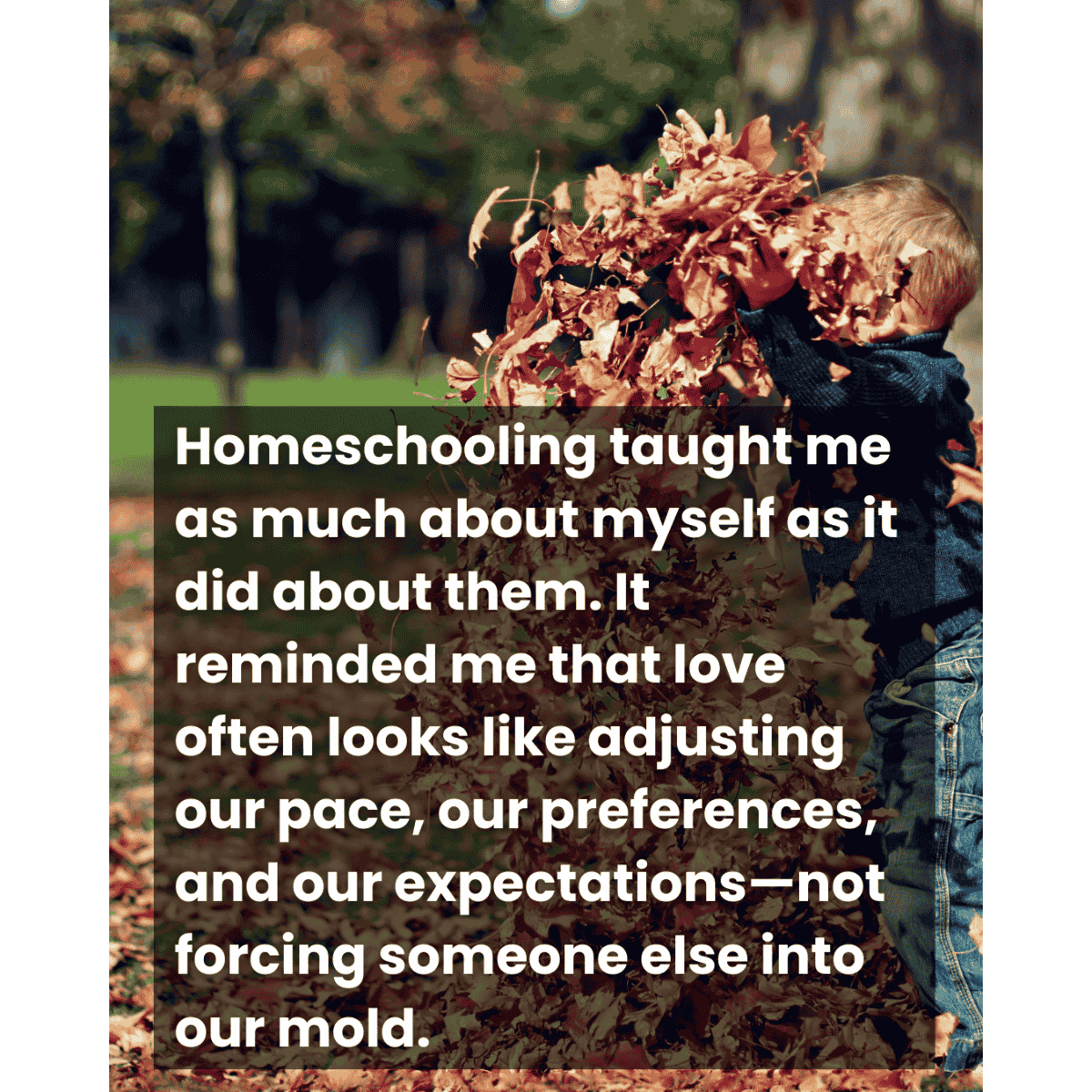
Homeschooling taught me as much about myself as it did about them. It reminded me that love often looks like adjusting our pace, our preferences, and our expectations—not forcing someone else into our mold.

And it gave me this truth:

We don’t have to learn the same way to learn together.

Top 5 Unexpected Benefits of Homeschooling That Are Lowkey So Awesome

Top 5 Unexpected Benefits of Homeschooling, brought to you in countdown format…

When people think about homeschooling, the big reasons often come to mind—personalized learning, flexible schedules, and a safe environment. While these are all of course wonderful and fantastic advantages, and certainly the reasons we put the most weight in when making the decision to homeschool, there are other unexpected benefits of homeschooling that don’t get as much attention, but for us parents are turn out to be pretty rad upsells to the whole gig! These lesser-known perks can make your day-to-day life easier and a lot more fun. Let’s count down the top five unexpected benefits of homeschooling that families often discover after they start.

One of the most unexpected benefits of homeschooling we discovered after we pulled our kids out of school is avoiding the constant pressure to keep up with fleeting trends. In traditional schools, peer pressure to have the latest toy, gadget, or clothing brand is ever-present. Kids can feel pressured to fit in, and this can lead to unnecessary stress and expenses for both children and parents. If you’ve ever bought a fidget spinner or Stanley cup for your kiddo to feel “cool” and not be left out, you know what I’m talking about!

Homeschooling allows children to escape the social pressures that often come with large peer groups. Without the need to “keep up” with what everyone else is doing, homeschooled kids can focus more on their own interests and passions. And NO this does not mean homeschoolers don’t socialize with peers, but they more often socialize with other homeschoolers, and this wildfire fad thing just doesn’t seem to happen as much in these groups.

unexpected benefits of homeschooling

This also means that parents can save money by not having to constantly buy the latest trendy items, only to toss them in the donation bag a few weeks later. By homeschooling, you create an environment where kids can be themselves without the influence of unnecessary trends.

#4: Freedom from Endless Fundraisers (and the PTA)

If you’ve ever had a child in public school, you’re likely familiar with the seemingly endless cycle of fundraising. Whether it’s selling cookies, wrapping paper, or participating in bake sales, parents are often tasked with organizing or buying into fundraisers to support school programs. While the cause may be noble, the constant fundraising grind can be exhausting. Not only does it cost us parents money to participate, but we often feel compelled to help our kids reach goals and contact more people for sales. If you’re a part of the PTA (Parent-Teacher Association) you may also be responsible for running events and orchestrating fundraising activities. While you’re happy to support your child’s school, and fully understand the need and value of volunteers and additional funds for our public schools, it’s ok to admit that it’s kind of a lot of extra work you’d maybe rather not do!

kids running a bake sale

One of the unexpected benefits of homeschooling is being free from these obligations. Homeschooling means you no longer have to feel pressured to ask friends, family, and neighbors to buy overpriced items or spend hours working PTA events. Instead, you can focus your time and energy on activities that truly matter to your family. Plus, you’ll save money by not having to buy unnecessary items just to meet quotas.

#3: Goodbye to Constant Coughing and Colds

Number 3 on our countdown is personal favorite of mine, and definitely an unexpected benefits of homeschooling- the significant reduction in sick days! Public schools are notorious for being breeding grounds for germs, it’s a running joke that kids in school are constantly sick, and it can feel pretty true! When kids spend their days surrounded by large groups of peers, in close quarters with poor ventilation, they are more likely to catch every cold, flu, and stomach bug going around. This can lead to constant downtime as kids recover from one illness after another, and the feeling that someone is always coughing. Kids are also, of course, generous enough to share these germs with everyone else in the family!

sick child in bed

Homeschooling reduces your child’s exposure to these germs, which means fewer sick days overall. While no environment is completely free of illness, and of course germ exposure increases our immune systems, homeschooling allows you to have more control over your child’s health. When your child does get sick, homeschooling offers the flexibility to adjust your schedule, so they can rest and recover without falling behind on their education, and there’s no pressure to have your child attend when they’re unwell. You can also teach your kids and ensure they participate in better hand hygiene. Even though you’re out and about in the community a lot as homeschoolers, you still get way less exposure to illness by not being in a crowded classroom all day!

#2: Peace Out of School Drop-Off and Bus Runs

Few things are more stressful than the frantic morning rush to get kids out the door on time for school. Whether it’s a mad dash to catch the bus or drop them off at school, mornings can often feel chaotic and rushed, setting a stressful tone for the day. If your kids have been in public school, I’m sure you know what I’m talking about! Sometimes it feels like most of your time with your kids is spent hustling them from one place to another, always in a rush and always late!

unexpected benefits of homeschooling bus run

One of the most appreciated unexpected benefits of homeschooling is the ability to say goodbye to school drop-offs and bus runs. Homeschooling allows families to start their day at a more natural pace. No more waking up at the crack of dawn or rushing to make it to school on time. Instead, homeschoolers can enjoy a calm morning routine, waking up when they’re ready and easing into the school day. I always recommend to new homeschoolers that one of the first school ingrained ideas we ditch is that kids need to be up and ready for the day at a certain time. Allowing your child to rest until their body is naturally ready to get up means they are getting the sleep they need for optimum health and growth (which may also attribute to getting sick less often, as in #3 of this countdown!) This slower start not only reduces stress but also helps children feel more balanced and focused, leading to a more productive day overall. Read more about how homeschooling reduces family stress.

And the #1 Spot Goes To….(drumroll please…) No More Making Bagged Lunches!

At the top of my personal list of unexpected benefits of homeschooling is one that many parents dream of—no more packing school lunches! Gone are the mornings of struggling to figure out what to put in a lunchbox that your child will actually eat and that will stay fresh until noon. No more worrying about food allergies, picky eating habits, or whether your child will trade away the sandwich you so carefully made.

Mom packs child's lunch

Homeschooling offers the luxury of fresh, home-cooked meals. Your children can enjoy warm, balanced lunches made right at home, and better yet, they can help prepare them! This not only gives you a break from the daily lunchbox grind, but it also turns meal preparation into a fun, educational activity where kids can learn valuable skills like cooking and nutrition. For many families, this becomes one of the most appreciated unexpected benefits of homeschooling. I know I personally did a little happy dance every time I didn’t have to make school lunches after we started homeschooling!

Conclusion: The Small Wins and Unexpected Benefits of Homeschooling Make a Big Difference

While homeschooling comes with its well-known perks like flexibility and personalized learning, it’s often the smaller, everyday wins that make the biggest impact. From not having to keep up with school trends and avoiding the morning rush, to fewer sick days and eliminating fundraising obligations, these unexpected benefits of homeschooling can significantly improve your family’s daily life, and your parent happiness levels!

Homeschooling allows families to focus on what truly matters—education and well-being—while enjoying a more relaxed and joyful routine. Whether you’re already homeschooling or considering it, these small but impactful perks make homeschooling a lifestyle worth loving.

The Top 3 Concerns About Homeschooling That Make Parents Hesitate

The decision to homeschool can feel overwhelming, and concerns about homeschooling are common for many parents. We all want the best for our children, and as homeschooling becomes increasingly popular, more parents are considering this option. However, traditional school remains the norm for most families, and choosing to break from this standard often means facing fears, stereotypes, and insecurities. Although homeschooling has seen significant growth and success, it remains a contentious choice for many. Let’s talk about some of the common concerns about homeschooling that cause parents to hesitate and discuss the truths that families who understand homeschooling have come to know.

family homeschooling

Stereotypes and Misconceptions Cause Concerns About Homeschooling

One of the biggest concerns about homeschooling comes from misconceptions. Homeschooling has become the fastest-growing form of alternative education, especially after the pandemic. Despite its rise, outdated stereotypes still persist. Many believe that homeschooled children are socially awkward, miss out on important life experiences, or are less prepared for adulthood. The concerns about socialization, missing sports or proms, and readiness for adult life continue to dominate the conversations of those considering homeschooling.

However, these myths are continuously debunked by the experiences of the many families who homeschool. Modern day homeschooling is more diverse and reflective of society at large, offering a rich, varied social experience. Homeschooled students often engage in extracurricular activities, community service, and group learning, proving that socialization isn’t an issue. Moreover, research shows that homeschoolers frequently outperform their peers academically and socially, helping ease many concerns about homeschooling.

mother and child lose concerns about homeschooling

Concerns About Homeschooling: Overcoming a Crisis of Confidence

Another major concern about homeschooling is a lack of confidence. Many parents doubt their ability to homeschool successfully. This doubt often comes from two sources: their own experiences with school, and societal pressures that make them feel unqualified to teach.

Many parents feel they can’t teach their children subjects like math or science because they struggled with these areas in school. However, homeschooling families learn that there are plenty of resources to help parents teach these concepts, even if they aren’t experts. Parents don’t need to have all the answers. In fact, homeschooling can actually be more effective when parents model how to seek knowledge, demonstrating to their children that learning is a lifelong process. Overcoming this concern about homeschooling means realizing that the traditional school system isn’t the only or best option for education, and that learning is an on-going journey for not only your children, but yourself.

Moreover, society often reinforces the idea that parents aren’t “enough” to educate their own children. The narrative that only professional educators can teach is a myth that serves to undermine parental confidence. But for those who understand homeschooling, the truth is that parents are the true experts on their own children and can often offer a more tailored, effective education than traditional schools.

you can homeschool

The Fear Factor

Fear is another powerful factor behind concerns about homeschooling. The fear of failure, judgment, and making an irreversible mistake in your child’s education can feel paralyzing. However, homeschooling families have accepted the truth that every educational path, whether homeschooling or traditional schooling, comes with risks. Parents are always responsible for their child’s learning, no matter where that learning takes place.

Often, parents don’t realize that they have already made the choice of where to educate their children by default in sending them to traditional schools. If public schools fail our children, the repercussions of that falls to us parents. Homeschooling offers a proactive stance, where parents tailor their child’s education to meet their specific needs and interests, providing a better education in the end.

Overcoming Your Hesitation

For parents considering homeschooling, it’s normal to feel nervous about going against the mainstream. However, the best way to overcome these concerns about homeschooling is to remind yourself that you are always making the best decisions you can with the information you have. If you feel that homeschooling is the right path but avoid it due to fear, you might regret not trying. Don’t let fear dictate your decision about homeschooling.

concerns about homeschooling abated

Understanding your concerns about homeschooling and addressing them with facts is key to overcoming the stereotypes, confidence crises, and fears that may hold you back. While homeschooling is not without its challenges, it offers a unique opportunity to create a personalized, dynamic education, and there are many valid reasons to homeschool. By addressing these common hesitations, parents can make informed decisions that align with their family’s values and goals for the future.

Is Homeschooling Popular in Florida?

Why Homeschooling is Growing in Popularity in Florida

Short answer: Yes! There has been a significant surge in the popularity of homeschooling in Florida in recent years. 

Long answer: Yes! 

In recent years, homeschooling has gained significant popularity amongst families in Florida. There are many variables that have contributed to this shift, as homeschooling is quickly becoming a highly sought after educational alternative for forward-thinking families who are invested in bettering their child’s educational experience and reclaiming autonomy over their child’s learning.

The COVID-19 pandemic played a pivotal role in accelerating interest in homeschooling as families searched for more stable and personalized educational options during periods of school closures. This experience emphasized the appeal of homeschooling’s flexibility and customization, allowing parents to tailor curriculum and learning approaches to accommodate their child’s individual needs, learning styles, and interests more closely than traditional schooling often allows.

Concerns over the quality of education provided in traditional public and private schools have also prompted some parents to explore homeschooling as a means to ensure their children receive a high-quality education aligned with their values. Advancements in educational resources, online learning platforms such as Schoolio, and support networks have made homeschooling more accessible and achievable for families across the state.

The state has recognized homeschooling as a valid educational choice, further supporting its acceptance and integration into the educational landscape.

Ultimately, the recent surge in homeschooling’s popularity reflects a growing trend towards educational diversity and parental empowerment in Florida. As more families discover and embrace the benefits of homeschooling, it is becoming increasingly recognized as a valuable and respected educational choice across the state. 

Click here to start your Journey Homeschooling in Florida with Schoolio.

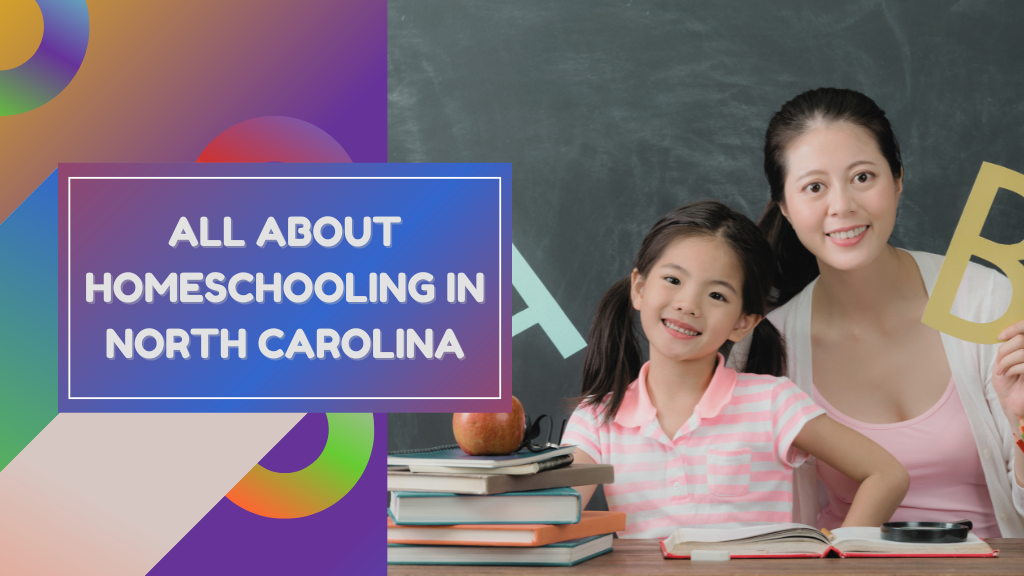
All About Homeschooling in North Carolina

TL;DR – Quick Answer:
Homeschooling in North Carolina is straightforward: parents must file a Notice of Intent, maintain immunization and attendance records, and conduct annual standardized testing. North Carolina requires the homeschool to be operated by a parent or guardian and to maintain a consistent academic schedule throughout the year.
TL;DR – Quick Answer:
Homeschooling in North Carolina is straightforward: parents must file a Notice of Intent, maintain immunization and attendance records, and conduct annual standardized testing. North Carolina requires the homeschool to be operated by a parent or guardian and to maintain a consistent academic schedule throughout the year.

How Many Children Are Homeschooled In North Carolina?

Can you believe that in the 2023-2024 academic school year over 193,000 students were homeschooling in North Carolina? The number of families in North Carolina choosing to learn at home, instead of opting for traditional schooling, is on the rise. The percent of children being homeschooled in North Carolina has jumped to 12%, raising an important question: Why has there been such a significant shift from learning at school to learning at home? Maybe it’s the opportunity for student-specific curriculum or the flexibility in location and schedule? Whatever the reason, one thing is clear: Homeschooling is gaining traction across the state. Interested in joining the thousands of families homeschooling? Click here to learn more about Schoolio.

Yes! There has been a surge in the popularity of homeschooling in recent years. In the 2023-2024 academic school year over 19,3000 students were homeschooling in North Carolina. Click here to learn more about homeschooling’s popularity in North Carolina.

Interested in joining the thousands of families homeschooling in North Carolina? Click here to learn more about Schoolio: The Homeschool Program for Families in North Carolina.

Is North Carolina A Good Place To Homeschool?

North Carolina is an excellent place to homeschool for families who value flexibility in education and want to take an active role in their child’s learning. The state provides an adaptable framework for homeschooling with straightforward regulations. Parents are required to register with the North Carolina Division of Non-Public Education, maintain records of attendance and immunizations, and administer an annual standardized test. This process ensures that homeschooled children receive a comprehensive education while allowing parents flexibility in curriculum and teaching methods. North Carolina’s emphasis on child-centered education plans allows parents to tailor their teaching approach to cater to their children’s diverse learning styles, needs, and interests; ensuring that each child can thrive both academically and developmentally.

Homeschooling in North Carolina empowers families to actively engage in their children’s educational journey, fostering strong parent-child relationships and providing an enriching education that prepares children for future endeavors. While homeschooling requires commitment and planning, its growing popularity and supportive infrastructure in North Carolina make it a favorable choice for many families seeking an alternative approach to education.

Click here to start your Journey Homeschooling in North Carolina with Schoolio

What Are The Benefits Of Homeschooling In North Carolina?

Homeschooling in North Carolina offers numerous benefits. The state provides a supportive environment with straightforward regulations, allowing parents significant freedom to design personalized educational programs. This flexibility enables customized learning experiences tailored to each child’s needs and interests. Additionally, North Carolina offers a dynamic support network with numerous resources, support groups, and co-ops, along with numerous opportunities for extracurricular activities, sports, and social engagement. These factors collectively make North Carolina an ideal place for homeschooling.

Click here to start your Journey Homeschooling in North Carolina with Schoolio

Curriculum, Programs, and Other Learning Options

What Age Should You Start Homeschooling In North Carolina?

Your child’s homeschooling journey can start at any age. Many parents begin homeschooling in North Carolina from Kindergarten, while others transition to homeschooling in later years. Schoolio provides the support and resources you need to begin homeschooling in North Carolina at any age! Note: It is required that children in North Carolina aged 7 to 16 receive an education.

Click here to learn more about Schoolio.

How To Homeschool Without A Curriculum In North Carolina?

To homeschool without a curriculum in  North Carolina you will need to submit a Notice of Intent to Homeschool to the North Carolina Division of Non-Public Education. Additionally, you should notify your local school of your decision to homeschool, and formally withdraw your child. Next, it’s time to roll up your sleeves and dive in! Click here to learn more about homeschooling without a curriculum, otherwise known as unschooling.

What Are The Best Homeschool Programs In North Carolina?

Choosing the best homeschooling curriculum in North Carolina for your family involves considering several factors to ensure it meets your educational goals and your child’s learning style. Start by assessing your child’s individual needs including their learning preferences, areas of need, and interests. Next, research different homeschooling curriculums available in North Carolina, considering factors such as educational philosophies, format, and the scope of subjects covered. Evaluate the cost, including any additional materials or resources required, and consider your budget for homeschooling. Take advantage of free trials or sample lessons to assess how well the curriculum fits with your child’s learning style and your teaching approach. Click here to learn more about Schoolio’s 7-Day FREE trial.

There are numerous homeschooling curriculums to choose from, but there is only one homeschooling curriculum that offers an all-in-one program specifically designed for students in North Carolina. Click here to learn more about Schoolio.

What Are The Accredited Homeschool Programs In North Carolina?

In North Carolina, there are several accredited and reputable homeschool programs that provide structured curriculum options and support. While it is not required to affiliate with an accredited homeschooling program, some families choose these programs for added structure and to ensure their children receive a comprehensive and enriching education. Some well-regarded accredited homeschool programs in North Carolina include Schoolio, Time4Learning, and K12.

Are There Free Online Homeschooling Options In North Carolina?

Yes. There are many free options and resources available for families homeschooling in North Carolina. Click here to learn more about free homeschooling options in North Carolina. 

Can You Switch To Homeschooling In The Middle Of The Year In North Carolina?

Yes. You can switch to homeschooling at any time during the academic school year. You will need to submit a Notice of Intent to Homeschool to the North Carolina Division of Non-Public Education. Additionally, you should notify your local school of your decision to homeschool, and formally withdraw your child; this can be done with an email or written letter. Schoolio is here to make the transition from learning at school to learning at home seamless. Click here to learn more about Schoolio.

What Are The Homeschooling Subject Requirements In North Carolina?

There are no subject requirements for families homeschooling in North Carolina. This autonomy in subject selection allows for the exploration of topic areas not typically covered in traditional schools, such as financial literacy and emerging technologies. To explore Schoolio’s courses click here.

Legalities & How to Get Started

How Do I Legally Start Homeschooling in North Carolina?

Legal Requirement #1: 

Notify The North Carolina Department of Non-Public Education with a Notice of Intent to Homeschool. This letter formally notifies The North Carolina Department of Non-Public Education of your decision to homeschool and states that you are taking responsibility for your child’s education. Click here for more information. Additionally, you should notify your local school of your decision to homeschool, and formally withdraw your child; this can be done with an email or written letter.

Legal Requirement #2: 

Families must maintain attendance and immunization records for each homeschooled student.

Legal Requirement #3: 

Homeschooling must operate on a regular schedule, excluding holidays and vacations, during at least nine months of the year. This law provides significant flexibility in your homeschooling schedule.

Legal Requirement #4: 

Families must administer a nationally standardized test each year to assess academic achievement in grammar, reading, spelling, and math for every student. Results must be kept on file for one year.

Legal Requirement #5: 

Parents must have at least a high school diploma (or equivalent) to homeschool.

Legal Requirement #6: 

Notify The North Carolina Department of Non-Public Education  when you are no longer homeschooling.

That’s it. Now it’s time for the fun part: creating an educational program for your child that is engaging, personalized, and ignites their love of learning! Click here to learn more about Schoolio.

What Forms Are Needed For Homeschooling In North Carolina?

You need one form and one form only for homeschooling in North Carolina: A Notice of Intent to Homeschool. This letter formally notifies The North Carolina Department of Non-Public Education of your decision to homeschool and states that you are taking responsibility for your child’s education. Click here to learn more.

Do I Need To Complete Progress Reports For Homeschooling In North Carolina?

No. You do not need to complete progress reports for homeschooling in North Carolina. However, progress reports can be helpful for tracking academic achievements, and for uncovering areas of need where intervention may be required. Click here to learn more about Schoolio’s progress reports. 

Are Any Tests Required For Homeschoolers In North Carolina?

Yes. Families must administer a nationally standardized test each year to assess academic achievement in grammar, reading, spelling, and math for every student. Results must be kept on file for one year.

Is Unschooling Legal In North Carolina?

Yes. Unschooling is legal in North Carolina. Click here to learn more about unschooling in North Carolina.

What Is A Notice Of Intent To Homeschool In North Carolina And Do I Need One?

A Notice of Intent to Homeschool is a letter that formally notifies The North Carolina Department of Non-Public Education of your decision to homeschool and states that you are taking responsibility for your child’s education. A Notice of Intent to Homeschool is required in North Carolina. Click here for more information.

Can Someone Else Homeschool My Child In North Carolina?

Yes. Someone else can homeschool your child in North Carolina. While you, as the parent, are responsible for ensuring your child’s education, you can delegate the instruction to others, such as a tutor, a grandparent, a co-op, or an online course.

What If I Want My Kids To Re-Enter The Public School System After Homeschooling?

It’s okay to change your mind! For your child to re-enter public school you will need to contact your local school district to organize which school your child will be attending and when they will re-enter the public system. Your child may be assessed to determine their grade level.

Are There Deadlines I Need To Be Aware Of For Homeschooling In North Carolina?

There are some important dates to be aware of when submitting your Notice of Intent to Homeschool to The North Carolina Department of Non-Public Education. 

Here is a list of those important dates:

  • Submit your Notice of Intent five days prior to your homeschooling start date.
  • No Notices of Intent will be accepted in May and June.

North Carolina’s homeschooling year begins on July 1 and ends on June 30. File your Notice of Intent after July 1.

What Are The Public School Access Provisions For Homeschoolers In North Carolina?

North Carolina does not have a law granting homeschooled students the right to participate in public school classes and activities. Individual schools decide whether to provide homeschoolers with participation opportunities. 

Homeschooled students may have the chance to participate in extracurricular activities such as sports and the arts at their local public school. Additionally, some public schools offer part-time enrollment options or allow homeschoolers to join specific classes and programs. Homeschooled students can also benefit from access to public school libraries and facilities. These provisions help enrich the homeschooling experience and provide valuable resources and opportunities.

What Are The Special Education Provisions For Homeschoolers In North Carolina?

In North Carolina, while homeschoolers don’t automatically receive special education services from public schools, there are valuable opportunities for support available. If your child has special education needs, you can request an evaluation from your local public school district to explore eligibility for services under the Individuals with Disabilities Education Act (IDEA). Should your child qualify, the district can offer specialized instruction, support, and an Individualized Education Program (IEP) tailored to their unique needs. Additionally, some districts provide valuable support services such as counseling or therapy, and there are many community resources and private providers that offer further special education services. Engaging with advocacy groups can also provide helpful guidance and support. 

Click here to learn more about how Schoolio can support your neurodivergent learner.

How Many Days/Hours Are Required For Homeschooling In North Carolina?

There are no specific day or hour requirements for homeschooling in North Carolina. However, homeschooling must operate on a regular schedule, excluding holidays and vacations, during at least nine months of the year. The state’s homeschooling laws provide flexibility, allowing parents to adjust academic scheduling to meet the unique needs of their child, tailoring the educational experience to align with their individual learning style, pace, and interests.

Funding and Costs

Is There Funding For Homeschooling In North Carolina?

No. Currently, there is no funding for families homeschooling in North Carolina. 

While the state does not provide financial support for homeschoolers in North Carolina, families can take advantage of  various resources and strategies to manage their educational expenses. By participating in homeschooling groups, taking advantage of community programs, and choosing low-cost educational resources, such as Schoolio, families homeschooling can provide a rich educational experience without breaking their budget.

Click here to learn more about Schoolio.

How Much Does It Cost To Homeschool In North Carolina?

Homeschooling is priceless, but at what cost? The cost of homeschool in North Carolina ranges from hundreds to thousands of dollars per year based on numerous factors, including subscriptions to online programs, supplies, books, extra-curricular fees, field trips, etc. By choosing a low-cost educational resource, such as Schoolio, families homeschooling can provide a rich educational experience without breaking their budget. Schoolio is a great option for parents looking for a high impact program at a low cost. 

Click here to learn more about Schoolio.

Is There A Tax Credit For Homeschooling In North Carolina?

No. There is no tax credit for homeschooling in North Carolina.

Where to Find Community and Encouragement

What Are The Homeschooling Associations In North Carolina?

The North Carolinians for Home Education and The Home School Legal Defense Association are prominent homeschooling associations in North Carolina that provide guidance, advocacy, and information for families homeschooling.

Are There Homeschooling Conferences In North Carolina?

Yes. North Carolina hosts numerous conferences for families homeschooling in North Carolina. Click here to learn more about one of the largest homeschool conferences in North Carolina: The NCHE Homeschool Conference.

What Are The Homeschooling Support Groups In North Carolina?

North Carolina has many homeschooling support groups that offer resources, advice, and support. Click here to learn more about homeschooling groups in your area.

PDA in ADHD and Autistic Kids and How to Help Them Thrive

Pathological Demand Avoidance (PDA) in ADHD and autistic kids is more common than you may realize.

Picture this: It’s almost time for dinner and you ask your ADHD 8-year-old to clean up his toys and wash his hands. He procrastinates, “I just need to finish this one thing first.” You ask him again 5 minutes later. “I’m too tired. My tummy hurts.” Getting frustrated, you put your foot down and insist, “No more excuses, time to clean up now!” Your child escalates, crumples to the floor, crying and in full meltdown. You wonder why your child is so defiant and can’t just listen to you when you ask for something simple like tidying up. If this sounds familiar, you aren’t alone. Getting dressed, brushing teeth, cleaning up, turning off the Playstation or tablet, getting into bed- seemingly simple requests are continuously met with resistance that seems way over the top. The more you insist, the harder they resist. It’s a cycle that leaves you frustrated and angry with a child in a meltdown. Pathological Demand Avoidance, known as PDA, is a term that has gained increasing recognition within the neurodivergent community, particularly when discussing children with ADHD and autism. For those of us parents homeschooling neurodivergent kids, understanding PDA in ADHD and autistic kids is crucial to understanding our kids and then providing the right supports to create an effective learning environment. But what even is PDA? How does it manifest in neurodivergent children and what makes it different than straight-up defiance?

What is PDA?

PDA in ADHD and autistic kids refers to a behavioral profile characterized by an extreme avoidance of everyday demands and expectations, driven by a need to maintain a sense of control. Unlike typical forms of demand avoidance, PDA is rooted in anxiety, where the child’s need to avoid demands is not about defiance but rather about a deep-seated fear of losing autonomy.

PDA is increasingly recognized as a distinct profile within the autism spectrum. It can also co-exist with ADHD, leading to a complex interplay of symptoms that can make traditional behavioral interventions less effective.

PDA in adhd and autistic kids looks like this young boy refusing to mow the yard.

It’s important to note that this avoidance is not merely defiance; it’s driven by anxiety and an overwhelming need to maintain control over the situation. The child isn’t rejecting the task itself but rather the perceived loss of autonomy and the fear of failure or overwhelm if they try to comply.

Another important understanding is what is a “demand”? When we hear the word demand, it can sound like strict orders, but really a demand is any mandatory request, ie. something you tell them to do that they don’t see themselves having an option about complying with. We all make and receive many “demands” every day in our lives.

Signs and Symptoms of PDA in ADHD and Autistic Kids

Recognizing PDA in ADHD and autistic kids involves observing specific behaviors that go beyond a typical resistance to tasks. Here are some common signs you can look out for:

  1. Extreme Demand Avoidance: Children with PDA will go to great lengths to avoid demands, often using strategies like distraction, excuses, or outright refusal. They might agree to tasks but then find ways to delay or disrupt them. Their need to avoid demands is so intense that they may do things out of character, like lie, manipulate, or coerce to avoid it. 
  2. Surface Sociability: Kids with PDA often appear socially adept on the surface, and you may find they get good at using charm or negotiation to avoid demands. However, this sociability can be superficial and more of a learned behavior than a genuine personality trait, and may be masking deeper social difficulties common in autistic people.
  3. Mood Swings and Emotional Dysregulation: PDA in ADHD and autistic kids can result in rapid mood changes, especially when they feel pressured. These mood swings are often linked to their anxiety about demands. They may seem to swing suddenly from happy and relaxed to stubborn, angry, and resistant.
  4. Obsessive Behavior: Children with PDA may develop intense interests or obsessions, often as a way to gain control or escape demands. Special interests, or SPINs, are common in autistic people, but may become more pronounced and the need to engage in them more intense when faced with demands.
  5. Resistance to Routine: Most autistic children find comfort in routine. ADHD children usually thrive with routine but seek novelty to help with dopamine deficiency. Those with PDA may resist routines imposed by others, preferring to set their own schedules and routines, or buck the routine entirely. This is a bid for control and autonomy as a way to combat their anxiety.
Teen sits on his bed on his tablet surrounded by a messy room.

Why is PDA More Common in Neurodivergent Kids?

PDA in ADHD and autistic kids is more prevalent due to the underlying cognitive and emotional challenges associated with these conditions. Here’s why PDA is often seen in neurodivergent children:

  1. Heightened Anxiety: Children who are ADHD and autistic often experience higher levels of anxiety, making them more likely to develop avoidance behaviors as a coping mechanism. Because daily life can be more challenging to those who are ADHD or autistic, along with the persistent feeling that they are unlike their peers, The demands of daily life can feel overwhelming, leading to the development of PDA.
  2. Need for Control: Neurodivergent children, particularly those who are autistic, may have a heightened need for control in order to feel safe and secure. This need can manifest as PDA when they perceive demands as a threat to their autonomy. If you find your child is especially demanding and needs to control their world very strictly, along with resistance to demands you make of them, then this can be a warning sign for PDA.
  3. Executive Functioning Challenges: ADHD, and sometimes autism as well, can be characterized by difficulties with executive functioning, such as planning, organizing, and following through with tasks. This can heighten anxiety, as well as make demands feel more burdensome and stressful, leading to avoidance strategies seen in PDA.
  4. Sensitivity to Change: Many autistic children are sensitive to changes in their environment or routine. Often, they are not only sensitive to change, but require routine for function and comfort. PDA can develop as a way to resist changes that feel unpredictable or uncontrollable.
PDA in ADHD and autistic kids manifests with little girl giving the thumbs down and a grumpy face

Strategies for Managing PDA in ADHD and Autistic Kids

Managing PDA in ADHD and autistic kids can feel really frustrating as a parent. It requires an approach that respects the child’s need for control while gently encouraging cooperation. And lots of patience!

Here are some strategies that can help:

1. Collaboration

Instead of imposing demands, engage your child in collaboration with you, especially if this can be built around problem solving. This approach means you invite your kiddo to engage in a demand with you, rather than asking them to do it alone. Collaborative problem solving involves working together to identify a problem, discuss possible solutions, and agree on a plan of action. By involving your child in decision-making processes, and working together, you can reduce their anxiety and resistance to demands.

Tip: Use language that emphasizes partnership. Two powerful words for kids with PDA are “together” and “let’s”. Instead of saying, “Put on your shoes so you’re ready to go,” try “Let’s put on our shoes together so we are ready to go.” This way, you make the task collaborative and reduce the stress of demand.

2. Offer Choices

Providing choices is a powerful way to give your child a sense of control and autonomy while still guiding them toward completing the tasks you need them to complete. Offer limited, structured choices that allow your child to feel empowered without being overwhelmed by too many options. This can work for both day-to-day parenting and in your homeschool.

Tip: Present choices that are acceptable to you and get what you need done, but still give your child the autonomy of choice. Instead of saying, “It’s time for math,” try “Would you like to start with math or reading today?” This way, tasks are still being completed, but you aren’t triggering your child’s PDA tendencies with a direct demand. You’re also giving them ownership over their learning, which will help them complete activities and tasks assigned to them without feeling like it’s an obligatory demand from you.

Young boy makes choice of breakfast between cereal and fruit

3. Reduce Perceived Demands and Create Challenges

This is when we can minimize the pressure of demands by breaking tasks into smaller, manageable steps or turning them into a challenge or game. Use indirect language or suggestions to reduce the intensity of demands, such as “I wonder if…” or “It might be fun to…” Avoid framing activities as demands and instead present them as opportunities for play by making them a game, or turning them into a challenge. For example, instead of saying, “You need to clean your room,” you could say, “Let’s see how many toys we can put away together in the length of a song.” Another strategy is to use PDA to your advantage by suggesting your child can’t do the thing you want them to do. For example, “I bet you can’t get all the blocks back in the bin before I finish setting the table.” For a lot of people with PDA, suggesting they can’t do something creates a challenge they want to take on. When you turn a demand into a challenge or a game, it not only makes it more motivating and stimulating, but it also creates dopamine in the brain, which ADHDers are lacking and can help them focus and manage stress.

Tip: Try implementing a rewarding deadline. A “rewarding deadline” is a concept used in time management and productivity strategies, particularly for people who struggle with motivation, such as people who are ADHD and autistic. It involves setting a deadline for completing a task and then linking the completion of that task with a reward. The idea is to create a positive incentive to finish the task by the deadline, making the process more motivating and enjoyable. For example, if you want your child to complete their chores by 2pm, instead of saying, “You need to finish your chores by 2:00,” try saying, “If you finish your chores by 2pm, we can go to the park afterward.” The deadline is not just about the time by which the task needs to be completed, but also about the positive outcome that follows, making it a “rewarding deadline.” This technique helps to make the task more appealing and provides a tangible benefit that your child can look forward to, thus increasing the likelihood of task completion. It leverages the brain’s reward system to encourage better time management and task follow-through while avoiding PDA triggers.

4. Establish Predictable Routines

While children with PDA may resist externally imposed routines, establishing a predictable and flexible routine can provide a sense of security. Many autistic kids need routine to thrive, and most ADHD kids do better with a routine as well. Involve your child in creating the routine, allowing them to have input on the schedule and activities. Use visual schedules or checklists that your child can personalize, giving them ownership of their daily routine. This collaborative approach can reduce resistance and increase cooperation. Predictability is important to a feeling of safety, especially in our autistic kids, and deviation from the predictable can cause considerable stress. Stress means we are more likely to trigger their PDA. 

Tip: If a change in routine is unavoidable, as it sometimes is in life, there are things you can do to mitigate the distress for your child. Priming is when we prepare our autistic kids for an unknown or a deviation from the routine by telling them in advance what will be happening, and providing them with as much detail about what the change will be like as possible. Another helpful tool, especially if the change was unexpected and last minute, is simple distraction. Allow them to engage in their special interest or use noise canceling headphones or a tablet or other device to help them regulate through the change in routine.

Boy looks bored over a textbook

5. Use Positive Reinforcement

Positive reinforcement is always a more powerful motivator for children than negative consequences, especially for children with PDA. Focus on praising effort and progress rather than specific outcomes, and use rewards that are meaningful to your child. Rewards aren’t the same as bribes, but rather they are recognition of their hard work and cooperation and a goal for your child to strive towards while completing their obligations.

Tip: Create a reward system that is consistent and predictable. Using something visual is helpful, especially for younger children. Make sure your system is predictable but also flexible enough to adapt to your child’s changing needs and preferences as they grow.

6. Be Patient and Flexible

Managing PDA in ADHD and autistic kids requires a lot of patience and flexibility. Recognize that progress may be slow and that setbacks are normal. Give yourself forgiveness when you inevitably get frustrated or angry. It’s important to remain calm and avoid power struggles, as these can exacerbate the child’s anxiety and resistance. It’s also more important to model for our children how we apologize and repair our mistakes then to model perfect behavior, so be sure to be patient with yourself as well.

Tip: Celebrate small victories and remember that this is not a condition your child asked for, or that they can control or turn off. Remember that you are both learning and growing through this process.

Parents of PDA in ADHD and autistic kids sit on couch looking frustrated while kids run around them

The Role of Homeschooling in Supporting PDA

Homeschooling offers a unique advantage for managing PDA in ADHD and autistic kids. The flexibility and individualized nature of homeschooling allow us as parents to create a learning environment that respects our children’s need for control while gently encouraging progress. It also creates an environment where you can prioritize emotional safety and comfort while helping your child learn about themselves and how to self-manage their needs.

Understanding and managing PDA in ADHD and autistic kids is essential for helping them thrive both academically and emotionally. By recognizing the signs of PDA and implementing these strategies, you can create a supportive and effective homeschooling environment that empowers your child to not only succeed now, but to learn how to manage their own needs in the future. Remember, patience, empathy, and flexibility are key to navigating the challenges of PDA, and with the right approach, your child can develop the confidence and skills they need to manage demands and achieve their full potential.

If you find that PDA is a significant challenge for your child, consider seeking additional support from professionals who specialize in ADHD, autism, and demand avoidance. Together, you can address your child’s unique needs and help them build a positive relationship with learning.

How Do I Legally Start Homeschooling in North Carolina?

How to Legally Start Homeschooling in North Carolina: Essential Guide

Starting homeschooling in North Carolina is an exciting journey, but it’s important to understand the legal requirements first. This guide will walk you through the key steps to ensure you’re compliant with state laws, so you can confidently begin your homeschooling experience.

Legal Requirement #1: 

Notify The North Carolina Department of Non-Public Education with a Notice of Intent to Homeschool. This letter formally notifies The North Carolina Department of Non-Public Education of your decision to homeschool and states that you are taking responsibility for your child’s education. Click here for more information. Additionally, you should notify your local school of your decision to homeschool, and formally withdraw your child; this can be done with an email or written letter.

Legal Requirement #2: 

Families must maintain attendance and immunization records for each homeschooled student.

Legal Requirement #3: 

Homeschooling must operate on a regular schedule, excluding holidays and vacations, during at least nine months of the year. This law provides significant flexibility in your homeschooling schedule.

Legal Requirement #4: 

Families must administer a nationally standardized test each year to assess academic achievement in grammar, reading, spelling, and math for every student. Results must be kept on file for one year.

Legal Requirement #5: 

Parents must have at least a high school diploma (or equivalent) to homeschool.

Legal Requirement #6: 

Notify The North Carolina Department of Non-Public Education  when you are no longer homeschooling.

That’s it. Now it’s time for the fun part: creating an educational program for your child that is engaging, personalized, and ignites their love of learning! Click here to learn more about Schoolio: The Homeschool Program for Families in North Carolina.

What Forms Are Needed For Homeschooling In North Carolina?

You need one form and one form only for homeschooling in North Carolina: A Notice of Intent to Homeschool. This letter formally notifies The North Carolina Department of Non-Public Education of your decision to homeschool and states that you are taking responsibility for your child’s education. Click here to learn more.

Do I Need To Complete Progress Reports For Homeschooling In North Carolina?

No. You do not need to complete progress reports for homeschooling in North Carolina. However, progress reports can be helpful for tracking academic achievements, and for uncovering areas of need where intervention may be required. Click here to learn more about Schoolio’s progress reports. 

Are Any Tests Required For Homeschoolers In North Carolina?

Yes. Families must administer a nationally standardized test each year to assess academic achievement in grammar, reading, spelling, and math for every student. Results must be kept on file for one year.

Now that you know how to legally start homeschooling in North Carolina, you’re ready to create a unique educational journey for your child. By following these legal steps, you can confidently begin homeschooling, ensuring your child’s education is both compliant and tailored to their needs. Ready to start? Explore how Schoolio can support your homeschooling experience in North Carolina!

Are There Free Homeschooling Options in North Carolina?

Free Homeschooling Options in North Carolina

Yes. There are many free homeschooling resources available in North Carolina, including online courses, public library programs, and community group activities.

In North Carolina, homeschooling families have access to a variety of free educational options and resources that support their children’s learning outside of traditional school settings. Public libraries throughout the state offer extensive collections of educational materials, including books, e-books, audiobooks, and online databases, all accessible at no cost. These resources cater to diverse subjects and interests, providing essential support for homeschooling curricula. Educational websites and apps, such as PBS LearningMedia, National Geographic Kids, and BBC Bitesize, offer free educational videos, games, and activities. These options enrich homeschooling experiences across different academic disciplines. Local community centers, museums, and cultural institutions also contribute by offering free or discounted educational programs and workshops. It’s allowing homeschooling families to engage in hands-on learning experiences outside the home. 

There are online educational platforms that offer free trials. Click here to learn more about Schoolio’s 7-Day FREE trial! Schoolio provides families with a low cost educational platform for all your homeschooling needs. 

These free or low cost resources empower families in North Carolina to provide quality education to their children. These are effectively and economically, ensuring an enriching homeschooling experience.

In North Carolina, families can take advantage of a wealth of free homeschooling resources to enhance their children’s education. From public library programs and educational websites to community activities and cultural institutions. These resources provide valuable support for effective and engaging homeschooling. By utilizing these free options, you can enrich your homeschooling experience and ensure your child receives a well-rounded education. Explore these opportunities and make the most of the available resources to support your homeschooling journey in North Carolina.