Why Canadian Homeschoolers Should Be Using Canadian Curriculum

For Canadian homeschoolers, the appeal of readily available American curriculum can be tempting, but Canadian curriculum is essential for Canadian students. There are less options for Canadian curriculum, and with a wide variety of options, seemingly universal topics, and often well-established brands, it might feel like a convenient choice to go with American content for your homeschooler. However, there are significant reasons why Canadian families should prioritize curricula created specifically for Canadian learners. From metric measurements to Canadian history, using Canadian-made materials ensures that children receive an education that aligns with their cultural and academic needs while supporting Canadian businesses.

Metric Measurements Matter

One of the most glaring differences between Canadian and American education systems is the use of measurements. Canada operates under the metric system, while the United States primarily uses the imperial system. This discrepancy might seem minor, but it can create confusion for Canadian learners when learning math and science. Remember that most of the world and all of the scientific community use metric measurements, so you do your child a disservice if you teach them imperial only. American curriculum often uses inches, feet, and pounds, while Canadian learners need to work in centimeters, meters, and kilograms to align with their daily lives and future academic expectations. Canadian students should become fluent in metric conversions to prepare for careers and higher education that rely on this system.

Using a Canadian curriculum ensures students become proficient in the measurements they will encounter in real-world applications. For more on the metric system, visit Canada’s Measurement System.

Financial Literacy with Canadian Money

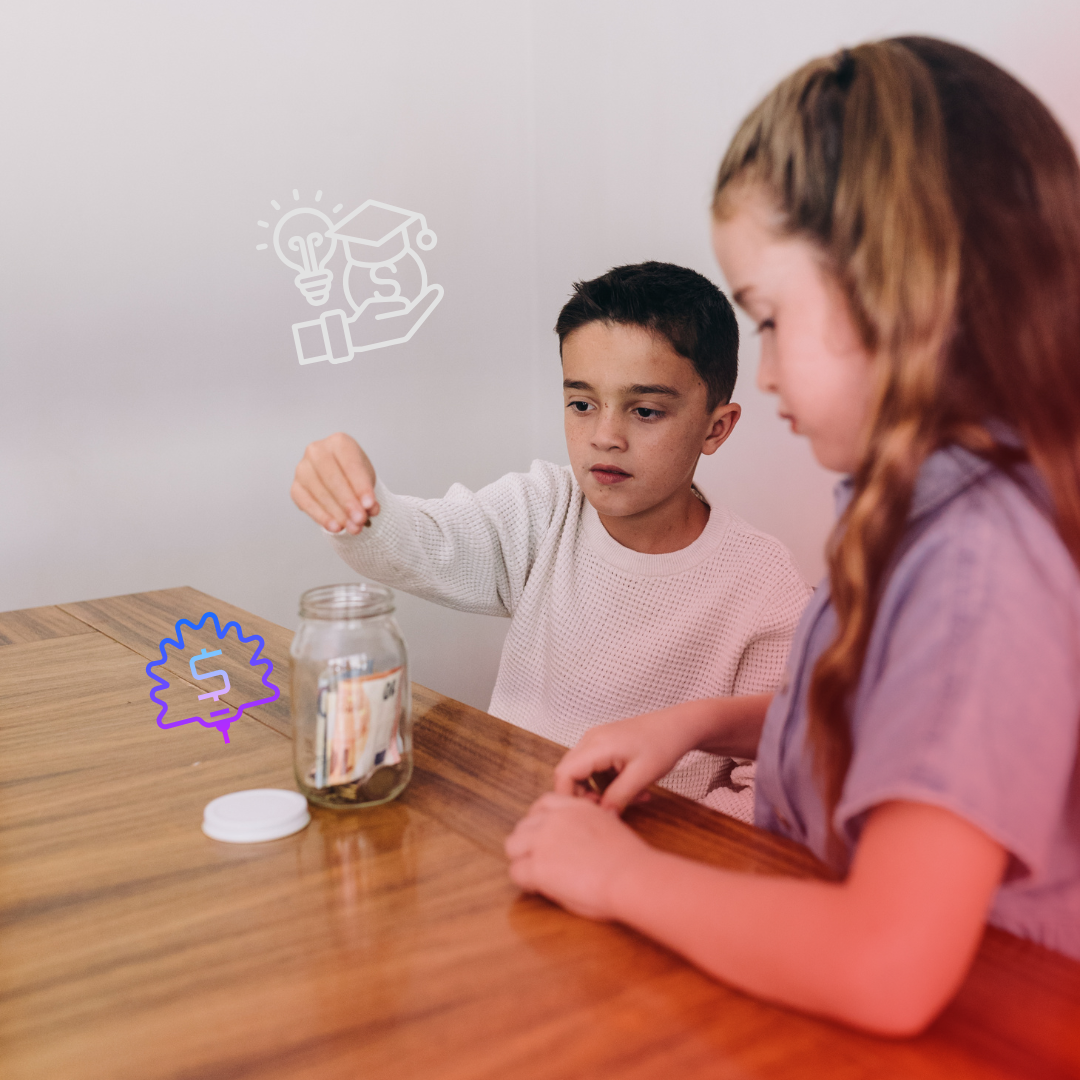
Financial literacy is a cornerstone of any good education, teaching students how to manage money, budget, and make informed financial decisions. Many families who choose to homeschool do so because they are interested in teaching concepts like Financial Literacy that aren’t well covered in schools. However, many American curricula focus exclusively on U.S. dollars, tax systems, and financial norms that don’t translate directly to Canadian realities. Canadian learners benefit from materials that:

  • Use Canadian dollars, coins, and banknotes for practical exercises.
  • Reflect Canadian tax structures, including GST and provincial taxes.
  • Incorporate Canadian banking systems, such as Registered Education Savings Plans (RESPs) and Tax-Free Savings Accounts (TFSAs).

A financial education rooted in Canadian contexts equips students with skills they’ll use throughout their lives. Canadian companies like Schoolio have a robust Canadian-focused Financial Literacy program.
Financial Literacy with Canadian Money

The Importance of Canadian Curriculum for History and Geography

American curricula emphasize U.S. history and geography, and also often cover World History, but rarely if ever do they cover Canada’s rich heritage and vast landscapes. For Canadian homeschoolers, it’s vital to:

  • Learn about Canadian history: From Indigenous peoples and their cultures to Confederation, Canadian history shapes our national identity and values.
  • Understand Canadian geography: With its diverse ecosystems and provinces, Canada’s geography is fundamental to understanding environmental stewardship and regional diversity.
  • Celebrate Canadian contributions: Highlighting Canadian achievements in science, art, and global diplomacy fosters national pride.

By focusing on these topics, Canadian curriculum can help students understand their place in the world and their responsibilities as Canadian citizens. For Canadian history resources, check out The Canadian Encyclopedia or look for a Canadian History curriculum, like Schoolio.

Canadian Ideals in Education

While the U.S. and Canada share some cultural similarities, the two nations differ in significant ways. Canadian education often emphasizes:

  • Inclusivity and multiculturalism: Reflecting Canada’s diverse population and commitment to equity.
  • Environmental responsibility: Encouraging sustainability and climate awareness as national priorities.
  • Peacekeeping and diplomacy: Highlighting Canada’s global role as a mediator and advocate for human rights.

Using Canadian curricula helps ensure that these values are woven into the learning experience, shaping students who are informed, empathetic, and engaged citizens.

Supporting Canadian Businesses

Choosing Canadian-made homeschooling materials not only benefits students but also strengthens the homeschooling community and economy. By supporting Canadian content creators, families:

  • Encourage the growth of local educational resources.
  • Ensure the availability of high-quality, culturally relevant materials for future generations.
  • Contribute to the success of small businesses and entrepreneurs dedicated to Canadian education.

Investing in Canadian businesses creates a positive cycle, fostering innovation and collaboration within the homeschool community.

Canadian Curriculum: A Balanced Approach

This isn’t to say that Canadian homeschoolers should completely avoid American resources. In some cases, supplemental materials from the U.S. can provide valuable insights or enhance a subject. Many Canadian homeschoolers also want to teach their children some American history and geography for relevance. However, the core curriculum should reflect Canada’s unique educational and cultural priorities. By carefully selecting Canadian materials, parents can provide a more relevant and enriching learning experience for their children.

Final Thoughts

Canadian homeschoolers have a wealth of resources at their disposal, and prioritizing Canadian curriculum is an investment in their children’s education and the nation’s future. From metric measurements to Canadian values, these materials ensure learners are prepared for life in Canada while fostering a sense of pride and connection to their home country. By supporting Canadian content creators, homeschoolers help build a robust, vibrant educational landscape that benefits all families across the country.

? Give Your Child a Truly Canadian Education! ?

Don’t settle for an American curriculum that doesn’t align with Canada’s unique history, values, and academic standards. Choose Schoolio’s Canadian curriculum and ensure your homeschooler learns:
✅ Metric measurements used in Canada and worldwide
✅ Financial literacy with Canadian dollars, banking, and taxes
✅ Canadian history, geography, and cultural contributions
✅ The values of inclusivity, sustainability, and diplomacy

? Equip your child with the right tools for success in Canada. Browse our Canadian curriculum today!

?➡ Explore Schoolio’s Canadian Curriculum Now!

Is Homeschooling Popular in Texas?

Homeschooling Popular in Texas: A Growing Educational Choice

Short answer: Yes! There has been a significant surge in the popularity of homeschooling in  Texas in recent years. 

Long answer: Yes! 

In recent years, homeschooling has gained significant popularity amongst families in Texas. There are many variables that have contributed to this shift, as homeschooling is quickly becoming a highly sought after educational alternative for forward-thinking families who are invested in bettering their child’s educational experience and reclaiming autonomy over their child’s learning.

The COVID-19 pandemic played a pivotal role in accelerating interest in homeschooling as families searched for more stable and personalized educational options during periods of school closures. This experience emphasized the appeal of homeschooling’s flexibility and customization, allowing parents to tailor curriculum and learning approaches to accommodate their child’s individual needs, learning styles, and interests more closely than traditional schooling often allows.

Concerns over the quality of education provided in traditional public and private schools have also prompted some parents to explore homeschooling as a means to ensure their children receive a high-quality education aligned with their values. Advancements in educational resources, online learning platforms such as Schoolio, and support networks have made homeschooling more accessible and achievable for families across the state.

The state has recognized homeschooling as a valid educational choice and has streamlined processes for families, further supporting its acceptance and integration into the educational landscape.

Ultimately, the recent surge in homeschooling’s popularity reflects a growing trend towards educational diversity and parental empowerment in Texas. As more families discover and embrace the benefits of homeschooling, it is becoming increasingly recognized as a valuable and respected educational choice across the state. 

In conclusion, homeschooling is popular in Texas, offering families a flexible and personalized education.
Click here to start your Journey Homeschooling in Texas with Schoolio.

How Do I Legally Start Homeschooling in Saskatchewan?

How Do I Legally Start Homeschooling in Saskatchewan?


To legally start homeschooling in Saskatchewan, you’ll need to follow a few essential steps to meet local regulations. Understanding and completing these requirements will set you on the right path to providing a structured and enriching educational experience for your child.

Legal Requirement #1: Notify your local school division with a Notice of Intent to Homeschool. This letter formally notifies your local school division of your decision to homeschool and states that you are taking responsibility for your child’s education. Click here for a Notice of Intent to Homeschool template.

Legal Requirement #2: Submit an Education Plan to your local school division. This plan can include a description of: learning outcomes, areas of study, assessment strategies, educational activities, learning resources, and instruction methods. Click here for an Education Plan template.

That’s it. Now it’s time for the fun part: create an engaging, personalized educational program that ignites your child’s love of learning! Click here to learn more about Schoolio: The Homeschool Program for Saskatchewan Families.

What Forms Are Needed for Homeschooling in Saskatchewan?

You need two forms for homeschooling in Saskatchewan: A Notice of Intent to Homeschool and An Education Plan. Click here for a Notice of Intent to Homeschool template. Click here for an Education Plan template.

Do I Need to Complete Progress Reports for Homeschooling in Saskatchewan?

Yes, you need to complete an Annual Progress Report for homeschooling in Saskatchewan . Be sure to submit it before the local school division’s deadline. Click here for an Annual Progress Report template.

Are Any Provincial Tests Required For My Homeschooler in Saskatchewan?

No. Provincial tests are not required for students homeschooling in Saskatchewan. 

Is Unschooling Legal in Saskatchewan?

Yes. Unschooling is legal in Saskatchewan. Click here to learn more about unschooling in Saskatchewan.

What is a Notice of Intent to Homeschool in Saskatchewan?

A Notice of Intent to Homeschool is a letter that formally notifies your local school division of your decision to homeschool and states that you are taking responsibility for your child’s education. 

Click here for a Notice of Intent to Homeschool template for homeschooling in Saskatchewan.

What Qualifications are Needed for Homeschooling in Saskatchewan?

There are no qualifications needed for homeschooling in Saskatchewan. With the right support and resources, you don’t need any formal qualifications to be the teacher your child needs and deserves! Click here to learn more about Schoolio: The Homeschool Program for Saskatchewan Families.

How Would My Child Re-enter Public School if I Change My Mind?

It’s okay to change your mind! For your child to re-enter public school you will need to contact your local school division to organize which school your child will be attending and when they will re-enter the public system. Your child may be assessed to determine their grade level. 

Funding and Costs

Is There Funding/Grants/Stipends for Homeschooling in Saskatchewan?

Great news for families homeschooling in Saskatchewan: funding is available! Families homeschooling in Saskatchewan can receive between $300  and $1000 per year per child. To be eligible for this funding, you must notify and be approved by your local school division. This funding can help cover costs associated with educational materials and resources. 

Selecting a low-cost educational resource, such as Schoolio, enables families homeschooling in Saskatchewan to provide a rich educational experience without straining their budget. Moreover, Schoolio stands out as an excellent option for parents who want a high-impact program at a lower cost. Click here to learn more about Schoolio.

How Much Does It Cost to Homeschool in Saskatchewan?

Homeschooling is priceless, but at what cost? The cost of homeschooling in Saskatchewan ranges from hundreds to thousands of dollars per year based on numerous factors, including subscriptions to online programs, supplies, books, extra-curricular fees, field trips, etc. Some of these costs can be financed by the funding provided to homeschooling families by their local school division. 

By choosing a low-cost educational resource like Schoolio, families homeschooling in Saskatchewan can provide a rich educational experience. This allows them to stay within budget without sacrificing quality. Schoolio is a great option for parents looking for a high impact program at a low cost. 

Click here to learn more about Schoolio: The Homeschool Program for Saskatchewan Families.

Is There a Tax Credit for Homeschooling in Saskatchewan?

No. There is no tax credit for homeschooling in Saskatchewan. 

Where to Find Community, Support, and Encouragement

What Are the Homeschooling Associations in Saskatchewan?

In Saskatchewan, the primary homeschooling association is the Saskatchewan Home Based Educators (SHBE), which offers support, resources, and advocacy for homeschooling families. Click here to visit their website.

Are There Homeschooling Conferences in Saskatchewan?

Yes, there are numerous homeschooling conferences in Saskatchewan, primarily organized by the Saskatchewan Home Based Educators (SHBE). These conferences provide valuable insights on educational resources, teaching strategies, and legal requirements. Click here to learn more.

What Are the Homeschooling Support Groups in Saskatchewan?

In Saskatchewan, the Saskatchewan Home Based Educators (SHBE), serves as the primary organization offering support, resources, and advocacy for homeschooling families. Click here to learn more.

What Are the Homeschool Boards and Programs in Saskatchewan?

In Saskatchewan, homeschooling families remain under their local school division. This is the same public school board where you submitted your Notice of Intent to Homeschool. Click here for a list of school divisions in Saskatchewan.

Is Unschooling Legal in Alberta?

Yes, unschooling is legal in Alberta. Parents opting for this educational approach must notify their local school board of their intent to homeschool. Unschooling is a lawful approach in Alberta, allowing families to personalize their children’s education.

Now that you know it’s legal, let me explain what unschooling is all about!

What Is Unschooling?

Unschooling allows children to learn through self-directed exploration of their interests and natural curiosity. This approach differs from a structured curriculum typical of traditional schooling. Unschooling presents numerous benefits for children and families who choose this approach. At its core, unschooling advocates for child-led learning, allowing children to pursue their interests and passions autonomously. This approach nurtures intrinsic motivation and cultivates a genuine love for learning. Children engage deeply with subjects that captivate them. The flexibility inherent in unschooling enables learning to occur organically. It adapts to individual learning styles and accommodates diverse schedules and environments.

By tailoring education to each child’s unique strengths and interests, unschooling promotes a highly personalized experience. Tailoring education can be more effective than traditional methods. Schoolio understands that students learn best when they are motivated and engaged with their unique interests. Therefore, we emphasize creating opportunities that foster that engagement, enhancing learning outcomes. That’s why Schoolio created interest-based electives to ignite your child’s passion for learning!


Click here to check out Schoolio’s interest-based electives

Are There Free Homeschooling Options in Saskatchewan?

Are There Free Homeschooling Options in Saskatchewan?

Yes. There are many free homeschooling resources available in Saskatchewan, including online courses, public library programs, and community group activities.

In Saskatchewan, homeschooling families have access to a variety of free educational options and resources that support their children’s learning outside of traditional school settings. Public libraries throughout the province offer extensive collections of educational materials, including books, e-books, audiobooks, and online databases, all accessible at no cost. These resources cater to diverse subjects and interests, providing essential support for homeschooling curricula. Educational websites and apps, such as PBS LearningMedia, National Geographic Kids, and BBC Bitesize, offer free educational videos, games, and activities that enrich homeschooling experiences across different academic disciplines. Local community centres, museums, and cultural institutions also contribute by offering free or discounted educational programs and workshops, allowing homeschooling families to engage in hands-on learning experiences outside the home. The government of Saskatchewan also provides many free academic resources and materials for homeschooling families. 

Additionally, there are online educational platforms that offer free trials, click here to learn more about Schoolio’s free 7-day trial! Schoolio provides families with a low cost educational platform for all your homeschooling needs. 

These free or low cost resources empower families in Saskatchewan to provide quality education to their children effectively and economically, ensuring an enriching homeschooling experience.

Is Unschooling Legal in Saskatchewan?

Yes, unschooling is legal in Saskatchewan. Parents who opt for unschooling must notify their local school division. Notify the local school division with a Notice of Intent to Homeschool. Unschooling is a recognized and lawful approach to homeschooling in Saskatchewan, offering families the freedom to personalize their children’s educational experiences as they see fit.

Now that you can rest assured that you aren’t breaking any laws, let me tell you what unschooling is all about!

Unschooling allows children to learn through self-directed exploration of their interests and natural curiosity, rather than following a structured curriculum typical of traditional schooling. Unschooling presents numerous benefits for children and families who choose this approach. At its core, unschooling advocates for child-led learning, allowing children to pursue their interests and passions autonomously. This approach nurtures intrinsic motivation and cultivates a genuine love for learning as children engage deeply with subjects that captivate them. The flexibility inherent in unschooling enables learning to occur organically, adapting to individual learning styles and accommodating diverse schedules and environments. By tailoring education to each child’s unique strengths and interests, unschooling promotes a highly personalized educational experience that can be more effective than traditional schooling methods. Schoolio recognizes that the best learning happens when students are deeply engaged and motivated by topics that align with their unique interests, which is why we’ve designed interest-based electives to ignite your child’s passion for learning!

Click here to check out Schoolio’s interest-based electives.

Is Homeschooling Popular in Saskatchewan?

Short answer: Yes! There has been a significant surge in the popularity of homeschooling in Saskatchewan in recent years. 

Long answer: Yes! 

In recent years, homeschooling has gained significant popularity amongst families in Saskatchewan. There are many variables that have contributed to this shift, as homeschooling is quickly becoming a highly sought after educational alternative for forward-thinking families who are invested in bettering their child’s educational experience and reclaiming autonomy over their child’s learning.

The COVID-19 pandemic played a pivotal role in accelerating interest in homeschooling as families searched for more stable and personalised educational options during periods of school closures. This experience emphasised the appeal of homeschooling’s flexibility and customization, allowing parents to tailor curriculum and learning approaches to accommodate their child’s individual needs, learning styles, and interests more closely than traditional schooling often allows.

Concerns over the quality of education provided in traditional public and private schools have also prompted some Saskatchewan parents to explore homeschooling as a means to ensure their children receive a high-quality education aligned with their values. Advancements in educational resources, online learning platforms such as Schoolio, and support networks have made homeschooling more accessible and achievable for families across the province.

The Saskatchewan government has recognized homeschooling as a valid educational choice and has streamlined processes for families to communicate their homeschooling plans to school boards, further supporting its acceptance and integration into the educational landscape.

Ultimately, the recent surge in homeschooling’s popularity reflects a growing trend towards educational diversity and parental empowerment in Saskatchewan. As more families discover and embrace the benefits of homeschooling, it is becoming increasingly recognized as a valuable and respected educational choice across the province. 


Click here to start your Journey Homeschooling in Saskatchewan with Schoolio.

Are There Free Homeschooling Options in Ontario?

Free Homeschooling Options in Ontario

Yes. There are many free homeschooling resources available in Ontario, including online courses, public library programs, and community group activities.

In Ontario, homeschooling families have access to a variety of free educational options and resources. Those are supporting their children’s learning outside of traditional school settings. Public libraries throughout the province offer extensive collections of educational materials. Those are including books, e-books, audiobooks, and online databases, all accessible at no cost. These resources cater to diverse subjects and interests, providing essential support for homeschooling curricula. Educational websites and apps, such as PBS LearningMedia and National Geographic Kids offer free educational videos, games, and activities. They enrich homeschooling experiences across different academic disciplines. Local community centres, museums, and cultural institutions also contribute by offering free or discounted educational programs and workshops. These are allowing homeschooling families to engage in hands-on learning experiences outside the home.

There are online educational platforms that offer free trials, click here to learn more about Schoolio’s FREE two-week trial! Schoolio provides families with a low cost educational platform for all your homeschooling needs. 

While homeschooling itself is not financially supported by the government in Ontario, these free or low cost resources empower families to provide quality education to their children effectively and economically, ensuring an enriching homeschooling experience.

Supervised VS Unsupervised Homeschooling in Alberta

Supervised & Unsupervised Homeschooling in Alberta: What’s the Difference?

In Alberta, homeschooling is regulated and can be categorized into two main types: supervised vs. unsupervised homeschooling. These categories differ significantly in terms of educational monitoring, support, and academic requirements.
Summary of Differences:

AspectSupervised HomeschoolingUnsupervised Homeschooling
RegistrationRegistration with a supervising school authorityNotify your supervising school authority with a Home Education Notification Form
SupportGuidance and support from the school authorityFind support yourself
Educational Plan/CurriculumMust be approved by the school authorityCreated independently by parents
EvaluationRegular evaluations by the school authorityNo formal evaluations
FundingFunding availableNo funding provided
RessourcesAccess to resources from the school authorityResources sourced by parents

Supervised homeschooling involves a formal relationship between homeschooling families and a school authority. Parents must register with this authority, which offers guidance and support throughout the homeschooling process. An important aspect of supervised homeschooling is submitting an educational plan that aligns with the Alberta Program of Studies or presents an alternative approach. The supervising authority must approve this plan. The authority evaluates student progress at least twice a year to ensure the student follows the educational plan and measures overall academic progress. Families in supervised homeschooling may receive funding for educational resources, up to $850 per child per year, depending on the authority’s policies. The school authority might also provide access to curriculum materials and other educational resources.

Unsupervised homeschooling, , or notification-only homeschooling, allows parents to educate their children independently without direct monitoring from a school authority. Parents must notify the Minister of Education of their intent to homeschool. This process is less formal than supervised homeschooling and does not involve a supervising authority. Parents create and implement their child’s educational plan without needing external approval. No formal evaluations are conducted by an authority. Families opting for unsupervised homeschooling handle all sourcing and financing of educational materials themselves, without receiving government funding.

In summary, the key differences between supervised and unsupervised homeschooling in Alberta are the following:
1. External student monitoring

2. academic support

3. legislative requirements.

Supervised homeschooling involves registration with a school authority. It requires submission and approval of an educational plan, regular evaluations, and funding for resources. Unsupervised homeschooling requires only a notification to the Minister of Education. Parents will independently managing their child’s educational plan and progress assessments, no financial support, and no formal evaluations. The choice between supervised homeschooling and unsupervised homeschooling depends on the family’s educational preferences and needs.

Deciding between supervised homeschooling and unsupervised homeschooling? There are some important factors to consider when making your decision.

Deciding between supervised VS unsupervised homeschooling in Alberta for your child involves several important considerations. They’re related to your child’s educational needs, your family’s preferences, and your readiness to manage the homeschooling process. Consider your child’s learning style and needs. A child who benefits from structured guidance might thrive with supervised homeschooling, which provides a formalized plan and regular evaluations. However, if your child is more self-directed, has neurodivergence, or has specific learning needs, the flexibility of unsupervised homeschooling, with its customized curriculum and schedule, might be advantageous.

Time commitment, educational philosophy, and financial aspects are also important in this decision. Supervised homeschooling requires regular interaction with the supervising authority and adherence to a structured plan, which can be time-consuming. Unsupervised homeschooling, on the other hand, allows greater freedom but requires you to independently develop and manage your child’s education. Consider the level of support and resources each option provides: supervised homeschooling offers funding and specific academic materials, while with unsupervised homeschooling you source and finance your own curriculum.

Regardless if you choose supervised or unsupervised homeschooling, Schoolio is here to help. Click here to learn more about Schoolio: The Homeschool Program for Alberta Families.

Explore Free Homeschooling Options in Alberta

TL;DR – Quick Answer:
Explore Free Homeschooling Options in Alberta provides essential benefits for homeschooling families by offering flexibility, community, and expert-led resources. Our 10,000+ strong Schoolio community proves that personalized learning is the future of education.

Explore Free Homeschooling Options in Alberta

Yes. There are many free homeschooling options available in Alberta, including online courses, public library programs, and community group activities.

In Alberta, homeschooling families have access to a variety of free educational options and resources that support their children’s learning outside of traditional school settings. Public libraries throughout the province offer extensive collections of educational materials, including books, e-books, audiobooks, and online databases, all accessible at no cost. These resources cater to diverse subjects and interests, providing essential support for homeschooling curricula. Educational websites and apps, such as PBS LearningMedia, National Geographic Kids, and BBC Bitesize, offer free educational videos, games, and activities that enrich homeschooling experiences across different academic disciplines. Local community centres, museums, and cultural institutions also contribute by offering free or discounted educational programs and workshops, allowing homeschooling families to engage in hands-on learning experiences outside the home.

Additionally, your supervising school authorities in Alberta may provide free academic materials to homeschooling families enrolled in their home education programs. These materials can include textbooks, workbooks, online resources, and other educational tools that align with the provincial curriculum.

There are also online educational platforms that offer free trials, click here to learn more about Schoolio’s FREE two-week trial! Schoolio provides families with a low cost educational platform for all your homeschooling needs. 

These free or low cost resources empower families to provide quality education to their children effectively and economically, ensuring an enriching homeschooling experience.

For further reading on evidence-based educational strategies, explore the research provided by the Child Mind Institute.

Is Unschooling Legal in Ontario?

Yes, unschooling is legal in Ontario. Parents choosing this approach must inform their local school board of their intent to homeschool. Unschooling is a recognized and lawful method of homeschooling in Ontario. It’s giving families the freedom to customize their children’s education according to their needs and interests.

Now that you can rest assured that you aren’t breaking any laws let me tell you what unschooling is all about! 

Unschooling empowers children to take charge of their education, learning through self-directed exploration driven by their interests and natural curiosity, instead of adhering to a rigid curriculum like traditional schools. This approach offers significant benefits for both children and families who embrace it. At its core, unschooling champions child-led learning, encouraging kids to autonomously pursue their passions. This method fosters intrinsic motivation and a genuine love for learning as children dive deeply into subjects that truly captivate them. The flexibility of unschooling allows learning to happen naturally. It also helps adapting to each child’s unique learning style and accommodating various schedules and environments. By customizing education to align with each child’s strengths and interests, unschooling delivers a highly personalized educational experience that often surpasses traditional methods. Schoolio recognizes that the most effective learning happens when students are deeply engaged with topics they love. This is why we’ve created interest-based electives designed to spark your child’s passion for learning!
Click here to check out Schoolio’s interest-based electives.

Is Homeschooling Popular in Alberta?

Surge in Homeschooling Popularity in Alberta: Why More Families Are Choosing Homeschooling

Short answer: Yes! There has been a significant surge in homeschooling popularity in Alberta in recent years.

Long answer: Yes!

In recent years, homeschooling has gained significant popularity amongst families in Alberta. There are many variables that have contributed to this surge in homeschooling popularity in Alberta, as it quickly becomes a highly sought-after educational alternative for forward-thinking families who are invested in bettering their child’s educational experience and reclaiming autonomy over their child’s learning.

The COVID-19 pandemic played a pivotal role in accelerating interest in homeschooling as families searched for more stable and personalized educational options during periods of school closures. This experience emphasized the appeal of homeschooling’s flexibility and customization, allowing parents to tailor curriculum and learning approaches to accommodate their child’s individual needs, learning styles, and interests more closely than traditional schooling often allows.

Concerns over the quality of education provided in traditional public and private schools have also prompted some Alberta parents to explore homeschooling as a means to ensure their children receive a high-quality education aligned with their values. Advancements in educational resources, online learning platforms such as Schoolio, and support networks have made homeschooling more accessible and achievable for families across the province.

The Alberta government has recognized homeschooling as a valid educational choice and has streamlined processes for families to communicate their homeschooling plans to school boards, further supporting its acceptance and integration into the educational landscape. This further contributes to the surge in homeschooling popularity in Alberta.

Ultimately, the recent surge in homeschooling’s popularity reflects a growing trend toward educational diversity and parental empowerment in Alberta. As more families discover and embrace the benefits of homeschooling, it is becoming increasingly recognized as a valuable and respected educational choice across the province.

Click here to start your Journey Homeschooling in Alberta with Schoolio.