What (and Why) to Teach in Social Studies in K–8

What (and Why) to Teach in Social Studies in K–8


When most parents hear “Social Studies,” they think:

History.

Geography.

Maybe a few maps.

And then they wonder…

How much does this really matter in elementary school?

But Social Studies is so much bigger than memorizing dates and capitals.

It’s not just about the past.

It’s about people.

It’s about identity.

It’s about belonging.

And when we teach it well in the early years, we aren’t just building knowledge — we’re building citizens.


Social Studies Is More Than History and Maps

In K–8, Social Studies is an umbrella.

And under that umbrella, we’re teaching multiple big ideas:

  • History and Geography, yes.

But also,

  • People
  • Communities
  • Cultures
  • Heritage
  • Identity
  • Citizenship

Let’s break that down.


Geography: People, Communities, and Cultures

Yes, geography includes landforms and continents.

But in the early grades, it starts much closer to home.

A kindergartener doesn’t need to memorize world capitals.

They need to understand:

Who are the people in my community?

What jobs do they do?

How do we help one another?

A first grader can learn:

What is a community?

Why do we have libraries, fire stations, parks?

Who makes our town function?

As they grow, geography expands:

How do people live in different parts of the world?

What do families look like in different cultures?

What traditions do people celebrate?

When kids learn about different family structures, religions, foods, and customs, they are building empathy.

They are learning tolerance.

They are widening their worldview.

And that matters just as much as knowing where France is on a map.


History: Story Before Timeline

History in the early years isn’t about memorizing wars.

It’s about story.

It starts with:

What is “the past”?

What was my family like before I was born?

Where did my grandparents grow up?

Children can explore their own heritage:

Where did our family come from?

Why did they immigrate?

What traditions have we kept?

Understanding personal history builds identity.

Later, that expands into:

Major events.

Important figures.

How societies changed over time.

But when we start with personal connection, history feels human — not just a list of facts.


Heritage and Identity

When kids explore their heritage, they begin to see themselves as part of a bigger story.

That’s powerful.

It gives them roots.

It gives them context.

It teaches them that their family’s journey — whether recent immigration or generations in one place — is part of the fabric of society.

And when they understand their own story, they’re more open to respecting someone else’s.


Citizenship: It Starts So Small

Citizenship doesn’t begin in middle school with a textbook on government.

It begins in first grade.

It begins when a child learns to:

Pick up trash in the park.

Hold the door open.

Follow shared rules at the library.

Understand fairness.

Those small acts are the foundation of civic responsibility.

By grade 5 or 6, we can expand into:

What is local government?

What does a mayor do?

What are the levels of government?

Why do we vote?

But those bigger ideas only land when kids understand that they are part of a community.

Citizenship is belonging plus responsibility.

And it builds year by year.


Why This Matters in K–8

If we reduce Social Studies to “history and geography facts,” we miss the point.

Social Studies is where we teach kids:

How to see others.

How to understand systems.

How to think critically about fairness.

How to participate in their community.

How to value diversity.

How to understand where they come from.

In a world that feels increasingly divided, those skills are not optional.

They are foundational.


It’s Not Extra — It’s Essential

In the early years especially, Social Studies isn’t separate from real life.

It is real life.

It’s conversations at the dinner table.

It’s noticing the helpers in your town.

It’s asking where your family’s traditions came from.

It’s learning why we follow rules.

It’s understanding that different doesn’t mean wrong.

From a first grader learning to care for their local park…

to a sixth grader learning how government works…

It all builds.

And when we teach Social Studies with intention, we aren’t just raising students.

We’re raising thoughtful, informed, empathetic humans.

?

Lindsey

certified special-ed educator, homeschooling mom, & co-founder of Schoolio

Schoolio Summer Series Week 3: Insect Investigations ??

Schoolio Summer Series Week 3: Insect Investigations – Fun and Educational Activities for Kids

Welcome to Week 3 of the Schoolio Summer Series! If you missed Week 2, don’t worry—each week in the Schoolio Summer Series is designed as a standalone adventure, so you can jump in at any time. This series is a fantastic way to keep your kids engaged and learning throughout the summer!

Every week of the Schoolio Summer Series features a new theme packed with resources, a day-by-day schedule, and exciting activities. On Fridays, we share the upcoming week’s plan, including lessons, crafts, and more, all laid out in an easy-to-follow schedule. This allows you the weekend to gather supplies and print any materials you need.

We’re thrilled to provide everything you need for a fun and educational summer program. Let’s dive into Week 3 of the Schoolio Summer Series: Insect Investigations!

Schedule:

Monday ?

Morning Session
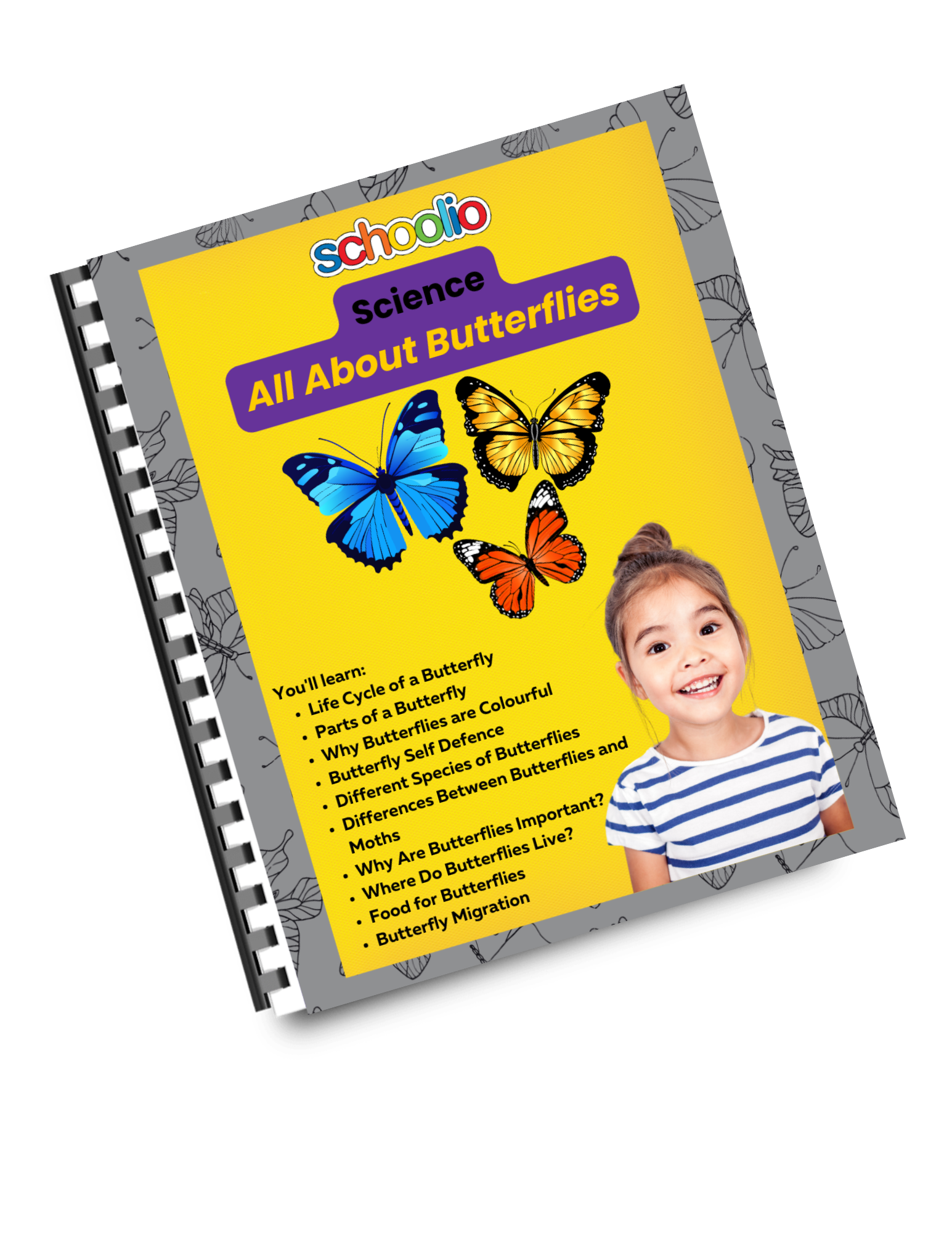
Lesson 11: Differences Between Butterflies and Moths

  • Schoolio Curriculum: All About Butterflies pg. 20-24
  • Associated Curricular Activity: Real World Moth and Butterfly Identification
  • Additional Activity: Set up moth lights to observe nocturnal pollinators. For tips on setting up, visit: Go Mothing! – Science Friday.

Afternoon Session
Lesson 12: How Do Bees Make Honey?

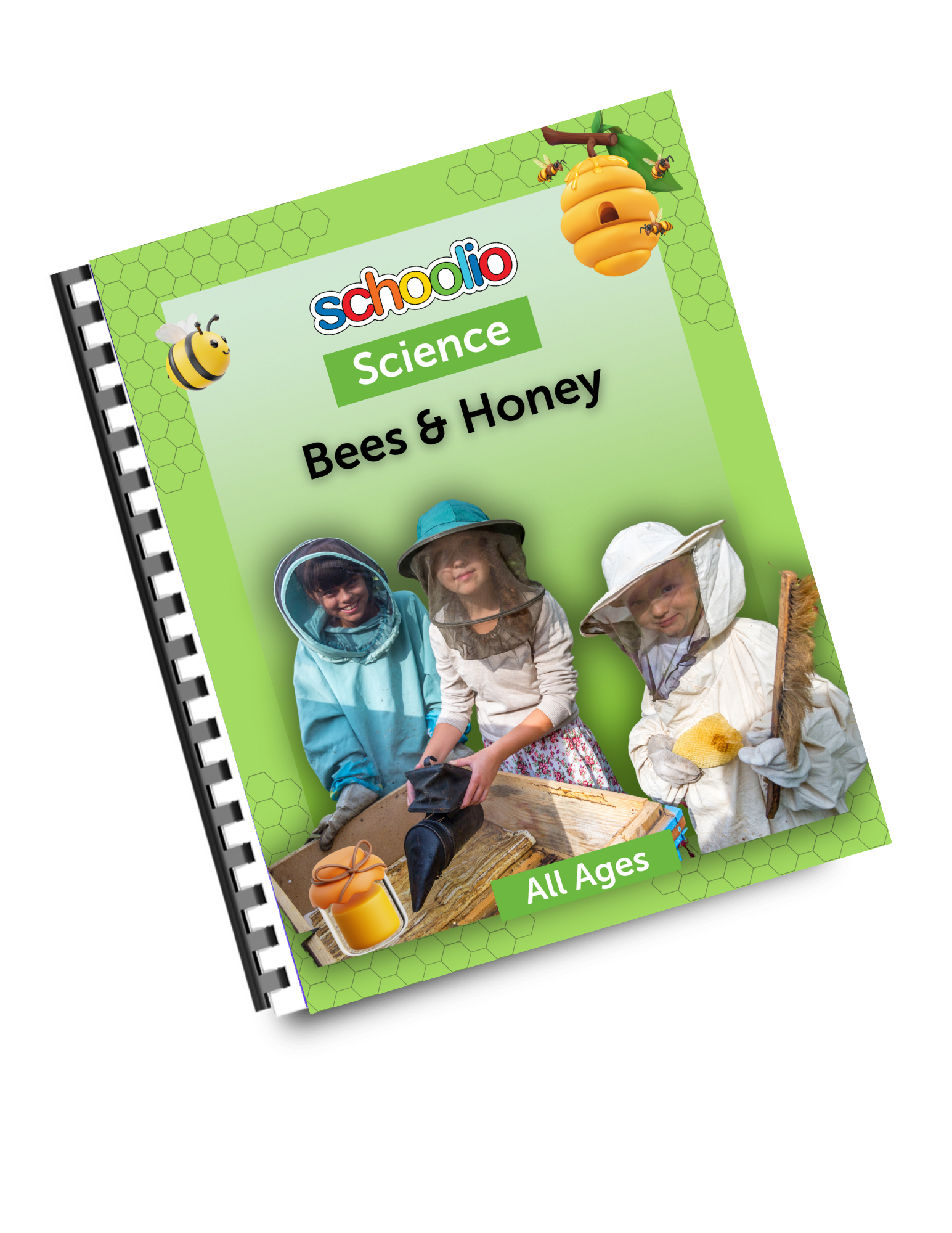
  • Schoolio Curriculum: Bees & Honey pg. 35
  • Associated Curricular Activity: My Honeybee Book (Complete: How Honey is Made)
  • Additional Activity: Paint small clay pots with colorful designs and plant pollinator-friendly flowers or herbs.

Daily Outing
Field Trip Idea: Visit a local farmers’ market to see honey, beeswax products, and pollinator-friendly plants. Discuss the importance of supporting local agriculture and pollinator habitats as part of the Schoolio Summer Series.

Tuesday ?

Morning Session
Lesson 13: Why Are Butterflies Important?

  • Schoolio Curriculum: All About Butterflies pg. 25-27
  • Associated Curricular Activity: Butterfly Diary
  • Additional Activity: Take photos of butterflies and bees in your garden or on a local nature walk.

Afternoon Session
Lesson 14: Why Are Bees Important?

  • Schoolio Curriculum: Bees & Honey pg. 5-6
  • Associated Curricular Activity: What Do Bees Do?
  • Additional Activity: Become a Pollinator Detective! Research bee and butterfly species, their life cycles, and their vital role in pollination. Explore these resources: National Geographic Kids, BBC Bitesize, WWF-UK.

Daily Outing
Field Trip Idea: Explore a local nature center with guided hikes or nature walks focused on native plants and pollinators. Learn to use field guides and binoculars to spot butterflies and bees, enhancing your experience with the Schoolio Summer Series.

Wednesday ?

Morning Session
Lesson 15: Where Do Butterflies Live?

Afternoon Session

Lesson 16: How Is Honey Harvested?

Schoolio Curriculum: Bees & Honey pg. 36-40

Associated Curricular Activity: Centrifugal Force Experiment

Additional Activity: Sample various types of honey. For tips visit: Honey Tasting – Tempt Your Taste Buds OR honey tasting lesson

Daily Outing

Field Trip Idea: Visit a zoo or nature reserve with exhibits featuring native and exotic butterflies and bees. You can learn about global pollinator diversity, conservation efforts, and habitat preservation.

Thursday ?

Morning Session

Lesson 17: Food for Butterflies

Schoolio Curriculum: All About Butterflies pg. 31-33

Associated Curricular Activity: Butterfly Food 

Additional Activity: Make butterfly feeders using sugar water or fruit to attract butterflies for observation. For tips visit: Make a Butterfly Feeder — Edmonton & Area Land Trust OR Butterfly Feeders – Science World OR Make DIY butterfly feeder for garden (12 easy projects)  

Afternoon Session

Lesson 18: Life in the Hive: Autumn and Winter

Schoolio Curriculum: Bees & Honey pg. 41-42

Bees and Honey

Associated Curricular Activity: My Honeybee Book (Complete: Autumn and Winter Season)

Additional Activity: Learn how to make candles using beeswax sheets. For tips visit: How To Make Beeswax Candles – Shaye Elliott

Daily Outing

Field Trip Idea: Visit an urban beekeeping initiative or rooftop apiary in a city setting. You can learn about urban beekeeping practices, see beehives in urban environments, and discuss urban pollinator conservation.

Friday ?

Morning Session

Lesson 19: Butterfly Migration

Schoolio Curriculum: All About Butterflies pg. 34-37 All About Butterflies

Associated Curricular Activity: Butterfly Facts 

Additional Activity: Write pollinator poems inspired by bees and butterflies, focusing on their beauty, importance, and conservation. For different types of poems visit: Poetry Templates for Elementary Students – Erin Waters EDU 

Afternoon Session

Lesson 20: Bees and Society

Schoolio Curriculum: Bees & Honey pg. 43-45

Associated Curricular Activity: Save the Bees Presentation

Additional Activity: Design and decorate posters with facts about bees, butterflies, and other pollinators. Include tips for creating pollinator-friendly gardens and reducing pesticide use to promote conservation efforts.

Daily Outing

Field Trip Idea: Go on a virtual tour of a butterfly conservatory or bee hive 

Butterfly Conservatory: Virtual Tour – Cambridge Butterfly Conservatory 

Bee Hive: Virtual 360 Honey Bee Hive | Ask A Biologist 

Embark on a Summer Adventure!

Does your child love exploring nature or have a curiosity about the world around them? Our Insect Investigations camp offers an exciting summer filled with discovery and learning. Together, we’ll spark a passion for caring for the environment and inspire the next generation of conservation champions.

Don’t miss out on the chance to explore the wonders of nature with Schoolio’s Summer Series. Enroll now and watch your child grow into a confident explorer and advocate for our valuable pollinators.

Share the Excitement!

We’d love to see your kids in action during our Schoolio Summer Series! Share photos of your little explorers by emailing them to us or using the hashtag #SchoolioSummer on social media.

Let’s make this a summer to remember, full of wonder, learning, and a dedication to protecting our planet’s biodiversity. See you at the Schoolio Summer Series: Insect Investigations!

Join us in nurturing curiosity and fostering a love for nature!

Schoolio Comprehensive Report Card for Holistic Growth

Discover the Schoolio Comprehensive Report Card: A Holistic Homeschooling Tool

Homeschooling is a journey that transcends traditional academics, aiming to nurture a child’s overall development. At Schoolio, we recognize this multifaceted approach and have designed a tool that reflects it perfectly – the Schoolio Comprehensive Report Card. This free template is a fantastic resource for homeschooling parents who wish to capture the full spectrum of their child’s growth, from academic achievements to life skills and personal development.

Why Choose the Schoolio Comprehensive Report Card?

Homeschooling is not just about mastering math and reading; it’s about fostering qualities like responsibility, creativity, resiliency, and essential life skills. The Report Card is tailored to provide a holistic view of a student’s development, ensuring that every aspect of their growth is acknowledged and celebrated.

Key Features of the Schoolio Comprehensive Report Card

Holistic Development Areas

The Report Card template goes beyond traditional academic assessments. It includes sections to evaluate a student’s progress in responsibility, resiliency, creativity, life skills, physical education, attitude, and work habits. This comprehensive approach ensures that you have a complete picture of your child’s development.

Customizable for Individual Needs

Every child is unique, and their education should reflect that. The Report Card template is designed to adapt to the specific requirements of students from grades 1-8. Whether your child excels in certain areas or needs more support in others, this report card can be customized to suit their individual needs.

Easy-to-Use Format

We understand that homeschooling parents and educators have a lot on their plates. That’s why this Report Card features an easy-to-use format that simplifies the assessment process. With clear sections and straightforward criteria, you can efficiently track and document your child’s progress.

Encourages Positive Growth

One of the standout features of the Schoolio Comprehensive Report Card is its emphasis on areas beyond academics. It highlights emotional regulation, healthy choices, acts of kindness, social skills, and mental education. By recognizing and encouraging these aspects, we aim to foster positive growth in every child.

How to Use the Schoolio Comprehensive Report Card

Using the Schoolio Comprehensive Report Card is simple and intuitive. Here’s a step-by-step guide to help you get started:

  1. Download the Template: Access the free Report Card template from our website.
  2. Customize for Your Child: Tailor the report card to fit your child’s grade level and specific needs. You can adjust the criteria and sections to best reflect their development.
  3. Track Progress: Throughout the school year, use the report card to regularly assess and document your child’s progress in various areas. Be sure to include observations and examples to provide a complete picture.
  4. Review and Reflect: At the end of each term, review the report card with your child. Celebrate their achievements and discuss areas for improvement. This reflection helps in setting goals and fostering a growth mindset.

Benefits of the Schoolio Comprehensive Report Card

The Schoolio Comprehensive Report Card offers numerous benefits for both students and parents:

  • Balanced Evaluation: Provides a well-rounded assessment that includes both academic and personal development.
  • Enhanced Communication: Facilitates meaningful conversations between parents and children about their progress and goals.
  • Personalized Learning: Helps in tailoring the homeschooling approach to meet the child’s unique needs and strengths.
  • Motivation and Encouragement: Recognizes and celebrates achievements in all areas, boosting the child’s confidence and motivation.

Why Holistic Education Matters

In today’s world, education extends far beyond textbooks and exams. Holistic education emphasizes the importance of nurturing every aspect of a child’s growth, preparing them for success in all areas of life. The Report Card template is designed with this philosophy in mind, ensuring that your homeschooling journey is enriching and rewarding.

Testimonials from Homeschooling Families

Don’t just take our word for it! Here’s what some homeschooling families have to say about the Report Card Template:

  • Emily S.: “The Schoolio Comprehensive Report Card has been a game-changer for our family. It allows us to track our children’s progress in all areas, not just academics. We’re so grateful for this valuable tool!”
  • Michael R.: “I love how the report card highlights my kids’ strengths and areas for improvement in a balanced way. It’s easy to use and customize, making our homeschooling journey smoother and more organized.”

Get Your Free Schoolio Comprehensive Report Card Today!

Ready to embrace a broader perspective on education? Download the FREE Schoolio Report Card template today and start tracking your child’s holistic development. Celebrate their achievements, set meaningful goals, and support their growth in every facet of life.

Visit our website to get your Schoolio Report Card and discover how it can transform your homeschooling experience. At Schoolio, we’re committed to providing the tools and resources you need to ensure your child’s success – academically, personally, and beyond.

Schoolio Summer Series Week 2: Exploring Bees and Butterflies

Schoolio Summer Series Week 2: Exploring Bees and Butterflies | Schoolio Summer Camp

Welcome to Week 2 of the Schoolio Summer Series! If you missed last week, don’t worry! Each week has its own unique theme and you can jump in anytime! This is an easy and fun way to keep learning all summer with your kids! Each week, we have a new theme that is perfect for summer learning. We include a bunch of resources for you to access throughout the week, and give you a full, day-by-day schedule you can follow! On Friday of each week, we post the plan here for the following week that includes lessons, activities, crafts, and more, all in an easy-to-use schedule! That gives you the weekend to do any prep work (like gathering art or science supplies, and printing any pages you want in hard copy). We’re bringing you all the tools and planning you need to deliver a complete summer program to your kiddos! Let’s check out Week 2!

Week 2 Schedule Highlights

Monday ?

Morning Session

Bees and Honey

Afternoon Session

All About Butterflies

Daily Outing

  • Field Trip Idea: Explore nearby parks or trails to observe bees and butterflies in their natural habitats and identify different species of plants they visit.

Tuesday ?

Morning Session

  • Lesson 3: Parts of a Butterfly
    • Schoolio Curriculum: All About Butterflies pg. 7-9
    • Associated Curricular Activity: Parts of a Butterfly
    • Additional Activity: Paint rocks with butterfly wing designs for your garden.

Afternoon Session

Daily Outing

  • Field Trip Idea: Take a trip to a local botanical garden specializing in pollinator-friendly plants and learn about their maintenance and importance.

Wednesday ?

Morning Session

  • Lesson 5: Why Butterflies are Colourful

Afternoon Session

Daily Outing

  • Field Trip Idea: Explore nearby nature reserves or wildlife refuges where you can observe pollinators in their natural habitats. Look for designated butterfly gardens or meadows filled with native wildflowers.

Thursday ?

Morning Session

  • Lesson 7: Butterfly Self Defence

Afternoon Session

Daily Outing

  • Field Trip Idea: Arrange a visit to a local apiary where you can learn about beekeeping practices, observe honey bee colonies, and understand the role of bees in honey production and pollination.

Friday ?

Morning Session

Afternoon Session

  • Lesson 10: Life in the Hive: Spring and Summer
    • Schoolio Curriculum: Bees & Honey pg. 23-34
    • Associated Curricular Activity: My Honeybee Book (Complete: Bees in the Hive, Spring and Summer Season, and Life Cycle of a Honeybee)
    • Additional Activity: Watch Bee Movie.

Daily Outing

  • Field Trip Idea: Visit a butterfly house or conservatory that houses various species of butterflies. Observe butterflies up close, learn about their life cycles, and see caterpillars transforming into butterflies.

Join the Adventure

Whether your child is a budding naturalist or simply curious about the world around them, our Insect Investigations camp promises a summer of discovery and learning. Together, we’ll ignite a passion for environmental stewardship and empower the next generation of conservation champions.

Don’t miss out on this opportunity to delve into the wonders of the natural world with Schoolio’s Summer Series. Enroll today and watch your child blossom into a confident explorer and advocate for our precious pollinators.

Share the Fun!

We’d love to see your kids in action during our Schoolio Summer Series! Please share any pics of your little explorers either by emailing them to us or using the hashtag #SchoolioSummer on social media.

Let’s make this summer one to remember, filled with wonder, learning, and a commitment to protecting our planet’s biodiversity. See you at the Schoolio Summer Series: Insect Investigations!

Join us in nurturing curiosity and fostering a love for nature!

Understanding and Managing Anxiety in Neurodivergent Kids

Anxiety in Neurodivergent Kids

Raising a neurodivergent child comes with its own set of unique joys and challenges. One common challenge many parents face is helping their child manage anxiety. Anxiety in neurodivergent kids, including those who are autistic, ADHD, or have other developmental differences, often manifests more intensely than in their neurotypical peers. Understanding the roots of this anxiety and finding effective ways to manage it can significantly improve your child’s quality of life.

What Causes Anxiety in Neurodivergent Kids?

  1. Sensory Overload: Many neurodivergent children are highly sensitive to their environments. Bright lights, loud noises, and even certain textures can overwhelm them, leading to heightened anxiety.
  2. Routine Changes: A sudden change in routine can be extremely distressing for neurodivergent kids. They often find comfort in predictability, and any disruption can trigger anxiety.
  3. Social Interactions: Navigating social situations can be daunting. Misunderstanding social cues or worrying about fitting in can cause significant anxiety.
  4. Performance Pressure: Academic and extracurricular expectations can be a source of stress. The fear of not meeting these expectations can exacerbate anxiety.

Recognizing Anxiety Symptoms

Identifying anxiety in neurodivergent kids can sometimes be challenging as it may manifest differently. Common signs include:

  • Physical Symptoms: Headaches, stomachaches, or fatigue.
  • Behavioral Changes: Increased irritability, restlessness, or meltdowns.
  • Emotional Indicators: Excessive worry, fearfulness, or mood swings.
  • Avoidance: Reluctance to engage in certain activities or go to specific places.

Practical Strategies for Managing Anxiety

  1. Create a Safe Space: Designate a quiet, calm area at home where your child can retreat to when feeling overwhelmed. This space should be free from sensory triggers and filled with comforting items. It should never be used as a punishment- the child chooses to go there, they aren’t sent there as a reaction to behavior.
  2. Establish Routines: Consistent routines can provide a sense of security. Use visual schedules to help your child understand what to expect throughout the day. Let your child be involved as much as possible in creating the schedule.
  3. Teach Relaxation Techniques: Deep breathing, progressive muscle relaxation, and mindfulness exercises can help your child manage anxiety. Practice these techniques together to make them more effective.
  4. Use Social Stories: Social stories are a great tool to help neurodivergent kids prepare for new or challenging situations. They provide a clear narrative of what to expect and how to respond.
  5. Positive Reinforcement: Celebrate your child’s successes, no matter how small. Positive reinforcement can build confidence and reduce anxiety.
  6. Add a Social-Emotional Learning program to your homeschool: SEL programs like Schoolio offers help children learn to emotionally regulate, manage their thoughts and feelings, and cope better with stress and anxiety.
  7. Professional Support: Sometimes, professional intervention is necessary. Therapists, counselors, and support groups can provide additional strategies and support tailored to your child’s needs.

Schoolio’s Program is Neurodivergent-Friendly

Schoolio offers a homeschool program designed with neurodivergent kids in mind. Here are some features that make it a great choice for your child:

  • Unitization: Allows you to mix and match grade levels to fit your child’s unique learning pace and needs.
  • Bite-Sized Learning Sessions: Short, engaging lessons to keep your child’s attention and prevent overwhelm.
  • Alternative Learning Strategies: Various methods to cater to different learning styles and preferences.
  • Custom-Designed Student Success Plans: Personalized plans to ensure your child’s educational success.
  • Interest-Based Learning: Selections that align with your child’s interests to make learning more enjoyable.

Encouraging Open Communication

One of the most powerful tools in managing anxiety is fostering open communication. Encourage your child to express their feelings and fears without judgment. Let them know it’s okay to feel anxious and that you are there to support them.

Conclusion

Helping a neurodivergent child manage anxiety is an ongoing process that requires patience, understanding, and a lot of love. By creating a supportive environment, establishing routines, and teaching coping strategies, you can empower your child to navigate their world with greater confidence and less anxiety. Remember, you are not alone on this journey – there are numerous resources and communities ready to support you and your child every step of the way. Schoolio’s neurodivergent-friendly program can be a valuable part of your toolkit, offering the flexibility and support your child needs to thrive.

10 Tips to Help Your Neurodivergent Child Complete Chores

10 Effective Tips for Helping Your Neurodivergent Child Complete Chores – Schoolio’s Guide

Getting kids to complete chores can be challenging, and it can be even more so for neurodivergent (ND) children who might have unique needs and preferences. Here are 10 tips to help your neurodivergent child complete chores in a way that respects their needs and encourages positive outcomes, incorporating neurodivergent-friendly strategies from Schoolio.

1. Create a Visual Schedule

Neurodivergent children often benefit from visual aids. A visual schedule or checklist can help them understand what tasks need to be completed and in what order. Use pictures or icons along with words to make it more engaging and easier to follow.

  • Tip: Place the visual schedule in a prominent location, such as the refrigerator or their bedroom wall.

Schoolio’s Approach: Schoolio’s custom courses and lessons can be used to create a chore schedule that is seamlessly integrated into your child’s learning day.

2. Break Tasks into Smaller Steps

Large tasks can feel overwhelming. Breaking chores down into smaller, manageable steps can make them more approachable. For example, instead of “clean your room,” break it down into “pick up toys,” “make the bed,” and “put clothes in the hamper.”

  • Tip: Use a step-by-step list or a series of small cards that your child can move from a “to-do” pile to a “done” pile.

Schoolio’s Approach: Schoolio’s bite-sized lessons break entire courses down into manageable pieces. This maximizes attention, focus, and engagement while improving retention. As kids grow accustomed to the short learning model, you’ll find they are less apprehensive and resistant to completing their learning for the day.

3. Use a Timer

Timers can help neurodivergent children manage their time better and stay focused. Set a timer for each task to provide a clear start and end point. This method can also make chores feel like a game.

  • Tip: Use a fun, visual timer that your child enjoys, such as a sand timer or a digital one with a visual countdown.

Schoolio’s Approach: Schoolio’s learning sessions can be mirrored with chore time, using timers to create short, focused periods for completing tasks. Timers are especially helpful for kids who struggle in a subject area. They don’t feel like they have to work until it is done, but just as long as the timer lasts.

4. Offer Choices

Giving your child some control over their chores can increase their willingness to participate. Offer them choices about which chores to do first or how they would like to do them. This can help them feel more empowered and less resistant.

  • Tip: Provide a list of chores and let your child pick which ones they want to do each day.

Schoolio’s Approach: Schoolio’s interest-based learning selections provide children with choice, aligning tasks with your child’s interests and strengths. Empowering your child to have some control over both learning and chores encourages them to take more responsibility for the task.

5. Incorporate Interests and Strengths

If your child has specific interests or strengths, try to incorporate these into their chores. For example, if they love animals, caring for a pet might be a suitable chore. If they enjoy building, they might help with simple household repairs.

  • Tip: Turn chores into a fun activity that aligns with their interests to keep them engaged and motivated.

Schoolio’s Approach: Schoolio’s activity variation is similar take on this strategy. By offering kids a variety of ways to demonstrate their knowledge, we let them showcase their strengths and feel good about what they are doing, leading to more enjoyment. 

6. Provide Clear Instructions

Neurodivergent children often need clear, concise instructions. Avoid vague requests and instead, be specific about what you want them to do. Demonstrate the task if necessary.

  • Tip: Use simple language and give one instruction at a time to avoid overwhelming them.

Schoolio’s Approach: Schoolio’s emphasis on Social-Emotional Learning helps kids (and you!) learn to use clear communication skills, conflict resolution, and improve perseverance and resiliency- all skills needed in academics and in life.

7. Use Positive Reinforcement

Positive reinforcement can be highly effective. Praise your child for completing chores and consider using a reward system. Rewards can be anything from stickers and extra playtime to a small treat.

  • Tip: Create a reward chart where your child can earn points for each completed chore, which they can exchange for a reward.

Schoolio’s Approach: Similar to Schoolio’s custom-designed Student Success Plans, create a reward system that tracks progress and celebrates achievements, motivating your child to complete their chores.

8. Establish a Routine

Consistency is key for many neurodivergent children. Establish a daily or weekly routine for chores to help them understand when and what to expect. A consistent routine can reduce anxiety and increase compliance.

  • Tip: Incorporate chore time into their daily schedule at a consistent time each day.

Schoolio’s Approach: Just as Schoolio emphasizes structured learning, a consistent chore routine can provide the stability and predictability that neurodivergent children thrive on.

9. Make Chores Fun

Turning chores into a fun activity can make them less of a burden. Play their favorite music, turn it into a game, or work alongside them to make the experience more enjoyable.

  • Tip: Use a point system or create a chore bingo game where they can mark off tasks as they complete them.

Schoolio’s Approach: Schoolio’s engaging and interactive learning sessions can inspire fun and creativity in chore completion, making it a positive experience.

10. Be Patient and Flexible

Understand that it might take time for your child to get used to doing chores. Be patient and provide gentle reminders. Flexibility is crucial; if a particular approach isn’t working, be open to trying new strategies.

  • Tip: Regularly assess what is working and what isn’t, and be willing to adjust your approach as needed.

Schoolio’s Approach: Just as Schoolio offers flexible and adaptive learning plans, be prepared to adapt your chore strategies to find what works best for your child.

Conclusion

Helping your neurodivergent kid get their chores done can be challenging, but with the right strategies and support, it can become a positive and manageable part of your routine. By creating a supportive and structured environment, offering clear instructions, and incorporating their interests, you can help your child develop important life skills while contributing to the household.

With resources and strategies inspired by Schoolio’s neurodivergent-friendly program, you can create a chore routine that is engaging, effective, and tailored to your child’s unique needs. Remember, the goal is to make chores a positive experience that fosters independence and responsibility. With patience, creativity, and flexibility, you can find the methods that work best for your child and family.

The TOP 3 Most Important Skills to Teach Your Kids

The Top 3 Essential Skills to Teach : A Homeschool Mom’s Perspective

Hey there, fellow parents and homeschoolers! Today, I’m excited to share with you what I’ve learned about the top 3 most important skills to teach we should be focusing. Trust me, these aren’t your typical reading, writing, and arithmetic – though those are important too! Let’s dive in and explore what really matters for our children’s future success and happiness.

  1. Embrace Their Passions (Even If They Seem Silly)

You know that game your kid can’t stop talking about? Or that seemingly random hobby they’ve picked up? Well, guess what – those interests are goldmines for learning!

Here’s why nurturing your child’s passions is so important:

  • Future career potential: Today’s “silly” interest could be tomorrow’s dream job.
  • Enhanced learning: Kids retain information better when it’s tied to something they love.
  • Lifelong love of learning: Encouraging curiosity now sets them up for continuous growth.

Personal story time:

My son was obsessed with Minecraft. At first, I didn’t get it. But when I started using it to teach him math concepts, his skills skyrocketed! Now he’s learning basic coding through the game. Who knew?

  1. Financial & Digital Literacy (A Tie for Second Place!)

These two skills are absolute must-haves in our modern world:

Financial Literacy:

Digital Literacy:

  • Online safety
  • Spotting fake news and misinformation
  • Protecting personal privacy
  • Understanding and using AI responsibly

Here’s the kicker: most schools and curriculum programs don’t cover these topics in-depth. As homeschoolers, we have the perfect opportunity to fill this gap!

Quick Tip: Turn grocery shopping into a budgeting lesson, or fact-check news stories together as a family activity.

  1. And the Winner Is… Emotional Intelligence!

Surprise! The number one predictor of both financial success and overall life satisfaction isn’t academic prowess – it’s emotional intelligence. This includes:

  • Stress management
  • Anger control
  • Adaptability to change
  • Interpersonal skills and teamwork

In the education world, we often call this “Social-Emotional Learning” or “Social-Emotional Wellness.” And here’s the best part: you can learn right alongside your kids!

A Challenge for You:

This week, try incorporating one activity that boosts emotional intelligence. Maybe it’s a family discussion about handling disappointment, or a game that requires teamwork. Small steps can make a big difference!

Wrapping It Up

Remember, as homeschoolers, we have the incredible opportunity to tailor our children’s education to what really matters. By focusing on these three areas – passion-driven learning, practical life skills, and emotional intelligence – we’re setting our kids up for success in ways that go far beyond traditional academics.

Want to dive deeper into these topics? Schoolio offers a Future-Readiness Library with courses on Social-Emotional Learning, Financial Literacy, and Digital Safety. Plus, their Electives Library is packed with subjects to spark curiosity in even the most reluctant learners.

What do you think about these top skills? Are there any you’d add to the list? Share your thoughts in the comments – I’d love to hear from you!

Until next time, happy homeschooling!

The Ultimate Guide to Choosing the Right Homeschool Curriculum

The Ultimate Guide to Choosing the Right Homeschool Curriculum with Schoolio

Making an informed decision about your child’s education is crucial, especially when embarking on a homeschooling journey. One of the most important steps in this process is selecting the right homeschool curriculum. With Schoolio’s homeschool curriculum guide, “How to Choose the Right Homeschool Curriculum,” you can unlock the secrets to a successful and personalized homeschooling experience.

Why a Homeschool Curriculum Guide is Essential

Choosing the right homeschool curriculum can be overwhelming due to the vast array of options available. A well-structured homeschool curriculum guide simplifies this process, providing clear insights and practical advice to help you navigate the choices. Schoolio’s guide is designed to ensure you select the perfect curriculum tailored to your child’s unique learning style and needs.

Understanding Different Homeschool Curriculum Types

One of the key features of Schoolio’s guide is its detailed explanation of various homeschool curriculum types. From all-in-one packages to mastery versus spiral learning approaches, this guide helps you understand the pros and cons of each type.

  • All-in-One Packages: These are comprehensive curriculums that cover multiple subjects, providing a structured learning path for your child. They are ideal for beginners who need a complete solution.
  • Mastery vs. Spiral Learning: Mastery learning focuses on mastering a concept before moving on, while spiral learning revisits topics periodically to reinforce understanding. The guide explains which approach might be best for your child based on their learning style.

By understanding these different types, you can make an informed choice that best suits your child’s educational needs.

Secular vs. Faith-Based Homeschool Curriculum

Another critical aspect covered in the guide is the choice between secular and faith-based homeschool curriculums. Schoolio’s guide provides insights into selecting a curriculum that aligns with your family’s beliefs and values. Whether you prefer a curriculum that incorporates religious teachings or one that focuses purely on secular education, this guide helps you weigh your options.

Special Learning Considerations

Every child is unique, but kids who are neurodivergent may have additional special learning needs. Schoolio’s guide includes strategies for accommodating these diverse learning requirements. It offers practical advice on choosing curriculums that provide the necessary support and resources to ensure every child can thrive academically.

  • Homeschool Curriculum for ADHD Kids: The guide recommends curriculums that incorporate interactive and hands-on learning to keep children with ADHD engaged and focused.
  • Homeschool Curriculum for Dyslexic Kids: It also suggests programs with strong phonics-based instruction and visual aids to support children with dyslexia.
  • Homeschool Curriculum for Autistic Kids: The guide highlights interest-based learning options to help autistic learners follow their passions and emphasizes short, to-the-point lessons. Social-emotional learning is also a key focus to support their development.

Budgeting and Time Management

Homeschooling can be a significant commitment in terms of both time and money. Schoolio’s guide offers practical advice on budgeting and time management to make homeschooling more manageable and cost-effective. It provides tips on finding affordable resources and creating a realistic homeschooling schedule that fits your family’s lifestyle.

  • Budgeting Tips: Learn how to find cost-effective solutions without compromising on quality, including using free online resources and second-hand materials.
  • Time Management: Discover strategies for balancing homeschooling with other responsibilities, ensuring that your educational plan is both effective and sustainable.

Interactive Tools and Resources

Incorporating technology and interactive tools can greatly enhance the homeschooling experience. Schoolio’s guide recommends various online platforms and hands-on learning materials to make education more engaging and effective. These tools are especially useful for maintaining your child’s interest and making complex subjects more accessible.

  • Interactive Learning: Use technology to create a dynamic learning environment, including educational apps, online courses, and virtual field trips.
  • Hands-On Resources: Incorporate physical activities and experiments to provide a well-rounded educational experience.

Take the First Step with Schoolio’s Quiz

To help you get started, Schoolio’s guide includes a quiz to pinpoint your homeschooling style. This quiz is a great tool to understand your educational preferences and needs, setting the foundation for a personalized and successful homeschooling journey.

  • Homeschooling Quiz: Identify your homeschooling style and get tailored recommendations for curriculum choices that align with your educational philosophy and goals.

Conclusion

Choosing the right homeschool curriculum is a critical step in ensuring a successful homeschooling experience. With Schoolio’s comprehensive guide, “How to Choose the Right Homeschool Curriculum,” you have a valuable resource that covers everything from understanding different curriculum types to accommodating special learning needs and managing your budget and time.

Don’t let the vast array of homeschooling options overwhelm you. Equip yourself with Schoolio’s expert guide and make informed decisions that will pave the way for a fulfilling and effective educational journey for your child. Visit Schoolio today to get your copy and start your homeschooling journey with confidence.

By focusing on these key aspects, you can ensure that your child’s homeschooling experience is not only educationally enriching but also tailored to their unique needs and interests. With Schoolio’s support, you can create a personalized learning environment where your child can thrive.

Alternative Education Options: Lessons Learned

Exploring alternative education options has become a significant trend among families seeking the best possible educational paths for their children. One family’s journey through homeschooling and microschools in Virginia reveals valuable lessons that can guide others considering similar paths.

One of the standout benefits of alternative education is the flexibility it offers. Traditional schooling often features rigid schedules and curricula that may not accommodate every child’s unique learning pace and interests. In contrast, homeschooling and microschools provide the adaptability necessary to tailor the educational experience to each child’s needs. This flexibility allows families to incorporate breaks when necessary, delve deeper into subjects of interest, and adjust the learning pace to suit each child’s capabilities.

According to Schoolio, “Flexibility is one of the cornerstones of effective homeschooling, allowing children to learn at their own pace and explore their interests deeply.” This adaptability can be especially beneficial for children who may struggle with the constraints of a traditional classroom environment, enabling them to flourish academically and personally.

Personalized learning has proven to be a game-changer for many families. In traditional school settings, the one-size-fits-all approach often leaves some children disengaged or struggling to keep up. Alternative education options, such as homeschooling, allow for designing a curriculum that caters specifically to a child’s strengths and interests. This customization keeps children engaged and motivated, turning learning into an enjoyable and rewarding experience. One Schoolio user shared, “Schoolio’s tailored curriculum has transformed our homeschooling experience. My child is more engaged and excited about learning than ever before.” Personalized learning not only enhances engagement but also helps children develop a deeper understanding of subjects, as they are able to explore topics that genuinely interest them.

A common concern about alternative education is the potential for social isolation. However, many families discover a robust and supportive community of like-minded individuals. Homeschool groups, co-ops, and online forums provide ample opportunities for children to interact with peers, share experiences, and participate in group activities. These communities also offer parents a network of support and resources, making the homeschooling journey less daunting and more collaborative. Platforms like Schoolio provide forums where homeschooling families can connect, share resources, and support each other, creating a community of encouragement and shared learning. Engaging with these communities can help mitigate feelings of isolation and provide valuable insights and advice from other experienced homeschooling parents.

Alternative education opens the door to numerous real-world learning opportunities. Field trips, nature walks, and hands-on projects become integral parts of the educational approach. These experiences help children connect theoretical knowledge with practical applications, enhancing their understanding and retention of information. Activities such as gardening, cooking, and volunteering also teach valuable life skills that go beyond academic learning. Schoolio’s curriculum includes practical activities that integrate real-world learning, helping children apply what they learn in meaningful ways. For example, a science lesson on plant biology can be enriched by a gardening project, where children can observe plant growth and understand the scientific concepts firsthand.

Finding the right balance between structure and freedom is essential. While flexibility and freedom are significant advantages of alternative education, some structure is necessary to maintain consistency and progress. Setting goals, establishing routines, and using structured curricula for core subjects help families stay on track while allowing room for exploration and creativity. Schoolio’s digital platform offers customizable lesson plans that provide a structured framework while allowing for the flexibility to adapt as needed. This balance ensures that children receive a comprehensive education while still enjoying the benefits of a personalized learning experience.

One of the most rewarding aspects of the alternative education journey is the strengthening of family bonds. Spending more time together through homeschooling and alternative education initiatives allows families to connect on deeper levels. Parents become mentors and partners in their children’s learning journeys, fostering better communication, understanding, and mutual respect within the family. One Schoolio customer noted, “The bond we’ve developed through homeschooling is priceless. Schoolio’s resources have made our educational journey a collaborative and joyful experience.” The close-knit environment of homeschooling can lead to lifelong relationships and a supportive family dynamic that benefits everyone involved.

The journey of alternative education is not without its challenges. Balancing work, teaching, and household responsibilities requires careful planning and time management. Families may face skepticism and criticism from some quarters, questioning the effectiveness of non-traditional education paths. However, support from the community and the visible progress and happiness of the children often reinforce the decision. Schoolio offers various resources and support systems to help families navigate these challenges, from educational consultants to community forums. These resources provide guidance and practical solutions to common homeschooling obstacles, ensuring that families have the support they need to succeed.

Technology plays a pivotal role in the alternative education journey. Online resources, educational software, and digital platforms expand the teaching toolkit and provide diverse learning opportunities. Platforms like Schoolio offer customizable curricula, interactive lessons, and a community of support that enriches the homeschooling experience. One satisfied Schoolio user shared, “Schoolio’s interactive digital platform has made homeschooling both fun and effective. The variety of resources available has greatly enriched our learning experience.” By leveraging technology, homeschooling families can access a wealth of information and tools that enhance their educational efforts.

Perhaps the most significant lesson learned is the importance of confidence. Embracing alternative education requires belief in one’s ability to provide a quality education for their children. Moments of doubt and uncertainty are natural, but trusting instincts and seeing the positive impact on children’s development can reaffirm the choice. Confidence in the approach empowers families to create nurturing and effective learning environments. Schoolio reinforces this confidence by providing comprehensive tools and support, helping parents feel equipped and capable in their homeschooling journey. With the right resources and mindset, parents can overcome any obstacles and provide a fulfilling education for their children.

Exploring alternative education options has been a transformative journey for many families. The immense benefits of flexibility, personalized learning, community support, and real-world experiences make a significant difference in children’s education. While the path has its challenges, the rewards are profound, enriching children’s education and strengthening family bonds. For those considering alternative education, exploring the possibilities is encouraged. Each child is unique, and finding the right educational approach can make all the difference in their learning journey. With resources like Schoolio, the support of a community, and the courage to embrace new methods, families can provide a fulfilling and dynamic education for their children.

Alternative education is not just an option but an opportunity to redefine what learning can look like for your family. The lessons learned along the way, from flexibility to personalized engagement, are invaluable. As more families turn to homeschooling and other alternative methods, the landscape of education continues to evolve, offering a wealth of possibilities for those willing to explore them.

5 Things You NEED Before You Start Homeschooling

Essential Tools and Insights for Homeschooling Success | Schoolio

Starting the homeschooling journey can be both exciting and overwhelming. To help you get off on the right foot, it’s essential to have the right tools and resources. Here are the 5 things you need before you start homeschooling, covering all the homeschooling essentials, from curriculum planning to support systems.

1. Your Why: Understanding Your Reasons for Homeschooling

Before diving into the practical aspects, it’s crucial to understand your motivations for homeschooling. Knowing your “why” will guide your decisions and keep you focused when challenges arise. Whether it’s for providing a customized education, creating a safer learning environment, or instilling specific values, your reasons will shape your homeschooling journey.

2. Your Plan: Structuring Your Daily Flow

Having a plan is vital for homeschooling success, but remember to stay flexible. Start with a loose idea of a daily schedule that includes learning time, breaks, and extracurricular activities. Flexibility allows you to adapt to your child’s needs and interests as they evolve. If you need a planner or scheduling tools, check out our planner and scheduling resources.

3. Your Curriculum: Choosing the Right Educational Program

Unless you’re unschooling, selecting the right curriculum is fundamental. A well-structured curriculum will provide a roadmap for your child’s education, ensuring they meet essential learning milestones. Platforms like Schoolio offer customizable homeschool curricula tailored to your child’s unique learning style and needs. Having a comprehensive curriculum helps you stay organized and focused, providing a clear path to academic success.

4. Your Support System: Building a Network

Having a support system is crucial for both parents and children. Not everyone may be supportive of your decision to homeschool, but finding someone you can talk to and lean on is important. This could be a partner, friend, local homeschool group, or online support communities. Platforms like Schoolio provide community forums where parents can connect, share experiences, and find encouragement.

5. Your Confidence: Believing in Yourself

Confidence is key to a successful homeschooling experience. Trust that you can provide a quality education for your child. Challenges will arise, but with patience and perseverance, you can navigate them effectively. Remember, you are capable, and you have the resources and support to succeed. With Schoolio’s comprehensive tools and community support, you can approach homeschooling with confidence.

Our #1 Tip for Getting Started:

Stay Flexible and Patient: Each child learns at their own pace, and homeschooling allows you to adapt the curriculum to meet their needs. Flexibility and patience will help you navigate the inevitable challenges and make the learning process enjoyable for everyone involved.

Conclusion

Homeschooling can be a rewarding experience for both parents and children, offering the flexibility to tailor education to individual needs. By focusing on these five essentials—understanding your reasons, structuring your plan, choosing the right curriculum, building a support system, and maintaining confidence—you can set a strong foundation for your homeschooling journey.

Whether you are just getting started with homeschooling or looking to refine your approach, having the right homeschool resources and support is key. Explore Schoolio to find everything you need to make your homeschooling experience successful and enjoyable. With the right preparation, tools, and mindset, you can create a fulfilling and effective educational environment for your child.

Personalized Education: The Key to Engaging Homeschooling

In the world of education, one size rarely fits all. This is especially true in homeschooling, where the ability to tailor the learning experience to each child’s unique needs, interests, and learning style can make all the difference in keeping students engaged and motivated. At Schoolio, we believe that personalized education is the cornerstone of effective learning, and our customizable homeschool curriculum is designed to help you create a dynamic and engaging educational journey for your child.

Why One-Size-Fits-All Doesn’t Work

Traditional educational models often rely on a standardized curriculum, which can fail to address the individual strengths and weaknesses of each student. This approach can lead to disengagement, as children may feel either overwhelmed by material that is too challenging or bored by content that doesn’t challenge them enough. By contrast, personalized education acknowledges that every child is unique and benefits from a tailored approach that adapts to their specific needs.

The Benefits of Personalized Homeschooling

  1. Enhanced Engagement and Motivation

When learning is personalized, students are more likely to stay engaged and motivated. They see the relevance of what they are learning to their own lives and interests, which fosters a deeper connection to the material. According to ASCD, student engagement is crucial for effective personalized learning. With Schoolio’s customizable homeschool curriculum, you can create lessons that resonate with your child’s passions, whether it’s science, literature, art, or technology.

  1. Addressing Individual Learning Styles

Every child has a preferred way of learning, whether they are visual, auditory, or kinesthetic learners. Personalized education allows you to cater to these learning styles, making it easier for children to absorb and retain information. Schoolio’s platform offers a variety of teaching tools and resources that support different learning modalities, ensuring that each lesson is accessible and engaging.

  1. Flexibility to Adapt and Grow

A personalized approach to education provides the flexibility to adapt the curriculum as your child grows and their interests evolve. This dynamic method keeps learning fresh and exciting, preventing burnout and maintaining a high level of engagement. Schoolio’s digital platform makes it easy to adjust your homeschooling plan, incorporating new topics and activities that align with your child’s developing interests.

  1. Building Confidence and Independence

When children learn at their own pace and in ways that suit them best, they build confidence in their abilities. This self-assurance encourages them to take ownership of their learning, fostering independence and a love for lifelong learning. Schoolio’s resources are designed to support this growth, offering opportunities for self-directed projects and exploratory learning.

How Schoolio Supports Personalized Homeschooling

  1. Comprehensive Curriculum Kits

Schoolio provides comprehensive homeschool curriculum kits that cover core subjects while allowing for extensive customization. These kits include a variety of materials and resources, from interactive lessons to hands-on activities, making it easy to tailor the educational experience to your child’s needs.

  1. Interactive Digital Platform

Our digital platform is a hub of interactive resources that support personalized learning. With access to a wide range of subjects and customizable lesson plans, parents can easily modify the curriculum to suit their child’s learning style and interests. Features like adaptive learning tools and progress tracking help ensure that your child remains engaged and on track.

  1. Community and Support

Homeschooling doesn’t have to be a solitary journey. Schoolio’s community forums and support networks connect you with other homeschooling families and educators. Share tips, resources, and experiences to enhance your personalized homeschooling efforts. Our platform also offers access to educational consultants who can provide personalized advice and support.

  1. Focus on Life Skills and Real-World Learning

In addition to academic subjects, Schoolio emphasizes the importance of life skills and real-world learning. Our curriculum includes practical activities that teach financial literacy, critical thinking, problem-solving, and other essential skills. This holistic approach ensures that your child is well-prepared for both academic success and real-life challenges.

Success Stories from Schoolio Families

Many families have found success with Schoolio’s personalized approach to homeschooling. Here’s what some of our satisfied customers have to say:

  • “Schoolio’s tailored curriculum has transformed our homeschooling experience. My child is more engaged and excited about learning than ever before.”
  • “The flexibility and variety of resources on Schoolio’s platform have made it easy to adapt lessons to my child’s unique interests and learning style.”
  • “With Schoolio, we have the support and tools we need to provide a high-quality, personalized education that keeps our kids motivated and thriving.”

Conclusion

Personalized education is the key to keeping students engaged and excited about learning. By moving away from a one-size-fits-all approach, homeschooling families can create a dynamic and enriching educational experience that caters to the unique needs of each child. Schoolio’s customizable homeschool curriculum and digital platform provide the tools and support you need to make personalized education a reality.

Explore Schoolio today to discover how our resources can help you craft a personalized and engaging homeschooling journey for your child. With Schoolio, every child can experience the joy of learning in a way that suits them best.

What Do New AI Tools Mean for Homeschooling?

As technology continues to evolve, artificial intelligence (AI) is making significant inroads into various sectors, including education. For homeschooling families, AI offers exciting opportunities to enhance and personalize the learning experience. This guide explores how new AI tools are revolutionizing homeschooling, featuring insights from Schoolio’s digital platform to help you leverage these innovations effectively.

Understanding AI in Education

AI in education refers to the use of artificial intelligence technologies to create adaptive learning environments, automate administrative tasks, and provide personalized learning experiences. These technologies can analyze student data, adapt to individual learning styles, and offer real-time feedback, making education more efficient and tailored to each student’s needs.

Benefits of AI for Homeschooling

AI offers numerous benefits for homeschooling families, including:

  • Personalized Learning: AI can analyze your child’s learning patterns and preferences to create customized lesson plans that cater to their strengths and address their weaknesses. Schoolio’s digital platform integrates AI to help tailor your child’s educational journey.
  • Adaptive Assessments: AI-powered assessments can adjust in real-time based on the student’s performance, ensuring that they are neither too easy nor too difficult. This helps keep students engaged and motivated.
  • Efficient Resource Management: AI can recommend educational resources and activities based on the student’s progress and interests, making it easier for parents to plan lessons.
  • Real-Time Feedback: AI tools can provide instant feedback on assignments and quizzes, helping students understand their mistakes and learn more effectively.

How Schoolio Utilizes AI

Schoolio’s digital platform leverages AI to enhance the homeschooling experience in several ways:

  • Customizable Curriculum: Schoolio uses AI to offer a wide range of customizable learning materials that fit your child’s unique learning style and pace. The platform can suggest adjustments to the curriculum based on ongoing assessments.
  • Interactive Learning Tools: Schoolio’s AI-powered tools include interactive quizzes and educational games that adapt to your child’s learning level, making education fun and engaging.
  • Data-Driven Insights: By analyzing your child’s progress, Schoolio provides valuable insights and recommendations to help you make informed decisions about their education.

AI Tools Transforming Homeschooling

Here are some AI tools and technologies that are transforming homeschooling:

  1. AI-Powered Tutoring Systems AI tutoring systems, such as those offered by Schoolio, provide personalized instruction and support. These systems can identify areas where your child needs improvement and offer targeted exercises to help them master challenging concepts.
  2. Intelligent Content Creation AI tools can generate customized learning materials, such as practice problems and interactive lessons, based on the student’s progress. Schoolio’s platform includes AI-generated content that adapts to your child’s learning needs.
  3. Virtual Assistants AI virtual assistants can help manage your homeschooling schedule, remind students of assignments, and answer questions about the material. These assistants can streamline administrative tasks, allowing parents to focus more on teaching.
  4. Predictive Analytics Predictive analytics can forecast a student’s performance and suggest interventions before issues arise. Schoolio uses predictive analytics to provide early warnings and recommendations, ensuring that your child stays on track.
  5. Natural Language Processing (NLP) NLP technologies can analyze and respond to students’ written and spoken input, offering feedback and guidance. This can be particularly useful for language arts and writing assignments, providing real-time corrections and suggestions.

Incorporating AI into Your Homeschool Routine

To effectively incorporate AI tools into your homeschooling routine, consider the following tips:

  1. Start Small Begin by integrating one or two AI tools into your homeschool setup. Familiarize yourself with their features and gradually expand their use as you become more comfortable.
  2. Monitor Progress Regularly review the data and insights provided by AI tools to understand your child’s progress and adjust the curriculum accordingly. Schoolio’s platform makes it easy to track and analyze student performance.
  3. Encourage Engagement Use AI-powered interactive tools and games to keep your child engaged and motivated. These tools can make learning more enjoyable and help reinforce difficult concepts.
  4. Stay Informed Keep up with the latest developments in AI technology and education to take full advantage of new tools and resources. Join homeschooling forums and networks to share experiences and learn from other parents.

Addressing Common Concerns

As with any new technology, there are common concerns about using AI in homeschooling:

  • Data Privacy: Ensure that any AI tools you use comply with data privacy regulations and protect your child’s personal information. Schoolio prioritizes data security and privacy, ensuring that your child’s data is safe.
  • Over-Reliance on Technology: While AI can greatly enhance homeschooling, it’s important to maintain a balance between technology and traditional teaching methods. Use AI as a supplement to, not a replacement for, hands-on instruction and interaction.
  • Accessibility: Ensure that AI tools are accessible to all students, including those with disabilities. Schoolio’s platform includes features designed to support diverse learning needs.

Making the Most of AI with Schoolio

Schoolio’s digital platform is designed to help homeschooling families leverage the power of AI to create a rich, personalized learning experience. Here are some ways to maximize the benefits of AI with Schoolio:

  • Explore Customizable Curriculum Options: Use Schoolio’s AI-driven tools to create and adjust a curriculum that fits your child’s unique learning style and pace.
  • Engage with Interactive Learning Tools: Incorporate Schoolio’s AI-powered quizzes, games, and interactive lessons into your daily routine to keep your child engaged and motivated.
  • Utilize Data-Driven Insights: Take advantage of Schoolio’s data analytics to gain insights into your child’s progress and make informed decisions about their education.
  • Join the Schoolio Community: Connect with other homeschooling families through Schoolio’s community forums to share experiences, exchange tips, and collaborate on projects.