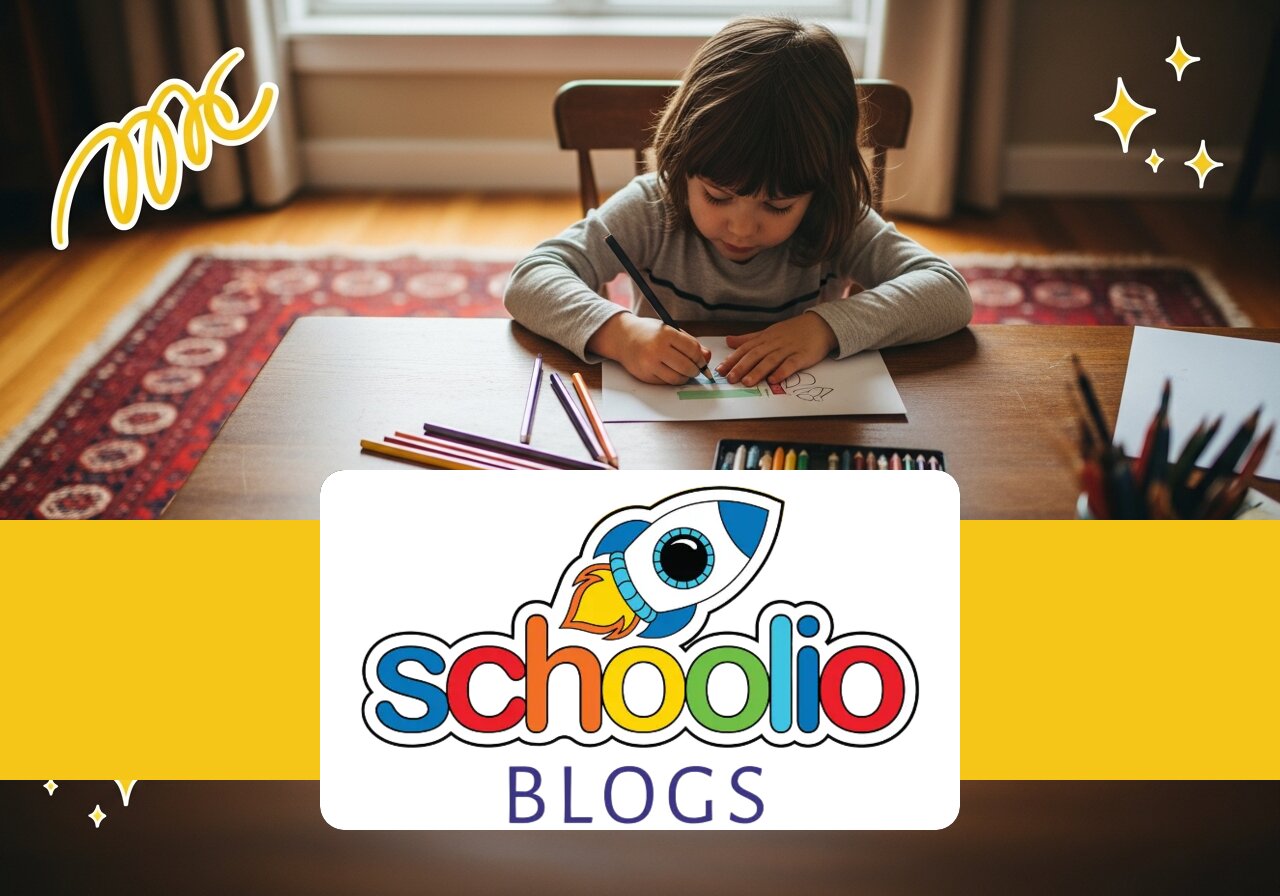
What Is Dysgraphia?
Dysgraphia is a learning disability that affects writing skills, including handwriting, spelling, and composition. It is caused by a disconnect between the brain and the motor skills required for writing. This means children with dysgraphia often struggle to produce written work. Understanding dysgraphia is crucial for homeschool parents to offer effective support.
Dysgraphia is not about intelligence; children with this condition may have average or above-average intelligence. The issue lies in the brain’s ability to process and transfer information to written form. This can manifest in messy handwriting, difficulty organizing thoughts on paper, and spelling errors.
Recognizing dysgraphia early can significantly impact a child’s education. When parents understand the challenges, they can implement strategies to help their child succeed. Resources and adaptations can be tailored to the child’s needs, creating a more inclusive learning environment.
How Can I Recognize Dysgraphia in My Child?
Recognizing dysgraphia involves noticing persistent difficulties with writing tasks despite adequate instruction. Signs include illegible handwriting, slow writing speed, and difficulty with spelling or grammar. These issues often lead to frustration and avoidance of writing tasks, impacting overall learning. For parents, identifying these signs is a crucial step in providing targeted support.
Parents should observe their child’s writing process and final written products. If the child avoids writing or complains about hand pain, these could be signs of dysgraphia. Additionally, comparing their writing skills to other areas of learning can provide insight into whether there is a specific struggle with writing.
Consulting with educators or specialists can confirm suspicions of dysgraphia. These professionals can perform assessments to determine if a child meets the criteria for dysgraphia. This diagnosis is key to accessing resources and accommodations.
What Teaching Strategies Work Best?
Effective teaching strategies for dysgraphia include multisensory approaches, explicit instruction, and frequent breaks. Multisensory techniques, such as using sandpaper letters or letter tiles, reinforce learning through multiple senses. Explicit instruction in letter formation and spacing can also help. For parents, these strategies can make writing less stressful and more engaging for their child.
Incorporating assistive technology, like speech-to-text programs, can bypass writing difficulties and allow students to demonstrate their knowledge. Additionally, providing outlines or graphic organizers can help students organize their thoughts before writing.
Regular breaks during writing assignments can prevent fatigue and frustration. Creating a structured but flexible schedule allows children to take needed breaks without falling behind. It’s important to celebrate small achievements to build confidence and motivation.
How Can Technology Assist in Overcoming Dysgraphia?
Technology can significantly assist students with dysgraphia by providing alternative ways to complete writing tasks. Tools like speech-to-text applications, word processors with spell-check, and graphic organizer apps can help. For parents, integrating these tools into daily learning can reduce stress and enhance productivity.
Speech-to-text software allows students to express their ideas verbally, which can be particularly useful for those who struggle with typing or handwriting. Word processors offer features like predictive text and spell-check, which are invaluable for students with dysgraphia.
Graphic organizer apps help students plan essays or reports visually, making the process of organizing and structuring their thoughts more straightforward. By using these technologies, students can focus on content rather than form, leading to a more positive learning experience.
Is Professional Help Necessary?
Professional help can be beneficial but is not always necessary for every child with dysgraphia. Consulting with an occupational therapist or educational psychologist can provide a formal diagnosis and specific strategies. This professional guidance can complement a parent’s efforts, offering additional support and resources.
Therapists can offer targeted exercises to improve fine motor skills, which can enhance handwriting. They can also recommend accommodations and modifications that parents can implement at home.
However, with the right resources and strategies, many parents successfully support their children through homeschooling. It’s essential to evaluate your child’s unique needs and seek professional advice if challenges persist despite your efforts.
How Does Schoolio Support Students with Dysgraphia?
Schoolio supports students with dysgraphia by offering adaptable curriculum options that cater to diverse learning needs. With resources designed for flexibility, parents can customize lessons to suit their child’s strengths and weaknesses. This means a more personalized education that accommodates learning differences.
The Schoolio platform includes digital and printed materials, allowing students to choose the format that works best for them. This flexibility can be particularly helpful for students who may struggle with traditional pen-and-paper tasks.
Parents can also connect with a community of other homeschooling families through Schoolio, sharing tips and experiences. This network can provide support and encouragement, making homeschooling a more enriching experience for both parent and child.
For research-backed context on education outcomes and learning support, see National Center for Education Statistics.
Frequently Asked Questions
What are the common signs of dysgraphia?
Common signs include illegible handwriting, slow writing, difficulty with spelling, and trouble organizing thoughts on paper. Children may also express frustration or avoid writing tasks.
How can I help my child at home?
Use multisensory learning techniques, provide regular breaks, and incorporate technology tools like speech-to-text. Encourage practice in a supportive, low-pressure environment.
Do I need a formal diagnosis for accommodations?
A formal diagnosis can help access specific resources and accommodations, but many strategies can be implemented at home without one.
-
Explore Schoolio’s curriculum options
-
Visit Schoolio’s homeschooling blog
-
Shop Schoolio’s educational resources