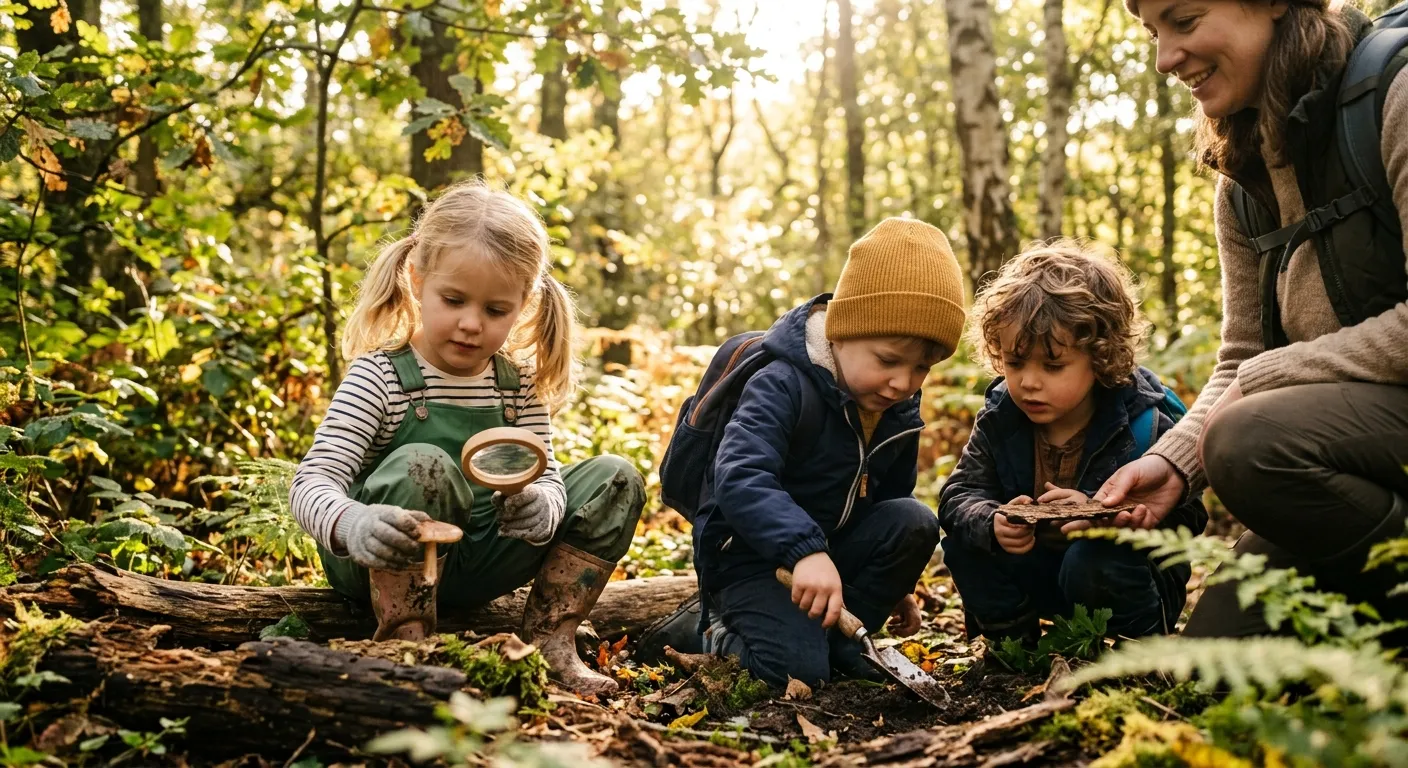
The Role of Outdoor Education in Homeschooling: Nature-Based Learning

TL;DR – Quick Answer:
The Role of Outdoor Education in Homeschooling: Nature-Based Learning provides essential benefits for homeschooling families by offering flexibility, community, and expert-led resources. Our 10,000+ strong Schoolio community proves that personalized learning is the future of education.

The Role of Outdoor Education in Homeschooling: Nature-Based Learning

While traditional classroom settings provide structured learning environments, many parents are turning to homeschooling to personalize their child’s education and foster unique learning experiences. Among the various methodologies within homeschooling, outdoor education, particularly nature-based learning, has emerged as a powerful tool for holistic development. In this blog, we’ll delve into the role of outdoor education in homeschooling, exploring its benefits and strategies for implementation.

Connecting with Nature: The Educational Value

Nature serves as a vast and dynamic classroom, offering countless opportunities for exploration, discovery, and learning. Incorporating outdoor education into homeschooling allows children to engage with the natural world in meaningful ways, fostering a deep connection to their environment. Whether it’s observing wildlife, studying plant life cycles, or exploring geological formations, nature-based learning provides hands-on experiences that stimulate curiosity and critical thinking skills.

By integrating outdoor exploration into different homeschool programs, children can experience a more immersive and engaging learning environment. From the best homeschool programs to popular homeschool programs, outdoor education can enhance any curriculum by providing real-world context and experiential learning opportunities.

Holistic Development: Mind, Body, and Spirit

One of the primary advantages of outdoor education is its ability to support holistic development. Unlike traditional classroom settings that often prioritize academic achievement, nature-based learning nurtures the whole child, addressing physical, emotional, and social well-being. Spending time outdoors encourages physical activity, promotes mental health, and instills a sense of wonder and awe. Moreover, interacting with natural elements cultivates empathy, resilience, and environmental stewardship, fostering a well-rounded individual.

Online learning for kids can also be complemented by outdoor education, offering a balanced approach to homeschooling programs. Incorporating outdoor activities into a full year homeschool curriculum ensures that children receive a comprehensive education that promotes their overall well-being.

Experiential Learning: Lessons from the Outdoors

In the outdoors, learning becomes a multisensory experience, allowing children to engage with their surroundings in immersive ways. Whether it’s conducting science experiments in a local park, practicing math skills through nature scavenger hunts, or honing language arts abilities through creative writing inspired by the natural world, outdoor education offers endless possibilities for experiential learning. By integrating academic concepts with real-world experiences, children develop a deeper understanding of subjects and cultivate a lifelong love of learning.

For families exploring different homeschool programs, nature-based learning can be a valuable addition to any curriculum. By incorporating outdoor education into their homeschooling programs, parents can provide their children with rich and meaningful learning experiences that extend beyond the confines of traditional textbooks and classroom walls.

Fostering Curiosity and Creativity

Nature’s inherent beauty and complexity spark curiosity and ignite creativity in learners of all ages. Outdoor education encourages children to ask questions, explore their surroundings, and seek answers through inquiry-based learning. Whether they’re building forts in the woods, painting landscapes en plein air, or constructing birdhouses from natural materials. Outdoor activities stimulate imagination and problem-solving skills. By embracing the freedom and spontaneity of outdoor exploration, homeschooling families can nurture a spirit of creativity that transcends traditional boundaries.

Integrating outdoor education into homeschooling programs empowers children to become active participants in their own learning journey. By incorporating nature-based learning into different homeschool programs, parents can provide their children with a well-rounded education. One that fosters curiosity, creativity, and a deep appreciation for the natural world.

Practical Tips for Incorporating Outdoor Education

For homeschooling families interested in integrating outdoor education into their curriculum, here are some practical tips to consider:

Plan outdoor excursions: Schedule regular trips to local parks, nature reserves, or botanical gardens. Doing so to explore different ecosystems and engage in hands-on learning activities.

Use nature as a classroom: Take advantage of outdoor spaces for lessons in science, math, art, and literature. Utilize natural materials like rocks, leaves, and shells to facilitate learning experiences.

Encourage free play: Allow children ample time for unstructured outdoor play, which promotes creativity, social skills, and physical development.

Document observations: Keep nature journals or sketchbooks to record observations, document discoveries, and reflect on outdoor experiences.

Embrace seasonal learning: Take advantage of seasonal changes to explore themes such as migration, plant growth cycles, or weather patterns.

Creating a Dynamic and Engaging Educational Experience

Outdoor education plays a crucial role in homeschooling, providing children with enriching experiences that promote holistic development, curiosity, and creativity. By incorporating nature-based learning into different homeschool programs, parents can create dynamic and engaging educational experiences. One that inspires a love of learning and a deep connection to the natural world. Whether as a complement to online learning for kids or as a central component of a full year homeschool curriculum. Outdoor education offers endless opportunities for exploration, discovery, and growth.

For further reading on evidence-based educational strategies, explore the research provided by the Child Mind Institute.

Rethinking Traditional Homeschooling Methods

Rethinking Traditional Homeschooling Methods

Rethinking Traditional Homeschooling Methods

Should homeschooling only be done with books? The answer is a resounding no. While traditional homeschooling often offers images of a vast library of giant homeschool books. The reality is that every homeschool family has their own rhythm, preferences, and needs. With the rise of technology and innovation in education, homeschooling options have expanded far beyond the confines of printed texts. From online resources to interactive platforms, families now have access to a variety of cost-effective learning resources. That are tailored to their unique circumstances which is causing many to begin rethinking traditional homeschool methods.

Diverse Options for Home Education Curriculum

One such option is Schoolio, a comprehensive home education curriculum provider offering a diverse range of materials to support homeschooling families. Unlike the one-size-fits-all approach of traditional textbooks. Schoolio recognizes that flexibility is key in meeting the diverse needs of learners. Whether families prefer ebooks for easy access and portability, printed workbooks for tactile learning experiences. Or a dynamic online platform complete with lesson videos, downloadable worksheets, and assessments, Schoolio caters to various learning styles and preferences.

Schoolio Family Plan

Finding the Best Homeschool Programs

For families seeking a full year homeschool curriculum, Schoolio’s offerings are particularly enticing. With a focus on quality content aligned with educational standards, parents can rest assured that their children are receiving a robust education without breaking the bank. Moreover, Schoolio’s emphasis on engaging, interactive learning ensures that students remain motivated and eager to explore new concepts.

Exploring Online Learning for Kids

In addition to Schoolio, there are many other homeschool programs and resources available to families looking to embark on the home education journey. Online learning for kids has become increasingly popular. With platforms offering interactive lessons, educational games, and virtual field trips to supplement traditional coursework. From math and science to language arts and history, the options are virtually endless. Which allows parents to tailor their child’s education to their interests and strengths.

Schoolio e-books

The Convenience of Schoolio Family Plan

For those looking rethinking traditional homeschooling methods. That are looking for a comprehensive solution, the Schoolio family plan offers access to a wide range of educational materials for kids at an affordable price. With the convenience of online access and the flexibility to customize learning paths, the Schoolio family plan is ideal for families seeking a cost-effective and convenient homeschooling solution.

Embracing the Diversity of Learning Resources

While traditional homeschooling methods may still have their place, the wealth of resources available in today’s digital age has revolutionized the way we approach home education. With options ranging from online programs to interactive platforms like Schoolio. Families have more choices than ever before when it comes to crafting a tailored learning experience for their children. By leveraging these cost-effective resources, homeschooling families can provide their children with a high-quality education that meets their unique needs and prepares them for success in the modern world.

Schoolio Learning Resources

Building Critical Thinking Skills in Homeschooled Children

Building Critical Thinking Skills in Homeschooled Children

Building Critical Thinking Skills in Homeschooled Children

In the journey of home learning, parents have a unique opportunity to prioritize critical thinking skills in homeschooled children. While traditional schooling methods often prioritize rote memorization and standardized testing, homeschooling allows for a more personalized approach to education, emphasizing exploration, analysis, and problem-solving. In this environment, children can develop robust critical thinking abilities that will serve them well throughout their lives.

Importance of Critical Thinking Skills

Critical thinking is the cornerstone of effective learning and decision-making. It enables children to question assumptions, evaluate evidence, and form logical conclusions. In today’s complex and rapidly changing world, thinking critically is more valuable than ever. It empowers children to navigate information overload, adapt to new situations, and make informed choices.

Schoolio Family Plan

Simple Ways to Develop Critical Thinking Skills

Encourage Curiosity:

Foster your child’s natural curiosity by encouraging them to ask questions and explore interesting topics. Provide opportunities for hands-on learning experiences and field trips to stimulate their curiosity.

Promote Discussion:

Engage your child in discussions about various topics, encouraging them to express their opinions and listen to others’ perspectives. Ask open-ended questions that prompt them to think critically and consider different viewpoints.

Problem-Solving Activities:

Incorporate problem-solving activities into your homeschool curriculum, such as puzzles, brain teasers, and logic games. These activities challenge children to think creatively and develop strategies to overcome obstacles.

Real-World Applications:

Connect academic concepts to real-world scenarios to illustrate their relevance and encourage critical thinking. For example, involve your child in budgeting decisions or scientific experiments at home.

Multidisciplinary Learning:

Take advantage of homeschool programs that offer multidisciplinary learning opportunities, such as the Schoolio learning platform. This approach allows children to explore connections between different subjects and develop a holistic understanding of the world.

Use Diverse Resources:

Incorporate a variety of resources into your homeschool curriculum, including books, videos, online courses, and educational games. Exposing children to diverse perspectives and information sources enhances their critical thinking skills.

Rethinking traditional homeschooling methods? Click here!

Encourage Reflection:

Encourage your child to reflect on their learning experiences, encouraging them to consider what they have learned, how they learned it, and what they could do differently next time. This reflective practice fosters metacognitive skills and enhances critical thinking.

Schoolio e-books

Encourage Independent Inquiry:

Provide opportunities for your child to pursue independent inquiry projects based on their interests. Support them in researching topics, formulating questions, and presenting their findings, fostering autonomy and critical thinking skills.

Debate and Argumentation:

Organize debates or argumentation exercises where your child can practice presenting and defending their opinions using evidence and reasoning. This helps them develop persuasive communication skills and strengthens their critical thinking abilities.

Model Critical Thinking:

Lead by example by demonstrating critical thinking in your decision-making processes and discussions. Show your child how to analyze information critically, consider alternatives, and make reasoned judgments.

Flexibility and Resources are Available

By incorporating these strategies into your homeschooling approach, you can effectively nurture your child’s critical thinking skills and prepare them for success in an ever-changing world. With the flexibility and resources available through homeschool programs like Schoolio, parents have the opportunity to provide their children with a comprehensive education that prioritizes the development of critical thinking abilities alongside academic knowledge.

Schoolio Learning Resources

Top 5 Steps You Should Take Before Homeschooling

Top 5 Steps You Should Take Before Homeschooling

Top 5 Steps You Should Take Before Homeschooling

Have you been considering taking the leap into homeschooling? With the ever-changing landscape of education, many families are turning to homeschooling as a viable option for their children’s academic journey. Homeschooling offers a flexible and personalized approach to education, allowing parents to tailor curriculum and learning experiences to their child’s unique needs and interests. From full-year homeschool curriculum to online learning for kids, there’s a vast array of homeschooling resources available to support families in their educational endeavors. Let’s explore the top 5 steps you should take before homeschooling.

The Benefits of Homeschooling

Homeschooling provides numerous benefits for both parents and students alike. One of the most significant advantages is the ability to customize education according to individual learning styles and preferences. Unlike traditional classroom settings, where instruction may be standardized, homeschooling allows for personalized learning experiences tailored to each child’s strengths and weaknesses. Additionally, homeschooling offers the opportunity for one-on-one support, fostering deeper understanding and academic growth.

Incorporating e-learning for elementary students has become increasingly popular within homeschooling communities. Online learning for kids not only provides access to a wealth of educational resources but also allows for flexibility in scheduling and pacing. Whether utilizing popular homeschool programs or exploring the best homeschool programs available, homeschooling families have the freedom to choose curriculum and learning approaches that best suit their child’s needs.

Schoolio Family Plan

Navigating the Initial Challenges

While homeschooling can be a rewarding experience, many parents may feel overwhelmed or frazzled when first embarking on this educational journey. Transitioning from a traditional school setting to homeschooling requires careful planning and preparation.

Here Are the Top Five Steps You Should Take Before Homeschooling:

1. Research Home Education Curriculum Options

Before diving into homeschooling, take the time to research and evaluate different home education curriculum options. From comprehensive full-year homeschool curriculum packages to specialized subject-based resources, there’s a wide range of homeschooling materials available. Consider your child’s learning style, interests, and academic goals when selecting curriculum resources. Look for reputable homeschool learning programs that align with your educational philosophy and objectives.

2. Assess Your Homeschooling Resources

Assess your homeschooling resources to ensure you have everything you need to support your child’s learning journey. This includes not only curriculum materials but also educational supplies, such as textbooks, workbooks, and manipulatives. Additionally, consider the availability of online learning resources and technology tools to enhance your homeschooling experience. Investing in good homeschool programs and educational resources will help facilitate a well-rounded and engaging learning environment for your child.

3. Establish a Homeschooling Routine

Creating a consistent homeschooling routine is essential for maintaining structure and organization. Establish a daily schedule that incorporates dedicated time for academic lessons, hands-on activities, and breaks. Be flexible and adaptable, allowing room for spontaneity and exploration within your homeschooling routine. Encourage independence and self-directed learning skills while providing guidance and support as needed.

4. Connect with Homeschooling Communities

Reach out to local homeschooling communities and online support networks to connect with other homeschooling families. Networking with fellow homeschoolers provides valuable opportunities for sharing resources, exchanging ideas, and seeking advice. Attend homeschooling events, workshops, and co-op programs to cultivate friendships and build a supportive community around your homeschooling journey.

Schoolio e-books

Familiarize yourself with the legal requirements and regulations governing homeschooling in your area. Research state-specific homeschooling laws and procedures for compliance. This may include filing paperwork, submitting educational plans, or participating in homeschooling evaluations or assessments. By understanding and adhering to legal requirements, you can ensure a smooth and successful homeschooling experience for you and your child.

Here’s the importance of building critical thinking skills

Embracing the Homeschooling Journey

Embarking on the homeschooling journey can be both exciting and challenging. By taking proactive steps to research curriculum options, assess resources, establish routines, connect with communities, and fulfill legal requirements, you can lay the foundation for a fulfilling and enriching homeschooling experience. With dedication, creativity, and support, homeschooling offers endless possibilities for educational growth and exploration. Embrace the opportunity to nurture your child’s curiosity, ignite their passion for learning, and cultivate a lifelong love of knowledge through homeschooling.

Is your child struggling with reading? Click here!

Schoolio Learning Resources