Personalized Learning Journey-As a homeschooling family, one of the greatest advantages you have is the ability to craft a truly customized homeschool curriculum tailored to your child’s unique needs, interests, and learning style. This level of personalization allows you to create an educational experience that ignites your child’s curiosity, nurtures their strengths, and supports their areas for growth.
At Schoolio, we understand that a one-size-fits-all approach to education rarely works, especially in the homeschooling environment. That’s why we believe in empowering families like yours to customize and curate a curriculum that aligns perfectly with your child’s individual journey.
Personalized Learning Journey- Embracing Your Child’s Learning Style
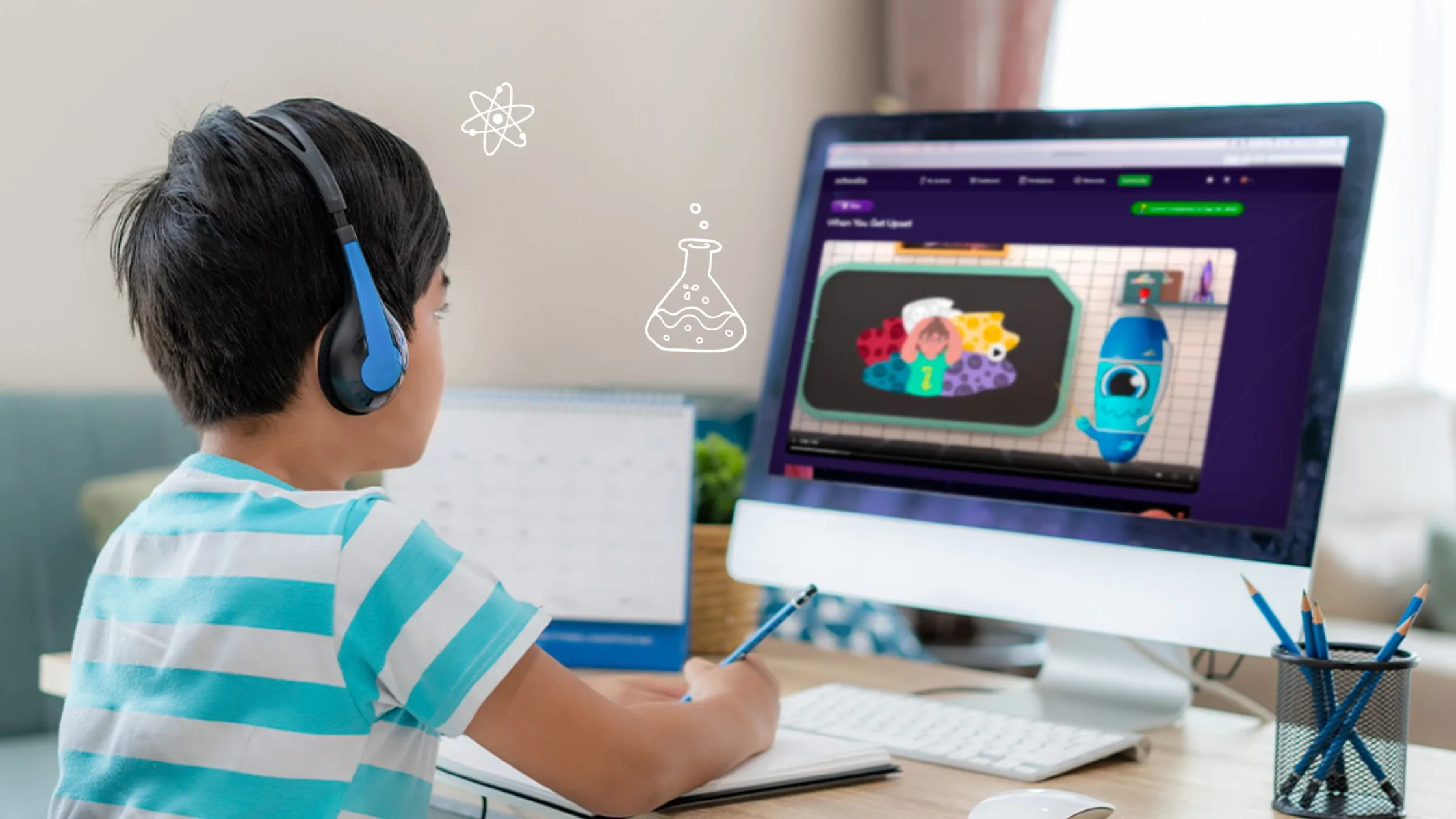
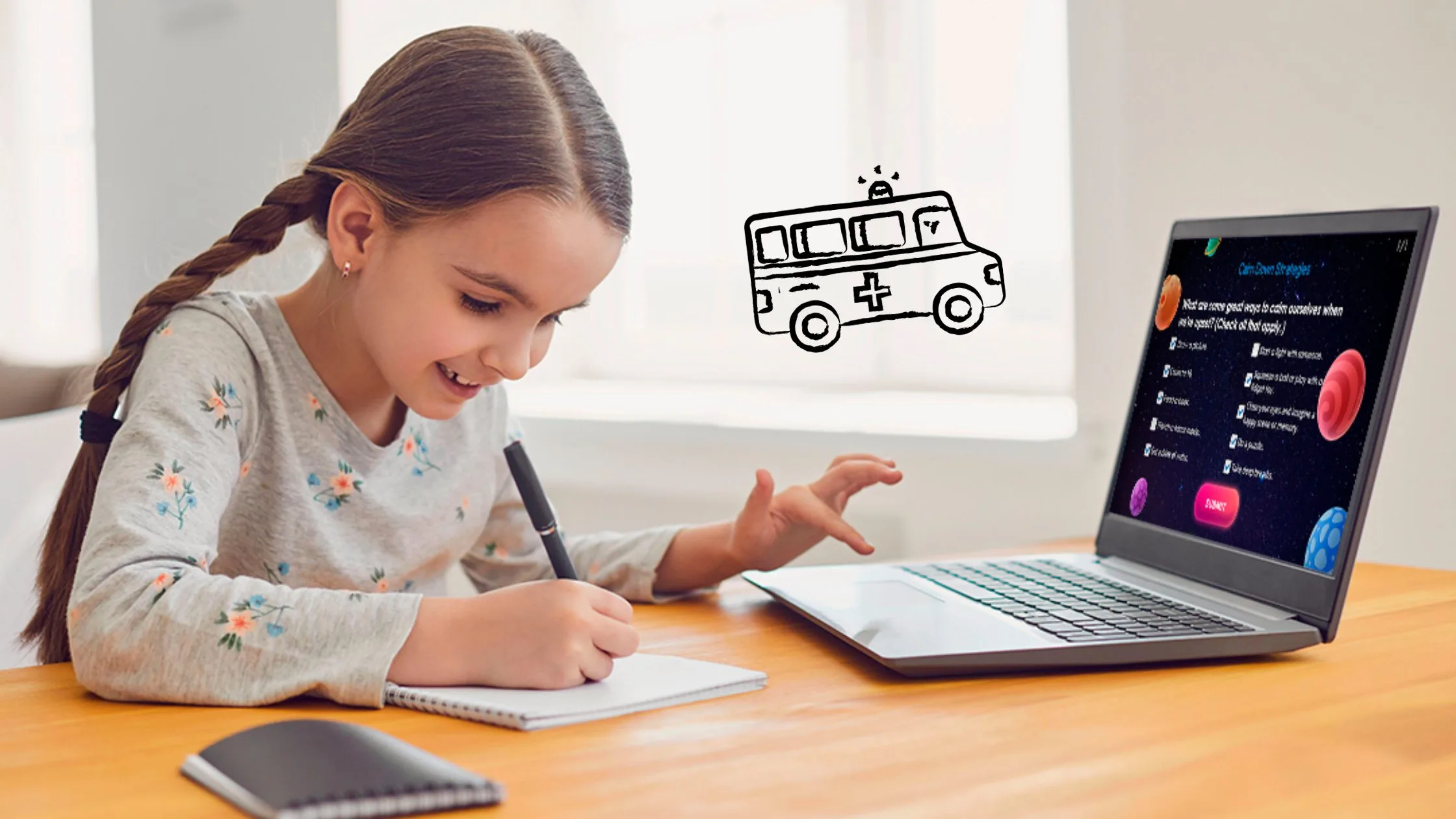
Every child learns differently, and a customized homeschool curriculum allows you to cater to your child’s preferred learning style. Whether your child is a visual learner who thrives with infographics and videos, an auditory learner who absorbs information best through discussions and podcasts, or a kinesthetic learner who excels with hands-on activities, you can tailor the curriculum to their unique strengths.
Schoolio’s extensive resource library offers a wide range of multimedia content, interactive activities, and project-based learning opportunities, enabling you to create a multi-sensory learning experience that engages your child’s preferred learning modalities.
Nurturing Interests and Passions
One of the greatest joys of homeschooling is the ability to nurture your child’s unique interests and passions. By customizing your homeschool curriculum, you can delve deeper into subjects that truly captivate your child’s attention, fostering a love for learning that extends far beyond the classroom.
Whether your child is fascinated by astronomy, enthralled by ancient civilizations, or passionate about coding, Schoolio’s customizable curriculum options and enrichment resources allow you to tailor their educational journey to their specific areas of interest, igniting their natural curiosity and encouraging lifelong learning.
Addressing Learning Differences and Special Needs
For families with children who have learning differences or special needs, a customized homeschool curriculum can be a game-changer. By breaking free from the constraints of traditional classroom settings, you can create an educational environment that accommodates your child’s unique challenges and celebrates their strengths.
Schoolio’s customizable curriculum options, assistive technology tools, and access to educational consultants empower you to design a tailored learning experience that addresses your child’s specific needs, whether they are dyslexic, autistic, ADHD, or have any other learning difference.
Seamless Integration of Core Subjects and Electives
As you craft your customized homeschool curriculum, you’ll have the flexibility to seamlessly integrate core subjects like math, science, language arts, and social studies with a wide range of electives and enrichment activities. This holistic approach not only ensures a well-rounded education but also allows your child to explore their diverse interests and talents.
Schoolio’s comprehensive curriculum offerings, online courses, and virtual field trips provide a wealth of resources to weave together core academics with electives like art, music, coding, foreign languages, and more, creating a rich and engaging educational tapestry.
Continuous Adaptation and Flexibility
One of the beauties of a customized homeschool curriculum is its ability to adapt and evolve as your child grows and their needs change. With Schoolio’s flexible platform, you can easily adjust and modify your curriculum, incorporating new resources, adjusting pacing, or introducing new subjects as your child’s interests and abilities develop.
This continuous adaptation ensures that your child’s educational journey remains tailored to their ever-changing needs, fostering a love for learning that transcends grade levels and subject matter.
At Schoolio, we believe that every child deserves an educational experience that celebrates their uniqueness and empowers them to reach their full potential. By customizing your homeschool curriculum, you’re embarking on a journey of personalized learning that nurtures your child’s strengths, supports their challenges, and ignites a lifelong passion for knowledge and growth.
So, embrace the freedom and flexibility of homeschooling, and let Schoolio be your trusted partner in crafting a truly customized homeschool curriculum that puts your child’s needs and aspirations at the forefront of their educational journey.
Starting your homeschooling journey involves making several key decisions, one of which is choosing the right curriculum. Understanding the basics of homeschool curricula can be overwhelming for new homeschoolers. This post aims to explain the fundamental elements of homeschool curricula, including definitions, curriculum expectations, and learning outcomes, to help you make informed choices. Whether you’re browsing a homeschool bookstore or exploring online resources, having a clear understanding of these basics is essential.
What is a Homeschool Curriculum?
A homeschool curriculum is a structured set of educational materials and plans designed to guide the learning process at home. It includes textbooks, workbooks, lesson plans, and other resources that outline what and how your child will learn throughout the academic year. When visiting a homeschool bookstore, you’ll find a variety of curricula tailored to different teaching styles and learning needs.
Key Elements of a Homeschool Curriculum
When selecting a curriculum, it’s important to understand its key elements. Here are the foundational components you’ll encounter in a homeschool bookstore:
Scope and Sequence: This outlines the topics covered and the order in which they will be taught. It helps ensure that learning is structured and progressive.
Lesson Plans: These are detailed guides on how to teach each topic. They provide instructions, activities, and timelines to help you manage your teaching schedule effectively.
Assessment Tools: These include tests, quizzes, and other evaluation methods to track your child’s progress and understanding of the material.
Supplemental Materials: Additional resources like videos, experiments, and reading lists that enhance the learning experience.
Curriculum Expectations
Understanding curriculum expectations is crucial when choosing from a homeschool bookstore. These expectations outline what your child should learn and achieve during the course. Here are some key considerations:
Alignment with Standards: Ensure the curriculum aligns with educational standards for your child’s grade level. This is particularly important if you plan to transition back to traditional schooling.
Flexibility: Look for curricula that offer flexibility to adapt to your child’s pace and learning style. Homeschooling allows for personalized education, so choose materials that can be tailored to your child’s needs.
Comprehensiveness: A good curriculum should cover all core subjects, including math, science, language arts, and social studies. While some curricula include all these subjects, many do not. For new homeschoolers, an all-in-one curriculum is a great option because it simplifies everything and makes it much easier to use.
Learning Outcomes
Learning outcomes are the specific skills and knowledge your child should acquire by the end of the curriculum. When browsing a homeschool bookstore, review the expected learning outcomes to ensure they meet your educational goals. Here are some examples of learning outcomes:
Academic Skills: Mastery of subject-specific skills, such as reading comprehension, mathematical problem-solving, and scientific inquiry.
Critical Thinking: The ability to analyze information, think critically, and solve problems independently.
Social and Emotional Skills: Development of interpersonal skills, emotional regulation, and ethical understanding.
Tips for Choosing the Right Curriculum
Choosing the right curriculum can be challenging, but these tips can help you make an informed decision when visiting a homeschool bookstore:
Identify Your Child’s Learning Style: Consider whether your child is a visual, auditory, or kinesthetic learner. Choose a curriculum that caters to their preferred learning style.
Set Clear Goals: Define what you want to achieve with homeschooling. This will help you select a curriculum that aligns with your educational objectives.
Read Reviews: Look for reviews and recommendations from other homeschooling families. Their experiences can provide valuable insights into the effectiveness of different curricula.
Seek Professional Advice: Consult with homeschooling experts or educators for personalized recommendations. Many homeschool bookstore staff are knowledgeable and can offer guidance based on your needs.
How Schoolio Helps Homeschoolers
At Schoolio, we understand the challenges of selecting the right homeschool curriculum. Our platform is designed to support homeschooling families with a range of customizable and comprehensive resources that cater to various educational needs.
Comprehensive Curriculum Options: Schoolio offers a wide array of subjects and grade levels, ensuring that you can find the right materials for your child’s specific needs. Our curriculum is designed to be flexible, allowing you to adapt it as needed.
Personalized Learning Plans: We believe in the importance of personalized education. Schoolio provides tools to create customized learning plans that align with your child’s interests and learning style, making education engaging and effective.
Interactive and Multimedia Content: Our curriculum includes interactive activities, multimedia content, and project-based learning opportunities that cater to visual, auditory, and kinesthetic learners. This ensures a rich and engaging learning experience.
Support and Resources for Parents: Schoolio offers extensive support for homeschooling parents, including detailed lesson plans, flexible scheduling options, and access to educational consultants. We’re here to help you navigate the homeschooling journey with confidence.
Affordable Pricing: Homeschooling can be costly, but Schoolio provides a cost-effective solution with our Family Plan membership. For just $29.99 per month per student, you get access to a wide range of resources, including free Student Success Plans.
Understanding homeschool curriculum choices is a critical step in starting your homeschooling journey. By knowing the basics of curricula, including definitions, expectations, and learning outcomes, you can make informed decisions that best suit your child’s educational needs. Whether you’re exploring a homeschool bookstore or online resources, being well-informed will help you select the right materials to support your child’s learning and growth.
Ready to explore the best homeschool curricula? Visit Schoolio today to find the most effective and comprehensive homeschool programs tailored to your family’s needs!
Crafting a Customized Homeschool Curriculum with Schoolio
As homeschooling gains popularity, the demand for effective tools and resources has also surged. Among the standout platforms making waves in the homeschooling community is Schoolio – a comprehensive curriculum customization tool designed to empower parents and students alike. In this blog, we’ll explore the art of crafting a personalized homeschool curriculum using the versatile features of Schoolio.
Understanding Schoolio:
Schoolio is not just another online educational platform; it’s a powerhouse of resources and tools that allow parents to take the reins of their child’s education. Its user-friendly interface makes curriculum customization accessible. By offering a vast array of subjects, grade levels, and teaching styles to cater to diverse learning preferences.
Here’s How to Craft a Customized Curriculum:
Step 1: Assessing Your Child’s Learning Style:
One of the key strengths of Schoolio lies in its ability to adapt to various learning styles. Before diving into curriculum customization, take some time to assess your child’s preferred learning style – whether it’s visual, auditory, kinesthetic, or a combination. Schoolio’s intuitive platform accommodates these preferences, ensuring that the curriculum aligns seamlessly with your child’s way of learning.
Step 2: Setting Educational Goals:
Establishing clear educational goals is essential for creating a customized curriculum. Schoolio allows parents to set specific objectives for each subject. This enables a focused and tailored learning experience. Whether it’s mastering foundational math skills, improving language proficiency, or delving into specialized topics. Schoolio provides the tools to align your curriculum with your child’s unique aspirations.
Step 3: Building a Flexible Schedule:
Flexibility is a cornerstone of homeschooling, and Schoolio recognizes this need. The platform allows parents to create a flexible daily or weekly schedule that accommodates the ebb and flow of their child’s learning journey. Whether you prefer a structured routine or a more fluid approach, Schoolio adapts to your family’s lifestyle, making learning a seamless and enjoyable experience.
Step 4: Exploring Enrichment Opportunities:
Beyond core subjects, Schoolio offers a plethora of enrichment opportunities to broaden your child’s educational horizons. Like with Schoolio Live Classes, Schoolio goes beyond the textbook, making learning an adventure. Parents can seamlessly integrate these enriching experiences into the customized curriculum to inspire a love for learning.
Step 5: Monitoring Progress and Adjusting:
Schoolio’s robust tracking and reporting features empower parents to monitor their child’s progress effortlessly. Regular assessments and progress reports provide valuable insights into areas of strength and areas that may need additional focus. The platform’s adaptability allows parents to make real-time adjustments to the curriculum, ensuring a dynamic and responsive learning experience.
Crafting a Customized Homeschool Curriculum: A Journey of Empowerment
Crafting a customized homeschool curriculum with Schoolio is a journey of empowerment, allowing parents to tailor education to the unique needs of their children. With its intuitive interface, diverse subject offerings, and flexible features, Schoolio stands out as a valuable ally in the pursuit of personalized learning. As homeschooling continues to thrive, platforms like Schoolio pave the way for a future where education is as unique as each child’s potential.
Budget-Friendly Education: Maximizing Savings with Schoolio
In today’s rapidly changing educational landscape, an increasing number of families are turning to homeschooling as a flexible and cost-effective alternative. With a myriad of options available, finding a comprehensive yet budget-friendly education solution can be challenging. This is where Schoolio steps in – revolutionizing the homeschooling experience. In this blog, we’ll delve into how Schoolio’s innovative approach can help you make the most of your budget while ensuring a high-quality education for your child.
Budget-Friendly Education:
What’s included with Schoolio:
Tailored Learning Plans:
One of the key advantages of Schoolio is its commitment to providing tailored learning plans for each student. Understanding that every child learns differently, Schoolio’s programs allow parents to customize their child’s educational journey. This personalized approach ensures that the material is not only effectively taught but also resonates with the student’s individual learning style.
Flexibility in Learning Styles:
Schoolio recognizes that a one-size-fits-all approach to education is outdated. Different homeschool programs cater to various learning styles. From traditional curriculum-based approaches to more innovative, project-based methods. This flexibility allows parents to choose the program that best aligns with their child’s unique needs. While fostering a more engaging and enjoyable learning experience.
Encouraging Self-Directed Study:
Schoolio’s home education program empowers students to take control of their learning. By providing a structured yet flexible curriculum, children can progress at their own pace. This not only allows for a deeper understanding of the material but also encourages the development of valuable skills such as self-discipline and time management.
Comprehensive and Structured Curriculum:
Planning a full-year homeschool curriculum can be daunting. Schoolio simplifies this process by offering a comprehensive and structured curriculum. Which covers core subjects and ensures that students receive a well-rounded education. This takes the guesswork out of planning, making it easier for parents to guide their child’s academic journey throughout the year.
Schoolio goes beyond traditional teaching methods by incorporating multimedia resources into its curriculum. This innovative approach enhances the learning experience, providing students with a well-rounded understanding of concepts. The inclusion of technology in education prepares students for the digital age. Doing so by ensuring they are equipped with the skills necessary for the future.
Age-Appropriate Educational Materials:
Recognizing the importance of engaging educational materials, Schoolio’s curriculum includes a variety of resources tailored to different age groups. From colorful textbooks for younger students to interactive activities for older ones, these materials are designed to stimulate curiosity and foster a genuine love for learning.
Specialized E-Learning for Elementary Students:
Schoolio’s commitment to age-appropriate learning extends to elementary students. The platform offers specialized e-learning modules designed to capture the attention of young learners. These interactive modules not only make learning enjoyable but also focus on fundamental concepts. This sets a strong foundation for further academic growth.
With tailored learning plans, flexible approaches, and a commitment to comprehensive education, Schoolio maximizes savings without compromising on the quality of your child’s education. As families continue to explore alternative education options, Schoolio proves to be a reliable partner in providing children with a well-rounded, personalized, and affordable learning experience.
Training for the Future: Child Athletes and Academic Success with Schoolio
In the fast-paced world of competitive sports, young athletes often find themselves juggling intense training schedules with their academic responsibilities. Whether it’s the demanding routines of gymnastics, the lightning-fast pace of hockey, or any other competitive league, striking the right balance between sports and education is crucial for the holistic development of these young talents. Enter Schoolio Learning Platform, a revolutionary homeschool curriculum designed to cater to the unique needs of child athletes. Ensuring children who are training for the future excel both on the field and in the classroom.
The Challenge of Balancing Academics and Athletics
Competitive sports demand a significant time commitment, leaving young athletes with limited hours for traditional schooling. The rigorous training schedules, frequent travel, and competitions can make it challenging for them to keep up with regular classroom lessons. As a result, parents and coaches alike face the dilemma of how to ensure these aspiring athletes receive a quality education without compromising their athletic pursuits.
Schoolio Learning Platform: A Game-Changer for Child Athletes
Quick and Easy Lessons On the Go
Schoolio’s learning solutions offer a flexible and efficient way for child athletes to keep up with their studies while on the road. The platform provides quick and easy lessons that can be accessed from anywhere, allowing young athletes to maintain a consistent learning routine, regardless of their location. Whether in a hotel room or during downtime between training sessions, Schoolio empowers these students to make the most of their time.
Progress Tracking for Academic and Athletic Growth
One of the key features of Schoolio is its robust progress tracking system. Parents, coaches, and athletes themselves can monitor academic performance seamlessly. This not only ensures that children are meeting educational benchmarks but also allows for personalized support when needed. By tracking both academic and athletic progress, parents and coaches can collaboratively nurture well-rounded individuals with a focus on both their sports and educational journeys.
Tablet and iPad Compatibility for Learning On the Fly
Recognizing the need for mobility, Schoolio is designed to be compatible with tablets and iPads. This means child athletes can access their lessons and educational materials at any time, even when traditional resources may be unavailable. The user-friendly interface ensures that young learners can navigate the platform independently, fostering a sense of responsibility for their own education.
Schoolio Family Plan: A Comprehensive Solution
To further simplify the educational journey for child athletes, Schoolio offers a Family Plan that allows parents to manage multiple children’s education seamlessly. With a single subscription, families can access customized learning paths for each child, making it an ideal solution for those with siblings involved in different sports or activities.
Success in Both Sports and Academics is Attainable.
The journey of a child athlete is undoubtedly demanding, but with the right tools and support, success in both academics and sports is attainable. Schoolio Learning Platform emerges as a beacon of hope for parents and coaches seeking a comprehensive, flexible, and efficient homeschool curriculum for their budding sports stars. By integrating education seamlessly into the lives of child athletes, Schoolio is not just a learning platform; it’s a catalyst for the balanced development of the champions of tomorrow. Invest in the future today – embrace the Schoolio advantage!
Embracing Personalized Education: Beyond the One-Size-Fits-All Approach
Wake up, the educational revolution is no mere breeze—it’s a gale-force wind thrashing the archaic, cookie-cutter model we’ve clung to for far too long. This upheaval isn’t just about recognizing differences. It’s a raw, unapologetic truth that each student is an individual, not a cog in an academic machine. Their distinct needs and talents are screaming for personalized education—the kind that the old guard’s monolithic system has failed to provide. It’s time to tune in or be swept aside by embracing personalized education.
Beyond the One-Size-Fits-All Approach by Embracing Personalized Education
1. The Obsolescence of the One-Size-Fits-All Model
The education system has long treated students as products, conforming to a uniform mold. It fails to acknowledge their unique talents and learning styles. We must recognize our role in shaping future generations, molding the minds of future leaders. In a rapidly changing world, education needs a paradigm shift. One-size-fits-all teaching no longer suffices. Each child has their own strengths and interests. We need personalized learning approaches, with various methods like project-based and collaborative learning. Technology can enhance learning, providing personalized feedback and access to information. We must break free from the outdated system.
The conventional model of education has long been critiqued for its one-size-fits-all approach. Historically, this system viewed knowledge as static and compartmentalized into standardized subjects, which were then presented in a uniform manner to every student. This methodology bears similarity to a production line, where efficiency and conformity are prized over individuality and adaptability.
However, as we navigate through an increasingly dynamic and multicultural society, the limitations of this traditional education model become glaringly apparent. The contemporary world is characterized by rapid technological advances, cultural exchanges, and a knowledge economy that demands more than rote memorization and standardized tests.
Education must evolve!
In this context, education must evolve to become more adaptable and responsive. It should cater to the diverse learning styles, cultural backgrounds, and individual interests of students. In lieu of a fixed curriculum, there is a growing need for a more personalized approach that empowers students to take charge of their learning, encourages critical thinking, and fosters lifelong learning habits.
Furthermore, educators are now recognizing the importance of cross-disciplinary skills and the integration of emotional and social learning into the curriculum. Skills such as creativity, problem-solving, and collaboration are becoming as essential as traditional academic knowledge.
3. The Conveyor Belt Syndrome
When students fail to conform to the established academic paradigm, they are often marginalized, akin to rejected products on an assembly line. Such exclusion has detrimental effects on their educational progression, self-worth, and potential for future accomplishments.
The prevalent linear view of education neglects the multiplicity of learning styles and intelligences inherent in each individual. Rather than imposing a uniform educational model, a more complex system should be developed. One to identify and cultivate the unique capabilities and interests of every student. A failure to embrace this diversity can result in squandering invaluable potential and alienating those who might have otherwise made substantial contributions to society with appropriate support.
Students with Remarkable Thought and Innovation
These students frequently possess the capacity for remarkable thought and innovation, yet they find themselves evaluated by their compliance with traditional academic standards. This dynamic may cause a downward spiral where students grow increasingly detached, not from a deficiency of talent or enthusiasm, but because their specific gifts are disregarded or undervalued.
A paradigm shift in education towards a holistic and inclusive methodology could uncover that many students previously labeled as ‘defective’ are in fact undiscovered talents. Who are in need of an alternative approach to nurturing their abilities. This shift would require tailored educational experiences, varied assessment methods, and a culture that recognizes learning variances as assets. Rather than deficits. Such transformation in education would enhance fairness. While also substantially improving the ability of the system to prepare students for diverse future challenges.
4. Jacks of All Trades, Masters of None
Educational systems worldwide are often criticized for their approach to learning that prioritizes a wide breadth over depth of knowledge. Students are taken on an academic journey that covers a sweeping array of subjects. Ensuring that they have a touch of every conceivable domain. This, in theory, is designed to create well-rounded individuals equipped with a foundational understanding of various disciplines.
However, this methodology does not come without its pitfalls. The primary consequence is a generation of learners who have skated across the surface of many topics. But have not dived into the deep end of any. This broad but shallow pool of knowledge implies that while they may appear to be educated in many areas, their understanding is often lacking in the robustness required to tackle complex challenges that demand specialized knowledge.
What About Real-World Skills?
Moreover, the standardized system tends to focus on theoretical aspects rather than practical applications. This can leave students ill-equipped to translate their schooling into real-world skills. The result is a discernible gap between what is taught within the walls of educational institutions. And what is needed on the ground in various industries and sectors.
To further compound the issue, the uniformity of this system does not account for individual strengths, interests, or career aspirations. Consequently, many students feel disengaged. As their education feels more like a generic product. Rather than a tailored experience that speaks to their unique talents and future goals.
Overall, while a standardized education system can ensure a minimum level of competency across a wide range of subjects. There are valid concerns about its effectiveness in preparing students for the nuanced and specialized demands of the working world. To truly empower the next generation, it may be necessary to strike a better balance between general education and specialized, practical training that can be directly applied to the challenges that lie ahead.
5. Empowering Parents in Educational Choices
The significance of allowing parents to have a say in their child’s education cannot be overstated. It’s truly essential that parents are provided with choices when it comes to their child’s educational journey. Recognizing that each child is an individual with distinct learning needs is the foundation of an inclusive educational system. Every child learns at their own unique pace. And having the freedom to tailor the speed of learning to their individual needs is far from being just a fancy option – it’s absolutely vital.
When education becomes adaptable to the learner, it does more than just accommodate different learning styles. It also fosters an environment where children are more engaged and invested in their learning process. This kind of adaptable learning environment helps to keep the flame of curiosity and joy in education alive. Turning it into a stimulating adventure rather than a competitive sprint. Did you know that enthusiasm for learning is nurtured when children feel that their personal learning journey is being honored and encouraged.
What is the Best Possible Environment for Your Child?
Moreover, educational choices empower parents to seek out the best possible environment. One that aligns with their values and their child’s uniqueness. Be it traditional schools, charter schools, homeschooling, or alternative educational models. It brings families into the fold of the learning process. Creating partnerships between educators and parents that benefit the child’s development holistically.
Personalized education is not a luxury; it’s a necessity. For bringing forth future generations that are creative, capable, and driven by an intrinsic love for learning. By ensuring that our children’s education is a collaborative, flexible, and tailored experience. We lay a strong foundation for them to not only succeed academically but to thrive in all aspects of life.
6. Giving Students a Voice
Why are we still spoon-feeding students with a pre-chewed curriculum that might as well be from another era? Wake up, educators! It’s high time students have a say in their education. They aren’t just empty vessels to fill with dated facts and figures; let them voice what ignites their passion! If we truly want education that sticks, that transforms lives. What if we started listening to those we’re supposed to be inspiring. When students direct their own educational paths, we don’t just teach; we revolutionize learning. Embrace their interests, fuel their curiosity, and watch as education becomes not just a duty, but a journey of discovery that they—and we—can’t get enough of.
7. Letting Curiosity Lead
The dawn of a new era in education beckons, one brimming with boundless possibilities and fueled by the spark of curiosity. Our children are on the cusp of a journey that transcends the mundane. Each day is a fresh page in a tale of discovery and joy.
Here at Schoolio, we’re not just observers of this paradigm shift, we’re pioneers. Our cutting-edge platform is a testament to the transformative power of personalized education. It’s a canvas where each child’s learning style and passions paint a unique masterpiece. With parents as the skilled artists who deftly bring out the vibrant hues of their child’s potential.
Together, let’s begin embracing personalized education. And a system that’s not just a path, but a celebration of each child’s unique spirit. It’s time to cultivate a garden where curiosity blossoms and learning is the light that nurtures growth. We’re not just preparing students for tests; we’re nurturing future leaders, innovators, and dreamers. With hearts full of optimism, let’s venture into a future where education is truly the adventure of a lifetime.
Unforeseen Detours: Navigating Homeschooling Amidst Work Project Challenges
Amidst the anticipation of completing a crucial work project for my boss, my attention was scattered across various responsibilities. Including our homeschooling routine. Engrossed in meeting work deadlines, I found myself unintentionally sidetracked from our daily academic focus. Let’s talk about unforeseen Detours: Navigating Homeschooling Amidst Work Project Challenges.
I usually excel at juggling multiple tasks.
As a committed homeschooling parent, I usually excel at juggling multiple tasks. However, on this particular day, my mind was preoccupied with meeting a looming work deadline, leading to an unintended and amusing incident in our homeschooling journey.
I handed my child what I believed to be a critical assignment – a science experiment exploring chemical reactions. Little did I know that this seemingly routine task would soon become a humorous anecdote in our homeschooling experience.
Where does the comedy come in?
Because, lost in thoughts about the impending work project, I mistakenly provided my child with instructions for a physics experiment involving simple machines. Imagine their confusion as they started gathering materials and realized the mismatch in scientific concepts. The irony of the “homeschool parent of the year award” was not lost on me.
Initially, I nonchalantly suggested re-checking the resources, assuming the curriculum might have covered both subjects. However, my child, baffled by unfamiliar terms and principles, insisted that this was uncharted territory in their lessons.
It wasn’t until I decided to review the curriculum materials more thoroughly that I discovered the truth. I had inadvertently handed my child the wrong set of instructions. The science experiment on chemical reactions was nowhere to be found in our curriculum.
Turning the mix up into a unique learning experience.
Apologizing for my oversight, we shared a good laugh over the unexpected detour into physics. We even incorporated the newfound knowledge of simple machines into our lessons, turning the incident into a unique learning experience.
Reflecting on this episode, I recognized the importance of staying focused during homeschooling sessions. Distractions, whether they involve looming work deadlines or other external factors, can lead to amusing detours in our academic plans.
In the end, the key takeaway was to embrace such moments with humor, learn from our mistakes, and approach homeschooling with a flexible mindset. After all, we’re only human, and occasional diversions can add a touch of unpredictability to our educational journey.
Here are some tips to help homeschool without distraction:
Establish a Dedicated Workspace:
Create a designated and organized learning space for your homeschooling activities. Having a dedicated area helps minimize external distractions and sets a focused atmosphere.
Set Clear Daily Goals:
Outline specific learning objectives for each day. Having a clear plan helps you stay on track and reduces the likelihood of getting sidetracked by external tasks or obligations.
Prioritize Time Management:
Allocate specific time slots for homeschooling, work, and personal tasks. Efficient time management allows you to balance responsibilities without feeling overwhelmed.
Use Technology Wisely:
Leverage technology to enhance the learning experience, but also establish guidelines to prevent unnecessary distractions. Consider setting specific times for educational screen time and breaks.
Communicate Boundaries:
If possible, communicate your homeschooling schedule and boundaries to family members or housemates. Clear communication helps create a supportive environment for focused learning.
Plan Breaks Strategically:
Integrate short breaks into your homeschooling routine. Scheduled breaks allow for necessary pauses without opening the door to prolonged distractions.
Utilize Productivity Techniques:
Explore productivity techniques, such as the Pomodoro Technique, to structure your homeschooling sessions. Breaking tasks into focused intervals with short breaks can enhance concentration.
Minimize External Interruptions:
Turn off non-essential notifications on your devices during dedicated homeschooling hours. Minimizing interruptions helps maintain focus and productivity.
Stay Organized:
Keep your homeschooling materials, resources, and schedules well-organized. A tidy workspace and a structured plan contribute to a smoother learning experience.
Flexibility and Adaptability:
While it’s crucial to minimize distractions, be flexible and adaptable when unexpected events occur. Embrace the fluid nature of homeschooling and find ways to turn diversions into valuable learning opportunities.
By implementing these strategies, you can create an environment conducive to focused and effective homeschooling, even in the face of potential distractions.
A Parent’s Guide to Personalized Learning: Tailoring Education to Your Child’s Needs
In a world that celebrates individuality, the realm of education is no exception. You likely recognize the unique qualities in each of your children—distinct strengths, individualized learning styles, and preferences. This is where personalized learning becomes an incredibly obvious choice for all children. Offering a tailored educational approach that caters to the diverse needs of your child is important. Learn with us as we check out a parent’s guide to personalized learning: Tailoring education to your child’s needs.
Customized Learning for Academic Excellence
Children are like fingerprints—no two are exactly alike. Acknowledging and accommodating their individual learning needs is essential to foster a love for learning while also ensuring academic success. Did you know that personalized learning is a cornerstone of various popular homeschool programs? Going beyond the conventional, one-size-fits-all approach. This then enables students to progress at their own pace. While also exploring topics aligned with their interests, and engaging with a home education curriculum tailored to their unique learning styles.
Benefits of Personalized Learning:
Tailored Pace: Children can advance through their curriculum at a pace that suits their understanding. This also prevents boredom and/or frustration.
Individualized Content: Learning materials are curated to match the child’s interests, making the educational experience more enjoyable and meaningful for children and parents.
Varied Learning Styles: Personalized learning accommodates diverse learning styles. Doing so by catering to visual, auditory, and kinesthetic learners.
Boosted Confidence: Success in personalized learning builds confidence, showcasing a child’s ability to conquer challenges independently.
Focus on Strengths and Weaknesses: Identify and address both strengths and weaknesses, fostering a holistic approach to education.
As a parent navigating the various programs for homeschooling, the Schoolio Learning Platform stands out with its Family Plan. Priced affordably at $99.99 per year, this plan supports up to three learners. Providing access to educational materials for kids that align with personalized learning principles.
Steps to Get Started with Schoolio’s Personalized Learning:
Sign up for the Schoolio Family Plan: Explore the Schoolio website and sign up for the Family Plan, making personalized education accessible and affordable for your homeschooling journey.
Create Individual Profiles for your children: Establish personalized profiles for each learner, incorporating information on grade level, username and passwords.
Explore Learning Paths: Benefit from Schoolio’s customizable learning paths, tailoring your child’s educational journey based on their unique needs and aspirations.
Engage with Assessments: Leverage Schoolio’s adaptive math assessments to identify strengths and areas needing additional focus within your chosen home education curriculum.
Celebrate Progress: Regularly monitor and celebrate your child’s progress. Adjusting learning plans as needed to ensure continued growth and success.
Mastering Math: A Step-by-Step Guide on How to Use Schoolio’s Math Assessments
Hey there, fantastic homeschooling families! Exciting news in the homeschooling world – Schoolio’s Learning Platform just levelled up with the introduction of Math Assessments. Co-founder Lindsey Casselman is over the moon about it, describing these assessments as “existential yet accessible” – a perfect fit for the best homeschool program out there! Let’s start mastering math with this step-by-step guide on how to use Schoolio’s Math Assessments!
Unwrapping the Math Magic
Let’s kick things off with the Readiness Assessment – your secret weapon in understanding your learner’s math universe. It’s like a friendly guide, helping you tailor their math adventure based on where they’re at. No more math mysteries – just a clear path for your homeschooling superhero!
But wait, there’s more to this homeschooling delight! The Final Math Assessment is the grand finale – a chance to celebrate your learner’s math journey throughout the year. It’s like a report card, but way more fun and insightful!
Mix, Match, and Personalize
What sets Schoolio’s Math Assessments apart is the ability to mix and match levels. It’s like having a personalized curriculum for your child! Adjust the difficulty, explore challenging concepts, and ensure your learner gets the support they need – all within the comfort of your homeschool haven. Now, let’s dive into the nitty-gritty of adding these fabulous Math Assessments to your homeschooling routine:
Step-by-Step Guide to Adding Schoolio Math Assessments:
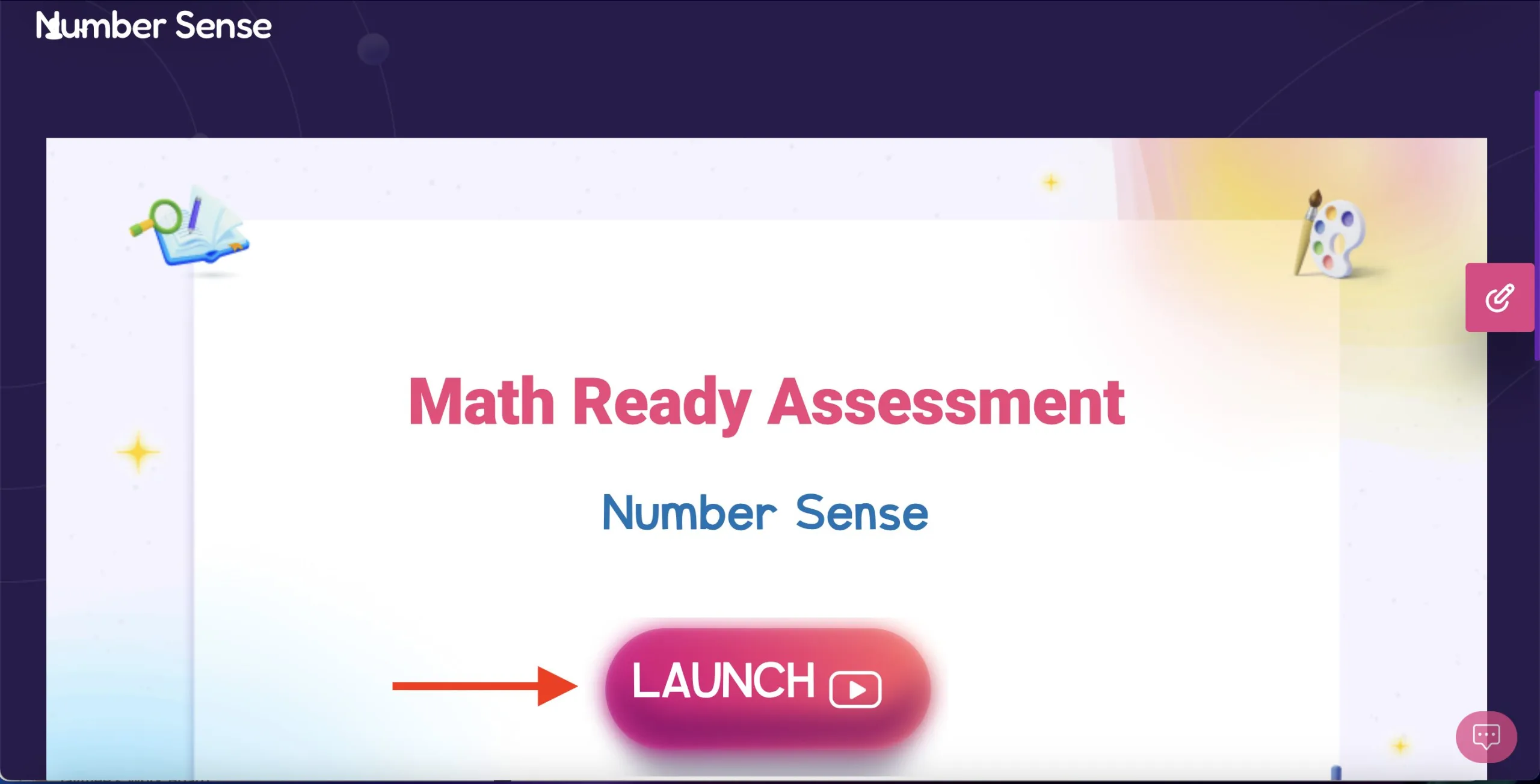
Step 1: Log into the Parenting Portal
Head to the Schoolio Learning Platform and log into the Parenting Portal using your credentials.
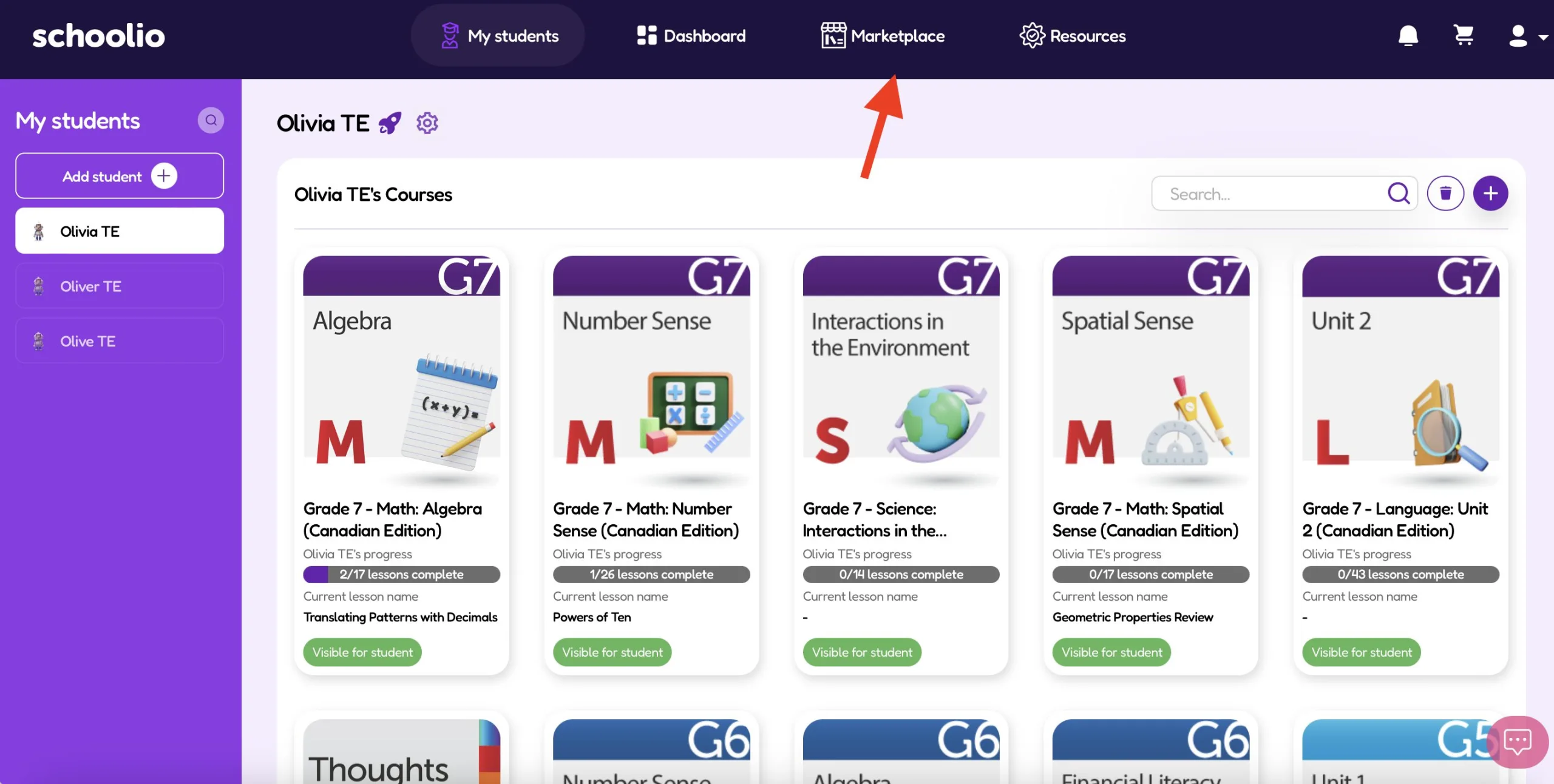
Step 2: Select your learner
Choose the student you want to add math assessments for – each learner’s journey is unique!
Step 3: Navigate the Marketplace
Click on “Marketplace” at the top of the screen. This is your gateway to a treasure trove of educational gems.
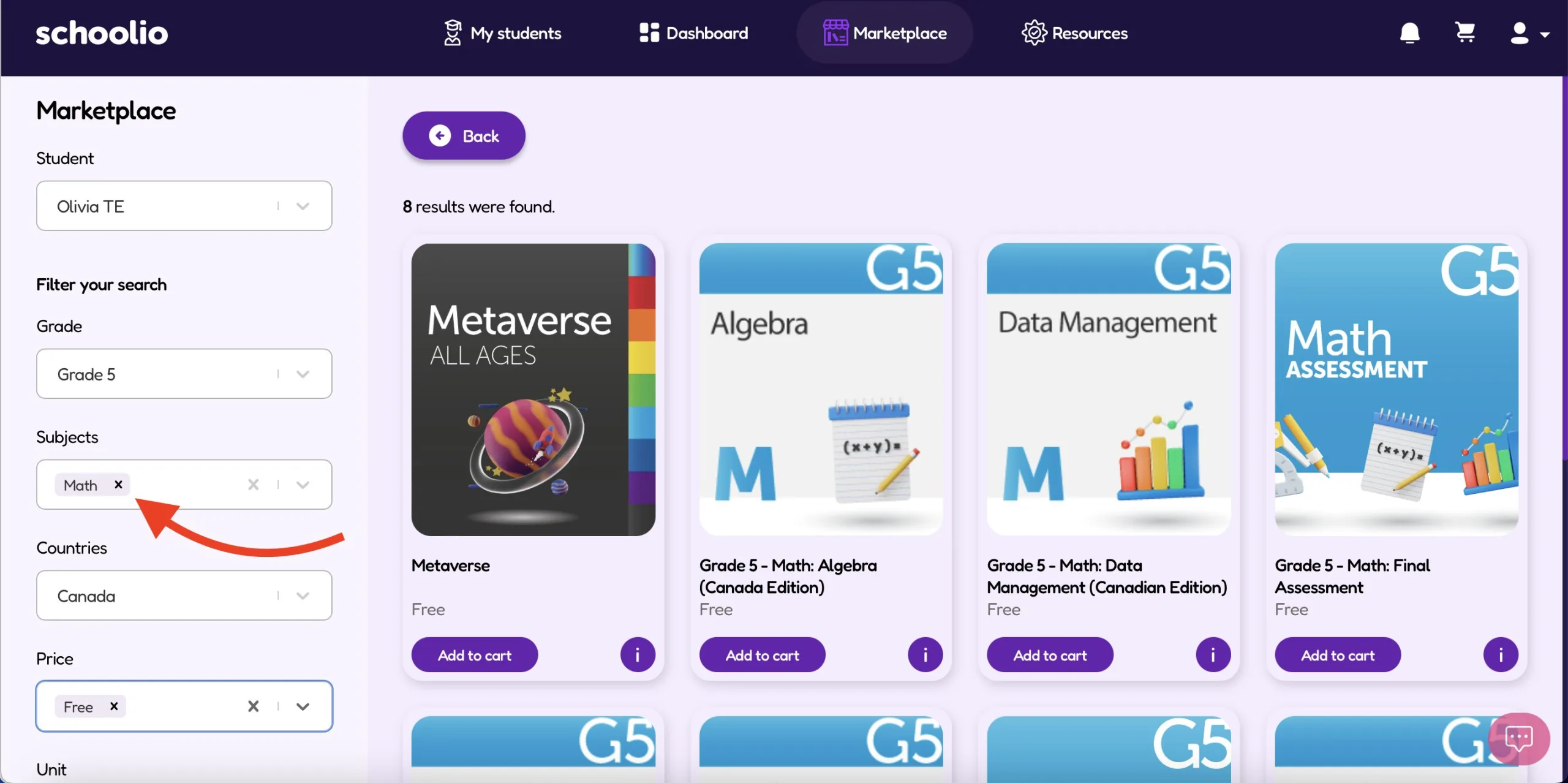
Step 4: Filter for Grade Level and Select Math
Adjust the filters to match your child’s grade level and select the magical realm of math.
Step 5: Choose Readiness or Final Assessment
Depending on your goals, select either the Readiness or Final Assessment – or both for the ultimate math exploration!
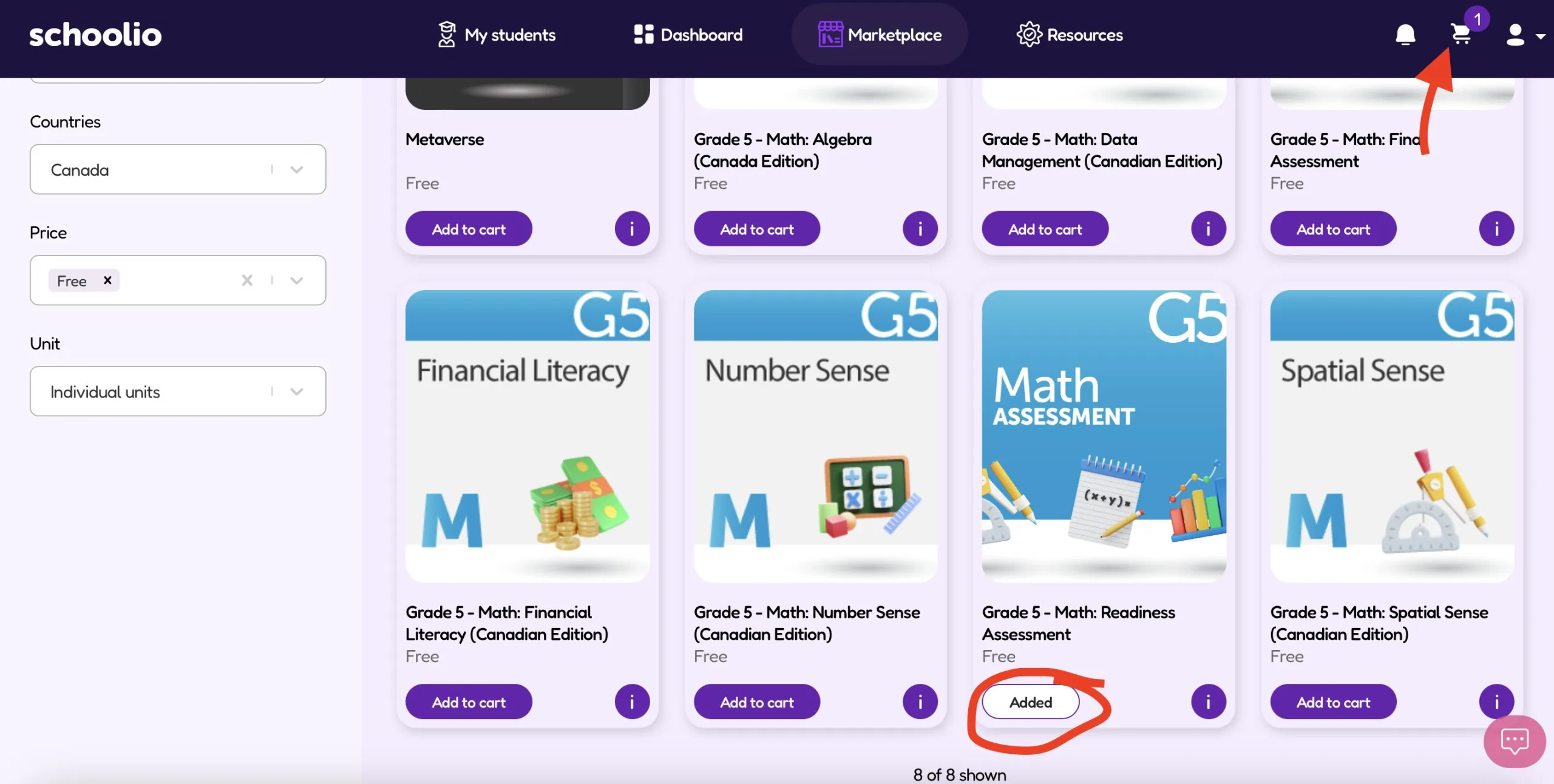
Step 6: Add to Cart and Checkout (but don’t worry they’re included with your subscription)
Click “Add to Cart,” review your selections, and then click ‘Add.’ It’s like creating your own curriculum shopping cart! But again, don’t worry – math assessments are included in your monthly, annual or family plan subscription.
Step 7: Schedule the Assessment or Choose Open Exploration
If your child follows a schedule, make sure to schedule the math assessment. For those on open exploration, ensure the assessments are visible.
Step 8: Log into Your Child’s Account
Switch to your child’s account using their username and password. If you share a device, log out of the Parenting Portal first.
Step 9: Take the Math Assessment
It’s showtime! Let your child embark on the math adventure and complete the assessment.
Step 10: Check Results in the Parenting Portal
Once done, head back to the Parenting Portal. Voila! The magic unfolds as you see the results and insights from your learner’s math journey.
And there you have it – a seamless way to integrate Schoolio’s Math Assessments into your homeschooling adventure!
Video Tutorial for Extra Fun!
We know diving into new things can be a bit overwhelming, so we’ve got your back! Check out our detailed video tutorial for a friendly walkthrough on how to make the most of the Math Assessments.
Watch this step-by-step guide.
Ready to get started with math assessments for your learner? Dive into the Schoolio Family Plan today – because every homeschooling journey deserves that extra touch of magic!
Elevate Homeschooling with Schoolio’s Math Assessments
Great news for homeschooling families! Schoolio’s commitment to providing the best home school program just got even better with the introduction of Math Assessments on the Schoolio Learning Platform. Are you looking to elevate homeschooling with Schoolio’s Math Assessments? Let’s get started!
What’s Included in Schoolio’s Math Assessments?
Schoolio’s Math Assessments cover every grade level, making it an ideal addition to any home education program. Designed to enhance the best homeschool programs, Schoolio’s Math Assessments include grade-level placement tests and final tests. Which helps to provide a personalized learning experience for each student.
Grade-Level Placement Tests:
A standout feature of Schoolio’s Math Assessments is the inclusion of grade-level placement tests. These tests enable homeschooling parents to effectively gauge their child’s proficiency in mathematics, allowing for precise placement within the curriculum. As a result, no more struggling with material that’s too advanced. Or feeling unchallenged by content that’s too basic – the Math Placement Test ensures a customized educational journey. Which is how you can elevate homeschooling with Schoolio’s Math Assessments.
Grade-Level Final Tests for Comprehensive Evaluation
In addition to placement tests, Schoolio now offers grade-level final tests. Doing so by providing a comprehensive evaluation of a student’s understanding of math concepts covered throughout the academic year. Additionally, these final tests not only offer insights into a learner’s progress but also serve as an invaluable resource for homeschool educators to fine-tune their teaching strategies.
Unparalleled Customization with Schoolio Digital
Flexibility and customization are at the core of Schoolio’s offerings. With Math Assessments, homeschooling parents can mix and match assessments, tailoring the curriculum to suit their child’s unique needs. This level of customization ensures that every student receives an individualized education, a hallmark of the best homeschool programs.
All-Inclusive with Your Schoolio Subscription
The best part of this exciting update is that all Math Assessments are included with your Schoolio subscription. There are no hidden fees, no additional costs. As Schoolio remains dedicated to providing an affordable and accessible home education program for all families.
Embrace Personalized Learning with Schoolio’s Math Assessments
Lindsey Casselman’s description of the Math Assessments as “existential yet accessible” underscores the profound impact these assessments can have on a learner’s homeschooling journey. Therefore, the existential aspect lies in their ability to shape and define an individual’s learning path. While the accessibility ensures that this empowering tool is readily available to all Schoolio Digital users.
With Math Assessments, Schoolio takes a significant step forward in revolutionizing homeschooling education. These assessments, seamlessly integrated into the Schoolio Learning Platform, empower homeschooling parents to actively participate in their child’s educational journey. By ensuring a tailored and effective home education program. Explore the possibilities in the Schoolio Marketplace and witness the transformative power of personalized learning today!
Homeschooling offers an incredible opportunity for families to create a tailored educational experience that meets their children’s unique needs and interests. Unlike traditional school settings, homeschooling provides the freedom to explore subjects in depth, adapt to individual learning styles, and foster a lifelong love of learning. To make the most of this educational freedom, it’s essential to establish a homeschool routine that ensures academic progress and embraces flexibility to accommodate the ever-changing dynamics of family life. In this blog, we’ll explore how to create the best homeschool schedule and routine that allows for adaptability and considers the time it should take each day to provide a well-rounded education.
The Difference Between a Schedule and a Routine
Before delving into the details of setting up a homeschool routine, it’s crucial to distinguish between a schedule and a routine. A schedule often implies rigid, time-bound activities, leading to stress and frustration when unforeseen circumstances arise. In contrast, a routine offers flexibility by focusing on the order of activities rather than strict timelines. This mindset shift can be the key to creating an effective and enjoyable homeschooling experience.
Step 1: Define Your Homeschool Goals
The foundation of any successful homeschooling routine begins with clear educational goals. What do you want your child to learn, and how do you envision their growth? Identifying these objectives will serve as your roadmap in crafting your routine.
Step 2: Determine Your Family’s Learning Style
Every family has its unique approach to homeschooling. Consider your family’s learning style: Are you more structured, preferring a set daily schedule, or do you thrive in a relaxed and flexible environment? Understanding your family’s learning style will guide your routine-building process.
Step 3: Create a General Framework
Next, develop a general framework for your homeschool routine. Outline the subjects or topics you want to cover each day or week. Remember that this framework should serve as a flexible guide rather than a strict timetable. For example, you might designate mornings for math and language arts and afternoons for science and creative arts.
Step 4: Be Open to Adaptation
Flexibility is one of the greatest advantages of homeschooling. If a specific topic sparks your child’s curiosity, don’t hesitate to dive deeper into it, even if it diverges from your initial plan. Similarly, if your child struggles with a concept, be open to spending more time on it until they fully grasp it.
Step 5: Incorporate Breaks and Exploration
Children need breaks and opportunities for self-directed learning. Build in breaks for physical activity, outdoor exploration, or reading for pleasure. These moments of downtime can refresh your child’s mind and prevent burnout.
Step 6: Consider the Time Needed
While flexibility is key in homeschooling, you may wonder how much time you should dedicate to daily homeschooling. Keep in mind that the required time can vary widely depending on your child’s age, learning style, and the curriculum you’re using.
As a rough guideline, here’s an approximate daily time frame for homeschooling:
Preschool and Early Elementary: 20 – 60 minutes a day.
Upper Elementary: 45 – 90 minutes a day.
Middle School: 1.5 – 3 hours a day.
These estimates are flexible, and your actual homeschooling time may vary. Prioritize the quality of your educational interactions over the quantity of time spent.
Step 7: Utilize the Free Scheduling Resource from Schoolio
Discover the Schoolio Sample Schedule – your perfect starting point for a rewarding homeschooling journey! While homeschooling offers unmatched flexibility, this recommended schedule is a valuable resource, especially if you’re new to the homeschooling adventure. Created to complement Schoolio’s units, this schedule can be tailored to your student learner’s unique needs. Embrace the freedom of homeschooling, and use this free digital download to embark on an exciting educational experience that adapts seamlessly to your family’s preferences. Get started today and savor the joy of homeschooling!
In conclusion, creating a homeschool routine that embraces flexibility is essential for a successful and enjoyable homeschooling experience. While schedules may seem appealing initially, a routine that adapts to your family’s unique needs and interests will provide a more sustainable and rewarding educational journey. Homeschooling offers the freedom to foster a love of learning and empower your child to explore their interests. Embrace this freedom and flexibility, and consider the time needed for your child’s specific grade level and abilities while maintaining a balanced and adaptable routine. Your child’s education will flourish in an environment prioritizes individual growth and lifelong curiosity.
Summer break is in full swing, and the days are filled with outdoor adventures, laughter, and relaxation. While it may seem too early to think about the upcoming homeschooling year, the truth is, it’s never too soon to start preparing. Getting a head start can save you from the last-minute stress accompanying the back-to-school rush. By taking some time now to plan and organize, you’ll be setting yourself up for a successful and enjoyable homeschooling journey ahead. So, let’s find out how to get ready for homeschooling.
Let’s Look at Traditional and Not So Traditional Ways to Prepare for Your Homeschooling Year.
Having a list of simple things to do and out-of-the-box ideas for getting ready for homeschooling offers a comprehensive approach to preparing for the upcoming academic year. The list of simple things is a foundational guide, encompassing essential steps such as creating a dedicated learning space, setting goals, and selecting appropriate curricula. These fundamental tasks ensure a solid start and provide structure to the homeschooling journey.
On the other hand, the out-of-the-box list introduces unique and creative ideas that go beyond the conventional methods of homeschool preparation. These innovative suggestions inject excitement and inspiration into the learning process, promoting a dynamic and engaging educational experience for parents and children. By combining the practicality of the simple things with the ingenuity of the out-of-the-box ideas, families can strike a balance between structure and creativity, setting the stage for a successful and enriching homeschooling year.
10 Simple Things to Do to Get Ready for Homeschooling:
1. Create a Dedicated Space:
Set up a designated area in your home as a learning zone. Having a quiet, organized space solely for homeschooling will help your child focus and establish a clear boundary between school and playtime. That doesn’t mean you’ll always be using this space for homeschooling, somedays you might rotate to a different part of your home or even outside. But having a place where everything is organized helps your homeschooling year run smoothly.
2. Review Last Year’s Progress:
Take a look at your child’s achievements from the previous year. Assess what worked well and what could be improved to tailor the upcoming curriculum accordingly. Finding patterns in their learning will help you determine their unique learning style.
3. Establish Your Homeschool Goals:
Define your homeschooling goals for the year. What specific skills do you want your child to develop? What subjects do they need extra attention in? Having clear objectives will guide your teaching approach to meet their needs.
4. Plan a Flexible Homeschooling Routine:
Create a flexible daily or weekly routine that outlines study hours, breaks, and extracurricular activities. Flexibility is critical in homeschooling, so be prepared to adapt as needed.
5. Research Curriculum:
Explore different curricula and educational resources that align with your child’s learning style and your goals. Consider a comprehensive curriculum grade bundle from the Schoolio Bookstore for a well-rounded education.
Join online homeschooling communities or local homeschooling groups to connect with other homeschooling families. Sharing experiences and ideas can be a valuable source of support and inspiration. Additionally, you will have the opportunity to connect with experienced homeschoolers that can share first-hand knowledge of best practices for homeschooling.
7. Stock Up on Supplies:
Make a list of essential school supplies and materials, from textbooks to art materials, and take advantage of back-to-school sales to save money. Pro tip: Make sure you buy a lot of pencils!
8. Prepare for Technology Needs:
Ensure you have the technology and internet access for online learning if you plan to incorporate digital resources, like the Schoolio Digital Platform, into your homeschooling routine.
9. Plan Field Trips and Outings:
Research educational field trip opportunities and plan outings that align with your curriculum. Real-world experiences can significantly enhance the learning process. If you are connected with a local homeschooling community, there are often field trips, co-ops, and extracurricular activities planned by members of the homeschooling group.
10. Embrace a Positive Mindset:
Homeschooling can be challenging, and there will likely be some bumps along the road. However, maintaining a positive attitude and fostering a love for learning will create a supportive and encouraging environment for your child.
10 Out-of-the-Box Ways to Get Ready for Your Homeschool Year:
1. Garden Classroom:
Create a small garden space where your child can learn about plants, ecosystems, and sustainability firsthand—taking learning back to the roots!
2. Culinary Adventures:
Incorporate cooking and baking lessons into your curriculum to teach math, science, and cultural appreciation while providing essential life skills.
3. Art Integration:
Use art as a medium to explore various subjects. For example, create historical dioramas or illustrate scientific concepts using the gift of art.
4. Community Service Projects:
Engage in community service projects to instill empathy and social responsibility in your child. These can include senior center visits, fundraising events, food drives, cards for hospitalized children, park clean-ups, animal shelter assistance, and more.
5. Nature Journaling:
Encourage your child to keep a nature journal to document outdoor observations and foster a deeper connection with nature. Have them journal the weather for each day, including the temperature, how it made them feel and what activities they could do outside that day.
6. Virtual Museum Tours:
Take advantage of virtual museum tours and cultural exhibits to supplement your history and art lessons. Field trips are always fun, but sometimes as busy homeschoolers, it’s nice to have the opportunity to explore a unique location from the comfort of your home.
7. Living History Experiences:
Organize or participate in living history events where your child can interactively experience historical periods. Places like Living History Farms or Upper Canada Village are great places to start.
8. Book Club Adventures:
Start a book club with other homeschooling families to encourage reading and critical thinking. Allow the children to select the books they would like to explore together.
9. STEM Challenges:
Integrate hands-on STEM challenges using everyday materials to spark curiosity and problem-solving skills. Embrace opportunities like building a paper bridge, designing a marble run, balloon rockets, egg drop challenges, and more.
10. Utilize The Schoolio Digital Platform:
Use the comprehensive and all-in-one learning platform from The Schoolio Digital Platform to keep your homeschool on track throughout the school year. Traditional homeschooling gravitates toward curriculum workbooks; the Schoolio Digital Platform takes a different approach with learning videos, lessons assessments and worksheets. Covering all the core curriculum for the year, it’s a fast track to homeschooling success.
Remember, Every Homeschooling Families Journey is Unique.
Homeschooling can be a rewarding and fulfilling experience for parents and children. Preparing early and following the simple steps outlined in this guide can set the foundation for a successful homeschooling journey. Additionally, embracing out-of-the-box ideas and incorporating creative and hands-on activities can add excitement and depth to the learning process, making it an enjoyable adventure for the whole family. Whether you explore STEM challenges, embark on community service projects, or create unique learning experiences, remember that homeschooling provides the flexibility to tailor education to your child’s needs and interests.
So, as you embark on this educational voyage together, embrace the joys of discovery, the power of learning, and the countless cherished memories that homeschooling can offer. Remember that every family’s journey is unique. Embrace the flexibility and freedom that homeschooling offers, and most importantly, cherish the moments of learning and growth you’ll share with your child along the way. Happy homeschooling! Here’s to a fantastic and enriching homeschooling year ahead!