Rejection-Sensitive Dysphoria in Neurodivergent Kids

Rejection-Sensitive Dysphoria in neurodivergent kids (RSD) is a condition that describes the intense emotional pain or discomfort some people experience when they perceive rejection or criticism, whether real or imagined. While many individuals may feel hurt by rejection, those with RSD, particularly neurodivergent kids, often experience this pain more deeply and intensely, leading to significant emotional distress. This condition is especially relevant for children with Attention-Deficit/Hyperactivity Disorder (ADHD) and Autism Spectrum Disorder (ASD), as it can compound the challenges they already face in managing emotions and navigating social interactions.

Young girl experiences Rejection Sensitive Dysphoria as a neurodivergent kids

Understanding RSD in Neurodivergent Kids

Rejection-Sensitive Dysphoria in neurodivergent children is characterized by extreme emotional sensitivity to perceived or actual rejection, criticism, or failure. Unlike general emotional sensitivity, RSD is marked by a rapid and overwhelming emotional response that can feel unbearable. The term “dysphoria” refers to a profound state of unease or dissatisfaction, which accurately describes the intense emotional turmoil associated with RSD.

Children with RSD may experience a variety of emotional responses, including:

  • Severe Anxiety: Worrying excessively about being judged, rejected, or criticized by others.
  • Depression: Feeling deep sadness, hopelessness, or worthlessness after perceived rejection or failure.
  • Anger or Rage: Responding with intense anger or frustration when feeling rejected or criticized.
  • Social Withdrawal: Avoiding social situations or relationships to prevent the possibility of rejection.

RSD is not a formally recognized diagnosis in the Diagnostic and Statistical Manual of Mental Disorders (DSM-5), but it is widely acknowledged among mental health professionals who see Rejection Sensitive Dysphoria in neurodivergent kids as a significant and impactful issue..

The ADHD and Rejection Sensitive Dysphoria Connection

ADHD is a neurodevelopmental disorder that affects attention, impulse control, and emotional regulation. Children with ADHD often experience heightened emotional sensitivity, which can make them more susceptible to Rejection Sensitive Dysphoria. The neurological basis of ADHD involves differences in brain structure and function, particularly in areas that regulate emotions and responses to social stimuli. These differences can amplify the intensity of emotional reactions to perceived rejection or criticism.

For kids with ADHD, RSD can manifest as:

  • Intense Emotional Reactions: Overwhelming feelings of shame, embarrassment, or humiliation in response to criticism or rejection.
  • Avoidance Behaviors: Steering clear of situations where they might be judged or rejected, such as public speaking, trying new activities, or forming new relationships.
  • Perfectionism: Striving to avoid criticism or rejection by being perfect, which can lead to burnout and exhaustion.
  • People-Pleasing: Going to great lengths to gain approval from others, often at the expense of their own needs or desires.

Rejection Sensitive Dysphoria manifests in neurodivergent kid
Black girl with sadness emotion

Autism and Rejection Sensitive Dysphoria: How They Intersect

Autism Spectrum Disorder (ASD) is a neurodevelopmental condition characterized by challenges in social communication, repetitive behaviors, and restricted interests. Children with autism may also experience emotional dysregulation and heightened sensitivity to social cues, which can contribute to the development of RSD. Social interactions can be particularly challenging for neurodivergent kids with autism, making them more vulnerable to feelings of rejection or criticism.

For kids with autism, RSD can present as:

  • Social Anxiety: Intense fear of social situations where they may be judged or rejected.
  • Rigid Thinking: Difficulty accepting criticism or feedback, leading to feelings of distress when things don’t go as planned.
  • Meltdowns or Shutdowns: Emotional overload in response to perceived rejection, resulting in either intense outbursts (meltdowns) or withdrawal (shutdowns).
  • Difficulty with Change: Struggling with transitions or changes in routine, which can trigger feelings of rejection or inadequacy if they perceive themselves as failing to adapt.

Young boy practices facial expressions in a mirror

Hyperfixation and Rejection Sensitive Dysphoria in Neurodivergent Kids

RSD in neurodivergent kids can also lead to hyperfixation on the problem they were criticized for or the person who rejected them. Hyperfixation is a common experience in both ADHD and autism, where an individual becomes intensely focused on a particular subject, thought, or task, often to the exclusion of other things.

When neurodivergent children experience criticism or rejection and have Rejection Sensitive Dysphoria, the emotional impact can be so overwhelming that they become consumed by it. This can lead to hyperfixation on the situation, replaying the criticism or rejection in their mind repeatedly, trying to analyze what went wrong, or even obsessing over the person who delivered the criticism or rejection. This can exacerbate feelings of distress, anxiety, and low self-esteem, making it difficult for the individual to move past the incident.

Hyperfixation in the context of RSD can manifest as:

  • Replaying the Event: Continuously thinking about the moment of rejection or criticism, trying to understand every detail, and often feeling the emotional pain repeatedly.
  • Over-Analyzing the Criticism: Focusing excessively on the problem that was pointed out, which can lead to perfectionism, a desire to “fix” the issue, or an attempt to avoid similar criticism in the future.
  • Obsessing Over the Person: Fixating on the person who delivered the criticism or rejection, which may involve trying to figure out why they did it, what they think of the individual, or even attempting to regain their approval.
  • Difficulty Letting Go: Struggling to move on from the incident, which can lead to prolonged emotional distress and impact other areas of life, such as relationships, work, or academics.

The Impact of RSD on Daily Life

There can be a profound impact on the daily lives of neurodivergent kids with Rejection Sensitive Dysphoria. The emotional and behavioral responses to perceived rejection can affect various aspects of life, including:

  • Emotional Health: The intense emotional pain associated with RSD can lead to chronic anxiety, depression, and low self-esteem. Kids may feel constantly on edge, worrying about potential rejection or criticism in every interaction.
  • Relationships: RSD can strain relationships with family, friends, and peers. The fear of rejection may cause neurodivergent kids to withdraw from social situations, leading to isolation and loneliness. Alternatively, they may become overly dependent on others’ approval, leading to unhealthy relationships or attachments.
  • Academic and Work Performance: The fear of failure or criticism can cause children to avoid challenging tasks, limit their participation in academic or extracurricular activities, and ultimately hinder their success.
  • Social Life: The impact of RSD can extend to social interactions, where the individual might avoid making new friends, joining groups, or engaging in social activities due to the fear of rejection.
Rejection Sensitive Dysphoria in neurodivergent kid strains relationship
Sad girl sitting in kitchen while woman talking on mobile phone in background

Recognizing Rejection Sensitive Dysphoria in Neurodivergent Kids

Recognizing the signs of RSD in neurodivergent kids can be the first step toward managing its impact. Here are some common signs and symptoms to watch for:

  • Overreaction to Criticism: An intense emotional response, such as crying, anger, or withdrawal, after receiving criticism or feedback, even when you tried to deliver it very gently.
  • Avoidance of Social Situations: Avoiding social interactions, new experiences, or challenges due to fear of rejection or failure.
  • People-Pleasing: Going to extreme lengths to gain approval from others, often neglecting personal needs or boundaries.
  • Perfectionism: An overwhelming desire to be perfect in order to avoid criticism or rejection.
  • Low Self-Esteem: A pervasive sense of inadequacy or worthlessness, often tied to the fear of not being accepted by others.

Coping Strategies for Managing RSD

While Rejection Sensitive Dysphoria in neurodivergent kids can be challenging, there are strategies that can help manage its effects:

  1. Cognitive-Behavioral Therapy (CBT): CBT can help neurodivergent kids identify and challenge negative thought patterns that contribute to RSD. By reframing thoughts and practicing healthier responses to rejection, they can reduce the emotional impact of RSD. Schoolio’s best-selling unit, Thoughts & Feelings: Learning to Manage How I Think and Feel, is an introduction to CBT for kids of all ages.
  2. Mindfulness and Relaxation Techniques: Mindfulness practices, such as deep breathing, meditation, and grounding exercises, can help kids stay present and manage emotional reactions to perceived rejection. Learn more about how to help your child with these strategies from our free SEL Parent Bootcamp!
  3. Setting Boundaries: Learning to set healthy boundaries with others can help protect emotional well-being and reduce the impact of rejection or criticism.
  4. Self-Compassion: Encouraging self-compassion and self-care can help neurodivergent kids build resilience against the emotional pain of RSD. This includes recognizing their own worth and practicing kindness toward themselves, even when they experience rejection.
  5. Seeking Support: Connecting with a therapist, counselor, or support group can provide a safe space to discuss experiences with RSD and receive guidance on coping strategies.
  6. Open Communication: Encouraging open communication with trusted friends and family members can help kids express their feelings and receive support when they experience RSD.

Supporting Neurodivergent Kids with Rejection-Sensitive Dysphoria

Rejection-sensitive dysphoria in neurodivergent kids is a significant challenge that can impact every aspect of their lives, from relationships to academic performance. The intense emotional pain associated with perceived rejection or criticism can be overwhelming, but by recognizing the signs and implementing coping strategies, neurodivergent kids can learn to manage their emotional responses and build resilience. With the right support and tools, those affected by rejection-sensitive dysphoria can lead fulfilling lives and navigate social interactions with greater confidence and ease.
The Hidden Struggles of Neurodivergent Learners in Traditional Classrooms

As a homeschooling mom to neurodivergent learners, and having once been a neurodivergent kid myself in a traditional school, I have seen firsthand how those traditional school environments can be incredibly challenging for children who think and learn differently. While many aspects of school are difficult for any child, neurodivergent learners often face a unique set of obstacles that can make their school experience range from difficult to completely intolerable. If you’re considering the switch to homeschooling your neurodivergent child, then understanding these challenges can help you better support your child and make informed decisions about their education.

Sensory Issues for Neurodivergent Learners

One of the biggest challenges for neurodivergent learners in traditional classrooms is dealing with sensory issues. Overstimulation or under-stimulation in typical classroom environments can range from a low-level constant distraction to downright torture. Imagine sitting in a classroom where the fluorescent lights buzz incessantly, the noise levels are unpredictable, the temperature is uncomfortable, and there is a constant expectation to remain still and quiet. For many neurodivergent learners, these sensory inputs can be overwhelming and can make it nearly impossible to focus on learning. For others, the lack of sensory stimulation like movement and vocal stims is equally hard to manage. Neurodivergent learners are often expending energy to simply tolerate the environment, before they even try to add learning to their mental load.

A boy hides under a desk in a classroom, looking like an overstimulated neurodivergent learner .

Emphasis on Academic Achievement Can Be Harmful for Neurodivergent Learners

Traditional schools place a heavy emphasis on academic achievement as the sole measure of success or failure. Obviously, that’s why kids are there, right? There are no grades given for personal character traits like effort, initiative, responsibility, community-mindedness, empathy, resiliency, or others. This narrow focus can be particularly detrimental to neurodivergent learners who may excel in other areas but struggle academically. Not only is success or failure of the child measured only by academic achievement, but we also make grade-earning restricted to only those whose brains are able to perform under constant pressure and are able to demonstrate knowledge in a specific, standardized test format. Traditional schools do not typically allow for variation in proof-of-comprehension for kids, and our neurodivergent learners can suffer massive self-esteem issues, feeling like failures despite their unique strengths and abilities.

A neurodivergent learner boy struggles with a test in a classroom.

Lack of Differentiated Instruction and Knowledge Proof for Neurodivergent Learners

One-size-fits-all teaching methods and assessments fail to accommodate the diverse learning styles of neurodivergent learners. In overcrowded and underfunded classrooms, teachers are often unable to provide the necessary accommodations that these students need to succeed. As a former teacher, I understand the limitations of what can be done within the traditional school system. Teachers have a lot of kids to deal with and many may be in need of extra support. Neurodivergent learners specifically may need different types of instruction, explanations, or ways to demonstrate their knowledge and prove retention, but they also may not be the loudest student, or most problematic behavior-wise, meaning they can be easily overlooked. It is much easier to accommodate your child’s specific and unique learning needs in a homeschooling setting and adjust activities, instructions, and proof-of-knowledge requests to meet their needs.

Conformity-Based Behavior Expectations

Traditional schools often emphasize strict behavior that requires children to sit still, be quiet, and wait their turn. While these expectations can be challenging for any child, they are especially difficult for neurodivergent learners who may have to exert a tremendous amount of mental and physical effort to conform. The classic instructions—sitting “criss-cross applesauce”, keeping hands in their lap, quiet lips, quiet hands, feet still, lining up, and not speaking out during instructional periods—can be almost if not actually impossible for some neurodivergent learners. When they struggle to meet these expectations, they often find themselves in trouble, not because they don’t want to behave, but because they literally can’t.

A row of children sit quietly with textbooks and hands in laps.

Collective Punishment and Privilege Removal

Collective punishment, where the entire group is punished for the behavior of one or a few, is a common practice in traditional schools aimed at enforcing conformity through peer pressure. While this practice does tend to get results in a classroom, this approach can be particularly damaging for neurodivergent learners. For the child who was behaving well, this practice feels like an injustice. Neurodivergent learners, specifically our autistic kids, have a stronger sense of justice and fairness, and being punished for a “crime” they didn’t commit can be especially overwhelming for them- possibly leading to a meltdown or After School Restraint Collapse. For the child who was misbehaving but couldn’t help it, which we often see in our ADHD kids who need movement, stimulation, and lack impulse control, it creates resentment among their peers and hurts them socially- an area they likely already struggle in. Similarly, the removal of privileges such as recess, gym, and art—activities that are often most beneficial and most important to neurodivergent learners—is frequently used as the leverage to enforce conformity. These opportunities for movement, freedom, and creative expression are vital for all children’s well-being, and for our neurodivergent learners’ ability to regulate, and are usually the first to be taken away as punishment, seen as “fun” rather than “important”, like other academic subjects.

Social Challenges for Neurodivergent Learners

Navigating the complex social dynamics of traditional schools is challenging for most children, but it is especially daunting for neurodivergent learners. The social labyrinth of school life—making friends, understanding social cues, and fitting in—can be a source of significant stress and anxiety. Neurodivergent learners often struggle with these unspoken social rules, leading to feelings of loneliness and isolation and often express themselves differently than their neurotypical peers, leading to misunderstandings and rejection.

A young girl in a classroom looks dejected as her classmates point and laugh at her.

Limited Movement and Physical Activity

Traditional classrooms typically offer limited opportunities for movement and physical activity, because we overemphasize the importance of academics, and present academic learning in limited ways, such as listening to lectures, watching videos, and reading. The ability to move our body and engage in physical exercise is crucial for the health and well-being of all people, but is especially essential for neurodivergent learners, particularly those with ADHD. For example, physical exercise helps ADHD Hyperactive-Impulsive Type to exert some of the extra energy they naturally have, and physical exercise helps the ADHD Inattentive Predominant Type as well by causing dopamine to be released in the brain, which literally helps them to focus and concentrate. The expectation to sit still for long periods can be especially challenging for our neurodivergent learners who need to move to stay focused and engaged. The lack of physical activity not only impacts their ability to learn but also their overall physical and mental health.

Young boy, possibly neurodivergent learner, in a classroom looking very frustrated.

Homeschooling: A Great Alternative for Neurodivergent Learners

Homeschooling is an amazing alternative for neurodivergent learners, because you can create a flexible and accommodating environment tailored specifically to your child’s unique needs. In a homeschool setting, parents can create a learning environment free from the sensory overloads often found in traditional classrooms. They can adjust the pace of learning to match their child’s individual needs, incorporate movement breaks, and use teaching methods that cater to their child’s strengths.

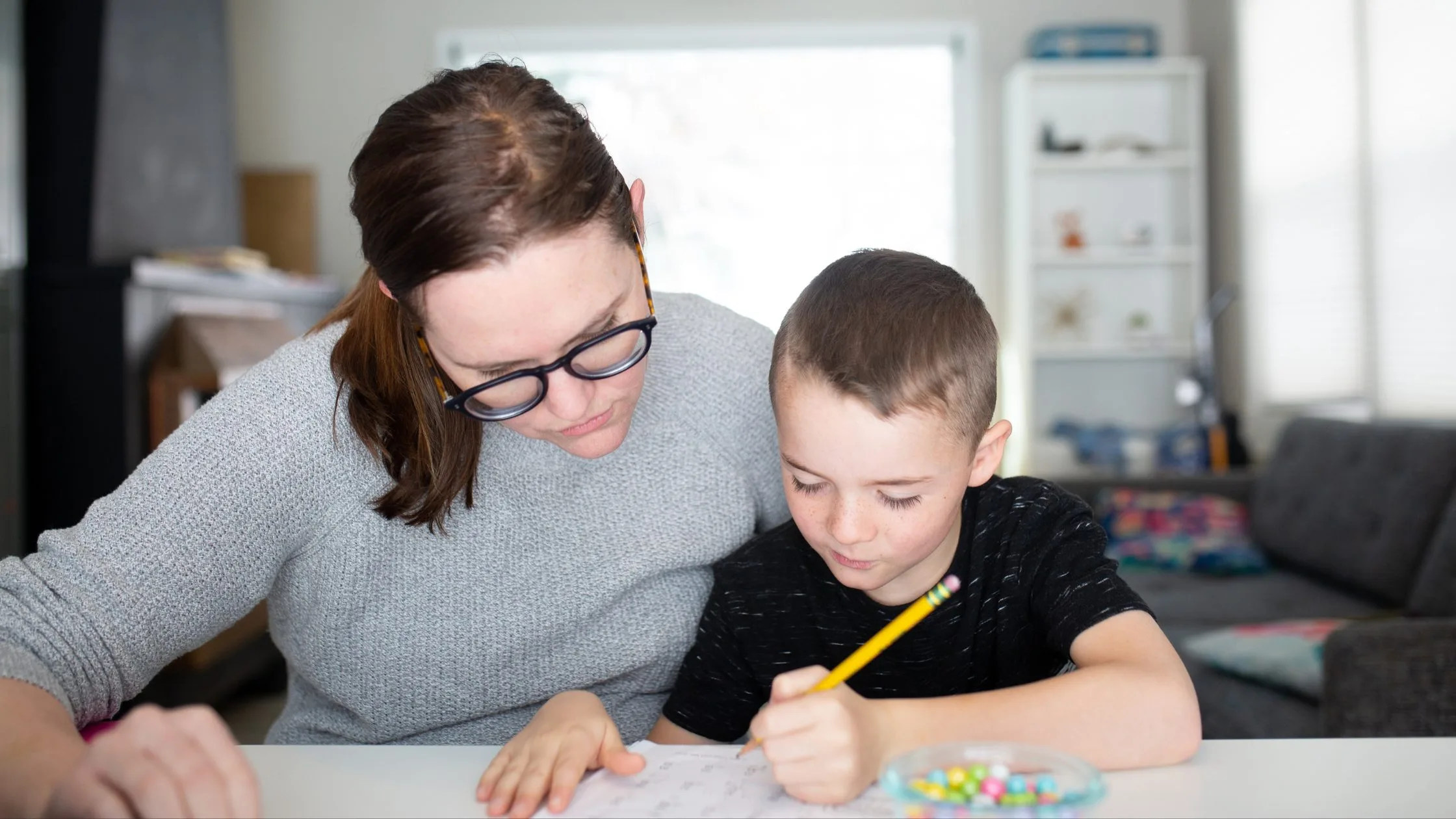
Mother helps son with school work. Boy is a neurodivergent learner wearing headphones.

Homeschooling allows for differentiated instruction, ensuring that neurodivergent learners receive the accommodations they need to thrive academically. Programs specifically designed for neurodivergent learners, such as Schoolio, can help parents provide different instruction and activity types, and learn more about their neurodivergent learner. Homeschooling also eliminates the negative aspects of conformity-based behavior expectations, collective punishment, and privilege removal. Instead, homeschooling fosters a supportive atmosphere where children can learn in a way that makes sense to them, reducing stress and anxiety associated with traditional schooling. 

Mother and daughter learning happily on a laptop together accomodating neurodivergent learner needs..

Socially, homeschooling provides the opportunity for neurodivergent learners to interact in smaller, more controlled settings, with more consistent and immediate feedback from empathetic adults as guidance. This helps them build meaningful relationships without the pressure of navigating complex school social hierarchies. This personalized approach can significantly enhance their self-esteem and overall well-being.

Conclusion

Understanding the challenges that neurodivergent learners face in traditional classrooms is the first step towards creating a more supportive and accommodating learning environment for them. As homeschooling parents, we have the opportunity to tailor our teaching methods and environments to meet the unique needs of our children, allowing them to thrive in ways that wouldn’t be possible in a traditional classroom. By recognizing and addressing these challenges, we can help our neurodivergent learners reach their full potential and develop a love for learning that will last a lifetime!

Is Your Neurodivergent Learner Struggling in a Traditional Classroom?

You don’t have to watch your child struggle anymore. Homeschooling provides the flexibility, support, and accommodations neurodivergent learners need to thrive. With Schoolio, you can create a customized learning experience that celebrates your child’s strengths and supports their challenges.

Start your homeschooling journey today!

? Learn More About Schoolio

Inclusive Learning Environments: How Schoolio Supports Neurodiversity

Inclusive Learning Environments: How Schoolio Supports Neurodiversity

Inclusive Learning Environments: How Schoolio Supports Neurodiversity

There is a growing awareness of the need for inclusive learning environments. The traditional education system, while effective for many, may not always cater to the diverse needs of every student. Particularly those with neurodivergent learning styles. This is where Schoolio comes into play, offering home education for special needs that prioritizes a personalized and supportive approach.

Recognizing Neurodiversity

Neurodiversity is a term that emphasizes the natural variation in the human brain. It encompasses conditions such as ADHD, autism, dyslexia, and more. Acknowledging that these differences should be respected and accommodated in educational settings. Schoolio has embraced this concept, making it a cornerstone of their approach to education.

Schoolio Family Plan

In Schoolio’s neurodiverse education at home, the focus is on understanding and celebrating the unique strengths and challenges of each learner. By recognizing and appreciating neurodivergent learning support, the program aims to create an environment where all students feel valued and understood.

Tailored Supportive Homeschool Programs

One of the key features that sets Schoolio apart is its commitment to offering supportive homeschool programs. These programs are designed to accommodate the needs of neurodivergent learners. Doing so by providing a flexible and personalized curriculum that caters to their individual learning styles.

In these personalized neurodivergent education programs, students can progress at their own pace. Which allows for a deeper understanding of concepts without the pressure of strict timelines. Schoolio believes that learning is a unique journey for every student, and by tailoring the curriculum, they empower students to thrive in their educational pursuits.

Home Education for Special Needs: A Holistic Approach

Schoolio takes a holistic approach to home education for special needs. It extends beyond academics to address the social and emotional aspects of a student’s development. The program emphasizes the importance of fostering a sense of community and belonging, recognizing that a supportive social environment is essential for overall well-being.

Click here for strategies for neurodivergent learner success

Schoolio e-books

In Schoolio’s neurodiverse education at home, students have the opportunity to engage with their peers in ways that suit their comfort levels with Live Classes. This fosters a sense of inclusivity and understanding among students, promoting a positive and accepting atmosphere.

Bridging Gaps in Neurodivergent Learning Support

In the realm of neurodivergent learning support, Schoolio acts as a bridge, connecting students with learning materials that cater to their diverse learning needs. The program actively involves parents in the educational journey, providing resources and guidance to ensure a collaborative effort in supporting the student’s growth.

Supportive homeschool programs from Schoolio not only focus on academic excellence but also on building life skills and fostering independence. By addressing the unique challenges that neurodivergent learners may face, Schoolio aims to create a foundation for lifelong success.

A Space Where Every Student Can Thrive

Through home education for special needs, personalized neurodivergent education, and supportive homeschool programs. Schoolio is making strides in creating a space where every student can thrive. As we continue to evolve in our understanding of diverse learning needs, Schoolio aims to illuminate the path toward a more inclusive and supportive educational landscape.

Schoolio Learning Resources

Transitioning from traditional school? Click here!

Navigating Transitions: Schoolio’s Guide for Neurodivergent Students

Navigating Transitions: Schoolio’s Guide for Neurodivergent Students

Navigating Transitions: Schoolio's Guide for Neurodivergent Students

Transitioning between different phases of education can be challenging for any student, but for neurodivergent students, these changes can pose unique obstacles. At Schoolio, we understand the importance of providing tailored support to ensure a smooth journey through academic transitions. Let’s explore what it’s like navigating transitions for neurodivergent students and how Schoolio can help.

Understanding Neurodivergence:

Neurodivergent students encompass a diverse range of individuals, including those with ADHD, autism spectrum disorders, dyslexia, and other neurodevelopment conditions. Schoolio recognizes the need for a personalized approach to cater to the unique strengths and challenges of each student.

Schoolio Family Plan

Challenges Faced by Neurodivergent Students during Transitions:

Sensory Overload and New Environments:

  • Many neurodivergent students are sensitive to changes in their environment.
  • Schoolio emphasizes creating a sensory-friendly transition plan, considering factors like lighting, noise levels, and classroom setup.

Social Dynamics and Peer Relationships:

  • Neurodivergent students may struggle with social interactions, making it essential to address potential social challenges.
  • Schoolio advocates for social skills workshops and peer support programs to facilitate positive relationships.

Organizational and Executive Function Difficulties:

  • Transitioning often involves increased organizational demands.
  • Schoolio’s guide focuses on teaching practical organizational skills, such as time management and task prioritization, to empower neurodivergent students.

Changes in Routine and Expectations:

  • Neurodivergent students thrive on routine, and unexpected changes can be overwhelming.
  • Schoolio encourages collaboration between educators, parents, and students to establish clear expectations and communicate any upcoming changes well in advance.
Schoolio e-books

Practical Tips from Schoolio:

Early Planning and Familiarization:

  • Begin the transition process early, allowing students to familiarize themselves with new environments.
  • Schoolio recommends virtual tours, orientation sessions, and meet-and-greet opportunities to ease anxiety.

Individualized Support Plans:

  • Develop individualized transition plans for neurodivergent students.
  • Schoolio advocates for close collaboration between educators, special education professionals, and parents to create personalized support plans tailored to each student’s needs.

Peer Mentorship Programs:

  • Establish peer mentorship programs to facilitate social integration.
  • Schoolio highlights the importance of assigning neurotypical buddies who can offer support and guidance.

Transition Workshops for Parents:

  • Equip parents with the knowledge and tools to support their neurodivergent child through transitions.
  • Schoolio provides resources to help parents understand and address their child’s unique challenges.

Create an Educational Environment That Celebrates Neurodiversity

Navigating transitions can be a transformative experience when guided by empathy, understanding, and targeted support. Schoolio’s commitment to inclusivity ensures that neurodivergent students receive the necessary resources to flourish academically and personally throughout their educational journey. By implementing the practical tips outlined here, we can collectively create an educational environment that celebrates neurodiversity and fosters success for all students.

Schoolio Learning Resources