Halloween Beyond Tricks and Treats: A Learning Adventure with Schoolio’s Halloween Unit

Halloween Beyond Tricks and Treats: A Learning Adventure with Schoolio’s Halloween Unit

Halloween Beyond Tricks and Treats: A Learning Adventure with Schoolio's Halloween Unit

Traditionally known for costumes, candies, and spooky surprises, Halloween has evolved into more than just a night of tricks and treats. Educators and parents have begun to recognize the potential for valuable learning opportunities within this festive holiday in recent years. One innovative approach to making Halloween educational is the Schoolio Holiday mini-unit, a comprehensive curriculum designed to engage young learners in various subjects while they explore the magic of this spooky season. This blog will explore taking Halloween beyond tricks and treats and how it can be transformed into an enriching learning experience by delving into the Schoolio Halloween unit.

Exploring the Schoolio Halloween Unit

Schoolio Halloween Unit

The Schoolio Halloween unit is designed as a unit study, where all subject areas are seamlessly integrated under the captivating theme of Halloween. The unit offers a holistic learning experience for students, touching upon social studies, science, language arts, mathematics, and art. Each lesson is thoughtfully crafted to cater to learners in different grades and at various levels, ensuring that the material is both challenging and accessible.

Here are some fun things your learner will explore with the Schoolio Halloween unit:

Social Studies: Origins of Halloween

Halloween, often celebrated with no thought to its history, offers an exciting opportunity for students to dive into its origins. Understanding the roots of this holiday can foster cultural awareness and appreciation. The Social Studies component of the Schoolio Halloween unit delves into the history and traditions of Halloween, connecting learners to the past and sparking curiosity about other cultures and their traditions.

Science: Pumpkin Elephant Toothpaste

What better way to engage young minds in the wonders of chemistry than with a fun and visually captivating experiment? The Schoolio Halloween unit introduces students to the intriguing world of chemical reactions using “Pumpkin Elephant Toothpaste.” This hands-on science experiment is sure to ignite students’ curiosity and teach them the scientific method while creating a bubbling, foamy masterpiece.

Language Arts: Spooky Stories

Halloween is synonymous with spine-tingling stories and eerie tales. The Language Arts component of the unit encourages students to let their creativity run wild by crafting their very own spooky stories. By working on creative writing, learners develop essential skills like imagination, vocabulary, and storytelling.

Mathematics: Candy Graphs

Mathematics often benefits from real-world applications to make it more relatable and fun for students. The Candy Graphs activity in the Schoolio Halloween unit does precisely that. Learners can gather data from their Halloween candies, create graphs, and draw meaningful conclusions. This practical application of math concepts makes learning engaging and relevant.

Art: Pipe Cleaner Spiders

Creativity knows no bounds during Halloween, and art is a fantastic avenue for self-expression. The Art segment of the unit invites students to get their hands busy with a delightful arts and crafts project – making pipe cleaner spiders. This hands-on activity fosters fine motor skills while encouraging students to unleash their artistic talents.

Embrace the Opportunity to Learn this Halloween

Halloween is more than just a holiday of superficial fun. It’s an opportunity for students to explore various subjects in an engaging and holistic manner. Schoolio’s Halloween unit is a prime example of how education can be made captivating and enriching while celebrating this beloved holiday.

This innovative curriculum provides educators, homeschoolers, and parents with a well-structured plan to integrate Halloween into their children’s learning journey. By combining subjects such as social studies, science, language arts, mathematics, and art, the Schoolio Halloween unit ensures that students not only have fun but also gain valuable skills and knowledge.

Schoolio Halloween Unit

So, this Halloween season, consider turning off the scary movies and putting down the candy bags for a moment. Instead, embrace the opportunity to learn, explore, and create with the Schoolio Halloween unit. With it, Halloween becomes not just a night of tricks and treats but a celebration of knowledge, creativity, and curiosity.

Fun Summer Crafts for Kids

Fun Summer Crafts for Kids to Keep Them Creative.

fun summer crafts for kids

Summer is the perfect time for kids to let their creativity shine and have fun! With the sun shining and the days stretching longer, children can engage in exciting craft projects to entertain and foster their imagination. Whether you’re a parent, guardian, or teacher looking for creative activities to keep the little ones engaged during the summer break, we’ve got you covered with these fantastic, easy-to-make, fun summer crafts for kids.

Crafting is Beneficial for Kids.

Engaging in crafts holds immense significance, especially for children. Beyond being an enjoyable pastime, crafting plays a vital role in child development. It fosters creativity, imagination, and problem-solving skills as young minds explore different materials and experiment with designs. Through crafts, children learn to express themselves and communicate their ideas visually. It also nurtures patience and perseverance as they work on projects from start to finish.

Crafting provides a healthy outlet for emotions, helping children relax and de-stress. Moreover, it enhances fine motor skills and hand-eye coordination by cutting, gluing, and manipulating various materials. Collaborative crafting sessions encourage teamwork and social interaction, helping kids build friendships and develop empathy. Ultimately, by encouraging children to explore their creativity through crafts, we empower them to become confident, innovative, and well-rounded individuals, ready to face the world’s challenges with an open and imaginative mind.

Let’s Explore Fun Summer Crafts for Kids:

Sun Catchers

sun catchers

Let the summer sun illuminate your child’s artistic flair with sun catchers. These colorful, translucent ornaments can be made using various materials, such as tissue paper, old CD cases, or recycled plastic containers. Cut the materials into desired shapes like butterflies, flowers, or geometric patterns, and then let your child decorate them with paint or markers. Hang them near windows or outside, and watch the sunlight create mesmerizing patterns on the walls and floors.

You will need:

  • Tissue paper or recycled plastic containers
  • Scissors
  • Craft glue or tape
  • Markers or paint
  • String or ribbon for hanging

Seashell Creatures:

Seashell creatures

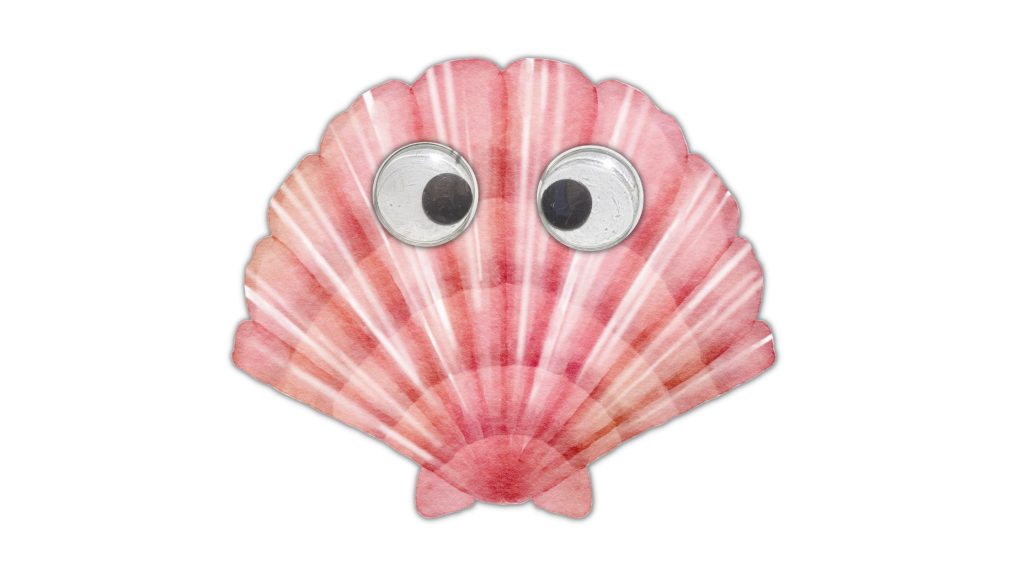
If you’re lucky to live near the beach, seashell crafts can be an excellent way to combine summer adventures with artistic endeavours. Collect a variety of seashells in different shapes and sizes during your beach outings. Once you’re back home, let the kids transform them into adorable seashell creatures using craft glue, googly eyes, and colorful pipe cleaners. Encourage their imagination and let them create creatures that could exist in a magical underwater world!

You will need:

  • Various seashells in different shapes and sizes
  • Craft glue
  • Googly eyes
  • Pipe cleaners
  • Markers or paint (optional for additional decoration)

Ice Cream Cone Garland

Ice cream garland

Nothing says summer like ice cream! Help your kids craft a delightful ice cream cone garland that will add a sweet touch to their room or play area. Cut cone shapes from colored paper and let your child decorate them with crayons, stickers, or even natural sprinkles for a 3D effect. Then, cut out different ice cream scoop shapes from various colored papers or foam sheets and glue them on top of the cones. String the finished cones together to create an adorable ice cream garland.

You will need:

  • Colored paper or cardstock
  • Scissors
  • Crayons, markers, or stickers for decorating
  • Craft glue
  • String or ribbon for stringing the cones together

Nature Collage Art:

Nature Collage

Take advantage of summer’s beautiful natural elements and encourage your kids to create a nature collage. Head outdoors and gather leaves, flowers, grass, and other fascinating findings. Back inside, provide a large piece of construction paper as the canvas and let your child arrange and glue the collected items into unique, colorful collages. This craft not only nurtures creativity but also connects them with nature.

You will need:

  • Construction paper or poster board
  • Leaves, flowers, grass, and other natural findings
  • Craft glue or glue sticks
  • Scissors (optional for cutting or shaping the items)

Watercolor Splash Paintings:

watercolour splash painting

Engage your little artists in a messy yet exciting craft by creating watercolor splash paintings. Lay a large piece of paper or poster board outside, and have your kids use various brushes and watercolors to paint. Alternatively, they can dip old toothbrushes into watercolors and flick them onto the paper to create a unique splash effect. The abstract and vibrant patterns will surely delight both kids and adults alike.

You will need:

  • Watercolor paint set
  • Paintbrushes of various sizes
  • Watercolor paper or thick poster board
  • Water container for rinsing brushes
  • Old toothbrushes (optional for creating the splash effect)

DIY Kite Making:

DIY Kite Making

Turn a windy summer day into an adventure with DIY kite making. You only need simple materials like thin wooden dowels, tissue paper, glue, and string. Have the kids design and decorate their kites using colorful markers, stickers, or even glitter. Once the kites are ready, head to an open field or beach, and watch as their creations soar high in the sky!

You will need:

  • Thin wooden dowels or lightweight bamboo sticks
  • Tissue paper or lightweight fabric
  • Craft glue or tape
  • Scissors
  • String or kite flying line
  • Markers, stickers, or glitter for decoration

Remember: Safety First

Please remember that some projects may require adult supervision or assistance, especially when using scissors or certain craft materials. Also, feel free to modify the list according to your child’s preferences or available materials, as the goal is to have fun and be creative!

Add the Introduction to Visual Art Unit to Your Child’s Art Fun This Summer!

Step into the colorful world of visual art with Schoolio’s captivating Art unit! This comprehensive curriculum is thoughtfully designed to introduce your student learners to the fascinating realm of visual arts, covering various types of visual art, elements, and design principles. Through hands-on, tactile, and concrete learning activities, including exciting games, outdoor adventures, and multimedia enhancements, young artists will discover their creativity and critical reflection skills.

Introduction to Visual Art

The engaging full-color pages and diverse activities will enhance their artistic abilities and deepen their understanding of different art forms, famous artists, and renowned masterpieces. Moreover, the unit’s focus on fine motor skills ensures holistic development for your child. Don’t miss this incredible opportunity to spark their artistic journey! Click the button below to purchase the Schoolio Art unit and unleash your child’s imagination and artistic potential. Let the magic of visual art inspire them to new heights of creativity!

Have Fun Crafting!

Summer crafts for kids are enjoyable and foster creativity, problem-solving skills, and imagination. These delightful projects will keep the little ones engaged during the summer break and give them beautiful memories to cherish for years. So, grab your crafting supplies and prepare for a summer full of creativity and fun!

Looking for fun activities to do with your kids? Check this out!

Easy Summer Recipes for Kids

Easy Summer Recipes for Kids That They’ll Love!

Easy summer recipes for kids

Summer is the perfect time to get kids involved in the kitchen! Whether they’re on break from school or looking for some fun activities, cooking together can be a delightful experience. Not only does it keep them engaged, but it also teaches them essential life skills. In this blog, we’ve compiled ten easy and delicious summer recipes that kids will love to help make and devour. Let’s dive into the culinary adventure with these tasty treats!

10 Super Easy Summer Recipes for Kids:

Fruit Kabobs

Fruit Kabobs
  • Ingredients:
    • Assorted fresh fruits (strawberries, grapes, watermelon, pineapple, etc.)
    • Wooden skewers
  • Instructions:
    • Wash and cut the fruits into bite-sized pieces.
    • Thread the fruits onto the wooden skewers in colorful patterns.
    • Serve these delightful fruit kabobs as a healthy and refreshing snack!

Rainbow Veggie Wraps

rainbow veggie wraps
  • Ingredients:
    • Whole wheat tortillas
    • Hummus or cream cheese
    • Assorted colorful vegetables (carrots, bell peppers, cucumbers, spinach, etc.)
  • Instructions:
    • Spread hummus or cream cheese evenly on the tortillas.
    • Finely chop the vegetables and arrange them in rows on the tortillas.
    • Roll up the tortillas tightly and slice them into bite-sized pieces.

Homemade Pizza Pockets

Homemade pizza pockets
  • Ingredients:
    • Pre-made pizza dough
    • Pizza sauce
    • Shredded mozzarella cheese
    • Assorted toppings (pepperoni, olives, bell peppers, etc.)
  • Instructions:
    • Preheat the oven as per the pizza dough package instructions.
    • Roll out the dough and cut it into smaller circles.
    • Spread pizza sauce on one side of the circle.
    • Sprinkle cheese and add your desired toppings.
    • Fold the dough over the toppings and press the edges to seal.
    • Bake until golden brown, and enjoy!

Banana Split Parfait

banana split
  • Ingredients:
    • Ripe bananas
    • Vanilla yogurt
    • Fresh strawberries
    • Chocolate syrup
    • Whipped cream
    • Nuts or sprinkles (optional)
  • Instructions:
    • Slice the bananas and strawberries into small pieces.
    • Layer bananas, yogurt, and strawberries in a clear glass, and repeat.
    • Drizzle chocolate syrup and add a dollop of whipped cream on top.
    • Sprinkle nuts or sprinkles for an extra treat!

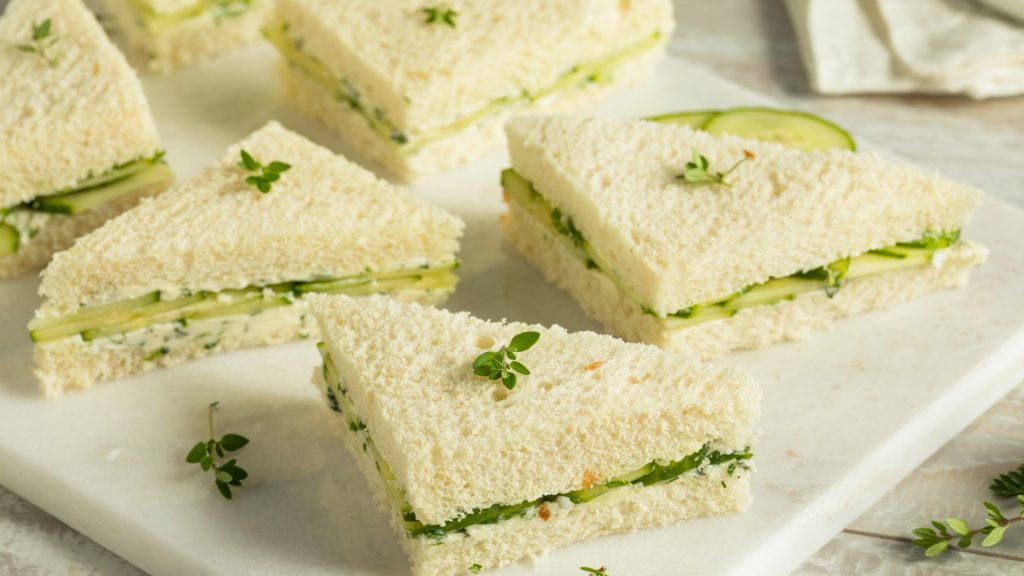
Cucumber Sandwiches

cucumber sandwich
  • Ingredients:
    • Sliced bread (white or whole wheat)
    • Cream cheese or softened butter
    • Thinly sliced cucumber
    • Dill or chives (optional)
  • Instructions:
    • Cut the crusts off the bread slices.
    • Spread cream cheese or butter on each slice.
    • Place cucumber slices on one slice and sprinkle with dill or chives.
    • Top with another bread slice, press lightly and cut into fun shapes.

Watermelon Popsicles

watermelon popsicles
  • Ingredients:
    • Watermelon chunks (seedless)
    • Popsicle sticks
  • Instructions:
    • Insert popsicle sticks into the watermelon chunks.
    • Place them on a tray lined with parchment paper and freeze.
    • Enjoy these refreshing and naturally sweet popsicles on hot summer days!

Frozen Banana Bites

Frozen Banana Bites
  • Ingredients:
    • Ripe bananas
    • Greek yogurt
    • Honey or maple syrup (optional)
  • Instructions:
    • Cut the bananas into bite-sized pieces.
    • Dip each piece into Greek yogurt and place them on a parchment-lined tray.
    • Freeze until solid, and if desired, drizzle with honey or maple syrup before serving.

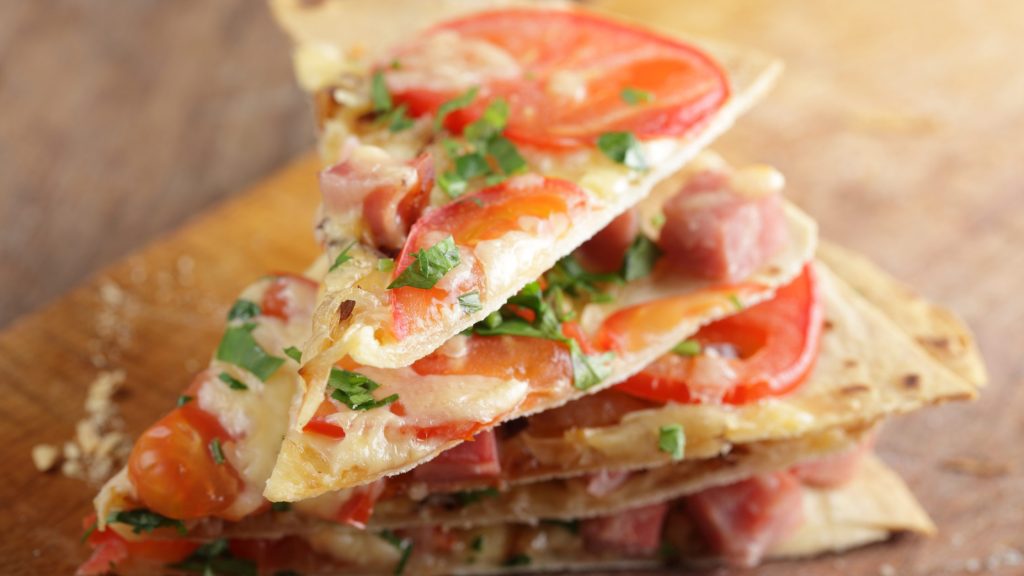
Tortilla Pizza

Tortilla Pizza
  • Ingredients:
    • Flour tortillas
    • Pizza sauce
    • Shredded cheese
    • Assorted toppings (ham, pineapple, mushrooms, etc.)
  • Instructions:
    • Preheat the oven as per the tortilla package instructions.
    • Spread pizza sauce evenly on the tortillas.
    • Sprinkle cheese and add your desired toppings.
    • Bake until the cheese melts and turns bubbly.

Fruity Yogurt Bark

Fruity Yogurt Bark
  • Ingredients:
    • Greek yogurt
    • Sliced strawberries, blueberries, and kiwis
    • Honey or agave syrup (optional)
  • Instructions:
    • Line a baking sheet with parchment paper.
    • Spread Greek yogurt on the sheet evenly.
    • Arrange the sliced fruits on top.
    • Drizzle with honey or agave syrup for added sweetness.
    • Freeze until solid, then break into pieces for a healthy and colorful snack.

Berry Smoothie

Berry smoothie
  • Ingredients:
    • Mixed berries (strawberries, blueberries, raspberries)
    • Yogurt or milk
    • Banana
    • Honey or maple syrup (optional)
  • Instructions:
    • Blend the mixed berries, yogurt or milk, and banana until smooth.
    • Sweeten with honey or maple syrup if desired.
    • Pour into glasses and serve with a colorful straw.

Have Fun Creating These Recipes!

Cooking with kids is fun and a fantastic way to spend quality time together during the summer months. These easy recipes will ignite their creativity and delight their taste buds. From refreshing snacks to sweet treats, there’s something for every young chef to try. So, put on those aprons, gather your ingredients, and let the culinary adventures begin! Bon appétit!

Want to add some healthy chocolate recipes to your recipe book? Click here!

10 Books for Summer Reading

10 Books for Summer Reading that Your Child Might Love!

10 books for summer reading that your child might love

Books play a vital role in a child’s development, fostering imagination, creativity, and a love for reading. As a parent or guardian, you have the fantastic opportunity to introduce your child to the enchanting world of literature. With countless options available, deciding which books will captivate and inspire your little one can be challenging. To help you in this quest, we have compiled a list of 10 books for summer reading that are sure to ignite your child’s imagination and leave them craving more literary adventures.

10 Books for Summer Reading:

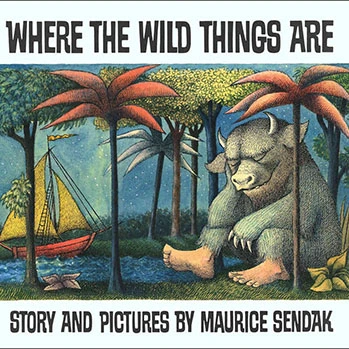
1. “Where the Wild Things Are” by Maurice Sendak:

Where the Wild Things Are

This timeless classic “Where the Wild Things Are” takes young readers on a wild journey through the imagination of a mischievous boy named Max. With beautifully illustrated pages, this book celebrates the power of imagination and the joy of being in a world of fantastical creatures.

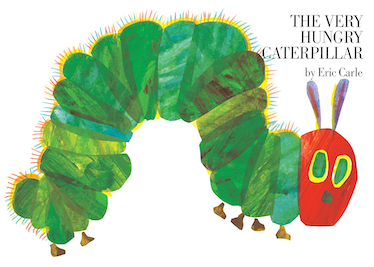
2. “The Very Hungry Caterpillar” by Eric Carle:

The Very Hungry Caterpillar

Eric Carle’s colorful masterpiece, “The Very Hungry Caterpillar”, has been a favorite among children for generations. This delightful story follows the journey of a hungry caterpillar as it eats its way through a variety of foods, leading up to a beautiful surprise.

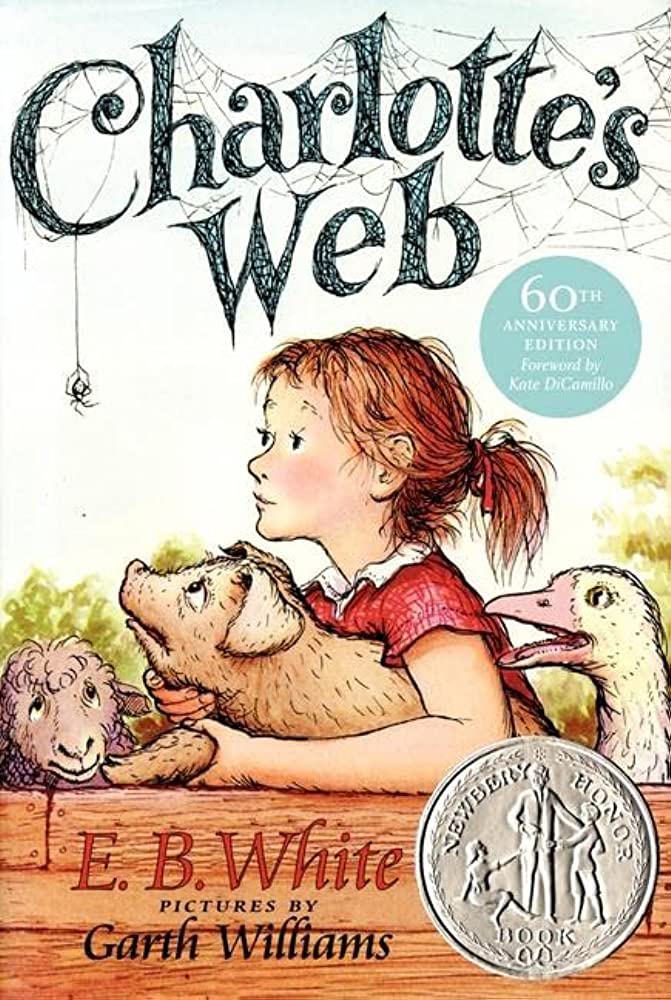
3. “Charlotte’s Web” by E.B. White:

Charlotte's Web

An emotional tale of friendship and loyalty, “Charlotte’s Web” introduces children to a remarkable spider named Charlotte and her unlikely bond with a pig named Wilbur. This heartwarming story teaches valuable lessons about compassion and the circle of life.

Add the Charlotte’s Web Schoolio Novel Study

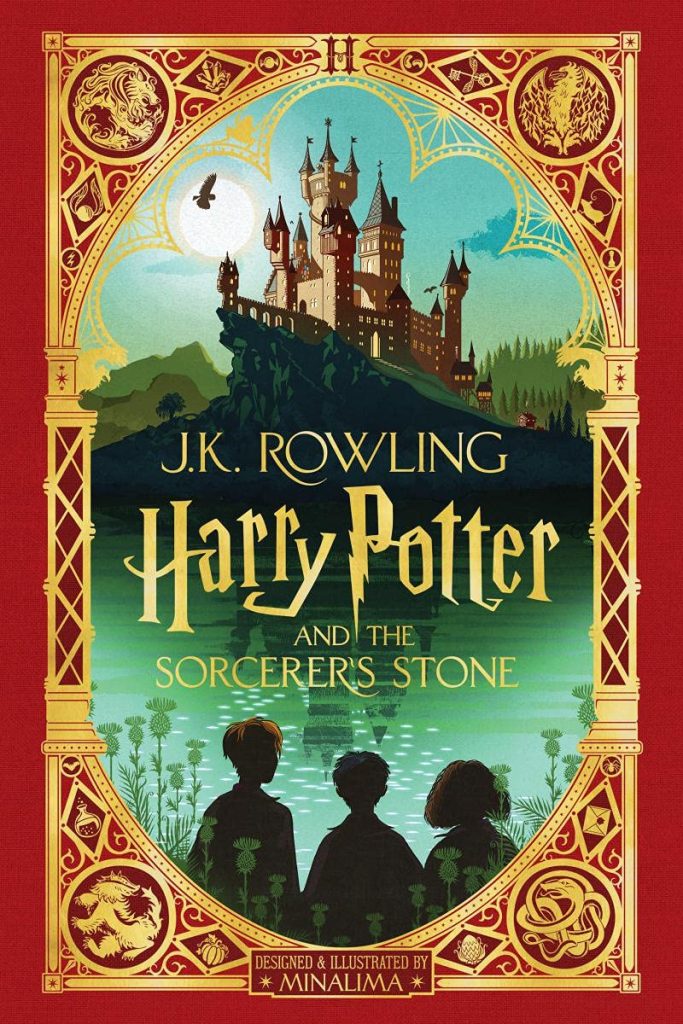
4. “Harry Potter and the Sorcerer’s Stone” by J.K. Rowling:

Harry Potter and the Sorcerer's Stone

The start of a magical journey, the first Harry Potter series book, introduces young readers to the captivating world of Hogwarts School of Witchcraft and Wizardry. With an engaging plot and unforgettable characters, this book sparks the imagination and instills a love for adventure.

5. “Matilda” by Roald Dahl:

Matilda

Roald Dahl’s stories are beloved by children worldwide, and “Matilda” is no exception. This book tells the story of a gifted and courageous girl who discovers her extraordinary abilities and finds solace in books. It inspires children to embrace their uniqueness and the power of knowledge.

6. “The Lion, the Witch and the Wardrobe” by C.S. Lewis:

The lion, the witch and the wardrobe

A tale of magic, courage, and sacrifice, this book is the first in the beloved Chronicles of Narnia series. As four siblings stumble upon a mystical world through an enchanted wardrobe, they embark on a thrilling adventure that will captivate young readers’ imaginations.

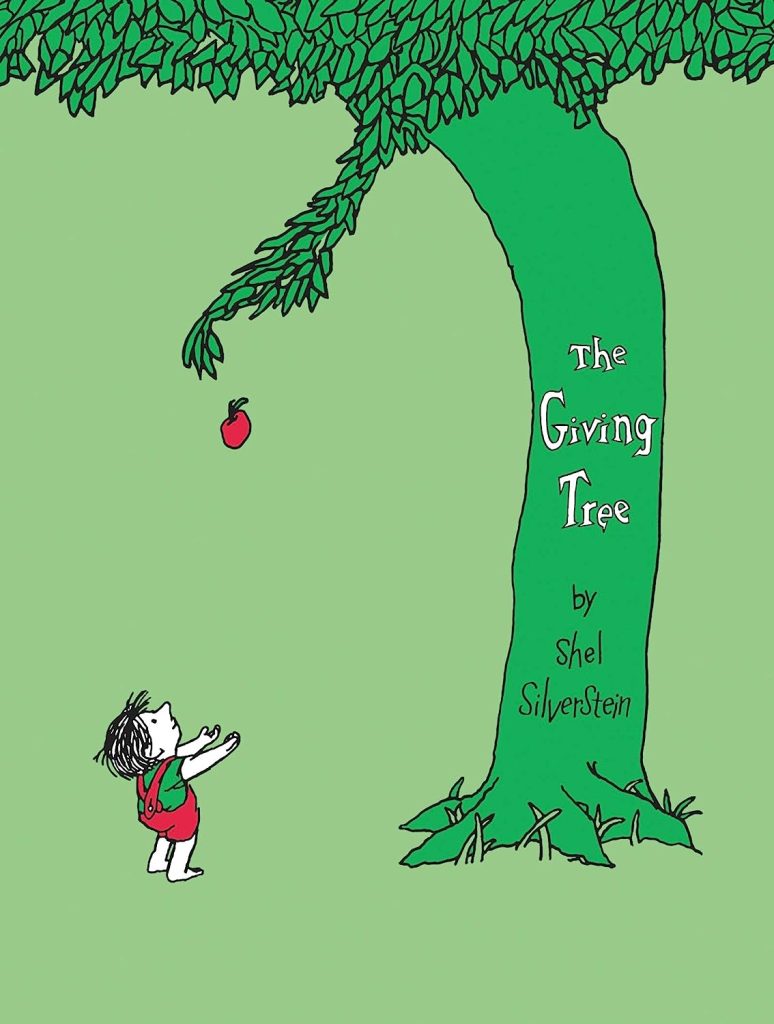
7. “The Giving Tree” by Shel Silverstein:

The Giving Tree

Shel Silverstein’s poignant story explores the concept of selflessness and unconditional love. Through the relationship between a boy and a tree, this book encourages children to appreciate the beauty of giving and the importance of cherishing nature.

8. “Oh, the Places You’ll Go!” by Dr. Seuss:

Oh, the Places You'll Go!

This Dr. Seuss classic celebrates life’s journey, encouraging children to embrace new experiences, face challenges with resilience, and pursue their dreams. This book is entertaining and inspiring with its whimsical rhymes and vibrant illustrations.

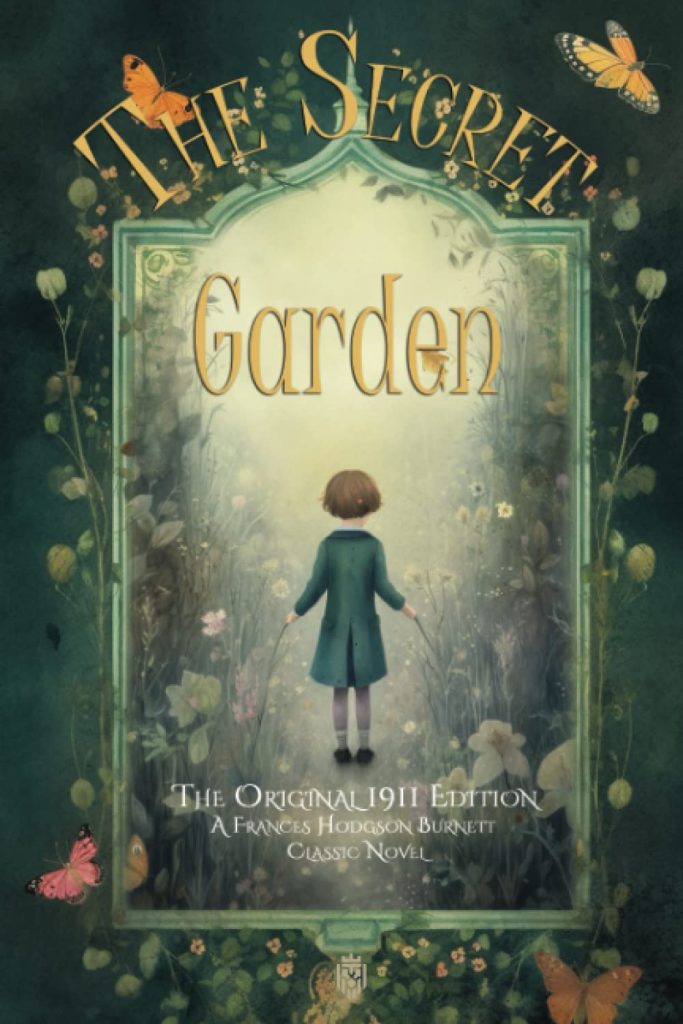
9. “The Secret Garden” by Frances Hodgson Burnett:

The Secret Garden

The Secret Garden” transports readers into a hidden world of magic and transformation. As a young girl discovers a neglected garden, she begins to unlock its secrets and finds solace in the power of nature. This book emphasizes the importance of resilience, friendship, and the healing properties of the natural world.

10. “Charlie and the Chocolate Factory” by Roald Dahl:

Charlie and the Chocolate Factory

Roald Dahl strikes again with this delectable tale of a young boy named Charlie who wins a golden ticket to visit Willy Wonka’s extraordinary chocolate factory. With its vivid descriptions and unforgettable characters, this book takes children on a delightful and imaginative adventure.

Enhance Your Child’s Reading with a Schoolio Novel Study.

Additionally, to enhance your child’s reading experience and foster a deeper understanding of the books they love, consider incorporating a Schoolio Novel Study. Schoolio Novel Studies provide a comprehensive and engaging approach to reading, including activities and discussions that encourage critical thinking and further exploration of the story’s themes.

Combining the joy of reading with interactive learning, Schoolio Novel Studies offer an excellent opportunity for your child to delve deeper into the characters, plot, and messages conveyed in each book. Whether analyzing character motivations, creating alternate endings, or participating in group discussions, the Schoolio Novel Study can bring added excitement and enrichment to your child’s reading journey.

Prepare to Watch the Magic Unfold.

Introducing your child to the wonders of reading is a gift that will last a lifetime. The books on this list offer diverse themes, from imagination and friendship to courage and self-discovery. As your child explores these enchanting worlds, they will develop a love for reading and expand their horizons. So, grab a cozy blanket, find a comfortable spot, and embark on these literary journeys with your child. As their imagination soars with each page turn, prepare to witness the magic unfold. Happy reading!

Do you homeschool year-round? Or take a summer break?

10 Healthy Chocolate Recipes for Kids

10 Healthy Chocolate Recipes for Kids

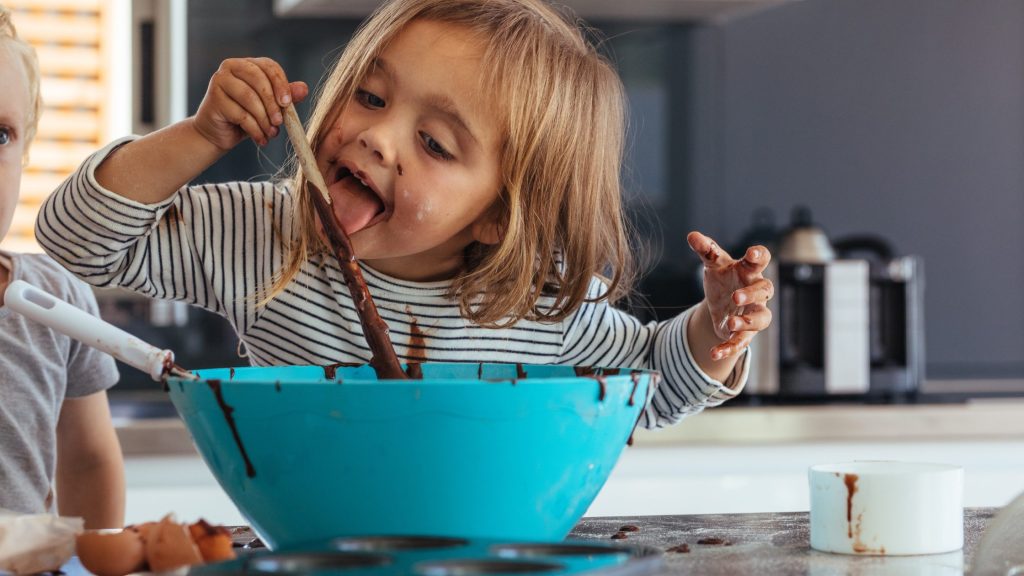
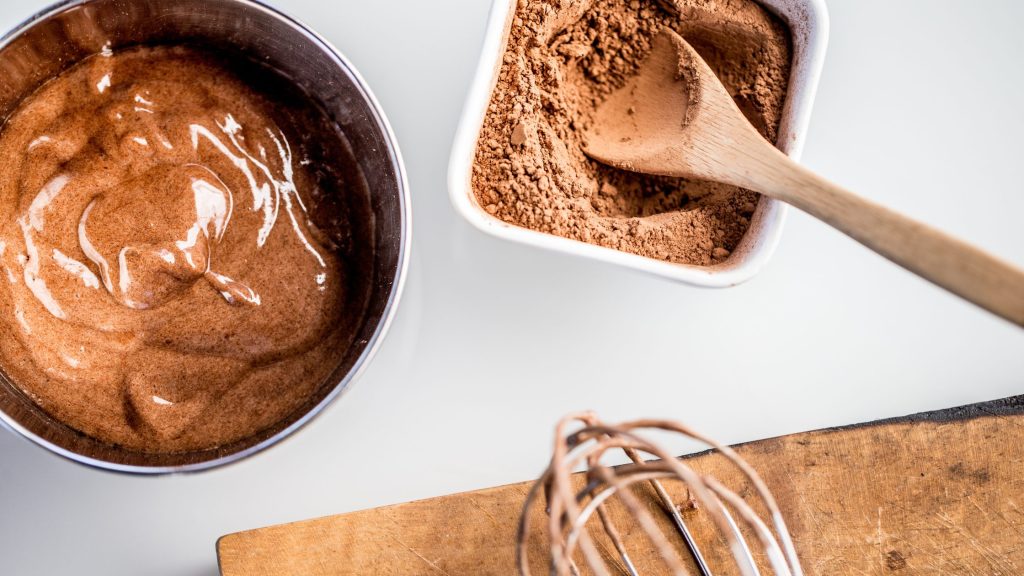
10 healthy chocolate recipes for kids

Chocolate, with its rich and indulgent flavor, has been a favorite treat for people of all ages for centuries. Its creamy texture and enticing aroma make it a true delight. However, chocolate often receives a bad reputation due to its perceived negative impact on health. But what if I told you that chocolate can actually be a part of a healthy diet for kids? Yes, you read that right! This blog will explore 10 healthy chocolate recipes for kids that will satisfy your child’s sweet tooth while providing essential nutrients.

The Misunderstood Sweetness:

Chocolate has long been associated with indulgence and guilt, mainly because of its high sugar and fat content. However, not all chocolate is created equal. Dark chocolate, for instance, contains antioxidants and other beneficial compounds that can promote good health when consumed in moderation. Using natural sweeteners and incorporating nutritious ingredients can transform chocolate into a healthier treat that kids will love.

Here are 10 Healthy Chocolate Recipes for Kids:

1. Chocolate Banana Smoothie:

chocolate banana smoothie

This velvety smooth and heavenly chocolate banana smoothie is like a milkshake in a glass, but with a healthy twist! The combination of frozen ripe bananas, unsweetened cocoa powder, and a splash of milk creates a luscious and creamy treat that will leave your little ones begging for more.

You will need:

  • 2 ripe bananas, frozen
  • 2 tablespoons unsweetened cocoa powder
  • 1 cup milk (dairy or plant-based)

2. Chocolate Avocado Pudding:

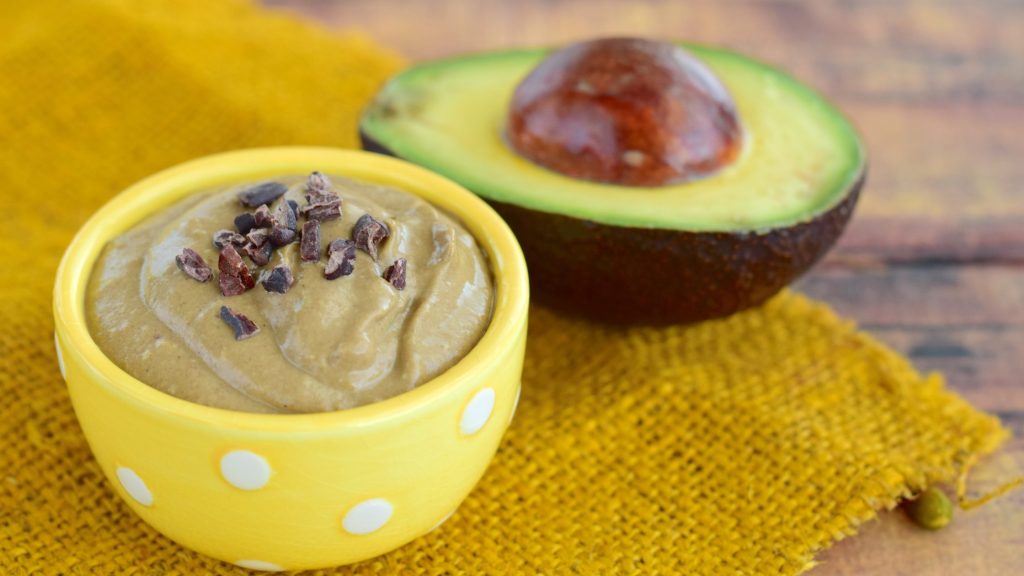
chocolate avocado pudding

Get ready to be amazed by the decadence of this chocolate avocado pudding! Ripe avocados are transformed into a silky and indulgent dessert when blended with unsweetened cocoa powder, a touch of honey, and a hint of vanilla extract. Your kids won’t believe that avocados can make such a delightful and healthy treat.

You will need:

  • 2 ripe avocados
  • ¼ cup unsweetened cocoa powder
  • 3 tablespoons honey or maple syrup
  • 1 teaspoon vanilla extract

3. Chocolate-Dipped Strawberries:

chocolate-dipped strawberries

Take a plump and juicy strawberry, dip it into melted dark chocolate, and you have the perfect combination of sweet and tart flavors. These chocolate-dipped strawberries not only look stunning but also provide a burst of antioxidants and vitamins, making them a guilt-free and delightful snack for your little ones.

You will need:

  • 1 cup fresh strawberries
  • ½ cup dark chocolate chips melted

4. Chocolate Energy Balls:

chocolate energy balls

These chocolate energy balls are a lifesaver when your kids need a quick and nourishing pick-me-up. Packed with natural sweetness from dates, a delightful crunch from nuts, and a rich chocolatey flavor from cocoa powder, these bite-sized treats are energy-packed and perfect for on-the-go snacking.

You will need:

  • 1 cup dates, pitted
  • ½ cup nuts (such as almonds or cashews)
  • 2 tablespoons cocoa powder
  • 1 tablespoon honey or maple syrup

5. Chocolate Zucchini Muffins:

chocolate zucchini muffins

Sneak some veggies into your child’s diet with these moist and chocolatey zucchini muffins. Grated zucchini adds moisture and a nutritional boost to these delightful treats, while the combination of whole wheat flour and cocoa powder creates a fluffy and rich texture that will have your kids asking for seconds.

You will need:

  • 1 ½ cups grated zucchini
  • 1 ½ cups whole wheat flour
  • ⅓ cup cocoa powder
  • ½ cup honey or maple syrup
  • ½ cup milk (dairy or plant-based)
  • ¼ cup coconut oil or melted butter
  • 2 eggs
  • 1 teaspoon vanilla extract
  • 1 teaspoon baking powder
  • ½ teaspoon baking soda
  • ¼ teaspoon salt

6. Chocolate Chia Seed Pudding:

chocolate chia seed pudding

Indulge your little ones with this nutritious and scrumptious chocolate chia seed pudding. The combination of chia seeds, cocoa powder, almond milk, and a touch of maple syrup creates a thick and creamy pudding packed with fiber and omega-3 fatty acids. It’s a delightful treat that will keep your kids satisfied and energized.

You will need:

  • ¼ cup chia seeds
  • 2 tablespoons cocoa powder
  • 1 ½ cups almond milk (or any milk of your choice)
  • 2 tablespoons maple syrup or honey

7. Chocolate-Banana Nice Cream:

chocolate banana nice cream

Cool down with a guilt-free and creamy chocolate-banana nice cream. By freezing ripe bananas and blending them with cocoa powder, you can create a delightful ice cream alternative that’s both delicious and nutritious. Your kids will adore this cool and chocolaty treat on a hot summer day.

You will need:

  • 4 ripe bananas frozen
  • 2 tablespoons cocoa powder

8. Chocolate Yogurt Dip:

chocolate yogurt dip

Add a touch of chocolatey goodness to snack time with this delectable chocolate yogurt dip. Greek yogurt blended with cocoa powder and a drizzle of honey creates a creamy and protein-packed dip that pairs perfectly with a variety of fresh fruits. It’s a delightful way to encourage your kids to enjoy more fruits while satisfying their sweet cravings.

You will need:

  • 1 cup Greek yogurt
  • 2 tablespoons cocoa powder
  • 1 tablespoon honey or maple syrup

9. Chocolate Oatmeal Cookies:

chocolate oatmeal cookies

These chewy chocolate oatmeal cookies will make your kitchen smell like a cozy bakery. Packed with rolled oats, whole wheat flour, and dark chocolate chips, these cookies offer a delightful combination of textures and flavors. Your kids won’t be able to resist these wholesome and chocolatey treats.

You will need:

  • 1 cup rolled oats
  • 1 cup whole wheat flour
  • ¼ cup cocoa powder
  • ½ teaspoon baking soda
  • ¼ teaspoon salt
  • ½ cup coconut oil or softened butter
  • ½ cup honey or maple syrup
  • 1 egg
  • 1 teaspoon vanilla extract
  • ½ cup dark chocolate chips

10. Chocolate Quinoa Bars:

Boost your child’s energy levels with these homemade chocolate quinoa bars. Cooked quinoa, cocoa powder, nut butter, and a touch of honey come together to create a delicious and nutritious snack bar that’s packed with protein and fiber. These bars are perfect for school lunches or afternoon snacks on the go.

You will need:

  • 1 ½ cups cooked quinoa
  • ½ cup nut butter (such as peanut butter or almond butter)
  • ¼ cup cocoa powder
  • ¼ cup honey or maple syrup

Feel free to adjust the measurements according to your taste preferences and dietary needs. Enjoy preparing these delicious and healthy chocolate recipes with your kids!

Get Your Kids in the Kitchen:

Cooking together with your kids is not only a fun and bonding experience, but it also helps them develop healthy eating habits from an early age. By involving your children in the preparation of these delicious and nutritious chocolate recipes, you can ignite their curiosity about food and encourage them to make healthier choices.

Chocolate doesn’t have to be a forbidden indulgence for kids. By choosing the right ingredients and incorporating it into well-balanced recipes, chocolate can be a part of a healthy diet. So, grab your aprons, gather your little ones, and embark on a chocolate-filled adventure that will tickle their taste buds and nourish their bodies at the same time. Happy cooking!

Looking for some healthy recipes to create with your kids? Click here!

Fun Activities for Summer Break: The Importance of Downtime and Imagination

Fun Activities for Summer Break: The Importance of Downtime and Imagination

fun activities for summer break

Ah, summer break! The glorious time of year when school is out, and children are excited for weeks of endless possibilities. With the sun shining bright and no homework in sight, it’s the perfect opportunity to engage in various fun and adventurous activities. While filling their schedules with organized outings and structured events is tempting, it’s equally important to allow kids the freedom to figure out their own entertainment and let their imaginations soar. Finding fun activities for summer break is great, but providing children with downtime during summer break is crucial for fostering creativity, exploration, and overall well-rounded development in a world that often emphasizes constant stimulation and structured activities. In this blog, we’ll delve into the significance of downtime and the power of imagination in nurturing children’s growth and ensuring a memorable and fulfilling summer break.

The Perfect Balance of Fun and Creativity to Spark Joy.

We have put together the perfect balance of fun and creativity so your children can have a summer break filled with enjoyable activities that nurture their imaginative play. Summertime is a magical period when kids can embrace the freedom of endless days and let their imaginations soar. It’s the opportune moment to engage them in a wide range of exciting experiences that spark joy, foster creativity, and create lasting memories.

Fun Activities for Summer Break:

1. Unstructured Playtime:

In our fast-paced, technology-driven society, children are often overscheduled with organized activities and constantly engaged by screens. However, unstructured playtime plays a vital role in a child’s summer break. It provides them with the freedom to explore their own interests, create their own entertainment, and indulge in activities that truly captivate their attention.

Unstructured play allows children to tap into their imagination, exercise their problem-solving skills, and develop a sense of independence. Whether they build forts out of blankets, engage in imaginative role-playing, or let their minds wander while lying on a patch of grass, unstructured playtime sparks their creativity and fosters a love for self-directed exploration.

Unstructured playtime

2. Nature Exploration:

Summer offers the perfect backdrop for children to immerse themselves in the wonders of the natural world. Encouraging kids to spend time outdoors and explore nature provides a fun and refreshing experience and offers numerous benefits for their physical and mental well-being.

Take children on nature walks, visit local parks, or embark on hikes. Encourage them to observe the flowers and animals, listen to the soothing sounds of a babbling brook, or lie down and gaze at the sky, identifying shapes in the clouds. Exploring nature stimulates the senses, sparks curiosity, and instills a sense of awe and appreciation for the world around them. It allows children to connect with their natural surroundings, fostering a deeper understanding of the environment and nurturing their imagination.

3. DIY Crafts and Projects:

Engaging in do-it-yourself (DIY) crafts and projects is an excellent way to unleash children’s creativity and resourcefulness. By providing them with materials and tools, we empower them to transform their ideas into tangible creations, fostering a sense of accomplishment and self-expression.

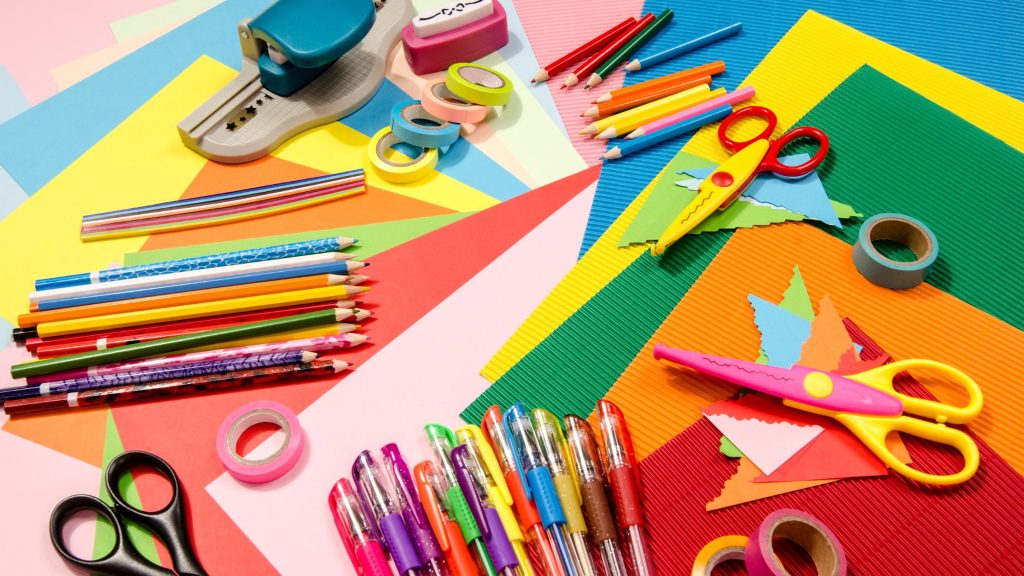
Set up a dedicated arts and crafts area with various materials such as paints, colored paper, glue, scissors, and recycled objects. Encourage children to repurpose old items into new creations, create artwork, or construct imaginative structures. Whether they’re building a robot out of cardboard boxes, designing a dreamcatcher, or experimenting with different art techniques, DIY projects nurture their problem-solving skills, enhance their patience, and encourage out-of-the-box thinking. Plus, they’ll have tangible mementos of their summer break to cherish.

Check out these Fun Summer Crafts – Click Here!

DIY crafts

4. Reading and Storytelling:

Summer break is the perfect opportunity to instil children’s love for reading and storytelling. While academic reading requirements may take a backseat during the holidays, maintaining a reading routine is essential for supporting literacy skills and intellectual growth.

Set aside dedicated reading time each day where children can explore books of their choice. Take them to the local library or bookstore, allowing them to browse various genres and topics. Encourage them to select books that align with their interests, whether it’s a thrilling adventure, a fantastical tale, or a non-fiction

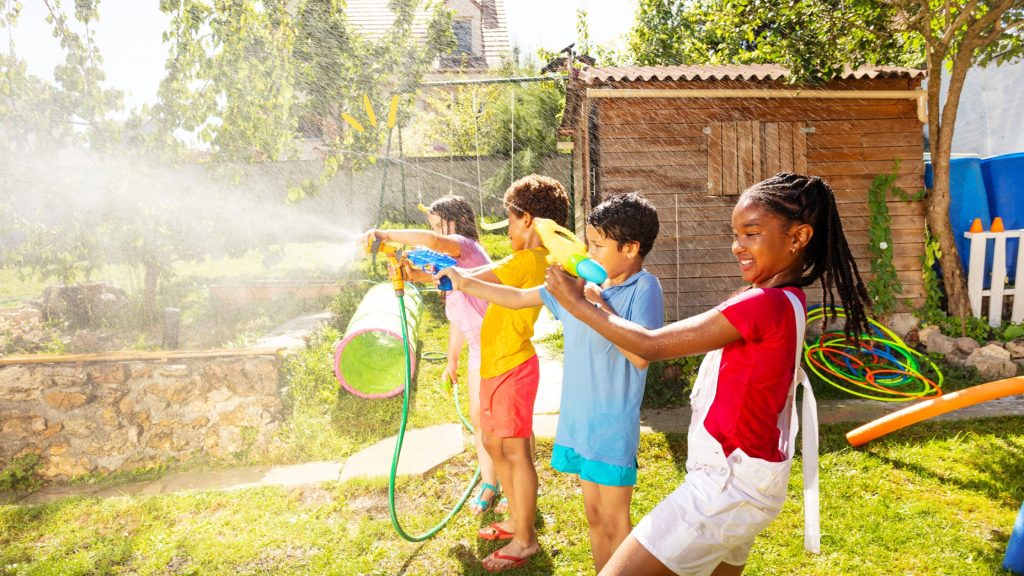
5. Water Play:

Summer and water activities go hand in hand. Beat the heat and have a blast by incorporating water play into your child’s summer break. Set up a sprinkler in the backyard for them to run through and cool off. Fill up water balloons for epic water balloon fights. Visit local pools, splash pads, or even plan a day trip to a nearby beach or water park. Water play provides endless entertainment and helps children develop their gross motor skills and coordination while enjoying the refreshing benefits of water.

water play

6. Gardening:

Summer is the perfect time to introduce children to the joys of gardening. Start by creating a small garden patch or even a few pots on a balcony or windowsill. Involve children in selecting seeds or plants and teach them how to care for them. Watching their plants grow, blossom, and bear fruits or flowers is a rewarding experience. Gardening instills a sense of responsibility, patience, and an appreciation for nature’s cycles. Plus, it allows children to learn about different plant species, ecosystems, and the importance of sustainability.

Try planting a medicinal garden to teach your children the wonders plants can do for our health. Learn more about Medicinal Plants by clicking the button below.

7. Outdoor Sports and Games:

Enjoy the pleasant weather and engage children in outdoor sports and games. Set up a mini soccer field in the backyard, organize a game of tag or hide-and-seek, or teach them how to ride a bike. Encourage them to try new sports like tennis, basketball, or swimming. Outdoor sports and games provide physical exercise and promote teamwork, social interaction, and healthy competition. They help children develop essential motor skills, boost confidence, and foster a love for an active lifestyle.

outdoor sports and games

8. Camping and Nature Retreats:

Plan a camping or nature retreat with your family during summer break. Whether setting up a tent in the backyard or venturing into the wilderness, camping allows children to disconnect from technology and immerse themselves in the beauty of nature. Engage in hiking, stargazing, storytelling around a campfire, or learning basic survival skills. Camping fosters a sense of adventure, resilience, and appreciation for the great outdoors, leaving lasting memories for both children and adults.

9. Cultural Exploration:

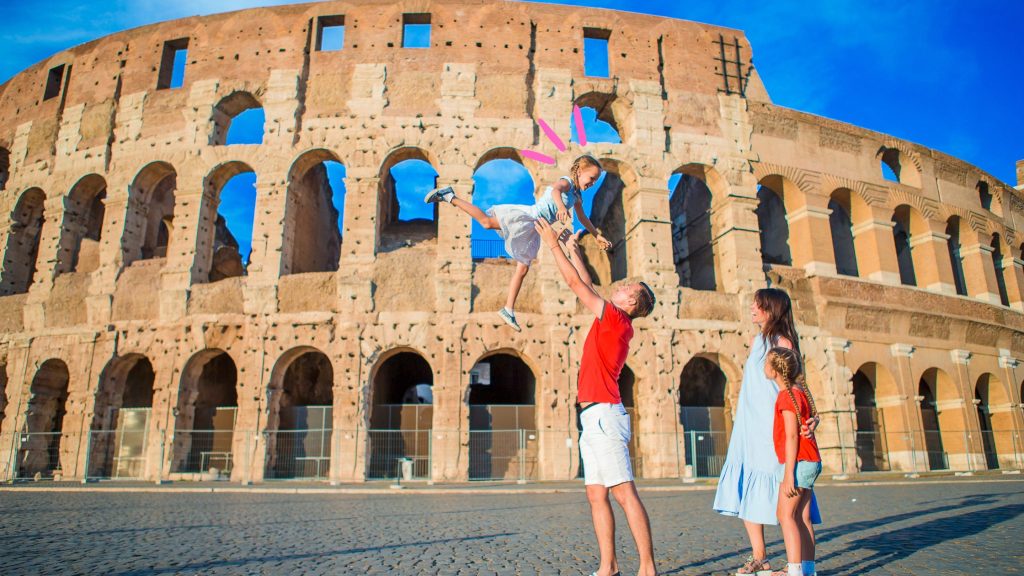
Summer break provides an excellent opportunity for children to explore different cultures, traditions, and cuisines. Research local cultural festivals, art exhibitions, or museums happening in your area and take your children to experience them. Encourage them to try new foods from various cultures and learn about different customs and traditions. Cultural exploration broadens children’s horizons, promotes tolerance and understanding, and nurtures their curiosity about the world.

10. Volunteer Work and Community Service:

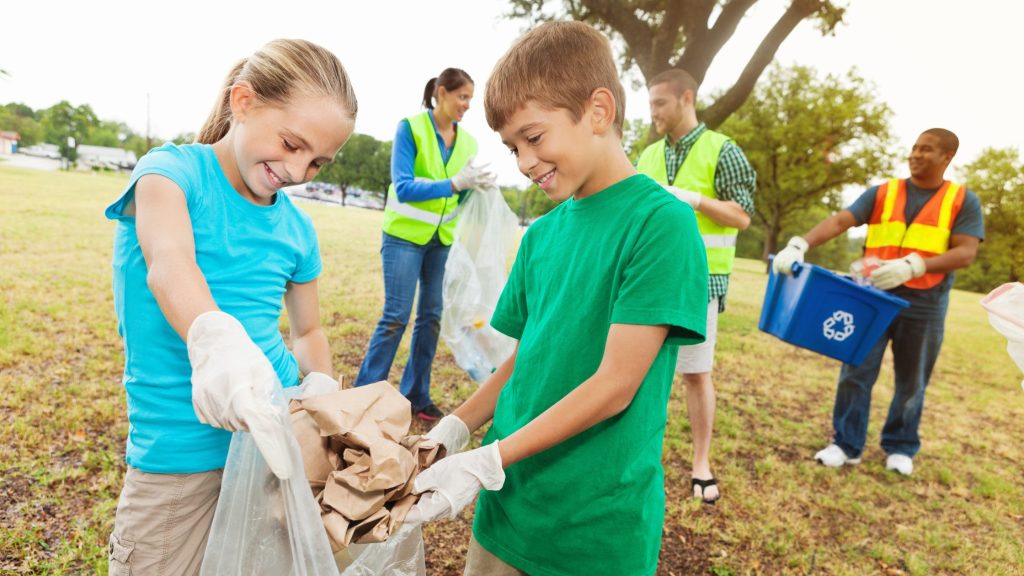
Engaging in volunteer work and community service during summer break benefits others and instills a sense of compassion, empathy, and social responsibility in children. Research local volunteer opportunities suitable for children and involve them in projects like helping at animal shelters, cleaning up parks or beaches, or assisting at local community centers. Volunteering gives children a valuable perspective on societal issues and teaches them the importance of giving back to their community.
Volunteer work and community service

Helping Your Child Develop Their Creativity, Independence and Social Skills.

Summer break is a precious time for children to unwind, explore, and let their imaginations soar. By embracing unstructured playtime, encouraging nature exploration, engaging in DIY projects, promoting reading and storytelling, and embracing a range of other fun activities, we can help children make the most of their summer break. Remember, it’s essential to strike a balance between planned activities and allowing children the freedom to figure out their entertainment. This way, they can develop their creativity, independence, and social skills, creating memories that will last a lifetime. So, let this summer be a time of exploration, growth, and endless fun!

Making a Mess: Tips for Doing Messy Projects and Experiments Without Losing Your Mind

Making a Mess: Tips for Doing Messy Projects and Experiments Without Losing Your Mind

Making a mess

As a parent, you know that messes are inevitable in raising children. It can seem like your kids are making a mess every five minutes. Whether art projects, science experiments, or cooking adventures, messy activities can provide valuable learning experiences and foster creativity. However, feeling apprehensive about the chaos that often accompanies these endeavours is natural. Fortunately, with some planning and a positive mindset, you can navigate messy projects and experiments without losing your mind. This blog will explore tips and strategies to help you embrace the mess while enjoying quality time with your children.


Making a Mess is Good for Development.

Making a mess is a natural part of childhood and a valuable aspect of your child’s development. Messy play and projects provide numerous benefits for their growth and learning. Firstly, messy activities stimulate their senses, allowing them to explore different textures, smells, and visual stimuli. This sensory engagement helps develop their cognitive and neurological pathways.

Secondly, messy play promotes creativity and imagination as children can experiment, create, and problem-solve in an open-ended environment. It encourages them to think critically, make decisions, and explore their unique ideas. Additionally, messy projects foster fine motor skills development as children use materials to pour, scoop, and use their hands while molding and shaping various substances. Cleaning up afterwards also teaches responsibility, organization, and teamwork. Ultimately, embracing messiness enables children to express themselves, build confidence, and develop essential life skills that will benefit them in the long run.

Embrace the Process

How to Prepare for Your Kids Making a Mess:

1. Set Clear Expectations:

Before diving into a messy project, communicate your expectations with your children. Discuss the importance of cleanliness and the need for responsible behavior. Explain that messes are part of the process but emphasize the significance of cleaning up afterward. Establishing clear boundaries and guidelines ensures a more organized and enjoyable experience for everyone involved.

2. Choose the Right Environment:

Consider the space in which you’ll be conducting your messy project. Some activities are better suited for the great outdoors, while others may be more manageable in a designated area indoors. Protect your floors, furniture, and walls by using drop cloths, newspapers, or even old sheets. Creating a designated mess-friendly zone will help contain the chaos and ease your worries about potential damage.

3. Dress for Success:

Encourage your children (and yourself) to dress appropriately for messy projects. Wearing old clothes or aprons will alleviate concerns about stains or ruined outfits. Provide your children with smocks or oversized shirts to protect their clothes while allowing them to explore and get messy. Remember, it’s easier to clean up a dirty outfit than it is to restore a lost opportunity for creative play.

Dress for Success when making a mess

4. Plan Ahead:

Before starting a messy project, gather all the necessary materials and tools. This proactive approach will minimize interruptions and keep your focus on the activity itself. Create a checklist and ensure you have all the necessary supplies, including protective gear such as gloves or goggles. Everything readily available will allow you to fully immerse yourself in the project without worrying about last-minute preparations.

5. Embrace the Process:

Messy projects and experiments are all about exploration and discovery. Encourage your children to embrace the process rather than just focusing on the end result. Remind them that making mistakes is a natural part of learning and that creativity often emerges from unexpected situations. By shifting the focus from perfection to enjoyment, you can foster a positive environment for learning and creativity.

6. Establish Clean-Up Rituals:

While messes are essential to these projects, teaching your children the importance of cleaning up is equally crucial. Establish clean-up rituals and involve your children in the process. Make it fun by turning it into a game or playing their favorite music while tidying up. By emphasizing the responsibility of cleaning, you instill valuable life skills and create a sense of accountability.

Cleaning up after making a mess

7. Document the Experience:

Capture the memories and joy of messy projects by documenting the process. Take photos or record videos to create a visual record of your children’s creations. Not only will this serve as a wonderful keepsake, but it will also encourage your children’s pride in their accomplishments. Reflecting on the fun and creativity experienced during messy projects can strengthen family bonds and inspire future endeavors.

Navigate the Chaos with Confidence:

Messy projects and experiments offer valuable opportunities for learning, creativity, and quality time with your children. By implementing these tips and strategies, you can confidently navigate the chaos and enjoy the benefits of messy play without losing your mind. Embrace the mess, be present in the moment, and create memories that will last a lifetime. Remember, it’s through messy adventures that children often discover the most profound lessons about the world.

Is it cold outside? Kids are bored? Here are 10 creative things to do!

Traveling with Kids: How to Do It Like a Homeschooler

Traveling with Kids: How to Do It Like a Homeschooler

Traveling with Kids: How to do it like a homeschooler

Traveling with kids can be a thrilling and enriching experience for the whole family. While it may seem intimidating at first, it can become an opportunity for incredible learning and growth with the right approach. In this blog, we’ll explore how you can embrace the homeschooling mindset while traveling with kids and provide you with some practical tips to make the journey easier and more enjoyable.’

Ready to Do It Like a Homeschooler when Traveling with Kids?

Traveling like a homeschooler opens up a world of possibilities for educational exploration and family bonding. Whether you homeschool your children or simply want to infuse learning into your travels, approaching your journeys with a homeschooling mindset can transform them into extraordinary experiences. By embracing hands-on learning, incorporating local culture, and fostering curiosity, you can embark on adventures that ignite your children’s curiosity and provide them with valuable knowledge beyond the confines of a traditional classroom.

Here are some various ways you can travel like a homeschooler, turning every trip into a captivating and enriching educational experience for the whole family.

1. Plan Ahead with Purpose:

One of the key aspects of homeschooling is planning with a purpose. Apply this approach to your travel itinerary by researching destinations that offer educational opportunities for your children. Look for museums, historical sites, science centers, and cultural events that align with their interests and the subjects you want to cover. This way, your trip becomes a hands-on learning experience.

2. Embrace Hands-on Experiences:

Children learn best through direct engagement, so seek out interactive activities wherever you go. Look for museums with hands-on exhibits, workshops, or guided tours that allow your kids to actively participate. Whether it’s a cooking class to learn about local cuisine or a nature walk to explore ecosystems, hands-on experiences make learning fun and memorable.

3. Make History Come Alive:

Traveling provides a unique opportunity to bring history lessons to life. Research historical sites and landmarks in the places you’ll be visiting, and encourage your children to read about them beforehand. When you’re there, let them absorb the atmosphere, explore the architecture, and imagine what life was like in that era. This immersive approach to history will deepen their understanding and appreciation.

Traveling with kids

4. Keep Learning On the Go:

Traveling itself can be a fantastic learning experience. Use the time spent on planes, trains, or in the car to engage your kids in educational activities. Pack age-appropriate books, puzzles, or educational games that relate to the places you’ll visit or the subjects you’re covering. This way, you can continue their education while on the move.

5. Encourage Journaling:

A travel journal is an excellent tool for children to reflect on their experiences and practice their writing skills. Provide each child with a journal where they can document their adventures, thoughts, and observations. Encourage them to write about the places they visit, the people they meet, and the new things they learn. Not only does journaling enhance their literacy skills, but it also creates a beautiful keepsake to remember the trip.

Encourage journaling

6. Integrate Math and Geography:

Traveling offers plenty of opportunities to incorporate math and geography into your children’s learning. Involve them in planning the routes, calculating distances, and estimating travel times. Encourage them to read maps, find landmarks, and understand geographical features. By doing so, you’ll enhance their spatial awareness and problem-solving skills.

7. Take Advantage of Local Culture:

Immerse your children in the local culture by trying traditional foods, attending cultural festivals, or exploring local markets. Encourage them to interact with locals, learn basic phrases in the local language, and gain a deeper appreciation for different customs and traditions.

8. Use Technology as a Learning Tool:

Utilize educational apps, podcasts, or online resources that align with your children’s interests and the destinations you’ll be visiting. These tools can provide additional information, quizzes, and interactive content to enhance their understanding and engagement.

9. Plan Breaks and Downtime:

Traveling can be tiring, especially for young children. Remember to schedule breaks and downtime to rest, recharge, and process the experiences. This allows them to absorb and reflect on what they’ve learned while maintaining their energy levels.

Plan breaks and downtime

10. Incorporate Physical Activity:

Traveling often involves exploring new environments and landscapes. Take advantage of this by incorporating physical activities such as hiking, swimming, or biking. Not only does it provide a healthy outlet for energy, but it also encourages a connection with nature and promotes overall well-being.

11. Connect with Other Traveling Families:

Look for opportunities to connect with other families who are traveling or homeschooling. Join online forums, attend meetups, or participate in group activities. This can provide a sense of community, valuable insights, and potential friendships for both children and parents.

12. Focus on Flexibility and Adaptability:

Traveling with kids requires flexibility and adaptability. Embrace unexpected changes or detours along the way and use them as teaching moments. Encourage your children to problem-solve, adjust their expectations, and find joy in the unexpected.

13. Foster Independence:

Give your children age-appropriate responsibilities during the trip. Whether it’s navigating, managing a budget, or planning an activity, empowering them to take charge fosters independence and cultivates valuable life skills.

14. Document the Journey:

Encourage your children to take photographs or create videos to document their travel experiences. This allows them to develop their creativity, storytelling skills, and visual documentation abilities. Plus, it creates a lasting memory of their adventures.

Document the journey

15. Reflect and Share:

Once your trip is over, set aside time to reflect on the experiences as a family. Have meaningful conversations, share favorite moments, and encourage your children to share what they’ve learned and how it has impacted them. This reflection promotes deeper learning and helps solidify memories.

Embrace the Homeschooling Mindset When Traveling With Kids.

Traveling with kids can be an exciting adventure that combines education and exploration. By adopting a homeschooling mindset, you can transform your family trips into invaluable learning experiences. Remember to plan with purpose, seek out hands-on activities, and encourage journaling. Embrace the opportunity to make history come alive and integrate subjects like math and geography along the way. With these tips, you’ll create unforgettable memories and instill a love for learning in your children that will last a lifetime. Happy travels!

Learn more about why parents are turning to homeschooling – Click here!

Planting Time: Help Your Kids Learn to Grow Food and Flowers

Planting Time: Help Your Kids Learn to Grow Food and Flowers

Planting time: Help Your Kids Learn to Grow Food and Flowers

In today’s fast-paced digital world, finding ways to connect our children with nature and teach them valuable life skills is becoming increasingly important. One of the best ways to accomplish this is by teaching kids how to plant and grow food and flowers. Not only does this activity foster a love for nature, but it also promotes responsibility, patience, and a sense of accomplishment. So, let’s explore the wonderful world of gardening and discover how you can help your kids learn to grow their own food and flowers. Keep reading for planting time: help your kids learn to grow food and flowers.

How to Help Your Kids Learn to Grow Food and Flowers:

1. Choose the Right Plants:

To get started, choosing plants suitable for your climate and the available space is essential. Engage your kids in decision-making by researching together and discussing different plant options. Consider both vegetables and flowers, as each offers unique benefits and learning opportunities. Vegetables like tomatoes, lettuce, and carrots are excellent choices for beginners, while marigolds, sunflowers, and pansies are easy-to-grow flowers that add color and beauty to any garden.

2. Planting Seeds or Seedlings:

Now comes the exciting part—planting the seeds or seedlings. Explain to your children the difference between planting seeds and using seedlings, and let them make the choice. If you opt for seeds, show them how to place them in the soil at the appropriate depth and space them out. If using seedlings, demonstrate how to transplant them into the garden or containers carefully. Emphasize the importance of proper watering and provide guidance on the ideal amount of water each plant needs.

3. Nurturing and Caring for Plants:

Gardening requires consistent care and attention; this is where your kids can play a vital role. Teach them about the importance of sunlight, water, and nutrients for plant growth. Explain the concept of weeding and how it helps plants thrive by removing unwanted competition. Encourage your children to monitor the growth of their plants, checking for any signs of pests or diseases. Together, create a watering and maintenance schedule, and assign age-appropriate tasks to foster a sense of responsibility.

Nurturing and caring for plants

4. Harvesting the Fruits (and Vegetables) of Their Labor:

The most rewarding part of gardening is reaping the fruits (and vegetables) of your labor. Involve your children in the harvest, showing them how to pick ripe produce and explaining the significance of waiting for the right moment. Celebrate their accomplishments by cooking meals with the harvested vegetables or creating beautiful flower arrangements with the blooms they grew. This will help your kids understand the value of their efforts and develop a deeper appreciation for the food on their plates or the flowers in their vases.

5. Creating a Medicinal Plants Garden:

In addition to growing food and flowers, another fascinating aspect of gardening with your kids is creating a medicinal plants garden. This not only introduces them to the world of herbal medicine but also encourages them to explore the healing properties of various plants. By cultivating a medicinal garden, you can teach your children about the power of nature in promoting wellness and self-care.

One excellent resource to help you dive deeper into the world of medicinal plants with your kids is the Schoolio Medicinal Plants unit. This educational program provides a structured and engaging curriculum designed to teach children about medicinal herbs’ importance and practical applications. Through the Schoolio Medicinal Plants unit, your children can learn to identify and cultivate medicinal plants while understanding their healing properties.

Rethinking Weeds and Discovering Medicinal Herbs:

One of the fascinating aspects of the Schoolio Medicinal Plants unit is its emphasis on rethinking weeds. Many plants, often labeled as weeds, possess medicinal properties and can be valuable additions to your medicinal garden. This unit encourages children to explore the beneficial attributes of these plants and appreciate their potential healing qualities.

Exploring Medicinal Herbs and Their Uses:

The Schoolio Medicinal Plants unit also introduces children to various medicinal herbs and educates them about their specific uses. Kids can learn about herbs such as lavender for relaxation, chamomile for soothing digestion, and echinacea for boosting the immune system. This knowledge empowers children to understand how these herbs can be used to support health and well-being.

Exploring medicinal herbs and their uses

Practical Applications and DIY Projects:

Another exciting aspect of the Schoolio Medicinal Plants unit is its focus on practical applications of medicinal herbs. Children can explore ways to incorporate these herbs into everyday life, such as making herbal teas, creating herbal salves or balms, and experimenting with natural remedies for common ailments like colds or headaches. This hands-on approach reinforces their learning and allows them to develop practical skills and a deeper appreciation for the natural world.

Planting Time: Help Your Kids Learn to Grow Food and Flowers

By engaging your children in gardening, you can provide them with a hands-on learning experience that fosters a love for nature, patience, and responsibility. Planting and growing food and flowers allows them to witness the magic of life and helps them develop essential life skills. Gardening teaches children about the environment, the importance of sustainability, and the rewards of hard work.

Moreover, introducing them to the Schoolio Medicinal Plants unit expands their knowledge and encourages a deeper understanding of the healing properties of plants. By exploring medicinal herbs and their practical applications, children can better appreciate nature’s power to promote wellness and self-care.

So, embrace planting time with your kids and watch them blossom alongside their plants, growing in knowledge and appreciation for the natural world. Together, you can cultivate a lifelong love for gardening, fostering skills and values that will benefit them for years.

The Many Reasons Why Physical Education Is So Important!

Is Physical Education Important?:

How to Add Physical Activity to Your Homeschool And Why You Really Should. Read on to Discover The Many Reasons Why Physical Education Is So Important!

By Chelsea McLeod

The Many Reasons Why Physical Education Is So Important

We all know that physical education is essential to development. Physical Education is So Important!

We grew up being told that physical activity is extremely important and Physical Education classes are scheduled into the day 3-4 times a week. So naturally, when you choose to homeschool, you feel as if you need to make sure this is a part of your journey. But that’s not the only reason you might think keeping your kids active is essential to their academic work.

The world is becoming increasingly digital, so children spend more time indoors and less time engaging in physical activities. While technology is undoubtedly a convenient and essential part of modern life, it is essential to recognize the importance of physical education and its role in a well-rounded education.

What is Physical Education? And Why Is Physical Education So Important? 

Physical education (PE) helps children develop their motor skills and build their bodies, making it a crucial aspect of their overall health and well-being. PE also helps children develop teamwork skills and improves their self-esteem and confidence. Additionally, regular physical activity has been linked to better academic performance, making it an essential aspect of homeschooling. So not only can it help keep your children healthy physically, but it can also help to stimulate their minds and keep their brains healthy and agile. 

Now that we have established what Physical Education is, it is important to note why it is essential and how you can incorporate it into your homeschool curriculum. Let’s explore some of the benefits of being physically active and read about the main reasons why physical education is so important!

The Many Reasons Why Physical Education Is So Important

The Following List Shows The Main Reasons Why Physical Education Is So Important!:

  1. Physical education is much more than just a fun break from traditional academics. Here are some of the key benefits of including PE in your homeschool curriculum:
  2. Improved Physical Health – Regular physical activity can help improve children’s cardiovascular health, reduce their risk of obesity, and improve their overall physical well-being.
  3. Enhanced Mental Health – Physical activity has been linked to improved mental health, including reduced symptoms of anxiety and depression. Also, check out Schoolio’s extensive Social Emotional Learning Library. 
  4. Better Academic Performance – Children who engage in regular physical activity tend to have better academic performance, including improved concentration and memory.
  5. Improved Social Skills – PE provides children with opportunities to interact with others and build teamwork skills, which are critical for success in later life.
  6. Boosted Self-Esteem and Confidence – Physically active children feel better about themselves and their abilities, leading to improved self-esteem and confidence.

Physical activity has many benefits and provides many physical and mental benefits for growing children.

It can also give kids something to look forward to in their week, as academics are not always a draw, but kids love moving and playing.  Next, we need to look at ways you can fit this crucial developmental element into your homeschool days. 

The Many Reasons Why Physical Education Is So Important

How to Incorporate Physical Education into Your Homeschool; Take Advantage of The Main Reasons Why Physical Education Is So Important!

So here we are; we understand the many reasons why physical education is so important. Now I’d like to offer some practical suggestions on incorporating PE into your homeschool curriculum.

Here are some quick tips: 

  • Make it a Priority – Physical education should be given the same importance as any other subject. Set aside dedicated time for PE each day and make it a non-negotiable part of your homeschool routine.
  • Get Creative – There are many ways to incorporate physical activity into your homeschool. From structured activities like sports and games to more informal activities like hiking, gardening, and playing with your children. Get creative and find ways to make physical activity fun for your children.
  • Use Technology – Many online resources help incorporate physical education into your homeschool curriculum. Look for videos and tutorials on various physical activities, including yoga, dance, and sports.
  • Make it Age-Appropriate – Make sure that the physical activities you include in your homeschool curriculum are age-appropriate for your children. This will ensure that they can participate safely and enjoyably.

But, Do You Need to Incorporate Physical Education into Your Homeschool?

As you have read in this blog, the benefits of physical education are countless and undeniable. However, it’s also essential for us to remember that not all children will enjoy regular physical activity. For example, some prefer reading, working on more solitary activities, or playing video games.  Not all families will also have the resources to include PE in homeschool curriculum or pay for extracurricular sports activities. 

Physical education is an essential aspect of a well-rounded education. It offers numerous benefits for children’s physical and mental health and academic performance. You don’t necessarily need to include physical education in your homeschool to provide your children with a well-rounded education.

There Are Many Reasons Why Physical Education Is So Important! One is providing a Multi-faceted Education:

This type of multi-faceted education can come from many other things (tutoring, sports, clubs, etc.). It doesn’t need to be provided by you in the home to be effective. However, if you have the resources and your children are on board, incorporating PE into your day-to-day homeschooling plan will benefit your child’s future well-being.  You can also help ensure that your children are getting the exercise they need to stay healthy and happy in all aspects of their lives.

The Many Reasons Why Physical Education Is So Important

Follow your child’s lead.

Whether or not you choose to include it in your homeschool curriculum, you must follow your child’s lead. It is crucial to work with them to find an activity they enjoy. That way, even if they are not interested in physical activity they still get some exercise. 

Most importantly, remember that you ensure your children get enough physical activity each day outside of schooling. Even if they are not participating in structured activities they will still have the benefits of activity. Healthy development is complimented by any type of recreation children actively participate in. It doesn’t matter whether it is structured activities or simply playing and exploring the great outdoors. So find something that they enjoy and encourage them to pursue it. This way, they will be exercising, doing something they like and taking advantage of The Many Reasons Why Physical Education Is So Important! Happy Homeschooling.

10 Creative Things To Do When It’s Cold Outside

10 Creative Things to Do When It’s Cold Outside

If you are anything like me, you live in a colder climate which means that for 5-6 months out of the year, there is snow on the ground, and the temperature often dips low enough that you shouldn’t spend long periods outdoors. If this sounds familiar, you are likely internally celebrating that it’s almost the end of January, which means it’s the halfway point of winter. In my area, we have had many days where the temperature dips dangerously low, sometimes for weeks on end; -50 degrees Celsius or -58 degrees Fahrenheit for the Americans reading this. Keep reading for 10 creative things to do when it’s cold outside and discover some fun ideas to keep your kids entertained indoors!

Keeping the kids entertained can be a challenge on cold days. This list can make it much easier!

This means that the chance for frostbite and other things rises significantly, and it is essential to keep ourselves entertained inside, which can be pretty challenging when you have children. In our area, this also means indoor recess for those kids who attend mainstream school. And don’t get me wrong, I’m not saying just to put them in front of a screen and hope for the best.

Also, you can only watch so much kids’ TV before you are going to lose your grip on reality, right?! But how do you entertain kids for a few days to a week? I mean, even I get bored if I spend too much time indoors, so what could I possibly do with my kids?

Our list of 10 creative things to do when it’s cold outside can help take away the stress of coming up with your own ideas.

“Anything can be fun with the right attitude and if your kiddos are engaged, they might even forget that they wanted to go outside!”

First, it’s important to remember that you don’t have to go outside to have fun! I know what you’re thinking; how do I convince my kids to stare out the window, longing to play in the snow? Well, the first step is to focus not on what you can’t do and shift the focus to what you can. Plenty of indoor activities keep you going even if you have to stay in a house where it’s warm. Keep reading to discover an easy list of 10 creative things to do when it’s cold outside.

Anything can be fun with the right attitude, and if your kiddos are engaged, they might even forget that they wanted to go outside! Read on to discover ten things to do with your kids when it’s too cold outside; these are just the beginning that you can use to keep your kiddos occupied when it’s too cold to go outside to play.

Here is a list of 10 Creative Things To Do When When You Can’t Go Outside:

1. Make a Craft

10 creative things to do when it's cold outside

Kids love crafts, and even if you are not the most creative or crafty person, you can also learn to love them. No, you don’t have to use glitter or make slime. There are so many ideas on the internet that will spark your imagination and give your kiddos something fun to do. They will feel proud that they accomplished something and might even develop a game to play using what they made, turning this one activity into two!

2. Make/Play a Board Game

This might be a better activity for older children as it can take some higher-level thinking. You can dream up all the parts together and make them with whatever you have. Your board game can be inspired by a favourite book, TV show, or just out of your kids’ imaginations. Your kids can design their board, characters, action cards, spinner, or dice! Once you have planned this and created the pieces, you can sit together and play the game!

3. Build a Fort 

A fort is always a good idea! You can use blankets, pillows, sheets or even an old small tent if you have the space. They can get set up to watch movies or read books, or it can be a great place to do their school work for the day, all while keeping their mind off the temperature outside.

4. Do a Science Experiment

You don’t have to focus only on the fun; you can also include academics into your inside day.  Head to the kitchen and make a volcano or see how long ice melts in different temperatures, whatever you want. You can tailor it to what you currently do in science or do a fun one-time experiment. It’s up to you!

5. Read a Book or a Series 

A cold day can be the perfect time for reading. You can read together or make separate spots to read depending on the age of your kids. You could also pick a book or series to read as a marathon. Maybe today is the day you start the Harry Potter series with your kids, or maybe introduce your older kids to the Hunger Games or Divergent books. The sky’s the limit; let your interests and reading levels guide you to the right choices, and spend a cozy day immersing yourself in the imaginary world of your choice.

10 creative things to do when it's cold outside

6. Write a Story or a Play and Act it Out

Like the board game suggestion above, take inspiration from anything you want and write a story or play with your kids. Once you have it written, you could design a set and find props to act it together.

7. Bake Something 

Spend some quality time together in the kitchen. You can encourage your kids to practice their reading and measurement skills and get something yummy out of the deal!

10 creative things to do when it's cold outside

8. Do an Art Project

Sit those kids down at the table and pull out all the art supplies. Have them draw, paint, and imagine to their heart’s desire. They will have fun creating something they love.  

9. Have a Dance Party

You can do active things indoors as well. Put on some of your favourite music and dance together. This is fun and can give you a little exercise while you’re at it. Show off those moves!

 10. Watch a Movie

Sometimes, everyone needs just a little downtime, and we don’t always take the time we need with today’s busy schedules. So why not take the opportunity to cuddle up and watch your favourite movie? It’s a great way to spend some time together, and it takes minimal prep from you.

10 creative things to do when it's cold outside

Being stuck inside can be fun!

I know it can be a long stretch being stuck indoors if the temperature dips too many days in a row but fear not. There are many, many activities you can do even when you can’t go outside. These 10 creative things to do when it’s cold outside can help to pass the time. So why not take a suggestion or two from the above list and take their focus away from the window and all the things they aren’t able to do. Stay warm and enjoy! 


Remember to take care of yourself. 

Worried about the mess? Here are some tips to help!

10 Science YouTube Channels for Kids

TL;DR – Quick Answer:
Turn screen time from mindless consumption into active learning. While most online programs use videos as a passive babysitter, over 10,000 Schoolio families use interactive media like Mark Rober and SciShow Kids as strategic learning tools. Schoolio weaves these high-quality resources directly into our micro-burst lessons to keep ADHD and neurodivergent learners engaged through multisensory input.

Are you looking for productive ways to entertain and occupy your children? YouTube can be a fantastic tool to fix those issues. There are so many YouTube Channels to check out; some content can wow you, while other channels may leave you questioning what it is you just allowed your child to watch. To simplify, we’ve compiled a list of 10 Science YouTube Channels for Kids that you should check out! If your child loves science and enjoys watching other children do experiments, this might excite them!

10 Science YouTube Channels for Kids

SciShow Kids

SciShow Kids – Can You Guess the Weather?

Scishow Kids is a fun science channel that uses unique animated videos to foster a love for science. Your child can join Jessi, Mister Brown, Squeaks the Robot Lab Rat, and their fun friends at their fort, where they will learn, research, answer questions, and conduct cool experiments. SciShow Kids was created in July 2014 with 793K subscribers, with 213,165,824 views! No wonder we had to add this to the list of 10 Science YouTube Channels for Kids!

Watch more SciShow Kids

Ryan’s World

Ryan’s World – What happens when you swallow gum?

The Ryan’s World YouTube channel was created in March 2015 as a toy review hub. However, the channel has evolved over the past seven years to include individual lessons, educational videos, and experiments. Although Ryan is the star of the show, adults are the ones who perform the experiments. Ryan’s World is trendy, with 50,996,862,935 views and 32.1million subscribers.

Watch more of Ryan’s World

Mystery Doug

Mystery Doug – How do Scientists Learn About Wild Animals?

Homeschoolers all around the world love Mystery Doug! And why? Because of the great content, he releases for the world for free! This YouTube Channel had to be included in the list of 10 science YouTube Channels for kids because of its great content! Each video provides an excellent Science lesson that your child will enjoy. The Mystery Doug YouTube channel was created in April 2017 and had 514,000 subscribers and 133,947,850 views! Curious why that is. Check it out for yourself!

Watch Mystery Doug

Lab 360

Lab 360 – The Saturn Rings are DISAPPEARING!

Are you looking for videos about outer space? How about experiments your kids can try? Then you should check out Lab360! Created in 2013, Lab360 has 491,000 subscribers and 104,970,063 views, with authentic science demonstrations that your kids will love. This channel is a gem with science experiments and learning for people of all ages.

Watch Lab360

MinuteEarth

MinuteEarth – Why Water Dissolves (almost) Everything

We love MinuteEarth because it provides unique Science lessons and fun stories about our incredible planet. The MinuteEarth YouTube Channel was created in October 2011 and had 2.68 million subscribers. With neat videos like ‘An Egg is Just One Cell,’ ‘Why Do Humans Vomit So Much?’ and ‘Why The Ocean Needs Salt,’ it’s easy to see why this is a favourite for learning.

Find a MinuteEarth video

Operation Ouch

Operation Ouch – Tricks to Play on Your Friends #April Fools Special

These unique creators have various episodes packed with incredible facts about the human body. Hosted by identical twins Dr. Chris and Dr. Xand VanTulleken, it’s a must-see as they experiment and explore their way through the fascinating world of medicine and biology. Their goal is to de-mystify hospitals for children while teaching them important lessons. Operation Ouch was created in November 2016 and had 299,000 subscribers and many amazing videos to choose from.

Watch Operation Ouch

NASA Video

NASA Video – NASA for Kids: Intro to Engineering

NASA has a mission to pioneer the future in space exploration, scientific discovery and aeronautics research, and they share it on their YouTube Channel. Look at the diverse work that NASA does, like proving flight technologies, creating capabilities for sustainable human and robotic exploration, earth, the solar system and more.

Watch NASA Video

Mark Rober

Mark Rober – World’s Tallest Elephant Toothpaste Volcano

Mark Rober isn’t just an extraordinary YouTube Artist; he’s also a former NASA and Apple Engineer and friend of science. He has highly crazy science experiments that kids love to watch. Additionally, this channel takes complex ideas and breaks them down into crazy hands-on lessons that your child will remember. The Mark Rober YouTube Channel was created in October 2011 and had 21.4 million subscribers.

Watch The Mark Rober Channel

The Backyard Scientist

The Backyard Scientist – 200 Watt Car Mounted Laser

This channel is loaded with tons of fun science videos for kids. You’ll find crazy videos that teach various science topics ‘Can a Motor run on beans?’ ‘Can Spiderman Climb the Sticky Wall?’ and more. Created in 2013, The Backyard Scientist now has 5.25 million subscribers and hundreds of fun videos.

Watch The Backyard Scientist

Minute Physics

Minute Physics – Is Anything on the Internet Real?

Like its sister channel, Minute Earth, Minute Physics has much to offer. The Minute Physics channel focuses on Space and Gravity with many unique videos and 5.44 million subscribers. You’ll quickly learn to love this channel with all its great content like ‘The Rocket & String Paradox,’ ‘Windmills Are NOT Like Dams,’ and ‘Why LESS Sensitive Tests Might Be Better.

Watch Minute Physics

Which of the 10 Science Youtube Channels for Kids was your favourite? Let us know in the comments!


Learn, plan and personalize all in one place with 4000+ interactive lessons for math, language, science and social studies. Only on the Schoolio Digital Platform!