Is Ontario a Good Place to Homeschool?

Ontario Is a Good Place to Homeschool: Flexibility, Support, and Resources

Ontario can be an excellent place to homeschool for families who value flexibility in education and want to take an active role in their child’s learning. The province has a supportive legal framework for homeschooling, allowing parents to customize curriculum and teaching methods according to their child’s needs and interests. Additionally, there are resources, support networks, and online learning platforms, such as Schoolio, available to help homeschooling families in Ontario succeed. 

Under Ontario’s Education Act, parents have the legal right to homeschool their children, provided they notify their local school board. This flexibility allows parents to tailor their children’s education to match their unique learning styles, interests, and developmental needs; fostering a personalized learning experience that may not be achievable in conventional classrooms. Concerns over the quality of education in traditional schools often motivates parents to choose homeschooling, enabling them to take an active role in their children’s academic journey.

Beyond academics, homeschooling allows for diverse learning opportunities such as field trips, hands-on experiences, and online courses that enrich children’s education. This approach not only broadens their knowledge base but also cultivates critical thinking skills and a deeper understanding of subjects. Socialisation, another common concern, is addressed through involvement in extracurricular activities and community programs.

Ultimately, homeschooling in Ontario empowers families to actively engage in their children’s educational journey, fostering strong parent-child relationships and providing a comprehensive education that prepares children for future endeavours. While homeschooling requires commitment and planning, its growing popularity and supportive infrastructure in Ontario make it a favourable choice for many families seeking an alternative approach to education.
Click here to start your Journey Homeschooling in Ontario with Schoolio.

How Do I Legally Start Homeschooling in Ontario?

TL;DR – Quick Answer:
Reclaim your child’s education from an overwhelmed system. To legally start homeschooling in Ontario, simply submit a “Letter of Intent” to your local school board. Trusted by thousands of Ontario families, Schoolio provides the “satisfactory instruction” required by the Education Act, allowing your child to thrive in a low-demand environment that traditional, one-size-fits-all classrooms cannot offer.

How to Legally Start Homeschooling in Ontario | Steps & Guidelines

Getting started with homeschooling in Ontario is a straightforward process, but it’s important to follow the correct legal steps to ensure you’re in compliance with provincial requirements. If you’re wondering how to legally start homeschooling in Ontario, the first and most crucial step is to notify your local school board with a Notice of Intent to Homeschool. This letter serves as a formal declaration that you are assuming full responsibility for your child’s education. Once this step is complete, you’re ready to embark on the exciting journey of crafting a personalized and engaging educational program for your child. To help you get started, check out Schoolio, a homeschool program tailored specifically for Ontario families.

Legal Requirement #1: Notify your local school board with a Notice of Intent to Homeschool. This letter formally notifies your local school board of your decision to homeschool and states that you are taking responsibility for your child’s education. Click here for a Notice of Intent to Homeschool template.

That’s it. Now it’s time for the fun part: creating an educational program for your child that is engaging, personalised, and ignites their love of learning! Click here to learn more about Schoolio: The Homeschool Program for Ontario Families.

What Forms Are Needed for Homeschooling in Ontario?

You need one form and one form only for homeschooling in Ontario: A Notice of Intent to Homeschool. This letter formally notifies your local school board of your decision to homeschool and states that you are taking responsibility for your child’s education. Click here for a Notice of Intent to Homeschool template.

Do I Need to Complete Progress Reports for Homeschooling in Ontario?

No. You do not need to complete progress reports for homeschooling in Ontario. However, progress reports can be helpful for tracking academic achievements, and for uncovering areas of need where intervention may be required. Click here to learn more about Schoolio’s progress reports. 

Are Any Provincial Tests Required For My Homeschooler in Ontario?

No. Provincial tests are not required for students homeschooling in Ontario. 

Is Unschooling Legal in Ontario?

Yes. Unschooling is legal in Ontario. Click here to learn more about unschooling in Ontario.

What is a Notice of Intent to Homeschool in Ontario?

You need one form and one form only for homeschooling in Ontario: A Notice of Intent to Homeschool. A Notice of Intent to Homeschool is a letter that formally notifies your local school board of your decision to homeschool and states that you are taking responsibility for your child’s education. Click here for a Notice of Intent to Homeschool template.

What Qualifications are Needed for Homeschooling in Ontario?

There are no formal qualifications required for homeschooling in Ontario, making it accessible for any parent ready to take on the rewarding role of educating their child. If you’re wondering how to legally start homeschooling in Ontario, rest assured that with the right support and resources, you can provide the education your child needs and deserves, regardless of your background. Click here to learn more about Schoolio: The Homeschool Program for Ontario Families.

How Would My Child Re-enter Public School if I Change My Mind?

It’s okay to change your mind! For your child to re-enter public school you will need to contact your local school board to organize which school your child will be attending and when they will re-enter the public system. Your child may be assessed to determine their grade level. 

Funding and Costs

Is There Funding/Grants/Stipends for Homeschooling in Ontario?

No. Currently, there is no government funding or grants for families homeschooling in Ontario. 

While the province does not provide financial support for homeschooling in Ontario, families can take advantage of  various resources and strategies to manage their educational expenses. By participating in homeschooling groups, taking advantage of community programs, and choosing low-cost educational resources, such as Schoolio, families homeschooling in Ontario can provide a rich educational experience without breaking their budget.

Click here to learn more about Schoolio: The Homeschool Program for Ontario Families.

How Much Does It Cost to Homeschool in Ontario?

Homeschooling is priceless, but at what cost? The cost of homeschooling in Ontario ranges from hundreds to thousands of dollars per year based on numerous factors, including subscriptions to online programs, supplies, books, extra-curricular fees, field trips, etc. By choosing a low-cost educational resource, such as Schoolio, families homeschooling in Ontario can provide a rich educational experience without breaking their budget. Schoolio is a great option for parents looking for a high impact program at a low cost. 

Click here to learn more about Schoolio: The Homeschool Program for Ontario Families.

Is There a Tax Credit for Homeschooling in Ontario?

No. There is no tax credit for homeschooling in Ontario. 

Where to Find Community, Support, and Encouragement

What Are the Homeschooling Associations in Ontario?

The Ontario Federation of Teaching Parents is a prominent homeschooling association in Canada that provides guidance, advocacy, and information for families homeschooling in Ontario. Click here to visit their website.

Are There Homeschooling Conferences in Ontario?

Yes. Ontario hosts numerous conferences for families homeschooling in Ontario. Click here to learn more about one of the largest homeschooling conferences in Ontario: The Canadian Homeschool Conference.

What Are the Homeschool Boards and Programs in Ontario?

In Ontario, homeschooling families remain under the public school board based on their location. This is the same public school board where you submitted your Notice of Intent to Homeschool.

What Are the Homeschooling Support Groups in Ontario?

Ontario has many homeschooling support groups that offer resources, advice, and support. Click here to learn more about The Ontario Homeschooling Facebook Group,  a vibrant online community where homeschooling parents can connect.

All About Homeschooling in Ontario

How Many Children are Homeschooled in Ontario?

Can you believe that in the 2021/2022 academic school year over 85,000 students were homeschooling in Ontario? The number of families in Ontario choosing to learn at home, instead of opting for traditional schooling, is on the rise. The percent of Ontario children being homeschooled has jumped to 3.8%, raising an important question: Why has there been such a significant shift from learning at school to learning at home? Maybe it’s the opportunity for student-specific curriculum or the flexibility in location and schedule? Whatever the reason, one thing is clear: Homeschooling is gaining traction across the province. Interested in joining the thousands of families homeschooling in Ontario?

Yes! There has been a surge in the popularity of homeschooling in recent years. In the 2021/2022 academic school year over 85,000 students were homeschooling in Ontario. Click here to learn more about homeschooling’s popularity in Ontario.

Interested in joining the thousands of families homeschooling? Click here to learn more about Schoolio: The Homeschool Program for Ontario Families.

Is Ontario a Good Place to Homeschool?

Ontario is an excellent place to homeschool for families who value flexibility in education and want to take an active role in their child’s learning. In Ontario the legal requirements are minimal, while the online supports available for homeschooling families are vast. Platforms, such as Schoolio, provide support for families beginning or continuing their journey homeschooling. Click here to learn more about why Ontario is a good place to homeschool. 

How Easy or Strict is Ontario for Homeschooling?

Homeschooling in Ontario is easy! The only requirement: provide a Notice of Intent to Homeschool to your local school board. That’s it! By removing regulations that require heaps of redundant paperwork, Ontario has enabled parents to prioritise creating exceptional and personalised educational experiences for their children.

Curriculum, Programs, and Other Learning Options

What Age Should You Start Homeschooling in Ontario?

Your child’s homeschooling journey can start at any age. Many parents begin homeschooling from Kindergarten, while others transition to homeschooling in later years. Schoolio provides the support and resources you need to begin homeschooling at any age! 

How to Homeschool Without a Curriculum in Ontario?

To homeschool without a curriculum in Ontario, first submit a Notice of Intent to Homeschool to your local school board. Next, it’s time to roll up your sleeves and dive in! Click here to learn more about homeschooling without a curriculum, otherwise known as unschooling.

Is Homeschooling Popular in Ontario?

Is Homeschooling Popular in Ontario? Explore the Rising Trend

Short answer: Yes! There has been a significant surge in the popularity of homeschooling in Ontario in recent years. 

Long answer: Yes! 

In recent years, homeschooling has gained significant popularity amongst families in Ontario. There are many variables that have contributed to this shift, as homeschooling is quickly becoming a highly sought after educational alternative for forward-thinking families who are invested in bettering their child’s educational experience and reclaiming autonomy over their child’s learning.

The COVID-19 pandemic played a pivotal role in accelerating interest in homeschooling as families searched for more stable and personalised educational options during periods of school closures. This experience emphasised the appeal of homeschooling’s flexibility and customization, allowing parents to tailor curriculum and learning approaches to accommodate their child’s individual needs, learning styles, and interests more closely than traditional schooling often allows.

Concerns over the quality of education provided in traditional public and private schools have also prompted some Ontario parents to explore homeschooling as a means to ensure their children receive a high-quality education aligned with their values. Advancements in educational resources, online learning platforms such as Schoolio, and support networks have made homeschooling more accessible and achievable for families across the province.

The Ontario government has recognized homeschooling as a valid educational choice and has streamlined processes for families to communicate their homeschooling plans to school boards, further supporting its acceptance and integration into the educational landscape.

Ultimately, the recent surge in homeschooling’s popularity reflects a growing trend towards educational diversity and parental empowerment in Ontario. As more families discover and embrace the benefits of homeschooling, it is becoming increasingly recognized as a valuable and respected educational choice across the province. 

Click here to start your Journey Homeschooling in Ontario with Schoolio.

Choosing The Right Homeschool Curriculum For A Child With ADHD

Education is not one size fits all. The beauty of homeschooling lies in its flexibility, making it an ideal option for children who need a different pace and approach to learning. It is a game-changer for children with ADHD, offering a  multitude of benefits. ADHD homeschool curriculum allows for a personalized approach, catering to each child’s unique needs. Also, it effectively addresses the limitations often found in traditional school settings.

With a personalized ADHD homeschool curriculum, you can create an environment where your child thrives academically and emotionally. ADHD can significantly influence how a child learns. Symptoms such as hyperactivity, inattention, and impulsivity can make learning with conventional, traditional methods difficult.  Homeschooling provides the environment and opportunity for children with ADHD to flourish.

This unique and innovative approach to education offers your child a refreshing alternative to the traditional classroom setting or desk-bound learning from textbooks. In a home environment, background noise and other distractions are minimized, thereby enhancing your child’s ability to concentrate and engage more effectively with their learning.

Advantages of ADHD Homeschool Curriculum

Homeschooling offers numerous advantages for students with ADHD, providing a tailored educational environment that caters to their unique needs. One of the most significant benefits is the ability to create a highly individualized learning plan.

Traditional classrooms often follow a one-size-fits-all approach, which can be challenging for students with ADHD who may require more personalized attention and flexibility. Homeschooling allows parents to customize the curriculum to match the child’s pace, interests, and learning style. This individualized approach can help maintain the student’s interest and motivation, leading to a more effective and enjoyable learning experience.

Another key advantage of homeschooling for students with ADHD is the ability to control and minimize distractions. Traditional classroom settings can be overwhelming with noise, movement, and constant stimulation, which can hinder the focus and concentration of students with ADHD.

Homeschooling provides a quieter and more controlled environment, allowing these students to work in spaces that are conducive to their concentration. Additionally, breaks can be scheduled as needed, enabling students to manage their energy levels and reduce feelings of restlessness or frustration. This flexibility helps in creating a more supportive and productive learning atmosphere.

Furthermore, homeschooling allows for the integration of various teaching methods and tools that can be particularly beneficial for students with ADHD. For example, hands-on learning activities, educational games, and technology-based instruction can be seamlessly incorporated into the daily routine. These diverse teaching strategies can help keep students engaged and make learning more dynamic and interactive. Moreover, homeschooling enables the inclusion of physical activities and exercise into the school day, which can be crucial for students with ADHD, as regular movement and physical activity have been shown to improve attention and behavior.

Lastly, homeschooling fosters a stronger parent-child relationship, which can be incredibly advantageous for students with ADHD. Parents who homeschool their children are more directly involved in their education and can provide consistent support and encouragement.

This close involvement allows parents to better understand their child’s specific challenges and strengths, leading to more effective strategies for managing ADHD symptoms. The supportive and understanding environment of homeschooling can help build the child’s confidence and self-esteem, contributing to their overall emotional and academic well-being. Schoolio offers tools that help integrate these elements seamlessly into your homeschool routine.

ADHD Homeschool Curriculum: Learning Plans and Schedules

Creating an individualized learning plan is essential for children with ADHD because it addresses their unique cognitive and behavioral needs, ensuring a more effective and engaging educational experience. This tailored approach allows for adjustments in the pace and structure of lessons, helping children to grasp concepts without feeling overwhelmed or bored. By minimizing distractions and incorporating adaptive teaching methods such as hands-on activities and interactive tools, an individualized plan enhances focus and engagement. Additionally, it provides the flexibility to include regular breaks and physical activities, which are crucial for managing ADHD symptoms and maintaining overall well-being. Here are some things to consider when creating an individualized learning plan for you child with ADHD:

  1. Assess Individual Needs

Begin by evaluating your child’s strengths, areas of need, and learning preferences. This assessment helps in designing a curriculum and schedule that aligns with their specific needs.

  1. Set Clear Goals

Establish short-term and long-term learning goals. Clear objectives provide direction and help measure progress. Goals should be realistic, achievable, and adjusted as needed based on your child’s development.

  1. Create a Structured Schedule

Develop a daily routine that includes dedicated time for learning, breaks, and extracurricular activities. Consistency is key for children with ADHD, so a predictable schedule can help improve focus and manage time effectively.

  1. Incorporate Flexibility

While structure is important, flexibility allows adjustments based on your child’s daily performance and needs. If a particular approach is not working, be prepared to alter the plan to suit your child’s ever-changing needs better.

  1. Use Visual Aids

Visual schedules and charts can help your child understand and follow their daily routine. Visual aids are especially useful for reinforcing structure and making transitions between activities smoother.

  1. Monitor and Adjust

Regularly review and assess your child’s progress. Adjust the learning plan and schedule based on their performance, feedback, and any emerging needs. This ongoing evaluation ensures that the plan remains effective and supportive.

Factors to Consider When Choosing an ADHD Homeschool Curriculum

Choosing the right ADHD homeschool curriculum for your child is an important consideration. Let’s explore some of the important key factors to keep in mind when choosing the a curriculum for neurodivergent learners: 

  1. Understanding Learning Styles

Understanding your child’s learning style is important when selecting the right ADHD homeschool curriculum. Children with ADHD may benefit from a curriculum that aligns with their preferred learning method, whether it’s kinesthetic, visual, auditory, or reading/writing.

For instance, if your child learns best through hands-on activities, a curriculum with interactive elements is ideal. On the other hand, if they prefer visual aids, programs with detailed graphics and informative videos could be more effective.

  1. Attention Span and Classroom Environment

Structuring the homeschool day to support your child’s attention span is very important. ADHD children often need a learning environment designed to minimize distractions and encourage focus. 

This might include creating a dedicated, clutter-free study space. You can use visual schedules and break tasks into smaller, manageable segments. Implementing these strategies can help maintain your child’s focus and enhance their learning experience.

  1. Accommodations and Modifications

Accommodations are essential in a homeschool setting, especially for children with ADHD. Consider integrating extra breaks into the daily schedule, providing additional time when completing tasks, and using tools like noise-canceling headphones. 

Modifications such as reduced distractions and additional support can help create a more engaging and productive learning environment.

  1. Assessments and Progress Tracking

Tracking your child’s progress is important for ensuring they meet their educational goals. Ongoing assessments help gauge understanding and identify areas for improvement. 

Set specific, achievable goals and use various assessment methods—such as quizzes and culminating projects. You can also include informal observations to monitor your child’s progress and adjust the ADHD homeschool curriculum as needed.  

  1. Cost and Time Commitment

Evaluate the cost and time commitment required for different curriculum options. Some programs may involve significant financial investment. Others require a substantial time commitment for preparation and implementation. 

Consider your budget and schedule when choosing the ADHD homeschool curriculum to ensure it fits within your family’s financial and time constraints.

  1. Curriculum Format and Structure

Educational curricula come in a range of formats and structures, each offering unique advantages. Whether opting for traditional text-based programs, online resources, or project-based learning approaches, each has its own merits. It is essential to select an ADHD homeschool curriculum that supports your child’s learning style and your educational objectives.

For instance, if your child flourishes with interactive content, online programs might provide the most engaging experience. Conversely, if they thrive in a more structured, text-based environment, traditional curricula may be more effective. By aligning the curriculum with your child’s individual preferences and needs, you can cultivate a more stimulating and supportive educational experience.

Types of Homeschool Curriculum

  1. Traditional Text-Based Programs

Traditional text-based programs resemble public school education and provide a familiar structure. These curricula often include textbooks and workbooks that cover core subjects. While they may be more conventional, they can be effective if your child responds well to structured, written materials.

  1. Online Programs and Resources

Online programs offer interactive, digital-based learning that can be engaging for children with ADHD. These programs often include multimedia elements, such as videos and interactive exercises. This can help maintain your child’s focus and cater to various learning styles. 

Schoolio offers a range of online resources that help to keep learning engaging and interesting.

  1. Unit Studies and Project-Based Learning

Unit studies and project-based learning integrate multiple subjects into thematic units. This approach can be particularly beneficial for ADHD children as it keeps learning varied and engaging. Projects and hands-on activities can enhance understanding and make learning more engaging.

  1. Multisensory and Experiential Learning

Multisensory and experiential learning involve engaging multiple senses and providing hands-on experiences. This approach can be particularly effective for ADHD children, as it helps maintain their attention and makes learning more memorable. 

Look for curricula that incorporate activities such as experiments, field trips, and interactive exercises.

  1. Montessori and Waldorf Approaches

Montessori and Waldorf approaches emphasize independence, hands-on activities, and life skills. Montessori focuses on child-led learning and self-directed activities, while Waldorf incorporates artistic and practical skills into the ADHD homeschool curriculum. 

Both approaches can be beneficial for ADHD children by fostering a supportive and engaging learning environment.

  1. Hybrid Approaches

Hybrid approaches combine part-time homeschooling with traditional schooling. This option can provide a balanced experience, allowing children to benefit from both personalized instruction and social interaction with peers. 

It can be particularly useful for families who want to integrate the flexibility of homeschooling with the structure of a traditional school setting.

Best Homeschool Curriculum Options for ADHD Children

  1. Schoolio 

Image Credits: Schoolio

Schoolio offers a flexible and customizable curriculum tailored to meet the unique needs of ADHD children. You can easily create a structured yet adaptable learning program with Schoolio’s ADHD homeschool curriculum. Its bite-sized learning, mix-and-match grade levels, minimized distractions, and interest-based learning helps children stay focused and engaged. Additionally, the flexibility ensures that learning remains enjoyable.

  1. Time4Learning

Image Source: Time4Learning

Time4Learning offers interactive lessons for pre-k through 12th grade. Its engaging, multimedia-rich content can help maintain your child’s attention and provide a comprehensive educational experience.

  1. NeuroNet Learning

Image Source: NeuroNet Learning

NeuroNet Learning focuses on aiding attention, memory, and learning readiness. Its specialized programs can support children with ADHD by improving cognitive functions essential for learning.

  1. Oak Meadow

Image Source: Oak Meadow

Oak Meadow provides a Waldorf-inspired, book-based curriculum. Its emphasis on creative and experiential learning aligns with ADHD children’s need for engaging and hands-on activities.

  1. Moving Beyond the Page

Image Source: Moving Beyond the Page

Moving Beyond the Page offers a hands-on and creative curriculum that integrates multiple subjects into thematic units. This approach can be effective for maintaining interest and engagement.

  1. Abeka Academy

Image Source: Abeka Academy

Abeka Academy features customizable lessons and interactive games. Its flexible approach allows you to tailor the curriculum to your child’s needs while providing engaging content.

  1. Learning Abled Kids

Image Source: Learning Abled Kids

Learning Abled Kids offers resources specifically designed for children with learning disabilities. Its focus on accommodating diverse learning needs can be beneficial for ADHD children.

  1. Sonlight

Image Source: Sonlight

Sonlight provides a literature-based Christian homeschool curriculum. Its emphasis on reading and discussion can be a valuable component of a well-rounded education for children with ADHD.

Tips for Implementing the ADHD Homeschool Curriculum

  1. Establish a Routine and Schedule

Creating a structured routine with specific times for activities helps provide predictability and stability. A well-organized schedule can support your child’s focus and make the learning process more effective.

  1. Breaks and Movement Activities
  2. Incorporate regular breaks and physical activities into your daily schedule. Movement can help manage excess energy and improve concentration, making it easier for your child to stay focused. 

Hands-On and Kinesthetic Learning

Use hands-on and kinesthetic learning techniques to engage your child. Activities that involve movement and physical interaction can make learning more engaging .

  1. Positive Reinforcement and Motivation

Reward effort and participation with positive reinforcement. Encouragement and rewards can motivate your child to stay engaged and work towards their educational goals.

  1.  Accommodations and Modifications

Implement specific accommodations such as white noise machines or sensory aids to support your child’s learning environment. These modifications can help reduce distractions and enhance focus.

  1. Support and Resources

Engage in support groups, after-school activities, and therapy to provide additional resources and support. Connecting with others who understand your child’s needs can offer valuable insights and encouragement.

Conclusion

Homeschooling offers profound advantages for children with ADHD by providing a customized educational experience. A thoughtfully designed ADHD homeschool curriculum allows you to create a learning environment that caters specifically to your child’s unique needs. By selecting the appropriate curriculum and implementing supportive strategies, you can enhance both academic success and overall well-being.

Homeschooling fosters an environment where creativity and problem-solving skills can thrive. The key is to harness each child’s individual strengths and adapt strategies to meet their specific challenges, resulting in a more impactful and nurturing educational experience. Discover Schoolio’s neurodivergent program, renowned for its flexibility, which can help unlock your child’s boundless potential.

Also Read: Recognizing and Nurturing Neurodivergent Talents

Starting A Homeschool Co-Op: A Simple Guide

Are you considering homeschooling for your young geniuses? Do it! Homeschooling is no longer an overwhelming task, and you’re not alone. It can be an incredibly rewarding journey, especially when traveled with a community. That’s where a homeschool Co-Op comes in. 

Wondering how to start a homeschool Co-Op? Picture this: a supportive group sprinkled with laughter and shared snacks. It’s like turning your living room into a mini Hogwarts—no magic wand required (though a little magic never hurts).

Homeschooling blends well with the support of like-minded families. This simple guide will help you understand how to start a homeschool Co-Op. Grab your planner, gather your fellow homeschooling wizards, and let’s make this Co-Op journey as fun as it is educational!

How to start a Homeschool Co-Op?

Before diving into the nitty-gritty of how to start a homeschool co-op, let’s take a moment to understand what they are. Homeschool Co-Ops come in various forms, but at their core, they are groups of homeschooling families who come together to share resources, teaching responsibilities, and social activities.

The primary goal of a homeschool Co-Op is to enhance the homeschooling experience by pooling the talents and resources of multiple families. This collaboration allows parents to offer their children a wider variety of educational opportunities. For instance, specialized classes, group projects, and field trips that might be difficult to provide on their own become possible.

However, not all Co-Ops are created equal. Some focus on academic classes, while others emphasize extracurricular activities like arts and sports. Some are even a mixture of both. When considering how to start a homeschool Co-Op, think about what your family needs most. Do you need help with specific subjects? Are you looking for social opportunities for your kids? Your answers will guide the type of Co-Op you create.

Every family’s homeschooling journey is unique. So, how do you start a homeschool Co-Op that suits your child’s learning style? Some children need a structured curriculum, while others thrive with a more flexible academic approach. To ensure every child can thrive, no matter their learning style, consider using resources from Schoolio.

While forming your Co-Op, it’s important to find families whose educational philosophies align with yours. This compatibility will make collaboration smoother and more enjoyable for everyone involved.

Now, let’s explore the nuts and bolts of making it happen.

Steps To Start A Homeschool Co-Op

Here are some key steps to get your homeschool Co-Op off the ground.

1. Set a Purpose

First things first, why are you starting this Co-Op? Defining the purpose is essential as it will guide all your future decisions. Perhaps you want to focus on science and math, or maybe you’re more interested in providing a space for social interaction and field trips. Write down your purpose and share it with potential members to ensure everyone is on the same page.

A clear purpose helps in attracting like-minded families and setting the right expectations.

2. Decide on a Format

Next, decide how your Co-Op will operate. Will you meet once a week, bi-weekly, or monthly? Will meetings be held in person, online, or a mix of both? Think about what works best for the families involved.

It’s also helpful to consider the logistics of meeting locations, especially if you plan to have in-person sessions. By thoughtfully planning your format, you can create a dynamic and adaptable Co-Op that meets the diverse needs of your homeschooling community.

Examples of formats:

  • Weekly Academic Classes: These can focus on core subjects such as math, science, and language arts.
  • Monthly Field Trips: Explore museums, parks, or historical sites to provide hands-on learning experiences.
  • Bi-Weekly Arts and Crafts Sessions: Encourage creativity and social interaction with structured creative projects.

Having a format is important, but where will you actually meet? Let’s talk about locations!

3. Find a Location

Location is an important factor to consider when establishing your Co-Op. Depending on your purpose and size, you might meet in homes, community centers, libraries, or even rent a space.

If you have a small group focused on discussion-based learning, a cozy living room might be the perfect location. Larger groups or those needing specific facilities (like science labs) may need more formal spaces. Questions to ask when renting a space may include: Is it available at convenient times? Is it affordable? Does it have the necessary amenities? After your space is sorted, it’s time to focus on finding the perfect teachers!

4. Choose Homeschool Co-Op Teachers

Wondering how to choose teachers for your homeschool Co-Op? Some Co-Ops rely on parents to teach, leveraging each family’s strengths. Others hire external teachers for subjects that require specialized knowledge.

Here are some options and tips to help you make the best choice for your Co-Op:

  • Parent-led Teaching

One of the most common and cost-effective options is to have parents take on teaching roles. Each parent can contribute their unique skills and expertise, whether it’s in math, science, arts, or any other subject. This approach not only saves money, but also fosters a close-knit community where everyone is actively involved in the educational process.

  • Hiring Professional Educators

If your Co-Op’s budget allows, hiring professional educators can bring a level of expertise and structure that parents might not be able to provide. This is particularly useful for specialized subjects that require in-depth knowledge or specific skills, such as advanced sciences, foreign languages, or music.

  • A Mix of Both

Combining parent-led teaching with professional educators offers the best of both worlds. Parents can cover general subjects and organize activities, while hired educators handle specialized or more challenging courses. This hybrid approach can provide a well-rounded and comprehensive educational experience for your children.

5. Set a Price

Determining Co-Op expenses is an important part of starting a homeschool Co-Op. Begin by listing all potential costs. Once you have a comprehensive list, divide the total cost by the number of participating families to determine each family’s share.

This approach ensures transparency and fairness in financial contributions, making it easier for everyone to plan and budget accordingly. Clear communication about these expenses from the start will help avoid misunderstandings and ensure a smooth operation. Schoolio can help you manage these expenses more efficiently with its cost-effective resources.

6. Choose Homeschool Co-Op Classes

What classes will your Co-Op offer? There is no wrong answer. When choosing classes, consider your purpose and the needs of the families involved.

You are not limited to traditional school subjects. Get creative! If your kids are interested in learning something, there is a good chance other kids are interested too.

Possible homeschool Co-Op classes can include:

  • Book club
  • Fairy Tales
  • Shakespeare
  • Poetry and a Movie
  • Greek Mythology
  • United States History
  • World History
  • Government
  • Geography
  • Personal Finance
  • Math (any level)
  • Nature Studies
  • Marine Biology
  • Anatomy
  • Biology
  • Chemistry
  • Physics
  • Zoology
  • Astronomy
  • Nutrition
  • Fine Art
  • Photography
  • Drawing
  • Graphic Design
  • Child Development
  • Psychology
  • Robotics
  • Foreign Language
  • Computer Coding
  • Board Games
  • Dungeons & Dragons
  • Yoga
  • Outdoor Survival Skills
  • Field Trips
  • Park Days

The possibilities are endless.

7. Homeschool Co-Op Guidelines

Guidelines are important for the smooth operation of a homeschool Co-Op, as they help manage expectations and behavior within the group. Attendance guidelines ensure that everyone understands and follows the Co-Op schedule.

Behavior guidelines establish standards for how children and parents should act during Co-Op activities, fostering a respectful and productive environment.

Additionally, outlining parental involvement objectives ensures that all families contribute fairly—whether through teaching, organizing events, or assisting in other capacities. This shared responsibility not only helps build a cooperative spirit but also evenly divides the workload.

Guidelines are helpful for maintaining harmony within the Co-Op. By setting and following these guidelines, the Co-Op creates a positive and supportive learning environment where all members feel valued and respected.

8. Set a Schedule

Setting a schedule for a small Co-Op is straightforward. Simply sit down with a calendar and mark the dates for your Co-Op classes. Be sure to note any holidays to avoid rescheduling conflicts later. Once you’ve finalized the schedule, share it with all participating families so they can plan accordingly.

Setting up a schedule for a larger Co-Op requires a bit more effort due to the increased number of classes. To streamline the process, consider using a service like Meetup. This platform allows teachers to add their classes to the calendar, and parents can easily view the schedule from their computer or phone.

9. Find Members for Your Homeschool Co-Op

Now it’s time to spread the word and recruit members who will help your Co-Op thrive. Start by tapping into local homeschooling groups, which are often filled with families looking for community and collaboration. Joining an online platform like Schoolio can also connect you with a wider homeschool network.

Social media is also a powerful tool; create a Facebook group or use platforms like Meetup to connect with interested families in your area. Additionally, word of mouth can be highly effective. You can ask current members to invite other families who might be interested. 

Together, you can build a diverse and dynamic group that enriches the Co-Op experience for everyone involved.

10. Check Your State’s Homeschool Laws

Understanding the legal requirements for homeschooling in your state is important to ensure your Co-Op is following all government guidelines. Each state has its own set of regulations that homeschooling families must follow, and some states have specific rules for homeschool Co-Ops. 

Knowing these laws helps you navigate the legal landscape and avoid any potential issues. It’s important to research and understand what is required; such as registration, reporting, and any curricular requirements.

One key aspect to consider is the legal distinction between a homeschool Co-Op and a private school. Ensure that your Co-Op meets the legal definition of a homeschool Co-Op to avoid being subject to the regulations that apply to private schools. This may involve adhering to specific guidelines regarding the Co-Op’s structure, meeting frequency, and the roles of parents versus hired educators.

By adhering to your state’s laws and maintaining clear distinctions, you can operate your Co-Op smoothly and confidently, ensuring a safe and legally compliant educational environment for all families involved.

Key Points to Keep in Mind With Homeschool Co-Ops

Here are some important factors to consider when forming a Homeschooling Co-Op:

  1. Varying Academic Levels

Homeschool Co-Ops often include children of different ages and abilities. Plan classes that can be adapted to multiple levels or offer separate sessions for different age groups. This involves creating lessons that cater to a broad range of skills and knowledge, allowing each child to engage with the material at their own level.

For instance, in a science class, younger children might work on simpler experiments or observations, while older students tackle more complex projects and in-depth analysis.

  1. Managing Financials

Money matters can be tricky. Be transparent about expenses and the use of funds. Consider a treasurer’s role to manage finances. One of the most important principles is to be open and clear about all expenses and how the funds are used.

This includes providing detailed breakdowns of costs such as rental fees, materials, teacher salaries, and any other expenses the Co-Op incurs. Regular financial reports and budget updates can help keep all members informed and confident about where their contributions are going.

Conclusion

Starting a homeschool Co-Op is an exciting and rewarding venture, full of opportunities for growth and community building. To ensure success, it’s best to keep things simple and start small. Instead of launching a large program right away, begin with just a few families and a couple of classes.

This approach allows you to gain valuable experience without feeling overwhelmed. As you and the other families become more comfortable and confident, you can gradually expand. This steady growth helps establish a strong foundation and ensures a sustainable future for yourCo-Op.

Clear communication and well-defined guidelines are important for the smooth operation of your Co-Op. By fostering an environment of open dialogue and mutual respect, you can prevent misunderstandings and ensure that every family feels valued and engaged.

Remember, starting a homeschool Co-Op involves both academic planning and community building. Using a comprehensive platform like Schoolio can make this journey smoother and more rewarding.

So, are you ready to embark on this homeschooling adventure? With this guide, you’re well on your way to creating an enriching community for your family and others!
Also Read – The Hidden Struggles of Neurodivergent Learners in Traditional Classrooms

Free Homeschool Curriculum for Elementary Programs

TL;DR: How to find free homeschool curriculum with daily lesson plans?
A free homeschool curriculum with daily lesson plans provides a structured roadmap for your child’s education without the cost. Top resources include Easy Peasy All-in-One, Ambleside Online, and Discovery K12. These programs offer organized schedules for core subjects like math, language arts, and science, making “open-and-go” homeschooling accessible for every family.


Thinking about homeschooling your child? Great news! You don’t need a big budget to offer a thorough and engaging education. There are several online platforms that provide free homeschool curricula with detailed daily lesson plans. These resources come equipped with everything you need to support your child’s academic development effectively.

Online homeschooling platforms offer a wealth of resources designed to make your child’s educational journey both enjoyable and affordable.

Curious about why a homeschool lesson plan is important? A homeschool lesson plan provides a structured outline of the topics and subjects your child will cover over a set period. It acts as a roadmap for their education, helping you monitor their progress and make adjustments to your teaching approach as needed.

Platforms like Schoolio make creating an effective lesson plan effortless, so you can stay on track and ensure your child’s education is both comprehensive and seamless.

“A goal without a plan is just a wish.” – Antoine de Saint-Exupéry.

While it’s often said that “you get what you pay for,” this isn’t always the case with free homeschool curricula. Many offer exceptional quality at no cost. However, it’s important to carefully evaluate these resources to ensure they meet your needs and provide the educational value you’re looking for.

When it comes to providing a well-rounded education, exploring specialized programs can greatly enhance your child’s homeschooling experience. Let’s dive into some of these programs that offer unique opportunities for enrichment and growth.

Free Elementary Homeschool Curriculum Options

When it comes to homeschooling, having a well-structured plan and access to a variety of resources is key. The homeschool curricula listed below provide free coverage of core subjects and more. For a deeper look into a child-centered, customizable, and comprehensive elementary curriculum, consider taking advantage of Schoolio’s 7-day free trial.

  1. Easy Peasy All-in-One Homeschool

Easy Peasy All-in-One Homeschool covers a wide range of subjects, including reading, writing, grammar, spelling, vocabulary, math, social science, etc. This curriculum simplifies your homeschooling experience with well-organized daily lesson plans.

  1. Ambleside Online

Inspired by the Charlotte Mason method, Ambleside Online offers a diverse curriculum that includes history, literature, poetry, geography, and science. While it is free, you may need to supplement it with resources for math and foreign language. Ambleside Online encourages a love for learning through classic literature and hands-on activities.

  1. Discovery K12

If you are seeking a free homeschool curriculum with daily lesson plans that integrate STEM and the Arts, Discovery K12 is a great  option. It is user-friendly, with no lesson planning required, providing a flexible learning environment. With daily lessons across multiple subjects, Discovery K12 ensures that your child receives a balanced education.

  1. Under the Home

Another Charlotte Mason-inspired curriculum, Under the Home, covers grades 1-5 and includes subjects such as music, art, poetry, history, math, reading, and language arts. This curriculum emphasizes classical education principles, encouraging children to explore and appreciate a variety of disciplines through engaging and interactive lessons. 

As you explore these curriculum options, consider enhancing your child’s education with targeted resources for specific subjects.

Subject Specific Free Homeschool Curriculum

In addition to free homeschool curricula with daily lesson plans, there are many  free resources available for specific subjects.  These materials can greatly enrich your child’s learning experience and offer extra support in key areas.

  1. Daily Grammar

Daily Grammar provides over 400 grammar lessons in both print and ebook formats, covering topics such as parts of speech, sentence structure, and mechanics. This resource offers a solid foundation in grammar and is ideal for daily practice. Its flexibility allows it to integrate into your existing curriculum, enhancing your child’s grammatical skills with ease.

  1. Homeschool Math

Homeschool Math offers a free math curriculum with weekly and daily plans, up to the 7th grade. It includes a variety of lessons, worksheets, games, and activities designed to make learning math fun and engaging. This resource helps your child develop strong math skills through consistent practice and interactive learning experiences.

  1. Science Programs

For science enthusiasts, there are several excellent free resources available:

  • Magic School Bus Unit Studies

Based on the popular book series, Magic School Bus Unit Studies offer engaging science lessons that cover Biology, Animal Science, Chemistry, and Human Anatomy. These unit studies bring science to life with hands-on activities and experiments, making learning both fun and memorable.

  • Daily Science Activities

Daily Science Activities provides free units and student workbook PDFs for K-6th grade science. These resources cover a variety of topics in life science, supporting  a well-rounded science education. The interactive and hands-on approach used in these activities helps children grasp complex scientific concepts by connecting them to everyday experiences.

Variety is the spice of life!  The following resources will add excitement and enrichment to your child’s homeschooling journey!

Additional Resources

To elevate your homeschooling experience, consider exploring these additional free resources that span a variety of subjects. They are perfect for enhancing your child’s core curriculum and providing a more comprehensive and engaging education.

1. Online Art Classes and Art Appreciation Curriculum

These resources are crafted to nurture your child’s creativity and artistic talents. Online art classes provide step-by-step guidance for a range of art projects, while an art appreciation curriculum introduces them to renowned artists and art movements, helping to cultivate a deep appreciation for visual arts.

2. Music-Based Unit Studies

Introduce your child to the world of music with engaging music-based unit studies. These studies explore various musical genres, instruments, and historical contexts, fostering a deep understanding and appreciation for music. Activities may include listening exercises, instrument practice, and learning about renowned composers, all designed to ignite a passion for music in your child.

3. Spelling and Vocabulary Curriculum

Enhance your child’s language skills with a free spelling and vocabulary curriculum. These resources offer structured lessons, comprehensive word lists, and engaging activities designed to improve spelling accuracy and expand vocabulary, laying a solid foundation for strong reading and writing abilities.

4. Geography Lessons

Broaden your child’s understanding of the world with free geography lessons. These resources cover topics such as continents, countries, cultures, and physical geography. Interactive maps, quizzes, and hands-on activities make learning geography fun and engaging.

5. Language Learning Tools

Mastering new languages can be an exciting adventure with free language learning tools. These resources offer lessons in various languages, including pronunciation guides, vocabulary lists, grammar exercises, and interactive activities to practice speaking, listening, and writing skills.

Isn’t it incredible how many options are available to customize your child’s education?

Conclusion

With a range of free homeschool curricula and daily lesson plans at your disposal, you can offer your child a fulfilling education without breaking the bank. From comprehensive curriculum options to targeted subject-specific resources, these free programs provide the tools you need to support your child’s academic success.

The true advantage of homeschooling is its flexibility. By using these free resources, you can craft a personalized learning experience that covers core subject areas and sparks a genuine love for learning. So why wait? Dive into these resources today and embark on your homeschooling journey with confidence!

Also read: First Grade Homeschool Curriculum and Lesson Plan Guide

How to Find a Free Homeschool Curriculum with Daily Lesson Plans

Finding a truly free homeschool curriculum with daily lesson plans that doesn’t require hours of preparation is the holy grail for new homeschooling families. Many free resources online are simply a collection of disorganized worksheets, leaving parents overwhelmed trying to piece together a cohesive schedule.

At Schoolio, we believe that high-quality, structured learning should be accessible. While our full-year bundles offer the ultimate “open and go” experience, we also provide extensive free resources. You can download comprehensive, week-long unit samples across all grade levels (K-8) to test-drive our daily lesson plans absolutely free.

Get Started for Free Today

Free Printable Samples

Free Downloadable Samples
Test drive full unit samples and worksheets from Grade 1 through 8 before you commit.

Free Homeschool Schedule Planner

Free Homeschool Schedule Planner
A simple, printable template to help you organize your daily lesson plans efficiently.

Starter Bundle

New Homeschooler Starter Bundle
When you are ready to upgrade, grab our complete “open and go” bundle for all 4 core subjects.

Homeschooling Curriculum Options for Gifted Students

“Education is not the filling of a pail, but the lighting of a fire.” – W.B. Yeats.

Ever wondered if Einstein was homeschooled? Designing a curriculum for a gifted child can indeed require a genius-level strategy! Are you raising a mini-genius?

It is just as important to nurture their brilliance, as it is to guide them in their journey through life. These bright minds are full of potential. If you’re considering homeschooling for your gifted child, you’re in for a fulfilling and fascinating journey.

Homeschooling has become increasingly popular amongst parents of gifted children. Many families choose this educational path to provide a more tailored and enriching learning experience, as traditional schools often struggle to meet the unique needs of gifted students.

Gifted homeschool curriculum allows you to customize your child’s education, ensuring it aligns with their advanced capabilities and interests. Moreover, witnessing your little ones’ milestones and exploring the world through their unique perspective is incredibly fulfilling.

However, creating a homeschool curriculum for a gifted child does require a significant commitment. You’ll need to invest time, energy, and resources to effectively meet your child’s educational needs.

Commitment Requirements  for A Gifted Homeschool Curriculum

You can see the incredible potential of your little superheroes, but sometimes they need a bit of extra help to reach their goals. Parent dedication and commitment is important for providing an enriching homeschooling experience for your gifted student.

Let’s dive in and explore how to make this educational adventure truly rewarding for both you and your gifted child!

  1. Time Investment

Consider the time you will need to dedicate to planning, teaching, and assessing your gifted child’s academic progress. This may involve researching and preparing a gifted homeschool curriculum.

  1. Flexibility

Homeschooling your child allows for a flexible approach. Tailoring lessons to match your child’s pace and interests, and adjusting your plans to keep up with their rapid learning and evolving needs will enable you to provide the best experience for your homeschooling child. 

  1. Resource Management

You may need to invest in various educational resources, such as books, online courses, and extracurricular activities to support your child’s learning. An all-in-one educational solution like Schoolio can streamline this process. 

  1. Emotional and Social Support

Gifted children can sometimes feel isolated or misunderstood. It’s important to provide them with support and encourage social interactions through clubs, sports, or other group activities to help them build connections and thrive. Check out Schoolio’s Social Emotional Learning courses to help support your gifted child’s overall well-being and emotional development.

  1. Continual Learning

It will be helpful to stay ahead of your child’s learning curve and keep up to date on the latest teaching methods, technologies, and advancements in subject matter.

Unwrapping Brilliance: A Deep Dive into Giftedness

Gifted children frequently display remarkable abilities and potential in areas such as academics, creativity, or leadership. Their intellectual growth can be unbalanced, meaning they may excel in some areas while needing support in others. Recognizing this variability is key to choosing the right homeschool curriculum for your little genius.

Since every gifted child is unique, it is important to tailor their education to their specific needs and strengths. Customizing their learning plan will not only challenge their advanced capabilities, but will also support them in their areas of need, ensuring a comprehensive and empowering educational experience.

Evaluating and Adapting a Gifted Homeschool Curriculum

Choosing the right gifted homeschool curriculum for your child involves careful evaluation and a readiness  to adapt. Selecting the right curriculum for your gifted child is an important step in their homeschooling journey. This process involves evaluating various educational materials and approaches to ensure they meet your child’s advanced learning needs. Click here to learn more about Schoolio, a customizable learning platform for every type of learner.

Here are some factors to consider:

  1. Quality and Credibility 

Ensure the curriculum is reputable and aligns with educational standards. Look for programs with positive reviews from other parents and educators. Click here to learn why Schoolio is a stand-out homeschooling platform trusted by many parents

  1.  Academic Level and Pace

Gifted children often need more challenging material to stay engaged. Select curricula that offer advanced content and allow for accelerated learning to match their pace.

  1. Adaptability 

An adaptable curriculum allows for your child’s interests and learning style to be at the center of their educational journey. Integrating various educational approaches—such as textbook-based materials, online resources, and interactive media—can deliver a comprehensive and intellectually engaging education for your gifted child.

  1. Flexibility

Be ready to adjust the curriculum as your child advances. Flexibility in pace and content will keep your child both challenged and engaged. By thoughtfully evaluating and modifying your homeschool curriculum, you can craft a personalized learning experience that best supports your child’s academic development.

Let’s see some wonderful options to keep your little one’s curiosity alive!

Wondering how to ignite your gifted student’s curiosity and love of learning? Here are some engaging and enriching homeschooling options:

Types of Gifted Homeschool Curriculum

When homeschooling a gifted child, it’s important to choose a curriculum that fits their learning style and educational needs. Here are some common types of curricula to consider:

  1. Textbook-based

Traditional and structured, textbook-based curricula are an option for subjects that require extensive reading and comprehension, such as history and literature. These programs offer a clear, sequential approach to learning, providing a solid foundation in core subjects.

  1. Online Study

Online curricula offer unparalleled flexibility, allowing gifted  kids to learn at their own pace and access a vast array of resources. These programs often include interactive lessons, videos, and virtual labs, making them ideal for tech-savvy kids. 

Schoolio is such an online platform, beneficial for gifted learners who thrive with self-paced, independent learning.

  1. Interactive Media

Interactive media includes educational tools and games that make learning engaging and dynamic. These curricula often incorporate visual and auditory elements, hands-on activities, and real-time feedback. 

They are excellent for subjects like science and math, where interactive simulations and experiments can enhance understanding and retention.

Homeschool Curriculum Choices by Subject

To enrich the educational journey of gifted learners, a comprehensive approach across diverse subjects can be extremely impactful. Let’s explore the unique benefits each subject offers and how tailored programs can enhance the development of your student’s brilliant young mind.

SubjectOptionsPrograms
MathAdvanced Math OptionsCourses like Algebra and Geometry can challenge gifted students and keep them engaged. Schoolio’s play-based and flexible approach covers all required strands of math.Beast Academy is known for its rigorous and fun approach to math.
Language ArtsEngaging Literature and Writing ProgramsPrograms such as IEW (Institute for Excellence in Writing) and Writing with Ease offer structured and creative approaches to language arts. Audible, journaling, and language arts games can make learning more enjoyable and interactive.
ScienceHands-on and Experimental Learning ToolsHands-on experiments encourage exploration and practical application of scientific concepts. No Sweat Nature Study and Khan Academy offer engaging science content.
History and GeographyInterest-based History Programs and Interactive ResourcesResources like Story of the World and the Big History Project can spark a love for history. Interactive and Multimedia Resources can bring history and geography to life for gifted learners.
Art and MusicArt Programs and Music EducationArt History Kids and Chalk Pastels provide creative outlets and skill development for young artistsZoom piano lessons offer interactive and fun music learning experiences.
LanguageExploring Foreign Languages and Sign LanguageLanguage learning can be an exciting challenge for gifted children. Self-paced Courses and Interactive Tools allow children to progress at their own speed while keeping them engaged.

Schoolio provides tailored resources for  gifted learners and stands out with its user-friendly flexibility.

Enrichment Programs and Online Resources

Many online platforms offer specialized content curated for gifted learners. Let’s explore some of those options:

  1. Educational YouTube Channels

Channels such as Crash Course and TED-Ed provide educational content that is both entertaining and informative. These channels break down complex topics into engaging, easy-to-understand videos, making learning enjoyable. Also, they cover diverse educational needs and interests, ensuring a comprehensive learning experience for your little ones.

  1. Online Platforms

Schoolio, Outschool, Coursera, and Khan Academy, offer courses and resources that can supplement your homeschool curriculum. These platforms provide a wide range of subjects and interactive content designed to enhance learning and keep your kids engaged. 

Whether you’re seeking specialized courses or engaging  resources, these online tools can significantly enrich your child’s  educational experience.

  1. Adapting Curriculum to Individual Needs

Every child learns differently. Identifying your child’s learning style, strengths, and areas of need can help you choose the most effective teaching methods. By adapting the curriculum to suit individual needs, you can ensure a more personalized and engaging educational experience.

  1. Flexibility in Pacing and Content

Gifted children often thrive when they can progress through material at their own pace. A flexible curriculum facilitates accelerated advancement when necessary, ensuring they remain both challenged and engaged. This adaptability not only helps prevent boredom but also nurtures a lifelong love for learning by addressing their distinct intellectual needs.

  1. Integration of Play and Daily Activities

Integrating play and everyday activities into education can create a more holistic and enjoyable learning experience. Combining learning with play helps children develop critical thinking and problem-solving skills in a fun and engaging way.

  1. Parental Tools and Support

A well-structured schedule can help maintain consistency and monitor academic progress effectively. Regular assessments ensure that your child is meeting their educational goals. Moreover, using available parental tools and resources can offer support for addressing challenges and celebrating milestones along the way.

  1. Access to Lesson Plans, Reporting Tools, and Supportive Communities

There are many resources available to help parents plan and manage their homeschooling journey . Supportive communities can offer advice and provide a space for sharing experiences. Access to comprehensive lesson plans and reporting tools can streamline the educational process and ensure consistent progress tracking. Click here to learn more about Schoolio’s all-in-one curricula.

  1. Feedback from Educators and Learners

 Feedback can help in adjusting the curriculum to meet your child’s needs better. This process can foster a dynamic learning environment that adapts to the changing needs of your learner and enhances  educational outcomes.

Conclusion

Homeschooling goes beyond addressing academic needs; it’s about nurturing your child’s overall well-being and development.

Adapting your teaching to meet your child’s academic needs ensures that they are learning to the best of their abilities.  . This makes learning more fun and engaging for your gifted little one. With resources like Schoolio’s supportive community, you’re never alone in this journey. 

With  the right approach your gifted child can excel academically, while  growing into a well-rounded and confident individual. Are you ready to  start this adventure together!

Also read: Do You Have an ADHD Kid?

Learn Your Way: A Homeschooling Get-Started Guide

Learn Your Way: A Comprehensive Homeschooling Curriculum Guide

Embarking on the homeschooling journey can be both exciting and daunting for parents. With countless questions and concerns, finding the right resources to guide you is essential. That’s why we’re thrilled to introduce “Learn Your Way: Essential Homeschooling Guide for New Parents,”. It’s a comprehensive homeschooling curriculum eBook designed to ease your uncertainties and set you on the path to successful homeschooling.

What’s Inside?

This eBook is packed with valuable insights and practical advice tailored for new and prospective homeschooling parents. Here’s a glimpse of what you’ll find:

  • Lesson 1: Am I Qualified to Homeschool? Uncover the truth about what it really takes to be a homeschool parent. Spoiler: You’re more qualified than you think!
  • Lesson 2: What About Socialization? Bust the socialization myth. Explore innovative ways to make sure your child is well-rounded and socially active.
  • Lesson 3: Is Homeschooling Expensive? Learn how to homeschool effectively without breaking the bank. Tips and tricks for budget-friendly education are inside!
  • Lesson 4: Do I Need Curriculum and How Do I Choose? Navigate the world of homeschool curricula. This guide helps you choose the best fit for your child’s learning style and your teaching philosophy.
  • Lesson 5: What Will I Teach? Get a grasp on the subjects and skills most beneficial for your child. Learn how to tailor the content to their interests and needs.
  • Lesson 6: When Will I Teach? Explore flexible scheduling options that align with your family’s lifestyle.
  • Lesson 7: How Do I Handle Criticism? Gain confidence in your homeschooling choice. Learn effective strategies to address and respond to criticism.
  • Lesson 8: How Do I Handle Behavior Problems? Equip yourself with techniques for maintaining discipline. Managing behavioral challenges in a homeschool setting.
  • Lesson 9: How Do I Help My Child When They Struggle? Identify signs of struggle in your child. Learn how to provide the right support to overcome academic hurdles.
  • Lesson 10: How Do I Keep Everyone Healthy and Happy? Discover the keys to balancing education. Integrate it with emotional well-being and physical health for a harmonious homeschool environment.
  • Lesson 11: How Do I Assess My Child’s Growth? Understand various assessment methods to track. Evaluate your child’s academic progress and overall growth.

Benefits and Advantages

“Learn Your Way: Essential Homeschooling Guide for New Parents” offers numerous benefits that can significantly enhance your child’s homeschooling journey. That includes those of neurodivergent learners like autistic, ADHD, and dyslexic children. Here’s how this guide can make a difference:

  • Confidence Boost: Gain the confidence you need to take on the role of a homeschool parent. You know you have a reliable resource to guide you through every step.
  • Socialization Solutions: Learn innovative ways to ensure your child remains socially engaged and well-rounded, dispelling common myths about homeschool isolation.
  • Budget-Friendly Tips: Discover cost-effective strategies for homeschooling, making quality education accessible without financial strain.
  • Curriculum Navigation: Understand how to choose and customize curricula that align with your child’s unique learning style.
  • Flexible Scheduling: Find scheduling solutions that fit your family’s lifestyle, helping you balance education with other daily activities.
  • Handling Criticism: Equip yourself with strategies to confidently address and manage any criticism about your homeschooling choice.
  • Behavior Management: Learn effective techniques for maintaining discipline and addressing behavioral issues in a supportive and constructive manner.
  • Support for Struggles: Identify early signs of academic struggle and implement supportive measures to help your child overcome challenges, especially beneficial for neurodivergent learners.
  • Health and Happiness: Maintain a balanced focus on both educational goals and the overall health and happiness of your family.
  • Assessment Techniques: Utilize various methods to track and assess your child’s growth, ensuring they are progressing and thriving academically.

Why Choose This Guide?

“Learn Your Way: Essential Homeschooling Guide for New Parents” is more than a guide; it’s a companion on your homeschooling journey. With real-world advice, practical tips, and empathetic insights, this eBook is designed to provide peace of mind and clarity to both seasoned and aspiring homeschool parents.

Key Features:

  • Real-World Advice: Gain insights from experienced homeschoolers who understand the challenges and rewards of this educational path.
  • Practical Tips: Implement straightforward strategies to make homeschooling efficient and enjoyable.
  • Empathetic Insights: Feel supported and understood with advice that addresses your specific concerns and needs.

Whether you’re just considering homeschooling or are ready to dive in, “Learn Your Way: Essential Homeschooling Guide” is your first step towards a rewarding educational experience tailored just for your family. Join the countless parents who have found confidence and success in homeschooling with this indispensable guide. Your journey to a personalized and enriching educational path for your children starts here.

Download Your Free Guide Today!

Are you ready to embark on an empowering journey of educating your children at home? Download “Learn Your Way: Essential Homeschooling Guide for New Parents” for free and unlock the secrets to successful homeschooling. This comprehensive guide is your companion in crafting a personalized and effective homeschooling plan that fits your family’s unique needs.

Take the first step towards a rewarding homeschooling journey by downloading your FREE copy of “Learn Your Way: Essential Homeschooling Guide” today. Empower yourself with the knowledge and confidence to provide a high-quality education tailored to your child’s needs. Happy homeschooling!

Free Homeschool Daily Planner Templates for Daily Organisation

Science experiment erupting in the kitchen? Math problems multiplying faster than you can solve them? Homeschooling can be an incredible adventure, but sometimes keeping everything organized feels like there’s a lot on your plate.

Navigating homeschooling requires a touch of organization and a dash of creativity. Ensuring a structured approach is in place is key for both parents and kids alike. Without it, the days can get chaotic, leading to unnecessary stress and inefficiency. 

But fear not! There’s a game-changing solution that makes homeschooling a breeze: free homeschool daily planner templates. Free printable homeschool daily planner templates can be your superhero cape – bringing calm and structure to your amazing homeschool days. They also help in ensuring a consistent and enjoyable learning experience for your children. 

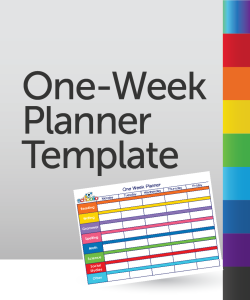
Ready to transform your homeschooling experience? Let us give you a free downloadable homeschool daily planner template that will solve all your problems in one go. 

Free Homeschool Daily Planner Template by Schoolio

Feeling overwhelmed by juggling multiple planners for homeschooling and daily life? You’re not alone. Many parents go through a lot of back and forth with managing educational plans alongside everyday activities. What if there was a way to simplify everything?

The Schoolio digital homeschool daily planner template is your ultimate solution for bringing order and harmony to your homeschooling routine. Designed with busy parents in mind, this planner seamlessly combines educational planning with daily life management. 

Here are the key features of our Homeschool daily planner template: 

  • Interactive Digital Interface: Our planner features an intuitive design that allows easy navigation. With automatic links, you can quickly switch between pages, making planning effortless. 
  • Versatile Note-Taking Compatibility: Perfectly compatible with Goodnotes, Evernote, and Notability, the Schoolio Digital Planner integrates with your favorite tools. Imagine keeping all your notes and plans in one convenient place!
  • Comprehensive Planning Tools: From long-term educational plans to daily tasks like meal preparation, this planner handles it all. How much easier would your life be with everything organized in one spot?
  • Customizable Lesson Planning: You can customize your lesson plans to suit your child’s unique learning needs. This feature allows you to create a personalized educational experience for your child.
  • Balanced Life Integration: The Schoolio Digital Planner helps you merge homeschooling with daily life seamlessly. Never miss a beat in your busy schedule. 

Enhance your homeschooling efficiency with the Schoolio Digital Planner. Save time, reduce stress, and create a more enjoyable learning environment for your children. 

How to Download Schoolio Homeschool Planner Template?

Ready to streamline your homeschooling routine with the Schoolio Homeschool Planner? Follow these simple steps to get started and bring order to your daily life.

Step 1: Choose Your Planner

First, select the Schoolio Digital Planner that best fits your family’s unique needs. Whether you prefer a traditional block schedule, a relaxed approach, or a flexible loop schedule, there’s a planner designed just for you. 

Step 2: Download & Import

Evernote notes import interface

Once you’ve chosen your planner, download it. After downloading, import the planner into your favorite note-taking app, such as Goodnotes, Evernote, or Notability. This ensures you can access your planner anytime, anywhere, making it easier to stay organized.

Step 3: Start Planning

Now, it’s time to start planning! Use the homeschool daily planner template to organize your homeschooling and daily life with ease. Set up your weekly lessons, track progress, and manage daily activities all in one place. 

By following these steps, you’ll be well on your way to creating a structured, stress-free homeschooling environment that benefits both you and your children. 

Why wait? Download the Schoolio Homeschool Planner template today and see the difference it can make!

Having a homeschool daily planner template can be a great tool to organize and manage your daily schedule. But daily planners are not the only tools that will make your homeschool journey easier. Here are “10 Must-Have Technological Tools for Homeschooling Families”

Benefits of Using Schoolio Homeschool Planner

Starting your day with a clear plan sounds ideal, right? That’s what the Schoolio homeschool daily planner template does for you. 

Let’s dive into its unique benefits.

  • Enhancing Organized Learning: Homeschool daily planner template by Schoolio streamlines lessons by providing a dedicated space to outline daily, weekly, and monthly tasks. This structured approach ensures each subject gets the attention it deserves, creating a consistent learning environment.
  • Facilitating Time Management: Feel like there aren’t enough hours in the day? Balancing academics with daily responsibilities can be overwhelming. Schoolio homeschool  planner helps you manage time effectively by setting realistic goals and scheduling breaks, ensuring a productive and stress-free routine.
  • Enabling Progress Tracking: Tracking your child’s progress is essential. Our homeschool daily planner template offers a clear record of what has been taught. Regular updates allow you to monitor achievements, identify areas needing improvement, and celebrate milestones.

Incorporating a homeschool planner indeed transforms your homeschooling experience. 

Making the Best Use of Homeschool Daily Planner Template

Let’s optimize your homeschooling routine with a daily planner template! Here are some practical tips to help you get the most out of your daily planner : 

1. Set Clear Goals

Start by setting clear, achievable goals for your homeschooling. What do you want to accomplish each week and month? Having an idea about it will help you stay focused and ensure that your planner aligns with your educational objectives.

2. Customize Your Planner

Tailor your planner to fit your family’s specific needs. Whether you prefer a traditional block schedule, a relaxed approach, or a loop schedule, make sure your planner reflects your preferred style. Customization allows you to prioritize subjects and activities based on your child’s learning pace and interests.

3. Plan Weekly and Daily

Use your planner to outline both weekly and daily schedules. Break down lessons, activities, and tasks into manageable chunks. It helps prevent overwhelm and ensures you cover all necessary subjects without overloading any single day.

4. Incorporate Flexibility

Life happens, and plans can change. Include flexible elements in your planner to accommodate unexpected events. Having a “Plan B” or a scaled-down schedule can help you adapt without derailing your homeschooling progress.

5. Track Progress

Regularly update your planner with your child’s progress. Note completed lessons, achievements, and areas needing improvement. This tracking allows you to adjust teaching strategies and provides a clear record of your child’s educational journey.

6. Utilize Additional Features

Take advantage of extra features like meal planning, chore charts, and field trip organizers. These additions can help you manage your entire household more effectively, ensuring a balanced approach to homeschooling and daily life.

7. Review and Adjust

At the end of each week or month, review what worked and what didn’t. Tweak your planner accordingly to better fit your needs. Continuous improvement will make your homeschooling more efficient and enjoyable.

8. Engage Your Children

Let your kids join the planning. By helping set goals and organize their schedules, they’ll gain valuable time management skills and feel a sense of ownership over their learning journey.  

Conclusion 

A well-organized homeschool routine is essential for effective learning and a stress-free experience. The Schoolio Homeschool Planner provides the perfect solution for busy parents who need to balance educational and daily responsibilities. 

With its interactive digital interface, versatile note-taking compatibility, and comprehensive planning tools, this planner stands out as a top choice for homeschool families.

Let’s start everyday with a structured and organized approach! Download the Schoolio Homeschool Planner today and see how it can bring order, efficiency, and harmony to your daily life.

FAQs

What makes the Schoolio Homeschool Planner template different from other planners?

The Schoolio Homeschool Planner template stands out because it seamlessly integrates educational planning with daily life management. It offers an interactive digital interface, compatibility with popular note-taking apps, and comprehensive planning tools that can be customized to fit your family’s unique needs.

Can my children be involved in the planning process with the Schoolio Homeschool Planner?

Yes, involving your children in the planning process is encouraged. It teaches them valuable time management skills, fosters independence, and makes them more invested in their learning journey.

What are the main benefits of using a homeschool planner?

A homeschool planner is your best friend when it comes to staying organized and managing time effectively. It helps you structure your lessons, track progress, and balance daily activities. 

First Grade Homeschool Curriculum and Lesson Plan Guide

Ever tried explaining fractions to a curious six-year-old while they’re dressed as a pirate? 

Teaching first grade at home is a journey filled with joy and potential challenges. It’s a great learning experience for both the child and the parent. The transition from kindergarten to first grade is significant, as it sets the stage for more structured learning.

Embrace this new year with excitement and a commitment to a simplified, engaging curriculum that caters to your child’s unique needs. 

This fresh start promises a fulfilling and enriching educational experience for both you and your first grader. Important core concepts, enrichment subjects, practical tips, this blog covers them all. When it comes to homeschool curriculum for your first grader, you can find all the necessary information and everything you need to know here. So, let’s get started. 

Core Concepts Covered in 1st Grade

First grade is a crucial year in your child’s educational journey. It’s the time when foundational skills in language arts, math, science, and social studies are developed, setting the stage for future academic success. 

Here’s a breakdown of the core concepts in the homeschool curriculum for first graders:

What Do First Graders Learn?

First-grade students are expected to grasp and build upon basic skills in language arts, math, science, and social studies. This foundation helps them expand their knowledge base and quickly acquire new skills. Here’s what they learn

Language Arts:

  • Independent Reading: First graders learn to become independent readers, enhancing their phonics, phonemic awareness, and reading comprehension skills. They tackle high-frequency words and start reading simple books with confidence​​.
  • Grammar and Writing: Students develop grammar skills, including capitalization and punctuation. Handwriting is also a focus, as they learn to write their names, simple words, and sentences. By the end of the year, they can spell familiar words and write short sentences​.

Math:

  • Basic Arithmetic: In math, first graders master addition and subtraction, often within 50. They start understanding place value and can count, read, and write numbers up to 100​.
  • Patterns and Shapes: Identifying and creating patterns, as well as recognizing and naming shapes, are key skills. This helps in developing logical thinking and problem-solving abilities​​.

Science:

  • Scientific Observations: Science in first grade involves making and recording observations. Students learn to document their findings through writing, pictures, and graphs.
  • Basic Concepts: They explore the difference between living and nonliving things, the importance of the sun, and basic weather patterns. Hands-on experiments and visual aids enhance their understanding of the natural world.

Social Studies:

  • Symbols and Figures: Homeschool curriculum for first graders introduce them to  symbols that represent the U.S., as well as important figures and events in American history. They begin to understand the roles of community members and the basics of good citizenship​​.
  • Geography and Community: Students learn about their local community, states, and simple geographic concepts like maps and globes, helping them understand their place in the world​.

Also Read: “The Ultimate Guide to Choosing the Right Homeschool Curriculum

Enrichment Subjects in Homeschool Curriculum for First Graders

Incorporating enrichment subjects into the homeschool curriculum for first graders enhances their core academic skills. Further it nurtures their creativity, physical health, and spiritual growth. 

Here’s how you can integrate a variety of enrichment subjects into homeschool curriculum for first graders to create a well-rounded educational experience.

Financial Literacy 

  • Daily Money Lessons: Begin each day with a practical lesson on money, focusing on learning the names and values of coins and bills.
  • Hands-on Activities: Engage in activities that teach basic skills like adding and subtracting money values, using interactive games and real-life examples.
  • Discussions on Saving: Follow the lessons with discussions on the importance of saving money and making wise financial decisions.
  • Resources: Utilize age-appropriate books and online resources designed to make financial learning fun and accessible for young learners.

Art: Craft Ideas for Holidays and Occasions

  • Holiday Crafts: Create projects that align with holidays, like Thanksgiving turkeys from paper plates or Christmas ornaments using clay.
  • Occasion-based Art: Incorporate art activities for special occasions to keep it relevant and fun.
  • Inspiration Sources: Websites like Pinterest and art project blogs are excellent for finding craft ideas.

Music: Teaching Classic Music Through Online Courses and Storytelling CDs

  • Online Music Courses: Utilize courses designed for children that include interactive lessons and sing-along activities.
  • Storytelling CDs: Use CDs that tell stories with classic music backdrops to help children associate sounds and rhythms with narratives.

These resources enhance your first grader’s listening and cognitive skills while making learning enjoyable.

P.E.: Incorporation of Physical Activity into Daily Routine

  • Daily Exercises: Include activities like jumping jacks, running in place, or yoga in your daily schedule.
  • Guided Routines: Use P.E. apps or online resources that provide guided exercise routines for kids.
  • Healthy Lifestyle: Ensuring daily physical activity promotes health and teaches the importance of fitness.

Foreign Language: Engaging with Various Languages Through Music and Games

  • Music and Songs: Introduce different languages through songs to aid in pronunciation and vocabulary learning.
  • Interactive Games: Use apps and online platforms that offer language learning through games, making the process fun and effective.

Who knows starting foreign language learning early could help your first grader become bilingual or multilingual?

By incorporating these enrichment subjects into your homeschool curriculum for first graders, you ensure a holistic educational experience for your child. 

Looking to simplify your homeschooling journey? Contact Schoolio today to learn more about our comprehensive, homeschool curriculum for first graders designed to engage and educate your first grader!

Simple and Easy Tips to Homeschool a First Grader

Homeschooling a first grader can be a rewarding yet challenging task, especially if you are new to the process. Creating a structured yet flexible plan can help make the transition smoother. 

Below are some practical tips and ideas to help you get started and ensure a balanced, engaging, and effective homeschooling experience for your child.

  • Creating a Routine: Set a daily schedule with a mix of academic activities, playtime, and breaks to keep your child focused and happy.
  • Making Time for Field Trips: Visit museums, parks, and zoos regularly to reinforce concepts taught at home and introduce new learning experiences.
  • Incorporating Hands-On Activities: Engage in weekly science projects and use math manipulatives to make learning interactive and enjoyable.
  • Using Toys and Games: Educational games and puzzles can turn playtime into learning opportunities, fostering a love for learning. 
  • Taking Frequent Breaks: Allow time for outdoor play, snacks, and quiet time to keep your child energized and focused. 
  • Using Technology: Integrate educational websites, apps, and videos to build motor skills and computer literacy.
  • Engaging in Local Activities: Participate in family-friendly events at libraries, museums, and zoos to enhance social skills and learning.
  • Reading 15-20 Minutes Every Day: Spend daily reading sessions with your child to boost their language arts and comprehension skills.

Implementing these simple tips can create a productive and enjoyable homeschooling experience for your first grader, tailored to their unique learning needs.

Why is Schoolio the Best Choice?

Ever thought of a platform that can provide you and your child with an all-in-one solution? Well, here’s where we come into the picture. 

Schoolio is the ultimate all-in-one homeschooling hub, designed to meet every educational need with ease and flexibility. 

Here’s why Schoolio stands out as the best choice for homeschooling families:

  • Comprehensive Core Curriculum

Schoolio offers a complete curriculum covering math, language arts, science, and social studies. This ensures that your child receives a well-rounded education, meeting all essential academic standards.

  • Interest-Based Learning Library

Schoolio’s Interest-Based Learning Library makes learning fun and engaging by allowing children to dive into topics that excite them. From Cats & Dogs to Pirates to Video Games & Technology, there’s always something new and interesting to explore. 

Continuous content updates keep the learning fresh and exciting, preventing boredom and keeping students engaged.

  • Future-Readiness Library

Preparing students for the future is a key focus at Schoolio. The Future-Readiness Library includes essential content for adulthood and success, such as Social-Emotional Learning, Financial Literacy, Digital Safety, Entrepreneurship, Leadership, and Emerging Technologies. This equips students with the skills they need to thrive in the modern world.

  • Flexible Learning Formats

Schoolio understands that every family has different needs. All content is available in both book format and self-paced online courses. Families can mix and match digital and offline resources, making learning flexible and accessible. This hybrid approach allows for a customized educational experience that fits your lifestyle.

  • Advanced Digital Platform Features

The Schoolio digital platform offers advanced features to enhance your homeschooling experience:

  • Scheduling capabilities and open-exploration mode let you control what and when your child learns.
  • Custom lesson creation allows you to complement existing units with field trips, experiments, or other activities.
  • Custom courses enable you to add learning from your own creation or other sources, including chores, sports, or other activities, to your child’s schedule.

With its comprehensive curriculum, flexible learning formats, and extensive additional resources, Schoolio is truly the best choice for homeschooling families. It combines the structure and content needed for academic success with the flexibility and support necessary for a customized and engaging educational experience.

Conclusion

Fostering a love of learning in 1st grade homeschool is crucial for setting a positive foundation for your child’s educational journey. By creating a supportive and engaging environment, you can nurture their natural curiosity and enthusiasm for discovery.

Adapting the curriculum to meet your child’s unique needs ensures they receive a personalized education that resonates with their learning style and interests. This flexibility allows you to emphasize their strengths and address any areas that need additional support.

Remember to focus on core subjects while also incorporating fun and interactive activities in enrichment subjects. Balancing academics with creative and physical pursuits not only enhances learning but also keeps your child motivated and excited about their education.

By integrating these elements, you can provide a holistic and fulfilling homeschooling experience for your first grader, laying the groundwork for lifelong learning and success.

Ready to provide a holistic and engaging educational experience for your first grader? Contact Schoolio to get started with our tailored homeschooling solutions today!

FAQs

How do I ensure my first grader stays socialized while homeschooling? 

Socialization can be a blast! Join local homeschool groups, sign up for community sports, arrange playdates, and participate in group classes. These activities ensure your child builds friendships and develops social skills.

What exciting stuff will my child learn in 1st grade homeschool?

As a first grader, your child will develop essential skills in reading, writing, math, science, and social studies. They’ll become independent readers, craft their own stories, explore the wonders of science through observation, and gain an understanding of important figures in U.S. history.

How can I make learning hands-on for my first grader? 

Hands-on learning can transform education into an adventure! Use manipulatives for math, conduct simple and fun science experiments, dive into art projects, and take learning outside with nature walks and field trips. It’s all about making education an interactive experience!

Simple Tips for Daily and Yearly Homeschool Planning

Planning for homeschool lessons could be as thrilling as finding a hidden chocolate stash! Yes!

Homeschooling your kids should really be a joy and not a headache. However, it’s all too easy to feel overwhelmed with the choices and methods available out there. Don’t worry; we’ve got your back with these simple steps for easy homeschool planning that’ll have you breathing a sigh of relief. Let’s dive in!

How to Create a Homeschool Plan in 5 Simple Steps?

When planning for homeschool, one of the most important aspects is to lay out a plan.  Honestly, this is one of the most important yet simple tasks. These 5 easy going steps will help you create a great homeschool plan: 

Step 1: Develop a Homeschool Calendar

Creating a calendar is the first step in planning for homeschool. Typically, try planning for 180 days, excluding weekends. This will help you determine your school days and breaks throughout the year. This is nothing, just a sort of timetable or syllabus that you would want to cover in the next 3 months. 

A well-structured calendar provides a clear idea of your schedule, allowing you to plan lessons and units effectively. Remember to stay flexible to adapt to your child’s unique learning needs.

Step 2: Select Textbooks and Curriculum Materials

Once your calendar is ready, the next step in planning for homeschool is selecting textbooks and curriculum materials. Choose textbooks that cover the subjects you aim to teach, or opt for a comprehensive curriculum. 

Ensure the materials align with your child’s learning style, interests and grade level. Would you like to supplement textbooks with additional resources? Choose wisely to match your child’s educational needs. 

Choosing the perfect curriculum for your child should be less daunting and more exciting! Schoolio is here to help with our expert-curated options, making the process smooth and stress-free. Explore Schoolio’s customizable curriculum options to make your planning for homeschool a smoother process. 

Step 3: Determine the Units and Chapters You Will Cover

With your materials in hand, it’s time to map out your learning journey. Start by diving into your textbooks and curriculum materials to identify the key units and chapters. Let grade-level learning standards and your child’s interests guide your choices.

For high schoolers, it’s crucial to review state graduation requirements during your planning. Prioritize essential topics that will provide a strong foundation, rather than trying to cover every single chapter. This way, you can create a more focused and enriching educational experience.

Step 4: Align the Units and Chapters to Your Homeschool Calendar

After deciding on the units and chapters, align them with your homeschool calendar. Determine the number of days needed for each unit and schedule accordingly. 

For example, if your textbook has 12 chapters, allocate about three weeks per chapter, adjusting based on your child’s skill level and interests. 

The key to successful planning for homeschool is not ignoring the importance of breaks. Make sure to add frequent breaks in the schedule, rather than getting the targets completed. Having some time between studies ensures that your child grasps your teachings more effectively. 

Create a general overview of the academic year, ensuring you leave time for review, assessments, and extracurricular activities. Decide how many days per week to devote to each subject, considering your child’s grade level and the complexity of the subjects.

Step 5: Break Down Units into Lessons

Finally, break down each unit into smaller, manageable lessons. Plan out how many days you will spend on each section. You can choose to plan the specifics all at once, monthly, or on another schedule that suits you. 

Consider your child’s learning style and experiment with new strategies to help them grasp concepts. Textbooks often include chapter objectives; use these as a guide. Your lesson plan should detail which pages to use and any additional materials needed.

By following these steps, you’ll be able to execute a structured and flexible plan for homeschool that meets your child’s educational needs. 

Schoolio offers a complete planning package that has helped thousands of parents streamline their scheduling. Checkout out Ultimate Homeschool Planning Bundle, the one stop solution for your all homeschool planning needs. 

Daily Schedule Planning for Homeschool

Homeschooling got you juggling textbooks? Tame the chaos with a sprinkle of flexibility and a dash of strategic organization.

Planning your daily schedule for homeschooling requires flexibility and strategic organization to ensure smooth learning experiences. 

Here is how you can create a daily plan that inspires productivity and accommodates the unexpected.

Create a Flexible Routine, Not a Strict Schedule 

Homeschooling thrives on flexibility. Let go of rigid time slots for each subject. Establish broad time blocks to begin your day’s activities between 8:00 to 8:30 AM, for instance. Progress naturally from one task to another within these blocks, allowing for spontaneity and adjustments as life happens.

Work in Chunks or Blocks 

Organize your day into manageable chunks or blocks of time rather than minute-by-minute schedules. 

For example, group subjects like spelling and Latin together, but vary the order daily to keep learning engaging and fresh. Alternate between challenging and lighter tasks to maintain focus and prevent mental fatigue.

Leave Room for Margin 

Expect the unexpected by scheduling less than your ideal school hours. You can allocate 3.5 hours of schoolwork within a five-hour block to accommodate disruptions like household emergencies or unexpected meltdowns. 

This flexibility prevents frustration and maintains a positive learning environment.

Incorporate Sibling Dynamics into Your Schedule 

Plan your day with consideration for sibling care and activities. Utilize times like morning reading sessions during nursing breaks or engage older children in guiding younger siblings during specific tasks. 

Structuring school around nap times and preschooler activities can enhance efficiency and minimize distractions.

Rotate Subjects to Avoid Overwhelm 

Instead of tackling every subject daily, consider alternating subjects throughout the week. Focus on essential skills like language arts on certain days and integrate others like science or history as part of a rotating schedule. 

This approach ensures comprehensive learning without overwhelming daily demands.

Use Natural Hooks for Priorities 

Anchor essential activities such as reading aloud, or art to natural hooks in your daily routine, such as meal times or scheduled breaks. 

Transition seamlessly from these natural breaks into educational activities, establishing habits that support consistent learning rhythms.

Align with Natural Inclinations 

While planning for homeschool, ensure optimal flexibility by aligning your schedule with natural family rhythms and individual preferences. 

If mornings are slow starts for your family, prioritize independent work for early risers and reserve group activities for later in the day. Why not adapt to your family’s unique flow? Adapt your schedule to fit varying energy levels and productive times.

Draft and Adjust Your Plan Regularly 

Utilize a structured planner or scheduling form to draft your weekly plan, making adjustments as needed based on daily observations and family dynamics. Start with broad blocks for activities and gradually fill them with subjects that flow naturally for your family’s routine and educational goals.

These tips let you create a personalized daily schedule that promotes effective learning, accommodates individual needs, and fosters a positive homeschooling experience for both you and your children.

You might also like: The Top 3 Most Important Skills to Teach your Kids

5 Tips to Plan Your Homeschool Year

Planning for homeschool can seem hard, but it isn’t. With the right approach, you can create a fulfilling and effective educational experience for your children. 

Want some practical tips? Here are five practical tips to help you plan your homeschool year with ease.

1. Set Clear Goals for the School Year

Begin by setting clear goals for what you want to achieve in your homeschool year. Involve your children in this process to understand their aspirations and tailor your goals accordingly. 

Keep the goals simple and achievable to maintain focus and motivation throughout the year. Regularly review and adjust these goals as needed to ensure continuous progress.

2. Choose the Right Homeschool Philosophy

Selecting a homeschool philosophy that aligns with your values and teaching style is crucial. Whether you lean towards Charlotte Mason, classical, or unschooling methods, or prefer a blend, ensure it supports your family’s educational goals. 

The philosophy should provide structure without stifling creativity, promoting a balanced learning environment.

3. Strategically Plan Breaks Throughout the Year

Plan strategic breaks throughout your homeschool year to prevent burnout and maintain productivity. Align breaks with your family’s schedule and consider local school holidays for socialization opportunities. 

Need time for unexpected events? Flexible scheduling allows for unexpected events and ensures a well-rounded educational experience without feeling overwhelmed.

4. Develop a Structured Daily and Weekly Schedule

Establish a structured daily and weekly schedule that balances academic learning with other activities. Children thrive on routine, so create a schedule that provides consistency while allowing for adaptability. 

Want a guide for organizing your day? Utilize resources like sample schedules to guide you in organizing your homeschool day effectively.

Want a free planner to make your homeschool journey organized? Check out our Free Homeschool Digital Planner, and start your days with a structured schedule. 

5. Consider a Theme or Focus for the Year

Choosing a theme or focus for your homeschool year can add excitement and purpose to your curriculum. Whether based on a, character trait, or academic goal, a theme provides a unifying thread throughout lessons. 

Try and pick a theme that enhances learning without complicating your homeschool routine, promoting a joyful and enriching educational experience.

Conclusion

Planning for homeschool isn’t just about today—it’s a perpetual process. By setting clear daily activities and aligning them with long-term educational goals, you lay a strong foundation for your child’s growth and development. Stay committed to your vision while remaining open to the surprises and joys that homeschooling brings each day.

Incorporate flexibility into your plans, allowing for spontaneity and creativity while maintaining the discipline of setting and achieving goals. Prioritize essential activities and meaningful interactions over excessive scheduling. 

Together, flexibility and simplicity create a nurturing environment where curiosity thrives and learning flourishes. Ensuring these tips while planning for homeschool will make sure that you have a hassle-free journey later on. 

Ready to start your homeschooling adventure tailored to your child’s needs? Explore Schoolio’s expert-curated curriculum designed to enrich your homeschooling experience. Whether you’re selecting textbooks, planning units, or seeking educational guidance, Schoolio offers comprehensive support to nurture your child’s growth. 

FAQs

How can I create a homeschooling calendar that balances structure and flexibility?

Having a calendar balances structure and makes flexibility easier than you think! Start by outlining 180 school days, skipping weekends, and sprinkle in some well-deserved breaks. This will create a roadmap keeping you on track and also leaving room for unexpected events.

What strategies can I use to align curriculum units with my homeschool calendar?

Start by diving into your textbooks and curriculum guides to see the big picture of what needs to be covered. When you begin your planning for homeschool, start by allocating time for each unit based on its complexity and your child’s pace. This ensures a balanced academic year with plenty of opportunities for review and enrichment.  

How do I incorporate extracurricular activities into my homeschool plan? 

Plan extracurricular activities based on your child’s interests and schedule them like regular subjects. These can include sports, music lessons, art classes, or volunteer work. They provide a well-rounded education and valuable social interactions.

What if I fall behind the schedule? 

Stay calm and flexible. Evaluate why you fell behind and tweak your plans accordingly. You can spread out missed lessons over future weeks or adapt your goals to fit your child’s pace better.

How do I keep the homeschool year exciting and motivational? 

Keep learning dynamic with a mix of activities, field trips, and hands-on projects. Celebrate milestones to maintain enthusiasm. Regularly reassess and tweak your plans to keep them fresh and aligned with your child’s interests.