I grew up in Singapore in the 1980s, where school felt more like an assembly line than a place for learning. Back then, your academic score was the only measure of your potential. If you didn’t perform well, you were pushed aside—discarded like a bruised fruit, judged unworthy by the smallest mark of imperfection.
I remember sitting in class, knowing the answers but afraid to speak. I remember the sting of being called slow, stupid, or lazy. I remember walking home with my report card, knowing I’d be met with disappointment, not support. It was a system that didn’t care who you were—it only cared how well you fit the mold. And I didn’t fit.
What I needed wasn’t more pressure. I needed someone to look at me and say, “You learn differently, and that’s okay.” I needed someone to help me discover my strengths. I needed someone to believe in my potential before I could believe in it myself. But that wasn’t the culture I grew up in. I was sorted and labeled, and I carried those labels for years.
Now, decades later, I see parents doing exactly what I once needed—they’re choosing homeschooling. And not just as a last resort. They’re choosing it because it allows them to give their kids something that traditional systems often can’t: flexibility, safety, confidence, and a learning experience that fits who their child truly is.
Homeschooling isn’t just growing—it’s evolving. It’s no longer limited to families with specific ideologies or one-income households. Today’s homeschoolers are often working parents, digital entrepreneurs, community builders, and curious learners who want to raise curious kids. They’re embracing online homeschool programs, customizing homeschooling curriculum, and using tools like homeschool planners to structure their days without replicating the stress of traditional school.
Is homeschooling effective? Ask the parent whose child went from meltdown to motivation because they finally felt understood. Ask the family whose neurodivergent teen now builds robots at home after being told he was disruptive in class. Ask the mom who finally sees her daughter smiling during a math lesson—not because the worksheet is easier, but because the environment is kinder.
I believe homeschooling is the future of education because it starts with trust—not in the system, but in the child. It recognizes that every learner is different, and that the best learning doesn’t always happen at a desk. It happens when a child feels safe enough to take risks, ask questions, and fail without shame. It happens when a parent is empowered to say, “I know what my child needs, and I can help provide it.”
If I had access to something like homeschooling as a kid, maybe I would’ve found my voice sooner. Maybe I wouldn’t have spent so many years doubting my worth. Maybe I would’ve seen myself not as broken, but simply different.
That’s what so many homeschooling parents are giving their kids today. And that’s why I believe it’s not just an alternative—it’s a model worth building the future on.
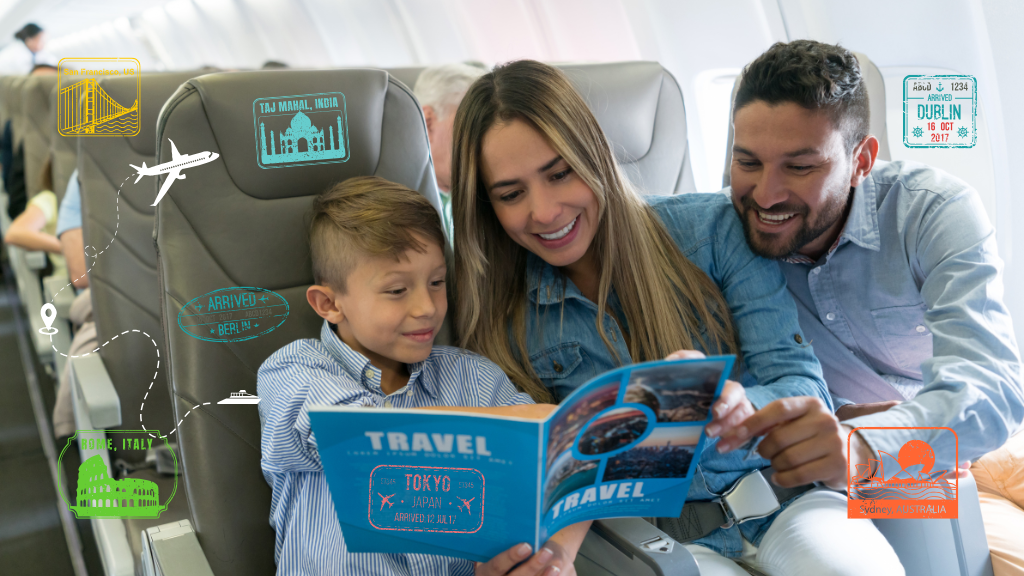
Homeschool travel, also called worldschooling, is an innovative approach to education where learning happens on the move. Instead of staying confined to a traditional classroom, families explore new countries, cultures, and environments while using flexible homeschooling tools to ensure their child’s academic growth.
For first-time homeschoolers and digital nomad families, this lifestyle offers the chance to turn the world into a living classroom.
Why More Families Are Choosing Homeschool Travel
In an age of remote work and flexible learning, more families are embracing the freedom to live and learn on their own terms. Here’s why homeschool travel is gaining popularity.
1. Flexible Schedules and Remote Work
As remote work becomes more common, parents no longer have to choose between careers and education. They can work online while guiding their children’s learning from anywhere in the world.
2. A Personalized Approach to Education
Every destination offers something new to explore, whether it’s marine biology in Thailand or Roman history in Italy. With the right curriculum, you can teach core subjects while aligning lessons with real-world experiences.
From visiting ancient ruins to trying new languages in local markets, homeschool travel turns everyday life into an educational opportunity. These experiences foster critical thinking, adaptability, and a deep understanding of global cultures.
What Kids Learn Through Homeschool Travel
Learning Area
Real-Life Experience Example
Science
Studying coral reefs while snorkeling in Belize
Geography
Navigating public transit in Tokyo
History
Exploring Egyptian pyramids and learning their stories
Language
Practicing Spanish while shopping in Mexico
Social Studies
Attending local festivals and observing traditions
These lessons stay with children far longer than worksheets or lectures.
The Hidden Benefits of Homeschool Travel
Beyond academics, families often find that homeschool travel strengthens family bonds and builds emotional intelligence.
Cultural empathy: Kids grow up respecting differences and appreciating diversity.
Problem-solving: Travel presents real-world challenges like missed buses, language barriers, or new routines that build resilience.
Stronger family connections: Shared experiences create lasting memories and deeper relationships.
What About Structure?
Worried about keeping your child on track while traveling?
At Schoolio, we’ve built a flexible curriculum designed to travel with you. Whether you’re planning a month-long trip or a year-long journey, our digital and printable lessons give you structure without limiting your freedom.
Clarify Your Why: Do you want cultural immersion, academic freedom, or lifestyle flexibility?
Choose a Curriculum: Look for one that’s portable, flexible, and easy to follow on the road, like Schoolio.
Plan Your Route: Start with destinations that are safe, affordable, and education-rich.
Set Realistic Goals: Combine learning with exploration. A lesson a day can go a long way.
Join the Community: Connect with other homeschool travelers via social media, forums, or Schoolio’s parent groups.
Final Thoughts: Education That Goes Beyond Borders
Homeschool travel is not just a trend. It is a movement focused on raising adaptable, curious, and globally aware children. Whether you’re exploring the world full-time or starting small with weekend trips, the possibilities for learning are endless.
You don’t have to do it alone.
With Schoolio, you get the support, curriculum, and flexibility to turn travel into a meaningful educational journey for your family.
Ready to Pack Learning Into Your Suitcase?
Explore our complete homeschool curriculum and start your travel learning adventure today.
In the ever-growing world of education, secular homeschooling offers families an inclusive, academic option that eliminates religious content from their children’s learning. But what is secular homeschooling exactly? It’s a word not everyone recognizes. How does it compare to more traditional homeschooling (the stereotypes we’re all familiar with) and why is this group of American families the fastest growing education segment? Secular homeschoolers are changing the face of homeschooling, and while still outnumbered by faith-based homeschoolers, they represent a significant shift in the homeschooling community, driven by a range of evolving societal and educational factors.
What Is Secular Homeschooling?
Secular homeschooling is an educational approach that excludes religious content and perspectives. It focuses on teaching academic subjects using materials grounded in scientific evidence, historical accuracy, and objective reasoning. This approach caters to families who want an education free from religious teachings, regardless of their personal beliefs.
The core principle of secular homeschooling is inclusivity. By eliminating religious narratives, it allows families from diverse backgrounds—atheist, agnostic, or even religious families who prefer separating faith from education—to provide their children with a neutral learning environment. Inclusivity also means LGBTQA+ families have content that is supportive and affirming, allowing safe learning for their children. Secular content ensures not only diversity and inclusion, but that the curriculum adheres to universally accepted academic standards.
The Difference Between Secular, Neutral, and Faith-Based Learning
When selecting homeschooling materials, understanding the nuances between secular, neutral, and faith-based content is key to making informed decisions.
Faith-Based Learning
Faith-based homeschooling incorporates religious teachings and perspectives into the curriculum. These materials often align with specific religious doctrines and include faith-centric interpretations of history, science, and ethics. For example, a faith-based science curriculum might present the biblical creation story in place of evolutionary theory.
Faith-based programs are popular among families who wish to intertwine their religious beliefs with their children’s education. They often feature Bible study or religious text analysis as a core component of the curriculum.
Neutral Learning
Neutral homeschooling materials attempt to strike a balance between secular homeschooling and faith-based approaches. These resources aim to avoid controversial topics and present information in a way that neither promotes nor dismisses religious beliefs.
While neutral materials avoid explicit religious content, they may downplay or omit topics like evolution, climate change, or historical events that could be seen as contentious. This approach can be appealing to families looking for a middle ground but might feel lacking for those seeking robust academic rigor.
Secular Homeschooling
Secular homeschooling, on the other hand, is firmly rooted in evidence-based learning. It does not avoid difficult topics or cater to religious sensitivities. Instead, it presents subjects as they are taught in mainstream academic institutions, focusing on critical thinking and factual accuracy.
For instance, a secular history curriculum will present the scientific timeline of human evolution without referencing religious creation stories. Similarly, a secular science course will teach climate change and evolutionary biology as supported by the scientific consensus.
Secular homeschooling can mean different things to different people, but another common distinction between truly secular and neutral curriculum is the adhesion to equity, diversity, and inclusion, including varied population representation.
Why Secular Homeschooling Is Growing Faster Than Ever
The rise in secular homeschooling is fueled by several societal and educational shifts. While faith-based homeschooling remains the larger segment, secular homeschooling is growing at an unprecedented pace. Key factors contributing to this trend include:
School Safety Concerns: The number one reason parents cite for choosing to homeschool is concern for their children’s safety. Issues like school shootings, drug use, and bullying are motivating families to seek alternatives where they can ensure a safe, supportive environment for learning.
Changes in Public School Policies: Recent and upcoming policy shifts, such as reintroducing Bibles into classrooms and eliminating teachings on critical race theory and gender equality, are prompting non-religious families to consider homeschooling as a way to provide a more inclusive and balanced education.
Focus on Academic Quality: Secular homeschooling emphasizes evidence-based, rigorous academics that prepare students for higher education and the workforce. This focus appeals to families seeking a comprehensive education without religious overtones, as well as parents who’ve lost faith in the public school system’s ability to adequately prepare their children for the future.
Desire for Customization: Many families are drawn to the flexibility of homeschooling, allowing them to create a curriculum tailored to their child’s interests and learning style while avoiding controversial or politically motivated content in public schools.
Benefits of Secular Homeschooling
Secular homeschooling offers several advantages, including:
Academic Rigor: Materials adhere to evidence-based standards, ensuring a comprehensive education.
Critical Thinking: Students learn to evaluate information objectively, fostering analytical skills.
Inclusivity: Families from all backgrounds can use secular homeschooling materials without encountering conflicting religious content.
Empathy and Understanding: Secular curricula more often includes teachings on citizenry, emotional intelligence, and social responsibility. By engaging with a diverse range of perspectives and learning about global issues without bias, students develop a strong sense of empathy and social awareness.
How to Find Truly Secular Homeschooling Materials
One of the biggest challenges for secular homeschoolers is identifying genuinely secular resources. Many curricula labeled as “secular” may include religious undertones, be written or produced by religious authors or groups, or avoid certain topics to avoid controversy. Here are practical steps to ensure the materials you select are truly secular:
1. Understand Red Flags
Be aware of common red flags that might indicate religious bias in supposedly secular materials:
References to “intelligent design” in science curricula.
Omissions of key scientific principles, such as evolution or the Big Bang theory.
History materials that favor one cultural or religious perspective.
2. Research Publishers and Authors
Look into the background of curriculum publishers and authors. Companies or individuals with religious affiliations may influence the content, even if they claim to offer secular homeschooling materials. Some religious companies have created “secular versions” of their religious content, but truly secular curricula does not just have the absence of religion, it is written through a secular lens.
3. Seek Recommendations from Secular Communities
Join secular homeschooling groups, forums, or social media communities. These platforms are treasure troves of firsthand recommendations from families who have vetted materials for their objectivity. We highly recommend our friends at Strictly Secular + Inclusive Homeschooling, a Facebook group where admins review, research, and vet curriculum and providers, as well as Secular Homeschool Families, a community of more than 55,000 who are homeschooling with secular resources.
4. Review Content Thoroughly
Whenever possible, preview the curriculum before purchasing. Look for:
About the Company and About the Author sections of a website, they should have credentials that not only point to evidence-based, scientific education but also a commitment to equity, diversity, and inclusion.
A balanced presentation of perspectives, especially in subjects like history and social studies.
Representation of diverse groups of people without exclusion of groups such as LGBTQA+ members and people of color.
5. Support Secular-Specific Vendors
Several publishers specialize in secular materials. Some trusted names include:
For families struggling to find fully secular resources, customizing a curriculum by mixing and matching materials from different sources is a viable option. For instance, you might pair a secular science textbook with history resources from another publisher to build a balanced program.
Addressing Common Misconceptions
Secular homeschooling is often misunderstood, leading to several misconceptions:
Misconception 1: Secular homeschooling is anti-religious.
Fact: Secular homeschooling excludes religious content but is not inherently against religion. It’s about providing an objective and inclusive academic foundation.
Misconception 2: Secular curricula lack moral or ethical teaching.
Fact: Secular materials often include lessons on ethics, citizenship, and social responsibility without tying them to religious doctrine, they also tend to be more inclusive of diverse people and populations.
Misconception 3: Secular homeschooling is only for non-religious families.
Fact: Many religious families choose secular homeschooling to separate education from faith, allowing them to teach religion in their own way. Options like Schoolio are great for these families because they can access secular core content and create custom courses of their own to add in religious content of their choosing.
Why Secular Homeschooling Matters
The demand for secular materials highlights a broader trend in education: the need for academic rigor and inclusivity. Secular homeschooling allows families to:
Focus on Academics: By removing religious content, families can prioritize academic excellence.
Create Inclusive Learning Spaces: Secular materials are accessible to families from all belief systems.
Encourage Critical Thinking: Students develop the skills needed to evaluate information and form independent opinions.
Final Thoughts
Secular homeschooling is a powerful option for families seeking a well-rounded, evidence-based education. By understanding the differences between secular, neutral, and faith-based materials, homeschoolers can make informed choices that align with their values and goals. With a growing number of resources available, finding truly secular materials has never been easier. Whether you’re new to homeschooling or looking to refine your approach, secular homeschooling offers a pathway to fostering curiosity, critical thinking, and lifelong learning in your child.
Looking for a truly secular homeschool curriculum that prioritizes academic rigor, inclusivity, and critical thinking? Schoolio offers evidence-based learning materials designed for families who want a well-rounded education without religious influence.
? Explore our curriculum at schoolio.com and start your homeschooling journey with confidence!
From Burnout to Balance: How Homeschooling Meets Modern Families’ Needs
Excerpt
As traditional education systems struggle to adapt to students’ mental health and academic pressures, a growing number of families are turning to homeschooling. Recent reports highlight the toll school burnout takes on children, leading parents to seek flexible, supportive alternatives. At Schoolio, we provide comprehensive homeschooling solutions that empower families to create personalized, nurturing learning environments. Learn how we’re helping families overcome these challenges and embrace the benefits of home education.
Modern education faces a growing crisis: students are burning out, struggling with mental health challenges, and disengaging from traditional school environments. As highlighted in the recent BBC report, more families are turning to homeschooling to provide the flexibility and support children need to thrive. At Schoolio, we understand this shift and are dedicated to offering families tools and resources to navigate this transformative journey.
The Challenges of Traditional Schooling
Parents increasingly report that traditional schools fail to meet their children’s emotional and academic needs. Pressures from standardized testing, rigid schedules, and social challenges often leave students feeling overwhelmed. The BBC article highlights how these issues contribute to rising mental health concerns and school absenteeism among students.
At Schoolio, we believe education should nurture—not hinder—a child’s growth. Our homeschooling programs prioritize flexibility and individualization, helping families design a learning experience that works for their unique needs.
Why Homeschooling Is on the Rise
Homeschooling offers a solution to many challenges families face in traditional education. By choosing homeschooling, parents can:
Focus on Well-Being: Create a learning environment that prioritizes mental health and emotional growth.
Customize Learning: Tailor curriculum and pacing to suit their child’s strengths, interests, and needs.
Foster Confidence: Provide a safe, supportive space for children to explore their potential without undue pressure.
Schoolio supports families in making these benefits a reality. Our K-8 digital curriculum is designed to help parents seamlessly transition into homeschooling, offering core academics, electives, and life skills programs that engage and empower learners.
The Schoolio Approach to Homeschooling
At Schoolio, we’re not just a curriculum provider—we’re a partner in your homeschooling journey. Here’s how we help families tackle the challenges of traditional schooling:
Comprehensive Resources: Our curriculum covers core subjects while offering exciting electives to spark creativity.
Flexible Learning Tools: Parents can adjust pacing, schedules, and focus areas to meet their child’s individual requirements.
We believe that education should be as unique as the child receiving it. That’s why our mission is to decentralize education, giving parents the power to design a learning experience tailored to their family’s values and goals.
Homeschooling: A Path to Balance and Growth
Families turning to homeschooling often describe it as a chance to regain balance. Free from the constraints of traditional schooling, children can learn in ways that inspire curiosity and foster resilience. For parents, homeschooling is an opportunity to play an active role in their child’s growth and development.
The BBC’s report underscores the need for solutions like homeschooling that prioritize student well-being and adaptability. At Schoolio, we’re here to ensure families have the resources they need to succeed in this transformative approach.
The Future of Education: Personalized, Flexible, and Empowered
As the education landscape continues to evolve, homeschooling is becoming a vital alternative for families seeking more control and connection in their child’s learning journey. At Schoolio, we’re proud to lead this movement, providing accessible, high-quality resources that make homeschooling achievable for all.
If you’re exploring homeschooling as a way to address school burnout or improve your child’s learning experience, let Schoolio help you take the first step. Together, we can redefine education and create a future where every child thrives.
Reimagining Education: The Case for Empowering Families with Choice
Excerpt
As dissatisfaction with the centralized education system grows, families are seeking alternatives that offer flexibility, equity, and empowerment. Critics of the Department of Education argue that it has failed to deliver on its promises, leaving parents and students stuck in a one-size-fits-all system. At Schoolio, we’re leading the charge toward decentralization, providing families with tools for homeschooling and micro-schools to create personalized learning experiences. Discover how we’re transforming education for the better.
Should the Department of Education Be Abolished? A Look at Decentralizing Education with Schoolio
The debate surrounding the effectiveness of the Department of Education (DOE) has been reignited, with critics arguing that the centralized system fails to deliver on its promise of improving education. According to an article by the Citizens Against Government Waste (CAGW), the DOE has fallen short in addressing systemic challenges in education, leaving families and communities frustrated with limited choices and outcomes.
At Schoolio, we believe this conversation highlights the importance of educational choice and the need to empower families to take control of their children’s learning. By decentralizing education and offering tools for homeschooling and micro-schools, we aim to provide a viable alternative to the traditional, centralized system.
The Case Against Centralization
Critics of the DOE point out that despite decades of federal intervention, student outcomes have remained stagnant, and the achievement gap persists. The CAGW article outlines how a top-down approach often results in inefficiencies, with funding failing to reach the classrooms where it’s most needed.
This lack of flexibility stifles innovation and leaves parents with limited options, particularly in underserved communities. At Schoolio, we believe the solution lies in decentralization—empowering families to make educational choices that best suit their children’s needs, free from the constraints of one-size-fits-all policies.
Decentralization in Action: The Schoolio Model
Schoolio’s mission aligns with the principles of decentralization by providing families with the resources and autonomy to design their own educational paths. Here’s how we’re helping to transform education:
Homeschooling Solutions: Our comprehensive K-8 digital curriculum equips parents with the tools to deliver a personalized, high-quality education at home.
Micro-Schools: By supporting small, community-based learning groups, we combine the flexibility of homeschooling with the social and professional benefits of traditional schools.
Educational Equity: Schoolio’s affordable resources make personalized education accessible to families across diverse socioeconomic backgrounds.
The Benefits of Decentralized Education
Decentralizing education offers several advantages over a centralized system:
Flexibility: Families can adapt curricula and schedules to meet their unique needs.
Efficiency: Resources are directed where they’re most needed—into the hands of parents and educators.
Innovation: Decentralized systems encourage creative approaches to learning, fostering critical thinking and adaptability.
Empowerment: Parents gain greater control over their children’s education, ensuring alignment with their values and aspirations.
These principles are at the heart of Schoolio’s approach. By offering families the freedom to choose how and what their children learn, we’re enabling a more inclusive and effective education system.
A Future Without the Department of Education?
The idea of abolishing the DOE raises valid questions about how education would function in its absence. Advocates for decentralization argue that states, local communities, and families are better equipped to address educational needs.
At Schoolio, we see this as an opportunity to reimagine education. A decentralized system could pave the way for more innovation, equity, and personalized learning. Families would no longer be bound by rigid policies but could instead choose the options that work best for them—whether that’s homeschooling, micro-schools, or other creative models.
Join the Movement with Schoolio
As the debate over the DOE’s role in education continues, one thing is clear: families need more options. At Schoolio, we’re committed to providing the tools and resources to make those options a reality.
If you’re considering homeschooling or looking for alternatives to traditional education, Schoolio is here to support you. Together, we can create a future where education is decentralized, empowering, and tailored to the unique needs of every child.
The Homeschooling Revolution: Why More Families Are Choosing to Take Education Into Their Own Hands
Homeschooling isn’t just an alternative—it’s a movement. Across North America, families are leaving traditional school systems behind to embrace personalized, flexible learning at home. At Schoolio, we’re empowering parents with the tools they need to take charge of their child’s education. Discover how we’re leading the homeschooling revolution, one family at a time.
As global education systems face unprecedented challenges, an increasing number of families are turning to homeschooling as a way to regain control over their children’s learning. Recent trends, highlighted by the BBC, show a significant surge in homeschooling, driven by a combination of factors including dissatisfaction with traditional schooling, mental health concerns, and the desire for personalized education.
At Schoolio, we see this shift not as a challenge but as an opportunity to transform education. By empowering families with flexible, inclusive, and accessible tools, we’re leading the homeschooling movement across North America and beyond, ensuring every family can access the resources they need to succeed.
Why Families Are Choosing Homeschooling
The reasons behind the rise in homeschooling are as diverse as the families making this choice. Many parents cite concerns over mental health, bullying, or the rigid structure of traditional education. Others are drawn to the flexibility and personalization homeschooling offers, allowing children to learn at their own pace and explore their unique interests.
Homeschooling provides:
Tailored Learning: Parents can adapt lessons to their child’s needs, focusing on strengths and addressing challenges.
Flexibility: Families can design schedules and curriculums that fit their lifestyles.
Safety and Well-being: A controlled environment can better support children struggling with anxiety or other mental health concerns.
Schoolio’s comprehensive K-8 curriculum was designed with these needs in mind. Our platform offers parents the tools to create a personalized learning journey, complete with core subjects, engaging electives, and future-readiness programs.
Homeschooling as a Global Movement
Across the UK, reports show that the number of children being home-educated has risen significantly. In Rotherham, for example, homeschooling has increased by over 300% since 2015. This mirrors trends seen across North America, where more families are embracing home education to address gaps in the traditional school system.
At Schoolio, we’re proud to be at the forefront of this global movement. By providing affordable, inclusive resources, we’re making it easier for families everywhere to transition to homeschooling. Our platform is built to empower parents while also supporting the diverse needs of students, including those with neurodivergence or unique learning challenges.
The Challenges of Homeschooling and How Schoolio Helps
Homeschooling offers incredible benefits, but it also comes with challenges. Many families worry about:
Finding the Right Curriculum: Choosing resources that meet educational standards while remaining flexible.
Managing Time and Responsibilities: Balancing the roles of parent, teacher, and caregiver.
Ensuring Social Interaction: Providing opportunities for children to connect with peers.
Schoolio is designed to address these concerns. Our curriculum provides a structured framework while remaining adaptable to individual learning styles. Parents can trust our resources to meet core educational benchmarks, while our electives and enrichment programs ensure students have a well-rounded education.
Additionally, we support families in building homeschooling communities, whether through micro-schools, co-ops, or virtual networks. These connections foster collaboration and provide children with valuable social experiences.
Education Reimagined: Decentralizing Learning with Schoolio
The rise in homeschooling represents a broader cultural shift toward decentralizing education. Families are seeking alternatives to one-size-fits-all systems, and homeschooling offers a path to greater autonomy and innovation in learning.
Schoolio’s mission aligns perfectly with this vision. We believe in putting control back in the hands of parents and creating a system that prioritizes the individual needs of students. By offering a digital-first curriculum, we’re not only making education more accessible but also ensuring it’s adaptable to the demands of a rapidly changing world.
Building the Future of Education Together
As homeschooling continues to grow, the need for resources, advocacy, and support has never been greater. Schoolio is committed to leading this movement, providing families with everything they need to succeed.
Homeschooling isn’t just an alternative—it’s a powerful choice that allows families to shape their children’s education in meaningful ways. Together, we can create a future where education is flexible, inclusive, and truly centered on the needs of learners.
If you’re considering homeschooling or looking to enhance your approach, Schoolio is here to help. Explore our resources and join the movement to transform education for the better.
Homeschooling on the Rise: What Missouri’s Surge Means for Families
Missouri is witnessing a significant increase in homeschooling enrollment, reflecting a nationwide trend of parents choosing home education for greater flexibility, safety, and control over their children’s learning. According to recent reports, homeschooling in Missouri has grown steadily as families seek alternatives to traditional education. At Schoolio, we see this as a vital shift toward empowering parents with educational choice and resources to create meaningful learning experiences for their children.
Why More Families Are Turning to Homeschooling
The rise in homeschooling isn’t just a Missouri phenomenon—it’s part of a broader movement across North America. Factors like dissatisfaction with traditional school systems, concerns over safety, and a desire for personalized education are driving parents to explore home education. For Missouri families, homeschooling offers:
Flexibility: The ability to tailor learning schedules and curriculum to fit individual needs.
Safety: A controlled, secure learning environment at home.
Customization: A chance to focus on subjects and teaching methods that resonate with their child’s unique learning style.
These reasons mirror what we hear from families using Schoolio’s K-8 homeschooling curriculum. Our platform provides everything parents need to transition to home education confidently, including core subjects, engaging electives, and future-ready programs.
Missouri’s Department of Elementary and Secondary Education has noted a steady increase in home education enrollment over the past decade. The pandemic accelerated this trend as families experienced remote learning and began exploring homeschooling as a permanent option. This growth is not isolated—states across the U.S. report similar patterns, signaling a widespread shift toward decentralized education.
Schoolio’s mission aligns perfectly with this movement. We believe that education should empower families and put students at the center of learning. By decentralizing education and offering tools tailored to home educators, we’re helping parents across North America embrace this growing trend.
The Benefits of Home Education in Missouri
For Missouri families, homeschooling provides an opportunity to:
Take Control: Parents have full control over what their children learn and how they learn it.
Build Stronger Bonds: Home education fosters close relationships between parents and children, creating a supportive learning environment.
Address Specific Needs: Whether it’s advanced academics, life skills, or creative exploration, homeschooling allows families to focus on their child’s individual strengths and challenges.
At Schoolio, we make this process easier by offering a structured yet flexible curriculum that supports families at every step of their homeschooling journey.
Challenges and Solutions for Missouri Homeschoolers
While homeschooling offers many advantages, it also comes with challenges. Parents may feel overwhelmed by the responsibility of managing their child’s education, navigating state requirements, or finding quality resources.
That’s where platforms like Schoolio come in. Our K-8 digital curriculum is designed to simplify homeschooling, providing parents with:
Ready-to-Use Lessons: Comprehensive resources that cover core subjects and electives.
Personalized Learning: Tools to adapt the curriculum to each child’s unique needs.
Community Support: Access to a network of homeschoolers and experts who can provide guidance and encouragement.
By addressing these challenges, we’re ensuring that homeschooling remains a viable and rewarding option for families in Missouri and beyond.
Looking Ahead: The Future of Homeschooling in Missouri
The rise in homeschooling enrollment signals a broader cultural shift toward educational choice. For Missouri families, this means greater opportunities to explore personalized learning and create educational experiences that truly work for their children.
At Schoolio, we’re proud to be part of this movement. Our mission is to empower families with the tools and resources they need to succeed in home education. Whether you’re new to homeschooling or looking to enhance your current approach, we’re here to help you every step of the way.
Rise in Number of Home Schooled Children – Council
Rise of Homeschooling: Empowering Families Amid Changing Educational Needs
In recent years, the homeschooling movement has gained remarkable momentum. Across regions like Rotherham, South Yorkshire, where the number of home-educated children has increased by over 300% since 2015. Families are increasingly choosing home education to address diverse challenges. The shift toward homeschooling is often driven by mental health concerns, exam pressures, or dissatisfaction with traditional schooling. This trend reflects a growing desire for education tailored to each child’s unique needs.
At Schoolio, we see this trend as part of a larger movement. This is to decentralize education, empower families, and offer children personalized learning experiences. With our innovative K-8 digital curriculum, we’re committed to supporting families navigating the rewarding but challenging journey of homeschooling.
Why Families Are Turning to Homeschooling
The reasons for the rise in homeschooling are as varied as the families choosing this path. In Rotherham, council data reveals that mental health struggles and academic pressures are among the key drivers. Traditional school environments often fail to provide the flexibility and emotional support many children need, particularly as they approach critical academic milestones like GCSEs.
Homeschooling offers an alternative—one that prioritizes the well-being and individual pace of the student. By allowing families to tailor education to their children’s needs, home education provides a sense of agency and freedom that’s hard to replicate in conventional systems.
This trend is not unique to the UK. Across North America, parents are also opting for home education as they seek greater control over what and how their children learn. With platforms like Schoolio, families can access resources that make homeschooling accessible, flexible, and aligned with their educational values.
The Role of Support in Effective Homeschooling
Choosing to homeschool is a significant decision that comes with its challenges. In Rotherham, the local council has implemented programs to support families in providing suitable education at home. Early intervention teams and guidance resources have helped hundreds of children remain in traditional schools while also aiding those transitioning to homeschooling.
At Schoolio, we believe that support is the cornerstone of successful homeschooling. Our platform is designed to offer parents comprehensive tools, including core curricula, engaging electives, and future-readiness programs. By empowering families with structured resources and clear guidance, we aim to alleviate the stress that often accompanies the decision to homeschool.
Homeschooling doesn’t have to be a solitary endeavor. Communities of homeschoolers, both online and offline, provide invaluable support, offering parents a space to share ideas, experiences, and encouragement. At Schoolio, we actively foster such communities, recognizing their critical role in making home education a viable and rewarding option for families everywhere.
Challenges and Opportunities in Homeschooling
As homeschooling becomes more widespread, it also faces scrutiny. The Rotherham report highlighted cases where home education was deemed unsuitable due to a lack of adequate planning or resources. These instances underscore the importance of equipping families with the right tools and information to ensure a high-quality educational experience.
Platforms like Schoolio are part of the solution. By providing structured yet flexible curriculums, we help parents ensure that their children are meeting educational benchmarks while also embracing the freedom that homeschooling offers. Our programs are specifically designed to adapt to the diverse needs of learners, from neurodivergent students to those seeking advanced enrichment opportunities.
In addition to addressing these challenges, homeschooling presents immense opportunities for innovation in education. Families can explore alternative teaching methods, incorporate real-world learning experiences, and nurture their children’s passions in ways that traditional schools often can’t accommodate.
Homeschooling: A Path to Resilience and Personalization
One of the most compelling aspects of homeschooling is its potential to foster resilience. In Rotherham, many families have turned to home education after their children struggled to cope with the demands of traditional schooling. Homeschooling allows these students to rebuild their confidence and rediscover the joy of learning in a supportive, pressure-free environment.
Schoolio embraces this philosophy by offering curricula that not only cover academic fundamentals but also focus on personal growth and future readiness. Our electives are designed to spark curiosity and creativity, while our core programs ensure a strong foundation in essential subjects like math, science, and language arts.
Moreover, homeschooling provides families with the flexibility to address their children’s mental health needs. By creating a safe, nurturing learning environment at home, parents can help their children develop the skills and resilience needed to navigate life’s challenges.
The Global Perspective: Homeschooling in North America and Beyond
While the rise of homeschooling in Rotherham reflects local challenges, it’s part of a global movement. In North America, homeschooling is growing rapidly, fueled by a desire for greater educational freedom and the flexibility to adapt learning to individual needs.
Schoolio is proud to be at the forefront of this movement. By decentralizing education and placing control in the hands of parents, we’re helping families across the continent embrace a personalized approach to learning. Our mission aligns with the values that underpin the homeschooling movement: flexibility, inclusivity, and a commitment to meeting each child’s unique potential.
The parallels between Rotherham’s experience and the broader trends in North America highlight the universal appeal of homeschooling. Parents everywhere are seeking alternatives to rigid, one-size-fits-all systems, and the rise of digital platforms like Schoolio is making this transition more accessible than ever.
Looking Ahead: The Future of Homeschooling
As more families choose home education, the need for resources, support, and advocacy will continue to grow. The Rotherham council’s efforts to provide guidance and early intervention are commendable, but they also highlight the gaps that still exist in ensuring all families have access to effective homeschooling solutions.
At Schoolio, we’re committed to filling these gaps. By providing high-quality, affordable educational resources, we empower parents to take charge of their children’s learning journeys. Our platform is more than a curriculum provider—it’s a partner in creating meaningful, personalized educational experiences.
The rise of homeschooling represents a shift toward a more flexible, student-centered approach to education. It’s a movement driven by families who recognize the importance of choice, agency, and individuality in learning. With the right tools and support, homeschooling has the potential to redefine what education can be—not just in Rotherham, but around the world.
Join the Movement with Schoolio
Whether you’re new to homeschooling or looking to enhance your current approach, Schoolio is here to support you every step of the way. With our comprehensive K-8 digital curriculum, engaging electives, and future-ready programs, we provide everything you need to create a tailored educational experience for your child.
As homeschooling continues to grow globally, platforms like Schoolio are shaping the future of education by putting families first. Together, we can build a world where every child has the opportunity to thrive, learn, and succeed—on their own terms.
Let’s embrace the power of homeschooling and create a brighter future for children everywhere.
Ever noticed how homeschooling can be a tad like taming a wild unicorn — magical but occasionally chaotic?
Homeschooling is an exciting journey that offers flexibility, creativity, and the opportunity to shape your child’s education. But along with that freedom comes the responsibility of keeping track of progress and documenting learning activities. That’s where digital portfolios come in!
With the rise of easy-to-use homeschool portfolio software, creating and maintaining a digital homeschool portfolio has never been easier. In this guide, we’ll explore how to choose the right app, set up your digital portfolio, and keep everything organized in your homeschool journey.
When it comes to creating a digital homeschool portfolio, selecting the right homeschool portfolio software is important. Many options are available, and each offers different features that can help you stay on track! Let’s explore them in depth.
Evaluating Different Digital Portfolio Options
Before diving into any specific app, evaluating what you need from your portfolio software is important. Do you want something simple and easy to use, or do you prefer more customization features? Start by listing your must-haves, such as uploading documents, logging activities, or categorizing lessons by subject. Evaluating these features can save you time and energy down the road.
Also, consider how much time you will invest in learning new software. Some programs require a learning curve, while others are more intuitive. Choosing an app that fits your comfort level can make the process smoother.
If you’re looking for an easy-to-use and customizable solution, Schoolio is an excellent option. With its intuitive interface and robust features for homeschoolers, Schoolio allows you to effortlessly manage lessons, organize work samples, and track progress—all in one place.
Ready to go digital? Let’s dive into the exciting world of apps that can transform your homeschool portfolio into a seamless and organized experience.
Popular Apps and Software for Homeschool Portfolio
When choosing homeschool portfolio software, consider its user-friendly interface. The last thing you want is to waste time figuring out how to navigate the software. Look for apps with clean layouts, intuitive designs, and features like tagging and easy uploading.
Additionally, consider whether the app supports collaboration, especially if multiple family members are involved in homeschooling.
Apps like Seesaw and Trello allow you to share portfolios with other users, which is great for co-op or evaluator sharing. The right app will save you time and make tracking progress a seamless part of your routine.
Here are some of the most popular homeschool portfolio software options that can make your child’s learning easier and more fun!
This versatile app is great for organizing notes, lessons, and documents. With OneNote, you can create different notebooks, add sections, and keep everything neatly organized. It also supports multimedia, so you can easily upload photos and videos.
Originally designed for classrooms, Seesaw is also popular with homeschool families. It allows you to upload work samples, tag subjects, and track progress with ease. Seesaw has a user-friendly interface, making it great for younger kids to use with parental guidance.
Evernote is known for its sleek design and powerful organizational tools. It is excellent for keeping track of homeschool records. It supports tagging and allows you to save articles, lesson plans, and notes all in one place.
Trello is a card-based system for organizing your homeschool portfolio visually. Each card represents a subject, lesson, or activity; you can move cards around as needed. This app is particularly helpful for homeschoolers who like a visual representation of tasks and progress.
With the perfect app in hand, it’s time to get your digital portfolio up and running. Setting up your homeschool portfolio software is easier than you might think!
Setting Up Your Digital Portfolio With Homeschool Portfolio Software
Now that you’ve chosen your app, it’s time to set up your digital homeschool portfolio. The process is simple, but setting up your portfolio correctly from the start will help you stay organized throughout the year. Schoolio’s intuitive design ensures you spend more time on learning rather than navigating.
Let’s understand the steps necessary to set up your digital homeschool portfolio –
Initial Setup of the Chosen App
Create a new folder, notebook, or workspace within your chosen homeschool portfolio software. If you’re using an app like OneNote or Evernote, this will likely involve setting up a new notebook for the school year. You may want to create boards for different subjects or projects on platforms like Trello.
Next, familiarize yourself with the app’s basic features. Spend some time exploring how to add new sections and insert multimedia. This will ensure you can smoothly integrate lessons and activities as your homeschool progresses.
Organizing the Digital Portfolio with Sections and Subsections
A well-organized portfolio will save you from headaches down the road. Break your portfolio into sections that make sense for your homeschool. For example, create separate sections for core subjects like math, science, and reading. You can also add subsections for specific units, themes, or projects.
For older children, you may include sections for extracurricular activities, community service, or electives. This level of organization makes it easy to locate documents and show progress to evaluators, co-op leaders, or even grandparents who are curious about your homeschool journey.
Creating Separate Areas for Legal Documents, Curriculum, Work Samples, and Activity Logs
Creating areas for other necessary homeschool components and subject-specific sections is important. If required, set aside a section for legal documents, attendance logs, or standardized test scores. You’ll also want sections for your curriculum outline, work samples, and daily or weekly activity logs.
Having these components in one easy-to-access place keeps you compliant with local laws and provides peace of mind. Plus, it makes reviewing the year much easier when everything is already organized and categorized.
Now that your portfolio is set up, it’s time to start recording the daily activities and lessons that bring your homeschool journey to life.
Recording Homeschool Activities and Lessons
A digital portfolio is more than just a storage space—it’s a tool to document your child’s learning journey. Regularly recording homeschool activities and lessons is important to create a thorough and accurate portfolio.
Daily and Weekly Logging Techniques
To stay on top of things, log lessons and activities, either daily or weekly. Some families prefer updating their portfolios at the end of each homeschool day, while others log activities every week. Consistency is key to choosing which method you choose.
Logging regularly ensures you don’t miss any important details, making it easier to see your child’s progress over time. Make notes about the subject, materials used, and the outcome of each activity. This can be as simple as a sentence or two summarizing what was covered. The more you log, the easier it will be to compile the portfolio at the end of the year.
Incorporating Multimedia Elements Like Photos, Videos, and Scanned Documents
One of the most significant advantages of a digital portfolio is the ability to incorporate multimedia elements. Use your phone or tablet to snap pictures of hands-on projects, science experiments, or art pieces and upload them directly into your portfolio.
You can also add videos of your child reading, playing an instrument, or explaining a concept they’ve learned. Scanned documents, such as worksheets, writing samples, or test results, can also be uploaded into the portfolio.
These multimedia elements add depth to your portfolio and create a richer, more engaging representation of your child’s work.
Tagging and Categorizing Activities by Subjects
Most homeschool portfolio software comes with the ability to tag or categorize entries. Take advantage of this feature to keep your portfolio neat and organized. For instance, tag all math activities with a “Math” label, grade level, or unit theme. When reviewing or presenting your portfolio, you can quickly find what you need based on these tags.
With homeschool portfolio software options, keeping your homeschool portfolio organized is easy and fun. With a few simple strategies, you can ensure regular maintenance that fits smoothly into your daily routine.
Tips for Easy and Regular Maintenance
Maintaining a homeschool portfolio doesn’t have to feel like a chore. You can keep your portfolio up-to-date by establishing a consistent routine and using clever ways.
Let’s explore some practical tips to help you stay organized and make regular updates effortless.
Firstly, set aside specific times each week to update your portfolio. Having a routine time to add new entries ensures you don’t fall behind.
Another tip is to use a checklist to add to the portfolio. For example, after each lesson, make a quick note of what should be uploaded or logged. This could be a photo of a project, a completed worksheet, or simply a note on what to cover during the lesson.
Next, use the mobile apps! Many homeschool portfolio software options offer mobile apps that allow you to quickly enter activities and lessons on the go. Whether you’re waiting in line at the grocery store or sitting at the park, you can log daily activities in real time. This makes it much easier to stay consistent with your entries.
Let’s look at how to compile and finalize your digital portfolio, ensuring it is a complete and polished record of your homeschool year.
Compiling the Portfolio at the End of the Year
It’s time to finalize your digital portfolio as the school year wraps. This step involves reviewing and organizing all the data you’ve collected throughout the year.
Reviewing and Finalizing Each Section
Start by reviewing each section of your portfolio to ensure it’s complete. Look through your records to verify that all subjects and activities have been appropriately logged. If any documents, photos, or videos are missing, now is the time to add them.
Finalize each section by arranging it in a logical order. For example, you can organize subjects chronologically or by project type. This will make your portfolio easy to navigate for anyone reviewing it.
Exporting Data from Apps Such as Goodreads for Book Logs
Apps like Goodreads allow you to keep track of books read throughout the year, complete with reviews, ratings, and reading dates. Export your Goodreads data and upload it into your homeschool portfolio as part of your child’s reading log.
Having all the data from various apps compiled into one portfolio ensures that nothing misses and that your records are as comprehensive as possible.
Selecting and Digitizing Work Samples
At the end of the year, you’ll also need to decide which work samples to include in the final portfolio. Select samples that best represent your child’s progress, whether it’s essays, projects, or tests. You can scan these samples if they’re on paper or take clear photos of physical projects.
By digitizing work samples, you ensure that your portfolio is accessible and organized, ready for sharing or review as needed.
Sharing Your Portfolio Over Homeschool Portfolio Software
Once your portfolio is complete, it’s time to share it with evaluators or others who may need to review it. Digital portfolios offer many advantages over physical copies, especially when it comes to sharing.
Programs like OneNote and Trello allow you to share your portfolio with evaluators by simply sending them a link. This makes it convenient for both you and the evaluator, as there’s no need for physical copies or in-person meetings. It will be easier if your digital portfolio is organized for evaluators to find the information they need. You can also export the portfolio as a PDF if the evaluator prefers a downloadable version.
One of the greatest advantages of digital portfolios is the ability to share them instantly. Instead of printing and mailing physical copies, you can send your portfolio with the click of a button. This not only saves time but also reduces the environmental impact of printing.
Additionally, digital portfolios are less likely to get lost or damaged than physical copies. Everything is safely stored in the cloud or on your device, giving you peace of mind knowing that your records are secure. Once you’ve shared your portfolio, be open to feedback from evaluators. They may suggest improvements or ask for additional information. Digital portfolios are easy to adjust, so you can quickly make any necessary updates based on the feedback you receive.
Let’s take a closer look at the advantages and challenges of digital portfolios to help you decide if they’re the right fit for your homeschooling journey.
Advantages and Challenges of Digital Portfolios
Digital portfolios offer a wide range of benefits but also come with some challenges. Let’s explore both sides to help you make an informed decision.
Advantages
Challenges
Flexibility and adaptability of digital systems.
Addressing potential technical issues
Add, edit, and rearrange entries at any time.
Risk of losing data if your device crashes or software fails
Adaptable to various routines—daily logging or weekly journals.
Regular backups are needed to avoid data loss
Multimedia integration for real-time capturing of lessons and projects.
Need to familiarize yourself with technical support options for troubleshooting
Easy to organize and categorize documents and lessons.
Possible compatibility issues between devices or software updates
Environmental Benefits and Space-Saving.
Dependency on stable internet access and functioning devices
Accessible from multiple devices and locations via cloud storage.
Need to ensure data security and privacy protection for sensitive information
You’re now ready to decide how a digital system fits your homeschooling needs. Let’s wrap up by looking at the overall benefits and why digital portfolios are a great tool for modern homeschooling families.
Conclusion
Digital portfolios are powerful tools that offer flexibility, organization, and ease of access. Using homeschool portfolio software, you can create a comprehensive and well-organized record of your child’s learning journey. The benefits of going digital extend beyond convenience; it also allows you to include multimedia elements that bring your portfolio to life. Schoolio makes sharing straightforward and secure, ensuring your records are always ready for review.
Encouraging your child to participate in the portfolio process fosters reflection and involvement in their education. Using digital portfolios can enhance your experience and make tracking progress simpler and more enjoyable. Embrace the benefits of technology and make the most of your homeschool journey by creating a digital portfolio that reflects your family’s unique learning path.
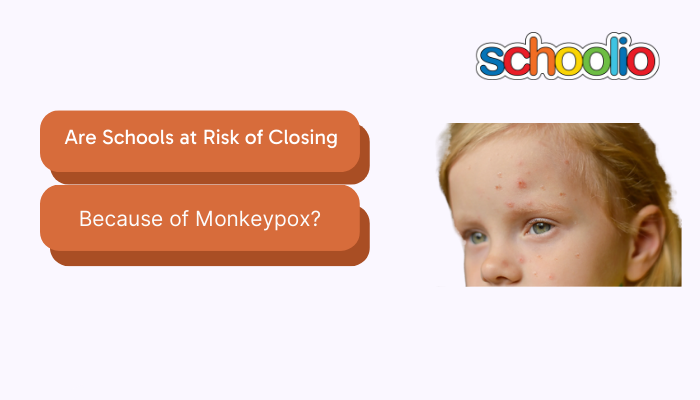
Monkeypox might sound like a mischievous cartoon character, but its impact is all too real. As the world grapples with emerging public health concerns, parents naturally feel anxious about their children’s well-being. With the recent declaration of monkeypox as a public health emergency, schools are now considering measures to ensure the safety of children.
While rare, elementary school monkeypox outbreaks pose unique challenges due to children’s age and vulnerability. We are here to help and guide you through the risk of an elementary school monkeypox outbreak. Understanding the prevention strategies and ways to manage potential cases will also help you face this issue. Additionally, homeschooling offers a safe alternative during these uncertain times. It allows you to manage your child’s learning environment more effectively.
Understanding the nature of monkeypox and what steps to take to prevent outbreaks are key to protecting your children.
Overview of Risk: Elementary School Monkeypox Outbreak
In August 2022, the federal government declared monkeypox a public health emergency, underscoring the need for awareness. While the virus is contagious, it does not spread in casual, brief interactions typical in schools.
This makes it less likely to be transmitted through day-to-day school activities. Elementary schools can further reduce the risk by adopting preventative measures to protect children.
These efforts focus on hygiene, vaccinations, and quickly identifying and isolating infected individuals. With proper precautions in place, schools can operate safely. However, you can always opt for homeschooling if you are still concerned about these measures. Schoolio provides an excellent option for homeschooling, ensuring a safer environment tailored to your child’s needs.
Apart from this, understanding the nature of the virus is the first step in fully grasping the potential impact of a monkeypox outbreak in schools. Monkeypox, first identified in the 1950s, is a viral infection with a range of symptoms. Common symptoms include a blister-like rash, fatigue, fever, body aches, nasal congestion, and cough.
However, children under the age of 8 and those with weak immunity systems are at a higher risk. Most people recover within two to four weeks of contracting this virus. While monkeypox can cause discomfort and illness, it is generally not life-threatening.
Nevertheless, understanding the symptoms and seeking early medical attention is important for effective management.
Transmission and Prevention of Elementary School Monkeypox Outbreak
Here’s a more detailed breakdown of the transmission and preventative measures related to the elementary school monkeypox outbreak:
Monkeypox spreads mainly through direct skin-to-skin contact. For instance, if you touch contaminated objects with the virus, such as clothing, towels, or bedding.
Sharing personal items in schools could result in transmission. However, most pediatric cases come from household transmissions, where prolonged contact is more common.
Classrooms remain relatively safe for children with proper hygiene practices such as handwashing and cleaning shared surfaces.
Additionally, schools are implementing several strategies to reduce transmission risks.
Children with monkeypox symptoms are required to stay home for at least 21 days or until they recover fully.
Schools encourage parents to seek medical advice if their child develops a rash or other symptoms to ensure early detection and treatment.
While vaccines may not be widely available, they can protect high-risk individuals, including children and staff.
Schools stress the importance of open dialogue between parents, healthcare providers, and school officials to respond quickly and effectively if children develop symptoms.
With preventative measures in place, it’s equally important to consider how public health authorities and schools work together. This helps to manage communication and ensure the safety of children during a potential elementary school monkeypox outbreak.
Public Health Actions and Communication
Public health authorities are working closely with schools to minimize monkeypox outbreaks. Contact tracing is a key method to prevent further transmission. If a child tests positive for monkeypox, local health officials contact tracing to identify any other exposures.
In addition to these efforts, schools host webinars and informational sessions for parents to address concerns. This helps to share updates and dispel myths about monkeypox. Educating the school community helps reduce the virus’s stigma and encourages people to seek proper care.
Let’s examine real-life case studies to understand further how schools can effectively manage elementary school monkeypox outbreaks. These studies demonstrate successful strategies and outcomes in educational settings.
Case Studies of Elementary School Monkeypox Outbreaks
Real-world examples offer valuable insights into how schools can manage potential monkeypox outbreaks. Let’s discuss a few reported cases of monkeypox that were well-handled in schools and nurseries.
Case Study from Virginia (May–November 2022)
In Virginia, there were reports of monkeypox among school-aged children and staff between May and November 2022. The outbreak management involved close monitoring of contacts within the school community. In this case:
Public health measures included a 21-day monitoring period for exposed individuals, during which vaccination provided to those at high risk.
No significant school-based outbreaks occurred, as most cases were isolated quickly and tracked effectively. Household exposures were more common than school-based transmissions.
Multiple States (May 2022)
In May 2022, the Centers for Disease Control and Prevention (CDC) reported several monkeypox cases across nine U.S. states, including school-related exposures. These cases were traced back to international travel, with subsequent household transmission rather than school-based contagion. Preventative measures included isolation of infected individuals and contact tracing. It helped high-risk contacts, including some in school settings. Despite initial concerns, no major school clusters came into reports.
Public Health and School Collaboration (Various States, 2022)
In several states, proactive collaboration between public health authorities and school officials helped contain potential monkeypox spread.
Schools worked to ensure the isolation protocols were in place for symptomatic individuals.
Vaccination campaigns for school staff and students considered high-risk based on their exposure.
Contact tracing efforts ensure that any exposed individuals are monitored and tested.
These case studies underscore the importance of isolation, contact tracing, and vaccination in managing elementary school monkeypox outbreaks. They also highlight the role of public health communication, ensuring awareness without causing unnecessary panic.
With clear guidelines, school leaders can proactively manage risks and maintain a safe learning environment.
Guidelines for School Leaders to Avoid Elementary School Monkeypox Outbreak
School leaders play a critical role in managing health crises like monkeypox. Collaboration with local health officials and community groups ensures schools have the necessary resources. Schools must stay updated on public health guidance to adapt as new information about monkeypox emerges.
School leaders should also focus on targeted public health messaging for families. Clear communication helps keep parents informed about risks and encourages cooperation with preventative measures. Schools can help prevent misinformation by providing factual, accessible information.
Let’s summarize the key takeaways and highlight the ongoing efforts needed to maintain a safe learning environment.
Conclusion
The risk of monkeypox transmission in elementary schools is relatively low, but proactive measures are still necessary. Isolating symptomatic cases, vaccinations, and proper awareness can help minimize the impact of monkeypox. Ongoing efforts by public health officials to trace contacts and educate communities are also helping keep the virus under control.
As parents consider their children’s education in the face of these challenges, homeschooling with Schoolio emerges as a viable option. Homeschooling offers control over learning environments and safeguards children from exposure to school settings.
While the likelihood of monkeypox spreading in schools is low, homeschooling’s flexibility ensures safety and peace of mind. Ultimately, keeping your children healthy and educated remains the priority. Also Read: Homeschool Health and PE Science Course Curriculum
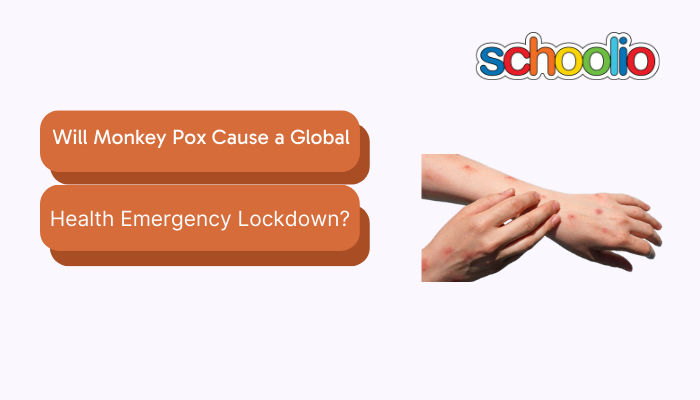
In recent years, the world has seen unprecedented public health challenges, and monkeypox lockdown fears are starting to surface. WHO has declared Mpox as a public health emergency. Now, you might wonder if we will face another global health lockdown.
Mpox has been spreading worldwide, raising concerns about its potential to cause widespread disruptions. While it’s natural to feel alarmed, the situation is not as dire as it may seem. Let’s dive deeper into the facts and explore whether a monkeypox lockdown is likely.
Current Situation and WHO’s Declaration About Monkey Pox Lockdown
In July 2022, the World Health Organization (WHO) declared Mpox a Public Health Emergency of International Concern (PHEIC). This declaration marked an important moment in the fight against this virus, which has spread in many countries. It signals the global need for cooperation in monitoring and control.
This situation may lead you to worry about your child’s safe education. But with flexible learning platforms like Schoolio, you can ensure uninterrupted education for your children, even if disruptions occur.
However, WHO’s alert raised awareness, leading to heightened surveillance and efforts to mitigate its spread. But does this mean a monkeypox lockdown is imminent?
Globally, the Mpox outbreak has resulted in tens of thousands of cases across several continents. Though the number of cases has surged, the death toll remains relatively low compared to other viral outbreaks.
According to WHO data, the number of cases reported so far this year is more than 15,600, with 537 deaths. While these figures are concerning, experts emphasize that Mpox is far less deadly than smallpox.
Additionally, certain regions have been hit harder by Mpox than others. Countries in West and Central Africa, where the virus originated, continue to report high numbers of cases. However, recent outbreaks have also emerged in Europe, North America, and Asia.
Notably, the U.S. and several European nations have rapidly increased cases, primarily among certain high-risk groups. Despite this spread, the response has been swift, and containment measures have helped slow transmission.
Let’s understand the similarities and key differences between Mpox and Smallpox. This also sheds light on whether Mpox could lead to a public health crisis on the same scale.
Mpox vs. Smallpox: Similarities and Differences
To better understand the similarities and differences between Mpox and smallpox, it’s necessary to recognize their connections within the Orthopoxvirus family. This also explains how they manifest in transmission, symptoms, and severity.
While these two viruses share some characteristics, they differ in many ways that influence how we approach containment and public health responses, including the possibility of a monkeypox lockdown. The table below summarizes these comparisons:
Feature
Mpox
Smallpox
Virus Family
Orthopoxvirus (related to smallpox)
Orthopoxvirus
Transmission
Primarily through close contact with bodily fluids, respiratory droplets, and contaminated materials (human-to-human or animal-to-human)
Human-to-human through droplets and direct contact
Natural Host
Mostly rodents, some primates (originates in animals)
1-10% depending on the clade (Congo Basin being higher)
30% on average before eradication
Incubation Period
3-17 days
7-19 days
Infectious Period
Infectious when symptoms appear, and lesions develop
Infectious once symptoms appear
Vaccine Availability
Smallpox vaccines provide protection; specific Mpox vaccines available
Vaccines available; smallpox was eradicated in 1980
Global Impact
Endemic in parts of Africa, now spreading to other regions
Eradicated globally in 1980
Now that we’ve explored how Mpox compares to smallpox, it’s important to understand the nature of the Mpox virus itself.
Nature and Transmission of Mpox
Mpox Virus Characteristics
Mpox is a result of monkeypox virus, which is related to the smallpox virus. However, it is less contagious and severe. The virus was first discovered in monkeys in 1958, hence the name. However, it was first introduced in rodents.
Transmission Modes
The virus transmits in several ways, including animal-to-human transmission through contact with infected animals. Human-to-human transmission occurs through close contact with bodily fluids, lesions, respiratory droplets, or contaminated materials like bedding.
Unlike viruses that spread through casual contact, Mpox requires prolonged close contact for transmission. This reduces the likelihood of widespread community transmission and a monkeypox lockdown.
Symptoms of Mpox
Mpox symptoms typically start with fever, muscle aches, and swollen lymph nodes. As the disease progresses, a rash and lesions develop, particularly on the face, hands, and feet.
These lesions eventually scab over and fall off. While these symptoms may sound alarming, most cases of Mpox resolve on their own within a few weeks.
The virus has two main clades: the Congo Basin clade, which is more severe, and the West African clade, which is milder. In the current outbreak, the West African clade is more widespread.
Are you ready to dive into the global spread and assess the risks associated with this virus? Let’s learn more!
Global Spread and Risk Assessment
As Mpox continues to make headlines, its global reach has raised concerns about how far and fast the virus might spread. Understanding the overall risk of transmission is important in predicting future outbreaks.
Let’s examine how Mpox spreads worldwide and assess its potential global threats to public health systems.
Areas of High Risk and Spread
High-risk areas include regions where endemic transmission has occurred for decades, such as parts of West and Central Africa. However, with recent outbreaks, new areas like Europe, the U.S., and Canada face significant spread risks.
Clusters have been identified in urban areas with high population density, especially among communities with close-knit social networks.
Risk of Spreading to Other Regions
As the virus spreads, public health experts are concerned that it will reach regions with limited healthcare infrastructure. However, the current risk of a global spread remains lower than that of other highly contagious diseases like COVID-19.
Experts believe the virus’s transmission patterns, which require prolonged close contact, will limit its ability to cause a monkeypox lockdown on a global scale. Even so, platforms like Schoolio can ensure your child’s learning continues smoothly, regardless of the circumstances.
Expert Opinions on Resurgence and Its Implications
Many virologists and epidemiologists are carefully monitoring the situation. They suggest that while the virus is concerning, it doesn’t warrant the extreme measures like lockdowns used during the COVID-19 pandemic. The limited transmission means a global outbreak is less likely to escalate to the point where a monkeypox lockdown would be necessary.
Time to explore the available vaccination and treatment options to control the outbreak and protect vulnerable populations.
Vaccination and Treatment to Avoid Monkey Pox Lockdown
Effective vaccination and treatments are the weapons to prevent widespread Mpox transmission. This step can help avoid the need for drastic measures like a monkeypox lockdown.
Vaccines offer strong protection against the virus, ensuring equitable access and addressing treatment challenges. It will certainly play an important role in controlling the outbreak. Here are the current vaccines and treatments available to fight Mpox.
Existing Vaccines and Efficacy
Smallpox vaccines, such as the ACAM2000 and Jynneos vaccines, have shown efficacy against Mpox. These vaccines can offer 85% protection against the virus, significantly lowering the chances of severe illness and transmission. Countries are now rolling out vaccination programs to target high-risk populations.
Challenges in Vaccine Distribution
One of the main challenges has been vaccine distribution, especially in regions with high case counts but limited resources. While wealthy nations have secured vaccines, lower-income countries struggle with access, potentially leading to uneven global protection.
WHO’s Emergency Use Listing (EUL)
WHO has included Mpox vaccines in its Emergency Use Listing (EUL) to address these disparities. This listing allows for faster distribution of vaccines to countries in need, especially those facing recent outbreaks. WHO’s goal is to ensure vaccines reach all affected regions equitably.
Partnerships for Vaccine Distribution
Organizations like UNICEF have also partnered with WHO and other bodies to facilitate vaccine distribution. These collaborations are important for ensuring the world’s most vulnerable populations receive protection against Mpox.
While vaccination and treatment play a major role, they must also receive support from strong public health measures to avoid the monkey pox lockdown.
Public Health Response and Measures
Let’s now look at how public health responses, including monitoring, contact tracing, and preventive strategies, are helping to contain the virus.
WHO Recommendations for ControllingMpox
WHO has issued guidelines recommending contact tracing, isolation, and vaccination as key strategies for controlling pox outbreaks. Strict measures are in place in high-risk areas; these do not currently include monkeypox lockdown.
Should there be any need for strict isolation, Schoolio allows your child to continue learning seamlessly from home.
Contact Tracing and Laboratory Investigations
Effective contact tracing is required to curb the virus’s spread. Alongside this, laboratory investigations help in confirming cases and understanding transmission patterns. This allows authorities to target their responses effectively, reducing the likelihood of a monkeypox lockdown.
Healthcare Worker Training
WHO has also launched initiatives to train healthcare workers to identify and manage Mpox cases. Proper training is important to limit the spread within healthcare settings, where close contact with infected individuals is common. The good news is that countries and organizations worldwide are working together! This unified response is a hope for global health security.
International Collaboration to Reduce the Chance of Monkey Pox Lockdown
Controlling a global outbreak like Mpox requires more than just national efforts. This is where international collaboration comes into the picture.
Collaboration with Africa CDC
International collaboration is important to face the Mpox outbreak. WHO has partnered with the Africa CDC to ensure that African nations, particularly those already dealing with Mpox, receive the necessary resources and support.
Coordinated Global Response
Countries worldwide have joined forces to tackle Mpox through coordinated international efforts. By sharing data, resources, and expertise, the global community is better prepared to face future outbreaks.
Funding for Global Response
Securing adequate vaccine distribution, testing, and research funding is a major priority. Governments and private sectors are working together to provide the necessary resources for a global response.
As international efforts continue, it’s necessary to consider future challenges. Let’s focus on the steps needed for long-term preparedness and global health security.
Future Challenges and Preparedness for Low Risk of Monkey Pox Lockdown
As we look ahead, strengthening global health systems and ensuring swift responses seems important to preventing future outbreaks.
WhileMpox is currently under control, the possibility of future outbreaks remains. To mitigate this risk, global health systems must be ready for any potential resurgence.
In the long term, experts are pushing for versatile vaccine manufacturing to adapt to new threats quickly, ensuring the world is better equipped to face future pandemics. Investing in global cooperation and preparedness decreases the likelihood of a monkey pox lockdown.
Conclusion
While the Mpox outbreak is a cause for concern, the current global response indicates that the situation is managable. Lockdowns are unlikely at this stage, thanks to targeted vaccination efforts, international collaboration, and effective public health measures. Meanwhile, Schoolio’s versatile platform ensures that your child’s education adapts just as quickly to new circumstances.
However, the ongoing Mpox outbreak requires continuous monitoring and preparedness. It has already influenced global health policies, leading to greater investments in surveillance and research. With the right strategies in place, the threat of a global health lockdown due to Mpox remains low. Global cooperation, along with proactive public health responses, will ensure we are well-prepared for any future challenges that may arise.
With the shadow of COVID-19 lockdowns still lingering, the emergence of monkeypox cases has sparked a fresh wave of anxiety across the United States. Parents and teachers are grappling with a pressing question: are schools going to close because of Monkeypox?
This blog delves into the current situation, offering a comprehensive landscape overview as it unfolds. Let’s discuss how this unwelcome guest has affected the educational system!
Are Schools Going to Close Because of Monkey Pox: Current Situation
As of now, the U.S. is witnessing a troubling rise in monkeypox cases, with numbers climbing steadily. Globally, the statistics mirror this trend, emphasizing a worldwide health concern.
State-specific reports have begun to shed light on the prevalence of cases among juveniles, highlighting the need for targeted interventions. These figures set the stage for a deep dive into the transmission and impact of the disease, particularly in educational settings.
Familiar fears of schools going to close because of Monkeypox have bounced across social media, striking a nerve with many children nationwide. While the Mpox outbreak is worrisome, federal health officials insist that this virus differs greatly from COVID-19.
Hence, it is doubtful that Monkeypox will lead to school closures. However, if schools need to switch gears quickly, a homeschooling routine with Schoolio can provide continuity for your child’s education.
Let’s understand how Mpox spreads to see whether this virus may impact daily interactions.
Modes of Transmission
Understanding the transmission routes can help schools implement proper preventive measures. Here’s a breakdown of how monkeypox spreads and the risks it poses:
Direct skin-to-skin contact
The most common way monkeypox spreads is through contact with infected skin and body fluids. This includes touching blisters, rashes, or other open sores.
Respiratory secretions
Prolonged face-to-face contact can transmit the virus through respiratory droplets, especially during coughing or sneezing.
Contaminated materials
Contact with an infected person’s clothing, bedding, or towels can spread the virus.
Moreover, schools can emphasize promoting hygiene practices and maintaining clean environments to minimize risks.
Risk to Schools and Children
Although the rise in monkeypox cases has raised concerns, the Centers for Disease Control and Prevention (CDC) currently assesses low overall risk to schools and children.
While monkeypox can spread through close contact, it doesn’t transmit as quickly as respiratory viruses like COVID-19.
The virus primarily spreads through prolonged skin-to-skin contact or exposure to infected bodily fluids, making casual school interactions less likely to cause outbreaks.
However, this low risk doesn’t mean schools should ignore the potential threat. The CDC recommends that schools adopt precautionary measures to minimize the chance of transmission. These include:
Promoting good hygiene practices
Schools should emphasize regular handwashing, the use of hand sanitizers, and cleaning shared surfaces and equipment.
Monitoring for symptoms
Teachers and staff should be vigilant in identifying signs of monkeypox, such as rashes or lesions, and ensure any students with suspicious symptoms are isolated and referred for medical consultation.
Medical consultation and isolation
If a child shows symptoms of monkeypox, the CDC advises prompt medical evaluation. In the case of a confirmed infection, isolation is essential to prevent further spread.
By implementing these guidelines, schools can significantly reduce the already low risk of monkeypox transmission. Proactive steps like these help maintain a safe environment for students and staff, reducing anxiety while keeping schools open.
Let’s explore the broader community and public concerns around monkeypox and its potential impact on daily life.
Community and Public Concerns
Many parents are worried about the safety of sending their children back to school, particularly in rising cases. You may also be wondering if enough preventive measures are in place to protect your kids.
Teachers, too, are calling for clear guidance and stronger safety protocols to ensure a safe learning environment for all. However, in such uncertain times, homeschooling has become an attractive option for many families.
Homeschooling allows you to take control of your children’s education while reducing the risk of exposure to infectious diseases like monkeypox. It offers a safer, more flexible learning environment, giving families peace of mind without compromising their children’s education. With the availability of online resources like Schoolio, homeschooling can be an effective alternative. Schoolio can help provide an uninterrupted learning experience when health concerns are at the forefront.
Vaccination and prevention strategies are becoming even more important as concerns about safety and school closures grow.
Let’s take a closer look at how to curb the spread of monkeypox and keep communities safe.
Vaccination and Prevention Measures
To combat the spread of monkeypox, the CDC has approved two key vaccines: Jynneos and ACAM2000. These vaccines help prevent the spread of the virus, particularly among high-risk populations, including those who have been directly exposed to the virus or live in areas with active outbreaks.
Jynneos, a newer vaccine, is preferred due to its safer profile, especially for people with weakened immune systems. In contrast, ACAM2000, an older vaccine, is also effective but may have more side effects.
Public health officials are working to increase vaccine availability by setting up more vaccination sites. It is very important to target communities where cases are rising. At the same time, educating the public about prevention measures is also required to control the spread of monkeypox.
Communities can protect themselves by combining vaccinations with preventive actions. This helps prevent the schools from becoming closer because of monkeypox.
CDC Guidelines to Avoid School Shutdowns Because of Monkey Pox
The CDC has established comprehensive guidelines to prevent potential outbreaks and avoid school closures. These safety measures help to protect school communities from monkeypox. They can also reduce transmission and keep educational environments safe, allowing schools to remain open.
Enhanced Cleaning and Disinfection Protocols
Schools are advised to increase the frequency of cleaning and disinfecting high-touch surfaces such as desks, doorknobs, and shared equipment. Disinfection should be thorough, particularly in areas where children and staff frequently interact. This helps to eliminate any possibility of contamination.
Minimizing Sharing of Personal Items
The CDC emphasizes the importance of minimizing the sharing of personal items among students, including clothing, towels, and sports gear. Items that come into direct contact with the skin should remain personal to prevent the spread of monkeypox through indirect contact with contaminated materials.
Isolation and Early Detection
Schools should identify early symptoms of monkeypox, such as rashes or lesions, and act swiftly to isolate any potentially infected individuals. Ensuring that students or staff showing symptoms receive prompt medical consultation can help prevent further spread within the school.
Promoting Personal Hygiene
Schools are encouraged to promote good hygiene practices among students and staff. This includes regular handwashing with soap and water, hand sanitizers, and avoiding close contact with others, especially those showing signs of illness.
Adhering to these guidelines can significantly reduce the risk of a monkeypox outbreak. This ensures that schools remain open and provide a safe learning environment. Effective implementation of these measures plays an important role in maintaining children’s health and well-being.
While national guidelines offer a broad approach to preventing monkeypox, the virus’s impact varies by region.
Let’s now explore the state-by-state cases and the specific implications for schools, highlighting the unique challenges faced in different areas.
State-by-State Cases and Schools Impact
When examining monkeypox cases on a state-by-state basis since 2022, it becomes clear that the true scope of the outbreak may be understated. This is due to underreporting and frequent misdiagnosis. Many cases may have gone unreported because early symptoms, such as rashes, can resemble other common skin conditions. All these reasons lead to delays in identifying and containing the virus.
This has made it challenging for health officials to get a precise understanding of how widespread monkeypox truly is, especially in schools. Local health departments have proactively informed schools and implemented preventive measures.
However, other states with fewer reported cases may have different urgency, potentially creating gaps in preparedness and response. Regardless of the state’s preparedness, having a robust homeschooling program like Schoolio’s is helpful. It ensures your child’s education remains unaffected by regional disparities.
Personal stories from affected states illustrate the human side of these challenges. For example, in some regions, families have reported difficulties accessing vaccines, while school administrators struggle with unclear guidance. These accounts highlight different communities’ diverse realities and underscore the need for a more unified national approach.
The varied response across states has also contributed to consistency in how schools are impacted. These discrepancies showcase the importance of local preparedness and the challenges posed by underreporting.
Conclusion
While the general apprehension about potential school lockdowns due to monkeypox is understandable, it is tempered by proactive measures. The future outlook remains cautiously optimistic. However, being careful and following public health guidelines can help you face this challenge. Schoolio can seamlessly continue your children’s learning journey, keeping education uninterrupted.
As communities rally to support one another, collaboration and informed action can overcome even the most daunting obstacles. The ongoing response to monkeypox, therefore, not only tests our readiness but also reinforces our collective commitment to public health and education. However, the good part is that there is no confirmation that schools will close because of monkeypox.