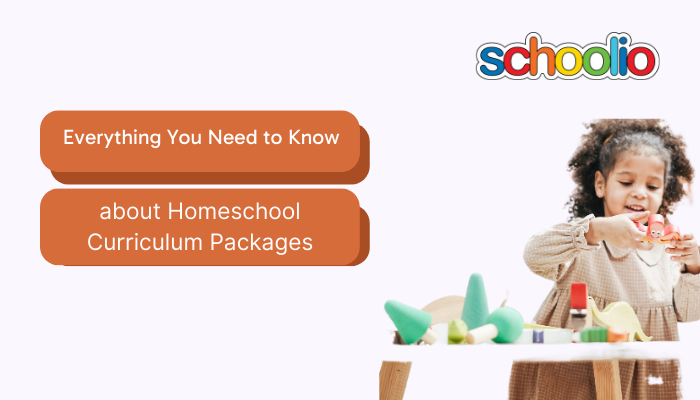
Why wake up a grumpy teen at 6 AM for a bus ride when you can start learning with pancakes at 9?
Homeschooling is all about teaching your kids at home instead of sending them to a traditional school. Lately, it’s been gaining popularity as more families look for ways to make learning fit their child’s unique needs and interests.
So, why the rise in homeschooling? It’s simple: people are loving the flexibility it offers. Instead of sticking to a rigid school schedule, homeschooling lets you create a learning environment that aligns with your family’s values and lifestyle.
The big win? Customized instruction. Homeschooling allows you to adapt lessons to your child’s pace and passions, making learning more engaging and effective. Plus, it fits education right into your daily life, leading to better outcomes and a real love for learning.
Components of a Homeschool Curriculum Package

Choosing the right homeschool curriculum package can feel overwhelming, but knowing what’s inside can make the decision a lot easier. Let’s dive into the key components you should look for to ensure a smooth and successful homeschooling experience.
Core Subjects Covered
First things first, let’s talk about the core subjects. These are the basics: Mathematics, Language Arts, Science, and Social Studies.
A good curriculum package covers these subjects thoroughly, giving your child a solid foundation. You’ll want to make sure the package includes clear, structured content that aligns with standard learning goals.
Supplementary Materials
Next up are the supplementary materials. Think of these as the extra goodies that make learning more fun and engaging. These can include workbooks, educational games, multimedia resources, and hands-on activities.
They’re great for reinforcing what your child is learning in the core subjects and for mixing things up a bit. Plus, they cater to different learning styles, so you can find something that works best for your child.
Lesson Plans and Guides
Now, onto lesson plans and guides. These are like your curriculum’s game plan. A good package will come with detailed daily or weekly lesson plans that outline what to teach and how to teach it.
They usually include step-by-step instructions, suggested activities, and extra resources. Having a clear plan helps keep you organized and ensures you cover everything you need to.
Assessment and Evaluation Tools
Finally, let’s talk about assessment and evaluation tools. These are great for keeping track of your child’s progress. Look for curriculum packages that offer quizzes, tests, and performance evaluations.
They help you gauge how well your child is understanding the material and pinpoint any areas that might need a bit more focus. Regular assessments make it easier to adjust your teaching strategy as needed.
By knowing what to look for in these components, you can choose a homeschool curriculum package that fits your family’s needs and helps make homeschooling a rewarding experience. With the right resources in hand, you’ll be well on your way to a successful school year.
Also Read: A Comprehensive Homeschooling Curriculum Guide
Types of Homeschool Curriculum Packages
Deciding on the right curriculum is like picking the perfect gear for a new adventure. There’s no one-size-fits-all, so it’s about finding what makes learning exciting and effective for your family.
From classical to eclectic, here’s a breakdown of some popular curriculum packages to help you find your fit.
Classical Education for Homeschool
The classical model, praised by thinkers like Aristotle and C.S. Lewis, breaks learning into three stages: grammar, logic, and rhetoric. It’s about mastering the basics, thinking critically, and eventually becoming a master communicator.
Best for:
- Families who love diving deep into classic texts and philosophical ideas.
- Those who enjoy a structured approach with a focus on critical thinking.
- Parents who want their kids to develop strong reasoning skills and a lifelong love of learning.
Charlotte Mason Style Homeschool
Charlotte Mason’s method is all about bringing learning to life. Picture nature walks, engaging stories, and creative projects that make education an adventure. It’s a gentle approach that values the beauty of real-life experiences and living books.
Best for:
- Families who appreciate a relaxed, nature-focused learning environment.
- Those who prefer engaging with educational material through stories and hands-on activities.
- Parents seeking an imaginative and nurturing approach to education.
Montessori for Homeschool
Montessori is all about learning by doing. It’s a hands-on approach where kids take charge of their own learning through sensory activities and real-life tasks. It’s like giving them the freedom to explore and discover on their own terms.
Best for:
- Families who love a hands-on, self-directed learning environment.
- Those who appreciate a calm and organized space for education.
- Parents who want to foster independence and creativity in their kids.
University Model Homeschool
The University Model is the hybrid approach of homeschooling. Kids spend part of their week in a structured classroom and the rest learning at home. It combines the benefits of traditional schooling with the flexibility of home education.
Best for:
- Families who want a balance between classroom instruction and home learning.
- Those who need a structured schedule but still want to be actively involved in their child’s education.
- Parents who like the idea of professional guidance with added flexibility.
Unit Studies
Unit studies let you dive deep into a single topic, exploring it from every angle. Whether it’s dinosaurs or space, you’ll integrate various subjects around a central theme, making learning both comprehensive and exciting.
Best for:
- Families with kids of different ages who enjoy collaborative, thematic learning.
- Those who love creating engaging, hands-on projects around specific interests.
- Parents who want to explore a topic in depth while covering multiple subjects.
Also Read: The Ultimate Guide to Choosing the Right Homeschool Curriculum
Eclectic Homeschool
Eclectic homeschooling is like creating your own educational recipe. You mix and match different methods and resources to fit your family’s needs. It’s flexible, adaptable, and highly personalized.
Best for:
- Families who enjoy customizing their curriculum with various resources.
- Those who need a flexible approach to accommodate different learning styles.
- Parents looking for a cost-effective and versatile educational solution.
Unschooling
Unschooling is all about letting kids learn naturally through their interests. It’s less about structured lessons and more about following curiosity and real-life experiences. If you believe in letting learning unfold organically, this might be the perfect fit.
Best for:
- Parents who prefer a flexible, child-led approach to education.
- Families who thrive in a spontaneous, less structured learning environment.
- Those who value learning through exploration and personal interests.
So, ready to pick your path? With these options, you’re set to create a homeschooling experience that’s tailored just for your family.
Why take the hassles of selecting the right homeschool package? Schoolio offers ready-to-use homeschool packages with everything you need. Discover your perfect fit here!
5 Things To Know Before Choosing a Homeschool Curriculum Package

When you are getting started with homeschooling, you need to keep a few things in mind. The world of homeschooling has exploded with options, giving you endless ways to tailor education to fit your family’s needs.
But with so many choices, how do you find the right curriculum? Let’s break it down into manageable pieces to help you make the best decision for your homeschool journey.
1. Decide on Core Subjects First
Start with the basics like math, science, social studies, and English. Make these subjects your priority, but have fun with how you teach them.
Think experiments in the kitchen, nature walks, or cool projects at home. Homeschooling lets you mix it up in a way that keeps your child excited about learning.
2. Set Your Homeschool Hours
One of the best parts of homeschooling is that you control the schedule. Some families do schoolwork in the morning, others in the evening, or even on weekends. Find what works for you and your child. Just make sure to check any local rules about required hours.
3. Tailor to Your Child’s Age
For little ones, learning through play is key. As they get older, you can dive into more detailed subjects. Balance fun activities with academic work, especially as they hit middle and high school. Every age, every kid, has its own rhythm, so adjust your curriculum accordingly.
4. Keep an Eye on the Budget
Don’t let cost stress you out. Find a curriculum that fits your budget and what your family values. Look for deals, buy used materials, and explore budget-friendly options. There are great resources out there without breaking the bank.
5. Match the Curriculum to How Your Child Learns
Every child learns differently. Some are visual learners, others do better with talking things through, and some need hands-on activities. Choose a curriculum that fits their learning style or mix and match to keep things interesting.
Homeschooling is all about flexibility and personalization. Use these tips to find a curriculum that makes learning fun and fits your family’s needs.
Conclusion
Choosing the right homeschool curriculum package can seem daunting, but focusing on a few key areas can simplify the process. Start with core subjects like Math, Science, Social Studies, and English, and pick a curriculum that lets you teach these creatively.
Set a flexible schedule that works for your family, keeping in mind any local requirements. Consider your child’s age and learning style—whether they learn best through play, projects, or hands-on activities.
Manage your budget by exploring affordable options and used materials. Ultimately, select a curriculum that fits your family’s needs and makes learning engaging and enjoyable.