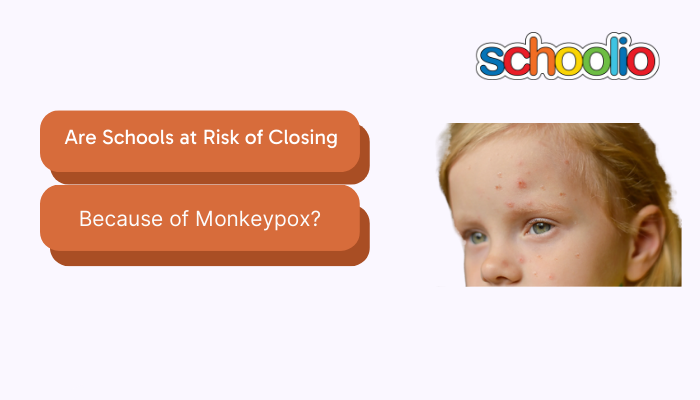
With the shadow of COVID-19 lockdowns still lingering, the emergence of monkeypox cases has sparked a fresh wave of anxiety across the United States. Parents and teachers are grappling with a pressing question: are schools going to close because of Monkeypox?
This blog delves into the current situation, offering a comprehensive landscape overview as it unfolds. Let’s discuss how this unwelcome guest has affected the educational system!
Are Schools Going to Close Because of Monkey Pox: Current Situation
As of now, the U.S. is witnessing a troubling rise in monkeypox cases, with numbers climbing steadily. Globally, the statistics mirror this trend, emphasizing a worldwide health concern.
State-specific reports have begun to shed light on the prevalence of cases among juveniles, highlighting the need for targeted interventions. These figures set the stage for a deep dive into the transmission and impact of the disease, particularly in educational settings.
Familiar fears of schools going to close because of Monkeypox have bounced across social media, striking a nerve with many children nationwide. While the Mpox outbreak is worrisome, federal health officials insist that this virus differs greatly from COVID-19.
Hence, it is doubtful that Monkeypox will lead to school closures. However, if schools need to switch gears quickly, a homeschooling routine with Schoolio can provide continuity for your child’s education.
Let’s understand how Mpox spreads to see whether this virus may impact daily interactions.
Modes of Transmission
Understanding the transmission routes can help schools implement proper preventive measures. Here’s a breakdown of how monkeypox spreads and the risks it poses:
Direct skin-to-skin contact
The most common way monkeypox spreads is through contact with infected skin and body fluids. This includes touching blisters, rashes, or other open sores.
Respiratory secretions
Prolonged face-to-face contact can transmit the virus through respiratory droplets, especially during coughing or sneezing.
Contaminated materials
Contact with an infected person’s clothing, bedding, or towels can spread the virus.
Moreover, schools can emphasize promoting hygiene practices and maintaining clean environments to minimize risks.
Risk to Schools and Children
Although the rise in monkeypox cases has raised concerns, the Centers for Disease Control and Prevention (CDC) currently assesses low overall risk to schools and children.
While monkeypox can spread through close contact, it doesn’t transmit as quickly as respiratory viruses like COVID-19.
The virus primarily spreads through prolonged skin-to-skin contact or exposure to infected bodily fluids, making casual school interactions less likely to cause outbreaks.
However, this low risk doesn’t mean schools should ignore the potential threat. The CDC recommends that schools adopt precautionary measures to minimize the chance of transmission. These include:
- Promoting good hygiene practices
Schools should emphasize regular handwashing, the use of hand sanitizers, and cleaning shared surfaces and equipment.
- Monitoring for symptoms
Teachers and staff should be vigilant in identifying signs of monkeypox, such as rashes or lesions, and ensure any students with suspicious symptoms are isolated and referred for medical consultation.
- Medical consultation and isolation
If a child shows symptoms of monkeypox, the CDC advises prompt medical evaluation. In the case of a confirmed infection, isolation is essential to prevent further spread.
By implementing these guidelines, schools can significantly reduce the already low risk of monkeypox transmission. Proactive steps like these help maintain a safe environment for students and staff, reducing anxiety while keeping schools open.
Let’s explore the broader community and public concerns around monkeypox and its potential impact on daily life.
Community and Public Concerns
Many parents are worried about the safety of sending their children back to school, particularly in rising cases. You may also be wondering if enough preventive measures are in place to protect your kids.
Teachers, too, are calling for clear guidance and stronger safety protocols to ensure a safe learning environment for all. However, in such uncertain times, homeschooling has become an attractive option for many families.
Homeschooling allows you to take control of your children’s education while reducing the risk of exposure to infectious diseases like monkeypox. It offers a safer, more flexible learning environment, giving families peace of mind without compromising their children’s education. With the availability of online resources like Schoolio, homeschooling can be an effective alternative. Schoolio can help provide an uninterrupted learning experience when health concerns are at the forefront.
Vaccination and prevention strategies are becoming even more important as concerns about safety and school closures grow.
Also Read: Homeschooling: What To Do When You Need Academic Help
Let’s take a closer look at how to curb the spread of monkeypox and keep communities safe.
Vaccination and Prevention Measures
To combat the spread of monkeypox, the CDC has approved two key vaccines: Jynneos and ACAM2000. These vaccines help prevent the spread of the virus, particularly among high-risk populations, including those who have been directly exposed to the virus or live in areas with active outbreaks.
Jynneos, a newer vaccine, is preferred due to its safer profile, especially for people with weakened immune systems. In contrast, ACAM2000, an older vaccine, is also effective but may have more side effects.
Public health officials are working to increase vaccine availability by setting up more vaccination sites. It is very important to target communities where cases are rising. At the same time, educating the public about prevention measures is also required to control the spread of monkeypox.
Communities can protect themselves by combining vaccinations with preventive actions. This helps prevent the schools from becoming closer because of monkeypox.
CDC Guidelines to Avoid School Shutdowns Because of Monkey Pox

The CDC has established comprehensive guidelines to prevent potential outbreaks and avoid school closures. These safety measures help to protect school communities from monkeypox. They can also reduce transmission and keep educational environments safe, allowing schools to remain open.
Enhanced Cleaning and Disinfection Protocols
Schools are advised to increase the frequency of cleaning and disinfecting high-touch surfaces such as desks, doorknobs, and shared equipment. Disinfection should be thorough, particularly in areas where children and staff frequently interact. This helps to eliminate any possibility of contamination.
Minimizing Sharing of Personal Items
The CDC emphasizes the importance of minimizing the sharing of personal items among students, including clothing, towels, and sports gear. Items that come into direct contact with the skin should remain personal to prevent the spread of monkeypox through indirect contact with contaminated materials.
Isolation and Early Detection
Schools should identify early symptoms of monkeypox, such as rashes or lesions, and act swiftly to isolate any potentially infected individuals. Ensuring that students or staff showing symptoms receive prompt medical consultation can help prevent further spread within the school.
Promoting Personal Hygiene
Schools are encouraged to promote good hygiene practices among students and staff. This includes regular handwashing with soap and water, hand sanitizers, and avoiding close contact with others, especially those showing signs of illness.
Adhering to these guidelines can significantly reduce the risk of a monkeypox outbreak. This ensures that schools remain open and provide a safe learning environment. Effective implementation of these measures plays an important role in maintaining children’s health and well-being.
While national guidelines offer a broad approach to preventing monkeypox, the virus’s impact varies by region.
Let’s now explore the state-by-state cases and the specific implications for schools, highlighting the unique challenges faced in different areas.
State-by-State Cases and Schools Impact
When examining monkeypox cases on a state-by-state basis since 2022, it becomes clear that the true scope of the outbreak may be understated. This is due to underreporting and frequent misdiagnosis. Many cases may have gone unreported because early symptoms, such as rashes, can resemble other common skin conditions. All these reasons lead to delays in identifying and containing the virus.
This has made it challenging for health officials to get a precise understanding of how widespread monkeypox truly is, especially in schools. Local health departments have proactively informed schools and implemented preventive measures.
However, other states with fewer reported cases may have different urgency, potentially creating gaps in preparedness and response. Regardless of the state’s preparedness, having a robust homeschooling program like Schoolio’s is helpful. It ensures your child’s education remains unaffected by regional disparities.
Personal stories from affected states illustrate the human side of these challenges. For example, in some regions, families have reported difficulties accessing vaccines, while school administrators struggle with unclear guidance. These accounts highlight different communities’ diverse realities and underscore the need for a more unified national approach.
The varied response across states has also contributed to consistency in how schools are impacted. These discrepancies showcase the importance of local preparedness and the challenges posed by underreporting.
Conclusion
While the general apprehension about potential school lockdowns due to monkeypox is understandable, it is tempered by proactive measures. The future outlook remains cautiously optimistic. However, being careful and following public health guidelines can help you face this challenge. Schoolio can seamlessly continue your children’s learning journey, keeping education uninterrupted.
As communities rally to support one another, collaboration and informed action can overcome even the most daunting obstacles. The ongoing response to monkeypox, therefore, not only tests our readiness but also reinforces our collective commitment to public health and education. However, the good part is that there is no confirmation that schools will close because of monkeypox.