Why You Should Teach Your Child About Honeybees

Did you know that honeybees are responsible for almost one in every three bites of food that you eat? Honeybees also play an essential role in every aspect of the ecosystem. By supporting the growth of flowers, trees, and many other plants, these then serve as food and shelter for all creatures. Are you wondering why you should teach your child about honeybees? Let’s take a look.

There are many reasons.

There are so many reasons why you should teach your child about honeybees; to narrow it down, here are the three most important reasons.

Learning about honeybees helps our children maintain a healthy respect for buzzing creatures.

It’s very typical for children to have a bit of fear related to bees, especially if they have been stung by a wasp, bumblebee or some other buzzing creature. Fear of bees has caused many misunderstandings from previous generations about their importance. That can all change, and fears can disappear when we educate this generation about what honeybees are like and how important they are to all of us. Honeybees are so much more than tiny, stinging insects, and when we educate our children, they can start to see them for what they are.

Honeybees are essential to human life and health.

You could help your child understand that honeybees are essential to human life and the environment. They work as pollinators and producers of almost every plant that you see. When honeybees thrive, crops thrive, the environment thrives, and we thrive, which is why it’s so important to teach our children that.

The future belongs to our children.

And that future needs honeybees in it to be a promising future. As our children get older, it will be up to them to help shape the world around them. That’s why teaching them to care for, and respect honeybees is so essential, as these honeybees are so crucial for plant life on Earth.

Now, you know why you should teach your child about honeybees, but how can you do it?

1. Create a honeybee garden in your yard.

The honeybees will be extremely grateful to have a garden full of plants to help them thrive. Planning and creating a garden will be fun and informative for your child. Are you curious about what types of plants the honeybees will enjoy the most? Check out this list!

2. Set up a visit with a beekeeper.

Many beekeepers are more than happy to give you a tour and share their knowledge of honeybees. Look up local beekeepers and find out if they do visits. Then enjoy an afternoon learning about honeybees!

3. Go outside!

Taking a walk in nature is an excellent way to get familiar with wildlife and honeybees at the same time.

4. Check out the Schoolio Science unit all about Bees & Honey!

Education really is the best tool for helping our children learn about the importance of honeybees. This is why the Schoolio Science: Bees & Honey Special Interest unit is a must-have.

What’s in the Schoolio Science: All About Honeybees Special Interest Unit?

This unique special interest unit is all the buzz for families aiming to teach their children about the importance of honeybees. Each lesson of this special interest unit is packed with fun and helpful information to bring a bounty of knowledge to your child.

Your child will learn all about Pollination and Pollinators while doing a fun ‘I Spy Pollinators’ game following the lesson. Then they can dive right into the importance of bees in lesson 2, and have fun working on the “What Do Bees Do?“, activity. They then can work on some fun experiments like the pollination experiment where they can use bee, butterfly and flower templates to experiment.

Additionally, your child will have the opportunity to learn important lessons and activities like “Life in the Hive: Who’s Why?”, “Life Cycle of a Honeybee”, “How Do Bees Make Honey?”, and more.

We are pleased to be able to offer such a unique learning unit to help your child learn all about the importance of honeybees for a super affordable price.

Science: All About Honeybees – Special Interest Unit

Pick up your copy of this unit today!


Encourage Learning Throughout the Holidays

It’s the most wonderful time of the year, but chances are you aren’t feeling like it. This time of the year can add a whole new level of exhaustion to the already over-worked homeschooling parent. Are you feeling burnt out from homeschooling, virtual learning or just parenting in general? How can you encourage learning throughout the holidays without causing burn-out for both you and your child?

The winter break is always welcomed by kids. And with the new chaos that is pandemic learning, more and more parents look forward to the winter break also. For many, it’s a time to reset and refocus. And for some, it’s also a time to catch up on concepts that maybe their child has been struggling with.

How can you encourage learning throughout the holidays without causing more exhaustion for both you and your child?

Step 1:

Identify what it is that your child should be learning during the holidays. Are they struggling with Math? Reading? Or writing? Which area of their education is in need of the most TLC? There are so many amazing ways to mix fun, creativity and learning together during this time of year so don’t get stressed out if they’re struggling in more than one area.

Step 2:

Identify your child’s interests, hobbies and what they just love to do. Do they love art? Playing games? Making snowmen? If you aren’t sure, spend a little time with them throughout the day. Or just ask them!

I’ve identified what they need to be learning and what their common interests are. So, now what?

Now we need to find fun ways to incorporate learning into their hobbies. It’s actually so much easier than you’d think it is. We can often get so caught up in this idea that learning must look a certain way for it to be effective. But that logic is completely flawed.

Fun Ways to Learn Through the Holidays:

Some kids love reading and writing, so if you offer them a workbook during the holidays they will dive right into it. Other kids feel that you encouraging them to learn during the holidays is a form of punishment. Each child is uniquely different, and as such, each child will have their own unique learning style. Therefore it can be a lot more difficult to find fun ways for your child to learn with. And perhaps your idea of ‘fun learning’ is vastly different from theirs, so how can you encourage learning throughout the holidays while catering to their unique learning style?

First Let’s Figure Out Your Child’s Learning Style:

There are so many different types of learning styles so we are going to just focus on the four most common for this blog.

Visual Learners

A Visual Learner is one who learns better by observing, looking at pictures or diagrams. Additionally, a visual learner will often have an easier time remembering what they saw or read vs. what they heard. A visual learner will usually be the one attempting to take notes during class because it helps them focus. They also prefer to work alone, instead of in groups of people. And they usually need quiet time to be able to focus on new concepts.

Some additional characteristics of the visual learner: They often have an easier time remembering faces, but not names. Locations, but not street names. And they often seem to be daydreaming. A visual learner will usually love colours, and need colours in their notes to help them remember and focus. If they’re bored you’ll see them doodling, writing, scribbling or making random lists. Usually with colours and fun designs

How can we help our visual learners during the holidays?

Give them plenty of opportunities to doodle, draw and write. Handing a visual learner a workbook is usually not going to be hugely beneficial for quick and effective learning. Unless that workbook is filled with fun pictures, graphs, and colours. When it comes to visual learners, it’s usually not as easy as just picking up a grade workbook at Costco during the holidays.

When it comes to your visual learner, you will need to get creative.

  1. You could read them a novel each day, like one of Schoolio’s unique Novel Studies. While you read to them, encourage them to doodle what it looks like in their mind. Encourage them to illustrate the story on paper or write down key points that they found interesting.
Learn more about The Schoolio Novel Studies: https://schoolio.io/mini-units/

2. Be sure to use bright colours whenever possible. If you are asking your child to look at a page of math questions, try having them highlight each question with their favourite holiday colours first.

3. Make the key points of what you want your child to learn stand out! Make it brighter and bolder than the rest of the content that is on a page.

4. Give them time to process what you are trying to help them learn and understand. Don’t expect them to just understand right away. Because Visual Learners often need time to think about what they learned for the concept to really stick.

Auditory Learners

Sounds matter when it comes to auditory learners. That’s because auditory learners usually learn so much better when the subject of their learning is reinforced by sounds. These are the learners that would rather listen to someones lecture, a story, or an audio book. They sometimes also like to read out loud to themselves because it helps them focus and understand better. Auditory Learners are usually really good at explaining things to others and they will be the ones to repeat what the teacher says until the concept sticks in their mind.

If your auditory learner needs to work on some math problems but is having a hard time focusing on the book. You could either try letting them be completely alone to complete it. Or, turning on some unique holiday music for background noise. When you’ve taught them an interesting fact, ask them to repeat that concept to you with their eyes closed. Or ask them to repeat what you said in their own words. Let your auditory learners have learning partners. Whether in person, or on zoom. Having someone to talk about concepts with can help auditory learners understand and remember.

Kinaesthetic Leaners

Our Kinaesthetic learners (sometimes called Tactile learners) are the ones that learn best through experiences or doing things. They like to touch and feel, and to get involved, or to act things out. Kinaesthetic learners usually have to get involved in order to understand. And they are often the ones that just can’t sit still which often makes them really good at sports and dancing!

The Kinaesthetic learners need to take more breaks than most other types of learners. If you’re trying to read them a neat story about history, you could have them act it out. Mixing movement with short and simple lessons is an excellent way to encourage learning throughout the holidays for Kinaesthetic learners.

Reading and Writing Learners

This category is pretty self-explanatory. If you have a reading and writing learner, you’ll know. They are the ones that learn the very best through written words. These learners will express themselves best through reading books, writing, and diaries. They often appear to have a hunger for learning, always looking things up and searching for new books to read.

For this learner, you can absolutely encourage them to dive into some novel studies throughout the holidays. Encourage them to write stories about the holidays, and what their favourite part of this time of the year is. Be sure to have plenty of interesting books, and writing materials available for them to utilize throughout the holidays.

What type of learner do you have?

There’s a huge chance that your learner will fall into one or more category. As some of these categories do overlap in different areas of learning. If you’re having trouble identifying which learning category your child falls into. Try taking out and pen and a paper and write down the different characteristics of each learning category. Then circle the categories that are best suited to your child.

If you have more than one child you will likely find that your children are incredibly different in so many ways, including their learning styles. Determining which learning style works best for each of your children, and then finding ways to bridge their learning together will help you not get so stressed and burnt out trying to accommodate everyone.

Using their unique learning styles to encourage learning throughout the holidays.

Now this is the fun part. When you get to find unique ways to help your children learn. I always find it so funny how we get caught up in this idea that learning must only come from workbooks and planned out lessons. When in all actuality, learning is all around us, all the time.

For your hands on learner, they can gain expertise by helping you with the holiday baking. You can encourage them to draw bright pictures for family and friends. Alternatively, for your auditory learner you can press play on some unique stories. Once they’ve completed listening, you can ask them to tell you about it in their own words. For the Kinaesthetic learner, you can get them outside in the snow, shovelling and having fun. Mixing in a neat verbal science lesson while they rummage through the snow. And for your reading and writing learner you can get them to make beautiful Christmas cards, and keep the novels and neat lessons stocked up for them to jump into when they start to get bored.

For every unique learner, there is more than one unique learning activity that you can utilize to encourage learning throughout the holidays. Just remember not to get caught up in the idea that learning must look a certain way, because it doesn’t. And that applies to holiday learning and learning in general.

Keep learning holiday themed to gain interest!

It doesn’t matter which type of learner you have. Most kids really enjoy the holiday theme. Therefore, incorporating peaceful, fun, and holiday themed, mini lessons into your holiday plans has proven to be beneficial for our kids. Even if they aren’t necessarily ‘behind’ or in need of extra practice, it will benefit your learner to brush up on different concepts and take on some light learning through the holiday season.

Which is why the Schoolio Marketplace is the ideal place to land when searching for interest led learning for our kids.

Some really unique lessons that your kids will love this time of year:

The Schoolio Celebrations Around the World Special Interest Unit https://schoolio.io/product/holidays/

Teaching your kids about celebrations had around the world is a fun way to pique interest, and help them learn some amazing new facts. With this Special Interest Unit your child will have the opportunity to learn about Aboriginal People’s Winter Solstice, Lunar New Year, Kwanzaa, Hanukkah, Diwali and Christmas. There’s something for every learning style, from writing activities, stories, to baking and crafts. Adding this to your holiday learning plan, will prove to be beneficial.

“The New Year” Special Interest Unit by Schoolio https://schoolio.io/product/new-year-mini-unit/

Another fun way to encourage learning throughout the holidays is to jump into The New Year Special Interest Unit. Your child will study Math, Science, Language and Social Studies through fun lessons like ‘The History of New Year Celebrations’, ‘Making Resolutions’, ‘Counting Down to the New Year’ and more. Be sure to pick up your copy!

Remember, encouraging learning through the holidays doesn’t have to be holiday themed though.

If your child has no interest in holiday themed learning, then try incorporating some other fun, learning activities. Like lessons about trees and forests, pirates, or investigations. There’s so many neat lessons over at the Schoolio Marketplace. So, go ahead and check it out: https://schoolio.io/mini-units/

Just remember not to stress, instead have fun and happy holidays!

For more information on how to help unique learners:

Teaching Your Kids About Remembrance Day

Have your kids ever asked why people are wearing poppies on their jackets at this time of the year? And what was your response to that question? Explaining such an important topic to our kids can sometimes be difficult to accomplish. Even so, it’s really important to teach our kids about the significance of Remembrance Day. Each year there are fewer and fewer living survivors from the World Wars.

Therefore it’s more important now than ever before to remember the sacrifices that these amazing people made for our country. When we teach our children about the significance of Remembrance Day, we are keeping the memories and stories of these brave soldiers and individuals alive now and also in the future. So, we have some tips for Teaching your kids about Remembrance Day this year. Along with the FREE Remembrance Day Mini Unit (available for the month of November – link at the bottom of this blog).

  1. Spend some time choosing age appropriate content. 

It’s really important to keep the age of your child in mind when planning learning content. For example, if you have a 4-year-old, you can chat with them about what Remembrance Day is about. While adding in brief discussions about why people wear the colour red and poppies. Then for a child that is a little older, you can discuss with them more about the great world wars. You can share the conflicts that our soldiers are facing in today’s world. And what the moment of silence is for, and why it’s so important to observe it. 

2. Listen to stories from soldiers. 

Perhaps you know a veteran, or even an active military personnel. Ask them to share age appropriate stories with you and your child. More often than not, they are happy to share their history and stories with you. 

3. Learn about the medals and decorations that have been awarded to military personnel. 

Your kids may take an interest in the medals and decorations that are awarded to military personnel. You can find some excellent resources about military medals and decorations here: Department of National Defence – Medals

4. Place an Emphasize on honouring people. 

Spend some time talking about the dedication and sacrifice that these special people have made to ensure that we have continued freedom and safety today. This is really such an excellent topic. Take some time to chat with your kids about ways that they can honour these important people in our history. Your kids ideas might just amaze you. Be sure to write down their ideas. Alternatively, if you’re having a difficult time coming up with some ideas you could try: 

  • Donating to a local Legion. 
  • Flying a Canadian flag. 
  • Wearing a poppy.
  • Talk to a veteran.
  • Write a letter to a veteran. 

5. Attend a Remembrance Day Ceremony. 

Attending a Remembrance Day Ceremony, whether in person or virtually, is an excellent way to teach your kids about Remembrance Day and the sacrifices made on behalf of their freedom. If you choose to participate in an in-person ceremony, be sure to dress warm and follow public health guidelines. Your kids might just complain if it’s cold, so if they do, don’t get upset with them. Rather use this as a learning experience. Standing still, in the cold for an hour, while you are honouring these heroes, doesn’t even come close to the sacrifices that these soldiers made during the wars. Find out if your city or township is having an in-person Remembrance Day Ceremony, or if they offer a virtual option. Then plan to attend.

6. Take time to visit a war memorial or military cemetery. 

If you can’t attend a Remembrance Day Ceremony, pay a visit to a war memorial or a military cemetery for Remembrance Day. Show your kids the inscriptions, have them read some. Talk about the importance of these words. After you return home, have them draw or paint a photo of what they saw that day. 

7. Dive into your families own history. 

A really excellent way to teach your children about Remembrance Day is to share stories with them about their own family members that were in the war. Share with them all that you know about their stories. Maybe you have a neighbour or older relative that can still share stories about their experiences. Another really fun and educational activity would be to take a little time to research a family member who served in one of the wars. This is a great learning experience for both your children and yourself. 

8. Explain the significance of Poppies. 

Why do we wear poppies? An interesting fact is that not even all adults know why we wear poppies each November. Teach your children about how wearing a poppy is a way to pay tribute to all those who gave their lives for our freedom. Poppies grew on the battlefields where many gave their lives. A neat fact to remember is that in 1915 the poppy flower inspired a Canadian doctor by the name of John McCrae to write the very famous poem ‘In Flanders Fields’. 

9. Help them learn ‘In Flanders Fields’. 

Learning about the significance of the famous poem written by John McCrae is so important. John McCrae wrote this poem in 1915 as a memorial to all those who died in the World War I battle that was fought in a unique region of Belgium known as Ypres Salient. This heart wrenching poem describes the immense tragedy of these soldiers’ deaths. While there is much grief in this poem, there is also such hope in the depiction of the ongoing natural beauty that surrounds the graves of those who were lost. 

Ways to teach your child the poem: 

  • Recite In Flanders Fields with them once a day leading up to Remembrance Day. 
  • Print out a copy of the poem, or write it out. And place it somewhere they will see it. 
  • Read it to them every day leading up to Remembrance Day. 
    • Have them write out the poem in their own unique way. 
    • If writing is a challenge, have them draw pictures of what comes to mind when you read them the poem. 

If you don’t already have a copy, here it is: 

In Flanders Fields by John McCrae

“In Flanders fields the poppies blow.

Between the crosses, row on row. 

That mark our place; and in the sky, 

The larks, still bravely singing, fly.

Scare heard amid the guns below. 

We are the Dead. Short days ago, 

We lived, felt dawn, saw sunset glow. 

Loved and were loved, and now we lie, 

In Flanders fields. 

Take up our quarrel with the foe: 

To you from failing hands we throw. 

The torch; be yours to hold it high.

If ye break faith with us who die. 

We shall not sleep, though poppies grow 

In Flanders fields.” 

10. Watch documentaries on the World Wars together. 

Documentaries provide a flurry of information about our country and world’s history. Additionally, when you watch a documentary, your child will have the opportunity to listen to interviews from veterans. While also having the opportunity to see real photos from those important days in our history. Documentaries will offer an excellent learning experience for our learners. However, you’ll want to be sure that the documentary that you choose to watch is age appropriate for your child. Because some documentaries should only be viewed by older children. It’s really important to check into and watch the documentaries before sharing them with your child.

11. Prepare a war-time meal.

Veteran Affairs Canada gave educators an amazing idea. That idea was to serve a war-time meal to children to help them understand just a small portion of what they went through. Are you wondering what a wartime meal would look like? We’ve got you covered. 

War-Time Meal Ideas

  • Potato Piglets

Using six potatoes, and six sausages, you can create a potato piglet wartime meal for your family. This recipe originated from a Ministry of Food Leaflet. Here’s a recipe for it: Potato Piglets Recipe – Love Food.

  • Sausage Roll

This unique recipe is part of a complete menu of one-pot meals, issued in the Ministry of Food leaflet number 35. The    sausage roll is steamed pudding which uses sausage meat, root vegetables, breadcrumbs, herbs, and even pickles! Here’s some recipes to check out: The Wartime Kitchen – Lavender and Lovage.

  • Lord Woolton Pie

A favourite of wartime recipes, is the famous Lord Woolton Pie. The Lord Woolton Pie is loaded with vegetables, with a pastry that has a large amount of fat. This recipe is filling, heathy and also super thrifty. Find a recipe here: The Original Lord Woolton Pie Recipe.

  • Oxford Potato Soup

Soup is such a versatile, filling, and nutritious option for meal time. Which is obviously why soup was a popular meal during war times. Oxford potato soup is another recipe that was taken out of Potato Pete’s wartime Ministry of Food leaflets, on how to cook with potatoes. For this recipe you will need olive oil, potatoes, leeks, onion, celery, thyme leaves and chopped parsley. Check out the recipe here: Oxford Potato Soup – Love Potatoes. 

  • Cheese and Lentil Savoury

What’s a thrifty and healthy recipe for a sandwich filling? Cheese and Lentil Savoury! For this wartime meal, you will need cheese, red lentils, breadcrumbs, and herbs. This unique recipe has a bounty of vitamins, fibre, and protein as well.  You can find this recipe more wartime meal recipes here:  On The Home Front Original War Time Recipes

More wartime recipes here.

12. Visit The Canadian War Museum 

Even if you are unable to visit a museum due to covid, you can still visit The Canadian War Museum website. There are so many amazing videos, resources and more. Additionally there are so many truly unique exhibitions to be seen. The knowledge and experiences that your children will get from either visiting, or watching some of the videos on the Canadian War Museum’s website is irreplaceable. 

13. Have your child explain why Remembrance Day is important. 

Once you’ve done a fair share of learning about Remembrance Day together, ask your children to teach you about it. Through their story telling and fact sharing you will be able to determine what stood out for them. 

14. Pick up the Remembrance Day Mini Unit by Schoolio. 

Included with this very special unit, why we observe Remembrance Day in Canada, taking a deeper look at why we observe this special day. While also learning about what it means for our past, present and future. Additionally your child will learn about ‘In Flanders Fields’. And they will learn about why poppies are the symbol of Remembrance Day.  Depending on their grade level, they will also have the opportunity to share their feelings about the poem in different ways. 

More activities included with this unit: Poppy Math, a whole math section dedicated to poppies. Poppy Stem Project, where your child will have the chance to do a unique science experiment with homemade poppies. And, your child will be able to create a beautiful, hand-made poppy Remembrance Day wreath. Which they can either hang on your homes door, or take to a cenotaph on Remembrance Day. Be sure to share this amazing opportunity with your friends and family.

Schoolio is committed to educating future generations about Remembrance Day.

We here at Schoolio strongly believe that knowledge is power. Being able to look back at our history is a gift. We celebrate the fact that we have the opportunity to do so in freedom, health and safety. Which is why we are so passionate about teaching future generations about how significant Remembrance Day really is. For the month of November (2021) we are offering the Remembrance Day Mini Unit Free of charge. This is our way to say thank you, to give back, and to offer wisdom and education to all. Pick up your FREE Remembrance Day Mini Unit here.

We want to say a sincere thank you to everyone who has given up so much for our freedom. It’s hard to describe how grateful we really are for such an amazing gift. Life as we know it would be so different had so many not sacrificed all. To the families of the over 118,000 Canadian soldiers who have died for our freedom, thank you. Their sacrifices were not in vein. 

Thank you. 

We Remember. 

Click to read about Why Observing Remembrance Day is Important
Purchasing Digital Content.

Let’s Talk About: Purchasing Digital Content with Lindsey Casselman.

If you’re new to home-schooling, you may not have had much experience purchasing digital content before. This is something most veteran homeschoolers are very familiar with, so let’s talk about it!

What Is It Digital Content and How Is It Offered?

Digital content is when you make a purchase of materials that don’t have a physical product. This includes e-books, PDFs and a ton of other downloadable content. Because talented people and companies are located around the world, providing digital content is an easy way to bring their product to the world.

Digital content is available in many places, like Pinterest, TpT and many homeschool curriculum companies, including Schoolio. 

  • Some places offer both print and digital versions of their content. The Digital and Print product are offered at different price points (because printing is expensive). Also as two separate products on their website. Be sure to carefully look over your cart before completing a purchase. Doing so to ensure you’re getting the version you expected to get. 
  • Some places offer printing and shipping for you as an add-on cost. This means you’re buying the digital version of the content. In addition you’ll receive a printed version for an additional fee. These are usually print-on-demand (meaning they aren’t printed until the order is placed, so it may take 7-10 business days or more to reach your door). However, they are often one of the best printing rates you’ll find. That is because the company has negotiated a volume discount with the third-party printer. (If you’re unsure about the rate, look in the FAQs for a price-per-page rate, or look in the product description for page numbers of the product and do the math yourself to find a price-per-page cost. Then compare locally to printers in your area).
  • The majority of digital product companies do not offer printing at all. You will need to either print at home or find a printer that is local to you. The price difference between printing at home or paying a printer to print for you varies widely. Factors that change the cost are based on your printer, what you’re printing, and your location. A little research in this area is a good idea before you decide to buy any digital product. This way you don’t get shocked later by the additional cost to print your digital files.

Tips to Being a Digital Product Consumer

  1. Digital products are almost always non-refundable. Once you purchase a digital product, you’re able to download it to your hard drive and it is yours forever. There is no way to “return” a digital product. Even if a company takes away your access to the download, they have no way to ensure you haven’t saved it locally. Therefore, almost every digital company you come across will have a no refunds policy. 

It is your responsibility as the consumer to ensure the product is what you want. 

  • Read all the descriptions about the product, before purchasing digital content. If you’re buying any sort of bundle, read the descriptions of each piece of the bundle so you’re sure about what you’re getting.
  • Find and read the FAQs. These will answer a lot of the most common questions other people have asked. In addition to this you may learn an answer to a question you hadn’t even thought to ask!
  • Look at samples. There should be samples available for you to look at. Read them thoroughly and envision using the product in your own homeschool. 
  • Read reviews. You can read testimonials on the company page, ask other homeschoolers, or watch youtube reviews of a product. If you have a local friend already using the product- ask to borrow it!
  • Start small. If the program has mini units or some other small product, buy it for the cheaper price as a more detailed sample. This way you get to actually use something from the company before you commit to an entire year financially.

 I don’t know a single fellow homeschooler. That includes myself. Who hasn’t paid good money purchasing digital content   that ended up either not working out, or just never being used. It happens, so don’t beat yourself up if it does. But following the above steps and not rushing a purchase can help you avoid it as much as possible.

  1. Digital purchases won’t be available to you forever. Always download your purchases somewhere locally.

    Most companies allow limited storage of your purchased content. Even if they will store it for you indefinitely, it’s good digital consumerism to always save your purchases somewhere safe. Somewhere that you have control of them. Website maintenance, server or platform changes, expired links, etc. All of these issues can lead to frustration if you count on someone else to hold your purchases for you. Some companies will give you a set number of times you can access your materials. This avoids people sharing their links with friends. Alternatively, other companies will give you an expiry date on your available downloads.

       Places to save your digital product purchases:

  • Your computer’s hard drive. This way you have access to your purchases whenever you need. In addition if it’s saved on your hard drive, you don’t even need an internet connection to preview.
  • External hard drive. Thumb drives are available affordably and in massive size capacities these days. You can have one dedicated to your homeschool digital downloads. This is extremely helpful if you worry about problems with your computer and losing your materials.
  • Cloud storage. I personally can’t say enough good things about OneDrive through MS Office. If you already pay for MS Office (Word, Excel, PowerPoint etc.). Then you already have a OneDrive account. I love that I can save things to my OneDrive and then easily access them from my desktop, laptop, tablet, or phone, anywhere, anytime. Additionally, it also saves your content in the cloud. That way if disaster ever struck your device, you’d be fully covered.
  • Storage companies. Curriculum companies don’t want to be your digital closet. However, there are several companies out there that do! DropBox is a popular one, along with Google Drive. Both are there to safely store your digital purchases. The one downside is that you will need internet service to access your files.

We’ve all had the misfortune of losing an important download.

Some of us have dropped our thumb drives in our coffee cups…. I won’t say who. The best practice is to store it somewhere safe. While also being sure to keep it in two different locations. On your hard drive, plus a thumb, or a cloud server. If you do lose something important, contact the company and they may be able to help you. But if they can’t, don’t let that bring you down, because it happens. We’ve all been to the park and left our favourite sweater or the book we were reading behind. Sometimes things get lost!

  1. Understand licensing agreements with digital products.

    Depending on what you purchase, you will want to be familiar with the licensing agreement. Ebooks are usually yours to read, over and over again if desired. But a lot of homeschool materials will have a one-user only license or a personal-use only license. One-user only means the program is designed to be consumable (most likely a workbook with pages you write directly on) and to only be used once. If you intend to re-use the program for a subsequent child, the legal thing to do is to purchase two copies of the product.

Personal use only means the program is not to be used to make money. That means you can’t resell it to other people. But you also can’t use it to teach a group. Many digital curriculum companies offer co-op or group rates. This is where you get a discount for buying multiple copies of the program to use with your group. If you don’t see it offered somewhere on the site, or you’re unsure about user agreements. Always contact the company’s customer service and they will likely be happy to help you. 

Please remember that digital piracy is just as much stealing as going to a store and walking out with a sweater tucked in your bag. Stealing is stealing. Please model good citizenship to your children.

  1. Check formatting before printing.

    I once sent a PDF to my local printer. Due to one extra blank page being inserted, all the two-page spread sheets were misaligned and the whole book was a mess. It wasn’t the company’s or the printer’s fault. They inserted a blank page after the title page to be the “back” of the title page- makes sense! My printer however prints the title page separately on a heavier card-stock. So that blank page became my book’s page 1, and everything else was messed up from there.

Before you spend the money to have a digital product printed, or print it yourself, be sure to take a look at some formatting:

  • Open up the PDF and take a look at the layout. Are there cutouts involved? Will they be unusable if you print double sided? Are there extra blank pages anywhere to accommodate cut outs that you don’t need printed and inserted if you’re printing single size? 
  • Any other visible formatting problems when open in your program? Even when you have a PDF. The page layout size it was saved in and the default page layout size of your PDF reading program could misalign important pages or images. Always check and make sure everything is the way you want it before you print or send it to the printer. 
  • Talk to your printer about how they do title pages and back covers. 

Make sure you know what you’re getting ahead of time. This way you aren’t disappointed or paying for it to be printed again.

I hope these tips help you in your purchasing digital content journey! Digital products are an amazing way to access great content from anywhere in the world.  With a little know-how, you can really make the most of any digital purchase!


This blog was written by Lindsey Casselman, Co-Founder and Lead Curriculum Writer at Schoolio Learning.


Click Here to learn more about how to use digital curriculum.

How to Use a Digital Curriculum

Are you curious why we are so passionate about our digital curriculum? Lately, we’ve been receiving multiple questions about what a digital curriculum is? How can you use a digital curriculum? And what are the best ways to be successful using a digital curriculum? This is why this blog is all about how to use a digital curriculum and why we’re so passionate about it.

Why do we promote and sell a digital curriculum? 

Convenience is always the ideal. This is why the idea of having only physical workbooks in hand is the ideal and preferred method for most families. This is why we are passionate about finding an alternative that will make the family and the environment happy. It should be alarming that roughly 15 billion trees are cut down annually. Researchers estimate that since the onset of human civilization, the global number of trees has dropped by approximately 46%. Find more details here.

Those are some staggering and alarming statistics.

Especially because trees are such an essential part of life here on planet earth, trees and shrubs improve soil and water conservation while storing carbon. They also help moderate local climates by providing shade. Trees act to regulate temperature extremes and provide homes for much of the world’s wildlife. 

Trees are so important and needed. Yet, they are the first to be cut down when we need lumber to build more houses, furniture, and paper for books. This is why we are committed to helping heal the environment. And while we are just a small, start-up company. We are determined to make a difference in the world around us. 

Digital curriculum means: Fewer trees being cut down to provide for single-use books.

That’s important to us. We understand that some families wish to have a physical product in their hands. That ‘pen to paper’ feel is hard to replace. The pen-to-paper ‘feel’ is something that most people greatly value, and we agree. It is essential to be able to use a pencil to learn better writing skills, especially in the beginning years. We aren’t saying you need to throw out ‘paper’ altogether, as our digital curriculum comes with many options.

Partial Printing: 

When you purchase our digital curriculum, you can only choose to print out the worksheets your child needs to practice with. The ‘reading’ and ‘lesson’ parts of each lesson can be used by simply opening the digital curriculum on your iPad. Read and learn together, then have the worksheets printed out – and let them get to work. 

This is a sure way to guarantee that less paper is being used while ensuring that your child is still getting that pen-to-paper feel.

Fully Digital: 

Alternatively, some families successfully download their digital e-books from their dashboard and use their digital curriculum with a tablet or iPad. They then have their child use a Stylus pen or Apple Pen to fill in the answers. Once they have completed the page, they save it. When you choose this option, you are using essentially no paper, which is a massive gift to the environment or your organization.

Your Digital Curriculum is Still Useful, Even if You Had The Workbooks Printed.

Those files aren’t just a waste. You can use the digital files to plan your lessons, look ahead, save for later, and help you stay organized and on track. Having your digital curriculum is also an excellent backup. What if you spill a drink on your paper workbooks? Those digital files are a simple replacement. You don’t have to purchase a whole new book. You can easily print off the pages that were compromised by juice. 

Digital Curriculum Helps Parents and Teachers Jump Right In. 

Our digital curriculum is also beneficial because you have access to it as soon as it’s purchased. That means you don’t have to wait for the curriculum to arrive to begin planning. As soon as it’s downloaded off your dashboard, you will have the ability to get familiar with everything needed to have a successful homeschool year. 

Digital Curriculum is more affordable. 

The curriculum will always be a little expensive because a lot of work and information goes into your curriculum. However, when it comes to a digital curriculum that isn’t printed – those costs become much less. We are committed to making quality home education available for families across Canada and The United States of America. 

How are we giving back with our digital curriculum and workbooks? 

We know that not everyone will want to have a digital curriculum. This is why we have offered a printing and shipping option through our third-party printer. All that paper takes away from our goal to help save the trees. So that is why we teamed up with One Tree Planted. Because we care deeply about the planet and give back to nature. We are investing 1% of monthly revenue to One Tree Planted. By doing so, we are planting trees across Canada and the world. Giving back where we can to help our environment.

Start small if you aren’t sure how you would feel about going ‘digital’ with your curriculum.

Grab a fun science unit like ‘Weather’ for grades 4-6. Click here to check out ‘Weather.’ 

This unique science unit is just 39 pages and covers fun lessons like What Causes Weather, The Sun, The Wind, All About Precipitation, Hurricanes and Tornadoes, Human Impacts on Climate and Meteorology. With this compact Special Interest Unit, your child can learn about the weather digitally. 

Another excellent science resource is: ‘Optics,’ which gives you another chance to try it out digitally. Optics is geared towards Grade 7-8. This Special Interest Unit is only 38 pages and teaches your student about Light and Vision, Transmission and Absorption, Reflection, Lenses, The Human Eye and more. Click here to learn more about ‘Optics.’ 

These Special Interest Units are filled with great content. Choosing to use these units Digital vs. getting printing done will allow your family to try out a fully digital curriculum on a smaller platform. 

If you need more tips on using our digital curriculum, our team is always here to help. 

Tablets and stylus pens can be purchased at any electronic store. Our favourites for digital curriculum use are the iPad and apple pen combo to fill out the curriculum quickly. 

Remember, whatever way you choose to use your digital curriculum, we stand behind you and are here to help you be successful. 

Teaching Our Kids About The Election

Teaching Our Kids About The Election – Guest Blog by Meredith Blunt

I’m back! Oh and I am super excited about the resource I have to share today. Have you ever found something as a homeschooler that thrills you to the core? If so share it with us in the comments. I LOVE finding amazing educational materials for the kids and myself. And I’m sure that you do, too. Today’s amazing find is all about teaching our kids about the election! 

It’s Election time! 

Here in Canada we are getting ready for a federal election on September 20th this year. As a result, the candidate signs have hit all the roadsides. And the door-knocking is well under way. Some of us have met with our local MP’s and the news is full of election stories. The reality is, if we’re seeing and hearing this, our kids are too.

Which is why learning about our elections history and Canadian democracy is really so important. And is also a great way to bring politics, civics and history to your homeschool curriculum. You can do this while supplementing brick and mortar education.

Elections Canada has amazing educational resources available for all classrooms and teachers. I apologize that my photos can’t completely capture everything I received! All the resources, information, activities and worksheets are available digitally. Or can be shipped to you in English or French.

Be aware each kit contains materials for up to six students. Which is especially good for learning pods. And truly excellent for sharing with members of your local homeschooling groups, too.

Engaging Activities for Kids.

Elections Canada has worked with like-minded organizations that support democracy education. Doing so to create engaging activities and resources for learners from the primary years right through high school. Their collaborators include the Library of Parliament and Provincial and Territorial electoral agencies.

As well as non-governmental agencies like Encounters with Canada, Forum for Young Canadians, MediaSmarts and the Royal Canadian Geographical Society. They are great quality and ship very quickly. Everything is budget-friendly because it’s all free! FREE! I love free.

For Kindergarten to Grade 3. 

For our primary learners (Kindergarten to Grade 3) there is a wonderful election simulation activity called “Choosing our Mascot”. It includes clear and adaptive instructions for us educators. As well as all materials necessary and five beautiful illustrated posters. All of which were Created by an Indigenous artist for each candidate. Along with their campaign speech and song. 

Teaching our Kids about the Election

For Grade 4 and Up!

I am having a hard time choosing a favourite kit for students in Grade 4 and up. You’ll find these activities labelled as ‘secondary’ level however are adaptable to junior and intermediate students. Especially the mapping ones! First, let me preview those because I love a good map!

The Geography of Elections and Mapping Electoral Districts kits are so cool. All the secondary kits begin with great inquiry questions such as “What is my federal electoral community?” And, “How does it compare to others?”.

Geography of Elections includes two huge maps illustrating Canada’s Federal Electoral Districts and the official results of the 42nd general election. This is important because it helps to strengthen map literacy skills. While gaining understanding of the geographic and human factors that help create our country’s electoral districts.

The activity in Mapping Electoral Districts involves maps to use dry-erase markers. They can do this to name and label a country of your imagining with electoral districts. While considering things like population density, languages spoken and shared histories. Map work is a winner in our home!

Teaching our Kids about the Election

Grab your Election kit today!

The kits explore vital, living resources that will help us guide our children into informed voters. And educated, passionate civilians of an evolving and modern democracy, also. With topics ranging from the history of voting rights and civic action in Canada. To becoming a savvy critical thinkers in the online world. This is a big win as a contemporary and impactful component of your home education.


Teaching our kids about the election

About Meredith Blunt:

Make Learning Fun

Have you heard of Special Interest Units? The phrase may make you wonder, what exactly that could mean? And why would that be important for your child’s education? Using these compact units of learning can make learning fun for our kids. While also helping our children discover their passions and desire to dig deeper on topics that excite them. It’s so important to cultivate their desire to learn when they’re young, and using Special Interest Units can help with that.

Have you ever found a topic that you just couldn’t get enough of? You started digging deeper, doing more research. You became fascinated by this topic and learning about it gave you so much life. You want your child to experience that same passion and hunger for learning, right? So, how? How can we help our kids with digging deeper, learning bigger, and enjoying the process?

Here are some simple ways to make learning fun while helping your child develop a love for their education:

Expand of their ideas and imaginative thoughts.

Your son just came up to you and told you that he wants to drive a Porsche, and be a millionaire with a fast, fancy boat when he’s older.  What’s your initial reaction? To tell him that money doesn’t matter? To explain that we don’t always get what we want in life? Do you immediately think ‘Those are expensive, he could never afford that?’ Or do you say: “Well you’ll have to have a really good job then.” All of these initial thoughts are normal, because you live in a realistic world. Your child however, is living in a bright world where anything is possible. Instead of immediately shutting down his dream, try asking questions instead.

Ask things like: “What colour would your Porsche be?” “How fast would it go?” You can google how fast a Porsche can go together, and then perhaps talk about different speeds, because I guarantee that one day they will be driving and will need to know. “What colour would it be? There’re so many colours, let’s check out the Colours and Light Special interest Unit together to learn more about colours. Maybe we can even pick a colour that isn’t very common, if you like it!” That fast boat that he’s dreaming of, have him draw a picture, and write about where he would travel. Grab a map and explore the oceans with him. Ask him where he’d want to travel to, and what countries he’d like to see with his boat.

You aren’t squashing his dreams, you are helping him cultivate his dreams through joy-filled, education.


Make learning fun with Special Interest Units:

There are so many areas of education that can be really dry. Many parents struggle with teaching their children math, not because they don’t know it but because math is one of the more ‘dry subjects’. For some kids, they just love it. For others, it overwhelms them from the boredom of 5+6=11. How can you make learning more fun? Especially with those areas of their education that are beyond boring?

Special Interest Units aren’t just about an interesting topic. They are so much more than that. You can incorporate multiple subject areas under one theme. Math, Writing, Reading, Science, all of these are included in many Special Interest Units. When you mix enjoyable content with basic educational lessons, you have a remedy for a fun and successful learning experience.


Helping your child discover interests.

 The world would be a different place if we all did what we were actually interested in. If we all somehow found a way to make a living off of something that we enjoy. But chances are when you went to school you were taught in a traditional form. You were told to get good grades, do well in areas of education, and forget about your passions. Because “Passion doesn’t pay the bills.”

Associate Professor of Educational Psychology at the University of Connecticut, Sally Reis, Ph.D., states that the key to unlocking a child’s potential is finding that child’s interests and helping the child develop them. Did you catch that? The key to them unlocking their potential isn’t by forcing them to get good grades and then being disappointed when they don’t meet our expectations. Rather, the key comes when they love what they’re learning.

How can they discover their interests? Books, watching educational shows, museums, zoos, the outdoors, and Special Interest Units. There truly are so many ways to help your child find their passion for education while you make learning fun.


Be supportive as they find their learning style.

Every child has a unique learning style, or a way that they learn most effectively. The three different styles: Visual, Auditory, and Kinesthetic. Which style suits your child the most? Helping your child determine their learning style will be a gift that serves them their entire life.

Don’t become overwhelmed by the idea of ‘how to make learning fun’, ok? There are so many ways to do it. You can start by checking out our Special Interest Units.

Because we love to make learning fun, so we’ve created a whole bunch of awesome Special Interest Units to help your child learn fun new things while squeezing in important education lessons.

Click here to view our Special Interest Units.


Resources used for this blog: 

Big Life Journal – A love for learning

NAEYC – Encouraging your child to lead

Anxiety and School

Anxiety and School – Guest Blog by Meredith Blunt

I am so glad to be writing for Schoolio again. This time about something a little heavier than my last guest blog but a subject near and dear to me. I’m writing this with no expertise (not a doctor!) beyond my own experience as a parent and a human who has moved through the impacts and distortions of anxiety herself. Anxiety and mental health is a huge, personal, and potentially upsetting topic. Anxiety has a daily presence in my life. I am hoping to share some of the most insightful and effective knowledge I have gained from my own research and experience with anxiety and school, as well as from the experts I’ve met. 

Emotional and Mental Health.

Feeling anxious can be a normal reaction to events in our lives that make us feel pressured, stressed or challenged. This is okay. That anxious feeling teaches us to assess our perceptions quickly, make critical decisions and bolster our convictions. However, anxiety that is overtly and constantly present moves into the realm of a disorder. It feeds negative thought patterns. It pushes us to feel constant worry and fear. In these times of growing awareness and knowledge around mental and emotional health, we are gaining a better understanding that children can be just as affected by anxiety as anyone else. We are learning about the factors in their lives that can cause anxiety disorder. Unsurprisingly, school is one of those factors, which is why talking about anxiety and school is so important.  

Anxiety and school, what it can look like:

As parents we’re told to ‘trust our gut’ when it comes to our kids. This is good advice but tricky to follow. We are influenced by so much – our loved ones, social media, literature, news etc. It isn’t unusual for our internal voice, our own wisdom, to get drowned out. Parental intuition is further challenged by the role school plays in each child’s life. As the majority of their time is spent at school, it has an outsized impact on a child’s mental health. Teachers, conflicts with peers, being away from home, and expectations of family are all aspects of school that can be contributing factors to an anxiety disorder. 

“It started out as stomach aches and headaches…”

I noticed the beginnings of anxious behaviour in my youngest back when he was in grade one. It first started out as stomach aches and headaches every school morning but gradually progressed to withdrawal from some interests and sleep disruption. Fearing any lasting consequences of this situation and due to the complete absence of support from our school and his teacher at the time, my husband and I withdrew him from public school and began our first foray into homeschooling. 

Wisdom does come with experience, in our case we had crossed paths with school-based anxiety already and learned valuable information. Three years prior to my son’s grade one year, I didn’t have the confidence to trust what I was seeing and sensing with my eldest as anxiety disorders developed in her when she was around the same age. Everyone seemed to know better and worked to assuage my fears, so I put my trust in them. It’s hard to forgive yourself for mistakes you’ve made as a parent.

We can only do our best with the tools and knowledge we have at the time.

I didn’t know that what I was looking at was anxiety in my eldest. I would see her struggle to connect with peers and I would resort to the traditional well-meaning adages of ‘say hi!’ and ‘be friendly’. We battled over learning from mistakes, and I would feel lost when her reaction to an error or failure was immense defeat and crippling negative emotions. I’d try to get her excited about new things only to see her recoil almost in terror. The kids who sometimes can’t find the words to describe what they’re experiencing are the young people who may be susceptible to anxiety disorders. These kids can end up carrying heavy labels in school settings – difficult, shy, perfectionist, distracted, under-achiever, a weaker student. This is my daughter and not one of those labels was accurate. 

This isn’t a simple or easy topic to discuss. When we talk about anxiety in our children it hurts. When we give voice to these massive concerns for our kids – ranging from sleep deprivation and disruptive emotions to self-injurious behaviour and suicidal ideation – they become part of the world. The bigger, open, judging world. This is hard, really hard. We live in times where more pressure than ever is on families to be relentlessly picture-perfect at all times. If we pull back the curtain, what will people think of us! 

Here’s what people think – “Whaaaaat! That’s my kid too…that’s me too! I thought it was just us”. They really do. 

So what do we do as mums and dads? We get help. Help for our kids and help for ourselves. We learn how to listen, how to respond, and how to reach out when we feel overwhelmed. We adapt our parenting skills to the needs of our kids.

Here’s some favourites from my range of resources:

(I have no professional affiliation with these links they are just ones I like a lot). 

Books:

Helpful Apps that my family loves: 

Support groups:

It can be a wonderful, positive surprise, how generous and loving groups like Schoolio Families can be! 

 Therapy*:

  • Cognitive-behavioural therapy has been reliably successful in my experience. 

Learning the skills for when anxiety shows up:

I don’t know about you but I’m feeling a little worked up thinking and writing about anxiety and school so I’m going to regain some calm. This is the first suggestion I always make when talking to friends and other parents about anxiety in our families. Our kids need to know they are fully capable of being in control of their emotions. They are eager to learn the confidence and skills needed for anxiety when it shows up. Where those skills begin is awareness of the most basic of bodily functions – breathing. 

As anxiety builds, the more shallow and rapid we breathe. This is a prehistoric response from our brain, telling our body “There’s danger! Time to flood everything with oxygen and get the adrenaline going so we can get the heck outta here!”. There’s no sabretoothed cat stalking us but our body’s response is sufficient for us to cope as though there were. When we learn to identify this behaviour, the next step is to take control of the perceived threat by controlling our breath. 

Check your breathing.

Sometimes known as Paced Breathing, you inhale through your nose for 4-6 seconds, hold for 2-4 seconds, then a controlled exhale through your mouth for 6-8 seconds. It is totally cool if you can’t breathe for those exact seconds yet. The calming key is that longer exhale. With it you are releasing the excess oxygen and adrenaline which gives you control of the situation and yourself.

Another great one, especially for our little littles, is Box Breathing. Hold the image of a square in your mind. Each side of the square is equivalent to four seconds. We breath around the square. Inhale for 4 seconds, hold our lungs full for 4 seconds, exhale for 4 seconds, hold our lungs empty for 4 seconds. 

Putting in the practice of identifying the moments when we need to take that pause and breathe is worth it, whether you’re a kid or a grown up. 

It’s important to foster our mental well-being as caregivers because there are challenging emotions that come when your child is embattled with anxiety or any differences from the neurotypical. Guilt, doubt, resignation, disbelief, avoidance, anger, sadness to name a few. Those difficult feelings are valid and deserve reflection. 

A personal favourite expression regarding this is you have to put your own oxygen mask on before helping another. This doesn’t mean if a family member is in crisis you hold up a finger and say “Just a sec! I need 20 minutes for some *me* time then we’ll get to working on what’s happening with you ok?” …none of us would do that – it’s ridiculous. 

What it does mean is that every day we take space and time for ourselves.

What that space and time look like is dependent on you! For myself, my go-tos are walking and re-learning to run. The activity gives me the space and time to enjoy my own progress, and focus on it. Exercise isn’t the only activity that works, I encourage you to find the right activity for you that allows you to restock your emotional stores so you are better prepared to cope with whatever challenges the day brings. The singular purpose is to fill your happiness quotient. It’s also good behaviour to model, demonstrating that you find contentment and success in just being you and doing something for just you. 

I hope I have done some service to the impactful and encompassing topic of anxiety and school -age children. I would genuinely love to generate a supportive on-going discussion centred around advice, patience, familiarity, education and humour. Whether you and/or your child are experiencing what you suspect is anxiety or you are interested in mental wellness, remember we are not alone. 

*I fully acknowledge that financially viable and timely access to therapy is critically lacking in Canada. If you have the means, please consider advocating and supporting improved access to mental health professionals and programs in your region. Getting help should not be as difficult as it is.

Schoolio Guest Blog - Meredith Blunt

High School – Is My Teen Prepared?

Is your teen prepared for High School?

The last two years have shown us all a very different way of life and education. For many students, virtual learning became the norm. While the world tried to figure out how to live through a pandemic. Due to that, many students have unfortunately lost precious education time. And now parents and students alike are feeling very underprepared for the road ahead. Especially students heading into high school for the first time.


Transitioning from middle school to high school is already a very big change for students. Now throw in the fact that kids going into high school this September haven’t had a normal education experience since March 2020. That likely will make them feel pretty overwhelmed. But don’t worry, that overwhelm is completely normal, and to be expected. Pandemic or not, it’s a big change. Different school, different teachers, different peers, and for some students that are homeschooled and going into high school, it’s a whole new ball park.

You want your teen to be successful.

I have no doubt that you want your child to be super successful with whatever they choose to do with their life. So, it’s normal for parents to feel a twinge of anxiety about how well they do in high school. After-all, it’s the final step before University. So, you might find yourself feeling like there’s a lot of pressure to make sure your teen does the best job possible.

Listen, you don’t have to suddenly become the chill parent, or the super crazy, pushy parent. Finding a balance somewhere in the middle is your best option.  You can accomplish that by simply being there for your teen. By offering them the right tools to help them have a successful high school experience despite these beginning hurdles they are facing.

There are two categories that we will focus on to help your teen have a successful  experience with their secondary school experience.


Category 1: Emotional Well-Being.

Kids are struggling with all the trauma that they’ve experienced in the last two years. We often like to assume that they’re doing fine. For some, they are. Even so, there has been a lot of damage done to their social and emotional skills. This being due to the ups and downs, and isolation of the pandemic.

That’s why it’s incredibly important to:


  1. Reassure your teen that we are all trying to figure it out. Life is different now, and unfortunately that means that your teen won’t have the same high school experience as generations before. It will be different. Let them know they aren’t alone in this. Other students, teachers, principals, and even you yourself, are all learning this new chapter of our lives together.
  2. Make sure that they know it’s OK to be a little freaked out. It’s totally natural to feel this way, and they are safe to talk to you about it.
  3. Don’t force toxic positivity on your kids. Is your child struggling with the fact that they didn’t get a real ‘Grade 8 graduation’? Could they be upset that they didn’t get to play that final season with the homeschool soccer team? Are they hurting inside because they never got to go to the science fair to show off their amazing experiment? Don’t ignore that. Let them be upset. Let them tell you that it made them sad. Don’t just jump to a silver lining. Teach them that sometimes it’s ok to notice the bad, sit in it and then when they’re ready, get up and move forward.
  4. Never compare how your teen does to the other teens around them. Every kid is different. If your child is struggling with the big change that is high school. Don’t be like “Well, my friends teen is doing just fine.” That will only cause frustration and a spike right down the middle of your relationship. If you notice that your teen is having a much more difficult time adjusting,  continually reassure them that they are going to be OK. That you are always there for them. And that with time, things will work out.


Category 2: Academic success.

As stated above, you obviously want your teen to be super successful on their secondary school journey. However, that doesn’t mean you should put unrealistic goals on their shoulders. Let them go on this journey, encourage them, be there for them. And give them the right tools to be successful.

What does that look like?


  1. Understand that he/she has their own learning pace. You should know your teen more than anyone else. So, you are the one that knows their learning pace (especially if you’ve homeschooled them). Therefore, you should be able to help them choose the right classes, to be successful on their high school journey.
  2. Help them build good study habits. Every day you can help your student learn good study habits, organization, and time management.
    1. Create a space that is just for study, or reading.
    2. Encourage them to keep a planner, to write down important dates and events.
    3. Show them how to take notes that are effective.
    4. Demonstrate to your child that it’s healthy and safe to ask for help. And reassure them of that when they get worried.
    5. You and your student both need to tone down the distractions. Are you someone that is easily distracted by your phone/T.V.? Limit those distractions when you’re working to help your child also learn to limit distractions when they need to be studying.
  3. Take an in-person or virtual tour of their new school. Depending on what is available to you, based on COVID guidelines. Letting them see where they are going to school can be really beneficial in that it helps them visualize their new digs.
  4. Brush up on pre-high school materials. Does that mean summer school? Nope! Instead, encourage them to spend about 15 minutes every day looking through their old material. This will help them remember so that they aren’t totally side-lined when they get to Secondary School.


Still worried about your teen starting high school?

If you are worried that your teen may have lost a lot of precious academic learning throughout the pandemic, there are steps that you can take in order to help them gain knowledge and get back to where they need to be academically.


You can sign up for the Schoolio High School Readiness Assessment. It’s free and simple to use. Your student will go through each question and section. After the assessment is finished, it will identify areas that your student may need a little extra support. And areas where they’re doing extremely well.


Sign up for The High School Readiness Assessment and we will notify you once it’s ready!


CLICK FOR HIGH SCHOOL READINESS SIGN UP


Check out these additional resources for helping your teen be prepared: 


Summer Reading Challenge

Are you excited for the summer break?

Summer break has finally arrived, and I have no doubt that your children are just as excited as you! This season is such a perfect time for both you and your child to reset and refresh. My kids get so excited to ‘put the workbooks’ away so they can focus on all the important summer activities. Their favourites include:  Jumping on the trampoline, swimming in the lake, toasting marshmallows, sleeping in late and watching their favourite show. The last thing your child probably wants to do is focus on summer learning. So, what’s one way you can get your children to maintain their reading skills? How about a Summer Reading Challenge?

First let’s look at some facts about reading:

Reading over the summer is extremely important. According to Oxford Learning, 2 months of reading for your student, are lost over the summer. And in the fall, 6 weeks are spent re-learning old material. That’s intense! Obviously, you don’t want your child to lose those learning skills that they worked so hard to obtain during the school year. So, on today’s blog we are just going to focus on reading. (Stay tuned for a future Schoolio blog where we will tackle summer learning.) If 2 months of reading is lost over the summer then this reading challenge is the perfect way to remedy that.

What’s the Summer Reading Challenge?

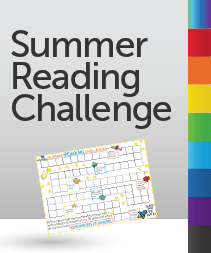
It only takes 2-3 hours of reading per week to prevent summer learning loss! The challenge is absolutely perfect for this! How does it work? Well, Lindsey created this amazing Summer Reading Challenge chart for your child to use! Every day your child will spend just 30 minutes reading a book of their choosing. It doesn’t need to be a solid 30 minutes. It can be sections of 10 minutes throughout the day (if their attention span can’t manage 30 minutes straight). If your child is a reluctant reader or has learning challenges, you can make each square a different value (for example: 15 minutes per square or levelled readers). And if your child is a voracious reader, try challenging them with one hour of reading per day!

If your child can read for 30 minutes a day over the summer, that adds up to 2,100 minutes of reading! 2,100 minutes of reading translates to 35 hours. That works out to about 3 hours a week over the summer!

Not only is your child accomplishing something fun by doing the challenge, they are also getting 3 hours per week of amazing reading time! And, we know that in order for them to maintain their reading skills over the summer they need 2-3 hours a week! So, this is perfect!

Choosing books they’ll enjoy reading.

What type of books is does your child enjoy reading? There are so many different types of choose from. Action/adventure, classics, comic books/graphic novels, detective/mystery, fantasy, historical fiction and the list goes on and on. And with each genre, comes thousands of books to choose from! Don’t worry, you don’t need to purchase all of these books. Check your local library for availability of the books that your child wants to read this summer.

Our team at Schoolio has compiled an awesome Chapter Book list for kids based on age and genre.

Schoolio Summer Reading List Pt. 1

You can download the reading list below!

Beginning the Summer Reading Challenge.

Explain to your child what the challenge is. Maybe put a reward incentive in if your child is more hesitant. Like, “We will get ice cream at your favourite ice cream shop when you’ve completed the chart!” Make sure to tell them that they will be entered into win a prize from Schoolio! Help them make a fun list of books they might like to read over the summer! Try to avoid making it another ‘chore’ or ‘to-do’. Get excited with your kids and have fun!

Schoolio Summer Reading Challenge
Schoolio Summer Reading Challenge download below


Download The Reading Challenge Chart


Download Schoolio Summer Reading List

Read more about Summer Learning Loss and How to Prevent it from Oxford Learning.Summer Learning Loss

Healthy Friendships Matter

As parents we want to be able to set our children up for success, whether that’s emotionally, financially, mentally, or with healthy friendships. We want our kids to have a vibrant and joy filled life. It’s important that our children learn positive communication skills in order to be able to cultivate healthy relationships with the people that will come into their lives.

As always, the best form of education for your child is what they see from you. When they see you as the parent modelling healthy friendships with open communication and boundaries, they will in turn understand what relationships should look like. That said, life can be tough and sometimes we as adults aren’t up to par on our communication skills either. That’s ok, we all have those days. Which is another important lesson to teach your kids. That sometimes, even in our relationships with others, we make mistakes. But it’s where we go from there that determines whether or not we are maintaining healthy friendships.

There’s this huge misconception about homeschooling.

Many people still believe that homeschooled children are not socialized, or not as socialized as children who go to school. Which in turn would make them less capable of maintaining healthy friendships and wholesome relationships. But, that’s not true! In fact, in a lot of cases, homeschooled children are sometimes more socialized than their peers who go to ‘real school’. How could that possibly be? Well, check out this blog from Lindsey about Socialization and homeschool: “Let’s Talk About Socialization”

In a normal world (pre pandemic) a homeschooled child had the opportunity to socialize and have fun with their peers just as much as children in traditional school. But, given the fact that we’ve been in a global pandemic for nearly two years. All children are truly lacking in the social category right now. Not being able to see friends and family has caused many children to struggle with their relationship building and maintaining skills. They still have the digital side of friendship, but realistically, seeing someone on a screen could just never replace the valuable time spent in the presence of their friends and loved ones.

Our children will always have tough times with their friendships, and relationships that sometimes get severed. But even those bumps in the road are vital to our children learning about how to maintain healthy friendships. All these things have generally been put on pause until things get back to some form of normal.

Most kids are truly out of practice when it comes to figuring out relationships (and adults are too). So, what are some steps we can take to help our kids after the pandemic to rebuild friendships, and utilize their friendship making tools to be able to get back on the healthy friendships wagon?

According to Very Well Family, you can try these activities once life gets back to some form of normal:


  1. Join School Sponsored Activities and Study Groups (Or a local homeschool group). These opportunities will help your child reconnect with their classmates (or homeschool buddies). Check out outdoor activities that they can do with their peers, like soccer, baseball, basketball, golf etc.


  1. Take your kids to the playground! Playgrounds are a breeding ground for friendships! And if your child learns healthy friendships skills (they’ll be one step ahead).


  1. Let your child play online games with friends (while we wait for the world to officially open up). Whether your child uses a game console, or maybe sets up a Zoom call. Playing together (even online), will help your child with their communication skills, collaboration, and problem-solving skills. And, once it’s safe to do so – they can play in real life again!


  1. Reach out to parents of children you already know. (Or better yet, have your child do it) Make plans for your kids to ride bikes, or scooters together. Do scavenger hunts, hikes, and the list goes on and on! Having a fun, planned activity to do together can really help the kids with easing back into a healthy friendship. (Being sure to follow all local social distancing guidelines).


  1. Reassure your child that it’s totally normal to feel kind of awkward when they start to socialize in person again. Let them know they aren’t alone, maybe you’re feeling that way too?


Remember to be patient with your child, and remind them to be patient with themselves also. Relationships can be tricky, and it’s important for them to know when a friendship isn’t healthy and how to either improve it, or walk away. Listen to your child when they voice their concerns and frustrations. Be present, try to understand where they’re coming from.  And, guide them to make healthy choices with their relationships.

If you need more pointers on how to help your child with their relationships, check out the ‘Healthy Friendships’ mini unit. There are tons of activities in this excellent mini unit, to help your child with things like: Conflict resolution, How to apologize, and more.

Click Here for Healthy Friendships Special Unit

For an excellent read on children’s friendships during the time of COVID-19, check out ‘How Kids Make and Keep Friends’ by VeryWell Family.

Read it Here

Emotional Health Management

How comfortable are you with talking about emotional health?

Every person big or small can become overwhelmed, frustrated, tired, anxious, and feel angry sometimes. Those are natural, human emotions that we all deal with. When our children become overwhelmed and begin expressing that overwhelm with bouts of anger, crying, and frustration it can become incredibly frustrating for parents.

From the time your child was born, your goal was to calm them. When they were crying from hunger, you quickly fed them. When they needed their diaper changed, you’d do that quick to avoid their discomfort. It’s human nature to want to stifle the cries and discomfort of our children. But as they get older, we need to do better than just hand them a tablet, or chips, when they’re frustrated. This isn’t a judgement, because we get it! Parenting is so hard; you just want your kids to be happy. You’d give them literally anything in the world if you could. Because seeing the smile on their adorable face is just so worth it.

When those angry feelings rise up in them, or the tears start welling up in their sweet eyes. It’s natural to want to find a quick, easy remedy that will solve this burst of emotion. Unfortunately, though, this doesn’t actually help them at all. I mean, yes, comforting your children is beneficial! But, is it good to tell them to “Stop!” when they’re whining about something they’re worried about? Or quickly hand them something to calm those feelings? If feels right in the moment, but it truly does nothing to solve the greater issue at hand. And, that greater issue is related to their emotional health.

Where do we start with our children’s emotional health?

When your child is overwhelmed, what could you do instead of offering quick fixes? Well, we can start by taking small steps to help our children recognize their big feelings and frustrations. We can teach our sweet kids how to take good care of their minds! We can help our kids learn important steps and tools that matter! Tools to help them navigate those thoughts and feelings that they will inevitably be faced with throughout their entire lives.

Can you imagine a world in which they put just as much importance on learning about how to take care of your mind, as they do math problems? Imagine a future for our kids where they feel safe to present their feelings. Imagine if they could learn the tools and strategies to recognize when their feelings are taking control? And then utilize peaceful coping tools!

Let’s work on emotional health together!

Teaching our kids to journal their thoughts and recognize those big, scary feelings can help them have a beautiful, bountiful, future! And wouldn’t we all agree, that’s what we want for our kids? For them to feel joy, and not be afraid of those scary thoughts that pop into their minds? It’s really recent that people have started talking about mental health, because as you are well aware, there has been a painful stigma attached to anyone that doesn’t appear to be the normal. So, people have buried those feelings deep in their minds and used other means to soothe the struggle that they just can’t seem to overcome, suppressing their emotional health has been the normal for too long.

Because unfortunately, the stigma has kept us from sharing how we feel. And in turn kept us from learning how to cope through those painful days. And, while mental health has become much less taboo in today’s fast paced society, whether we want to admit it or not, there is still stigma attached to mental health and well-being.

So, let’s change that!

Let’s change the world one child at a time. Let’s learn about emotional health together with our kids.  Let’s teach our kids that it’s ok to have bad moments and even bad days. It’s ok to have those big feelings, it’s ok to learn how to take care of your mental health. Have you ever been afraid to tell someone how you’re feeling? You don’t want that for your kids, you want them to feel peace when it comes to their mental health, and calm when it comes to their emotional health. So, let’s heal ourselves by helping the younger generations learn to take care of their minds, to recognize those unhelpful, unrealistic thoughts. Let’s help our kids learn positive, calming strategies to have a beautiful life.

Here at Schoolio we make it our mission to provide a holistic education for your children. And, that doesn’t stop with Math and Science. So, how could we possibly say education is holistic if we left out the importance of learning about our own minds. We want to help your children excel in every aspect of their lives, their whole self, which obviously includes their mental health.

Check out this Special Interest Unit about Managing Emotions by Schoolio. Let’s learn about emotional health and pick up some valuable skills together with our children to bring about a better future for us all. Let’s dive into this extremely important topic, let’s be the change, let’s start today!

Learn more about the new ‘Emotional Intelligence: Managing My Emotions’ mini unit now!

Find it here:

https://schoolio.io/product/managingemotions/

managing my emotions 1