Overcoming School Anxiety: Why Homeschooling Could Be the Right Choice

Overcoming School Anxiety: Why Homeschooling Could Be the Right Choice

Overcoming school anxiety

Education plays a crucial role in shaping a child’s future, but for some students, the traditional school environment can be overwhelming and anxiety-inducing. School anxiety is a real and pervasive issue that affects many children and their families. Fortunately, homeschooling has emerged as a viable alternative that offers numerous benefits for those seeking to overcome school anxiety. This blog post will explore why homeschooling could be the right choice for children struggling with school-related anxiety and overcoming school anxiety.

A recent report highlights that school anxiety is the top reason families choose homeschooling for their children. As school anxiety can stem from various factors, such as bullying, academic pressure, and social struggles. Homeschooling offers a more flexible and personalized learning experience, enabling students to learn comfortably in a familiar environment.

What Does School Anxiety Look Like?

For Clare, a devoted mother, homeschooling became a transformative solution for her child’s school anxiety. Through her dedication and commitment, Clare created an environment that not only addressed her child’s educational needs. But also nurtured their mental and emotional well-being. How did Clare know her daughter was struggling with school anxiety?

She Started Noticing Signs of Distress:

Clare observed several signs indicating that her child, Emily, was experiencing school anxiety. Emily often displayed physical symptoms of distress. Such as stomachaches or headaches, particularly on school mornings. Clare also noticed a decline in Emily’s enthusiasm for school-related activities. As well as a reluctance to discuss her day or complete homework assignments. These consistent indicators prompted Clare to delve deeper into understanding the root cause of Emily’s discomfort.

Signs of school anxiety

She Emphasized Open Communication and Active Listening:

Clare created a safe space for Emily to express her emotions openly and without judgment. Through gentle and compassionate conversations, Clare encouraged Emily to share her feelings and concerns regarding school. By actively listening to her child’s experiences, Clare gained valuable insights into the challenges Emily faced, which helped her better understand the extent of her school anxiety.

Research and Seeking Professional Advice:

To gain further clarity and guidance, Clare conducted extensive research on school anxiety and its impact on children’s well-being. She consulted with educators, psychologists, and other professionals specializing in child development and mental health. These experts validated Clare’s observations and provided valuable strategies and resources to support Emily effectively.

She Began to Connect the Dots:

As Clare delved deeper into the topic of school anxiety, she began to connect the dots between Emily’s experiences and the symptoms commonly associated with this condition. She realized that Emily’s physical and emotional reactions were directly linked to the overwhelming nature of the traditional school environment, including large class sizes, academic pressures, and social dynamics.

Considering homeschooling as a solution

Considering Homeschooling as a Solution:

Armed with a deeper understanding of Emily’s needs, Clare explored various educational alternatives and eventually considered homeschooling as a potential solution. She recognized that homeschooling could provide a more personalized and supportive learning environment, tailored to Emily’s unique requirements. Clare weighed the benefits, challenges, and potential long-term impact of homeschooling before making a well-informed decision.

Committing to Homeschooling:

After careful consideration, Clare made the commitment to homeschool Emily. She dedicated herself to creating a nurturing and individualized learning environment, allowing Emily to thrive academically while addressing her school anxiety. Clare developed a comprehensive plan that encompassed curriculum customization, flexible scheduling, stress-reducing techniques, and a supportive network of fellow homeschooling families.

Observing Positive Changes:

Through homeschooling, Clare witnessed positive changes in Emily’s well-being and overall academic engagement. Emily’s physical symptoms of anxiety subsided, and she regained her enthusiasm for learning. Clare noticed increased confidence and a willingness to explore new subjects and ideas. Emily’s sense of self-worth and joy in the learning process flourished, affirming Clare’s decision to address her school anxiety through homeschooling.

Observing positive changes

Understanding the Signs was a Game-Changer for Clare and Emily.

Clare’s journey of recognizing and addressing her child’s school anxiety through homeschooling exemplifies the power of parental observation, open communication, research, and seeking professional advice. By understanding the signs, connecting the dots, and committing to homeschooling, Clare provided Emily with a nurturing and supportive educational experience that effectively alleviated her school anxiety. Clare’s dedication and proactive approach demonstrate the importance of recognizing and addressing school anxiety to ensure a child’s emotional well-being and educational success.

Why Homeschooling Could Be the Right Choice.

Sathish Bala, CEO of Schoolio.com, emphasizes the importance of finding a suitable learning model for each child: “Every child is unique, and their educational journey should cater to their individual needs. Parents should carefully consider their options, whether public school or homeschooling, to ensure their children receive the support and environment they need to thrive.”

By choosing to homeschool, parents can create a tailored learning experience that addresses their child’s specific needs and reduces anxiety. This personalized approach allows children to develop at their own pace, fostering a love for learning and a more positive educational experience.

homeschooling offers flexibility

Homeschooling also allows for greater flexibility in scheduling, which can alleviate anxiety for many students. Traditional school schedules can be stressful, with early mornings and long hours spent sitting in a classroom. With homeschooling, students can work at their own pace and on their schedule, which can decrease stress and anxiety. Additionally, homeschooling provides a more supportive learning environment, as parents can offer one-on-one attention and support to their children as needed.

Is it too late to homeschool? Click here to read.

How Can Homeschooling Help With Overcoming School Anxiety for Your Child?

1. Personalized Learning Environment:

One of the primary advantages of homeschooling that many homeschooling parents love, is the ability to create a personalized learning environment. One that is tailored to the child’s specific needs. In a traditional school setting, students often face crowded classrooms, rigid schedules, and a one-size-fits-all curriculum. For anxious children, these factors can contribute to their stress and hinder their ability to focus and learn effectively. Homeschooling allows parents to customize the learning experience to suit their child’s unique learning style, pace, and interests. This individualized approach can significantly reduce anxiety and provide a more comfortable learning environment.

2. Flexible Schedule:

Homeschooling offers the flexibility to design a schedule that works best for the child and their family. Which is something that Clare and many other homeschooling parents enjoy. Students with anxiety may struggle with early mornings or struggle to keep up with a fast-paced school routine. With homeschooling, parents can adapt the schedule to accommodate their child’s needs, ensuring ample time for rest, relaxation, and pursuing other interests. This flexibility helps reduce the pressure and anxiety associated with a rigid school timetable.

3. Reduced Social Pressure:

For some students, social interactions at school can trigger anxiety. The pressure to fit in, navigate social dynamics, and face bullying or peer judgment can be overwhelming. Homeschooling provides an opportunity to create a supportive and nurturing social environment for the child. It allows them to engage in social interactions at their own pace, such as through co-op classes, homeschooling groups, or extracurricular activities. These controlled social settings can foster positive relationships and help children build confidence, thus alleviating anxiety.

School bullying

4. Individualized Attention and Support:

In traditional schools, teachers often have limited time and resources to provide individual attention to each student. However, homeschooling allows for one-on-one instruction, enabling parents to promptly identify and address their child’s specific needs. This individualized attention can immensely benefit anxious students who may require additional support or reassurance. Parents can tailor their teaching methods, employ calming strategies, and offer emotional support, creating an environment conducive to learning and reducing anxiety.

5. Emphasis on Mental Health and Well-being:

Homeschooling offers the advantage of prioritizing mental health and well-being as an integral part of the learning process. By homeschooling, parents can actively incorporate stress management techniques, mindfulness exercises, Social Emotional Learning, and opportunities for self-care into their child’s daily routine. They can also promote open communication, allowing the child to express their concerns and emotions without fear of judgment. By focusing on holistic development, homeschooling can help anxious students develop the coping skills necessary to manage their anxiety effectively.

Emphasis on mental health and well-being

Finding the Right Solution for Your Family.

It is important to note that homeschooling may not be suitable for every child or family. And each situation should be carefully considered. However, for those struggling with school anxiety, homeschooling provides a compelling alternative that prioritizes the child’s well-being. And offers a more personalized and supportive learning environment. Finding the right solution for your family is important.

Overcoming School Anxiety: Why Homeschooling Could Be the Right Choice.

Why homeschooling could be the right choice

Overcoming school anxiety is crucial for a child’s academic and emotional growth. Homeschooling can be an effective solution that allows anxious students to thrive in a stress-free and personalized setting. By tailoring the learning environment, providing flexibility, reducing social pressure, offering individualized attention, and emphasizing mental health, homeschooling empowers children to overcome anxiety and unlock their full potential.

Clare’s decision to homeschool her child, Emily, in response to her school anxiety proved to be a transformative experience. Through a personalized learning environment, flexible schedule, emphasis on emotional well-being, individualized attention, and the support of a homeschooling community. Clare created an environment where Emily could thrive. As a result, Emily’s school anxiety subsided, and her love for learning blossomed once again.

Do you suspect bullying? Click here.
Does Math cause anxiety for your child? This might help!

What Is Summer Learning Loss?

What is Summer Learning Loss?

Summer Learning Loss

As the temperature rises and schools close their doors for the summer break, and homeschool parents analyse their homeschool year. Many students and parents look forward to a much-needed break from the rigours of academic life. However, the long vacation can come at a cost. Research suggests that students often experience a phenomenon known as “summer learning loss,” which refers to the decline in academic skills and knowledge during the summer months. This blog post will delve into the concept of summer learning loss, its impact on students, and strategies to prevent or mitigate its effects. Let’s begin with what is summer learning loss.

Understanding Summer Learning Loss.

Summer learning loss, also known as the “summer slide,” is a well-documented phenomenon that affects students during the summer break. It refers to the loss of academic knowledge and skills that students experience when they are not actively engaged in educational activities during this period. The concept primarily applies to core subjects like math and reading, but it can extend to other areas as well.

The Impact on Students:

Research has shown that summer learning loss can have a significant impact on students’ academic progress. The decline in knowledge and skills acquired during the school year can result in students starting the new academic year at a disadvantage, requiring time and effort to catch up. The effect of summer learning loss is particularly pronounced among students from low-income backgrounds, who may have limited access to educational resources and experiences during the break.

The Alarming Extent of Summer Learning Loss.

Summer Learning Loss Statistics

Statistics reveal the alarming extent of summer learning loss and emphasize the need for effective interventions. According to a study conducted by the National Summer Learning Association, students can lose up to two months of grade-level equivalency in math skills over the summer. Moreover, the same study found that low-income students experience more significant learning loss than their peers, potentially setting them further behind academically.

Another research report published by the RAND Corporation estimates that the summer slide can account for approximately two-thirds of the achievement gap observed between students from low-income and higher-income families by the ninth grade. These statistics highlight the urgency for targeted strategies to combat summer learning loss and ensure that all students have an equal opportunity to thrive academically.

Reducing and Preventing Summer Learning Loss:

While summer learning loss is a prevalent concern, there are several strategies that students, parents, and educators can implement to prevent or mitigate its effects.

Reading:

Encourage students to read regularly during the summer. Provide access to a variety of age-appropriate books, visit the library, or consider joining a summer reading program. Reading helps maintain and improve literacy skills. The Schoolio Summer Reading Challenge is a fantastic opportunity for students to develop their reading skills. While also cultivating a love for literature during the summer break. The Schoolio Summer Reading Challenge encourages students to set reading goals, track their progress, and earn rewards for their achievements. Schoolio makes it easy for students to get started on their reading journey and embark on a summer filled with imagination and knowledge.

Enrichment Programs:

Explore local community centers and organizations that offer summer enrichment programs. These programs provide opportunities for students to engage in hands-on learning experiences and explore new interests.

Online Learning:

Leverage the power of technology by exploring online platforms and resources. There are many that offer educational content aligned with students’ interests and grade levels. Many websites and apps provide interactive learning activities to keep students intellectually engaged without spending too much time in front of a screen. Check out the Schoolio Digital Platform for bite-size lessons to keep your child from slipping down the summer slide.

Family Engagement:

Involve parents and family members in summer learning activities. Encourage discussions about books, current events, or hands-on projects that foster critical thinking and problem-solving skills. Family engagement is a crucial aspect of preventing summer learning loss and fostering a supportive learning environment during the break. When parents and family members actively participate in educational activities, it enhances students’ motivation, curiosity, and overall academic success.

Family engagement

Educational Games and Apps:

Utilize educational games and apps that make learning enjoyable. These tools often combine entertainment with educational content, helping students retain knowledge in a fun and engaging way.

Tutoring or Summer School:

If necessary, consider enrolling in tutoring programs or summer school classes. These options can provide targeted instruction and support to help students bridge any learning gaps.

Zoo Visits:

A trip to the zoo offers an excellent opportunity for students to learn about various animals, their habitats, and conservation efforts. Many zoos provide educational programs and guided tours specifically designed for children of different age groups. By observing animals up close, students can develop an appreciation for biodiversity and gain knowledge about different species. Encourage students to ask questions, read informational signs, and engage in interactive activities provided by the zoo. Additionally, zoos often organize special events and workshops during the summer. Which focus on specific themes or animals, which can further enrich the learning experience.

Zoo

Museum Visits:

Museums offer a treasure trove of knowledge and interactive exhibits across a range of subjects, including science, history, art, and culture. Take advantage of local museums in your area, including science centers, history museums, art museums, or children’s museums. These institutions frequently host summer programs and workshops tailored to different age groups, providing hands-on activities and engaging demonstrations. Encourage students to explore the exhibits, participate in interactive displays. While also interacting with museum staff who can provide additional insights and information. Many museums also offer guided tours or audio guides that can enhance the learning experience.

The Summer Schoolio Program:

Schoolio’s Summer Learning Program offers a unique solution to balance the enjoyment of summer break. While also ensuring that children maintain their learning skills. Designed to be flexible and convenient, content can be completed for just three days a week during a six week duration.

Summer Schoolio

This schedule allows children to have ample time to relax, explore their interests, and engage in other summer activities. By dedicating a few focused days each week to academic learning. Students can prevent summer learning loss and continue building upon their educational foundation.

The Summer Schoolio Program provides carefully curated curriculum and engaging activities that are tailored to each student’s grade level and learning needs. With this program, parents can have peace of mind. Knowing that their child will have a well-rounded summer experience, striking a balance between relaxation and intellectual growth.

Check out the Summer Schoolio Program:

Beat Summer Learning Loss with these Resources.

Summer learning loss can be a real concern for students. But with proactive measures, its impact can be minimized. By encouraging reading, engaging in enrichment programs, utilizing online resources, involving families, and exploring educational games. Students can continue learning and prevent the summer slide. By taking advantage of the wealth of resources available, we can ensure that summer break becomes an opportunity for growth and continued intellectual development.

Assessing Homeschool Success: How to Determine if Your Homeschool Year Went Well

Assessing Homeschool Success: How to Determine if Your Homeschool Year Went Well

How to determine if your homeschool year went well

Homeschooling offers unique opportunities for personalized education, allowing parents and students to tailor their learning experiences to individual needs and interests. As a homeschooling parent, it’s natural to wonder whether your academic year has been successful. Evaluating the effectiveness of your homeschooling journey can be valuable for identifying strengths, areas for improvement, and ensuring your child’s educational progress. In this blog, we will discuss assessing homeschool success: how to determine if your homeschool year went well.

Is assessing homeschool success important?

Many homeschoolers employ various methods to assess the academic year. Some parents keep detailed portfolios of their child’s work. This includes samples, assignments, and tests. Which they review to gauge academic progress. Others may use standardized tests or benchmark assessments to measure their child’s proficiency in core subjects.

Additionally, some homeschooling families engage in regular discussions and reflection sessions with their children to evaluate their learning experiences and set goals for the upcoming year. By examining these examples, we can gain insights into effective assessment strategies and adapt them to our own homeschooling journeys.

was my homeschool successful

What do the experts say about assessing homeschool success?

Lindsey Casselman, co-founder and Chief Curriculum Officer (CCO) of Schoolio Learning, shares her thoughts on how to determine if your homeschool year went well. “How do the kids feel? Forget marks. Or how many worksheets you completed or how many books you read. Forget how many experiments you did. Are they happy? Has your relationship grown closer? Have they grown as humans? Are they kind? Are they curious?”

She continued: “These are the benchmarks for successful education. Education isn’t about stuffing as much content as you can into their learning time. It’s about building a whole little human, that includes their emotions, their mental health, their eagerness to learn, they’re fulfillment and their understanding of their place in the world and who they might want to become in the future.”

What are some key indicators that your homeschool year went well?

1. Academic Progress:

One of the primary goals of homeschooling is to facilitate academic growth. Assess your child’s progress by reviewing their work samples, assignments, and tests throughout the year. Have they made noticeable improvements in subjects like math, science, language arts, or social studies? Are they achieving the learning objectives you set at the beginning of the year? Assessing academic progress will help you gauge the effectiveness of your teaching methods and curriculum choices.

2. Learning Engagement:

Successful homeschooling fosters a love for learning. Consider your child’s level of engagement throughout the year. Do they actively participate in discussions and activities? Are they curious and enthusiastic about exploring new topics? Genuine interest and enthusiasm are indicators of a successful homeschool year. If your child is actively involved in their education, it suggests that you have created a nurturing and stimulating learning environment.

Learning engagement

3. Personal Development:

Education encompasses more than just academics. Homeschooling provides an ideal environment to nurture personal growth and character development. Reflect on your child’s personal development over the course of the year. Have they demonstrated improvements in self-discipline, time management, and organizational skills? Do they show greater resilience, independence, or a positive attitude towards challenges? Evaluating these aspects helps determine the overall success of your homeschooling efforts.

4. Individualized Learning:

One of the significant advantages of homeschooling is the ability to tailor education to your child’s unique needs and learning style. Assess if your homeschool year was successful by considering how well you have personalized the learning experience. Have you provided resources and activities that cater to their individual strengths and weaknesses? Are you adapting teaching methods to suit their preferred learning style? Individualized learning contributes to academic success and ensures your child feels supported and valued.

Individualized learning

5. Social and Emotional Well-being:

Socialization is often a concern for homeschooling families. While it’s essential to provide opportunities for social interaction, consider your child’s overall social and emotional well-being. Do they have healthy relationships with peers, siblings, or other community members? Are they able to communicate effectively and express their emotions? A successful homeschool year should focus on fostering emotional intelligence, empathy, and the development of social skills.
Pick up Schoolio’s Social Emotional Learning materials to help your child with these important skills.

6. Life Skills and Practical Application:

Education extends beyond textbooks and assignments. Reflect on whether your homeschool year has successfully incorporated practical life skills into the curriculum. Have you provided opportunities for your child to develop skills such as critical thinking, problem-solving, communication, and financial literacy? The ability to apply knowledge in real-life situations is a valuable indicator of homeschooling success.

Life skills and homeschooling

The ultimate success.

Evaluating the success of your homeschool year involves assessing multiple factors. These include academic progress, learning engagement, personal development, individualized learning, social and emotional well-being, and life skills acquisition. Remember that homeschooling is a dynamic and evolving process. If you identify areas that need improvement, view them as opportunities for growth and adaptation. Ultimately, the success of your homeschool year lies in creating an environment that supports your child’s holistic development and instills a lifelong love for learning.

How to Help Your Child Catch Up in Reading

How to Help Your Child Catch Up in Reading

Help your child catch up with reading

As parents, we want nothing more than to see our children excel in every aspect of their lives. Which is why, it can be so disheartening when we notice our child struggling with reading. Reading is a fundamental skill that lays the foundation for future academic success and personal growth. So, what can you do to help your child get back on track? Fortunately, there are simple yet effective ways to support and help your child catch up in reading. In this blog, we will explore strategies and techniques that can make a significant difference in your child’s reading abilities. Let’s learn about how to help your child catch up in reading.

What causes children to fall behind in reading?

There are several reasons why children may fall behind with reading. Firstly, some children may have difficulties with specific reading skills, such as decoding words, recognizing sight words, or understanding phonics rules. These challenges can hinder their ability to read fluently and comprehend text. Additionally, a lack of exposure to books and limited opportunities for reading at home can impede a child’s progress. Other factors, such as learning disabilities, attention issues, or a lack of motivation, can also contribute to reading difficulties. It’s important to identify these underlying reasons so that appropriate interventions can be implemented to help children catch up in reading.

How can you determine if your child has fallen behind in reading?

Determining if your child has fallen behind with reading requires careful observation and assessment. To determine if your child has fallen behind with reading, pay attention to their reading progress and behaviors. Observe their reading fluency, comprehension, and overall reading level. Notice if they struggle to decode words, have difficulty recognizing sight words, or lack phonics skills. Monitor their reading speed and accuracy, as well as their ability to understand and summarize what they have read.

My child is struggling to read

Additionally, be aware of any avoidance behaviors or negative attitudes towards reading. As these can indicate underlying difficulties. If you notice consistent struggles or a lack of progress in reading milestone. It may be beneficial to consult with your child’s teacher or a reading specialist who can conduct a formal assessment to determine their reading level and identify specific areas of concern.

How to help your child catch up in reading:

1. Create a Reading-Friendly Environment:

One of the crucial steps in helping your child catch up in reading is to establish a reading-friendly environment at home. Encourage your child to have a designated reading space where they can feel comfortable and undisturbed. Surround this space with books, magazines, and other reading materials that align with their interests and reading level. By creating a positive reading atmosphere, you are fostering a love for reading and making it an enjoyable activity for your child.

2. Read Aloud Together:

Reading aloud to your child is an excellent way to enhance their reading skills. Take turns reading paragraphs or pages from a book, allowing them to follow along with the words as you read. This helps improve their vocabulary, comprehension, and fluency. Additionally, it allows you to model proper pronunciation and intonation. Which aids in their overall reading development. Regular read-aloud sessions can instill a sense of joy and curiosity in your child, making them more eager to read independently.

Read aloud together

3. Encourage Regular Reading Practice:

Consistency is key when it comes to improving reading skills. Encourage your child to engage in regular reading practice by setting aside a specific time each day dedicated to reading. Start with shorter sessions and gradually increase the duration as their reading stamina improves. Offer praise and rewards to motivate them, making reading a positive experience. You can also maintain a reading log together to track their progress and celebrate milestones along the way.

4. Explore Different Reading Materials:

To foster a love for reading, introduce a variety of reading materials into your child’s routine. Apart from storybooks, consider incorporating newspapers, magazines, comic books, or even digital content that aligns with their interests. By providing a diverse range of reading materials, you expose your child to different writing styles, genres, and perspectives, helping them develop a well-rounded reading ability.

Explore different reading materials for your child

5. Seek Support from the School or an Education Professional:

If your child continues to struggle with reading despite your efforts, it may be helpful to reach out to their school for additional support. Consult their teacher, the school’s reading specialist, or if you’re homeschooling, a tutor, to discuss your concerns and explore intervention programs or strategies. That can be implemented both at school and home. Collaboration between parents and educators is crucial in addressing reading difficulties and ensuring your child receives the necessary support to catch up.

6. Make Reading a Family Affair:

Create a reading culture within your family by making reading a shared activity. Organize regular family reading nights. Where everyone gathers together to read their favorite books or share interesting stories. This not only encourages bonding but also reinforces the importance of reading. When children see their parents and siblings engaged in reading, it inspires them to do the same.

Make Reading a Family Affair

Remember, every child learns at their own pace.

It’s essential to remember that every child learns at their own pace. Each child has unique strengths, challenges, and developmental timelines. While some children may quickly grasp reading skills and progress rapidly. Others may require more time and support to catch up. It’s crucial not to compare your child’s progress to that of their peers or set unrealistic expectations.

Instead, focus on celebrating their individual achievements. While also providing them with the necessary guidance and resources they need to succeed. Recognize that learning to read is a journey that unfolds differently for each child. And with patience, encouragement, and tailored support, they can make significant strides in their reading abilities. By acknowledging and respecting their individual learning pace, you can create a nurturing environment that fosters their confidence, growth, and love for reading.

You can set your child up for success in reading.

Helping your child catch up in reading may require patience and consistent effort. But the rewards are immeasurable. By creating a reading-friendly environment, reading aloud, encouraging regular practice, exploring different reading materials, seeking support from the school or a tutor, and making reading a family affair. You can support your child’s reading journey and set them on the path to success. Remember, every child learns at their own pace. And with your guidance and support, they can develop the reading skills necessary to flourish academically and beyond.

Consider Schoolio Learning’s Language Arts Program.

Schoolio Learning’s Language Arts Program is a comprehensive and effective tool designed to support children in developing their reading and language skills. With a well-rounded curriculum and engaging resources, Schoolio Learning equips students with the necessary tools to catch up and excel in reading. The program offers a range of interactive activities, guided reading exercises, and targeted lessons that cater to different learning styles and abilities.

Language Arts Curriculum

From phonics instruction and vocabulary development to reading comprehension strategies and writing skills, Schoolio Learning covers all aspects of language arts. The program is designed to be adaptive, allowing students to progress at their own pace. Schoolio Learning keeps students motivated and actively involved in their learning journey. Whether your child is struggling with reading or simply wants to strengthen their language skills, Schoolio Learning’s Language Arts Program provides a comprehensive and supportive platform to help them catch up and thrive.

The Metaverse and AI: What Parents Need to Know

The Metaverse and AI: What Parents Need to Know

The Metaverse and AI: What parents need to know

The Metaverse, a virtual world where people interact using digital avatars, and Artificial Intelligence (AI) are two powerful technologies transforming businesses’ operations and innovation. As parents, it’s essential to understand how these developments might impact the future job market and the skills your children need to succeed. Let’s discuss the Metaverse and AI: What parents need to know. 

Combining the Metaverse and AI opens new business growth, collaboration, and innovation possibilities. Companies can leverage these technologies to create immersive customer experiences. While also streamlining operations, and develop innovative products and services. As the business landscape evolves, the demand for professionals with expertise in the Metaverse, AI, and related technologies will grow.

The impact of these technologies on education.

Sathish Bala, CEO of Schoolio.com, emphasizes the impact of these technologies on education: “Today’s children are already exploring the limitless potential of AI through platforms like Roblox. As schools integrate these technologies over the next decade, the boundaries between play and learning will blur, unlocking new and exciting possibilities. In the next ten years, we’ll witness the emergence of entirely new careers that we can’t even imagine yet, and it’s our responsibility to prepare our children for this incredible future.”

For parents, this means preparing their children for a future where the Metaverse and AI play a significant role in the job market. Encouraging your children to develop technology, programming, and creative problem-solving skills will be vital to their future success. In addition, nurturing their curiosity and adaptability can help them thrive in a rapidly changing world.

Artificial Intelligence: What parents need to know

Encouraging children to develop technology and problem-solving skills can be done in several ways. Here are some suggestions:

1. Provide access to technology:

Ensure that your children have access to age-appropriate technology devices. Such as computers, tablets, or coding toys. Encourage them to explore different digital tools, apps, and software that promote problem-solving and critical thinking.

2. Introduce coding and programming:

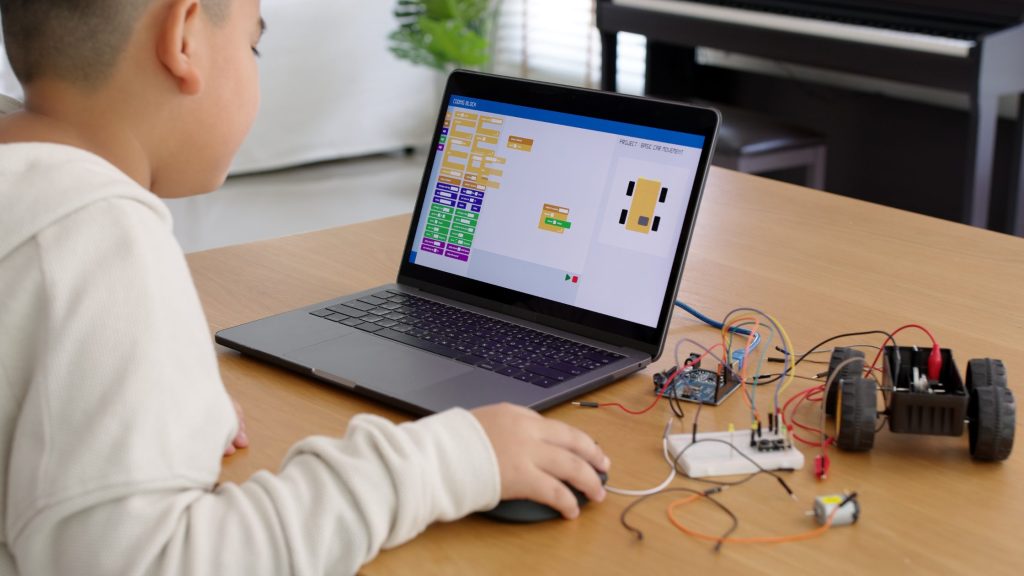
Introduce your children to coding and programming concepts early on. There are various resources available. Such as coding games, online tutorials, and programming languages specifically designed for children, like Scratch or Blockly. These platforms make learning to code fun and interactive.

3. Engage in hands-on projects:

Encourage your children to engage in hands-on projects that require problem-solving. This can involve building and programming robots, creating circuits, or working on DIY electronics kits. Such activities foster creativity, logical thinking, and problem-solving skills.

4. Support their curiosity:

Cultivate your children’s curiosity about technology by answering their questions. While also discussing new technologies, and exposing them to inspiring stories of inventors and innovators. It’s also important to foster an environment where they feel comfortable exploring, experimenting, and asking questions.

5. Encourage critical thinking and problem-solving:

Guiding your children to think critically and approach problems analytically. While also helping them to break down complex problems into smaller, manageable parts and brainstorm potential solutions. And support them in developing problem-solving strategies. Then guide them through the process when they encounter difficulties.

Critical thinking for kids

6. Promote collaboration and teamwork:

Encourage your children to work on technology-related projects with their peers or siblings. Collaboration and teamwork help develop communication skills, foster creativity, and provide opportunities for learning from others.

7. Attend technology-focused events and workshops:

Look for technology-related events, workshops, or camps in your community or online. These can provide your children with exposure to new technologies, opportunities to learn from experts, and chances to interact with like-minded peers.

8. Be a role model:

Demonstrate your own enthusiasm for technology and problem-solving by sharing your own experiences and projects. While also engaging in discussions with your children about technological advancements. And show them how you use technology to solve problems or pursue your own interests.

Remember, it’s essential to strike a balance between technology and other activities. Such as physical play, social interactions, and creative pursuits. Encouraging a well-rounded approach to learning and development will help your children cultivate a broad range of skills and interests.

What parents need to know about ChatGPT

Understanding the responsibility of using these technologies.

As the Metaverse and AI become more prevalent in the business world. It is also essential to be mindful of the potential ethical and societal implications. This is why parents should discuss the importance of data privacy, responsible AI development, and digital citizenship with their children. Doing so to ensure they understand the responsibilities of using these technologies.

The Metaverse and AI are powerful tools that reshape the business landscape. By offering new opportunities for growth and innovation. Parents should be aware of these developments and help their children develop the skills and knowledge necessary to succeed in a world increasingly influenced by these technologies.

How do you teach your child about ChatGPT?

ChatGPT is an exciting tool for anyone interested in natural language processing and AI. But where does ChatGPT fit with education? And how can you teach your child about ChatGPT and this new advancement in technology?

Pick up the Introduction to ChatGPT & Natural Language Processing unit.

Are you ready to show your learner the latest innovative tools? Do you want your learner prepared for a future that may look very different than today? The Schoolio Introduction to ChatGPT & Natural Language Processing course is for you! This unit is perfect for learning together, so don’t be intimidated if the topic is new to you as a teacher!

Introduction to ChatGPT
How to teach ChatGPT to students

How to Teach Social-Emotional Learning in the Classroom

How to Teach Social-Emotional Learning in the Classroom.

Teaching Social-Emotional Learning

In recent years, educators and researchers have recognized the importance of social-emotional learning (SEL) in fostering students’ overall well-being and academic success. Teaching SEL skills equips students with valuable tools to navigate their emotions, develop empathy, build positive relationships, and make responsible decisions. By integrating SEL into the classroom, educators can create a supportive environment that promotes students’ emotional growth and cultivates a strong sense of community. This blog will explore practical strategies about how to teach social-emotional learning in the classroom effectively.

Benefits of Adding Social-Emotional Learning to Your Classroom:

Integrating social-emotional learning (SEL) into your classroom offers numerous benefits that extend beyond academic achievement. By prioritizing SEL, educators can help students develop a range of skills that contribute to their overall well-being and success in various aspects of life. SEL provides students with the tools to manage their emotions effectively, develop self-awareness, establish healthy relationships, and make responsible decisions.

These skills are essential for personal growth, building resilience, fostering empathy and understanding, and preparing students for the challenges of the 21st century. Moreover, research has shown that incorporating SEL into the curriculum leads to improved classroom behavior, increased student engagement, reduced bullying, and higher academic performance. By investing in social-emotional learning, educators lay a strong foundation for their students’ long-term happiness, success, and positive contributions to society. Learn more about why you should teach SEL in your classroom.

Simple Tips About How to Teach Social-Emotional Learning in the Classroom:

1. Create a Positive Classroom Climate:

Establishing a positive classroom climate is crucial for fostering social-emotional learning. Encourage open communication, active listening, and respect among students. Model empathy and understanding to create a safe space where students feel comfortable sharing their thoughts and feelings. By setting clear expectations for behavior and promoting inclusivity, you can create an environment that supports SEL growth.

Create a Positive Learning Environment

2. Integrate SEL into the Curriculum:

Integrating SEL into your daily curriculum helps students see the relevance of these skills in their academic pursuits. Infuse SEL concepts into various subjects, such as literature discussions, history lessons, or science experiments. For example, analyze characters’ emotions in a novel, explore historical events from different perspectives, or promote teamwork during group projects. This interdisciplinary approach allows students to practice SEL skills in different contexts.

3. Teach Self-Awareness and Self-Management:

Self-awareness and self-management are fundamental aspects of SEL. Help students identify and understand their emotions by incorporating activities like journaling, mindfulness exercises, or reflection prompts. Encourage them to recognize triggers, manage stress, and regulate their emotions effectively. Provide guidance on goal-setting, decision-making, and problem-solving to empower students to make responsible choices.

4. Develop Empathy and Perspective-Taking:

Empathy is a cornerstone of healthy relationships and social interactions. Teach students to understand and respect diverse perspectives by incorporating activities that promote empathy and perspective-taking. Encourage discussions on real-world issues, role-playing scenarios, or engaging with literature that explores different cultures and experiences. By developing empathy, students become more compassionate and tolerant individuals.

Social-Emotional Learning Schoolio

5. Nurture Positive Relationships:

Building positive relationships within the classroom is essential for a supportive learning environment. Encourage teamwork, cooperation, and respect through group projects, collaborative discussions, or peer mentoring. Create opportunities for students to share their thoughts, provide constructive feedback, and support each other’s growth. By fostering a sense of belonging, students feel valued and develop stronger interpersonal skills.

6. Encourage Conflict Resolution:

Teaching students how to resolve conflicts peacefully is a vital aspect of SEL. Provide strategies and frameworks for effective conflict resolution, such as active listening, compromise, and negotiation. Encourage students to express their viewpoints respectfully and help them find common ground. By promoting healthy conflict resolution skills, students learn to navigate disagreements and maintain positive relationships.

7. Engage Families and the Community:

Collaboration with families and the wider community enhances the impact of SEL. Involve parents in SEL initiatives through workshops, newsletters, or family activities that reinforce SEL skills at home. Engage community organizations, such as local mental health providers or non-profits, to provide additional resources and support for SEL initiatives. By fostering a cohesive network, students receive consistent SEL messages across various settings.

Adding Social-Emotional Learning to your classroom

Adding Social-Emotional Learning to the Classroom can be Transformative.

Integrating social-emotional learning into the classroom is a transformative approach that equips students with essential life skills. By creating a positive classroom climate, integrating SEL into the curriculum, and focusing on self-awareness, empathy, and relationship-building. Educators can then help students develop into well-rounded individuals. Who are capable of navigating their emotions, fostering positive relationships, and making responsible decisions.

Benefits of Adding Schoolio Learning’s Social-Emotional Learning Materials to Your Classroom:

Incorporating Schoolio Learning’s Social-Emotional Learning materials into your classroom brings a host of benefits to educators and students alike. Developed by experts in the field of social-emotional learning, this comprehensive program offers a structured and evidence-based approach to fostering students’ emotional intelligence and well-being.

Social-Emotional Learning

Schoolio’s Social-Emotional Learning materials provide a wide range of engaging and age-appropriate resources. Including lesson plans, activities, worksheets, and interactive multimedia materials. These resources are designed to address key SEL competencies such as self-awareness, self-management, social awareness, relationship skills, and responsible decision-making.

Gain Access to a Well-Organized Social-Emotional Learning Curriculum.

By implementing Schoolio Learning’s Social-Emotional Learning materials, educators gain access to a well-organized and sequential curriculum. That allows for systematic instruction and progression of SEL skills throughout the academic year. Our Social-Emotional Learning curriculum also offers flexibility, enabling educators to adapt and customize lessons to meet the specific needs and interests of their students.

By utilizing Schoolio Learning’s Social-Emotional Learning materials, educators can confidently nurture a supportive and inclusive classroom environment. While also equipping students with essential life skills that promote their overall well-being, success, and resilience.

Why Teach Social-Emotional Learning: Nurturing the Whole Child

Why Teach Social-Emotional Learning: Nurturing the Whole Child

Why teach social-emotional learning

In today’s rapidly changing world, education goes beyond academic knowledge and encompasses the whole child’s development. One essential aspect of education that has gained significant recognition is social-emotional learning (SEL). This approach equips students with the skills and competencies to navigate life’s challenges, build meaningful relationships, and thrive in various personal and professional contexts. This blog post will explore why teaching social-emotional learning is crucial and how it benefits students in their academic pursuits and beyond. So, why teach social-emotional learning?

There is a mental health crisis, especially among children.

Incorporating SEL becomes even more crucial amid the growing awareness of children’s mental health struggles. According to recent statistics, children’s mental health is a pressing concern, highlighting the need for a holistic approach to education.

Social Emotional Learning

The CDC reports that approximately one in six children in the United States have a mental health disorder, with anxiety and depression being the most prevalent conditions. Moreover, the World Health Organization found that around 10-20% of children and adolescents experience mental health disorders globally. These alarming statistics emphasize the importance of addressing children’s mental health and well-being through comprehensive programs like social-emotional learning.

So, why teach social-emotional learning in your classroom or homeschool?

1. Foster Emotional Intelligence

Emotional intelligence plays a vital role in personal and professional success. Educators and parents can help students understand and manage their emotions by incorporating SEL into the curriculum. Students learn to identify and label their feelings, regulate their emotional responses, and empathize. These skills enable them to develop healthy coping mechanisms, make responsible decisions, and build positive relationships.

2. Enhance Self-Awareness and Self-Management

Self-awareness is a fundamental aspect of personal growth. By teaching SEL, educators help students develop a deep understanding of their strengths, weaknesses, and values. They become more aware of their thoughts, emotions, and behaviors, allowing them to set meaningful goals and make informed choices. Additionally, SEL equips students with self-management skills such as stress reduction techniques, time management, and self-motivation, enabling them to navigate challenges effectively.

3. Promote Positive Relationships

Healthy Friendships

Strong interpersonal skills are essential for success in today’s interconnected world. SEL emphasizes the importance of building and maintaining positive relationships. Students learn active listening, effective communication, conflict resolution, and teamwork, which are crucial for collaboration and cooperation. These skills foster empathy, respect, and inclusivity, enabling students to create a supportive and harmonious social environment.

4. Develop Responsible Decision-Making

Teaching SEL equips students with the tools to make responsible decisions, considering their choices’ consequences and ethical implications. By encouraging critical thinking, problem-solving, and ethical reasoning, educators empower students to navigate complex situations effectively. This enables them to make informed choices that positively impact themselves, their communities, and the world.

5. Improve Academic Performance

Contrary to the notion that social-emotional learning takes away valuable academic instructional time, research suggests that integrating SEL into the curriculum positively impacts academic performance. When emotionally engaged and equipped with social skills, students experience improved focus, concentration, and motivation. SEL also helps create a positive classroom environment, reducing disruptive behavior and enhancing classroom management.

6. Building Resilience and Mental Health

The modern world presents numerous challenges and stressors for students. Teaching SEL equips them with resilience skills to navigate setbacks, failures, and adversities. By promoting emotional well-being, stress management, and self-care practices, educators and parents help students develop the mental fortitude needed to bounce back from challenges and maintain good mental health.

Nuture the whole child.

Incorporating social-emotional learning into education is essential for nurturing the whole child. By prioritizing students’ emotional well-being, self-awareness, relationship-building, and responsible decision-making, educators equip them with skills that extend far beyond the classroom.

Nurture the whole child

Social-emotional learning prepares students to thrive in a rapidly changing world, fostering their personal growth, academic success, and overall happiness. As we recognize the significance of social-emotional development, integrating SEL into education becomes an imperative for preparing students to become well-rounded individuals who can positively contribute to society.

Add Social Emotional Learning Materials to your classroom or homeschool.

Adding SEL to your education plan is much easier than you’d like! Schoolio learning is fitted with a wholesome library of SEL content to help your students aquire the skills they need. With Social Emotional Learning resources from Kindergarten to Grade 8, Schoolio is your one stop shop for SEL learning material for your classroom or homeschool.

Will ChatGPT Change Education?

Will ChatGPT Change Education?

If you have access to the internet, you’ve probably heard of ChatGPT. When people discuss or are asked questions about ChatGPT, you’ll hear a mix of positivity and negativity. Some feel optimistic about the potential this technology brings to the table. For others, there is a fear that technology is advancing too quickly and rapidly changing how things have been. We already see the impacts ChatGPT is having on many different industries, but what about education? Will ChatGPT change education?

What exactly is ChatGPT?

ChatGPT is an artificial intelligence chatbot developed by OpenAI. It is trained on data sources such as books, websites and other text-based materials to recognize patterns in language and generate appropriate responses based on the given input. ChatGPT can respond to conversational text prompts as a natural language processing model. Doing so by providing users with the most likely response based on historical data. However, it is essential to note that the bot’s responses should not be taken as absolute truth. Users should use human discernment, analysis and creativity to use AI outputs ethically and responsibly.

How are different industries using ChatGPT?

ChatGPT and similar AI tools are used in various industries, such as journalism, customer support, and marketing. Companies use these tools in journalism to write articles and generate news headlines. Some companies use ChatGPT to automate responses to common questions and inquiries in customer support. Chatbots are also used in marketing to generate personalized product recommendations and assist in lead generation.

Industries using ChatGPT

In addition, ChatGPT is also being used in the legal industry to assist with contract review and to help lawyers with other legal research tasks. The potential uses for ChatGPT and other AI tools are vast and varied. And as technology advances, we can expect to see even more applications in the future.

Is ChatGPT already being used in education?

Not many people realize that ChatGPT is already playing an active role in education. Here are some examples:

On-Demand Knowledge:

ChatGPT is actively used as a resource for on-demand knowledge in some classrooms and beyond. Students can access ChatGPT through various platforms, such as educational websites or dedicated chat interfaces, which helps them obtain quick answers and explanations to their questions under teacher supervision. Some educators are integrating ChatGPT into their teaching methods, encouraging students to use the AI model to supplement their learning experience. 

Language Learning Companion:

ChatGPT can be used as a language-learning companion in classrooms and language-learning platforms. Students can practice their language skills by conversing with ChatGPT and receiving instant feedback and guidance on their pronunciation, grammar, and vocabulary usage. Language teachers leverage ChatGPT to create interactive lessons, exercises, and simulations, enabling students to develop their language proficiency dynamically and engagingly.

Writing Mentor:

In writing-intensive subjects, ChatGPT serves as an active writing mentor for students. Students can receive real-time feedback on their writing through integrated interfaces or dedicated writing tools, including grammar suggestions, sentence structure improvements, and style recommendations. This immediate assistance helps students refine their writing skills, strengthen their arguments, and produce higher-quality written work.

Is ChatGPT being used in education?

Tutoring and Personalized Learning:

ChatGPT has been used in personalized tutoring and adaptive learning environments. In one-on-one or small group settings, students can converse with ChatGPT to receive personalized instruction and explanations tailored to their needs. The AI model adapts its responses based on the student’s progress, providing targeted support to address areas of difficulty and promote conceptual understanding.

Research and General Knowledge:

Some students and researchers actively utilize ChatGPT as a resource for conducting research and accessing general knowledge, from gathering background information for projects and assignments to exploring complex topics. ChatGPT offers reliable and comprehensive answers (while these answers should be double-checked for accuracy). Students can ask questions, seek clarification, and delve deeper into subjects of interest, expanding their understanding beyond what is traditionally available in textbooks or limited resources.

So, will ChatGPT change education as we know it? 

Education is a dynamic field that is always embracing advancements in technology. Among these innovations, ChatGPT has emerged as a powerful tool for reshaping the learning landscape. As an AI language model, ChatGPT has already made a significant impact on education. However, its potential to further change education is even more promising. In this blog post, we’ll explore how ChatGPT could revolutionize education and transform how students learn, and educators teach.

Is ChatGPT changing education?

Personalized Learning at Scale:

ChatGPT has the potential to deliver personalized learning experiences to a large number of students. By leveraging adaptive algorithms and user data, ChatGPT can analyze individual learning patterns. While also identifying knowledge gaps and tailoring instruction to meet each student’s unique needs. This personalized approach ensures students receive targeted support and resources, promoting better engagement, improved comprehension, and enhanced academic outcomes.

Virtual Classroom Assistance:

Imagine a virtual classroom where ChatGPT seamlessly integrates with video conferencing platforms, providing real-time assistance to students and educators. ChatGPT can actively participate in discussions, answer questions, provide additional examples or explanations, and facilitate student collaboration. This virtual classroom assistant can alleviate the workload on educators, foster student engagement, and create an inclusive learning environment.

Adaptive Assessments and Feedback:

ChatGPT’s language processing capabilities enable it to assess student work and provide valuable feedback. It can automatically grade assignments, essays, and quizzes, considering factors beyond mere correctness. Such as creativity, critical thinking, and clarity of expression. This adaptive assessment and feedback system saves time and provides students with detailed insights into their strengths and areas for improvement, fostering self-directed learning and growth.

Multilingual and Culturally Diverse Education:

With its language proficiency, ChatGPT has the potential to transcend language barriers and enable multilingual and culturally diverse education. It can provide language support for students learning their non-native language. While also facilitating language exchange programs and offering insights into different cultures and perspectives.

AI-Assisted Curriculum Development:

ChatGPT can assist educators in curriculum development by analyzing vast amounts of educational content. And also provide recommendations for improving curriculum design. By leveraging its knowledge base and understanding of educational objectives. ChatGPT can identify gaps, suggest new topics, and even predict emerging areas of study. This AI-assisted curriculum development ensures that educational institutions stay at the forefront of knowledge. While also adapting to the changing needs of learners.

What are the experts saying? 

Janeen Peretin, Director of Communication, Innovation and Advancement, Baldwin-Whitehall School District. Shared with EdTech Magazine that it’s crucial students use the tool to help understand the concept they are struggling with. Not simply copy and paste the solution. Peretin also shared that the ChatGPT tool can be useful for students struggling with their homework. She stated that the tools could be “a springboard to help the student move beyond the hurdle that is before them and continue with an assignment,” Peretin says.

“In this case, it is important that the student use the tool to help understand the concept that they were struggling with and not simply cut and paste the solution. Here, I can see generative AI tools as liberators and confidence boosters for anyone needing assistance outside of normal school hours. These tools can also help provide feedback on an original piece of writing that students can use to modify and enhance their compositions.”

A recent poll on ChatGPT and generative AI Showed:

Even with all the challenges and worries about ChatGPT. A recent EDUCAUSE QuickPoll showed more than half of participants (54 percent) actually felt optimistic and even very optimistic about generative AI. With only 12 percent feeling pessimistic or very pessimistic.

ChatGPT in education, a helpful tool or a hindrance? 

Ultimately, integrating AI, such as ChatGPT, in education represents an opportunity for change. While also enhancing and reshaping the learning experience. While opinions may vary, there is a consensus that AI has the potential to provide personalized support, expand access to knowledge, and promote engagement and critical thinking. However, ethical considerations, concerns about limitations, and the need for human guidance remain essential aspects of the discussion.

The answer is balance.

The key lies in finding a balanced approach that leverages AI as a valuable tool to complement human educators rather than replace them. Collaboration between AI and educators can lead to innovative teaching methods, adaptive learning environments, and improved educational outcomes. Continued research and evaluation are needed to understand the impact, address limitations, and ensure the responsible integration of AI in education.

The key is balance

The most important goal is to create a learning ecosystem that combines the strengths of AI technology with the human touch. And at the same time, fostering a holistic and inclusive education that empowers learners to thrive in an ever-evolving world. Suppose we embrace the potential of AI in education and approach it carefully. In that case, we have the potential to unlock new possibilities while also creating a brighter future for learners worldwide.

Check out this unique unit for teaching ChatGPT to your students!

Introduction to ChatGPT & Natural Language Processing

Can a Child Be an Entrepreneur?

Can a Child Be an Entrepreneur?

Can a child be an entrepreneur?

Child entrepreneurs are children who develop and operate their businesses. These businesses can range from lemonade stands to online stores and everything in between. Child entrepreneurs are often motivated to earn money, gain experience, and pursue their passions. While child entrepreneurship can be challenging, it can also be a valuable learning experience that teaches children essential skills such as creativity, problem-solving, and financial management. So, to answer your question, can a child be an entrepreneur? The answer is yes.

What does success mean for a child entrepreneur? 

Child entrepreneurs can be successful, but success can mean different things to different people. For some child entrepreneurs, success may mean earning a few extra dollars; for others, it may mean creating a successful business that generates significant income. Regardless of the definition of success, child entrepreneurs can learn valuable skills and gain experience to help them in the future.

Some child entrepreneurs that are super successful: 

Some examples of successful child entrepreneurs include Moziah Bridges, who started his own bow tie company at nine, and Mikaila Ulmer, who founded a thriving lemonade business at the age of four. While not every child entrepreneur will achieve the same level of success as Bridges or Ulmer, it is certainly possible for children to develop and operate successful businesses with hard work and dedication.

How to Tell If Your Child Is a Natural Entrepreneur:

If you’re wondering whether your child has the potential to be a successful entrepreneur, there are a few signs to look out for. First, if your child is always coming up with new ideas and is excited about starting their own business, that’s a good sign. Second, if your child is good at problem-solving and can think creatively, that’s also a positive sign. Finally, if your child is self-motivated and is willing to put in the hard work required to start and run a business, that’s a strong indicator of entrepreneurial potential.

Creative kids

Of course, not every child who exhibits these qualities will be interested in starting a business. Still, if your child is showing signs of entrepreneurial potential, it may be worth encouraging and supporting their interests. Who knows? Your child may be the next Moziah Bridges or Mikaila Ulmer!

What can you do to help your child develop their entrepreneurial skills?

As shared above, not every child who has entrepreneurial qualities may be interested in starting a business one day, but if your child shows a generous amount of interest, try helping them by doing the following: 

  • Encourage them to think creatively and come up with new ideas.
  • Teach them about financial management and help them understand the basics of budgeting, saving, and investing.
  • Provide opportunities for them to gain experience by volunteering, interning, or working part-time.
  • Be supportive and provide guidance and feedback as they develop their entrepreneurial skills.

With your help and support, your child can develop the skills and knowledge needed to become a successful entrepreneur.

Every entrepreneur starts somewhere. Here are some ideas for your child to start with:

  • Dog walking or pet-sitting service
  • Lawn mowing or yard work
  • Car wash or detailing service
  • Selling homemade crafts or baked goods
  • Tutoring or teaching lessons in a particular skill or subject
  • Recycling or garbage collection services in your community
Kids lemonade stand

Are there learning materials for children that want to develop their entrepreneurial skills? 

Introduction to Entrepreneurship

Learning materials are available for children who want to develop their entrepreneurial skills. For example, the Schoolio Introduction to Entrepreneurship unit is designed for elementary and middle school students and covers topics such as idea generation, market research, and financial management. The unit includes lesson plans, activities, and assessments aligned with common core standards. The Schoolio platform also provides access to resources such as videos, articles, and interactive simulations to help students develop entrepreneurial skills.

In this clip, Sathish Bala, CEO of Schoolio Learning, shares the Introduction to Entrepreneurship unit.

Remember to let your child learn at their own pace regarding entrepreneurial skills. 

It’s essential to allow children to learn at their own pace to develop their entrepreneurial skills. Every child is different and may have their unique strengths and weaknesses, and it’s essential to recognize and support these differences. Some children may be quick to grasp the concepts of financial management and marketing, while others may need more time to understand these concepts fully. By allowing children to learn at their own pace, they can develop a strong foundation in the skills and knowledge needed to become successful entrepreneurs without feeling overwhelmed or discouraged.

Help your child develop a sense of pride in their work.

Let your child work at their own pace

In addition, allowing children to learn at their own pace can help them develop a sense of ownership and pride in their work. When children are free to explore and experiment with their ideas. The result is that they are more likely to develop a deep understanding of the concepts and principles behind entrepreneurship. This can lead to greater confidence and motivation, which can, in turn, lead to more tremendous success in the future.

Overall, it’s important to remember that developing entrepreneurial skills is a journey, not a destination. By allowing children to learn at their own pace and providing them with the support and guidance they need. We can help them develop the skills and knowledge they need to become successful entrepreneurs.

Understanding School Choice and Its Impact on Homeschooling

Understanding school choice and its impact on homeschooling

Understanding School Choice and Its Impact on Homeschooling

School choice is a concept that allows parents to decide the best educational setting for their children. Whether it’s public school, private school, charter school, or homeschooling. This movement empowers families. Doing so by allowing them to choose an educational path that best fits their child’s needs and learning style. Are you curious about understanding school choice and its impact on homeschooling? Let’s dive in.

A unique perspective on school choice.

Sathish Bala, CEO of Schoolio.com and a globally recognized leader in project management, product development, and strategic planning, shares his perspective on school choice. He says, “Empowering parents with the ability to choose the right educational setting for their child is crucial for their growth and development. As a passionate advocate for education and innovation. I believe that school choice can help families find the perfect learning environment for their unique child.”

Schoolio Learning - Understanding School Choice

Why is it important to find the best school choice for your family?

For first-time homeschoolers, it’s essential to understand the different educational options available and how they can impact their child’s learning experience. By utilizing school choice, parents can provide a customized, supportive, and engaging educational journey for their children. Which will then set them up for success in the long term.

There are multiple school choice options available to parents.

  • Public schools: These schools are government-run and funded by taxpayers. They offer free education to students and must adhere to state and federal standards.
  • Private schools: These schools are funded by tuition and private donations. They can be religious or secular and offer a range of educational programs.
  • Charter schools: These are publicly funded schools that operate independently of traditional public schools. They are held to the same academic standards as public schools. But have more flexibility in their curriculum and teaching methods.
  • Homeschooling: This is an educational option in which parents choose to educate their children at home. Homeschooling can be done independently or through an online program. Parents are also free to create a customized curriculum for their children.

The advantages of each of these school choices?

  • Public schools: These schools offer free education to all students and often provide transportation, meals, and extracurricular activities. They also offer a diverse student body and a range of educational programs.
  • Private schools: These schools often have smaller class sizes, more individualized attention, and a focus on specialized subjects. They can also provide a more rigorous academic environment.
  • Charter schools: These schools often have a unique mission or focus, such as STEM education or the arts. They also have more flexibility in their curriculum and teaching methods.
  • Homeschooling: This option allows a customized education tailored to the child’s learning style and interests. It also provides a more flexible schedule and one-on-one attention from the parent-teacher.
School choices

What are the disadvantages of each of these school choices?

  • Public schools: These schools may have larger class sizes and less individualized attention. They may also have limited resources and funding.
  • Private schools: These schools can be expensive, and not all families can afford tuition. They may also lack diversity and offer limited extracurricular activities.
  • Charter schools: These schools may have limited enrollment and unstable funding. They may also lack oversight and accountability.
  • Homeschooling: This option can require significant time and effort from the parent-teacher. And it also may not provide the same extracurricular opportunities as traditional schools.

What impact does school choice have with homeschooling?

School choice can have a significant impact on homeschooling, as it gives parents the option to choose the educational setting that best fits their child’s needs and learning style. As homeschooling is one of the school choice options available to parents. It allows for a customized education that is tailored to the child’s learning style, needs and interests. With homeschooling, parents have the freedom to create a customized curriculum for their child. By utilizing school choice and choosing homeschooling, parents can provide a supportive and engaging educational journey for their children, setting them up for success in the long term.

Are you curious if homeschooling is the right fit for your child? Click here to read more!

homeschooling school choice

How to determine which school choice is best for your family. 

Are you wondering how to determine which school choice is right for your family? You should consider your child’s learning style, interests, and needs, as well as your family’s values and resources. Research each option thoroughly, visit schools or attend homeschooling events, and talk to other parents who have experienced each option. With careful consideration and research, you can make an informed decision about the best educational path for your child.

How to Teach Your Students about ChatGPT

How to teach your students about ChatGPT.

ChatGPT is an AI language model that uses machine learning to generate human-like responses to text inputs. It is trained on a large corpus of text data and can be used for various applications, such as chatbots, language translation, and content generation. ChatGPT is one of the most advanced language models available and is constantly being updated and improved by its developers. ChatGPT is an exciting tool for anyone interested in natural language processing and AI. But where does ChatGPT fit with education? Are you wondering how to teach your students about ChatGPT?

Teaching your students about ChatGPT can prepare them for the rapidly changing world.

Technology is rapidly improving and changing how we live, work, and learn. With advancements in AI and machine learning, we see an increasing number of intelligent systems that can help us accomplish tasks more efficiently and accurately.

For example, ChatGPT is one such tool that is helping to revolutionize how we interact with technology. As teachers, it is vital to keep up with these technological advancements and to understand how they can be used to enhance the learning experience for our students. By incorporating tools like ChatGPT into our classrooms, we can help our students become more familiar with the latest technology and prepare them for the rapidly changing world.

Benefits of incorporating technology in your classroom. 

Education and ChatGPT

Incorporating technology in your classroom has numerous benefits. It can help students engage with the subject matter in new and exciting ways, as well as facilitate collaboration and communication between students. Technology can also help to level the playing field for students who may have different learning styles or needs, allowing them to access the content in a way that works best for them.

Additionally, technology can help to streamline administrative tasks, such as grading and attendance, freeing up more time for teachers to focus on teaching. Overall, incorporating technology in your classroom can help to enhance the learning experience for your students and prepare them for the digital world they will encounter outside of school.

Should students use ChatGPT? 

ChatGPT is constantly being updated and improved by its developers. And as a result, its capabilities are advancing at an incredible pace. What was once considered cutting-edge technology just a few years ago is now becoming commonplace. As the field of natural language processing continues to evolve, we can expect ChatGPT to become even more sophisticated and capable of performing a wider range of tasks. Keeping up with these advancements and incorporating them into the classroom can help to ensure that students are prepared for the future and have the skills they need to succeed in an increasingly digital world. What are some benefits of students using ChatGPT?

Benefits of students using ChatGPT:

  1. Students can learn from a personalized experience: With ChatGPT, students can ask questions and receive immediate answers tailored to their unique learning needs. This personalized experience can help students learn more effectively and efficiently.
  2. Students can practice language skills: ChatGPT is a powerful language model that can help students practice their language skills. By interacting with ChatGPT, students can improve their vocabulary, grammar, and sentence structure.
  3. Students can develop critical thinking skills: ChatGPT can help students develop critical thinking skills by prompting them to ask questions and consider different perspectives. By engaging with ChatGPT, students can learn how to analyze information and evaluate arguments.
  4. Students can prepare for the future: ChatGPT is a cutting-edge technology becoming increasingly important in many fields. By learning how to use ChatGPT now, students can prepare themselves for the future and gain valuable skills in high demand.
ChatGPT and education

Incorporating ChatGPT into the classroom can help to enhance the learning experience for students. While also preparing them for the digital world they will encounter outside of school.

The negatives of teaching your students about ChatGPT. 

Teaching your students about ChatGPT can have many benefits, as we have discussed. However, it is important to also consider the potential drawbacks of introducing this technology in the classroom. Here are some potential cons of teaching students about ChatGPT:

  1. It may discourage critical thinking: If students become too reliant on ChatGPT for answers, they may not develop critical thinking skills. Which are necessary to evaluate information and make informed decisions.
  2. It may perpetuate biases: Like any language model, ChatGPT is only as unbiased as the data it was trained on. If the data contains biases, ChatGPT may perpetuate those biases in its responses.
  3. It may be too advanced for some students: ChatGPT is a complex technology that may be difficult for some students to understand. This could lead to frustration and disengagement.
  4. It may raise ethical concerns: As with any AI technology, there are ethical concerns around using ChatGPT. These concerns include issues around privacy, accountability, and transparency.
Should you use ChatGPT with education?

Should you still use ChatGPT?

While these potential cons should be taken into account. It is important to note that they can be mitigated through careful instruction and guidance from teachers. By teaching students about ChatGPT in a responsible and thoughtful manner – we can ensure that they are prepared for the future while also addressing any potential drawbacks.

Here are some different ways to teach your students about ChatGPT:

Interactive demonstrations:

One of the best ways to teach students about ChatGPT is to let them interact with it directly. You can set up a demonstration where students can ask ChatGPT questions and see how it responds. This can help students understand how ChatGPT works and what it is capable of.

Assignments and projects:

You can also incorporate ChatGPT into assignments and projects. For example, you could have students write a short story and then use ChatGPT to generate additional paragraphs. This can help students understand how ChatGPT can be used for content generation.

Group discussions:

Another way to teach students about ChatGPT is to have group discussions about its capabilities and limitations. You can ask students to consider questions such as: What are the potential benefits and drawbacks of using ChatGPT? How might ChatGPT be used in different fields, such as healthcare or finance?

Case studies:

You can also use case studies to teach students about ChatGPT. For example, you could have students read about how ChatGPT is being used in a particular industry and then discuss its potential impact.

Schoolio’s Introduction to ChatGPT unit:

The Schoolio Introduction to ChatGPT unit is designed to teach students about the basics of AI and natural language processing. As well as the potential applications of ChatGPT. The unit includes interactive demonstrations, assignments, and group discussions. This help students understand how ChatGPT works and what its capabilities and limitations are.

By the end of the unit, students should have a basic understanding of how ChatGPT can be used for content generation, language translation, and chatbots. They will also have the opportunity to consider the potential benefits and drawbacks of using ChatGPT. As well as to think critically about the ethical concerns surrounding the use of AI.

Pick up your copy of the Schoolio’s Introduction to ChatGPT unit today.

Prepare your students for the future.

Learning with ChatGPT

There are many different ways to teach your students about ChatGPT. By incorporating this exciting technology into your classroom, you can help your students become more familiar with the latest advancements in AI and prepare them for the rapidly changing world ahead.

How to Help Bring Down Anger

How to Help Bring Down Anger

How to help bring down anger

Are you wondering how you can help your child manage their anger?

Anger is a natural emotion that everyone experiences. However, for children, anger can be particularly difficult to manage. Helping kids understand what causes their anger and how to manage it can be a valuable life skill.

Imagine you’ve had a long day and are tired and overwhelmed on your way home from work. When suddenly your car gets a flat tire, you pull over to fix it in the pouring rain; when another car drives through a puddle, you get soaked. This frustration causes anger as it would for any individual. But children don’t understand when faced with these overwhelming emotional responses.

Helping our children understand their emotions 

Teaching children how to understand their emotions, including anger, is an important life skill. Children who identify and manage their emotions tend to have better mental health outcomes as they grow and develop. Understanding why they feel the way they do and developing techniques to manage those emotions healthily can help children feel more in control and less overwhelmed. By teaching children how to understand and manage their emotions, we can help them grow into healthy and emotionally balanced adults.

How to help bring anger down for your child? Here are some tips:

1. Identify Triggers

Help your child identify what causes their anger. This can be anything from a frustrating school assignment to a disagreement with a friend. Once they have identified their triggers, they can start to develop strategies for managing their anger. It’s important to note that triggers can be different for each child. What may cause one child to feel angry may not cause another child to feel the same way.

2. Teach Coping Strategies

Teach your child coping strategies they can use when they feel angry. This can be anything from taking deep breaths to counting to 10. Encourage your child to use these strategies whenever they feel angry. It’s important to practice these strategies when your child is not angry, as this can help them remember to use them when they are feeling upset.

Simple coping strategies to start with:

  • Taking deep breaths
  • Counting to 10
  • Going for a walk
  • Talking to a friend
  • Practicing relaxation techniques such as deep breathing, progressive muscle relaxation, or visualization.

3. Add Social Emotional Learning 

Social Emotional Learning

Consider incorporating social emotional learning into your child’s education. Social emotional learning teaches children how to manage their emotions, develop positive relationships, and make responsible decisions. By teaching your child these skills, you can help them manage their anger in a healthy and productive way, and develop into a well-rounded and emotionally balanced individual.

4. Model Positive Behavior

Children learn by example, so it’s important to model positive behavior. When you feel angry, try to model healthy ways of managing your anger. For example, take a break, go for a walk, or talk to a friend. This can teach your child that it’s okay to feel angry, but it’s important to manage those feelings in a healthy way.

5. Practice Relaxation Techniques

Teaching your child mindfulness

Teach your child relaxation techniques such as deep breathing, progressive muscle relaxation, or visualization. These techniques can help your child calm down when they feel angry. It’s important to practice these techniques with your child, so they feel comfortable using them when they are upset.

6. Seek Help

If your child’s anger is causing problems at school or at home, consider seeking help from a mental health professional. A therapist can work with your child to develop coping strategies and healthily manage their anger. It’s important to remember that seeking help is not a sign of weakness, but rather a sign of strength.

Seeking help for anger in kids

Therapy can be a valuable tool for children who struggle with managing their emotions. A therapist can work with your child to develop coping strategies and healthy ways to manage their anger. This can help your child feel more in control of their emotions and less overwhelmed by them. Additionally, therapy can provide a safe and supportive space for your child to explore their thoughts and feelings. By seeking help from a mental health professional, you can empower your child to develop the tools they need to manage their anger and lead a happy and healthy life.

How to help bring down anger, together.

By helping your child understand and manage their anger, you can empower them to handle difficult situations in a healthy and productive way. It’s important to remember that managing anger is a lifelong skill, and it’s okay to make mistakes along the way. By working together, you can help your child develop the tools they need to manage their anger and lead a happy and healthy life.