How to Teach Your Kids about the Importance of Honeybees

How to Teach Your Kids about the Importance of Honeybees

How to teach your kids about the importance of honeybees

Bees play a vital role in our ecosystem, and honeybees, in particular, are essential pollinators that help to sustain our food supply. Unfortunately, honeybee populations face significant threats, including habitat loss, pesticide exposure, and climate change. As responsible adults, we must educate our children about the importance of honeybees and the need to protect them. By instilling this knowledge early on, we can raise a generation of environmentally conscious individuals who understand the significance of these incredible creatures. In this blog, we will explore some practical ways on how to teach your kids about the importance of honeybees.

Why You Should Teach Your Children About Honeybees:

In a world facing significant environmental challenges, educating our children about the importance of honeybees has become more crucial than ever. Here are several reasons why teaching our kids about honeybees is of utmost importance:

Food security:

Honeybees pollinate various crops, including fruits, vegetables, nuts, and seeds. Approximately one-third of the food we consume depends on pollinators like honeybees. By understanding the role of honeybees in pollination, children can grasp the direct link between bees and the availability of the food we enjoy. This knowledge can inspire them to value the conservation and protection of these vital pollinators.

Food Security

Biodiversity preservation:

Bees are an essential part of our planet’s biodiversity. By pollinating plants, they contribute to the reproduction and survival of numerous species, helping to maintain healthy ecosystems. Teaching children about the interconnectedness of all living organisms and the intricate web of life can foster a deep appreciation for the diversity and beauty of nature. When kids understand the significance of bees in maintaining biodiversity, they are more likely to develop a sense of responsibility toward the environment.

Environmental awareness:

Educating children about honeybees and their challenges can raise their awareness of broader environmental issues. Discussing the threats honeybees face, such as habitat loss, pesticide exposure, and climate change, can initiate conversations about the impact of human activities on ecosystems. Through these discussions, children can understand the delicate balance of nature and the importance of sustainable practices.

Empathy and compassion:

Learning about honeybees can instill empathy and compassion in children. Bees, like many other living creatures, have complex social structures, communicate with each other, and work together for the survival of their colony. Teaching kids about these aspects of bee life can foster a sense of respect and compassion for all creatures, no matter how small. When children understand the importance of every living being, they are more likely to develop a deep connection with nature and become advocates for its protection.

Empathy and compassion

Future guardians of the environment:

By educating children about honeybees and the importance of environmental conservation, we are nurturing the next generation of environmental stewards. Armed with knowledge and a sense of responsibility, children can grow up to become proactive advocates for sustainable practices, biodiversity protection, and the preservation of pollinators like honeybees. They can actively contribute to creating a more sustainable and environmentally conscious future.

Teaching our children about honeybees goes beyond just imparting knowledge; it is an investment in their future and the well-being of our planet. By instilling a sense of wonder, empathy, and understanding, we can empower our children to make informed choices, appreciate the natural world, and take action to protect and preserve honeybees and the environment as a whole.

How to Teach Your Kids About the Importance of Honeybees:

Honeybees are not only fascinating insects but essential pollinators that contribute to our food supply and the overall health of our ecosystems. By instilling this knowledge in our children from a young age, we empower them to appreciate the significance of honeybees and inspire them to take action to protect these invaluable pollinators.

1. Start with the basics:

Begin by explaining what honeybees are and what they do. Describe how they collect nectar from flowers, make honey, and pollinate plants. Emphasize their crucial role in the growth of fruits, vegetables, and other crops. Use age-appropriate language and visual aids like pictures or videos to make the learning process engaging and interactive.

2. Visit a local bee farm or apiary:

Take your kids on a field trip to a nearby bee farm or apiary. Many beekeepers are eager to educate the public about honeybees. Witnessing the bees in action and observing the beekeeping process can be a fascinating and memorable experience. The beekeeper can explain the importance of bees, demonstrate hive maintenance, and address any questions your children may have.

3. Plant a bee-friendly garden:

Involve your children in creating a bee-friendly garden in your backyard or pots on your balcony. You can also explain how certain flowers, such as lavender, sunflowers, and wildflowers, attract bees and provide them with nectar and pollen. Let your kids assist in planting and caring for these flowers. While also encouraging them to observe the bees as they visit the garden. This hands-on experience will help them appreciate the symbiotic relationship between bees and flowers.

Plant a bee-friendly garden

4. Avoid pesticide use:

Teach your children about the harmful effects of pesticides on bees and the environment. Explain that certain pesticides can poison bees or disrupt their ability to navigate and communicate. Encourage your family to opt for natural pest control methods or environmentally friendly alternatives to pesticides in your garden or yard.

5. Read books and watch documentaries:

Many educational resources are available that introduce children to the world of honeybees. Visit your local library or bookstore for age-appropriate books about bees and pollination. Additionally, explore kid-friendly documentaries or short videos that explain the importance of honeybees in an entertaining and informative way.

6. Encourage empathy and action:

Help your children understand they can make a difference in protecting honeybees and the environment. You can have a positive impact by discussing small actions, such as conserving water, reducing waste, and planting bee-friendly flowers. Additionally, you can engage your kids in age-appropriate environmental activities or volunteering opportunities. Such as participating in local conservation projects or joining youth environmental organizations.

7. The Bees & Honey Unit by Schoolio:

The Schoolio Bees & Honey unit is a science curriculum that focuses on honeybees and the process of acquiring honey. Through engaging activities and colorful visuals, students learn about hive dynamics, pollination, and the creation of honey by bees and beekeepers. This curriculum enhances their understanding of the natural world. While also fostering an appreciation for living creatures, and highlighting the importance of honeybees in Earth’s ecosystem. Children develop a more profound scientific knowledge using the Schoolio Bees & Honey unit. And a stronger connection to the significance of honeybees in our lives.

Bees & Honey Unit

Raising a Generation of Children Who Care!

Teaching our kids about honeybees is vital for understanding bees’ importance to the environment. Additionally, bees help pollinate plants, so they play a big part in ensuring we have enough food. By using hands-on activities and educational resources like the Schoolio Bees & Honey unit, we can help children learn about bees in a fun and interactive way. This knowledge will help them appreciate bees’ role in nature and inspire them to protect these important creatures. By teaching our children about honeybees, we are raising a new generation of people who care about the environment and will work to improve our world.


How to Talk to Your Kids About Climate Change

How to Talk to Your Kids About Climate Change

How to talk to your kids about climate change

Climate change is an urgent global issue that affects every person on this planet, including our children. As parents, having open and honest conversations with our kids about climate change is essential, helping them understand its impact and empowering them to take positive action. While discussing such a complex topic can be challenging, providing our children with the knowledge, tools, and hope they need to become responsible stewards of the environment is crucial. Let’s explore some effective strategies and key points when learning how to talk to your kids about climate change.

The Importance of Talking to Our Children About Climate Change:

Talking to our children about climate change is paramount as it equips them with the knowledge, awareness, and tools to become responsible custodians of our planet. By educating them about the reality and urgency of climate change, we empower them to understand the interconnectedness of their actions and the environment.

When children grasp the significance of their choices, from energy consumption to waste management, they can make informed decisions prioritizing sustainability and conservation. By instilling a sense of environmental consciousness, we cultivate a generation that is mindful of its ecological footprint and motivated to seek innovative solutions to mitigate climate change.

The importance of talking to our children about climate change

We plant empathy by teaching our children about climate change, fostering a deep connection to nature and an intrinsic motivation to protect the Earth. In doing so, we offer them the opportunity to build a better future where environmental stewardship and sustainability are at the core of their decision-making processes.

How to Talk to Your Kids About Climate Change:

1. Start with Age-Appropriate Information:

When discussing climate change, it’s essential to tailor the information to your child’s age and maturity level. Younger children may benefit from simple explanations and stories highlighting the importance of protecting nature and being kind to the environment. Older children can delve into more scientific aspects, discussing greenhouse gases, renewable energy, or conservation efforts. Remember to focus on positive actions worldwide to mitigate climate change.

2. Be Honest and Accurate:

Children have a remarkable ability to understand complex issues if explained clearly. Provide them with accurate information about climate change, emphasizing that it is a scientific reality backed by evidence. Explain how human activities, such as burning fossil fuels and deforestation, contribute to climate change. Be honest about the potential consequences and highlight the solutions and actions to address the issue.

3. Encourage Questions and Active Listening:

Create a safe space for your children to ask questions and express their concerns about climate change. Encourage their curiosity and listen actively to their thoughts and feelings. This will help you understand their perspective, address any fears or misconceptions they may have, and guide them toward reliable sources of information.

Encourage Questions and Active Listening

4. Connect Climate Change to Their Daily Lives:

Help your children understand how climate change affects their daily lives. Discuss how changes in weather patterns can impact ecosystems, agriculture, and even their favorite outdoor activities. Encourage them to observe and appreciate nature, reinforcing the importance of protecting it for future generations. Consider engaging in eco-friendly practices as a family, such as recycling, reducing energy consumption, or growing a small garden.

5. Empower Them to Take Action:

One of the most crucial aspects of discussing climate change with your children is empowering them to make a positive difference. Teach them about the importance of sustainable practices and encourage them to adopt eco-friendly habits. Explore opportunities for volunteering or participating in local environmental initiatives. Discuss the importance of collective action and how individuals can influence broader change.

Empower them to take action

6. Foster Hope and Optimism:

While conveying the seriousness of climate change is essential, instilling hope and optimism in your children is equally important. Highlight stories of successful environmental conservation efforts, renewable energy advancements, and inspiring individuals making a difference. Encourage your children to envision a sustainable future. And also emphasize that their actions, no matter how small, contribute to positive change.

7. Add Climate Change Curriculum to Your Learning Plan:

One excellent way to enhance your child’s understanding of climate change is by incorporating the climate change unit from Schoolio Learning into their curriculum. This dedicated unit provides numerous benefits by immersing your child in a comprehensive learning experience. The climate change unit from Schoolio Learning covers vital topics. Such as the science behind climate change, its global impact, and practical solutions for mitigation.

How to Talk to Your Kids about Climate Change

By engaging in hands-on activities, discussions, and projects, your child gains a deeper understanding of the subject. While also developing critical thinking, problem-solving, and collaboration skills. This unit also emphasizes the importance of sustainable practices. Which empowers your child to make informed decisions that contribute to a greener future. By integrating this unit into the curriculum, Schoolio Learning helps to equip your child with the knowledge and tools necessary to navigate the challenges of climate change. While also fostering a sense of environmental responsibility and inspiring them to become agents of positive change.

Facing Future Challenges:

Talking to your kids about climate change is vital in preparing them to face future challenges. By providing age-appropriate information, fostering open dialogue, and empowering them to take action. We can instill a sense of responsibility, hope, and environmental consciousness in our children. Together, we can inspire the next generation to become passionate advocates for the planet and work towards a sustainable future.

Making a Mess: Tips for Doing Messy Projects and Experiments Without Losing Your Mind

Making a Mess: Tips for Doing Messy Projects and Experiments Without Losing Your Mind

Making a mess

As a parent, you know that messes are inevitable in raising children. It can seem like your kids are making a mess every five minutes. Whether art projects, science experiments, or cooking adventures, messy activities can provide valuable learning experiences and foster creativity. However, feeling apprehensive about the chaos that often accompanies these endeavours is natural. Fortunately, with some planning and a positive mindset, you can navigate messy projects and experiments without losing your mind. This blog will explore tips and strategies to help you embrace the mess while enjoying quality time with your children.

Making a Mess is Good for Development.

Making a mess is a natural part of childhood and a valuable aspect of your child’s development. Messy play and projects provide numerous benefits for their growth and learning. Firstly, messy activities stimulate their senses, allowing them to explore different textures, smells, and visual stimuli. This sensory engagement helps develop their cognitive and neurological pathways.

Secondly, messy play promotes creativity and imagination as children can experiment, create, and problem-solve in an open-ended environment. It encourages them to think critically, make decisions, and explore their unique ideas. Additionally, messy projects foster fine motor skills development as children use materials to pour, scoop, and use their hands while molding and shaping various substances. Cleaning up afterwards also teaches responsibility, organization, and teamwork. Ultimately, embracing messiness enables children to express themselves, build confidence, and develop essential life skills that will benefit them in the long run.

Embrace the Process

How to Prepare for Your Kids Making a Mess:

1. Set Clear Expectations:

Before diving into a messy project, communicate your expectations with your children. Discuss the importance of cleanliness and the need for responsible behavior. Explain that messes are part of the process but emphasize the significance of cleaning up afterward. Establishing clear boundaries and guidelines ensures a more organized and enjoyable experience for everyone involved.

2. Choose the Right Environment:

Consider the space in which you’ll be conducting your messy project. Some activities are better suited for the great outdoors, while others may be more manageable in a designated area indoors. Protect your floors, furniture, and walls by using drop cloths, newspapers, or even old sheets. Creating a designated mess-friendly zone will help contain the chaos and ease your worries about potential damage.

3. Dress for Success:

Encourage your children (and yourself) to dress appropriately for messy projects. Wearing old clothes or aprons will alleviate concerns about stains or ruined outfits. Provide your children with smocks or oversized shirts to protect their clothes while allowing them to explore and get messy. Remember, it’s easier to clean up a dirty outfit than it is to restore a lost opportunity for creative play.

Dress for Success when making a mess

4. Plan Ahead:

Before starting a messy project, gather all the necessary materials and tools. This proactive approach will minimize interruptions and keep your focus on the activity itself. Create a checklist and ensure you have all the necessary supplies, including protective gear such as gloves or goggles. Everything readily available will allow you to fully immerse yourself in the project without worrying about last-minute preparations.

5. Embrace the Process:

Messy projects and experiments are all about exploration and discovery. Encourage your children to embrace the process rather than just focusing on the end result. Remind them that making mistakes is a natural part of learning and that creativity often emerges from unexpected situations. By shifting the focus from perfection to enjoyment, you can foster a positive environment for learning and creativity.

6. Establish Clean-Up Rituals:

While messes are essential to these projects, teaching your children the importance of cleaning up is equally crucial. Establish clean-up rituals and involve your children in the process. Make it fun by turning it into a game or playing their favorite music while tidying up. By emphasizing the responsibility of cleaning, you instill valuable life skills and create a sense of accountability.

Cleaning up after making a mess

7. Document the Experience:

Capture the memories and joy of messy projects by documenting the process. Take photos or record videos to create a visual record of your children’s creations. Not only will this serve as a wonderful keepsake, but it will also encourage your children’s pride in their accomplishments. Reflecting on the fun and creativity experienced during messy projects can strengthen family bonds and inspire future endeavors.

Navigate the Chaos with Confidence:

Messy projects and experiments offer valuable opportunities for learning, creativity, and quality time with your children. By implementing these tips and strategies, you can confidently navigate the chaos and enjoy the benefits of messy play without losing your mind. Embrace the mess, be present in the moment, and create memories that will last a lifetime. Remember, it’s through messy adventures that children often discover the most profound lessons about the world.

Is it cold outside? Kids are bored? Here are 10 creative things to do!

Feed Your Child’s Scientific Interests: Nurturing the Curious Mind

Feed Your Child’s Scientific Interests: Nurturing the Curious Mind While Remembering That Not All Sciences May Pique Their Interest, and That’s Perfectly Fine.

Nurturing the Curious Mind

Every child has a unique set of interests and passions that drive their curiosity. As parents, it is our responsibility to provide them with the tools and opportunities to explore and grow in these areas. When it comes to scientific interests, fostering a love for learning and discovery can have a profound impact on a child’s development. By encouraging their scientific inclinations, we not only fuel their intellectual growth but also pave the way for future success. In this blog post, we will discuss how to feed your child’s scientific interests and provide tips on how to support their learning journey.

Can You Leave Some Science Curriculum on the Shelf?

Homeschooling parents often find themselves feeling the pressure to cram in an overwhelming amount of academic work, striving to cover all subjects extensively. However, it’s important to remember that education is not solely about the quantity of material covered but rather the quality of the learning experience. As parents, we should embrace the freedom and flexibility of homeschooling by exploring the sciences that genuinely captivate our children’s interests. Instead of constantly filling their time with arbitrary lessons, we should prioritize delving into the scientific topics that truly ignite their curiosity. By doing so, we create an environment that encourages deep engagement, fosters a love for learning, and allows our children to flourish in their chosen fields of scientific exploration.

Can You Leave Some Science Curriculum on the Shelf?

Nuturing the Curious Mind:

Feeding your child’s scientific interests is of utmost importance as it nurtures their natural curiosity, promotes critical thinking, and cultivates a lifelong love for learning. When children are deeply engaged in scientific topics that fascinate them, they are more motivated to explore, experiment, and seek answers to their own questions. To help your child flourish in their scientific pursuits, there are several effective ways to support and encourage their interests. By diving into their passions, providing access to resources, encouraging experimentation, seeking out STEM opportunities, and balancing homeschooling with their scientific inclinations, you can create an environment that fosters their intellectual growth and sets the stage for future success. Let’s delve into these strategies and discover how you can ignite your child’s scientific journey.

How to Feed Your Child’s Scientific Interests:

1. Dive into Their Interests:

When a child exhibits a keen interest in science, it’s essential to embrace and encourage their curiosity. Engage in conversations about their favorite topics, ask open-ended questions, and actively listen to their ideas. This kind of supportive environment helps children feel valued and motivates them to explore further. By showing genuine interest, you can inspire your child to dive deeper into their scientific interests.

2. Provide Access to Resources:

One of the crucial ways to foster scientific interests is by making resources readily available. Create a home library with books, magazines, and educational websites focused on various scientific subjects. Visit libraries, museums, and science centers together, allowing your child to experience hands-on learning. Encourage the use of technology for research and discovery, providing access to educational apps, videos, and online communities where they can connect with like-minded individuals.

Can You Leave Some Science Curriculum on the Shelf?

3. Encourage Experimentation and Exploration:

Science is all about experimentation and exploration. Create a safe and conducive environment for your child to conduct experiments, whether they are simple kitchen chemistry experiments or more complex projects. Encourage them to ask questions, develop hypotheses, and find answers through experimentation. Support their efforts, even if it means dealing with a few messes or minor mishaps along the way. Emphasize the process rather than just the end result, as it fosters critical thinking and problem-solving skills.

4. Seek Out STEM Opportunities:

Look for opportunities beyond the home to supplement your child’s scientific education. Many communities offer STEM-related programs, summer camps, workshops, and competitions that cater to young learners. Encourage your child to participate in science fairs, robotics clubs, coding camps, or any other activity that aligns with their interests. These experiences not only provide valuable hands-on learning but also foster collaboration, creativity, and a sense of accomplishment.

5. Balancing Homeschooling While You Feed Your Child’s Scientific Interests:

As homeschooling parents, it is easy to feel overwhelmed by the desire to cover every subject comprehensively. However, it’s important to recognize that every child has unique strengths and passions. While a well-rounded education is essential, it’s equally crucial to prioritize your child’s scientific interests. Allow them the freedom to delve deeper into subjects they love, even if it means temporarily setting aside certain areas of study. This focused approach helps your child develop a genuine love for learning, which will have a positive impact on their overall education.

Feed Your Child's Scientific Interests

Looking to Feed Your Child’s Scientific Interests? Check this out:

One excellent resource for homeschooling parents seeking a comprehensive and customizable science curriculum is Schoolio Science. With Schoolio Science, you have the flexibility to mix and match units to meet your child’s unique learning needs and interests. Whether your child is captivated by astronomy, biology, chemistry, or any other scientific field, Schoolio Science offers a wide range of engaging and well-designed units.

From hands-on experiments to interactive lessons and engaging activities, this curriculum provides a solid foundation in scientific knowledge and skills. With a variety of elective options available, you can tailor your child’s science education to align with their specific interests and career aspirations. If you’re looking for a comprehensive science curriculum that can be tailored to your child’s learning journey, I encourage you to check out the Schoolio Science curriculum and explore the exciting electives they have to offer. Visit the Schoolio Bookstore to learn more and take the first step in nurturing your child’s scientific passions today.

Are Your Kids Behind in School? Here’s What to do When You Need More Help With Your Homeschool

Are Your Kids Behind in School? Here’s What to do When You Need More Help With Your Homeschool

Is your homeschooled child behind in school?

Homeschooling can be an incredible opportunity for parents to participate in their children’s education actively. It allows personalized learning, flexibility, and a tailored approach to meet each child’s needs. However, despite the numerous benefits, there may be times when you feel like your kids are falling behind in their studies and you need extra help. Don’t worry; you’re not alone! Many parents face similar challenges. In this blog, we’ll explore some practical steps you can take when you need more support with your homeschooling journey. So, are your kids behind in school?

Evaluate Your Child’s Learning.

It’s essential as a homeschooling parent to take a step back and critically assess whether your child is genuinely falling behind in their learning or if it might be a case of parental guilt creeping in. Parental guilt can often make us feel like we’re not doing enough or that our children are lagging, even when they’re progressing at an average pace. To determine if your child is genuinely struggling, objectively evaluating their learning is crucial. Here are some ways to assess your child’s learning and determine if they are falling behind:

Regular assessments:

Incorporate regular assessments into your homeschooling routine. This can include quizzes, tests, or informal evaluations to gauge your child’s understanding of the material. Tracking their progress over time will help you identify areas where they may be struggling.

Regularly assess your homeschool

Learning benchmarks:

Familiarize yourself with the typical learning benchmarks for your child’s grade level. These benchmarks outline the skills and knowledge that children are expected to acquire at specific stages of their education. Compare your child’s progress to these benchmarks to see if they are on track or if they need additional support.

Observations and discussions:

Pay close attention to your child’s engagement and enthusiasm for learning. Observe their behavior during lessons, note any signs of frustration or disinterest, and have open conversations with them about their educational experience. Their feedback and attitudes can provide valuable insights into their progress.

Portfolio or work samples:

Keep a portfolio or collection of your child’s work samples, including assignments, projects, and assessments. Reviewing these samples periodically can give you a tangible representation of their progress and allow you to spot any gaps or areas that need improvement.

Professional assessments:

If you have concerns about your child’s academic progress, seeking a professional assessment can provide an objective evaluation. Consider consulting an educational psychologist, a specialized tutor, or an education consultant who can assess your child’s abilities and provide recommendations tailored to their specific needs.

Professional assessment

Are Your Kids Behind in School? Here’s What to do:

If you have determined that your child is falling behind in their learning, taking proactive steps to address the situation is essential. Recognizing the need for additional support is the first crucial step toward helping your child catch up and thrive academically. In the following points, we will explore actionable strategies to support your child’s educational progress and bridge any learning gaps they may have encountered. Remember, with the right approach, dedication, and support; you can help your child regain confidence and succeed in their homeschooling journey.

1. Evaluate your approach:

The first step is to actually take a step back and evaluate your current homeschooling approach. Reflect on your teaching methods, curriculum choices, and daily routines. Are you using materials and resources that align with your child’s learning style? Are you providing enough structure and consistency? Sometimes, a slight adjustment in your approach can make a big difference.

2. Seek guidance from experienced homeschoolers:

Connect with other homeschooling families on this journey longer than you. Online forums, social media groups, and local homeschooling associations can be great resources. Ask for advice, share your concerns, and learn from their experiences. They may be able to offer valuable insights and suggest strategies that have worked for them.

Seek guidance from experienced homeschoolers

3. Utilize online resources:

In today’s digital age, many online resources are available to support homeschooling parents. Websites, educational apps, and virtual tutoring platforms offer various educational materials, interactive lessons, and even one-on-one tutoring sessions. Identify areas where your child needs additional help and explore reputable online resources tailored to those subjects or skills.

4. Engage in co-op learning:

Consider joining or creating a homeschool co-op in your local area. Co-ops are homeschooling families who come together to share resources, expertise, and teaching responsibilities. In a co-op, parents can take turns teaching subjects they excel in while their children benefit from other parents’ collective knowledge and diverse teaching styles. Co-ops also provide opportunities for socialization and collaboration among homeschoolers.

5. Hire a tutor:

Hiring a tutor can be a beneficial option if your child requires more individualized attention or specialized instruction. Look for tutors who specialize in the subjects your child is struggling with or have homeschooling experience. Private tutors can provide personalized instruction, identify learning gaps, and create customized lesson plans to help your child catch up and succeed.

Hire a tutor

6. Explore local learning resources:

Beyond online platforms and virtual support, don’t forget about the resources available in your local community. Libraries, museums, art centers, and community centers often offer educational programs and workshops designed for homeschoolers. These resources can provide hands-on learning experiences, access to specialized equipment, and opportunities for your child to engage with peers in a structured educational environment.

7. Consider joining a hybrid homeschool program:

Hybrid homeschool programs combine the benefits of traditional schooling and homeschooling. These programs typically involve home-based learning and on-campus classes or activities. Enrolling your child in a hybrid homeschool program can offer professional instruction in specific subjects, access to facilities and resources, and the chance to interact with other students in a structured setting.

8. Explore the Schoolio Digital Platform:

When looking for an affordable and customizable option to meet your child’s educational needs, the Schoolio Digital Platform can be a valuable resource. This platform offers a comprehensive curriculum for homeschooling families, covering various subjects and grade levels. The best part is that it allows you to tailor the curriculum to suit your child’s learning style, pace, and interests.

The Schoolio Digital Platform

Remember, Every Child is Unique.

Remember, every child learns at their own pace, and occasional setbacks are a natural part of the learning process. Be patient with yourself and your child. Homeschooling is a journey filled with growth and learning opportunities for both of you. By seeking additional help when needed, exploring various resources, and connecting with the homeschooling community, you can provide the support your child requires to thrive academically and personally. Stay flexible, adapt your approach when necessary, and celebrate your child’s progress along the way.

Traveling with Kids: How to Do It Like a Homeschooler

Traveling with Kids: How to Do It Like a Homeschooler

Traveling with Kids: How to do it like a homeschooler

Traveling with kids can be a thrilling and enriching experience for the whole family. While it may seem intimidating at first, it can become an opportunity for incredible learning and growth with the right approach. In this blog, we’ll explore how you can embrace the homeschooling mindset while traveling with kids and provide you with some practical tips to make the journey easier and more enjoyable.’

Ready to Do It Like a Homeschooler when Traveling with Kids?

Traveling like a homeschooler opens up a world of possibilities for educational exploration and family bonding. Whether you homeschool your children or simply want to infuse learning into your travels, approaching your journeys with a homeschooling mindset can transform them into extraordinary experiences. By embracing hands-on learning, incorporating local culture, and fostering curiosity, you can embark on adventures that ignite your children’s curiosity and provide them with valuable knowledge beyond the confines of a traditional classroom.

Here are some various ways you can travel like a homeschooler, turning every trip into a captivating and enriching educational experience for the whole family.

1. Plan Ahead with Purpose:

One of the key aspects of homeschooling is planning with a purpose. Apply this approach to your travel itinerary by researching destinations that offer educational opportunities for your children. Look for museums, historical sites, science centers, and cultural events that align with their interests and the subjects you want to cover. This way, your trip becomes a hands-on learning experience.

2. Embrace Hands-on Experiences:

Children learn best through direct engagement, so seek out interactive activities wherever you go. Look for museums with hands-on exhibits, workshops, or guided tours that allow your kids to actively participate. Whether it’s a cooking class to learn about local cuisine or a nature walk to explore ecosystems, hands-on experiences make learning fun and memorable.

3. Make History Come Alive:

Traveling provides a unique opportunity to bring history lessons to life. Research historical sites and landmarks in the places you’ll be visiting, and encourage your children to read about them beforehand. When you’re there, let them absorb the atmosphere, explore the architecture, and imagine what life was like in that era. This immersive approach to history will deepen their understanding and appreciation.

Traveling with kids

4. Keep Learning On the Go:

Traveling itself can be a fantastic learning experience. Use the time spent on planes, trains, or in the car to engage your kids in educational activities. Pack age-appropriate books, puzzles, or educational games that relate to the places you’ll visit or the subjects you’re covering. This way, you can continue their education while on the move.

5. Encourage Journaling:

A travel journal is an excellent tool for children to reflect on their experiences and practice their writing skills. Provide each child with a journal where they can document their adventures, thoughts, and observations. Encourage them to write about the places they visit, the people they meet, and the new things they learn. Not only does journaling enhance their literacy skills, but it also creates a beautiful keepsake to remember the trip.

Encourage journaling

6. Integrate Math and Geography:

Traveling offers plenty of opportunities to incorporate math and geography into your children’s learning. Involve them in planning the routes, calculating distances, and estimating travel times. Encourage them to read maps, find landmarks, and understand geographical features. By doing so, you’ll enhance their spatial awareness and problem-solving skills.

7. Take Advantage of Local Culture:

Immerse your children in the local culture by trying traditional foods, attending cultural festivals, or exploring local markets. Encourage them to interact with locals, learn basic phrases in the local language, and gain a deeper appreciation for different customs and traditions.

8. Use Technology as a Learning Tool:

Utilize educational apps, podcasts, or online resources that align with your children’s interests and the destinations you’ll be visiting. These tools can provide additional information, quizzes, and interactive content to enhance their understanding and engagement.

9. Plan Breaks and Downtime:

Traveling can be tiring, especially for young children. Remember to schedule breaks and downtime to rest, recharge, and process the experiences. This allows them to absorb and reflect on what they’ve learned while maintaining their energy levels.

Plan breaks and downtime

10. Incorporate Physical Activity:

Traveling often involves exploring new environments and landscapes. Take advantage of this by incorporating physical activities such as hiking, swimming, or biking. Not only does it provide a healthy outlet for energy, but it also encourages a connection with nature and promotes overall well-being.

11. Connect with Other Traveling Families:

Look for opportunities to connect with other families who are traveling or homeschooling. Join online forums, attend meetups, or participate in group activities. This can provide a sense of community, valuable insights, and potential friendships for both children and parents.

12. Focus on Flexibility and Adaptability:

Traveling with kids requires flexibility and adaptability. Embrace unexpected changes or detours along the way and use them as teaching moments. Encourage your children to problem-solve, adjust their expectations, and find joy in the unexpected.

13. Foster Independence:

Give your children age-appropriate responsibilities during the trip. Whether it’s navigating, managing a budget, or planning an activity, empowering them to take charge fosters independence and cultivates valuable life skills.

14. Document the Journey:

Encourage your children to take photographs or create videos to document their travel experiences. This allows them to develop their creativity, storytelling skills, and visual documentation abilities. Plus, it creates a lasting memory of their adventures.

Document the journey

15. Reflect and Share:

Once your trip is over, set aside time to reflect on the experiences as a family. Have meaningful conversations, share favorite moments, and encourage your children to share what they’ve learned and how it has impacted them. This reflection promotes deeper learning and helps solidify memories.

Embrace the Homeschooling Mindset When Traveling With Kids.

Traveling with kids can be an exciting adventure that combines education and exploration. By adopting a homeschooling mindset, you can transform your family trips into invaluable learning experiences. Remember to plan with purpose, seek out hands-on activities, and encourage journaling. Embrace the opportunity to make history come alive and integrate subjects like math and geography along the way. With these tips, you’ll create unforgettable memories and instill a love for learning in your children that will last a lifetime. Happy travels!

Learn more about why parents are turning to homeschooling – Click here!

Homeschooling Year-Round or Summer Vacation?

Homeschooling Year-Round or Summer Vacation: Choosing the Path That Fits Your Family

Finding the path that fits for your family

The joyous arrival of summer break is a highly anticipated moment for most students, a time filled with carefree days, vacations, and endless possibilities. However, in homeschooling, where families can tailor their education to their unique needs, choosing between homeschooling year-round or taking a traditional summer vacation becomes a matter of choice. While many homeschooling families eagerly embrace the respite that summer brings. There is a growing contingent that prefers the concept of homeschooling year-round. This blog will explore the idea of homeschooling year-round or summer vacation. While also exploring both benefits and comparing the pros and cons of summer vacation.

Homeschooling Year-Round:

Homeschooling year-round refers to the practice of spreading out educational activities across the entire calendar year, with shorter breaks throughout. Rather than adhering to the traditional summer vacation period. This approach allows families to maintain a more consistent learning schedule and avoid potential learning loss during extended breaks.

Benefits of Homeschooling Year-Round:

1. Continuous Learning:

One of the significant advantages of homeschooling year-round is the continuity it provides. By spreading the educational activities throughout the year, students can maintain a steady learning rhythm, allowing them to retain information more effectively and build upon their knowledge without significant gaps.

2. Flexibility:

Homeschooling year-round offers flexibility in scheduling. Families can adjust their routines to accommodate personal interests, travel plans, or extracurricular activities without the constraints of a fixed summer vacation period. This flexibility enables a more customized education that caters to the individual needs and interests of the child.

homeschooling year-round or summer vacation

3. Reduced Learning Regression:

Long summer breaks can sometimes lead to learning regression, where students may forget or lose some of the knowledge they acquired during the previous school year. By homeschooling year-round, students can consistently reinforce their skills and knowledge, reducing the need for extensive review at the beginning of each academic year.

Summer Vacation and Homeschooling:

The summer break, a cherished tradition in many educational systems, offers many benefits for students and families. While homeschooling families may opt for a year-round approach, it’s important to acknowledge the advantages that a summer break can bring to children’s overall development.

Benefits of Taking a Summer Break:

1. Rest and Rejuvenation:

After months of dedicated learning and academic endeavors, a summer break provides much-needed rest and rejuvenation. It allows students to recharge their batteries, relax, and take a break from the rigors of daily schoolwork. This downtime is essential for maintaining their mental and emotional well-being.

2. Unstructured Play and Exploration:

The summer break offers children the opportunity for unstructured play and exploration. During this time, they can engage in activities they are passionate about, pursue hobbies, and foster creativity. Unstructured play stimulates imagination, problem-solving skills, and social interactions, vital aspects of a child’s holistic development.

3. Family Time and Bonding:

A summer break provides an excellent opportunity for families to spend quality time together. With fewer academic commitments, families can plan vacations, day trips or enjoy leisurely moments at home. These shared experiences foster strong family bonds, create lasting memories, and strengthen connection and belonging.

Summer Vacation and Homeschooling

4. Mental Refreshment and Renewed Motivation:

A break from academic studies during the summer allows students to approach the following school year with renewed motivation and a refreshed mindset. The break provides a chance to reflect on past achievements, set goals for the future, and return to their studies with increased enthusiasm.

Now let’s look at the Pros and Cons of Homeschooling Year-Round or Summer Vacation.

Pros and Cons of Homeschooling Year Round:

Pros:

  • Continuous learning and retention of knowledge.
  • Flexibility in scheduling and personalization of education.
  • Reduced learning regression.
  • Ability to explore topics of interest in greater depth.
  • Less time is spent on review at the beginning of each school year.

Cons:

  • Potential burnout for both students and parents.
  • Limited time for unstructured play and relaxation.
  • Reduced availability for family vacations during peak travel seasons.
  • Difficulty synchronizing schedules with other families or traditional schooling calendars.
Burn out and homeschooling

Pros and Cons of Taking a Summer Vacation:

Pros:

  • Rest and rejuvenation for both students and parents.
  • Opportunity for unstructured play and exploration.
  • Availability for family vacations during peak travel seasons.
  • Exposure to different environments and cultures through travel.

Cons:

  • Potential learning regression and the need for extensive review.
  • Interruption of the learning routine.
  • Difficulty resuming studies after an extended break.
  • Limited flexibility in scheduling.

It’s About Finding Balance.

It’s essential to balance the benefits of a summer break and the continuity of learning. While some families choose a year-round homeschooling approach, incorporating a well-planned summer break can provide numerous advantages, fostering holistic development, promoting mental well-being, and creating lifelong memories.

Finding balance with summer break and learning

Finding a balance between year-round learning and the much-needed summer break can sometimes be challenging in homeschooling. However, there are resources available that can help bridge this gap and provide a solution that satisfies both desires.

Is the Summer Schoolio Program the Answer?

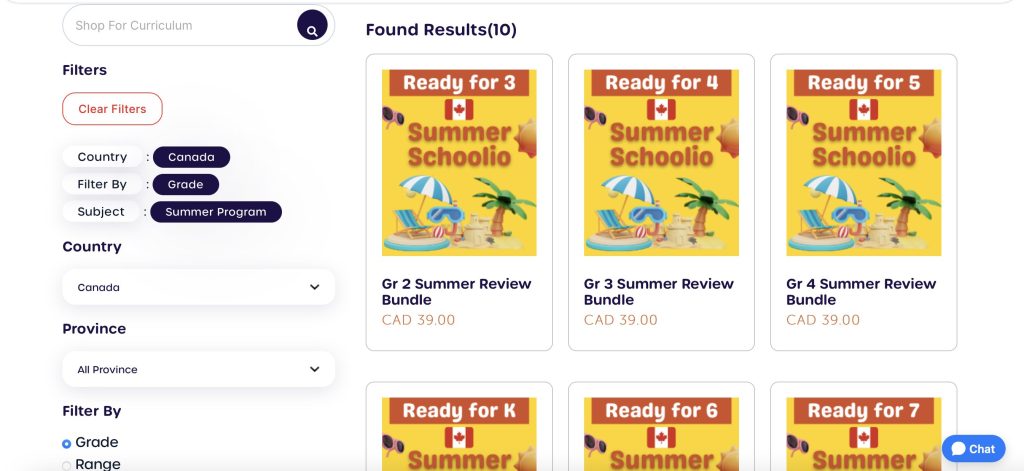
The Summer Schoolio Program is one such resource that can help your child stay on track and achieve homeschooling year-round while still offering them a well-deserved summer break. This program combines the best of both worlds by providing structured educational activities and materials designed to prevent learning regression during the summer months while incorporating fun and relaxation elements.

Summer Schoolio

With The Summer Schoolio Program, your child can engage in academic pursuits that align with their current curriculum, explore new subjects, and participate in stimulating projects and activities, three days a week, all while having the freedom to enjoy the joys of summer. This comprehensive program ensures that your child continues to progress academically and allows them to recharge, pursue their interests, and make lasting summer memories.

Check out 10 books for summer reading!

How to Make Math Make Sense: Exploring the Power of the Abacus in Numeration Studies

How to Make Math Make Sense: Exploring the Power of the Abacus in Numeration Studies

How to Make Math Make Sense

Mathematics is a fascinating subject that forms the foundation of many fields of study and practical applications. As parents, we want to provide our children with the best educational tools and support to help them excel academically. Mathematics, in particular, can sometimes be challenging for children to grasp. However, some practical approaches and tools can make math more accessible and enjoyable for our little learners. In this blog, we will learn how to make math make sense and explore the power of the abacus as a valuable resource in numeration studies. While also enabling you to assist your child in understanding and embracing math confidently.

The Abacus: A Brief Overview:

The abacus is an ancient counting tool that has been utilized across various cultures throughout history. Its origins can be traced back to civilizations like Mesopotamia, Egypt, China, and more. Over time, the abacus has evolved into different forms, such as the Chinese suanpan, the Japanese soroban, and the Russian schoty.

Japanese Soroban

The abacus, in its various forms, has provided a reliable and efficient method for performing calculations for centuries. Its enduring presence across different cultures and adaptability to different numerical systems highlight its universal appeal and practicality in numeration studies.

By understanding the abacus’s historical significance and cultural influence, we can appreciate its longevity as a mathematical tool and recognize its potential to aid our children in developing a solid foundation in mathematics.

Understanding the Abacus:

The abacus consists of a rectangular frame with several vertical rods or wires running parallel to each other. On these rods, small beads or stones are arranged. A typical abacus has ten rods, representing different place values from ones to tens of thousands.

How the Abacus Can Help Your Child:

As parents, we constantly seek effective methods to help our children excel academically, particularly in mathematics. The abacus is a powerful tool that can significantly enhance your child’s mathematical development. Here are several benefits your child can gain from using an abacus:

Understanding the abacus

Concrete Understanding of Numbers:

The abacus offers a tangible representation of numbers and their relationships. Children can visualize and internalize the concepts of place value, regrouping, and carrying by physically manipulating the beads on the rods. This hands-on approach helps them develop a concrete understanding of numbers, laying a solid foundation for more complex mathematical concepts.

Improved Comprehension of Arithmetic Operations:

Using an abacus simplifies arithmetic operations such as addition, subtraction, multiplication, and division. The beads on the abacus rods allow children to visually represent and manipulate numbers, making it easier for them to grasp the underlying principles of these operations. As a result, their comprehension of arithmetic improves, and they can confidently perform calculations accurately.

Enhanced Problem-Solving Skills:

The abacus encourages children to think critically and systematically approach problem-solving. As they engage with the abacus, they learn to analyze patterns, develop strategies, and apply logical thinking to solve mathematical problems. These problem-solving skills are transferable and can benefit them in various aspects of their academic and personal lives.

Development of Mental Calculation Abilities:

Enhanced Problem Solving Skills

Regular practice with the abacus trains children to visualize numbers mentally and perform calculations without relying on physical manipulations. They develop mental calculation abilities and improve their speed and accuracy as they gain proficiency. This mental agility translates to increased efficiency in solving math problems mentally, boosting their confidence and overall mathematical fluency.

Improved Concentration and Focus:

Using an abacus requires concentration and focus as children engage with the tool and perform calculations. The tactile and visual elements of the abacus stimulate multiple senses, enhancing their engagement and attention. Regular practice with the abacus can improve their concentration skills, allowing them to stay focused on mathematical tasks for extended periods.

Encouragement of Creativity and Flexibility:

While the abacus provides a structured framework for calculations, it also allows for creative problem-solving approaches. Children can explore different methods and strategies, fostering their creativity and adaptability in solving mathematical problems. This flexibility in thinking nurtures their mathematical intuition and helps them approach new challenges with confidence and resourcefulness.

Boosted Mathematical Confidence:

Using an abacus empowers children to develop a positive attitude toward mathematics. The visual and interactive nature of the abacus helps demystify math, making it more approachable and less intimidating. As children gain proficiency with the abacus, their mathematical confidence grows, and they become more willing to take on new math challenges enthusiastically.

Ways to Use the Abacus for Effective Learning and Practice.

The abacus is a versatile tool that can be utilized in various ways to enhance your child’s mathematical skills and understanding. Here are some practical ways to use the abacus:

1. Introduction to Place Value:

Begin by teaching your child the concept of place value using the abacus. Start with simple numbers and demonstrate how each digit holds a different place value. Show them how to represent numbers on the abacus by moving the beads on the appropriate rods. This hands-on approach helps them grasp the significance of each digit’s position.

Introduction to Place Value

2. Basic Addition and Subtraction:

The abacus is an excellent tool for teaching addition and subtraction. Begin with single-digit numbers and gradually progress to larger ones. Demonstrate how to represent the numbers on the abacus and perform the operations by sliding the beads accordingly. Encourage your child to verbalize the steps as they manipulate the beads, reinforcing the understanding of regrouping or borrowing.

3. Multiplication and Division Strategies:

While multiplication and division may require more advanced techniques on the abacus, they can still be effectively taught. Introduce multiplication by showing your child how to use repeated addition or grouping strategies. For division, teach them how to use grouping and distributing techniques. Practice these operations step by step on the abacus, reinforcing the understanding of the underlying concepts.

4. Mental Math Practice:

Once your child becomes comfortable with the abacus, encourage them to practice mental calculations. Start with simple problems and ask them to mentally visualize the abacus numbers. Gradually increase the complexity of the problems as their mental calculation skills improve. This exercise helps develop their mental agility and boosts their confidence in performing calculations without relying on physical manipulations.

5. Problem-Solving Activities:

Use the abacus as a problem-solving tool. Present your child with word problems or mathematical puzzles and encourage them to visualize the numbers and operations on the abacus. Guide them to identify the relevant information, devise a strategy, and solve the problem using the abacus. This approach fosters critical thinking, logical reasoning, and the application of math concepts in real-life scenarios.

6. Group Learning and Competitions:

Organize group learning sessions or friendly competitions where children can solve math problems using the abacus. This creates a supportive and engaging environment where they can learn from each other, exchange strategies, and challenge themselves. Group activities also foster teamwork, cooperation, and healthy competition, making the learning process more enjoyable.

7. Interactive Abacus Apps and Online Tools:

Explore interactive abacus apps and online tools that provide virtual abacus experiences. These resources offer a digital representation of the abacus and often include guided lessons, interactive exercises, and games. They can be a valuable supplement to traditional abacus learning, providing additional practice and reinforcement in a digital format.

abacus apps

Remember to adapt the activities and challenges to your child’s skill level and gradually increase the difficulty as they progress. Regular practice and consistent exposure to the abacus will reinforce their understanding of math concepts and improve their overall mathematical proficiency.

By incorporating these strategies and activities, the abacus becomes a dynamic tool for mathematical exploration, problem-solving, and skill development. Embrace the versatility of the abacus, and watch your child’s mathematical abilities flourish as they engage in fun and effective learning experiences.

Help Your Child Approach Math with Enthusiasm.

As parents, we can play a vital role in nurturing our children’s mathematical understanding. Introducing the abacus as a learning tool can make a significant difference. Its tactile and visual nature demystifies mathematical concepts, empowering children to approach math with enthusiasm and self-assurance. By incorporating the abacus into their math education, we can help our children develop a deeper understanding of numbers, enhance problem-solving skills, and build a strong mathematical foundation. Embrace the power of the abacus in numeration studies, and witness your child’s mathematical abilities flourish, paving the way for a successful academic future.

How to Successfully Homeschool: Preparation, Flexibility, and Lowered Standards

How to Successfully Homeschool: Preparation, Flexibility, and Lowered Standards

How to successfully homeschool your child

In recent years, homeschooling has become an increasingly popular choice for many families. Its flexibility, personalized approach, and safety have attracted parents worldwide. However, embarking on the homeschooling journey can be intimidating, mainly if you’re used to the structure and support of traditional schooling. To set yourself up for success, it’s essential to focus on three key factors: preparation, flexibility, and a realistic approach to standards. This blog will explore how to successfully homeschool your children while balancing academic achievement and overall well-being.

When Learning How to Successfully Homeschool, Be Mindful of This Common Trap:

Homeschooling parents must be mindful of a common trap: the pursuit of perfection and the pressure to replicate the traditional school schedule. It’s easy to get caught up in the notion that your homeschool must mirror the structure and pace of a conventional classroom. This can lead to unnecessary stress and feelings of inadequacy.

Preparation, Flexibility, and Lowered Standards

Remember, one of the primary benefits of homeschooling is the ability to tailor your approach to your child’s individual needs and learning style. Embrace the flexibility and freedom homeschooling offers by allowing yourself to deviate from rigid schedules and unrealistic expectations. Adapt your methods and routines to what works best for your family, even if it diverges from the traditional model. Remember, the goal is not perfection but rather creating a nurturing and effective learning environment that meets your child’s unique needs.

The Keys to Successful Homeschooling:

Embarking on a homeschooling journey can be both exciting and daunting for parents. As they prepare to take on the responsibility of educating their children at home, it’s important to keep in mind three essential factors that can contribute to a successful homeschooling experience. In this blog, we will explore the importance of preparation, flexibility, and a realistic approach to standards.

Homeschooling journey

By understanding how these aspects intertwine, homeschooling parents can navigate the challenges with confidence, while embracing the true essence of homeschooling – personalized education, adaptability, and a balanced approach to academic achievement. Let’s delve into each of these factors and discover how they can positively impact your homeschooling journey.

1. Preparation:

Effective homeschooling requires careful planning and preparation. Before diving in, consider the following steps:

a) Understand your state’s homeschooling regulations: Familiarize yourself with the legal requirements and regulations related to homeschooling in your area. Each state or country may have specific guidelines that you need to follow.

b) Set clear goals: Establish realistic academic goals for your children based on their age, abilities, and interests. This will help you create a roadmap for their education and ensure they progress in a structured manner.

c) Gather necessary resources: Invest time in researching and curating appropriate curriculum materials, textbooks, online resources, and educational games. There are numerous platforms and websites that offer comprehensive homeschooling materials designed for various subjects and grade levels.

d) Create a dedicated learning space: Designate an area within your home solely for homeschooling activities. This helps establish a routine and minimizes distractions, fostering a productive learning environment.

Click here to learn more about how to homeschool.

2. Flexibility:

One of the greatest advantages of homeschooling is the flexibility it provides. Embrace this freedom by:

a) Tailoring the curriculum: Unlike traditional schools, homeschooling allows you to personalize your child’s learning experience. Adapt the curriculum to cater to their unique strengths, weaknesses, and interests. Flexibility enables you to create a rich and engaging educational journey.

Homeschool Field Trip

b) Emphasizing hands-on learning: Incorporate experiential and interactive activities into your lessons. Field trips, experiments, and projects can deepen understanding and make learning more enjoyable.

c) Creating a flexible schedule: Homeschooling allows for flexible scheduling. Take advantage of this by adjusting your daily routine to suit your family’s needs. Some children thrive in the morning, while others are more productive in the afternoon. Discover what works best for your child and structure their learning accordingly.

3. Lowered Standards:

While maintaining high standards is essential, it’s important to acknowledge that homeschooling might require adjusting expectations. Here’s how to find the right balance:

a) Focus on essential skills: Identify core subjects and key skills that are necessary for your child’s overall development. Prioritize these areas while being open to exploring other subjects or areas of interest.

b) Encourage independent learning: Foster a sense of responsibility and self-motivation in your child. Encouraging independent learning allows them to take ownership of their education while relieving some of the pressure on you as the homeschooling parent.

c) Leverage online resources and support networks: Take advantage of online homeschooling communities, forums, and support groups. Connecting with other homeschooling families can provide valuable insights, resources, and emotional support.

Prepare Your Homeschooling Journey:

Your homeschooling journey

Successfully homeschooling your children is a journey that requires preparation, flexibility, and realistic expectations. By carefully planning, adapting to the unique needs of your child, and adjusting your standards, you can create an enriching and fulfilling homeschooling experience. Remember, homeschooling is a dynamic and evolving process, and it’s okay to make adjustments along the way. With dedication, creativity, and a supportive environment, you can provide your children with an exceptional education tailored to their individual needs.

Planting Time: Help Your Kids Learn to Grow Food and Flowers

Planting Time: Help Your Kids Learn to Grow Food and Flowers

Planting time: Help Your Kids Learn to Grow Food and Flowers

In today’s fast-paced digital world, finding ways to connect our children with nature and teach them valuable life skills is becoming increasingly important. One of the best ways to accomplish this is by teaching kids how to plant and grow food and flowers. Not only does this activity foster a love for nature, but it also promotes responsibility, patience, and a sense of accomplishment. So, let’s explore the wonderful world of gardening and discover how you can help your kids learn to grow their own food and flowers. Keep reading for planting time: help your kids learn to grow food and flowers.

How to Help Your Kids Learn to Grow Food and Flowers:

1. Choose the Right Plants:

To get started, choosing plants suitable for your climate and the available space is essential. Engage your kids in decision-making by researching together and discussing different plant options. Consider both vegetables and flowers, as each offers unique benefits and learning opportunities. Vegetables like tomatoes, lettuce, and carrots are excellent choices for beginners, while marigolds, sunflowers, and pansies are easy-to-grow flowers that add color and beauty to any garden.

2. Planting Seeds or Seedlings:

Now comes the exciting part—planting the seeds or seedlings. Explain to your children the difference between planting seeds and using seedlings, and let them make the choice. If you opt for seeds, show them how to place them in the soil at the appropriate depth and space them out. If using seedlings, demonstrate how to transplant them into the garden or containers carefully. Emphasize the importance of proper watering and provide guidance on the ideal amount of water each plant needs.

3. Nurturing and Caring for Plants:

Gardening requires consistent care and attention; this is where your kids can play a vital role. Teach them about the importance of sunlight, water, and nutrients for plant growth. Explain the concept of weeding and how it helps plants thrive by removing unwanted competition. Encourage your children to monitor the growth of their plants, checking for any signs of pests or diseases. Together, create a watering and maintenance schedule, and assign age-appropriate tasks to foster a sense of responsibility.

Nurturing and caring for plants

4. Harvesting the Fruits (and Vegetables) of Their Labor:

The most rewarding part of gardening is reaping the fruits (and vegetables) of your labor. Involve your children in the harvest, showing them how to pick ripe produce and explaining the significance of waiting for the right moment. Celebrate their accomplishments by cooking meals with the harvested vegetables or creating beautiful flower arrangements with the blooms they grew. This will help your kids understand the value of their efforts and develop a deeper appreciation for the food on their plates or the flowers in their vases.

5. Creating a Medicinal Plants Garden:

In addition to growing food and flowers, another fascinating aspect of gardening with your kids is creating a medicinal plants garden. This not only introduces them to the world of herbal medicine but also encourages them to explore the healing properties of various plants. By cultivating a medicinal garden, you can teach your children about the power of nature in promoting wellness and self-care.

One excellent resource to help you dive deeper into the world of medicinal plants with your kids is the Schoolio Medicinal Plants unit. This educational program provides a structured and engaging curriculum designed to teach children about medicinal herbs’ importance and practical applications. Through the Schoolio Medicinal Plants unit, your children can learn to identify and cultivate medicinal plants while understanding their healing properties.

Rethinking Weeds and Discovering Medicinal Herbs:

One of the fascinating aspects of the Schoolio Medicinal Plants unit is its emphasis on rethinking weeds. Many plants, often labeled as weeds, possess medicinal properties and can be valuable additions to your medicinal garden. This unit encourages children to explore the beneficial attributes of these plants and appreciate their potential healing qualities.

Exploring Medicinal Herbs and Their Uses:

The Schoolio Medicinal Plants unit also introduces children to various medicinal herbs and educates them about their specific uses. Kids can learn about herbs such as lavender for relaxation, chamomile for soothing digestion, and echinacea for boosting the immune system. This knowledge empowers children to understand how these herbs can be used to support health and well-being.

Exploring medicinal herbs and their uses

Practical Applications and DIY Projects:

Another exciting aspect of the Schoolio Medicinal Plants unit is its focus on practical applications of medicinal herbs. Children can explore ways to incorporate these herbs into everyday life, such as making herbal teas, creating herbal salves or balms, and experimenting with natural remedies for common ailments like colds or headaches. This hands-on approach reinforces their learning and allows them to develop practical skills and a deeper appreciation for the natural world.

Planting Time: Help Your Kids Learn to Grow Food and Flowers

By engaging your children in gardening, you can provide them with a hands-on learning experience that fosters a love for nature, patience, and responsibility. Planting and growing food and flowers allows them to witness the magic of life and helps them develop essential life skills. Gardening teaches children about the environment, the importance of sustainability, and the rewards of hard work.

Moreover, introducing them to the Schoolio Medicinal Plants unit expands their knowledge and encourages a deeper understanding of the healing properties of plants. By exploring medicinal herbs and their practical applications, children can better appreciate nature’s power to promote wellness and self-care.

So, embrace planting time with your kids and watch them blossom alongside their plants, growing in knowledge and appreciation for the natural world. Together, you can cultivate a lifelong love for gardening, fostering skills and values that will benefit them for years.
How to Create a Positive Learning Environment: Empowering Students to Love Learning

How to Create a Positive Learning Environment: Empowering Students to Love Learning

Positive Learning Environment

Creating a positive learning environment is vital for students to thrive academically, socially, and emotionally. As educators and homeschoolers, we profoundly impact students’ lives, not only by imparting knowledge but also by fostering their love for learning. We can inspire and empower students to reach their full potential by cultivating a positive atmosphere. This blog will explore the importance of creating a positive learning environment and how to create a positive learning environment. While also providing practical tips to help educators and homeschoolers in this transformative journey.

How Does a Positive Learning Environment Affect the Student?

A supportive learning environment has a profound and positive impact on students. Influencing their academic performance, social-emotional development, and overall well-being according to research as discussed in Frontiers. When students feel supported, valued, and encouraged, they are more likely to thrive and reach their full potential. Let’s explore some key ways in which a supportive learning environment positively affects students:

Enhanced Academic Performance:

In a supportive learning environment, students feel safe to take risks, ask questions, and actively engage in learning. They are more likely to participate in class discussions, share their ideas, and collaborate with their peers. The positive reinforcement and constructive feedback they receive motivate them to excel and strive for continuous improvement. As a result, students’ academic performance improves, as they develop confidence, a growth mindset, and a love for learning.

Increased Self-Confidence:

A supportive learning environment nurtures students’ self-confidence and self-esteem. Students develop a positive self-perception when educators and peers encourage, recognize their achievements, and acknowledge their efforts. They become more willing to challenge themselves, set higher goals, and persevere through obstacles. This self-confidence extends beyond the classroom, impacting their overall self-belief and self-efficacy.

Increased self-confidence

Improved Social-Emotional Development:

A supportive learning environment fosters positive social interactions, empathy, and emotional well-being. Students feel accepted, respected, and valued for who they are. This sense of belonging promotes healthy relationships with peers, teachers, and the school community. It reduces social anxiety, bullying, and other negative behaviors, allowing students to focus on learning and personal growth. Additionally, when students feel emotionally supported, they are better equipped to manage stress, regulate emotions, and develop resilience.

Encourages Collaboration and Cooperation:

In a supportive learning environment, collaboration and cooperation are emphasized. Students are encouraged to work together, share ideas, and learn from one another. This promotes a sense of teamwork, empathy, and practical communication skills. Collaborative activities foster a deeper understanding of diverse perspectives, enhance problem-solving abilities, and promote critical thinking. These skills are essential not only for academic success but also for future career readiness.


Fosters Intrinsic Motivation:

A supportive learning environment cultivates intrinsic motivation in students. By recognizing and celebrating their efforts and achievements, educators inspire students to develop a love for learning. When students feel that their interests and strengths are acknowledged and respected, they become more self-motivated and take ownership of their learning journey. They are more likely to set goals, explore their passions, and persist through challenges, leading to lifelong learning habits.

Foster Intrinsic Motivation

Holistic Development:

A supportive learning environment recognizes and addresses the holistic development of students. It values their physical, emotional, social, and intellectual well-being. Educators and school staff provide a safe and nurturing environment, ensuring students’ basic needs are met. By promoting a balanced lifestyle, healthy habits, and self-care, students are better equipped to manage stress, stay focused, and engage in their learning.

How to Create a Positive Learning Environment:

Now that we understand the benefits of creating a positive learning environment let’s discuss practical implementation methods.

1. Establish a Supportive and Inclusive Community:

Building a supportive and inclusive community is the foundation of a positive learning environment. Encourage open communication and mutual respect among students, and create opportunities for collaboration and teamwork. Emphasize the importance of valuing diversity and embracing different perspectives, fostering an atmosphere where all students feel safe, valued, and included.

2. Foster a Growth Mindset:

Nurturing a growth mindset is crucial for developing a positive learning environment. Help students understand that intelligence and abilities can be acquired through effort and practice. Additionally, you can help them to embrace challenges, persist in the face of setbacks, and view mistakes as learning opportunities. By fostering a growth mindset, students become resilient learners motivated to improve and explore new possibilities continuously. Encourage your students to participate in Social Emotional Learning Activities to continue to help them foster a growth mindset.

Fosters a growth mindset

3. Create Engaging and Interactive Lessons:

Make learning enjoyable and interactive by incorporating a variety of teaching strategies. Utilize multimedia resources, hands-on activities, and technology to engage students’ curiosity and cater to different learning styles. Encourage active participation through discussions, debates, and group activities, fostering a dynamic learning environment that stimulates critical thinking and creativity.

4. Provide Constructive Feedback and Encouragement:

Effective feedback plays a pivotal role in creating a positive learning environment. Offer specific, timely, and constructive feedback that focuses on student’s efforts, progress, and areas for improvement. Acknowledge and celebrate their achievements, reinforcing their confidence and motivation to excel. By providing a nurturing feedback loop, you empower students to take ownership of their learning journey.

5. Promote Autonomy and Ownership:

Empower students to take ownership of their learning by giving them choices and fostering autonomy. Encourage them to set goals, develop individualized learning plans, and decide their learning paths. By giving students a sense of control and agency, you cultivate a positive learning environment that promotes intrinsic motivation and self-directed learning.

6. Cultivate a Joyful Learning Atmosphere:

Infuse joy and enthusiasm into the learning process. Incorporate humor, storytelling, and real-world connections to make lessons more relatable and enjoyable. Encourage curiosity, exploration, and a sense of wonder. Doing so inspires students to discover the joy of learning beyond the confines of the classroom. Foster a love for learning that extends far beyond grades and exams.

Cultivate a joyful learning atmosphere

7. Selecting the Best Learning Materials:

Choosing suitable learning materials is essential for creating a positive learning environment. High-quality, engaging, diverse resources can significantly enhance students’ educational experiences. Look for materials that align with the curriculum, cater to different learning styles, and promote active learning. Incorporate a variety of textbooks, online resources, educational apps, and interactive tools to provide students with a well-rounded learning experience. Thoughtfully selecting learning materials contributes to a dynamic and stimulating classroom environment.

The Right Materials Make a Huge Difference.

Schoolio Learning’s commitment to creating a positive learning environment is evident in its resources’ high quality and comprehensive nature. Schoolio Learning offers a vast range of curriculum-aligned materials that are engaging, relevant, and designed to meet the diverse needs of students.

Experienced educators and subject matter experts carefully craft their learning materials to ensure accuracy, depth of content, and instructional effectiveness. Schoolio Learning offers a wealth of resources, including interactive lessons, worksheets, assessments, and educational games designed to promote active learning and student engagement.

How to create a positive learning environment

Moreover, Schoolio Learning’s materials incorporate various teaching strategies, such as multimedia resources, hands-on activities, and real-world connections, to cater to different learning styles and make learning enjoyable. They strive to create an inclusive learning environment that values diversity and encourages critical thinking, creativity, and collaboration.

With Schoolio Learning’s resources, educators and homeschoolers can access a comprehensive toolkit that supports creating a positive learning environment. By leveraging their high-quality materials, educators can inspire students, foster a love for learning, and facilitate academic success.

Let’s Make a Change.

Creating a positive learning environment influences students’ love for learning. By fostering a supportive and inclusive community, nurturing a growth mindset, providing engaging lessons, offering constructive feedback, promoting autonomy, and cultivating a joyful atmosphere, educators and homeschoolers can empower students to unlock their full potential. Remember that our impact on students goes far beyond academic achievements; we have the incredible opportunity to shape their lifelong passion for learning and pave the way for their future success. Together, let us create positive learning environments that inspire, uplift, and transform lives.

How to Prevent Summer Learning Loss 

How to Prevent Summer Learning Loss

Summer Learning Loss

Summer vacation is a beautiful time for relaxation and fun, but it’s important to prevent the dreaded “summer learning loss.Research has shown that students can lose valuable knowledge and skills during the long break, which can set them back when they return to school in the fall. However, with some planning and creativity, you can keep your mind sharp and actively engage in learning during the summer months. Are you curious about how to prevent summer learning loss? This blog will explore practical strategies for avoiding summer learning loss and maximizing your vacation.

Learning About Summer Learning Loss as a Parent.

As a parent, understanding the concept of summer learning loss is crucial because it allows you to take proactive steps to prevent it. Summer learning loss refers to the decline in academic skills and knowledge that can occur during the extended break from school.

By being aware of this phenomenon, you can make informed decisions about structuring your child’s summer activities to ensure their hard-earned knowledge and skills are not lost. Recognizing the importance of continuous learning and actively engaging your child in educational activities during the summer can help them maintain their academic progress and be better prepared for the upcoming school year. Addressing summer learning loss can set a strong foundation for your child’s long-term educational success.

To learn more about what Summer Learning Loss is, please click here.

How to Prevent Summer Learning Loss.

Here is a simple list of practical ways to prevent summer learning loss for your child this summer.

1. Read, Read, Read:

Reading is one of the most effective ways to prevent learning loss. Encourage your children to read for pleasure by providing books matching their interests. Take regular trips to the library or set up a book exchange with friends. Reading improves vocabulary and comprehension skills and stimulates imagination and critical thinking.

Reading to prevent summer learning loss

2. Explore Summer Enrichment Programs:

Many communities offer summer enrichment programs that provide academic support and engaging activities. Look for programs that align with your child’s interests and encourage them to participate. These programs often combine learning with fun, hands-on experiences like science experiments, art classes, or coding workshops.

3. Engage in Educational Technology:

In today’s digital age, educational apps and online platforms can make learning enjoyable and interactive. Explore educational websites, mobile apps, and online courses that cater to different subjects and age groups. From language learning to math games, countless resources are available to keep your child’s mind active and learning throughout the summer.

4. Create a Learning Schedule:

Establishing a routine for learning can help maintain a sense of structure during the summer break. Set aside a specific time each day for reading, practicing math skills, or exploring educational activities. Incorporating learning into your daily routine will make it a habit and less like a chore.

5. Take Educational Field Trips:

Summer is the perfect time to explore museums, historical sites, nature reserves, and science centers. Plan educational field trips that blend entertainment with learning. These experiences can inspire curiosity, spark new interests, and deepen understanding of various subjects.

6. Encourage Writing:

Writing is an essential skill that often gets overlooked during the summer break. Encourage your children to journal, write stories, or start a blog. Writing not only helps maintain language proficiency but also enhances creativity and self-expression.

7. Involve the Whole Family:

Learning doesn’t have to be an individual endeavour. Engage the entire family in activities that promote learning. Organize family game nights, where educational board games are played. Choose movies or documentaries that are educational and stimulate meaningful discussions. When learning becomes a shared experience, it becomes more enjoyable and impactful.

8. Embrace Hands-On Learning:

Summer is a great time to engage in hands-on learning experiences. Encourage your child to pursue hobbies such as gardening, cooking, woodworking, or crafts. These activities provide opportunities for problem-solving, creativity, and practical skills development.

Embrace Hands-On Learning

9. Participate in Community Programs and Workshops:

Parents can help their children avoid summer learning loss by encouraging them to participate in community programs or workshops. Many communities offer summer camps, classes, or workshops on various subjects such as science, art, music, sports, and more. These programs provide an excellent opportunity for children to learn and engage in hands-on activities in a structured and social environment. By enrolling your child in these programs, they can continue to develop new skills, explore their interests, and interact with peers who share similar passions. These community programs prevent learning loss, foster personal growth, boost self-confidence, and encourage teamwork.

10. The Summer Schoolio Workbooks:

Another effective way to prevent summer learning loss is utilizing the Summer Schoolio workbooks. These workbooks bridge the learning gap and reinforce key academic skills during the summer break. They offer a comprehensive range of subjects, including math, reading, writing, and critical thinking, tailored to different grade levels.

Summer Schoolio

By incorporating Summer Schoolio workbooks into your child’s summer routine, you can provide structured and engaging activities that align with their curriculum. These workbooks offer a mix of exercises, puzzles, and interactive content to make learning enjoyable and effective. With Summer Schoolio workbooks, your child can continue learning at their own pace, ensuring they stay sharp and prepared for the next school year.

Learning Should Be Fun!

Preventing summer learning loss is crucial to ensure students start the new school year on the right foot. You can create an environment that fosters continuous learning by incorporating reading, educational programs, technology, field trips, writing, and hands-on activities into your summer routine. Remember, learning can be fun and should never stop, even during the vacation months. Embrace the opportunity to explore new topics, expand your knowledge, and grow intellectually.