Unforeseen Detours: Navigating Homeschooling Amidst Work Project Challenges

Unforeseen Detours: Navigating Homeschooling Amidst Work Project Challenges

Unforeseen Detours: Navigating Homeschooling Amidst Work Project Challenges

Amidst the anticipation of completing a crucial work project for my boss, my attention was scattered across various responsibilities. Including our homeschooling routine. Engrossed in meeting work deadlines, I found myself unintentionally sidetracked from our daily academic focus. Let’s talk about unforeseen Detours: Navigating Homeschooling Amidst Work Project Challenges.

I usually excel at juggling multiple tasks.

As a committed homeschooling parent, I usually excel at juggling multiple tasks. However, on this particular day, my mind was preoccupied with meeting a looming work deadline, leading to an unintended and amusing incident in our homeschooling journey.

I handed my child what I believed to be a critical assignment – a science experiment exploring chemical reactions. Little did I know that this seemingly routine task would soon become a humorous anecdote in our homeschooling experience.

Where does the comedy come in?

Because, lost in thoughts about the impending work project, I mistakenly provided my child with instructions for a physics experiment involving simple machines. Imagine their confusion as they started gathering materials and realized the mismatch in scientific concepts. The irony of the “homeschool parent of the year award” was not lost on me.

Schoolio Family Plan

Initially, I nonchalantly suggested re-checking the resources, assuming the curriculum might have covered both subjects. However, my child, baffled by unfamiliar terms and principles, insisted that this was uncharted territory in their lessons.

It wasn’t until I decided to review the curriculum materials more thoroughly that I discovered the truth. I had inadvertently handed my child the wrong set of instructions. The science experiment on chemical reactions was nowhere to be found in our curriculum.

Turning the mix up into a unique learning experience.

Apologizing for my oversight, we shared a good laugh over the unexpected detour into physics. We even incorporated the newfound knowledge of simple machines into our lessons, turning the incident into a unique learning experience.

Reflecting on this episode, I recognized the importance of staying focused during homeschooling sessions. Distractions, whether they involve looming work deadlines or other external factors, can lead to amusing detours in our academic plans.

In the end, the key takeaway was to embrace such moments with humor, learn from our mistakes, and approach homeschooling with a flexible mindset. After all, we’re only human, and occasional diversions can add a touch of unpredictability to our educational journey.

Schoolio e-books

Here are some tips to help homeschool without distraction:

Establish a Dedicated Workspace:

Create a designated and organized learning space for your homeschooling activities. Having a dedicated area helps minimize external distractions and sets a focused atmosphere.

Set Clear Daily Goals:

Outline specific learning objectives for each day. Having a clear plan helps you stay on track and reduces the likelihood of getting sidetracked by external tasks or obligations.

Prioritize Time Management:

Allocate specific time slots for homeschooling, work, and personal tasks. Efficient time management allows you to balance responsibilities without feeling overwhelmed.

Use Technology Wisely:

Leverage technology to enhance the learning experience, but also establish guidelines to prevent unnecessary distractions. Consider setting specific times for educational screen time and breaks.

Communicate Boundaries:

If possible, communicate your homeschooling schedule and boundaries to family members or housemates. Clear communication helps create a supportive environment for focused learning.

Plan Breaks Strategically:

Integrate short breaks into your homeschooling routine. Scheduled breaks allow for necessary pauses without opening the door to prolonged distractions.

Utilize Productivity Techniques:

Explore productivity techniques, such as the Pomodoro Technique, to structure your homeschooling sessions. Breaking tasks into focused intervals with short breaks can enhance concentration.

Minimize External Interruptions:

Turn off non-essential notifications on your devices during dedicated homeschooling hours. Minimizing interruptions helps maintain focus and productivity.

Schoolio Learning Resources

Stay Organized:

Keep your homeschooling materials, resources, and schedules well-organized. A tidy workspace and a structured plan contribute to a smoother learning experience.

Flexibility and Adaptability:

While it’s crucial to minimize distractions, be flexible and adaptable when unexpected events occur. Embrace the fluid nature of homeschooling and find ways to turn diversions into valuable learning opportunities.

By implementing these strategies, you can create an environment conducive to focused and effective homeschooling, even in the face of potential distractions.


Rethinking Homework with ChatGPT

Rethinking Homework with ChatGPT

Rethinking Homework with ChatGPT

As students, the burdensome nature of traditional homework is an experience we all share. The struggle to complete assignments outside of class hours, often without teacher or peer support, can be a source of frustration. Fortunately, with innovations like ChatGPT and the Schoolio Learning Platform, a paradigm shift in the way we approach homework is on the horizon. Let’s start by rethinking homework with ChatGPT.

The Drawbacks of Traditional Homework

Homework, a long-standing educational practice, has been both a cornerstone and a source of stress for students. Completing assignments at home, detached from teacher guidance and peer interaction, often leads to confusion and frustration. Additionally, traditional homework can be time-consuming, leaving little room for students to explore other interests or hobbies.

Moreover, it perpetuates inequality, with students from disadvantaged backgrounds lacking the resources and support needed to excel. This contributes to a widening achievement gap among students from different socioeconomic backgrounds.

Schoolio Family Plan

ChatGPT and In-Class Homework on the Schoolio Learning Platform

Enter ChatGPT, an AI-powered chatbot, specifically designed to assist students with their homework. What sets ChatGPT apart is its real-time ability to generate unique questions and solutions.

Utilizing ChatGPT in this manner ensures that all students have the opportunity to complete assignments and seek clarification during class, rendering traditional homework obsolete. This approach not only alleviates the stress associated with homework but also enables teachers to offer immediate feedback and support.

The Advantages of In-Class Homework with ChatGPT

In-class homework, facilitated by the Schoolio Learning Platform, brings forth numerous benefits. The presence of teacher and peer support increases the likelihood of assignment completion. Fostering better learning outcomes and heightened engagement. Real-time assessment of student learning provides valuable insights for teachers to adapt their teaching approaches.

Schoolio e-books

Furthermore, in-class homework becomes a powerful tool for differentiation. Using ChatGPT, teachers can generate questions of varying difficulty levels, catering to both advanced and struggling students. This ensures that all students are actively engaged and appropriately challenged, regardless of their ability level.

Embracing the Future of Education

ChatGPT, coupled with the Schoolio Learning Platform, has the potential to revolutionize our approach to homework. By replacing traditional homework with in-class assignments, we create a more engaging and supportive learning environment for students. This transformative shift levels the playing field for learners from diverse backgrounds, eliminating the struggle with homework and providing equal access to support and resources.

The integration of ChatGPT in classrooms not only transforms the learning experience but also enhances teacher-student relationships. Immediate feedback and support foster stronger connections, contributing to a positive and encouraging educational atmosphere. It’s time for educators to embrace the transformative potential of ChatGPT and the Schoolio Learning Platform, ushering in a new era in education.

Schoolio Learning Resources

The Importance of Choosing a Canadian Math Curriculum for Homeschooling

The Importance of Choosing a Canadian Math Curriculum for Homeschooling

The Importance of Choosing a Canadian Math Curriculum for Homeschooling

Canadian parents often find themselves faced with a crucial decision when it comes to selecting an appropriate educational path for their children. While the allure of American homeschool curriculums is undeniable, there exists a compelling case for embracing a Canadian approach to education. Let’s explore the importance of choosing a Canadian math curriculum for homeschooling.

Cultural Relevance Matters with Math:

Homeschooling goes beyond academics; it’s about instilling values, cultural awareness, and a sense of identity. When children are educated using a curriculum that reflects their own country’s values and context. They are more likely to develop a deep understanding of their roots. A Canadian math curriculum ensures that mathematical concepts are presented in a manner that resonates with the unique cultural nuances of Canada.

Differences in Canadian Math Curriculum:

Temperature Measurements: Celsius vs. Fahrenheit – A Canadian Perspective:

The choice of a Canadian math curriculum extends beyond numerical concepts into the practicalities of daily life. Canada, being a country that predominantly uses the Celsius scale for temperature measurement, underscores the importance of integrating this system into the educational fabric. By opting for a Canadian math program. Homeschooled children not only grasp mathematical concepts but also gain an intuitive understanding of temperature in degrees Celsius, aligning with the norms of their home country. This ensures that Canadian students can interpret and relate to weather forecasts, daily temperatures, and climate discussions in a way that reflects the reality of their environment.

Schoolio Family Plan

Weight Measurements: Kilograms in Canada vs. Pounds in the US – Bridging the Gap:

In the pursuit of a comprehensive Canadian homeschool curriculum, the distinction in weight measurements cannot be overlooked. Canada predominantly uses the metric system, with kilograms as the standard unit of measurement. A Canadian math program, such as the one offered by Schoolio, incorporates this metric system seamlessly. By doing so, students not only become proficient in mathematical computations but also develop an innate understanding of weight in kilograms. This ensures that the weight-related concepts children encounter in their daily lives. From grocery shopping to scientific experiments, align with the Canadian measurement system.

Distance Measurements: Kilometres in Canada vs. Miles in the US – Navigating Canadian Spaces:

Another critical aspect that sets Canadian math curriculum apart is the inclusion of the metric system for distance measurements. Canada uses kilometres as its standard unit, a departure from the miles commonly used in the United States. The Schoolio learning platform recognizes this difference and incorporates it into its educational materials for kids. By learning distance in kilometres, Canadian homeschooled children not only acquire essential math skills but also develop a practical understanding of the distances they encounter in their daily lives. Making their education more relevant to the Canadian landscape and ensuring they navigate their surroundings with precision and accuracy.

Financial Literacy for Kids: A Crucial Aspect of Canadian Math:

Canadian homeschooled children need more than just mathematical proficiency; they need a solid foundation in financial literacy tailored to the Canadian economic landscape and currency. Schoolio’s curriculum integrates financial education seamlessly. Providing a holistic approach to math that prepares children for the financial realities they will face in their own country.

Schoolio e-books

Math Homeschool Resources Designed for Canadian Minds:

The Schoolio math homeschool resources are crafted to align with Canadian educational standards. From foundational arithmetic to advanced algebra, these resources guide students through a curriculum. This curriculum is not only challenging but also imbued with Canadian examples and applications. This approach fosters a deeper understanding of mathematical concepts within the context of Canadian culture.

Schoolio Learning Platform: A Canadian Educational Beacon:

One of the standout options for Canadian homeschooling families is the Schoolio learning platform. Which provides full grade curriculum for American and Canadian learners. This platform not only provides educational materials for kids but also offers a comprehensive Canadian homeschool curriculum. By choosing Schoolio, parents can be confident that their children are receiving an education tailored to the Canadian context. Ensuring a more meaningful and relevant learning experience. Recognizing the importance of preparing children for the digital age, Schoolio incorporates coding lessons into its Canadian homeschool curriculum. Ensuring that children are equipped to thrive in a rapidly evolving global landscape.

Looking for budget-friendly education options? Click here

The Schoolio Family Plan: Uniting Canadian Homeschooling Families:

Schoolio understands the importance of community and support in the homeschooling journey. The Schoolio Family Plan not only provides access to a robust Canadian home education curriculum. But also fosters a sense of belonging by connecting families across the nation. This collaborative approach enhances the homeschooling experience for both parents and students.

Choosing a Canadian math curriculum is not just a matter of academic preference; it’s a decision that shapes a child’s cultural identity. While prepareing them for the economic landscape, and equips them with skills relevant to their own country. Schoolio, with its emphasis on a Canadian homeschool curriculum, emerges as a beacon of educational excellence. Offering a holistic and culturally relevant learning experience for Canadian homeschooled children.

Click to learn about why Canadian learning resources are so important.

Schoolio Learning Resources

The Importance of Kindergarten: Building the Foundation for Lifelong Learning

The Importance of Kindergarten: Building the Foundation for Lifelong Learning

The Importance of Kindergarten: Building the Foundation for Lifelong Learning

Kindergarten serves as the first stepping stone in a child’s educational journey, laying the groundwork for future academic success and personal development. When considering homeschooling, the choice of a good homeschool program becomes crucial. Especially when seeking a comprehensive and effective Kindergarten curriculum. In this blog post, we’ll delve into the importance of Kindergarten as the cornerstone of education and explore how the Schoolio Kindergarten program, available in E-books or print on the Schoolio Bookstore, stands out as an excellent choice.

The importance of Kindergarten:

Early Brain Development and Social Skills:

Kindergarten is a pivotal stage where young minds embark on a journey of early brain development. The activities and interactions within a Kindergarten curriculum contribute significantly to cognitive growth. Educational experts emphasize the importance of providing a stimulating environment that fosters curiosity and critical thinking. Moreover, Kindergarten offers a unique opportunity for children to develop essential social skills, setting the stage for effective communication, collaboration, and teamwork in the years to come.

Schoolio Family Plan

Acquiring Fundamental Literacy and Numeracy Skills:

A good homeschool program for Kindergarten should prioritize the acquisition of fundamental literacy and numeracy skills. These foundational skills form the basis for future academic achievements. Schoolio’s Kindergarten curriculum is designed to make learning enjoyable and engaging, with a focus on building a strong foundation in reading, writing, and basic math. Through carefully crafted activities and exercises, children develop a love for learning and gain confidence in their abilities.

Holistic Development:

Holistic development encompasses not only academic skills but also emotional, physical, and creative aspects. A well-rounded Kindergarten curriculum, such as the one offered by Schoolio Learning, integrates various activities to nurture a child’s emotional intelligence, fine and gross motor skills, and creativity. This holistic approach ensures that children are prepared not only for the academic challenges ahead but also for the broader spectrum of life experiences.

Customized Learning with Home Education Curriculum:

Homeschooling programs have gained popularity for their flexibility and ability to cater to individual learning styles. The Schoolio Kindergarten program acknowledges the diversity of young learners. Providing a home education curriculum that can be tailored to meet each child’s unique needs. This customization fosters a love for learning. By allowing children to explore subjects at their own pace while ensuring they master essential concepts.

Schoolio e-books

Full Year Homeschool Curriculum for Consistent Progress:

Consistency is key in education, and a full year homeschool curriculum ensures that children receive a structured and continuous learning experience. Schoolio’s Kindergarten program spans the entire academic year. Offering a comprehensive curriculum that covers all essential aspects of early childhood education. This consistency sets the stage for smooth transitions into higher grades. While also instilling a sense of routine that supports a positive attitude towards learning.

Building the Foundation for Lifelong Learning

Kindergarten is undeniably the cornerstone of a child’s educational journey. Shaping the way they approach learning for the rest of their lives. Choosing a good homeschool program, such as the Schoolio Kindergarten curriculum, provides parents with the tools and resources. These tools and resources are needed to ensure a solid foundation for their child’s academic success and personal development. Invest in your child’s future by embracing the importance of Kindergarten. And exploring the enriching opportunities provided by Schoolio Learning’s exceptional Kindergarten program, available at the Schoolio Bookstore.

Schoolio Learning Resources

Are you in Canada? Click here.

What Self-Care Really Means: How to Beat the Winter Blues

What Self-Care Really Means: How to Beat the Winter Blues

What self care really means

Parenting resources often emphasize the importance of self-care, especially during the winter months when the blues can cast a shadow on daily life. Many parents find themselves juggling multiple responsibilities. Which makes it crucial to prioritize parental self-care as a means of combating the winter blues. In this blog, we’ll explore practical tips for maintaining well-being, incorporating mindfulness practices, and making use of valuable parenting resources like Schoolio Learning to navigate the challenges of the season. Let’s discuss what self-care really means!

The Importance of Parental Self-Care:

Parenting is undoubtedly rewarding, but it comes with its set of challenges, particularly during the winter blues. Neglecting parental self-care can lead to burnout, impacting both mental and physical health. Recognizing the significance of self-care is not only a personal benefit but also an investment in the ability to be present and engaged in the demands of parenting.

Self-Care Tailored to You:

Parental self-care is a diverse journey, and what works for one parent may differ for another. Embracing the diversity of self-care activities ensures that each individual can find solace in practices that resonate with them. Whether it’s integrating mindfulness exercises, utilizing Schoolio Learning resources, or simply taking a moment to sip a warm cup of tea, the focus is on activities that bring joy, relaxation, and rejuvenation.

Schoolio Family Plan

Practical Tips to Beat the Winter Blues:

1. Create a Cozy Corner:

Transform a corner of your home into a retreat space using comfortable cushions, blankets, and perhaps some soothing music. Schoolio Learning resources can assist in creating a conducive environment for both parents and children.

2. Embrace Natural Light:

Utilize natural light to combat the winter blues. Open curtains and blinds during the day, and consider incorporating Schoolio Learning’s interactive lessons, making education a source of positivity for both parents and children.

3. Stay Hydrated:

Incorporate parental self-care by prioritizing hydration. Keep a water bottle handy, and encourage your family to stay hydrated with the support of Schoolio resources that promote healthy habits.

Schoolio e-books

4. Incorporate Quick Mindfulness Practices:

Integrate mindfulness exercises into your routine with the help of Schoolio Learning’s mindfulness modules. Short moments of focus on breath or guided mindfulness activities can alleviate stress and enhance mental clarity.

5. Connect with Others:

Leverage parenting resources to maintain connections with friends and family. Whether through phone calls, video chats, or social media platforms like Schoolio Families. Staying connected combats the isolation that often accompanies the winter blues.

In the realm of parenting, navigating the winter blues requires a commitment to parental self-care, mindfulness, and utilizing valuable resources. By recognizing the importance of well-being, embracing diverse self-care practices, and incorporating tools like Schoolio Learning. Parents can beat the winter blues and approach their roles with renewed energy and resilience. Remember, nurturing yourself is an essential aspect of effective parenting, ensuring a harmonious balance between caring for others and caring for oneself.

Schoolio Learning Resources

A Parent’s Guide to Personalized Learning: Tailoring Education to Your Child’s Needs

A Parent’s Guide to Personalized Learning: Tailoring Education to Your Child’s Needs

A Parent’s Guide to Personalized Learning: Tailoring Education to Your Child’s Needs

In a world that celebrates individuality, the realm of education is no exception. You likely recognize the unique qualities in each of your children—distinct strengths, individualized learning styles, and preferences. This is where personalized learning becomes an incredibly obvious choice for all children. Offering a tailored educational approach that caters to the diverse needs of your child is important. Learn with us as we check out a parent’s guide to personalized learning: Tailoring education to your child’s needs.

Customized Learning for Academic Excellence

Children are like fingerprints—no two are exactly alike. Acknowledging and accommodating their individual learning needs is essential to foster a love for learning while also ensuring academic success. Did you know that personalized learning is a cornerstone of various popular homeschool programs? Going beyond the conventional, one-size-fits-all approach. This then enables students to progress at their own pace. While also exploring topics aligned with their interests, and engaging with a home education curriculum tailored to their unique learning styles.

Schoolio Family Plan

Benefits of Personalized Learning:

  1. Tailored Pace: Children can advance through their curriculum at a pace that suits their understanding. This also prevents boredom and/or frustration.
  2. Individualized Content: Learning materials are curated to match the child’s interests, making the educational experience more enjoyable and meaningful for children and parents.
  3. Varied Learning Styles: Personalized learning accommodates diverse learning styles. Doing so by catering to visual, auditory, and kinesthetic learners.
  4. Boosted Confidence: Success in personalized learning builds confidence, showcasing a child’s ability to conquer challenges independently.
  5. Focus on Strengths and Weaknesses: Identify and address both strengths and weaknesses, fostering a holistic approach to education.

Don’t forget self-care! Click to learn more!

Bringing Personalized Learning Home with Schoolio

As a parent navigating the various programs for homeschooling, the Schoolio Learning Platform stands out with its Family Plan. Priced affordably at $99.99 per year, this plan supports up to three learners. Providing access to educational materials for kids that align with personalized learning principles.

Schoolio e-books

Steps to Get Started with Schoolio’s Personalized Learning:

  1. Sign up for the Schoolio Family Plan: Explore the Schoolio website and sign up for the Family Plan, making personalized education accessible and affordable for your homeschooling journey.
  2. Create Individual Profiles for your children: Establish personalized profiles for each learner, incorporating information on grade level, username and passwords.
  3. Explore Learning Paths: Benefit from Schoolio’s customizable learning paths, tailoring your child’s educational journey based on their unique needs and aspirations.
  4. Engage with Assessments: Leverage Schoolio’s adaptive math assessments to identify strengths and areas needing additional focus within your chosen home education curriculum.
  5. Celebrate Progress: Regularly monitor and celebrate your child’s progress. Adjusting learning plans as needed to ensure continued growth and success.

Do you have a budding entrepreneur? Check this out!

Schoolio Learning Resources

Facts About Online Learning

Facts About Online Learning

Facts About Online Learning

In the last decade, online learning, also known as e-learning, has seen tremendous growth and popularity. As a result gone are the days when online education was limited to a select group of students. Today, online learning has become a flexible and customizable option for families with students in grades K-8. In this blog, we’ll explore the facts about online learning and the trends surrounding it. Shedding light on why it has become such a popular choice for students of all ages and backgrounds.

Online Schooling is Growing Fast

Online schooling for grades K-8 has experienced exponential growth and shows no signs of slowing down. Diverse young learners have embraced online education, prompting schools and educators to invest more resources in the development and presentation of online learning tailored to the unique needs of the K-8 age group.

Why Online Learning is Preferred for K-8 Education

Without a doubt, online learning for grades K-8 has gained popularity due to several compelling reasons:

1. Convenience and Accessibility: Online learning provides young students with access to educational resources from anywhere, eliminating the need for a physical presence in a traditional classroom setting.

2. Scheduling Flexibility: Online courses offer flexible scheduling, allowing students to balance their academic pursuits with family and other responsibilities.

3. Accelerated Courses: Online education can be tailored to the individual needs and abilities of young students, providing them with personalized learning experiences.

4. Family-Friendly: Online education is seen as a family-friendly option as it allows students to pursue higher education without the stress and costs associated with moving to a new location.

5. Comfort and Control: Young students can study from the comfort of their own home, providing a familiar and relaxed environment for learning.

Statistics about online learning that you should know:

  • First, according to a University of Potomac report, 70% of students favor online classes over traditional classrooms due to cost savings, flexible scheduling, and increased tech-savviness.
  • Second, a report from bestcolleges.com reveals that 95% of online students would recommend online education to others. The data, derived from 351 school administrators and 1,800 students, reflects high levels of student satisfaction with online learning.
  • Third, e-learning enhances information retention, with a potential increase of 25% to 60%, as per The Research Institute of America/SH!FT. Notably, this improved retention is attributed to the increased control learners have to revisit course material and video classes, contributing to a more effective learning experience.
  • Fourth, online learning is significantly more time-efficient, with a Brandon-Hall Study indicating it typically demands 40-60% less time than traditional classroom learning for the same material.

Introducing the Schoolio Learning Platform

In this era of online learning, it’s essential to have the right tools to excel in your education. While there are many resources available, like IXL, Time4Learning, and Starfall: Schoolio Learning stands above them all. Schoolio is a fantastic resource for students in grades 1 to 8, offering a wide range of video lessons, assessments, and worksheets.

Here are some key features of the Schoolio Learning Platform:

  • Interactive Video Lessons: Engaging video lessons cover a variety of subjects, making learning fun and effective.
  • Assessments: Regular assessments help students gauge their understanding and track their progress.
  • Customizable Learning: Schoolio allows students to annotate worksheets online or download and print them for traditional studying, ensuring a customizable learning experience.

Looking to achieve a quality education on a budget? Click here to learn more!

Give your child the tools they need to succeed

If you want your child to catch up and excel in their studies, Schoolio Learning Platform is an excellent choice. Sign up now for a 7-day free trial and experience the benefits of customizable online learning firsthand. Give your child the tools they need to succeed and thrive in the world of online education.

Indeed, online learning is a dynamic and inclusive educational option that’s accessible to people of all ages and backgrounds. Furthermore, its growth is fueled by factors such as convenience, flexibility, and the ability to maintain a work-life balance. With the Schoolio Learning Platform, students have the tools they need to make the most of their online learning experience. So, why wait? Start your 7-day free trial today and unlock the potential of online education.

The Schoolio Learning Platform now has Math Assessments for grades 1-8! Click here to learn more!

How to Create the Best Homeschool Schedule

How to Create the Best Homeschool Schedule

How to create the best homeschool schedule

Homeschooling offers an incredible opportunity for families to create a tailored educational experience that meets their children’s unique needs and interests. Unlike traditional school settings, homeschooling provides the freedom to explore subjects in depth, adapt to individual learning styles, and foster a lifelong love of learning. To make the most of this educational freedom, it’s essential to establish a homeschool routine that ensures academic progress and embraces flexibility to accommodate the ever-changing dynamics of family life. In this blog, we’ll explore how to create the best homeschool schedule and routine that allows for adaptability and considers the time it should take each day to provide a well-rounded education.

The Difference Between a Schedule and a Routine

Before delving into the details of setting up a homeschool routine, it’s crucial to distinguish between a schedule and a routine. A schedule often implies rigid, time-bound activities, leading to stress and frustration when unforeseen circumstances arise. In contrast, a routine offers flexibility by focusing on the order of activities rather than strict timelines. This mindset shift can be the key to creating an effective and enjoyable homeschooling experience.

Step 1: Define Your Homeschool Goals

The foundation of any successful homeschooling routine begins with clear educational goals. What do you want your child to learn, and how do you envision their growth? Identifying these objectives will serve as your roadmap in crafting your routine.

homeschool goals

Step 2: Determine Your Family’s Learning Style

Every family has its unique approach to homeschooling. Consider your family’s learning style: Are you more structured, preferring a set daily schedule, or do you thrive in a relaxed and flexible environment? Understanding your family’s learning style will guide your routine-building process.

Step 3: Create a General Framework

Next, develop a general framework for your homeschool routine. Outline the subjects or topics you want to cover each day or week. Remember that this framework should serve as a flexible guide rather than a strict timetable. For example, you might designate mornings for math and language arts and afternoons for science and creative arts.

Step 4: Be Open to Adaptation

Flexibility is one of the greatest advantages of homeschooling. If a specific topic sparks your child’s curiosity, don’t hesitate to dive deeper into it, even if it diverges from your initial plan. Similarly, if your child struggles with a concept, be open to spending more time on it until they fully grasp it.

Incorporate breaks and exploration

Step 5: Incorporate Breaks and Exploration

Children need breaks and opportunities for self-directed learning. Build in breaks for physical activity, outdoor exploration, or reading for pleasure. These moments of downtime can refresh your child’s mind and prevent burnout.

Step 6: Consider the Time Needed

While flexibility is key in homeschooling, you may wonder how much time you should dedicate to daily homeschooling. Keep in mind that the required time can vary widely depending on your child’s age, learning style, and the curriculum you’re using.

As a rough guideline, here’s an approximate daily time frame for homeschooling:

  1. Preschool and Early Elementary: 20 – 60 minutes a day.
  2. Upper Elementary: 45 – 90 minutes a day.
  3. Middle School: 1.5 – 3 hours a day.

These estimates are flexible, and your actual homeschooling time may vary. Prioritize the quality of your educational interactions over the quantity of time spent.

Step 7: Utilize the Free Scheduling Resource from Schoolio

Discover the Schoolio Sample Schedule – your perfect starting point for a rewarding homeschooling journey! While homeschooling offers unmatched flexibility, this recommended schedule is a valuable resource, especially if you’re new to the homeschooling adventure. Created to complement Schoolio’s units, this schedule can be tailored to your student learner’s unique needs. Embrace the freedom of homeschooling, and use this free digital download to embark on an exciting educational experience that adapts seamlessly to your family’s preferences. Get started today and savor the joy of homeschooling!

Embrace Flexibility.

embrace flexibility

In conclusion, creating a homeschool routine that embraces flexibility is essential for a successful and enjoyable homeschooling experience. While schedules may seem appealing initially, a routine that adapts to your family’s unique needs and interests will provide a more sustainable and rewarding educational journey. Homeschooling offers the freedom to foster a love of learning and empower your child to explore their interests. Embrace this freedom and flexibility, and consider the time needed for your child’s specific grade level and abilities while maintaining a balanced and adaptable routine. Your child’s education will flourish in an environment prioritizes individual growth and lifelong curiosity.

10 Books for Summer Reading

10 Books for Summer Reading that Your Child Might Love!

10 books for summer reading that your child might love

Books play a vital role in a child’s development, fostering imagination, creativity, and a love for reading. As a parent or guardian, you have the fantastic opportunity to introduce your child to the enchanting world of literature. With countless options available, deciding which books will captivate and inspire your little one can be challenging. To help you in this quest, we have compiled a list of 10 books for summer reading that are sure to ignite your child’s imagination and leave them craving more literary adventures.

10 Books for Summer Reading:

1. “Where the Wild Things Are” by Maurice Sendak:

Where the Wild Things Are

This timeless classic “Where the Wild Things Are” takes young readers on a wild journey through the imagination of a mischievous boy named Max. With beautifully illustrated pages, this book celebrates the power of imagination and the joy of being in a world of fantastical creatures.

2. “The Very Hungry Caterpillar” by Eric Carle:

The Very Hungry Caterpillar

Eric Carle’s colorful masterpiece, “The Very Hungry Caterpillar”, has been a favorite among children for generations. This delightful story follows the journey of a hungry caterpillar as it eats its way through a variety of foods, leading up to a beautiful surprise.

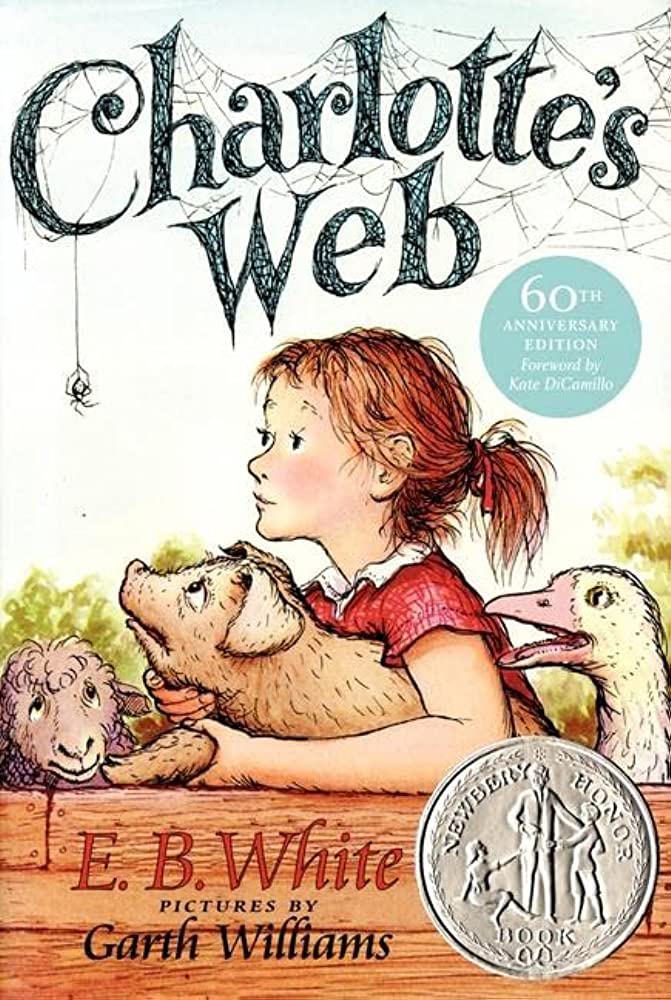
3. “Charlotte’s Web” by E.B. White:

Charlotte's Web

An emotional tale of friendship and loyalty, “Charlotte’s Web” introduces children to a remarkable spider named Charlotte and her unlikely bond with a pig named Wilbur. This heartwarming story teaches valuable lessons about compassion and the circle of life.

Add the Charlotte’s Web Schoolio Novel Study

4. “Harry Potter and the Sorcerer’s Stone” by J.K. Rowling:

Harry Potter and the Sorcerer's Stone

The start of a magical journey, the first Harry Potter series book, introduces young readers to the captivating world of Hogwarts School of Witchcraft and Wizardry. With an engaging plot and unforgettable characters, this book sparks the imagination and instills a love for adventure.

5. “Matilda” by Roald Dahl:

Matilda

Roald Dahl’s stories are beloved by children worldwide, and “Matilda” is no exception. This book tells the story of a gifted and courageous girl who discovers her extraordinary abilities and finds solace in books. It inspires children to embrace their uniqueness and the power of knowledge.

6. “The Lion, the Witch and the Wardrobe” by C.S. Lewis:

The lion, the witch and the wardrobe

A tale of magic, courage, and sacrifice, this book is the first in the beloved Chronicles of Narnia series. As four siblings stumble upon a mystical world through an enchanted wardrobe, they embark on a thrilling adventure that will captivate young readers’ imaginations.

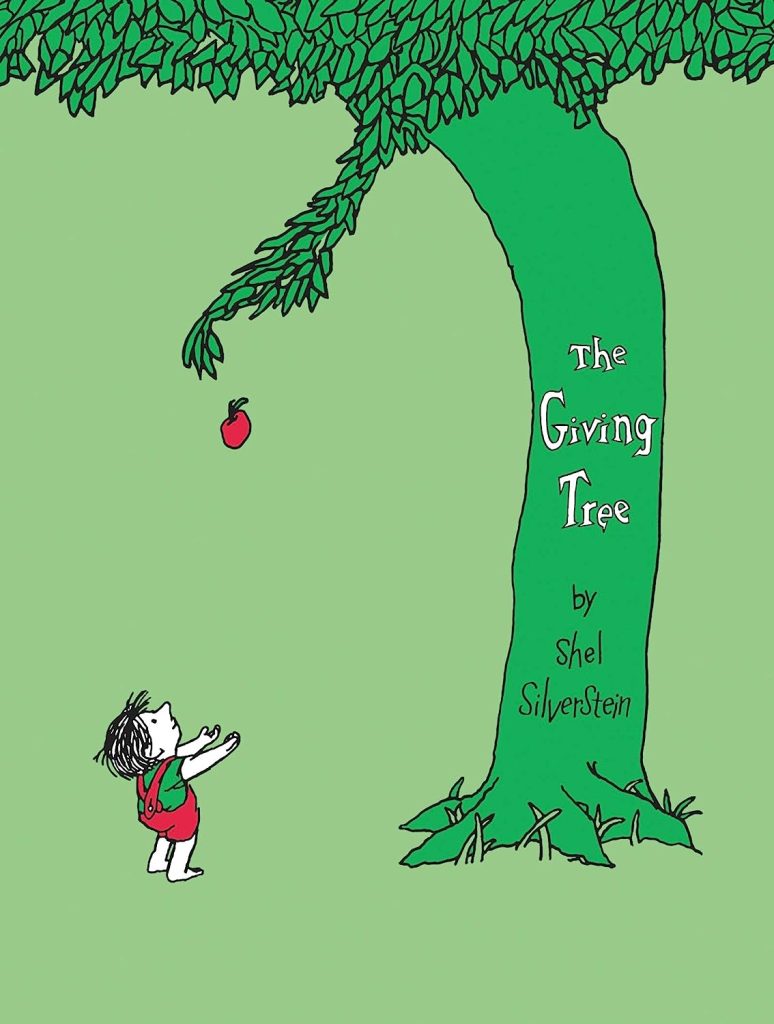
7. “The Giving Tree” by Shel Silverstein:

The Giving Tree

Shel Silverstein’s poignant story explores the concept of selflessness and unconditional love. Through the relationship between a boy and a tree, this book encourages children to appreciate the beauty of giving and the importance of cherishing nature.

8. “Oh, the Places You’ll Go!” by Dr. Seuss:

Oh, the Places You'll Go!

This Dr. Seuss classic celebrates life’s journey, encouraging children to embrace new experiences, face challenges with resilience, and pursue their dreams. This book is entertaining and inspiring with its whimsical rhymes and vibrant illustrations.

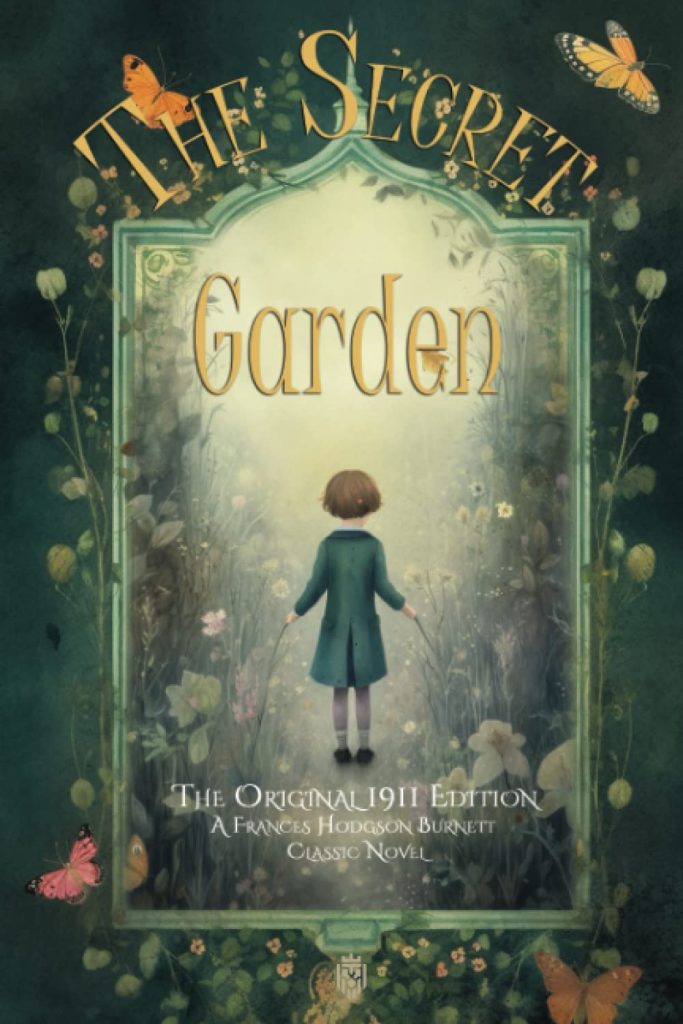
9. “The Secret Garden” by Frances Hodgson Burnett:

The Secret Garden

The Secret Garden” transports readers into a hidden world of magic and transformation. As a young girl discovers a neglected garden, she begins to unlock its secrets and finds solace in the power of nature. This book emphasizes the importance of resilience, friendship, and the healing properties of the natural world.

10. “Charlie and the Chocolate Factory” by Roald Dahl:

Charlie and the Chocolate Factory

Roald Dahl strikes again with this delectable tale of a young boy named Charlie who wins a golden ticket to visit Willy Wonka’s extraordinary chocolate factory. With its vivid descriptions and unforgettable characters, this book takes children on a delightful and imaginative adventure.

Enhance Your Child’s Reading with a Schoolio Novel Study.

Additionally, to enhance your child’s reading experience and foster a deeper understanding of the books they love, consider incorporating a Schoolio Novel Study. Schoolio Novel Studies provide a comprehensive and engaging approach to reading, including activities and discussions that encourage critical thinking and further exploration of the story’s themes.

Combining the joy of reading with interactive learning, Schoolio Novel Studies offer an excellent opportunity for your child to delve deeper into the characters, plot, and messages conveyed in each book. Whether analyzing character motivations, creating alternate endings, or participating in group discussions, the Schoolio Novel Study can bring added excitement and enrichment to your child’s reading journey.

Prepare to Watch the Magic Unfold.

Introducing your child to the wonders of reading is a gift that will last a lifetime. The books on this list offer diverse themes, from imagination and friendship to courage and self-discovery. As your child explores these enchanting worlds, they will develop a love for reading and expand their horizons. So, grab a cozy blanket, find a comfortable spot, and embark on these literary journeys with your child. As their imagination soars with each page turn, prepare to witness the magic unfold. Happy reading!

Do you homeschool year-round? Or take a summer break?

What Parents Need to Know Before Homeschooling

What Parents Need to Know Before Homeschooling

What Parents Need to Know Before Homeschooling

Homeschooling is a growing educational choice for parents around the world. The ability to tailor education to suit individual needs and values and its flexibility have made homeschooling an appealing option for many families. However, before embarking on this educational journey, parents must understand the steps to ensure a successful homeschooling experience. This blog will discuss what parents need to know before homeschooling their children.

Essential Steps to Take Before Homeschooling.

Choosing to homeschool your child is a significant decision that comes with a range of responsibilities and considerations. Before diving into the world of homeschooling, it is crucial for parents to take specific steps to ensure a successful and fulfilling educational experience for their children. By following these steps, you can lay a strong foundation for your homeschooling journey, addressing legal requirements, understanding your child’s needs, setting clear goals, and accessing valuable resources. Let’s explore the essential steps that parents should take before embarking on the adventure of homeschooling.

What Parents Need to Know Before Homeschooling:

Familiarize Yourself with Homeschooling Laws and Regulations:

homeschooling laws and regulations

Before diving into homeschooling, it is essential to research and understand the legal requirements and regulations regarding homeschooling in your country or state. Familiarize yourself with the necessary paperwork, reporting procedures, and any mandatory assessments or evaluations that may be required. This will help ensure compliance with educational laws and guarantee that your child’s homeschooling experience is recognized and accepted.

Assess Your Child’s Learning Style and Needs:

Each child has a unique learning style and needs. As a parent, take time to evaluate your child’s strengths, weaknesses, interests, and preferred learning methods. Understanding how your child learns best will enable you to tailor the curriculum and teaching methods to suit their individual needs, promoting an effective and enjoyable learning experience.

Set Clear Goals and Objectives:

Establishing clear goals and objectives for your child’s homeschooling journey is crucial. Determine what you want to achieve academically, as well as any personal or character development goals. These goals will serve as a guide and help you design a curriculum and educational plan that aligns with your aspirations and your child’s individual progress.

Research and Select a Homeschooling Approach:

There are numerous homeschooling approaches and philosophies to choose from, such as classical education, Montessori, unschooling, or unit studies. Conduct thorough research on different approaches and select one that resonates with your educational philosophy and your child’s learning style. Remember that you can also blend multiple approaches to create a personalized curriculum that meets your child’s needs.

Find and Utilize Available Resources:

find and utilize available resources

One advantage of homeschooling is the abundance of resources available to support your child’s education. Seek out local homeschooling communities, support groups, and online forums to connect with experienced homeschoolers who can offer advice, curriculum recommendations, and valuable insights. Libraries, museums, and community organizations can also be excellent sources of educational materials, field trips, and extracurricular activities.

Develop a Flexible Schedule and Routine:

Creating a flexible schedule and routine is crucial for maintaining structure and discipline in your homeschooling environment. Set regular study hours, breaks, and designated spaces for learning. However, remember that one of the benefits of homeschooling is flexibility. Embrace the opportunity to adapt your schedule to your child’s interests, personal rhythm, and learning pace.

Select a Curriculum:

Choosing a curriculum tailored to your child’s needs is a pivotal step in homeschooling. Consider your child’s learning style, interests, and goals when selecting curriculum materials. You can opt for pre-packaged curricula, online resources, or design your own curriculum by combining various materials and educational approaches.

Plan for Socialization Opportunities:

One concern often raised about homeschooling is the potential for limited socialization opportunities. To address this, actively seek out opportunities for your child to interact with peers, whether through homeschooling cooperatives, sports teams, art classes, community organizations, or extracurricular activities. These social interactions play a vital role in developing social skills, fostering friendships, and creating a well-rounded education.

You’re on the Fast Track to Sucess.

Homeschooling offers unique advantages for both parents and children, but it also requires careful planning and preparation. By understanding the legal requirements, assessing your child’s needs, setting clear goals, and utilizing available resources, you can create a successful homeschooling experience. Remember that homeschooling is a flexible and dynamic educational choice, allowing you to customize your child’s education to provide a rewarding and enriching learning journey.

What Homeschoolers Are Doing Right

What Homeschoolers are Doing right

The Advantages of Homeschooling and What Homeschoolers are Doing Right.

Homeschooling has become a popular option for many families worldwide, and for a good reason. It offers parents the flexibility to design a personalized education for their children that takes into account their individual interests, strengths, and weaknesses. This approach to education allows children to learn at their own pace and in a way that works best for them.

How common is homeschooling?

According to the National Home Education Research Institute, the number of homeschooled students in the United States has increased by 2.2% per year over the past ten years, with an estimated 2.5 million students homeschooled in 2019. Homeschooled students also tend to score higher on standardized tests and have higher college attendance rates than traditionally schooled students.

What Homeschoolers are doing right

Some of the ways homeschoolers are doing things right include:

  • Tailoring education to the child’s needs
  • Focusing on character development
  • Encouraging independent thinking
  • Building strong family bonds
  • Providing a safe and nurturing environment.
  • Tailoring education to the child’s needs
  • Focusing on character development
  • Encouraging independent thinking
  • Building strong family bonds
  • Providing a safe and nurturing environment.

Advantages of homeschooling and what homeschoolers are doing right.

Character Development

One of the main advantages of homeschooling is parents’ emphasis on character development. Homeschooling parents often instill virtues like honesty, empathy, and kindness in their children, which helps them to develop strong values and a sense of responsibility. This focus on character development can help children grow into well-rounded individuals equipped to face life’s challenges. Add Social Emotional Learning to your homeschool.

Encourages Creativity

Another important aspect of homeschooling is that it encourages independent thinking and creativity in children. Homeschoolers provide a learning environment that fosters curiosity and exploration, which can help children to become more self-motivated and capable of thinking outside the box. This approach can also help children to develop a lifelong love of learning.

More Quality Family Time

Advantages to homeschooling

Homeschooling also allows families to spend more time together and build strong family bonds. Parents can be more involved in their children’s education, which can help to create a closer relationship between parents and children. Homeschooled children often have a closer relationship with their siblings as well, as they can spend more time together and learn from each other.

Safety Concerns

One concern that some families have with traditional schools is safety. Homeschooling provides a safe and secure environment for children to learn and grow without the risk of exposure to negative influences that can be found in traditional schools. This can bring peace of mind to parents and allow them to focus on their children’s education without worrying about their safety which can help to create a more positive outlook on life and increase confidence in themselves.

There are many benefits for homeschool families.

In conclusion, homeschooling offers many benefits for families. Homeschoolers are doing something right by tailoring education to the child’s needs, focusing on character development, encouraging independent thinking, building strong family bonds, and providing a safe and nurturing environment. It is no surprise that more and more families are choosing this educational option for their children.

Teach Your Kids About Black History

Teaching your kids about Black History

Teach Your Kids About Black History

By: Chelsea McLeod

February is Black History Month, also known as African American History Month. Black History is an essential piece of the puzzle that makes up our world because it is World History. By learning about it, we can promote diversity and bring unity within all backgrounds and cultures. Black History month provides us with an opportunity for listening, learning and acquiring a new understanding of the importance of celebrating the contributions of the African American Community of the past, and understanding the history and where we come from is essential to building a better and more inclusive future for all. 

What is Black History Month?

Black History Month originated in the US and is an annual celebration of the achievements of African America ns, recognizing their role and contributions throughout history. Much of the curriculum, both homeschooled and traditional, presents a very Eurocentric view of history. This is, unfortunately, a very one-sided and often whitewashed view and gives children a biased and inaccurate perspective of all races’ involvement in history. While Black History is something you should be teaching and acknowledging all year round, this month, there are several things you can do to bring it into focus.

“Much of the curriculum, both homeschool and traditional, presents a very Eurocentric view of history.”

Here Are Several Ways to Teach Your Kids About Black History:

1. Supplement Traditional Texts with Other Resources

Many of the resources used in the past to teach history are often focused on the European point of view and don’t take into account other influential figures and events. Therefore, while using these resources as you have before is okay, seeking out things that will supplement this subject specifically is essential. So, use your regular American or Canadian History text but do so in conjunction with a well-researched Black History text. This way, you will be able to get a more well-rounded perspective. Finally, this can happen at any age; so many children’s books address this subject, so there is no excuse not to explore it age-appropriately.

2. Choose a Curriculum that Highlights Black History.

Some great homeschooling lessons are explicitly created for this purpose because the traditional lessons leave students needing more. It is essential to get history from all viewpoints. And if you didn’t experience it or have a cultural connection to what happened, then you need to be intentional about finding resources that give alternative perspectives. For example, Black History is American History for kids ages six and under provides a rich and age-appropriate introduction to Black History. This resource was created by Danielle Slaughter, a mini monthly curriculum that teaches children and their parents about Black History all year long.

3. Teach About Africa’s History, Using African-Centric Resources.

Honestly, without Africa, there would be no Black History in the United States or Canada. Africa has a rich and vast history that you can study and explore together. Black History didn’t begin and end with slavery or the underground railroad. There is so much more to it, and it is crucial to teach the whole story. Black History starts from ancient civilizations and covers the achievements made by African people. Also, there is trauma that cannot be overlooked and needs to be addressed appropriately.

4. Highlight Famous Black Women such as; Rosa Parks With Black History Month Crafts

Craft ideas are everywhere for every topic, so take some time to look into things you can create with your kids to recognize the contributions of influential African American figures. All it takes is a search on google, and you will come across more craft ideas than you will know what to do with, from art projects to research pamphlets to colour by numbers. Learning accompanied by creativity is often the best choice for some not discussed topics. So get out the construction paper, makers and paints and create a learning opportunity that is also fun.

Crafts

5. Make Learning About Black People in History a Continued Priority

Make it a priority to teach your kids about Black History and to learn about it. Black History Month provides an excellent opportunity or jumping-off point to recognize and appreciate the accomplishments and contributions of Black people. However, this month should be one of many times you focus on this in your learning journey. Black History must be a key piece of your continued homeschooling curriculum. Black History is History; it is not a separate or special entity. It should be a natural part of your learning journey and not just be focused on for four weeks of the year and then pushed aside.

6. Black History Awareness Cannot Be Overemphasized

Black History awareness and exploring important forgotten information about African American figures and their integral part in history is critical to changing perspectives about Black History in the US and Canada. It should always be considered and integrated into every subject as naturally as European History. In this way, today’s homeschool parents can make a difference in how the next generation views the often forgotten chapters of history and help to create a more accepting and diverse world tomorrow.

7. Incorporate Texts written by Black Authors into All Subjects

Not just in history class, it is essential to read and examine texts by a diverse range of authors in all subjects. So make sure that White scholars do not solely write your readers. Take the focus away from just Mark Twain, Charles Dickens, and William Shakespeare in English class and integrate works by Langston Hughes, Maya Angelou, or Toni Morrison. All students should be introduced to texts by Black authors that speak to Black experiences, Black perspectives, and accomplishments.

This makes it easier to develop a wider lens through which they look at the world. If you only see one perspective in your studies, it is tough to adjust that when introduced to something else. And as stated previously, there is no reason not to start young because so many excellent Black-authored books are written for all ages.

Black History Month

When you teach your kids about Black History, remember that you must also be open to learning.

So as you decide how you and your family will approach your learning this month and in the coming years, remember to be open to learning yourself. You do not have to have all the answers but be open to discovering those answers. Sometimes learning with your kids is just as important as teaching them. Black History Month is a time to spread awareness and learn more. February is also a time to seek a future free of racism and discrimination. And to work toward the day that this future will be a reality. 

Check out these Black History Month Resources