Homeschooling Year-Round or Summer Vacation?

Homeschooling Year-Round or Summer Vacation: Choosing the Path That Fits Your Family

Finding the path that fits for your family

The joyous arrival of summer break is a highly anticipated moment for most students, a time filled with carefree days, vacations, and endless possibilities. However, in homeschooling, where families can tailor their education to their unique needs, choosing between homeschooling year-round or taking a traditional summer vacation becomes a matter of choice. While many homeschooling families eagerly embrace the respite that summer brings. There is a growing contingent that prefers the concept of homeschooling year-round. This blog will explore the idea of homeschooling year-round or summer vacation. While also exploring both benefits and comparing the pros and cons of summer vacation.

Homeschooling Year-Round:

Homeschooling year-round refers to the practice of spreading out educational activities across the entire calendar year, with shorter breaks throughout. Rather than adhering to the traditional summer vacation period. This approach allows families to maintain a more consistent learning schedule and avoid potential learning loss during extended breaks.

Benefits of Homeschooling Year-Round:

1. Continuous Learning:

One of the significant advantages of homeschooling year-round is the continuity it provides. By spreading the educational activities throughout the year, students can maintain a steady learning rhythm, allowing them to retain information more effectively and build upon their knowledge without significant gaps.

2. Flexibility:

Homeschooling year-round offers flexibility in scheduling. Families can adjust their routines to accommodate personal interests, travel plans, or extracurricular activities without the constraints of a fixed summer vacation period. This flexibility enables a more customized education that caters to the individual needs and interests of the child.

homeschooling year-round or summer vacation

3. Reduced Learning Regression:

Long summer breaks can sometimes lead to learning regression, where students may forget or lose some of the knowledge they acquired during the previous school year. By homeschooling year-round, students can consistently reinforce their skills and knowledge, reducing the need for extensive review at the beginning of each academic year.

Summer Vacation and Homeschooling:

The summer break, a cherished tradition in many educational systems, offers many benefits for students and families. While homeschooling families may opt for a year-round approach, it’s important to acknowledge the advantages that a summer break can bring to children’s overall development.

Benefits of Taking a Summer Break:

1. Rest and Rejuvenation:

After months of dedicated learning and academic endeavors, a summer break provides much-needed rest and rejuvenation. It allows students to recharge their batteries, relax, and take a break from the rigors of daily schoolwork. This downtime is essential for maintaining their mental and emotional well-being.

2. Unstructured Play and Exploration:

The summer break offers children the opportunity for unstructured play and exploration. During this time, they can engage in activities they are passionate about, pursue hobbies, and foster creativity. Unstructured play stimulates imagination, problem-solving skills, and social interactions, vital aspects of a child’s holistic development.

3. Family Time and Bonding:

A summer break provides an excellent opportunity for families to spend quality time together. With fewer academic commitments, families can plan vacations, day trips or enjoy leisurely moments at home. These shared experiences foster strong family bonds, create lasting memories, and strengthen connection and belonging.

Summer Vacation and Homeschooling

4. Mental Refreshment and Renewed Motivation:

A break from academic studies during the summer allows students to approach the following school year with renewed motivation and a refreshed mindset. The break provides a chance to reflect on past achievements, set goals for the future, and return to their studies with increased enthusiasm.

Now let’s look at the Pros and Cons of Homeschooling Year-Round or Summer Vacation.

Pros and Cons of Homeschooling Year Round:

Pros:

  • Continuous learning and retention of knowledge.
  • Flexibility in scheduling and personalization of education.
  • Reduced learning regression.
  • Ability to explore topics of interest in greater depth.
  • Less time is spent on review at the beginning of each school year.

Cons:

  • Potential burnout for both students and parents.
  • Limited time for unstructured play and relaxation.
  • Reduced availability for family vacations during peak travel seasons.
  • Difficulty synchronizing schedules with other families or traditional schooling calendars.
Burn out and homeschooling

Pros and Cons of Taking a Summer Vacation:

Pros:

  • Rest and rejuvenation for both students and parents.
  • Opportunity for unstructured play and exploration.
  • Availability for family vacations during peak travel seasons.
  • Exposure to different environments and cultures through travel.

Cons:

  • Potential learning regression and the need for extensive review.
  • Interruption of the learning routine.
  • Difficulty resuming studies after an extended break.
  • Limited flexibility in scheduling.

It’s About Finding Balance.

It’s essential to balance the benefits of a summer break and the continuity of learning. While some families choose a year-round homeschooling approach, incorporating a well-planned summer break can provide numerous advantages, fostering holistic development, promoting mental well-being, and creating lifelong memories.

Finding balance with summer break and learning

Finding a balance between year-round learning and the much-needed summer break can sometimes be challenging in homeschooling. However, there are resources available that can help bridge this gap and provide a solution that satisfies both desires.

Is the Summer Schoolio Program the Answer?

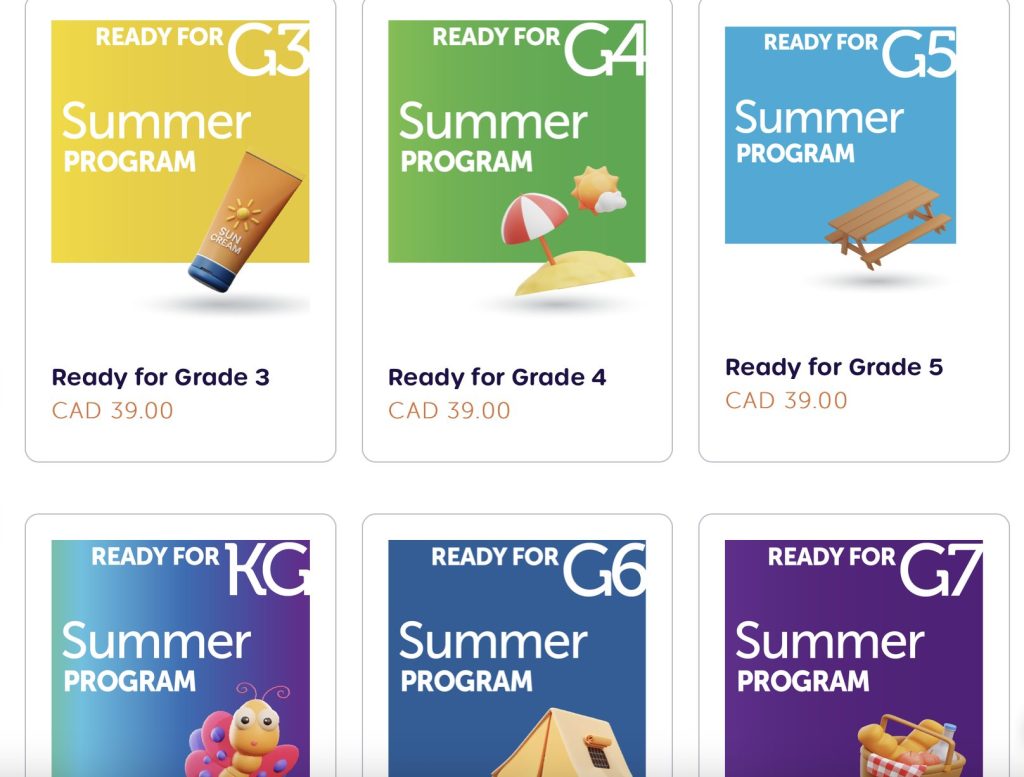
The Summer Schoolio Program is one such resource that can help your child stay on track and achieve homeschooling year-round while still offering them a well-deserved summer break. This program combines the best of both worlds by providing structured educational activities and materials designed to prevent learning regression during the summer months while incorporating fun and relaxation elements.

Summer Schoolio

With The Summer Schoolio Program, your child can engage in academic pursuits that align with their current curriculum, explore new subjects, and participate in stimulating projects and activities, three days a week, all while having the freedom to enjoy the joys of summer. This comprehensive program ensures that your child continues to progress academically and allows them to recharge, pursue their interests, and make lasting summer memories.

Check out 10 books for summer reading!

10 Innovative Ways You Can Keep School Break Fun And Educational!

10 Innovative Ways You Can Keep School Break Fun And Educational!

By Chelsea McLeod

It’s the time of the year when we are approaching March breaks in various areas across the US and Canada and the Easter Holidays are right around the corner! Everyone loves these breaks because we have more freedom to gather with family and spend time connecting apart from our usually busy lives. Therefore by learning these 10 Innovative Ways You Can Keep School Break Fun And Educational!

These school breaks are scheduled into the traditional school calendar. In homeschooling, whether or not you choose to take a break, they can still bring a change in routine and focus or a break from extra-curricular activities. Therefore kids, often get some much-needed space for reflection, rest and connection with loved ones, even if they are still homeschooling. More often than not, they can also come with commitments and travelling as tournaments or competitions are often scheduled during this time to align with the traditional school calendar. Therefore, even as homeschoolers, our regular academic focus is put on hold.

This is alright; it’s good to take a break from the everyday routine and bustle of homeschooling life. In a previous blog, we discussed why taking a break from schooling is so important. It is needed for both learners and teachers and provides much-needed rest. Okay, you ask, but what do I do during these breaks to keep encouraging learning? I want to take a break but do not want all of our schooling progress to go entirely out the window. I have taken the time to compile a short list of things you can do over the break.

10 Innovative Ways You Can Keep School Break Fun And Educational! 

1. Read for fun

10 Innovative Ways You Can Keep School Break Fun And Educational

Reading is one of the best ways to bond with your kids. Snuggling up with a good book creates meaningful and focused time where you can connect.

For younger children, you may read the book; however, for older school-age kids, you may take turns. So while you and your child take turns reading to each other this holiday break, remember that some crucial brain development is occurring. Reading gives the brain a workout in the same way that going on a run improves cardiovascular health. So make sure to devote quiet time to reading. Older kids may want to read a novel and discuss it with you rather than take turns. 

Reading is so essential and needs not to be associated only with learning. Some kids will say that they “don’t like reading,” but when you get down to it, this is mainly because when they are learning, they do not get to choose what they read. This can make it frustrating for them and sometimes make it hard for them to stay engaged because reading in a learning context is not always catered to their interests. So on this holiday break, encourage your kids to choose a book/or a few books they like and want to read and set aside time each day to do so together.

2. Write Thank You Notes or Holiday Cards 

Writing is an essential part of Schooling, but it is something we do in other aspects of our lives and holidays are no different. There is often a list of Holiday Cards to write and send out to family and friends. Also, if you celebrate a holiday in which gift-giving is a part of your traditions, have your kids write personalized thank-you notes to the gift-giver. These writing tasks are perfect for your kids to keep their writing fingers nimble and their brains ready for action!

3. Bake Together

For many, the holidays are filled with savoury and sweet treats. The family gatherings are loaded with all kinds of food and traditional desserts. The big task is to bake these items before attending various family and community events. So why not take advantage of this, make some delicious winter recipes, and indulge in math and science?

Next time you are in the kitchen preparing for your festivities, encourage your child to help bake cookies, but maybe double or triple the batch so they can practice their measurement skills. You can also discuss the techniques you might use to achieve a specific cookie texture or the science of how the oven works. And it’s time to serve those squares, cookies or pie masterpieces; use fractions to figure out how much is left over for another time!

4. Take a trip to the Library

Libraries may seem tedious at first glance but look closer; there are so many adventures within those walls. There are more rows and books than can fit on the shelves at home. There are more books than you’ll know what to do with! Whether reading a new series or an old favourite, there is always something to find at the library. In addition to enhancing reading comprehension, you can get your child a library card and teach responsibility. Finally, many libraries are full of children’s programs and classes to interest children of all ages!

5. Visit a museum or science centre

Fun things to do during the holidays

If you are like those of us who live in a cold climate, you may have to keep your kids indoors more than you would like due to sub-zero temperatures and the risk of frostbite. In this case, kids can get pretty stir-crazy and need a change of scenery, which will help preserve the house and your sanity.  So if you need to get out of the house, take your children to a local museum, aquarium, or science centre and explore together. During your regular schooling routine, it might be difficult for your family to take the time for these trips; yet they can be educational, rewarding, and fun for the whole family!

6. Play Board Games

Holidays bring with them a break from the usual schedule and the business of life. So, sitting down with your family this season and playing games is a great way to connect and develop social and intellectual skills.  Playing board games can help kids expand on critical thinking skills such as strategy, analysis, and planning. Also, board games can help to improve basic schooling skills such as addition, subtraction, and reading comprehension. So don’t feel guilty about playing games; you are all getting an intellectual workout while enjoying some downtime together!

7. Solve puzzles

Be it Jigsaws, sudoku, crosswords, or search-a-words…all puzzles are fantastic. Whether you sit down together and complete a puzzle or spend some time alone working through it, they are a great way to challenge yourself and give your brain a workout over the holidays. So why not give your family a new puzzle under the tree for Christmas (if that’s what you celebrate), enjoy some quality time together, and work on developing those problem-solving skills together?

8. Handmake gifts

10 Innovative Ways You Can Keep School Break Fun And Educational

A gift made by hand carries a more special and heartfelt meaning than one from the store. The time and effort of your labour show your love for the recipient. If you have a list of gifts to give this holiday season, consider making them. Gather all your craft supplies; markers, glue, pipe cleaners, glitter, and scissors.

Also, you can let your kids raid the kitchen for additional supplies such as macaroni, marshmallows, graham crackers, and candy canes; these are great for DIY holiday gifts. You can search Pinterest for inspiration or let their imagination take over and know that this is an excellent way for your kiddos to work those creative muscles.

9. Create a family tree 

Time for a history lesson! Explore your family history and research your heritage together to compile a family tree. Many families spend the holiday season with their extended family, which makes it a fantastic opportunity to encourage your children to take an interest in learning about their heritage. While appreciating a slower season and spending time with your immediate family, take the time to reflect on where the various branches of your family have come from.

Have your kids come up with a list of questions they could ask of older family members. It’s also a unique way to hear family stories and learn about the childhood experiences of older relatives that you may not have previously heard. Everyone, young and old, will enjoy going down memory lane together and connecting over these stories of their lived experience.

10. Stay active

The last of our ten ways to keep fun and learning happening during a school break is to stay active. If you live in a colder area, staying snuggled up with a bowl of popcorn and Netflix may be tempting. While this can be a relaxing way to spend time with the family, doing something active is another great way to enjoy family time over the holidays.

So if you can, and the temperatures in your area allow for it, get moving! Take your kids skating, sledding or out to make a snowman. Fresh air and activity are both great for developing brains. Kids also experience many other benefits from exercise, including maintaining strong bones, muscles, and joints.

Kids who exercise also improve the quality and quantity of their sleep, which means they will be even more well-rested when they choose to resume schooling after the break! Now, if you live in a much colder climate and are in the middle of a cold snap where you cannot spend time outside, you can still keep your kiddos active indoors. Get them to join you for yoga, play some active video games such as Wii Fit (bowling, step aerobics, dancing, etc.) or engage in other healthy fitness activities while still staying warm!

A time to rest and reflect.

During this holiday season, no matter what holidays you celebrate, there are many ways to keep fun and learning happening. This season often brings a slower pace and time to rest, reflect and make space for other activities. A break from our regular schooling routine can lend itself to a necessary reset for the whole family, but it doesn’t have to be a complete departure from learning.

And sometimes, for parents concerned about the gap in learning, there are numerous ways to keep kids’ brains working, even if they don’t know!  So take a look at the list of 10 Innovative Ways You Can Keep School Break Fun And Educational and choose one or all of these things to do with your family, and rest assured that the break won’t take away all of the academic progress you and your kids have made.

Click here to learn more about Schoolio World for extra learning fun during the holiday season! 

The Many Reasons Why Physical Education Is So Important!

Is Physical Education Important?:

How to Add Physical Activity to Your Homeschool And Why You Really Should. Read on to Discover The Many Reasons Why Physical Education Is So Important!

By Chelsea McLeod

The Many Reasons Why Physical Education Is So Important

We all know that physical education is essential to development. Physical Education is So Important!

We grew up being told that physical activity is extremely important and Physical Education classes are scheduled into the day 3-4 times a week. So naturally, when you choose to homeschool, you feel as if you need to make sure this is a part of your journey. But that’s not the only reason you might think keeping your kids active is essential to their academic work.

The world is becoming increasingly digital, so children spend more time indoors and less time engaging in physical activities. While technology is undoubtedly a convenient and essential part of modern life, it is essential to recognize the importance of physical education and its role in a well-rounded education.

What is Physical Education? And Why Is Physical Education So Important? 

Physical education (PE) helps children develop their motor skills and build their bodies, making it a crucial aspect of their overall health and well-being. PE also helps children develop teamwork skills and improves their self-esteem and confidence. Additionally, regular physical activity has been linked to better academic performance, making it an essential aspect of homeschooling. So not only can it help keep your children healthy physically, but it can also help to stimulate their minds and keep their brains healthy and agile. 

Now that we have established what Physical Education is, it is important to note why it is essential and how you can incorporate it into your homeschool curriculum. Let’s explore some of the benefits of being physically active and read about the main reasons why physical education is so important!

The Many Reasons Why Physical Education Is So Important

The Following List Shows The Main Reasons Why Physical Education Is So Important!:

  1. Physical education is much more than just a fun break from traditional academics. Here are some of the key benefits of including PE in your homeschool curriculum:
  2. Improved Physical Health – Regular physical activity can help improve children’s cardiovascular health, reduce their risk of obesity, and improve their overall physical well-being.
  3. Enhanced Mental Health – Physical activity has been linked to improved mental health, including reduced symptoms of anxiety and depression. Also, check out Schoolio’s extensive Social Emotional Learning Library. 
  4. Better Academic Performance – Children who engage in regular physical activity tend to have better academic performance, including improved concentration and memory.
  5. Improved Social Skills – PE provides children with opportunities to interact with others and build teamwork skills, which are critical for success in later life.
  6. Boosted Self-Esteem and Confidence – Physically active children feel better about themselves and their abilities, leading to improved self-esteem and confidence.

Physical activity has many benefits and provides many physical and mental benefits for growing children.

It can also give kids something to look forward to in their week, as academics are not always a draw, but kids love moving and playing.  Next, we need to look at ways you can fit this crucial developmental element into your homeschool days. 

The Many Reasons Why Physical Education Is So Important

How to Incorporate Physical Education into Your Homeschool; Take Advantage of The Main Reasons Why Physical Education Is So Important!

So here we are; we understand the many reasons why physical education is so important. Now I’d like to offer some practical suggestions on incorporating PE into your homeschool curriculum.

Here are some quick tips: 

  • Make it a Priority – Physical education should be given the same importance as any other subject. Set aside dedicated time for PE each day and make it a non-negotiable part of your homeschool routine.
  • Get Creative – There are many ways to incorporate physical activity into your homeschool. From structured activities like sports and games to more informal activities like hiking, gardening, and playing with your children. Get creative and find ways to make physical activity fun for your children.
  • Use Technology – Many online resources help incorporate physical education into your homeschool curriculum. Look for videos and tutorials on various physical activities, including yoga, dance, and sports.
  • Make it Age-Appropriate – Make sure that the physical activities you include in your homeschool curriculum are age-appropriate for your children. This will ensure that they can participate safely and enjoyably.

But, Do You Need to Incorporate Physical Education into Your Homeschool?

As you have read in this blog, the benefits of physical education are countless and undeniable. However, it’s also essential for us to remember that not all children will enjoy regular physical activity. For example, some prefer reading, working on more solitary activities, or playing video games.  Not all families will also have the resources to include PE in homeschool curriculum or pay for extracurricular sports activities. 

Physical education is an essential aspect of a well-rounded education. It offers numerous benefits for children’s physical and mental health and academic performance. You don’t necessarily need to include physical education in your homeschool to provide your children with a well-rounded education.

There Are Many Reasons Why Physical Education Is So Important! One is providing a Multi-faceted Education:

This type of multi-faceted education can come from many other things (tutoring, sports, clubs, etc.). It doesn’t need to be provided by you in the home to be effective. However, if you have the resources and your children are on board, incorporating PE into your day-to-day homeschooling plan will benefit your child’s future well-being.  You can also help ensure that your children are getting the exercise they need to stay healthy and happy in all aspects of their lives.

The Many Reasons Why Physical Education Is So Important

Follow your child’s lead.

Whether or not you choose to include it in your homeschool curriculum, you must follow your child’s lead. It is crucial to work with them to find an activity they enjoy. That way, even if they are not interested in physical activity they still get some exercise. 

Most importantly, remember that you ensure your children get enough physical activity each day outside of schooling. Even if they are not participating in structured activities they will still have the benefits of activity. Healthy development is complimented by any type of recreation children actively participate in. It doesn’t matter whether it is structured activities or simply playing and exploring the great outdoors. So find something that they enjoy and encourage them to pursue it. This way, they will be exercising, doing something they like and taking advantage of The Many Reasons Why Physical Education Is So Important! Happy Homeschooling.

6 Reasons Why It’s Important To Encourage Multi-Age Play

Children are naturally curious and sociable beings. They love to explore, learn and play with others. As a parent, you want the best for your child; you want them to be happy, healthy, and well-adjusted. However, when it comes to playtime, parents may be hesitant to let their children play with kids of all ages. This is understandable for several reasons, one being that parents may want to ensure their children’s safety. However, there in fact several known benefits of encouraging children to play with peers of various ages. Encouraging your children to play with kids of all ages has a positive impact on their social emotional development. In this blog, we will discuss the 6 reasons why it’s important to encourage multi-age play.

It’s Important to Encourage Multi-Age Play; It Sets Children Up Both Personally and Professionally

Here Is A List Of Our 6 Reasons Why It’s Important To Encourage Multi-Age Play:

Playing Across Ages Builds Empathy and Understanding

When you follow these 6 reasons why it’s important to encourage multi-age play, you can help children learn to empathize with others and understand different perspectives. Playing with kids of all ages can help your child develop empathy. By interacting with others who are different from them, children learn to understand and appreciate different perspectives and experiences. This can help them become more compassionate and understanding individuals. Also, while playing with kids of all ages, children see their metaphorical journey reflected in the overall group. They see what lies ahead of them, as well as what they’ve already gone through. This helps build empathy for others, regardless for others, no matter their age or abilities.

6 reasons why it's important to encourage multi-age play

Inter-Age Play Develops Social Skills

Playing with peers of all ages can help develop important social skills. Younger children can learn how to communicate with older children, while older children can practice leadership and communication skills when playing with younger children. Children of different ages also have varying levels of physical and cognitive abilities, which can challenge children to adapt their play style and collaborate with their peers. Children are challenged to design games and cooperate in ways that meet a wider range of needs and skill levels. Younger children learn from older children’s experiences, and older children learn to be patient and nurturing toward their younger peers.

This interaction can foster a sense of community and belonging in children and create a more accepting and inclusive environment. Additionally, when children play with kids of different ages, they learn how to interact with others who have different needs, interests, and abilities. 6 reasons you should encourage multi-age play helps them develop important social skills such as communication, cooperation, empathy, and respect. Playing with older children can also expose younger children to more advanced language and social skills that they can learn from and develop.

6 reasons why it's important to encourage multi-age play

Cross-Age Play Encourages Creativity and Imagination

    When kids play with others of different ages, they are exposed to more diversity. This means that children of different needs, skills, and interests are included. This exposure encourages more complex conversations, problem-solving and critical thinking. Playing with peers of different ages can encourage children to use their imagination and creativity in new ways. When children play with peers of different ages, they are exposed to new perspectives, ideas, and experiences. This can inspire them to think differently and develop new, innovative ways of playing and problem-solving. Older children can introduce younger children to new games and activities that they may not have thought of before. While younger children can bring new perspectives and ideas to playtime. This interaction can inspire children to think outside of the box and explore their creative sides.

    6 reasons why it's important to encourage multi-age play

    Boosts Confidence and Self-Esteem

    Having meaningful interactions with kids of all ages can help boost a child’s confidence and self-esteem. Younger children look up to older role models and develop a sense of confidence from keeping up with older peers. Interacting with older children challenges younger children, which encourages them to push themselves to do better.  Therefore also encouraging younger children to scaffold their learning and challenge themselves in both their cognitive and physical development. Older children will feel pride and accomplishment when they teach younger children new skills. This skill transfer will help younger children to succeed in play. Similarly, younger children look up to older children. In this instance, they rely on them for guidance and support, which can make them feel important and valued. 

    Encouraging Multi-Age Play and Interaction Can Inspire Kids To Problem Solve And Create Innovative Ways To Play

    Promotes Positive Behavior

    When children play with kids of all ages they are exposed to a range of behaviours; helping them to learn what is acceptable and what is not. Older children can model positive behaviours and attitudes for younger children, who can then learn from these examples. 6 reasons why it’s important to encourage multi-age play can help to promote positive behaviour in your children. It can also discourage negative behaviours, such as bullying and exclusion.

    The presence of younger children allows older children the opportunity to learn about caregiving and leadership roles. This practice of caregiving can also lead older children to take responsibility for more vulnerable members of the group. Moreover, playing with kids of different ages can help your child build friendships with a much wider range of people. This can be especially helpful if your child has trouble making friends their own age. By playing with kids of different ages, they may find kindred spirits who share similar interests, values, or hobbies.

    6 reasons why it's important to encourage multi-age play

    Multi-Age Play Prepares Better Children for the Real World:

    Finally, 6 reasons why it’s important to encourage multi-age play can impact your child’s future. Playing with kids of all ages will help your child prepare for the real world. When playing and interacting with others of diverse ages, all children are able to experiment. In these groupings, children have space to take on various roles. They can experiment with hierarchies, power dynamics, leadership roles, and group rules in a way that reflects real life. In real life people of all ages interact with each other in a variety of contexts. Therefore, having the ability to communicate and collaborate with people of all ages is a valuable learning opportunity for children. They have the space to prepare for their future personal and professional life without adult consequences.

    6 reasons why it's important to encourage multi-age play

    6 Reasons Why It’s Important To Encourage Multi-Age Play; It Sets Children Up For Life

    In Conclusion;

    There are many benefits that can be seen from our 6 reasons why it’s important to encourage multi-age play.  Making space for children to play with peers of different ages has a positive impact on their socio-emotional development. In doing so, they develop important social skills, build self-confidence, foster creativity and imagination, encourage empathy, build friendships, foster confidence and self-esteem, promote positive behaviour and finally help to prepare them for the real world. 

    As parents, knowing that this type of mixed-age interaction is crucial for your child’s socio-emotional development; it is, therefore, essential for us to intentionally create opportunities for our children to interact with peers of all ages, whether it’s through playdates, community events, family gatherings or extracurricular activities. By doing so, we can help our children develop important socio-emotional skills that will benefit them throughout their whole lives and can help you to set them up for future personal and professional successes. So, the next time you’re arranging a playdate, consider inviting a child of a different age group and watch your child’s development soar!

    We hope you enjoyed reading about the 6 reasons why it’s important to encourage multi-age play. If you would like to read more helpful articles about child development or homeschooling please visit our Blog


    No More Math Meltdowns: How To Add Real-World Context And Teach Math In A Creative Way

    By Chelsea McLeod 

    Math is one of the more challenging subjects in school, and it can be difficult for students to see how the concepts they’re learning will be helpful in the real world. Math is more meaningful and engaging for students when we teach real-world applications. By making connections between math and the world around us, we can help our children understand the relevance of their learning. While also seeing how it will benefit them in the future, demonstrating real-world math. In this blog, No More Math Meltdowns: How To Add Real-World Context And Teach Math In A Creative Way we will discuss some fantastic ways to help your math lessons become more relevant to your child’s life.

    Math is all around us, making it vital to Add Real-World Context to your child’s education and Teach Math in a Creative Way.

    Unfortunately, many students struggle with math, and it can be challenging to understand why. So frustration and meltdowns can be a very real part of your homeschool day. Many children struggle with math because they do not see it applied in the real world. They can solve a mathematical equation, but do not understand why it matters or how it might come up in their daily lives. So, therefore, why should they care about it or want to learn it? Math is a fundamental skill for students to learn. It is everywhere, in our everyday life, and as such, it is crucial that children develop a strong understanding. So by reading this blog; No More Math Meltdowns: How To Add Real-World Context And Teach Math In A Creative Way, you will find some practical strategies to help overcome this.

    To help children better understand math, it is vital to Add Real-World Context and show them how math applies to everyday situations. Connecting math concepts to everyday situations can help your child understand why math is important and give them a better chance of mastering the subject. So say goodbye to your homeschool math struggles with No More Math Meltdowns: How To Add Real-World Context And Teach Math In A Creative Way and make Math a subject you and your child both look forward to again.

    No More Math Meltdowns: How To Add Real-World Context And Teach Math In A Creative Way

    Does No More Math Meltdowns: How To Add Real-World Context And Teach Math In A Creative Way sound like a dream? Here are a few tips to help you make this a reality:

    • Get Visual
      • One of the best ways to help your child understand math is to use visual aids. There are a variety of ways in which you can do this, such as using pictures, models, or diagrams. Visual aids can also help your child understand the concepts they are learning by giving them a better understanding of how to apply these concepts in the real world.
      • If your child is learning how to calculate the area of a triangle, you can use a diagram of a triangle to help them visualize the concept. This can make it easier for them to understand and apply the idea to real-world problems.
    • Use Everyday Examples
      • When teaching math concepts to children, it is vital to provide real-world math examples to help them understand the concept. When teaching about addition, ask your child to help you figure out the cost of groceries at the store.
      • It can also be helpful to provide your child with everyday examples of how to use math concepts. If they are learning how to calculate the volume of a cylinder, show them that a can of soda is a cylinder. Then you can model how to determine the volume of the soda can.
      • By providing your child with examples of how to use math in everyday life, you can help them understand why it’s important and how to apply it to certain situations.
    • Give Examples from Your Own Life
      • You can also give your child examples of how you use math in your own life. For instance; if you’re calculating the cost of groceries, explain how you’re using math. Discuss how much money you’ll need and why. This will give your child a chance to see firsthand how to use math in the real world.
      • Giving your child examples from your own life can help them better understand why math is important. It will also give them a glimpse into how to use math in everyday situations. This will make it easier for them to make connections. It will also help them to feel that the math they are learning is relevant.
    • Allow Your Child to Practice
      • Have your child practice math problems in real-world settings. Give time to practice counting money when they go to the store or making change when they buy something.
      • Help your child make connections between math and everyday activities. For example, measure the ingredients together when baking and explain the importance of exact measurements.
    • Ask Questions & Talk About Math
      • Ask your child questions related to math problems they may encounter in life. Why not ask them to figure out how much change they should receive when making a purchase?
      • Have conversations with your child about the math they learn in school.
      • Take your child to places where they use math. Go to a bank, a grocery store, or a construction site for example and explain they use math at these places.
    • Play Math Games
      • Playing math games is another great way to help your child understand how we use math in the real world. Various math games are available, such as board games, card games, and online games. These games help your child more clearly see how we use math in everyday life and how it can be fun.
      • By playing math games, your child can learn math concepts in a fun and engaging way.
      • When you implement tips from this list, your child will develop a much clearer understanding of how to use math in the real world. As well, it can give them a better chance of mastering the subject. By providing real-world examples, you can help your child understand what they learn.
    • Use Technology & Encourage Problem-Solving
      • Use technology such as apps and websites to help your child learn math in a fun and interactive way.
      •  Allow your child to explore different methods of solving math problems. Encourage them to think about other solutions and work through the problem. Involving your child in real-world problem-solving can help them understand the practical applications of math. Encouraging children to think critically and find solutions to real-world problems will help them see why and why math is important. It will also lead them to develop a greater appreciation for what they’re learning, and how to use it in their lives.
    No More Math Meltdowns: How To Add Real-World Context And Teach Math In A Creative Way

    Keep It Fun; Add Real-World Context to math and enjoy your school days with No More Math Meltdowns

    As you may have seen, Math is dull and uninspiring if not put into a real-world context. Many parents struggle to help their children understand the relevance of the math they are learning in school. But don’t worry! There are plenty of ways to make math more meaningful for your child. By adding context to what your child is learning, you can help make math more meaningful and enjoyable. Implementing these suggestions is a surefire way to help your child understand math much better. Take from our list and add the fun back into math!

    Add Real-World Context And Teach Math In A Creative Way to Help Students Develop An Appreciation for Math

    Add Real-World Context And Teach Math In A Creative Way to Help Students Develop An Appreciation for Math

    In conclusion;

    We hope you enjoyed No More Math Meltdowns: How To Add Real-World Context And Teach Math In A Creative Way. Clearly understanding how to add real-world context to math will make it more engaging and meaningful for students. By connecting math to everyday activities; we can help our children understand its relevance. We can also help them see how Math will benefit them in the future. These suggestions will help your child develop an appreciation for the value of math. As a result, they will be more motivated to learn and better equipped to succeed. Give it a try and see how it helps your child’s math skills! We hope yours is a future of No More Math Meltdowns!

    Thank you for reading No More Math Meltdowns: How To Add Real-World Context And Teach Math In A Creative Way. We hope that you have learned some real strategies to use in your homeschool day. Hopefully, this will help you make Math enjoyable again for both you and your child. Have you checked out Schoolio Learning’s vast library of math materials? Keep learning fun by diving into Schoolio Math!

    My Schoolio. ?

    Each day is a new opportunity to reach new parents and engage parents and students using our ebooks or digital platform to ensure we provide the highest quality educational content and support resources.

    While most days we are naturally excited to work and hustle, some days, the journey up the mountain feels unusually exhausting. After three years of climbing up our mountain, some days, we feel like we are only a few meters off the ground. Welcome to startup life, eh?

    By design, startups are the most complex projects to embark on; even though this is my fourth venture, nothing is familiar except for my muscle memory in leadership that helps me navigate challenging days.

    I was asking myself, “how can I feel more connected to our parents and how I feel more connected to our mission?”

    One idea is to share more – to share our journey up this ‘education mountain. Every day, as we climb, we meet other incredible parents, students and educators climbing their version of this mountain. Sometimes we pause and chat – via our FB account or concierge’s line; sometimes, we look at each other from a distance – through our social media engagements, and occasionally we wave at each other with our LIKES, SHARES or REPOSTS.

    I hope to write more and use our blog to share our perspective with you, our customers. We want to be more than a logo on a page – or words in a chat bubble or voices you hear on our podcasts. We are more than that – we are parents just like you, our customers, entrepreneurs like some of our customers, and educators like the many teachers who use our products. We share a common vision for how education MUST evolve to meet the needs of our children – in a digital world. We can’t unsee the inequalities that simmer beneath the surface of seemingly democratic education ecosystems. As tricky as it might seem, we can’t prepare children for a future that none of us can predict without a new model. With the rapid (and unprecedented) evolution in AI, growth in the gig economy, globalization, and access to information like never before – we have to rethink our approach to education. NOW.

    In the past three years, our small two-person team has grown into a culture of 20+.

    That’s a ton of people to align as we try to move up our mountain – together, in harmony – and at a pace that fits our purpose. We know we will stumble, some of us will lose our foothold and fall back a bit, some of us will carry more significant weight and ever so often, we will have to stop and camp as we pivot and refocus. No matter how hard the climb becomes, I am confident we’ll fight to carry each other and our trusting customers forward with us.

    We are at one of those moments again – a new version of our digital product, the one we have been waiting for, is finally ready in a few weeks. Now we can help our parents and educators with auto-grading, videos that support neurodiverse learners, social and emotional student check-ins and an easy-to-track dashboard for parents. This is a long-awaited update to Schoolio and exactly the excitement we need for 2023.

    We have always been proud of the flexibility Schoolio offers parents who homeschool – and starting soon, any student can enroll in our virtual school – with a dedicated educator!

    There are also many stories that we can share – that we want to share with our community. While each story has a unique perspective, we are all united in a mission to help EVERY child find their unique and unlimited potential.

    We hope to see you on the way up ⛰,

    Sathish Bala, CEO, Founder

    Do You Need to Overthrow the Schedule for January?

    New Year, New You?: Do You Need to Overthrow the Schedule for January?

    Written by Chelsea McLeod

    It’s a new year; is it going to be a new you? Are you anticipating a significant change this year or hoping to keep it relatively status quo? Some people find it necessary to make significant changes and completely revamp routines, family plans and schedules. Others are happy to settle into the familiar routines and schedules that worked before the holidays.

    As we know, January is typically the time for reflecting on the past year with its successes, failures, wins and losses, drafting resolutions, setting goals and making plans to accomplish for the new year. It is also the time for getting back to routine after a hopefully relaxing holiday break. After a week or two of late nights, travel, sleep-ins and, in many cases, not knowing what day it is, you and your kiddos are likely feeling ready for the consistency that routinely brings. So this begs the question: Do you need to overthrow the schedule for January?

    “Do what works for you and your family; you know best.” 

    It comes down to personal preference and what you know will work for you and your kids. Some people thrive on change and the excitement that comes from a difference from the normal. Others need that structure, predictability and consistency in their lives. You know yourself and your kids best, so make sure to consider that before making a significant change when asking yourself, ‘do you need to overthrow the schedule for January?’ 

    Finally, there is no harm in keeping things the same if that’s what works best for your family; maybe there is something in your previous routine that you need to change for you or your kids to be successful or learn better. If this is the case and you feel a change is needed after a break is the best time to make any changes since you and your family have already been out of routine. So, in essence, what you do in January is entirely up to you, so change things up…Or don’t; you are entirely and totally in charge of your homeschool schedule. Do what works for you and your family; you know best.


    Change things up.

    New homeschool year

    Why not let the New Year work for you by changing things up? 

    You could try some of the following suggestions to see if they work for your family during the New Year:

    • Add something new to your homeschool plans.

      • You could try a new tactic for Art, like a Schoolio Art Class or add an Audiobook for listening comprehension skills. Or you could add some hands-on activities to your math program instead of pencil/paperwork.
    • Do something different.

      • Maybe you have been following a book program for math or ELA. You could try a more computer-based program, like Schoolio Digital, to change it up in January.
    • Switch up the schedule. 

      • Maybe you have done Reading first thing up until this point? It could be time to change that up and do your Math when you first begin your homeschooling day.
      • Or maybe plan a daily time slot for fun reading. Books and things that are not part of the learning plan. It’s essential to read, and many of us would prefer to do so with a book we are interested in, not one that has been assigned; this goes for kids as well. Also, this gives you an excellent opportunity to read yourself and model reading behaviour. Sometimes the best way to learn is to watch others.
    • Join a homeschool co-op, a book club, or start your own. 

      • Depending on where you are, there are many options for a Homeschooling Co-op. You could join a local chapter; they often meet once a week for learning and sometimes plan field trips together.
    • Make tents or blanket forts and let your children do their school underneath. 

      • Kids love forts! There is something so fun about a homemade tent/fort with lots of pillows and twinkly lights.
    • Have a hot chocolate dreaming party next to the fireplace. 

      • This could be a break during the day or planned as an evening after supper. Just a great way to connect with your kids and spend time together. Talk about school or don’t, enjoy each other’s company.
    • Plan a living room slumber party and talk about family bucket lists.

      • This does not have to be specific to before I die; in recent years, people have begun making “bucket lists” for other time frames, such as before I graduate or before I turn 13, etc.
      • Enjoying your kids’ company and decompressing with them is also fun. You can create a bucket list for them and the family. Maybe you want to travel somewhere before your kids are a certain age. You can learn a lot about your kids when dreaming and talking about life plans, and your kids will appreciate being included in family planning.
    • Get outside!

      • In January, your kids would much rather be outside building a snowman than studying books, right? So why use that interest to plan your lesson and make them more engaging?
      • You could study snow, for example. You could measure snow in different states of matter, taste snow, and make snow cones, snow forts, and snowmen.
      • This could be the perfect opportunity to chart weather patterns. You and your kids could study your local weather patterns and compare them to others like Alaska, Iceland, or Sweden.
      • This might not work if you don’t live in a wintery location; however, you can constantly adjust to your environment. Maybe you need to study sand, the ocean, or the grass.

    Or don’t.

    Maybe you feel confident in the schedule and routines you planned at the beginning of your homeschooling year. Your kids were thriving with that schedule, and you are feeling good about your ability to juggle all the pieces. You Do Not have to change anything! No rule says January brings all kinds of changes, whether we like it or not.

    Each family has a routine and schedule that works for them, and homeschooling is no different. You are in charge. Like Napoleon Hill once said, “You are the master of your destiny. You can influence, direct and control your environment. You can make your life what you want it to be.” So no, as asked in the title, You do not have to overthrow the schedule for January.

    You can head right back into your pre-holiday routine, rest assured and with a smile. It is a New Year, but it doesn’t have to be a new schedule. So as we head into 2023, take some time to reflect and decide how to proceed with your homeschooling. Trust yourself, make whatever changes you need to make, or dust off that fall schedule and keep trucking. Enjoy. You Got This!


    Manage Disruptions to Learning

    Learning disruptions continue to frustrate parents, teachers and students across Canada and the United States. We all had high hopes that the Covid-19 pandemic would be entirely over by now, and education and life as we once knew it could continue as usual. Yet, we are entering the third year of the pandemic and are rattled with learning disruptions to this day. Maybe you have been trying to ride it out, but you’re now finding that these disruptions are causing your children to struggle intensely with their education. What are some things that you can do to manage disruptions to learning?

    Concerns of ongoing and past learning disruptions linger everywhere.

    Hundreds of students in Quebec, Canada, have been prohibited from attending school. According to CBC News, hundreds of students in Montreal are awaiting approval from Quebec to approve English eligibility. EMSB says they want to welcome all students but cannot without the ministry’s permission. As a result, hundreds of students are unable to attend school. How can these parents manage disruptions to learning?

    Additionally, parents, teachers and students across the United States are struggling with recovering from pandemic learning and the trauma that unfolded at the end of the 2021-2022 school year in Uvalde, Texas. Many parents and students fear attending school after such a horrific event.

    In New York City, many educators are highly concerned about the academic and emotional effects of the pandemic on their students as they enter the third school year since the beginning of the pandemic. A survey of 110 educators was conducted by the nonprofit Educators for Excellence and found that roughly 80% of respondents reported that their students are in worse academic and emotional shape than before the beginning of the pandemic.

    As educators, parents, and students prepare for back to school in British Columbia, Canada, there remains a serious concern as to what the new school year will bring when it comes to the spread of communicable diseases, including COVID-19. Even if there are no school shutdowns, many students will be out of school from being sick which causes parents to scramble to manage disruptions to learning for their children.

    In California, students wait months for mental health help while councillors share that they are being bombarded due to the pandemic and pandemic learning. There is no ‘quick fix’ for the trauma and interruption of education due to the COVID-19 pandemic.

    Parents in Ontario, Canada, are highly concerned with the decrease in health rules that will allow students testing positive to attend school. Furthermore, many parents are apprehensive about the impending doom of the potential education strike due to educational contracts set to expire across Ontario.

    What can parents do to manage disruptions to learning?

    It doesn’t matter where you are, learning disruptions are frustrating for parents everywhere. These learning disruptions are frustrating for parents, teachers and students alike. This is why it’s imperative for parents to learn to manage disruptions to learning to help their children excel despite the uncertainties. Here are some simple steps to keep your child’s learning stable.

    1. Weigh your options.

    For a child to learn, they need stability and consistency. This is why weighing your options is a good thing to do. Take a look at alternative learning options like homeschooling or online schooling and decide if these are right for your family. Keep in mind that homeschooling offers the consistency to education that children need. But you will need to decide if homeschooling is a learning avenue that works for your family first. Check out this blog on why so many parents are homeschooling to learn more. 

    2. Plan a routine with your child.

    If you decide to homeschool, plan out a homeschool routine for each day. Alternatively, if you keep your child in public school despite learning disruptions, plan out ‘off-day routines’ for days that your child might be home. Having a curriculum at home for those ‘just-in-case’ times is a great idea. That way, your child will continue to learn even if there are school closures due to strikes or illness.

    3. Keep conversations open with your child.

    We are now seeing the effects of the COVID-19 pandemic and school closures on children’s mental health. Because as stated above, children need consistency and stability to learn and grow. When their lives are constantly turned upside down, it can cause a flurry of emotional responses. Keeping conversations open with your child is so important. Please encourage your child to ask questions and express their feelings to you. It’s essential that you don’t minimize, avoid or dismiss their concerns. Truly acknowledge their feelings and assure them that it’s normal and natural to feel frustrated and scared about uncertainties. And check out this excellent resource for kids to learn to manage how they think and feel. 

    4. Take time with learning.

    Whether you are keeping your child in school and working on some extra curriculum at home, or you have decided to exclusively homeschool your child with the help of an excellent homeschooling curriculum and digital aids. If you aim to do 45-minute learning sessions with your child, start with 10 or 15 minutes and build up from there. Keeping lessons light and enjoyable helps them adjust to their new or additional learning in a calming manner.

    5. Stay in touch with your child’s school.

    If you have decided to homeschool your child exclusively, remember to keep in touch with your child’s school. Ask the school questions for further guidance, and explain the situation to your child’s previous teacher.

    6. Join a homeschool group or parenting group in your community.

    The upside to choosing to homeschool is that homeschooling has become a popular alternative to traditional learning. This means that there are plenty of people homeschooling, and they all have unique situations and ways of homeschooling. When you connect with these groups, you can learn more about how to homeschool your child more effectively.

    7. Subscribe to the Schoolio Blog.

    We are a team committed to helping parents and students thrive in whatever learning avenue they are in. Our blog provides countless helpful tips to help you and your child excel.

    8. Connect with homeschooling experts.

    Many homeschooling families are willing and able to share their knowledge on how to get started.

    Learning disruptions continue to be an unfortunate part of our lives today; rather than being upset or worried about it, you are taking the situation and looking for alternative learning methods to help your child excel in whatever situation you find yourself in.

    We are here to remind you that you are doing an excellent job. Regardless of what learning avenue you choose for your child, you and your child will continue to do great! Because of the work you are putting in to help your child get through the learning bumps and manage disruptions to learning. Keep going; you’re doing great.

    homeschooling curriculum

    Guiding Your Own Growth

    Guiding Your Own Growth – Guest Blog By Kaila Gilley.

    You against the world. On the one hand, this sentiment frees. You choose an untraditional education route for your child, at least in part, because of its liberty—your kids, your family unit, your choice: your opportunity. On the other hand, however, it is a heavy opportunity. Guiding your own growth can sometimes be heavy.

    It’s pressure like a drip, drip, drip, that’ll never stop,” sings Jessica Darrow in Disney’s Encanto. “Pressure that’ll tip, tip, ’til you just go pop.” It’s all on you. These tiny humans you birthed, and then you poured into each your every morsel of energy, love, patience, and humanity. Your heart is outside of your body.

    Them, then you.

    You (and your partner) shoulder responsibility for their academic education, emotional well-being, physical capacity, intellectual stimulation, character development, social health, etc. You wear all of the hats and play all of the roles.

    “Who am I if I can’t carry it all?”

    Our phenomenal project-based learning (PBL) charter school had a massive crush on professional development when I was in the classroom. In the morning, he brought her protein shakes, which they used to toast to life-long learning; they stayed up late discussing how best to keep teachers’ passions aflame.

    We had professional development (PD) most mornings for an hour before school, meeting within teaching teams (the combination of Math, Science, English and Social Studies teachers), within departments (English Teachers), within grade levels (9th-grade teachers), with our mentos, with our leadership, with support for students with special needs, within groups we opted into, within whole school-wide discussions, with parents and community members.

    We worked with layers of people to best understand and teach to the layers of our students.

    Then, I moved.

    My partner and I had babies and decided to educate our kids at home. With a very demanding career dragging away his focus, I hold most of the responsibility for our three precious children, our most important people, and I lack a previously layered professional support system.

    I teach my children without mentors, without department heads, without leadership, without teams—just me—tip, tip, tipping.

    So, I decided to reenter the space for professional educators, guiding my growth. And I told my friend about it. “A side hustle?” she responded. I cringed at her tone. Not exactly the slap on the back, good-job-kid, I was hoping for. It was not the interest that peaked, a tell-me-more curiosity that I craved. Nor was it plain, blunt indifference.

    Her inflection verbalized, “Boo.” Voice equivalent of a thumbs down. I watched one of my Mom Star Rating flickers and then died. A transparent thought bubble floated over her head as if on a screen. A picture of my children projected within it like an old sepia film. Their big sad, reflecting eyes staring up with want, empty arms outstretched, and souls drained by sudden attention withdrawal as if the side hustle had morphed into a Harry Potter dementor and deflated the innocence from their lives one by one.

    In a world with subjective interpretations of “good parenting,” her scene played out with a definitive F for failure on my motherhood report card.

    Contrary to her projection, here is my actual, new reality in short conversation blurbs:

    “Hi, Susie’s Mom! Do you remember our conversation the other day? The one where you said you were overwhelmed by choosing a curriculum? Turns out you’re not alone. Lemme share this great article I found about what some others moms did to make the decision more manageable.”

    “Hey Junior, did you know Schoolio has a unit about Winter Holidays from Around the World? I thought you’d like those. Yes, we can get that for you. It’s only $10!”

    “Coop Comrades, I just heard about some online tutoring available for families embracing untraditional education methods for their children. I just thought I’d share!”

    “Hey sweetie, can I work next to your while you do your thing?”

    Considering her interpretation in contrast to my present state, I stared at her thought bubble and gently popped it. I was not my reality; it was her fears: part-time side hustle, full-time betterment. I have reclaimed my personal and professional growth, full empowerment.

    Now it isn’t all roses and fairytales when guiding your own growth.

    It doesn’t evaporate dirty dishes or alleviate large families of the stomach flu. The transition bumps violently along some days and glides gracefully on others. But, at a minimum, this week, I comforted Susie’s mom, tossed Junior an idea, supported my coop comrades, and worked separately with my little girl. All thanks to my re-entry.

    More exposure, more ideas, more connections, more sparks, more intrigue, more inspiration.

    “One quality of leaders and high achievers in every area seems to be a commitment to ongoing personal and professional development,” says Brain Tracy, Canadian motivational speaker and self-development author.

    As a group of people striving to nurture and guide the growth of our children, we too must embrace the G-word.

    Growth maintains our current roles as leaders and high achievers and offers a path toward self-selected improvement. We get to grow professionally in our personal lives. Growth gives us a way towards better.

    Without collaboration, our growth is limited to our own perspectives,” says Robert John Meehan, author and advocate for American teachers and learners.

    If we come together through part-time hustles, we halt our single-perspective limitations and empower our community, families, and ourselves. We join in, learn and improve.

    “I want to be in the arena. I want to be brave with my life. And when we choose to dare greatly, we sign up to get our asses kicked. We can choose courage, or we can choose comfort, but we can’t have both. Not at the same time,” says Brene Brown, an emotion researcher and motivational speaker.

    We join the arena; then we dare greatly; we guide our greatness. Who and how will you empower today?

    Guiding Your Own Growth was written by: Kaila Gilley


    Subscribe to the Schoolio Blog for more amazing content like “Guiding Your Own Growth”.

    Click Here to Subscribe.


    10 Science YouTube Channels for Kids

    TL;DR – Quick Answer:
    Turn screen time from mindless consumption into active learning. While most online programs use videos as a passive babysitter, over 10,000 Schoolio families use interactive media like Mark Rober and SciShow Kids as strategic learning tools. Schoolio weaves these high-quality resources directly into our micro-burst lessons to keep ADHD and neurodivergent learners engaged through multisensory input.

    Are you looking for productive ways to entertain and occupy your children? YouTube can be a fantastic tool to fix those issues. There are so many YouTube Channels to check out; some content can wow you, while other channels may leave you questioning what it is you just allowed your child to watch. To simplify, we’ve compiled a list of 10 Science YouTube Channels for Kids that you should check out! If your child loves science and enjoys watching other children do experiments, this might excite them!

    10 Science YouTube Channels for Kids

    SciShow Kids

    SciShow Kids – Can You Guess the Weather?

    Scishow Kids is a fun science channel that uses unique animated videos to foster a love for science. Your child can join Jessi, Mister Brown, Squeaks the Robot Lab Rat, and their fun friends at their fort, where they will learn, research, answer questions, and conduct cool experiments. SciShow Kids was created in July 2014 with 793K subscribers, with 213,165,824 views! No wonder we had to add this to the list of 10 Science YouTube Channels for Kids!

    Watch more SciShow Kids

    Ryan’s World

    Ryan’s World – What happens when you swallow gum?

    The Ryan’s World YouTube channel was created in March 2015 as a toy review hub. However, the channel has evolved over the past seven years to include individual lessons, educational videos, and experiments. Although Ryan is the star of the show, adults are the ones who perform the experiments. Ryan’s World is trendy, with 50,996,862,935 views and 32.1million subscribers.

    Watch more of Ryan’s World

    Mystery Doug

    Mystery Doug – How do Scientists Learn About Wild Animals?

    Homeschoolers all around the world love Mystery Doug! And why? Because of the great content, he releases for the world for free! This YouTube Channel had to be included in the list of 10 science YouTube Channels for kids because of its great content! Each video provides an excellent Science lesson that your child will enjoy. The Mystery Doug YouTube channel was created in April 2017 and had 514,000 subscribers and 133,947,850 views! Curious why that is. Check it out for yourself!

    Watch Mystery Doug

    Lab 360

    Lab 360 – The Saturn Rings are DISAPPEARING!

    Are you looking for videos about outer space? How about experiments your kids can try? Then you should check out Lab360! Created in 2013, Lab360 has 491,000 subscribers and 104,970,063 views, with authentic science demonstrations that your kids will love. This channel is a gem with science experiments and learning for people of all ages.

    Watch Lab360

    MinuteEarth

    MinuteEarth – Why Water Dissolves (almost) Everything

    We love MinuteEarth because it provides unique Science lessons and fun stories about our incredible planet. The MinuteEarth YouTube Channel was created in October 2011 and had 2.68 million subscribers. With neat videos like ‘An Egg is Just One Cell,’ ‘Why Do Humans Vomit So Much?’ and ‘Why The Ocean Needs Salt,’ it’s easy to see why this is a favourite for learning.

    Find a MinuteEarth video

    Operation Ouch

    Operation Ouch – Tricks to Play on Your Friends #April Fools Special

    These unique creators have various episodes packed with incredible facts about the human body. Hosted by identical twins Dr. Chris and Dr. Xand VanTulleken, it’s a must-see as they experiment and explore their way through the fascinating world of medicine and biology. Their goal is to de-mystify hospitals for children while teaching them important lessons. Operation Ouch was created in November 2016 and had 299,000 subscribers and many amazing videos to choose from.

    Watch Operation Ouch

    NASA Video

    NASA Video – NASA for Kids: Intro to Engineering

    NASA has a mission to pioneer the future in space exploration, scientific discovery and aeronautics research, and they share it on their YouTube Channel. Look at the diverse work that NASA does, like proving flight technologies, creating capabilities for sustainable human and robotic exploration, earth, the solar system and more.

    Watch NASA Video

    Mark Rober

    Mark Rober – World’s Tallest Elephant Toothpaste Volcano

    Mark Rober isn’t just an extraordinary YouTube Artist; he’s also a former NASA and Apple Engineer and friend of science. He has highly crazy science experiments that kids love to watch. Additionally, this channel takes complex ideas and breaks them down into crazy hands-on lessons that your child will remember. The Mark Rober YouTube Channel was created in October 2011 and had 21.4 million subscribers.

    Watch The Mark Rober Channel

    The Backyard Scientist

    The Backyard Scientist – 200 Watt Car Mounted Laser

    This channel is loaded with tons of fun science videos for kids. You’ll find crazy videos that teach various science topics ‘Can a Motor run on beans?’ ‘Can Spiderman Climb the Sticky Wall?’ and more. Created in 2013, The Backyard Scientist now has 5.25 million subscribers and hundreds of fun videos.

    Watch The Backyard Scientist

    Minute Physics

    Minute Physics – Is Anything on the Internet Real?

    Like its sister channel, Minute Earth, Minute Physics has much to offer. The Minute Physics channel focuses on Space and Gravity with many unique videos and 5.44 million subscribers. You’ll quickly learn to love this channel with all its great content like ‘The Rocket & String Paradox,’ ‘Windmills Are NOT Like Dams,’ and ‘Why LESS Sensitive Tests Might Be Better.

    Watch Minute Physics

    Which of the 10 Science Youtube Channels for Kids was your favourite? Let us know in the comments!


    Learn, plan and personalize all in one place with 4000+ interactive lessons for math, language, science and social studies. Only on the Schoolio Digital Platform! 

    10 of the Best Parenting Podcasts

    Podcasts are unique because they’re informative, educational and effortless to use. You can listen to podcasts anywhere and at any time. All you need is your cell phone! You can play podcasts in the car while running errands, or at the gym with headphones, and even when your kids are watching a show or you’re doing dishes or laundry. Podcasts are the most excellent education and personal development tool for a parent. So let’s check out 10 of the best parenting podcasts.

    10 of the best parenting podcasts:

    Good Inside

    We love this podcast because it genuinely empowers parents to feel stronger and more prepared to manage the many challenges of parenting. Dr. Becky Kennedy is the creator and host of the Good Inside podcast. She is also a clinical psychologist and mom of three. Dr. Becky was named by TIME Magazine “The Millennial Parenting Whisperer.” The Good Inside podcast immediately rose to #1 on the Apple Podcasts “Kids & Family” chart when she launched it in April 2021. Learn more about The Good Inside podcast or stream it directly on Spotify or Apple Podcasts.

    Motherhood in Black & White

    Another one of the best parenting podcasts is Motherhood in Black & White. This excellent podcast is hosted by Gen X moms Kanji Irby and Tara Campbell. They come from completely different worlds but have become extremely close friends through their shared experiences as ‘boy moms’ and working women in a male-dominated workplace. They also share their love of 90s hip-hop. You’re sure to enjoy this podcast as Kanji and Tara chat with each other as well as with guests about parenting, pop culture, and the tragedies and triumphs of motherhood. Learn more about Motherhood in Black & White, or stream it directly on Spotify, Apple Podcasts or Google Podcasts.

    The Dad Edge (formerly The Good Dad Project)

    Formerly The Good Dad Project, The Dad Edge Podcast is legendary to all dads. Their mission is to help dads become the best, strongest, and happiest version of themselves. They are hoping that you can better guide your child to be the best version of themselves through their podcast. The founder of The Dad Edge Podcast (formerly The Good Dad Project Podcast), Larry Hagner, breaks down everyday challenges that dads face, helping them overcome and understand. Learn more about The Dad Edge Podcast or stream it directly on Spotify, Apple Podcasts, or Stitcher.

    We Are Family

    The We Are Family podcast is brought to us by the people at Parents. It’s easy to see why it is one of the best parenting podcasts, celebrating diverse families of all shapes and sizes, with Co-hosts Shaun T and Julia Dennison. Shaun T is the creator of the Insanity workout and dad to twins with his husband, Scott Blokker. Julia Dennison is a single mom and the executive editor of Parents.com. Shaun T and Julia explore everything from adoption, IVF, LGBTQ, and blended families on the We Are Family Podcast. Check out more information on the We Are Family Podcast or stream it now on Apple Podcasts, Spotify, iHeart Radio, TuneIn, Stitcher, Google Podcasts, and everywhere that podcasts are available.

    The Mom Hour

    Meagan Francis and Sarah Powers are busy mamas that discuss everything related to parenting. This podcast is worth listening to with topics like mom-shaming, potty training, puberty, sleep deprivation, and more. The Mom hour has created a supportive community for mothers everywhere, with over 300 episodes. Learn more about The Mom Hour Podcast, and stream now on Apple Podcasts, Google Podcasts, Spotify, Stitcher, and more.

    The Doctor Dads

    Dr. David Wardy and Dr. Nick Jensen are the creators and co-hosts of The Doctor Dads Podcast. This podcast is dedicated to helping you learn the strategies for optimal living. You’ll enjoy their discussions about things everybody needs to hear to experience daily growth. The Doctor Dads Podcast aims to help you become a better version of yourself every day by improving mental/emotional, physical and biochemical health. To find more information about The Doctor Dads Podcast, stream now on Apple Podcasts or Spotify.

    The Genuine Mom Club

    Hosted by yours truly, Jaymee Davis, The Genuine Mom Club Podcast is all about helping parents unlearn this flawed idea that we have to have it together all the time. Each episode is filled with real-life content and tips to help parents have the best parenting journey. With expert guests worldwide and topics like living with a depressed spouse, top guilty pleasures of parenting, parenting hacks, keeping your child from spiralling, parental burnout, and balancing work at home – homeschooling life. There’s something for everyone! Learn more about The Genuine Mom Club Podcast and stream it on Apple Podcasts, Spotify, Google Podcasts or anywhere you get your podcasts.

    Ask Lisa: The Psychology of Parenting

    This is truly one of the best parenting podcasts and a gem for parents everywhere. Covering topics like when your kid is dumped by their friends, what keeps kids from being honest, how step-parents should fit in, bribing your kids and more. This podcast with Dr. Lisa Damour and Reena Ninan is one of the greatest by far. Dr. Lisa Damour understands that raising kids can be challenging, stressful, and uncertain. This is why her podcast brings a sane, informed, and practical perspective to your parenting questions. Learn more about Ask Lisa: the Psychology of Parenting Podcast and stream on Spotify, Apple Podcasts, Google Podcasts, iHeart Radio, Stitcher and anywhere else you might get your podcasts.

    The Balanced Educator

    This weekly podcast hosted by the co-founders of Educalme, Kailey Lefko and Josianne Barnabe, aims to equip teachers and parents with practical, concrete, social-emotional learning and mindfulness strategies. With a further aim to empower them to feel calm, balanced and joyful when teaching or not. You can learn more about The Balanced Educator Podcast and stream it on Apple Podcasts, Spotify, Google Podcasts and Stitcher.

    The Child Repair Guide

    Pediatrician and dad Dr. Steve Silvestro brings insights and wisdom from the world’s best childhood health and wellness experts. He aims to equip parents with the best tools possible to raise healthy, confident and, most importantly, happy kids! Rather than Google your health concerns about your child, you can turn on one of these fantastic episodes. With topics like bedtime routine tips to get kids to sleep on time, your COVID Vaccine PB&J Questions, learning how to manage parental stress better, and raising cross-cultural kids. This podcast is wholesome and knowledge-filled. Learn more about The Child Repair Guide Podcast and stream episodes now on Apple Podcasts, Stitcher, iHeart Radio, Google Podcasts, or anywhere you get your podcasts.

    We hope that you enjoyed learning about 10 of the best parenting podcasts and that you thoroughly enjoy listening to them! Let us know which one you liked the most and what other podcasts you’d recommend! We love to hear from you!


    Need more helpful information about homeschooling and parenting? Check out more on our blog! 

    Keep Your House Tidy with 15 Tips for Homeschoolers.

    Oh, the clutter! Even if you started the school year with organized folders, ideally put-together bedrooms, and a tidy toy room. You may find that your table has a pile of books, papers, art supplies and other odds and ends. Your kitchen counters have become a dumping ground for the entire household. And let’s not even discuss the basement. How do you keep your house tidy when you’re a busy, overworked, exhausted homeschooling parent?

    Keep Your House Tidy with these 15 tips!

    1. Declutter

    I know this is tough! Especially when you throw random toys no one cares about into the donation/trash pile. Suddenly, that doll with no hair has become your child’s best friend. This happens every time I try to declutter my kid’s rooms. They come into their rooms and see the bag. I am instantly rummaging through it to know what I’m tossing. Suddenly, the keep pile has grown astronomically, and the donation pile is essentially nothing.

    How do you declutter with kids? Is that even possible? Yes! You can get them involved. That way, they see what you’re doing – and hey – they might even begin to enjoy decluttering. My kids, they aren’t those kids. So, I declutter their rooms when they’re not home. Suppose they’re with their grandparents or at a movie with their dad. I will try to make an effort to go through the room and throw out odds and ends. Being ever so careful not to mess with the critical toys and things.

    Decluttering will make you feel so much better. Teaching, working, and living with clutter around you are just miserable. So, do your best to declutter your spaces.

    2. Utilize storage bins and baskets.

    Storage bins and baskets are a life-saver for the homeschooling/stay-at-home/virtual learning parent. Those books that are sitting on the table? They can have a bin. The barbies all over the house? They can also have a bin. Everything gets a bin! You can label the bins ‘toys’, ‘books,’ ‘misc’ and so on. Be strict with yourself and your family about what goes in the bin. Making sure that the label and the contents of the bins/baskets always match.

    3. Everything has a place.

    Have a bookshelf, cupboard, or bin specifically for homeschooling materials. Be sure to have a bucket for all those markers, so they don’t end up all over the tabletop. This goes beyond the homeschooling area. Everything in your home should have a place when you have random stuff with no home, even if it’s just a few items. They quickly turn into piles of clutter that you don’t want around.

    4. Create a Cleaning Schedule.

    Breaking down house cleaning tasks into small, not-so-intimidating tasks is so beneficial. Many people think they need to have a specific day set aside for cleaning. The problem with that is that by the time cleaning day rolls around; your house is so messy that cleaning it overwhelms you. That’s why you should break cleaning down into smaller, daily tasks. I understand the desire to clean it all, but who are we kidding? The kids will destroy it in less time than it took you to clean it. So instead, keep your house tidy by replacing the intense cleaning day with daily 30-minute cleaning routines.

    What a daily cleaning routine could look like:

    Sunday:

    • Clean the upstairs bathroom.
    • Vacuum Bedrooms.
    • Wash the bedding.

    Monday:

    • Clean the downstairs bathroom.
    • Dust the living room/dining room.
    • Wash the towels.

    Tuesday:

    • Clean sliding glass door.
    • Organize desk.
    • Wash the kid’s clothes.

    Wednesday:

    • Clean surfaces of kitchen cupboards.
    • Organize homeschool materials.
    • Wash the blankets on the couch.

    Thursday:

    • Dust hallway photos, stairway photos, and light fixtures.
    • Clean microwave.
    • Wash your clothes.

    Friday:

    • Clean the fridge.
    • Sweep/vacuum main floors.
    • Mop main floors.
    • Wash the outdoor coats and jackets.

    Saturday:

    • Sort and manage all the random papers/art projects/mail accumulated.
    • Focus on areas that have become cluttered during the week, and aim to declutter.
    • Organize homeschool materials for the next week.

    Each of these tasks can have a designated duration of 10 minutes, bringing your total time cleaning to 30-40 minutes a day. It’s important to remember that you will have daily tasks, like dishes, sweeping, cat litter boxes if you have pets, spills etc. But those extra ‘big projects’ that maybe stress you out – don’t have to! When you simplify your cleaning to simple routines, keeping your house tidy will be much easier.

    5. Daily laundry is a must.

    This is especially true if you have multiple kids. Laundry is one area of life that so many parents feel they fall behind on. It’s so easy to throw it in a basket and then wait 5-10 business days to wash or fold it. So, throw in a load every day. Towels? Bedding? Clothes? Do one load a day. Having a laundry day is overrated. If you have access to a washing machine, throw a load in daily.

    6. Designate chores.

    You don’t have to do it all by yourself. Especially if your kids are older, you can give out a different task to each of your kids and get twice as much completed in half the time. It’s so good for our kids to do chores and learn the primary responsibilities of life. You will want to keep the chores age appropriate. Getting your child involved in that 30 minutes of cleaning each day will benefit them and your family home.

    7. Do a quick nightly clean.

    It’s evening, are the kids in bed? Do a quick 5-10 minute sweep of the floors. This doesn’t have to be extravagant. Just enough to pick up some legos, so you don’t step on them when you walk to the bathroom at night.

    8. Don’t just cook; clean up!

    Some people cook and leave it out all over the countertops for later. That in itself drives me crazy. While I’m cooking, I’m cleaning. I’ll wash it quickly if I just finished using a mixing bowl. If the pasta bag is empty, I’ll toss it in the trash. Cleaning up while you cook is one way to make the clean-up job more manageable. This is important, especially for the homeschooling parents making breakfast, lunch and dinner. You’re the real MVPs!

    9. Give your kitchen some extra love.

    When you’re finished cooking and everyone has devoured the meal, spend an extra 10 minutes making sure the counters are clean and organized. I don’t know about you, but my kitchen counters need to be clean, or I feel gross. Although right now, my daughter has her dolls on them because it’s a secret world. Keeping your kitchen clean is one way to keep your house tidy. A pro tip: Never, ever leave dishes in the sink overnight. I always make it a point to load the dishwasher or wash the dishes while I cook and after eating. Because waking up to a sink full of dishes is never fun.

    10. Do it now.

    When you walk through the house, you see a random toy lying on the floor. Pick it up and find its home. Don’t just leave it there. If you walk into the bathroom and find the towels on the floor, pick them up. Do it now. Don’t leave it for later. If you find that the shoes by the front door have turned into a pile of chaos, do a quick organization of the shoes. Don’t wait; just do it now.

    11. Make cleaning seem less like a chore.

    Whether it’s during your 30-minute daily cleaning routine or you choose to do a deep clean of the house. Just remember, it doesn’t have to be a chore! Turn on your favourite tunes, and make it fun. Dance around with your kids. Teach them that cleaning a house is a gift, not a punishment.

    12. Clean the air while you’re cleaning surfaces!

    This is such a nifty hack that I learned about in Readers Digest! When you’re vacuuming, dusting or sweeping, the dust and dirt sometimes end up in the air. Soon it will settle back down on your floors and surfaces. So, turn your home’s thermostat to “fan on.” While you clean, keep it on so it can catch all that dirt and dust floating around. Keep it running for 15 minutes after you’ve finished cleaning. Then be sure to switch it back to auto. You can learn more neat cleaning hacks here: 40 Handy Hints for Cleaning.

    13. Sort through school supplies and papers regularly.

    Don’t leave this task for the beginning and end of a homeschool year. Set aside weekly time to go through homeschooling content, supplies, and random papers. This way, they don’t pile up all over the place. Keep reminding yourself that everything has a place. Doing this ensures your learning environment is clean and organized. This will help you as the parent-teacher and your child during learning time.

    14. Get help.

    If you are financially able, hire a cleaning company to pop by once every two weeks for a few hours to tidy those areas that you can’t get to, like the oven or baseboards. There are many excellent-priced options out there when it comes to cleaning companies. Some are as cheap as $18/hour. Sometimes getting that extra help will be such a relief for you. You can then use that energy on something more significant.

    15. Know that your ‘good’ is good enough.

    It can be tough to think that your home is clean enough, especially when you pop on social media and see a social media influencer’s stunningly clean home. That will make you quickly and painfully fall into the comparison trap. So avoid that. Your house is clean enough. And you’re doing an excellent job! Not everyone can manage all the tasks that you’ve taken on, but you do it! Is it that bad if your house reflects the fun you all have?

    Find your favourite on The Schoolio Marketplace.