The Role of Outdoor Education in Homeschooling: Nature-Based Learning

TL;DR – Quick Answer:
The Role of Outdoor Education in Homeschooling: Nature-Based Learning provides essential benefits for homeschooling families by offering flexibility, community, and expert-led resources. Our 10,000+ strong Schoolio community proves that personalized learning is the future of education.

The Role of Outdoor Education in Homeschooling: Nature-Based Learning

While traditional classroom settings provide structured learning environments, many parents are turning to homeschooling to personalize their child’s education and foster unique learning experiences. Among the various methodologies within homeschooling, outdoor education, particularly nature-based learning, has emerged as a powerful tool for holistic development. In this blog, we’ll delve into the role of outdoor education in homeschooling, exploring its benefits and strategies for implementation.

Connecting with Nature: The Educational Value

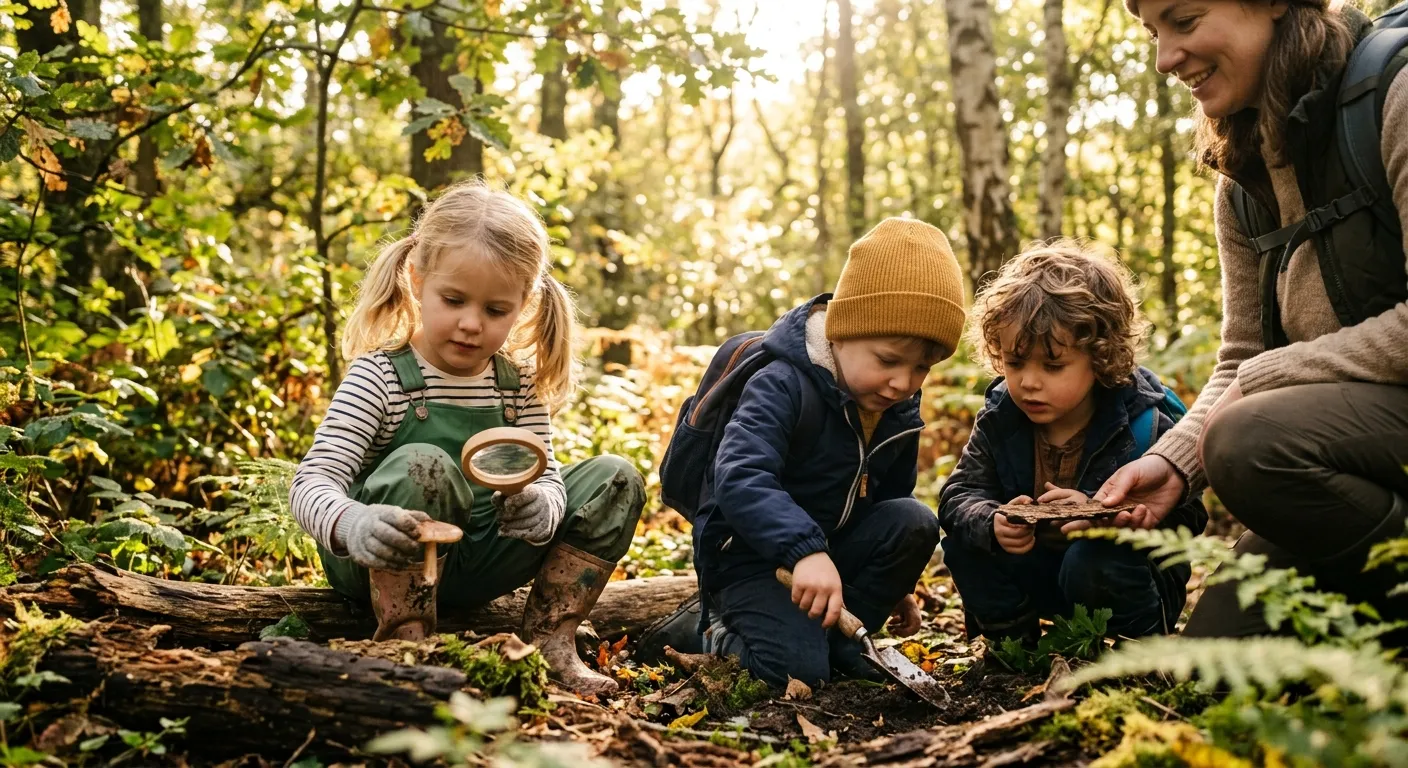
Nature serves as a vast and dynamic classroom, offering countless opportunities for exploration, discovery, and learning. Incorporating outdoor education into homeschooling allows children to engage with the natural world in meaningful ways, fostering a deep connection to their environment. Whether it’s observing wildlife, studying plant life cycles, or exploring geological formations, nature-based learning provides hands-on experiences that stimulate curiosity and critical thinking skills.

By integrating outdoor exploration into different homeschool programs, children can experience a more immersive and engaging learning environment. From the best homeschool programs to popular homeschool programs, outdoor education can enhance any curriculum by providing real-world context and experiential learning opportunities.

Holistic Development: Mind, Body, and Spirit

One of the primary advantages of outdoor education is its ability to support holistic development. Unlike traditional classroom settings that often prioritize academic achievement, nature-based learning nurtures the whole child, addressing physical, emotional, and social well-being. Spending time outdoors encourages physical activity, promotes mental health, and instills a sense of wonder and awe. Moreover, interacting with natural elements cultivates empathy, resilience, and environmental stewardship, fostering a well-rounded individual.

Online learning for kids can also be complemented by outdoor education, offering a balanced approach to homeschooling programs. Incorporating outdoor activities into a full year homeschool curriculum ensures that children receive a comprehensive education that promotes their overall well-being.

Experiential Learning: Lessons from the Outdoors

In the outdoors, learning becomes a multisensory experience, allowing children to engage with their surroundings in immersive ways. Whether it’s conducting science experiments in a local park, practicing math skills through nature scavenger hunts, or honing language arts abilities through creative writing inspired by the natural world, outdoor education offers endless possibilities for experiential learning. By integrating academic concepts with real-world experiences, children develop a deeper understanding of subjects and cultivate a lifelong love of learning.

For families exploring different homeschool programs, nature-based learning can be a valuable addition to any curriculum. By incorporating outdoor education into their homeschooling programs, parents can provide their children with rich and meaningful learning experiences that extend beyond the confines of traditional textbooks and classroom walls.

Fostering Curiosity and Creativity

Nature’s inherent beauty and complexity spark curiosity and ignite creativity in learners of all ages. Outdoor education encourages children to ask questions, explore their surroundings, and seek answers through inquiry-based learning. Whether they’re building forts in the woods, painting landscapes en plein air, or constructing birdhouses from natural materials. Outdoor activities stimulate imagination and problem-solving skills. By embracing the freedom and spontaneity of outdoor exploration, homeschooling families can nurture a spirit of creativity that transcends traditional boundaries.

Integrating outdoor education into homeschooling programs empowers children to become active participants in their own learning journey. By incorporating nature-based learning into different homeschool programs, parents can provide their children with a well-rounded education. One that fosters curiosity, creativity, and a deep appreciation for the natural world.

Practical Tips for Incorporating Outdoor Education

For homeschooling families interested in integrating outdoor education into their curriculum, here are some practical tips to consider:

Plan outdoor excursions: Schedule regular trips to local parks, nature reserves, or botanical gardens. Doing so to explore different ecosystems and engage in hands-on learning activities.

Use nature as a classroom: Take advantage of outdoor spaces for lessons in science, math, art, and literature. Utilize natural materials like rocks, leaves, and shells to facilitate learning experiences.

Encourage free play: Allow children ample time for unstructured outdoor play, which promotes creativity, social skills, and physical development.

Document observations: Keep nature journals or sketchbooks to record observations, document discoveries, and reflect on outdoor experiences.

Embrace seasonal learning: Take advantage of seasonal changes to explore themes such as migration, plant growth cycles, or weather patterns.

Creating a Dynamic and Engaging Educational Experience

Outdoor education plays a crucial role in homeschooling, providing children with enriching experiences that promote holistic development, curiosity, and creativity. By incorporating nature-based learning into different homeschool programs, parents can create dynamic and engaging educational experiences. One that inspires a love of learning and a deep connection to the natural world. Whether as a complement to online learning for kids or as a central component of a full year homeschool curriculum. Outdoor education offers endless opportunities for exploration, discovery, and growth.

For further reading on evidence-based educational strategies, explore the research provided by the Child Mind Institute.

The Quiet Wins That Matter Most

The Quiet Wins That Matter Most


This has been on my mind today…

Some days, the work feels heavy. You’re building something that doesn’t yet exist. A platform that reimagines education, reshapes how kids learn, and gives power back to the people who’ve been left out of the conversation for too long—parents, students, and those who learn a little differently.

You push through meetings, plans, deadlines, product reviews. You tweak systems, question decisions, and hold the big vision in your mind like a lighthouse, even on foggy days. But once in a while, something cuts through all that noise. A comment. A thank-you. A message that reminds you why you started this in the first place.

That happened to me recently.

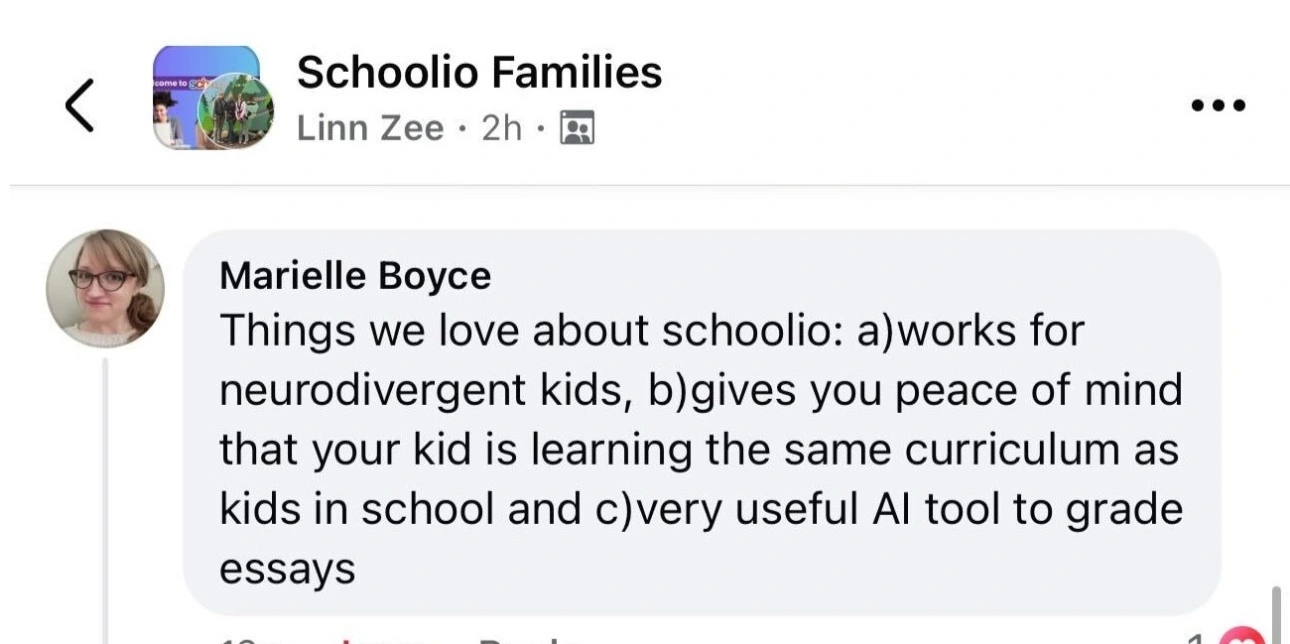
A parent shared a short post in our Schoolio Families group. Just a few lines. No hashtags. No fuss. Just truth.She said she loved Schoolio because it works for her neurodivergent child. Because it gives her peace of mind knowing her kid is learning the same curriculum as students in traditional school. And because the AI tools helped with grading essays.


Customer Testimonial

Simple. Direct. But when I read it, it stopped me.

Because that right there is the quiet win that matters.

She didn’t say we changed her life. She didn’t say we were perfect. What she shared was something more real. She shared relief. Confidence. Stability. The kind of stability every parent needs, but especially the ones who are walking a different path.


The truth is, a lot of the parents we serve never wanted to homeschool. They weren’t planning for it. It wasn’t on their vision board. But something shifted—maybe a bad experience at school, a child’s needs not being met, or just a gut feeling that things weren’t working.

And now they’re here, trying to do what’s best for their child, even when the world questions them for it.

This is what we built Schoolio for. For that parent who lies awake at night wondering if they’re doing enough, for the child who learns better with space and silence, for the families that don’t see themselves in glossy brochures or test scores and for the moments when a tool actually helps and no one has to fight for it.

You don’t always get to see the impact of your work. You don’t always hear how it lands. But every now and then, someone like Marielle speaks up and says, This helped. And for me, that’s everything.

Because this isn’t just about curriculum or platforms or AI tools. This is about building something that lets families breathe again. Something that says: you’re not alone. You’re not wrong. And yes, you can do this.

That’s the win I hold onto today.


Sathish

still learning, still unlearning

But I Don’t Remember Any of What I Learned in School!

Why You Don’t Need to Be Afraid of the Things You Don’t Know in Homeschooling


One thing I hear often from parents worried about whether they are “capable” of homeschooling is this idea that you have to remember everything you were ever taught in school in order to teach it.

That’s way too much to expect of yourself. Studies show that as adults, we **only use about 37% of what we learned in school.** Why would we retain the rest? We don’t. And yet, we do just fine.

But here’s the good news: you don’t need to remember everything to be able to teach your kids. To explain, let me take you back to when your child was a toddler and it was time for potty training.

When you taught your child to use the toilet, how did you know how to teach them? Did you think back to how you were potty trained? Did you remember exact instructions your parents gave you? Of course not. Most of us don’t even remember that age, let alone the details.

So how were you “qualified” to teach your child to use the toilet?

Because you knew how to figure out how — and you had tools.

First, you probably took some time to teach yourself how to teach it. Maybe you read a book. Maybe you hit up some parenting blogs, or watched YouTube videos. Maybe you asked a friend or family member who had done it before. In this day and age there is no limit to the information available to us- you can be taught and learn to teach absolutely any skill you choose.

Second, you probably accessed some tools to support you while you taught it. Maybe you purchased a kids book about using the potty to read to your child. Maybe you found a tv show for your child to watch that instructed them for you. Maybe you bought a kids’ potty to make it more accessible for them.

Most likely, you used a combination of resources!

And then you tried.

You experimented. You considered your family needs and lifestyle, and your child’s uniqueness and what would inspire and motivate them. You looked at what was working and what wasn’t, and you made adjustments. Maybe your first attempts didn’t work for your child. You learned more about how your child learns, or what motivates them, so then you tried something else. Eventually something clicked.

For some kids it happens quickly, for others it’s a long and messy process. Maybe you even thought you were failing at times. But at the end of the day, they figured it out — because you stayed with them through the process.

And when all our kids are grown, no one will care whether they were potty trained at 14 months or 3½ years. They all learned what they needed to know, in their own time.

Homeschooling is the same.

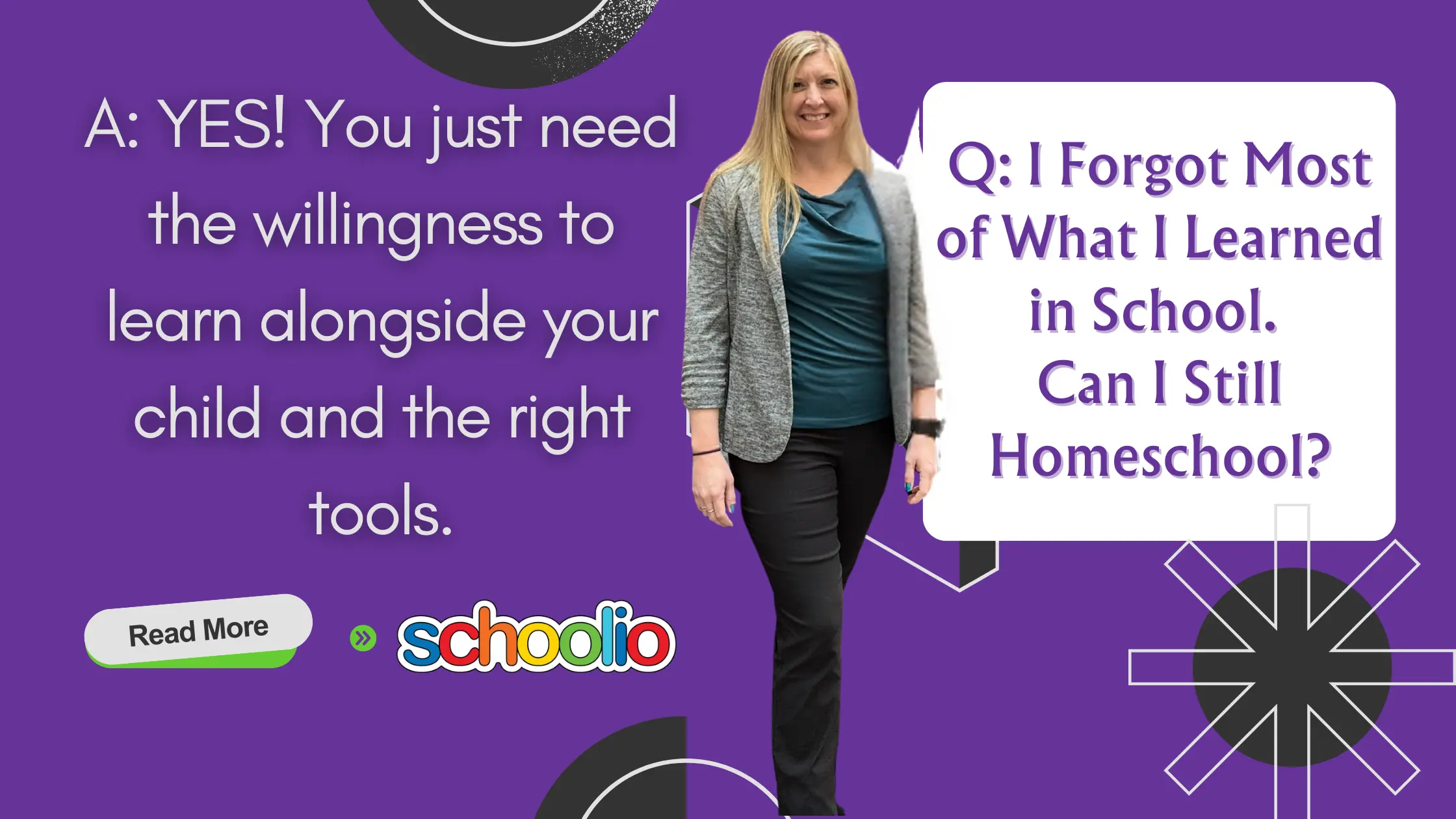
You don’t have to know algebra or remember the dates of every war. You just need to be willing to learn alongside your child, model teaching yourself things you need to know, find tools that work, and make adjustments as you go.

Most of all, you just need to be present with your child through the process.

Because just like with potty training, the most important thing your child carries forward isn’t just the skill itself — it’s how they felt while learning it with you. The connection, the encouragement, the bond. That’s what lasts.

? Lindsey

Certified Special-Ed Educator & Co-Founder, Schoolio

Recognizing and Nurturing Neurodivergent Talents

Recognizing and Nurturing Neurodivergent Talents

Recognizing and Nurturing Neurodivergent Talents

Recognizing and nurturing neurodivergent talents is not only crucial but also enriching for both individuals and society as a whole. Neurodiversity encompasses a range of neurological differences, including ADHD, autism, dyslexia, and more. Embracing neurodiversity means valuing the unique strengths and perspectives that neurodivergent individuals bring to the table. However, traditional educational settings often struggle to accommodate these differences adequately, which is why recognizing and nurturing neurodivergent talents is so important. And that’s where innovative approaches like the Schoolio Learning Platform step in to make a difference.

Understanding Neurodiversity:

Neurodivergent individuals often possess exceptional talents and abilities that may not fit neatly into conventional educational frameworks. While they may face challenges in certain areas, they often excel in others. For instance, someone with ADHD might struggle with focus in a traditional classroom setting but demonstrate remarkable creativity and problem-solving skills. Similarly, individuals on the autism spectrum might have difficulty with social interactions but exhibit exceptional attention to detail and pattern recognition.

The Importance of Personalized Learning:

One of the key aspects of supporting neurodivergent learners is providing personalized learning experiences tailored to their unique needs and strengths. This is where homeschooling and online learning programs like Schoolio shine. Unlike traditional schooling, which often adopts a one-size-fits-all approach, these platforms allow students to work at their own pace and explore subjects that align with their interests and talents.

Schoolio Family Plan

Schoolio Learning Platform: Empowering Neurodivergent Learners

Schoolio offers a comprehensive online learning environment designed to meet the diverse needs of all learners, including those who are neurodivergent. By providing a flexible and customizable curriculum, Schoolio empowers students to take ownership of their education and thrive in an environment that celebrates their individuality.

Working at Their Own Pace:

One of the key benefits of Schoolio for neurodivergent learners is the ability to work at their own pace. This flexibility allows students to delve deeply into topics of interest. While also spending extra time on challenging concepts, and moving more quickly through material they’ve mastered. By eliminating the pressure to keep up with arbitrary timelines, Schoolio creates a supportive learning environment where students can focus on their growth and development without feeling overwhelmed.

Embracing Interest-Based Learning:

Another hallmark of Schoolio is its emphasis on interest-based learning. Rather than adhering strictly to a predetermined curriculum. Students have the freedom to explore subjects that capture their curiosity and passion. For neurodivergent learners, this approach can be transformative. By allowing them to leverage their unique interests and strengths to drive their educational journey.

Schoolio e-books

Inclusive Homeschooling for Neurodivergent Success:

Schoolio recognizes that neurodiversity is a natural and valuable aspect of human variation. By offering specialized homeschooling resources tailored to the needs of neurodivergent learners, Schoolio helps create an inclusive educational environment. One where all students can thrive. Whether it’s providing additional support for students with learning differences. Or offering accommodations to meet individual needs, Schoolio is committed to fostering neurodivergent success.

Celebrate the Unique Strengths of Each Individual

Recognizing and nurturing neurodivergent talents is not just a matter of equity and inclusion; it’s also a source of innovation and enrichment for society as a whole. By embracing personalized learning approaches and celebrating the unique strengths of each individual. Platforms like Schoolio are helping to unlock the full potential of neurodivergent learners. As we continue to strive for educational excellence and equity, it’s essential to recognize the valuable contributions that neurodivergent individuals make to our communities. Additionally it’s important to provide them with the support and resources they need to thrive.

Schoolio Learning Resources

Strategies for Neurodivergent Learner Success in Schoolio

Strategies for Neurodivergent Learner Success in Schoolio

Strategies for Neurodivergent Learner Success in Schoolio

Are you worried about your Neurodivergent learner?

There’s a growing awareness of the diverse needs of learners. According to recent statistics, approximately 1 in 5 children have a variation in their brain development, such as ADHD or autism spectrum disorder. Traditional school systems often struggle to accommodate these learners effectively. Which then leads to feelings of frustration and inadequacy. However, homeschooling provides a unique opportunity for neurodiverse education at home tailored to meet individual needs. With the right strategies for neurodivergent learner success in Schoolio and resources. Neurodivergent learners can thrive in a supportive environment.

Understanding Neurodivergent Learning Needs

Neurodivergent learners encompass a wide range of abilities and challenges. Some may excel in certain subjects while struggling in others, while others may require alternative methods of instruction to grasp concepts effectively. Understanding your child’s unique learning profile is crucial in developing a successful homeschooling plan.

Schoolio Family Plan

Customizing Curriculum and Instruction

Good homeschool programs recognize the importance of flexibility in curriculum design. One effective strategy is to customize the full year homeschool curriculum to meet your child’s understanding. This may involve adjusting grade levels by subject. Or focusing on areas of strength while providing additional support in challenging subjects. Utilizing Adaptive learning for neurodivergent children allows for personalized instruction tailored to individual learning styles and pace.

Leveraging Online Learning Resources

In the age of technology, Online learning for kids offers a wealth of educational resources at your fingertips. Platforms like Schoolio Learning Platform provide a diverse range of lesson videos, assessments, and worksheets that can be tailored to accommodate different learning preferences. Additionally, Inclusive homeschool programs often incorporate multimedia elements and interactive activities to engage neurodivergent learners effectively.

Incorporating Hands-On Learning

For some neurodivergent learners, traditional worksheets and textbooks may not be the most effective learning tools. Ebook downloadable workbooks offer a more hands-on approach to writing and reading, allowing children to engage with material in a tangible way. Incorporating Educational resources for ADHD such as interactive games, manipulatives, and real-life simulations can enhance learning experiences and promote deeper understanding.

Schoolio e-books

Creating a Supportive Learning Environment

Inclusive learning environments are essential for neurodivergent learning support. Establishing a routine and clear expectations can help reduce anxiety and increase confidence in learning. Additionally, providing opportunities for breaks and movement can help neurodivergent learning support children with ADHD or sensory processing differences to stay focused and engaged.

Fostering Self-Advocacy and Independence

Empowering neurodivergent learners to advocate for their needs and preferences is crucial for long-term success. Encourage open communication and Supportive homeschool programs that prioritize self-awareness and self-regulation skills. Teaching organizational strategies and time management techniques can also help Neurodivergent learning support learners take ownership of their learning journey.

Collaborating with Professionals and Peers

Homeschooling does not mean learning in isolation. Seek out Inclusive learning for neurodivergent families communities and support groups where you can connect with other families facing similar challenges. Additionally, don’t hesitate to Homeschooling for neurodivergent kids consult with educational professionals, therapists, and specialists who can provide guidance and resources to support your child’s unique needs.

Adjusting Learning to Meet Your Child’s Needs

Homeschooling provides a unique opportunity to create a supportive and inclusive learning environment for neurodivergent learners. By adjusting the learning to meet your child’s needs and leveraging adaptive learning for neurodivergent children resources and strategies, you can help your child reach their full potential. Remember, every child is unique, and finding what works best for your family may require some experimentation and creativity. With patience, perseverance, and a commitment to neurodivergent learning support, you can help your child thrive academically and personally.

Schoolio Learning Resources

Click here to learn about recognizing and nurturing neurodivergent talents

Fun and Educational Valentine’s Day Activities

Fun and Educational Valentine’s Day Activities

Fun and Educational Valentine's Day Activities

Did you know that Valentine’s Day is a great time to craft connections with your child? Valentine’s Day presents a unique opportunity to engage in meaningful activities that blend fun with learning. For families engaged in home education programs or homeschooling, it’s an ideal occasion to infuse the curriculum with creativity and love. From crafting heartfelt gifts to exploring the science behind love-themed experiments, there are countless ways to celebrate this special day while nurturing your child’s intellectual and emotional growth. In this blog we will explore fun and educational Valentine’s Day activities to do with your children.

Valentine’s Day Crafts

Valentine’s Day crafts offer a fantastic opportunity for children to express their creativity while honing their crafting skills. Here are five delightful craft ideas to try at home:

Heartfelt Handprint Cards

Supplies: Colored construction paper, scissors, markers, glue.

Instructions: Fold the construction paper in half to create a card. Trace your child’s hand on a different color paper and cut it out. Write a heartfelt message inside the card and then glue the handprint on the front to resemble a heart. Decorate with markers or stickers.

Schoolio Family Plan

Love Bug Bookmark

Supplies: Popsicle sticks, colored paper, googly eyes, pipe cleaners, glue, markers.

Instructions: Cut out a heart shape from colored paper for the body of the bug. Glue googly eyes onto the heart and draw a smiley face. Attach pipe cleaners for antennae and wings. Glue the bug onto a popsicle stick to create a cute bookmark.

Tissue Paper Roses

Supplies: Green pipe cleaners, tissue paper (red, pink, or white), scissors.

Instructions: Cut tissue paper into squares. Stack several squares together, then fold accordion-style. Twist a pipe cleaner around the middle to secure and shape into a rose. Gently separate and fluff the layers to create petals.

Valentine’s Day Wreath

Supplies: Paper plate, red or pink construction paper, scissors, glue, ribbon.

Instructions: Cut out the center of a paper plate to create a wreath base. Cut heart shapes from the construction paper. Glue the hearts around the edge of the paper plate to form a wreath. Add a ribbon for hanging.

Love Potion Sensory Bottles

Supplies: Clear plastic bottles, water, glitter, sequins, food coloring, heart-shaped confetti, glue.

Instructions: Fill the bottles with water and add glitter, sequins, confetti, and a few drops of food coloring. Seal the bottles tightly with glue. Shake and watch as the love potion swirls and sparkles.

Valentine’s Day Activities

In addition to crafts, there are plenty of fun and educational Valentine’s Day activities to enjoy with your child. Here are five engaging ideas:

Love Letter Writing

Supplies: Paper, markers, stickers, envelopes.

Instructions: Encourage your child to write love letters to family members or friends. Provide them with decorative paper, markers, and stickers to embellish their letters. Help them address and stamp envelopes before mailing or delivering their heartfelt messages.

Schoolio e-books

Heart Hunt

Supplies: Paper hearts (cut out in various sizes and colors), tape.

Instructions: Hide paper hearts around the house or yard. Give your child clues to find each heart, or simply let them search on their own. Once they’ve found all the hearts, they can use them for a craft or decoration.

Valentine’s Day Science Experiments

Supplies: Various household items (vinegar, baking soda, food coloring, etc.).

Instructions: Conduct simple science experiments with a Valentine’s Day twist. For example, mix vinegar and baking soda to create fizzy eruptions in heart-shaped containers. Discuss the chemical reactions and properties of the substances involved.

Cooking Together

Supplies: Ingredients for Valentine’s Day treats (cookies, cupcakes, etc.), aprons, baking tools.

Instructions: Spend quality time together in the kitchen baking delicious Valentine’s Day treats. Let your child help measure ingredients, mix batter, and decorate the finished goodies. This hands-on activity teaches valuable cooking skills while creating tasty memories.

Love-themed Storytime

Supplies: Valentine’s Day-themed books, cozy blankets.

Instructions: Settle in for a cozy storytime session featuring books about love, friendship, and kindness. Encourage your child to discuss the themes and characters in the stories, fostering empathy and emotional intelligence.

Check out the Schoolio Valentine’s Day unit for more learning fun!

By incorporating these fun and educational Valentine’s Day crafts and activities into your homeschool learning program, you can create lasting memories while nurturing your child’s creativity and curiosity. Happy Valentine’s Day!

Schoolio Learning Resources

Rethinking Traditional Homeschooling Methods

Rethinking Traditional Homeschooling Methods

Rethinking Traditional Homeschooling Methods

Should homeschooling only be done with books? The answer is a resounding no. While traditional homeschooling often offers images of a vast library of giant homeschool books. The reality is that every homeschool family has their own rhythm, preferences, and needs. With the rise of technology and innovation in education, homeschooling options have expanded far beyond the confines of printed texts. From online resources to interactive platforms, families now have access to a variety of cost-effective learning resources. That are tailored to their unique circumstances which is causing many to begin rethinking traditional homeschool methods.

Diverse Options for Home Education Curriculum

One such option is Schoolio, a comprehensive home education curriculum provider offering a diverse range of materials to support homeschooling families. Unlike the one-size-fits-all approach of traditional textbooks. Schoolio recognizes that flexibility is key in meeting the diverse needs of learners. Whether families prefer ebooks for easy access and portability, printed workbooks for tactile learning experiences. Or a dynamic online platform complete with lesson videos, downloadable worksheets, and assessments, Schoolio caters to various learning styles and preferences.

Schoolio Family Plan

Finding the Best Homeschool Programs

For families seeking a full year homeschool curriculum, Schoolio’s offerings are particularly enticing. With a focus on quality content aligned with educational standards, parents can rest assured that their children are receiving a robust education without breaking the bank. Moreover, Schoolio’s emphasis on engaging, interactive learning ensures that students remain motivated and eager to explore new concepts.

Exploring Online Learning for Kids

In addition to Schoolio, there are many other homeschool programs and resources available to families looking to embark on the home education journey. Online learning for kids has become increasingly popular. With platforms offering interactive lessons, educational games, and virtual field trips to supplement traditional coursework. From math and science to language arts and history, the options are virtually endless. Which allows parents to tailor their child’s education to their interests and strengths.

Schoolio e-books

The Convenience of Schoolio Family Plan

For those looking rethinking traditional homeschooling methods. That are looking for a comprehensive solution, the Schoolio family plan offers access to a wide range of educational materials for kids at an affordable price. With the convenience of online access and the flexibility to customize learning paths, the Schoolio family plan is ideal for families seeking a cost-effective and convenient homeschooling solution.

Embracing the Diversity of Learning Resources

While traditional homeschooling methods may still have their place, the wealth of resources available in today’s digital age has revolutionized the way we approach home education. With options ranging from online programs to interactive platforms like Schoolio. Families have more choices than ever before when it comes to crafting a tailored learning experience for their children. By leveraging these cost-effective resources, homeschooling families can provide their children with a high-quality education that meets their unique needs and prepares them for success in the modern world.

Schoolio Learning Resources

Building Critical Thinking Skills in Homeschooled Children

Building Critical Thinking Skills in Homeschooled Children

Building Critical Thinking Skills in Homeschooled Children

In the journey of home learning, parents have a unique opportunity to prioritize critical thinking skills in homeschooled children. While traditional schooling methods often prioritize rote memorization and standardized testing, homeschooling allows for a more personalized approach to education, emphasizing exploration, analysis, and problem-solving. In this environment, children can develop robust critical thinking abilities that will serve them well throughout their lives.

Importance of Critical Thinking Skills

Critical thinking is the cornerstone of effective learning and decision-making. It enables children to question assumptions, evaluate evidence, and form logical conclusions. In today’s complex and rapidly changing world, thinking critically is more valuable than ever. It empowers children to navigate information overload, adapt to new situations, and make informed choices.

Schoolio Family Plan

Simple Ways to Develop Critical Thinking Skills

Encourage Curiosity:

Foster your child’s natural curiosity by encouraging them to ask questions and explore interesting topics. Provide opportunities for hands-on learning experiences and field trips to stimulate their curiosity.

Promote Discussion:

Engage your child in discussions about various topics, encouraging them to express their opinions and listen to others’ perspectives. Ask open-ended questions that prompt them to think critically and consider different viewpoints.

Problem-Solving Activities:

Incorporate problem-solving activities into your homeschool curriculum, such as puzzles, brain teasers, and logic games. These activities challenge children to think creatively and develop strategies to overcome obstacles.

Real-World Applications:

Connect academic concepts to real-world scenarios to illustrate their relevance and encourage critical thinking. For example, involve your child in budgeting decisions or scientific experiments at home.

Multidisciplinary Learning:

Take advantage of homeschool programs that offer multidisciplinary learning opportunities, such as the Schoolio learning platform. This approach allows children to explore connections between different subjects and develop a holistic understanding of the world.

Use Diverse Resources:

Incorporate a variety of resources into your homeschool curriculum, including books, videos, online courses, and educational games. Exposing children to diverse perspectives and information sources enhances their critical thinking skills.

Rethinking traditional homeschooling methods? Click here!

Encourage Reflection:

Encourage your child to reflect on their learning experiences, encouraging them to consider what they have learned, how they learned it, and what they could do differently next time. This reflective practice fosters metacognitive skills and enhances critical thinking.

Schoolio e-books

Encourage Independent Inquiry:

Provide opportunities for your child to pursue independent inquiry projects based on their interests. Support them in researching topics, formulating questions, and presenting their findings, fostering autonomy and critical thinking skills.

Debate and Argumentation:

Organize debates or argumentation exercises where your child can practice presenting and defending their opinions using evidence and reasoning. This helps them develop persuasive communication skills and strengthens their critical thinking abilities.

Model Critical Thinking:

Lead by example by demonstrating critical thinking in your decision-making processes and discussions. Show your child how to analyze information critically, consider alternatives, and make reasoned judgments.

Flexibility and Resources are Available

By incorporating these strategies into your homeschooling approach, you can effectively nurture your child’s critical thinking skills and prepare them for success in an ever-changing world. With the flexibility and resources available through homeschool programs like Schoolio, parents have the opportunity to provide their children with a comprehensive education that prioritizes the development of critical thinking abilities alongside academic knowledge.

Schoolio Learning Resources

What to Do If You Suspect Your Child is Behind in Reading

What to Do If You Suspect Your Child is Behind in Reading

What to Do If You Suspect Your Child is Behind in Reading

Are you worried that your child is behind with their reading? You’re not alone. Many parents find themselves in this situation, wondering how to best support their child’s literacy development. Reading is a fundamental skill that forms the basis of academic success and lifelong learning. However, not all children progress at the same rate, and some may need extra support to reach their full potential. Here’s what to do if you suspect your child is behind in reading.

Recognizing the Issue, Understanding the Scope

Studies show that a significant number of children struggle with reading. According to recent research, around 20-30% of children in the United States experience difficulties with reading acquisition. This can manifest as challenges in decoding words, understanding vocabulary, or comprehending written text. Identifying these struggles early on is crucial for providing timely intervention and support.

Schoolio Family Plan

What to do if you suspect your child is behind in reading:

Assessing Reading Proficiency:

The first step in addressing concerns about your child’s reading proficiency is to assess their current level of skill and comprehension. Fortunately, there are various tools and methods available to help you evaluate your child’s reading abilities.

Schoolio Reading Assessment

One option is the Schoolio Reading Assessment, a free downloadable resource from the Schoolio Bookstore. This comprehensive assessment covers various aspects of reading, including phonics, fluency, and comprehension. By administering this assessment, you can gain valuable insights into your child’s strengths and areas for improvement.

Other Simple Assessment Methods

In addition to formal assessments like the Schoolio Reading Assessment, there are other simple ways to gauge your child’s reading proficiency. One approach is to observe their reading habits and behaviors. Pay attention to how they approach reading tasks, their level of fluency, and their ability to comprehend the material. You can also engage them in conversations about their reading experiences to gauge their comprehension and vocabulary knowledge.

Supporting Your Child’s Literacy Development

It’s important to remember that every child learns at their own pace. While some may progress quickly in reading, others may require more time and support to develop proficiency. As a parent, there are several practical solutions you can implement to help your child catch up on reading and build essential literacy skills.

Schoolio e-books

How to Help Your Child With Reading:

Incorporate Reading into Daily Routine

Firstly, consider incorporating reading into your daily routine. Set aside dedicated time for reading activities. Such as reading aloud together, listening to audiobooks, or visiting the library. Creating a literacy-rich environment at home can foster a love of reading and provide ample opportunities for practice.

Explore Educational Resources

Secondly, explore educational materials and resources specifically designed to support reading development. Look for homeschool programs or home education programs that offer comprehensive literacy instruction tailored to your child’s needs. Whether it’s a full-year homeschool curriculum or online learning programs, there are many options available to supplement your child’s education and enhance their reading skills.

Seek Support

Additionally, don’t hesitate to seek support from educators, tutors, or reading specialists who can provide targeted intervention and guidance. They can offer personalized strategies and techniques to address your child’s specific learning needs and help them make meaningful progress in reading.

Every Child Can Become a Confident Reader

By taking proactive steps to assess your child’s reading abilities and implement effective interventions, you can support their growth and ensure they have the tools they need to succeed academically and beyond. Remember, with patience, persistence, and the right support, every child can become a confident and proficient reader.

Schoolio Learning Resources

Top 5 Steps You Should Take Before Homeschooling

Top 5 Steps You Should Take Before Homeschooling

Top 5 Steps You Should Take Before Homeschooling

Have you been considering taking the leap into homeschooling? With the ever-changing landscape of education, many families are turning to homeschooling as a viable option for their children’s academic journey. Homeschooling offers a flexible and personalized approach to education, allowing parents to tailor curriculum and learning experiences to their child’s unique needs and interests. From full-year homeschool curriculum to online learning for kids, there’s a vast array of homeschooling resources available to support families in their educational endeavors. Let’s explore the top 5 steps you should take before homeschooling.

The Benefits of Homeschooling

Homeschooling provides numerous benefits for both parents and students alike. One of the most significant advantages is the ability to customize education according to individual learning styles and preferences. Unlike traditional classroom settings, where instruction may be standardized, homeschooling allows for personalized learning experiences tailored to each child’s strengths and weaknesses. Additionally, homeschooling offers the opportunity for one-on-one support, fostering deeper understanding and academic growth.

Incorporating e-learning for elementary students has become increasingly popular within homeschooling communities. Online learning for kids not only provides access to a wealth of educational resources but also allows for flexibility in scheduling and pacing. Whether utilizing popular homeschool programs or exploring the best homeschool programs available, homeschooling families have the freedom to choose curriculum and learning approaches that best suit their child’s needs.

Schoolio Family Plan

Navigating the Initial Challenges

While homeschooling can be a rewarding experience, many parents may feel overwhelmed or frazzled when first embarking on this educational journey. Transitioning from a traditional school setting to homeschooling requires careful planning and preparation.

Here Are the Top Five Steps You Should Take Before Homeschooling:

1. Research Home Education Curriculum Options

Before diving into homeschooling, take the time to research and evaluate different home education curriculum options. From comprehensive full-year homeschool curriculum packages to specialized subject-based resources, there’s a wide range of homeschooling materials available. Consider your child’s learning style, interests, and academic goals when selecting curriculum resources. Look for reputable homeschool learning programs that align with your educational philosophy and objectives.

2. Assess Your Homeschooling Resources

Assess your homeschooling resources to ensure you have everything you need to support your child’s learning journey. This includes not only curriculum materials but also educational supplies, such as textbooks, workbooks, and manipulatives. Additionally, consider the availability of online learning resources and technology tools to enhance your homeschooling experience. Investing in good homeschool programs and educational resources will help facilitate a well-rounded and engaging learning environment for your child.

3. Establish a Homeschooling Routine

Creating a consistent homeschooling routine is essential for maintaining structure and organization. Establish a daily schedule that incorporates dedicated time for academic lessons, hands-on activities, and breaks. Be flexible and adaptable, allowing room for spontaneity and exploration within your homeschooling routine. Encourage independence and self-directed learning skills while providing guidance and support as needed.

4. Connect with Homeschooling Communities

Reach out to local homeschooling communities and online support networks to connect with other homeschooling families. Networking with fellow homeschoolers provides valuable opportunities for sharing resources, exchanging ideas, and seeking advice. Attend homeschooling events, workshops, and co-op programs to cultivate friendships and build a supportive community around your homeschooling journey.

Schoolio e-books

Familiarize yourself with the legal requirements and regulations governing homeschooling in your area. Research state-specific homeschooling laws and procedures for compliance. This may include filing paperwork, submitting educational plans, or participating in homeschooling evaluations or assessments. By understanding and adhering to legal requirements, you can ensure a smooth and successful homeschooling experience for you and your child.

Here’s the importance of building critical thinking skills

Embracing the Homeschooling Journey

Embarking on the homeschooling journey can be both exciting and challenging. By taking proactive steps to research curriculum options, assess resources, establish routines, connect with communities, and fulfill legal requirements, you can lay the foundation for a fulfilling and enriching homeschooling experience. With dedication, creativity, and support, homeschooling offers endless possibilities for educational growth and exploration. Embrace the opportunity to nurture your child’s curiosity, ignite their passion for learning, and cultivate a lifelong love of knowledge through homeschooling.

Is your child struggling with reading? Click here!

Schoolio Learning Resources

How to Enhance Involvement in Education for Migrant Parents

How to Enhance Involvement in Education for Migrant Parents

How to Enhance Involvement in Education for Migrant Parents

Are you wondering how to enhance involvement in your child’s education as a migrant parent? Navigating the education system can be a daunting journey for immigrant families, often laden with unique challenges. From language barriers to cultural differences, migrant students and their parents encounter hurdles that can impede their academic success and engagement. Here’s how to enhance involvement in education for migrant parents.

Enhancing Involvement in Your Child’s Education

For immigrant families, the transition into a new educational environment can be overwhelming. Language barriers often pose significant obstacles, making it challenging for parents to actively participate in their children’s schooling. Moreover, cultural disparities may create misunderstandings or uncertainties about the education system’s expectations and processes.

Despite these challenges, there are numerous strategies that migrant parents can employ to enhance their involvement in their child’s education.

Schoolio Family Plan

Here are Seven Effective Approaches to Consider When Enhancing Involvement in Education:

Utilize Online Learning for Kids:

Embracing online learning platforms can provide flexibility and accessibility for migrant families. Online resources cater to diverse learning needs and can bridge language gaps through multilingual options, enabling parents to actively engage in their child’s educational journey regardless of their proficiency in the host country’s language.

Explore Full Year Homeschool Curriculum:

Homeschooling offers a tailored approach to education, allowing parents to customize their child’s learning experience according to their unique needs and circumstances. Full year homeschool curriculums provide comprehensive academic programs that foster a supportive and inclusive learning environment for immigrant children.

Tap into Homeschooling for Newcomers:

Homeschooling can serve as a valuable avenue for newcomers to acclimate to their new educational landscape while maintaining continuity in their academic progress. By embracing homeschooling, immigrant families can establish a sense of stability and consistency amid transitions, fostering a conducive environment for educational growth.

Leverage the Schoolio Learning Platform:

The Schoolio Learning Platform offers a comprehensive suite of educational resources designed to support diverse learners, including immigrant families. With its inclusive homeschool programs and supportive learning environment, Schoolio Learning empowers parents to actively participate in their child’s education while fostering academic excellence.

Facilitate Catch-up or Stay on Track with Schoolio Learning Platform:

Moving to a new location can disrupt a child’s academic trajectory. However, with the Schoolio Learning Platform, parents can seamlessly facilitate their child’s transition and ensure they stay on track with their studies. Tailored learning modules cater to individual needs, enabling students to thrive despite relocation.

Schoolio e-books

Prioritize Education for Immigrant Children:

Recognizing the importance of education for immigrant children is paramount. By prioritizing their educational needs and actively engaging with school administrators and teachers, migrant parents can advocate for inclusive policies and support systems that address the unique challenges faced by their children.

Embrace Tailored Learning for Immigrants:

Tailoring educational approaches to accommodate the diverse backgrounds and experiences of immigrant families is crucial. By embracing culturally sensitive teaching methods and providing resources that resonate with students’ identities, educators can create an inclusive learning environment that fosters academic success and empowerment.

Paving the Way for a Brighter Future for Generations to Come

Enhancing involvement in education for migrant parents requires a multifaceted approach. One that addresses the unique challenges and needs of immigrant families. By leveraging online learning platforms, embracing homeschooling, and advocating for inclusive educational policies. Migrant parents can play an active role in their child’s academic journey. By fostering a supportive and nurturing learning environment that promotes success and empowerment. With initiatives like the Schoolio Learning Platform, the path to educational excellence for immigrant children becomes more accessible and inclusive, paving the way for a brighter future for generations to come.

Schoolio Learning Resources

Learn about the impact of Migrant Stories on education

Teaching Children the Significance of Black History Month

Teaching Children the Significance of Black History Month

Teaching Children the Significance of Black History Month

February is not just another month—it’s a time to honor and celebrate the rich tapestry of Black history and culture. Black History Month serves as a reminder to acknowledge the profound contributions and struggles of African Americans throughout history. As parents and educators, instilling the significance of this month in our children is crucial for fostering understanding, empathy, and respect for diversity. In this blog, we’ll explore practical and culturally aware ways of teaching children the significance of Black History Month. Ensuring that our children appreciate the full spectrum of human experience.

Integrating Black History Month into Homeschool Curriculum

One of the most effective ways to teach children about Black History Month is through a comprehensive home education program. With the rise of homeschooling, there’s a wealth of resources available to craft a curriculum that encompasses the stories, achievements, and struggles of Black individuals. You can customize lessons during Black History Month with stories about African American heroes.

Schoolio Family Plan

Engaging Activities and Resources

Making Black history come alive for children involves engaging activities and diverse resources. Consider organizing virtual field trips to museums and historical sites that highlight the Black experience. Such as the Smithsonian National Museum of African American History and Culture. Additionally, explore age-appropriate books, films, and documentaries that showcase the diversity of Black narratives. Incorporating art projects, storytelling sessions, and cooking activities centered around traditional African and African American cuisine can also provide immersive learning experiences.

Promoting Dialogue and Reflection

Black History Month is not just about learning facts and dates; it’s about fostering meaningful dialogue and reflection. Create a safe and open environment where children can ask questions, express their thoughts, and share their feelings about the stories they encounter. Encourage critical thinking by discussing the complexities of history and challenging stereotypes and misconceptions. Moreover, use this month as an opportunity to celebrate Black joy and resilience, highlighting the triumphs and achievements that have shaped our world.

Schoolio e-books

Connecting Past to Present

Helping children understand the relevance of Black History Month in today’s context is essential for fostering empathy and social awareness. Explore current events and issues impacting the Black community. Such as racial justice movements, representation in media, and contributions to various fields. Discuss how historical figures and events continue to influence contemporary society and inspire positive change. Encourage children to become advocates for equality and inclusion in their communities.

Embrace the Opportunity to Educate and Empower the Next Generation

As we commemorate Black History Month, let’s embrace the opportunity to educate and empower the next generation. By integrating the lessons of Black history into homeschool programs and engaging children in meaningful activities and dialogue, we can nurture a deeper appreciation for diversity and promote a more inclusive society. Let’s not limit our celebration to just one month—let’s make Black history an integral part of our full-year homeschool curriculum, ensuring that every day is an opportunity to honor and learn from the past.

Schoolio Learning Resources

Click here to learn about fostering understanding and respect through Black History Month.