Homeschooling has emerged as a beloved education choice for millions of parents worldwide. Over the years, this alternative approach to learning has gained popularity due to its unique advantages and the freedom it offers to families seeking a more personalized educational experience for their children. One of the primary reasons why homeschooling is increasingly favored is the flexibility it provides. Unlike traditional school systems, homeschooling allows parents and guardians to create customized curricula tailored to their child’s interests, abilities, and learning styles. This adaptability allows students to explore their passions at their own pace, fostering a love for learning that can last a lifetime. And while homeschooling may have become a favorite education choice for many, is it the right choice for you? Should you homeschool your child?
Finding Out Should You Homeschool Your Child? Or Look For a More Traditional Approach to Education?
When determining whether you should homeschool your child, it is essential to recognize that while homeschooling works wonders for some families, it may not be the best option for everyone. Homeschooling demands a considerable commitment from parents, as they assume the role of educators alongside their responsibilities as caregivers. Not all parents have the time, resources, or teaching skills to provide a well-rounded education. Additionally, homeschooling can be socially isolating for children if not supplemented with ample opportunities for social interaction. This lack of regular peer contact might hinder their social development and limit their exposure to diverse perspectives.
Here are some reasons why homeschooling might not be the right choice for a family:
1. Time and Resources:
Homeschooling demands a significant time investment from parents, which can be challenging if they have demanding work commitments or other responsibilities.
2. Teaching Skills:
Teaching requires a significant amount of patience, focus and direction.
3. Socialization:
In some situations, homeschooled children may have limited opportunities to interact with peers regularly. This can potentially affect their social development and interpersonal skills. This is why the parent or guardian needs to ensure there are socializing opportunities for their child.
4. Extracurricular Activities:
Traditional schools often provide various extracurricular activities, such as sports, arts, and clubs, so you will need to set up activities for your child and drive them to those activities.
Homeschooling Can Be Incredibly Beneficial.
Despite the potential challenges, homeschooling can be incredibly beneficial for many families. It allows parents to create a tailored learning environment that nurtures their child’s strengths and addresses their weaknesses. Moreover, the benefits of homeschooling extend beyond academics. The flexible schedule enables families to travel more frequently and immerse themselves in unique educational experiences. Homeschooled students often have a more profound sense of self and greater confidence as they are encouraged to pursue their passions actively.
If you are considering homeschooling for your child, here are some signs that it might be the right choice for your family:
1. Strong Parental Commitment:
You are willing to dedicate time and effort to plan and facilitate your child’s education.
2. Learning Preferences:
Your child thrives in an individualized learning environment and benefits from personalized instruction.
3. Freedom and Flexibility:
You desire the freedom to customize the curriculum to align with your child’s interests and values.
4. Positive Family Dynamics:
Homeschooling can strengthen family bonds, making it an excellent choice for families seeking to spend more time together.
5. Unique Needs:
If your child has special needs or interests not adequately met in traditional schools, homeschooling can offer a more supportive setting.
6. Safe and Nurturing Environment:
You aim to provide your child with a secure and comfortable space to learn and explore.
It’s a Big Decision But One That’s Worth Making.
Homeschooling can be an excellent educational option for families seeking more flexibility and customization in their child’s learning journey. However, it is essential to carefully weigh the pros and cons and consider your family’s specific circumstances before making this significant decision. Ultimately, the success of homeschooling depends on the commitment, dedication, and resources available to provide a well-rounded education that nurtures your child’s growth and development.
Summer break is in full swing, and the days are filled with outdoor adventures, laughter, and relaxation. While it may seem too early to think about the upcoming homeschooling year, the truth is, it’s never too soon to start preparing. Getting a head start can save you from the last-minute stress accompanying the back-to-school rush. By taking some time now to plan and organize, you’ll be setting yourself up for a successful and enjoyable homeschooling journey ahead. So, let’s find out how to get ready for homeschooling.
Let’s Look at Traditional and Not So Traditional Ways to Prepare for Your Homeschooling Year.
Having a list of simple things to do and out-of-the-box ideas for getting ready for homeschooling offers a comprehensive approach to preparing for the upcoming academic year. The list of simple things is a foundational guide, encompassing essential steps such as creating a dedicated learning space, setting goals, and selecting appropriate curricula. These fundamental tasks ensure a solid start and provide structure to the homeschooling journey.
On the other hand, the out-of-the-box list introduces unique and creative ideas that go beyond the conventional methods of homeschool preparation. These innovative suggestions inject excitement and inspiration into the learning process, promoting a dynamic and engaging educational experience for parents and children. By combining the practicality of the simple things with the ingenuity of the out-of-the-box ideas, families can strike a balance between structure and creativity, setting the stage for a successful and enriching homeschooling year.
10 Simple Things to Do to Get Ready for Homeschooling:
1. Create a Dedicated Space:
Set up a designated area in your home as a learning zone. Having a quiet, organized space solely for homeschooling will help your child focus and establish a clear boundary between school and playtime. That doesn’t mean you’ll always be using this space for homeschooling, somedays you might rotate to a different part of your home or even outside. But having a place where everything is organized helps your homeschooling year run smoothly.
2. Review Last Year’s Progress:
Take a look at your child’s achievements from the previous year. Assess what worked well and what could be improved to tailor the upcoming curriculum accordingly. Finding patterns in their learning will help you determine their unique learning style.
3. Establish Your Homeschool Goals:
Define your homeschooling goals for the year. What specific skills do you want your child to develop? What subjects do they need extra attention in? Having clear objectives will guide your teaching approach to meet their needs.
4. Plan a Flexible Homeschooling Routine:
Create a flexible daily or weekly routine that outlines study hours, breaks, and extracurricular activities. Flexibility is critical in homeschooling, so be prepared to adapt as needed.
5. Research Curriculum:
Explore different curricula and educational resources that align with your child’s learning style and your goals. Consider a comprehensive curriculum grade bundle from the Schoolio Bookstore for a well-rounded education.
Join online homeschooling communities or local homeschooling groups to connect with other homeschooling families. Sharing experiences and ideas can be a valuable source of support and inspiration. Additionally, you will have the opportunity to connect with experienced homeschoolers that can share first-hand knowledge of best practices for homeschooling.
7. Stock Up on Supplies:
Make a list of essential school supplies and materials, from textbooks to art materials, and take advantage of back-to-school sales to save money. Pro tip: Make sure you buy a lot of pencils!
8. Prepare for Technology Needs:
Ensure you have the technology and internet access for online learning if you plan to incorporate digital resources, like the Schoolio Digital Platform, into your homeschooling routine.
9. Plan Field Trips and Outings:
Research educational field trip opportunities and plan outings that align with your curriculum. Real-world experiences can significantly enhance the learning process. If you are connected with a local homeschooling community, there are often field trips, co-ops, and extracurricular activities planned by members of the homeschooling group.
10. Embrace a Positive Mindset:
Homeschooling can be challenging, and there will likely be some bumps along the road. However, maintaining a positive attitude and fostering a love for learning will create a supportive and encouraging environment for your child.
10 Out-of-the-Box Ways to Get Ready for Your Homeschool Year:
1. Garden Classroom:
Create a small garden space where your child can learn about plants, ecosystems, and sustainability firsthand—taking learning back to the roots!
2. Culinary Adventures:
Incorporate cooking and baking lessons into your curriculum to teach math, science, and cultural appreciation while providing essential life skills.
3. Art Integration:
Use art as a medium to explore various subjects. For example, create historical dioramas or illustrate scientific concepts using the gift of art.
4. Community Service Projects:
Engage in community service projects to instill empathy and social responsibility in your child. These can include senior center visits, fundraising events, food drives, cards for hospitalized children, park clean-ups, animal shelter assistance, and more.
5. Nature Journaling:
Encourage your child to keep a nature journal to document outdoor observations and foster a deeper connection with nature. Have them journal the weather for each day, including the temperature, how it made them feel and what activities they could do outside that day.
6. Virtual Museum Tours:
Take advantage of virtual museum tours and cultural exhibits to supplement your history and art lessons. Field trips are always fun, but sometimes as busy homeschoolers, it’s nice to have the opportunity to explore a unique location from the comfort of your home.
7. Living History Experiences:
Organize or participate in living history events where your child can interactively experience historical periods. Places like Living History Farms or Upper Canada Village are great places to start.
8. Book Club Adventures:
Start a book club with other homeschooling families to encourage reading and critical thinking. Allow the children to select the books they would like to explore together.
9. STEM Challenges:
Integrate hands-on STEM challenges using everyday materials to spark curiosity and problem-solving skills. Embrace opportunities like building a paper bridge, designing a marble run, balloon rockets, egg drop challenges, and more.
10. Utilize The Schoolio Digital Platform:
Use the comprehensive and all-in-one learning platform from The Schoolio Digital Platform to keep your homeschool on track throughout the school year. Traditional homeschooling gravitates toward curriculum workbooks; the Schoolio Digital Platform takes a different approach with learning videos, lessons assessments and worksheets. Covering all the core curriculum for the year, it’s a fast track to homeschooling success.
Remember, Every Homeschooling Families Journey is Unique.
Homeschooling can be a rewarding and fulfilling experience for parents and children. Preparing early and following the simple steps outlined in this guide can set the foundation for a successful homeschooling journey. Additionally, embracing out-of-the-box ideas and incorporating creative and hands-on activities can add excitement and depth to the learning process, making it an enjoyable adventure for the whole family. Whether you explore STEM challenges, embark on community service projects, or create unique learning experiences, remember that homeschooling provides the flexibility to tailor education to your child’s needs and interests.
So, as you embark on this educational voyage together, embrace the joys of discovery, the power of learning, and the countless cherished memories that homeschooling can offer. Remember that every family’s journey is unique. Embrace the flexibility and freedom that homeschooling offers, and most importantly, cherish the moments of learning and growth you’ll share with your child along the way. Happy homeschooling! Here’s to a fantastic and enriching homeschooling year ahead!
Lessons from Homeschoolers: Discovering a Balanced Education Journey
In recent years, homeschooling has gained popularity as an alternative to traditional schooling. While it may not be the right choice for everyone, homeschoolers have valuable lessons to share with the broader educational community. Beyond the academic aspect, they offer insights into the importance of socialization, the flexibility of homeschooling routines, and the power of minimizing stress. Let’s explore these valuable lessons from homeschoolers that can help reshape our perspective on education.
Lessons from Homeschoolers:
Socialization: A Natural Aspect of Homeschooling:
One of the most persistent misconceptions about homeschooling is the belief that children will lack socialization opportunities. However, homeschoolers often find that socialization comes more naturally in their unique environment. Freed from the constraints of large classrooms, they can interact with individuals of various age groups and backgrounds. Additionally, they engage in social activities such as co-ops, clubs, community organizations, and sports teams. Homeschoolers cultivate diverse social skills, empathy, and adaptability by fostering authentic connections.
Flexible Schedules for Efficient Learning:
Homeschoolers have long understood that education doesn’t need to follow the rigid structure of traditional school settings. They recognize that learning can occur beyond a specific timeframe or in unconventional settings. Homeschooling allows for tailored schedules that cater to individual learning styles and interests. Homeschoolers can optimize their time and focus on meaningful activities by embracing flexibility. Whether it’s a field trip, pursuing hobbies, or delving deeper into a subject of interest. They demonstrate that quality education isn’t solely dictated by hours spent at a desk.
The Power of Stress Reduction:
The pressure to excel academically is often a significant stressor for students in traditional schools. Homeschoolers have discovered that minimizing stress can lead to improved learning outcomes. By removing the constant comparison to peers and focusing on personal growth, they create a nurturing environment that fosters creativity, curiosity, and a genuine love for learning. Homeschoolers prioritize holistic development, recognizing that stress reduction is vital for mental and emotional well-being, ultimately enhancing their educational experience.
Homeschooling enables personalized education, allowing students to explore their passions and develop their strengths. Without the constraints of standardized curricula, homeschoolers can tailor their learning experiences. They can delve deeper into subjects of interest, develop specialized skills, and discover their unique talents. This individualized approach encourages self-motivation and cultivates a lifelong love for learning, ensuring a well-rounded education beyond traditional academic boundaries.
Embracing Lifelong Learning:
Homeschooling nurtures a love for lifelong learning by instilling in students the belief that education is a continuous journey. By encouraging curiosity and self-directed exploration, homeschoolers become adept at seeking knowledge independently. They learn to leverage resources such as libraries, online courses, and community experts to expand their understanding of the world. This mindset equips them with the necessary skills to adapt and thrive in an ever-changing society.
A Well-rounded Education Can be Achieved.
Homeschoolers offer valuable lessons that challenge the conventional notions of education. From emphasizing the importance of socialization to embracing flexible schedules and reducing stress, homeschoolers demonstrate that a well-rounded education can be achieved through personalized approaches. By learning from their experiences, we can reimagine education as a dynamic and inclusive journey that prioritizes individual growth, fosters curiosity, and nurtures lifelong learners. Let’s embrace these lessons from homeschoolers to shape a brighter future for education.
Are Your Kids Behind in School? Here’s What to do When You Need More Help With Your Homeschool
Homeschooling can be an incredible opportunity for parents to participate in their children’s education actively. It allows personalized learning, flexibility, and a tailored approach to meet each child’s needs. However, despite the numerous benefits, there may be times when you feel like your kids are falling behind in their studies and you need extra help. Don’t worry; you’re not alone! Many parents face similar challenges. In this blog, we’ll explore some practical steps you can take when you need more support with your homeschooling journey. So, are your kids behind in school?
Evaluate Your Child’s Learning.
It’s essential as a homeschooling parent to take a step back and critically assess whether your child is genuinely falling behind in their learning or if it might be a case of parental guilt creeping in. Parental guilt can often make us feel like we’re not doing enough or that our children are lagging, even when they’re progressing at an average pace. To determine if your child is genuinely struggling, objectively evaluating their learning is crucial. Here are some ways to assess your child’s learning and determine if they are falling behind:
Regular assessments:
Incorporate regular assessments into your homeschooling routine. This can include quizzes, tests, or informal evaluations to gauge your child’s understanding of the material. Tracking their progress over time will help you identify areas where they may be struggling.
Learning benchmarks:
Familiarize yourself with the typical learning benchmarks for your child’s grade level. These benchmarks outline the skills and knowledge that children are expected to acquire at specific stages of their education. Compare your child’s progress to these benchmarks to see if they are on track or if they need additional support.
Observations and discussions:
Pay close attention to your child’s engagement and enthusiasm for learning. Observe their behavior during lessons, note any signs of frustration or disinterest, and have open conversations with them about their educational experience. Their feedback and attitudes can provide valuable insights into their progress.
Portfolio or work samples:
Keep a portfolio or collection of your child’s work samples, including assignments, projects, and assessments. Reviewing these samples periodically can give you a tangible representation of their progress and allow you to spot any gaps or areas that need improvement.
Professional assessments:
If you have concerns about your child’s academic progress, seeking a professional assessment can provide an objective evaluation. Consider consulting an educational psychologist, a specialized tutor, or an education consultant who can assess your child’s abilities and provide recommendations tailored to their specific needs.
Are Your Kids Behind in School? Here’s What to do:
If you have determined that your child is falling behind in their learning, taking proactive steps to address the situation is essential. Recognizing the need for additional support is the first crucial step toward helping your child catch up and thrive academically. In the following points, we will explore actionable strategies to support your child’s educational progress and bridge any learning gaps they may have encountered. Remember, with the right approach, dedication, and support; you can help your child regain confidence and succeed in their homeschooling journey.
1. Evaluate your approach:
The first step is to actually take a step back and evaluate your current homeschooling approach. Reflect on your teaching methods, curriculum choices, and daily routines. Are you using materials and resources that align with your child’s learning style? Are you providing enough structure and consistency? Sometimes, a slight adjustment in your approach can make a big difference.
2. Seek guidance from experienced homeschoolers:
Connect with other homeschooling families on this journey longer than you. Online forums, social media groups, and local homeschooling associations can be great resources. Ask for advice, share your concerns, and learn from their experiences. They may be able to offer valuable insights and suggest strategies that have worked for them.
3. Utilize online resources:
In today’s digital age, many online resources are available to support homeschooling parents. Websites, educational apps, and virtual tutoring platforms offer various educational materials, interactive lessons, and even one-on-one tutoring sessions. Identify areas where your child needs additional help and explore reputable online resources tailored to those subjects or skills.
4. Engage in co-op learning:
Consider joining or creating a homeschool co-op in your local area. Co-ops are homeschooling families who come together to share resources, expertise, and teaching responsibilities. In a co-op, parents can take turns teaching subjects they excel in while their children benefit from other parents’ collective knowledge and diverse teaching styles. Co-ops also provide opportunities for socialization and collaboration among homeschoolers.
5. Hire a tutor:
Hiring a tutor can be a beneficial option if your child requires more individualized attention or specialized instruction. Look for tutors who specialize in the subjects your child is struggling with or have homeschooling experience. Private tutors can provide personalized instruction, identify learning gaps, and create customized lesson plans to help your child catch up and succeed.
6. Explore local learning resources:
Beyond online platforms and virtual support, don’t forget about the resources available in your local community. Libraries, museums, art centers, and community centers often offer educational programs and workshops designed for homeschoolers. These resources can provide hands-on learning experiences, access to specialized equipment, and opportunities for your child to engage with peers in a structured educational environment.
7. Consider joining a hybrid homeschool program:
Hybrid homeschool programs combine the benefits of traditional schooling and homeschooling. These programs typically involve home-based learning and on-campus classes or activities. Enrolling your child in a hybrid homeschool program can offer professional instruction in specific subjects, access to facilities and resources, and the chance to interact with other students in a structured setting.
8. Explore the Schoolio Digital Platform:
When looking for an affordable and customizable option to meet your child’s educational needs, the Schoolio Digital Platform can be a valuable resource. This platform offers a comprehensive curriculum for homeschooling families, covering various subjects and grade levels. The best part is that it allows you to tailor the curriculum to suit your child’s learning style, pace, and interests.
Remember, every child learns at their own pace, and occasional setbacks are a natural part of the learning process. Be patient with yourself and your child. Homeschooling is a journey filled with growth and learning opportunities for both of you. By seeking additional help when needed, exploring various resources, and connecting with the homeschooling community, you can provide the support your child requires to thrive academically and personally. Stay flexible, adapt your approach when necessary, and celebrate your child’s progress along the way.
Homeschooling Year-Round or Summer Vacation: Choosing the Path That Fits Your Family
The joyous arrival of summer break is a highly anticipated moment for most students, a time filled with carefree days, vacations, and endless possibilities. However, in homeschooling, where families can tailor their education to their unique needs, choosing between homeschooling year-round or taking a traditional summer vacation becomes a matter of choice. While many homeschooling families eagerly embrace the respite that summer brings. There is a growing contingent that prefers the concept of homeschooling year-round. This blog will explore the idea of homeschooling year-round or summer vacation. While also exploring both benefits and comparing the pros and cons of summer vacation.
Homeschooling Year-Round:
Homeschooling year-round refers to the practice of spreading out educational activities across the entire calendar year, with shorter breaks throughout. Rather than adhering to the traditional summer vacation period. This approach allows families to maintain a more consistent learning schedule and avoid potential learning loss during extended breaks.
Benefits of Homeschooling Year-Round:
1. Continuous Learning:
One of the significant advantages of homeschooling year-round is the continuity it provides. By spreading the educational activities throughout the year, students can maintain a steady learning rhythm, allowing them to retain information more effectively and build upon their knowledge without significant gaps.
2. Flexibility:
Homeschooling year-round offers flexibility in scheduling. Families can adjust their routines to accommodate personal interests, travel plans, or extracurricular activities without the constraints of a fixed summer vacation period. This flexibility enables a more customized education that caters to the individual needs and interests of the child.
3. Reduced Learning Regression:
Long summer breaks can sometimes lead to learning regression, where students may forget or lose some of the knowledge they acquired during the previous school year. By homeschooling year-round, students can consistently reinforce their skills and knowledge, reducing the need for extensive review at the beginning of each academic year.
Summer Vacation and Homeschooling:
The summer break, a cherished tradition in many educational systems, offers many benefits for students and families. While homeschooling families may opt for a year-round approach, it’s important to acknowledge the advantages that a summer break can bring to children’s overall development.
Benefits of Taking a Summer Break:
1. Rest and Rejuvenation:
After months of dedicated learning and academic endeavors, a summer break provides much-needed rest and rejuvenation. It allows students to recharge their batteries, relax, and take a break from the rigors of daily schoolwork. This downtime is essential for maintaining their mental and emotional well-being.
2. Unstructured Play and Exploration:
The summer break offers children the opportunity for unstructured play and exploration. During this time, they can engage in activities they are passionate about, pursue hobbies, and foster creativity. Unstructured play stimulates imagination, problem-solving skills, and social interactions, vital aspects of a child’s holistic development.
3. Family Time and Bonding:
A summer break provides an excellent opportunity for families to spend quality time together. With fewer academic commitments, families can plan vacations, day trips or enjoy leisurely moments at home. These shared experiences foster strong family bonds, create lasting memories, and strengthen connection and belonging.
4. Mental Refreshment and Renewed Motivation:
A break from academic studies during the summer allows students to approach the following school year with renewed motivation and a refreshed mindset. The break provides a chance to reflect on past achievements, set goals for the future, and return to their studies with increased enthusiasm.
Now let’s look at the Pros and Cons of Homeschooling Year-Round or Summer Vacation.
Pros and Cons of Homeschooling Year Round:
Pros:
Continuous learning and retention of knowledge.
Flexibility in scheduling and personalization of education.
Reduced learning regression.
Ability to explore topics of interest in greater depth.
Less time is spent on review at the beginning of each school year.
Cons:
Potential burnout for both students and parents.
Limited time for unstructured play and relaxation.
Reduced availability for family vacations during peak travel seasons.
Difficulty synchronizing schedules with other families or traditional schooling calendars.
Pros and Cons of Taking a Summer Vacation:
Pros:
Rest and rejuvenation for both students and parents.
Opportunity for unstructured play and exploration.
Availability for family vacations during peak travel seasons.
Exposure to different environments and cultures through travel.
Cons:
Potential learning regression and the need for extensive review.
Interruption of the learning routine.
Difficulty resuming studies after an extended break.
Limited flexibility in scheduling.
It’s About Finding Balance.
It’s essential to balance the benefits of a summer break and the continuity of learning. While some families choose a year-round homeschooling approach, incorporating a well-planned summer break can provide numerous advantages, fostering holistic development, promoting mental well-being, and creating lifelong memories.
Finding a balance between year-round learning and the much-needed summer break can sometimes be challenging in homeschooling. However, there are resources available that can help bridge this gap and provide a solution that satisfies both desires.
Is the Summer Schoolio Program the Answer?
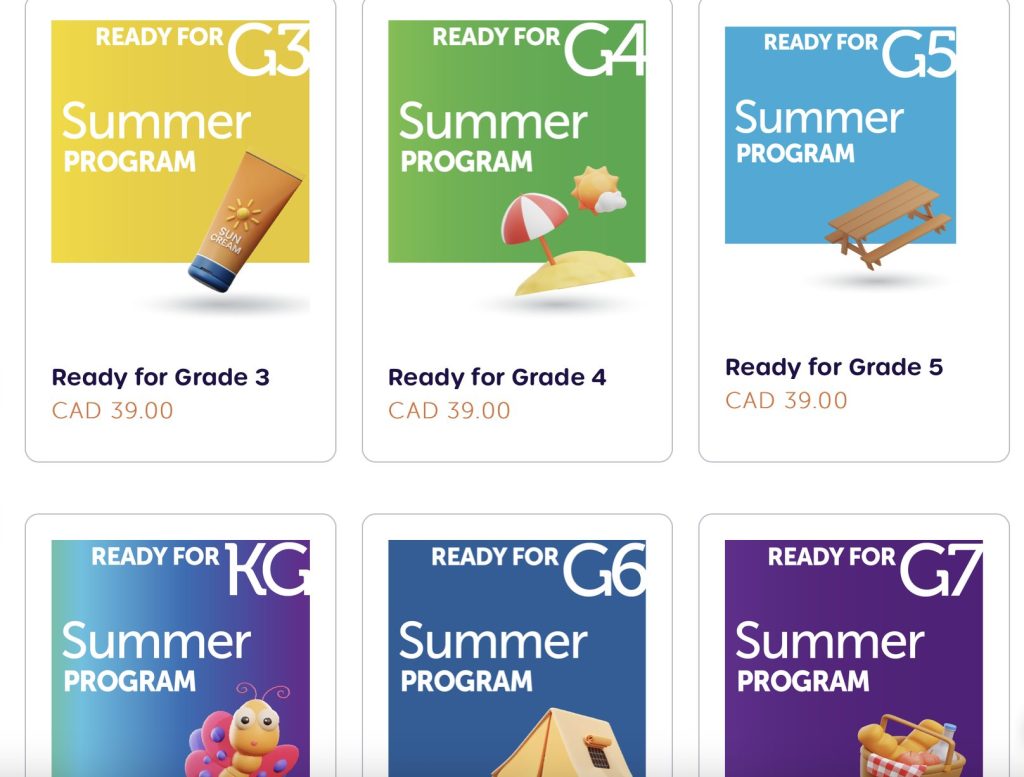
The Summer Schoolio Program is one such resource that can help your child stay on track and achieve homeschooling year-round while still offering them a well-deserved summer break. This program combines the best of both worlds by providing structured educational activities and materials designed to prevent learning regression during the summer months while incorporating fun and relaxation elements.
With The Summer Schoolio Program, your child can engage in academic pursuits that align with their current curriculum, explore new subjects, and participate in stimulating projects and activities, three days a week, all while having the freedom to enjoy the joys of summer. This comprehensive program ensures that your child continues to progress academically and allows them to recharge, pursue their interests, and make lasting summer memories.
How to Successfully Homeschool: Preparation, Flexibility, and Lowered Standards
In recent years, homeschooling has become an increasingly popular choice for many families. Its flexibility, personalized approach, and safety have attracted parents worldwide. However, embarking on the homeschooling journey can be intimidating, mainly if you’re used to the structure and support of traditional schooling. To set yourself up for success, it’s essential to focus on three key factors: preparation, flexibility, and a realistic approach to standards. This blog will explore how to successfully homeschool your children while balancing academic achievement and overall well-being.
When Learning How to Successfully Homeschool, Be Mindful of This Common Trap:
Homeschooling parents must be mindful of a common trap: the pursuit of perfection and the pressure to replicate the traditional school schedule. It’s easy to get caught up in the notion that your homeschool must mirror the structure and pace of a conventional classroom. This can lead to unnecessary stress and feelings of inadequacy.
Remember, one of the primary benefits of homeschooling is the ability to tailor your approach to your child’s individual needs and learning style. Embrace the flexibility and freedom homeschooling offers by allowing yourself to deviate from rigid schedules and unrealistic expectations. Adapt your methods and routines to what works best for your family, even if it diverges from the traditional model. Remember, the goal is not perfection but rather creating a nurturing and effective learning environment that meets your child’s unique needs.
The Keys to Successful Homeschooling:
Embarking on a homeschooling journey can be both exciting and daunting for parents. As they prepare to take on the responsibility of educating their children at home, it’s important to keep in mind three essential factors that can contribute to a successful homeschooling experience. In this blog, we will explore the importance of preparation, flexibility, and a realistic approach to standards.
By understanding how these aspects intertwine, homeschooling parents can navigate the challenges with confidence, while embracing the true essence of homeschooling – personalized education, adaptability, and a balanced approach to academic achievement. Let’s delve into each of these factors and discover how they can positively impact your homeschooling journey.
1. Preparation:
Effective homeschooling requires careful planning and preparation. Before diving in, consider the following steps:
a) Understand your state’s homeschooling regulations: Familiarize yourself with the legal requirements and regulations related to homeschooling in your area. Each state or country may have specific guidelines that you need to follow.
b) Set clear goals: Establish realistic academic goals for your children based on their age, abilities, and interests. This will help you create a roadmap for their education and ensure they progress in a structured manner.
c) Gather necessary resources: Invest time in researching and curating appropriate curriculum materials, textbooks, online resources, and educational games. There are numerous platforms and websites that offer comprehensive homeschooling materials designed for various subjects and grade levels.
d) Create a dedicated learning space: Designate an area within your home solely for homeschooling activities. This helps establish a routine and minimizes distractions, fostering a productive learning environment.
One of the greatest advantages of homeschooling is the flexibility it provides. Embrace this freedom by:
a) Tailoring the curriculum: Unlike traditional schools, homeschooling allows you to personalize your child’s learning experience. Adapt the curriculum to cater to their unique strengths, weaknesses, and interests. Flexibility enables you to create a rich and engaging educational journey.
b) Emphasizing hands-on learning: Incorporate experiential and interactive activities into your lessons. Field trips, experiments, and projects can deepen understanding and make learning more enjoyable.
c) Creating a flexible schedule: Homeschooling allows for flexible scheduling. Take advantage of this by adjusting your daily routine to suit your family’s needs. Some children thrive in the morning, while others are more productive in the afternoon. Discover what works best for your child and structure their learning accordingly.
3. Lowered Standards:
While maintaining high standards is essential, it’s important to acknowledge that homeschooling might require adjusting expectations. Here’s how to find the right balance:
a) Focus on essential skills: Identify core subjects and key skills that are necessary for your child’s overall development. Prioritize these areas while being open to exploring other subjects or areas of interest.
b) Encourage independent learning: Foster a sense of responsibility and self-motivation in your child. Encouraging independent learning allows them to take ownership of their education while relieving some of the pressure on you as the homeschooling parent.
c) Leverage online resources and support networks: Take advantage of online homeschooling communities, forums, and support groups. Connecting with other homeschooling families can provide valuable insights, resources, and emotional support.
Prepare Your Homeschooling Journey:
Successfully homeschooling your children is a journey that requires preparation, flexibility, and realistic expectations. By carefully planning, adapting to the unique needs of your child, and adjusting your standards, you can create an enriching and fulfilling homeschooling experience. Remember, homeschooling is a dynamic and evolving process, and it’s okay to make adjustments along the way. With dedication, creativity, and a supportive environment, you can provide your children with an exceptional education tailored to their individual needs.
Assessing Homeschool Success: How to Determine if Your Homeschool Year Went Well
Homeschooling offers unique opportunities for personalized education, allowing parents and students to tailor their learning experiences to individual needs and interests. As a homeschooling parent, it’s natural to wonder whether your academic year has been successful. Evaluating the effectiveness of your homeschooling journey can be valuable for identifying strengths, areas for improvement, and ensuring your child’s educational progress. In this blog, we will discuss assessing homeschool success: how to determine if your homeschool year went well.
Is assessing homeschool success important?
Many homeschoolers employ various methods to assess the academic year. Some parents keep detailed portfolios of their child’s work. This includes samples, assignments, and tests. Which they review to gauge academic progress. Others may use standardized tests or benchmark assessments to measure their child’s proficiency in core subjects.
Additionally, some homeschooling families engage in regular discussions and reflection sessions with their children to evaluate their learning experiences and set goals for the upcoming year. By examining these examples, we can gain insights into effective assessment strategies and adapt them to our own homeschooling journeys.
What do the experts say about assessing homeschool success?
Lindsey Casselman, co-founder and Chief Curriculum Officer (CCO) of Schoolio Learning, shares her thoughts on how to determine if your homeschool year went well. “How do the kids feel? Forget marks. Or how many worksheets you completed or how many books you read. Forget how many experiments you did. Are they happy? Has your relationship grown closer? Have they grown as humans? Are they kind? Are they curious?”
She continued: “These are the benchmarks for successful education. Education isn’t about stuffing as much content as you can into their learning time. It’s about building a whole little human, that includes their emotions, their mental health, their eagerness to learn, they’re fulfillment and their understanding of their place in the world and who they might want to become in the future.”
What are some key indicators that your homeschool year went well?
1. Academic Progress:
One of the primary goals of homeschooling is to facilitate academic growth. Assess your child’s progress by reviewing their work samples, assignments, and tests throughout the year. Have they made noticeable improvements in subjects like math, science, language arts, or social studies? Are they achieving the learning objectives you set at the beginning of the year? Assessing academic progress will help you gauge the effectiveness of your teaching methods and curriculum choices.
2. Learning Engagement:
Successful homeschooling fosters a love for learning. Consider your child’s level of engagement throughout the year. Do they actively participate in discussions and activities? Are they curious and enthusiastic about exploring new topics? Genuine interest and enthusiasm are indicators of a successful homeschool year. If your child is actively involved in their education, it suggests that you have created a nurturing and stimulating learning environment.
3. Personal Development:
Education encompasses more than just academics. Homeschooling provides an ideal environment to nurture personal growth and character development. Reflect on your child’s personal development over the course of the year. Have they demonstrated improvements in self-discipline, time management, and organizational skills? Do they show greater resilience, independence, or a positive attitude towards challenges? Evaluating these aspects helps determine the overall success of your homeschooling efforts.
4. Individualized Learning:
One of the significant advantages of homeschooling is the ability to tailor education to your child’s unique needs and learning style. Assess if your homeschool year was successful by considering how well you have personalized the learning experience. Have you provided resources and activities that cater to their individual strengths and weaknesses? Are you adapting teaching methods to suit their preferred learning style? Individualized learning contributes to academic success and ensures your child feels supported and valued.
5. Social and Emotional Well-being:
Socialization is often a concern for homeschooling families. While it’s essential to provide opportunities for social interaction, consider your child’s overall social and emotional well-being. Do they have healthy relationships with peers, siblings, or other community members? Are they able to communicate effectively and express their emotions? A successful homeschool year should focus on fostering emotional intelligence, empathy, and the development of social skills. Pick up Schoolio’s Social Emotional Learning materials to help your child with these important skills.
6. Life Skills and Practical Application:
Education extends beyond textbooks and assignments. Reflect on whether your homeschool year has successfully incorporated practical life skills into the curriculum. Have you provided opportunities for your child to develop skills such as critical thinking, problem-solving, communication, and financial literacy? The ability to apply knowledge in real-life situations is a valuable indicator of homeschooling success.
The ultimate success.
Evaluating the success of your homeschool year involves assessing multiple factors. These include academic progress, learning engagement, personal development, individualized learning, social and emotional well-being, and life skills acquisition. Remember that homeschooling is a dynamic and evolving process. If you identify areas that need improvement, view them as opportunities for growth and adaptation. Ultimately, the success of your homeschool year lies in creating an environment that supports your child’s holistic development and instills a lifelong love for learning.
As a parent, homeschooling your neurodivergent child offers an opportunity to provide tailored education that meets their unique needs. Understanding your child’s strengths and challenges is essential in creating an inclusive and supportive homeschooling environment.
Challenges neurodivergent children face in traditional education.
Neurodivergent children often face unique challenges in traditional educational settings. These challenges can include difficulty with social interactions, sensory processing issues, executive functioning deficits, and learning differences. These challenges can make it difficult for neurodivergent children to succeed in traditional classrooms, leading to frustration and a sense of failure.
Neurodivergent children often face unique challenges in traditional educational settings. These challenges can include difficulty with social interactions, sensory processing issues, executive functioning deficits, and learning differences. For example, a child with autism may struggle with social cues and communication, which can make it difficult to connect with peers and teachers.
A child with ADHD may struggle with executive functioning, such as organizing tasks and managing time, which can lead to academic struggles and frustration. A child with dyslexia may struggle with reading and writing, which can impact their ability to learn and succeed in traditional classrooms. These challenges can make it difficult for neurodivergent children to succeed in traditional classrooms, leading to frustration and a sense of failure. In contrast, homeschooling can offer a tailored learning experience that addresses the specific needs of neurodivergent children.
How homeschooling your neurodivergent child can be beneficial.
Homeschooling can offer a tailored learning experience that addresses the specific needs of neurodivergent children. By creating a supportive and inclusive learning environment, homeschooling parents can help their children thrive academically and personally. By embracing their strengths, understanding neurodiversity, and adapting teaching methods, homeschooling parents can create a nurturing and engaging learning experience that meets the unique needs of their neurodivergent child.
While homeschooling has its own challenges, such as creating structure and routine or finding resources and support, it can offer a more individualized and supportive approach to education for neurodivergent children. By prioritizing their child’s needs and focusing on their strengths, homeschooling parents can help their neurodivergent child achieve academic success and personal growth.
Here are some tips for homeschooling your neurodivergent child effectively:
1. Embrace strengths
Focus on your child’s interests and talents. Encourage them to explore their passions, boosting self-esteem and enhancing their homeschooling experience.
2. Understand neurodiversity
Educate yourself on your child’s neurodivergent traits to support their homeschooling journey. Research resources, consult professionals, and join online forums to gain insight into their learning differences.
3. Structure and routine
Establish a consistent homeschooling schedule accommodating your child’s needs. Routine and structure provide stability and help them manage expectations and transitions.
4. Adapt teaching methods
Use multisensory teaching techniques to cater to your child’s learning preferences. For example, incorporate visual aids, hands-on activities, or auditory cues to enhance their homeschooling experience.
5. Collaborate with educators
Seek guidance from educators and therapists to develop a tailored homeschooling curriculum for your neurodivergent child. Utilize their expertise to create an effective and engaging learning plan.
6. Develop social skills
Facilitate social interactions for your child by organizing playdates, joining homeschooling co-ops, or participating in community events. These experiences can help them build social skills and connections with their peers.
7. Advocate for your child
Educate others about neurodiversity and promote understanding and acceptance in your homeschooling community. Advocate for your child’s needs and ensure they receive the support they require.
8. Foster independence
Encourage your neurodivergent child to take on age-appropriate responsibilities within their homeschooling routine. This can help build their confidence and self-reliance.
9. Seek support
Connect with other homeschooling parents of neurodivergent children to share experiences, resources, and advice. This support network can offer invaluable guidance and encouragement.
10. Patience and understanding
Be patient and understanding with your child and yourself during your homeschooling journey. Celebrate small victories and remember that progress may be slow but steady.
Homeschooling your neurodivergent child can be a rewarding and fulfilling experience, allowing them to thrive academically and personally. By implementing these tips, you can create a nurturing and tailored homeschooling environment that supports your child’s unique needs and helps them reach their full potential.
Is homeschooling best for my child? What are the positives and drawbacks?
Homeschooling is a topic and form of education that has gained much attention recently, with many parents choosing it over traditional schooling. It is a type of education where children are taught at home by their parents or tutors rather than attending school. Homeschooling offers several benefits but has some drawbacks that parents must consider before making decisions.
The decision to homeschool should be a family decision that involves open communication and discussion. It is essential to involve the child in the decision-making process, as they will be the ones primarily affected by the choice. Parents should also seek the advice and input of other homeschooling families or educational professionals to better understand the advantages and disadvantages of homeschooling and get tips and resources for success.
Advantages to homeschooling.
One of the most significant advantages of homeschooling is that it allows for a more personalized education. Parents can tailor the curriculum to their child’s needs and interests, which can be especially beneficial for children with learning disabilities or those who are gifted. Children can learn at their own pace without the pressure of keeping up with a classroom full of students, which can help them to retain information more effectively.
Personalized education tailored to the student’s needs and interests
More flexible scheduling to accommodate unique circumstances
A safer and more comfortable learning environment free from bullying and negative influences
Homeschooling can provide a more comfortable learning environment.
Homeschooling can also provide a safer and more comfortable learning environment, free from bullying and other negative influences. Parents can control the environment and ensure that their child is not exposed to harmful behaviors or situations. Additionally, homeschooling allows for more flexibility in scheduling, which can be helpful for families with unique circumstances, such as frequent travel, medical concerns, or other unique needs.
What are some drawbacks of homeschooling?
Homeschooling also has some drawbacks that parents should consider before making decisions.
Missed socialization opportunities.
Homeschooled children may miss out on the socialization opportunities of attending a traditional school. They may also lack exposure to diverse perspectives and experiences that can be gained from interacting with a diverse group of peers. Furthermore, homeschooling can be a significant time commitment for parents, who must take on the role of the teacher in addition to their other responsibilities.
Added stress for parents.
From a parent’s perspective, another drawback of homeschooling can be the added responsibility of being the child’s primary teacher, which can be time-consuming and stressful. Additionally, parents may feel isolated or lack support from a community of educators, which can make it more difficult to address challenges or seek guidance. Lastly, homeschooling may require a significant financial investment, including the cost of curriculum materials, resources, and equipment, which may be a barrier for some families.
How can I help my homeschooled child with socialization?
Join a homeschool co-op.
Homeschooling co-ops can be a great way for homeschooled children to socialize and interact with peers their own age. Co-ops are typically organized by homeschooling parents, who come together to provide group learning experiences and social activities for their children. These groups can provide opportunities for children to learn together. While also participating in group projects, and developing social skills in a safe and supportive environment.
Co-ops can also offer benefits to parents, who can share teaching responsibilities and resources. As well as gain support and advice from other homeschooling families. By working together, parents can create a more comprehensive and diverse curriculum for their children. And also provide opportunities for them to explore new topics and interests.
Overall, homeschooling co-ops can be a great way for families to enhance their homeschooling experience. While also providing additional learning and socialization opportunities for their children. However, it is important to carefully research and vet any co-op before joining, to ensure that it aligns with the family’s educational goals and values.
How can I manage as a homeschooling parent?
Homeschooling can be a challenging but rewarding experience for parents who choose to take on the role of teacher. Here are some tips for managing homeschooling:
Establish a routine: Set a schedule for each day that includes time for learning, breaks, and other activities. Stick to the routine as much as possible, but also be flexible when necessary.
Plan ahead: Create lesson plans and activities in advance, and keep a record of what has been covered. This can help to ensure that all necessary topics are covered and can also make it easier to track progress.
Use a variety of resources. There are many different resources available for homeschooling, including textbooks, workbooks, online courses, and educational videos. Use a mix of resources to keep things exciting and engaging for your child.
Get creative: Homeschooling presents an opportunity to be creative and flexible in your approach to education. Consider incorporating hands-on activities, field trips, and other experiential learning opportunities into your child’s education.
Homeschooling can be isolating, so it is important to seek support from other homeschooling families or online communities. Joining a co-op or attending homeschooling events can also provide opportunities for socialization and support.
Take breaks: Homeschooling can be intense, so it is essential to take breaks and recharge. Make time for self-care and relaxation, and don’t be afraid to take a day off when needed.
By following these tips and being flexible, parents can successfully manage homeschooling and provide a high-quality education for their children.
Important checklist before making the decision to homeschool.
Ultimately, the decision to homeschool a child should be based on what is best for the individual child and family. Parents should consider their child’s learning style, interests, and socialization needs, as well as their capabilities and availability. It is also important to research state and local homeschooling laws and regulations to ensure compliance.
Here are some points parents should consider before homeschooling:
The child’s learning style, interests, and socialization needs
The parent’s capabilities and availability
State and local homeschooling laws and regulations
The pros and cons of homeschooling, including its advantages and disadvantages
The child’s age and grade level, as well as their future educational goals and plans
The availability of resources and support, such as homeschooling co-ops or online communities
Homeschooling can be a viable option for some families, but it is not necessarily the best choice for everyone. Parents should carefully weigh the pros and cons before making any decisions about their child’s education. With proper planning, preparation, and research, homeschooling can be a successful and rewarding experience for both parents and children.
The Advantages of Homeschooling and What Homeschoolers are Doing Right.
Homeschooling has become a popular option for many families worldwide, and for a good reason. It offers parents the flexibility to design a personalized education for their children that takes into account their individual interests, strengths, and weaknesses. This approach to education allows children to learn at their own pace and in a way that works best for them.
How common is homeschooling?
According to the National Home Education Research Institute, the number of homeschooled students in the United States has increased by 2.2% per year over the past ten years, with an estimated 2.5 million students homeschooled in 2019. Homeschooled students also tend to score higher on standardized tests and have higher college attendance rates than traditionally schooled students.
Some of the ways homeschoolers are doing things right include:
Tailoring education to the child’s needs
Focusing on character development
Encouraging independent thinking
Building strong family bonds
Providing a safe and nurturing environment.
Tailoring education to the child’s needs
Focusing on character development
Encouraging independent thinking
Building strong family bonds
Providing a safe and nurturing environment.
Advantages of homeschooling and what homeschoolers are doing right.
Character Development
One of the main advantages of homeschooling is parents’ emphasis on character development. Homeschooling parents often instill virtues like honesty, empathy, and kindness in their children, which helps them to develop strong values and a sense of responsibility. This focus on character development can help children grow into well-rounded individuals equipped to face life’s challenges. Add Social Emotional Learning to your homeschool.
Encourages Creativity
Another important aspect of homeschooling is that it encourages independent thinking and creativity in children. Homeschoolers provide a learning environment that fosters curiosity and exploration, which can help children to become more self-motivated and capable of thinking outside the box. This approach can also help children to develop a lifelong love of learning.
More Quality Family Time
Homeschooling also allows families to spend more time together and build strong family bonds. Parents can be more involved in their children’s education, which can help to create a closer relationship between parents and children. Homeschooled children often have a closer relationship with their siblings as well, as they can spend more time together and learn from each other.
Safety Concerns
One concern that some families have with traditional schools is safety. Homeschooling provides a safe and secure environment for children to learn and grow without the risk of exposure to negative influences that can be found in traditional schools. This can bring peace of mind to parents and allow them to focus on their children’s education without worrying about their safety which can help to create a more positive outlook on life and increase confidence in themselves.
There are many benefits for homeschool families.
In conclusion, homeschooling offers many benefits for families. Homeschoolers are doing something right by tailoring education to the child’s needs, focusing on character development, encouraging independent thinking, building strong family bonds, and providing a safe and nurturing environment. It is no surprise that more and more families are choosing this educational option for their children.
Are Your Kids Behind? This Blog Will Help You With What to Do
By Chelsea McLeod
So you decided to Homeschool, planned your curriculum and made a classroom space in your home. Imagine; it is now January; you are well into the year and feel comfortable with the routine, and have successfully into the swing of things. However, there have been some things recently that have given you pause.
Is the level of work you are doing where it should be? Has your student completed enough for this point in the year, or are they reading at the appropriate grade level? Now, you are panicking. Your greatest fear has been realized, and you don’t know what to do or if you can fix it. Are your kids behind? This blog will address your journey, Homeschooling: What To Do When You Need Academic Help.
You’re Not Going to Panic.
Don’t panic. What does behind “mean?”
Homeschooling: What To Do When You Need Academic Help
Are your kids behind? What does that mean?
Even if that were true if your homeschooler(s) is/are behind. Here’s what you’re not going to do… You’re not going to panic. First, you must treat yourself with some grace. Yes, there is some concern if your child is behind, but you, the homeschool mom, will take it personally and view it as a personal failing, a poor reflection on her when her child gets behind.
Remember that we are our worst critics, so I promise you this is not your failure, and it will not define your homeschooling journey. With that said, the first thing you’ll need to do to approach this problem is to cut yourself some slack. There is no perfect method of schooling, no method that guarantees 100% success at every benchmark at every level and in every subject. Homeschooling: What To Do When You Need Academic Help is an important read and can help both you and your kids when they are struggling.
Kids who attend public schools need to catch up, too. Kids who attend private schoolshave absent days and struggle with reading. In the same way, your homeschooled child is not doomed because of the choices you made for their education. Finally, no child develops and learns at the same rate, so allow yourself to shake it off when some subjects require more focus.
Every child develops and learns at their own rate.
So now that you have taken a breath and stepped back from the ledge you have talked yourself onto, you need to understand that there are many pieces to this “realization,” not all of which are accurate. Remember that old saying: “Comparison is the thief of joy.” Well, that’s just it; by what definition or standards do you feel that they are behind? What comparison are you making that brought you to this conclusion? Is your child not yet mastering skills that their peers who are attending traditional school are?
Or are your kids not reading the same chapter books you did when they were your age? Are the criteria you’re grading your child by actually arbitrary standards that society decided upon? While you are reflecting on these considerations, keep in mind that grade levels are an arbitrary marker that was created. That there is not one single age that children read by or master multiplication; or an age by which they write an eloquent essay. So first, decide in what way are they behind and is a marker that you are comfortable with. Then you can go about making changes and correcting it.
Increase your child’s achievement in several ways.
You and your child can make changes and increase their achievement in several ways. For our purposes in this blog, these can be separated into two categories when searching for answers to the question, are your kids behind?
Insourcing (You Tackle the Project) and Outsourcing (You Seek Outside Help). If you want to learn more and tackle the issue head-on, you can try some of the following things to get a start.
Here Are Some of Our Suggestions; Homeschooling: What To Do When You Need Academic Help
Insourcing (Upskilling Yourself, Keep the Learning at Home)
Watch videos
We all learn in different ways, which also leads to the fact that we all understand things differently. Therefore videos can be an excellent tool. They can help you learn another approach to a topic or help your child learn a different angle of a problem.
Read books
Books are a magnificent resource for a variety of topics. They can spark the imagination and teach concepts somewhat effortlessly. You can learn several different approaches to whatever problem you are tackling. If math is the issue, books can give you many different ways to solve the problem. One may be the key for your student to overcome their challenges.
There are so many benefits to reading. It can help your kids catch up.
Change up your approach.
You may have been following a particular reading or spelling program, and now, to overcome this struggle, you may need to try another program or go from pencil/paper work to hands-on using manipulatives. So take some time to research and see what’s out there. You do not have to stick with something if there is a chance that something else may be better.
Play games
Similar to changing your approach, make learning fun. Learning does not have to be strict or boring; it can also be fun! So create a board game to tackle the skills your child may be missing. Play match to learn sight words, or make a rhyme to remember your multiplication tables. The sky’s the limit, and sometimes fun will unlock some hidden potential.
Play games!
Even in education, it takes a village.
While there isno right or wrong way to approach things, it is essential to remember that even education takes a village. We were not meant to live in isolation; you are not an island in and of yourself so getting help from an outside source is okay. Even those that are not experts have knowledge in different fields for subjects; for example, I have a brain and skill set much better served with writing, and my husband is more of a math brain, so when the kids need help, why not play to our strengths?
Similarly, even in the traditional school setting, when a student is struggling, it is never the teacher’s sole responsibility to catch them up or find the missing piece that will help them. Therefore, the following list suggests places/people seeking outside help.
“I have a brain and skill set much better served with writing, and my husband is more of a math brain, so when the kids need help, why not play to our strengths?”
Outsourcing (Seeking Help from Outside Sources)
Subscribe to an online practice site
There are plenty of options when it comes to online sources these days. You can subscribe to a math practice website or a game-based site for spelling word practice. Sometimes all that is needed is a change of perspective or “teacher,” and a student will thrive. Do some research, and you might find something you and your child both enjoy.
Sign up for class, local or online
Live classes are trendy now, which could be the key to unlocking your child’s potential. Whether an online course or a local group, there are opportunities to make connections and change the teacher/learner dynamic. Sometimes all it takes is to make learning fun again, and something will click to help the student overcome a challenge.
Hire a tutor
When a student struggles in school, a teacher may suggest some tutoring help. Well, homeschooling is no different; you, too, can hire a tutor. This can take some of the pressure off of you to get everything right, and your child has the chance to learn from someone else, which can make a huge difference. There is plenty of resources when your child needs something extra or different. Tutoring centers like Sylvan are often easy to find, and online tutors have become a viable option in recent years.
Hire a tutor
See a specialist
You can get an assessment done and get to the issue’s root. If you are worried your child is behind because of an identifiable learning concern, consider bringing it up with your pediatrician and ask for testing referrals. Often there is some hesitancy to “label” children, but understanding how and why your child experiences difficulties can only benefit both of you. Do not be intimidated by the possibility of a “label” Whatever your child is working with, at least it won’t be without awareness and resources.
Seek advice from more experienced homeschoolers
Thankfully countless homeschooling parents had gone before us and shared their hard-earned wisdom. A whole community wants to help and can help if we ask. So check with your local homeschooling groups or other parents at your co-op (if you are part of one). Ask about their preferred strategies and materials for your child’s specific concern. You can also read blogs of homeschoolers who have encountered similar difficulties with their child and come out the other side.
Help your child catch-up at home
Your Homeschooler May Be Behind, But Not For Long!
All is not lost! You can homeschool a child with learning disabilities. You can even homeschool when struggling with a particular subject or concept. So the next time you feel that pit in your stomach and panic about your child’s learning, remember to take a breath and approach the issue one step at a time. You know your kiddos and how they learn, and it is okay to seek help; numerous resources are available. So, the next time you wonder, “Are your kids behind?” Remember that your child will succeed sooner or later, and you will be there when they cross the finish line!
We hope you found Homeschooling: What To Do When You Need Academic Help insightful. If you are looking for some resources to help you in your homeschool journey, head on over to our website and take a look at our curriculum shop.
10 Innovative Ways You Can Keep School Break Fun And Educational!
By Chelsea McLeod
It’s the time of the year when we are approaching March breaks in various areas across the US and Canada and the Easter Holidays are right around the corner! Everyone loves these breaks because we have more freedom to gather with family and spend time connecting apart from our usually busy lives. Therefore by learning these 10 Innovative Ways You Can Keep School Break Fun And Educational!
These school breaks are scheduled into the traditional school calendar. In homeschooling, whether or not you choose to take a break, they can still bring a change in routine and focus or a break from extra-curricular activities. Therefore kids, often get some much-needed space for reflection, rest and connection with loved ones, even if they are still homeschooling. More often than not, they can also come with commitments and travelling as tournaments or competitions are often scheduled during this time to align with the traditional school calendar. Therefore, even as homeschoolers, our regular academic focus is put on hold.
This is alright; it’s good to take a break from the everyday routine and bustle of homeschooling life. In a previous blog, we discussed why taking a break from schooling is so important. It is needed for both learners and teachers and provides much-needed rest. Okay, you ask, but what do I do during these breaks to keep encouraging learning? I want to take a break but do not want all of our schooling progress to go entirely out the window. I have taken the time to compile a short list of things you can do over the break.
10 Innovative Ways You Can Keep School Break Fun And Educational!
1. Read for fun
Reading is one of the best ways to bond with your kids. Snuggling up with a good book creates meaningful and focused time where you can connect.
For younger children, you may read the book; however, for older school-age kids, you may take turns. So while you and your child take turns reading to each other this holiday break, remember that some crucial brain development is occurring. Reading gives the brain a workout in the same way that going on a run improves cardiovascular health. So make sure to devote quiet time to reading. Older kids may want to read a novel and discuss it with you rather than take turns.
Reading is so essential and needs not to be associated only with learning. Some kids will say that they “don’t like reading,” but when you get down to it, this is mainly because when they are learning, they do not get to choose what they read. This can make it frustrating for them and sometimes make it hard for them to stay engaged because reading in a learning context is not always catered to their interests. So on this holiday break, encourage your kids to choose a book/or a few books they like and want to read and set aside time each day to do so together.
2. Write Thank You Notes or Holiday Cards
Writing is an essential part of Schooling, but it is something we do in other aspects of our lives and holidays are no different. There is often a list of Holiday Cards to write and send out to family and friends. Also, if you celebrate a holiday in which gift-giving is a part of your traditions, have your kids write personalized thank-you notes to the gift-giver. These writing tasks are perfect for your kids to keep their writing fingers nimble and their brains ready for action!
3. Bake Together
For many, the holidays are filled with savoury and sweet treats. The family gatherings are loaded with all kinds of food and traditional desserts. The big task is to bake these items before attending various family and community events. So why not take advantage of this, make some delicious winter recipes, and indulge in math and science?
Next time you are in the kitchen preparing for your festivities, encourage your child to help bake cookies, but maybe double or triple the batch so they can practice their measurement skills. You can also discuss the techniques you might use to achieve a specific cookie texture or the science of how the oven works. And it’s time to serve those squares, cookies or pie masterpieces; use fractions to figure out how much is left over for another time!
4. Take a trip to the Library
Libraries may seem tedious at first glance but look closer; there are so many adventures within those walls. There are more rows and books than can fit on the shelves at home. There are more books than you’ll know what to do with! Whether reading a new series or an old favourite, there is always something to find at the library. In addition to enhancing reading comprehension, you can get your child a library card and teach responsibility. Finally, many libraries are full of children’s programs and classes to interest children of all ages!
5. Visit a museum or science centre
If you are like those of us who live in a cold climate, you may have to keep your kids indoors more than you would like due to sub-zero temperatures and the risk of frostbite. In this case, kids can get pretty stir-crazy and need a change of scenery, which will help preserve the house and your sanity. So if you need to get out of the house, take your children to a local museum, aquarium, or science centre and explore together. During your regular schooling routine, it might be difficult for your family to take the time for these trips; yet they can be educational, rewarding, and fun for the whole family!
6. Play Board Games
Holidays bring with them a break from the usual schedule and the business of life. So, sitting down with your family this season and playing games is a great way to connect and develop social and intellectual skills. Playing board games can help kids expand on critical thinking skills such as strategy, analysis, and planning. Also, board games can help to improve basic schooling skills such as addition, subtraction, and reading comprehension. So don’t feel guilty about playing games; you are all getting an intellectual workout while enjoying some downtime together!
7. Solve puzzles
Be it Jigsaws, sudoku, crosswords, or search-a-words…all puzzles are fantastic. Whether you sit down together and complete a puzzle or spend some time alone working through it, they are a great way to challenge yourself and give your brain a workout over the holidays. So why not give your family a new puzzle under the tree for Christmas (if that’s what you celebrate), enjoy some quality time together, and work on developing those problem-solving skills together?
8. Handmake gifts
A gift made by hand carries a more special and heartfelt meaning than one from the store. The time and effort of your labour show your love for the recipient. If you have a list of gifts to give this holiday season, consider making them. Gather all your craft supplies; markers, glue, pipe cleaners, glitter, and scissors.
Also, you can let your kids raid the kitchen for additional supplies such as macaroni, marshmallows, graham crackers, and candy canes; these are great for DIY holiday gifts. You can search Pinterest for inspiration or let their imagination take over and know that this is an excellent way for your kiddos to work those creative muscles.
9. Create a family tree
Time for a history lesson! Explore your family history and research your heritage together to compile a family tree. Many families spend the holiday season with their extended family, which makes it a fantastic opportunity to encourage your children to take an interest in learning about their heritage. While appreciating a slower season and spending time with your immediate family, take the time to reflect on where the various branches of your family have come from.
Have your kids come up with a list of questions they could ask of older family members. It’s also a unique way to hear family stories and learn about the childhood experiences of older relatives that you may not have previously heard. Everyone, young and old, will enjoy going down memory lane together and connecting over these stories of their lived experience.
10. Stay active
The last of our ten ways to keep fun and learning happening during a school break is to stay active. If you live in a colder area, staying snuggled up with a bowl of popcorn and Netflix may be tempting. While this can be a relaxing way to spend time with the family, doing something active is another great way to enjoy family time over the holidays.
So if you can, and the temperatures in your area allow for it, get moving! Take your kids skating, sledding or out to make a snowman. Fresh air and activity are both great for developing brains. Kids also experience many other benefits from exercise, including maintaining strong bones, muscles, and joints.
Kids who exercise also improve the quality and quantity of their sleep, which means they will be even more well-rested when they choose to resume schooling after the break! Now, if you live in a much colder climate and are in the middle of a cold snap where you cannot spend time outside, you can still keep your kiddos active indoors. Get them to join you for yoga, play some active video games such as Wii Fit (bowling, step aerobics, dancing, etc.) or engage in other healthy fitness activities while still staying warm!
A time to rest and reflect.
During this holiday season, no matter what holidays you celebrate, there are many ways to keep fun and learning happening. This season often brings a slower pace and time to rest, reflect and make space for other activities. A break from our regular schooling routine can lend itself to a necessary reset for the whole family, but it doesn’t have to be a complete departure from learning.
And sometimes, for parents concerned about the gap in learning, there are numerous ways to keep kids’ brains working, even if they don’t know! So take a look at the list of 10 Innovative Ways You Can Keep School Break Fun And Educational and choose one or all of these things to do with your family, and rest assured that the break won’t take away all of the academic progress you and your kids have made.