TL;DR – Quick Answer:
The Evolution of Education: Why Small-Pod Learning is the Future provides essential benefits for homeschooling families by offering flexibility, community, and expert-led resources. Our 10,000+ strong Schoolio community proves that personalized learning is the future of education.
The Evolution of Education: Why Small-Pod Learning is the Future
In recent years, the educational landscape has undergone a seismic shift. Parents and educators alike are reevaluating the traditional models of learning, leading to the rapid rise of microschools. But what exactly is driving this trend, and why are so many families choosing this path over conventional public schooling or isolated homeschooling?
Microschools are rapidly becoming the preferred alternative for parents seeking smaller class sizes, personalized instruction, and a community-focused learning environment. If you’ve been searching for a middle ground between traditional public schooling and solo homeschooling, the microschool or ‘learning pod’ model might be exactly what your family needs. In this comprehensive guide, we’ll explore why microschools are booming, how they uniquely benefit neurodivergent learners, and how you can easily start your own pod using open-and-go curriculum.
What Exactly is a Microschool?
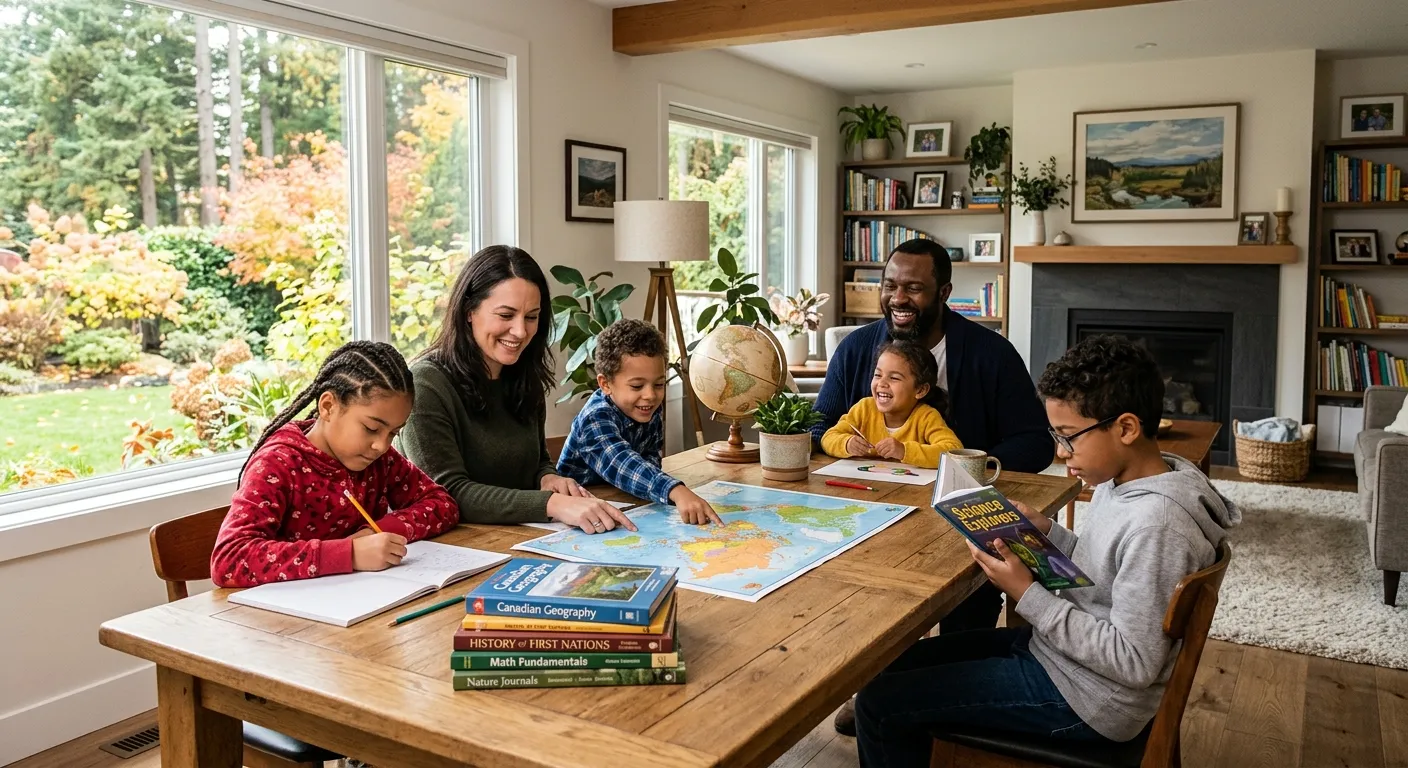
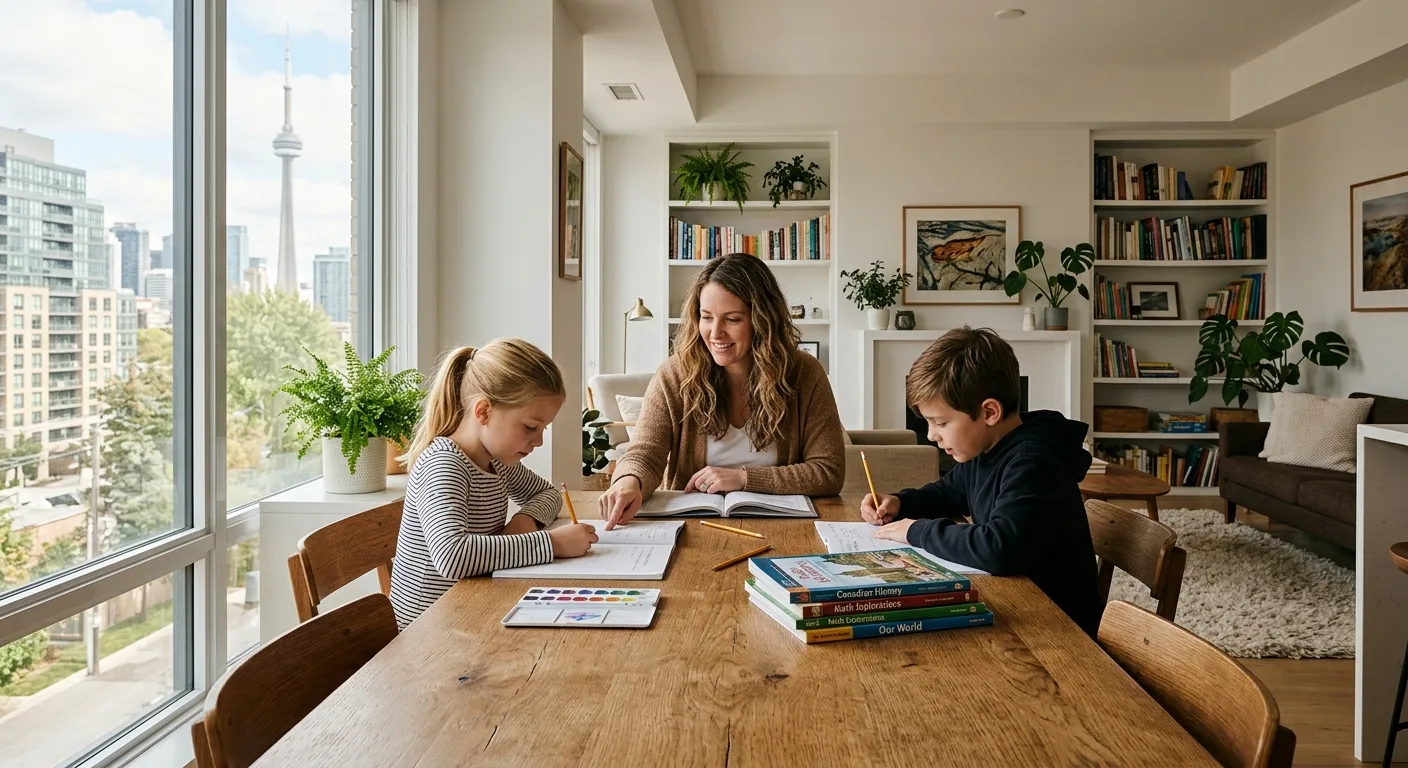
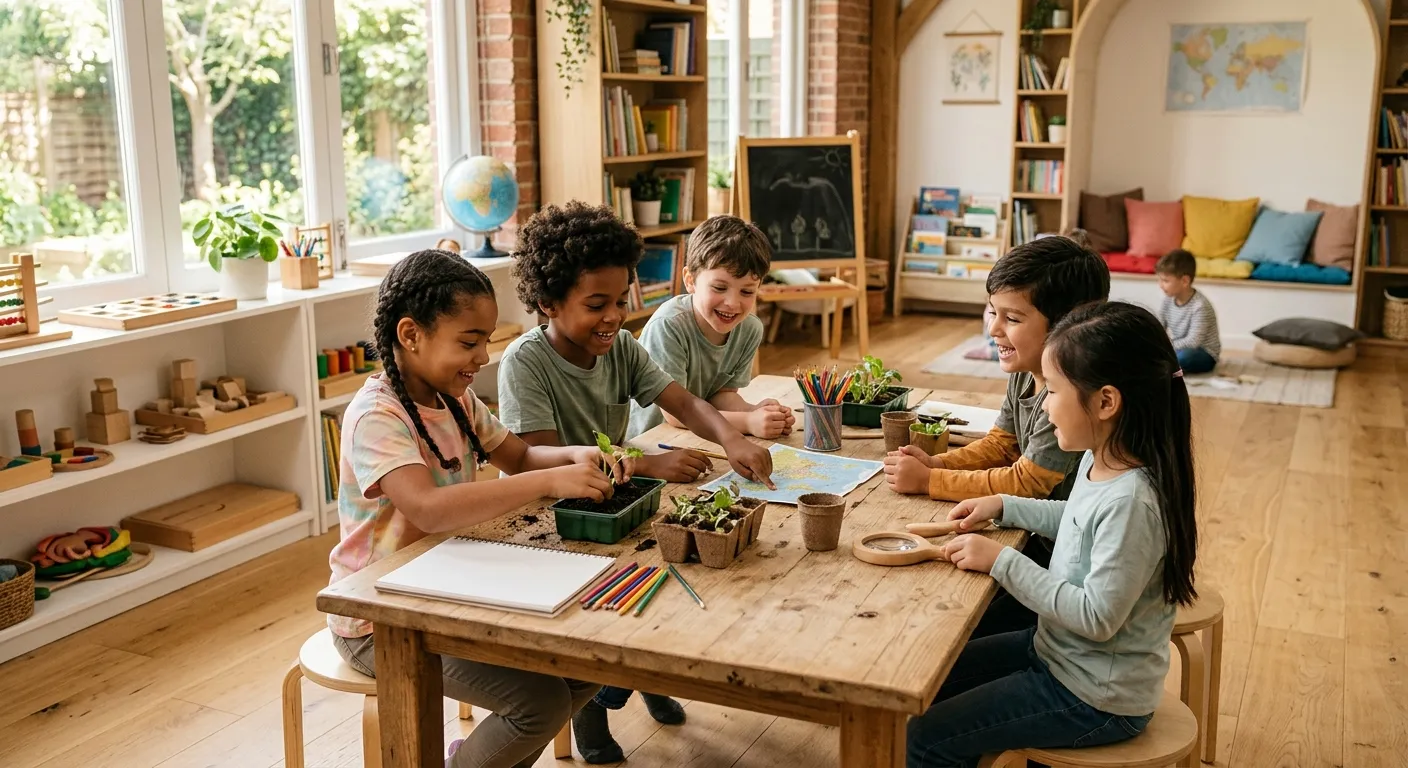
A microschool is effectively a modern reinvention of the one-room schoolhouse. Typically consisting of 5 to 15 students, these small learning pods gather in homes, community centers, or dedicated small facilities. Unlike traditional schools where a single teacher must manage the behavioral and academic needs of 30+ students, a microschool offers an intimate environment. This environment is intentionally designed to foster deep connections and facilitate individualized learning trajectories.
This means your child receives the direct, 1-on-1 attention they require to thrive. Furthermore, microschools often meet for only two to three days a week. This hybrid schedule leaves the rest of the week open for family-led activities, unschooling, or necessary therapy appointments. This level of flexibility is unprecedented in traditional education, allowing families to tailor their schedules to their unique needs rather than conforming to a rigid district calendar. By removing the institutional bureaucracy, microschools empower parents and educators to prioritize the child’s well-being over standardized testing metrics.
The Historical Context of Small-Pod Learning
While the term ‘microschool’ may seem like a modern buzzword, the concept is deeply rooted in historical educational practices. Before the industrial revolution popularized the factory model of education—which grouped children strictly by age and moved them along an assembly line of standardized curriculum—multi-age, small-group learning was the norm. In these historical settings, older children naturally mentored younger ones, and educators could adapt lessons to the immediate needs of the room.
Today’s microschools resurrect this highly effective model but integrate modern pedagogical research and digital tools. This fusion of historical wisdom and contemporary technology provides a robust, adaptable framework that can easily pivot to meet the rapidly changing demands of the 21st century.
Why Neurodivergent Children Thrive in Microschools
For children with ADHD, Autism, or PDA (Pathological Demand Avoidance), the traditional classroom is often a sensory nightmare. The fluorescent lights, the chaotic cafeterias, the loud bells, and the rigid behavioral expectations can trigger severe anxiety and frustration intolerance. According to resources from Understood.org, managing environmental stressors is critical for neurodivergent success, as sensory overload directly impairs a child’s ability to process and retain information.
Microschools remove these barriers. In a pod of just five children, sensory inputs are easily managed. If a child needs to pace while listening to a history lesson, they can. If they need a quiet corner with noise-canceling headphones, it’s immediately available. Homeschooling is healing, not fixing—and microschools extend this healing environment while still providing a structured social setting. We firmly believe that children do not need to be ‘fixed’ to fit a broken system; rather, the system must adapt to support the child.
Addressing the Need for Autonomy and Low-Demand Environments
Children with a PDA profile particularly benefit from the low-demand, high-autonomy environments that microschools naturally foster. When the pressure of strict behavioral compliance is removed, these students often demonstrate profound curiosity and an intrinsic motivation to learn. The small pod size allows facilitators to pivot instantly if a particular lesson is causing distress, replacing it with hands-on, interest-led exploration.
Debunking the ‘7-Hour Workday’ and Socialization Myths
One of the biggest hurdles for parents considering alternative education is the ‘7-hour workday myth.’ Public school takes 7 hours because of crowd control, transitions, recess, lunch, and administrative tasks. Actual academic learning takes a fraction of that time. In a microschool, core subjects can easily be completed in 1.5 to 2 hours using 15-minute micro-bursts of high-intensity learning. This leaves ample time for creative play, outdoor exploration, and vital rest.
The Truth About Socialization
As for socialization, microschools offer superior, organic peer interactions. Instead of forced, age-segregated socialization, children in pods learn to collaborate across different age groups, resolving conflicts naturally and building deep, lasting friendships. In a traditional setting, socialization is often limited to brief recess periods or hushed whispers in the hallway. In a learning pod, collaboration is woven into the very fabric of the day, fostering high emotional intelligence and strong interpersonal skills.
How Schoolio Makes Starting a Microschool Easy
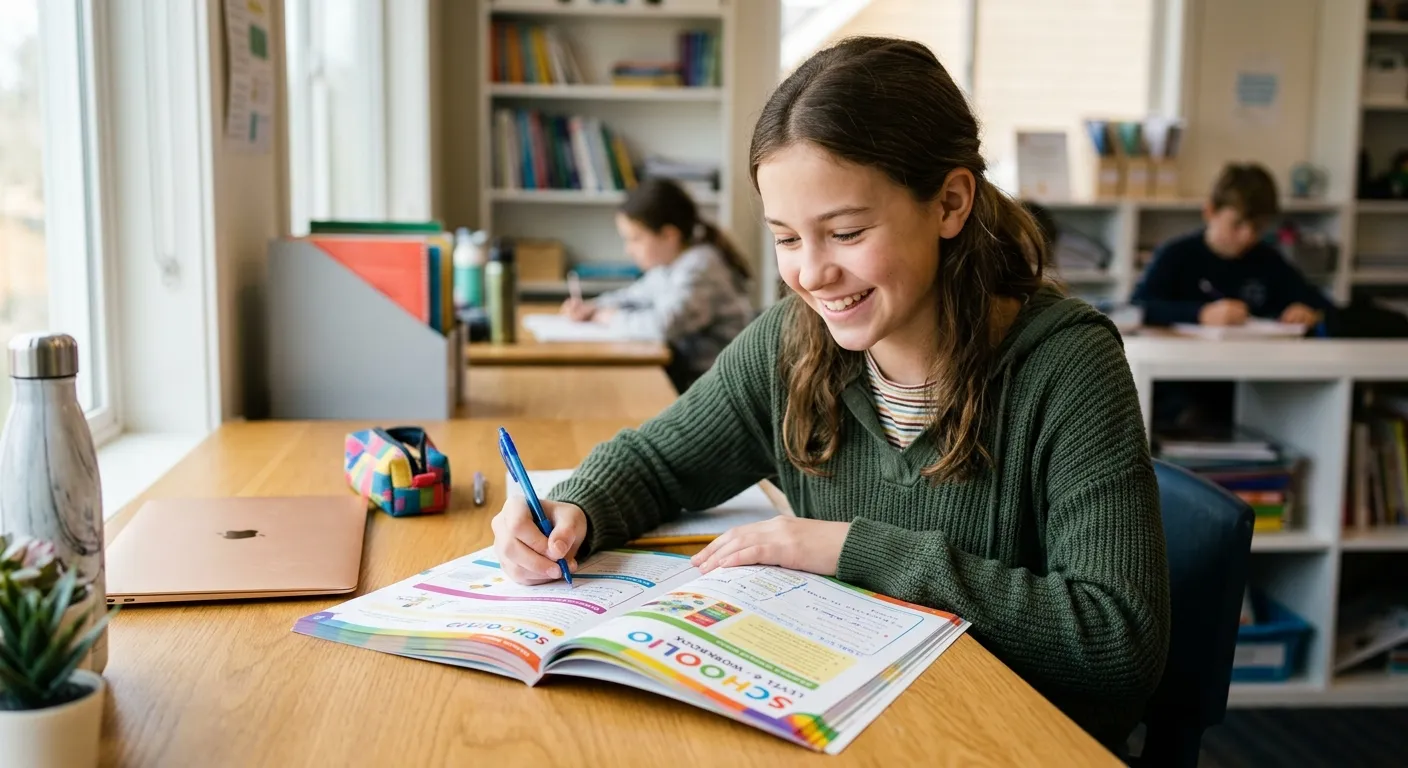
Starting a microschool might sound daunting, but it doesn’t have to be. With Schoolio’s comprehensive academics and open-and-go curriculum, parents can seamlessly facilitate a pod without needing a teaching degree. Our lesson plans are completely scripted—you literally just read the bold text and guide the children through the activities. This completely eliminates the dreaded “Sunday night planning panic.”
This makes it incredibly easy for a group of parents to rotate hosting duties, dividing the labor while multiplying the educational benefits for their kids. You don’t have to spend your weekends planning lessons or worrying about covering educational standards. We’ve done the heavy lifting for you, aligning our materials with rigorous academic expectations while maintaining maximum flexibility.
Whether you’re looking to start a small pod with a few neighbors or join an existing microschool network, having the right tools is essential. Explore our flexible pricing plans to find the perfect fit for your learning pod. By decentralizing education and returning it to the community, we can create learning environments where every child feels seen, heard, and valued.
Recommended Resources for Your Microschool
Ready to equip your learning pod? Check out some of our top-rated resources designed specifically to support small-group, open-and-go education:
For further reading on evidence-based educational strategies, explore the research provided by the Child Mind Institute.