My Child Is Not an Adult in Training

My Child Is Not an Adult in Training


A home educator dares to imagine an education that matters to the child as a child, not just as an adult in training.” — Julie Bogart


This has been on my mind today…

Somewhere along the way, education stopped being about childhood. It became about adulthood. Test scores. GPAs. College readiness. Career prep.

But what about being ready to be a child?

When I started homeschooling, I thought I was just taking on a different method of schooling. What I didn’t expect was how quickly my kids began to reclaim parts of themselves that had been rushed, quieted, or overlooked.

They became more playful. More curious. They asked more questions. They stopped trying to always be “on” or “perfect” or older than they were.

And I realized something. So much of traditional education is focused on preparing kids for a future life that it forgets they are living one right now.

School culture pushes kids to grow up faster than they’re ready to. To give up play for “coolness” or “serious work”.

They are not adults in training. They are kids. With real thoughts. Real emotions. Real learning rhythms that don’t always fit neat timelines.

Homeschooling gives us the chance to slow it all down.

To build a world around them that says “you matter” without needing to add “when you grow up”, let them rest when they’re tired, and let them chase the weird, wild ideas they can’t stop thinking about.

To let them enjoy learning instead of fearing it.

Let them play.

This doesn’t mean we don’t care about their futures. It means we believe that honoring their present is part of preparing them for it.

I want my kids to grow into capable, wise, thoughtful adults. But I also want them to have a childhood they can look back on with joy — not burnout.

That’s the gift homeschooling gave us. And I’ll never regret choosing it.

With love,

Lindsey

Certified Special Ed Educator & Co-Founder, Schoolio

Why We Need to Redefine What ‘Progress’ Looks Like in Homeschooling

Why We Need to Redefine What ‘Progress’ Looks Like in Homeschooling

Voice: Sathish

This has been on my mind today…

The word “progress” shows up a lot when we talk about education. Are they on grade level? Are they reading at the right age? Are they behind? Ahead? Caught up? We use these markers like a ruler held up against our kids — even when we know, deep down, that learning doesn’t work that way.

I’ve spoken to so many families who felt pressure to make their homeschool look like school. If their child wasn’t hitting the same pace or benchmarks, something must be wrong. But more and more I’m hearing stories from parents that flip that narrative completely.

Like Suzanne. Her son is autistic and in grade 6. They were searching for something — anything — that would actually work for him. She called finding Schoolio a “game changer.” For the first time, her son is doing really well. Not just keeping up — thriving. Not because someone pushed him through a one-size-fits-all curriculum, but because they finally found a platform that met him where he was.

Or Holly, who told us her daughter was developmentally behind and struggling to understand things. Public school left her confused and overwhelmed. But now? With Schoolio lessons, she’s finally understanding. She’s gaining confidence. She’s calm and learning. And Holly said, “I couldn’t be happier.”

These stories remind me that real progress isn’t always loud. It doesn’t always show up on a test score. Sometimes progress is your child smiling during a lesson instead of crying. Sometimes it’s the first time they ask to keep going. Or the first time they feel safe enough to say, “I don’t get it,” and actually get the support they need.

We have to unlearn the idea that speed equals success. Learning isn’t a race. If your child needs more time to grasp a concept, that’s not failure — that’s human. Especially for neurodivergent learners or kids recovering from years of being overwhelmed by noise, rules, and fast-paced instruction.

Progress can be your child doing less… but doing it with joy. It can be fewer meltdowns. More calm. Asking questions again. Finding confidence. Progress might not be a straight line. But when we build learning around the child — not the system — it shows up in ways that actually matter.

So if you’re homeschooling and worried that your child is “behind,” take a breath. Ask yourself — are they more curious? More relaxed? Starting to enjoy learning again?

That might be the most important kind of progress there is.

Sathish

still learning, still unlearning


Unlearning School: What Homeschooling Helped Me See Differently About Education

Unlearning School: What Homeschooling Helped Me See Differently About Education

By Sathish Bala

This has been on my mind today…

When I look back at my own schooling in Singapore during the 1980s, I realize how much of it was built around conformity. A student’s worth was tied to a test score. Our futures were determined by how well we followed instructions, memorized content, and stayed in our seats. That system didn’t see who we were. It only saw what we could produce.

So much of homeschooling — for me, and for the thousands of families I’ve now spoken with — is really about unlearning that model.

At first, most parents try to recreate school at home. Schedules. Desks. Checklists. But slowly, over time, the shift happens. We stop asking, “Am I doing enough?” and start asking, “Is my child curious? Are they feeling safe enough to learn at their own pace?”

We realize that learning doesn’t have to look like sitting still. It can be messy, playful, deeply personal. Sometimes that realization comes from the chaos — the days when nothing goes according to plan, and you see your child learning anyway. Sometimes it comes from joy.

One mom who just started her free trial with Schoolio shared this incredible moment with us:

“I just signed up for a free trial and had my neurodivergent son test out a lesson in Social Studies, a subject he has not previously enjoyed. Until now! He enjoyed the lesson so much he was asking me to please print the PDFs for him to work on, which he also never does. I think this is a very good sign and look forward to him completing other lessons!”

This is the kind of learning traditional school often misses. For many kids, especially neurodivergent learners, subjects like Social Studies or Language Arts become walls instead of doors. But when the format changes — when they get space to go at their pace, explore topics through different modalities, or simply feel like they’re being listened to — everything opens up.

Homeschooling has helped me see that education isn’t about information delivery. It’s about connection. It’s about nurturing curiosity and self-awareness. It’s about teaching kids how to learn, not just what to memorize.

And that’s what public school often forgets — it’s not just the curriculum that needs change. It’s the entire culture. At Schoolio, we believe deeply in giving families the tools to break that culture, and build something better.

Because when we unlearn school, we begin to see learning everywhere.

Sathish

still learning, still unlearning

The 4 Things No One Tells You About Pulling Your Kid from Public School

The 4 Things No One Tells You About Pulling Your Kid from Public School

By Sathish Bala

This has been on my mind today…

When we think about homeschooling, we usually focus on the moment of decision — the bold step to withdraw your child from public school. But what no one really prepares you for is what comes next. The emotional rollercoaster. The fear. The freedom. The judgement. And sometimes, the deep, healing relief.

I remember sitting across the table from a group of school officials — a counselor, a legal advisor, the principal. All of them there with one clear message. They believed my daughter needed ADHD medication, and they were pushing hard. Not because we had explored every alternative. Not because she was in danger. But because the system didn’t know what else to do.

I was scared. I felt cornered. As a parent, I questioned everything in that moment — am I wrong? Am I risking her future? What happens if I say no?

But I did say no. I refused to medicate my daughter just to make her more “school ready.” I wanted her to grow up understanding her own mind and body. I wanted her to make choices as an adult with full awareness of the consequences — not be forced into something because a system didn’t have the tools to support her.

That moment was a turning point. It made me realize how many families are pushed toward homeschooling not because they planned to, but because they’re trying to protect their child from a system that won’t bend. And once they do take the leap, here’s what they often discover — the things no one tells you.

1. You’ll grieve what you thought school was supposed to be.

Even when school has been hard or harmful, there’s still a sense of loss. You grieve the routine, the friendships, the path you thought your child would follow. That’s normal. You’re not just changing schools — you’re changing your vision of the future. And that takes time.

2. Your child might decompress in ways you didn’t expect.

When kids leave a stressful school environment, they don’t always bounce back right away. Some become withdrawn. Others act out. Some sleep for days or resist any structure. This isn’t failure. It’s healing. You’ve given them space to feel safe — and that space will eventually be filled with curiosity and confidence again.

3. People will question your decision — sometimes harshly.

Friends, family, even strangers might ask, “Are you sure this is a good idea?” or “But what about socialization?” These questions sting, especially when you’re still figuring things out. But over time, you’ll grow more confident in your path — and your results will speak louder than any opinion.

4. You’ll start to see your child clearly — and that changes everything.

One of the most surprising and beautiful parts of homeschooling is how it reconnects you with your child. You notice their quirks, their strengths, their rhythms. You stop measuring them against someone else’s expectations. And you finally see them — not as a student to fix, but as a whole person with so much potential.


I’ve spoken to hundreds of families now who have made this jump. Some were pushed by crisis. Others chose it proactively. But every one of them, at some point, went through this quiet storm of feelings after leaving the public school system.

If that’s you, I just want to say — you’re not alone. This path isn’t easy, but it’s powerful. And your courage will shape your child’s life in ways no traditional system ever could.

Sathish

still learning, still unlearning

Why Schoolio Is a Better Choice Than MiAcademy for Most Homeschool Families

Why Schoolio Is a Better Choice Than MiAcademy for Most Homeschool Families

MiAcademy is a popular homeschool program that’s been around for more than 20 years. It’s familiar. It’s easy. And if you’re looking to replicate traditional school at home with a little fun and games mixed in, it has a straightforward setup, a full list of core subjects, and a digital interface that feels familiar to kids coming out of the classroom.

But most families don’t start homeschooling because they want to recreate the classroom. They do it because the classroom wasn’t working.

You want something better for your kids.

Something more flexible, more purposeful, more in tune with your child’s unique needs, and something that gives you, the parent, more control to design the perfect program for your unique child and your unique family, especially those raising neurodivergent, curious, or outside-the-box learners.

That’s where Schoolio stands apart.

Both Schoolio and MiAcademy are digital homeschool programs, but they have some important differences. MiAcademy is a solid choice for families who want to follow a school-at-home model and aren’t bothered by having to supplement with other programs where digital learning falls short.

Schoolio is different.

It’s a whole new way to homeschool, built from the ground up by real homeschoolers, with modern families and neurodivergent learners in mind.

If you’re looking for a truly complete program with real customization, neurodivergent-friendly content, offline learning options, and the kind of future-ready education that will help your child thrive in the future, Schoolio is the clear winner.

Here are the top 5 reasons why Schoolio is a better choice than MiAcademy:


1. MiAcademy Courses Mirror School. Schoolio Builds Future-Ready Kids.

MiAcademy keeps things fairly simple when it comes to course offerings. Their non-core options are limited to Music & Art, World Languages, Life Skills, and Biblical Studies. And that’s pretty much it.

Schoolio goes far beyond that and offers hundreds of courses across a much broader range of subjects. We also offer an entire library of Future Readiness content, our one-of-a-kind collection you won’t find anywhere else.

Our Future Readiness courses include:

  • Financial Literacy (because balancing a budget is more useful than memorizing Pythagorean theorem)
  • Emotional Intelligence (because kids who understand themselves and others do better in life)
  • Emerging Technologies (because our kids are growing up in an digital-first world, and they need to understand how it works)

These courses are built with real-world relevance in mind, helping your child develop both academic skills and practical, future-ready thinking. This isn’t filler content. It’s the future. And it’s only at Schoolio.


2. Schoolio Is Designed for Neurodivergent Learners

This one’s huge, and it’s where many online programs miss the mark entirely.

If you have an ADHD or Autistic child, you already know that most educational platforms weren’t built with them in mind. MiAcademy, while decent in terms of simplicity and structure, doesn’t offer any specialized support for neurodivergent learners.

Schoolio does.

In fact, we’re the only homeschool curriculum platform intentionally designed to support and accommodate neurodivergent students.

We built our content and platform to maximize short attention spans, reduce redundancy, limit cognitive overwhelm, and allow for the flexibility neurodivergent learners often need. We have multiple ways to engage, and allow parents to switch between Scheduling Mode (for routine and structure) and Exploration Mode (for flexibility and curiosity-driven learning).

Our goal? To help families find what works, without power struggles or meltdowns. When your child feels successful and supported, everything changes.


3. Schoolio Costs Less and Delivers Way More

Let’s talk money.

Homeschooling families are often working with tight budgets, we understand, we’ve been there. At the end of the day, cost matters. MiAcademy’s pricing at $42/month per child is higher than our complete digital package (including every Schoolio course and every grade level) at just $39.99/month. And we offer 30% off for siblings, and a military discount too. Want to save even more? We also have discounted annual plans.

More flexibility. More content. Less money. It’s a no-brainer.


4. Schoolio’s ELA Program Crushes MiAcademy’s Lightweight Approach

ELA (English Language Arts) is often where fully online programs fall short, and MiAcademy is no exception.

Yes, they cover the basics: vocabulary, some reading comprehension, and grammar. But let’s be honest, a few vocab games and short reading passages won’t help your child become a thoughtful, articulate writer.

At Schoolio, we believe a strong ELA program must include:

  • Real novel studies
  • Essay and research writing
  • Creative writing and structured reflection
  • Oral communication and presentation skills

Our ELA curriculum goes far beyond multiple choice and true or false questions. We help your child build the writing, reading, and critical thinking skills they need to express themselves clearly and powerfully while building a love of reading and writing.

Our ELA program has been praised by homeschool parents as being simultaneously robust in its coverage and easy to implement for resistant writers and neurodivergent kiddos.


5. The Adaptive Learning Model: Offline + Online = Smarter Homeschooling

MiAcademy offers optional printable PDFs, but they’re not designed to be part of the main program flow, more as an optional add-on, and they’re not annotatable or savable, you have to print or save them and use a different program to annotate, then keep those for your records somewhere else. In other words, they’re a nice-to-have, not a core feature.

At Schoolio, we do things differently.

Our [Adaptive Learning Model](https://schoolio.com/programdesign/?) blends the best of both worlds: online tools and offline learning. You and your child get all the benefits of digital education: interactive lessons, flexible scheduling, auto-grading, and a dashboard to track progress. But that’s just the beginning.

We believe screen time should support learning, not dominate it.

That’s why every Schoolio course includes offline activities that often include hands-on activities such as:

  • Science experiments
  • Art projects
  • Outdoor exploration
  • Critical thinking and reflection
  • Opinion writing and research
  • Speeches and oral presentations

These aren’t just extras, they’re built into the curriculum intentionally, because we know kids learn best when they can connect ideas to the real world.

MiAcademy gives you a browser tab and calls it a day.

Parents love the balance. Kids love the variety. And everyone gets a break from staring at screens all day.


The Bottom Line: MiAcademy Imitates. Schoolio Innovates.

If you want to recreate the classroom on a screen, MiAcademy will check the boxes.

But if you’re homeschooling because your child deserves something better — something more human, more flexible, more real — Schoolio is your answer.

  • More future-focused content
  • Built-in neurodivergent support
  • Comprehensive ELA
  • True hybrid learning
  • All for less money

And if that weren’t enough, Schoolio is now WASC accredited, supports microschools around the world, and continues to launch new courses and innovative features to serve today’s learners, not yesterday’s model.


Experience the difference for yourself.

? Learn About Schoolio’s Mission and Founders

? Start your 7-day free trial

Schoolio vs. IXL: Why Relentless Quizzing Isn’t Enough for a Real Homeschool Education

Schoolio vs. IXL: Why Relentless Quizzing Isn’t Enough for a Real Homeschool Education

IXL is a familiar name in education. It’s used in thousands of schools across North America as a diagnostic tool, helping teachers assess students, assign drills, and place them based on grade-level standards.

And it does that job well.

But , you’re not a school.

IXL was built for schools, not homeschoolers.

If you’re homeschooling, your needs, and your child’s needs, are completely different than a classroom. You’re not trying to sort your child into a percentile or optimize for standardized test scores. You’re trying to create a meaningful, personalized education that actually helps your child learn, grow, and be ready for their future.

Schoolio was built for that.

Schoolio a full curriculum made by real homeschoolers who know what works, especially for neurodivergent and outside-the-box learners.

If you’re using IXL right now and it’s working as a supplemental tool, that’s great. But if you’re trying to use it as your primary curriculum- or if you’re wondering what else is out there- here are the top five reasons why Schoolio is a better fit for most homeschool families:


1. Complete Curriculum vs. Just Practice

Let’s get this out in the open: IXL doesn’t actually teach. It drills.

What is curriculum? Curriculum is a program of learning. It’s different than a workbook of pages of practice or, in the case of IXL, endless quizzing on concepts. Real curriculum includes lessons that teach those concepts, along with activities to help solidify the knowledge. All of this happens before we can quiz a child on what they’ve learned (if we even want to quiz them, which lots of homeschoolers do not.)

IXL has no lessons, no step-by-step teaching content, no built-in scaffolding. It’s designed for review, not instruction, and that means you’re left to fill in the gaps yourself.

“It’s straight drill practice… no teaching.”

Parent on the Well-Trained Mind Forum

“We use IXL for practice and reinforcement, but it wouldn’t work as our only curriculum. It would be frustrating and boring.”

Reddit homeschooling parent

Schoolio gives you everything in one place. Each course includes online lessons, hands-on learning activities, and digital quizzing- the complete package. You’re not piecing things together with Schoolio, you’re following a creating a learning path that adapts to your family’s needs.


2. Deep Learning: Online + Offline, Not All Screen

IXL is entirely online. That might seem convenient at first, until your child is zoning out after an hour of endless question banks, losing motivation, or worse- feeling frustrated because they’re being drilled on concepts they weren’t taught.

Schoolio takes a blended model approach that blends interactive digital lessons with hands-on offline activities, so your child isn’t missing out on the joyful learning moments that come from science experiments, art projects, outdoor exploration, and critical thinking tasks.

It’s called the Adaptive Learning Model, and it was created to help kids:

  • Build digital literacy
  • Learn through experience
  • Avoid screen fatigue

Because when we talk to parents, most of them don’t actually want their entire homeschool day to happen on a screen.


3. An Actual ELA Program

English Language Arts is where the cracks in most online platforms really start to show, and IXL is no different.

Yes, IXL covers grammar and vocabulary. But that’s about it. There’s no deep literature studies, no writing instruction, and certainly no space for creativity or self-expression.

Schoolio’s ELA program is a different story. Your child won’t just memorize grammar rules and vocab words, they’ll learn to use and love reading and writing. We cover:

  • Novel studies that take them deeper into literature, forming opinions and connections and drawing ideas and conclusions,
  • Essays, narrative writing, persuasive writing, research projects, and more
  • Creative and reflective writing
  • Oral communication and presentation skills

We’re here to raise confident communicators, not just kids who know where the comma goes.


4. Future-Ready Education, Because the Future Is Coming Fast, and Our Kids Need to Be Ready

IXL sticks to traditional core subjects: math, language arts, science, and social studies.

That’s fine, but it’s not enough.

Our kids are growing up in a world that’s evolving fast. They need life skills, emotional awareness, and tech fluency to succeed.

Schoolio offers Future Readiness courses you won’t find anywhere else, including:

  • Financial Literacy
  • Social Skills & Emotional Intelligence
  • Emerging Technologies

This is real-world learning for real-world kids. No drill platform can do that.


5. Designed with Neurodivergent Learners in Mind

This might be the biggest one of all.

IXL is known to be frustrating for neurodivergent learners. The “smart score” system penalizes mistakes and can create intense anxiety for kids who don’t test well or who struggle with working memory or processing speed. There’s no option to adjust pacing, remove streaks, or present content differently.

“My kid was crying after getting one wrong and losing points. This is not how learning should feel.”

Reddit parent

Schoolio was intentionally designed to support ADHD and Autistic learners.

From our uncluttered layout and short lesson formats to our flexible learning modes (Scheduling Mode for routine, Exploration Mode for curiosity), everything is created to reduce overwhelm and increase success.

We also recognize that neurodivergent kids often have uneven skill profiles and can be advanced in one area and behind in another. Our platform makes it easy to mix and match grade levels across subjects, include subjects that are of interest to your child, and set your own schedule, pacing, and intensity.


Bonus: What About IXL as a Diagnostic Tool?

If you’re curious how your child compares to public school grade levels, IXL can be a helpful diagnostic tool. Some homeschool families use it for that reason.

But please be careful not to use public school as your gold standard, especially for neurodivergent learners, who often underperform on traditional tests despite having deep knowledge and insight in specific areas.

A better approach? Use IXL occasionally if it helps you feel anchored, but don’t let it replace a real curriculum, and please don’t let it make you feel inadequate in your homeschooling. If you’re worried about your child’s progress, book a one-on-one call with a Schoolio Teacher who has also homeschooled and get real advice and support on your journey.

Your child deserves more from their education, homeschool experience, and childhood than just a drill-and-score routine.


The Bottom Line: Drill vs. Depth

Feature IXL Schoolio
Full Curriculum
Teaching + Instruction
Offline Learning
Future-Readiness Courses
ND-Friendly Design

IXL was made for the classroom. Schoolio was made for you.

If you’re homeschooling because school wasn’t working, if you want something built for your child’s strengths, struggles, and future, then Schoolio is your better option.


Ready to experience the difference?

Start your free trial or explore our full library today:

? Explore the Program Design

? Start Free Trial

? See How We Support Neurodivergent Learners
How I Built a Homeschool Schedule That Didn’t Burn Us Out

How I Built a Homeschool Schedule That Didn’t Burn Us Out

by Lindsey

When I think back on our homeschool journey, I remember the spiral-bound planner I bought during that first summer. I had every hour penciled in. Math at 9. Language at 10. Science after lunch. I thought if I could just replicate the structure of a school day at home, we’d be successful. I was trying so hard to “do it right.” But right for who?

What followed were weeks of power struggles. One of my kids melted down every time we had to switch subjects. The other would hyperfocus on one thing and resist everything else. I found myself repeating the same sentence over and over: “We’re behind.” I felt behind. All the time. And so did they.

One day, I remember snapping at my youngest over handwriting. She was crying. I was too. We closed the books and walked away. I sat on the couch, defeated. And that night, after they’d gone to bed, I looked at the planner and realized it wasn’t designed for us. It was built on someone else’s idea of learning. Not mine. Not my kids’.

That’s when I started paying attention to something else—not the clock, but their energy. Their moods. When they were curious. When they were tired. When they needed to move. I swapped strict scheduling for rhythms. Short lessons. Wiggle breaks. Slow mornings. Outside time. And something amazing happened—we all calmed down.

They started learning more. Not because I was teaching harder, but because they were finally able to receive it. And I started feeling more like their guide and less like their warden.

That’s when we started using a flexible homeschool planner. One that gave us space to adjust. One that didn’t guilt-trip us with empty checkboxes, but reminded us to focus on the whole child. I used to think we had to cover every subject, every day, in order to be doing homeschooling the “right” way. Now, I know better.

There are still days where we only get through half a lesson, or days when everyone’s too grumpy to do anything academic. But that’s okay. Because I’ve learned that building a homeschool schedule is less about fitting everything in and more about building a life where learning fits.

And that’s what makes it sustainable. That’s what makes it stick.

certified special-ed educator & co-founder, Schoolio

What Is “Enough” in Homeschooling?

What Is “Enough” in Homeschooling? 

by Lindsey

When I think back on our homeschool journey, one day in particular still stands out like a smudge on the calendar. One of those days where everything just starts off on the wrong foot. No one slept well. The kids were fighting before breakfast. There wasn’t enough coffee in the world to get me centered. And the second I called them to the table to start school, the whining began.

I could feel it coming—low frustration tolerance all around, myself included. Math was the breaking point. Tears, tantrums, and a very dramatic pencil toss across the room. We all lost it a little that morning. Not our best moment. I threw in the towel. I had to. No one learns when they’re emotionally dysregulated. So instead of pushing through, I called it. We put on jackets, walked outside, and just… let go.

It took a while, but we all started to settle. There’s a kind of reset that happens when you’re outside, when the pressure to perform and achieve and “get it done” lifts off everyone’s shoulders. They started to build an obstacle course in the backyard. At first it was just a way to burn off energy. But then I saw it. They were measuring and planning. They were problem-solving. They were testing different ideas, adjusting materials, explaining their thoughts to each other. Without even realizing it, they were doing geometry, physics, and engineering—all in bare feet with sticks and cones.

If they’d been in school that day, I know exactly how it would have gone. They would’ve been just as frustrated, just as unfocused, and they wouldn’t have had the option to take a break. They would’ve had to sit through the rest of the day, disconnected and overstimulated, trying to mask their feelings. At home, they get space to breathe. To stop. To move. To recover. And in doing that, they often end up learning more deeply and more meaningfully than they ever could with a workbook in front of them.

It reminded me of something I know as a special-ed educator, but sometimes forget as a parent: learning doesn’t have to look a certain way to be valid. Progress doesn’t always come in neat packages. Some days, “enough” isn’t checking off every subject—it’s knowing when to pause. It’s recognizing when your child’s brain and heart need care before content.

That day, we didn’t finish our lessons. But we learned a lot. And that was enough.

Certified Special-Ed Educator & Co-founder, Schoolio

Why Homeschooling Is the Future of Education

Why Homeschooling Is the Future of Education

This has been on my mind today…

I grew up in Singapore in the 1980s, where school felt more like an assembly line than a place for learning. Back then, your academic score was the only measure of your potential. If you didn’t perform well, you were pushed aside—discarded like a bruised fruit, judged unworthy by the smallest mark of imperfection.

I remember sitting in class, knowing the answers but afraid to speak. I remember the sting of being called slow, stupid, or lazy. I remember walking home with my report card, knowing I’d be met with disappointment, not support. It was a system that didn’t care who you were—it only cared how well you fit the mold. And I didn’t fit.

What I needed wasn’t more pressure. I needed someone to look at me and say, “You learn differently, and that’s okay.” I needed someone to help me discover my strengths. I needed someone to believe in my potential before I could believe in it myself. But that wasn’t the culture I grew up in. I was sorted and labeled, and I carried those labels for years.

Now, decades later, I see parents doing exactly what I once needed—they’re choosing homeschooling. And not just as a last resort. They’re choosing it because it allows them to give their kids something that traditional systems often can’t: flexibility, safety, confidence, and a learning experience that fits who their child truly is.

Homeschooling isn’t just growing—it’s evolving. It’s no longer limited to families with specific ideologies or one-income households. Today’s homeschoolers are often working parents, digital entrepreneurs, community builders, and curious learners who want to raise curious kids. They’re embracing online homeschool programs, customizing homeschooling curriculum, and using tools like homeschool planners to structure their days without replicating the stress of traditional school.

Is homeschooling effective? Ask the parent whose child went from meltdown to motivation because they finally felt understood. Ask the family whose neurodivergent teen now builds robots at home after being told he was disruptive in class. Ask the mom who finally sees her daughter smiling during a math lesson—not because the worksheet is easier, but because the environment is kinder.

I believe homeschooling is the future of education because it starts with trust—not in the system, but in the child. It recognizes that every learner is different, and that the best learning doesn’t always happen at a desk. It happens when a child feels safe enough to take risks, ask questions, and fail without shame. It happens when a parent is empowered to say, “I know what my child needs, and I can help provide it.”

If I had access to something like homeschooling as a kid, maybe I would’ve found my voice sooner. Maybe I wouldn’t have spent so many years doubting my worth. Maybe I would’ve seen myself not as broken, but simply different.

That’s what so many homeschooling parents are giving their kids today. And that’s why I believe it’s not just an alternative—it’s a model worth building the future on.

Sathish

still learning, still unlearning

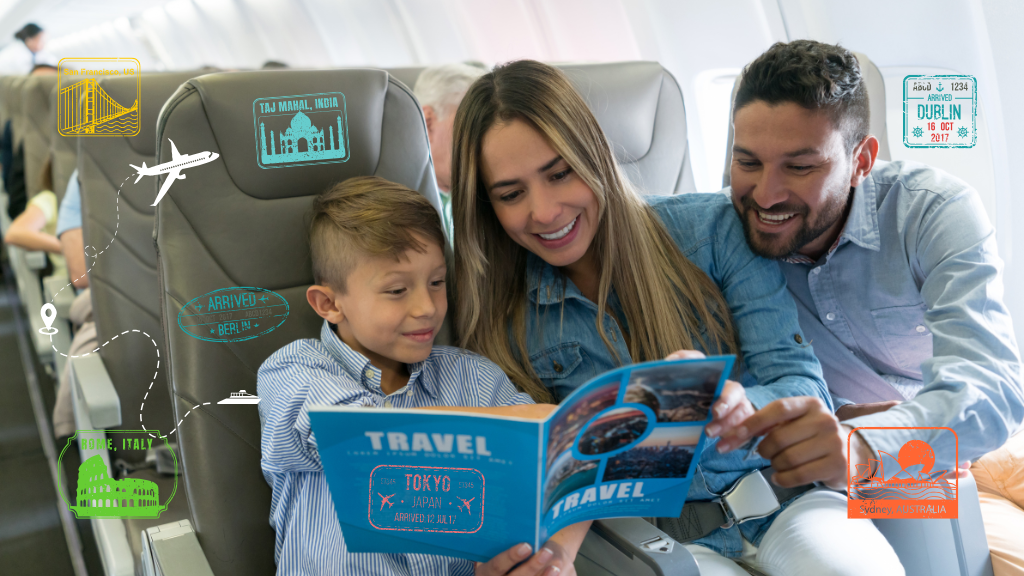
Homeschool Travel: A New Way to Learn Beyond the Classroom

What Is Homeschool Travel?

Homeschool travel, also called worldschooling, is an innovative approach to education where learning happens on the move. Instead of staying confined to a traditional classroom, families explore new countries, cultures, and environments while using flexible homeschooling tools to ensure their child’s academic growth.

For first-time homeschoolers and digital nomad families, this lifestyle offers the chance to turn the world into a living classroom.


Why More Families Are Choosing Homeschool Travel

In an age of remote work and flexible learning, more families are embracing the freedom to live and learn on their own terms. Here’s why homeschool travel is gaining popularity.

1. Flexible Schedules and Remote Work

As remote work becomes more common, parents no longer have to choose between careers and education. They can work online while guiding their children’s learning from anywhere in the world.

2. A Personalized Approach to Education

Every destination offers something new to explore, whether it’s marine biology in Thailand or Roman history in Italy. With the right curriculum, you can teach core subjects while aligning lessons with real-world experiences.

Tip: Use Schoolio’s scope and sequence to map your learning path and ensure academic consistency.

3. Real-World, Hands-On Learning

From visiting ancient ruins to trying new languages in local markets, homeschool travel turns everyday life into an educational opportunity. These experiences foster critical thinking, adaptability, and a deep understanding of global cultures.


What Kids Learn Through Homeschool Travel

Learning Area

Real-Life Experience Example

Science

Studying coral reefs while snorkeling in Belize

Geography

Navigating public transit in Tokyo

History

Exploring Egyptian pyramids and learning their stories

Language

Practicing Spanish while shopping in Mexico

Social Studies

Attending local festivals and observing traditions

These lessons stay with children far longer than worksheets or lectures.


The Hidden Benefits of Homeschool Travel

Beyond academics, families often find that homeschool travel strengthens family bonds and builds emotional intelligence.

  • Cultural empathy: Kids grow up respecting differences and appreciating diversity.

  • Problem-solving: Travel presents real-world challenges like missed buses, language barriers, or new routines that build resilience.

  • Stronger family connections: Shared experiences create lasting memories and deeper relationships.


What About Structure?

Worried about keeping your child on track while traveling?

At Schoolio, we’ve built a flexible curriculum designed to travel with you. Whether you’re planning a month-long trip or a year-long journey, our digital and printable lessons give you structure without limiting your freedom.

Explore our grade-by-grade roadmap here:

Schoolio Scope and Sequence


How to Start Your Homeschool Travel Journey

  1. Clarify Your Why: Do you want cultural immersion, academic freedom, or lifestyle flexibility?

  2. Choose a Curriculum: Look for one that’s portable, flexible, and easy to follow on the road, like Schoolio.

  3. Plan Your Route: Start with destinations that are safe, affordable, and education-rich.

  4. Set Realistic Goals: Combine learning with exploration. A lesson a day can go a long way.

  5. Join the Community: Connect with other homeschool travelers via social media, forums, or Schoolio’s parent groups.


Final Thoughts: Education That Goes Beyond Borders

Homeschool travel is not just a trend. It is a movement focused on raising adaptable, curious, and globally aware children. Whether you’re exploring the world full-time or starting small with weekend trips, the possibilities for learning are endless.

You don’t have to do it alone.

With Schoolio, you get the support, curriculum, and flexibility to turn travel into a meaningful educational journey for your family.


Ready to Pack Learning Into Your Suitcase?

Explore our complete homeschool curriculum and start your travel learning adventure today.

View Scope and Sequence

Schoolio Comprehensive Report Card for Holistic Growth

Discover the Schoolio Comprehensive Report Card: A Holistic Homeschooling Tool

Homeschooling is a journey that transcends traditional academics, aiming to nurture a child’s overall development. At Schoolio, we recognize this multifaceted approach and have designed a tool that reflects it perfectly – the Schoolio Comprehensive Report Card. This free template is a fantastic resource for homeschooling parents who wish to capture the full spectrum of their child’s growth, from academic achievements to life skills and personal development.

Why Choose the Schoolio Comprehensive Report Card?

Homeschooling is not just about mastering math and reading; it’s about fostering qualities like responsibility, creativity, resiliency, and essential life skills. The Report Card is tailored to provide a holistic view of a student’s development, ensuring that every aspect of their growth is acknowledged and celebrated.

Key Features of the Schoolio Comprehensive Report Card

Holistic Development Areas

The Report Card template goes beyond traditional academic assessments. It includes sections to evaluate a student’s progress in responsibility, resiliency, creativity, life skills, physical education, attitude, and work habits. This comprehensive approach ensures that you have a complete picture of your child’s development.

Customizable for Individual Needs

Every child is unique, and their education should reflect that. The Report Card template is designed to adapt to the specific requirements of students from grades 1-8. Whether your child excels in certain areas or needs more support in others, this report card can be customized to suit their individual needs.

Easy-to-Use Format

We understand that homeschooling parents and educators have a lot on their plates. That’s why this Report Card features an easy-to-use format that simplifies the assessment process. With clear sections and straightforward criteria, you can efficiently track and document your child’s progress.

Encourages Positive Growth

One of the standout features of the Schoolio Comprehensive Report Card is its emphasis on areas beyond academics. It highlights emotional regulation, healthy choices, acts of kindness, social skills, and mental education. By recognizing and encouraging these aspects, we aim to foster positive growth in every child.

How to Use the Schoolio Comprehensive Report Card

Using the Schoolio Comprehensive Report Card is simple and intuitive. Here’s a step-by-step guide to help you get started:

  1. Download the Template: Access the free Report Card template from our website.
  2. Customize for Your Child: Tailor the report card to fit your child’s grade level and specific needs. You can adjust the criteria and sections to best reflect their development.
  3. Track Progress: Throughout the school year, use the report card to regularly assess and document your child’s progress in various areas. Be sure to include observations and examples to provide a complete picture.
  4. Review and Reflect: At the end of each term, review the report card with your child. Celebrate their achievements and discuss areas for improvement. This reflection helps in setting goals and fostering a growth mindset.

Benefits of the Schoolio Comprehensive Report Card

The Schoolio Comprehensive Report Card offers numerous benefits for both students and parents:

  • Balanced Evaluation: Provides a well-rounded assessment that includes both academic and personal development.
  • Enhanced Communication: Facilitates meaningful conversations between parents and children about their progress and goals.
  • Personalized Learning: Helps in tailoring the homeschooling approach to meet the child’s unique needs and strengths.
  • Motivation and Encouragement: Recognizes and celebrates achievements in all areas, boosting the child’s confidence and motivation.

Why Holistic Education Matters

In today’s world, education extends far beyond textbooks and exams. Holistic education emphasizes the importance of nurturing every aspect of a child’s growth, preparing them for success in all areas of life. The Report Card template is designed with this philosophy in mind, ensuring that your homeschooling journey is enriching and rewarding.

Testimonials from Homeschooling Families

Don’t just take our word for it! Here’s what some homeschooling families have to say about the Report Card Template:

  • Emily S.: “The Schoolio Comprehensive Report Card has been a game-changer for our family. It allows us to track our children’s progress in all areas, not just academics. We’re so grateful for this valuable tool!”
  • Michael R.: “I love how the report card highlights my kids’ strengths and areas for improvement in a balanced way. It’s easy to use and customize, making our homeschooling journey smoother and more organized.”

Get Your Free Schoolio Comprehensive Report Card Today!

Ready to embrace a broader perspective on education? Download the FREE Schoolio Report Card template today and start tracking your child’s holistic development. Celebrate their achievements, set meaningful goals, and support their growth in every facet of life.

Visit our website to get your Schoolio Report Card and discover how it can transform your homeschooling experience. At Schoolio, we’re committed to providing the tools and resources you need to ensure your child’s success – academically, personally, and beyond.

Beyond Academics: Weaving Life Skills into Your Homeschool Journey

As a homeschooling family, you have the incredible opportunity to craft a well-rounded educational experience that extends far beyond traditional academic subjects. While mastering core areas like math, science, and language arts is undoubtedly crucial, equipping your child with practical life skills and nurturing their personal interests can be just as transformative.

At Schoolio, we believe that true education should prepare children not just for academic success but also for the multifaceted challenges and opportunities of the real world. That’s why our vast collection of homeschool resources includes tools, materials, and guidance to help you seamlessly integrate life skills and passion projects into your child’s educational journey.

Financial Literacy: An Invaluable Life Skill

In today’s world, financial literacy is a critical life skill that can empower your child to make informed decisions and navigate the complexities of personal finance. By incorporating financial education into your homeschool curriculum, you can equip your child with the knowledge and tools to manage money effectively, understand concepts like budgeting, saving, investing, and credit.

Schoolio’s homeschool resources include a wealth of age-appropriate materials, interactive simulations, and real-world case studies to make financial literacy engaging and relevant. From learning about entrepreneurship and investment strategies to mastering the basics of banking and taxes, your child will gain a solid foundation for a financially responsible future.

Practical Life Skills for Self-Sufficiency

Beyond financial literacy, there are numerous practical life skills that can contribute to your child’s self-sufficiency and overall well-being. Skills like cooking, gardening, basic home maintenance, and first aid can empower your child to navigate daily life with confidence and independence.

Through our extensive collection of homeschool resources, you’ll find step-by-step guides, instructional videos, and hands-on projects that seamlessly weave these essential life skills into your child’s academic pursuits. Whether it’s learning to cook nutritious meals while exploring culinary history, practicing basic carpentry skills while studying architecture, or learning to care for pets through programs like “Small Crawling and Flying Animals,” “All About Dogs,” and “All About Cats,” these practical experiences will enrich your child’s education and prepare them for the real world.

Nurturing Personal Interests and Passions

One of the greatest advantages of homeschooling is the ability to nurture your child’s unique interests and passions. By encouraging them to explore their hobbies, creative pursuits, and intellectual curiosities, you can foster a lifelong love for learning that transcends traditional academic boundaries.

Schoolio’s extensive homeschool resources include a diverse range of materials to support your child’s exploration of their personal interests, whether it’s delving into coding and robotics, mastering a musical instrument, or exploring the intricacies of creative writing. With our guidance, you can seamlessly integrate these passion projects into your child’s educational journey, allowing them to apply academic concepts in meaningful and engaging ways.

Fostering Essential Skills for Life

By incorporating life skills and personal interests into your homeschool curriculum, you are not only providing your child with a well-rounded education but also fostering essential skills that will serve them throughout their lives. Skills like time management, problem-solving, critical thinking, and effective communication will naturally emerge as your child navigates real-world scenarios and tackles passion projects.

At Schoolio, we are committed to supporting your family’s homeschooling journey by providing a wealth of homeschool resources that cater to your child’s unique needs, interests, and aspirations. Our comprehensive collection of materials, coupled with our knowledgeable community of educators and fellow homeschoolers, ensures that you have the support you need to create an exceptional educational experience that prepares your child for a fulfilling and well-rounded life.

Affordable and Flexible Solutions

Understanding that homeschooling can be a significant financial commitment, Schoolio offers affordable pricing options. Our Family Plan membership provides extensive resources for just $29.99 per month for all core subjects and hundreds of electives. This plan includes free Student Success Plans, making it easier for you to access high-quality educational materials without breaking the bank.

Our platform is designed for flexibility, allowing you to adapt and evolve your curriculum as your child’s needs and interests change. Whether you need to incorporate new subjects, adjust the pace, or introduce new resources, Schoolio supports your journey every step of the way.

So, embrace the freedom and flexibility of homeschooling, and let Schoolio be your trusted partner in weaving life skills and personal passions into your child’s academic pursuits. Together, we can cultivate a love for lifelong learning that transcends the boundaries of traditional education.

Ready to explore the best homeschool resources? Visit Schoolio today to find the most effective and comprehensive homeschool programs tailored to your family’s needs!