Report Cards and Homeschooling

When I was driving by a local school, I saw the sign ‘Report Cards are Out’. And instantly remembered being in high school and the pressure I felt for end of semester marks. I always wanted to get the very best grades, and keep a high GPA. So much so, that I would make myself miserable when I didn’t get the marks I wanted. I put so much pressure on myself to do better, all the time. And that quickly became an unhealthy obsession.
Soon I became my grades. I didn’t feel good about who I was, if I wasn’t getting good marks. It didn’t matter that I was excelling in the arts, what mattered were my report cards. I placed huge focus on the areas I lacked in. And, chances are you’ve felt this way also, at some point in your life. Maybe you just never felt like you could be the best at something. Perhaps you became slightly obsessed with being better and doing better.

For generations society has been obsessed with this fast paced, ‘get ahead’ lifestyle.

If you aren’t working hard, then you’re failing. If you aren’t getting the results you want, then you’re failing. We praise people for getting the highest score, we applaud those who have accomplished the most. And the others get left in the shadows.
Thankfully, that’s not what homeschooling is about. Homeschooling is so much more than just ‘keeping your kids home’. It’s about teaching them that what they’re doing matters. It’s about helping them cultivate a love for things that truly matter to them. And helping them grow and blossom into the people that they were meant to be. Homeschooling is about taking that huge academic pressure off them. Then helping them learn in ways that are unique for them.

Finding Things They Love.

When Homeschooling you can spend more time finding things that they really, really love. Like art, music, science, acting, and then helping them reach goals in those areas. Without the pressure of ‘being the best’. See, homeschooling is just so much more than Reading, Writing and Arithmetic.  Homeschooling is about connection and discovering what truly matters to them. So many people have fallen into this idea that education is only about learning those math equations, mastering those sight words, and making sure your report cards mirror your academic excellence.

But that’s where we’ve got it all wrong.

Education is about learning in so many different areas of your life. It’s about measuring out the proper proportions for a recipe in the kitchen. It’s about spending time outside studying different critters living in the garden. Education is about helping your kids feel accomplished doing things that they love.
I get it, you’re reading this and thinking ‘Uh, but Math, Reading and Writing are all extremely essential to my child’s education.’ And you couldn’t be more right. They are so important! But homeschooling gives your child the opportunity to learn these important subjects in a more relaxed manner. And in ways that they enjoy. Homeschooling teaches them to have fun with learning, which is truly how learning should always be.

Homeschooling teaches your child other avenues of learning.

It’s about helping them excel in areas that truly benefit them. Some kids enjoy the more pressured life, of tracking their grades with their report card and knowing what they need to do better. Other kids feel the need for relaxation, and the very thought of keeping track of their grades makes them overwhelmed and frustrated. As always, it’s important to remember that each child is different. Every child is unique. And literally every child has a different way of learning. I have three kids, and each of them excel in different areas. Each one of them respond differently to their education, they all learn in a way that is unique to them.

An Example of Learning Differences:

My oldest loves the idea of getting an A+ written on her school work. In fact, sometimes after she has completed a sheet of math problems, I see that she’s put an A+ on her sheet after she’s checked her answers. My other daughter is the complete opposite. She doesn’t want to know how she’s doing with her education. She just wants to get it done. Then she wants to play. She doesn’t care if she gets an A+ or a D. However, she’s extremely musical and spends so much time sitting at the piano learning new classical pieces. Her soul seeps into the keys as she learns a new set of notes. And has learned so much more through music, than she ever had in books.
Every child is different, and that’s truly a good thing! Life would be pretty boring if we were all the same, wouldn’t it? With Homeschooling, you have the opportunity to allow your child to excel in the best way that works for them.

But Report Cards can still be so beneficial!

It can be fun to keep track of their grades, year by year. If it stresses out your child, then don’t show them the report. If it makes your child feel pride – then show them!
Either way, keeping small records of how the year went can be beneficial for you and your child. It’ll be easier for you to track where they are at academically and even emotionally. You’ll notice what areas they need a little extra help in. And what areas they’re doing the best in.

The Schoolio Homeschool Report Card.

We have an incredible Homeschooling Report Card available for you to use for free! If you are interested in keeping track of the year, or maybe your child is like my oldest daughter and wants to take it to her grandparents to brag. This report card is the perfect fit. The Schoolio Report card keeps track of more than just their academics. Also included: Character traits, arts and so much more! Because we believe education is holistic! Education isn’t just about the 3R’s, it’s about art, growth, happiness, and academics. A beautiful balance.
You can leave fun, positive notes on your child’s report card. Pointing out just how awesome they are, while offering encouragement for areas that they’re struggling in. Have fun with it! And help your child know that their value goes beyond the grades that they get.

Download your FREE Schoolio Report Card below!


DOWNLOAD REPORT CARD TEMPLATE

Summer Reading Challenge

Are you excited for the summer break?

Summer break has finally arrived, and I have no doubt that your children are just as excited as you! This season is such a perfect time for both you and your child to reset and refresh. My kids get so excited to ‘put the workbooks’ away so they can focus on all the important summer activities. Their favourites include:  Jumping on the trampoline, swimming in the lake, toasting marshmallows, sleeping in late and watching their favourite show. The last thing your child probably wants to do is focus on summer learning. So, what’s one way you can get your children to maintain their reading skills? How about a Summer Reading Challenge?

First let’s look at some facts about reading:

Reading over the summer is extremely important. According to Oxford Learning, 2 months of reading for your student, are lost over the summer. And in the fall, 6 weeks are spent re-learning old material. That’s intense! Obviously, you don’t want your child to lose those learning skills that they worked so hard to obtain during the school year. So, on today’s blog we are just going to focus on reading. (Stay tuned for a future Schoolio blog where we will tackle summer learning.) If 2 months of reading is lost over the summer then this reading challenge is the perfect way to remedy that.

What’s the Summer Reading Challenge?

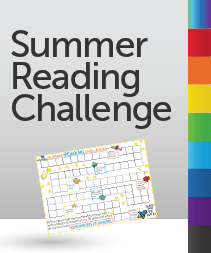
It only takes 2-3 hours of reading per week to prevent summer learning loss! The challenge is absolutely perfect for this! How does it work? Well, Lindsey created this amazing Summer Reading Challenge chart for your child to use! Every day your child will spend just 30 minutes reading a book of their choosing. It doesn’t need to be a solid 30 minutes. It can be sections of 10 minutes throughout the day (if their attention span can’t manage 30 minutes straight). If your child is a reluctant reader or has learning challenges, you can make each square a different value (for example: 15 minutes per square or levelled readers). And if your child is a voracious reader, try challenging them with one hour of reading per day!

If your child can read for 30 minutes a day over the summer, that adds up to 2,100 minutes of reading! 2,100 minutes of reading translates to 35 hours. That works out to about 3 hours a week over the summer!

Not only is your child accomplishing something fun by doing the challenge, they are also getting 3 hours per week of amazing reading time! And, we know that in order for them to maintain their reading skills over the summer they need 2-3 hours a week! So, this is perfect!

Choosing books they’ll enjoy reading.

What type of books is does your child enjoy reading? There are so many different types of choose from. Action/adventure, classics, comic books/graphic novels, detective/mystery, fantasy, historical fiction and the list goes on and on. And with each genre, comes thousands of books to choose from! Don’t worry, you don’t need to purchase all of these books. Check your local library for availability of the books that your child wants to read this summer.

Our team at Schoolio has compiled an awesome Chapter Book list for kids based on age and genre.

Schoolio Summer Reading List Pt. 1

You can download the reading list below!

Beginning the Summer Reading Challenge.

Explain to your child what the challenge is. Maybe put a reward incentive in if your child is more hesitant. Like, “We will get ice cream at your favourite ice cream shop when you’ve completed the chart!” Make sure to tell them that they will be entered into win a prize from Schoolio! Help them make a fun list of books they might like to read over the summer! Try to avoid making it another ‘chore’ or ‘to-do’. Get excited with your kids and have fun!

Schoolio Summer Reading Challenge
Schoolio Summer Reading Challenge download below


Download The Reading Challenge Chart


Download Schoolio Summer Reading List

Read more about Summer Learning Loss and How to Prevent it from Oxford Learning.Summer Learning Loss

Healthy Friendships Matter

As parents we want to be able to set our children up for success, whether that’s emotionally, financially, mentally, or with healthy friendships. We want our kids to have a vibrant and joy filled life. It’s important that our children learn positive communication skills in order to be able to cultivate healthy relationships with the people that will come into their lives.

As always, the best form of education for your child is what they see from you. When they see you as the parent modelling healthy friendships with open communication and boundaries, they will in turn understand what relationships should look like. That said, life can be tough and sometimes we as adults aren’t up to par on our communication skills either. That’s ok, we all have those days. Which is another important lesson to teach your kids. That sometimes, even in our relationships with others, we make mistakes. But it’s where we go from there that determines whether or not we are maintaining healthy friendships.

There’s this huge misconception about homeschooling.

Many people still believe that homeschooled children are not socialized, or not as socialized as children who go to school. Which in turn would make them less capable of maintaining healthy friendships and wholesome relationships. But, that’s not true! In fact, in a lot of cases, homeschooled children are sometimes more socialized than their peers who go to ‘real school’. How could that possibly be? Well, check out this blog from Lindsey about Socialization and homeschool: “Let’s Talk About Socialization”

In a normal world (pre pandemic) a homeschooled child had the opportunity to socialize and have fun with their peers just as much as children in traditional school. But, given the fact that we’ve been in a global pandemic for nearly two years. All children are truly lacking in the social category right now. Not being able to see friends and family has caused many children to struggle with their relationship building and maintaining skills. They still have the digital side of friendship, but realistically, seeing someone on a screen could just never replace the valuable time spent in the presence of their friends and loved ones.

Our children will always have tough times with their friendships, and relationships that sometimes get severed. But even those bumps in the road are vital to our children learning about how to maintain healthy friendships. All these things have generally been put on pause until things get back to some form of normal.

Most kids are truly out of practice when it comes to figuring out relationships (and adults are too). So, what are some steps we can take to help our kids after the pandemic to rebuild friendships, and utilize their friendship making tools to be able to get back on the healthy friendships wagon?

According to Very Well Family, you can try these activities once life gets back to some form of normal:


  1. Join School Sponsored Activities and Study Groups (Or a local homeschool group). These opportunities will help your child reconnect with their classmates (or homeschool buddies). Check out outdoor activities that they can do with their peers, like soccer, baseball, basketball, golf etc.


  1. Take your kids to the playground! Playgrounds are a breeding ground for friendships! And if your child learns healthy friendships skills (they’ll be one step ahead).


  1. Let your child play online games with friends (while we wait for the world to officially open up). Whether your child uses a game console, or maybe sets up a Zoom call. Playing together (even online), will help your child with their communication skills, collaboration, and problem-solving skills. And, once it’s safe to do so – they can play in real life again!


  1. Reach out to parents of children you already know. (Or better yet, have your child do it) Make plans for your kids to ride bikes, or scooters together. Do scavenger hunts, hikes, and the list goes on and on! Having a fun, planned activity to do together can really help the kids with easing back into a healthy friendship. (Being sure to follow all local social distancing guidelines).


  1. Reassure your child that it’s totally normal to feel kind of awkward when they start to socialize in person again. Let them know they aren’t alone, maybe you’re feeling that way too?


Remember to be patient with your child, and remind them to be patient with themselves also. Relationships can be tricky, and it’s important for them to know when a friendship isn’t healthy and how to either improve it, or walk away. Listen to your child when they voice their concerns and frustrations. Be present, try to understand where they’re coming from.  And, guide them to make healthy choices with their relationships.

If you need more pointers on how to help your child with their relationships, check out the ‘Healthy Friendships’ mini unit. There are tons of activities in this excellent mini unit, to help your child with things like: Conflict resolution, How to apologize, and more.

Click Here for Healthy Friendships Special Unit

For an excellent read on children’s friendships during the time of COVID-19, check out ‘How Kids Make and Keep Friends’ by VeryWell Family.

Read it Here

Learning About Finances

financial literacy curriculum

Learning About Finances – Why is it important for your child?

From a young age, kids learn that money means something, but what about finances? When they get a birthday card in the mail from their Auntie, they open it with excitement to see if maybe something special will fall out. Because sometimes their Auntie puts a special $5 surprise in that cute little birthday card. Should your child be learning about finances from a young age? 

Learning about finances is extremely important. 

Your child knows that when they lose their tooth, somehow a tooth fairy pops up in the night and exchanges that tooth for a shiny coin! The squeals of excitement erupt in the morning when they find that coin and quickly tuck it away in their piggy bank. Often times when they’ve received money, they walk through the toy aisle with the thrill of knowing something there can be theirs! And all thanks to that money that they have. But finances are so much more than just receiving money and rushing off to purchase something. Money has value. Money has purpose. And teaching our kids that from a young age is extremely important.

Your child knows that money matters, but do they know just how important finances are?

It’s imperative to teach kids that money isn’t just a way to get what they want, but rather a means to provide for what they need. Money is a tool that needs to be used correctly in order to get an abundance of growth from it. Talking to your kids about money even when they’re young is so beneficial. Teaching them the value of the dollar, and even how to save for long-term goals, and how to spend responsibly is so important. For example: Rather than running out to the store to purchase a small, cheap, toy every time they get a little money for their birthday. Teach them about saving that money for a long-term, exciting goal! Like buying a nice new bicycle in the spring.

Help your child understand donations.

Teaching your child about the importance of donating, and helping others through the profits which they have, is such a wonderful thing to do. Try finding an opportunity to help together. For example: If your child really loves animals. You could always tell your child that if they raise $50 for the humane society, you will match it with $50! Educating your children that money isn’t just a fun object to get them what they want. It’s something you must work for, care about, and that they can then use to help other people get what they need also.

It doesn’t have to be overwhelming.

Spending time teaching your child about finances doesn’t have to be overwhelming or boring for either of you. Start with simple ways, when they’re young. Like when you go to the store to get groceries, your child will see you pay for the groceries. And although, it can be as simple as tapping your card on a machine. It’s still your money being transferred from your account to the stores account in exchange for groceries. Explain that to your child. Show your child the receipt from the groceries. Show them how much money it costs to feed your family. Explain the value of the money that they have.

Create opportunities for them to earn money.

Try creating opportunities for your child to earn a little money. Your child needs to have money of their own so that they have the opportunity to learn how to make good decisions about how to use it. Maybe you could give them simple chores around the house in order to earn a weekly allowance. Something simple like “Help me fold the laundry” or “Put the dishes away” or “wash the car”.

And once they’ve earned it, you can give them their allowance for the week.  Then help them understand the importance of what they just earned. If you don’t have loose change floating around the house to pay allowances, that’s no big deal! Try setting up a bank account for your child in their name. Then when they’ve earned their weekly allowance, you can transfer their allowance right into their very own bank account. Then show them that their account now has a little more because of how hard they worked. You could even get them a journal to keep track of the money that they have in their bank account.

So many fun lessons to be learned!

There are so many more excellent lessons that your children can learn about money. Like how their money can grow, the importance of giving, and good spending decisions. But the very best source of education about financial habits comes from you. Yep, that’s right. You need to model good financial habits in order for your child to pick up good spending/saving habits. Just like your kids copy the way you talk and walk; they also copy the way you spend.

Need help making math make sense? Check this out!

Don’t become overwhelmed by the task of teaching your child about finances. There are many resources out there that can help your child learn wholesome financial habits. Included in that is our very own Financial Literacy Mini Unit. In this excellent mini unit, your child will learn about Canadian coins & bills, their names and values. Your child will learn how to count money with coins and bills. And even get to play fun grocery store games, exploring methods of payments. They’ll have the opportunity to learn more about purchasing, earning, spending, saving, investing and donating. There are just so many fun lessons to learn, and we are excited for your child to learn them with us!

Learn more about the Financial Literacy Program here: 

Emotional Health Management

How comfortable are you with talking about emotional health?

Every person big or small can become overwhelmed, frustrated, tired, anxious, and feel angry sometimes. Those are natural, human emotions that we all deal with. When our children become overwhelmed and begin expressing that overwhelm with bouts of anger, crying, and frustration it can become incredibly frustrating for parents.

From the time your child was born, your goal was to calm them. When they were crying from hunger, you quickly fed them. When they needed their diaper changed, you’d do that quick to avoid their discomfort. It’s human nature to want to stifle the cries and discomfort of our children. But as they get older, we need to do better than just hand them a tablet, or chips, when they’re frustrated. This isn’t a judgement, because we get it! Parenting is so hard; you just want your kids to be happy. You’d give them literally anything in the world if you could. Because seeing the smile on their adorable face is just so worth it.

When those angry feelings rise up in them, or the tears start welling up in their sweet eyes. It’s natural to want to find a quick, easy remedy that will solve this burst of emotion. Unfortunately, though, this doesn’t actually help them at all. I mean, yes, comforting your children is beneficial! But, is it good to tell them to “Stop!” when they’re whining about something they’re worried about? Or quickly hand them something to calm those feelings? If feels right in the moment, but it truly does nothing to solve the greater issue at hand. And, that greater issue is related to their emotional health.

Where do we start with our children’s emotional health?

When your child is overwhelmed, what could you do instead of offering quick fixes? Well, we can start by taking small steps to help our children recognize their big feelings and frustrations. We can teach our sweet kids how to take good care of their minds! We can help our kids learn important steps and tools that matter! Tools to help them navigate those thoughts and feelings that they will inevitably be faced with throughout their entire lives.

Can you imagine a world in which they put just as much importance on learning about how to take care of your mind, as they do math problems? Imagine a future for our kids where they feel safe to present their feelings. Imagine if they could learn the tools and strategies to recognize when their feelings are taking control? And then utilize peaceful coping tools!

Let’s work on emotional health together!

Teaching our kids to journal their thoughts and recognize those big, scary feelings can help them have a beautiful, bountiful, future! And wouldn’t we all agree, that’s what we want for our kids? For them to feel joy, and not be afraid of those scary thoughts that pop into their minds? It’s really recent that people have started talking about mental health, because as you are well aware, there has been a painful stigma attached to anyone that doesn’t appear to be the normal. So, people have buried those feelings deep in their minds and used other means to soothe the struggle that they just can’t seem to overcome, suppressing their emotional health has been the normal for too long.

Because unfortunately, the stigma has kept us from sharing how we feel. And in turn kept us from learning how to cope through those painful days. And, while mental health has become much less taboo in today’s fast paced society, whether we want to admit it or not, there is still stigma attached to mental health and well-being.

So, let’s change that!

Let’s change the world one child at a time. Let’s learn about emotional health together with our kids.  Let’s teach our kids that it’s ok to have bad moments and even bad days. It’s ok to have those big feelings, it’s ok to learn how to take care of your mental health. Have you ever been afraid to tell someone how you’re feeling? You don’t want that for your kids, you want them to feel peace when it comes to their mental health, and calm when it comes to their emotional health. So, let’s heal ourselves by helping the younger generations learn to take care of their minds, to recognize those unhelpful, unrealistic thoughts. Let’s help our kids learn positive, calming strategies to have a beautiful life.

Here at Schoolio we make it our mission to provide a holistic education for your children. And, that doesn’t stop with Math and Science. So, how could we possibly say education is holistic if we left out the importance of learning about our own minds. We want to help your children excel in every aspect of their lives, their whole self, which obviously includes their mental health.

Check out this Special Interest Unit about Managing Emotions by Schoolio. Let’s learn about emotional health and pick up some valuable skills together with our children to bring about a better future for us all. Let’s dive into this extremely important topic, let’s be the change, let’s start today!

Learn more about the new ‘Emotional Intelligence: Managing My Emotions’ mini unit now!

Find it here:

https://schoolio.io/product/managingemotions/

managing my emotions 1

Was this digital school year a waste for students?

Was this digital school year/virtual learning experience a waste for our students?

As much of Ontario still faces extended closures due to the third wave of the pandemic, most students are attending virtual learning.  Parents and students alike are at their wit’s end trying to balance their children’s online digital struggles while maintaining their own sanity. The efforts of teachers to pivot to the online curriculum in a versatile and engaging way for students across grades does not go unnoticed.

Even so, some parents believe that online schooling/virtual learning can be “detrimental” to the youngest learners with the constant time management required. Then there’s the struggle with procrastination, too much digital screen time. And a huge lack of engagement and interaction created in the online learning environment. Reflecting on a regular school day pre-pandemic, one parent references requests from her child to pick him up late from school so he can spend a few extra minutes talking to his friends. The parent noted that children are missing out on physical and verbal connections with their friends.   

Parent’s are tired.

Parents address their fatigue of working around the clock; Completing household chores and attending to their children’s virtual school crises, while also try to manage a career. Trying to deal with all of these current circumstances seems to be a giant task. The shuffle between the roles of caretaker and breadwinner, definitely takes a toll on every member of the family. Clearly the pandemic has restricted us in more than one way, our mental health being one of those. After all, it’s common knowledge that ‘humans are social’, so when you take away interpersonal relations, what’s left?

Students are also struggling with adapting to a new form of education (virtual learning/digital learning), that they’ve never experienced before. Kids are so smart, and resilient but they need support!  Some parents are concerned that the recent changes in their education and lack of support, may hamper the quality of their education. And concerns of lack of co-curricular activities may affect students’ motor development and physical wellbeing.

The Pandemic isn’t just a medical challenge, it’s a social one also!

We are already realizing that the pandemic is not only a medical challenge but also a social one; it has affected individuals and society alike. Causing anxiety, stress, and high levels of frustration for everyone. According to healthcare professionals, anxiety and heavy amounts of frustration have increased among children and parents alike. Parents are concerned about their new work-from-home lifestyle, while also monitoring their children’s virtual learning. And, this has left parents feeling like they are juggling two full-time jobs. While we know this is causing a mental strain on parents, it is also causing physical problems. Aches and pains, especially in the neck and upper back are now their constant companions, along with headaches. In these circumstances, emotional outbursts are common. We already know that a parents emotional state can directly affect the state of the chid’s mental and emotional well-being. So with all this stress and uncertainty,  what can parents do?

Some children are doing exceptionally well despite these challenges brought on by this new form of education, like virtual learning. So, what do we do with the ones who are struggling academically? We certainly don’t want these children blaming themselves for not being able to stay on track with their peers. How can we help both the students, and the parents during such an uncertain and emotionally straining time?

All of it can be a lot to handle for parents and students alike.

Check out these four simple tips to help your student finish off the school year on a positive note.

Finish off the digital virtual school year with positivity:

  1. Create the best space possible for your student. Having a distraction-free space can help to keep your student focused during their online classes.
  2. Establish Rules and Goals. Build boundaries around screen-time so that they are not always on a device.
  3. Set up daily routines. Maintain good morning routines, starting the day off right will help to build positive momentum for the day.
  4. Focus on the relationship with your child. Be open, listen and look for cues of your students mental and emotional health and well-being.

Children learn their very best when they are genuinely curious about what they are learning about.

Check out some of our Special Interest Units for  summer learning activities for your child this summer. 

Here’s another blog that might just help you, it’s about homeschooling through those tough days!

https://schoolio.io/when-homeschooling-is-hard/


Schoolio Learning Corp. Selected for BIOPIC AMEX Mentorship and Grant Program

Schoolio Learning Corp. has been selected as one of 100 recipients of American Express’s new mentorship and grant program. Which is Known as Blueprint: Backing BIOPIC (Black, Indigenous, and People of Color) Businesses. 

This highly competitive program provides participants with:

About Schoolio Learning Corp.

Schoolio Learning Corp. launched in Canada in 2020. Since then, Schoolio has enjoyed skyrocketing success in its first year. As Schoolio’s unique learning program serves both homeschoolers and educators. Doing so by providing a full-year curriculum that meets essential educational requirements. While also allowing for flexibility with one-of-a-kind unit studies. After only one year, over 2,000 Canadian homeschool parents have made Schoolio their go-to. Doing so by using Schoolio’s curriculum for grades K-8. The grant and other resources from Blueprint are sure to cement this early success.

Blueprint’s Program Resources.

Blueprint’s program resources are designed to have a substantial impact on the businesses chosen. “Findings showed that over half of BIPOC entrepreneurs have difficulty accessing networking opportunities. This in comparison to just 36 per cent of white business owners. A lack of access to guidance and peers has a cyclical effect on the success of BIPOC-run businesses. Because without community successes and failures to learn from. Business owners struggle in making inroads. Because it requires extra time and effort. Which leads to perpetuating poor outcomes. And this is no mystery to BIPOC business owners. As 68 per cent of whom believe mentorship would have a positive impact on their business.” National Post

Schoolio Learning Corp CEO Responds:

Sathish Bala, CEO of Schoolio. Weighed in on the positive affect of being chosen for Blueprint. “Being a BIPOC founder, support from AMEX and DMZ is very inspiring. It’s also a big milestone for Schoolio. Our team is committed to creating an inclusive and open education platform for everyone. Our aim is to support homeschooling parents and students in search of a good education. Not just here, but across the globe. We’re grateful for the funding and networking support offered through Blueprint. Because of this grant from Amex and DMZ, Schoolio will reach more learners.”  

Currently, Schoolio offers curriculum to Canadian homeschoolers for grades K-8. Along with U.S. homeschoolers for Kindergarten, expanding to K-8 over the next few months. However, their sights are set globally. The $10,000 grant from Blueprint will help them as they build a one-of-a-kind online learning platform. This platform will bring their essential curriculum to any child, anywhere in the world, for free. Schoolio will offer parents and educators a premium version. The premium version will allow for complete customization of each child’s learning experience. As well as supplementation with premium Schoolio curated content. Along with user-based marketplace content, and more. 

To learn more, visit Schoolio.

Watch American Expresses’s Announcement Video.

Press Inquiries:

Sathish Bala, CEO, Founder – sathish@schoolio.io

https://dmz.ryerson.ca/amexblueprint/

All About Homeschooling in Saskatchewan

All About Homeschooling in Saskatchewan

How Many Children are Homeschooled in Saskatchewan?

Can you believe that in the 2021/2022 academic school year over 4500 students were homeschooling in Saskatchewan? The number of families in Saskatchewan choosing to learn at home, instead of opting for traditional schooling, is on the rise. The percent of Saskatchewan children being homeschooled has jumped to 2.2%, raising an important question: Why has there been such a significant shift from learning at school to learning at home? Maybe it’s the opportunity for student-specific curriculum or the flexibility in location and schedule? Whatever the reason, one thing is clear: Homeschooling is gaining traction across the province. Interested in joining the thousands of families homeschooling in Saskatchewan? Click here to learn more about Schoolio.

Is Homeschooling Popular in Saskatchewan?


Yes! There has been a surge in the popularity of homeschooling in Saskatchewan in recent years. In the 2021/2022 academic school year over 4500 students were homeschooling in Saskatchewan. Click here to learn more about homeschooling’s popularity in Saskatchewan.

Interested in joining the thousands of families homeschooling? Click here to learn more about Schoolio.


Is Saskatchewan a Good Place to Homeschool?

Saskatchewan is an excellent place to homeschool for families who value flexibility in education and want to take an active role in their child’s learning. The province provides an adaptable framework for homeschooling with straightforward regulations. Parents are required to register with their local school division and submit an educational plan. This process ensures that homeschooled children receive a comprehensive education while allowing parents flexibility in curriculum and teaching methods. Saskatchewan’s emphasis on child-centered education plans allows parents to tailor their teaching approach to cater to their children’s diverse learning styles, needs, and interests; ensuring that each child can thrive both academically and developmentally.

Homeschooling in Saskatchewan empowers families to actively engage in their children’s educational journey, fostering strong parent-child relationships and providing an enriching education that prepares children for future endeavours. While homeschooling requires commitment and planning, its growing popularity and supportive infrastructure in Saskatchewan make it a favourable choice for many families seeking an alternative approach to education.

Click here to start your homeschooling journey with Schoolio.


How Easy or Strict is Saskatchewan for Homeschooling?

Homeschooling in Saskatchewan is relatively easy! Saskatchewan offers a balanced approach to homeschooling, combining flexibility with a structured framework. The province requires parents to register with their local school division and submit an educational plan, ensuring that homeschooled children receive an enriching and comprehensive education. This process is straightforward, giving parents the flexibility to design a curriculum and pedagogy that caters to their child’s unique learning styles, needs, and interests. Additionally, Saskatchewan asks parents to monitor their student’s academic progress to ensure educational standards are being met. By removing extensive regulations that require heaps of redundant paperwork, Saskatchewan has enabled parents to prioritize creating exceptional and personalized educational experiences for their children. Click here to learn how to legally start homeschooling in Saskatchewan.

Curriculum, Programs, and Other Learning Options


What Age Should You Start Homeschooling in Saskatchewan?

Your child’s homeschooling journey can start at any age. Many parents begin homeschooling in Saskatchewan from Kindergarten, while others transition to homeschooling in later years. Schoolio provides the support and resources you need to begin homeschooling at any age! 

Click here to learn more about Schoolio.


How to Homeschool Without a Curriculum in Saskatchewan?

To homeschool without a curriculum in Saskatchewan, first submit a Notice of Intent to Homeschool to your local school division. Next, it’s time to roll up your sleeves and dive in! Click here to learn more about homeschooling without a curriculum, otherwise known as unschooling.


What is the Best Homeschooling Method in Saskatchewan?

The ‘best homeschooling method’ looks different for every family homeschooling in Saskatchewan. The homeschooling method you choose should include academic materials that ignite curiosity and a love for learning in your child. Schoolio provides educational materials that are child-centred, interest-based, and levelled; encouraging the freedom of choice and celebrating neurodivergence. 

Click here to learn more about Schoolio.


Are There Free Homeschooling Options in Saskatchewan?

Yes. There are many free options and resources available for families homeschooling in Saskatchewan. Click here to learn more about free homeschooling options in Saskatchewan. 

What is the Best Homeschooling Curriculum in Saskatchewan?

Choosing the best homeschooling curriculum in Saskatchewan for your family involves considering several factors to ensure it meets your educational goals and your child’s learning style. Start by assessing your child’s individual needs including their learning preferences, areas of need, and interests. Next, research different homeschooling curriculums available in Saskatchewan, considering factors such as educational philosophies, format, and the scope of subjects covered. Evaluate the cost, including any additional materials or resources required, and consider your budget for homeschooling. Take advantage of free trials or sample lessons to assess how well the curriculum fits with your child’s learning style and your teaching approach. Click here to learn more about Schoolio’s  7-day FREE week trial.

There are numerous homeschooling curriculums to choose from, but there is only one Canadian homeschooling curriculum that offers an all-in-one program specifically designed for Saskatchewan students. Click here to learn more about Schoolio.


What Are the Online Homeschooling Options in Saskatchewan?

There are many online options for families homeschooling in Saskatchewan, including Schoolio, Khan Academy, and Saskatchewan Distance Learning Centre to name a few. Can’t decide? Schoolio has made the choice simple, as the only Canadian homeschooling curriculum to offer Saskatchewan-aligned courses and interest-based electives, Schoolio is the curriculum for families homeschooling in Saskatchewan. Click here to learn more about Schoolio.

What Are the Homeschooling Subject Requirements in Saskatchewan?

The specific subject requirements for families homeschooling in Saskatchewan are math, social studies, science, and language arts. These homeschooling subject requirements are designed to ensure a comprehensive education while allowing for flexibility and customization.Beyond these core subject areas, parents have the freedom to include additional subjects and tailor the curriculum to their children’s interests. This autonomy in subject selection allows for the exploration of topic areas not typically covered in traditional schools, such as financial literacy and emerging technologies. To explore Schoolio’s courses click here.

Can You Switch to Homeschooling in the Middle of the Year in Saskatchewan?

Yes. You can switch to homeschooling at any time during the academic school year. Schoolio is here to make the transition from learning at school to learning at home seamless. Click here to learn more about Schoolio: the curriculum for families homeschooling in Saskatchewan. 

About Homeschooling in Alberta

All About Homeschooling in Alberta

How Many Children are Homeschooled in Alberta?

Can you believe that in the 2023/2024 academic school year over 24,000 students were homeschooling in Alberta? The number of families in Alberta choosing to learn at home, instead of opting for traditional schooling, is on the rise. The percent of Alberta children being homeschooled has jumped to 3%, raising an important question: Why has there been such a significant shift from learning at school to learning at home? Maybe it’s the opportunity for student-specific curriculum or the flexibility in location and schedule? Whatever the reason, one thing is clear: Homeschooling is gaining traction across the province. Interested in joining the thousands of families homeschooling in Alberta? Click here to learn more about Schoolio.


Is Homeschooling Popular in Alberta?

Yes! There has been a surge in the popularity of homeschooling in Alberta in recent years. In the 2023/2024 academic school year over 24,000 students were homeschooling in Alberta. Click here to learn more about homeschooling’s popularity in Alberta.

Interested in joining the thousands of families homeschooling in Alberta? Click here to learn more about Schoolio: The Homeschool Program for Alberta Families.

Is Alberta a Good Place to Homeschool?

Alberta is an excellent place to homeschool for families who value flexibility in education and want to take an active role in their child’s learning. The province provides an adaptable framework for homeschooling, offering a variety of options that cater to different educational philosophies. Parents can homeschool independent of any school authority, granting them full control over their child’s curriculum and their teaching methods. This level of autonomy allows families to create a highly personalized educational experience, tailored specifically to their child’s academic needs and individual interests. Alternatively, Alberta also supports homeschooling through Supervised Programming, which offers resources and funding for those who seek it. 

Homeschooling empowers families to actively engage in their children’s educational journey, fostering strong parent-child relationships and providing a comprehensive education that prepares children for future endeavours. While homeschooling requires commitment and planning, its growing popularity and supportive infrastructure in Alberta make it a favourable choice for many families seeking an alternative approach to education.

Click here to start your journey in homeschooling with Schoolio

How Easy or Strict is Alberta for Homeschooling?

Homeschooling in Alberta is relatively easy, offering significant flexibility. Parents can choose Unsupervised Homeschooling, giving them full autonomy over curriculum and teaching methods. With this option the only requirement is for parents to notify their local school authority with a Home Education Notification Form. Alternatively, parents can choose Supervised Homeschooling, which provides support and funding for those who seek additional resources. This option has additional requirements, such as a submission of an educational plan and biannual assessments. Click here to learn how to legally start homeschooling.

Curriculum, Programs, and Other Learning Options

What Age Should You Start Homeschooling in Alberta?

Your child’s homeschooling journey can start at any age. Many parents begin homeschooling in Alberta from Kindergarten, while others transition to homeschooling in later years. Schoolio provides the support and resources you need to begin homeschooling in Alberta at any age! 

Click here to learn more about Schoolio.

How to Homeschool Without a Curriculum in Alberta?

To homeschool without a curriculum in Alberta, first submit a Home Education Notification Form to your supervising school authority. This form formally notifies your supervising school authority that you are selecting the unsupervised or notification only homeschooling option. Next, it’s time to roll up your sleeves and dive in! Click here to learn more about homeschooling without a curriculum, otherwise known as unschooling.

What is the Best Homeschooling Method in Alberta?

The best homeschooling method looks different for every family homeschooling in Alberta. The homeschooling method you choose should include academic materials that ignite curiosity and a love for learning in your child. Schoolio provides educational materials that are child-centred, interest-based, and levelled; encouraging the freedom of choice and celebrating neurodivergence. 

Click here to learn more about Schoolio.

Are There Free Homeschooling Options in Alberta?

Yes. There are many free options and resources available for families homeschooling in Alberta. Click here to learn more about free homeschooling options.

What is the Best Homeschooling Curriculum in Alberta?


Choosing the best homeschooling curriculum in Alberta for your family involves considering several factors to ensure it meets your educational goals and your child’s learning style. Start by assessing your child’s individual needs including their learning preferences, areas of need, and interests. Next, research different homeschooling curriculums available in Alberta, considering factors such as educational philosophies, format, and the scope of subjects covered. Evaluate the cost, including any additional materials or resources required, and consider your budget for homeschooling materials. Take advantage of free trials or sample lessons to assess how well the curriculum fits with your child’s learning style and your teaching approach. Click here to learn more about Schoolio’s 7-Day FREE trial.

There are numerous homeschooling curriculums to choose from, but there is only one Canadian homeschooling curriculum that offers an all-in-one program specifically designed for Alberta students. Click here to learn more about Schoolio.


What Are the Online Homeschooling Options in Alberta?

There are many online options for families homeschooling in Alberta, including Schoolio, Alberta Distance Learning Centre, and Time4learning to name a few. Can’t decide? Schoolio has made the choice simple, as the only Canadian homeschooling curriculum to offer Alberta-aligned courses and interest-based electives Schoolio is the curriculum for families homeschooling in Alberta. Click here to learn more about Schoolio.

What Are the Homeschooling Subject Requirements in Alberta?


There are no subject requirements for families who select Unsupervised Homeschooling in Alberta. This autonomy in subject selection allows for the exploration of topic areas not typically covered in traditional schools, such as financial literacy and emerging technologies. To explore Schoolio’s courses click here.

There are subject requirements for families who select Supervised Homeschooling in Alberta. Parents must submit a Home Education Program Plan to a supervising school authority. This Home Education Program Plan should include the following subjects: Language Arts, Math, Science, Social Studies, Physical Education, Health and Life Skills, and the Arts. To explore Schoolio’s courses click here.

Can You Switch to Homeschooling in the Middle of the Year in Alberta?

Yes. You can switch to homeschooling at any time during the academic school year. Note that you will not receive funding if the Home Education Program is accepted after September 29th.

Schoolio is here to make the transition from learning at school to learning at home seamless. Click here to learn more about Schoolio.

Explore Tips for How to Home School in BC

Let’s Talk About: Getting Started

Beginning Homeschooling is easy in British Columbia! So you’ve made the decision to homeschool- welcome to our wonderful world!! Now you’re wondering what your next steps are.

What Do I Have to Do for the Government?

  1. In British Columbia, the government is supportive of homeschoolers. Your options include being a registered homeschooler, an enrolled homeschooler or you can do a blend of public-school classes with homeschool learning. 

Below are some definitions to help clarify these options – 

  • A) Register – to state your intent to the government that you will be educating your children autonomously in accordance with Sections 12 and 13 of the BC School Act.
  • B) Enroll – to have a child participate, at school or at home, in an educational program provided by a public or independent school and administered and assessed by a BC certified teacher.
  • C) Homeschooler – a child registered under Sec. 12 of the BC School Act.
  • D) Home-based student – a child enrolled in a distance education/distributed learning program, provided by a public or independent school.

You can find further details here Educational Options in BC | BC Home Educators’ Association (formerly the BCHLA) (bchea.ca) or to understand the difference between registered and enrolled check out this site http://www.bced.gov.bc.ca/dist_learning/dl_vs_homeschool.htm

2. You are asked to send a Letter of Intent to provide Home Education to the school board in which your child has been registered, it is also suggested that a letter to the principal of the school your child attends if withdrawing them from a school board.


3. Please be aware that as a registered homeschooler, your child will not receive a Dogwood diploma upon graduation, when you enroll your child can receive the diploma.

What Am I Required to Teach?

  1. You are not required to teach anything specific in British Columbia.
  2. You do not need to use a pre-made curriculum unless you want to.
  3. If you think your child may be returning to public school in the future, you may choose to follow a curriculum that is Canadian and similar to the Canadian public school structure, but that is your choice.
  4. If you want a Canadian curriculum that aligns with the Manitoba government standards, you can shop Schoolio here: Schoolio.io | Homeschooling Canadian Curriculum Support for Parents
  5.  

What Records Am I Required to Keep?

  1. For a registered homeschooler, no records are required. For an enrolled homeschooler you are assigned to a support teacher, whom you must be in contact with weekly or biweekly. They require you to either submit a portfolio of the student’s work or have your support teacher do a ‘portfolio visit’ 3 times a year. You are also required to fulfill the BC Provincial Learning Outcomes. 
  2. You are not required to do any formal planning in advance or to work on any set schedule. If you’re interested in using planning and scheduling in your homeschool for your own personal organization, you can find a lot of tips and free templates here: Welcome: Schoolio Planning Freebies – Schoolio.io
  3. You do not need to provide any sort of Report Card to the school or school board. If you want to give your kids a Report Card just for fun and personal feedback, check out this alternative Report Card for Homeschoolers here: Homeschooling is about more than the “3Rs – Schoolio.io

Is There Funding for Homeschoolers?

  1. There is a small amount of money that you can receive (around $150-250 per student per year) for registered homeschoolers. For enrolled students they do receive a larger amount based on the school board but there are stipulations.
  2. You cannot write off any of your homeschooling expenses on your taxes.
  3. Homeschooling does not exempt you from paying school taxes.
  4. Homeschooling does not have to be expensive. Read more about the costs of homeschooling here: Let’s Talk About: Finances – Schoolio.io

Where Can I Get More Help and Advice?

  1. There are several great resources available for new homeschooling parents in British Columbia!
  2. The Schoolio page has information in the Blogs section from planning to finances to socializing to Kindergarten: Blog – Schoolio.io
  3. Covid Homeschooling- Canada is a facebook community dedicated to helping new homeschoolers in Canada: Covid Homeschooling- Canada | Facebook
  4. The Canadian Homeschooler has a wealth of resources for the new to veteran homeschooler: Home – The Canadian Homeschooler
  5. British Columbia Government Homeschooling – Province of British Columbia (gov.bc.ca)

Explore Tips for How to Home School in Manitoba

Let’s Talk About: Getting Started

Beginning Homeschooling is easy in Manitoba! So you’ve made the decision to homeschool- welcome to our wonderful world!! Now you’re wondering what your next steps are.

What Do I Have to Do for the Government?

  1. In Manitoba, you are asked to send a Letter of Intent to provide Home Education to the Minister of Education for all children from the ages of 7 to 17 years old. This means you must notify the Minister by September of the year your child turns 7 and you must continue to do so each year until your child is 17. This notification must happen before September 1st or 30 days after the child is withdrawn from public school.
  2. You can find a homeschooling notification package at the Government of Manitoba’s website Notification Package – Homeschooling | Manitoba Education (gov.mb.ca). You will want to send in the Student Notification Form Home Schooling Student Notification Form (gov.mb.ca) 
  3. The parent or guardian will also be responsible for providing the ministry with progress reports. These reports are to be submitted in January and June; they can be found in the homeschooling notification package as well. The following forms must be used for this report. January 2021 Progress Report (gov.mb.ca) and June 2021 Progress Report (gov.mb.ca)
  4. Most of us also send a copy or CC the principal of the school the child has been attending. This is a courtesy that gives the school earlier notice, so they know your child won’t be joining them when they plan classes, etc. There can be a delay in the school board processing the Letter of Intent and notifying the school, so if you don’t notify the principal yourself, you could hear from the administration team about absenteeism in the first couple of weeks. Let the administration know that you have files the proper forms with the ministry.
  5. There are times where a government liaison needs to meet with the family you can do this in a neutral location. They are there to determine the progress of the children. Show them some work for the child from the previous year versus current work.
  6. Post Secondary schools are accommodating for homeschooling families.

What Am I Required to Teach?

  1. You are not required to teach anything specific in Manitoba.
  2. You do not need to use a pre-made curriculum unless you want to.
  3. If you think your child may be returning to public school in the future, you may choose to follow a curriculum that is Canadian and similar to the Canadian public school structure, but that is your choice.
  4. If you want a Canadian curriculum that aligns with the Manitoba government standards, you can shop Schoolio here: Schoolio.com | Homeschooling Canadian Curriculum Support for Parents
  5.  

What Records Am I Required to Keep?

  1. You are not required to keep any records! However, it may be useful to keep samples of the child’s work in each subject from year to year to show progress is being made, in the case that a liaison requests a meeting.
  2. You are not required to do any formal planning in advance or to work on any set schedule. If you’re interested in using planning and scheduling in your homeschool for your own personal organization, you can find a lot of tips and free templates here: Welcome: Schoolio Planning Freebies – Schoolio.com | Canadian Curriculum Homeschooling Home Learning
  3.  

Is There Funding for Homeschoolers?

  1. There are several great resources available for new homeschooling parents in Manitoba!
  2. The Schoolio page has information in the Blogs section from planning to finances to socializing to Kindergarten: Blog – Schoolio.com
  3. Covid Homeschooling- Canada is a facebook community dedicated to helping new homeschoolers in Canada: Covid Homeschooling- Canada | Facebook
  4. The Canadian Homeschooler has a wealth of resources for the new to veteran homeschooler: Home – The Canadian Homeschooler
  5. Manitoba Government  Homeschooling | Manitoba Education (gov.mb.ca)
  6. Manitoba Association for Schooling at Home (MASH) is the largest homeschooling group in the province https://manitobahomeschool.com/

Where Can I Get More Help and Advice?

  1. There are several great resources available for new homeschooling parents in Manitoba!
  2. The Schoolio page has information in the Blogs section from planning to finances to socializing to Kindergarten: Blog – Schoolio.com | Canadian Curriculum Homeschooling Home Learning
  3. Covid Homeschooling- Canada is a facebook community dedicated to helping new homeschoolers in Canada: Covid Homeschooling- Canada | Facebook
  4. The Canadian Homeschooler has a wealth of resources for the new to veteran homeschooler: Home – The Canadian Homeschooler
  5. Manitoba Government  Homeschooling | Manitoba Education (gov.mb.ca)
  6. Manitoba Association for Schooling at Home (MASH) is the largest homeschooling group in the province https://manitobahomeschool.com/

“I want my kid to be successful in life!’ How these 7 habits can help you do that, according to science.

In that As parents, all we want for our children is to see them to succeed at life. While there is no set manual when it comes to raising children, scientists have found several factors and a range of practices that contribute to children growing into successful adults. 

Here are 7 useful and interesting habits that parents have taught their kids that helped them blossom into thriving adults.

Teach them to value their efforts rather than their gifts.

Rather than rewarding your youngsters for his/her gifts, praise them for their efforts. This shift encourages them to learn the value of effort, so they become resilient through tough times rather than living up to a ‘gift’ label and being afraid to fail. 

To put it another way, instead of, ‘Sarah, you’re such a smart girl!’, or, ‘Eric, that’s a fantastic painting!’ try saying, ‘Sarah, I’m so proud of how hard you worked on that math problem!’, and ‘I love the colours you’ve used! I can see you’ve put a lot of thought into the painting.’

Much of this understanding stems from the work of Stanford psychologist Carol Dweck, and it’s also one of the top pieces of advice given to young people and their parents by Jeff Bezos.

Introduce your kids to positive role models.

Role models serve as inspiration to young children. Providing a good role model for your kids is essential for their positive development and eventually leading meaningful lives. 

Research conducted by New York University, Princeton University, and the University of Illinois researchers, showed that boys and girls at age 5, really believed both men and women were equally intelligent. But this belief changed intensely for girls by age 7 and 8. Their environment conditioned them to believe that men were more likely smarter than women.

This wrong notion led girls to feel less motivated to pursue ambitious career choices and novel activities than boys in their age group. This conclusion, however, is perplexing as girls, on an average, fare higher than boys academically and also have higher college acceptance rates.

It all comes down to the impact of stereotypes, even at such young ages – and this can be only changed when positive role models, especially female role models, are made a priority for both boys and girls.

Outdoor playtime is a need.

Research shows that children had a tougher time developing good reading skills in schools that didn’t incorporate outdoor recess in the course of the day than their counterparts who engaged in outdoor play as a break in their daily learning schedules.

A more recent study from North Carolina State University shows that when time is spent outdoors, kids between the ages of 10-18 show an improvement in their emotional and intellectual well-being, along with their overall health.

Although the world isn’t looking the way we thought it would as we head into the summer, and even though the stay-at-home orders are still in order in many parts of the world, finding ways to get your kids outside is still important.

Reduce their screen time to a limited number of hours.

There is hardly a more controversial topic in the 2020s than kids and screen time. While our parents may have had to share one screen with an entire family, most households today can watch many at once, even on the go.

Although screens can entertain, educate, and keep children occupied, too much use can only lead to problems. Limiting your children’s screen time may seem like a daunting task or an endless struggle, but believe us, it’s worth it. 

When researchers from San Diego State University and the University of Georgia combined many sets of previous data, they found the optimal realistic digital usage to be between 1 to 2 hours a day.

Without screens to keep them occupied, children are forced to engage their critical and creative thinking to entertain themselves. Whether it’s creative play, writing, activities or sports, fine and gross motor skills are developed while a child is physically engaged.

With toys, less is always more.

In a study conducted by researchers at the University of Toled, children who were given fewer toys played longer, deeper and more creatively than their counterparts.

Much like how too many choices may be overwhelming to adults, too many toy choices can also be easily overwhelming for children. When met with an array of choices, children find difficulty deciding what to play with, making it hard to stay focused with so many other toys competing for their attention.

It’s ok for your kids to see you fail.

As parents, we feel an automatic need to hide our fears and failures in front of our children – which works the other way around too, as children start to think of us as gods. But the consequences can be quite the opposite of the intention. 

Researchers at the Massachusetts Institute of Technology conducted an experiment with children aged 15 months and older to see how this behaviour affected the child. Results showed a direct correlation between how much or little parents allowed a child to witness their struggles and failure, and the child’s resilience. 

Although it may seem counter intuitive, there are long term benefits, for both you and your child, to showing them how to deal with hardships from a young age. Knowing that things don’t always come easy and some goals require hard work is a valuable life lesson for successful growth. 

Stay close, but keep your distance.

With the need to keep their child safe and happy, some parents adopt the helicopter parenting style. These parents take ‘being supportive’ to the next level and hover over their children at every stage of their lives. 

The former dean of freshmen at Stanford University, Julie Lythcott-Haims, described helicopter parenting as the bane of successful kids in her book, ‘How to Raise an Adult’. She goes on to draw from her experiences and share her lessons of letting kids try their hand at things and fail, letting them fight their battles for themselves while you fight the urge to intervene.

Hey, no one said it was going to be easy.

The bottom line is that parenting is important! And by using scientific parenting methods, we can strive to make a significant difference in our children’s lives.