
This is one of my first recordings as we secured our seed funding.
Author: schoolioadmin
Teaching Multi-Grades? Schoolio Can Help.

Teaching Multi-Grades? Schoolio Can Give You Your Life Back.
By Chelsea McLeod

Look familiar? Are you spending all your spare time doing prep that seems neverending to keep up? Are you overwhelmed with student needs and classroom outcomes? Are you struggling with teaching multi-grades?
Let me paint you a picture. You teach in a rural area; your school is K-12, and each homeroom is multi-graded. Some grades only have 1 or 2 kids, so while you may only have a class of 8-10 students, you have four grades at once and hundreds of outcomes to cover and assess. So not only do you have to try to differentiate for student interest, but you also must plan, teach, assess and grade the outcomes from each separate curriculum.
You teach several grades simultaneously, unlike your friends who work in nearby larger city centers, but you are given equal prep time. Therefore, much of your work comes home because even if there isn’t time in the school day, these things need to get done. So once you are home, you are taking time away from your family or hobbies to keep up with your day-to-day classroom duties. If this rings true for you, then Schoolio can help give you your life back.
While many still consider teaching a calling, the shift in the last several years to an outcomes-based system has put more pressure on the Teacher. Teaching these days is an endless cycle of being in demand. You are lecturing, working one-on-one with students, meeting seemingly arbitrary administrative deadlines, attending meetings, responding to emails, communicating with parents, collaborating with co-teachers, etc.
The list of responsibilities given to teachers in the classroom is unrealistic; these are on top of the duties of running the classroom day-to-day and keeping your students engaged. Then we add on the testing, assessments, marking, and report cards required for each student in your class, in many cases the stress of teaching multiple grades. This can be for as many as 25+ students.
Teaching is Work. Give Yourself Some Grace and Help. Especially when Teaching Multi-Grades.
The expectation of Teachers does not create nor support a healthy work-life balance, but for many, it is the reality.
So you spend your days in a cycle that looks like a hamster in a wheel. Teaching all day, putting out fires with students, communicating with parents, meeting all deadlines for administration and keeping your head above water only to go home and spend your evening planning, prepping and working on tomorrow, like in the picture above. This is a lot; this is an astronomical task you take on as a classroom teacher. While these responsibilities are genuine for all classroom teachers, imagine that you have a multi-graded classroom.
This not only changes the dynamic with the students but also adds to the Teacher’s workload. You now have all the above responsibilities and the added pressure of 2, 3, or 4 sets of outcomes. This is what it can be like if you are in a rural school, sometimes teaching 3 to 4 grades simultaneously. This was not always the case; several years ago, it was the norm to teach the curriculum in an even/odd schedule in many rural settings.

This meant that if you had a grade 3/4/5/6 class, you would teach all the curriculum for grades 4 & 6 one year and the next, you would cover the curriculum for grades 3 & 5. This was a seemingly more manageable way to approach a multi-grade classroom. However, in our current education climate, this is no longer an allowable approach by many school divisions, and therefore Teachers, especially those with 3-4 grades, are feeling overwhelmed and overworked. The expectation of Teachers does not create nor support a healthy work-life balance, but for many, it is the reality. And while this can seem like an unrealistic expectation, the students still need to learn at their appropriate level. So now what?
Save Your Time, Money and Your Sanity
For starters, if you teach in this situation, you must prioritize your time and prep. Not only for yourself but for your students as well because “you cannot pour from an empty cup,” and if we spend all of our free time on work, it will lead to burnout. I can tell you for sure that you do not need to spend time creating all of your resources; your time is precious, and there are only 24 hours in a day. Not everything your students do, learn or complete needs to be unique.
There used to be a time when teaching was a “one-size-fits-all,” and all teachers were given the same guide. This is a time-consuming task for teachers with only 1 grade, but you have 3, 4 or even 5? You cannot be expected to use all your resources or put that much pressure on yourself, and relying on Teachers Pay Teachers for everything can get expensive, especially because sometimes it’s difficult to purchase only 1 or 2 lessons.
For example, if you have grades 3, 4, and 5, it can get pretty pricey to purchase one entire unit for all three grades and if there are 10-12 units in a year for just one subject… You get the idea. An extra expense with each purchase. Way too much! Which is on top of the fact that teachers already spend more out of pocket than other professions.
How Schoolio Can Give You Your Life Back…
There is no limit to the number of students you can add, the courses you have access to or the learning that will take place!
Schoolio has created resources for each grade level, and you can mix and match them to best support your student’s needs. You do not have to buy entire units for one or two valuable lessons. The lessons have been created by certified teachers and are available online for a monthly per-student cost.* You can simultaneously use more than one grade at a time, focussing on student needs, interests or passions.
There is a suggested content planner for the year you can use, or you can create your own and keep track of progress for all your students. You can try it risk-free, with no required credit card and “Learn, plan, and personalize all in one place” with 4000+ interactive math, language, science, and social studies lessons. There is no limit to the number of students you can add, the courses you have access to or the learning that will take place! Try it now; you won’t regret it. And you won’t believe the extra free time you will have now that you aren’t trying to do it all yourself, especially when teaching multi-grades.
Meeting All Learners Where They Are

_____________________________________________________________________
Meeting All Learners Where They Are:
Differentiation Made Easy
By Chelsea McLeod
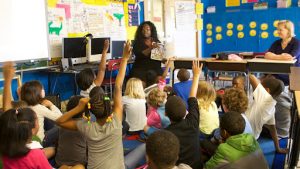
So have you been assigned your first class, or are you changing grades for the first time in years? Keep reading to find out how to make your prep easier and focus your attention on the students in your classroom rather than the mountains of planning required to differentiate student learning. This year, your Admin has told you that you will be teaching a 3rd-grade class and since you received this news, you have been diligently preparing all your 3rd-grade materials.
Since this is a single-grade class, all you’ll need is this single-stream curriculum approach to ensure your students are successful, right?! Wrong. This approach is a surefire way to set yourself and your students up to fail. But why? And how are we meeting all learners where they are?
All kids are different, so meeting all learners where they are is essential.
As babies, the professionals – doctors, nurses, child development experts, etc. – all tell us that the “milestones” to be reached are just guidelines and not set in stone. Each child learns to roll over, crawl, walk, and talk at their own pace, and the growth markers are estimates. Sometimes they are even arbitrary markers that will not affect long-term success. Your doctor will not hit the panic button if your baby is not rolling over at precisely four months or talking by the day of their 1st birthday. That would be silly.
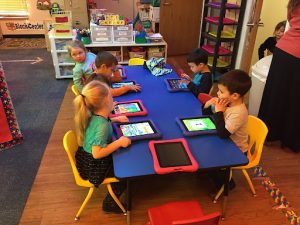
So why, then, are the growth stages in school treated differently? Why do we immediately hit the panic button when students are not at the level expected by a particular grade? Kids are different, it’s that simple, so while they are all in 3rd grade, they may not all be at the same level as 3rd grade. Learning is relative to each student, and we must treat them all as individuals to best support their learning by building them up from where they are rather than trying to make them attain a single “marker” by a certain age. This is where differentiation comes in, and Schoolio’s digital platform can make this easier.
What is Differentiation? What does it mean for Teachers?
Differentiation or Differentiated Instruction “is a teaching approach that tailors instruction to all students learning needs. All the students have the same learning goal. But the instruction varies based on student’s interests, preferences, strengths, and struggles.” (https://understood.org).
This means that you can teach to different student needs, learning styles and even interests individually while still working towards the same goal for success, the goal being the Outcomes or Common Core that students are required to achieve in each grade as defined in the curriculum and meeting all learners where they are.

What does this mean for Teachers? The plain answer is that straight-grade or single-graded classes are no longer as simple. A single-grade classroom nowadays is, in essence, the same as a multi-grade one. No student entering that classroom will learn or perform at the same level, and sometimes the predetermined “levels” they should be reaching seem arbitrary given the knowledge that all children are different. Our students all learn, grow and adapt on different timelines.
For example, some students will enter the 3rd grade struggling to read, maybe having trouble with sounds formation and not understanding some grammar concepts, while another student may be reading at a 5th, 6th grade or above level with no problem synthesizing the next grammar and spelling additions they learn in class.
So, while many schools do not have split grades, we are presented with split learners, and as a teacher, it is crucial to meet all students where they are. As previously discussed, babies and toddlers learn, grow and adapt at all times; so does every one of the students in each of our classrooms. So as teachers, we must be in tune with our students more as individuals and plan for individual student success.

How Do We Plan for Individual Student Success?
As a classroom teacher, you must consider all the pieces of the puzzle that make up each student in your classroom. When planning, it is essential to consider the student’s home life, family background, and parental time, as well as the achievements of the student. Each of these things and many other factors are all a part of student success. Therefore, we must have varied content available to create plans that help all learners at every level succeed. This is differentiation. Student interest is also a vital piece of the puzzle because ownership is essential to get full cooperation from the student.
For example, If you have a student obsessed with cars and spend all their free time reading and learning everything they can about cars, if you are trying to teach them math, you may have a difficult time. Sometimes, these students will see this math not as something vital for them to learn but as something that takes time and attention away from their passion.
So it’s not that they can’t understand something; it’s just that they don’t want to. I know we all have to do things we don’t want to do sometimes; however, it isn’t that simple, given the other factors involved. Sometimes parents will not force the issue, so as teachers, we need to get creative with how we approach learning.
Consequently, getting to know your students and what motivates/excites them is vital to being a classroom teacher. It’s okay to give students different lesson content if they are not engaging with the same materials as the rest of the class. The outcomes are required for the student to achieve, not the content. How you bring the student to achieve the result is essentially up to you.
So if you can find a way to make them feel successful, engage with their learning and take ownership of their achievements, you will have a much better classroom experience. To do this well, you will need to plan for differentiation. As the Teacher, you can differentiate the content, subject matter and sometimes even the length of the finished product to help cater to your learners’ success.

Now I know you’re thinking… But doesn’t that make so much more work for me? How on earth do I plan for 25 + different learners across all the core subject areas? One person cannot create that many lesson materials on top of all the other things teachers do! Therefore, the ability to teach grade-fluid content is a critical piece of this process and helps all teachers tremendously in meeting a student’s needs or catering to interest to spark participation and ownership of learning.
With the Schoolio Digital Curriculum, You Can Do Exactly That!
With Schoolio Digital, you can teach grade-fluid content and target your instruction to individual student success. Schoolio has lessons for the core subject areas for all grades created by teachers! If you are a member of the digital platform, you can mix and match exactly what your students need. This gives you flexibility and the opportunity to cater to individual student success while still maintaining your sanity and sleeping each night (not working round the clock to create materials).
So, don’t panic and spend hours “reinventing the wheel” to make all the content you need to support your in-class instruction when Schoolio has already done it. Now you can spend your precious classroom time getting to know your students, making lasting connections, and creating a safe place for students to learn and grow, all while using Schoolio’s Digital Platform to support all you are already doing. Sign up now and focus on what matters, the students in front of you, not the prep work while meeting all student’s where they are.
Following Provincial Standards With Your Homeschool

Deciding to homeschool can be such an exciting yet terrifying experience. You may love the idea of educational freedom and making education fun. However, learning standards might scare you, which can make the idea of following provincial standards with your homeschool an overwhelming task.
Canada is considered to be one of the most educated countries in the world. Ranking 2nd out of 16 peer countries. In 2019, 73% of Canadians between the ages of 25 and 34 had obtained postsecondary qualifications, according to Statistics Canada.
Additionally, 15-year-olds in Canada are among the world’s highest educational performers in reading and math. Even though education appears to be solid throughout the country, staff shortages, strikes, the COVID-19 pandemic, and overcrowded classrooms have all played a massive role in parents choosing to homeschool their children across the nation.
Homeschooling is legal across Canada, which is excellent! Because you can offer your child the one-on-one learning they need while still following provincial standards with your homeschool.
What are provincial standards for education?
If you live in Canada, you may be familiar with the term ‘provincial standards for education.’ But you may be unsure of what it means exactly. Canada has a very robust and well-funding public education system. Most aspects of this educational system are managed on a provincial level. Meaning each province manages its educational system.
As a result of each province managing its education system, educational standards and the system itself can vary by province. Furthermore, the federal government still oversees the education system of each province to ensure that education remains consistently high throughout the country.
How can you follow provincial standards?
Each province in Canada follows the same standards for Math and Language Arts. Sometimes a province may have a slight shift in learning standards for Science and Social Studies. Following provincial standards with your homeschool is as simple as finding a Canadian homeschooling curriculum that aligns with provincial standards or looking up those standards for yourself.
Some provinces like Quebec, Prince Edward Island, New Brunswick and Newfoundland have much more strict rules around homeschooling. So, checking in on your local laws around homeschooling before diving into educational standards is best. These provinces have been hyperlinked for your convenience to the homeschooling standards of each province listed.
Math and Language Arts learning standards.
As stated above, Math and Language Arts standards remain consistent throughout Canada. This means regardless of which province you are in, you can follow the same learning standards for their grade. The significant variations by province are in Social Studies and Science.
Ontario learning standards for Science and Social Studies.
The Ontario educational system follows Canadian standards closely. Here is a breakdown by grade.
Grade 1 Science and Social Studies:
For grade 1 science you will need to cover these units:
- Matter and Energy
- Needs and Characteristics of Living Things
- Structures and Mechanisms
- Daily and Seasonal Changes
For grade 1 social studies you will need to cover these units:
Grade 2 Science and Social Studies:
For grade 2 science you will need to cover these units:
- Properties of Liquids and Solids
- Air and Water in the Environment
- Movement
- Growth and Changes in Animals
For grade 2 social studies you will need to cover these units:
Grade 3 Science and Social Studies:
For grade 3 science you will need to cover these units:
- Soils in the Environment
- Strong and Stable Structures
- Forces Causing Movement
- Growth and Changes in Plants
For grade 3 social studies you will need to cover these units:
Grade 4 Science and Social Studies:
For grade 4 science you will need to cover these units:
For grade 4 social studies you will need to cover these units:
Grade 5 Science and Social Studies:
For grade 5 science you will need to cover these units:
- Forces Acting on Structures and Mechanisms
- Properties and Changes in Matter
- Human Organ Systems
- Conservation of Energy
For grade 5 social studies you will need to cover these units:
Grade 6 Science and Social Studies:
For grade 6 science you will need to cover these units:
For grade 6 social studies you will need to cover these units:
Grade 7 Science and Social Studies:
For grade 7 science you will need to cover these units:
For grade 7 social studies you will need to cover these units:
- New France and British North America, 1713-1800
- Canada, 1800-1850: Conflict and Change
- Physical Patterns in a Changing World
- Natural Resources Around the World: Use and Sustainability
Grade 8 Science and Social Studies:
For grade 8 science you will need to cover these units:
For grade 8 social studies you will need to cover these units:
- Creating Canada: 1850-1890
- Canada, 1890-1914
- Global Settlement Patterns and Sustainability
- Global Inequalities: Economic Development and Quality of Life
Nova Scotia learning standards for Science and Social Studies.
The Nova Scotia educational system is similar to Ontario. Here is a breakdown by grade.
Grade 1 Science and Social Studies:
For grade 1 science you will need to cover these units:
- Matter and Energy
- Needs and Characteristics of Living Things
- Structures and Mechanisms
- Daily and Seasonal Changes
For grade 1 social studies you will need to cover these units:
Grade 2 Science and Social Studies:
For grade 2 science you will need to cover these units:
- Properties of Liquids and Solids
- Air and Water in the Environment
- Movement
- Growth and Changes in Animals
For grade 2 social studies you will need to cover these units:
Grade 3 Science and Social Studies:
For grade 3 science you will need to cover these units:
- Soils in the Environment
- Strong and Stable Structures
- Forces Causing Movement
- Growth and Changes in Plants
For grade 3 social studies you will need to cover these units:
- Prairies and West Coast Indigenous History
- Communities in Canada, 1780-1850
- Living and Working in Atlantic Canada (optional)
Grade 4 Science and Social Studies:
For grade 4 science you will need to cover these units:
For grade 4 social studies you will need to cover these units:
Grade 5 Science and Social Studies:
For grade 5 science you will need to cover these units:
- Forces Acting on Structures and Mechanisms
- Properties and Changes in Matter
- Human Organ Systems
- Weather
For grade 5 social studies you will need to cover these units:
Grade 6 Science and Social Studies:
For grade 6 science you will need to cover these units:
For grade 6 social studies you will need to cover these units:
Grade 7 Science and Social Studies:
For grade 7 science you will need to cover these units:
For grade 7 social studies you will need to cover these units:
- New France and British North America, 1713-1800
- Canada, 1800-1850: Conflict and Change
- Physical Patterns in a Changing World
- Natural Resources Around the World: Use and Sustainability
Grade 8 Science and Social Studies:
For grade 8 science you will need to cover these units:
For grade 8 social studies you will need to cover these units:
- Creating Canada: 1850-1890
- Canada, 1890-1914
- Global Settlement Patterns and Sustainability
- Global Inequalities: Economic Development and Quality of Life
British Columbia learning standards for Science and Social Studies.
Here is a breakdown of the British Columbia learning standards by grade.
Grade 1 Science and Social Studies:
For grade 1 science you will need to cover these units:
- Matter and Energy
- Needs and Characteristics of Living Things
- Structures and Mechanisms
- Daily and Seasonal Changes
For grade 1 social studies you will need to cover these units:
Grade 2 Science and Social Studies:
For grade 2 science you will need to cover these units:
- Properties of Liquids and Solids
- Air and Water in the Environment
- Movement
- Growth and Changes in Animals
For grade 2 social studies you will need to cover these units:
Grade 3 Science and Social Studies:
For grade 3 science you will need to cover these units:
- Soils in the Environment
- Strong and Stable Structures
- Forces Causing Movement
- Animal Classifications and Habitats
For grade 3 social studies you will need to cover these units:
- Prairies and West Coast Indigenous History
- Communities in Canada, 1780-1850
- Living and Working in British Columbia (optional)
Grade 4 Science and Social Studies:
For grade 4 science you will need to cover these units:
For grade 4 social studies you will need to cover these units:
Grade 5 Science and Social Studies:
For grade 5 science you will need to cover these units:
- Forces Acting on Structures and Mechanisms
- Properties and Changes in Matter
- Human Organ Systems
- Conservation of Energy
For grade 5 social studies you will need to cover these units:
Grade 6 Science and Social Studies:
For grade 6 science you will need to cover these units:
For grade 6 social studies you will need to cover these units:
Grade 7 Science and Social Studies:
For grade 7 science you will need to cover these units:
For grade 7 social studies you will need to cover these units:
- New France and British North America, 1713-1800
- Canada, 1800-1850: Conflict and Change
- Physical Patterns in a Changing World
- Natural Resources Around the World: Use and Sustainability
Grade 8 Science and Social Studies:
For grade 8 science you will need to cover these units:
For grade 8 social studies you will need to cover these units:
- Creating Canada: 1850-1890
- Canada, 1890-1914
- Global Settlement Patterns and Sustainability
- Global Inequalities: Economic Development and Quality of Life
Alberta learning standards for Science and Social Studies.
Here is a breakdown of the Alberta learning standards by grade.
Grade 1 Science and Social Studies:
For grade 1 science you will need to cover these units:
- Colour and Light
- Needs and Characteristics of Living Things
- Structures and Mechanisms
- Daily and Seasonal Changes
For grade 1 social studies you will need to cover these units:
Grade 2 Science and Social Studies:
For grade 2 science you will need to cover these units:
- Properties of Liquids and Solids
- Air and Water in the Environment
- Movement
- Growth and Changes in Animals
For grade 2 social studies you will need to cover these units:
Grade 3 Science and Social Studies:
For grade 3 science you will need to cover these units:
- Soils in the Environment
- Strong and Stable Structures
- Rocks and Minerals
- Animal Classifications Habitats
For grade 3 social studies you will need to cover these units:
Grade 4 Science and Social Studies:
For grade 4 science you will need to cover these units:
For grade 4 social studies you will need to cover these units:
Grade 5 Science and Social Studies:
For grade 5 science you will need to cover these units:
For grade 5 social studies you will need to cover these units:
Grade 6 Science and Social Studies:
For grade 6 science you will need to cover these units:
For grade 6 social studies you will need to cover these units:
Grade 7 Science and Social Studies:
For grade 7 science you will need to cover these units:
- Interactions in the Environment
- Heat in the Environment
- Plants in the Environment
- Form and Function
- Earth’s Crust
For grade 7 social studies you will need to cover these units:
- New France and British North America, 1713-1800
- Canada, 1800-1850: Conflict and Change
- Physical Patterns in a Changing World
- Natural Resources Around the World: Use and Sustainability
Grade 8 Science and Social Studies:
For grade 8 science you will need to cover these units:
For grade 8 social studies you will need to cover these units:
- Creating Canada: 1850-1890
- Canada, 1890-1914
- Global Settlement Patterns and Sustainability
- Global Inequalities: Economic Development and Quality of Life
Saskatchewan learning standards for Science and Social Studies.
Following provincial standards with your homeschool in Saskatchewan will look like this.
Grade 1 Science and Social Studies:
For grade 1 science you will need to cover these units:
- Matter and Energy
- Needs and Characteristics of Living Things
- Structures and Mechanisms
- Daily and Seasonal Changes
For grade 1 social studies you will need to cover these units:
Grade 2 Science and Social Studies:
For grade 2 science you will need to cover these units:
- Properties of Liquids and Solids
- Air and Water in the Environment
- Movement
- Growth and Changes in Animals
For grade 2 social studies you will need to cover these units:
Grade 3 Science and Social Studies:
For grade 3 science you will need to cover these units:
- Soils in the Environment
- Strong and Stable Structures
- Forces Causing Movement
- Growth and Changes in Plants
For grade 3 social studies you will need to cover these units:
Grade 4 Science and Social Studies:
For grade 4 science you will need to cover these units:
For grade 4 social studies you will need to cover these units:
Grade 5 Science and Social Studies:
For grade 5 science you will need to cover these units:
- Forces Acting on Structures and Mechanisms
- Properties and Changes in Matter
- Human Organ Systems
- Weather
For grade 5 social studies you will need to cover these units:
Grade 6 Science and Social Studies:
For grade 6 science you will need to cover these units:
For grade 6 social studies you will need to cover these units:
Grade 7 Science and Social Studies:
For grade 7 science you will need to cover these units:
For grade 7 social studies you will need to cover these units:
- New France and British North America, 1713-1800
- Canada, 1800-1850: Conflict and Change
- Physical Patterns in a Changing World
- Natural Resources Around the World: Use and Sustainability
Grade 8 Science and Social Studies:
For grade 8 science you will need to cover these units:
For grade 8 social studies you will need to cover these units:
- Creating Canada: 1850-1890
- Canada, 1890-1914
- Global Settlement Patterns and Sustainability
- Global Inequalities: Economic Development and Quality of Life
Manitoba learning standards for Science and Social Studies.
Following provincial standards with your homeschool for Science and Social Studies in Manitoba will look like this.
Grade 1 Science and Social Studies:
For grade 1 science you will need to cover these units:
- Matter and Energy
- Needs and Characteristics of Living Things
- Structures and Mechanisms
- Daily and Seasonal Changes
For grade 1 social studies you will need to cover these units:
Grade 2 Science and Social Studies:
For grade 2 science you will need to cover these units:
- Properties of Liquids and Solids
- Air and Water in the Environment
- Movement
- Growth and Changes in Animals
For grade 2 social studies you will need to cover these units:
Grade 3 Science and Social Studies:
For grade 3 science you will need to cover these units:
- Soils in the Environment
- Strong and Stable Structures
- Forces Causing Movement
- Growth and Changes in Plants
For grade 3 social studies you will need to cover these units:
Grade 4 Science and Social Studies:
For grade 4 science you will need to cover these units:
For grade 4 social studies you will need to cover these units:
Grade 5 Science and Social Studies:
For grade 5 science you will need to cover these units:
- Forces Acting on Structures and Mechanisms
- Properties and Changes in Matter
- Human Organ Systems
- Weather
For grade 5 social studies you will need to cover these units:
Grade 6 Science and Social Studies:
For grade 6 science you will need to cover these units:
For grade 6 social studies you will need to cover these units:
Grade 7 Science and Social Studies:
For grade 7 science you will need to cover these units:
For grade 7 social studies you will need to cover these units:
- New France and British North America, 1713-1800
- Canada, 1800-1850: Conflict and Change
- Physical Patterns in a Changing World
- Natural Resources Around the World: Use and Sustainability
Grade 8 Science and Social Studies:
For grade 8 science you will need to cover these units:
For grade 8 social studies you will need to cover these units:
- Creating Canada: 1850-1890
- Canada, 1890-1914
- Global Settlement Patterns and Sustainability
- Global Inequalities: Economic Development and Quality of Life
Following provincial standards with your homeschool is easier than you’d think.
You can find all of the units listed for each provincial standard in the Schoolio shop. You can also add in fun electives and interested based learning projects to keep your homeschool fun.
If you are using the Schoolio Digital Platform and aren’t finding the provincial units listed for your child’s grade, know that the Schoolio Digital Platform follows the Ontario learning standards. While some provinces vary, most remain on track with this platform.
When you select your child’s grade and are looking for additional lessons to match your child’s learning standards, search for that unit in another grade using the list above, then add that grade to your child’s courses to cover those topics.
And remember not to stress too much! You’re doing a great job!
You Can Have A Life Outside Of The Classroom
*GUEST POST: Chelsea (??) McLeod
You Can Have a Life Outside of the Classroom
You Don’t Have to Be Overwhelmed by Prep and Lesson Planning as a New Teacher with Schoolio.
That age-old idea that teachers have it easy, that all the lessons are planned out for them, and that they spend their time teaching from a book is deeply engrained in our culture. Nevertheless, this is a misconception that many people have about teaching, especially in Canada and the US. While this is the way it was many years ago, in recent years, there has been a shift in Outcomes-based Education (or Common Core as it’s called in the US). This means that each state or province has Outcomes and Indicators that must be achieved in each grade level, but the resources and the lessons that guide the students toward these goals are up to the Teachers. This shift in the world of K-12 Education has made the Teacher’s job distinctly different than that of our predecessors. It can lead to panic, overwhelm and burnout among those entering the profession. Does this sound like you? Schoolio can help! You can have a life outside of the classroom!
Finally Landing the Job of Your Dreams, Now You Can Teach, Right?!
So, you have wanted to be a teacher for as long as you can remember, and finally, you are hired for your first teaching contract. Fantastic! You have dreamed about this day, worked so hard to get here, and you are so happy because now the hard part is over. The countless all-nighters, the endless hours reading textbooks, and the monotonous multi-page lesson planning will all have been worth it. Finally!
You are hired! Now you can relax, enjoy the job, and take pleasure in the goal you worked so hard to accomplish because Teachers have access to resources and lessons that student teachers do not. You have made it into the “club” and will be given all you need to teach, right?! Or at least that is what you thought would happen. You are not alone in this. We all thought this was the deal once we finally got that elusive teaching contract.
I mean, we grew up with the old way of teaching. When we went to school in the ’80s, 90s, and even early 2000s, there seemed to be minimal lesson planning; the teacher was given the resources package and books to follow. This style of teaching is often referred to as “teaching to the middle” the lessons and work were geared to the majority, but that didn’t leave room for enrichment or supporting students who needed more help. Over the last decade, there has been a significant shift in the how and why of teaching, so this is no longer the case. Now, what does that mean to you?
I’m Sorry, I Have to Prep for What?
Well, that means that once you are given your teaching load, realize that this is now where your lesson planning and prep work begins. You have not made it, not in the way you had previously thought. It would help if you planned topics, unit plans, lesson plans and assessments on your own to help students achieve their grade-level Outcomes. Now is when you begin to feel overwhelmed and start to panic. Who has time for all of this? Wait, you can have a life outside the classroom? How is one teacher supposed to do all this lesson planning while grading, connecting with parents and meeting all other deadlines? Because we all know that as a teacher, you are responsible for more than just what goes on within the four walls of your classroom.
While you were prepared to lesson plan in university, it was only for some classes, not an entire grade of subjects and not for the scope and sequence planning of a whole year of curricula. So, with the knowledge that you may be in over your head, you try to dive headfirst into your Prep. ELA, Math, Social, Science, etc., but what if you have a split grade? Well then, all these doubles, triples or even quadruples if you are in a rural setting. Teachers are also expected to teach to each student based on their individual needs, there is no such thing as a classroom of 3rd graders who all perform and read at a 3rd-grade level, but that is a post for another day. To meet all the needs and plan accordingly without losing your sanity, you spend hours on Pinterest looking for ideas or spend a fortune on TPT and still can’t keep up. Anyone in this situation can become so completely overwhelmed by the sheer amount of work that there aren’t enough hours in the day to do it all.
“Wouldn’t it be great if there was somewhere that I could go to get lessons and resources that I could just use?”
Schoolio Can Help!
What if I told you that there is a digital platform that can help? Schoolio has a digital platform bursting with resources you can use in your classroom! You do not have to do it all yourself. Schoolio has levelled resources for each grade, with lessons created by certified teachers and available to use right now. All this is at your fingertips; now you can.
You can pick and choose the content you need based on the levels of your students and differentiate based on student interest. While there are other sites like TPT that you can purchase lessons and units on, it is often hard to sort through all the content to find what you need. Sometimes you must buy an entire unit or bundle just for one or two lessons; you can also purchase something only to find out it’s not what you had hoped since there isn’t a way to try anything out. Schoolio has set out to change this. Now you can use your time more intentionally and have a curriculum at your fingertips to support you in the classroom. And what’s more? For a limited time, you can try it out for free!
Is Your Child Emotionally Burnt Out?
As parents, we pride ourselves on knowing about our children: their likes and dislikes, friends, strengths and weaknesses, and interests. We want to ensure that we also keep an eye on our children’s emotional and mental health, is your child emotionally burnt out?
5 Signs Your Child Is Emotionally Burnt Out.
After 2+ years of a global pandemic, it feels like a long time for parents and children. But what represents 1% or less of our parent’s lifetimes has been 20% of a ten-year-old child’s lifetime. If your child is six or younger, they may not remember the “before times” of Covid-19, lockdowns, and school closures.
Our children (and even us as parents) are downright out of practice with many of the basic skills we all used to take for granted. Things like, social interactions, navigating through crowds, routine changes, and overcoming daily challenges have yet to be practiced much, by any of us, not only children, in the last few years. But this lack of practice has come during the social and emotional development for our children. As they are thrown back into a “full-speed” world, it may be a more challenging transition for children than anticipated.
Luckily, there are things parents can look for in children- behaviour clues- that will act as signs your child is struggling emotionally and allow parents to help children earlier, even before the child may be aware of a problem themselves or be able to verbalize it to parents.
So, is your child emotionally burnt out? Here are five indicators.
-
Low Mood or Apathy
Parents know their children better than anyone else, and as a parent, you know what gets your child interested and excited. If you notice that your child isn’t enjoying what they used to or is apathetic about adventures that used to get them excited, it may be one of the five signs your child is struggling emotionally.
Sure, interests change over time, but if your child has been a gymnast for years and suddenly can’t be bothered to change for practice, or your child has a love of dinosaurs but would rather stay home than visit the museum, it could be a clue that something is up. Often when we think about depression, we think of sadness- crying and being unable to get out of bed. In reality, depression can manifest in different ways, and an early sign can be a lack of interest in activities one used to enjoy.
-
Quick to Anger
Everyone gets angry, and we know that young children have less emotional control and regulation skills than older children and parents, but again, you know your child best! If you feel like you’re walking on eggshells with your child all the time, trying not to say or do the wrong thing because they seem so quick to anger lately, it could be one of the five signs your child is struggling emotionally.
The things that used to be par for the course, like asking your child to finish their chores or start their homework, are now suddenly throwing them into a grumpy mood. Or maybe you see your child getting angry over challenges they used to enjoy, like playing a video game. Instead of persisting in a difficult challenge, they throw the controller and get upset. These quick-to-anger moments can be one of the five signs your child struggles emotionally.
-
End-of-Day Restraint Collapse
Also called After School Restraint Collapse, this happens when a child has been holding in their big emotions all day long to behave appropriately, and then when they get to the safety of their home and the comfort of their parent, they let it all out. Often this comes out as a “meltdown” or what some might call a “tantrum.” On the bright side, parents can take comfort when this happens in knowing that their child feels safe and loved with you, able to let their defences down and unload all their big feelings knowing that your love and support are a constant.
You’ve created a connected and emotionally supportive parent-child relationship- great job! But that aside, it sure doesn’t feel good as a parent to see your child completely lose control like that. Suppose this happens to your child often, particularly at the end of events, such as a day of school or any other significant stimulation day. In that case, it could be this third of the five signs your child is struggling emotionally. If your child feels like they can’t let their big feelings out in whatever situation they just came from, it may be time to assess that situation and ensure it’s serving your child as you want.
-
Always-Never Statements
What are always-never statements? Always-Never statements are one of the “unhelpful thoughts” taught in Cognitive Behavioral Therapy- considered the “gold standard” in treating stress, anxiety, and depression. It is recognized and endorsed by organizations worldwide, including the World Health Organization (WHO), the National Institute of Mental Health, and national psychiatric and psychological associations in Canada, the US, Australia, and the UK.
Likewise, hundreds of well-designed research studies have demonstrated the effectiveness of CBT for thousands of children. CBT teaches strategies to recognize and combat negative thought patterns, understand how they relate to and affect emotions and behaviour, and help children and parents to reduce stress, anxiety, depression, and other negative self-talk and self-image. One of these negative thought patterns is Always-Never thinking. This is when your child sees a pattern that isn’t there and concludes that something “always” or “never” happens when it’s a little of both.
This is a typical negative thought pattern with children, and we hear it in phrases like, “You never let me stay up late.” or “You always take my sister’s side!” This is evidence that your child is forging neuropathways in negative thought patterns that can be difficult to break later. Hearing these statements often could be one of the five signs your child struggles emotionally.
-
Fixed Mindset
You’ve probably heard the term Growth Mindset; a Fixed Mindset is the opposite. When a child has a growth mindset, they believe that they can learn as much as they want and that their mind can grow and strengthen by doing difficult things. A growth mindset also means that your child understands that mistakes are typical and essential in learning. A growth mindset also focuses children on the power of the word “yet.” Meaning there may be things your child can’t do… yet.
When children have a growth mindset, they know that it’s just a matter of time and practice, and yes, failure and mistakes before they learn the hard thing they were trying to learn. Evidence of a Fixed Mindset often comes in words and phrases when your child is working on something hard or trying to overcome an obstacle. If you constantly hear your child saying things like, “I can’t.” or “I don’t know how.” or your child is quick to give up, they may not understand the Growth Mindset. The defeatist attitude of a Fixed Mindset can be one of the five signs your child is struggling emotionally and possibly having self-esteem issues.
What do you do?
Is your child emotionally burnt out? Now that you know these five signs, what do you do?
The number one thing to do is be patient.
Remember that many of the things we, as parents, are excited to get back to like full-time in-person school, theme parks, concerts, and other significant events- are mere memories, at best, for our young children. These things can be overwhelming, and some social anxiety from your child during the adjustment period is expected. Be patient with them, take your time re-introducing these activities, keep them short, and space them out as much as possible.
Second, don’t overburden your child’s schedule.
It’s exciting to get back to the things we used to love. But a full day of school followed by sports, clubs, tutors, music lessons, etc., can do more harm than good, primarily if your child is exhibiting any of these five signs your child is struggling emotionally. Too much hustle and bustle can leave children feeling overwhelmed and holding in their emotions too tightly for too long. Give your child lots of breaks, and plan for quiet downtime at home regularly.
And third, don’t hesitate to ask for help if your child is struggling.
From your family doctor to a myriad of private therapists, classes, courses, and at-home workbooks, there is a lot of valuable help for children and adults alike who are struggling emotionally. Don’t hesitate to reach out for help when you need it, and remember that it’s always better to have done more than you needed to help your child than not to have done enough.
We’ve all been through a lot over the past two years, and a global pandemic is not a small or meaningless event in anyone’s life. If you or your child are struggling, don’t be embarrassed to ask for help, decline events that don’t bring you joy, or adjust your schedule as much as you may need.
It’s ok to ask for help.
If you’re seeing some of the five signs your child is struggling emotionally, consider looking for an at-home, learn-together approach to helping your child learn to manage their thoughts, feelings, and emotions. Check out the Schoolio Social-Emotional Learning unit, Thoughts & Feelings. This 10-lesson unit has scripted tools and fun activities that allow you and your child to learn the basics of Cognitive Behavioral Therapy and Social-Emotional Learning together. You do not have to be a parenting expert to do this unit with your child! You’ll learn and grow together, and you’ll be equipping your child with some concrete strategies they can use their whole lives whenever they are struggling emotionally.
Manage Disruptions to Learning
Learning disruptions continue to frustrate parents, teachers and students across Canada and the United States. We all had high hopes that the Covid-19 pandemic would be entirely over by now, and education and life as we once knew it could continue as usual. Yet, we are entering the third year of the pandemic and are rattled with learning disruptions to this day. Maybe you have been trying to ride it out, but you’re now finding that these disruptions are causing your children to struggle intensely with their education. What are some things that you can do to manage disruptions to learning?
Concerns of ongoing and past learning disruptions linger everywhere.
Hundreds of students in Quebec, Canada, have been prohibited from attending school. According to CBC News, hundreds of students in Montreal are awaiting approval from Quebec to approve English eligibility. EMSB says they want to welcome all students but cannot without the ministry’s permission. As a result, hundreds of students are unable to attend school. How can these parents manage disruptions to learning?
Additionally, parents, teachers and students across the United States are struggling with recovering from pandemic learning and the trauma that unfolded at the end of the 2021-2022 school year in Uvalde, Texas. Many parents and students fear attending school after such a horrific event.
In New York City, many educators are highly concerned about the academic and emotional effects of the pandemic on their students as they enter the third school year since the beginning of the pandemic. A survey of 110 educators was conducted by the nonprofit Educators for Excellence and found that roughly 80% of respondents reported that their students are in worse academic and emotional shape than before the beginning of the pandemic.
As educators, parents, and students prepare for back to school in British Columbia, Canada, there remains a serious concern as to what the new school year will bring when it comes to the spread of communicable diseases, including COVID-19. Even if there are no school shutdowns, many students will be out of school from being sick which causes parents to scramble to manage disruptions to learning for their children.
In California, students wait months for mental health help while councillors share that they are being bombarded due to the pandemic and pandemic learning. There is no ‘quick fix’ for the trauma and interruption of education due to the COVID-19 pandemic.
Parents in Ontario, Canada, are highly concerned with the decrease in health rules that will allow students testing positive to attend school. Furthermore, many parents are apprehensive about the impending doom of the potential education strike due to educational contracts set to expire across Ontario.
What can parents do to manage disruptions to learning?
It doesn’t matter where you are, learning disruptions are frustrating for parents everywhere. These learning disruptions are frustrating for parents, teachers and students alike. This is why it’s imperative for parents to learn to manage disruptions to learning to help their children excel despite the uncertainties. Here are some simple steps to keep your child’s learning stable.
1. Weigh your options.
For a child to learn, they need stability and consistency. This is why weighing your options is a good thing to do. Take a look at alternative learning options like homeschooling or online schooling and decide if these are right for your family. Keep in mind that homeschooling offers the consistency to education that children need. But you will need to decide if homeschooling is a learning avenue that works for your family first. Check out this blog on why so many parents are homeschooling to learn more.
2. Plan a routine with your child.
If you decide to homeschool, plan out a homeschool routine for each day. Alternatively, if you keep your child in public school despite learning disruptions, plan out ‘off-day routines’ for days that your child might be home. Having a curriculum at home for those ‘just-in-case’ times is a great idea. That way, your child will continue to learn even if there are school closures due to strikes or illness.
3. Keep conversations open with your child.
We are now seeing the effects of the COVID-19 pandemic and school closures on children’s mental health. Because as stated above, children need consistency and stability to learn and grow. When their lives are constantly turned upside down, it can cause a flurry of emotional responses. Keeping conversations open with your child is so important. Please encourage your child to ask questions and express their feelings to you. It’s essential that you don’t minimize, avoid or dismiss their concerns. Truly acknowledge their feelings and assure them that it’s normal and natural to feel frustrated and scared about uncertainties. And check out this excellent resource for kids to learn to manage how they think and feel.
4. Take time with learning.
Whether you are keeping your child in school and working on some extra curriculum at home, or you have decided to exclusively homeschool your child with the help of an excellent homeschooling curriculum and digital aids. If you aim to do 45-minute learning sessions with your child, start with 10 or 15 minutes and build up from there. Keeping lessons light and enjoyable helps them adjust to their new or additional learning in a calming manner.
5. Stay in touch with your child’s school.
If you have decided to homeschool your child exclusively, remember to keep in touch with your child’s school. Ask the school questions for further guidance, and explain the situation to your child’s previous teacher.
6. Join a homeschool group or parenting group in your community.
The upside to choosing to homeschool is that homeschooling has become a popular alternative to traditional learning. This means that there are plenty of people homeschooling, and they all have unique situations and ways of homeschooling. When you connect with these groups, you can learn more about how to homeschool your child more effectively.
7. Subscribe to the Schoolio Blog.
We are a team committed to helping parents and students thrive in whatever learning avenue they are in. Our blog provides countless helpful tips to help you and your child excel.
8. Connect with homeschooling experts.
Many homeschooling families are willing and able to share their knowledge on how to get started.
Learning disruptions continue to be an unfortunate part of our lives today; rather than being upset or worried about it, you are taking the situation and looking for alternative learning methods to help your child excel in whatever situation you find yourself in.
We are here to remind you that you are doing an excellent job. Regardless of what learning avenue you choose for your child, you and your child will continue to do great! Because of the work you are putting in to help your child get through the learning bumps and manage disruptions to learning. Keep going; you’re doing great.
Why Are So Many Parents Homeschooling?
When most people think ‘homeschool,’ they think of the stereotypes attached to it, like the stereotype that people only homeschool for religious reasons. And while many do, statistics show that there is now a wide range of parents homeschooling their children worldwide. So why are so many parents homeschooling?
Why are so many parents homeschooling?
Since homeschooling is becoming so popular, it’s no surprise that around 3.7 million children were homeschooled in the United States from 2020-2021, from kindergarten to grade 12. According to the National Home Education Research Institute, this translates to roughly 6% to 7% of school-aged children. In comparison, in the spring of 2019, 2.5 million children were homeschooled in the United States. Following the same trend, Canadian families have turned to homeschooling as their education choice. According to The Fraser Institute, an average growth rate of more than 5% per year.
So why are so many parents homeschooling? There are so many reasons, and each homeschooling family has their unique reason for homeschooling. But some of the most popular reasons include:
Homeschooling offers stability.
The pandemic was a staunch reminder that the education system is fragile and struggles to pivot when things get messy. Children need stability, especially when it comes to their education. While many may assume that homeschooling is the opposite of a stable educational choice, they’re mistaken. Throughout the pandemic learning chaos, homeschooling families continued to do what they had done all along: learn. While many traditionally schooled children were slipping through the cracks, homeschooling children continued to thrive with their education.
The pandemic aside, there are many other reasons traditional education isn’t the most stable choice. Let’s take a look at education in Ontario, Canada, in the school year 2019-2020 before the pandemic made things even messier. Many forget that a teacher strike saw children missing essential learning time. Compacted with the pandemic caused learning loss to affect children in momentous proportions.
Homeschooling offers safe learning.
We have all seen the news and been traumatized by images of school shootings across the United States. Something so horrifying is, unfortunately, happening more and more. Many parents are fearful when they drop their children off for school, and many children face immense anxiety throughout the school day. As such, homeschooling offers safe learning, where children are safe in their own homes with the people they feel safest with, their parents.
Homeschooling is customizable.
There is no such thing as one size fits all regarding education. Yet, traditional education is very much one size fits all. When we try to answer the question of ‘why are so many parents homeschooling?’ we cannot overlook that homeschooling is customizable to meet the student’s needs. Every child is unique, and so is their learning style.
Say your child is technically in grade 4 but understands math on a grade 5 level; their reading and writing are on a grade 3 level. Homeschooling allows you to help your child learn what they need to learn. Not forcing them to understand the same way everyone else is, because one size fits nobody.
Or if your child learns better with a hands-on approach vs. Sitting at a desk for hours. Homeschooling offers the opportunity for children to learn in the way that best suits them.
Homeschooling offers different social opportunities.
When you think of homeschooling, you may assume that socialization isn’t a homeschooling family’s strong suit. But that’s false. Homeschooling offers children a fantastic opportunity to socialize in ways many traditional learning students do not have ready access to.
Homeschooled children can volunteer with their families at community events, nursing homes, veteran halls, and more. These opportunities allow children to socialize with more than just their peers. They can socialize with a wide variety of people, which helps them to have better social connections and understanding of the people around them.
Homeschooling helps children become self-reliant.
Many homeschooled children are independent and self-reliant. This is because homeschooled children can learn at their own pace while also self-motivating themselves as they need to be accountable for their progress. The significant benefit is that it helps children by boosting their confidence and helping to shape a sense of responsibility. Additionally, homeschooled children have the chance to go deeper with their interests while learning. This benefits them as they continue to develop greater independence and self-direction.
They also can develop their organizational and time-management skills better. As many older homeschooled, students can manage their schedules around extracurricular activities and studies. These wholesome benefits are confirmed by 87% of peer-reviewed studies. These studies demonstrated that statistically, homeschooled students score much better on emotional, social and psychological development metrics than their peers in traditional learning venues.
Homeschooling is becoming a much more affordable option.
There’s a misconception that you must be ‘rich’ to homeschool your children. The truth is that with homeschooling gaining popularity, many affordable curriculum options are becoming available to serve homeschooling families with all financial backgrounds. Schoolio Learning offers excellent rates for an all-in-one, open-and-go, inclusive homeschooling curriculum. Parents can homeschool easily, knowing they didn’t just break the bank to provide a quality homeschooling curriculum for their children. Concerned about homeschooling costs? Check out this blog on affordable homeschooling curricula.
Homeschooling allows more one-on-one time.
When you ask the question of why are so many parents homeschooling? You will likely get this response. Many parents only see their children for a couple of hours daily. Between rushing to school, coming home and rushing to sports, then off to bed as soon as they get home, many parents feel like their children are growing up without them getting to be present for a lot of it. Homeschooling offers families the opportunity to spend more time together. With a much more relaxed schedule, homeschooling families can embrace the valuable time learning together. Indeed, there are stressors and things that take from our time, but homeschooling offers parents the ability to spend more time with their children.
Homeschooling offers a bully-free environment.
Unfortunately, bullying seems to be a norm in school. According to PACER’s National Bullying Prevention Center, one out of every five (20.2%) students reports being bullied. 43% of students reported being bullied in the hallway/stairwell, 42% reported being bullied in the classroom, 27% reported being bullied in the cafeteria, 22% reported being bullied outside on school grounds, 12% reported being bullied in the bathroom or locker room, and 8% reported being bullied on the school bus.
One of the big answers to the question of ‘why are so many parents homeschooling?’ is that homeschooling offers children the chance to learn and grow in a safe environment, away from bullies and peer pressure, which means that children are free to be themselves without the fear of being bullied.
Homeschooling gives you the freedom to schedule your own time.
Parents that are homeschooling report that their children get much better sleep. Because they can sleep until their body is ready to wake up, some days are rushed, but most homeschooling days are much more relaxed than traditional learning days. Homeschooling families also have the opportunity to partake in more fun extracurricular activities, field trips, and learning fun.
Homeschooling keeps children from slipping through the cracks in the education system.
Unfortunately, many children are slipping through the cracks of a broken education system, even more so during and in the aftermath of pandemic learning. The sad reality is that many students are pushed onto the next grade level even though they don’t fully understand what they need to do. Thus many children are struggling now more than ever before. Yet, there is not enough time, money or resources available to help those children that are slipping through the cracks. Homeschooling meets the child where they are. Offering them the opportunity to learn what they need to and catch up on the areas they are struggling with.
There are countless answers to the question ‘why are so many parents homeschooling?’
While we listed some of the most popular reasons to answer the question of why so many parents are homeschooling? There are hundreds of more reasons. Each family is unique, and so is their reason for homeschooling their children. The bottom line is that homeschooling is becoming much more popular and for the right cause. Because children deserve the chance to learn in the environment that best suits them, whether traditional learning or homeschooling, finding the learning avenue that helps your child thrive is essential. Take some time to evaluate the pros and cons of homeschooling with conventional learning, then make the right decision for your family.
Homeschooling and Socialization
Homeschooling and Socialization is a topic that makes many homeschool families cringe. And it’s not because their children are inadequately socialized; it’s because so many people ask them about socialization and voice their concerns. From something as simple as walking through the grocery store during the day with their children, a homeschooling parent will likely get grilled about their choices, and random strangers will ask questions about homeschooling and socialization.
Homeschooling and Socialization go hand in hand.
This might surprise you, but homeschooling and socialization go hand in hand. In fact, many homeschooled children have better social lives than their traditionally schooled peers. How could this be possible? Well, first, let’s look at the facts. According to Think Impact Homeschooling Statistics, recent federal data shows that 3% to 4% of the school-going population in the United States is homeschooled. There are 73 million children in the U.S., which means over 2.9 million children are homeschooled in the U.S.
With that many children being homeschooled, do we still believe that they are all not adequately socialized? Of course not! Homeschooling has been growing in popularity for the last ten years, especially since the beginning of the COVID-19 pandemic in 2020, when over 300 million students worldwide became homeschooled briefly.
Pandemic learning didn’t help stop the myth that homeschooled children aren’t socialized.
Unfortunately, when most parents and children were forced into remote learning through school boards during the pandemic, it did nothing to diminish the myth that homeschooled children aren’t socialized. Because children were being isolated with a makeshift version of online learning, parents also attempted to work from home simultaneously. This caused tremendous stress for parents and students alike and caused many parents and friends of the family to assume that what they were doing was homeschooling. Which they were not.
Recently I had a concerned citizen ask me why I would choose to homeschool my children, knowing that they wouldn’t get socialized and wouldn’t have as many opportunities in life—a shocking claim. Especially since statistics show that homeschooled children have a 67% College graduation rate compared to their public schooled peers at 59%, not to mention that my children have better social lives and many more friends than I do.
This person’s concern stemmed from watching their grandchild struggle through online/pandemic learning. And the isolation they felt. I kindly explained that homeschooling is 100% different from pandemic learning. And that my children have many opportunities to get out and socialize. Still, the person seemed bewildered.
A conversation with a homeschooled child.
As stated above, if over 2.9 million children in the United States are homeschooled, how could they all be isolated and live unsocialized lives? Have you ever had a conversation with a homeschooled child? They are usually the ones the explain in detail the project that they are working on. They are the ones that have unique interests and see the world through a much different lens than those around them.
Recently we had a family move to our neighbourhood that homeschools. While I was out for a walk with my kids, we stopped to say hello to two children playing catch. I welcomed them to the neighbourhood, and the one boy introduced himself, shook my hand and wished us a wonderful day. Why did this child interact so politely instead of ignoring our passing? Because many homeschooled children have opportunities to participate in socialization that other children don’t have access to. Let’s talk about that.
Socialization opportunities for homeschooled children:
There are so many opportunities available for homeschooling families to participate. Here are some of our favourites!
-
Homeschooling Groups.
Since there are so many homeschooling families, many families get together to plan fun activities and sports-related opportunities for their children. Most cities have such a large amount of homeschooling families that they have registered homeschooling groups. These groups offer support for homeschooling families, co-op learning, field trips, sports, and lessons.
Are you looking for virtual socialization opportunities for parents? Check this out.
-
Sports.
Our local homeschooling group comes with some fantastic perks, like gymnastics lessons, at a local gymnastics club, swimming lessons at the pool, track and field during the warm months, and gym/indoor pool rentals during the cold months, sledding, skiing, horseback riding and more.
-
Park dates.
During the summer months, when homeschooling activities are mostly paused, many homeschooling groups offer weekly meet-ups at parks in your location so homeschooling friends can get together to play and have fun!
-
Community Service.
Many homeschooling families understand the importance of the community. That’s why so many homeschooling families will volunteer at community events. Or care homes. Some homeschooling groups organize carolling and visits with local care homes during the holiday season. Other homeschooling families like to get involved in community gardens or soup kitchens. All of this community involvement helps children have budding and diverse social lives. They aren’t just socializing with their peers; they are also mingling with the community of people around them.
-
Basking in the Arts.
Since homeschooled children have more time during the day than traditional learning students, they have more time to get involved in the arts. This means they have more time to attend music lessons or art classes. Being able to develop those additional skills that will benefit them throughout their lives. This also means they will have more opportunities to meet people in the art community, which diversifies their socialization and opens their world to a new level of learning.
-
More time for imaginative play.
You can have homeschooling and socialization while still encouraging imaginative play. One of the top benefits of imaginative play is social development. When children engage in imaginative play, they can begin to understand relationships which help to improve their social skills and become more confident, connected, and self-reliant. And this results in children building better relationships with their peers.
-
Good old fashion play.
Just because your child is homeschooled doesn’t mean they can’t or shouldn’t partake in friendships in their neighbourhood. Most homeschooled children have ‘homeschooled’ friends and ‘neighbourhood friends.’ Just like a traditionally schooled child will have ‘school friends’ and ‘neighbourhood friends.’ Evenings, weekends, and summer days are perfect for neighbourhood mingling and budding friendships with peers.
All this to say, that yes, homeschooling and socialization are partners. This terrible stereotype of homeschooled children is that they are always alone, awkward, rude, and don’t know how to take social cues. The opposite is true. Homeschooled children are brilliant and capable of having successful friendships and positive social lives. So, the next time someone doubts your children’s social lives, go ahead and point them to The Schoolio Blog!
Want to Homeschool More Efficiently? Try this!
Are you frustrated with your current homeschooling situation? Do you want to homeschool more efficiently? And does the circumstance below sound overly familiar?
It’s 2:00 pm, and your sink is full of dishes, goldfish and cheerios scattered all over the dining room and trailed into the living room like some odd trendy art studio. You dreamed of making a roast chicken and potato dish for dinner but forgot to pull the chicken out of the freezer to thaw.
There is a list of five hundred things you’d like to get done today, but you find yourself sitting at the table with your eight-year-old as he constantly avoids answering the math questions that appear before him. You feel like you are wasting 80% of your day trying to lesson plan and get your children to accomplish some curriculum.
Do you want to homeschool more efficiently? How can you accomplish this?
First, you need to simplify your learning materials. If you are using a homeschooling curriculum that is leaving you and your children frustrated and overwhelmed, you will never be successful.
Try a curriculum that is open-and-go.
What is an open-and-go homeschooling curriculum? It means you aren’t spending hours planning your homeschooling lessons. Schoolio’s open-and-go curriculum means you can simplify the prep and spend more time enjoying the process. If you couldn’t schedule prep time, the lessons are organized neatly so your child can stay on track without elaborate planning. They can open their books and go!
Use a curriculum that is easy to follow.
Have you used a homeschooling curriculum that had you check multiple books to ensure you covered all the bases adequately? The problem is that you are now overwhelmed by all these books, feel you’ve missed something, and your dining room table looks like a library that lacks a librarian?
The Schoolio curriculum has raving reviews from both seasoned homeschoolers and new homeschoolers. Both stated the same thing: We love the simplicity of the lessons. We don’t overcomplicate learning; we stick to the basics and make it easy for the student to understand and for the parent to teach.
Try a customizable curriculum.
Having a customizable curriculum is essential for your children’s learning needs. There’s this outdated misconception that children should all learn the same way and simultaneously. The opposite is true; kids thrive when their learning content is customized to meet their needs.
If your child needs help with concepts they haven’t yet mastered, you can customize the curriculum to help them master those skills. Alternatively, suppose your child finds their current level boring. In that case, you can customize their curriculum to reflect their interests by going more of an interest-based route with fun electives to keep them learning and intrigued.
Schoolio has received many positive reviews about our customizable curriculum options because we know that one size doesn’t fit all. Every child is unique, and therefore so should their learning journey. If your child is genuinely struggling with a specific subject like, for example, Math Grade 2 – remember they don’t need to stick with math grade 2. You can switch it up and dive back into a unit of Math Grade 1 to help them refresh and master the skill.
Use an affordable curriculum.
Many homeschooling families are single-income, so finding a good homeschooling curriculum can be tricky. Because let’s face it. Homeschooling curriculum can be expensive. Finding an affordable, quality homeschooling curriculum is so important. Compared to top homeschooling curriculum companies, Schoolio Learning is the #1 choice for affordable and quality content. Curious how the two compare? Check this out!
That means you can get what you need for your child’s learning without breaking the bank.
Purchase a curriculum that has a reasonable amount of content.
There are many homeschool curriculums that are so full of content, you barely have time to think. The pressure of ensuring your child finishes everything before the end of the year can leave many parents feeling stressed and overwhelmed as they know that if they miss a day, they won’t be able to finish at the time they’d like to.
Schoolio curriculum is created with those needed breaks in mind. Life happens; sometimes we get sick, sometimes we like to go on field trips, sometimes no one feels like diving into a lesson, and sometimes we want to take a week off to reset. Our curriculum was created by homeschooling parents that know that those homeschooling breaks are just as important as the content that you purchase to teach.
Our full learning bundles are filled with excellent lessons in Math, Social Studies, Science and Language Arts, enough to encourage continuous learning but not overwhelm the family’s schedule and rhythm.
Want to homeschool more efficiently? Remember you don’t have to revolve around your homeschooling curriculum.
Homeschooling is a beautiful opportunity to educate your child from home and help them thrive on their learning journey. We have to be careful not to be blinded by this idea that you must make your homeschool ‘just like traditional school.’ Suppose you constantly fight with your kids to get them to complete assignments x, y, and z before the ‘next period’ of your day. By the end of the day, everyone is burnt out and even if your child completed assignments x, y, and z, they didn’t retain the knowledge because they were too stressed.
Your life doesn’t have to and shouldn’t revolve around your homeschool. Your homeschool should revolve around your life. If you want to take a fun field trip with the homeschool group to the museum but have a pile of Math to complete, it’s ok to pause the math work to enjoy the fun moments.
Because learning happens everywhere. It’s not just in books or classrooms; learning happens in the car, at the park, grocery store, the museum, and the art gallery. Learning is everywhere.
Do you need help choosing the right homeschooling curriculum for your family?
We’ve got you covered! This blog is by Lindsey Casselman, co-founder and head curriculum writer at Schoolio Learning. She walks you through essential steps to choosing the best curriculum for your family and lifestyle.
Help Your Child Excel With These 7 Tips
The other day I heard someone say, “Parents work so hard and sacrifice so much so that at the end of the day, our kids will be a little further ahead and have more opportunities than we did.” This isn’t specific to our generation, as generations of parents before us have wanted better or the best for their children. We all stress that our children aren’t getting the opportunities they deserve or that they’ll fall behind somehow. Is there some magical remedy that you can tap into to help your child excel?
Let’s take a look at why we want our children to excel.
“I want them to have a better life than I did.” This is a common phrase that many parents share. And while many can offer the better life in the younger years, there comes a time when your child will leave the nest and rely on their abilities. This is why many parents feel the intense need to pressure their children to excel. Because if we can guarantee their success while they’re young, perhaps that will spill over into their adult years.
Another reason some parents wish for their children to excel is that they are competitive. Before you gasp and brush this off, let’s understand that many parents who have already been raised in or even work in a more competitive environment find that ‘pushing’ their children to do their best comes naturally.
You may assume that a competitive parent is the one screaming from the stands at the basketball game. But, competitive parents come in all different forms. While sports parents are the most relatable when we talk about competitive parents, we must remember that parents can also be competitive in the academic portion of life. For example: “My child has the best grades in the class.” “Well, my child was reading at the age of three.” “Did you know my child got an award for the best voice in her school?”
They’re our kids; we like to brag about them! But we must be cautious that that pride doesn’t put pressure on our children to excel. You might be thinking, ‘hold on, I thought this blog was about getting my child to excel?’ And it is. So, let’s jump to the first tip to help your child excel.
Help your child excel with these 7 tips.
1. Don’t place too much pressure on your child.
This tip is number one because it is the most important. As you read above, you’ll see that we as parents love to praise our children and brag about them for all their successes. But, you must be careful not to allow that bragging to pressure them always to do the best possible. Your child is exceptional, but you need to let them succeed and fail. When you only allow them to ‘do their best all the time,’ they will become overwhelmed and resent the idea of the success that you want for them.
Did your child have the best grade in their class or homeschool class during 7th grade, but their grades have declined in their 8th-grade year? That’s ok. Avoid saying things like, “I don’t understand what happened? You were doing so good.” That is unnecessary pressure that won’t lead them to success. In many cases, it will just lead them to the opposite.
2. Don’t push them.
Is this another confusing concept? Can your child excel without you pushing them to do so? Absolutely, and more so. Forcing your child to ‘do better, and be better without care and understanding will lead to frustration and overwhelm. You should aim for your child to trust you and know that your love for them comes before your desire for them to excel. Your child needs to know that you know what they need, what they can handle, and who they are. They don’t need us constantly reminding them of what they ‘can’ or ‘should’ accomplish.
While gentle nudges of love are acceptable, you have to be sure to keep those nudges peaceful, caring and loving.
3. Be sensitive to their needs.
Every child is unique in their way. One child might excel in sports but struggle with academics; another might excel in academics but struggle with sports. Some children may do well at everything they try, while others may work a little harder to accomplish what they need. Your child has needs, wants, hopes and dreams. Be sensitive to their thoughts and feelings. If you aren’t sure what your child ‘wants,’ then ask them. Talk to them. Could you help them?
Forget forcing your child to answer questions like “What do you want to be when you grow up?” instead, ask them, “what do you want to do right now?” Does your child have unique interests that they’d like to explore? Do they want to spend more time with you? Would they like to learn to cook with you? While you, as the parent, do have a good sense of what your child wants and needs, there is probably something you’re missing. Do you want to help your child excel? Then start a conversation.
4. Stop stressing so much.
This tip is significant for all parents but especially for our homeschooling parents. Are you stressed out that your child isn’t meeting the learning standards that they should? Do you worry that they aren’t doing enough in a day, so you essentially force them to sit and finish four pages of math, five pages of Language, and practice an instrument for a half hour?
Are you stressed and slightly annoyed when they don’t do all the things on the academic list? When parents are stressed, we tend to be less affectionate and responsive to our children. Parental stress can inadvertently spill into our parenting style, which has many adverse outcomes for our children. One particular concern is the feelings of failure and rejection that some children may experience when they feel as if they are the reason their parent is stressed.
If you want to help your child excel in any area of their life, being stressed about their success isn’t the answer.
5. Support their interests.
The outdated education system of measuring success based on grades is flawed. You should aim to support their interests because when your child can explore their interests, they will maintain much more learning than if they were forced to meet the standards of a broken education system.
What does this look like? If you want to know what your child is interested in, then clearly, as stated above, the first step is to talk to them. And if you and your child are still not getting a clear understanding as to what their interests might be, dive into some interest-based learning materials to help them find those things that make learning fun. You could explore Special Interest Units like our Unique Electives for more variety for interest-based learning.
Find a wide variety of unique electives to help with interest-based learning.
6. Model a healthy and balanced lifestyle.
It’s no secret that children mirror what they see. Are you living a healthy and balanced life? Do you make sure you are ambitious regarding your health, nutrition, exercise, and rest? Does your child see you enjoying healthy hobbies and interests? When your child sees you modelling a healthy and balanced life, they will aim for that also.
Does this mean you must eat kale salad in front of them and run marathons on the weekend? No! There are two extremes when it comes to a healthy and unhealthy lifestyle. Aim for balance for yourself, and model that beautiful balance for your child.
7. Emphasize the importance of character.
Greek philosopher, Aristotle, said, “We are what we repeatedly do. Excellence, then, is not an act but a habit.” Excellence is a habit. Your child’s success in life is based on healthy habits. What are some fundamental habits that can lead to success? Listening, organization, sharing, timeliness, attention, good conduct and respect for adults, peers, and oneself. Just like it is essential to model a healthy and balanced lifestyle, it is as important to model a good character and help your child develop these fundamental habits for success.
Affordable Homeschooling Curriculum and Price Increases
Inflation is a word that makes many of us cringe as we watch the price of groceries, clothes, fuel, and everyday essentials rise. Finding ways to afford essential items has become a challenge for many people worldwide. Many people are concerned about their homeschooling curriculum needs as they continue to watch the cost of everything rise. How can they find an affordable homeschooling curriculum with these price increases?
Inflation is having a significant impact on everything.
According to the US inflation Calculator, “the annual inflation rate for the United States is 8.6% for the 12 months ended May 2022, the largest annual increase since December 1981.” Following suit, according to Statistics Canada, Canadian consumer prices rose 6.8% in April.
The price of groceries continues to increase and overwhelm many people as Canadians paid 9.7% more in April 2022 for food purchased when compared to April 2021. Worse, this increase exceeded 5% for the fifth month in a row, and much like the United States was the most significant increase since September 1981.
Groceries aren’t the only thing impacted by inflation. There are also substantial increases in gas prices, rent prices, general product prices, car prices and even school supplies.
Does inflation impact homeschooling?
The bitter answer is yes. Many homeschooling families are already single-income families struggling to find an affordable homeschooling curriculum. While some states/provinces offer financial support for homeschooling families, many states and provinces throughout North America do not provide any financial help for homeschooling families.
Unfortunately, many homeschooling families have been struggling to put food on the table, fuel in the car, a roof over their heads and an affordable homeschooling curriculum in front of their children.
So it’s with incredible frustration that many homeschooling families find that even the cost of a quality homeschool curriculum has increased.
How is a digital homeschooling curriculum affected by inflation and price increases?
You may have noticed that some of your favourite homeschooling curriculum companies have increased the prices of their products. While we cannot speak for all companies, we’d like to address the 15% increase you may have seen in our own Schoolio Curriculum network.
Since our beginnings in 2020, we at Schoolio Learning have been committed to offering you a secular, inclusive, open-and-go, affordable homeschooling curriculum. So, why have we increased our prices?
Why is there a price increase on our homeschooling curriculum?
There are two reasons you will see a 15% increase in our homeschooling curriculum.
Inflation affects our employees too.
Our team is growing to provide you and your child with the most up-to-date homeschooling curriculum to keep your homeschool running smoothly. As such, we need to take care of our team members. Inflation affects everyone; therefore, we must accommodate our team members and customers.
This slight price increase helps our team members to still provide for their families while writing and working on the best materials to keep your family learning at an affordable price.
We’ve enhanced our homeschooling curriculum to serve you better.
This is the most exciting news that we wanted to share with you. We have enhanced all of our curricula from Kindergarten to Grade 8!
What does that mean?
If you were a previous customer of Schoolio Learning, you would remember that we recommended you purchase the Canadian Curriculum workbooks or other practice workbooks to help your child get the essential practice work they needed? Extra workbooks are no longer required with our enhanced curriculum. It now includes all the necessary practice content to help your child learn and understand the concepts better.
To sum it up, why has Schoolio Learning Curriculum increased by 15%?
- Inflation costs for our team members mean we must aim to meet their needs.
- We have enhanced the curriculum, so you no longer need to search and spend money on additional practice workbooks.
Is Schoolio still an affordable homeschooling curriculum option? Let’s compare.
Before you jump to the conclusion of assuming you should find a cheaper homeschooling curriculum company because the 15% increase makes you cringe. Let’s look at another popular homeschooling curriculum company and its pricing compared to ours.
Schoolio Grade 3 Complete Bundle:
Our grade 3 bundle includes all the core subjects, Math, Social Studies, Science and Language Arts. With over 1,200 pages, lessons, teaching plans/discussions/ as well as countless activities.
The cost for the Schoolio full-year curriculum bundle: is $399.84 (digital) or $563 (books, printed and shipped).
Alternative homeschooling company Grade 3 Bundle:
A popular homeschooling curriculum company provides a complete kit much like our complete bundle for grade 3. A full kit includes the four core subjects, Math, Social Studies, Science and Language Arts, teaching instructions and lessons.
The cost for this homeschooling curriculum full-year: is $1,090.45.
As you can see, that’s a pretty huge price increase for comparable homeschool learning content.
Please don’t take our word for it; check it out yourself.
We want you to excel at homeschooling, which means finding the best option for your family and budget is essential. So, please research and compare our prices with other popular homeschooling curriculum companies.
We stand behind our price and will continue to provide an affordable homeschooling curriculum for all your learning needs.
Don’t forget our promotions.
Price increases and inflation can cause a lot of stress for families. We don’t want you to feel that you must stop homeschooling because you have to choose between a homeschool curriculum and groceries. So, please know that we periodically offer excellent promotions to help make our curriculum even more affordable for your homeschool. If you don’t see a promotion being advertised on the website, reach out to our customer service team members, and they will be happy to provide you with all the knowledge on current or upcoming promotions.
If you aren’t sure if we would be the best fit for your homeschool, check out our free sample packages to view just how authentic, simple and wholesome our curriculum is. We look forward to providing you with the best and most affordable homeschooling curriculum for all your homeschooling needs.
Check out our free sample packages today to find the perfect curriculum for your child’s grade and learning needs.
See for yourself: