The Most Overlooked Parts of Helping Homeschoolers
This has been on my mind today…
When people ask how to help homeschoolers, they usually jump straight to curriculum, tools, or platforms. But most homeschooling families are not struggling because they lack resources. They are struggling because the weight of responsibility is heavy, constant, and invisible.
Helping homeschoolers starts by understanding that most parents did not choose this path because it was trendy. Many chose it because something was not working. A child was falling behind. A child was anxious. A child was labeled, rushed, or quietly pushed aside. Homeschooling often begins as an act of protection, not ambition.
The first real help homeschoolers need is less noise. Too many choices, too many opinions, too many voices telling parents what they should be doing. Decision fatigue is real. When everything feels urgent, nothing feels achievable. Support looks like clarity. What matters this week. What can wait. What is good enough for today.
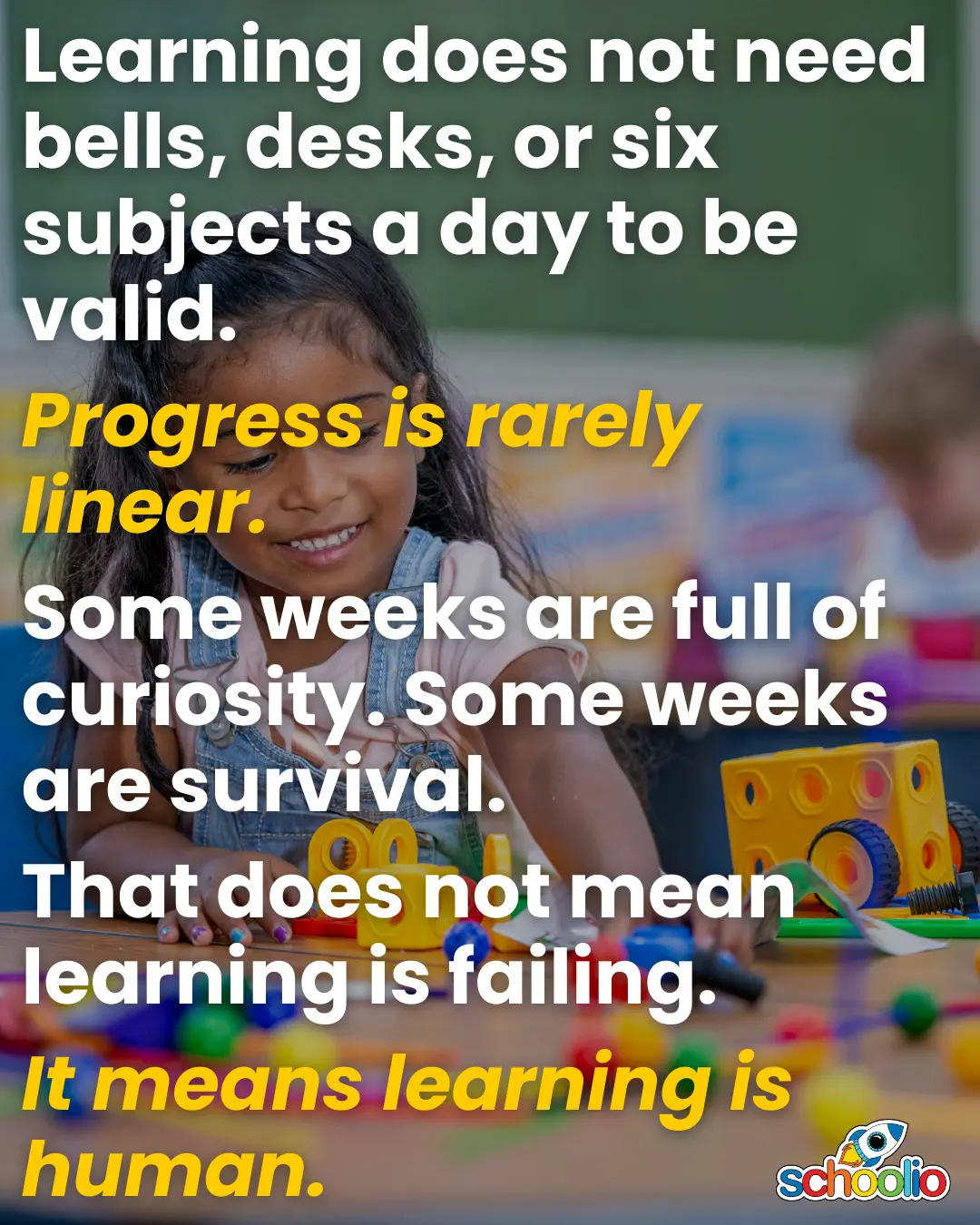
The second thing homeschoolers need is permission to stop recreating school at home. Learning does not need bells, desks, or six subjects a day to be valid. Progress is rarely linear. Some weeks are full of curiosity. Some weeks are survival. That does not mean learning is failing. It means learning is human.
Many families homeschool because school broke confidence before it broke grades. That is why emotional safety matters more than pacing guides. If a child is overwhelmed, shut down, or anxious, no worksheet will fix that. Helping homeschoolers means supporting emotional regulation first and trusting that academics follow when safety returns.
Flexibility is also misunderstood. Total freedom sounds appealing, but it often turns into chaos. What families really need are gentle anchors. A rhythm. A loose plan. Clear moments where the day feels complete. Not perfection. Just enough structure to breathe.
It also matters that we stop assuming there is one reason families homeschool. Some do it for neurodivergent kids. Some for mental health. Some for travel. Some because they had no other option. Real support does not judge the why. It adapts to it.
The most overlooked part of helping homeschoolers is helping parents trust themselves again. Many come into homeschooling already doubting their instincts because a system told them they were wrong. The goal is not to replace parents with experts or platforms. The goal is to help parents feel capable, informed, and less alone.
Community helps too, but only when it is honest. Not highlight reels. Not comparison. Just spaces where families can say, this week was hard, and not feel behind.
And finally, we need to change how we measure success. Sometimes progress looks like a child choosing to read again. Or asking a question. Or feeling calm enough to try. Those moments matter, even if no test records them.
Helping homeschoolers is not about doing more. It is about doing what actually helps. Less pressure. More trust. And learning that fits the child, not the system.
still learning, still unlearning