Maximizing Your Learning with Schoolio’s Digital Platform

Maximizing Your Learning with Schoolio’s Digital Platform

Maximizing Your Learning with Schoolio’s Digital Platform

Education has transformed into a dynamic and personalized experience, thanks to innovative platforms like Schoolio. Catering to the evolving needs of learners, Schoolio’s digital platform offers a wealth of resources and features designed to level-up your learning journey. Are you ready to begin maximizing your learning journey with Schoolio’s Digital Platform?

Embracing the Power of Digital Learning

Digital Learning Redefined:

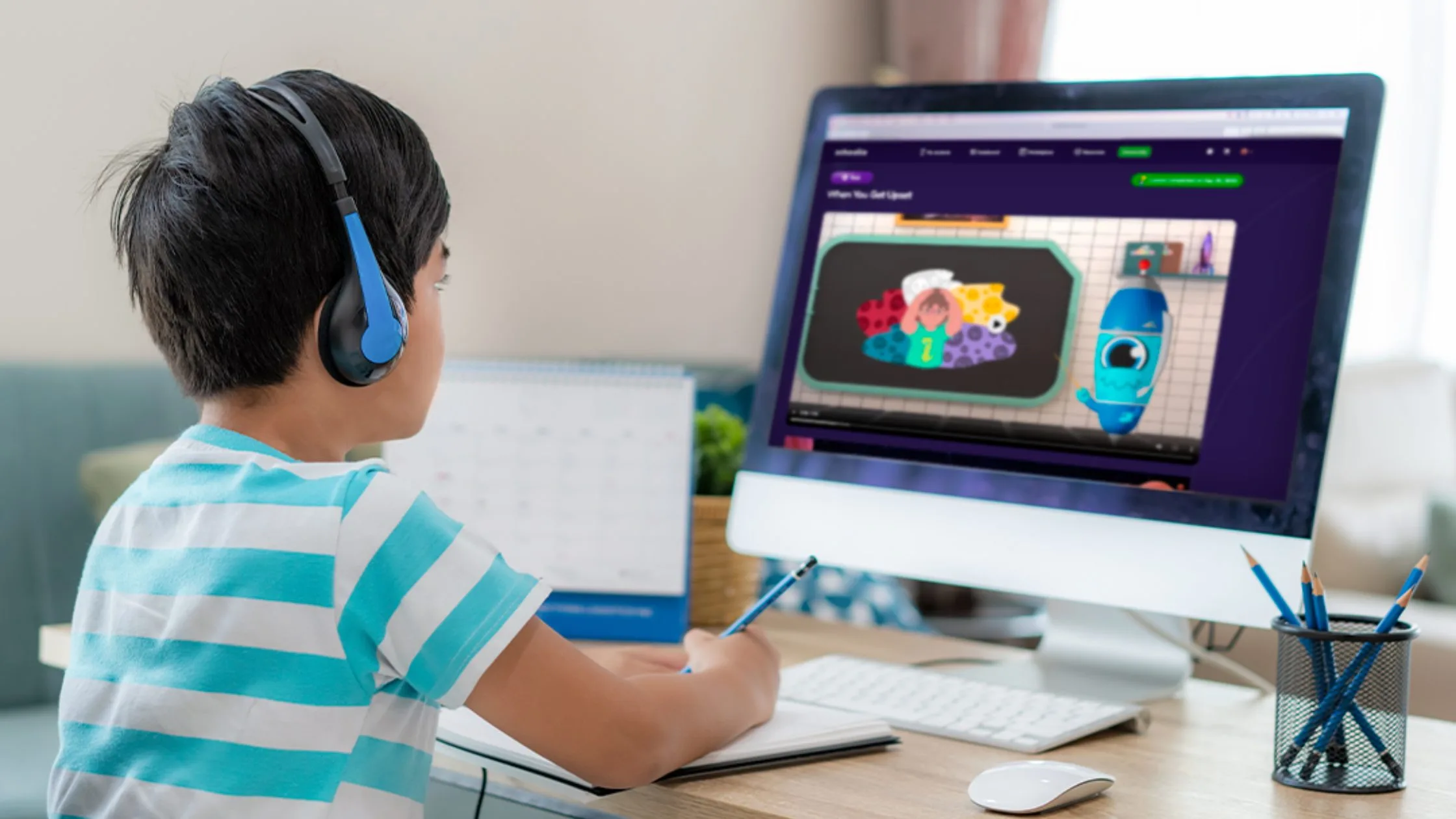
With Schoolio, traditional boundaries of education dissolve as students embrace a fully immersive digital learning experience. Interactive lessons, multimedia content, and real-time feedback create an engaging environment that caters to diverse learning styles.

Customizable Learning Paths:

One size does not fit all in education. Schoolio recognizes the unique learning needs of every student. Providing customizable learning paths. Whether you’re an auditory learner, a visual learner, or a kinesthetic learner. Schoolio adapts to your preferences, ensuring an optimized learning experience.

Schoolio Family Plan

Tailoring Education to Individual Learning Needs

Personalized Learning Plans:

Schoolio goes beyond the cookie-cutter approach with its personalized learning plans. The platform evaluates your strengths and areas for improvement, tailoring lessons to address your specific learning needs. This individualized attention fosters a deeper understanding of subjects and promotes long-term retention.

Adaptive Learning Technology:

The adaptive learning technology integrated into Schoolio’s platform constantly assesses your progress. As you master concepts, the platform adjusts the difficulty level, ensuring that you are consistently challenged without feeling overwhelmed. This adaptive approach keeps learners engaged and motivated.

Elevating Home Learning Programs

Homeschool Curriculum Made Easy:

Schoolio is a game-changer for homeschooling families. The platform offers a comprehensive homeschool curriculum that covers a wide range of subjects. Parents can confidently guide their children through lessons. Knowing that Schoolio’s resources align with educational standards and promote a well-rounded education.

Flexibility in Scheduling:

Home learning programs often require flexibility. Schoolio recognizes this need and allows learners to access lessons at their own pace. Whether you’re a full-time homeschooler or supplementing traditional schooling, Schoolio adapts to fit your schedule.

Schoolio e-books

Navigating the Schoolio Learning Landscape

Intuitive Interface:

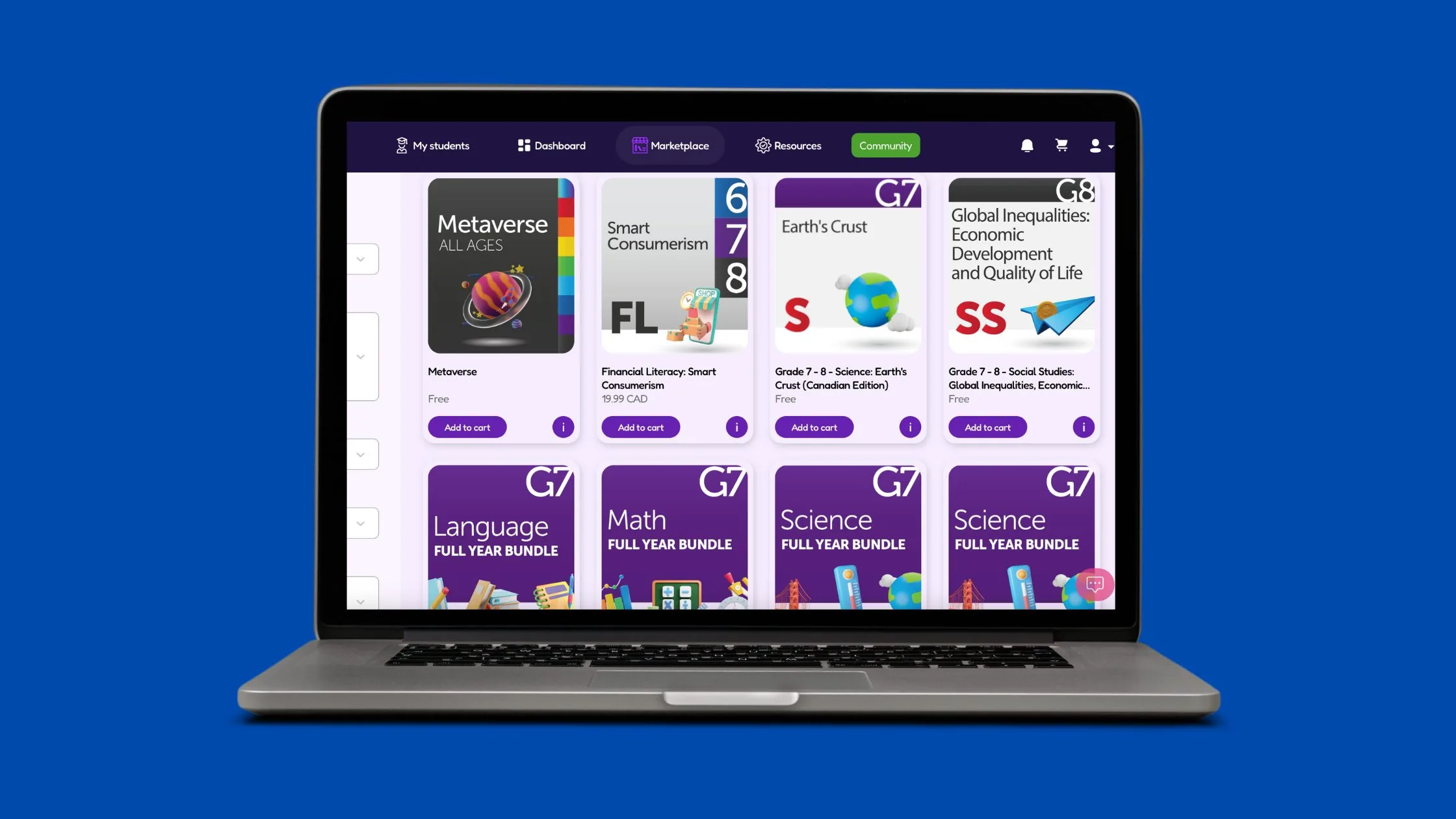
Navigating through Schoolio is a breeze, even for those new to digital learning. The user-friendly interface ensures a seamless experience, allowing students and parents to focus on the joy of learning rather than struggling with technology.

Rich Resource Library:

Schoolio boasts a rich resource library that goes beyond standard textbooks. Interactive simulations, educational games, and multimedia presentations enrich the learning experience. The platform encourages exploration and curiosity, turning every lesson into an adventure.

Embrace the future of education with Schoolio, and unlock the full potential of your learning journey.

Schoolio Learning Resources

Exploring Schoolio’s Diverse Curriculum Options

Exploring Schoolio’s Diverse Curriculum Options

Exploring Schoolio’s Diverse Curriculum Options

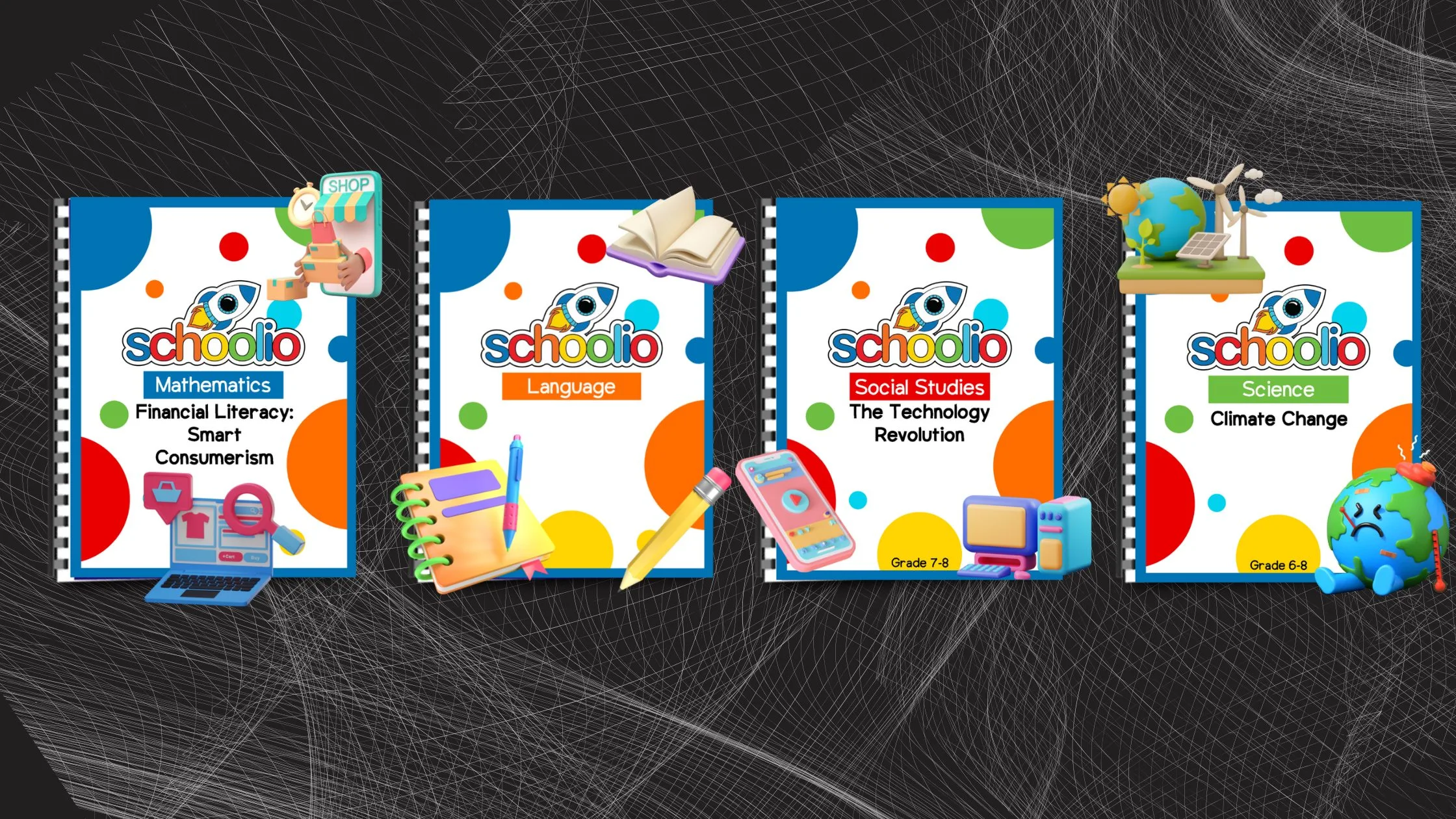
At Schoolio, we believe that education should be as diverse as the students it serves. Our commitment to providing a comprehensive learning experience is reflected in the wide array of curriculum options we offer, catering to students from kindergarten to eighth grade. Let’s start exploring Schoolio’s diverse curriculum options by delving into the three main categories that define Schoolio’s robust curriculum: Core Curriculum, Electives, and Social Emotional Learning (SEL).

Core Curriculum: Building Foundations for Success

Math

Schoolio’s core math curriculum is designed to build a strong foundation in mathematical concepts. From basic arithmetic to more advanced topics, our curriculum adapts to each student’s learning pace and style.

Science

In the realm of science, Schoolio excels in providing engaging lessons that cover a spectrum of subjects. Whether exploring the mysteries of the universe, conducting hands-on experiments, or understanding the delicate balance of ecosystems, our science curriculum sparks curiosity and critical thinking.

Social Studies

Our social studies curriculum takes students on a journey through history, geography, and cultures. From ancient civilizations to contemporary global issues, Schoolio fosters an appreciation for the world’s diversity and helps students develop a well-rounded worldview.

Language Arts

Language arts form the cornerstone of effective communication and critical thinking. Schoolio’s language arts curriculum encompasses reading, writing, grammar, and more, empowering students to express themselves eloquently and comprehend complex texts.

Electives: Unleashing Creativity and Passion

For students seeking to explore beyond the core curriculum, Schoolio boasts an extensive library of electives. These courses are designed to tap into students’ interests and passions, making learning an exciting adventure. Some of our standout electives include:

  • Candy Chemistry: Uncover the sweet science behind your favorite treats.
  • Earth’s Core: Journey to the center of the Earth and discover its mysteries.
  • All About Honeybees: Explore the fascinating world of these crucial pollinators.
  • Novel Studies: Dive into the pages of captivating stories and analyze literary elements.
  • Introduction to Art: Ignite creativity through hands-on artistic expression.
  • Introduction to Gymnastics: Foster physical fitness and coordination in a fun and supportive environment.

These electives provide a rich tapestry of knowledge that goes beyond traditional subjects, allowing students to pursue their passions and develop a well-rounded skill set.

Social Emotional Learning (SEL): Nurturing Holistic Growth

Recognizing the importance of emotional well-being, Schoolio integrates Social Emotional Learning (SEL) into our curriculum. The “Thoughts and Feelings” unit, tailored to different age groups, helps students navigate their emotions, build resilience, and foster positive relationships. Additionally, our SEL framework is designed to instill empathy. While also helping with self-awareness, and effective communication skills. Doing so to prepare students for success not only academically but also in the complexities of life.

Empowering Students to Thrive Academically and Emotionally

Schoolio’s commitment to a diverse and comprehensive curriculum ensures that every student finds a path to success that aligns with their unique strengths and interests. From the foundational core subjects to exciting electives and essential Social Emotional Learning, Schoolio empowers students to thrive academically and emotionally.

Join us on the Schoolio Learning Platform. Where education is not just about acquiring knowledge but also about fostering a lifelong love for learning.

Customized Learning for the Young Star: Balancing Stardom and Education with Schoolio

Customized Learning for the Young Star: Balancing Stardom and Education with Schoolio

Customized Learning for the Young Star: Balancing Stardom and Education with Schoolio

In the glamorous world of young actors and musicians, life moves at a fast pace. Juggling auditions, rehearsals, and performances can make it challenging for these rising stars to prioritize education. However, in the midst of their bustling lifestyles, the importance of a well-rounded education should never be overlooked. This blog explores the unique challenges faced by young talents and introduces a solution of customized learning for the young star that seamlessly integrates learning into their vibrant lives – Schoolio.

Schoolio Family Plan

Life in the limelight is no easy feat for young actors and musicians. From early morning auditions to late-night rehearsals, their schedules are packed with artistic endeavors. Amidst the glitz and glamour, the traditional school setting might seem impractical, leading many to compromise on their education.

The Importance of Balancing Stardom and Education

While pursuing a career in the entertainment industry is a dream come true, it’s essential for young stars to recognize the significance of a balanced education. Not only does it provide a foundation for their future, but it also nurtures a well-rounded perspective that enhances their creativity and versatility.

Schoolio: A Tailored Solution

Recognizing the unique challenges faced by young talents, Schoolio steps in as the ultimate solution. This innovative learning platform offers a customized curriculum tailored to the needs and schedules of young actors and musicians.

Schoolio e-books

Access Anywhere, Anytime

One of the standout features of Schoolio is its accessibility. With just a click, young stars can access core curriculum materials for grades 1-8 from anywhere in the world. Whether they are on set, in a recording studio, or traveling between cities for tours, education is now at their fingertips.

Work at Your Own Pace

Understanding the unpredictable nature of the entertainment industry, Schoolio allows young stars to work at their own pace. No more falling behind due to hectic schedules. Because the learning platform adapts to their unique timelines.

Personalized Learning Experience

Schoolio doesn’t just provide a generic curriculum; it offers a personalized learning experience. Recognizing the diverse interests and talents of young stars, the platform tailors lessons to align with their goals, ensuring a comprehensive and engaging educational journey.

Seamlessly Integrate Learning

In the hustle and bustle of stardom, education should not be neglected. With Schoolio, young actors and musicians can seamlessly integrate learning into their busy lives, ensuring a bright future that complements their rising careers. By signing up for the Schoolio Learning Platform, the young stars of today can confidently pursue their passions while building a strong educational foundation for tomorrow.

Schoolio Learning Resources

Digital Learning: Transforming Education in the Modern Age

Digital Learning: Transforming Education in the Modern Age

 Digital Learning: Transforming Education in the Modern Age

The educational landscape has undergone a profound transformation with the rise of digital learning, marking a significant paradigm shift. In this blog, we will explore the essence of digital learning, its various manifestations in the form of online platforms for children, and explain the many advantages associated with this progressive educational approach.

Understanding Digital Learning:

Digital learning, often synonymous with online education, refers to the integration of technology to enrich and augment the learning experience. This encompasses a broad spectrum of tools and resources, ranging from interactive multimedia lessons to comprehensive online courses. Particularly in the realm of home education, digital learning stands out as a pivotal force, offering adaptability and personalized approaches to cater to the unique needs of each student.

Types of Online Learning Platforms:

In the world of home education, a variety of online platforms cater to diverse preferences and requirements:

Comprehensive Homeschool Programs:

  • Time4Learning vs. Schoolio:
    • While Time4Learning offers a comprehensive curriculum, Schoolio stands out with its Family Plan, Allowing parents to access a wide range of subjects and grade levels. Which gives them more flexibility in tailoring the education experience for each child.

Flexible Home Education Platforms:

  • Khan Academy vs. Schoolio:
    • While Khan Academy provides flexibility, Schoolio distinguishes itself with a user-friendly interface and a variety of engaging multimedia resources. Which makes the learning experience more interactive and enjoyable for children.
Schoolio Family Plan

Specialized Homeschool Programs:

  • Beestar vs. Schoolio:
    • While Beestar specializes in certain subjects, Schoolio’s Family Plan offers a broader range of subjects. This allows parents to create a more comprehensive and well-rounded curriculum for their children, all within one platform.

Focused Homeschooling Programs:

  • Calvert Education vs. Schoolio:
    • Calvert Education focuses on structured homeschooling. But Schoolio offers a unique advantage with its adaptive learning technology. This ensures that lessons adapt to the child’s pace and understanding, providing a more personalized learning experience.

Full Year Online Learning Curricula:

  • IXL Learning vs. Schoolio:
    • While IXL Learning provides a full-year curriculum for math, Language Arts and Science; they are missing Social Studies. Schoolio offers all four core subjects. Additionally, Schoolio’s Family Plan not only covers an extensive array of subjects but also incorporates features like quizzes and videos. This enhances the learning journey with a more interactive approach.

Schoolio distinguishes itself by offering a comprehensive Family Plan, a user-friendly interface, a broad range of subjects, adaptive learning technology, and interactive features. Which makes it a compelling choice for parents seeking a versatile and effective online learning platform for their children.

Benefits of Digital Learning:

Digital learning comes with a host of advantages, revolutionizing the educational landscape:

Flexibility:

With the ability to set flexible schedules, digital learning accommodates different learning paces, making it especially beneficial for families with diverse schedules or those engaged in homeschooling.

Customization:

Educational materials for children can be tailored to suit individual learning styles, ensuring that the content is engaging and meets the specific needs of each child.

Schoolio e-books

Access to a Variety of Resources:

Online learning for kids provides access to a vast array of educational materials, including videos, interactive games, and virtual simulations, enriching the learning experience.

Schoolio Family Plan:

The Schoolio family plan offers a comprehensive solution for homeschooling families, providing access to a range of subjects and grade levels, allowing parents to create a personalized curriculum for each child.

Schoolio Learning Platform:

Combining cutting-edge technology with educational expertise, the Schoolio learning platform creates an interactive and engaging space for children to learn and explore.

Embracing the benefits of digital learning

As homeschool programs, home education programs, and other online learning platforms continue to evolve, digital learning empowers parents to take an active role in their child’s education. Embracing the benefits of digital learning ensures a dynamic and personalized educational experience for the next generation in this modern age of education.

Schoolio Learning Resources

Rethinking Homework with ChatGPT

Rethinking Homework with ChatGPT

Rethinking Homework with ChatGPT

As students, the burdensome nature of traditional homework is an experience we all share. The struggle to complete assignments outside of class hours, often without teacher or peer support, can be a source of frustration. Fortunately, with innovations like ChatGPT and the Schoolio Learning Platform, a paradigm shift in the way we approach homework is on the horizon. Let’s start by rethinking homework with ChatGPT.

The Drawbacks of Traditional Homework

Homework, a long-standing educational practice, has been both a cornerstone and a source of stress for students. Completing assignments at home, detached from teacher guidance and peer interaction, often leads to confusion and frustration. Additionally, traditional homework can be time-consuming, leaving little room for students to explore other interests or hobbies.

Moreover, it perpetuates inequality, with students from disadvantaged backgrounds lacking the resources and support needed to excel. This contributes to a widening achievement gap among students from different socioeconomic backgrounds.

Schoolio Family Plan

ChatGPT and In-Class Homework on the Schoolio Learning Platform

Enter ChatGPT, an AI-powered chatbot, specifically designed to assist students with their homework. What sets ChatGPT apart is its real-time ability to generate unique questions and solutions.

Utilizing ChatGPT in this manner ensures that all students have the opportunity to complete assignments and seek clarification during class, rendering traditional homework obsolete. This approach not only alleviates the stress associated with homework but also enables teachers to offer immediate feedback and support.

The Advantages of In-Class Homework with ChatGPT

In-class homework, facilitated by the Schoolio Learning Platform, brings forth numerous benefits. The presence of teacher and peer support increases the likelihood of assignment completion. Fostering better learning outcomes and heightened engagement. Real-time assessment of student learning provides valuable insights for teachers to adapt their teaching approaches.

Schoolio e-books

Furthermore, in-class homework becomes a powerful tool for differentiation. Using ChatGPT, teachers can generate questions of varying difficulty levels, catering to both advanced and struggling students. This ensures that all students are actively engaged and appropriately challenged, regardless of their ability level.

Embracing the Future of Education

ChatGPT, coupled with the Schoolio Learning Platform, has the potential to revolutionize our approach to homework. By replacing traditional homework with in-class assignments, we create a more engaging and supportive learning environment for students. This transformative shift levels the playing field for learners from diverse backgrounds, eliminating the struggle with homework and providing equal access to support and resources.

The integration of ChatGPT in classrooms not only transforms the learning experience but also enhances teacher-student relationships. Immediate feedback and support foster stronger connections, contributing to a positive and encouraging educational atmosphere. It’s time for educators to embrace the transformative potential of ChatGPT and the Schoolio Learning Platform, ushering in a new era in education.

Schoolio Learning Resources

The Importance of Kindergarten: Building the Foundation for Lifelong Learning

The Importance of Kindergarten: Building the Foundation for Lifelong Learning

The Importance of Kindergarten: Building the Foundation for Lifelong Learning

Kindergarten serves as the first stepping stone in a child’s educational journey, laying the groundwork for future academic success and personal development. When considering homeschooling, the choice of a good homeschool program becomes crucial. Especially when seeking a comprehensive and effective Kindergarten curriculum. In this blog post, we’ll delve into the importance of Kindergarten as the cornerstone of education and explore how the Schoolio Kindergarten program, available in E-books or print on the Schoolio Bookstore, stands out as an excellent choice.

The importance of Kindergarten:

Early Brain Development and Social Skills:

Kindergarten is a pivotal stage where young minds embark on a journey of early brain development. The activities and interactions within a Kindergarten curriculum contribute significantly to cognitive growth. Educational experts emphasize the importance of providing a stimulating environment that fosters curiosity and critical thinking. Moreover, Kindergarten offers a unique opportunity for children to develop essential social skills, setting the stage for effective communication, collaboration, and teamwork in the years to come.

Schoolio Family Plan

Acquiring Fundamental Literacy and Numeracy Skills:

A good homeschool program for Kindergarten should prioritize the acquisition of fundamental literacy and numeracy skills. These foundational skills form the basis for future academic achievements. Schoolio’s Kindergarten curriculum is designed to make learning enjoyable and engaging, with a focus on building a strong foundation in reading, writing, and basic math. Through carefully crafted activities and exercises, children develop a love for learning and gain confidence in their abilities.

Holistic Development:

Holistic development encompasses not only academic skills but also emotional, physical, and creative aspects. A well-rounded Kindergarten curriculum, such as the one offered by Schoolio Learning, integrates various activities to nurture a child’s emotional intelligence, fine and gross motor skills, and creativity. This holistic approach ensures that children are prepared not only for the academic challenges ahead but also for the broader spectrum of life experiences.

Customized Learning with Home Education Curriculum:

Homeschooling programs have gained popularity for their flexibility and ability to cater to individual learning styles. The Schoolio Kindergarten program acknowledges the diversity of young learners. Providing a home education curriculum that can be tailored to meet each child’s unique needs. This customization fosters a love for learning. By allowing children to explore subjects at their own pace while ensuring they master essential concepts.

Schoolio e-books

Full Year Homeschool Curriculum for Consistent Progress:

Consistency is key in education, and a full year homeschool curriculum ensures that children receive a structured and continuous learning experience. Schoolio’s Kindergarten program spans the entire academic year. Offering a comprehensive curriculum that covers all essential aspects of early childhood education. This consistency sets the stage for smooth transitions into higher grades. While also instilling a sense of routine that supports a positive attitude towards learning.

Building the Foundation for Lifelong Learning

Kindergarten is undeniably the cornerstone of a child’s educational journey. Shaping the way they approach learning for the rest of their lives. Choosing a good homeschool program, such as the Schoolio Kindergarten curriculum, provides parents with the tools and resources. These tools and resources are needed to ensure a solid foundation for their child’s academic success and personal development. Invest in your child’s future by embracing the importance of Kindergarten. And exploring the enriching opportunities provided by Schoolio Learning’s exceptional Kindergarten program, available at the Schoolio Bookstore.

Schoolio Learning Resources

Are you in Canada? Click here.

Facts About Online Learning

Facts About Online Learning

Facts About Online Learning

In the last decade, online learning, also known as e-learning, has seen tremendous growth and popularity. As a result gone are the days when online education was limited to a select group of students. Today, online learning has become a flexible and customizable option for families with students in grades K-8. In this blog, we’ll explore the facts about online learning and the trends surrounding it. Shedding light on why it has become such a popular choice for students of all ages and backgrounds.

Online Schooling is Growing Fast

Online schooling for grades K-8 has experienced exponential growth and shows no signs of slowing down. Diverse young learners have embraced online education, prompting schools and educators to invest more resources in the development and presentation of online learning tailored to the unique needs of the K-8 age group.

Why Online Learning is Preferred for K-8 Education

Without a doubt, online learning for grades K-8 has gained popularity due to several compelling reasons:

1. Convenience and Accessibility: Online learning provides young students with access to educational resources from anywhere, eliminating the need for a physical presence in a traditional classroom setting.

2. Scheduling Flexibility: Online courses offer flexible scheduling, allowing students to balance their academic pursuits with family and other responsibilities.

3. Accelerated Courses: Online education can be tailored to the individual needs and abilities of young students, providing them with personalized learning experiences.

4. Family-Friendly: Online education is seen as a family-friendly option as it allows students to pursue higher education without the stress and costs associated with moving to a new location.

5. Comfort and Control: Young students can study from the comfort of their own home, providing a familiar and relaxed environment for learning.

Statistics about online learning that you should know:

  • First, according to a University of Potomac report, 70% of students favor online classes over traditional classrooms due to cost savings, flexible scheduling, and increased tech-savviness.
  • Second, a report from bestcolleges.com reveals that 95% of online students would recommend online education to others. The data, derived from 351 school administrators and 1,800 students, reflects high levels of student satisfaction with online learning.
  • Third, e-learning enhances information retention, with a potential increase of 25% to 60%, as per The Research Institute of America/SH!FT. Notably, this improved retention is attributed to the increased control learners have to revisit course material and video classes, contributing to a more effective learning experience.
  • Fourth, online learning is significantly more time-efficient, with a Brandon-Hall Study indicating it typically demands 40-60% less time than traditional classroom learning for the same material.

Introducing the Schoolio Learning Platform

In this era of online learning, it’s essential to have the right tools to excel in your education. While there are many resources available, like IXL, Time4Learning, and Starfall: Schoolio Learning stands above them all. Schoolio is a fantastic resource for students in grades 1 to 8, offering a wide range of video lessons, assessments, and worksheets.

Here are some key features of the Schoolio Learning Platform:

  • Interactive Video Lessons: Engaging video lessons cover a variety of subjects, making learning fun and effective.
  • Assessments: Regular assessments help students gauge their understanding and track their progress.
  • Customizable Learning: Schoolio allows students to annotate worksheets online or download and print them for traditional studying, ensuring a customizable learning experience.

Looking to achieve a quality education on a budget? Click here to learn more!

Give your child the tools they need to succeed

If you want your child to catch up and excel in their studies, Schoolio Learning Platform is an excellent choice. Sign up now for a 7-day free trial and experience the benefits of customizable online learning firsthand. Give your child the tools they need to succeed and thrive in the world of online education.

Indeed, online learning is a dynamic and inclusive educational option that’s accessible to people of all ages and backgrounds. Furthermore, its growth is fueled by factors such as convenience, flexibility, and the ability to maintain a work-life balance. With the Schoolio Learning Platform, students have the tools they need to make the most of their online learning experience. So, why wait? Start your 7-day free trial today and unlock the potential of online education.

The Schoolio Learning Platform now has Math Assessments for grades 1-8! Click here to learn more!

No More Math Meltdowns: How To Add Real-World Context And Teach Math In A Creative Way

By Chelsea McLeod 

Math is one of the more challenging subjects in school, and it can be difficult for students to see how the concepts they’re learning will be helpful in the real world. Math is more meaningful and engaging for students when we teach real-world applications. By making connections between math and the world around us, we can help our children understand the relevance of their learning. While also seeing how it will benefit them in the future, demonstrating real-world math. In this blog, No More Math Meltdowns: How To Add Real-World Context And Teach Math In A Creative Way we will discuss some fantastic ways to help your math lessons become more relevant to your child’s life.

Math is all around us, making it vital to Add Real-World Context to your child’s education and Teach Math in a Creative Way.

Unfortunately, many students struggle with math, and it can be challenging to understand why. So frustration and meltdowns can be a very real part of your homeschool day. Many children struggle with math because they do not see it applied in the real world. They can solve a mathematical equation, but do not understand why it matters or how it might come up in their daily lives. So, therefore, why should they care about it or want to learn it? Math is a fundamental skill for students to learn. It is everywhere, in our everyday life, and as such, it is crucial that children develop a strong understanding. So by reading this blog; No More Math Meltdowns: How To Add Real-World Context And Teach Math In A Creative Way, you will find some practical strategies to help overcome this.

To help children better understand math, it is vital to Add Real-World Context and show them how math applies to everyday situations. Connecting math concepts to everyday situations can help your child understand why math is important and give them a better chance of mastering the subject. So say goodbye to your homeschool math struggles with No More Math Meltdowns: How To Add Real-World Context And Teach Math In A Creative Way and make Math a subject you and your child both look forward to again.

No More Math Meltdowns: How To Add Real-World Context And Teach Math In A Creative Way

Does No More Math Meltdowns: How To Add Real-World Context And Teach Math In A Creative Way sound like a dream? Here are a few tips to help you make this a reality:

  • Get Visual
    • One of the best ways to help your child understand math is to use visual aids. There are a variety of ways in which you can do this, such as using pictures, models, or diagrams. Visual aids can also help your child understand the concepts they are learning by giving them a better understanding of how to apply these concepts in the real world.
    • If your child is learning how to calculate the area of a triangle, you can use a diagram of a triangle to help them visualize the concept. This can make it easier for them to understand and apply the idea to real-world problems.
  • Use Everyday Examples
    • When teaching math concepts to children, it is vital to provide real-world math examples to help them understand the concept. When teaching about addition, ask your child to help you figure out the cost of groceries at the store.
    • It can also be helpful to provide your child with everyday examples of how to use math concepts. If they are learning how to calculate the volume of a cylinder, show them that a can of soda is a cylinder. Then you can model how to determine the volume of the soda can.
    • By providing your child with examples of how to use math in everyday life, you can help them understand why it’s important and how to apply it to certain situations.
  • Give Examples from Your Own Life
    • You can also give your child examples of how you use math in your own life. For instance; if you’re calculating the cost of groceries, explain how you’re using math. Discuss how much money you’ll need and why. This will give your child a chance to see firsthand how to use math in the real world.
    • Giving your child examples from your own life can help them better understand why math is important. It will also give them a glimpse into how to use math in everyday situations. This will make it easier for them to make connections. It will also help them to feel that the math they are learning is relevant.
  • Allow Your Child to Practice
    • Have your child practice math problems in real-world settings. Give time to practice counting money when they go to the store or making change when they buy something.
    • Help your child make connections between math and everyday activities. For example, measure the ingredients together when baking and explain the importance of exact measurements.
  • Ask Questions & Talk About Math
    • Ask your child questions related to math problems they may encounter in life. Why not ask them to figure out how much change they should receive when making a purchase?
    • Have conversations with your child about the math they learn in school.
    • Take your child to places where they use math. Go to a bank, a grocery store, or a construction site for example and explain they use math at these places.
  • Play Math Games
    • Playing math games is another great way to help your child understand how we use math in the real world. Various math games are available, such as board games, card games, and online games. These games help your child more clearly see how we use math in everyday life and how it can be fun.
    • By playing math games, your child can learn math concepts in a fun and engaging way.
    • When you implement tips from this list, your child will develop a much clearer understanding of how to use math in the real world. As well, it can give them a better chance of mastering the subject. By providing real-world examples, you can help your child understand what they learn.
  • Use Technology & Encourage Problem-Solving
    • Use technology such as apps and websites to help your child learn math in a fun and interactive way.
    •  Allow your child to explore different methods of solving math problems. Encourage them to think about other solutions and work through the problem. Involving your child in real-world problem-solving can help them understand the practical applications of math. Encouraging children to think critically and find solutions to real-world problems will help them see why and why math is important. It will also lead them to develop a greater appreciation for what they’re learning, and how to use it in their lives.
No More Math Meltdowns: How To Add Real-World Context And Teach Math In A Creative Way

Keep It Fun; Add Real-World Context to math and enjoy your school days with No More Math Meltdowns

As you may have seen, Math is dull and uninspiring if not put into a real-world context. Many parents struggle to help their children understand the relevance of the math they are learning in school. But don’t worry! There are plenty of ways to make math more meaningful for your child. By adding context to what your child is learning, you can help make math more meaningful and enjoyable. Implementing these suggestions is a surefire way to help your child understand math much better. Take from our list and add the fun back into math!

Add Real-World Context And Teach Math In A Creative Way to Help Students Develop An Appreciation for Math

Add Real-World Context And Teach Math In A Creative Way to Help Students Develop An Appreciation for Math

In conclusion;

We hope you enjoyed No More Math Meltdowns: How To Add Real-World Context And Teach Math In A Creative Way. Clearly understanding how to add real-world context to math will make it more engaging and meaningful for students. By connecting math to everyday activities; we can help our children understand its relevance. We can also help them see how Math will benefit them in the future. These suggestions will help your child develop an appreciation for the value of math. As a result, they will be more motivated to learn and better equipped to succeed. Give it a try and see how it helps your child’s math skills! We hope yours is a future of No More Math Meltdowns!

Thank you for reading No More Math Meltdowns: How To Add Real-World Context And Teach Math In A Creative Way. We hope that you have learned some real strategies to use in your homeschool day. Hopefully, this will help you make Math enjoyable again for both you and your child. Have you checked out Schoolio Learning’s vast library of math materials? Keep learning fun by diving into Schoolio Math!

Teaching Multi-Grades? Schoolio Can Help.

Teaching Multi-Grades? Schoolio Can Give You Your Life Back.

By Chelsea McLeod

Teaching multiple grades

Look familiar? Are you spending all your spare time doing prep that seems neverending to keep up? Are you overwhelmed with student needs and classroom outcomes? Are you struggling with teaching multi-grades?

Let me paint you a picture. You teach in a rural area; your school is K-12, and each homeroom is multi-graded. Some grades only have 1 or 2 kids, so while you may only have a class of 8-10 students, you have four grades at once and hundreds of outcomes to cover and assess. So not only do you have to try to differentiate for student interest, but you also must plan, teach, assess and grade the outcomes from each separate curriculum.

You teach several grades simultaneously, unlike your friends who work in nearby larger city centers,  but you are given equal prep time. Therefore, much of your work comes home because even if there isn’t time in the school day, these things need to get done. So once you are home, you are taking time away from your family or hobbies to keep up with your day-to-day classroom duties. If this rings true for you, then Schoolio can help give you your life back. 

While many still consider teaching a calling, the shift in the last several years to an outcomes-based system has put more pressure on the Teacher. Teaching these days is an endless cycle of being in demand. You are lecturing, working one-on-one with students, meeting seemingly arbitrary administrative deadlines, attending meetings, responding to emails, communicating with parents, collaborating with co-teachers, etc.

The list of responsibilities given to teachers in the classroom is unrealistic; these are on top of the duties of running the classroom day-to-day and keeping your students engaged. Then we add on the testing, assessments, marking, and report cards required for each student in your class, in many cases the stress of teaching multiple grades. This can be for as many as 25+ students. 

Teaching is Work. Give Yourself Some Grace and Help. Especially when Teaching Multi-Grades.

The expectation of Teachers does not create nor support a healthy work-life balance, but for many, it is the reality. 

So you spend your days in a cycle that looks like a hamster in a wheel. Teaching all day, putting out fires with students, communicating with parents, meeting all deadlines for administration and keeping your head above water only to go home and spend your evening planning, prepping and working on tomorrow, like in the picture above. This is a lot; this is an astronomical task you take on as a classroom teacher. While these responsibilities are genuine for all classroom teachers, imagine that you have a multi-graded classroom.

This not only changes the dynamic with the students but also adds to the Teacher’s workload. You now have all the above responsibilities and the added pressure of 2, 3, or 4 sets of outcomes. This is what it can be like if you are in a rural school, sometimes teaching 3 to 4 grades simultaneously. This was not always the case; several years ago, it was the norm to teach the curriculum in an even/odd schedule in many rural settings.

Teaching multiple grades

This meant that if you had a grade 3/4/5/6 class, you would teach all the curriculum for grades 4 & 6 one year and the next, you would cover the curriculum for grades 3 & 5. This was a seemingly more manageable way to approach a multi-grade classroom. However, in our current education climate, this is no longer an allowable approach by many school divisions, and therefore Teachers, especially those with 3-4 grades, are feeling overwhelmed and overworked. The expectation of Teachers does not create nor support a healthy work-life balance, but for many, it is the reality. And while this can seem like an unrealistic expectation, the students still need to learn at their appropriate level. So now what?

Save Your Time, Money and Your Sanity

For starters, if you teach in this situation, you must prioritize your time and prep. Not only for yourself but for your students as well because “you cannot pour from an empty cup,” and if we spend all of our free time on work, it will lead to burnout. I can tell you for sure that you do not need to spend time creating all of your resources; your time is precious, and there are only 24 hours in a day. Not everything your students do, learn or complete needs to be unique.

There used to be a time when teaching was a “one-size-fits-all,” and all teachers were given the same guide. This is a time-consuming task for teachers with only 1 grade, but you have 3, 4 or even 5? You cannot be expected to use all your resources or put that much pressure on yourself, and relying on Teachers Pay Teachers for everything can get expensive, especially because sometimes it’s difficult to purchase only 1 or 2 lessons.

For example, if you have grades 3, 4, and 5, it can get pretty pricey to purchase one entire unit for all three grades and if there are 10-12 units in a year for just one subject… You get the idea. An extra expense with each purchase. Way too much! Which is on top of the fact that teachers already spend more out of pocket than other professions. 

How Schoolio Can Give You Your Life Back… 

There is no limit to the number of students you can add, the courses you have access to or the learning that will take place!

Schoolio has created resources for each grade level, and you can mix and match them to best support your student’s needs. You do not have to buy entire units for one or two valuable lessons. The lessons have been created by certified teachers and are available online for a monthly per-student cost.* You can simultaneously use more than one grade at a time, focussing on student needs, interests or passions.

There is a suggested content planner for the year you can use, or you can create your own and keep track of progress for all your students. You can try it risk-free, with no required credit card and “Learn, plan, and personalize all in one place” with 4000+ interactive math, language, science, and social studies lessons. There is no limit to the number of students you can add, the courses you have access to or the learning that will take place! Try it now; you won’t regret it. And you won’t believe the extra free time you will have now that you aren’t trying to do it all yourself, especially when teaching multi-grades. 


Should Homeschool Curriculum be Accredited?

We all want the very best for our kids. So naturally many of us are feeling overly stressed with the ups and downs of pandemic learning and school closures. As a result, many parents have turned to homeschooling. Doing so as a method of greater stability for their children’s education. Even after taking this large step, many parents are still worried. Especially if they’re struggling with questions like: ‘Should homeschool curriculum be accredited?’ Or: ‘If my child goes back to school, will they go into the correct grade?’

Question 1: Should Homeschool Curriculum be Accredited?

The short answer is no. Your child’s homeschool curriculum doesn’t need to be accredited so please don’t stress yourself over it. The reality is, most home learning programs aren’t accredited. Because accreditation requires that a particular program is being delivered. While assurances are made that it’s being delivered properly and completely. It’s very difficult for the company that sold you the curriculum to keep tabs on all families. They would need to insure that all curriculum is completed and standards are met. Which would obviously be a huge undertaking for any company.

Supervision would be needed by the curriculum company. This supervision would often come in the form of standardized testing. This would be to ensure that students are completing the program. And also helps the supervision to know if the student has obtained satisfactory understanding of the content that they have been learning. In this situation, not only would you need to comply to their assessments and scheduling. But you would also expect additional fees for testing or a higher price-point on the home-learning program itself.

This often goes against most homeschoolers reasons for homeschooling.

For most homeschoolers, this goes strictly against many of the reasons they chose to homeschool in the first place. Because teaching things that they choose are valuable rather than having strict adherence to a particular program is important to them. Additionally, many homeschoolers enjoy having the opportunity to alter, delete, or add in lessons to tailor learning to their own unique child. These are both important reasons why most homeschool families aren’t worried about questions like “Should homeschool curriculum be accredited?”

Another awesome aspect of homeschooling is the opportunity to have flexibility when it comes to scheduling. And how much time is needed or taken to learn. This way you won’t feel trapped by test dates. Or be stuck to the idea that testing is the only way to determine how much your child has learned. As we all know that standardized testing is suited to particular types of minds. Which is why it’s important to remember that not all minds think the same. This is especially true for our kids with unique learning needs.

Are there any accredited homeschool curriculum companies?

Some homeschool programs are accredited but be careful of what governing body is accrediting them. Sometimes accreditation just means that a particular college (usually an American Christian College) has approved the program. This is usually more of a marketing position on the part of the college. As they are trying to encourage students of the program to apply to their college after homeschooling. Therefore, it’s usually not a genuine concern for the program of study.

The Results:

Should homeschool curriculum be accredited? No, homeschool curriculum can not be accredited and should not be accredited. Because homeschool curriculum can’t be accredited on its own. The homeschool curriculum would have to be a part of an institutions program. Because homeschool curriculum isn’t a part of a school, it can not and does not need to be accredited.

Question 2: What if I want to put my child back in school?

If you decide to put your child back into the education system after homeschooling, your child should be able to go back into their grade level without hassle. You would simple need to enrol your child back into school. For elementary school, your child would usually just be placed back into their age/grade. Without any need for additional testing.

Therefore, you don’t need to worry about whether or not your child would be able to join back into their grade. As long as you are keeping up with their homeschooling curriculum they will stay on track with their peers. Even if you find that your child is struggling in different areas with their education because of pandemic learning. Please know that your child will quickly catch up. With a little time, dedication, and understanding, your child will be back on track in no time.

The Takeaway:

With the right curriculum, guidance, and time, your child will stay on track with their education. And your child will be able to attend traditional school again.

Try not to worry!

Please know that you aren’t the only parent worried about your child’s education. Most, if not all, parents are worried in some capacity about their child’s education right now. You are doing the very best that you can for your child’s education. And while sometimes you may feel like you haven’t done enough, you have. It’s normal and healthy to have questions about homeschooling like “Should homeschool curriculum be accredited?”

No one wants to “mess up their child’s education”. So, let us assure you that you are doing a great job. Asking questions, doing research, finding the best learning solutions for your child – those are all huge steps in the right direction. You’re doing an excellent job, and your child’s education will show that, with time. Try not to get so consumed by the idea of how things should look. Because homeschooling often looks very different for everyone. Just take it one day at a time. And tap into more amazing homeschooling resources to help you get started on the right track.

Check out “The 20 Do’s of Homeschooling” for helpful tips on how to have a successful homeschooling journey. https://schoolio.io/news/the-20-dos-of-homeschooling/

The Homeschool Mom – Is Your Curriculum Accredited? Does it Matter? https://www.thehomeschoolmom.com/is-your-curriculum-accredited-does-it-matter/

Homeschool Mom Self-Care

Homeschool Mom Self-Care

Guest Blog by Rebecca Miller

In the last few years, self-care has become an internet buzz-word. The word itself tends to conjure visions of bubble baths, manicures and spa days. Oftentimes, self-care seems like just another chore on an endless list of jobs that exhausted mothers are expected to complete. We can feel added pressure to make sure we are fitting in yet one more thingAs homeschool mamas, we have so much on our plates. After taking care of our household, our children and our jobs. So how can we be expected to prioritize a pedicure? But what if self-care, as in real self-care, doesn’t look like that at all? What does self-care look like as a homeschool mom? 

What is Self Care?

Self-care is something all of us practice daily, or at least we should practice daily. Self-care includes brushing our teeth, fuelling our bodies with food and water.  And believe it or not, even paying bills can be a form of self-care.  Essentially, self-care is taking care of your whole self. You whole self including, physically, emotionally, socially, practically and spiritually. When all areas of our lives are in balance, it helps us have a general sense of wellness. Alternatively, when one or more of these areas is lacking, we can often feel rundown, tired, stressed or depressed. These feelings are ones that you want to avoid, which is why homeschool mom self-care is especially important. 

What Self-Care is Not

Self-care is not just about pampering yourself. Because even things that feel awkward and uncomfortable can be forms of self-care. For example: Setting boundaries, washing dishes, and even having a difficult conversation can be considered self-care. Because these will benefit you in the future, despite the fact that they are not enjoyable in the moment. Contrary to popular belief, the term “Self-Care” doesn’t mean selfish. As a parent, it can be extremely difficult and guilt-inducing to practice self-care in the beginning. For people who have been raised to be people pleasers, it can feel uncomfortable and strange to put themselves first. I have personally felt the “mom guilt” creep in when I have taken much needed time for myself to recharge. 

Self-care does not have to cost money.

There are plenty of activities that can fill your bucket without affecting your wallet. If you are just starting your self-care regimen. And are finding it difficult to put yourself first, you are not alone. A helpful tip for keeping guilt at bay, is to reframe your self-care in a way that benefits your children. For me, I know that I have much more patience when I am well-rested. So I tell myself “this nap will benefit the kids, because I will have more patience when I am not tired.” When I know that my actions are benefitting my kids, it can help quiet that inner critic. Which makes homeschool mom self-care so much more obtainable. 

Why is Homeschool Mom Self-Care Important?

Self-Care is important for everyone, especially during the uncertain times we are facing during the pandemic. According to the Canadian Mental Health Association, 38% of Canadians say their mental health has declined due to Covid-19. Reports of anxiety and depression have risen in both children and their parents during the pandemic. Self-care is about taking care of your health so you can be the best version of yourself. It also helps you be the best parent you can be for your kids. The fact is, parents who are well-rested and have full buckets, have more and tend to be more optimistic than those who are tired, stressed and emotionally depleted. 

Is it selfish?

While it may feel selfish to take time for yourself. It’s especially important, because showing our kids that we are prioritizing our health, can help them grow into adults that will do the same. We already know that kids tend to mimic what we do, rather than what we say. Therefore if we are constantly neglect ourselves, while telling our kids that they need to make healthy choices, they are likely to think, “well mom doesn’t do that, why should I?” However, when our kids see us taking time to sit and enjoy a cup of tea or read a book, they begin to think “Ok, this is what mom does to recharge.” This is especially true when we include our kids in the conversation. Because even young children can understand when you say, “Mama is really tired right now. I am going to lay here on the couch while you watch your show. I am resting my body so I can have more energy to play with you later!” And while little ones may not catch on right away, in time they will begin to normalize self-care as well. 

When I was growing up.

When I was growing up, I remember how hard my mom worked keeping the house tidy, making meals and taking care of the household. I don’t remember her taking time to relax or care for herself. When I became a Mom, that image stuck with me, and I felt that I needed to be that way as well. Unfortunately, as many of us find out, when I neglected myself, I had little to give anyone else. Can you relate?It took years for me to get over this false idea that I needed to put myself last. It really is something that so many of us are conditioned to believe is true. Once you can put down those ideas, you will find it easier to practice self-care. 

Let me tell you a story

Last year I was working a lot at my job as a support worker. I was trying desperately to stockpile funds for Christmas, so I was taking on lots of extra shifts. I knew from experience that it was going to be hard on me mentally, so I made sure to schedule time to refill my bucket. One day I came home from work to find that my oldest daughter had taken every single article of clothing out of her closet and thrown it around her room. There were clothes and toys everywhere. In my line of work, they teach us that all behaviour is communication. So I knew that my daughter was trying to communicate with me. My initial instinct was to get upset about the huge mess, but because my bucket was full, I was able to approach the situation in a much different way. So, instead of reacting with anger, I was able to step back and realize my daughter needed something from me. And this was her way of telling me that she did. I asked my daughter, “What’s up, kiddo?” and invited her to help me reorganize her closet as we talked. 

Remaining calm changed the situation.

I am not sharing this story because I want a pat on the back. Alternatively, I’m sharing this story because the truth is, if I hadn’t prioritized self-care, my reaction would have likely been very different. I don’t think I could have remained calm and thoughtful if I was at the end of my rope. Through sharing this story, I want you to know that by putting yourself first sometimes, you are also doing what is best for your family. Homeschool mom self-care is so important. 

Finding Time for Homeschool Mom Self-Care.

Treating self-care as a priority is key. Some homeschool moms wake up before their kids so they can have 10-15 minutes of quiet time as they drink their coffee. Other homeschool moms stay up after their kids go to bed for the very same reason. Another option, depending on the ages of your children, is to tell them that you will be busy for a certain amount of time and they need to work on their schoolwork or activities independently. During this set time you can go for a walk, have a shower, or do whatever self-care activity you’d like. As long as it fills your bucket. 

Another Option.

You can also practice self-care in the same room as your children. While your children are in the living room watching a movie, or playing with their toys, you can have your earbuds in while you sit with them, and listen to your favourite podcast!Scheduling self-care activities and treating them with the same importance as any other appointment, can really help as well. I have started blocking off times on the calendar for self-care so I don’t forget. The harsh reality is that we tend to find time for things that are a priority. When we say “I don’t have time” it simply means it is not a big enough priority.Therefore, putting self-care on the calendar is one way to make it part of your daily routine. Additionally, another way is to set reminders on your phone, to remind you that it’s time to take care of yourself. And you could also set an intention each morning to practice one (or more) self-care activities, depending on what you feel like doing that day. Let’s face it, some days organizing the closet feels more like a chore than self-care!

Where Do I Start With Homeschool Mom Self-Care?

The type of activities you choose as self-care will be entirely up to you. Based on your individual tastes and things that you enjoy. It’s really important not to judge your choices. If watching a silly video because it makes you feel good is self-care for you, then do that! No one is allowed to judge your form of self-care. Are you looking for ideas for homeschool mom self-care?

Here are some examples of homeschool mom self-care activities that don’t cost anything. 

Self care examples: 

  • Speak with a therapist
  • Talk to a friend
  • Go for a walk
  • Make healthy food choices
  • Take some alone time
  • Have a hot shower
  • Spend time in nature
  • Spend time with pets
  • Laugh
  • Move your body in a joyful way
  • Snuggle with your kids or significant other
  • Sit by the water
  • Journal 
  • Meditate
  • Have a cup of tea
  • Listen to an uplifting podcast
  • Organize
  • Plan a real or imagined future trip
  • Look at funny memes
  • Go for a drive 
  • Make a vision board
  • Paint
  • Sing


Important Reminder: Self-care doesn’t have to cost money and it doesn’t have to be elaborate. Whatever it is that makes you feel energized, joyful and healthy is your self-care. I’d love to hear your self-care ideas and strategies. And I want to encourage you that you’ve got this, Mama. 
Schoolio Guest Blog

About Rebecca Miller:

Rebecca Miller is a seasoned homeschool mom of four children. She has a beautiful passion for delight driven, heart based learning. Rebecca’s goal is to inspire other home educating parents. While creating and fostering a supportive and inclusive community. We are so thankful for her contributions to the Schoolio Guest Blogs!

You can learn more about Rebecca and Heart Based Homeschoolers on her website: www.heartbasedhomeschoolers.ca

Read more guest blogs by Rebecca Miller:

Important Lessons Learned From Helping around The House

“Learning is happening all around us, all the time. Even when we are not following a curriculum, or sitting at a desk with a workbook, educational opportunities arise every day. One of the most common areas that children learn through experience is in the area of housework. There are many important lessons learned from helping around the house. When children are allowed and encouraged to help out around the house (ie. Cooking, laundry, sweeping floors) they learn many skills that they will take into adulthood.”

  Read Important Lessons Learned From Helping Around the House.

How Do You Homeschool With a Toddler?

“Are you wondering if it’s even possible to homeschool multiple children of different ages? How can you possibly teach your 10-year-old math while your preschooler is asking for snacks every five minutes? How on Earth can you practice reading with your 12-year-old while your toddler is climbing on your lap? How do you keep your toddler busy during homeschool?” Read How Do You Homeschool With a Toddler? 

 

Homeschool Mom Self-Care

Homeschool Mom Self-Care

Guest Blog by Rebecca Miller

In the last few years, self-care has become an internet buzz-word. The word itself tends to conjure visions of bubble baths, manicures and spa days. Oftentimes, self-care seems like just another chore on an endless list of jobs that exhausted mothers are expected to complete. We can feel added pressure to make sure we are fitting in yet one more thingAs homeschool mamas, we have so much on our plates. After taking care of our household, our children and our jobs. So how can we be expected to prioritize a pedicure? But what if self-care, as in real self-care, doesn’t look like that at all? What does self-care look like as a homeschool mom? 

What is Self Care?

Self-care is something all of us practice daily, or at least we should practice daily. Self-care includes brushing our teeth, fuelling our bodies with food and water.  And believe it or not, even paying bills can be a form of self-care.  Essentially, self-care is taking care of your whole self. You whole self including, physically, emotionally, socially, practically and spiritually. When all areas of our lives are in balance, it helps us have a general sense of wellness. Alternatively, when one or more of these areas is lacking, we can often feel rundown, tired, stressed or depressed. These feelings are ones that you want to avoid, which is why homeschool mom self-care is especially important. 

What Self-Care is Not

Self-care is not just about pampering yourself. Because even things that feel awkward and uncomfortable can be forms of self-care. For example: Setting boundaries, washing dishes, and even having a difficult conversation can be considered self-care. Because these will benefit you in the future, despite the fact that they are not enjoyable in the moment. 

Contrary to popular belief, the term “Self-Care” doesn’t mean selfish. As a parent, it can be extremely difficult and guilt-inducing to practice self-care in the beginning. For people who have been raised to be people pleasers, it can feel uncomfortable and strange to put themselves first. I have personally felt the “mom guilt” creep in when I have taken much needed time for myself to recharge. 

Self-care does not have to cost money.

There are plenty of activities that can fill your bucket without affecting your wallet. 

If you are just starting your self-care regimen. And are finding it difficult to put yourself first, you are not alone. A helpful tip for keeping guilt at bay, is to reframe your self-care in a way that benefits your children. For me, I know that I have much more patience when I am well-rested. So I tell myself “this nap will benefit the kids, because I will have more patience when I am not tired.” When I know that my actions are benefitting my kids, it can help quiet that inner critic. Which makes homeschool mom self-care so much more obtainable. 

Why is Homeschool Mom Self-Care Important?

Self-Care is important for everyone, especially during the uncertain times we are facing during the pandemic. According to the Canadian Mental Health Association, 38% of Canadians say their mental health has declined due to Covid-19. Reports of anxiety and depression have risen in both children and their parents during the pandemic. 

Self-care is about taking care of your health so you can be the best version of yourself. It also helps you be the best parent you can be for your kids. The fact is, parents who are well-rested and have full buckets, have more and tend to be more optimistic than those who are tired, stressed and emotionally depleted. 

Is it selfish?

While it may feel selfish to take time for yourself. It’s especially important, because showing our kids that we are prioritizing our health, can help them grow into adults that will do the same. We already know that kids tend to mimic what we do, rather than what we say. Therefore if we are constantly neglect ourselves, while telling our kids that they need to make healthy choices, they are likely to think, “well mom doesn’t do that, why should I?” 

However, when our kids see us taking time to sit and enjoy a cup of tea or read a book, they begin to think “Ok, this is what mom does to recharge.” This is especially true when we include our kids in the conversation. Because even young children can understand when you say, “Mama is really tired right now. I am going to lay here on the couch while you watch your show. I am resting my body so I can have more energy to play with you later!” And while little ones may not catch on right away, in time they will begin to normalize self-care as well. 

When I was growing up.

When I was growing up, I remember how hard my mom worked keeping the house tidy, making meals and taking care of the household. I don’t remember her taking time to relax or care for herself. When I became a Mom, that image stuck with me, and I felt that I needed to be that way as well. Unfortunately, as many of us find out, when I neglected myself, I had little to give anyone else. Can you relate?

It took years for me to get over this false idea that I needed to put myself last. It really is something that so many of us are conditioned to believe is true. Once you can put down those ideas, you will find it easier to practice self-care. 

Let me tell you a story

Last year I was working a lot at my job as a support worker. I was trying desperately to stockpile funds for Christmas, so I was taking on lots of extra shifts. I knew from experience that it was going to be hard on me mentally, so I made sure to schedule time to refill my bucket. 

One day I came home from work to find that my oldest daughter had taken every single article of clothing out of her closet and thrown it around her room. There were clothes and toys everywhere. In my line of work, they teach us that all behaviour is communication. So I knew that my daughter was trying to communicate with me. My initial instinct was to get upset about the huge mess, but because my bucket was full, I was able to approach the situation in a much different way. 

So, instead of reacting with anger, I was able to step back and realize my daughter needed something from me. And this was her way of telling me that she did. I asked my daughter, “What’s up, kiddo?” and invited her to help me reorganize her closet as we talked. 

Remaining calm changed the situation.

I am not sharing this story because I want a pat on the back. Alternatively, I’m sharing this story because the truth is, if I hadn’t prioritized self-care, my reaction would have likely been very different. I don’t think I could have remained calm and thoughtful if I was at the end of my rope. Through sharing this story, I want you to know that by putting yourself first sometimes, you are also doing what is best for your family. Homeschool mom self-care is so important. 

Finding Time for Homeschool Mom Self-Care.

Treating self-care as a priority is key. Some homeschool moms wake up before their kids so they can have 10-15 minutes of quiet time as they drink their coffee. Other homeschool moms stay up after their kids go to bed for the very same reason. 

Another option, depending on the ages of your children, is to tell them that you will be busy for a certain amount of time and they need to work on their schoolwork or activities independently. During this set time you can go for a walk, have a shower, or do whatever self-care activity you’d like. As long as it fills your bucket. 

Another Option.

You can also practice self-care in the same room as your children. While your children are in the living room watching a movie, or playing with their toys, you can have your earbuds in while you sit with them, and listen to your favourite podcast!

Scheduling self-care activities and treating them with the same importance as any other appointment, can really help as well. I have started blocking off times on the calendar for self-care so I don’t forget. The harsh reality is that we tend to find time for things that are a priority. When we say “I don’t have time” it simply means it is not a big enough priority.

Therefore, putting self-care on the calendar is one way to make it part of your daily routine. Additionally, another way is to set reminders on your phone, to remind you that it’s time to take care of yourself. And you could also set an intention each morning to practice one (or more) self-care activities, depending on what you feel like doing that day. Let’s face it, some days organizing the closet feels more like a chore than self-care!

Where Do I Start With Homeschool Mom Self-Care?

The type of activities you choose as self-care will be entirely up to you. Based on your individual tastes and things that you enjoy. It’s really important not to judge your choices. If watching a silly video because it makes you feel good is self-care for you, then do that! No one is allowed to judge your form of self-care. Are you looking for ideas for homeschool mom self-care?

Here are some examples of homeschool mom self-care activities that don’t cost anything. 

Self care examples: 

  • Speak with a therapist
  • Talk to a friend
  • Go for a walk
  • Make healthy food choices
  • Take some alone time
  • Have a hot shower
  • Spend time in nature
  • Spend time with pets
  • Laugh
  • Move your body in a joyful way
  • Snuggle with your kids or significant other
  • Sit by the water
  • Journal 
  • Meditate
  • Have a cup of tea
  • Listen to an uplifting podcast
  • Organize
  • Plan a real or imagined future trip
  • Look at funny memes
  • Go for a drive 
  • Make a vision board
  • Paint
  • Sing


Important Reminder: Self-care doesn’t have to cost money and it doesn’t have to be elaborate. Whatever it is that makes you feel energized, joyful and healthy is your self-care. I’d love to hear your self-care ideas and strategies. And I want to encourage you that you’ve got this, Mama. 

Schoolio Guest Blog

About Rebecca Miller:

Rebecca Miller is a seasoned homeschool mom of four children. She has a beautiful passion for delight driven, heart based learning. Rebecca’s goal is to inspire other home educating parents. While creating and fostering a supportive and inclusive community. We are so thankful for her contributions to the Schoolio Guest Blogs!

You can learn more about Rebecca and Heart Based Homeschoolers on her website: www.heartbasedhomeschoolers.ca

Read more guest blogs by Rebecca Miller:

Important Lessons Learned From Helping around The House

“Learning is happening all around us, all the time. Even when we are not following a curriculum, or sitting at a desk with a workbook, educational opportunities arise every day. One of the most common areas that children learn through experience is in the area of housework. There are many important lessons learned from helping around the house. When children are allowed and encouraged to help out around the house (ie. Cooking, laundry, sweeping floors) they learn many skills that they will take into adulthood.”  Read Important Lessons Learned From Helping Around the House.

How Do You Homeschool With a Toddler?

“Are you wondering if it’s even possible to homeschool multiple children of different ages? How can you possibly teach your 10-year-old math while your preschooler is asking for snacks every five minutes? How on Earth can you practice reading with your 12-year-old while your toddler is climbing on your lap? How do you keep your toddler busy during homeschool?” Read How Do You Homeschool With a Toddler?