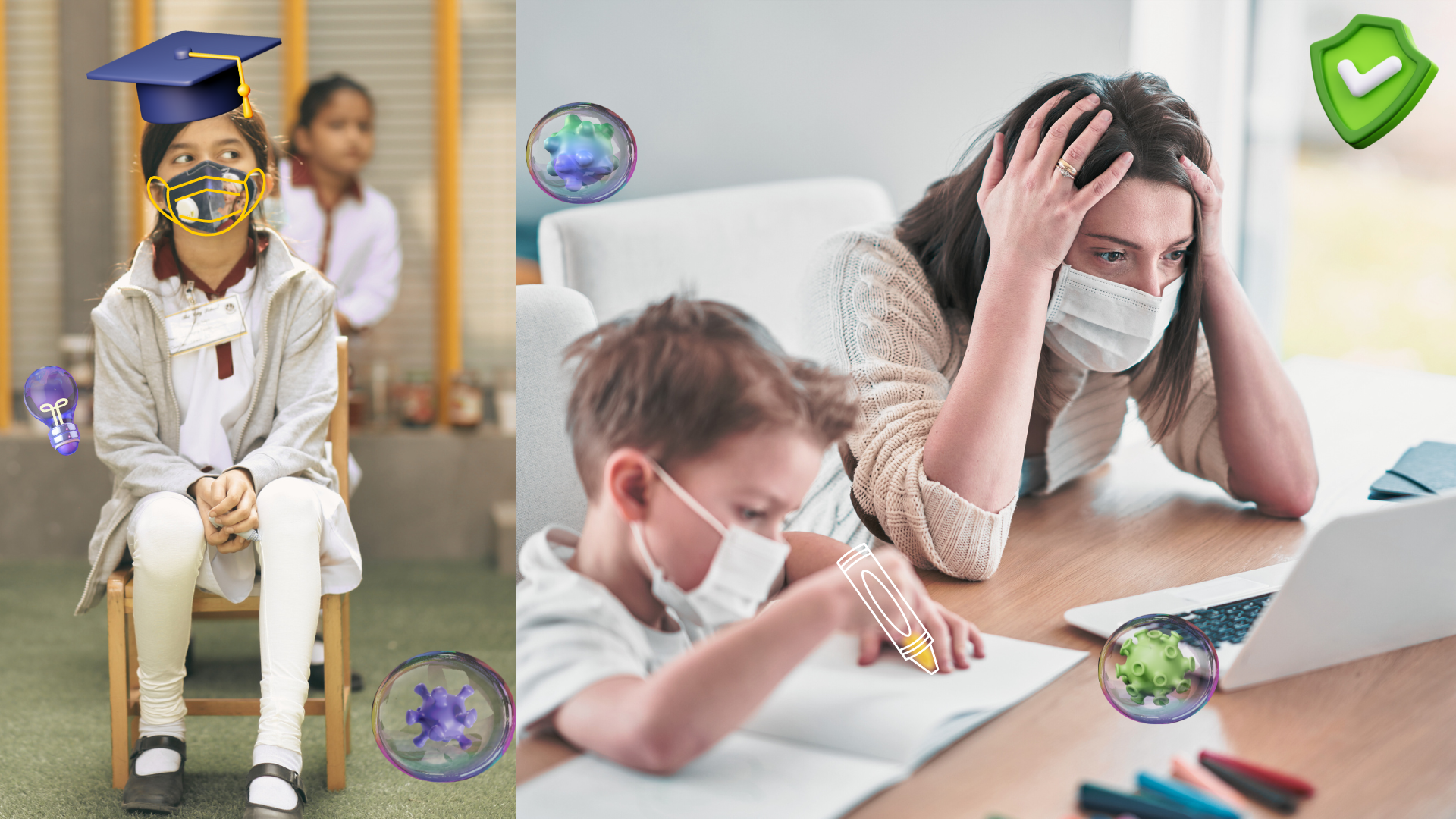
Hey there! Have you ever wondered how the COVID-19 pandemic changed the way kids go to school? Well, let’s dive into what happened and how families are thinking about school differently now.
The Big Shift in School Enrollment
Four years after the pandemic started, many schools are still feeling the effects. In the 2022-23 school year, more kids went back to traditional public schools (TPS), but it’s still not like it was before the pandemic. Before COVID-19, lots of students were already attending TPS. Now, the numbers are about 4% lower than they were in 2019-20.
So, why are some families looking for different options? It’s not just because the population changed or more kids are going to charter schools. There are other reasons too.
Families Exploring New Options
During the pandemic, many parents got a closer look at what their kids were learning because schools moved to online classes. Some parents liked what they saw, but others thought they could find better ways to teach their kids. This led families to explore options like homeschooling or enrolling their kids in private or charter schools.
Perceived School Quality
Parents’ opinions about school quality have changed a lot since COVID-19. In New York City, many parents said they were less happy with their kids’ schools after the pandemic than they were before. This dissatisfaction made some families decide to try different schooling methods.
To get a better understanding, we looked at family satisfaction surveys from New York City Public Schools. These surveys showed that many parents were less satisfied with the education their children received after COVID-19. They felt that schools weren’t preparing their kids well enough for college, careers, and life in general.
The Rise of Homeschooling
Homeschooling became much more popular during the pandemic. In 2019, only about 3.7% of kids were homeschooled. By the fall of 2020, this number jumped to 11.1%. Some families found that homeschooling worked well for them and decided to stick with it even after schools reopened.
Different Reasons for Homeschooling
Before the pandemic, many families homeschooled for religious or moral reasons. After the pandemic, more families started homeschooling because they wanted to give their kids a better or faster-paced education. Some parents felt that their kids needed more help catching up, while others thought their kids could learn more quickly than in a traditional school setting.
Non-Classroom-Based Learning
Not all homeschooling is done completely by parents alone. Some families join groups where they share teaching responsibilities or hire a teacher to help. Others enroll in non-classroom-based charter schools, which allow kids to learn from home but still get support from teachers and access to educational resources.
In these charter schools, students can learn at their own pace while still meeting state education requirements. They are assigned a teacher who checks in regularly to make sure they are progressing well. This option has become popular in states like California and Alaska.
Benefits and Challenges
Homeschooling and non-classroom-based learning have their benefits and challenges. One big advantage is flexibility. Kids can learn at times that work best for them, and parents can tailor lessons to their child’s needs. However, it can also be challenging for parents who have to balance teaching with other responsibilities.
Another benefit is the sense of community that can come from joining homeschooling groups or charter school networks. Kids can still have social interactions through group activities and co-learning sessions. This helps prevent the isolation that some might worry about with homeschooling.
What’s Next for Schools?
The pandemic showed many families that there are different ways to learn. This could mean big changes for traditional public schools in the future. If more families keep choosing other options, some schools might have to close or combine with others.
Public schools will need to adapt to these changes. They might offer more flexible learning options or improve their online learning platforms to meet the needs of students and parents. Schools could also focus on improving communication with families to ensure they feel more satisfied with the education provided.
The COVID-19 pandemic presented a unique opportunity for families to explore different learning approaches. From homeschooling to private and charter schools, many discovered new and exciting ways to help their children flourish. By understanding these diverse experiences, we can shape a future of education that caters to a wider range of learning styles and needs. So, if you could customize your ideal learning experience, what would it look like? The future of education is brimming with possibilities, and it’s up to us to shape it in a way that benefits all learners!


