When My Daughter Hyperfocused on Dragons, This Is What I Did
From the moment I introduced 8-year-old Grace to the How to Train Your Dragon universe, she become OBSESSED with dragons. This wasn’t just an interest in the movies, it was a full-blown SPIN (special interest).
Dragons. Morning to night. Drawing them. Reading about them. Talking about them. Playing with the toys. Watching the movies. Wearing her dragon costume and sleeping with her dragon stuffies.
But dragons are not real, and not on the list of things to study in our homeschool. We were supposed to be learning about physical geography in Social Studies at that time, and frankly, no one was very excited about it.
Riveting stuff like landforms and regions of North America: plains vs. mountains, the Arctic vs. the Maritimes. The Schoolio course had an ongoing activity throughout where we were creating a booklet as we went through each region, one at a time. Learn the geography. Record the land features, water sources, vegetation, and animals for each.
She had zero interest.
To be honest? Neither did I.
But I’ve been at this long enough to know when it’s time to toss the plan and follow the spark instead. So one day, after reading the lesson to her aloud, I looked at her and said:
“What kind of dragon would live here?”
That was all it took.
Every lesson from that point on was golden. For each region, she studied the environment and designed a dragon that could survive there — down to the smallest detail.
The plains dragon was a dusty yellow and burrowed in wheat fields. It lived in underground dens and hunted at dusk, camouflaging in the tall grasses.
The Arctic dragon was brilliant white, blending into the snow and ice. It was slow-moving, conserving energy in the cold, and had thick scales to withstand frigid temperatures.
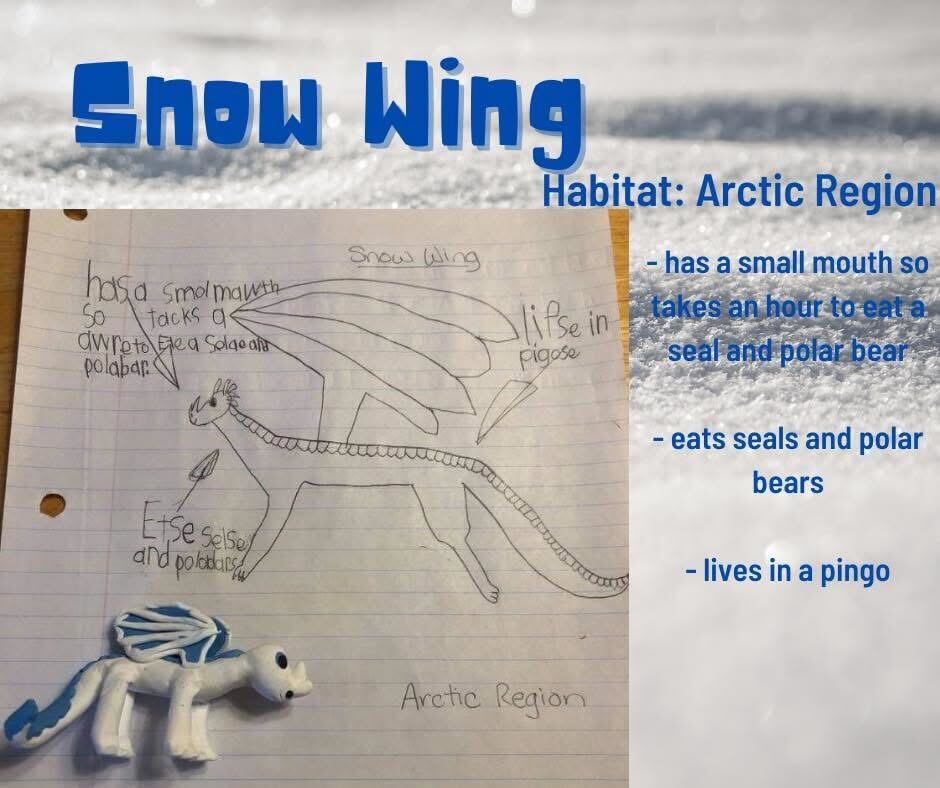
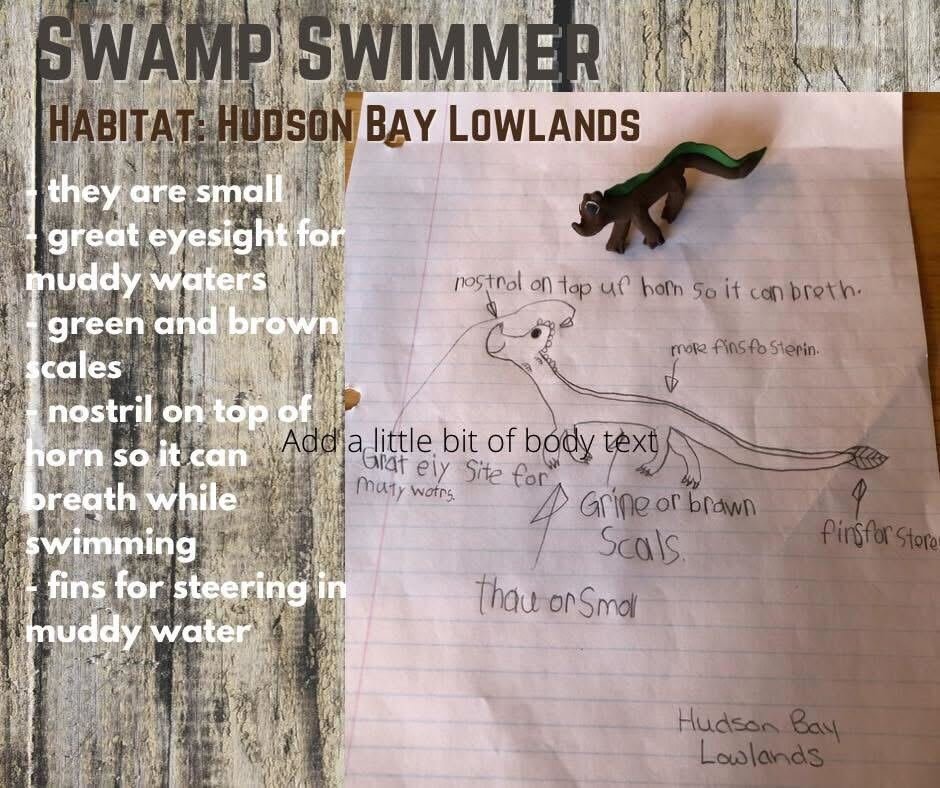
The Maritime dragon? A shimmering blue sea serpent, waterbound and fast, feeding on fish and crustaceans, curled up in coastal caves during storms.
The mountain dragon was stone-grey and jagged, with thick claws that helped it cling to steep cliffs. She told me it would “echo-roar” through the valleys when it was angry.
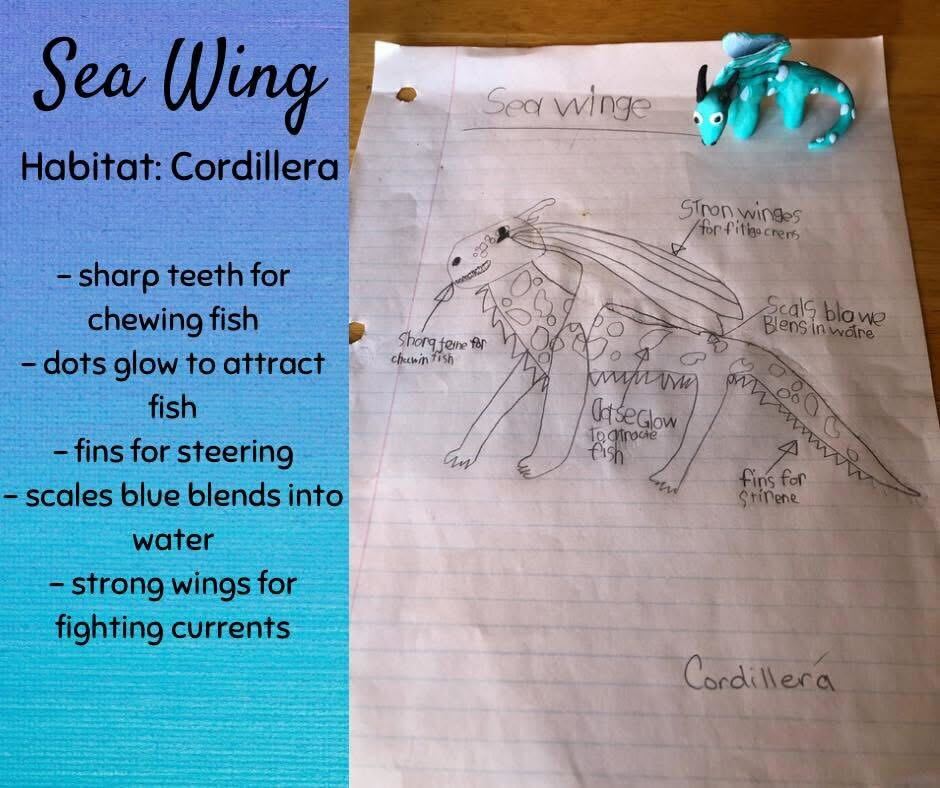
She even brought out the clay and sculpted each of them — every single one. We had an entire dragon ecosystem on our homeschool table by the end of the week.
And she remembered everything.
Not just the dragons — the geography. The climate. The vegetation. The animals. The features of each region. It stuck.
Because when learning is connected to something meaningful — even something mythical — it matters. It lands. It lives in their brains and bodies in a way a worksheet never could.
We didn’t abandon the curriculum. We just used it differently. And isn’t that the whole point of homeschooling?
To follow the spark. To shift when something’s not working. To take a kid’s hyperfocus and say, “Yeah, let’s go there.”
Dragons and all.
? Lindsey
certified special-ed educator & co-founder, Schoolio