Neurodivergent Burnout in Kids: When the Cycle Comes Around Again
Do you ever notice a rhythm with your neurodivergent child?
I do.
About every six weeks — almost on cue — one of my autistic kids falls apart.
Not in a dramatic, explosive way.
In a quiet unraveling.
Tears they can’t explain.
Sleeping in my bed again.
Sleeping a lot.
Periods of going non-verbal.
Sensory tolerance dropping.
Everything suddenly feeling “too much.”
And around that same time, my ADHD child crashes too — but it looks completely different.
His room becomes unmanageable.
Schoolwork that was moving along suddenly stalls.
Routines unravel.
Motivation disappears.
Same timing.
Different presentation.
For a while, I wondered: Is this just my kids?
It turns out, no.
This is something many parents of neurodivergent kids quietly observe.
What Is Neurodivergent Burnout?
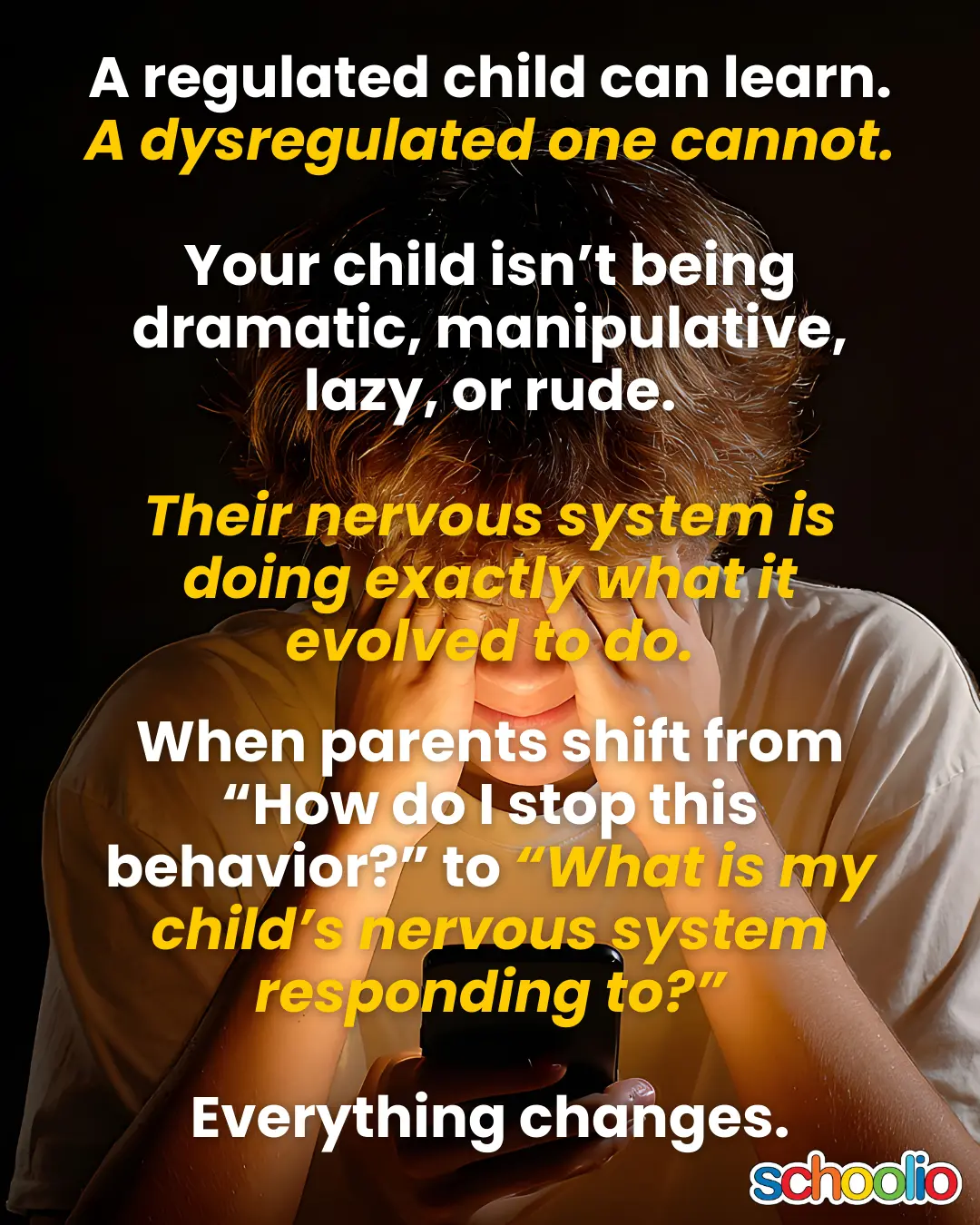
Burnout isn’t laziness.
It isn’t regression.
It isn’t defiance.
Burnout is nervous system exhaustion.
Neurodivergent kids use more energy than we often realize.
They work harder to:
- manage sensory input
- regulate emotions
- navigate social expectations
- initiate tasks
- transition between activities
- maintain routines
- suppress stims
- meet standards that weren’t designed for their brains
They can do it.
Until they can’t.
Burnout is what happens when output has exceeded capacity for too long.
And here’s what’s important:
This isn’t about homeschooling causing burnout.
This happens in public school too.
It happens in summer camps.
It happens in extracurricular seasons.
It happens during growth spurts and life transitions.
It’s not about where they learn.
It’s about how much energy their nervous system has been spending.
Why It Can Feel Cyclical
Many parents describe a pattern.
Four weeks.
Six weeks.
A school term.
A busy season.
It’s not that autistic or ADHD brains have a biological timer set to crash every 42 days.
It’s that effort accumulates.
Novelty fades.
Demands compound.
Sleep drifts slightly off.
Sensory load builds.
Emotional labor increases.
Neurodivergent kids often don’t feel the early signs of fatigue clearly — especially if they have interoceptive differences. They don’t always sense “I’m getting overwhelmed” until they are already there.
So they push.
And then something small tips the scale.
A math worksheet.
A sibling conflict.
A minor change in routine.
And it looks sudden.
But it was building.
Autistic Burnout vs ADHD Burnout
One reason burnout can feel confusing is that it doesn’t look the same in every child.
In autistic kids, burnout often looks like withdrawal.
Increased meltdowns or shutdowns.
More sensory sensitivity.
Needing more sleep.
Loss of words.
Reduced tolerance for social interaction.
Skill regression.
Autistic burnout tends to say, “I can’t.”
The nervous system is conserving energy.
ADHD burnout often looks more external.
Irritability.
Apathy.
Avoidance.
Impulsivity increasing.
Routines collapsing.
Motivation evaporating.
ADHD burnout often sounds like, “I don’t care.”
But underneath it is usually, “I don’t have the fuel.”
ADHD brains run heavily on dopamine. Sustained executive effort without enough reward can drain that system. When the dopamine well runs low, even things they normally enjoy can feel flat.
If your child is both autistic and ADHD, you may see both patterns layered together.
That can feel especially overwhelming as a parent.
It’s Not Regression. It’s Recovery Demanded.
Burnout can look like regression.
But often it’s a nervous system demanding recovery.
The tears that “don’t make sense.”
The need to sleep beside you again.
The messy room.
The missing assignments.
Those aren’t moral failings.
They’re signals.
And they don’t respond well to pressure.
Pushing harder during burnout usually deepens it.
What helps is tapering.
Reducing output.
Lowering expectations temporarily.
Increasing rest.
Adding sensory safety.
Prioritizing connection over correction.
Not forever.
Just long enough for the nervous system to reset.
The Homeschool Reframe
If anything, homeschooling gives you the flexibility to respond.
Instead of labeling a child as disruptive, behind, or unmotivated, you can say:
“I see the pattern.”
You can lighten the week.
Shift to audiobooks.
Move lessons outside.
Build instead of write.
Pause instead of push.
That’s not giving up.
That’s respecting capacity.
Burnout doesn’t mean your child can’t learn.
It means they’ve been working hard.
Often harder than we realized.
If You’re Seeing the Cycle
If you’re reading this and thinking, “Yes. This. Every few weeks,” you are not alone.
It’s not just your child.
It’s not bad parenting.
It’s not fragility.
It’s a nervous system rhythm.
The goal isn’t to eliminate the rhythm entirely.
It’s to start recognizing it earlier.
To build in rest before collapse.
To shift from:
Push → Crash → Panic
to
Build → Taper → Rest → Reset
Because when recovery becomes intentional instead of forced, the crashes get smaller.
And your child doesn’t have to fall quite so far.