Creating a Travel Journal for Nomadic Education

Creating a Travel Journal for Nomadic Education

Creating a Travel Journal for Nomadic Education

Embracing the Nomadic Lifestyle: A World-Schooling Adventure

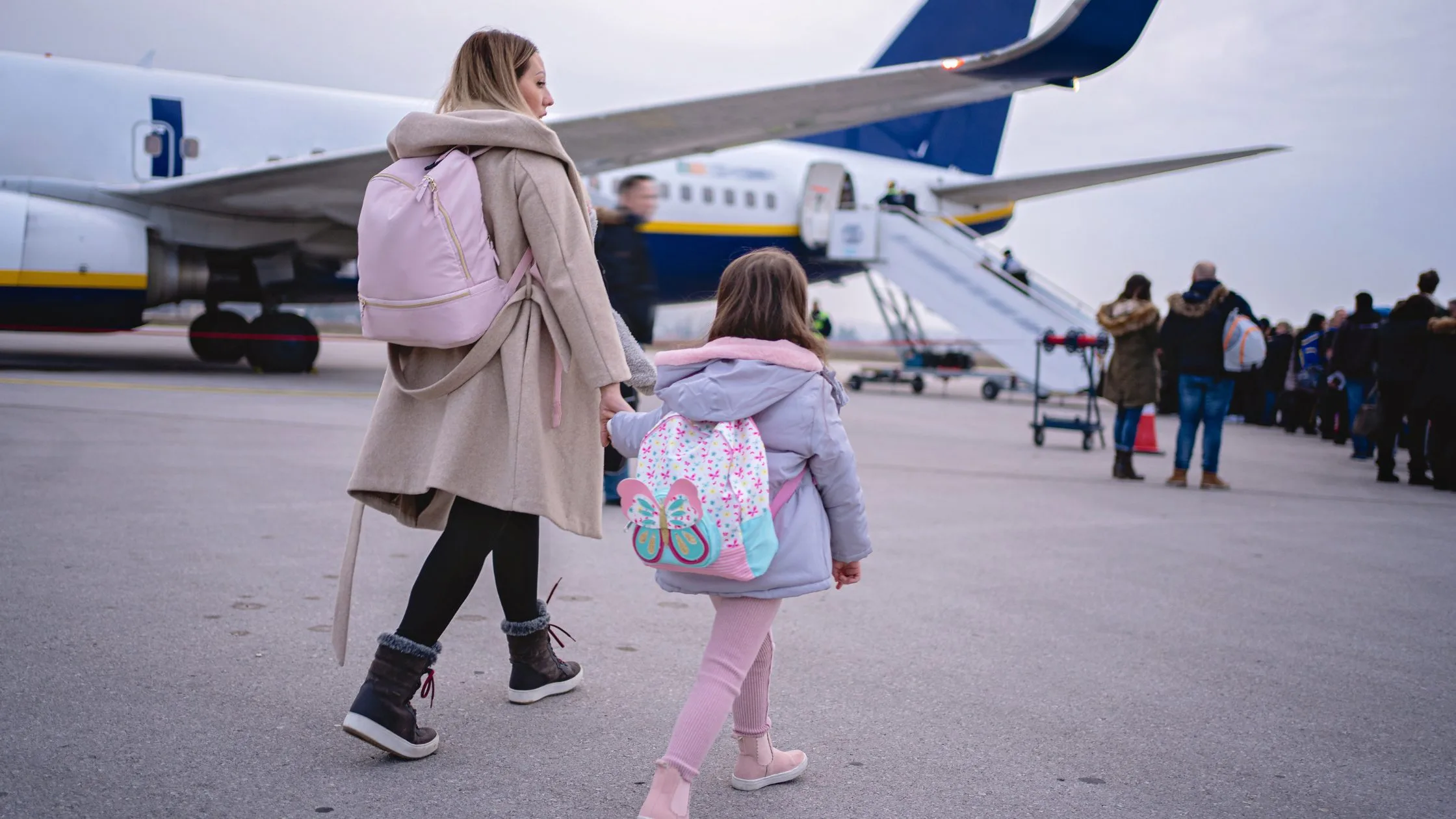
Did you know that more and more families are choosing the Nomadic Lifestyle? With the rise of remote work opportunities and a growing desire for adventure, families around the globe are embracing a lifestyle that blends travel and education. This lifestyle, often referred to as World-Schooling, allows families to take their children’s education on the road. Exploring new cultures, landscapes, and experiences while still prioritizing academic growth and development. Documenting this experience is important, which is why creating a travel journal for nomadic education is a must.

Exploring Education on the Go

World-Schooling is not just about traveling; it’s about integrating education into every aspect of the journey. From visiting historical sites to immersing in local languages, traveling families are turning the world into their classroom. Remote homeschool programs have become invaluable resources for these families, offering structured curriculum and support tailored to the nomadic lifestyle. By homeschooling while traveling, parents can provide their children with a rich and diverse educational experience that extends far beyond the walls of a traditional classroom.

Schoolio Family Plan

Creating Your Nomadic Education Travel Journal

For families embarking on this nomadic education journey, keeping a travel journal can be a fantastic way to document experiences, track learning progress, and foster reflection. Here’s a step-by-step guide on how to create a travel journal specifically designed for nomadic education:

1. Choose the Right Format

Consider what format will work best for your family’s needs. Will you opt for a physical journal, a digital document, or a combination of both? Each has its advantages, so choose what feels most practical and convenient for your travels.

2. Include Academic Goals

Start by outlining the academic goals you hope to achieve during your travels. Whether it’s mastering a new language, studying local history, or delving into cultural traditions, having clear objectives will guide your learning experiences.

3. Document Daily Adventures

Encourage your children to write or draw about their daily adventures, capturing the sights, sounds, and experiences of each destination. This could include journal entries, sketches, photographs, or even audio recordings.

4. Incorporate Learning Activities

Integrate educational activities into your travel journal to reinforce key concepts and skills. This could involve solving math problems related to budgeting and expenses, conducting science experiments inspired by nature, or writing essays about historical landmarks.

5. Reflect and Review

Set aside time for reflection and review, allowing your children to look back on their experiences and evaluate their learning progress. Encourage them to identify challenges, celebrate achievements, and set new goals for future travels.

Schoolio e-books

6. Connect with Other Traveling Families

Join online communities or local meetups to connect with other traveling families and share insights, tips, and resources for nomadic education. Building a support network can enhance your journey and provide valuable inspiration along the way.

Transform Your Family’s Adventures

By creating a travel journal tailored to nomadic education, you can transform your family’s adventures into meaningful learning experiences that enrich both academic knowledge and personal growth. With the support of remote homeschool programs and a spirit of curiosity and exploration, the world truly becomes your classroom.

Whether you’re trekking through ancient ruins, conversing with locals in a bustling market, or stargazing under a vast desert sky. Every moment becomes an opportunity for discovery and learning. So pack your bags, grab your journals, and embark on the journey of a lifetime—a journey where education knows no boundaries and the world is your greatest teacher.


Schoolio Learning Resources

Balancing Travel and Education: Tips for World-Schooling Families

Balancing Travel and Education: Tips for World-Schooling Families

Balancing Travel and Education: Tips for World-Schooling Families

Are you considering embracing the nomad lifestyle? The allure of exploring new cultures, experiencing different landscapes, and creating lasting memories as a family is undoubtedly enticing. For many families, the concept of world-schooling, a blend of travel and education, has become an increasingly popular choice. If you find yourself on the brink of this exciting journey, balancing travel and education becomes paramount. In this blog, we’ll explore valuable tips for world-schooling families who are determined to make the most of their educational adventures.

Tips for balancing travel and education:

1. Embrace Homeschooling While Traveling:

Homeschooling is the linchpin of world-schooling. It allows families to maintain a flexible schedule and cater to each child’s unique learning style. Whether you’re exploring ancient ruins, strolling through bustling markets, or marvelling at natural wonders. Homeschooling ensures that education becomes an integral part of your daily life.

Schoolio Family Plan

2. Curate Your Homeschooling Curriculum:

Designing a homeschooling curriculum tailored to your family’s needs is key. Incorporate diverse subjects that align with your travel destinations, bringing history, geography, and local customs to life. Use resources like documentaries, books, and online educational platforms to enrich your children’s learning experience.

3. Utilize Education Programs for Nomads:

As the demand for education on the road grows, specialized programs catering to traveling families have emerged. Explore education programs designed for nomads, such as Schoolio Learning. These platforms offer comprehensive curricula. This enables your children to stay on track with their studies while embracing the nomadic lifestyle.

4. Prioritize Cultural Immersion:

The world is your classroom, so make the most of it. Immerse your family in the local culture, language, and traditions of each destination. This firsthand experience fosters a deeper understanding of global perspectives, enriching your children’s education beyond the confines of traditional textbooks.

5. Maintain a Consistent Routine:

While travel brings spontaneity, maintaining a consistent routine is crucial for effective world-schooling. Establish a dedicated study time each day, ensuring that educational pursuits remain a priority. Consistency fosters discipline and helps children transition seamlessly between travel and learning modes.

Schoolio e-books

6. Encourage Self-Directed Learning:

Foster a love for learning by encouraging self-directed exploration. Allow your children to choose topics of interest, engage in hands-on activities, and pursue their passions. This autonomy not only enhances their educational experience. It additionally instills a sense of responsibility for their own learning journey.

7. Stay Connected with Other World-Schooling Families:

Building a community with fellow world-schooling families provides support, shared experiences, and valuable insights. Platforms like Schoolio Learning often have forums or groups where parents can exchange ideas, resources, and tips, creating a network of like-minded individuals navigating similar educational journeys.

Let the adventure begin.

World-schooling is a unique and rewarding lifestyle that seamlessly blends travel and education. By embracing homeschooling, curating a personalized curriculum, utilizing education programs for nomads, prioritizing cultural immersion, maintaining a consistent routine, encouraging self-directed learning, and staying connected with a supportive community, your family can embark on an enriching educational adventure that transcends borders. So, pack your bags, open your minds, and let the world become your classroom with the exciting journey of world-schooling.

Schoolio Learning Resources