Fostering Holistic Growth: The Path to Lifelong Happiness and Success

Fostering Holistic Growth: The Path to Lifelong Happiness and Success

Fostering Holistic Growth

Dear Parents, Let’s discuss fostering holistic growth.

In the ever-evolving landscape of education, we must look beyond traditional metrics of success and consider the broader aspects of our children’s development. While excelling in core subjects remains important, nurturing holistic growth that encompasses self-improvement and happiness is equally paramount. Let’s delve into why this perspective matters and how it shapes our children’s journey to a fulfilled and successful life.

Why Holistic Growth Matters:

In a rapidly changing world, the skills needed for success extend far beyond the classroom. Academic excellence is just one part of the equation. By encouraging our children to explore their passions, develop emotional intelligence, and foster resilience, we equip them with the tools to navigate life’s complexities.

1. Confidence through Exploration:

Academic achievements don’t solely define a well-rounded individual. When we support our children in pursuing hobbies, interests, and passions outside of their schoolwork, we empower them with a sense of self-confidence that is crucial in facing challenges.

2. Emotional Intelligence for Meaningful Connections:

Understanding and managing emotions is a cornerstone of success in all areas of life. By nurturing emotional intelligence, we teach our children how to navigate relationships, communicate effectively, and contribute positively to their communities.

3. Adaptability: A Skill for Life:

Adaptability is a prized skill in a world where change is the only constant. Encouraging our children to think creatively, explore diverse perspectives, and embrace new experiences prepares them to thrive in any environment.

4. Resilience in the Face of Adversity:

A holistic approach to growth teaches our children that setbacks are part of the journey. By helping them see challenges as opportunities for growth, we nurture their resilience — a quality that will serve them well throughout their lives.

 5. Lifelong Learning and Curiosity:

The pursuit of knowledge should be a lifelong endeavor. When we inspire our children to explore various subjects, engage in hobbies, and pursue interests beyond their textbooks, we cultivate a genuine love for learning that extends far beyond the classroom.

As parents, educators, and mentors, we have a unique opportunity to shape the next generation’s approach to growth and success. By embracing a well-rounded perspective that values self-improvement and happiness, we’re setting the stage for a future where our children excel academically and lead lives filled with purpose and fulfillment.

In this journey of holistic growth, your partnership with us is invaluable. Together, we can ensure that our children are equipped to face the challenges of the modern world with confidence, adaptability, and an unwavering zest for learning and self-improvement.

By Sathish Bala, CEO Schoolio

Click to read the original post

Click here to learn about incorporating your family values into your homeschool.

How to Teach Social-Emotional Learning in the Classroom

How to Teach Social-Emotional Learning in the Classroom.

Teaching Social-Emotional Learning

In recent years, educators and researchers have recognized the importance of social-emotional learning (SEL) in fostering students’ overall well-being and academic success. Teaching SEL skills equips students with valuable tools to navigate their emotions, develop empathy, build positive relationships, and make responsible decisions. By integrating SEL into the classroom, educators can create a supportive environment that promotes students’ emotional growth and cultivates a strong sense of community. This blog will explore practical strategies about how to teach social-emotional learning in the classroom effectively.

Benefits of Adding Social-Emotional Learning to Your Classroom:

Integrating social-emotional learning (SEL) into your classroom offers numerous benefits that extend beyond academic achievement. By prioritizing SEL, educators can help students develop a range of skills that contribute to their overall well-being and success in various aspects of life. SEL provides students with the tools to manage their emotions effectively, develop self-awareness, establish healthy relationships, and make responsible decisions.

These skills are essential for personal growth, building resilience, fostering empathy and understanding, and preparing students for the challenges of the 21st century. Moreover, research has shown that incorporating SEL into the curriculum leads to improved classroom behavior, increased student engagement, reduced bullying, and higher academic performance. By investing in social-emotional learning, educators lay a strong foundation for their students’ long-term happiness, success, and positive contributions to society. Learn more about why you should teach SEL in your classroom.

Simple Tips About How to Teach Social-Emotional Learning in the Classroom:

1. Create a Positive Classroom Climate:

Establishing a positive classroom climate is crucial for fostering social-emotional learning. Encourage open communication, active listening, and respect among students. Model empathy and understanding to create a safe space where students feel comfortable sharing their thoughts and feelings. By setting clear expectations for behavior and promoting inclusivity, you can create an environment that supports SEL growth.

Create a Positive Learning Environment

2. Integrate SEL into the Curriculum:

Integrating SEL into your daily curriculum helps students see the relevance of these skills in their academic pursuits. Infuse SEL concepts into various subjects, such as literature discussions, history lessons, or science experiments. For example, analyze characters’ emotions in a novel, explore historical events from different perspectives, or promote teamwork during group projects. This interdisciplinary approach allows students to practice SEL skills in different contexts.

3. Teach Self-Awareness and Self-Management:

Self-awareness and self-management are fundamental aspects of SEL. Help students identify and understand their emotions by incorporating activities like journaling, mindfulness exercises, or reflection prompts. Encourage them to recognize triggers, manage stress, and regulate their emotions effectively. Provide guidance on goal-setting, decision-making, and problem-solving to empower students to make responsible choices.

4. Develop Empathy and Perspective-Taking:

Empathy is a cornerstone of healthy relationships and social interactions. Teach students to understand and respect diverse perspectives by incorporating activities that promote empathy and perspective-taking. Encourage discussions on real-world issues, role-playing scenarios, or engaging with literature that explores different cultures and experiences. By developing empathy, students become more compassionate and tolerant individuals.

Social-Emotional Learning Schoolio

5. Nurture Positive Relationships:

Building positive relationships within the classroom is essential for a supportive learning environment. Encourage teamwork, cooperation, and respect through group projects, collaborative discussions, or peer mentoring. Create opportunities for students to share their thoughts, provide constructive feedback, and support each other’s growth. By fostering a sense of belonging, students feel valued and develop stronger interpersonal skills.

6. Encourage Conflict Resolution:

Teaching students how to resolve conflicts peacefully is a vital aspect of SEL. Provide strategies and frameworks for effective conflict resolution, such as active listening, compromise, and negotiation. Encourage students to express their viewpoints respectfully and help them find common ground. By promoting healthy conflict resolution skills, students learn to navigate disagreements and maintain positive relationships.

7. Engage Families and the Community:

Collaboration with families and the wider community enhances the impact of SEL. Involve parents in SEL initiatives through workshops, newsletters, or family activities that reinforce SEL skills at home. Engage community organizations, such as local mental health providers or non-profits, to provide additional resources and support for SEL initiatives. By fostering a cohesive network, students receive consistent SEL messages across various settings.

Adding Social-Emotional Learning to your classroom

Adding Social-Emotional Learning to the Classroom can be Transformative.

Integrating social-emotional learning into the classroom is a transformative approach that equips students with essential life skills. By creating a positive classroom climate, integrating SEL into the curriculum, and focusing on self-awareness, empathy, and relationship-building. Educators can then help students develop into well-rounded individuals. Who are capable of navigating their emotions, fostering positive relationships, and making responsible decisions.

Benefits of Adding Schoolio Learning’s Social-Emotional Learning Materials to Your Classroom:

Incorporating Schoolio Learning’s Social-Emotional Learning materials into your classroom brings a host of benefits to educators and students alike. Developed by experts in the field of social-emotional learning, this comprehensive program offers a structured and evidence-based approach to fostering students’ emotional intelligence and well-being.

Social-Emotional Learning

Schoolio’s Social-Emotional Learning materials provide a wide range of engaging and age-appropriate resources. Including lesson plans, activities, worksheets, and interactive multimedia materials. These resources are designed to address key SEL competencies such as self-awareness, self-management, social awareness, relationship skills, and responsible decision-making.

Gain Access to a Well-Organized Social-Emotional Learning Curriculum.

By implementing Schoolio Learning’s Social-Emotional Learning materials, educators gain access to a well-organized and sequential curriculum. That allows for systematic instruction and progression of SEL skills throughout the academic year. Our Social-Emotional Learning curriculum also offers flexibility, enabling educators to adapt and customize lessons to meet the specific needs and interests of their students.

By utilizing Schoolio Learning’s Social-Emotional Learning materials, educators can confidently nurture a supportive and inclusive classroom environment. While also equipping students with essential life skills that promote their overall well-being, success, and resilience.

Why Teach Social-Emotional Learning: Nurturing the Whole Child

Why Teach Social-Emotional Learning: Nurturing the Whole Child

Why teach social-emotional learning

In today’s rapidly changing world, education goes beyond academic knowledge and encompasses the whole child’s development. One essential aspect of education that has gained significant recognition is social-emotional learning (SEL). This approach equips students with the skills and competencies to navigate life’s challenges, build meaningful relationships, and thrive in various personal and professional contexts. This blog post will explore why teaching social-emotional learning is crucial and how it benefits students in their academic pursuits and beyond. So, why teach social-emotional learning?

There is a mental health crisis, especially among children.

Incorporating SEL becomes even more crucial amid the growing awareness of children’s mental health struggles. According to recent statistics, children’s mental health is a pressing concern, highlighting the need for a holistic approach to education.

Social Emotional Learning

The CDC reports that approximately one in six children in the United States have a mental health disorder, with anxiety and depression being the most prevalent conditions. Moreover, the World Health Organization found that around 10-20% of children and adolescents experience mental health disorders globally. These alarming statistics emphasize the importance of addressing children’s mental health and well-being through comprehensive programs like social-emotional learning.

So, why teach social-emotional learning in your classroom or homeschool?

1. Foster Emotional Intelligence

Emotional intelligence plays a vital role in personal and professional success. Educators and parents can help students understand and manage their emotions by incorporating SEL into the curriculum. Students learn to identify and label their feelings, regulate their emotional responses, and empathize. These skills enable them to develop healthy coping mechanisms, make responsible decisions, and build positive relationships.

2. Enhance Self-Awareness and Self-Management

Self-awareness is a fundamental aspect of personal growth. By teaching SEL, educators help students develop a deep understanding of their strengths, weaknesses, and values. They become more aware of their thoughts, emotions, and behaviors, allowing them to set meaningful goals and make informed choices. Additionally, SEL equips students with self-management skills such as stress reduction techniques, time management, and self-motivation, enabling them to navigate challenges effectively.

3. Promote Positive Relationships

Healthy Friendships

Strong interpersonal skills are essential for success in today’s interconnected world. SEL emphasizes the importance of building and maintaining positive relationships. Students learn active listening, effective communication, conflict resolution, and teamwork, which are crucial for collaboration and cooperation. These skills foster empathy, respect, and inclusivity, enabling students to create a supportive and harmonious social environment.

4. Develop Responsible Decision-Making

Teaching SEL equips students with the tools to make responsible decisions, considering their choices’ consequences and ethical implications. By encouraging critical thinking, problem-solving, and ethical reasoning, educators empower students to navigate complex situations effectively. This enables them to make informed choices that positively impact themselves, their communities, and the world.

5. Improve Academic Performance

Contrary to the notion that social-emotional learning takes away valuable academic instructional time, research suggests that integrating SEL into the curriculum positively impacts academic performance. When emotionally engaged and equipped with social skills, students experience improved focus, concentration, and motivation. SEL also helps create a positive classroom environment, reducing disruptive behavior and enhancing classroom management.

6. Building Resilience and Mental Health

The modern world presents numerous challenges and stressors for students. Teaching SEL equips them with resilience skills to navigate setbacks, failures, and adversities. By promoting emotional well-being, stress management, and self-care practices, educators and parents help students develop the mental fortitude needed to bounce back from challenges and maintain good mental health.

Nuture the whole child.

Incorporating social-emotional learning into education is essential for nurturing the whole child. By prioritizing students’ emotional well-being, self-awareness, relationship-building, and responsible decision-making, educators equip them with skills that extend far beyond the classroom.

Nurture the whole child

Social-emotional learning prepares students to thrive in a rapidly changing world, fostering their personal growth, academic success, and overall happiness. As we recognize the significance of social-emotional development, integrating SEL into education becomes an imperative for preparing students to become well-rounded individuals who can positively contribute to society.

Add Social Emotional Learning Materials to your classroom or homeschool.

Adding SEL to your education plan is much easier than you’d like! Schoolio learning is fitted with a wholesome library of SEL content to help your students aquire the skills they need. With Social Emotional Learning resources from Kindergarten to Grade 8, Schoolio is your one stop shop for SEL learning material for your classroom or homeschool.

Homeschooling: What To Do When You Need Academic Help

Homeschooling: What To Do When You Need Academic Help
Frustrated Kid

Are Your Kids Behind? This Blog Will Help You With What to Do 

By Chelsea McLeod

So you decided to Homeschool, planned your curriculum and made a classroom space in your home. Imagine; it is now January; you are well into the year and feel comfortable with the routine, and have successfully into the swing of things. However, there have been some things recently that have given you pause.

Is the level of work you are doing where it should be? Has your student completed enough for this point in the year, or are they reading at the appropriate grade level? Now, you are panicking. Your greatest fear has been realized, and you don’t know what to do or if you can fix it.  Are your kids behind? This blog will address your journey, Homeschooling: What To Do When You Need Academic Help.

You’re Not Going to Panic.

Homeschooling: What To Do When You Need Academic Help
Don’t panic. What does behind “mean?”

Homeschooling: What To Do When You Need Academic Help

Are your kids behind? What does that mean?

Even if that were true if your homeschooler(s) is/are behind. Here’s what you’re not going to do… You’re not going to panic. First, you must treat yourself with some grace. Yes, there is some concern if your child is behind, but you, the homeschool mom, will take it personally and view it as a personal failing, a poor reflection on her when her child gets behind.

Remember that we are our worst critics, so I promise you this is not your failure, and it will not define your homeschooling journey. With that said, the first thing you’ll need to do to approach this problem is to cut yourself some slack. There is no perfect method of schooling, no method that guarantees 100% success at every benchmark at every level and in every subject. Homeschooling: What To Do When You Need Academic Help is an important read and can help both you and your kids when they are struggling.

Kids who attend public schools need to catch up, too. Kids who attend private schools have absent days and struggle with reading. In the same way, your homeschooled child is not doomed because of the choices you made for their education. Finally, no child develops and learns at the same rate, so allow yourself to shake it off when some subjects require more focus.

Every child develops and learns at their own rate.

So now that you have taken a breath and stepped back from the ledge you have talked yourself onto, you need to understand that there are many pieces to this “realization,” not all of which are accurate. Remember that old saying: “Comparison is the thief of joy.” Well, that’s just it; by what definition or standards do you feel that they are behind? What comparison are you making that brought you to this conclusion? Is your child not yet mastering skills that their peers who are attending traditional school are?

Or are your kids not reading the same chapter books you did when they were your age? Are the criteria you’re grading your child by actually arbitrary standards that society decided upon? While you are reflecting on these considerations, keep in mind that grade levels are an arbitrary marker that was created. That there is not one single age that children read by or master multiplication; or an age by which they write an eloquent essay. So first, decide in what way are they behind and is a marker that you are comfortable with. Then you can go about making changes and correcting it.

Increase your child’s achievement in several ways.

You and your child can make changes and increase their achievement in several ways. For our purposes in this blog, these can be separated into two categories when searching for answers to the question, are your kids behind?

Insourcing (You Tackle the Project) and Outsourcing (You Seek Outside Help). If you want to learn more and tackle the issue head-on, you can try some of the following things to get a start.

Here Are Some of Our Suggestions; Homeschooling: What To Do When You Need Academic Help

Insourcing (Upskilling Yourself, Keep the Learning at Home)

  • Watch videos

    • We all learn in different ways, which also leads to the fact that we all understand things differently. Therefore videos can be an excellent tool. They can help you learn another approach to a topic or help your child learn a different angle of a problem.
  • Read books

    • Books are a magnificent resource for a variety of topics. They can spark the imagination and teach concepts somewhat effortlessly. You can learn several different approaches to whatever problem you are tackling. If math is the issue, books can give you many different ways to solve the problem. One may be the key for your student to overcome their challenges.

Homeschooling: What To Do When You Need Academic Help
There are so many benefits to reading. It can help your kids catch up.

  • Change up your approach.

    • You may have been following a particular reading or spelling program, and now, to overcome this struggle, you may need to try another program or go from pencil/paper work to hands-on using manipulatives. So take some time to research and see what’s out there. You do not have to stick with something if there is a chance that something else may be better.
  • Play games

    • Similar to changing your approach, make learning fun. Learning does not have to be strict or boring; it can also be fun! So create a board game to tackle the skills your child may be missing. Play match to learn sight words, or make a rhyme to remember your multiplication tables. The sky’s the limit, and sometimes fun will unlock some hidden potential. 

Homeschooling: What To Do When You Need Academic Help
Play games!

Even in education, it takes a village.

While there is no right or wrong way to approach things, it is essential to remember that even education takes a village. We were not meant to live in isolation; you are not an island in and of yourself so getting help from an outside source is okay. Even those that are not experts have knowledge in different fields for subjects; for example, I have a brain and skill set much better served with writing, and my husband is more of a math brain, so when the kids need help, why not play to our strengths? 

Similarly, even in the traditional school setting, when a student is struggling, it is never the teacher’s sole responsibility to catch them up or find the missing piece that will help them. Therefore, the following list suggests places/people seeking outside help.

“I have a brain and skill set much better served with writing, and my husband is more of a math brain, so when the kids need help, why not play to our strengths?”

Outsourcing (Seeking Help from Outside Sources)

  • Subscribe to an online practice site

    • There are plenty of options when it comes to online sources these days. You can subscribe to a math practice website or a game-based site for spelling word practice. Sometimes all that is needed is a change of perspective or “teacher,” and a student will thrive. Do some research, and you might find something you and your child both enjoy.  
  • Sign up for class, local or online

    • Live classes are trendy now, which could be the key to unlocking your child’s potential. Whether an online course or a local group, there are opportunities to make connections and change the teacher/learner dynamic.  Sometimes all it takes is to make learning fun again, and something will click to help the student overcome a challenge.
  • Hire a tutor

    • When a student struggles in school, a teacher may suggest some tutoring help. Well, homeschooling is no different; you, too, can hire a tutor. This can take some of the pressure off of you to get everything right, and your child has the chance to learn from someone else, which can make a huge difference. There is plenty of resources when your child needs something extra or different. Tutoring centers like Sylvan are often easy to find, and online tutors have become a viable option in recent years.

Homeschooling: What To Do When You Need Academic Help
Hire a tutor

  • See a specialist

    • You can get an assessment done and get to the issue’s root. If you are worried your child is behind because of an identifiable learning concern, consider bringing it up with your pediatrician and ask for testing referrals. Often there is some hesitancy to “label” children, but understanding how and why your child experiences difficulties can only benefit both of you. Do not be intimidated by the possibility of a “label” Whatever your child is working with, at least it won’t be without awareness and resources.
  • Seek advice from more experienced homeschoolers

    • Thankfully countless homeschooling parents had gone before us and shared their hard-earned wisdom. A whole community wants to help and can help if we ask. So check with your local homeschooling groups or other parents at your co-op (if you are part of one). Ask about their preferred strategies and materials for your child’s specific concern. You can also read blogs of homeschoolers who have encountered similar difficulties with their child and come out the other side.

Homeschooling: What To Do When You Need Academic Help
Help your child catch-up at home

Your Homeschooler May Be Behind, But Not For Long! 

All is not lost! You can homeschool a child with learning disabilities. You can even homeschool when struggling with a particular subject or concept. So the next time you feel that pit in your stomach and panic about your child’s learning, remember to take a breath and approach the issue one step at a time. You know your kiddos and how they learn, and it is okay to seek help; numerous resources are available. So, the next time you wonder, “Are your kids behind?” Remember that your child will succeed sooner or later, and you will be there when they cross the finish line!

We hope you found Homeschooling: What To Do When You Need Academic Help insightful. If you are looking for some resources to help you in your homeschool journey, head on over to our website and take a look at our curriculum shop. 

6 Reasons Why It’s Important To Encourage Multi-Age Play

Children are naturally curious and sociable beings. They love to explore, learn and play with others. As a parent, you want the best for your child; you want them to be happy, healthy, and well-adjusted. However, when it comes to playtime, parents may be hesitant to let their children play with kids of all ages. This is understandable for several reasons, one being that parents may want to ensure their children’s safety. However, there in fact several known benefits of encouraging children to play with peers of various ages. Encouraging your children to play with kids of all ages has a positive impact on their social emotional development. In this blog, we will discuss the 6 reasons why it’s important to encourage multi-age play.

It’s Important to Encourage Multi-Age Play; It Sets Children Up Both Personally and Professionally

Here Is A List Of Our 6 Reasons Why It’s Important To Encourage Multi-Age Play:

Playing Across Ages Builds Empathy and Understanding

When you follow these 6 reasons why it’s important to encourage multi-age play, you can help children learn to empathize with others and understand different perspectives. Playing with kids of all ages can help your child develop empathy. By interacting with others who are different from them, children learn to understand and appreciate different perspectives and experiences. This can help them become more compassionate and understanding individuals. Also, while playing with kids of all ages, children see their metaphorical journey reflected in the overall group. They see what lies ahead of them, as well as what they’ve already gone through. This helps build empathy for others, regardless for others, no matter their age or abilities.

6 reasons why it's important to encourage multi-age play

Inter-Age Play Develops Social Skills

Playing with peers of all ages can help develop important social skills. Younger children can learn how to communicate with older children, while older children can practice leadership and communication skills when playing with younger children. Children of different ages also have varying levels of physical and cognitive abilities, which can challenge children to adapt their play style and collaborate with their peers. Children are challenged to design games and cooperate in ways that meet a wider range of needs and skill levels. Younger children learn from older children’s experiences, and older children learn to be patient and nurturing toward their younger peers.

This interaction can foster a sense of community and belonging in children and create a more accepting and inclusive environment. Additionally, when children play with kids of different ages, they learn how to interact with others who have different needs, interests, and abilities. 6 reasons you should encourage multi-age play helps them develop important social skills such as communication, cooperation, empathy, and respect. Playing with older children can also expose younger children to more advanced language and social skills that they can learn from and develop.

6 reasons why it's important to encourage multi-age play

Cross-Age Play Encourages Creativity and Imagination

    When kids play with others of different ages, they are exposed to more diversity. This means that children of different needs, skills, and interests are included. This exposure encourages more complex conversations, problem-solving and critical thinking. Playing with peers of different ages can encourage children to use their imagination and creativity in new ways. When children play with peers of different ages, they are exposed to new perspectives, ideas, and experiences. This can inspire them to think differently and develop new, innovative ways of playing and problem-solving. Older children can introduce younger children to new games and activities that they may not have thought of before. While younger children can bring new perspectives and ideas to playtime. This interaction can inspire children to think outside of the box and explore their creative sides.

    6 reasons why it's important to encourage multi-age play

    Boosts Confidence and Self-Esteem

    Having meaningful interactions with kids of all ages can help boost a child’s confidence and self-esteem. Younger children look up to older role models and develop a sense of confidence from keeping up with older peers. Interacting with older children challenges younger children, which encourages them to push themselves to do better.  Therefore also encouraging younger children to scaffold their learning and challenge themselves in both their cognitive and physical development. Older children will feel pride and accomplishment when they teach younger children new skills. This skill transfer will help younger children to succeed in play. Similarly, younger children look up to older children. In this instance, they rely on them for guidance and support, which can make them feel important and valued. 

    Encouraging Multi-Age Play and Interaction Can Inspire Kids To Problem Solve And Create Innovative Ways To Play

    Promotes Positive Behavior

    When children play with kids of all ages they are exposed to a range of behaviours; helping them to learn what is acceptable and what is not. Older children can model positive behaviours and attitudes for younger children, who can then learn from these examples. 6 reasons why it’s important to encourage multi-age play can help to promote positive behaviour in your children. It can also discourage negative behaviours, such as bullying and exclusion.

    The presence of younger children allows older children the opportunity to learn about caregiving and leadership roles. This practice of caregiving can also lead older children to take responsibility for more vulnerable members of the group. Moreover, playing with kids of different ages can help your child build friendships with a much wider range of people. This can be especially helpful if your child has trouble making friends their own age. By playing with kids of different ages, they may find kindred spirits who share similar interests, values, or hobbies.

    6 reasons why it's important to encourage multi-age play

    Multi-Age Play Prepares Better Children for the Real World:

    Finally, 6 reasons why it’s important to encourage multi-age play can impact your child’s future. Playing with kids of all ages will help your child prepare for the real world. When playing and interacting with others of diverse ages, all children are able to experiment. In these groupings, children have space to take on various roles. They can experiment with hierarchies, power dynamics, leadership roles, and group rules in a way that reflects real life. In real life people of all ages interact with each other in a variety of contexts. Therefore, having the ability to communicate and collaborate with people of all ages is a valuable learning opportunity for children. They have the space to prepare for their future personal and professional life without adult consequences.

    6 reasons why it's important to encourage multi-age play

    6 Reasons Why It’s Important To Encourage Multi-Age Play; It Sets Children Up For Life

    In Conclusion;

    There are many benefits that can be seen from our 6 reasons why it’s important to encourage multi-age play.  Making space for children to play with peers of different ages has a positive impact on their socio-emotional development. In doing so, they develop important social skills, build self-confidence, foster creativity and imagination, encourage empathy, build friendships, foster confidence and self-esteem, promote positive behaviour and finally help to prepare them for the real world. 

    As parents, knowing that this type of mixed-age interaction is crucial for your child’s socio-emotional development; it is, therefore, essential for us to intentionally create opportunities for our children to interact with peers of all ages, whether it’s through playdates, community events, family gatherings or extracurricular activities. By doing so, we can help our children develop important socio-emotional skills that will benefit them throughout their whole lives and can help you to set them up for future personal and professional successes. So, the next time you’re arranging a playdate, consider inviting a child of a different age group and watch your child’s development soar!

    We hope you enjoyed reading about the 6 reasons why it’s important to encourage multi-age play. If you would like to read more helpful articles about child development or homeschooling please visit our Blog


    Is Your Child Emotionally Burnt Out?

    5 Signs Your Child is Struggling Emotionally

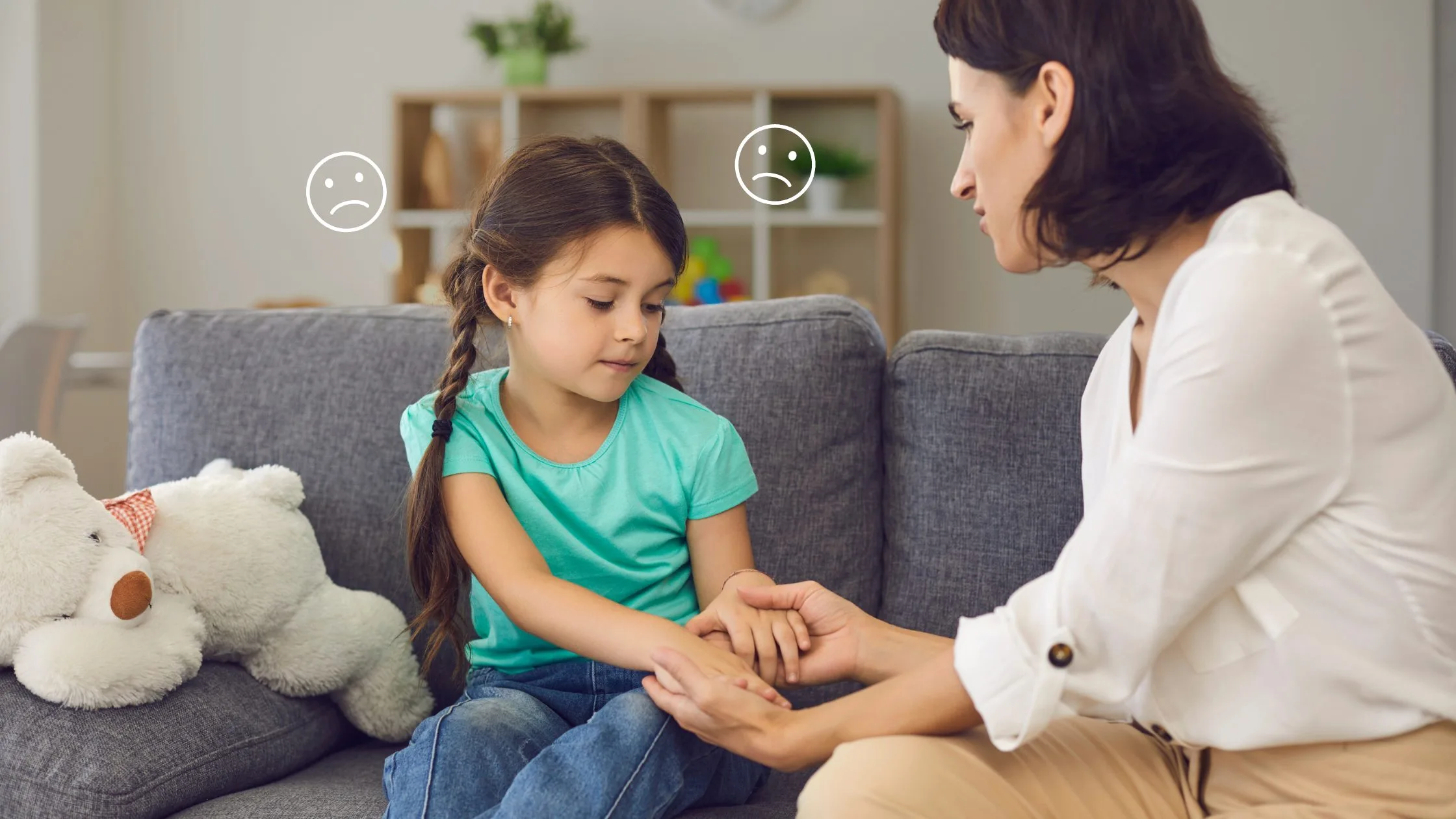
    As parents, we pride ourselves on knowing about our children: their likes and dislikes, friends, strengths and weaknesses, and interests. We want to ensure that we also keep an eye on our children’s emotional and mental health, is your child emotionally burnt out?

    5 Signs Your Child Is Emotionally Burnt Out.

    After 2+ years of a global pandemic, it feels like a long time for parents and children. But what represents 1% or less of our parent’s lifetimes has been 20% of a ten-year-old child’s lifetime. If your child is six or younger, they may not remember the “before times” of Covid-19, lockdowns, and school closures.

    Our children (and even us as parents) are downright out of practice with many of the basic skills we all used to take for granted. Things like, social interactions, navigating through crowds, routine changes, and overcoming daily challenges have yet to be practiced much, by any of us, not only children, in the last few years. But this lack of practice has come during the social and emotional development for our children. As they are thrown back into a “full-speed” world, it may be a more challenging transition for children than anticipated.

    Luckily, there are things parents can look for in children- behaviour clues- that will act as signs your child is struggling emotionally and allow parents to help children earlier, even before the child may be aware of a problem themselves or be able to verbalize it to parents.

    So, is your child emotionally burnt out? Here are five indicators.

    1. Low Mood or Apathy

    Parents know their children better than anyone else, and as a parent, you know what gets your child interested and excited. If you notice that your child isn’t enjoying what they used to or is apathetic about adventures that used to get them excited, it may be one of the five signs your child is struggling emotionally.

    Sure, interests change over time, but if your child has been a gymnast for years and suddenly can’t be bothered to change for practice, or your child has a love of dinosaurs but would rather stay home than visit the museum, it could be a clue that something is up. Often when we think about depression, we think of sadness- crying and being unable to get out of bed. In reality, depression can manifest in different ways, and an early sign can be a lack of interest in activities one used to enjoy.

    1. Quick to Anger

    Everyone gets angry, and we know that young children have less emotional control and regulation skills than older children and parents, but again, you know your child best! If you feel like you’re walking on eggshells with your child all the time, trying not to say or do the wrong thing because they seem so quick to anger lately, it could be one of the five signs your child is struggling emotionally.

    The things that used to be par for the course, like asking your child to finish their chores or start their homework, are now suddenly throwing them into a grumpy mood. Or maybe you see your child getting angry over challenges they used to enjoy, like playing a video game. Instead of persisting in a difficult challenge, they throw the controller and get upset. These quick-to-anger moments can be one of the five signs your child struggles emotionally.

    1. End-of-Day Restraint Collapse

    Also called After School Restraint Collapse, this happens when a child has been holding in their big emotions all day long to behave appropriately, and then when they get to the safety of their home and the comfort of their parent, they let it all out. Often this comes out as a “meltdown” or what some might call a “tantrum.” On the bright side, parents can take comfort when this happens in knowing that their child feels safe and loved with you, able to let their defences down and unload all their big feelings knowing that your love and support are a constant.

    You’ve created a connected and emotionally supportive parent-child relationship- great job! But that aside, it sure doesn’t feel good as a parent to see your child completely lose control like that. Suppose this happens to your child often, particularly at the end of events, such as a day of school or any other significant stimulation day. In that case, it could be this third of the five signs your child is struggling emotionally. If your child feels like they can’t let their big feelings out in whatever situation they just came from, it may be time to assess that situation and ensure it’s serving your child as you want.

    1. Always-Never Statements

    What are always-never statements? Always-Never statements are one of the “unhelpful thoughts” taught in Cognitive Behavioral Therapy- considered the “gold standard” in treating stress, anxiety, and depression. It is recognized and endorsed by organizations worldwide, including the World Health Organization (WHO), the National Institute of Mental Health, and national psychiatric and psychological associations in Canada, the US, Australia, and the UK.

    Likewise, hundreds of well-designed research studies have demonstrated the effectiveness of CBT for thousands of children. CBT teaches strategies to recognize and combat negative thought patterns, understand how they relate to and affect emotions and behaviour, and help children and parents to reduce stress, anxiety, depression, and other negative self-talk and self-image. One of these negative thought patterns is Always-Never thinking. This is when your child sees a pattern that isn’t there and concludes that something “always” or “never” happens when it’s a little of both.

    This is a typical negative thought pattern with children, and we hear it in phrases like, “You never let me stay up late.” or “You always take my sister’s side!” This is evidence that your child is forging neuropathways in negative thought patterns that can be difficult to break later. Hearing these statements often could be one of the five signs your child struggles emotionally.

    1. Fixed Mindset

    You’ve probably heard the term Growth Mindset; a Fixed Mindset is the opposite. When a child has a growth mindset, they believe that they can learn as much as they want and that their mind can grow and strengthen by doing difficult things. A growth mindset also means that your child understands that mistakes are typical and essential in learning. A growth mindset also focuses children on the power of the word “yet.” Meaning there may be things your child can’t do… yet.

    When children have a growth mindset, they know that it’s just a matter of time and practice, and yes, failure and mistakes before they learn the hard thing they were trying to learn. Evidence of a Fixed Mindset often comes in words and phrases when your child is working on something hard or trying to overcome an obstacle. If you constantly hear your child saying things like, “I can’t.” or “I don’t know how.” or your child is quick to give up, they may not understand the Growth Mindset. The defeatist attitude of a Fixed Mindset can be one of the five signs your child is struggling emotionally and possibly having self-esteem issues.

    What do you do?

    Is your child emotionally burnt out? Now that you know these five signs, what do you do?

    The number one thing to do is be patient.

    Remember that many of the things we, as parents, are excited to get back to like full-time in-person school, theme parks, concerts, and other significant events- are mere memories, at best, for our young children. These things can be overwhelming, and some social anxiety from your child during the adjustment period is expected. Be patient with them, take your time re-introducing these activities, keep them short, and space them out as much as possible.

    Second, don’t overburden your child’s schedule.

    It’s exciting to get back to the things we used to love. But a full day of school followed by sports, clubs, tutors, music lessons, etc., can do more harm than good, primarily if your child is exhibiting any of these five signs your child is struggling emotionally. Too much hustle and bustle can leave children feeling overwhelmed and holding in their emotions too tightly for too long. Give your child lots of breaks, and plan for quiet downtime at home regularly.

    And third, don’t hesitate to ask for help if your child is struggling.

    From your family doctor to a myriad of private therapists, classes, courses, and at-home workbooks, there is a lot of valuable help for children and adults alike who are struggling emotionally. Don’t hesitate to reach out for help when you need it, and remember that it’s always better to have done more than you needed to help your child than not to have done enough.

    We’ve all been through a lot over the past two years, and a global pandemic is not a small or meaningless event in anyone’s life. If you or your child are struggling, don’t be embarrassed to ask for help, decline events that don’t bring you joy, or adjust your schedule as much as you may need.

    It’s ok to ask for help.

    If you’re seeing some of the five signs your child is struggling emotionally, consider looking for an at-home, learn-together approach to helping your child learn to manage their thoughts, feelings, and emotions. Check out the Schoolio Social-Emotional Learning unit, Thoughts & Feelings. This 10-lesson unit has scripted tools and fun activities that allow you and your child to learn the basics of Cognitive Behavioral Therapy and Social-Emotional Learning together. You do not have to be a parenting expert to do this unit with your child! You’ll learn and grow together, and you’ll be equipping your child with some concrete strategies they can use their whole lives whenever they are struggling emotionally.