Digital Learning Beyond Academics: Fostering Well-Rounded Development with Social Emotional Learning

Digital Learning Beyond Academics: Fostering Well-Rounded Development with Social Emotional Learning

Digital Learning Beyond Academics: Fostering Well-Rounded Development with  Social Emotional Learning

Homeschooling programs have garnered increasing popularity among parents who are already immersed in the journey of providing customized education for their diverse-minded children. Beyond the traditional academic subjects, there is a growing recognition of the importance of nurturing a child’s holistic development. One critical aspect gaining prominence is Social Emotional Learning (SEL), let’s learn more about digital learning beyond academics.

Understanding the Significance of Social Emotional Learning (SEL)

Social Emotional Learning goes beyond academic achievements. Focusing on the emotional and social skills that empower children to navigate life successfully. It involves developing self-awareness, managing emotions, building positive relationships, and making responsible decisions. The benefits of SEL extend far beyond the classroom, contributing to the overall well-being of the child.

Schoolio Family Plan

Schoolio’s Commitment to Holistic Education

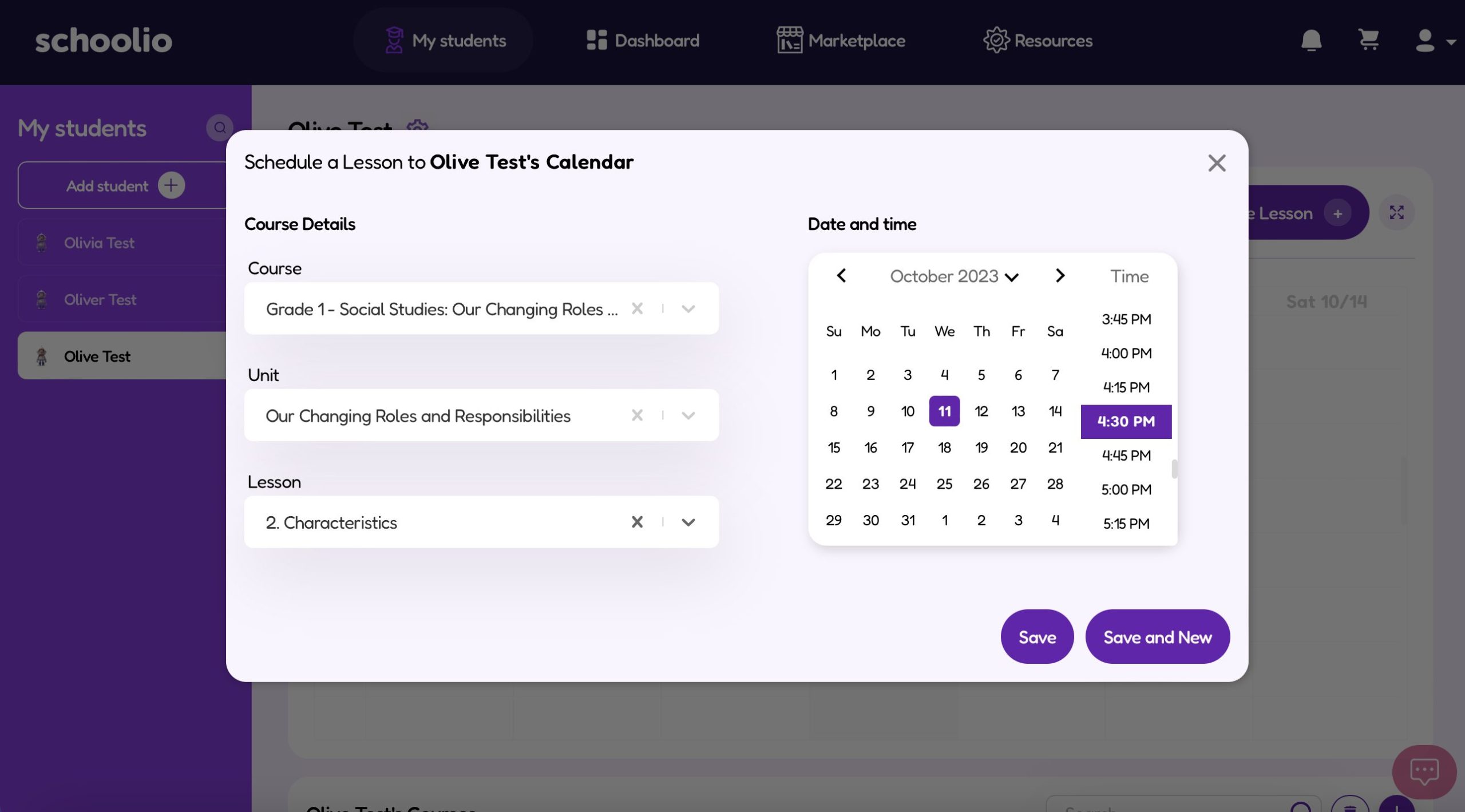
Schoolio has a commitment to providing an inclusive homeschool program that goes beyond traditional academics. The Schoolio family plan offers a comprehensive educational experience that recognizes the diverse needs of every child.

Tailored Education for Diverse Minds

Schoolio understands that each child is unique, and their learning journey should be too. The educational materials for kids provided by Schoolio are crafted to cater to various learning styles and preferences. Ensuring that children receive an education tailored to their individual needs.

The Role of Social Emotional Learning in Schoolio’s Curriculum

One of the standout features of Schoolio’s educational approach is the emphasis placed on Social Emotional Learning. Recognizing the importance of developing emotional intelligence in children, Schoolio has integrated dedicated SEL units into its curriculum.

Schoolio e-books

Thoughts and Feelings: Learning to Manage How I Think and Feel

An exemplary unit in Schoolio’s Social Emotional Learning resources for kids is the “Thoughts and Feelings” module. This unit is designed to help children understand and manage their thoughts and emotions effectively. By fostering self-reflection and emotional regulation, Schoolio equips children with valuable life skills that extend far beyond the academic realm.

Accessible Learning through Schoolio Bookstore and Learning Platform

Parents can easily access the Thoughts and Feelings unit and other SEL resources through the Schoolio Bookstore or the Schoolio Learning Platform. This accessibility ensures that families using Schoolio’s homeschool program can seamlessly integrate these valuable lessons into their children’s education.

As the demand for inclusive homeschool programs continues to grow, it is essential to recognize the significance of holistic education. Schoolio’s commitment to providing tailored education for diverse minds. When coupled with its strong emphasis on Social Emotional Learning, makes it a standout choice for families seeking a comprehensive and well-rounded homeschooling experience. By prioritizing the development of emotional intelligence, Schoolio ensures that children are not just academically proficient. Additionally, it is equipped with the essential skills to navigate the complexities of life with resilience and empathy.

Schoolio Learning Resources

Achieving a quality education on a budget? Click here to learn more!

What Self-Care Really Means: How to Beat the Winter Blues

What Self-Care Really Means: How to Beat the Winter Blues

What self care really means

Parenting resources often emphasize the importance of self-care, especially during the winter months when the blues can cast a shadow on daily life. Many parents find themselves juggling multiple responsibilities. Which makes it crucial to prioritize parental self-care as a means of combating the winter blues. In this blog, we’ll explore practical tips for maintaining well-being, incorporating mindfulness practices, and making use of valuable parenting resources like Schoolio Learning to navigate the challenges of the season. Let’s discuss what self-care really means!

The Importance of Parental Self-Care:

Parenting is undoubtedly rewarding, but it comes with its set of challenges, particularly during the winter blues. Neglecting parental self-care can lead to burnout, impacting both mental and physical health. Recognizing the significance of self-care is not only a personal benefit but also an investment in the ability to be present and engaged in the demands of parenting.

Self-Care Tailored to You:

Parental self-care is a diverse journey, and what works for one parent may differ for another. Embracing the diversity of self-care activities ensures that each individual can find solace in practices that resonate with them. Whether it’s integrating mindfulness exercises, utilizing Schoolio Learning resources, or simply taking a moment to sip a warm cup of tea, the focus is on activities that bring joy, relaxation, and rejuvenation.

Schoolio Family Plan

Practical Tips to Beat the Winter Blues:

1. Create a Cozy Corner:

Transform a corner of your home into a retreat space using comfortable cushions, blankets, and perhaps some soothing music. Schoolio Learning resources can assist in creating a conducive environment for both parents and children.

2. Embrace Natural Light:

Utilize natural light to combat the winter blues. Open curtains and blinds during the day, and consider incorporating Schoolio Learning’s interactive lessons, making education a source of positivity for both parents and children.

3. Stay Hydrated:

Incorporate parental self-care by prioritizing hydration. Keep a water bottle handy, and encourage your family to stay hydrated with the support of Schoolio resources that promote healthy habits.

Schoolio e-books

4. Incorporate Quick Mindfulness Practices:

Integrate mindfulness exercises into your routine with the help of Schoolio Learning’s mindfulness modules. Short moments of focus on breath or guided mindfulness activities can alleviate stress and enhance mental clarity.

5. Connect with Others:

Leverage parenting resources to maintain connections with friends and family. Whether through phone calls, video chats, or social media platforms like Schoolio Families. Staying connected combats the isolation that often accompanies the winter blues.

In the realm of parenting, navigating the winter blues requires a commitment to parental self-care, mindfulness, and utilizing valuable resources. By recognizing the importance of well-being, embracing diverse self-care practices, and incorporating tools like Schoolio Learning. Parents can beat the winter blues and approach their roles with renewed energy and resilience. Remember, nurturing yourself is an essential aspect of effective parenting, ensuring a harmonious balance between caring for others and caring for oneself.

Schoolio Learning Resources

A Parent’s Guide to Personalized Learning: Tailoring Education to Your Child’s Needs

A Parent’s Guide to Personalized Learning: Tailoring Education to Your Child’s Needs

A Parent’s Guide to Personalized Learning: Tailoring Education to Your Child’s Needs

In a world that celebrates individuality, the realm of education is no exception. You likely recognize the unique qualities in each of your children—distinct strengths, individualized learning styles, and preferences. This is where personalized learning becomes an incredibly obvious choice for all children. Offering a tailored educational approach that caters to the diverse needs of your child is important. Learn with us as we check out a parent’s guide to personalized learning: Tailoring education to your child’s needs.

Customized Learning for Academic Excellence

Children are like fingerprints—no two are exactly alike. Acknowledging and accommodating their individual learning needs is essential to foster a love for learning while also ensuring academic success. Did you know that personalized learning is a cornerstone of various popular homeschool programs? Going beyond the conventional, one-size-fits-all approach. This then enables students to progress at their own pace. While also exploring topics aligned with their interests, and engaging with a home education curriculum tailored to their unique learning styles.

Schoolio Family Plan

Benefits of Personalized Learning:

  1. Tailored Pace: Children can advance through their curriculum at a pace that suits their understanding. This also prevents boredom and/or frustration.
  2. Individualized Content: Learning materials are curated to match the child’s interests, making the educational experience more enjoyable and meaningful for children and parents.
  3. Varied Learning Styles: Personalized learning accommodates diverse learning styles. Doing so by catering to visual, auditory, and kinesthetic learners.
  4. Boosted Confidence: Success in personalized learning builds confidence, showcasing a child’s ability to conquer challenges independently.
  5. Focus on Strengths and Weaknesses: Identify and address both strengths and weaknesses, fostering a holistic approach to education.

Don’t forget self-care! Click to learn more!

Bringing Personalized Learning Home with Schoolio

As a parent navigating the various programs for homeschooling, the Schoolio Learning Platform stands out with its Family Plan. Priced affordably at $99.99 per year, this plan supports up to three learners. Providing access to educational materials for kids that align with personalized learning principles.

Schoolio e-books

Steps to Get Started with Schoolio’s Personalized Learning:

  1. Sign up for the Schoolio Family Plan: Explore the Schoolio website and sign up for the Family Plan, making personalized education accessible and affordable for your homeschooling journey.
  2. Create Individual Profiles for your children: Establish personalized profiles for each learner, incorporating information on grade level, username and passwords.
  3. Explore Learning Paths: Benefit from Schoolio’s customizable learning paths, tailoring your child’s educational journey based on their unique needs and aspirations.
  4. Engage with Assessments: Leverage Schoolio’s adaptive math assessments to identify strengths and areas needing additional focus within your chosen home education curriculum.
  5. Celebrate Progress: Regularly monitor and celebrate your child’s progress. Adjusting learning plans as needed to ensure continued growth and success.

Do you have a budding entrepreneur? Check this out!

Schoolio Learning Resources

Building Stronger Parent-Child Connections Through Digital Learning

Building Stronger Parent-Child Connections Through Digital Learning

Building stronger parent-child connections through digital learning

In an age of rapid technological advancements, digital learning has emerged as a transformative educational force. It not only offers a host of educational benefits but also presents unique opportunities for building stronger parent-child connections. In this blog, we will explore the possibilities for building stronger parent-child connections through digital learning and how Schoolio Digital, a cutting-edge educational platform, can help you effectively harness these benefits.

The Digital Learning Revolution

The shift towards digital learning is undeniable. From online classes to interactive educational apps, technology has opened up a world of opportunities for students. Schoolio Digital has emerged as a standout platform in this dynamic environment, providing a comprehensive educational experience for students of all ages.

However, the most intriguing aspect of Schoolio Digital is not just its efficacy in delivering quality education. It also serves as a powerful tool for building stronger parent-child connections, bridging the generation gap, and creating shared experiences that can be cherished for years.

Digital Learning: Strengthening the Parent-Child Bond

Digital learning is a catalyst for enhancing parent-child relationships in various ways. Here are some of the key benefits it brings:

Collaborative Learning:

With digital learning, parents can actively participate in their child’s education journey. By engaging with the curriculum and monitoring their progress, parents convey the message that learning is a shared endeavor, creating a stronger connection.

Shared Learning Experiences:

Digital platforms like Schoolio Digital provide many interactive resources, from virtual kids’ clubs to lesson videos and assessments. These resources enable parents and children to explore subjects together, fostering shared learning experiences beyond the classroom.

Flexible Scheduling:

Digital learning

Digital learning offers flexibility in scheduling, allowing parents to spend more quality time with their children. This adaptability helps alleviate stress and promotes focused, relaxed interactions, contributing to a more harmonious parent-child relationship.

Empowering Parents as Learning Guides:

Schoolio Digital simplifies the learning process, making it accessible for everyone. With instructional materials and straightforward guidelines, parents can confidently take on the role of learning guides, enhancing their child’s educational journey.

Monitoring Progress and Growth:

Learning Progress

Digital learning platforms offer progress-tracking features, enabling parents to closely monitor their child’s learning development. This informs parents about their child’s academic performance and provides opportunities to celebrate achievements together.

Now That We Know the Benefits Let’s Talk About Building Stronger Parent-Child Connections Through Digital Learning:

Now, let’s explore how Schoolio Digital can catalyze building stronger parent-child connections:

Real-Time Progress Monitoring:

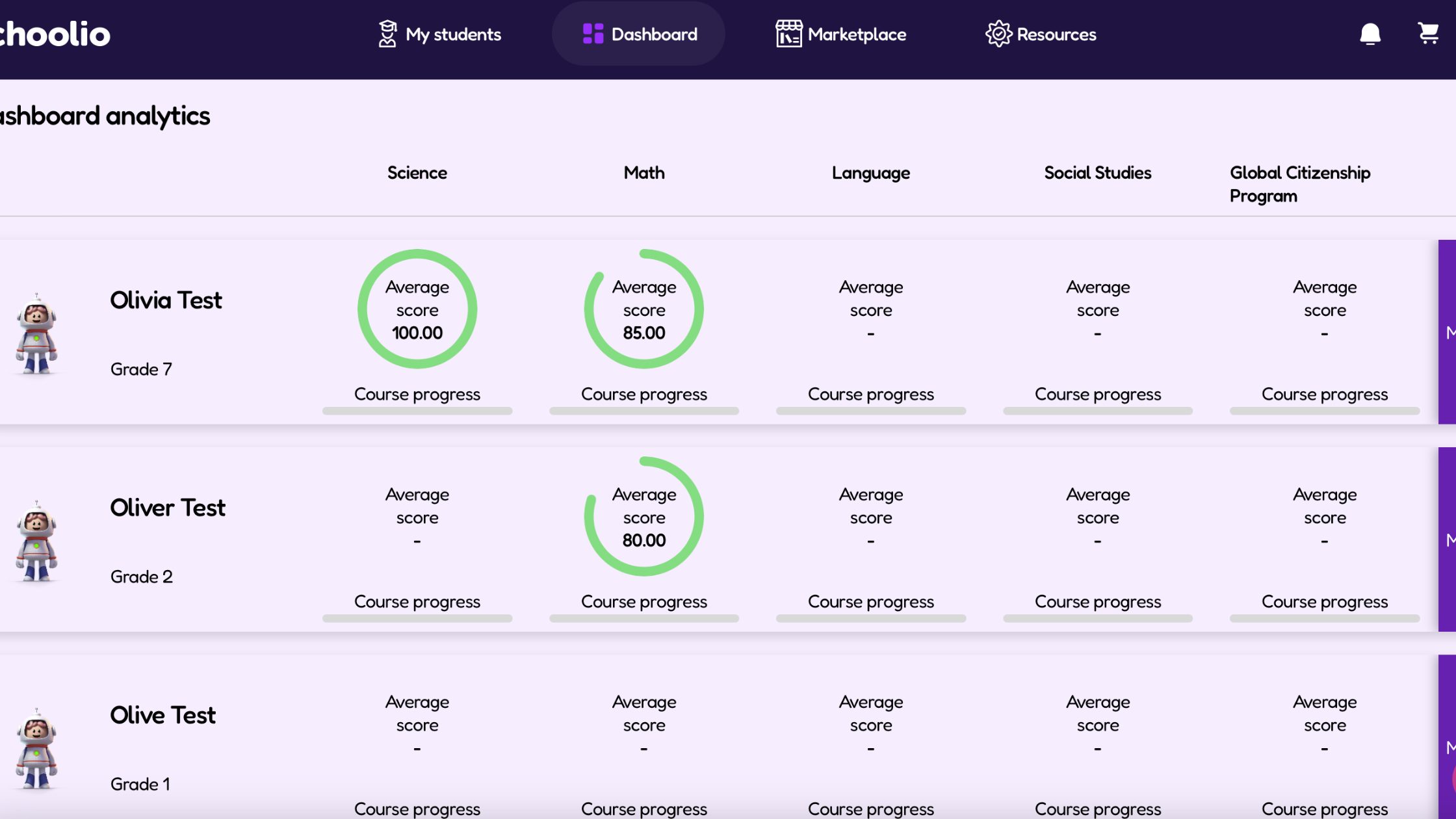
Schoolio Digital provides real-time insights into your child’s academic progress. Parents can track assignments, assessments, and grades, enabling them to have informed conversations with their child about their learning journey.

Interactive Learning:

Interactive lessons

Schoolio Digital’s interactive resources, including multimedia content and engaging assignments, facilitate a dynamic learning experience. Parents can actively participate in discussions and activities, strengthening their connection with their children.

Personalized Learning:

The platform allows for personalized learning plans tailored to your child’s pace and style of learning. This adaptability ensures that learning remains an enjoyable experience, fostering a positive attitude towards education.

Parental Engagement Resources:

Schoolio Digital provides resources and guidance designed for parents via the Schoolio Community. These resources can offer valuable tips on actively participating in your child’s education and building a stronger bond through the digital learning experience.

Incorporating Digital Learning for Happier Learning Results.

You won’t want to miss out on this opportunity to transform your family’s educational experience with Schoolio Digital. The benefits of digital learning are enormous, and Schoolio Digital is here to make it a reality for you and your child.

Unlock the power of digital learning and foster stronger parent-child connections that will last a lifetime. Click the button below to join Schoolio Digital and participate in this incredible transformation.

Fostering Confidence: A Learning Platform’s Role

Fostering Confidence: A Learning Platform’s Role

Fostering Confidence: A Learning Platform’s Role

In the growing-up journey, one attribute holds immeasurable significance: self-confidence. From the earliest years of childhood to the critical stages of adolescence, building self-confidence becomes pivotal in shaping a child’s future. It is the pillar upon which their dreams and aspirations rest, playing a critical role in their academic and life success. The importance of self-confidence is evident, as its absence can lead to myriad challenges, especially in education. Let’s discuss fostering confidence: a learning platform’s role.

The Crucial Link Between Grades and Self-Confidence

Academic performance is often intertwined with self-esteem for children and young learners. Lower grades and learning gaps can severely affect a child’s self-confidence. When students face difficulties grasping academic concepts, they might experience self-doubt and frustration, which, if left unaddressed, can lead to a negative self-image. A lack of self-confidence can hold them back, making them reluctant to participate in class, ask questions, or even take on new challenges.

This is where digital learning platforms like the Schoolio Digital Platform come into play, offering a lifeline to bolster self-confidence in young learners.

Fostering Confidence: A Learning Platform’s Role

1. Personalized Learning Plans:

Personalized Learning

Digital learning platforms like Schoolio, IXL, Prodigy, Time4Learning adapt to individual learning needs. By tailoring content to each student’s level and pace, it ensures that learners receive the right challenges and support, boosting their confidence as they progress at their own rate.

2. Immediate Feedback:

Immediate feedback

Digital platforms offer instant feedback, highlighting areas of improvement. This real-time guidance helps students promptly identify and address their weaknesses, preventing self-esteem from plummeting due to prolonged struggles.

3. Interactive Learning:

Interactive learning

Learning through digital platforms can be highly engaging. Interactive lessons, quizzes, and games make learning enjoyable, which can help students feel more confident and enthusiastic about their studies.

4. Progress Tracking:

These platforms provide tools for tracking one’s progress. Seeing tangible improvement can boost students’ self-esteem by providing evidence of their growth and mastery of various subjects.

5. Safe and Supportive Environment:

Digital learning can be less intimidating than traditional classroom settings. It allows children to learn at their own comfort levels, free from the fear of judgment or comparison with their peers.

6. Access to Resources:

Access to Resources

Digital learning platforms offer a vast library of resources and materials, ensuring students can access comprehensive educational content. This availability empowers students to explore topics they are passionate about, further boosting their confidence.

7. Independence and Autonomy:

Digital learning encourages self-directed learning. As students take control of their learning journeys, they develop a sense of independence and autonomy, strengthening their self-confidence in their ability to take charge of their education.

Schoolio Digital Platform: Bridging Learning Gaps and Boosting Confidence

The Schoolio Digital Platform stands out as a game-changer in today’s educational landscape. It excels in bridging learning gaps and nurturing self-confidence in young learners. Through personalized learning plans, immediate feedback, interactive lessons, and a wealth of resources, Schoolio empowers students to take control of their education, building their self-confidence. By addressing individual needs, providing ongoing support, and creating a safe and engaging learning environment, Schoolio enables students to grow academically and personally.

Schoolio Digital

Digital learning platforms like Schoolio play a crucial role in fostering confidence in children. They provide the tools and support for students to overcome learning gaps and thrive in their educational pursuits. With the proper foundation and a boost in self-confidence, young learners are better equipped to face the challenges, ensuring a brighter future and a stronger sense of self-worth.

Transforming the Homework Experience With Schoolio Digital

Transforming the Homework Experience With Schoolio Digital

Transforming the Homework Experience With Schoolio Digital

Homework is a topic that often sparks mixed emotions among parents and students alike. While it serves as a valuable tool for reinforcing classroom lessons, it can also be a source of stress and frustration for families. However, a solution promises to make homework a more engaging and less stressful experience for parents and their young learners – let’s talk about transforming the homework experience with Schoolio Digital.

Homework Solutions Redefined: Transforming the Homework Experience with Schoolio Digital

Schoolio Digital

Schoolio Digital is here to revolutionize the way your child experiences homework. No more daily battles, no more struggles – just a smooth and enjoyable journey towards learning success. Imagine a world where homework is not a source of stress but an opportunity for growth and exploration. That’s precisely how we are transforming the homework experience with Schoolio Digital.

An Engaging Learning Experience

At the heart of transforming the homework experience with Schoolio Digital is the concept of making learning enjoyable. Its user-friendly interface and wide range of interactive features transform homework into an engaging adventure. Your child will no longer view homework as a chore but as a chance to explore new ideas, discover their interests, and build essential skills.

Personalized Learning

Engaging learning

One of the key features of Schoolio Digital is its ability to adapt to your child’s individual needs. It recognizes that every student is unique, and it tailors homework assignments accordingly. This personalized approach ensures that your child is challenged at the right level, fostering a sense of accomplishment and confidence.

A Stress-Free Routine

With Schoolio Digital, you can bid farewell to the days of homework-induced stress. The platform provides a clear structure and organization for assignments, helping your child manage their time effectively. No more last-minute scrambles to complete homework or late-night meltdowns – Schoolio Digital helps establish a calm and productive homework routine.

Real-Time Progress Tracking and Engaging Learning

Homework Solutions

As a parent, it’s natural to want to keep an eye on your child’s progress. Schoolio Digital offers real-time progress tracking, allowing you to monitor your child’s performance and stay informed about their strengths and areas that need improvement. This transparency can facilitate meaningful conversations with your child about their learning journey.

A Partnership in Education

Schoolio Digital doesn’t just transform homework for your child; it also enhances your role as a parent in their educational journey. By offering insights into your child’s learning habits and progress, it encourages open communication and collaboration between you and your child.

A Brighter Future for Education

Homework should be an opportunity for growth, curiosity, and self-discovery, not a source of stress. Schoolio Digital is on a mission to make this vision a reality. By transforming homework into an engaging, stress-free experience, it helps your child build a solid foundation for a brighter future.

A Brighter Future for Education

Say goodbye to homework battles and embrace serene, productive learning sessions with Schoolio Digital. Together, we can make homework a joyous and rewarding part of your child’s education. Join us in this exciting journey towards transforming homework into an engaging learning adventure. Together, we’ll pave the way for a future filled with knowledge, growth, and endless possibilities.

Overcoming Learning Gaps: Strategies for Parental Guidance and Support

Overcoming Learning Gaps: Strategies for Parental Guidance and Support

Overcoming Learning Gaps: Strategies for Parental Support

Bridging learning gaps is a crucial endeavour for parents who want to provide their children with the best educational opportunities. These gaps can arise from various factors, making it essential for parents to actively engage in helping their children overcome them. In this blog, we will explore practical strategies, for overcoming learning gaps with tools and parental guidance, to assist parents in supporting their children on their educational journey.

Understanding Learning Gaps

Learning gaps represent areas where children may not have grasped specific concepts or skills at the expected level for their age or grade. These gaps can result from varying learning styles, missed lessons, or challenges with specific subjects. Recognizing and addressing these gaps is essential for ensuring a child’s academic success. These gaps can be particularly pronounced in subjects requiring hands-on learning or face-to-face interactions. Recognizing the unique circumstances and impacts that the pandemic had on their children’s education, parents must approach learning gaps with empathy and flexibility. While also understanding that their children may have encountered unprecedented obstacles in their educational journey due to circumstances beyond our control.

Now, let’s explore some practical ways parents can assist their children in overcoming learning gaps.

Open and Effective Communication:

Learning gaps

The foundation of any successful parental support strategy is open and effective communication with your child. Please encourage them to share their academic struggles, fears, and frustrations. Listen attentively, without judgment, and reassure them that asking for help is okay. When your child feels heard and understood, they’ll be more willing to seek assistance; your search for the proper parental guidance will help them.

Identify Specific Learning Gaps with Parental Guidance:

To effectively address learning gaps, it’s crucial to identify the specific areas where your child is struggling. Review their recent assignments, tests, and teacher feedback. Are there recurring themes or patterns of difficulty? This assessment will help you pinpoint the exact areas that require attention. Schoolio Learning offers free Math Assessments for Kindergarten to grade 8.

Free Math Assessment

Seek Professional Guidance:

Sometimes, learning gaps may be beyond your expertise, and that’s perfectly fine. Consider seeking professional guidance, such as a tutor or educational therapist, who can provide targeted support tailored to your child’s needs. These experts can offer fresh perspectives and teaching methods to bridge the gaps effectively.

Utilize Online Learning Resources:

In today’s digital age, a wealth of online learning resources are available to assist children in catching up on missed concepts or reinforcing their understanding. Platforms like Schoolio Digital, Khan Academy, Coursera, and educational YouTube channels can provide interactive lessons and tutorials on various subjects. At Schoolio Learning, we offer a 14-day complimentary trial to see if our learning platform is the right fit for your child.

The Schoolio Digital Platform

Foster a Supportive Learning Environment:

Creating a supportive learning environment at home is essential. Establish a routine that includes dedicated study time, free from distractions. Ensure your child has access to necessary school supplies and a quiet, comfortable space to work. Your encouragement and positive reinforcement can significantly boost their motivation.

Encourage a Growth Mindset:

Teach your child the importance of a growth mindset, emphasizing that intelligence and skills can be developed with effort and perseverance. Encourage them to view challenges as opportunities for growth rather than setbacks. This mindset shift can empower them to tackle learning gaps with resilience.

Are you a work from home – homeschooling parent? Click here

With the Right Tools and Parental Guidance, Overcoming Learning Gaps Becomes an Achievable Goal.

Overcoming learning gaps may seem like a challenging task, especially in the wake of the pandemic. However, it becomes an achievable goal with the right tools and parental guidance. Remember that every child is unique, and your strategies should be tailored to their specific needs and learning styles. Be patient, stay involved, and celebrate every small victory. You and your child can conquer learning gaps and pave the way for a brighter educational future.

Learn about Fostering Confidence: A Learning Platform’s Role.

Are You Feeling Isolated As a Homeschooling Parent?

Homeschooling Parents are Feeling Isolated. Here’s How We Fix It: 10 Benefits of a Virtual Homeschooling Community

Homeschooling parents are feeling isolated.

Homeschooling parents are no strangers to sacrifice. They willingly give up jobs, time, and the social connections that come with them to provide their children with a tailored education. It’s a path filled with love and dedication, but it can also be an isolating one. The lack of support and camaraderie can leave parents feeling like they’re navigating this journey alone. Are you feeling isolated as a homeschooling parent? That’s where virtual homeschooling communities step in to bridge the gap.

In this blog, we’ll explore how these communities offer a lifeline to parents who have made the choice to homeschool. We’ll delve into the invaluable benefits of joining a virtual homeschooling community where parents can connect with others, access expert advice, and participate in enriching events. Plus, we’ll introduce you to the latest and safest addition to this community, Schoolio, a place where parents can find the support they need to thrive in their homeschooling journey. Join us as we discover the top 10 ways virtual homeschooling communities can make the homeschooling experience not only easier but more fulfilling.

Not All Homeschooling Community Are the Same.

Not all homeschooling communities are created equal. While the internet, particularly Facebook, is teeming with homeschooling groups. It’s essential to acknowledge that each community has its unique vibe and culture. Many parents who have ventured into online homeschooling groups have experienced the downside of judgment, misunderstanding, and misinformation. Some groups can be less supportive and more critical, leaving parents feeling isolated and disheartened.

Not all homeschooling communities are the same

However, it’s crucial to recognize that there are alternatives – virtual homeschooling communities like Schoolio, for instance, which prioritize a positive and inclusive atmosphere. These communities strive to offer a haven where parents can connect, learn from one another, and grow together, all while feeling respected, understood, and supported in their homeschooling journey.

Are You Feeling Isolated as a Homeschooling Parent? Here are 10 Ways Virtual Homeschooling Communities Can Change the Game:

1. A Sense of Community:

Virtual homeschooling communities like Schoolio bring parents together, creating a sense of belonging. You’re no longer alone on this journey. Sharing experiences, challenges, and triumphs with fellow homeschooling parents can be incredibly reassuring.

2. Expert Advice at Your Fingertips:

Homeschooling may come with unique challenges, and you might occasionally feel out of your depth. Virtual communities provide a platform to seek expert advice and guidance. Whether it’s curriculum recommendations or teaching strategies, you’ll find invaluable insights from experienced homeschoolers.

3. Events and Activities:

Homeschooling doesn’t have to be isolated learning. Virtual communities often organize events, field trips, and workshops. These activities not only enrich your child’s education but also offer opportunities to bond with other parents.

4. Flexible Scheduled Hangout Times:

Flexible Scheduling

Homeschooling through a virtual community allows for flexibility in your schedule. You can adapt your routine to suit your family’s needs, ensuring that both education and family life thrive.

5. Access to Diverse Resources:

Virtual homeschooling communities provide access to a wide range of online resources, from educational websites to virtual libraries. You’ll find an abundance of materials to help with your home learning.

6. Customized Learning:

Tailoring your child’s education is one of the primary advantages of homeschooling. In virtual communities, you can talk to veteran homeschoolers to help create a customized curriculum that caters to your child’s learning style, interests, and pace.

7. Peer Interaction for Children:

Virtual homeschooling communities often organize virtual meet-ups and classes, allowing your child to interact with peers. These interactions foster social skills and provide opportunities for group learning.

8. Support for Special Needs:

If your child has special needs, virtual homeschooling communities can connect you with resources and support specific to their requirements. You’re not alone in navigating this challenging path.

Homeschooling and socialization? Click here.

9. Global Awareness:

Interacting with families from diverse backgrounds within a virtual homeschooling community can instill a strong sense of cultural and global awareness in your child. This exposure can lead to greater tolerance, empathy, and a broader perspective on the world.

10. Empowering Parents:

Virtual homeschooling communities empower parents to take an active role in their child’s education. They provide resources, encouragement, and a strong support system, fostering a sense of purpose and confidence in your ability to navigate the homeschooling journey successfully.

Join the Newest, Safest, Homeschooling Community.

Join the homeschool community

Homeschooling parents don’t have to face the journey in isolation. Virtual homeschooling communities like Schoolio offer a lifeline, providing support, resources, and a sense of belonging. These communities can transform your homeschooling experience, making it not only easier but more fulfilling. If you’re considering homeschooling or currently on the journey, don’t hesitate to join a virtual homeschooling community and reap the countless benefits it has to offer.

Is it Too Late to Homeschool?

Is it Too Late to Homeschool? Making the Switch After the School Year Starts

is it too late to homeschool?

As the new school year unfolds, children across the country are once again adjusting to the rhythms of the classroom. Backpacks are loaded, buses are running, and the daily school routine has resumed. However, for some parents, the problems that plagued their children’s education in the previous school year seem to have followed them into this one. The urge to homeschool is growing stronger, but a pressing question remains: Is it too late to homeschool?

The answer? Choosing homeschooling as an educational alternative for your child is never too late. While the school year has already begun, there are compelling reasons why some parents are opting to pull their children out of public schools and embark on the homeschooling journey.

Why Parents are Choosing Homeschooling:

Why parents are choosing homeschooling
  1. Individualized Learning: Many parents feel that public schools are unable to cater to their child’s unique learning style and pace. Homeschooling allows for a personalized curriculum tailored to your child’s needs and interests.
  2. Flexible Schedule: Homeschooling offers the flexibility to create a schedule that suits your family’s lifestyle. You can adapt to unexpected changes or accommodate any special circumstances.
  3. Safety Concerns: In the wake of recent events, some parents are concerned about the safety of their children in traditional school settings. Homeschooling provides a secure environment within the comfort of your home.
  4. Bullying and Social Issues: Bullying and social challenges can impact a child’s well-being and academic progress. Homeschooling can mitigate these issues while allowing children to interact with peers in controlled environments.
    Is your child struggling with school-related anxiety? Click here to learn about how homeschooling can help.
  5. Customized Values and Beliefs: Homeschooling enables parents to incorporate their values, beliefs, or cultural traditions into their child’s education.
  6. Academic Excellence: Some parents believe that homeschooling can provide a higher standard of education, allowing their children to excel academically.

Check out this thorough list on how to get ready to homeschool

Getting Started with Homeschooling After the School Year Begins:

If you’ve decided to homeschool your child mid-year, here’s a step-by-step guide to help you get started:

1. Research Your State’s/Provinces Homeschooling Laws:

Each state/province has its own regulations regarding homeschooling. Familiarize yourself with your regions requirements, including notification, evaluation, and record-keeping.

Research your homeschooling laws

2. Notify the School:

Inform your child’s school of your decision to homeschool. They may require formal documentation or withdrawal procedures.

3. Curriculum Selection:

Choose a curriculum or educational approach that aligns with your child’s needs and learning style. There are many options, from structured programs to eclectic approaches. Utilizing an all-in-one, open-and-go curriculum is a great place to start.

4. Create a Homeschooling Space:

Set up a dedicated learning space in your home. Ensure it is comfortable, organized, and free from distractions.

5. Develop a Schedule:

Establish a daily or weekly schedule that suits your family’s routine. Balance academic activities with breaks, extracurriculars, and leisure time.

6. Join Homeschooling Communities:

Connect with local homeschooling groups, online forums, and social media communities for support, advice, and resources. Join the newest, safest homeschooling community for parents!

7. Track Progress:

Keep records of your child’s academic progress, including assignments, tests, and projects, as required by your state.

8. Assess and Adjust:

Regularly assess your child’s progress and adjust your approach as needed. Flexibility is one of the benefits of homeschooling.

book a concierge call

To help you on your homeschooling journey, consider seeking guidance from educational experts like Schoolio. Offering valuable resources and personalized support to make your transition into homeschooling smoother. You can book a concierge call for tips on curriculum selection, lesson planning, scheduling and more.

It’s Not too Late to Homeschool!

In conclusion, there is always time to choose homeschooling as an educational path for your child, even if the school year has already started. The benefits of individualized learning, flexibility, and a safe, customized environment can outweigh the challenges of making the switch. With the right resources and a supportive community, you can provide your child with a rewarding and enriching homeschooling experience. Embrace the opportunity to take charge of your child’s education and explore the possibilities of homeschooling today.

How to Help a Child with Math Anxiety

How to Help a Child with Math Anxiety: And Help Them Love it Instead.

How to Help a Child with Math Anxiety

Mathematics is a subject that has the power to both inspire and intimidate. For some children, tackling math problems can lead to feelings of unease and apprehension. This phenomenon, known as math anxiety, is more common than you might think. Just like adults, children can experience math anxiety, and parents and caregivers must address this issue early on. The good news is that with the right approach and support, you can help your child overcome math anxiety and develop a genuine love for the subject. Let’s learn how to help a child with math anxiety, but first, let’s understand why math can cause anxiety.

The Overwhelming Nature of Math: Why Does Math Cause Anxiety?

Math anxiety stems from various factors that can make children feel overwhelmed and even fear the subject. Here are a few reasons why math can provoke anxiety in young minds:

  1. Pressure to Perform: Math often comes with the pressure to perform well, from tests to assignments. The fear of making mistakes can inhibit a child’s ability to think clearly and solve problems.
  2. Complex Concepts: As math concepts become more advanced, they seem abstract and challenging to grasp. This can lead to feelings of confusion and self-doubt.
  3. Comparisons with Peers: Children may compare themselves to their peers who appear to excel in math, leading to a sense of inadequacy and anxiety about their abilities.
  4. Negative Past Experiences: A single bad experience or a series of struggles with math can create a negative cycle, where the anticipation of failure becomes a self-fulfilling prophecy.
  5. Lack of Confidence: Math requires confidence in problem-solving. When a child lacks self-confidence, they are less likely to approach math problems with a positive attitude.

The Importance of Embracing Math

The Importance of embracing math

Mathematics is an essential life skill that extends beyond the classroom. It’s not just about solving equations; math teaches critical thinking, logic, problem-solving, and creativity. In today’s world, where technology and data play a significant role, a strong foundation in math is crucial for various careers and everyday decision-making. So, learning how to help a child with math anxiety is essential.

How to Foster a Love for Math

Despite the challenges posed by math anxiety, there’s hope for helping your child overcome their fears and develop a genuine fondness for math. Here are some strategies to consider:

1. Create a Positive Environment:

Encourage an atmosphere where mistakes are seen as opportunities for learning. Emphasize that everyone makes errors and that they are an essential part of the learning process.

2. Relate Math to Real Life:

Show your child how math is present in their daily life. From cooking and shopping to measuring and budgeting, highlighting practical applications can make math relevant and engaging.

3. Use Interactive Learning:

Incorporate games, puzzles, and interactive activities to make math enjoyable. There are numerous online resources and apps designed to teach math in a fun and interactive way. Compare IXL, Prodigy, Starfall, and Time4Learning with Schoolio.

4. Break Down Complex Concepts:

Help your child break down complex math problems into smaller, more manageable steps. This approach can build their confidence and make problem-solving less daunting.

5. Encourage Questions:

Create an open space for your child to ask questions about math concepts they don’t understand. Providing clear explanations can alleviate their doubts and uncertainties.

6. Celebrate Achievements:

Acknowledge your child’s progress and achievements in math, no matter how small. Celebrating their successes can boost their self-esteem and motivation.

Celebrate Achievements

7. Be a Positive Role Model:

Demonstrate a positive attitude towards math yourself. Children often emulate their parents’ behaviors and attitudes, so if you enthusiastically approach math, they are likelier to do the same.

8. Seek Additional Support:

If your child’s math anxiety is severe, consider seeking help from teachers, tutors, or educational professionals who specialize in working with children facing these challenges.

A Positive Relationship with Math.

Remember, the goal is to help your child overcome math anxiety and cultivate a lifelong appreciation for the subject. By fostering a positive relationship with math early on, you’re giving your child the tools to succeed academically and beyond.

Does school cause your child anxiety? This might help.

How to Assess Your Child’s Reading Level and Support Their Progress

How to Assess Your Child’s Reading Level and Support Their Progress

How to Assess Your Child's Reading Level - Schoolio

Reading is an essential skill that lays the foundation for a lifetime of learning and exploration. As a parent, it’s natural to wonder about your child’s reading level and whether they are progressing as expected. It’s important to remember that every child develops at their own pace, and what matters most is providing the proper support and encouragement. In this blog, we’ll guide you through how to assess your child’s reading level and support their progress, offering tips on what to do if they seem “behind.”

Understanding Reading Levels:

Reading levels are typically categorized based on various factors, including vocabulary, sentence complexity, and comprehension. Schools often use grading systems or standardized assessments to determine a child’s reading level. However, as a parent, you can also gauge your child’s reading level through observation and interaction.

Signs of a Struggling Reader:

  1. Difficulty with Phonics: If your child struggles to sound out words or frequently mispronounces them, it could be a sign of phonics difficulties.
  2. Limited Vocabulary: A smaller vocabulary may hinder a child’s comprehension of more complex texts.
  3. Lack of Fluency: Difficulty reading smoothly and with expression may indicate challenges with comprehension.
  4. Avoidance of Reading: If your child consistently avoids reading or shows little interest in books, it could signal underlying issues.
  5. Limited Comprehension: Trouble understanding or remembering what they’ve read suggests a need for additional support.
Assessing your child's reading level

Steps to Assess Your Child’s Reading Level:

  1. Observe and Engage: Spend time reading together and discussing the content. Listen for stumbling over words, hesitation, or frustration.
  2. Book Selection: Choose a variety of books at different levels and topics. Observe how your child interacts with the text, whether they can read it fluently, and if they comprehend the material.
  3. Ask Questions: After reading, ask open-ended questions to assess comprehension. This could include discussing characters, settings, and plot or asking your child to summarize what they’ve read.
  4. Use Reading Tools: Online tools and apps can help determine reading levels by analyzing reading speed, vocabulary, and comprehension.
  5. Schoolio Reading Level Assessments: Download the Reading Level Assessment Tool to assess your child’s reading level and learn the next steps to help them get on track.

Supporting Your Child’s Progress:

  1. Create a Reading Routine: Establish a consistent reading schedule where your child reads daily. Set aside a quiet, comfortable space for reading.
  2. Read Together: Reading aloud can improve vocabulary, fluency, and comprehension. Take turns reading paragraphs or pages.
  3. Choose Engaging Books: Find books that align with your child’s interests. A passionate reader is more likely to stay engaged and motivated.
  4. Practice Phonics: Phonics games and activities can help strengthen decoding skills and improve word recognition.
  5. Visit the Library: Regular visits expose your child to a wide range of reading materials and encourage a love for books.
  6. Offer Encouragement: Celebrate small victories and progress. A positive attitude toward reading can boost your child’s confidence.
  7. Consider Professional Help: If your child continues to struggle despite your efforts, consider seeking guidance from a teacher, reading specialist, or educational therapist.

Every Child’s Learning Journey is Unique.

Every child's learning journey is unique

Remember, each child’s journey with reading is unique. Some may progress quickly, while others might need more time and support. The key is to provide a nurturing and supportive environment that encourages a love for reading and continuous improvement. By focusing on their needs and interests, you can help your child build strong reading skills that will serve them well throughout their life.

Want to assess your homeschool success? Click here

Learning Milestones by Age – How Important Are They?

Learning Milestones by Age – How Important Are They?

Learning Milestones

As parents, one of our greatest joys is witnessing our children grow and develop, especially regarding their education. To assess their progress, educators and parents often use learning milestones. Learning milestones by age are specific skills or abilities children are expected to achieve by a certain age. They serve as essential markers in assessing a child’s learning progress and help identify areas where extra support may be needed. In this blog, we’ll explore the learning milestones for children from Kindergarten to Grade 8 and discuss the significance of personalized learning to unlock your child’s full potential.

Kindergarten to Grade 8 Learning Milestones and What to Do if They’re Not Meeting Them.

Kindergarten:

  1. Recognizing and writing letters and numbers.
  2. Identifying basic shapes and colors.
  3. Understanding primary phonics and beginning to read simple words.
  4. Counting and performing basic addition and subtraction.

If your child is struggling to meet the Kindergarten learning milestones, don’t panic. Children develop at different rates, and some may take longer to grasp certain concepts. Stay engaged with their learning progress and try the following:

  1. Communicate with the teacher: Regularly communicate with your child’s teacher to understand the specific areas of difficulty and work together on strategies to support your child’s learning.
  2. Engage in play-based learning: Encourage play-based learning activities that align with the areas your child finds challenging. This can make learning more enjoyable and help them naturally develop essential skills.
Learning milestones - Kindergarten

Milestones for Grade 1:

  1. Reading simple sentences and short stories with comprehension.
  2. Writing legibly and using punctuation marks.
  3. Adding and subtracting two-digit numbers.
  4. Understanding basic time concepts (days, weeks, months).

Grade 2:

  1. Reading and comprehending longer texts.
  2. Writing paragraphs and simple stories.
  3. Multiplying and dividing basic numbers.
  4. Understanding basic measurement (length, weight, volume).

Milestones for Grade 3:

  1. Reading and summarizing information from various texts.
  2. Writing creatively and using descriptive language.
  3. Multiplying and dividing larger numbers.
  4. Understanding fractions and basic geometry.

Grade 4:

  1. Reading and analyzing various literary genres.
  2. Writing essays and reports with coherence.
  3. Adding, subtracting, multiplying, and dividing fractions.
  4. Understanding decimals and basic percentages.

Milestones for Grade 5:

  1. Reading and interpreting complex texts.
  2. Writing persuasively and logically.
  3. Understanding and applying the order of operations in math.
  4. Understanding basic concepts of geometry and measurement.
Grade five

Grade 1 to Grade 5: If your child is facing challenges in meeting the learning milestones for these grades, consider the following:

  1. Identify learning gaps: Work with their teachers to identify specific learning gaps and areas that require extra attention. This will help you tailor your support to address those specific challenges.
  2. Supplemental resources: Use supplemental educational resources, such as educational apps, tutoring services, or educational websites, to provide extra practice and reinforcement in challenging subjects.
  3. Offer encouragement and patience: Be patient with your child and offer constant encouragement. Celebrate their progress and efforts, no matter how small, to boost their confidence and motivation.

Milestones for Grade 6:

  1. Analyzing and interpreting literature in-depth.
  2. Writing research papers and presenting findings.
  3. Understanding ratios, proportions, and percentages.
  4. Solving basic algebraic equations.

Grade 7:

  1. Reading and critiquing various literary works.
  2. Writing analytically and presenting arguments effectively.
  3. Understanding rational numbers and proportions.
  4. Solving more complex algebraic equations.

Milestones for Grade 8:

  1. Analyzing and interpreting historical events and texts.
  2. Writing complex essays and narratives.
  3. Understanding linear and non-linear functions in math.
  4. Applying geometric principles in real-world scenarios.
grade eight

Grade 6 to Grade 8: If your child isn’t meeting learning milestones, consider the following steps:

  1. Individualized learning plan: Collaborate with teachers and school administrators to create an individualized learning plan (ILP) that addresses your child’s specific challenges and strengths. This plan can guide them on their academic journey.
  2. Professional assessment: If you suspect a learning disability, consider seeking a professional assessment to identify any underlying issues. Early identification and intervention can significantly improve outcomes.
  3. Consider alternative teaching methods: Explore different teaching methods and learning approaches, such as project-based learning or hands-on activities, to engage your child and make challenging subjects more accessible.

If Your Child is Struggling to Meet Their Learning Milestones, Try This:

Step 1: Embrace Personalized Learning

While learning milestones set by the public school system provide valuable guidance, it is essential to remember that every child is unique and learns at their own pace. Some children may excel in certain areas while needing additional support in others. Rather than focusing solely on meeting standardized milestones, parents should embrace personalized learning to cater to their child’s strengths and weaknesses.

  1. Understand Your Child’s Learning Style: Identify how your child learns best (visual, auditory, kinesthetic) and adapt their learning experiences accordingly.
  2. Set Realistic Goals: Work together to set achievable learning goals, celebrate progress, and build motivation.
  3. Use Educational Technology: Utilize educational apps and online resources to create engaging and personalized learning experiences.
  4. Encourage Curiosity and Creativity: Foster their curiosity, provide real-world experiences, and emphasize critical thinking and problem-solving skills.
Personalized learning

Remember, it’s okay if your child reaches only some of the learning milestones the public school system sets. Every child is unique, and their educational journey is not limited to standardized benchmarks. By being proactive and offering tailored support, you can help your child overcome challenges and find success in their learning journey.

Step 2: Monitor Your Child’s Learning With Unique Technology Tailored for Their Needs

Technology can play a significant role in monitoring and getting your child on track with their education. Educational platforms and apps offer data analytics and progress tracking, allowing parents to monitor their child’s performance and identify areas where they may need additional support. With adaptive learning features, technology can tailor content to address specific learning gaps, helping children catch up and stay on track with their studies.

Furthermore, virtual tutoring and educational resources provide personalized assistance, ensuring your child receives the guidance they need to excel academically. Embracing technology as a monitoring and support tool empowers parents to actively engage in their child’s educational journey and foster a successful learning experience.

Personalized learning
  1. Personalized Learning Platforms: Technology offers adaptive learning platforms that tailor content to match each child’s strengths and weaknesses, supporting personalized learning journeys.
  2. Gamified Learning Apps: Educational apps with gamified elements make learning enjoyable, encouraging children to stay engaged and motivated while catching up on missed content.
  3. Virtual Tutoring: Through video conferencing, virtual tutoring connects children with qualified educators worldwide, providing one-on-one support to reinforce classroom learning.
  4. Access to Resources: Technology provides easy access to many educational resources, including interactive lessons, videos, and online libraries, empowering children to explore and learn at their own pace.

Step 3: Learn About Milestones With Free Resources

We’ve compiled a playlist of helpful videos to help you learn about Learning Milestones. You will learn about the first 1,000 days of a child’s development and how they are essential for their future milestones. And the most influential measures on a child’s development, markers in cognitive growth, brain development and more.

Stay on Track with Their Learning Milestones:

Schoolio has developed this comprehensive checklist focusing on developmental milestones to benefit parents and children on their educational journey. Designed by education experts, the checklist is a valuable tool that empowers parents to engage in their child’s learning progress actively. Using this checklist gives parents valuable insights into their child’s developmental milestones, enabling them to support and encourage their growth effectively.

This resource facilitates a deeper understanding of each child’s strengths and areas for improvement, making it easier to tailor learning experiences to their needs. Additionally, the checklist encourages positive reinforcement and celebrates children’s achievements, fostering a sense of accomplishment and motivation to strive for further success. Ultimately, this milestone checklist from Schoolio serves as a guiding compass, helping parents and children navigate the path to educational excellence and confidently reach their goals.

Celebrate the Little Wins

In the whirlwind of homeschooling, it’s natural for parents to have moments of worry or doubt about their child’s progress. However, remember that every child’s learning journey is as unique as they are. Schoolio is here to offer reassurance and guidance. We can’t emphasize enough that while milestones provide a helpful framework, they’re not rigid benchmarks set in stone. Instead, they serve as beacons to navigate your child’s educational path. By embracing the personalized nature of homeschooling, you empower your child to flourish at their own pace and in their distinctive way. So, take a deep breath, celebrate the small wins, and trust in your role as a dedicated guide on this incredible journey of discovery. Your child’s growth is marvellous, so let us remind you that you’re doing a remarkable job.