Socialization and Homeschooling

What is the number one homeschooling myth that drives homeschool parents crazy?

Does it have to do with Socialization and Homeschooling? You bet!  This whole idea that homeschooled children must be isolated and not able to understand social cues, needs to stop! Because the fact is that homeschooled children do have a social life. Whether you’d like to believe it or not, socialization and homeschooling go hand in hand.

Naturally, you’d think because I was homeschooled and grew up in the country that socialization and homeschooling weren’t a pair for my siblings and I. But that couldn’t be further from the truth. We went to homeschool events (yes, even back in the 90s). We had Christmas plays, and believe it or not I had a healthy social group filled with best friends.

My mom ran a soup kitchen in the city close to us, and she would take us with her every Tuesday to help prep food and serve the homeless. Sometimes when my dad had time off, he would come home and tell us to pack our bags. We’d jump in the truck with him and my mom and go for an adventure. We’d cross the border to the United States and travel up and down the East coast. Meeting tons of people, experiencing different parts of another country, and gaining valuable life experience.

Why the questions about Socialization and Homeschooling drive me crazy.

I started homeschooling my oldest daughter in 2015. I would get so frustrated with the constant questions from family, friends, neighbours and even strangers. A fan favourite was: “How are you going to socialize her?” Obviously, the same way you socialize other kids! It became increasingly difficult for me to restrain my attitude when I’d receive the same questions over and over again. By 2019, I had become a pro at answering these questions. I’d spew off all of the things that my children were participating in. Homeschool gymnastics, co-ops, French lessons, track and field, swimming lessons, park dates, field trips and more. My children have neighbourhood friends, homeschool friends and a long list of others. And, I was determined to prove to all the ‘What about socialization’ people that my kids were doing just fine in that department.

Then the pandemic hit, and with it brought isolation that we had never experienced before.

Now, I felt that I had to defend homeschooling in a whole new way.

Quickly I found that parents were taking to social media to say ‘Homeschooling sucks!’ when they were stuck in the thick of trying to deal with virtual learning. I remember telling people: “Virtual Learning, and pandemic learning are completely different from homeschooling.” But, not too many would agree with me.

Most parents assumed that because homeschooling was the same as virtual learning and isolation. This idea goes hand and hand with the myth that Homeschooled children don’t have a social life. When I chat with friends, acquaintances, my husband’s co-workers, and neighbours, the new question about socialization and homeschooling is: “Your lives wouldn’t have been that different because you already homeschooled before the pandemic.” Cue the eye roll. Yes, our lives were interrupted by the pandemic. Because, no, my children don’t just spend their time in the house reading books and ignoring the world outside. My children have had to go through isolation just like the rest of the children out there. We weren’t able to see friends, go to sports, activities, co-ops, and music lessons.

The issue lies with this idea that children need to go to traditional school in order to have a healthy social life. Is this actually accurate?

Before I answer that, I just want to clear something up first. It’s not Homeschooling against Traditional Education. It’s not a matter of ‘what’s better overall’. The point is, that homeschool parents are doing an excellent job of teaching their children, caring for them, cultivating their interests, and helping them to have a thriving social life. Public School parents are doing an excellent job also. Each family must decide what works best for them, traditional education or homeschool. Neither is wrong, so neither need to be bashed. But, for whatever reason Homeschooled parents are the ones that are constantly bombarded with the questions and the comments. The ones that are forever being asked about socialization and homeschooling. Why is that?

I really don’t know. I’d like to say it’s because it’s not the ‘normal’, and people don’t understand when something is different. But, that’s really not the case. Because since 2012 homeschooling has been on the up and up in both Canada and the United States. More and more families are turning to in-home education. I should point out that the turn towards homeschooling started well before the pandemic.


Am I just being defensive because it was our choice to homeschool? So, I feel I must defend their socialization to everyone that asks?

That could be. But I choose to look at facts and research first. Not just at my family and our social lives. But at the many, many homeschooling families around the world. Then looking at how their social lives compare to those of traditional education. According to Evidence for Homeschooling: Constitutional Analysis in Light of Social Science Research, “Studies demonstrate that homeschooled students are well socialized.”

“Several studies found no significant difference in the social skills of homeschooled and non-homeschooled students. Other studies found that homeschooled children score significantly higher on social development rating scales/questionnaires. For instance, one study using the Vineland Adaptive Behavior Scale, a well-tested diagnostic tool of measuring communication and daily living skills, found that homeschooled students substantially outperformed traditionally schooled students. The average overall score for the homeschooled children on communication, daily living skills, socialization, and social maturity subscales was at the 84thpercentile compared to the 23rd percentile for the traditional schooled students.”

That’s an interesting find. Isn’t it?

Could it be that Homeschool parents are right to feel frustrated when people ask them the same questions about socialization and homeschooling?

Through direct observations and recording his findings on the standardized measure known as the Child Behavior Checklist, Richard Medlin, PhD, was able to measure students’ social skills. He compared the social behaviour of seventy homeschooled and seventy traditionally schooled eight to ten-year-olds. “These students were matched along demographic and socio-economic lines and found no significant differences between the two groups regarding measures of self-concept and assertiveness.” Read about it here!

Interestingly enough, Dr. Richard Medlin found that, based on the checklist, non-homeschooled students had more behaviour difficulties than homeschooled ones.

Want to know another really cool fact about socialization and homeschooling? When formerly homeschooled college students rated their own characteristics and personality traits. (They did this through a standardized measure called the NEO Five-Factor Inventory- 3. )These students showed to be significantly more agreeable, conscientious, and open minded than the national sample, consisting of mostly traditionally schooled children.

How could this possibly be the case?

Shouldn’t homeschooled children be the ones struggling with socialization? Nope. Why is that? Do traditionally schooled children have a social life because of the classroom setting? The answer is simple, no. When children are in class, they aren’t to talk. Socialization happens on the playground, on class trips, playdates, sports, volunteer work, in music and art classes. And guess what? Homeschooled children have all the same opportunities and often more!

The conclusion is, homeschooled children are not isolated, socially-lacking creatures.

Despite the myths surrounding socialization and homeschooling, homeschooled children do have a healthy social life.  So, next time someone starts to question how your homeschooled child could possibly have a social life. Remember these facts, or point them to this blog! It’s time to break down the stereotype that homeschooled children are destined to be socially awkward.


Read more from Schoolio about Socialization and Homeschooling, click here! 

Sources for this blog: 

Choosing a Homeschool Curriculum

Choosing a Homeschool Curriculum

Blog by Schoolio Co-Founder, Lindsey Casselman.

As a homeschool mentor, one of the most common questions people ask me is about choosing a homeschool curriculum. If the pandemic has shown me one thing, it’s that people have a significant misunderstanding of what curriculum is used in public schools and where it comes from.

Let’s clear that up first:

In Canadian public schools, there is no pre-fabricated, standard curriculum that the government provides and teachers use. What the government has, and you can access online via each province’s website, are what is usually called “Learning Outcomes” or “Curriculum Expectations”. These are, exactly as the name states, the outcomes of the curriculum that is taught. The government lists the concepts they expect students to know by the end of their grade year. The level of support for teaching these concepts varies by province. But the commonality is that every teacher creates or sources their own curriculum content to use in order to teach your child.  And help your child reach those outcomes. There are no lessons or units that the government provides to teachers, this is part of their job.

So, the answer to everyone’s first question is no.

No, you cannot get access to the government curriculum, because there is no such thing. You can get access to the government’s expectations of learning outcomes and use them as a list to help aid you in deciding what to teach your own child. That is if it’s important to you to follow those expectations.

This leads us to how to choose a homeschool curriculum out of the many, many options out there. Obviously, having a lot of choices is always great, but it can feel so overwhelming when you’re brand new to the homeschool world.

Whenever I mentor someone on choosing a homeschool curriculum, I start with these four questions to help us narrow it down:

    1. What type of homeschool curriculum do you want? Are you wanting secular (no religious affiliation), or faith-based? If you want secular material your choices will narrow down considerably. Some people want faith-based learning, some don’t really care and will use faith-based material and just “leave out the religious bits”, and others want truly secular programming. The choice is completely yours!

    2. Do you want Canadian, US, or another country-based material? Most parents want material from their home country, especially for the history and geography units, but you can certainly source material from other places as well. I know one homeschool family that only uses old USSR educational learning material. I know many Canadian parents who use US material (as this is the overwhelming majority of products available). There’s no right or wrong answer.

                 The only thing to be aware of is that if you’re a Canadian and you use US material.

You will need to swap out the math parts that use units of measurement and money. Also, you will have to source some Canadian social studies if you want them included in your learning journey. None of that is too difficult, but it’s worth bearing in mind. Especially if you’re paying a hefty price tag for a math curriculum, for example, you will still need to source and purchase or create replacements for some components of the program.

    3. Are you wanting to follow any specific learning outcomes or expectations? Similar to #2, this is about the style and expectations you want to adhere to when choosing a homeschool curriculum. Some parents want to follow their home province/state’s learning outcomes. Regardless of where they live, some people want to follow the guidelines of certain countries. I know Canadians who follow American Common Core guidelines. And families in Dubai who want a Canadian education for their children. There’s no right or wrong, better or worse, it’s whatever you want for your family. You’re also not obligated in most areas to follow any standards. Work on familiarizing yourself with your local provincial/state homeschooling laws to be absolutely certain.

    4. Do you want to get all your subjects from one company? (This is called an all-in-one curriculum) or are you fine with (or prefer) to source different subjects from different companies when choosing a homeschool curriculum? There are pros and cons to both of these options and as with everything in home learning, the choice is yours!

The pros to an all-in-one homeschool curriculum are:

  • Ease of sourcing and use. If you like a company’s product and can get every subject from them, your curriculum hunt just got immensely easier.
  • Similarity across subjects. An all-in-one curriculum is going to mean you have all your content together in one place, it’s all the same “voice”, and it’s all the same instructional style. Every subject follows the same structure. This can be helpful for kids with unique learning needs if the instructional style suits them. And for any child who thrives with sameness and routine.
  • Easy planning. Some all-in-one programs will come with a schedule, or scheduling recommendations, and will often have all subjects laid out to be used in the same time frame. Letting you start and end your year at the same time across subjects.

Not always, but generally speaking in my experience, it has always been more affordable to buy an all-in-one curriculum than to buy subjects separately.

The pros to sourcing material from a variety of providers when choosing a homeschool curriculum:

  • When a company specializes in one subject area, they are more likely to employ experts in that sole area. For typical learners, this isn’t really necessary (for example, a fourth-grade public school teacher is at best an expert in one subject area, but not all). So, having top-of-line expert attention in every subject matter may be overkill for the price you will pay for it. But again that’s entirely up to you. If money isn’t an object and you want the best of the best in every subject, you can 100% achieve this through sourcing each subject area from that subject area’s leading experts.
  • Unique needs learners. There are curriculums out there developed specially for various unique learning needs. You can source a language arts program for dyslexic/dysgraphic children. There are different homeschool curriculum companies that offer math programs for gifted learners. And, you can source a writing program for reluctant writers, the list goes on. By choosing subject-by-subject, you can tailor each subject’s instructional strategy to your unique learner’s needs in each area. This is great for kids who excel in one or more areas while simultaneously struggling in other areas.

Are your children special needs?

This goes along with the last point, in that if your child has any special learning needs, you may be able to find a curriculum designed to meet those needs. If there isn’t a specific curriculum to meet your needs, (for example, there are curriculums for giftedness and dyslexia, but there are not, to my knowledge, curriculums specifically designed for ADHD children). Then your next best option is to consider your child’s needs before you start looking at the curriculum. Do you need something with an audio option for lessons? Do you need screen-free? Do you need a lot of hands-on and movement-based learning vs. seat work? These are all things to consider when you start your hunt for choosing a homeschool curriculum.

Choosing Homeschool Curriculum can be overwhelming.

Maybe you’re feeling more overwhelmed than ever before. I recommend actually sitting with these four questions and making a few notes on paper about each one. Do you have hard and fast requirements in any, all, or none of the above four? What are they? Does this feel daunting? It might, but it will really help you focus your direction when researching the homeschool curriculum.

Once you have a solid direction and wish list, you can start to research. You’ll be able to quickly weed certain programs out when they don’t meet an expectation you set out in your search. This will help you spend more time on the programs that do fit your student’s needs.

Recommendations and Reviews for Choosing Homeschool Curriculum:

Recommendations from people are great and can help you become aware of companies you may not have known existed. Remember though, that for any curriculum out there, you will find folks who LOVED it and folks who HATED it. The reason for this is because the curriculum, and what works for each family, are unique to the family and their needs. It’s going to be very personal for each person, and you’ll often find that people are very passionate about their love for the program they have found works best for them.

Just remember that there is no right or wrong, there is no “best” curriculum. Because families and learners are diverse, so is the homeschool curriculum. Try to find companies that have samples and reviews that actually show you the program materials, either in photo or video. You can take the reviews with a grain of salt while intensely inspecting the sample materials being shown to see if you think the program will work for you and your learner(s).

Is cost an issue when choosing a homeschool curriculum?

If cost is an issue, I recommend not even looking at programs that are out of your budget. Check the price first, if you can’t afford it, don’t torture yourself by falling in love. It’ll just make you inclined to be unhappy with whatever you end up “settling” for. I promise you, you can absolutely 100% provide an amazing education to your child without spending a lot of money or getting that really expensive curriculum package. All your child needs is your love and patience, and you will learn together regardless of your materials! So, please don’t sweat it if you’re on a tight budget for materials!

That about wraps it up.

Hopefully, you’ll find a program that really clicks for you and your child. Keep in mind that you are not married to whatever you choose the first time around. You can always try something new next year, or resell what you have in one of the many homeschools buy/sell groups (search for one local to you). Then switch gears mid-year. Some curriculum companies let you purchase mini units, so you can try out the content. This gives you a really good feel for the program before committing financially to the whole year.

And, if finances are an issue, being able to purchase a few units at a time throughout the year, rather than everything up front may be an important feature when choosing for you. Just remember that what you pick today may not work and that’s ok. There’s no failure in throwing in the towel on something that you tried and didn’t work. What works brilliantly this year, or for two years, or for five, might stop working one year as your children change and grow. Your teaching style, homeschool philosophy, or family structure also changes and grows. Aim for flexibility, patience, and maintaining an open mind.

Enjoy the process and have a great year!

Learn more about Schoolio’s Homeschool Curriculum.

Click Here to Learn More About Schoolio’s All-in-One Homeschool Curriculum

Homeschooling Teens? How to Homeschool Older Kids

How to Homeschool Older Kids by Sarah Wall

When they’re little, it’s easy to plan out homeschooling. The skills are obvious: they need to learn to read, write, add & subtract. They need a basic understanding of the world around them, and it’s fun to explore science and history topics. But then they hit those double-digits, and all of sudden, we feel the pressure to get serious about their education. Middle school and high school homeschooling can often feel scary and overwhelming. How do you homeschool when your kids are older? How can you be successful when homeschooling teens?


Here are 5 things to keep in mind when planning your homeschool for middle and high school students.

First, include your older kids in the planning.

After all, it’s their life, not yours. We don’t want to educate our kids for the life we hope and dream they will have — and certainly not for the life we wish we had. We can’t live vicariously through our kids. And it’s really easy to fall into that trap!

The best way to make sure your homeschool plans are for your kids is to include them in the planning.

Start with your homeschooling teens goals.

Sit down with your child and invite them to do some dreaming with you. What do they see themselves doing in the future? What kind of jobs are they interested in? What do they want to explore more?

You and they don’t have to decide right now what they’re going to be when they grow up. Instead, it’s about getting them to think ahead about their future. And if you help them pay attention to the lifestyle choices they enjoy or tend towards; you can help steer them towards career choices that will suit them best.

For example, if your child loves spending hours in outside play, then they probably aren’t going to be suited to an office job or career in accounting.


Explore your older kids interests.

Obviously, nothing is set in stone! Who knows? Maybe your outdoorsy child would prefer a career in law, and then spend weekends mountain climbing? But you won’t know that right away, until you’ve given them a chance to explore.

Get your older kids involved in community events and sign them up for lessons, classes, hobby-based activities and as many different things as you can afford and fit in your schedule. Encourage your children to try out widely varying things, even if they don’t think they will like them. Try free trials, short-term sessions and non-competitive versions of things, and see what takes hold.

Not only will your child get to experience a variety of topics and activities, but they’ll make connections that can be extremely valuable in future.

What’s required to achieve their goals?

If your child has stated goals, or has indicated an interest in a certain area, look at the end results for that goal, and reverse engineer it.

For example, if your older kids have an interest in marine animals, what’s the requirement to be a marine biologist?  What college degree do they need? Look at the prerequisites from the top colleges, and then go backwards. Maybe they need an honors high school biology credit? So that would mean you’ll need a beginner biology credit, and you’ll need to explore animals, cells and body systems in middle school. So now you know what kind of science topics you need for your 6th grader this year!

It’s not about narrowing the goals in the middle school years, but about keeping doors open.

As they get older, and their goals get more specific, you can narrow down the study requirements, and then you can look for the tools to fulfill those requirements.

Don’t forget the basics!

There’s more to life than academics. Make sure that your middle and high school kids have the life and career skills they need to be productive, contributing members of society too.  They should have the basics of cooking, cleaning, and finance. Teach them how to apply for a job, a bank account, and file taxes. How do they fill out forms for health care, government services and housing?


These are the years to really develop those habits of basic hygiene and personal care as well. Help them create routines for showers, for exercise, for staying in contact with friends. Make sure you leave room in their days for breaks and to just be kids!

Take advantage of this time with your homeschooling teens/ middle schoolers.

Middle school and high school students have so many opportunities. They’re old enough to be independent learners, young enough to learn quickly, and still curious enough to have a ton of interests!  At the same time, they should start to have their own goals and ideas about what they want to do.

As you’re planning for your older kids homeschooling, make sure you include and leave room for their own plans. Encourage and support them to explore! And work backwards from their goals to where they are now, so you can leave as many doors open to them as possible.

The teen and preteen years can be a scary time as parents and homeschoolers. But it can be a lot of fun too. Support their interests, coach and cheer them from the sidelines, and watch them bloom!

Homeschooling Teens - Guest Blog Sarah Wall

This blog about homeschooling teens and older kids was written by Sarah Wall.

Sarah is a pro at teaching her older kids and homeschooling teens. She also helps homeschool mamas do the same. After leaving an abusive marriage with 5 young children, launching a successful business, and creating a support community with several hundred members, Sarah believes there’s always a way to achieve your goals. It’s just about finding the right support. So, if you’re contemplating homeschooling teens, or middle schoolers, she believes that you can accomplish it.

Click Here to Read Sarah’s Blog


If you’re concerned about your teen or middle schoolers education due to pandemic learning. Sign up for the free High school Readiness Assessment. Click Here to Register


Costs of Homeschooling? Is it Affordable?

Thinking about homeschooling but feeling nervous about the budget? You might find yourself researching different curriculums and thinking is homeschooling affordable? Like is it actually affordable? Or are people who homeschool just financially set? Or are they budgeted so tightly there’s just no room for fun? The answer to both those questions is no.What are the costs of Homeschooling? Let’s find out!

Costs of Homeschooling:

Homeschooling is actually so much more affordable than you’d think. You don’t need to be a millionaire to homeschooling. A quick google search of ‘Costs of Homeschooling’, will show you a rough estimate of the average homeschool costs. According to Time4Learning.com the cost of homeschooling ranges from $700 to $1,800 per child, per year. Is that just for the curriculum? Nope. That amount generally includes the cost of curriculum, school supplies, field trips and extra activities that they may want to do.

You might feel like that’s a lot of money, but remember, it’s not all expected at once. Your biggest expense will be for your child’s curriculum. The good news is that’s just a once-a-year purchase. Typically, the cost of curriculum will rage around $250 to $400 per child. See, that’s not so bad!

Can you work and homeschool?

Are you worried that you’ll need to quit your job? Traditionally when a family would decide to homeschool, one parent would likely have to give up their job in order to stay home with the child. Because you can’t work a 9-5 at the office and homeschool your kids. That’s just not doable. So, most families would decide who made the most money and that person would continue working. Then the other parent would take on the ginormous responsibility of educating their children.

However, we’ve all learned since the beginning of the pandemic that parents are able to work from home and educate their children. It’s truly NOT for everyone. And, you’d need to ensure that your job is one that is flexible with hours and work. I’ve been homeschooling my kids since 2015 and have maintained a job the entire time. Why? Well, because my husband and I both earn money to cover the bills. Me not working, just wasn’t going to happen. Conveniently, my job is extremely compatible with a work-at-home schedule.

For years people would ask “How are you working a job and homeschooling your kids? That’s not possible.” I’d assure them that it actually is very possible. And they’d continue on in their unbelief, until the pandemic came steaming in. Suddenly everyone was working from home, and helping their kids with their education. For me, it’s always been about balance. I won’t sugar coat is, because it is a big sacrifice of my time.

What’s it look like to work from home and homeschool?

My kids do best when we accomplish school in the morning. For my family it looks like this:

I wake up earlier than everyone else so that I can get some much needed – me time! I work out, listen to music that fuels my soul, read, get creative. Then, I start on my first work assignment of the day. I continue working on that assignment until I hear the footsteps of my kiddos coming down the hall. Then I put my work away, and make them breakfast. Once breakfast is finished and everyone’s awake, we jump into some learning. It doesn’t take hours upon hours, it’s not typical school. It’s homeschool!! We make our way through the daily work and activities for the day. And soon, we’ve completed all our educational tasks for the day! I make sure to spend time with each child individually to make sure they understand their lesson.

Once we are finished with school for the day, I put on an educational show for them (and sometimes it’s not educational). While that is on, I jump into more work projects. When the shows done, we go to the park, or play in the yard. At this point, it’s usually mid-afternoon, my kids will then enjoy the rest of their afternoon with free play. If they don’t need me, I spend a little more time on work. Then dinner time and bed time. Done and done. If we have out of home activities, like French lessons, or co-op, or gymnastics, or swimming (pre-covid). I plan accordingly to make sure that my work projects are completed before we have these activities so that nothing gets neglected.

I’ve read and heard so many comments from people that don’t think you can work from home and homeschool. But it’s doable! Totally, doable! It really does take practice, balance, and a whole lot of dedication. Thanks to my job we can handle the costs of homeschooling a little better. So, all that to say, if you need to continue working in order to help your family with their finances, it’s possible! If I can do it, anyone can!

What about Extracurriculars?

You might be wondering if you can afford extracurriculars once you’ve paid for their curriculum? Here’s some good news: Field trips don’t need to be super extravagant. They can be simple like going to the zoo, park, aquarium, apple orchard, llama farm, or museum with another homeschool family. There are so many amazing, fun, things to do!

Oh, and I almost forgot the most amazing part of homeschooling and extra activities! Are you ready? OK here is goes! Places like indoor playgrounds, aquariums, zoos, gymnastics clubs, trampoline parks, and museums etc. They will more than likely offer you a discounted rate! WHAT!? I’m so serious. We never pay full price for the extra fun we have. Why? Because these places are sitting empty during the time that kids are in traditional school. Having a group of homeschoolers gives them the opportunity for extra money! Your kids get to go have fun, have new experiences, make and play with friends, learn new things. You get a mini mental break, and the club/zoo/park gets a little money. Everyone wins!

How do these discounts work for Extracurricular and the costs of homeschooling?

Obviously, they won’t just let you get a discount if it’s just your family of 2 or 3. The way to do it is to get a group of homeschooling friends and put all the kids together to make a great enough number that the location will jump at the opportunity to have those kids visit!

Our local homeschool group gets discounted gymnastics classes, swimming classes, art classes and more. Because there is a greater number of students signing up, the different businesses will give a discounted rate. So, we rarely ever pay full price to get our kids into these awesome activities and extracurriculars.

How do I find a homeschool group?

Not sure where to find other homeschoolers? Don’t worry! They’re everywhere! Homeschooling has become increasingly popular in the last few years, and especially since the pandemic. There’s so many excellent homeschool groups out there. Depending on your region, you more than likely have one near you. Still unsure where to find them? Check out different homeschooling groups on Facebook, and the lovely people in there will direct you to your people.

Still worried about the costs of homeschooling?

That’s OK. It’s a big change. But you need to remember that you won’t be paying for things like: Daycare, summer camps, before and after care, extra school activities (at full price), a large amount of school supplies and materials etc. There are so many ways that you’ll actually be saving money by keeping them home with you. It might seem intimidating, but it doesn’t have to be.

Homeschooling isn’t as expensive as most people think it is. Sure, there’s some upfront costs, some sacrifices on your time, dedication, balance, and more. But the reward is the amazing, special time that you get to spend with your kids. When they learn how to read you get to say “I taught him that.” It’s such an incredible experience. Absolutely, without a doubt, there will be some tough days, day where your balance is all off kilter and you are ready to just give up. But, that’s how it is with all things related to life, right? On those tough days you just have to keep moving forward and remember what an amazing job you are doing.

Here’s a graphic of what you can expect when it comes to homeschooling costs per year.

Costs of Homeschooling - Schoolio

*Note: This isn’t a set in stone price. Every homeschool family is different, activities vary, and curriculum varies. Some families homeschool for significantly less than the normal amount and some prefer to pay more. It really just depends on your family, your situation and what you and your children want and need.

If you haven’t already, consider giving Schoolio a chance. Our curriculum is affordable, up-to-date, hands on, and Canadian. We are all about children getting the best education, and parent love. We know money is tight, and that’s why our curriculum is so affordable.

Browse our Curriculum

Here’s an excellent, extra blog about Finances and Homeschooling by Lindsey: Let’s Talk About Finances

Additional resources for costs of homeschooling: 

High School – Is My Teen Prepared?

Is your teen prepared for High School?

The last two years have shown us all a very different way of life and education. For many students, virtual learning became the norm. While the world tried to figure out how to live through a pandemic. Due to that, many students have unfortunately lost precious education time. And now parents and students alike are feeling very underprepared for the road ahead. Especially students heading into high school for the first time.


Transitioning from middle school to high school is already a very big change for students. Now throw in the fact that kids going into high school this September haven’t had a normal education experience since March 2020. That likely will make them feel pretty overwhelmed. But don’t worry, that overwhelm is completely normal, and to be expected. Pandemic or not, it’s a big change. Different school, different teachers, different peers, and for some students that are homeschooled and going into high school, it’s a whole new ball park.

You want your teen to be successful.

I have no doubt that you want your child to be super successful with whatever they choose to do with their life. So, it’s normal for parents to feel a twinge of anxiety about how well they do in high school. After-all, it’s the final step before University. So, you might find yourself feeling like there’s a lot of pressure to make sure your teen does the best job possible.

Listen, you don’t have to suddenly become the chill parent, or the super crazy, pushy parent. Finding a balance somewhere in the middle is your best option.  You can accomplish that by simply being there for your teen. By offering them the right tools to help them have a successful high school experience despite these beginning hurdles they are facing.

There are two categories that we will focus on to help your teen have a successful  experience with their secondary school experience.


Category 1: Emotional Well-Being.

Kids are struggling with all the trauma that they’ve experienced in the last two years. We often like to assume that they’re doing fine. For some, they are. Even so, there has been a lot of damage done to their social and emotional skills. This being due to the ups and downs, and isolation of the pandemic.

That’s why it’s incredibly important to:


  1. Reassure your teen that we are all trying to figure it out. Life is different now, and unfortunately that means that your teen won’t have the same high school experience as generations before. It will be different. Let them know they aren’t alone in this. Other students, teachers, principals, and even you yourself, are all learning this new chapter of our lives together.
  2. Make sure that they know it’s OK to be a little freaked out. It’s totally natural to feel this way, and they are safe to talk to you about it.
  3. Don’t force toxic positivity on your kids. Is your child struggling with the fact that they didn’t get a real ‘Grade 8 graduation’? Could they be upset that they didn’t get to play that final season with the homeschool soccer team? Are they hurting inside because they never got to go to the science fair to show off their amazing experiment? Don’t ignore that. Let them be upset. Let them tell you that it made them sad. Don’t just jump to a silver lining. Teach them that sometimes it’s ok to notice the bad, sit in it and then when they’re ready, get up and move forward.
  4. Never compare how your teen does to the other teens around them. Every kid is different. If your child is struggling with the big change that is high school. Don’t be like “Well, my friends teen is doing just fine.” That will only cause frustration and a spike right down the middle of your relationship. If you notice that your teen is having a much more difficult time adjusting,  continually reassure them that they are going to be OK. That you are always there for them. And that with time, things will work out.


Category 2: Academic success.

As stated above, you obviously want your teen to be super successful on their secondary school journey. However, that doesn’t mean you should put unrealistic goals on their shoulders. Let them go on this journey, encourage them, be there for them. And give them the right tools to be successful.

What does that look like?


  1. Understand that he/she has their own learning pace. You should know your teen more than anyone else. So, you are the one that knows their learning pace (especially if you’ve homeschooled them). Therefore, you should be able to help them choose the right classes, to be successful on their high school journey.
  2. Help them build good study habits. Every day you can help your student learn good study habits, organization, and time management.
    1. Create a space that is just for study, or reading.
    2. Encourage them to keep a planner, to write down important dates and events.
    3. Show them how to take notes that are effective.
    4. Demonstrate to your child that it’s healthy and safe to ask for help. And reassure them of that when they get worried.
    5. You and your student both need to tone down the distractions. Are you someone that is easily distracted by your phone/T.V.? Limit those distractions when you’re working to help your child also learn to limit distractions when they need to be studying.
  3. Take an in-person or virtual tour of their new school. Depending on what is available to you, based on COVID guidelines. Letting them see where they are going to school can be really beneficial in that it helps them visualize their new digs.
  4. Brush up on pre-high school materials. Does that mean summer school? Nope! Instead, encourage them to spend about 15 minutes every day looking through their old material. This will help them remember so that they aren’t totally side-lined when they get to Secondary School.


Still worried about your teen starting high school?

If you are worried that your teen may have lost a lot of precious academic learning throughout the pandemic, there are steps that you can take in order to help them gain knowledge and get back to where they need to be academically.


You can sign up for the Schoolio High School Readiness Assessment. It’s free and simple to use. Your student will go through each question and section. After the assessment is finished, it will identify areas that your student may need a little extra support. And areas where they’re doing extremely well.


Sign up for The High School Readiness Assessment and we will notify you once it’s ready!


CLICK FOR HIGH SCHOOL READINESS SIGN UP


Check out these additional resources for helping your teen be prepared: 


Summer Means Creativity

Schoolio Guest Blog by Meredith Blunt.

Do you feel like this too? As if we all hold our collective breath from the end of May until the summer solstice then everyone exhales and hollers (or maybe whispers with glee) ‘SUMMER!!!!’ Summer means permission to sleep in, to somehow end every gardening session in a water fight. It means watching movies too late and looking for the wonderful signs of nature in the bright blossoms everywhere. We know we’re about to get time with our favourite people, time with ourselves. And, oh my, time with our kids.

Before I share some of my ideas for summer fun with you, maybe an introduction is in order!

I’m Meredith, a relatively new homeschooler and a Schoolio fan since mid- 2020. I’d been researching if homeschooling was a fit for us along with following homeschooling blogs and social media accounts for years. The pandemic was the final push to take the leap. It is our biggest and best silver lining of the last 18 months!


We live in a smaller but awesome city in Ontario. My kids and I have wrapped up grade 7 and grade 4. This year has been transformative for all of us, they are becoming the students we always knew they could be and I’ve found confidence in a place I never would have guessed.


Homeschooling has put me on a passion path. I love communicating, learning and sharing ideas about education, child honouring, art, dogs…gosh, I’m a sucker for the pups. I love it when parents help each other out with great ideas about how to entertain and grow our young humans. There are a few blog posts that could spawn from this paragraph! But for now, back to summer!

Summer means creativity.

Finding ways to spend time together, fostering those great curiosities kids express and restoring your own energy. Perennial favourite activities for us are swimming, biking and camping – even if it’s just in the backyard.


Among our newer favourites is a good nature hike. We love discovering a trail or conservation area we haven’t been to before. We can spend hours beside a creek or in a forest. Apps like AllTrails help us find places to go and take on a hike appropriate for our skill level. We’re fairly new to it but I’ve got to mention it, geocaching is like a big treasure hunt and we’ve had really good times doing it! Both kids love tracking the caches down and there’s a neat thrill of connection and contribution when you add a little to a cache. We use the Cachly app.

Second, and for us a lovely little bike ride away, is the library! Our library worked hard to adapt to the restrictions of the pandemic, and we’ve made great use of the programs they offer! The programs we’ve accessed have ranged from art classes, science weeks with kits you pick up from the library to build the experiments, reading challenges, coding clubs, trivia nights and that is just to name a few. Typically offered for free, and run by wonderful engaged community members, they are great opportunities to explore an interest and connect with like-minded folks in your neighbourhood. The library was a great support and resource for our school year and continues to be a source of fun in the summer.

Thirdly, boredom. Yep. I know, in this day and age bored tends to go hand in hand with screens, YouTube and Minecraft. You may feel a little worn down by the tech battles, I know I do! It is a good place to take a firm stance though. Not an altogether ban on screens, but just enough so that their brains move into a different gear. Again…this is a whole other blog topic but let’s get back to boredom! Read “I’m Bored” – Let Your Kids Be Bored This Summer


My 10-year-old will take a big walk with me (I don’t make him; he will just join me sometimes – I walk when I’m bored) and talk about everything on his mind. He still loves reading together too, which our backyard hammock is perfect for! We’re reading Mrs. Frisby and the Rats of NIMH. My nearly 13-year-old will shoot hoops with her friends or take a walk to the neighbourhood corner store and get a slushie. She’ll practice her ukulele or create tiny clay models of mushrooms and bird nests. She’ll also nap! So jealous.


Fostering independence, supporting their comforts and creative exploring is so important for those kiddos and you! Let them show you who they are interested in growing up to be. It’s good for you to be bored too. This is where your brain, which has been going a mile a minute since you’ve embraced the responsibility of homeschooling, gets a rest and some restorative time.

Summer, in line with the other seasons, is about doing what works for your family. Spending time in ways that fulfill needs, and raises the happiness quotient. Slap on the sunscreen, remember to stay hydrated, and let us know how your summer is going. Share with us what you and your kids love to do during the summer months!

Schoolio Guest Blog

“I’m Bored” – Let Your Kids Be Bored This Summer

When the “I’m bored” complaints start to roll in.

Summer break has started and with it comes a flurry of excitement and potential plans. Beaches, swimming pools, playgrounds, and water fights, may just be some of the exciting activities calling your kids names.

My kids always get so  thrilled for summer and the potential it holds. They can’t wait for less structure, and more opportunity to just play. That said, it always appears that a couple weeks – or sometimes even days – into summer break my kids start with the “I’m bored” complaints. And with that the boredom train is in full motion.

Actually, as I’m writing this my son just walked up to me and said, “I’m bored!” What’s a parent to do? Hand them a tablet? Have a list of fun activities to do? Drop everything and take them somewhere incredibly entertaining? Chances are, after another year of homeschool/virtual learning, the last thing you want to do is have an epic schedule packed with activities. But you also don’t want to let them sit in front of a screen all day. So, what do you do?

Should you have a schedule for each day?

What’s your go-to going to be? Have a beautifully curated schedule for every single day? Filled with extraordinary activities, crafts, snacks and fun? Or, are you going to just let your child be completely bored all summer? Maybe a happy medium between the two? What’s your plan for the ‘I’m bored’ days?

First of all, let’s just address the elephant in the room. When our children complain it makes us uncomfortable. I mean, it’s supposed to, right? From when your child was born, you learned to help them. You fed them, changed them, cared for them, entertained them, whenever they needed it. So, naturally when your child begins to whine that they are just so bored, you want to solve this issue for them too. In those moments, it’s all too easy to just hand them the tablet to calm their cries of boredom and solve the temporary issue.

But you don’t need to do that!

Guess what? You don’t need to do that. See, obviously there are complaints that we need to take seriously from our children. But boredom? That’s not one of them. According to Dr. Vanessa Lapointe, boredom is actually really good for your child. She says: “Children need to sit in their own boredom for the world to become quite enough that they can hear themselves.” It makes us uncomfortable though, right?

I mean, as a mom I want my kids to be happy. I want to help them in every single way that I possibly can. So, when they complain I feel the need to fix it, even when it’s just boredom related.

However, constantly entertaining your children isn’t a source of help, but rather a source of harm. Before you freak out. Stop. I’m not saying there’s anything wrong with planning fun activities for your kids, that’s excellent! But, you just don’t need to do it all the time! Because that’s usually recipe for parental burn-out.  (Unless that’s truly your jam then go for it.)

Boredom isn’t bad.

“Children need time to themselves – to switch off from the bombardment of the outside world, to daydream, pursue their own thoughts and occupations, and discover personal interests and gifts. Letting the mind wander from time to time is important for everybody’s mental wellbeing and functioning.” Says Dr. Theresa Belton.

It’s true, in today’s world kids do have a much harder time with boredom than in generations before them. Why is that? Well, the answer is pretty obvious. Technology being one of the biggest killers of boredom. Following closely behind are extracurricular activities. We’ve essentially created a world where children have highly structured lives, with basically no time to just be.

What are the benefits of boredom for my child?

  1. Boredom inspires creativity and imagination. Research has found that people who are given a bunch of boring tasks to complete actually show more imagination when they’re then asked to take part in a creative thinking activity?
  1. Boredom teaches Resilience. Allowing your kids time to just be bored and have to ‘entertain’ or ‘amuse’ themselves is an excellent way to help your child develop resilience.
  1. Letting your kids be bored actually helps them develop problem-solving skills!
  1. Being bored can help your child learn how to build relationships.
  1. Boredom can improve mental health. Because being too busy (even as an adult) isn’t good.
  1. Boredom makes childhood happier. What? Really? Yes! Think about. When you remember back to your own childhood years, Aren’t some of your best memories the simple ones? The ones where you were creative from boredom? Chances are that’s a yes.

Many of the activities that we think would make our kid’s childhoods magical, aren’t. Because simplicity is the way to go, always!

What can you do this summer with the ‘I’m bored’ cries? Start with this.

  1. Set aside one day a week for an activity detox. That means no structured activities.
  1. Task them with creativity. (Check out ‘The Ultimate I’m bored items list’ to have around the house. Listed below).
  1. Limit the teach toys.
  1. Send them outdoors (and go out with them). If you don’t live in a location where your child can venture outside alone. Then take them to a park, let them run wild. Try not to jump in, instead just sit and watch them. If you have a backyard, let them have fun back there while you enjoy a cup of tea inside, or on the patio.
  1. Be a good role model. Our kids mirror what we do. So, if you find yourself grabbing for your phone every chance you get. That’s going to be what they want to do. Try to avoid that. Instead let them see you reading, writing, drawing, and creating. When they see you being creative, it encourages them to do the same.

Try this ‘I’m Bored Checklist’, next time your kids want screen time. Once they start going through the listed items, they might just find their own source of entertainment through the beauty of being creative and using their imagination


Get The ‘I’m Bored Checklist’

Check out The Ultimate I’m Bored Items List! And, try to keep a steady supply of these items.

I'm Bored items List

For some fun lessons to help keep your kids entertained this summer. Check out the Schoolio Special Interest Units 

Here are a few excellent resources about how boredom can be good for your kids!

Report Cards and Homeschooling

When I was driving by a local school, I saw the sign ‘Report Cards are Out’. And instantly remembered being in high school and the pressure I felt for end of semester marks. I always wanted to get the very best grades, and keep a high GPA. So much so, that I would make myself miserable when I didn’t get the marks I wanted. I put so much pressure on myself to do better, all the time. And that quickly became an unhealthy obsession.
Soon I became my grades. I didn’t feel good about who I was, if I wasn’t getting good marks. It didn’t matter that I was excelling in the arts, what mattered were my report cards. I placed huge focus on the areas I lacked in. And, chances are you’ve felt this way also, at some point in your life. Maybe you just never felt like you could be the best at something. Perhaps you became slightly obsessed with being better and doing better.

For generations society has been obsessed with this fast paced, ‘get ahead’ lifestyle.

If you aren’t working hard, then you’re failing. If you aren’t getting the results you want, then you’re failing. We praise people for getting the highest score, we applaud those who have accomplished the most. And the others get left in the shadows.
Thankfully, that’s not what homeschooling is about. Homeschooling is so much more than just ‘keeping your kids home’. It’s about teaching them that what they’re doing matters. It’s about helping them cultivate a love for things that truly matter to them. And helping them grow and blossom into the people that they were meant to be. Homeschooling is about taking that huge academic pressure off them. Then helping them learn in ways that are unique for them.

Finding Things They Love.

When Homeschooling you can spend more time finding things that they really, really love. Like art, music, science, acting, and then helping them reach goals in those areas. Without the pressure of ‘being the best’. See, homeschooling is just so much more than Reading, Writing and Arithmetic.  Homeschooling is about connection and discovering what truly matters to them. So many people have fallen into this idea that education is only about learning those math equations, mastering those sight words, and making sure your report cards mirror your academic excellence.

But that’s where we’ve got it all wrong.

Education is about learning in so many different areas of your life. It’s about measuring out the proper proportions for a recipe in the kitchen. It’s about spending time outside studying different critters living in the garden. Education is about helping your kids feel accomplished doing things that they love.
I get it, you’re reading this and thinking ‘Uh, but Math, Reading and Writing are all extremely essential to my child’s education.’ And you couldn’t be more right. They are so important! But homeschooling gives your child the opportunity to learn these important subjects in a more relaxed manner. And in ways that they enjoy. Homeschooling teaches them to have fun with learning, which is truly how learning should always be.

Homeschooling teaches your child other avenues of learning.

It’s about helping them excel in areas that truly benefit them. Some kids enjoy the more pressured life, of tracking their grades with their report card and knowing what they need to do better. Other kids feel the need for relaxation, and the very thought of keeping track of their grades makes them overwhelmed and frustrated. As always, it’s important to remember that each child is different. Every child is unique. And literally every child has a different way of learning. I have three kids, and each of them excel in different areas. Each one of them respond differently to their education, they all learn in a way that is unique to them.

An Example of Learning Differences:

My oldest loves the idea of getting an A+ written on her school work. In fact, sometimes after she has completed a sheet of math problems, I see that she’s put an A+ on her sheet after she’s checked her answers. My other daughter is the complete opposite. She doesn’t want to know how she’s doing with her education. She just wants to get it done. Then she wants to play. She doesn’t care if she gets an A+ or a D. However, she’s extremely musical and spends so much time sitting at the piano learning new classical pieces. Her soul seeps into the keys as she learns a new set of notes. And has learned so much more through music, than she ever had in books.
Every child is different, and that’s truly a good thing! Life would be pretty boring if we were all the same, wouldn’t it? With Homeschooling, you have the opportunity to allow your child to excel in the best way that works for them.

But Report Cards can still be so beneficial!

It can be fun to keep track of their grades, year by year. If it stresses out your child, then don’t show them the report. If it makes your child feel pride – then show them!
Either way, keeping small records of how the year went can be beneficial for you and your child. It’ll be easier for you to track where they are at academically and even emotionally. You’ll notice what areas they need a little extra help in. And what areas they’re doing the best in.

The Schoolio Homeschool Report Card.

We have an incredible Homeschooling Report Card available for you to use for free! If you are interested in keeping track of the year, or maybe your child is like my oldest daughter and wants to take it to her grandparents to brag. This report card is the perfect fit. The Schoolio Report card keeps track of more than just their academics. Also included: Character traits, arts and so much more! Because we believe education is holistic! Education isn’t just about the 3R’s, it’s about art, growth, happiness, and academics. A beautiful balance.
You can leave fun, positive notes on your child’s report card. Pointing out just how awesome they are, while offering encouragement for areas that they’re struggling in. Have fun with it! And help your child know that their value goes beyond the grades that they get.

Download your FREE Schoolio Report Card below!


DOWNLOAD REPORT CARD TEMPLATE

Summer Reading Challenge

Are you excited for the summer break?

Summer break has finally arrived, and I have no doubt that your children are just as excited as you! This season is such a perfect time for both you and your child to reset and refresh. My kids get so excited to ‘put the workbooks’ away so they can focus on all the important summer activities. Their favourites include:  Jumping on the trampoline, swimming in the lake, toasting marshmallows, sleeping in late and watching their favourite show. The last thing your child probably wants to do is focus on summer learning. So, what’s one way you can get your children to maintain their reading skills? How about a Summer Reading Challenge?

First let’s look at some facts about reading:

Reading over the summer is extremely important. According to Oxford Learning, 2 months of reading for your student, are lost over the summer. And in the fall, 6 weeks are spent re-learning old material. That’s intense! Obviously, you don’t want your child to lose those learning skills that they worked so hard to obtain during the school year. So, on today’s blog we are just going to focus on reading. (Stay tuned for a future Schoolio blog where we will tackle summer learning.) If 2 months of reading is lost over the summer then this reading challenge is the perfect way to remedy that.

What’s the Summer Reading Challenge?

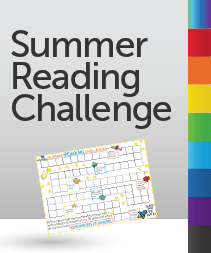
It only takes 2-3 hours of reading per week to prevent summer learning loss! The challenge is absolutely perfect for this! How does it work? Well, Lindsey created this amazing Summer Reading Challenge chart for your child to use! Every day your child will spend just 30 minutes reading a book of their choosing. It doesn’t need to be a solid 30 minutes. It can be sections of 10 minutes throughout the day (if their attention span can’t manage 30 minutes straight). If your child is a reluctant reader or has learning challenges, you can make each square a different value (for example: 15 minutes per square or levelled readers). And if your child is a voracious reader, try challenging them with one hour of reading per day!

If your child can read for 30 minutes a day over the summer, that adds up to 2,100 minutes of reading! 2,100 minutes of reading translates to 35 hours. That works out to about 3 hours a week over the summer!

Not only is your child accomplishing something fun by doing the challenge, they are also getting 3 hours per week of amazing reading time! And, we know that in order for them to maintain their reading skills over the summer they need 2-3 hours a week! So, this is perfect!

Choosing books they’ll enjoy reading.

What type of books is does your child enjoy reading? There are so many different types of choose from. Action/adventure, classics, comic books/graphic novels, detective/mystery, fantasy, historical fiction and the list goes on and on. And with each genre, comes thousands of books to choose from! Don’t worry, you don’t need to purchase all of these books. Check your local library for availability of the books that your child wants to read this summer.

Our team at Schoolio has compiled an awesome Chapter Book list for kids based on age and genre.

Schoolio Summer Reading List Pt. 1

You can download the reading list below!

Beginning the Summer Reading Challenge.

Explain to your child what the challenge is. Maybe put a reward incentive in if your child is more hesitant. Like, “We will get ice cream at your favourite ice cream shop when you’ve completed the chart!” Make sure to tell them that they will be entered into win a prize from Schoolio! Help them make a fun list of books they might like to read over the summer! Try to avoid making it another ‘chore’ or ‘to-do’. Get excited with your kids and have fun!

Schoolio Summer Reading Challenge
Schoolio Summer Reading Challenge download below


Download The Reading Challenge Chart


Download Schoolio Summer Reading List

Read more about Summer Learning Loss and How to Prevent it from Oxford Learning.Summer Learning Loss

Healthy Friendships Matter

As parents we want to be able to set our children up for success, whether that’s emotionally, financially, mentally, or with healthy friendships. We want our kids to have a vibrant and joy filled life. It’s important that our children learn positive communication skills in order to be able to cultivate healthy relationships with the people that will come into their lives.

As always, the best form of education for your child is what they see from you. When they see you as the parent modelling healthy friendships with open communication and boundaries, they will in turn understand what relationships should look like. That said, life can be tough and sometimes we as adults aren’t up to par on our communication skills either. That’s ok, we all have those days. Which is another important lesson to teach your kids. That sometimes, even in our relationships with others, we make mistakes. But it’s where we go from there that determines whether or not we are maintaining healthy friendships.

There’s this huge misconception about homeschooling.

Many people still believe that homeschooled children are not socialized, or not as socialized as children who go to school. Which in turn would make them less capable of maintaining healthy friendships and wholesome relationships. But, that’s not true! In fact, in a lot of cases, homeschooled children are sometimes more socialized than their peers who go to ‘real school’. How could that possibly be? Well, check out this blog from Lindsey about Socialization and homeschool: “Let’s Talk About Socialization”

In a normal world (pre pandemic) a homeschooled child had the opportunity to socialize and have fun with their peers just as much as children in traditional school. But, given the fact that we’ve been in a global pandemic for nearly two years. All children are truly lacking in the social category right now. Not being able to see friends and family has caused many children to struggle with their relationship building and maintaining skills. They still have the digital side of friendship, but realistically, seeing someone on a screen could just never replace the valuable time spent in the presence of their friends and loved ones.

Our children will always have tough times with their friendships, and relationships that sometimes get severed. But even those bumps in the road are vital to our children learning about how to maintain healthy friendships. All these things have generally been put on pause until things get back to some form of normal.

Most kids are truly out of practice when it comes to figuring out relationships (and adults are too). So, what are some steps we can take to help our kids after the pandemic to rebuild friendships, and utilize their friendship making tools to be able to get back on the healthy friendships wagon?

According to Very Well Family, you can try these activities once life gets back to some form of normal:


  1. Join School Sponsored Activities and Study Groups (Or a local homeschool group). These opportunities will help your child reconnect with their classmates (or homeschool buddies). Check out outdoor activities that they can do with their peers, like soccer, baseball, basketball, golf etc.


  1. Take your kids to the playground! Playgrounds are a breeding ground for friendships! And if your child learns healthy friendships skills (they’ll be one step ahead).


  1. Let your child play online games with friends (while we wait for the world to officially open up). Whether your child uses a game console, or maybe sets up a Zoom call. Playing together (even online), will help your child with their communication skills, collaboration, and problem-solving skills. And, once it’s safe to do so – they can play in real life again!


  1. Reach out to parents of children you already know. (Or better yet, have your child do it) Make plans for your kids to ride bikes, or scooters together. Do scavenger hunts, hikes, and the list goes on and on! Having a fun, planned activity to do together can really help the kids with easing back into a healthy friendship. (Being sure to follow all local social distancing guidelines).


  1. Reassure your child that it’s totally normal to feel kind of awkward when they start to socialize in person again. Let them know they aren’t alone, maybe you’re feeling that way too?


Remember to be patient with your child, and remind them to be patient with themselves also. Relationships can be tricky, and it’s important for them to know when a friendship isn’t healthy and how to either improve it, or walk away. Listen to your child when they voice their concerns and frustrations. Be present, try to understand where they’re coming from.  And, guide them to make healthy choices with their relationships.

If you need more pointers on how to help your child with their relationships, check out the ‘Healthy Friendships’ mini unit. There are tons of activities in this excellent mini unit, to help your child with things like: Conflict resolution, How to apologize, and more.

Click Here for Healthy Friendships Special Unit

For an excellent read on children’s friendships during the time of COVID-19, check out ‘How Kids Make and Keep Friends’ by VeryWell Family.

Read it Here

Learning About Finances

financial literacy curriculum

Learning About Finances – Why is it important for your child?

From a young age, kids learn that money means something, but what about finances? When they get a birthday card in the mail from their Auntie, they open it with excitement to see if maybe something special will fall out. Because sometimes their Auntie puts a special $5 surprise in that cute little birthday card. Should your child be learning about finances from a young age? 

Learning about finances is extremely important. 

Your child knows that when they lose their tooth, somehow a tooth fairy pops up in the night and exchanges that tooth for a shiny coin! The squeals of excitement erupt in the morning when they find that coin and quickly tuck it away in their piggy bank. Often times when they’ve received money, they walk through the toy aisle with the thrill of knowing something there can be theirs! And all thanks to that money that they have. But finances are so much more than just receiving money and rushing off to purchase something. Money has value. Money has purpose. And teaching our kids that from a young age is extremely important.

Your child knows that money matters, but do they know just how important finances are?

It’s imperative to teach kids that money isn’t just a way to get what they want, but rather a means to provide for what they need. Money is a tool that needs to be used correctly in order to get an abundance of growth from it. Talking to your kids about money even when they’re young is so beneficial. Teaching them the value of the dollar, and even how to save for long-term goals, and how to spend responsibly is so important. For example: Rather than running out to the store to purchase a small, cheap, toy every time they get a little money for their birthday. Teach them about saving that money for a long-term, exciting goal! Like buying a nice new bicycle in the spring.

Help your child understand donations.

Teaching your child about the importance of donating, and helping others through the profits which they have, is such a wonderful thing to do. Try finding an opportunity to help together. For example: If your child really loves animals. You could always tell your child that if they raise $50 for the humane society, you will match it with $50! Educating your children that money isn’t just a fun object to get them what they want. It’s something you must work for, care about, and that they can then use to help other people get what they need also.

It doesn’t have to be overwhelming.

Spending time teaching your child about finances doesn’t have to be overwhelming or boring for either of you. Start with simple ways, when they’re young. Like when you go to the store to get groceries, your child will see you pay for the groceries. And although, it can be as simple as tapping your card on a machine. It’s still your money being transferred from your account to the stores account in exchange for groceries. Explain that to your child. Show your child the receipt from the groceries. Show them how much money it costs to feed your family. Explain the value of the money that they have.

Create opportunities for them to earn money.

Try creating opportunities for your child to earn a little money. Your child needs to have money of their own so that they have the opportunity to learn how to make good decisions about how to use it. Maybe you could give them simple chores around the house in order to earn a weekly allowance. Something simple like “Help me fold the laundry” or “Put the dishes away” or “wash the car”.

And once they’ve earned it, you can give them their allowance for the week.  Then help them understand the importance of what they just earned. If you don’t have loose change floating around the house to pay allowances, that’s no big deal! Try setting up a bank account for your child in their name. Then when they’ve earned their weekly allowance, you can transfer their allowance right into their very own bank account. Then show them that their account now has a little more because of how hard they worked. You could even get them a journal to keep track of the money that they have in their bank account.

So many fun lessons to be learned!

There are so many more excellent lessons that your children can learn about money. Like how their money can grow, the importance of giving, and good spending decisions. But the very best source of education about financial habits comes from you. Yep, that’s right. You need to model good financial habits in order for your child to pick up good spending/saving habits. Just like your kids copy the way you talk and walk; they also copy the way you spend.

Need help making math make sense? Check this out!

Don’t become overwhelmed by the task of teaching your child about finances. There are many resources out there that can help your child learn wholesome financial habits. Included in that is our very own Financial Literacy Mini Unit. In this excellent mini unit, your child will learn about Canadian coins & bills, their names and values. Your child will learn how to count money with coins and bills. And even get to play fun grocery store games, exploring methods of payments. They’ll have the opportunity to learn more about purchasing, earning, spending, saving, investing and donating. There are just so many fun lessons to learn, and we are excited for your child to learn them with us!

Learn more about the Financial Literacy Program here: 

Emotional Health Management

How comfortable are you with talking about emotional health?

Every person big or small can become overwhelmed, frustrated, tired, anxious, and feel angry sometimes. Those are natural, human emotions that we all deal with. When our children become overwhelmed and begin expressing that overwhelm with bouts of anger, crying, and frustration it can become incredibly frustrating for parents.

From the time your child was born, your goal was to calm them. When they were crying from hunger, you quickly fed them. When they needed their diaper changed, you’d do that quick to avoid their discomfort. It’s human nature to want to stifle the cries and discomfort of our children. But as they get older, we need to do better than just hand them a tablet, or chips, when they’re frustrated. This isn’t a judgement, because we get it! Parenting is so hard; you just want your kids to be happy. You’d give them literally anything in the world if you could. Because seeing the smile on their adorable face is just so worth it.

When those angry feelings rise up in them, or the tears start welling up in their sweet eyes. It’s natural to want to find a quick, easy remedy that will solve this burst of emotion. Unfortunately, though, this doesn’t actually help them at all. I mean, yes, comforting your children is beneficial! But, is it good to tell them to “Stop!” when they’re whining about something they’re worried about? Or quickly hand them something to calm those feelings? If feels right in the moment, but it truly does nothing to solve the greater issue at hand. And, that greater issue is related to their emotional health.

Where do we start with our children’s emotional health?

When your child is overwhelmed, what could you do instead of offering quick fixes? Well, we can start by taking small steps to help our children recognize their big feelings and frustrations. We can teach our sweet kids how to take good care of their minds! We can help our kids learn important steps and tools that matter! Tools to help them navigate those thoughts and feelings that they will inevitably be faced with throughout their entire lives.

Can you imagine a world in which they put just as much importance on learning about how to take care of your mind, as they do math problems? Imagine a future for our kids where they feel safe to present their feelings. Imagine if they could learn the tools and strategies to recognize when their feelings are taking control? And then utilize peaceful coping tools!

Let’s work on emotional health together!

Teaching our kids to journal their thoughts and recognize those big, scary feelings can help them have a beautiful, bountiful, future! And wouldn’t we all agree, that’s what we want for our kids? For them to feel joy, and not be afraid of those scary thoughts that pop into their minds? It’s really recent that people have started talking about mental health, because as you are well aware, there has been a painful stigma attached to anyone that doesn’t appear to be the normal. So, people have buried those feelings deep in their minds and used other means to soothe the struggle that they just can’t seem to overcome, suppressing their emotional health has been the normal for too long.

Because unfortunately, the stigma has kept us from sharing how we feel. And in turn kept us from learning how to cope through those painful days. And, while mental health has become much less taboo in today’s fast paced society, whether we want to admit it or not, there is still stigma attached to mental health and well-being.

So, let’s change that!

Let’s change the world one child at a time. Let’s learn about emotional health together with our kids.  Let’s teach our kids that it’s ok to have bad moments and even bad days. It’s ok to have those big feelings, it’s ok to learn how to take care of your mental health. Have you ever been afraid to tell someone how you’re feeling? You don’t want that for your kids, you want them to feel peace when it comes to their mental health, and calm when it comes to their emotional health. So, let’s heal ourselves by helping the younger generations learn to take care of their minds, to recognize those unhelpful, unrealistic thoughts. Let’s help our kids learn positive, calming strategies to have a beautiful life.

Here at Schoolio we make it our mission to provide a holistic education for your children. And, that doesn’t stop with Math and Science. So, how could we possibly say education is holistic if we left out the importance of learning about our own minds. We want to help your children excel in every aspect of their lives, their whole self, which obviously includes their mental health.

Check out this Special Interest Unit about Managing Emotions by Schoolio. Let’s learn about emotional health and pick up some valuable skills together with our children to bring about a better future for us all. Let’s dive into this extremely important topic, let’s be the change, let’s start today!

Learn more about the new ‘Emotional Intelligence: Managing My Emotions’ mini unit now!

Find it here:

https://schoolio.io/product/managingemotions/

managing my emotions 1