All in One Homeschool Curriculum

All-in-One Homeschooling Curriculum

“The best education you can give someone is to make them a self-learner.” – Marty Rubin.

Homeschooling is already a game-changer, but have you ever thought about how it could be even more effective? Imagine having an all-in-one homeschool curriculum! This not only simplifies homeschooling for your family, but also saves you valuable time. It empowers you to educate your children from the comfort of your home, catering to their unique needs with ease.

An all-in-one homeschool curriculum is designed to cover essential learning objectives for each grade level, while ensuring your child receives an engaging and enriched education. 

Recognizing that every family and child is unique, this curriculum is built to support the distinct qualities that make your family special. It promotes flexibility, creativity, and individuality, allowing you to tailor your homeschooling approach to fit your family’s needs.

Homeschooling extends beyond academics; it’s about fostering your child’s curiosity and passion for learning. This curriculum acknowledges your essential role in this journey and encourages you to stay aligned with your values and educational goals, ensuring a comprehensive and personalized learning experience.

Designed with structured lesson plans and engaging resources, the curriculum supports your efforts and allows you to concentrate on what truly matters: your child’s education. Need more details? Let’s explore further!

Holistic Education: A Comprehensive Homeschooling Curriculum

When designing your homeschooling curriculum, embracing a holistic approach is important for nurturing well-rounded learners. Holistic education goes beyond traditional academics, integrating emotional, social, and physical development alongside intellectual growth. This method emphasizes the interconnectedness of various aspects of your child’s development.

This approach ensures that your kids acquire not only knowledge, but also important l life skills. By incorporating diverse learning activities, homeschooling can be a more engaging and balanced educational experience.

An all-in-one homeschooling curriculum simplifies the process. With structured lesson plans and resources at your fingertips, you can focus on what matters most: your child’s education! This freedom allows for a more relaxed, enjoyable, and enriching homeschooling experience. Schoolio offers expert-curated all-in-one programs that help prepare children for a successful and fulfilling future.

A Quick Start Guide for Homeschool Curriculum

A step-by-step guide simplifies the beginning of your homeschooling journey. This curriculum provides clear instructions that cover all the essential aspects, such as planning, setting up your schedule, selecting subjects, and accessing resources.

Ready to start homeschooling but unsure where to begin? Here’s a helpful guide to get you on the right track!

  1. Getting Started with a Comprehensive Guide

To launch your homeschooling journey, having a clear and detailed guide is essential. An all-in-one homeschool curriculum offers a step-by-step roadmap that covers everything from setting up your homeschooling environment to organizing your daily schedule. This comprehensive guide ensures you have all the information needed for a smooth and successful start.

  1. Links and Resources Provided for Ease of Access

Access to quality resources is key for successful homeschooling. An all-in-one homeschooling curriculum provides convenient links to a variety of online resources, all carefully selected to enhance your teaching and offer diverse learning opportunities for your child.

Ready to homeschool with confidence and all the tools you need? The Schoolio “School Your Way” All-in-One Kit has you covered! With everything available at your fingertips, you’ll find it easy to gather materials and plan your lessons. Schoolio offers meticulously curated materials and lessons, helping you create a rich educational environment effortlessly.

Wondering about the origins of this comprehensive curriculum? It all started in 2015 when Lindsey Casselman, a certified K-10 educator, shifted from traditional teaching to homeschooling her own children.

History and Purpose of the Homeschool Curriculum

Understanding the history and purpose of the all-in-one homeschooling curriculum sheds light on its effectiveness. Here’s a closer look at its origins, structure, and educational goals.

The 2020 pandemic prompted many families to explore homeschooling, which emphasized Lindsey Casselman’s vision. Her personal transition to homeschooling her children laid the foundation for what would eventually become Schoolio.

Teaming up with co-founder Sathish Bala, Lindsey transformed the idea of Schoolio into a reality. Their innovative approach disrupted the traditional “one size fits all” educational model that had been in place for nearly 200 years.

To further enhance the effectiveness of your homeschool curriculum, it’s crucial to understand its content and structure. Let’s delve into the details.

Content and Structure of the Curriculum

Schoolio is more than just an educational platform—it’s a community! It brings everyone to one place – parents, teachers, students, tutors, coaches, and therapists. They work together to create curricula that match each student’s unique interests and needs. 

This approach keeps your children inspired and helps them understand themselves. The content and structure followed by Schoolio’s all-in-one homeschooling curriculum rejects the traditional way of teaching. Moreover, Schoolio offers a personalized educational experience that respects each child’s unique learning needs and learning style.

An all-in-one homeschool curriculum offers a range of flexible learning methods, from watching videos to traditional pen-and-paper activities. It includes adaptable schedules that align with your child’s optimal learning times and features creative assessment tools that extend beyond conventional tests. This personalized approach ensures that each student engages with the material in a way that suits their individual learning style, making their education both engaging and meaningful.

Embracing Adaptability 

Adaptability is key. Everyone has something valuable to contribute. Schoolio’s vision is not just about changing how children learn. Let’s see how an all-in-one homeschool curriculum works in everyone’s favor!

  • Flexible Learning Methods

An all-in-one homeschooling curriculum provides flexible learning methods tailored to each student’s unique style. Whether your child thrives with interactive videos, traditional methods, or a blend of both, this approach ensures that learning remains engaging and adaptable. By customizing the curriculum to match your child’s preferences, you create a more effective and enjoyable educational experience.

  • Customized Schedules

Customized schedules tailored to your child’s optimal learning times ensure that your homeschooling curriculum aligns with their natural rhythms. This flexibility allows for peak learning moments, making education more effective and less stressful. By adapting to your child’s best times for focus and retention, you create a more personalized and productive educational experience.

  • Innovative Assessments

Moving beyond standardized tests, innovative assessments employ creative tools to measure your child’s understanding. These methods can include projects, interactive quizzes, and hands-on activities that showcase their knowledge in a more engaging and meaningful way. This approach helps identify strengths and areas for improvement while keeping learning enjoyable.

  • Personalized Curriculum

Crafting lessons that match each child’s individual interests and academic needs ensures they stay engaged and excited about learning. This personalized approach tailors the curriculum to your child’s unique passions and strengths, making education more relevant and enjoyable. By focusing on what excites them, you foster a deeper connection to the material and inspire a lifelong love of learning.

That’s what makes our current curriculum shine; now, let’s take a look at what’s ahead!

Looking Ahead: A Brighter Future for Education

The future of education is bright, with platforms like Schoolio breaking down geographical barriers and providing customized learning experiences. Co-founder Sathish Bala’s strategic vision and Lindsey Casselman’s creative ingenuity are leading a new era of personalized, engaging, and effective education.

By creating an environment that gets children excited about learning and recognizes their unique strengths, Schoolio is nurturing a generation ready to tackle tomorrow’s challenges with confidence and passion.

So, what are you waiting for? Dive into the world of personalized homeschooling with Schoolio and watch your child’s love for learning grow!

Conclusion

Schoolio’s All-in-One Homeschool Curriculum is more than just an educational resource. It’s a community dedicated to making homeschooling accessible, enriching, and enjoyable for all families. By offering a flexible and customizable approach, this curriculum meets the diverse needs of homeschooling families while providing a comprehensive education.

Whether you’re just starting your homeschooling journey or looking to enhance your current approach, the all-in-one homeschool curriculum offers it all. Explore Schoolio’s all-in-one homeschooling curriculum today and discover how it can transform your child’s learning experience.

Moreover, an all-in-one homeschooling curriculum recognizes the importance of a holistic education, integrating academic excellence with emotional and social development. Fostering a love for learning while encouraging critical thinking.

With a wide range of subjects and extracurricular activities, the all-in-one homeschool curriculum ensures that every child receives a comprehensive and engaging education.

Join the community of families who are redefining homeschooling with the all-in-one homeschool curriculum. Start your Schoolio’s 7-day free trial today and see the difference a holistic education can make!

Also Read: Embracing Personalized Education: Beyond the One-Size-Fits-All Approach
Unit Studies and Lessons for Homeschooling

Introduction

Ever feel like your homeschool routine could use a little spark? Spoiler alert: It can! And we’re here to ignite that spark.

Homeschool unit studies might be just what you need. This powerful approach offers a fresh, interconnected way to educate. Picture weaving together history, science, math, and art around a central theme that captivates your kids’ imaginations and keeps them engaged.
Instead of isolated lessons, your children dive deep into fascinating topics like ancient civilizations or the mysteries of space. Every subject is interconnected, turning each lesson into an exciting adventure. Get ready to transform your homeschool journey into a dynamic, integrated experience that keeps everyone thrilled about learning.

What Are Homeschool Unit Studies?

How can you create a more engaging and connected learning experience for your children? Homeschool unit studies might be the ideal solution. These comprehensive, time-specific lessons center around a single theme or topic, integrating multiple subjects into a unified learning experience.

Often known as “thematic units,” these studies use a multisensory approach to teaching. The beauty of homeschool unit studies lies in their ability to immerse students deeply in a subject. By incorporating disciplines such as science, history, math, and language arts around a central theme, children explore a topic from various perspectives. This method not only makes learning more captivating, but also enhances both retention and mastery of the material.

Also read: 5 Things You Don’t Need to Start Homeschooling

Homeschool Unit Studies: Why Parents Are Loving Them?

Homeschool unit studies offer a wealth of benefits that make them an ideal choice for many families. If you’re considering this approach, here’s why it might be the perfect fit for your homeschool journey.

  • Engaging Multi-Age Learning: Homeschool unit studies let you teach all your kids about the same topic, tailored to their age and skill levels. This approach encourages family unity and collaborative learning, making education a shared adventure.
  • Inclusive Family Experience: Unit studies bring the whole family together. Whether everyone studies the same topic or explores different ones, each child engages at their level, creating a dynamic and inclusive learning environment.
  • Personalized Education: With unit studies, you choose topics that captivate your family’s interests. This personalization makes learning more relevant and exciting, ensuring that everyone is enthusiastic about their studies.
  • Customized Lessons: Even within a shared topic, unit studies can be tailored to fit each child’s unique learning needs and interests. This individualized approach helps each child grasp concepts and stay motivated.
  • Flexible Scheduling: Unit studies offer flexibility in duration. You can spend days, weeks, or even an entire school year on a theme, adapting the timeline to fit your schedule and educational goals.
  • Essential Skill Development: Homeschool unit studies foster critical thinking, research skills, and problem-solving skills. These skills are important for your children’s academic growth and future success.
  • Integrated Subjects: By integrating multiple subjects into a single theme, unit studies provide a comprehensive educational experience. This holistic approach helps children see the interconnectedness of different disciplines, enhancing their overall understanding.
  • Enhanced Comprehension and Retention: Children remember and understand better when they can relate their learning to real-world contexts. Unit studies make it easier for students to retain and apply what they’ve learned by connecting concepts across various subjects.
  • Boosted Confidence: Participating in unit study projects and sharing their learning  boosts children’s confidence. The sense of accomplishment they gain from completing these projects fosters a positive attitude toward learning and builds self-esteem.

Homeschool unit studies turn education into an engaging, personalized, and effective experience for the entire family, making learning an enjoyable journey.

Also Read: The Top 3 Most Important Skills to Teach Your Kids

Planning Homeschool Unit Studies Schedule in 7 Steps?

Ready to dive into the exciting world of homeschool unit studies? Planning your schedule can be a fun and rewarding adventure for you and your kids. Follow these seven steps to create an engaging learning experience:

1. Choose an Exciting Theme

Kick things off by picking a theme that gets your kids excited! Whether it’s outer space, dinosaurs, or ancient Egypt, a captivating topic will spark their curiosity and make learning an adventure.

2. Set Goals

What do you want your children to achieve by the end of your homeschool unit studies? Maybe it’s understanding how the pyramids were built or mastering the phases of the moon. Clear, fun goals keep everyone focused and motivated.

3. Gather Awesome Resources

Time to collect your learning tools! Head to the library, browse YouTube, and explore educational websites for books, videos, and activities. Don’t forget Pinterest for cool craft ideas that match your theme. For a streamlined experience, check out Schoolio’s Homeschool Books and Digital Combo for resources and support.

4. Plan Hands-On Adventures

Bring learning to life with hands-on projects! Build models, conduct experiments, and create art. These activities solidify the theme and maintain children’s engagement and enthusiasm.

5. Schedule Exciting Field Trips

Make learning unforgettable with field trips! Visit museums, science centers, zoos, or historical sites that tie into your theme. These outings provide amazing firsthand experiences.

6. Create a Flexible Timeline

Decide how long you want your homeschool unit studies to last. Whether it’s a week, a month, or a whole semester, adjust the timeline to fit your family’s schedule and the depth of the topic.

7. Blend with Your Weekly Plan

Integrate your homeschool unit studies into your regular weekly schedule to ensure consistency and balance with other subjects and activities. This approach supports a comprehensive learning experience.

Follow these steps to create an engaging homeschool schedule that turns learning into a fun journey for your children!

Ready to make your homeschooling journey more exciting and engaging? Explore Schoolio’s Homeschool Curriculum Kits to get started with expertly designed unit studies that cater to all ages and interests!

Conclusion

Homeschool unit studies offer an excellent way to provide your children with a well-rounded and captivating educational experience. By customizing materials to their ages and interests, each lesson becomes meaningful and engaging.

Tailoring content to fit your children’s unique needs keeps their interest levels high and enhances the learning process. This personalized approach not only deepens their understanding but also nurtures a lifelong passion for learning.

Moreover, the flexibility of unit studies allows for endless creativity, transforming education into a hands-on, enjoyable experience. Incorporating unit studies into your curriculum infuses your children’s education with dynamic, enriching opportunities.

FAQs 

Q1: How do I pick a theme for a homeschool unit study? 

Choose a theme that sparks your children’s curiosity and interests. Themes can range from fascinating topics like space exploration, ancient civilizations, to the wonders of nature.

Q2: Can I adapt homeschool unit studies for kids of different ages?

Absolutely! Unit studies are incredibly flexible and can be customized to suit the learning levels and interests of children of all ages, making them perfect for families with multiple students.

Q3: How long should a homeschool unit study be?

The length of a unit study is flexible. It can last from a few days to several weeks, or even span an entire semester, depending on the depth of the topic and your family’s schedule.

Q4: What’s the best way to plan a homeschool unit study schedule?

Start by choosing an engaging theme, setting clear goals, and gathering resources. Then, plan activities, schedule field trips, create a flexible timeline, and blend it with your weekly routine.

Homeschooling with Dyslexia: Choosing the Right Curriculum

Homeschooling a child with dyslexia presents a unique opportunity. It allows for the customization of an educational journey tailored to your child’s unique needs. Embracing the freedom to progress at their own pace and integrating activities that resonate with their interests can be immensely rewarding.

Dyslexic minds are not only unique but also demonstrate remarkable aptitude, frequently channeling their cognitive differences into extraordinary creativity. Take, for example, the achievements of figures like Einstein, Agatha Christie, and Richard Branson—innovative thinkers who excelled through unconventional methods. Let’s explore the most effective homeschooling curriculum to nurture and enhance your child’s exceptional potential.

Get ready to discover tips, tricks, and tools that will transform your homeschooling journey.

How to Choose A Homeschool Curriculum for Dyslexia

Are you ready to begin homeschooling your child with dyslexia? The first steps to take are:

  1. Evaluation by a Reading Specialist

Before starting, consider an evaluation by a reading specialist. This can provide valuable insights into your child’s specific needs.

  1. Research Resources and Special Services

There are numerous resources and services available for homeschooling children with dyslexia. Online platforms, local support groups, and specialized educational materials can be invaluable. Schoolio offers a homeschool curriculum that supports students with dyslexia. 

  1. Complying with State Homeschool Laws

Each state has different laws regarding homeschooling. Make sure you understand and comply with your state’s requirements.

  1. Choosing Homeschool Curriculum Blend

Choosing the right curriculum requires a thoughtful blend of resources tailored to your child’s learning style. Do you prefer a structured program or a more flexible approach? For example, Schoolio provides a customizable curriculum that accommodates various grade levels and is designed to support neurodivergent learners.

Knowing About “Dyslexia Strengths”

Many children with dyslexia grapple with self-esteem challenges, making it crucial to consistently affirm their many positive qualities. This is where recognizing “dyslexia strengths” becomes vital. Let’s explore these remarkable attributes that highlight the unique abilities of your young learners.

  1. High Levels of Creativity

Have you ever noticed how many famous artists, actors, and musicians have dyslexia? Think about Roald Dahl, Tom Cruise, John Lennon, and Walt Disney. They all faced learning difficulties in school, yet they have hugely influenced our culture. Their ongoing quest to overcome challenges fostered remarkable creativity and innovation.

For instance, if your child arrives at the correct answers but has difficulty articulating them, celebrate their unique creative abilities! Schoolio offers tailored guidance for these “out-of-the-box” thinkers, helping to nurture and support their distinct problem-solving skills.

  1. Impressive Comprehension Skills

Your child might be playing with blocks or humming while you read aloud from a science chapter, but that doesn’t mean they aren’t paying attention. Many students with dyslexia can absorb a significant amount of information despite the apparent distraction. They often excel at multitasking.

While they might find reading text themselves challenging, they can retain and understand it well when it is presented auditorily. Incorporating audiobooks into your homeschooling curriculum can be highly beneficial for dyslexic learners, enhancing both reading skills and comprehension. Schoolio supports this approach with its ‘Learn Your Way’ program, offering personalized scheduling and customized courses designed to meet each child’s unique learning needs, making education both accessible and engaging.

  1. Strong Reasoning Skills

Children with dyslexia often excel at seeing the big picture, demonstrating strong problem-solving abilities and a keen aptitude for recognizing patterns. These skills make them exceptional team members in strategic activities such as chess.

On days when your child may be feeling discouraged, remind them of their intelligence and capabilities. Engaging in games like Clue, Mastermind, or Apples to Apples can be a great way to showcase their deduction skills and boost their confidence. Watching them leverage their talents to succeed in these games can be a powerful affirmation of their strengths.

  1. Unique Visual Processing

Once, Harry was singing the ABC song backwards. When asked where he learned it, he said he hadn’t!

Children with dyslexia often exhibit unique visual processing traits, including difficulties with visual sequencing and letter reversals, which can impact reading and following instructions. They may experience visual discomfort, such as words appearing to move or blur, and might process visual information more slowly. Despite these challenges, many dyslexic children have strong pattern recognition skills and enhanced long-term visual memory. Recognizing these characteristics can help tailor supportive learning strategies, such as using visual aids and multi-sensory approaches, to better accommodate their needs.

  1. Lively Imagination

Does your child enjoy playing alone, inventing games, and engaging in imaginative play? As Einstein famously said, “Imagination is more important than knowledge.” Imagination is essential for problem-solving, enabling children to approach situations from novel perspectives and explore creative solutions.

Encouraging pretend play is more valuable than it may seem. Engaging in make-believe helps children grasp symbolic thinking, a crucial skill for learning to read. Incorporate pretend play into your homeschool curriculum for dyslexia by having your child act out what they’re learning. Celebrating these unique strengths can significantly boost their confidence and enthusiasm for learning.

But have you observed what teaching methods resonate most with your child? 

Customizing Homeschool Curriculum for Dyslexia

Dyslexia affects how children process language, making reading, writing, and spelling more challenging. However, by incorporating these methods into your homeschooling routine, you can overcome these challenges.

  1. 1:1 Ratio in Homeschooling

One of the biggest benefits of a homeschool curriculum for dyslexia is the one-on-one attention your child can receive. This personalized approach allows you to adapt lessons in real time based on their needs.

  1. Right Blend of Teaching Style, Curriculum, and Understanding

By combining the right teaching style with a comprehensive and engaging  homeschool curriculum for dyslexia, you can achieve remarkable results. This blend of enriching academic material and personalized teaching strategies ensures that your child receives a well-rounded education tailored to their strengths and interests.

You can boost their confidence, improve their reading and writing skills, and ignite a lifelong love of learning. As you reflect on your child’s learning journey, consider the methods and approaches that have resonated most with them. This insight is important in choosing the right curriculum.

Best Homeschool Curriculum for Dyslexia

Dyslexia impacts learning in diverse ways, and as such, there is no single “best” curriculum for every dyslexic learner. Instead, it’s essential to identify your child’s unique strengths and weaknesses to tailor their educational experience effectively. Here is a list of some of the most effective homeschool curricula designed to support dyslexic students:

  1. Schoolio

Image Source: Schoolio

Schoolio provides a comprehensive and customizable homeschool curriculum for dyslexia. With a focus on interactive and multi-sensory learning, Schoolio integrates various tools and techniques to keep children engaged and motivated. Their curriculum is flexible. It allows you to mix and match grade levels to create a neurodivergent-friendly learning experience that truly resonates with your child’s strengths and interests.

  1. Orton-Gillingham

Image Source: Orton-Gillingham

Orton-Gillingham reading curriculum is a structured, step-by-step, repetitive, and multisensory approach. This approach is specifically designed to help your kids learn the connections between letters and sounds. Reading and spelling are broken down into smaller skills. Over time, your child builds on these skills using sight, hearing, touch, and movement.

  1. Pride Reading Program

Image Source: Pride Reading Program 

Pride Reading Program offers structured literacy reading programs for dyslexia. Structured Literacy is recommended for children who face difficulties with decoding, phonological skills, and spelling.

This structured approach improves reading and spelling abilities, and boosts students’ overall academic performance. The Pride Reading Program offers a comprehensive support system for students and parents. It helps foster a collaborative and encouraging learning environment.

  1. Time4Learning

Image Source: Time4Learning

Another choice for homeschooling children with dyslexia is Time4Learning. This program offers a flexible and interactive online curriculum that caters to different learning styles. Time4Learning provides multimedia lessons that make learning fun. Also, it is flexible and accessible for children with dyslexia. 

  1. All About Learning Press

Image Source: All About Learning Press

All About Learning Press offers comprehensive, multisensory programs designed specifically for children with dyslexia. This platform utilizes a step-by-step approach that ensures mastery of each concept before moving on to the next. The lessons include hands-on activities, games, and interactive elements that keep children interested and motivated. 

Conclusion: 

Choosing the right homeschool curriculum for dyslexia is important for your child’s educational success and overall well-being. Schoolio not only meets your child’s academic needs but also nurtures their remarkable strengths. Remember, there is no one-size-fits-all solution; what matters most is finding an approach that resonates with your child and keeps them engaged in learning.

By selecting the right resources and methods, you can make homeschooling both rewarding and effective, benefiting both your child and yourself. Your commitment to tailoring their education will enhance their academic achievement and build their confidence.

So, prepare to celebrate your child’s unique strengths. Together, you can transform their educational experience and pave the way for a bright and fulfilling future.

Also Read: Choosing The Right Homeschool Curriculum For A Child With ADHD

Schoolio Summer Series Week 6: Captain’s Crew Camp ?‍☠️

Schoolio Summer Series Week 6: Captain’s Crew Camp – Set Sail for Adventure!

Welcome to Week 6 of the Schoolio Summer Series! If you haven’t joined us yet, don’t worry—each week is packed with its own unique adventure, so you can start anytime. The Schoolio Summer Series is all about keeping kids curious, engaged, and learning throughout the summer!

Every week, we bring a fresh theme filled with fun resources, a day-by-day schedule, and exciting activities. On Fridays, we share the plan for the upcoming week, complete with lessons, crafts, and more, all organized in an easy-to-follow format. This gives you the weekend to prepare any materials you need. We’re excited to help you create a memorable and educational summer. Let’s set sail into Week 6 of the Schoolio Summer Series: Captain’s Crew Camp! ?‍☠️

Discover the Peculiar World of Pirates: A Schoolio Summer Camp Adventure 

Join us for an thrilling and educational Summer Camp experience where you’ll explore the fascinating world of pirates! Schoolio Summer Series: Captain’s Crew Camp is perfect for curious minds and history enthusiasts of all ages. Dive into a week-long adventure exploring the fascinating world of pirates. Experience buccaneer history through engaging Schoolio curriculum, hands-on activities, and exciting outdoor fun.

Ideal for aspiring historians and those who love uncovering the past, this camp offers a unique chance to learn about pirates while enjoying the great outdoors. Get ready for an unforgettable summer filled with discovery and adventure!

Here’s the Schedule:

Monday ?‍☠️

Morning Session 

Lesson 1: A Brief History

Schoolio Curriculum: All About Pirates pg. 2-4        

Associated Curricular Activity: Label the Caribbean Pirate Islands

Additional Activity: Pirate Yoga: Pirate Kids Yoga | Cosmic Kids 

Afternoon Session 

Lesson 2: Famous Pirates

Schoolio Curriculum: All About Pirates  pg. 5-7

Associated Curricular Activity: Draw What You Would Look Like as a Pirate

Additional Activity: Create elaborate treasure maps and hide clues around the house for your child to find hidden “treasures.” Then it’s their turn to make a map and hide the treasure! 

Daily Outing 

Set sail on a boat ride and channel your inner pirate as you explore the open water! Whether you’re aboard a speedy motorboat or paddling in a canoe, you’re sure to have a blast on this thrilling adventure!

Tuesday  ?‍☠️

Morning Session 

Lesson 3: Famous Pirate Ships

Schoolio Curriculum: All About Pirates  pg. 8-10

Associated Curricular Activity: What Would It Be Like to Captain a Ship?

Additional Activity: Use craft supplies like cardboard, paint, and fabric to build and decorate miniature pirate ships.

Afternoon Session 

Lesson 4: Parts of a Pirate Ship

Schoolio Curriculum: All About Pirates  pg. 11-12

Associated Curricular Activity: Label the Parts of a Pirate Ship

Additional Activity: Design and create pirate hats, eye patches, and bandanas using craft materials.

Daily Outing 

Beach Day! Explore a local beach for treasure hunting, sandcastle building, and swimming.

Wednesday  ?‍☠️

Morning Session 

Lesson 5: Pirate Maps & Buried Treasure

Schoolio Curriculum: All About Pirates  pg. 13-15

Associated Curricular Activity: Make Your Own Treasure Map

Additional Activity: Bake and decorate ‘sea biscuits’.

Afternoon Session 

Lesson 6: Real Pirate Treasures

Schoolio Curriculum: All About Pirates  pg. 16-17

Associated Curricular Activity: Make Your Own Pirate Chest

Additional Activity: Story Time: How I Became A Pirate – Book Read Aloud & Pirates Love Underpants by Claire Freedman & Ben Cort | READ-ALOUD & ☠️ Kids Book Read Aloud: SAMMY THE SEASICK PIRATE by Janelle Springer-Willms and Damien Jones   

Daily Outing 

Head to your local library and dive into a treasure trove of books about pirates and their thrilling escapades!

Thursday  ?‍☠️

Morning Session 

Lesson 7: Pirate Navigation Tools

Schoolio Curriculum: All About Pirates  pg. 18-20

Associated Curricular Activity: Make Your Own Compass

Additional Activity: Write your own sea shanty. A sea shanty is a song sung by sailors or pirates to synchronise their work and boost morale while performing tasks aboard ships.

 Afternoon Session 

Lesson 8: The Natural Navigator

Schoolio Curriculum: All About Pirates  pg. 21-22

Associated Curricular Activity: Follow the Stars

Additional Activity: Make Your Own Pirate Flag

Daily Outing 

Visit your local museum and uncover intriguing details about pirates and their adventures!

Friday  ?‍☠️

Morning Session 

Lesson 9: Pirate Weaponry

Schoolio Curriculum: All About Pirates  pg. 23-26

Associated Curricular Activity: Make Your Own Pirate Dagger

Additional Activity: ‘Walk the Plank’ at your local pool, and go for a swim!

Afternoon Session 

Lesson 10: Pirates and Pop Culture

Schoolio Curriculum: All About Pirates pg. 27-30

Associated Curricular Activity: Learning Reflection

Additional Activity: Pirate Movie Night! Watch Hook, Pirates of the Caribbean, or Treasure Island!

Daily Outing 

Explore your local aquarium and discover the fascinating sea creatures that pirates encountered on their high-seas adventures!

Set sail on an exciting summer journey with the Schoolio Summer Series: Captain’s Crew Camp! This week, students will explore the captivating world of pirates, discovering the rich history of buccaneers and their impact on the world. Through a blend of engaging educational content and interactive activities, we aim to spark curiosity and foster a love for history in kids, all while creating unforgettable memories.

Don’t forget to download our featured book, All About Pirates, to elevate your child’s experience. This resource is packed with intriguing stories and activities that bring the fascinating world of pirates to life.  

Whether your child is a history enthusiast or eager for a new adventure, Captain’s Crew Camp is the perfect way to explore, learn, and grow this summer.

Capture the Adventure! We’d love to see your young explorers in action! Share your photos with us by emailing them or using the hashtag #SchoolioSummer on social media.

Let’s make this summer unforgettable—filled with discovery, learning, and a shared passion for uncovering the mysteries of the pirate world. Join us for the Schoolio Summer Series: Captain’s Crew Camp and inspire a love for history that will last a lifetime!

Executive Functioning: What Is It and How to Support Your Child

What is Executive Functioning and How to Improve Your Child’s Skills in Your Homeschool

Young boy looks bored while drawing.

You may have heard of executive functioning before, but what is it exactly? Executive Functioning is the cognitive skills that allow us to manage our thoughts, actions, and emotions in order to achieve our goals- whether those are big goals like going to the Olympics one day or little goals like getting our laundry done. These skills are essentially our brain’s management system, they allow us to plan, focus our attention, remember instructions, and juggle multiple tasks at once. For those of us homeschooling our children, particularly those who are neurodivergent, understanding and supporting the development of executive functioning may be crucial to our child’s success. Let’s explore what executive functioning is, break down its key components, and talk about strategies for improving these skills in your homeschool environment.

Understanding Executive Functioning

Executive functioning is a term that includes a range of cognitive processes that are essential for our goal-directed behaviors. These functions develop throughout childhood and adolescence and are important for academic success, social interactions, and daily living. Here are the 12 key components of executive functioning:

Task Initiation & Initiative:

This function is about our ability to start tasks independently and take proactive steps without external prompts. People with strong task initiation skills can begin tasks like work or chores without needing constant reminders. People with poor task initiation and initiative may know what tasks they should do, but struggle with how to get started or just making the movement to initiate the task. If you regularly find yourself thinking things such as, “I really need to get up and turn the laundry over” and there’s no reason not to (ie. you aren’t too tired or don’t want to) but you just can’t seem to get up and do it, you may be struggling with task initiation.

Boy demonstrates good executive functioning with task initiation

Task Monitoring & Task Completion:

This function is all about the capacity to track progress and follow through on tasks until they are finished. This includes recognizing when a task is complete and ensuring that all aspects have been addressed. It can also include the ability to see when a project needs to be modified in order for successful completion. If you ever struggle with starting multiple projects or tasks and not finishing any of them, you may struggle in this area. Task Completion is often considered an outcome of several other executive functions working together such as Planning and Prioritization, Time Management, Sustained Attention, Organization, Response Inhibition, and Working Memory, so poor Task Completion can also be a dysfunction in one or more of these other functions.

Planning and Prioritization:

This is the ability to create a plan or strategy to accomplish goals and being able to prioritize the steps needed to reach them. This is crucial for managing our time and resources, making it a cornerstone of executive functioning. Many of us struggle with jumping into a task or project without taking time to plan first, and many of us struggle as well or alternatively with prioritizing our time and resources (resources being anything from money to our own energy) in a way that gets things done most efficiently.

Teenage girls plan soccer play

Organization:

Some people seem to be perpetually well organized, while others are constantly struggling with mess and order! The ability to create and maintain systems for keeping track of information or items, including organizing a workspace, managing time, keeping a schedule, and sorting tasks by importance all fall under the Organization function.

Time Management:

We tend to talk about time management in simple terms- you’re on time or you’re late- but time management as an executive function is about having the capacity to estimate how long tasks will take and then having the ability to allocate time efficiently to complete them within deadlines or by set times. This is a key aspect of executive functioning. Whether you’re on time to meet friends for a movie or handing in an assignment before the deadline, time management is the skill needed to have the oversight to figure out when to start and how to divided the needed tasks over the time period available in order to manage your time.

Working Memory:

Working memory is different than short term memory. Short-term memory refers to the temporary storage of information that is held in your mind for a brief period, usually around 15-30 seconds. It is where information is kept for immediate use but is not manipulated or actively worked on. For example, short term memory allows you to remember a phone number just long enough to dial it before the information is forgotten. Working memory is a more complex cognitive process that involves not only holding information in mind but also manipulating and processing it. It’s the ability to retain and use information to complete tasks, solve problems, or respond to situations in real-time. For example, working memory allows you to perform tasks like mental math, problem-solving, and following multi-step instructions. If you struggle with things like doing math in your head, or brainstorming, you may have poor working memory.

Young boy works through school workbook, executive functioning

Metacognition & Self-Monitoring:

This is also sometimes referred to as self-awareness. It’s all about the capacity to think our own thinking and to self-evaluate our performance. This includes being aware of our strengths and weaknesses, as well as assessing how we handled a situation and what we might want to do differently next time. It’s a lot of self-reflection and considering the how and why of how we think or act. Without good metacognition and self-monitoring, we’re destined to repeat old habits, not take accountability for mistakes, and struggle to grow and change in positive ways.

Response Inhibition (Impulse Control):

Our Response Inhibition, or Impulse Control, is our ability to think before acting and to resist behaviors that are inappropriate, unnecessary, or that we’ve decided previously we don’t want to do. Impulse control is critical for staying focused, avoiding distractions, and remaining in control of our words and actions. Many of us with neurodivergencies such as ADHD struggle with impulse control, in fact it’s a hallmark symptom of ADHD. You can read more about ADHD and Impulse Control here.

Emotional Regulation:

The ability to manage emotions to achieve goals, complete tasks, or control our behavior is an executive function known as Emotional Regulation. Emotional regulation is key to handling frustration, stress, anger, or setbacks, which is vital for success. When we improve our emotional regulation skills, we improve our personal resiliency and perseverance, which helps us succeed. Another interesting fact about emotional regulation is that science has shown us that a child who is emotionally dysregulated cannot learn. Therefore, emotional regulation in our homeschools is crucial.

Young girl reflects

Sustained Attention:

Sustained Attention is something everyone struggles with at some points. This is our ability to maintain focus on a task or goal despite distractions, fatigue, or boredom. While everyone loses focus sometimes, especially with tasks we’re not interested or invested in the outcome, for someone who struggles with this executive function, it can be very debilitating to accomplishing tasks and goals.

Cognitive Flexibility:

Cognitive Flexibility is the capacity to adapt to new situations, switch between tasks, or change strategies when necessary. Rigid thinking is a hallmark of some neurodivergencies, particularly Austism. Cognitive Flexibility would be what we casually refer to as, “going with the flow”- being able to adapt and change directions mentally when the situation around us changes, or the needs of a project or task change. For people who struggle with cognitive flexibility this is really difficult and uncomfortable.

Goal-Directed Persistence:

This executive function is our ability to set and pursue goals. This skill is what allows us to maintain the effort and focus required to achieve goals, even in the face of obstacles. Our goal-directed persistence helps us be resilient and maintain drive and motivation.

Boy and mother executive functioning and doing chores

Why is Executive Functioning Important?

Executive functioning is essential for almost every aspect of our lives, from the big goals to the little daily tasks. In a homeschool setting, these skills help our kids manage their workload, complete assignments on time, and handle the challenges that come with learning new concepts. Without strong executive functioning, our children may struggle to organize their thoughts and spaces, manage their time, stay focused on tasks, and achieve their goals. All of these contribute to avoiding frustration, having good self-esteem, and being successful.

How to Improve Your Child’s Executive Functioning Skills in Your Homeschool

As homeschooling parents, we have the unique opportunity to tailor our teaching methods and environment to support your child’s executive functioning development. We also have the motivation and desire to make sure we’re teaching our kids all the things they need to be successful in adulthood, and not just the core academics that a school usually teaches.

Here are some strategies to help improve executive functions skills:

1. Create a Structured Environment

Children thrive in environments where there is a predictable routine. This doesn’t mean you need a strict schedule with timed learning blocks, it just means that you have a regular structure and flow to your days. This models good executive functioning habits for your kids, and they’ll develop good habits. Using visual schedules, checklists, or planners can help your child understand what is expected and to learn to manage their time and tasks independently in time.

2. Break Tasks into Manageable Steps

Large tasks can feel overwhelming, especially for children who struggle with executive functioning. Break down assignments into smaller, more manageable steps, and set short-term goals that lead to the completion of the larger task.

Tip: Encourage your child to check off each step as they complete it to build a sense of accomplishment.

3. Use Timers and Alarms

Time management is a crucial aspect of executive functioning. Timers and alarms can help children stay on track and manage their time more effectively. Use timers for specific tasks or school work sessions, and set alarms for transitions between activities.

Tip: Try the Pomodoro Technique, where your child works for 25 minutes and then takes a 5-minute break, to maintain focus and productivity.

4. Organize Your Learning Space

A well-organized space can help reduce distractions and make it easier for your child to focus on their work. It doesn’t matter where you do your homeschool work- some families have designated spaces and others don’t- but ensuring the places your child frequents stay reasonably tidy can help your child a lot. Prepping tools and materials you’ll need for your lessons in advance can also help limit distractions and break your child’s focus.

Young girl plays in a tidy room

Tip: Involve your child in organizing their spaces! Doing all the tidying and decluttering for them may help them focus, but doesn’t teach them how to develop the skill for themselves. Help them take ownership of their environment and develop their organizational skills by taking part, but don’t overwhelm them by giving them big clean-up tasks to handle on their own. Teach and demonstrate how to get the job done by doing it together.

5. Teach Planning and Prioritization

We can help our children learn to plan their day and prioritize tasks, a skill they will use their entire lives! Consider some sort of daily or weekly planner such as an agenda, a whiteboard, or simple lists that you create together. Start by sitting down together to list all the tasks that need to be completed, and then discuss which ones should be done first based on importance and deadlines. Modelling these skills will help them learn to do them themselves as they get older.

Tip: Use a whiteboard or planner to visually lay out tasks and priorities. This can help your child see the big picture and manage their time effectively, enhancing their executive functioning.

Teen works in a planner, good executive functioning

6. Develop Emotional Regulation Skills

Emotional regulation is key to managing frustration and stress, which are common obstacles to completing tasks and make executive functioning more difficult. Teach your child to manage their thoughts and feelings, practice mindfulness techniques such as deep breathing, and know strategies and skills for emotional regulation, in order to help them stay calm and focused.

Tip: Incorporate social-emotional learning into your homeschool and regularly talk about how we manage how we think and feel.

7. Encourage Self-Monitoring and Reflection

Teach your child to self-monitor by regularly asking them to assess their progress on tasks and how they are feeling. Encourage them to reflect on what went well and what could be improved, fostering metacognition and self-awareness.

Tip: Try to get in the habit of reflecting- this can be about school tasks like a big project, about something around the home like way chores are distributed, or even about a family trip. Talk openly and honestly about what you enjoyed, what went according to plan and what didn’t, and what you would do differently next time. This fosters open communication between you and your child as well as cognitive flexibility and self-reflection.

8. Promote Cognitive Flexibility

Encourage your child to think about problems in different ways and to try new approaches when they encounter obstacles. This can help them become more adaptable and improve their problem-solving skills.

Tip: Use games and activities that require flexible thinking, such as strategy games, to build cognitive flexibility in a fun way.

9. Foster Goal-Directed Persistence

Help your child set long-term goals and then help them break them down into smaller, actionable steps. Celebrate progress towards these goals to keep them motivated and focused on achieving them.

Tip: Create a vision board with your child to visually represent their goals and the steps they need to take to achieve them.

Girl displays vision board

What is Executive Dysfunction?

While many children can develop strong executive functioning skills with practice and support, some may struggle with executive dysfunction. Executive dysfunction refers to significant difficulties in one or more areas of executive functioning, which can impact a child’s ability to manage tasks, control impulses, and regulate emotions. This is common in neurodivergent kids, particularly those who are ADHD or autistic. If your child exhibits persistent challenges in these areas, it may be helpful to explore strategies and supports specifically designed to address executive dysfunction.

Conclusion

Executive functioning is the foundation for effective learning and daily living. By understanding these skills and actively working to improve them in your homeschool, you can help your child become more organized, focused, and successful in their academic and personal endeavors. With the right support and strategies, your child can develop the executive functioning skills they need to thrive.

Is Homeschooling Popular in Alberta?

Surge in Homeschooling Popularity in Alberta: Why More Families Are Choosing Homeschooling

Short answer: Yes! There has been a significant surge in homeschooling popularity in Alberta in recent years.

Long answer: Yes!

In recent years, homeschooling has gained significant popularity amongst families in Alberta. There are many variables that have contributed to this surge in homeschooling popularity in Alberta, as it quickly becomes a highly sought-after educational alternative for forward-thinking families who are invested in bettering their child’s educational experience and reclaiming autonomy over their child’s learning.

The COVID-19 pandemic played a pivotal role in accelerating interest in homeschooling as families searched for more stable and personalized educational options during periods of school closures. This experience emphasized the appeal of homeschooling’s flexibility and customization, allowing parents to tailor curriculum and learning approaches to accommodate their child’s individual needs, learning styles, and interests more closely than traditional schooling often allows.

Concerns over the quality of education provided in traditional public and private schools have also prompted some Alberta parents to explore homeschooling as a means to ensure their children receive a high-quality education aligned with their values. Advancements in educational resources, online learning platforms such as Schoolio, and support networks have made homeschooling more accessible and achievable for families across the province.

The Alberta government has recognized homeschooling as a valid educational choice and has streamlined processes for families to communicate their homeschooling plans to school boards, further supporting its acceptance and integration into the educational landscape. This further contributes to the surge in homeschooling popularity in Alberta.

Ultimately, the recent surge in homeschooling’s popularity reflects a growing trend toward educational diversity and parental empowerment in Alberta. As more families discover and embrace the benefits of homeschooling, it is becoming increasingly recognized as a valuable and respected educational choice across the province.

Click here to start your Journey Homeschooling in Alberta with Schoolio.

Schoolio Summer Series Week 5 : Woodland Wonders ?

Schoolio Summer Series Week 5: Woodland Wonders

Welcome to Week 5 of the Schoolio Summer Series! If you missed out on previous weeks, don’t worry—each week is designed as its own adventure, so you can jump in at any time. This series is a fantastic way to keep your kids engaged and learning throughout the summer!

Every week of the Schoolio Summer Series introduces a new theme filled with resources, a day-by-day schedule, and exciting activities. On Fridays, we share the upcoming week’s plan, including lessons, crafts, and more, all in an easy-to-follow schedule. This gives you the weekend to gather supplies and print any materials you need. We’re thrilled to provide everything you need for a fun and educational summer program. Let’s dive into Week 5 of the Schoolio Summer Series: Woodland Wonders!

Discover Your Neighbourhood’s Nature Networks: A Schoolio Summer Camp Adventure

Get ready to embark on an unforgettable Schoolio Summer Camp adventure where the magic of forests and ponds comes alive. Week 5, titled “Woodland Wonders,” is perfect for adventurous, nature-loving students eager to explore the great outdoors while engaging in hands-on learning. If your child is passionate about environmental science, biology, and conservation, this week is sure to be the highlight of their summer.

Explore the Lush Forest Trails

This week’s adventure starts in the heart of the forest. Your child will spend their days exploring lush forest trails, where they’ll learn to identify majestic trees and discover the diverse wildlife that calls these woods home. Imagine the excitement as they spot deer tracks, hear the rustling of squirrels, or even catch a glimpse of a fox in the distance. Through guided activities, students will deepen their understanding of forest ecosystems, and they’ll get hands-on experience with tree identification and forest conservation.

Dive into Pond Studies and Aquatic Exploration

But the adventure doesn’t stop at the forest’s edge! Woodland Wonders also takes students to the serene ponds that dot these natural landscapes. Here, they’ll dive into pond studies, learning about the fascinating world of aquatic ecosystems. Whether it’s observing tadpoles, water sampling, or catching fish, each activity is designed to spark curiosity and a deeper appreciation for water habitats. Students will also engage in nature-inspired crafts and projects, bringing the beauty of the outdoors into their creative expressions.

Fostering Environmental Stewardship

At its core, the Schoolio Summer Series: Woodland Wonders is more than just a fun summer experience—it’s an opportunity to foster environmental stewardship. By connecting students with the beauty and mysteries of nature, this week’s camp encourages them to become informed, responsible stewards of our planet. Through a dynamic mix of educational materials and exciting activities, Schoolio inspires a lifelong appreciation for the natural world, all while creating lasting memories.

Monday

Morning Session

Lesson 11: Reptiles and Amphibians

Schoolio Curriculum: Pond Life pg. 28-30

Associated Curricular Activity: Pond Visit, Reptiles and Amphibians Journal Entry & Polluted Pond Water Impact

Additional Activity: Meditation and Reflection. Practice mindfulness and meditation exercises by the pond to connect with nature and reflect on the day’s activities.

Additional Activity Website: Mindfulness meditation for kids 

Afternoon Session

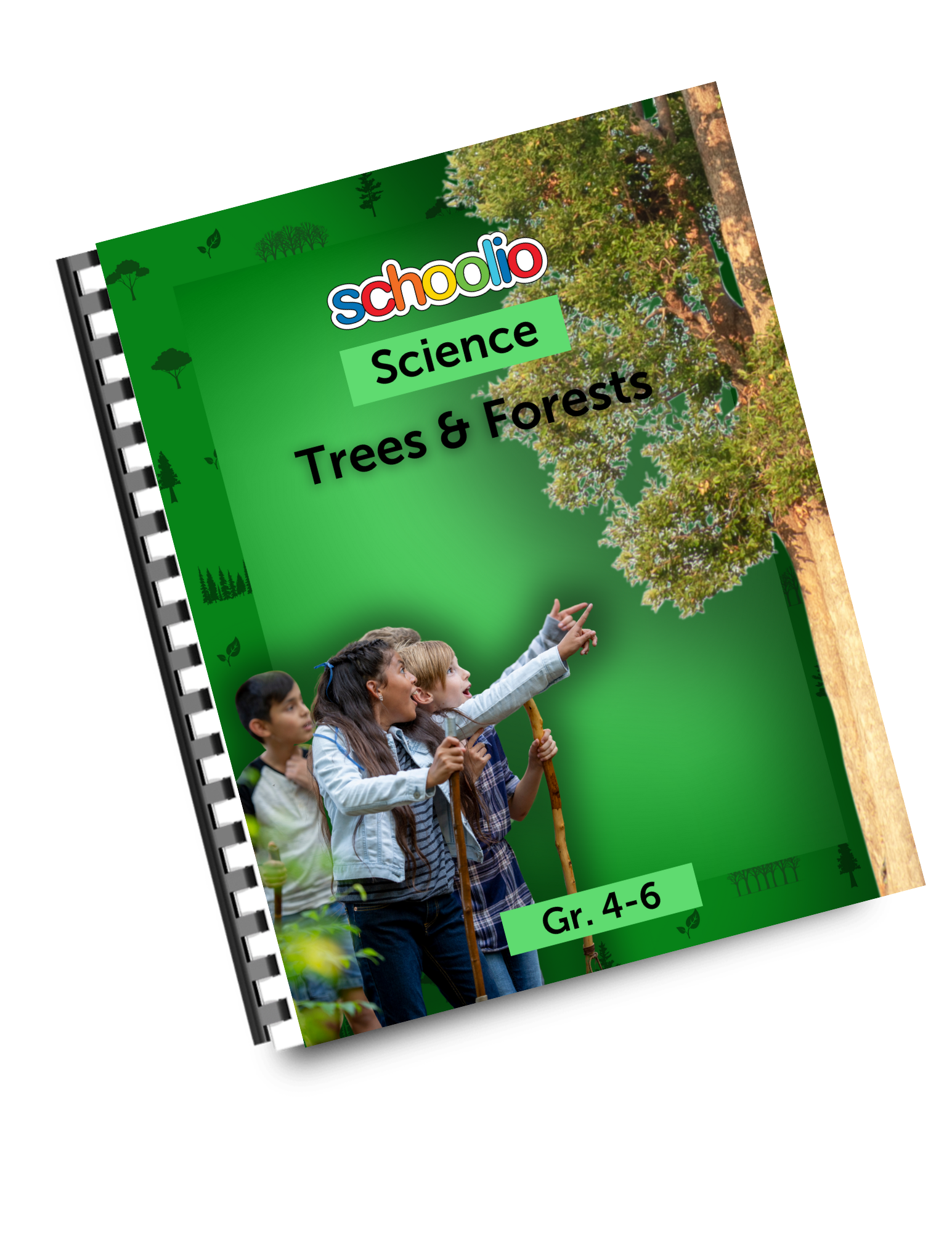
Lesson 12: Trees Leaves 

Schoolio Curriculum: Trees and Forests pg. 22-30

Associated Curricular Activity: Tree ID by Leaves

Additional Activity: Learn about trees with this educational video

Additional Activity Video: Bill Nye The Science Guy – S02E15 – Forests – Best Quality 

Tuesday

Morning Session

Lesson 13: Microscopic Life

Schoolio Curriculum: Pond Life pg. 31-33

Associated Curricular Activity: Pond Visit, Microscopic Life Journal Entry & Draw Microscopic Life

Additional Activity: Rock Skipping! Learn the art of rock skipping and practice your skills!

Additional Activity Website: Learn to skip stones better with competitive skipper Dave Ohmer of Erie

Afternoon Session

Lesson 14: How Trees Grow

Schoolio Curriculum: Trees and Forests pg. 31-33

Associated Curricular Activity: Tree Growth

Additional Activity: Mushroom Forage! Forage for mushrooms in your local forest. 

Wednesday

Morning Session

Lesson 15: Invertebrates

Schoolio Curriculum: Pond Life pg. 34-36  

Associated Curricular Activity: Pond Visit, Invertebrates Journal Entry & Food Web/ Food Chain

Additional Activity: Watercolor Painting! Paint scenes of the pond and its surroundings using watercolors. Get creative!

Afternoon Session

Lesson 16: Historical Uses of Forests

Schoolio Curriculum: Trees and Forests pg. 34-36

Associated Curricular Activity: Forests Use: Then vs. Now

Additional Activity: Forest Survival Skills! Learn and test your survival skills, such as fire-making, shelter-building, and navigation.

Additional Activities Videos: https://www.youtube.com/watch?v=yeeZfvDyh5A & Bushcraft kids build a survival shelter

Thursday

Morning Session

Lesson 17: Planning A Wildlife Pond

Schoolio Curriculum: Pond Life pg. 37-40

Associated Curricular Activity: Pond Pre-Planning

Additional Activity: Building Wildlife Habitats! Create habitats like birdhouses, bat boxes, or frog shelters to support local wildlife.

Additional Activity Websites: How to make a toad and frog house | RSPB Nature on Your Doorstep & Homemade BIRD HOUSE | Full-Time Kid | PBS Parents   

Afternoon Session

Lesson 18: Human Impacts on Forests 

Schoolio Curriculum: Trees and Forests pg. 37-39

Associated Curricular Activity: Invasive Species

Additional Activity: Forest Yoga! Practicing yoga in a forest setting to enhance relaxation and connect with nature.

Additional Activity Website: Yoga in the forest | Forestry England

Friday

Morning Session

Lesson 19: Cumulative Project

Schoolio Curriculum: Pond Life pg. 41-44

Associated Curricular Activity: My Pond

Additional Activity: Movie: The Lorax: a film that follows the story of a young boy who learns about the Lorax, a guardian of the forest who strives to protect the trees from the destructive actions of a profit-driven industrialist.

Afternoon Session

Lesson 20: Wildfires 

Schoolio Curriculum: Trees and Forests pg. 40-42

Associated Curricular Activity: Smokey’s Wildfire Prevention & Wildfire Prevention

Additional Activity: Campfire! Get out into the beautiful outdoors and roast some marshmallows! Reflect on everything you have learned over the past 2 weeks about the wonderful woodlands in your local community. 

Schoolio Summer Series: Woodland Wonders provides numerous opportunities for outdoor exploration. If you are looking for additional field trip or outing ideas here are a few suggestions: 

  1. Tree-Top Trekking Excursion 
  2. Kayaking or Canoeing 
  3. Forest Conservation Center
  4. Tree Farm
  5. Botanical Gardens 
  6. Arboretum
  7. Science Center
  8. Aquarium
  9. Fishing Trip
  10. Pond Side Picnic 
  11. Zoo 

Embark on a summer of discovery with the Schoolio Summer Series: Woodland Wonders! This week, students will dive into the wonders of nature, learning how to become responsible stewards of our planet. With a dynamic mix of educational resources and hands-on activities, we inspire kids to develop a lifelong appreciation for the environment while creating unforgettable memories.

Don’t forget to download our featured books, Trees and Forests and Pond Life, to enhance your child’s adventure. These resources are packed with fascinating facts and activities that bring the magic of the natural world to life.

Whether your child is a budding nature enthusiast or simply looking for a fresh adventure Woodland Wonders is the perfect way to explore, learn, and grow this summer.

Capture the Adventure! We’d love to see your little explorers in action! Share your photos with us by emailing them or using the hashtag #SchoolioSummer on social media.

Let’s make this summer unforgettable—full of wonder, learning, and a shared commitment to protecting our planet’s biodiversity. Join us for Schoolio Summer Series: Woodland Wonders and nurture a love for nature that will last a lifetime!

Is Ontario a Good Place to Homeschool?

Ontario Is a Good Place to Homeschool: Flexibility, Support, and Resources

Ontario can be an excellent place to homeschool for families who value flexibility in education and want to take an active role in their child’s learning. The province has a supportive legal framework for homeschooling, allowing parents to customize curriculum and teaching methods according to their child’s needs and interests. Additionally, there are resources, support networks, and online learning platforms, such as Schoolio, available to help homeschooling families in Ontario succeed. 

Under Ontario’s Education Act, parents have the legal right to homeschool their children, provided they notify their local school board. This flexibility allows parents to tailor their children’s education to match their unique learning styles, interests, and developmental needs; fostering a personalized learning experience that may not be achievable in conventional classrooms. Concerns over the quality of education in traditional schools often motivates parents to choose homeschooling, enabling them to take an active role in their children’s academic journey.

Beyond academics, homeschooling allows for diverse learning opportunities such as field trips, hands-on experiences, and online courses that enrich children’s education. This approach not only broadens their knowledge base but also cultivates critical thinking skills and a deeper understanding of subjects. Socialisation, another common concern, is addressed through involvement in extracurricular activities and community programs.

Ultimately, homeschooling in Ontario empowers families to actively engage in their children’s educational journey, fostering strong parent-child relationships and providing a comprehensive education that prepares children for future endeavours. While homeschooling requires commitment and planning, its growing popularity and supportive infrastructure in Ontario make it a favourable choice for many families seeking an alternative approach to education.
Click here to start your Journey Homeschooling in Ontario with Schoolio.

How Do I Legally Start Homeschooling in Ontario?

TL;DR – Quick Answer:
Reclaim your child’s education from an overwhelmed system. To legally start homeschooling in Ontario, simply submit a “Letter of Intent” to your local school board. Trusted by thousands of Ontario families, Schoolio provides the “satisfactory instruction” required by the Education Act, allowing your child to thrive in a low-demand environment that traditional, one-size-fits-all classrooms cannot offer.

How to Legally Start Homeschooling in Ontario | Steps & Guidelines

Getting started with homeschooling in Ontario is a straightforward process, but it’s important to follow the correct legal steps to ensure you’re in compliance with provincial requirements. If you’re wondering how to legally start homeschooling in Ontario, the first and most crucial step is to notify your local school board with a Notice of Intent to Homeschool. This letter serves as a formal declaration that you are assuming full responsibility for your child’s education. Once this step is complete, you’re ready to embark on the exciting journey of crafting a personalized and engaging educational program for your child. To help you get started, check out Schoolio, a homeschool program tailored specifically for Ontario families.

Legal Requirement #1: Notify your local school board with a Notice of Intent to Homeschool. This letter formally notifies your local school board of your decision to homeschool and states that you are taking responsibility for your child’s education. Click here for a Notice of Intent to Homeschool template.

That’s it. Now it’s time for the fun part: creating an educational program for your child that is engaging, personalised, and ignites their love of learning! Click here to learn more about Schoolio: The Homeschool Program for Ontario Families.

What Forms Are Needed for Homeschooling in Ontario?

You need one form and one form only for homeschooling in Ontario: A Notice of Intent to Homeschool. This letter formally notifies your local school board of your decision to homeschool and states that you are taking responsibility for your child’s education. Click here for a Notice of Intent to Homeschool template.

Do I Need to Complete Progress Reports for Homeschooling in Ontario?

No. You do not need to complete progress reports for homeschooling in Ontario. However, progress reports can be helpful for tracking academic achievements, and for uncovering areas of need where intervention may be required. Click here to learn more about Schoolio’s progress reports. 

Are Any Provincial Tests Required For My Homeschooler in Ontario?

No. Provincial tests are not required for students homeschooling in Ontario. 

Is Unschooling Legal in Ontario?

Yes. Unschooling is legal in Ontario. Click here to learn more about unschooling in Ontario.

What is a Notice of Intent to Homeschool in Ontario?

You need one form and one form only for homeschooling in Ontario: A Notice of Intent to Homeschool. A Notice of Intent to Homeschool is a letter that formally notifies your local school board of your decision to homeschool and states that you are taking responsibility for your child’s education. Click here for a Notice of Intent to Homeschool template.

What Qualifications are Needed for Homeschooling in Ontario?

There are no formal qualifications required for homeschooling in Ontario, making it accessible for any parent ready to take on the rewarding role of educating their child. If you’re wondering how to legally start homeschooling in Ontario, rest assured that with the right support and resources, you can provide the education your child needs and deserves, regardless of your background. Click here to learn more about Schoolio: The Homeschool Program for Ontario Families.

How Would My Child Re-enter Public School if I Change My Mind?

It’s okay to change your mind! For your child to re-enter public school you will need to contact your local school board to organize which school your child will be attending and when they will re-enter the public system. Your child may be assessed to determine their grade level. 

Funding and Costs

Is There Funding/Grants/Stipends for Homeschooling in Ontario?

No. Currently, there is no government funding or grants for families homeschooling in Ontario. 

While the province does not provide financial support for homeschooling in Ontario, families can take advantage of  various resources and strategies to manage their educational expenses. By participating in homeschooling groups, taking advantage of community programs, and choosing low-cost educational resources, such as Schoolio, families homeschooling in Ontario can provide a rich educational experience without breaking their budget.

Click here to learn more about Schoolio: The Homeschool Program for Ontario Families.

How Much Does It Cost to Homeschool in Ontario?

Homeschooling is priceless, but at what cost? The cost of homeschooling in Ontario ranges from hundreds to thousands of dollars per year based on numerous factors, including subscriptions to online programs, supplies, books, extra-curricular fees, field trips, etc. By choosing a low-cost educational resource, such as Schoolio, families homeschooling in Ontario can provide a rich educational experience without breaking their budget. Schoolio is a great option for parents looking for a high impact program at a low cost. 

Click here to learn more about Schoolio: The Homeschool Program for Ontario Families.

Is There a Tax Credit for Homeschooling in Ontario?

No. There is no tax credit for homeschooling in Ontario. 

Where to Find Community, Support, and Encouragement

What Are the Homeschooling Associations in Ontario?

The Ontario Federation of Teaching Parents is a prominent homeschooling association in Canada that provides guidance, advocacy, and information for families homeschooling in Ontario. Click here to visit their website.

Are There Homeschooling Conferences in Ontario?

Yes. Ontario hosts numerous conferences for families homeschooling in Ontario. Click here to learn more about one of the largest homeschooling conferences in Ontario: The Canadian Homeschool Conference.

What Are the Homeschool Boards and Programs in Ontario?

In Ontario, homeschooling families remain under the public school board based on their location. This is the same public school board where you submitted your Notice of Intent to Homeschool.

What Are the Homeschooling Support Groups in Ontario?

Ontario has many homeschooling support groups that offer resources, advice, and support. Click here to learn more about The Ontario Homeschooling Facebook Group,  a vibrant online community where homeschooling parents can connect.

All About Homeschooling in Ontario

How Many Children are Homeschooled in Ontario?

Can you believe that in the 2021/2022 academic school year over 85,000 students were homeschooling in Ontario? The number of families in Ontario choosing to learn at home, instead of opting for traditional schooling, is on the rise. The percent of Ontario children being homeschooled has jumped to 3.8%, raising an important question: Why has there been such a significant shift from learning at school to learning at home? Maybe it’s the opportunity for student-specific curriculum or the flexibility in location and schedule? Whatever the reason, one thing is clear: Homeschooling is gaining traction across the province. Interested in joining the thousands of families homeschooling in Ontario?

Yes! There has been a surge in the popularity of homeschooling in recent years. In the 2021/2022 academic school year over 85,000 students were homeschooling in Ontario. Click here to learn more about homeschooling’s popularity in Ontario.

Interested in joining the thousands of families homeschooling? Click here to learn more about Schoolio: The Homeschool Program for Ontario Families.

Is Ontario a Good Place to Homeschool?

Ontario is an excellent place to homeschool for families who value flexibility in education and want to take an active role in their child’s learning. In Ontario the legal requirements are minimal, while the online supports available for homeschooling families are vast. Platforms, such as Schoolio, provide support for families beginning or continuing their journey homeschooling. Click here to learn more about why Ontario is a good place to homeschool. 

How Easy or Strict is Ontario for Homeschooling?

Homeschooling in Ontario is easy! The only requirement: provide a Notice of Intent to Homeschool to your local school board. That’s it! By removing regulations that require heaps of redundant paperwork, Ontario has enabled parents to prioritise creating exceptional and personalised educational experiences for their children.

Curriculum, Programs, and Other Learning Options

What Age Should You Start Homeschooling in Ontario?

Your child’s homeschooling journey can start at any age. Many parents begin homeschooling from Kindergarten, while others transition to homeschooling in later years. Schoolio provides the support and resources you need to begin homeschooling at any age! 

How to Homeschool Without a Curriculum in Ontario?

To homeschool without a curriculum in Ontario, first submit a Notice of Intent to Homeschool to your local school board. Next, it’s time to roll up your sleeves and dive in! Click here to learn more about homeschooling without a curriculum, otherwise known as unschooling.

Is Homeschooling Popular in Ontario?

Is Homeschooling Popular in Ontario? Explore the Rising Trend

Short answer: Yes! There has been a significant surge in the popularity of homeschooling in Ontario in recent years. 

Long answer: Yes! 

In recent years, homeschooling has gained significant popularity amongst families in Ontario. There are many variables that have contributed to this shift, as homeschooling is quickly becoming a highly sought after educational alternative for forward-thinking families who are invested in bettering their child’s educational experience and reclaiming autonomy over their child’s learning.

The COVID-19 pandemic played a pivotal role in accelerating interest in homeschooling as families searched for more stable and personalised educational options during periods of school closures. This experience emphasised the appeal of homeschooling’s flexibility and customization, allowing parents to tailor curriculum and learning approaches to accommodate their child’s individual needs, learning styles, and interests more closely than traditional schooling often allows.

Concerns over the quality of education provided in traditional public and private schools have also prompted some Ontario parents to explore homeschooling as a means to ensure their children receive a high-quality education aligned with their values. Advancements in educational resources, online learning platforms such as Schoolio, and support networks have made homeschooling more accessible and achievable for families across the province.

The Ontario government has recognized homeschooling as a valid educational choice and has streamlined processes for families to communicate their homeschooling plans to school boards, further supporting its acceptance and integration into the educational landscape.

Ultimately, the recent surge in homeschooling’s popularity reflects a growing trend towards educational diversity and parental empowerment in Ontario. As more families discover and embrace the benefits of homeschooling, it is becoming increasingly recognized as a valuable and respected educational choice across the province. 

Click here to start your Journey Homeschooling in Ontario with Schoolio.

Choosing The Right Homeschool Curriculum For A Child With ADHD

Education is not one size fits all. The beauty of homeschooling lies in its flexibility, making it an ideal option for children who need a different pace and approach to learning. It is a game-changer for children with ADHD, offering a  multitude of benefits. ADHD homeschool curriculum allows for a personalized approach, catering to each child’s unique needs. Also, it effectively addresses the limitations often found in traditional school settings.

With a personalized ADHD homeschool curriculum, you can create an environment where your child thrives academically and emotionally. ADHD can significantly influence how a child learns. Symptoms such as hyperactivity, inattention, and impulsivity can make learning with conventional, traditional methods difficult.  Homeschooling provides the environment and opportunity for children with ADHD to flourish.

This unique and innovative approach to education offers your child a refreshing alternative to the traditional classroom setting or desk-bound learning from textbooks. In a home environment, background noise and other distractions are minimized, thereby enhancing your child’s ability to concentrate and engage more effectively with their learning.

Advantages of ADHD Homeschool Curriculum

Homeschooling offers numerous advantages for students with ADHD, providing a tailored educational environment that caters to their unique needs. One of the most significant benefits is the ability to create a highly individualized learning plan.

Traditional classrooms often follow a one-size-fits-all approach, which can be challenging for students with ADHD who may require more personalized attention and flexibility. Homeschooling allows parents to customize the curriculum to match the child’s pace, interests, and learning style. This individualized approach can help maintain the student’s interest and motivation, leading to a more effective and enjoyable learning experience.

Another key advantage of homeschooling for students with ADHD is the ability to control and minimize distractions. Traditional classroom settings can be overwhelming with noise, movement, and constant stimulation, which can hinder the focus and concentration of students with ADHD.

Homeschooling provides a quieter and more controlled environment, allowing these students to work in spaces that are conducive to their concentration. Additionally, breaks can be scheduled as needed, enabling students to manage their energy levels and reduce feelings of restlessness or frustration. This flexibility helps in creating a more supportive and productive learning atmosphere.

Furthermore, homeschooling allows for the integration of various teaching methods and tools that can be particularly beneficial for students with ADHD. For example, hands-on learning activities, educational games, and technology-based instruction can be seamlessly incorporated into the daily routine. These diverse teaching strategies can help keep students engaged and make learning more dynamic and interactive. Moreover, homeschooling enables the inclusion of physical activities and exercise into the school day, which can be crucial for students with ADHD, as regular movement and physical activity have been shown to improve attention and behavior.

Lastly, homeschooling fosters a stronger parent-child relationship, which can be incredibly advantageous for students with ADHD. Parents who homeschool their children are more directly involved in their education and can provide consistent support and encouragement.

This close involvement allows parents to better understand their child’s specific challenges and strengths, leading to more effective strategies for managing ADHD symptoms. The supportive and understanding environment of homeschooling can help build the child’s confidence and self-esteem, contributing to their overall emotional and academic well-being. Schoolio offers tools that help integrate these elements seamlessly into your homeschool routine.

ADHD Homeschool Curriculum: Learning Plans and Schedules

Creating an individualized learning plan is essential for children with ADHD because it addresses their unique cognitive and behavioral needs, ensuring a more effective and engaging educational experience. This tailored approach allows for adjustments in the pace and structure of lessons, helping children to grasp concepts without feeling overwhelmed or bored. By minimizing distractions and incorporating adaptive teaching methods such as hands-on activities and interactive tools, an individualized plan enhances focus and engagement. Additionally, it provides the flexibility to include regular breaks and physical activities, which are crucial for managing ADHD symptoms and maintaining overall well-being. Here are some things to consider when creating an individualized learning plan for you child with ADHD:

  1. Assess Individual Needs

Begin by evaluating your child’s strengths, areas of need, and learning preferences. This assessment helps in designing a curriculum and schedule that aligns with their specific needs.

  1. Set Clear Goals

Establish short-term and long-term learning goals. Clear objectives provide direction and help measure progress. Goals should be realistic, achievable, and adjusted as needed based on your child’s development.

  1. Create a Structured Schedule

Develop a daily routine that includes dedicated time for learning, breaks, and extracurricular activities. Consistency is key for children with ADHD, so a predictable schedule can help improve focus and manage time effectively.

  1. Incorporate Flexibility

While structure is important, flexibility allows adjustments based on your child’s daily performance and needs. If a particular approach is not working, be prepared to alter the plan to suit your child’s ever-changing needs better.

  1. Use Visual Aids

Visual schedules and charts can help your child understand and follow their daily routine. Visual aids are especially useful for reinforcing structure and making transitions between activities smoother.

  1. Monitor and Adjust

Regularly review and assess your child’s progress. Adjust the learning plan and schedule based on their performance, feedback, and any emerging needs. This ongoing evaluation ensures that the plan remains effective and supportive.

Factors to Consider When Choosing an ADHD Homeschool Curriculum

Choosing the right ADHD homeschool curriculum for your child is an important consideration. Let’s explore some of the important key factors to keep in mind when choosing the a curriculum for neurodivergent learners: 

  1. Understanding Learning Styles

Understanding your child’s learning style is important when selecting the right ADHD homeschool curriculum. Children with ADHD may benefit from a curriculum that aligns with their preferred learning method, whether it’s kinesthetic, visual, auditory, or reading/writing.

For instance, if your child learns best through hands-on activities, a curriculum with interactive elements is ideal. On the other hand, if they prefer visual aids, programs with detailed graphics and informative videos could be more effective.

  1. Attention Span and Classroom Environment

Structuring the homeschool day to support your child’s attention span is very important. ADHD children often need a learning environment designed to minimize distractions and encourage focus. 

This might include creating a dedicated, clutter-free study space. You can use visual schedules and break tasks into smaller, manageable segments. Implementing these strategies can help maintain your child’s focus and enhance their learning experience.

  1. Accommodations and Modifications

Accommodations are essential in a homeschool setting, especially for children with ADHD. Consider integrating extra breaks into the daily schedule, providing additional time when completing tasks, and using tools like noise-canceling headphones. 

Modifications such as reduced distractions and additional support can help create a more engaging and productive learning environment.

  1. Assessments and Progress Tracking

Tracking your child’s progress is important for ensuring they meet their educational goals. Ongoing assessments help gauge understanding and identify areas for improvement. 

Set specific, achievable goals and use various assessment methods—such as quizzes and culminating projects. You can also include informal observations to monitor your child’s progress and adjust the ADHD homeschool curriculum as needed.  

  1. Cost and Time Commitment

Evaluate the cost and time commitment required for different curriculum options. Some programs may involve significant financial investment. Others require a substantial time commitment for preparation and implementation. 

Consider your budget and schedule when choosing the ADHD homeschool curriculum to ensure it fits within your family’s financial and time constraints.

  1. Curriculum Format and Structure

Educational curricula come in a range of formats and structures, each offering unique advantages. Whether opting for traditional text-based programs, online resources, or project-based learning approaches, each has its own merits. It is essential to select an ADHD homeschool curriculum that supports your child’s learning style and your educational objectives.

For instance, if your child flourishes with interactive content, online programs might provide the most engaging experience. Conversely, if they thrive in a more structured, text-based environment, traditional curricula may be more effective. By aligning the curriculum with your child’s individual preferences and needs, you can cultivate a more stimulating and supportive educational experience.

Types of Homeschool Curriculum

  1. Traditional Text-Based Programs

Traditional text-based programs resemble public school education and provide a familiar structure. These curricula often include textbooks and workbooks that cover core subjects. While they may be more conventional, they can be effective if your child responds well to structured, written materials.

  1. Online Programs and Resources

Online programs offer interactive, digital-based learning that can be engaging for children with ADHD. These programs often include multimedia elements, such as videos and interactive exercises. This can help maintain your child’s focus and cater to various learning styles. 

Schoolio offers a range of online resources that help to keep learning engaging and interesting.

  1. Unit Studies and Project-Based Learning

Unit studies and project-based learning integrate multiple subjects into thematic units. This approach can be particularly beneficial for ADHD children as it keeps learning varied and engaging. Projects and hands-on activities can enhance understanding and make learning more engaging.

  1. Multisensory and Experiential Learning

Multisensory and experiential learning involve engaging multiple senses and providing hands-on experiences. This approach can be particularly effective for ADHD children, as it helps maintain their attention and makes learning more memorable. 

Look for curricula that incorporate activities such as experiments, field trips, and interactive exercises.

  1. Montessori and Waldorf Approaches

Montessori and Waldorf approaches emphasize independence, hands-on activities, and life skills. Montessori focuses on child-led learning and self-directed activities, while Waldorf incorporates artistic and practical skills into the ADHD homeschool curriculum. 

Both approaches can be beneficial for ADHD children by fostering a supportive and engaging learning environment.

  1. Hybrid Approaches

Hybrid approaches combine part-time homeschooling with traditional schooling. This option can provide a balanced experience, allowing children to benefit from both personalized instruction and social interaction with peers. 

It can be particularly useful for families who want to integrate the flexibility of homeschooling with the structure of a traditional school setting.

Best Homeschool Curriculum Options for ADHD Children

  1. Schoolio 

Image Credits: Schoolio

Schoolio offers a flexible and customizable curriculum tailored to meet the unique needs of ADHD children. You can easily create a structured yet adaptable learning program with Schoolio’s ADHD homeschool curriculum. Its bite-sized learning, mix-and-match grade levels, minimized distractions, and interest-based learning helps children stay focused and engaged. Additionally, the flexibility ensures that learning remains enjoyable.

  1. Time4Learning

Image Source: Time4Learning

Time4Learning offers interactive lessons for pre-k through 12th grade. Its engaging, multimedia-rich content can help maintain your child’s attention and provide a comprehensive educational experience.

  1. NeuroNet Learning

Image Source: NeuroNet Learning

NeuroNet Learning focuses on aiding attention, memory, and learning readiness. Its specialized programs can support children with ADHD by improving cognitive functions essential for learning.

  1. Oak Meadow

Image Source: Oak Meadow

Oak Meadow provides a Waldorf-inspired, book-based curriculum. Its emphasis on creative and experiential learning aligns with ADHD children’s need for engaging and hands-on activities.

  1. Moving Beyond the Page

Image Source: Moving Beyond the Page

Moving Beyond the Page offers a hands-on and creative curriculum that integrates multiple subjects into thematic units. This approach can be effective for maintaining interest and engagement.

  1. Abeka Academy

Image Source: Abeka Academy

Abeka Academy features customizable lessons and interactive games. Its flexible approach allows you to tailor the curriculum to your child’s needs while providing engaging content.

  1. Learning Abled Kids

Image Source: Learning Abled Kids

Learning Abled Kids offers resources specifically designed for children with learning disabilities. Its focus on accommodating diverse learning needs can be beneficial for ADHD children.

  1. Sonlight

Image Source: Sonlight

Sonlight provides a literature-based Christian homeschool curriculum. Its emphasis on reading and discussion can be a valuable component of a well-rounded education for children with ADHD.

Tips for Implementing the ADHD Homeschool Curriculum

  1. Establish a Routine and Schedule

Creating a structured routine with specific times for activities helps provide predictability and stability. A well-organized schedule can support your child’s focus and make the learning process more effective.

  1. Breaks and Movement Activities
  2. Incorporate regular breaks and physical activities into your daily schedule. Movement can help manage excess energy and improve concentration, making it easier for your child to stay focused. 

Hands-On and Kinesthetic Learning

Use hands-on and kinesthetic learning techniques to engage your child. Activities that involve movement and physical interaction can make learning more engaging .

  1. Positive Reinforcement and Motivation

Reward effort and participation with positive reinforcement. Encouragement and rewards can motivate your child to stay engaged and work towards their educational goals.

  1.  Accommodations and Modifications

Implement specific accommodations such as white noise machines or sensory aids to support your child’s learning environment. These modifications can help reduce distractions and enhance focus.

  1. Support and Resources

Engage in support groups, after-school activities, and therapy to provide additional resources and support. Connecting with others who understand your child’s needs can offer valuable insights and encouragement.

Conclusion

Homeschooling offers profound advantages for children with ADHD by providing a customized educational experience. A thoughtfully designed ADHD homeschool curriculum allows you to create a learning environment that caters specifically to your child’s unique needs. By selecting the appropriate curriculum and implementing supportive strategies, you can enhance both academic success and overall well-being.

Homeschooling fosters an environment where creativity and problem-solving skills can thrive. The key is to harness each child’s individual strengths and adapt strategies to meet their specific challenges, resulting in a more impactful and nurturing educational experience. Discover Schoolio’s neurodivergent program, renowned for its flexibility, which can help unlock your child’s boundless potential.

Also Read: Recognizing and Nurturing Neurodivergent Talents