School Resistance and Refusal: Understanding Your Child’s Struggles

School Resistance and Refusal: Understanding Your Child’s Struggles


For many parents, the morning routine becomes an exhausting battle when their child simply refuses to go to school. While the occasional reluctance is common for most children, school resistance and refusal is a much deeper issue that impacts a significant number of families. When your child consistently resists going to school or experiences extreme anxiety at the idea of attending, it’s more than a phase; it’s a complex issue requiring careful consideration, understanding, and potential lifestyle changes.

In this blog, we’ll explore what school resistance and refusal is, why it’s more common in neurodivergent children, and why homeschooling could be a viable option for parents feeling the strain of daily school-related struggles.

What is School Resistance and Refusal?

School resistance and refusal occur when children avoid going to school due to intense feelings of fear, anxiety, or frustration. It’s not just a simple dislike of school or laziness. Children experiencing school refusal often feel an overwhelming sense of dread, and forcing them into school may exacerbate their emotional distress.

This behavior can manifest as physical symptoms like stomachaches, headaches, or even panic attacks on school days. It might also appear as sudden emotional meltdowns or refusal to leave the house. If your child resists going to school regularly, it’s crucial to recognize that something more significant is going on.

While this can happen with any child, it’s important to acknowledge that school resistance and refusal is more common in neurodivergent kids, including those with ADHD, autism, anxiety disorders, or sensory processing issues. The standard structure of traditional schools often conflicts with the needs of children who have different ways of processing information, interacting with their environment, or managing their emotions.

School Resistance and Neurodivergency

For neurodivergent kids, school environments can be overwhelming, uncomfortable, and even traumatic. Children with autism, ADHD, or anxiety often struggle with the rigidity of the school day, the social pressures of interacting with peers, and the sensory overload caused by noise, fluorescent lighting, and crowded spaces.

Neurodivergent children may have difficulties adhering to conventional behavior expectations, like sitting still, paying attention for long periods, or waiting their turn. This can lead to conflicts with teachers and peers, triggering feelings of inadequacy or shame. The school environment might feel like a place where they constantly fail, which, in turn, increases school resistance and refusal.

In some cases, the underlying issues may stem from sensory processing difficulties or executive dysfunction, both common in neurodivergent children. This could mean that certain aspects of the school environment feel unbearably intense for them, whether it’s the sound of the bell ringing, the texture of their clothes, or the constant demands for task initiation. Over time, these daily stressors add up and create an emotional block to attending school.

Trust Your Parental Instincts

When parents encounter school resistance and refusal, it’s easy to feel pressure to force their child to comply with school attendance. However, your parental instincts may be telling you something else. It’s important to listen to those instincts.

If your child is expressing extreme discomfort or distress about school, this is a signal that something is wrong. Forcing your child to attend school against their will might seem like the simplest solution in the short term, but it often worsens the underlying issues. Rather than pushing through, it’s vital to approach the situation with empathy, curiosity, and a desire to understand your child’s perspective.

Common Reasons for School Resistance in All Kids

While school resistance and refusal is more frequent among neurodivergent kids, it can happen with any child. Here are some common reasons children might resist school:

  1. Anxiety: School can be a source of significant stress for children, whether it’s due to academic pressure, social challenges, or fear of separation from their parents.
  2. Bullying: A common reason for children to refuse school is bullying or negative social interactions. This might be happening without the parent’s knowledge, so keeping an open line of communication with your child is essential.
  3. Learning Disabilities: Children who struggle academically due to undiagnosed learning disabilities may avoid school because they feel like they can’t keep up or fear being labeled as “stupid” by their peers or teachers.
  4. Separation Anxiety: For younger children, being away from their parents can cause overwhelming separation anxiety, leading to school resistance and refusal.
  5. Sensory Sensitivities: Even neurotypical children may struggle with sensory sensitivities, such as loud noises, bright lights, or certain textures, making the school environment a difficult place to spend extended periods.

Homeschooling: A Viable Option for School Resistance and Refusal

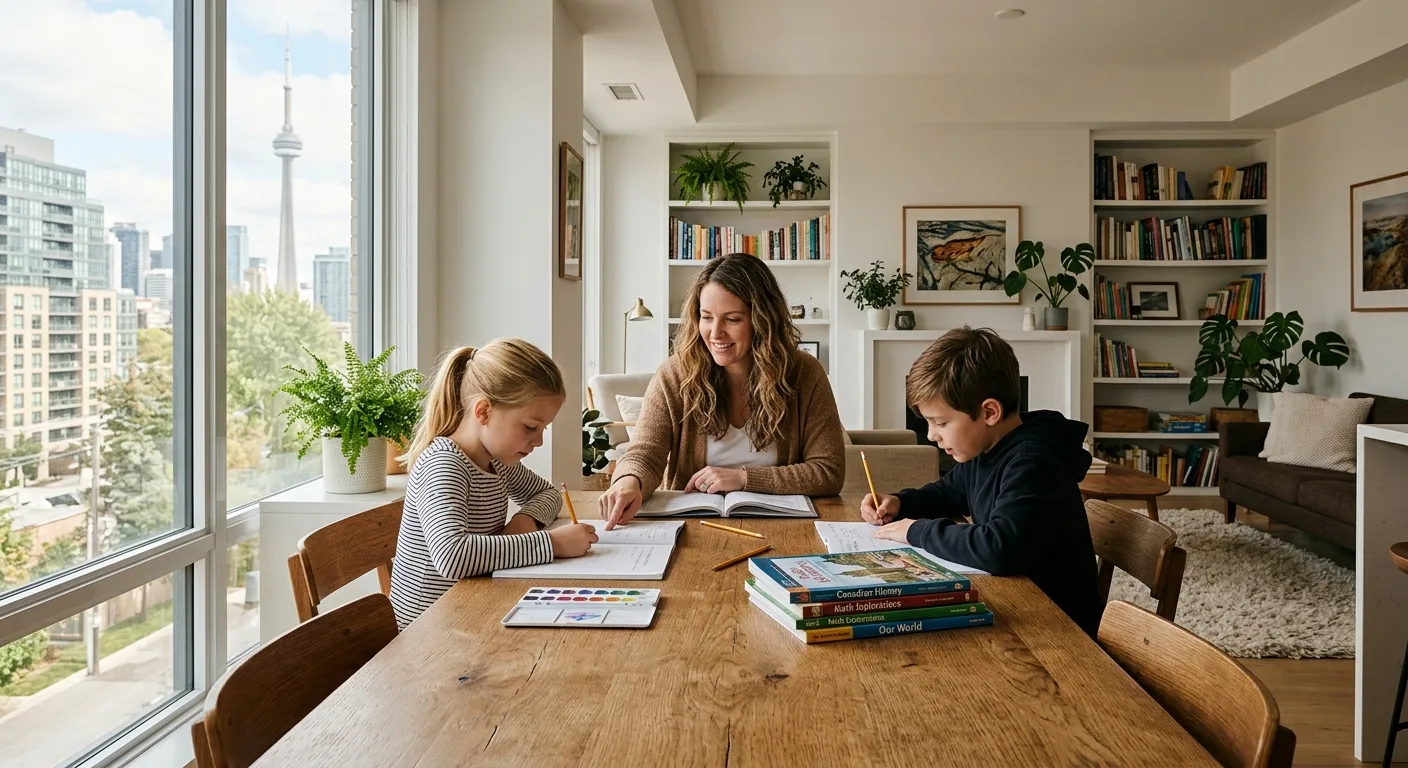
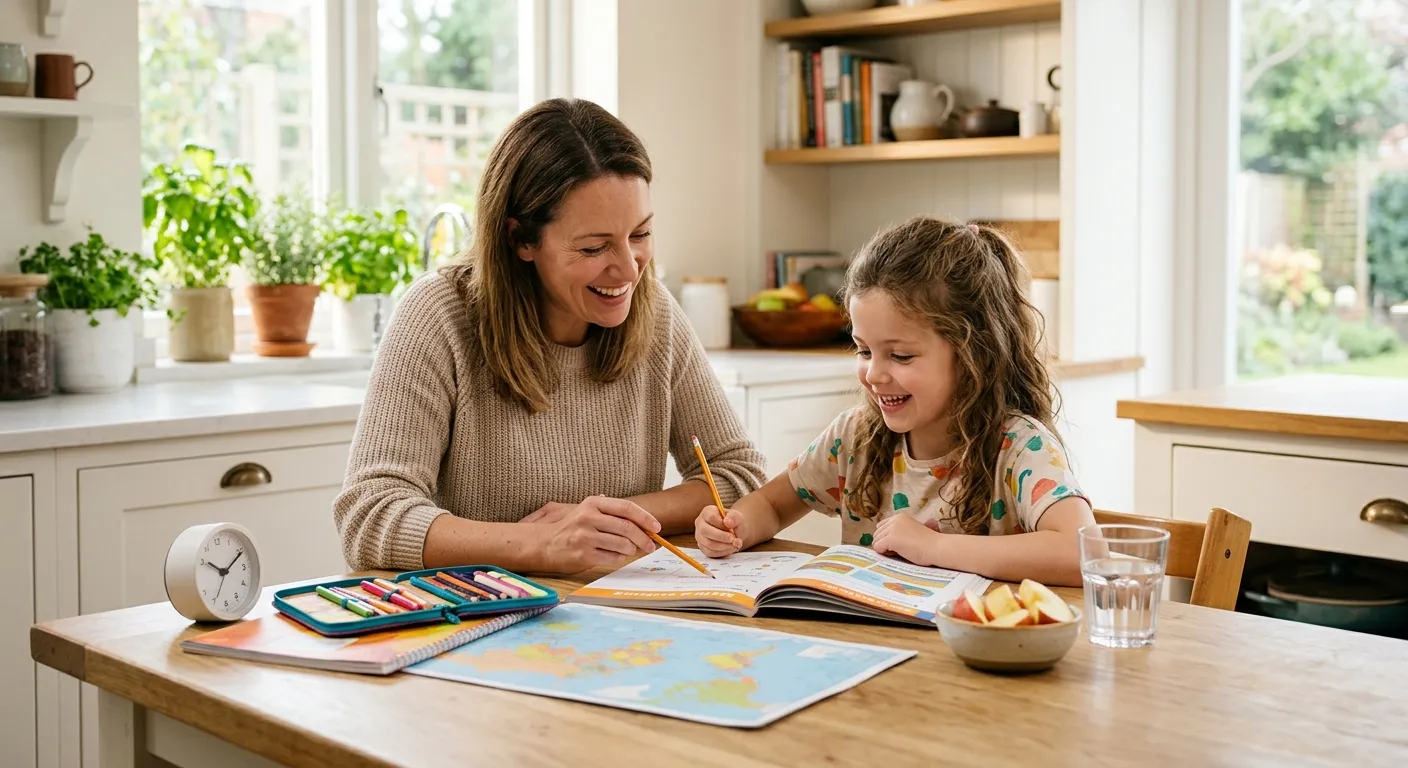
For parents dealing with school resistance and refusal, homeschooling can be a viable alternative to the traditional school environment. Homeschooling offers a flexible and personalized learning approach that can cater to your child’s unique needs, interests, and pace.

Here’s why homeschooling can be a great option for children who resist school:

  1. Individualized Learning Plans: In a homeschool setting, you can tailor the curriculum to your child’s specific strengths, needs, and interests. This allows for a more engaging and supportive educational experience.
  2. Reduced Pressure: Homeschooling removes the rigid time constraints and constant performance evaluations found in traditional schools. Without the pressure to meet arbitrary timelines, your child may feel less overwhelmed and more willing to engage in learning.
  3. A Sensory-Friendly Environment: You can modify the home learning environment to be more sensory-friendly, providing a comfortable space for your child to learn without the noise and distractions that come with a crowded classroom.
  4. Emotional Support: Homeschooling allows you to be there for your child during difficult emotional moments, offering immediate support and understanding that a teacher in a traditional setting might not have the time or capacity to provide.
  5. Flexible Scheduling: Homeschooling offers flexibility in scheduling, allowing you to plan learning around your child’s peak focus times and energy levels. If your child struggles to start their day early, you can adjust the schedule accordingly.

Addressing Concerns About Homeschooling

It’s normal for parents to feel unsure about homeschooling, especially if they’ve only experienced traditional schooling themselves. However, homeschooling has become increasingly mainstream, and there are vast resources available to support you in this journey.

Some common concerns parents have include socialization and academic progress. The reality is that homeschooling communities are thriving, with co-ops, group activities, and extracurriculars readily available to help your child socialize. Additionally, many parents find that homeschooled children often excel academically because they receive individualized attention and are able to learn in a way that suits their unique style.

Steps to Take if Your Child is Struggling

If your child is struggling with school resistance and refusal, here are some steps you can take:

  1. Open Communication: Talk to your child about their feelings toward school. Validate their emotions and try to understand the underlying reasons behind their resistance.
  2. Involve a Professional: If you suspect anxiety, depression, or neurodivergence is contributing to your child’s school refusal, consider seeking guidance from a mental health professional who specializes in working with children.
  3. Explore Educational Alternatives: Look into homeschooling or other alternative education options, such as online schooling or Montessori education, that may better suit your child’s needs.
  4. Create a Plan: Develop a collaborative plan with your child. Whether this involves gradually returning to school or transitioning to a new learning method, ensure your child feels heard and involved in the decision-making process.

Conclusion: Trusting Your Instincts

If your child is experiencing school resistance and refusal, it’s essential to trust your instincts and explore all available options. Forcing your child into a system that is clearly not working for them may do more harm than good. Instead, consider homeschooling as a way to provide the supportive, individualized learning environment your child needs to thrive. Remember, every child is different, and the goal is to help them learn in a way that makes them feel safe, capable, and understood.

By considering alternatives like homeschooling, you’re not only validating your child’s experience but also creating a path for their academic success and emotional well-being.

Fear Says “Fit In.” Values Say “Stay Firm.”

Fear Says “Fit In.” Values Say “Stay Firm.”

This has been on my mind today…

Most of us were raised with fear dressed up as discipline.

Fear of standing out.

Fear of falling behind.

Fear of being different — or being too much of something.

When I was growing up, that fear had a thousand voices:

“Don’t talk back.”

“Respect your elders.”

“Just do what you’re told.”

“Don’t embarrass the family.”

South Asian homes are particularly good at this — teaching you to blend in so well that, one day, you wake up and realize you don’t even know what you stand for. You’ve become a collage of other people’s expectations. You chase safety instead of passion. Approval instead of purpose.

That’s why, now as a father, I keep coming back to one truth:

Fear says “fit in.”

Values say “stay firm.”

And if I want my kids to stay firm — to know who they are, to know when to walk away, to know what matters even when it’s unpopular — then I have to show them how.

Not lecture them.

Not shame them.

Not compare them to anyone else.

Just live it.

That means letting them speak, even if I disagree.

Letting them dress how they want, even if I don’t get it.

Letting them explore paths I didn’t choose — or couldn’t.

It also means apologizing when I parent from fear instead of from values.

Because I still catch myself doing it.

If you’ve chosen to homeschool, to opt out of the system, to rewire how learning happens in your house — then you already know this feeling. The discomfort of not fitting in. The awkward pauses in family conversations. The well-meaning but judgmental stares from old friends.

Let them come.

Let fear have its moment.

But then let your values speak louder.

You didn’t choose this path because it was easy. You chose it because it was right.

And if your kids learn anything from you, let it be this:

The world doesn’t need more people who know how to fit in.

It needs more people brave enough to stay firm.

Sathish

still learning, still unlearning

When Your Homeschool Program Stops Working

When Your Homeschool Program Stops Working


Lately, I’ve been hearing the same story from homeschool parents:

“We’ve used this program for years, but after the latest update it just isn’t working for us anymore. The kids hate it. I feel stuck. What else is out there?”

If that’s you, you’re not alone.

Sometimes a program that served you well in one season stops fitting in the next. Maybe your kids have grown and their needs have changed. Maybe what felt simple and reliable at first now feels limiting. Maybe the content just doesn’t line up with the kind of education you want your child to have.

That doesn’t mean you’ve failed. It just means your homeschool is evolving — and your tools need to evolve with it.

That’s why more and more families are switching to Schoolio.

Not because we’re “perfect” (no program is), but because Schoolio was designed to support the things that matter most in a modern homeschool:

Flexibility: Mix and match grade levels across subjects, skip ahead in one area and slow down in another, and create a program that fits your child instead of forcing your child to fit the program.

Future-Readiness: We go beyond the basics of math, science, and reading. Schoolio includes courses like Financial Literacy, Emotional Intelligence, and Emerging Technology — so kids don’t just learn to pass tests, they learn to thrive in the real world.

Neurodivergent-Friendly Design: Short, bite-sized lessons. Minimized distractions. Hands-on and interest-based options. Schoolio was created by homeschooling parents who know what it’s like to teach ADHD, autistic, and otherwise unique learners — because we’ve lived it.

At the end of the day, switching programs can feel like a big leap. But sometimes, it’s exactly the reset your homeschool needs.

If your current program no longer feels like a fit, that’s not the end of the story — it’s the start of building a homeschool that works better for you today.


? Lindsey

Beyond Busy: Making Space for Boredom

Beyond Busy: Making Space for Boredom


This has been on my mind today…

When new homeschoolers start out, one of the first things I see them try to avoid is boredom.

They fill the schedule with academics. Add on some coding games. Sprinkle in art classes, science experiments, and extracurriculars.

All in the name of “keeping them busy.”

But here’s the thing…

Kids don’t need busy.

They need space.

Space to feel still, to get bored and to wonder what else is possible.

Because boredom isn’t a problem to solve.

It’s a gateway to curiosity.

This weekend, I watched it play out in real life. It was around 7pm this past weekend. My kids were both on their phones, scrolling. Dinner was still an hour away, like it usually is in our house.

I looked over and thought, should I ask them to put it down?

Will it turn into a fight right before dinner? Will it be met with the usual eye rolls or sighs? Probably.

But I asked anyway.

“Take a break,” I said. “Do something else for a bit.”

They both put their phones down, reluctantly. And within a minute, I heard it. The phrase I knew was coming.

“I’m so bored.”

I said nothing. Just let it hang in the air. Ten minutes later, the three of us were at the kitchen table playing UNO. By the 45-minute mark, the game had turned competitive. We were laughing, shouting, teaming up, accusing each other of cheating. And just like that, they weren’t bored anymore.

After dinner, the phones stayed off.

My son pulled out his sketchbook and started drawing.

My daughter went to her room and practiced her DJ set.

No devices. No distractions. Just presence. All because they got bored.

I used to think boredom was something to fix.

Now I see it as a door. Because boredom is what comes before the magic.

Before the game, the drawing, the creativity, the music. And all we have to do is let it happen.

“I’m bored” is not a complaint. It’s a cue.

Let’s stop trying to fill it. Let’s let our kids feel it.

They’ll figure it out. And when they do, it’ll be better than anything on a screen.


Sathish

still learning, still unlearning

Learning Area and Perimeter in Minecraft

Learning Area and Perimeter in Minecraft


Math can feel abstract sometimes. Numbers on a page. Formulas to memorize. Eyes glazing over.

That’s exactly where we were when we hit perimeter and area. My kids weren’t connecting with it — and honestly, I couldn’t blame them. Why does drawing rectangles on a worksheet feel so important when you’re seven?

So we switched it up.

We opened Minecraft.

Suddenly, it wasn’t about boxes on paper. It was about building.

  • Perimeter became the fence we needed around our animals. How much fencing did we need to keep the sheep in?
  • Area became the flooring for the rooms of a house. How many blocks would it take to fill in the kitchen or living room?

And just like that, the concept clicked.

Instead of “math problems,” it became their world. They cared about the outcome, because they had ownership in the project. They weren’t just solving for numbers — they were solving for sheep. For walls. For a house they were excited to design.

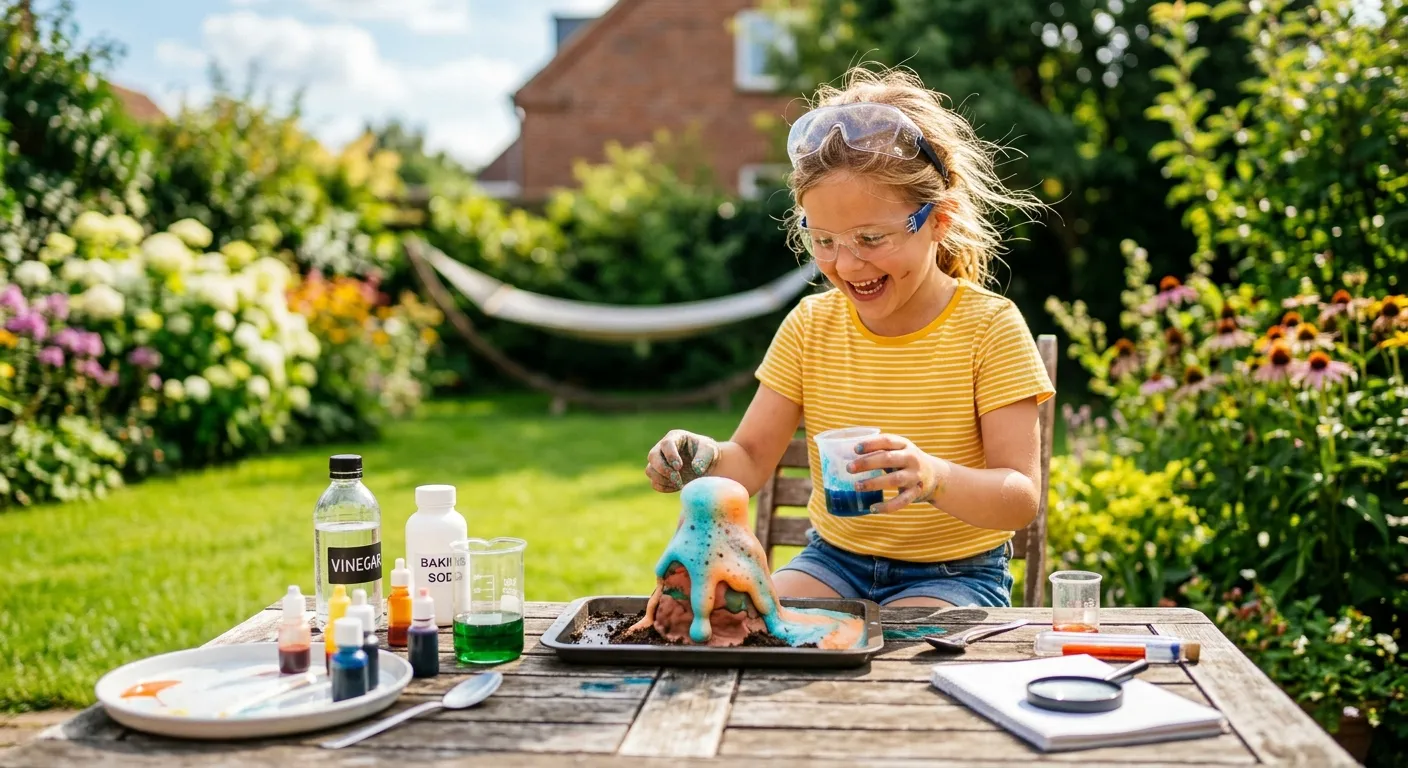
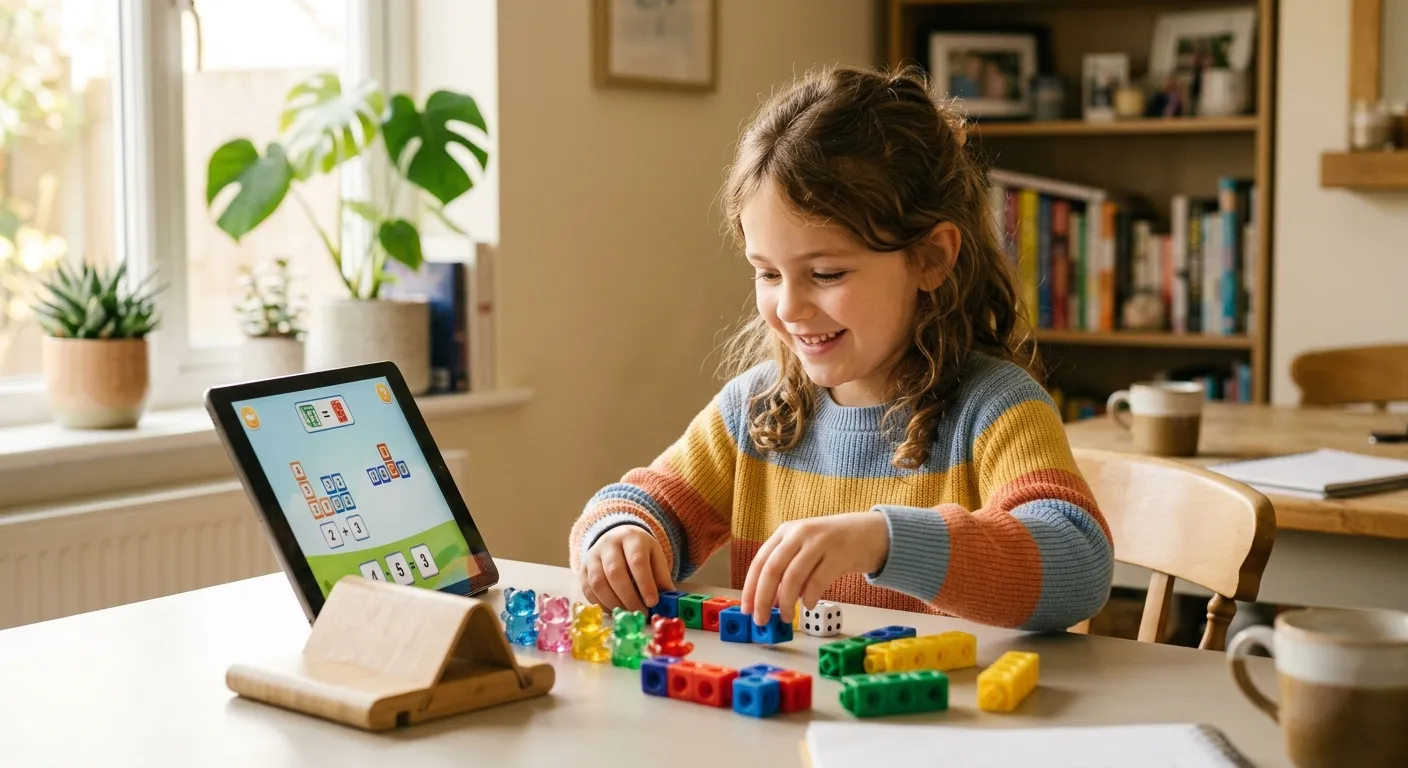
That’s the power of leaning into your child’s interests. When you connect learning to something they love, the barriers start to fall away.

It doesn’t mean every lesson becomes a video game (though sometimes that helps ?). It means you take the thing they’re already excited about and use it as a bridge into the learning.

Because here’s the truth: kids don’t resist learning. They resist learning that feels irrelevant.

And sometimes, all it takes is a fence for sheep to make the numbers finally make sense.


? Lindsey

After School Restraint Collapse

Does Your Kid Struggle with School? What Is After-School Restraint Collapse?


If your kid struggles with school, you may be familiar with After-School Restraint Collapse, even if you’ve never heard the term. Does your child have frequent emotional outbursts or meltdowns immediately or shortly after getting home from school? They may be experiencing [After-School Restraint Collapse](https://www.bbc.co.uk/bitesize/articles/z863cxs#:~:text=This type of behaviour is,to let it all out!). This phenomenon often occurs because kids suppress their emotions and needs in order to hold themselves together during the school day, behave, and conform to the strictly structured system. They then release that pent-up energy and frustration once they’re back in the safety of their home. After-School Restraint Collapse can happen to any child, but for kids who are ADHD, autistic, or have other neurodivergencies, it can be more frequent and more intense, because school is just that much harder for them to manage, and they are more easily overwhelmed or overstimulated. This intense emotional release can feel overwhelming for your child, and can be incredibly hard to witness as their parent.

Let’s talk about what After-School Restraint Collapse is, why it’s more common in neurodivergent kids, and then look at some practical ways to support your child. We’ll also talk about how homeschooling can be a viable option for families dealing with extreme school struggles.

What is After-School Restraint Collapse?

After-School Restraint Collapse is the emotional or physical meltdown that occurs when children who have been controlling their emotions all day at school finally feel safe enough to let go. This is especially common in kids struggling with school, where the effort to manage expectations and regulate their behavior leads to emotional exhaustion. After a day of staying relatively still and quiet, following directions, and meeting social expectations, they return home and can’t hold it together anymore.

For neurodivergent children—such as those who are ADHD, autistic, or have sensory processing disorders—this collapse can be even more intense. School environments can be highly demanding, with sensory overload, social complexities, and academic pressures draining their emotional and mental energy.

Why Does After-School Restraint Collapse Happen More Often in Neurodivergent Kids?

Many kids struggling with school are neurodivergent, such as those who are ADHD or autistic, and often face unique challenges that make the school day even more exhausting and overwhelming than for their neurotypical peers. Here are some of the reasons why your neurodivergent kiddo is more likely to experience After-School Restraint Collapse:

1. Sensory Overload

Neurodivergent children often have sensory sensitivities, which can make the school environment overwhelming. Loud classrooms, bright lights, crowded hallways, and constant stimuli can make it difficult for them to stay regulated. By the time they get home, they are overstimulated and emotionally exhausted, leading to a meltdown.

2. Social and Communication Pressures

For a lot of our neurodivergent kids, social communication is difficult or confusing, which makes the social aspect of school exhausting. Neurodivergent children often spend significant mental energy trying to fit in, understand social cues, and avoid conflicts with peers or teachers. This constant effort can lead to emotional exhaustion by the time they return home.

3. Executive Dysfunction

Many neurodivergent children struggle with executive dysfunction, which affects their ability to plan, organize, and manage tasks. The school day can be filled with tasks that require executive functioning, and the effort to stay on top of things like class transitions, homework, and listening to instructions can become overwhelming. In addition, they may hear a lot of negativity about their inability to self-manage the way their neurotypical peers can and wonder why they can’t keep up, leading to self esteem issues and more emotional exhaustion.

4. Emotional Regulation Difficulties

For children who are ADHD or autistic emotional regulation can be challenging. Our kids may suppress their emotions throughout the day to meet behavioral expectations, but once they are home, they release all the frustration and stress they’ve been holding in all day.

Ways to Support Your Child Through After-School Restraint Collapse

Understanding the causes of After-School Restraint Collapse is the first step toward supporting your child. There are several strategies that can help ease your child’s transition from school to home and reduce emotional overload. Drawing from expert advice, let’s look at some practical and concrete ways to support a kid struggling with school:

1. Create a Safe Space for Unwinding

Provide a quiet, calm space at home where your child can unwind after school. This space should be free of distractions and filled with comforting items, such as soft blankets, pillows, or their favorite sensory toys. Creating a sensory-friendly environment where your child can decompress will help reduce overstimulation and provide a sense of security.

2. Prioritize Downtime After School

Don’t jump straight into homework, chores, or structured activities when your child gets home. Limit demands and expectations no matter how small they may seem to you. Allow them to have downtime to relax and recharge. This might be free play, reading, or any activity they find soothing. Don’t try to ask them too many questions about their day or engage in conversation immediately if your child isn’t feeling it. Let them have quiet and their own space. and allow them to decide when they’re ready to start homework or other after-school activities. By reducing pressure and giving them control over their time, you give your child the freedom to decompress, which will help prevent emotional meltdowns.

3. Offer Physical Outlets

Some children find that engaging in physical activity helps release the built-up tension from the school day, especially those who are ADHD- Hyperactive Type. Whether it’s jumping on a trampoline, going for a walk, or engaging in a fun physical activity like dancing, movement can help reduce emotional overload and improve their mood.

4. Seek Support When Needed

If your child seems unusually upset after school, it might be because of an issue during the day that wasn’t fully addressed or resolved. After-school behavior could indicate that something challenging happened while they were at school.

It’s important to check in and find out if something during their school day is affecting them. Bullying is unfortunately extremely common for neurodivergent children, so you want to make sure your child isn’t being victimized at school. They are also more likely to have social struggles with peers, so fights and misunderstandings with friends can happen and leave your child feeling hurt and confused. Do your best to know what’s happening at school so you can address the issues at home and help guide your child through these altercations, as well as reach out to the school if needed.

5. Validate Their Feelings and Make Sure They Feel Heard

After a long day of masking their emotions, your child needs to feel heard and understood. Validate their emotions by acknowledging their feelings: “I know today was tough, and it’s okay to feel upset.” Listening without judgement helps your child feel supported and understood, which can lessen the intensity of their emotional outbursts.

6. Understand How Hard School Is For Some Children

Many children struggle with anxiety, separation, and security. Being away from the safety and connection of their parents all day is hard for these kids, especially our neurodivergent kiddos. All of this is in addition to having dealt with the day, peers, academics, and sensory stimulation. Reconnecting with you at the end of the day can bring a flood of emotions, from relief to frustration, all laddering up to a feeling of overwhelm.

Considering Homeschooling?

If your kid struggles with school to the point that After-School Restraint Collapse is becoming a daily occurrence, homeschooling may be an option worth considering. Homeschooling offers the flexibility to create an environment that’s specifically tailored to your child’s unique needs, making it a great alternative for neurodivergent kids who find the traditional school environment overwhelming.

How Homeschooling Can Support Neurodivergent Kids

  1. Flexible Learning Environment: Homeschooling allows you to customize your child’s learning environment to fit their sensory preferences. You can create a space that’s quiet and calm, free of the sensory triggers that may overwhelm them in a traditional classroom.
  2. Personalized Curriculum: Homeschooling offers the freedom to choose a curriculum that fits your child’s learning style and pace. You can select a curriculum like Schoolio that’s designed with neurodivergent learners in mind, offering bite-sized lessons, interest-based electives, and unique flexibility.
  3. Social Learning with Support: For neurodivergent children who struggle with social interactions, homeschooling provides an environment where they can engage with others at a frequency that doesn’t drain their social battery or create overwhelm.. Socialization can take place in smaller, more controlled settings, reducing the stress of large group dynamics. Not only that, but with your regular support they can learn emotional regulation and social skills in a healthy manner with guidance from an adult who has their best interests at heart.
  4. Emotional Support: Homeschooling gives you the chance to be present for your child throughout the day, offering emotional support as needed. This allows you to incorporate social-emotional learning into your daily routine, helping your child develop the emotional regulation skills they need to thrive.

The First 3 Steps to Get Started with Homeschooling

  1. Understand Your State Laws: Homeschooling laws vary by state, so it’s important to familiarize yourself with the specific regulations in your area. Some states require you to notify your local school district, while others have stricter guidelines around curriculum and testing.
  2. Choose a Curriculum: There are many homeschooling curricula available, but it’s important to find one that fits your child’s learning style. Schoolio is a great option for families starting out with homeschooling, as it offers all subjects in one place, flexibility and lots of support. It’s also designed to be accessible for neurodivergent learners, making your initial dive into homeschooling much easier and stress-free.
  3. Find Support: Look for local or online homeschooling communities where you can connect with other parents and seek advice and support. Joining a homeschooling co-op or an online group can provide much-needed support and confidence for both you and your child.

Conclusion

After-School Restraint Collapse is a common experience for lots of kids, and those of us with neurodivergent kids struggle in school even more. With the right support strategies, you can help your child manage their emotions and hopefully ease the transition from school to home. If school is simply not a fit for your child and likely never will be, don’t hesitate to consider homeschooling as a viable option. Your child’s emotional well-being should always be the top priority. If your kid struggles with school, it’s essential to listen to their needs.

Homeschooling Parent- The Quietly Bold

Homeschooling Parent- The Quietly Bold


Fortune favors the bold.

Not the loudest.

Not the most perfect.

Not the ones with the most polished plans.

The bold.

The parent who pulls their kid out of a system everyone else still trusts.

The parent who chooses connection over conformity.

Flexibility over tradition.

Peace over pressure.

I’ve met hundreds of these parents. Quietly bold.

No parade. No validation. Just a gut feeling that this was right for their child.

They didn’t wait for permission.

They didn’t wait for the school to change.

They made the change themselves.

And the result? That’s the “fortune” part.

Kids who smile again.

Kids who ask questions again.

Kids who don’t hate learning.

Kids who feel seen.

We get asked all the time: “Is homeschooling a risk?”

Yes. So is sending your child into a system that doesn’t fit. Both paths take boldness. One just gives you more control.

This is why I believe in homeschooling.

This is why I believe in Schoolio.

Not because it’s trendy. Not because it’s perfect. But because it puts the child back at the center — and trusts the parent to lead.

Fortune favors the bold.

If you’ve made the leap, you already know.

If you’re on the edge, maybe this is your sign.


Sathish

still learning, still unlearning

Why “Focus” Doesn’t Always Look Like Sitting Still

Why “Focus” Doesn’t Always Look Like Sitting Still


There was a season in our homeschool when math facts were… let’s just say painful.

Every time I pulled out the worksheets, I’d get groans. Wiggling in the chairs. The inevitable: “Do we have to do this?”

One day, instead of pushing through another tense math session at the table, I tried something different. We went outside. Onto the trampoline.

The kids bounced while I called out math facts. “What’s 7×6?” Bounce. Bounce. “42!” “What’s 9×8?” Bounce. Bounce. “72!”

Suddenly, the resistance melted away. They were laughing, shouting out answers between jumps, and begging for the next question. The energy that had been working against us at the table was now working for us.

And it hit me:

Focus doesn’t always look like sitting still.

For neurodivergent kids especially, learning can happen best in motion. While doodling. While bouncing. While tapping a pencil. While upside down on the couch. The movement isn’t a distraction — it’s the doorway to attention.

Traditional classrooms often confuse compliance with focus. A still, silent student looks like they’re paying attention. But how many times are they zoning out, daydreaming, or working hard just to appear calm?

At home, we get to redefine it.

✔ Focus can look like doodles in the margin while listening.

✔ Focus can look like bouncing on a trampoline while memorizing math facts.

✔ Focus can look like humming quietly while reading.


The truth is, focus isn’t about how it looks. It’s about what’s happening in the brain.

So if your child can’t sit still — maybe don’t fight it. Maybe lean into it. Movement can be the bridge between frustration and fun, resistance and retention.

Because focus doesn’t always look like stillness. Sometimes it looks like joy.


? Lindsey

Certified Special-Ed Educator & Co-Founder, Schoolio

The Quiet Wins That Matter Most

The Quiet Wins That Matter Most


This has been on my mind today…

Some days, the work feels heavy. You’re building something that doesn’t yet exist. A platform that reimagines education, reshapes how kids learn, and gives power back to the people who’ve been left out of the conversation for too long—parents, students, and those who learn a little differently.

You push through meetings, plans, deadlines, product reviews. You tweak systems, question decisions, and hold the big vision in your mind like a lighthouse, even on foggy days. But once in a while, something cuts through all that noise. A comment. A thank-you. A message that reminds you why you started this in the first place.

That happened to me recently.

A parent shared a short post in our Schoolio Families group. Just a few lines. No hashtags. No fuss. Just truth.She said she loved Schoolio because it works for her neurodivergent child. Because it gives her peace of mind knowing her kid is learning the same curriculum as students in traditional school. And because the AI tools helped with grading essays.


Customer Testimonial

Simple. Direct. But when I read it, it stopped me.

Because that right there is the quiet win that matters.

She didn’t say we changed her life. She didn’t say we were perfect. What she shared was something more real. She shared relief. Confidence. Stability. The kind of stability every parent needs, but especially the ones who are walking a different path.


The truth is, a lot of the parents we serve never wanted to homeschool. They weren’t planning for it. It wasn’t on their vision board. But something shifted—maybe a bad experience at school, a child’s needs not being met, or just a gut feeling that things weren’t working.

And now they’re here, trying to do what’s best for their child, even when the world questions them for it.

This is what we built Schoolio for. For that parent who lies awake at night wondering if they’re doing enough, for the child who learns better with space and silence, for the families that don’t see themselves in glossy brochures or test scores and for the moments when a tool actually helps and no one has to fight for it.

You don’t always get to see the impact of your work. You don’t always hear how it lands. But every now and then, someone like Marielle speaks up and says, This helped. And for me, that’s everything.

Because this isn’t just about curriculum or platforms or AI tools. This is about building something that lets families breathe again. Something that says: you’re not alone. You’re not wrong. And yes, you can do this.

That’s the win I hold onto today.


Sathish

still learning, still unlearning

One of Homeschooling Quietest Strengths

One of Homeschooling Quietest Strengths


By Lindsey Casselman, special-ed teacher & homeschooling mom


When I first started homeschooling, I thought a “good homeschooler” had a tidy schedule. Wake up at 8, lessons by 9, neat little blocks of math, reading, and science lined up like ducks in a row.

But then reality stepped in: my kids aren’t ducks, and neither am I.

What I learned over time — and what research keeps confirming — is that one of the most powerful tools we have in homeschooling is also the simplest: sleep.

In traditional school, kids are often shaken awake by alarms, rushed through breakfast, dressed half-asleep, and hustled out the door before their brains have even had a chance to fully wake up. I remember my own school mornings feeling like chaos in fast-forward. But homeschooling gave us the freedom to slow down, and that’s when I noticed something life-changing.

Well-rested kids don’t just learn better. They feel better. They laugh more. They regulate their emotions more easily. They can focus longer, without the constant battle against exhaustion. Science tells us sleep is not laziness — it’s learning in disguise. It’s when the brain is literally growing, making connections, and preparing itself for curiosity.


Here’s what that looked like in our homeschool:

  • Starting the day when my kids naturally woke up, not when a bus schedule dictated.
  • Protecting rest days after big field trips, instead of pushing through.
  • Building gentle morning and bedtime rhythms so transitions felt calming, not chaotic.
  • Letting rest be part of the curriculum, because restoration fuels curiosity.

And here’s the best part: this isn’t “falling behind.” It’s moving forward in a way that honors kids as whole humans — body, mind, and spirit.

So maybe the question isn’t, “Am I doing enough school hours?”

Maybe it’s, “Am I giving my child enough rest to flourish?”

Because the truth is, flexible sleep schedules aren’t a weakness of homeschooling. They’re one of its greatest strengths.


? Lindsey

Certified Special-Ed Educator & Co-Founder, Schoolio

Trauma-Informed Education

What Is Trauma-Informed Education, And Why It Might Be Exactly What Your Child Needs


By Lindsey, certified special-ed educator and co-founder, Schoolio

If you’ve pulled your child out of school because something wasn’t working- and I mean really wasn’t working- you’re not alone.

We hear from families every day whose kids are recovering from what we call school trauma.

Maybe your child:

  • Was bullied and felt unsafe
  • Shut down from anxiety or sensory overload
  • Was constantly in trouble for behavior no one tried to understand
  • Masked all day to fit in and melted down at home
  • Fell behind and couldn’t catch up, no matter how hard they tried and had their confidence and self-esteem shaken

Whatever your story looks like, one thing is clear:

Your child didn’t just need to “toughen up”. This isn’t a “right of passage” and it’s not learning to “deal with the real world”, they need a completely different kind of learning environment to feel safe and recover.


What “Counts” As Trauma?

Trauma is not something we narrowly define. In reality, all experiences that have negative and long-lasting impact can cause trauma. Another child being mean to your child one time on the playground may not be a traumatic event, but on-going bullying and the emotional abuse, harassment, and character destruction that includes certainly can be. In fact, it is the way we process and experience certain events that defines how traumatic they are; two kids may process the same episode quite differently, making it a traumatic event for one but a minor blip on the radar for the other.

Trauma impacts learning and behavior. It can significantly slow down, or completely stop our ability to learn.

Kids experiencing trauma are more likely to fall behind in school, struggle to catch up, or get in trouble for behavior issues. These results can compound more trauma and make things increasingly worse.

If your child has experienced school trauma, you did the right thing by removing them from that environment. But you might be asking yourself, now what?

That’s where trauma-informed education comes in.


What Is Trauma-Informed Education?

Trauma-informed education isn’t just a buzzword- it’s a researched, intentional framework grounded in how children process stress and recover from negative experiences. It is an approach to teaching that recognizes the widespread impact of trauma on a child, and aims to create a safe, supportive, and inclusive learning environment. It acknowledges that your child’s past experiences, including trauma, can directly affect their ability to learn. By understanding these impacts, we can adjust teaching methods and create a home environment that fosters their recovery and resilience while supporting real learning.

Trauma-Informed Education is built on six key principles:

  1. Safety: Children must feel emotionally, mentally, and physically safe in their learning environment. You’ve established this by bringing them home to learn and removing them from the unsafe environment of school.
  2. Trustworthiness and Transparency: It’s important now that your feels like they know what to expect and know that the adults around them are predictable and honest.
  3. Empowerment, Voice, and Choice: Kids do better when they have a say in their learning process and are given appropriate autonomy.
  4. Collaboration and Mutuality: Learning should not be something done to a child, but something done with them.
  5. Peer Support: Feeling part of a community and knowing you are not alone is a critical part of healing. Remember that your family unit is also a “community”.
  6. Cultural Responsiveness: It’s cruical that your home and family affirm and respect your child’s identity, history, and experiences.

A trauma-informed approach recognizes that stress, fear, and overwhelm shut down learning. When a child feels unsafe, emotionally or physically, their nervous system goes into survival mode. And survival mode leaves very little room for comprehension, creativity, or curiosity. Feeling “unsafe” doesn’t always mean they feel like they’re in danger. Fear of failure or criticism, fear of exclusion, and fear of retaliation are all legitimate attacks on a child’s sense of safety.

Trauma-informed education begins with the right questions:

  • Does my child feel safe right now?
    • Remember the above ways of feeling unsafe- this includes their feel of failing or getting in trouble.
  • Do they feel heard and respected?
  • Are they given choices and control over their learning?
  • Is our environment calm, clear, and consistent?
    • As parents, we get frustrated and overwhelmed too- we’re human after all. If you need a break to calm down, take it. The environment isn’t calm if you’re stressed. Only a regulated person can help calm a dysregulated person.

If the answer to those questions is no, it doesn’t matter how high-quality the curriculum is, their brain won’t be ready to receive it. Establish all four consistently before you start a learning program. Deschooling and recovering from public school burnout should come first. Download our free guide here.

How Schoolio Supports Trauma-Impacted Learners

We didn’t create Schoolio to be a trauma recovery program. But we did design it to be flexible, gentle, and deeply learner-centered. For many children recovering from difficult school experiences, that’s exactly what they need.

Here’s how our program applies trauma-informed educational practices, supports recovery, and helps you provide a safe and calm learning experience for your child:

  1. Predictability Without Pressure

    Our lessons follow a consistent, easy-to-understand structure, but you, the parent, set the pace.

    Kids who’ve experienced chaos or overstimulation in school find relief in knowing what to expect, without the added stress of rigid deadlines.

  2. Reduced Sensory Load

    Our videos and digital content are intentionally designed to be calm and simple. We avoid overstimulation and excessive noise or visuals because overstimulated brains don’t retain information, they shut down.

  3. Adaptable to Their Energy and Academic Levels

    Many children exiting the school system are burnt out. They don’t need another mountain to climb, they need space to breathe. Schoolio’s bite-sized lessons, printable offline options, and flexible scheduling create room for healing without halting progress. You can also mix-and-match grade levels to create a program where they feel confident and successful, rebuilding self-esteem and security.

  4. Emotional Learning Built In

    Our social-emotional learning and mental health courses are not extras, they’re part of our core offerings. Kids deserve to learn how to name their feelings, manage emotions, build healthy relationships, and recover from stress. These aren’t bonus skills, they’re life skills.

  5. No One-Size-Fits-All Expectations

    Many kids develop trauma in school simply because they didn’t fit the mold. At Schoolio, we don’t have a mold.

    Your child can move ahead in one subject while slowing down in another.

    They can demonstrate knowledge through art, play, projects, and conversation, not just multiple-choice tests.

    They can build a learning plan that matches their pace, their passions, and their strengths.

Final Thoughts

If your child is resistant to learning right now, that doesn’t mean they’re lazy or broken.

If they seem shut down, checked out, or angry, that doesn’t mean homeschooling won’t work.

It means they’re still healing.

They need time, safety and trust.

And they need a learning environment that sees them as a whole person, not a problem to fix.

That’s what trauma-informed education offers.

That’s what we aim to provide at Schoolio.

And if that’s what your child needs, you’re in the right place.


Lindsey

certified special-ed educator and co-founder, Schoolio

The Real Scorecard Isn’t Grades — It’s Humanity

The Real Scorecard Isn’t Grades — It’s Humanity


This has been on my mind today…

My daughter is starting college. A new lifestyle. A new rhythm. A new version of independence. And as I watch her step into it with grace, confidence, and heart, I find myself reflecting—not just on her growth, but on mine as a parent.

In the early years, I thought my role was to prepare her academically. Get her ready for the tests. The projects. The milestones. The classic definition of “success.” But somewhere along the way, that definition shifted.

Because life had other plans.

Because she had questions school didn’t answer.

Because I realized my real job was never about the grades. It was about something bigger.

We tried to raise a daughter who could walk into any room, look people in the eye, and see them—not for their titles or their background, but for their shared humanity. We talked about what it means to be kind when no one’s watching. To question with curiosity, not criticism. To love first, even when the world makes it hard.

We didn’t always get it right. I came from a childhood where discipline meant violence. Where falling behind in school wasn’t a symptom of struggle, but a sign of laziness that had to be “beaten out” of you. That trauma doesn’t just disappear—it echoes. And it took years to unlearn.

But we knew we had to break the cycle. We didn’t ground our kids. We didn’t reach for fear as our first parenting tool. We took away iPads. We paused and talked. We treated mistakes as data, not disgrace. Because the world they’re inheriting is complicated enough without adding guilt and shame to the mix.

Whether you homeschool, send your child to public school, or choose a private path—it doesn’t really matter. What matters is how you’re preparing them for the world outside the classroom. Because it’s moving fast. It’s emotionally volatile. And it’s filled with both beauty and brokenness.

It’s not enough to raise kids who can pass math. We need to raise kids who can pass moral tests. Who know how to walk away from hate. Who speak up when something’s wrong. Who carry empathy in their backpacks, right alongside their textbooks.

The real scorecard isn’t on paper. It’s in how our kids treat others when we’re not around.

It’s in whether they choose courage over comfort. Understanding over assumption. Connection over control.

And those values? They’re not taught once. They’re modeled over time.

That’s why this company—Schoolio—is a personal mission for me. It’s why we build tools and content that don’t just cover curriculum, but embrace character. I don’t believe learning should be weaponized or used to judge. I believe it’s a lifelong, imperfect, beautiful process. A work in progress, just like all of us.

This week, I’m not just sending my daughter to college. I’m celebrating a milestone that started long before the acceptance letter. I’m watching her walk out into the world with her own voice. And I’m quietly reminding myself: That’s the legacy that matters.

—Sathish

still learning, still unlearning