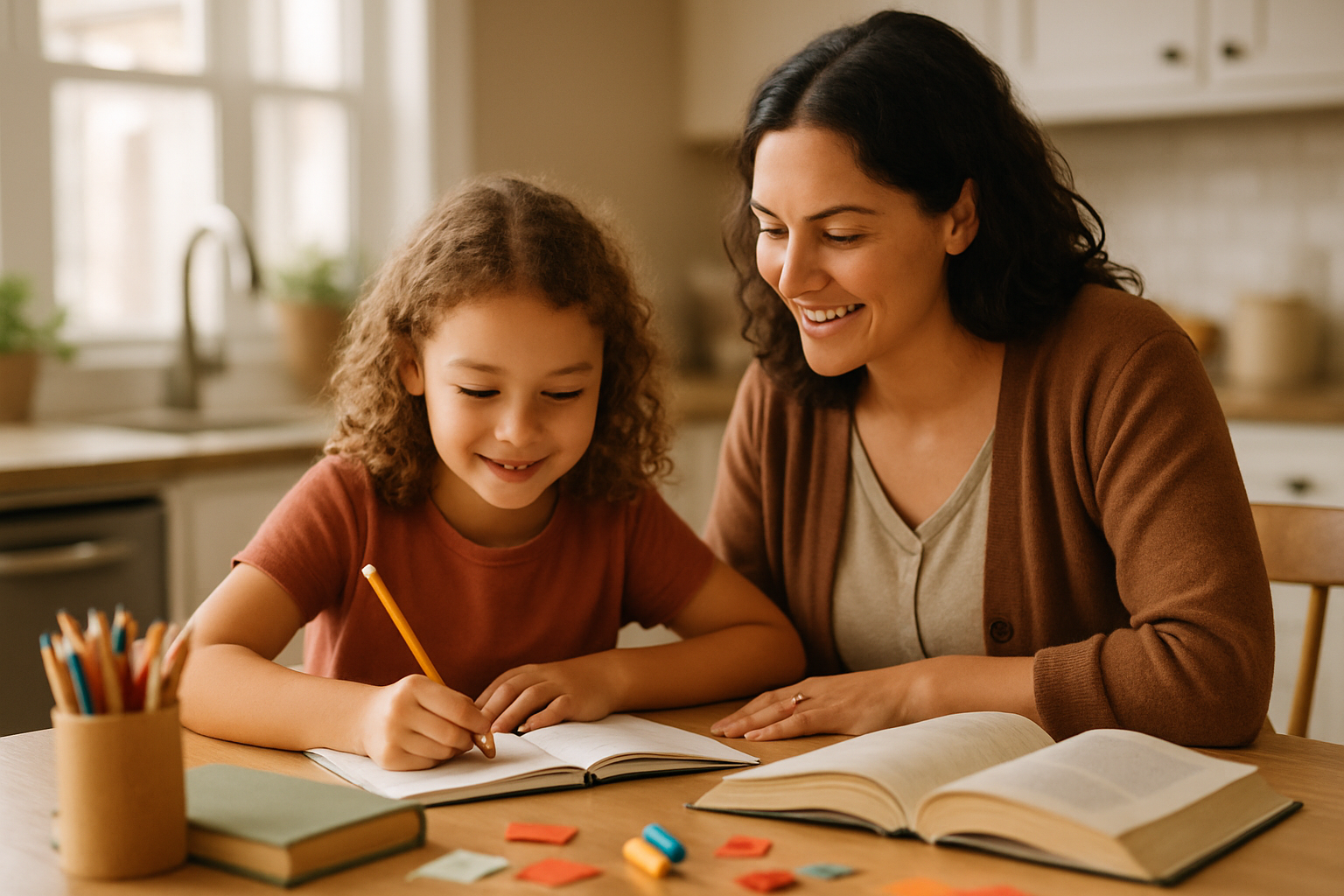
Many homeschooling parents struggle with finding effective ways to track their child’s learning progress without relying on traditional tests. Understanding how to assess learning in a way that respects your child’s unique pace and style can make all the difference in their education journey.
What Are Alternative Ways to Assess Homeschool Progress?
Yes, there are several alternative ways to assess homeschool progress that don’t involve traditional tests. These methods include portfolios, observational assessments, and project-based evaluations. For instance, portfolios can showcase a child’s work over time. This approach allows parents to track growth and areas needing improvement without the pressure of tests.
Portfolios are collections of a student’s work that demonstrate their learning journey. They can include written assignments, art projects, and science experiments. By reviewing these, parents can see a comprehensive picture of their child’s progress over time. This method not only tracks academic progress but also boosts a child’s confidence by highlighting their achievements.
Observational assessments involve watching your child as they engage in learning activities. This can be particularly effective for younger children or those who might not perform well under test conditions. By observing how they apply skills in real-world scenarios, parents can gather insights into their child’s understanding and application of concepts, which can be recorded in journals or logs for future reference.
Project-based evaluations allow children to demonstrate their knowledge through creative projects. Projects encourage critical thinking and problem-solving skills. For example, creating a model of a historical landmark can provide insights into a child’s grasp of history and geography. This hands-on approach can make learning more engaging and memorable for students.
How Can Portfolios Help in Tracking Progress?
Portfolios effectively track progress by offering a tangible record of a child’s academic journey. They present a comprehensive view of a student’s work and development over time. For example, a portfolio might contain writing samples, math exercises, and art projects. This approach gives parents insight into their child’s strengths and areas needing improvement.
Creating a portfolio involves collecting and organizing a variety of student work that showcases their skills and learning progress. This can include essays, artwork, science experiment results, and other educational projects. Parents can periodically review these collections to identify patterns and track improvements over time, offering a dynamic way to assess educational outcomes.
Portfolios also foster a sense of pride and ownership in students. When children participate in selecting the work that goes into their portfolios, they become more engaged in their learning. This process encourages self-reflection and helps students develop a deeper understanding of their educational growth.
Additionally, portfolios can be a valuable resource when meeting with external evaluators or educators to discuss a child’s progress. They offer concrete evidence of learning and can help bridge communication between homeschooling families and educational authorities.
Is Observational Assessment Effective for Homeschooling?
Yes, observational assessment is highly effective in homeschooling because it allows parents to see how their children learn and apply knowledge in real-world situations. This method involves watching how children solve problems or engage with tasks. For instance, parents might observe a child building a tower with blocks to understand their grasp of spatial awareness and engineering concepts.
Observational assessments are particularly useful for younger children or those with learning differences who might struggle with traditional testing methods. By observing children in their natural learning environment, parents can gather valuable insights into their child’s strengths, challenges, and learning styles. This helps in tailoring the educational approach to better suit individual needs.
To effectively implement observational assessments, parents can keep detailed journals or logs of their observations. Documenting specific instances of learning, problem-solving, or creative thinking provides a record that can be referred to over time to track progress and development. This method encourages a more holistic view of a child’s education.
Additionally, observational assessments can be complemented by discussions with the child about their thought processes and decisions during activities. This dialogue can enhance understanding and help parents guide their child’s learning journey more effectively.
What Role Do Projects Play in Assessing Learning?
Projects play a crucial role in assessing learning because they allow students to apply knowledge creatively and practically. By engaging in projects, students demonstrate understanding and mastery of subjects. For example, building a model volcano can illustrate both geological knowledge and scientific inquiry. This hands-on approach makes learning more relevant and engaging.
Project-based learning encourages critical thinking and problem-solving skills. Students must research, plan, and execute their projects, which involves a range of skills from various subjects. This interdisciplinary approach helps students see the connections between different areas of learning and apply them in meaningful ways.
Another benefit of projects is that they can be tailored to a child’s interests and strengths. This personalization can increase motivation and engagement, leading to a deeper understanding of the subject matter. Students are more likely to remember and apply what they’ve learned when it’s linked to their passions and curiosities.
Projects also provide opportunities for students to work collaboratively, if desired, with siblings or peers. This collaboration can develop communication and teamwork skills, important for future success in both academics and life.
How Does Schoolio Support Non-Traditional Assessments?
Schoolio supports non-traditional assessments by providing resources that accommodate diverse learning styles and needs. Their curriculum includes adaptive learning tools, project-based modules, and comprehensive guides for parents. For instance, parents can access resources on creating portfolios and implementing observational assessments. This flexibility allows for a more personalized and effective homeschooling experience.
Schoolio understands that every child learns differently, and their curriculum is designed to reflect this diversity. By offering a range of resources, Schoolio enables parents to select the best assessment methods for their child’s unique learning profile. This empowers parents to create a more engaging and responsive educational environment.
Additionally, Schoolio provides support through their curriculum and shop offerings, which include materials that support various assessment strategies. Whether through digital tools or printed workbooks, Schoolio ensures that parents have the resources needed to track progress effectively.
Parents can also access the Schoolio blog for additional insights and tips on homeschooling. This platform offers guidance from experienced educators and homeschooling parents, providing valuable perspectives on non-traditional assessment methods.
How Can Parents Involve Children in Self-Assessment?
Parents can involve children in self-assessment by encouraging them to reflect on their work and set personal goals. This involves guiding them to review their projects and assignments and identify areas of strength and improvement. For example, children might assess their performance on a science project, noting what they did well and what they could improve next time.
Self-assessment fosters a sense of responsibility and encourages children to take ownership of their learning. When children regularly reflect on their own progress, they develop critical thinking and self-evaluation skills. This practice can lead to enhanced motivation and a deeper understanding of their personal learning journey.
To facilitate self-assessment, parents can provide structured templates or prompts that guide children through the reflection process. These tools can include questions about what they learned, challenges faced, and strategies for improvement. This structure helps children articulate their thoughts and develop a growth mindset.
Involving children in self-assessment also strengthens communication between parents and children. It opens up opportunities for dialogue about learning experiences, helping parents support their child’s educational goals more effectively.
For research-backed context on education outcomes and learning support, see National Center for Education Statistics.
Frequently Asked Questions
How do I start using portfolios for assessment?
Begin by collecting a variety of your child’s work, such as essays, projects, and art. Organize these into a portfolio that highlights progress and achievements. Regularly review and update the portfolio to track growth over time.
Can observational assessments replace traditional tests entirely?
Yes, for many homeschoolers, observational assessments can be a complete alternative to traditional tests. They provide insights into a child’s learning process and application of skills in a real-world context.