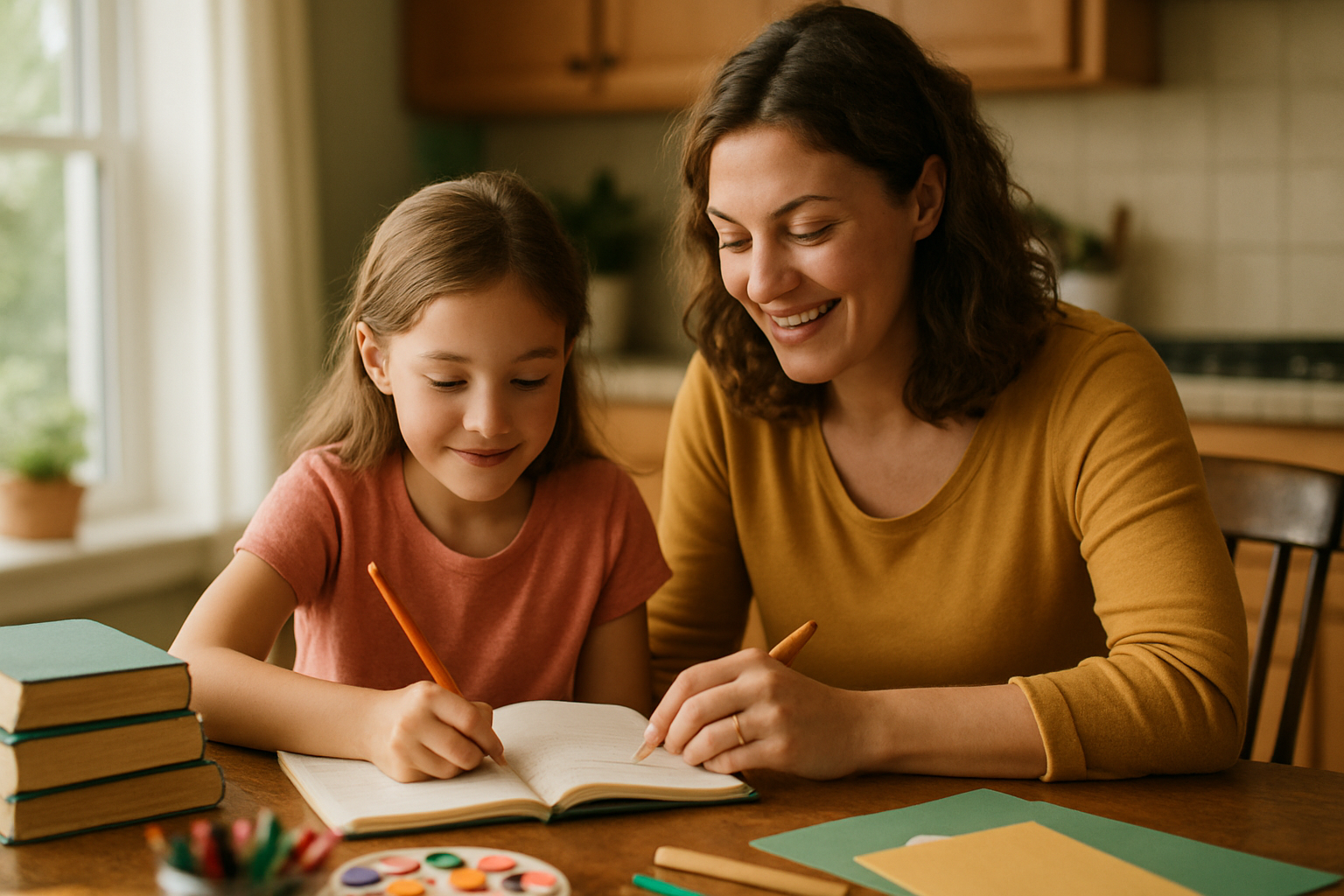
Jumping into homeschooling can feel overwhelming, especially when children and parents are transitioning from a traditional school mindset. Many parents find themselves questioning their methods and wondering if they’re on the right track. Deschooling is a crucial step that can help ease this transition and set a positive foundation for future learning.
What is Deschooling?
Deschooling is the process of adjusting from traditional school norms to a homeschooling approach. It allows both parents and children to shed structured schooling expectations. For example, instead of sticking rigidly to a schedule, families explore learning through everyday experiences. This shift helps families embrace a more personalized education style.
Deschooling is not just a break from academic work but a shift in thinking. Traditional schooling often emphasizes grades and standardized tests, whereas homeschooling focuses on individual learning journeys. During deschooling, families can explore new interests without the pressure of assessments, fostering a love for learning.
Parents can benefit from deschooling too. It provides time to research different homeschooling methods and curriculums. By observing how their child learns best, parents can tailor their approach, ensuring a more effective and enjoyable education. Visit the Schoolio curriculum page for resources on different educational approaches.
Why is Deschooling Important?
Deschooling is important because it helps children and parents transition smoothly into homeschooling. It offers time to adjust to new routines and learning styles. For instance, rather than adhering to a rigid schedule, families can explore interests at their own pace. This flexibility fosters a more engaging learning environment.
By taking time to deschool, families can break away from conventional education expectations. This phase allows children to rekindle their curiosity without pressure, leading to a deeper understanding of their interests. It also provides parents the opportunity to observe and identify the best ways their children learn.
The deschooling phase gives parents the chance to build a supportive community. By networking with other homeschooling families, they can share experiences and gain insights. Resources like the Coalition for Responsible Home Education offer valuable information and support for new homeschoolers.
How Long Should Deschooling Last?
The duration of deschooling varies but generally lasts one month for each year spent in traditional school. This allows adequate time to transition from a school-based mindset to a more open learning environment. For example, a child who attended school for five years might benefit from a five-month deschooling period.
This timeframe isn’t rigid; every family and child is unique. Some may need more time to adjust, while others might embrace the change quickly. It’s crucial to tailor the deschooling period to suit individual needs, ensuring a comfortable transition to homeschooling.
During this period, observe your child’s interests and natural learning patterns. This insight will guide you in selecting the right homeschooling approach. The Schoolio blog provides insights on various homeschooling styles that can complement your child’s learning preferences.
What Activities Are Involved in Deschooling?
Deschooling involves activities that encourage exploration and curiosity without academic pressure. Families can engage in hands-on projects, outdoor adventures, and reading for pleasure. These activities allow children to learn organically and develop interests that may not be covered in traditional schooling.
Visiting museums, parks, and libraries can enhance the deschooling experience. These outings provide real-world learning opportunities and help children see the world as their classroom. Encourage children to lead these activities, which builds their confidence and decision-making skills.
Families can also incorporate arts and crafts, cooking, and gardening into their deschooling routine. These activities not only foster creativity but also teach practical life skills. By emphasizing experiences over textbooks, children develop a well-rounded understanding of the world around them.
How Can Parents Support Deschooling?
Parents can support deschooling by being patient and flexible, allowing children to explore without the constraints of a traditional school schedule. Open communication about feelings and expectations is crucial. For example, discussing daily experiences can help children articulate their thoughts and emotions, which is essential in this transition.
Providing a rich learning environment at home is also key. Parents can stock up on books, art supplies, and educational games. Encourage children to pursue their interests and passions, which can lead to more meaningful learning experiences. The Schoolio shop offers resources to support diverse learning needs.
Engaging with a community of homeschooling families can offer additional support. Sharing experiences and strategies with others can provide fresh perspectives and insights. Utilizing resources like Understood.org can offer guidance, especially for families with neurodivergent children.
Is Deschooling Necessary for Every Homeschooler?
Yes, deschooling is beneficial for every homeschooler as it offers a period of adjustment and reflection. It helps children unlearn rigid schooling structures and embrace personalized education. For parents, it provides time to explore different teaching methods and understand their child’s unique learning style.
Even if a family has been homeschooling for years, deschooling can still be beneficial during transitions. For instance, switching to a new homeschooling method or curriculum can prompt a brief deschooling phase, allowing time to adapt and reset expectations.
Ultimately, deschooling lays a strong foundation for a successful homeschooling journey. By focusing on individual growth and exploration, families can create a nurturing and effective learning environment. Explore the various curriculum options available on the Schoolio website to find what best suits your child’s needs.
Frequently Asked Questions
How do I know when deschooling is complete?
Deschooling is complete when both parents and children feel comfortable with their new routine, and learning occurs naturally without stress or pressure.
Can deschooling be done while still attending school?
While challenging, it is possible to start deschooling by integrating relaxed learning activities at home, helping ease the transition to full-time homeschooling.