
Were you ready for homeschool joys but find yourself with mostly homeschool struggles? You’re not alone! In fact, if you’ve removed your kids from public school to homeschool, you’re likely dealing with the same struggles I did when my kids were new to homeschooling.
If you’ve been homeschooling for a few months now, maybe you’re starting to find your groove. Or, maybe you’ve discovered approximately 47 ways that don’t work and are still searching for that elusive peaceful rhythm. Either way, common homeschool struggles may be making you feel overwhelmed.
Do you find yourself wondering how seasoned homeschool parents manage to survive—even thrive—in this gig? You love your children, of course. You’d step in front of a moving bus for them. But let’s face it: they’re always here now. Like, always. And it can be a bit much.
When do you get a break? When do you get time for yourself? Why do they need a snack every 14 seconds or want you to referee every disagreement? Deep breaths. I’m here to help.
Here’s the veteran homeschooler’s secret: Homeschooled kids do become more independent. But getting to that point takes time. Your kids are unlearning a lot of habits and behaviors picked up in the school system—and that’s a process. The longer your kids have been in the school system, the longer that unlearning can take. So if homeschool struggles have you tearing your hair out and second-guessing your life choices, you’re not alone. Let’s talk about what might be going on.
1. They’re Asking Permission for Ev.er.y.thing
Need to sharpen a pencil? Get a tissue? Use the washroom? Ask permission first. That’s how it worked at school, and your kids are used to it. Schools need these rules to manage 30+ kids at once, but at home, it can make you feel like you’re the cruise director of the S.S. Homeschool. It’s exhausting.
If one of your big homeschool struggles is frustration from the feeling that your kids can’t do anything on their own or make simple decision, try this: Take a deep breath and gently remind them, “You don’t need my permission for that. I trust you to decide.”

Resist the urge to just give them the go-ahead—it’ll only reinforce the habit. Empower them instead, and over time, they’ll learn to take initiative. These small shifts give them more autonomy and means they spend less time bugging you for help with simple things.
2. They Don’t Know What to Do with Free Time
Public school schedules every moment of a child’s day, from math class to bathroom breaks. At home, formal learning likely takes you anywhere from 30-minutes to a maximum of 2-3 hours, depending on the age of your kids. That leaves a lot of free time, which is one of the amazing gifts of homeschooling- expanding and extending childhood through free time, but the wide-open spaces in your schedule might actually feel really overwhelming to your kids at first.

That’s why you may be hearing a lot of, “I’m bored,” even though you look around at all the books, toys, games, and technology that litter the house and think, “HOW?!?”
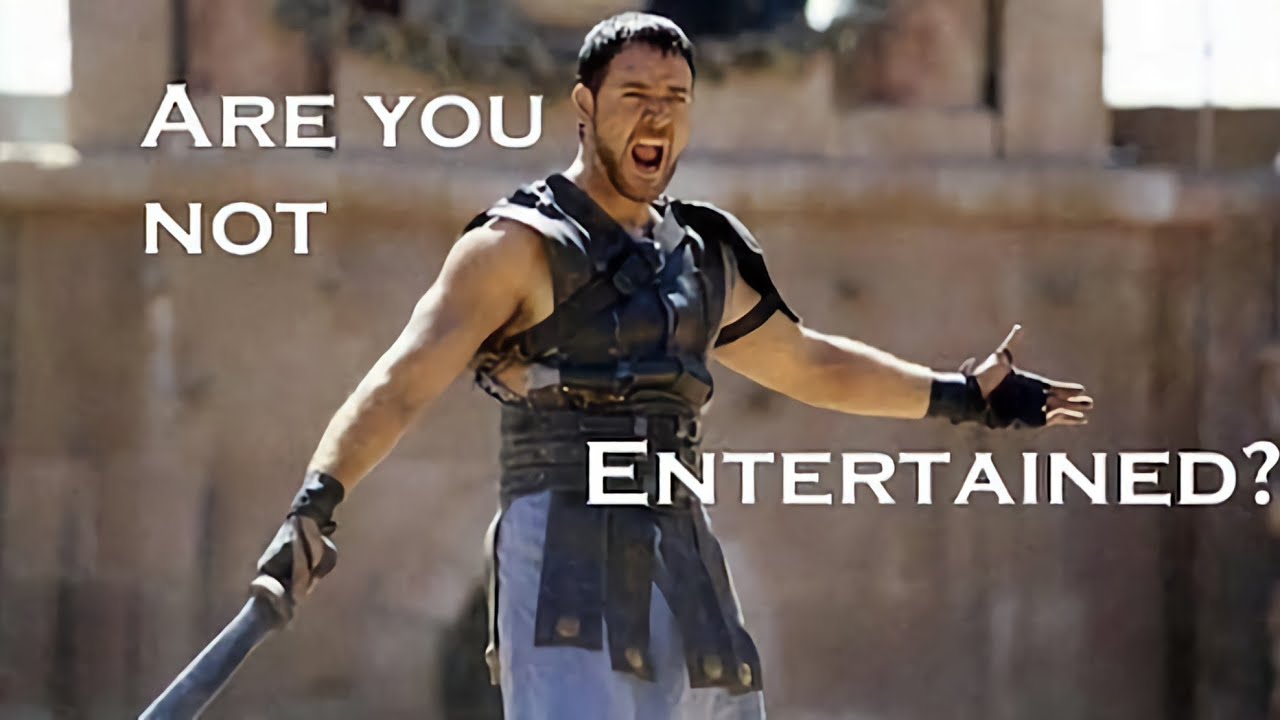
These kinds of homeschool struggles are common at first. Here’s how to work towards a fix: Instead of micromanaging their time, try brainstorming a “What to Do When You’re Bored” list with them. Write down activities they enjoy or want to try, and pin it somewhere visible. Forbid the words “I’m bored”—chores are a great consequence for that—and encourage them to make their own decisions about how to fill their time. They’re learning to be autonomous, at first with the support of the list they contributed to, and soon they won’t need it and will become more comfortable with filling their own time and amusing themselves- an invaluable life skill! It takes a little time, and you’ll be tempted to just plan more activities f or them, but remember, you are not their cruise director, it’s not your job to ensure they’re entertained every minute of every day. You’re teaching them something valuable in solving their own boredom and it’s worth the effort.
3. They’re Always in a Rush
Schools operate at a breakneck pace: “Quickly and quietly through the halls!” “The bell rang—get to your next class!” “Hurry up or you’ll miss the bus!” And while your kids were in school, it may have felt like your home life was the same- “Hurry up and get ready for the bus!” “We’re late for swimming lessons!” “Take a super quick shower, it’s almost bedtime!” It’s no wonder if our kids seem anxious! If during your early days of homeschooling, your kids seem anxious, impatient, or like they’re constantly rushing through tasks, this is a very normal response to life spent in a mad-dash.
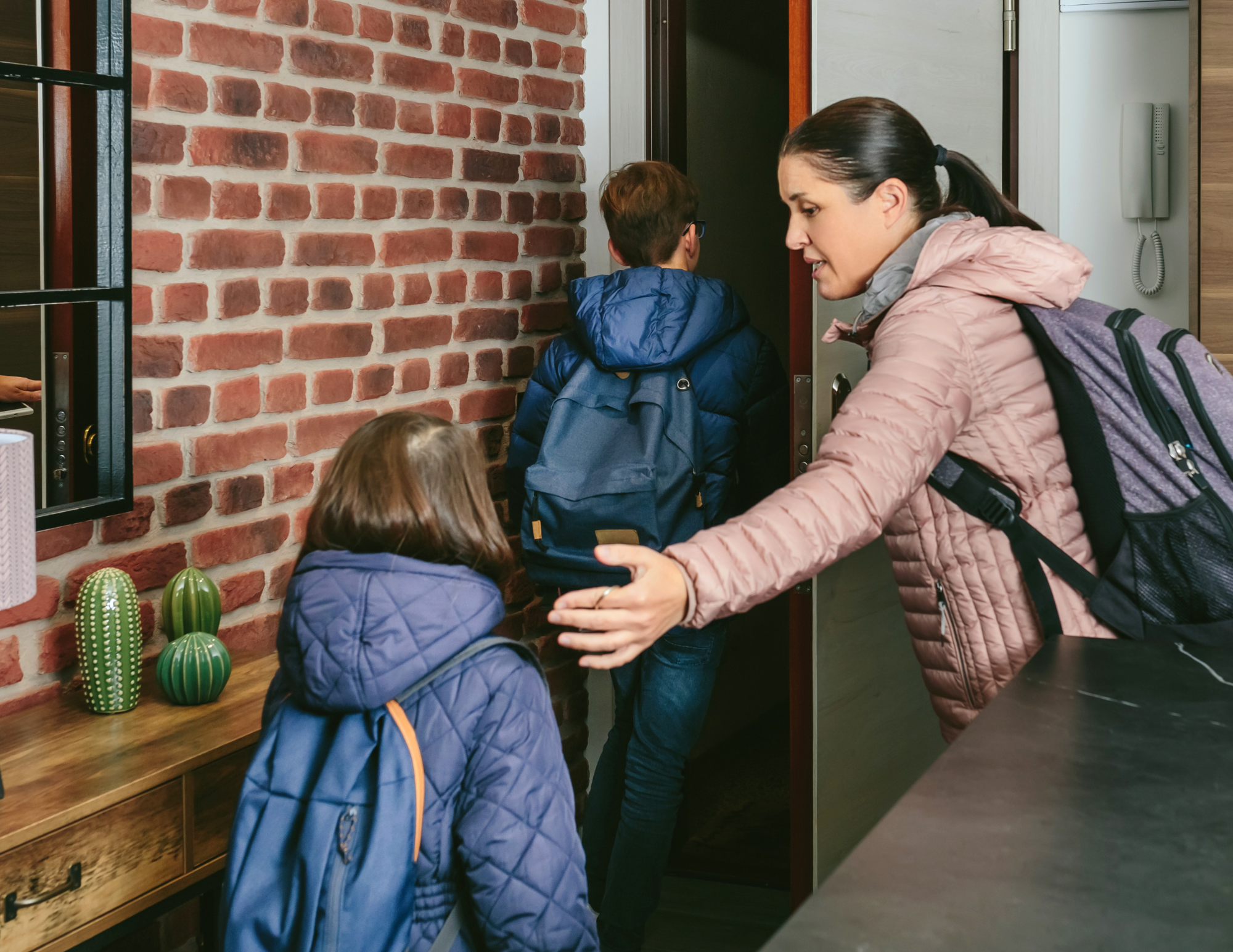
Homeschooling offers the luxury of time, but it takes adjustment. Show your kids how much free time they actually have. One great strategy is to use a visual schedule to map out the day and let them plan how they’ll spend their free blocks. This helps ease their transition from rushed chaos to a peaceful rhythm and tackles some of those early homeschool struggles.
4. They’re Fighting More with Their Siblings
Sibling squabbles are normal, but if it feels like they’re constantly at each other’s throats, remember this: School culture teaches kids that it’s uncool to associate with anyone younger than themselves. This mindset can carry over at home, making siblings view each other as rivals instead of teammates. Most homeschool families I’ve talked to, including my own, find that siblings are incredible friends and spend a lot of wonderful time during their childhood together, making a great bond. You likely want this for your children too, so don’t give up on encouraging a new dynamic!
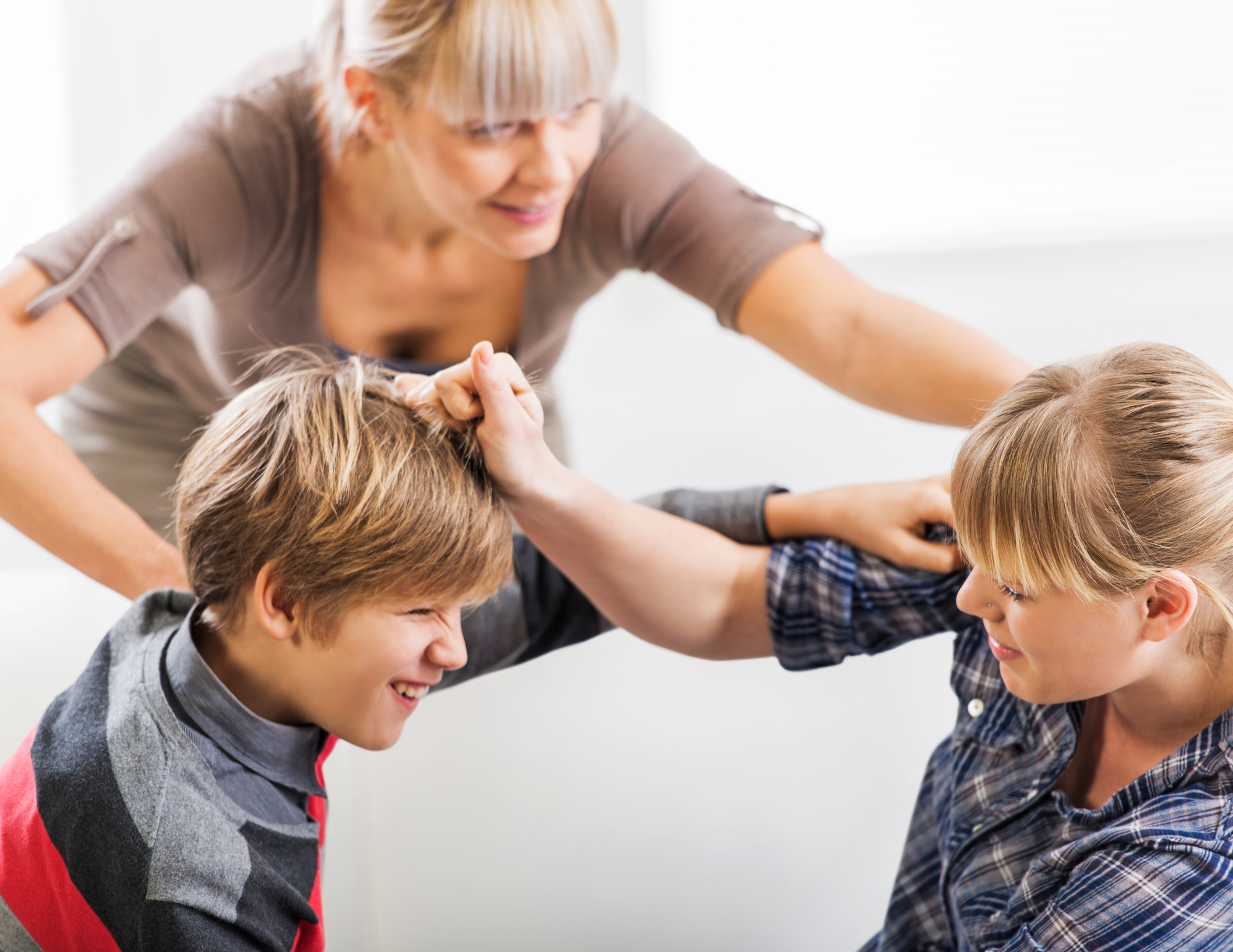
Homeschooling gives you the perfect opportunity to reframe this dynamic. Encourage collaborative activities that require teamwork, like building something together or cooking a family meal. Over time, your kids will learn to see each other as allies instead of annoyances, helping to reduce these kinds of homeschool struggles.
5. They’re Acting Disrespectful
School culture rules teach our kids that “adults are the enemy” and to view authority figures with suspicion. Think about it: Teacher’s Pets are teased, tattling isn’t cool, even if the other person was being unsafe, and confiding in parents, teachers, or other adults is a fast track to social exile. Breaking the rules, pushing boundaries, and seeing just how much you can get away with is generally considered cool. In a lot of schools, getting into trouble is a badge of honor. It’s no wonder your child might be hesitant to trust or respect you at first.
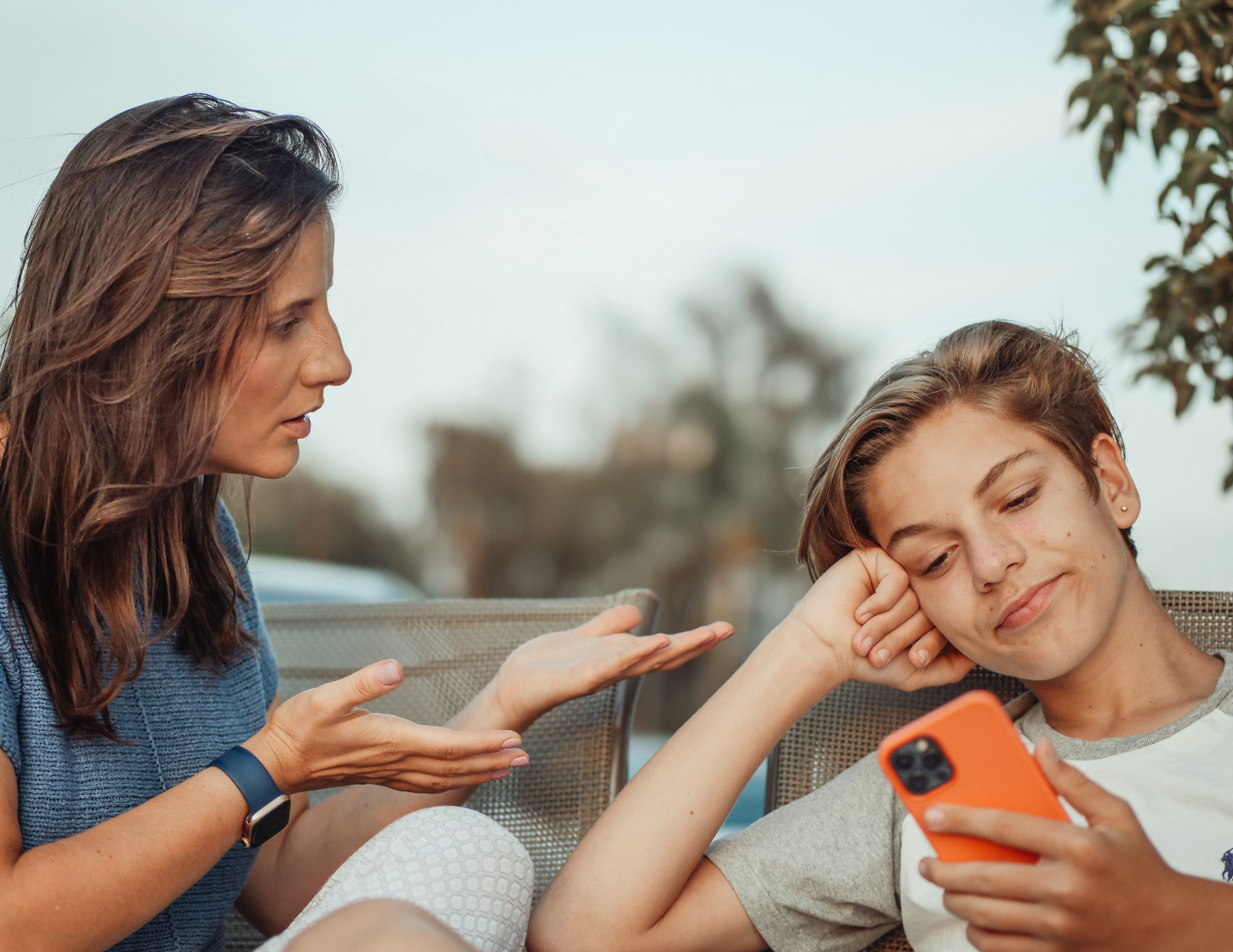
Be patient here. Trying to force them to show you respect will most likely lead to more resistance and push back. Show them, through your actions, that you’re a safe, caring person who wants the best for them, who they can confide in, and who they can trust. They already know this about you, they just need to unlearn the school teachings that made them feel obliged to block you out. Keep on listening to them, validating their feelings, and gently correcting disrespectful behavior. With time, they’ll learn that they don’t have to maintain the facade that they don’t like you, and the walls they’ve built will come down.
6. They Don’t Seem to Think for Themselves
Were you really excited to ask your kids what THEY wanted to learn and following those sparks of curiosity with your kids? And then did you ask them what they wanted to learn, only to be meant with blank stares and shrugs? Remember that at school, conformity is king. This happens in two ways: First, in the classroom, there’s little time for creative thinking or exploring ideas outside the curriculum. Kids learn to not ask a lot of questions out of curiosity, but to just give the “right” answer if they know it, and if they don’t know the answer, someone else gives the right answer instead, meaning they’re rarely called on to think thoroughly or deeply about things they don’t know or are curious about. Second, the toxic social culture of public school teaches our kids that loving learning and/or being “good at” academics is “uncool”. Think about the classic bully taunts of “nerd”, “teacher’s pet”, or “brainiac”. This is an ingrained part of school social culture, and can be hard to shake your kids loose from. They’ve never been able to have the power of choice in what they learn before, and over the years by being forced to learn things that are neither of interest to them or relevant to their lives, they’ve come think that they “hate learning”. They don’t actually hate learning though, they hate school Now as homeschoolers, you get to make the difference for them!
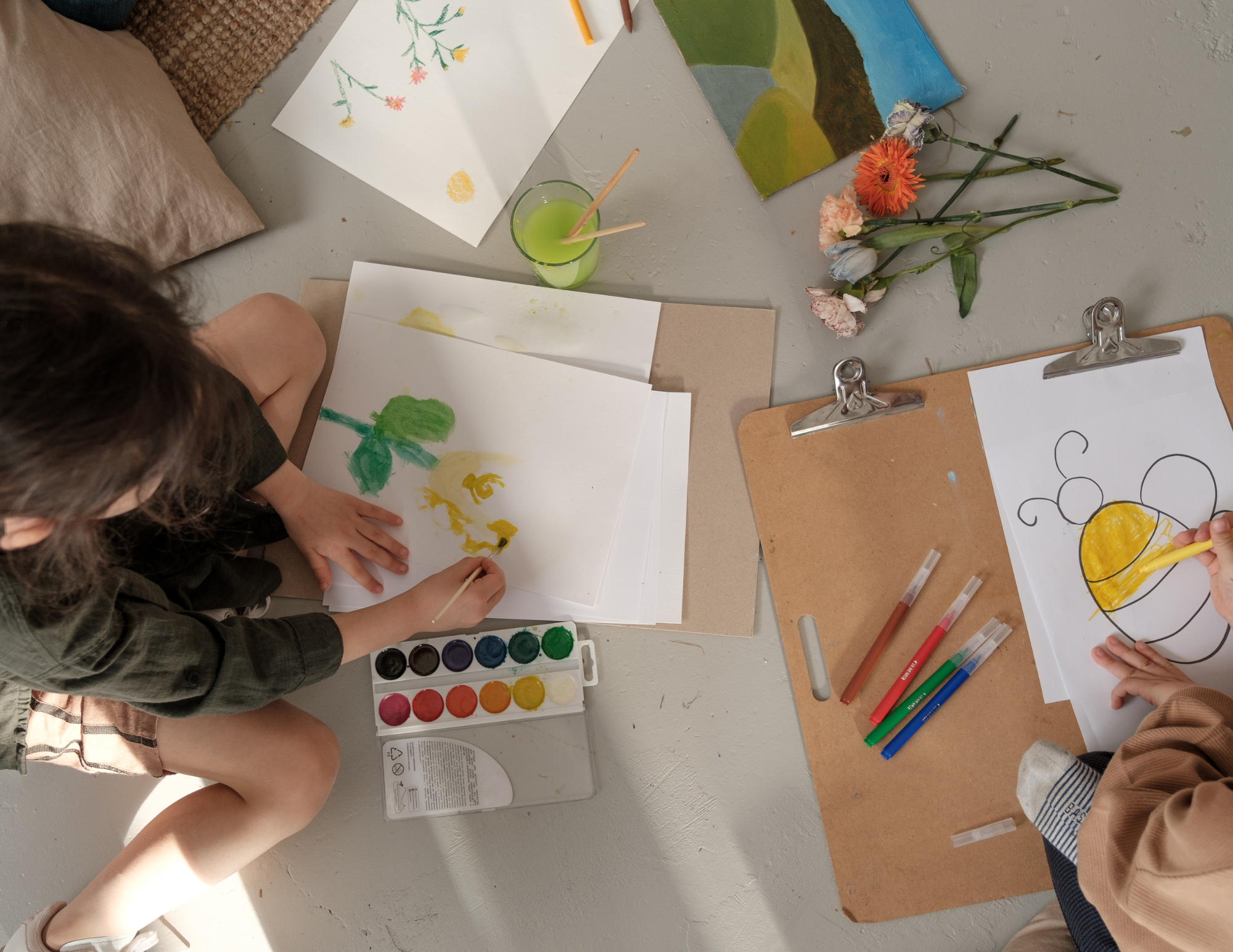
Just like a lot of our other strategies, start by offering support. You know your kids better than anyone, so you can probably choose some great science, social studies, or elective topics they’ll love. Remember that you don’t need to teach certain topics certain years just because the school system does it that way. If your kids are into Space, Dinosaurs, Detectives, Cats, or Minecraft, you can always choose those topics for your homeschool learning units. As they get their spark back for loving learning, because they’re interested in the topics, their curiosity will grow and they’ll start to ask to learn about new topics, and as they get older, they’ll self-initiate learning about the things they want to know. This sets them up to be lifelong learners, which is more important to their future success than any marks on a test ever will be!
The Bottom Line
Hang in there, parents! Transitioning from public school to homeschooling is a huge adjustment, not just for your kids, but for you, too. There’s a lot of unlearning to do on both sides. Be patient, be forgiving, and above all, be kind—to your children and to yourself. Lower your expectations. Then lower them again. Take it slow, and eventually, you’ll find your rhythm.
Before long, you’ll see your kids becoming more independent, confident, and creative. And maybe—just maybe—you’ll find yourself wondering why you ever thought homeschool struggles were so overwhelming in the first place.