Why the Current School System Wasn’t Built for Neurodivergent Kids
By Sathish, Founder of Schoolio
This has been on my mind today…
When I was a kid growing up in Singapore, the classroom was a machine — neat rows, rigid structure, and one right way to behave, think, and perform. You either followed the rules or you were labeled. I was restless. I couldn’t sit still. My energy and curiosity didn’t have a place in that space, and there were no words for why I struggled. Neurodiversity wasn’t a concept we understood. You were either teachable or a problem.
That stayed with me.
Decades later, I see the same story playing out in schools across North America. Parents tell me how their kids are being flagged for behavior issues, attention problems, refusal to comply — all symptoms of being wired differently in a system built for uniformity.
Let’s be honest. The current school system wasn’t designed with neurodivergent learners in mind. It was built for efficiency, not flexibility. For order, not curiosity. And that mismatch is costing kids their confidence.
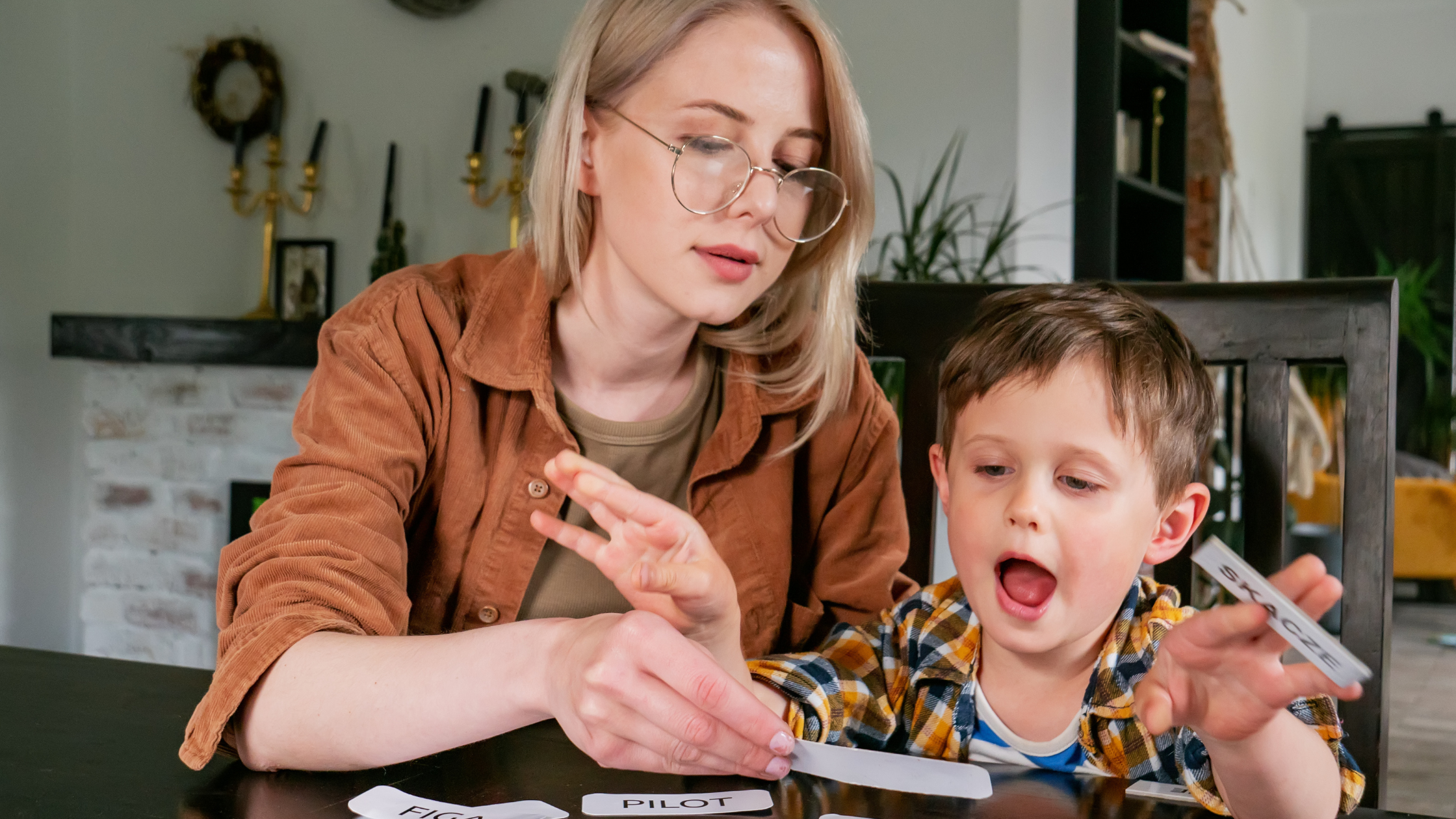
I’ve spoken with families whose children were once constantly in the principal’s office, overwhelmed by sensory overload, crushed by the pressure of timed tests, or made to feel like failures for not sitting quietly through long lessons. Many of these same kids began to thrive the moment they left the traditional classroom.
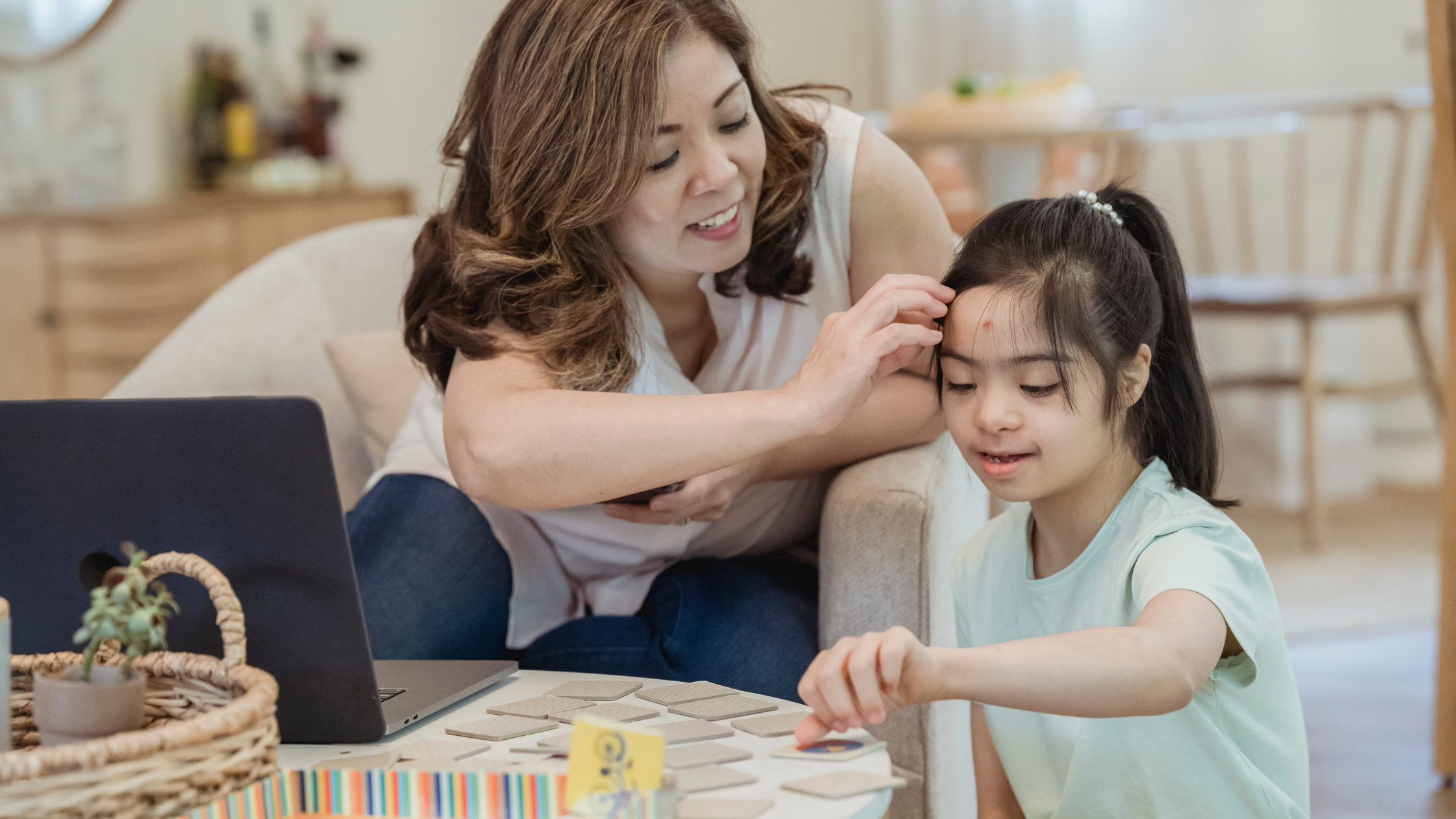
Homeschooling, for them, wasn’t a backup plan. It was freedom. It was healing. And for many, it was the first time learning felt possible.
At Schoolio, we don’t pretend to know everything about every child. But we do know that education should flex to fit the learner — not the other way around. Our online homeschool programs were built to allow pacing changes, subject switches, breaks when needed, and curriculum that doesn’t punish kids for needing to move, think differently, or question the process.
Is homeschooling effective for neurodivergent kids? I’ve seen it change lives, children regain their self-worth, and repair the relationship between learning and joy.
It’s not about perfect lessons or checking every box. It’s about giving kids the space to show us how they learn. Once we stop trying to fix them, we see there was nothing broken to begin with.
Sathish
still learning, still unlearning