If You Want Your Child To Be Social, Do Not Homeschool.
This has been on my mind today…
I still see this stereotype floating around.
If you want your child to be social, do not homeschool.
It is an old argument built on an outdated picture of what homeschooling looks like.
The idea assumes that socialization only happens in a classroom of same age peers, sitting in rows, moving together by bell schedule. That is not how real life works. Adults are not grouped by birth year. We collaborate across ages, backgrounds, and interests every day.
Modern homeschooling rarely looks like isolation.
Kids are in co ops, sports teams, music groups, church communities, neighborhood pods, volunteer programs, online collaborations, and microschools. Many interact with more diverse age groups than they would inside a single grade classroom.
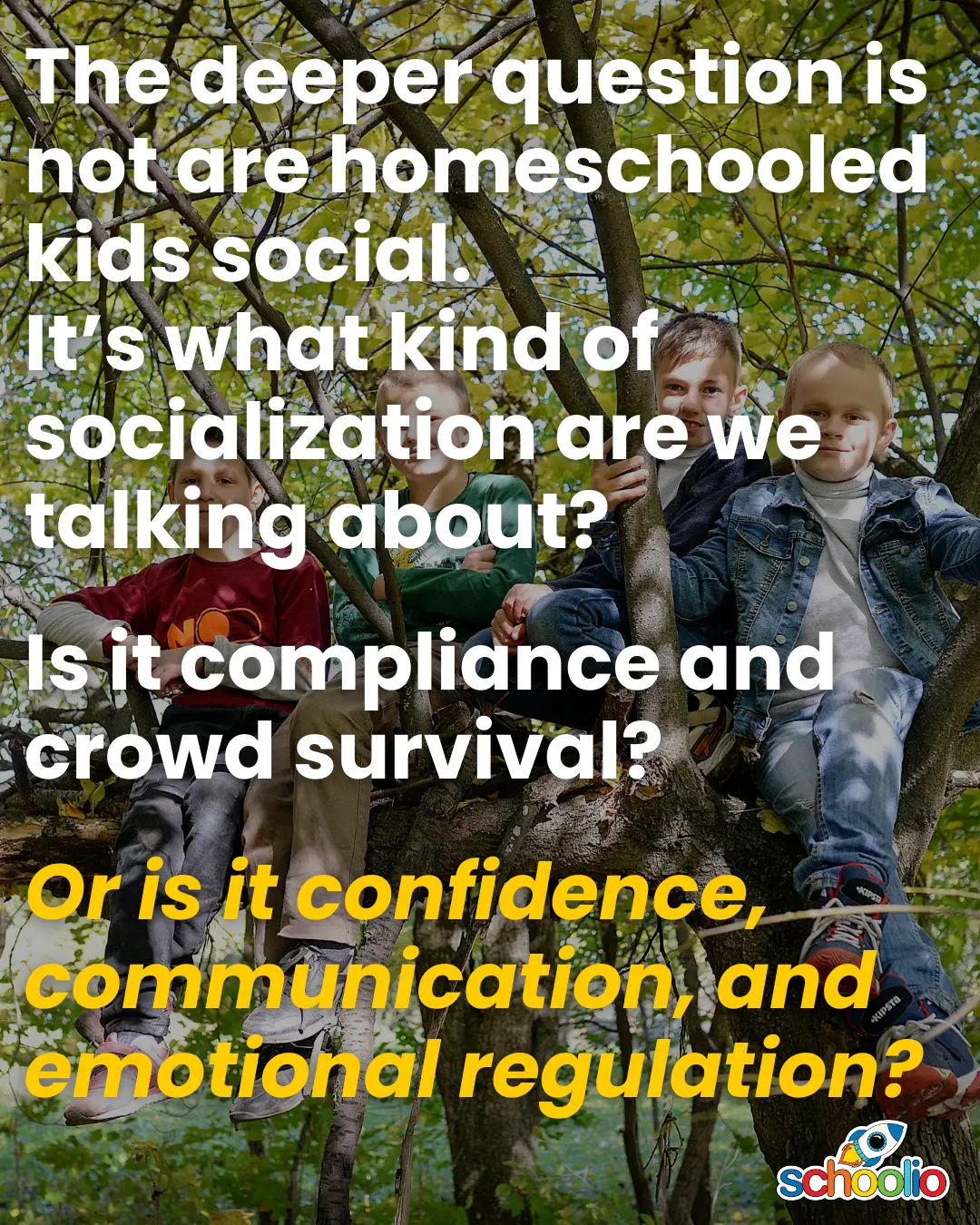
The deeper question is not are homeschooled kids social.
It is what kind of socialization are we talking about.
Is it compliance and crowd survival?
Or is it confidence, communication, and emotional regulation?
I have seen kids who struggled in traditional school labeled antisocial. In reality, they were overwhelmed. Remove the rigidity. Adjust the pace. Give them agency. They open up.
Homeschooling is not anti social. It is intentional social.
The stereotype lingers because it is easy. The reality is more nuanced.
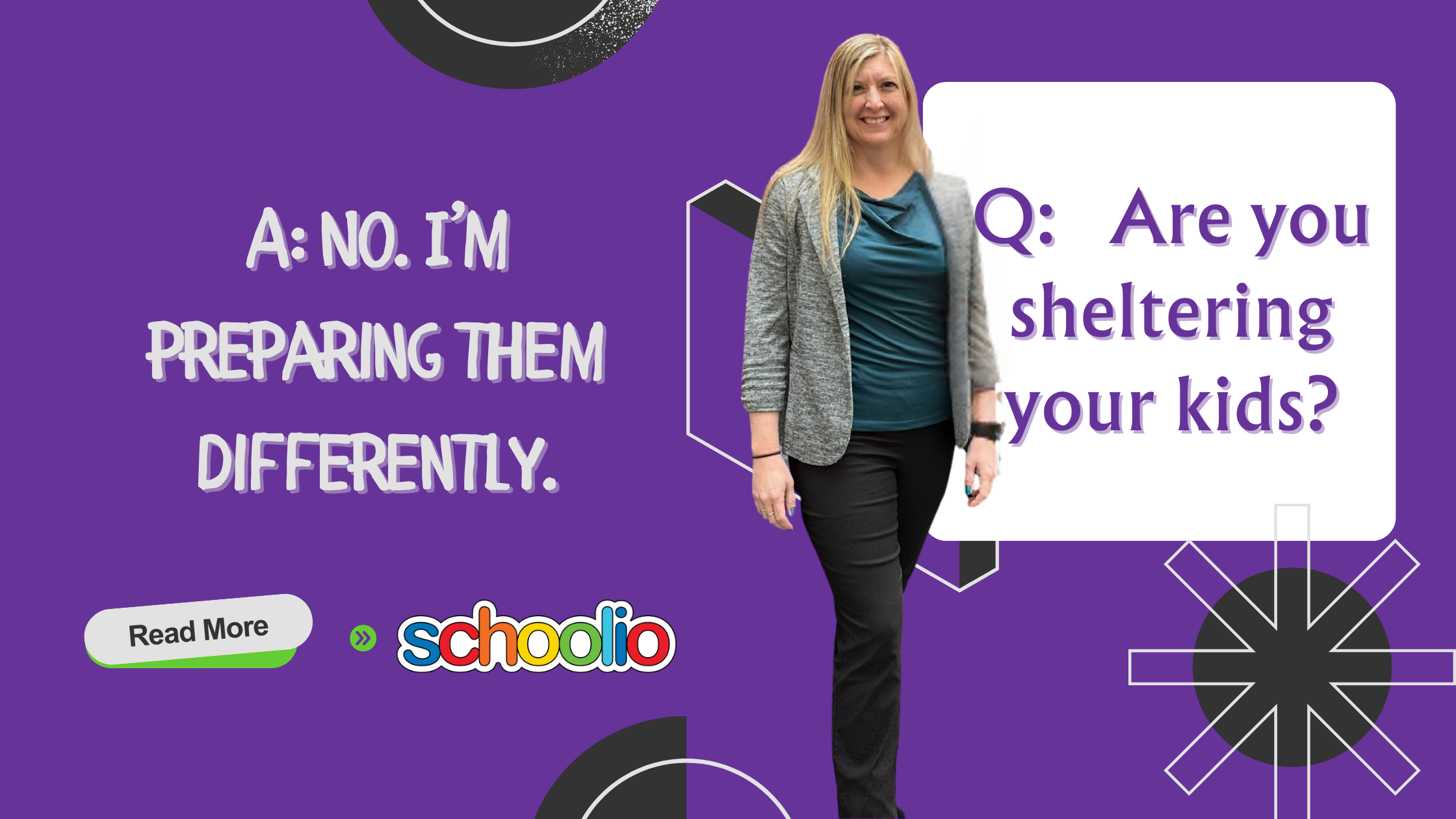
No, I’m Not Sheltering My Kids. I’m Preparing Them Differently.
This has been on my mind today…
When people hear I homeschool, the first thing they say isn’t about academics. It’s usually something like,
“But how will your kids learn to handle the real world?”
And I get it. I used to ask the same thing.
It took me a while to realize that what we call the “real world” — the world of comparison, competition, cliques, and compliance — isn’t the one I want my kids trained to survive in.
I want them prepared to thrive in the world. And there’s a difference.
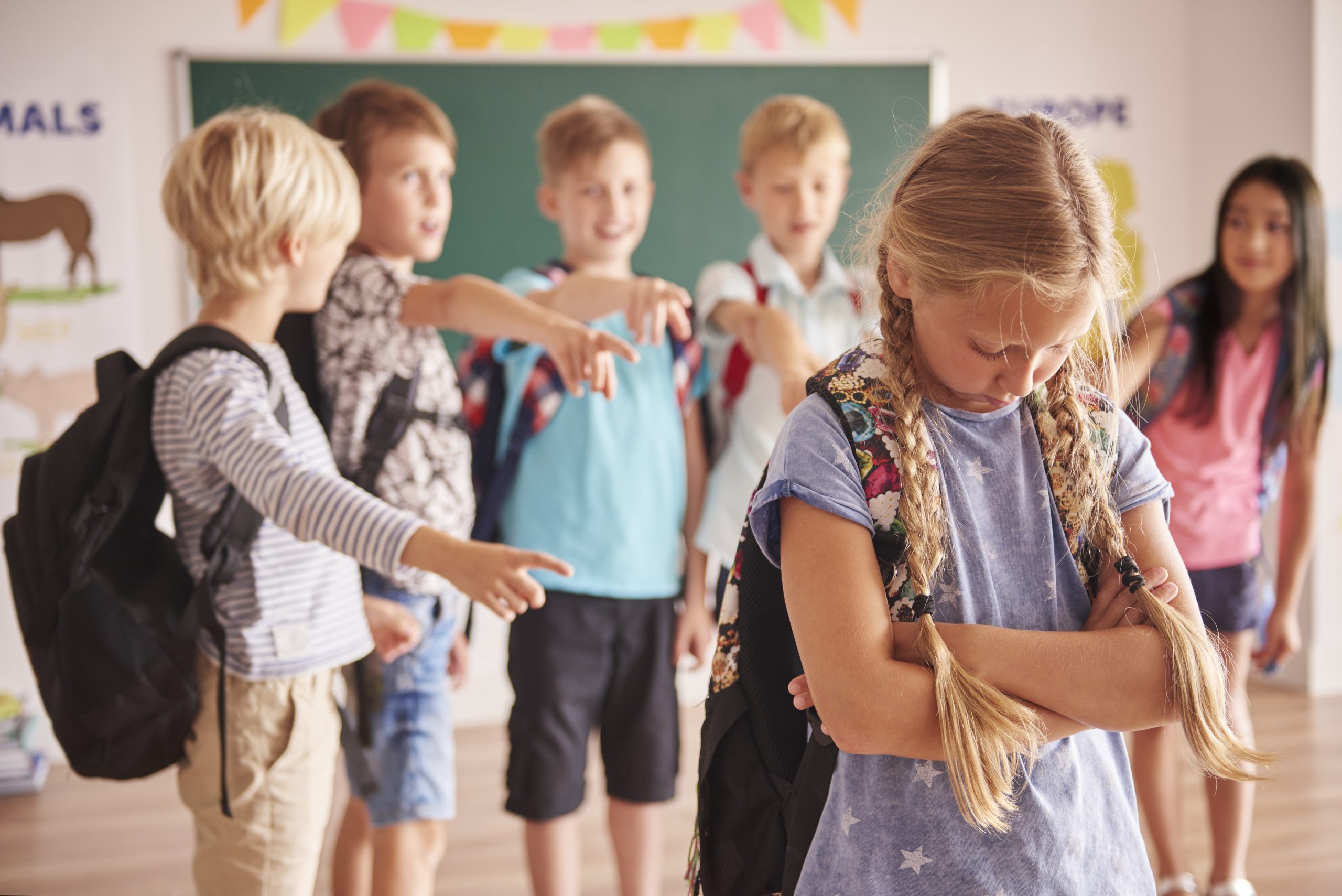
I don’t want my children to practice ignoring their needs just to fit in. I don’t want them to believe that being bullied is normal or that stress is a requirement of achievement.
I want them to know how to self-regulate. To set boundaries. To ask big questions. To speak kindly. To be confident in who they are without needing a grade to prove it.
No, we don’t have the same “socialization” that school provides. But you know what we do have?
Conversations that go deep.
Friendships that aren’t based on age.
Time for rest and play.
A learning path that honors their needs, not their test scores.
I’m not sheltering my kids from the world. I’m preparing them to enter it with strength, empathy, and a sense of self that isn’t shaken the first time someone tells them they’re not good enough.
And if that looks different than what most people expect — I’m okay with that.
As a homeschooling mom to neurodivergent learners, and having once been a neurodivergent kid myself in a traditional school, I have seen firsthand how those traditional school environments can be incredibly challenging for children who think and learn differently. While many aspects of school are difficult for any child, neurodivergent learners often face a unique set of obstacles that can make their school experience range from difficult to completely intolerable. If you’re considering the switch to homeschooling your neurodivergent child, then understanding these challenges can help you better support your child and make informed decisions about their education.
Sensory Issues for Neurodivergent Learners
One of the biggest challenges for neurodivergent learners in traditional classrooms is dealing with sensory issues. Overstimulation or under-stimulation in typical classroom environments can range from a low-level constant distraction to downright torture. Imagine sitting in a classroom where the fluorescent lights buzz incessantly, the noise levels are unpredictable, the temperature is uncomfortable, and there is a constant expectation to remain still and quiet. For many neurodivergent learners, these sensory inputs can be overwhelming and can make it nearly impossible to focus on learning. For others, the lack of sensory stimulation like movement and vocal stims is equally hard to manage. Neurodivergent learners are often expending energy to simply tolerate the environment, before they even try to add learning to their mental load.
Emphasis on Academic Achievement Can Be Harmful for Neurodivergent Learners
Traditional schools place a heavy emphasis on academic achievement as the sole measure of success or failure. Obviously, that’s why kids are there, right? There are no grades given for personal character traits like effort, initiative, responsibility, community-mindedness, empathy, resiliency, or others. This narrow focus can be particularly detrimental to neurodivergent learners who may excel in other areas but struggle academically. Not only is success or failure of the child measured only by academic achievement, but we also make grade-earning restricted to only those whose brains are able to perform under constant pressure and are able to demonstrate knowledge in a specific, standardized test format. Traditional schools do not typically allow for variation in proof-of-comprehension for kids, and our neurodivergent learners can suffer massive self-esteem issues, feeling like failures despite their unique strengths and abilities.
Lack of Differentiated Instruction and Knowledge Prooffor Neurodivergent Learners
One-size-fits-all teaching methods and assessments fail to accommodate the diverse learning styles of neurodivergent learners. In overcrowded and underfunded classrooms, teachers are often unable to provide the necessary accommodations that these students need to succeed. As a former teacher, I understand the limitations of what can be done within the traditional school system. Teachers have a lot of kids to deal with and many may be in need of extra support. Neurodivergent learners specifically may need different types of instruction, explanations, or ways to demonstrate their knowledge and prove retention, but they also may not be the loudest student, or most problematic behavior-wise, meaning they can be easily overlooked. It is much easier to accommodate your child’s specific and unique learning needs in a homeschooling setting and adjust activities, instructions, and proof-of-knowledge requests to meet their needs.
Conformity-Based Behavior Expectations
Traditional schools often emphasize strict behavior that requires children to sit still, be quiet, and wait their turn. While these expectations can be challenging for any child, they are especially difficult for neurodivergent learners who may have to exert a tremendous amount of mental and physical effort to conform. The classic instructions—sitting “criss-cross applesauce”, keeping hands in their lap, quiet lips, quiet hands, feet still, lining up, and not speaking out during instructional periods—can be almost if not actually impossible for some neurodivergent learners. When they struggle to meet these expectations, they often find themselves in trouble, not because they don’t want to behave, but because they literally can’t.
Collective Punishment and Privilege Removal
Collective punishment, where the entire group is punished for the behavior of one or a few, is a common practice in traditional schools aimed at enforcing conformity through peer pressure. While this practice does tend to get results in a classroom, this approach can be particularly damaging for neurodivergent learners. For the child who was behaving well, this practice feels like an injustice. Neurodivergent learners, specifically our autistic kids, have a stronger sense of justice and fairness, and being punished for a “crime” they didn’t commit can be especially overwhelming for them- possibly leading to a meltdown or After School Restraint Collapse. For the child who was misbehaving but couldn’t help it, which we often see in our ADHD kids who need movement, stimulation, and lack impulse control, it creates resentment among their peers and hurts them socially- an area they likely already struggle in. Similarly, the removal of privileges such as recess, gym, and art—activities that are often most beneficial and most important to neurodivergent learners—is frequently used as the leverage to enforce conformity. These opportunities for movement, freedom, and creative expression are vital for all children’s well-being, and for our neurodivergent learners’ ability to regulate, and are usually the first to be taken away as punishment, seen as “fun” rather than “important”, like other academic subjects.
Social Challenges for Neurodivergent Learners
Navigating the complex social dynamics of traditional schools is challenging for most children, but it is especially daunting for neurodivergent learners. The social labyrinth of school life—making friends, understanding social cues, and fitting in—can be a source of significant stress and anxiety. Neurodivergent learners often struggle with these unspoken social rules, leading to feelings of loneliness and isolation and often express themselves differently than their neurotypical peers, leading to misunderstandings and rejection.
Limited Movement and Physical Activity
Traditional classrooms typically offer limited opportunities for movement and physical activity, because we overemphasize the importance of academics, and present academic learning in limited ways, such as listening to lectures, watching videos, and reading. The ability to move our body and engage in physical exercise is crucial for the health and well-being of all people, but is especially essential for neurodivergent learners, particularly those with ADHD. For example, physical exercise helps ADHD Hyperactive-Impulsive Type to exert some of the extra energy they naturally have, and physical exercise helps the ADHD Inattentive Predominant Type as well by causing dopamine to be released in the brain, which literally helps them to focus and concentrate. The expectation to sit still for long periods can be especially challenging for our neurodivergent learners who need to move to stay focused and engaged. The lack of physical activity not only impacts their ability to learn but also their overall physical and mental health.
Homeschooling: A Great Alternative for Neurodivergent Learners
Homeschooling is an amazing alternative for neurodivergent learners, because you can create a flexible and accommodating environment tailored specifically to your child’s unique needs. In a homeschool setting, parents can create a learning environment free from the sensory overloads often found in traditional classrooms. They can adjust the pace of learning to match their child’s individual needs, incorporate movement breaks, and use teaching methods that cater to their child’s strengths.
Homeschooling allows for differentiated instruction, ensuring that neurodivergent learners receive the accommodations they need to thrive academically. Programs specifically designed for neurodivergent learners, such as Schoolio, can help parents provide different instruction and activity types, and learn more about their neurodivergent learner. Homeschooling also eliminates the negative aspects of conformity-based behavior expectations, collective punishment, and privilege removal. Instead, homeschooling fosters a supportive atmosphere where children can learn in a way that makes sense to them, reducing stress and anxiety associated with traditional schooling.
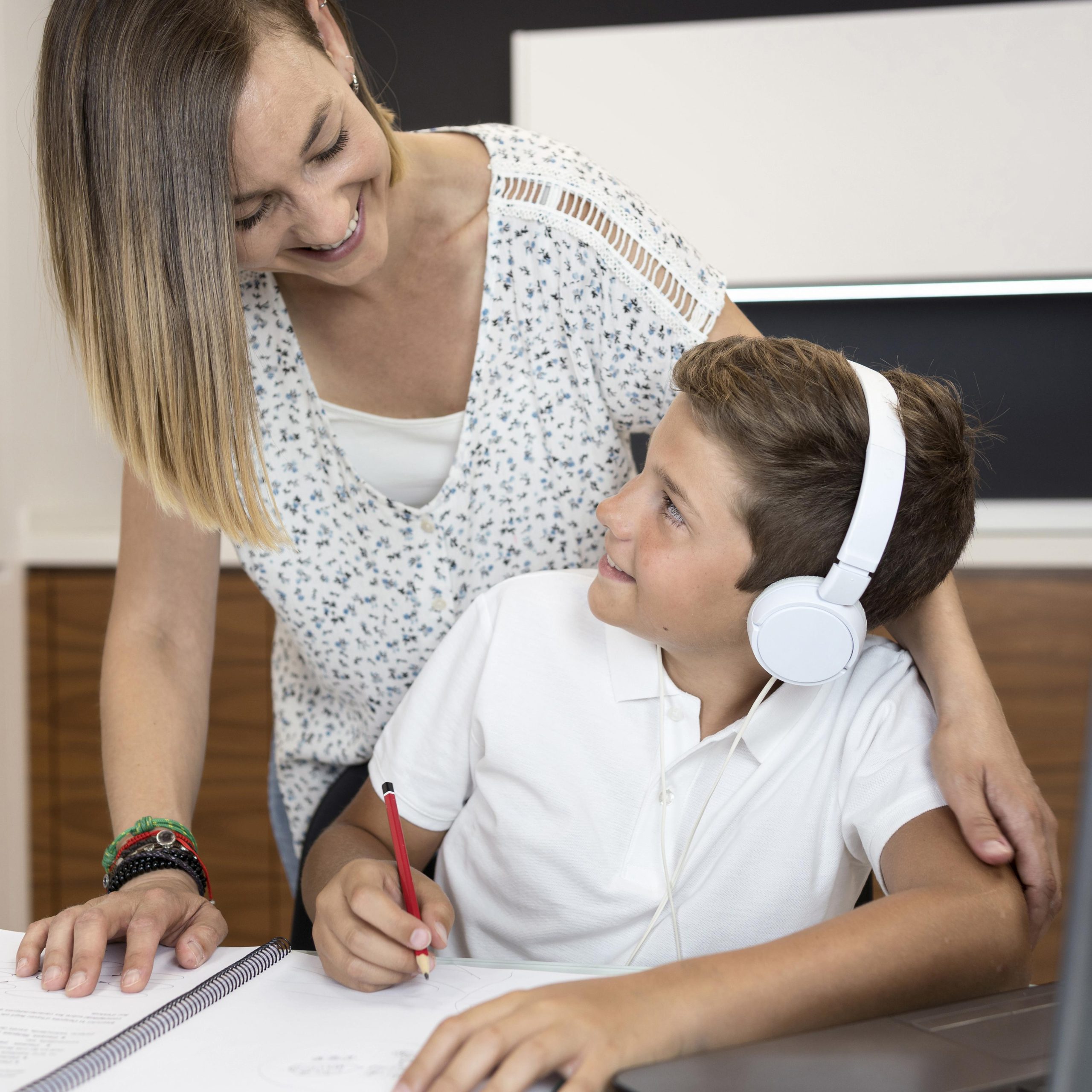
Socially, homeschooling provides the opportunity for neurodivergent learners to interact in smaller, more controlled settings, with more consistent and immediate feedback from empathetic adults as guidance. This helps them build meaningful relationships without the pressure of navigating complex school social hierarchies. This personalized approach can significantly enhance their self-esteem and overall well-being.
Conclusion
Understanding the challenges that neurodivergent learners face in traditional classrooms is the first step towards creating a more supportive and accommodating learning environment for them. As homeschooling parents, we have the opportunity to tailor our teaching methods and environments to meet the unique needs of our children, allowing them to thrive in ways that wouldn’t be possible in a traditional classroom. By recognizing and addressing these challenges, we can help our neurodivergent learners reach their full potential and develop a love for learning that will last a lifetime!
Is Your Neurodivergent Learner Struggling in a Traditional Classroom?
You don’t have to watch your child struggle anymore. Homeschooling provides the flexibility, support, and accommodations neurodivergent learners need to thrive. With Schoolio, you can create a customized learning experience that celebrates your child’s strengths and supports their challenges.
Homeschooling and Socialization is a topic that makes many homeschool families cringe. And it’s not because their children are inadequately socialized; it’s because so many people ask them about socialization and voice their concerns. From something as simple as walking through the grocery store during the day with their children, a homeschooling parent will likely get grilled about their choices, and random strangers will ask questions about homeschooling and socialization.
Homeschooling and Socialization go hand in hand.
This might surprise you, but homeschooling and socialization go hand in hand. In fact, many homeschooled children have better social lives than their traditionally schooled peers. How could this be possible? Well, first, let’s look at the facts. According toThink Impact Homeschooling Statistics, recent federal data shows that 3% to 4% of the school-going population in the United States is homeschooled. There are 73 million children in the U.S., which means over 2.9 million children are homeschooled in the U.S.
With that many children being homeschooled, do we still believe that they are all not adequately socialized? Of course not! Homeschooling has been growing in popularity for the last ten years, especially since the beginning of the COVID-19 pandemic in 2020, when over 300 million students worldwide became homeschooled briefly.
Pandemic learning didn’t help stop the myth that homeschooled children aren’t socialized.
Unfortunately, when most parents and children were forced into remote learning through school boards during the pandemic, it did nothing to diminish the myth that homeschooled children aren’t socialized. Because children were being isolated with a makeshift version of online learning, parents also attempted to work from home simultaneously. This caused tremendous stress for parents and students alike and caused many parents and friends of the family to assume that what they were doing was homeschooling. Which they were not.
Recently I had a concerned citizen ask me why I would choose to homeschool my children, knowing that they wouldn’t get socialized and wouldn’t have as many opportunities in life—a shocking claim. Especially sincestatistics show that homeschooled children have a 67% College graduation rate compared to their public schooled peers at 59%, not to mention that my children have better social lives and many more friends than I do.
This person’s concern stemmed from watching their grandchild struggle through online/pandemic learning. And the isolation they felt. I kindly explained that homeschooling is 100% different from pandemic learning. And that my children have many opportunities to get out and socialize. Still, the person seemed bewildered.
A conversation with a homeschooled child.
As stated above, if over 2.9 million children in the United States are homeschooled, how could they all be isolated and live unsocialized lives? Have you ever had a conversation with a homeschooled child? They are usually the ones the explain in detail the project that they are working on. They are the ones that have unique interests and see the world through a much different lens than those around them.
Recently we had a family move to our neighbourhood that homeschools. While I was out for a walk with my kids, we stopped to say hello to two children playing catch. I welcomed them to the neighbourhood, and the one boy introduced himself, shook my hand and wished us a wonderful day. Why did this child interact so politely instead of ignoring our passing? Because many homeschooled children have opportunities to participate in socialization that other children don’t have access to. Let’s talk about that.
Socialization opportunities for homeschooled children:
There are so many opportunities available for homeschooling families to participate. Here are some of our favourites!
Homeschooling Groups.
Since there are so many homeschooling families, many families get together to plan fun activities and sports-related opportunities for their children. Most cities have such a large amount of homeschooling families that they have registered homeschooling groups. These groups offer support for homeschooling families, co-op learning, field trips, sports, and lessons.
Our local homeschooling group comes with some fantastic perks, like gymnastics lessons, at a local gymnastics club, swimming lessons at the pool, track and field during the warm months, and gym/indoor pool rentals during the cold months, sledding, skiing, horseback riding and more.
Park dates.
During the summer months, when homeschooling activities are mostly paused, many homeschooling groups offer weekly meet-ups at parks in your location so homeschooling friends can get together to play and have fun!
Community Service.
Many homeschooling families understand the importance of the community. That’s why so many homeschooling families will volunteer at community events. Or care homes. Some homeschooling groups organize carolling and visits with local care homes during the holiday season. Other homeschooling families like to get involved in community gardens or soup kitchens. All of this community involvement helps children have budding and diverse social lives. They aren’t just socializing with their peers; they are also mingling with the community of people around them.
Basking in the Arts.
Since homeschooled children have more time during the day than traditional learning students, they have more time to get involved in the arts. This means they have more time to attend music lessons or art classes. Being able to develop those additional skills that will benefit them throughout their lives. This also means they will have more opportunities to meet people in the art community, which diversifies their socialization and opens their world to a new level of learning.
More time for imaginative play.
You can have homeschooling and socialization while still encouraging imaginative play. One of the top benefits of imaginative play is social development. When children engage in imaginative play, they can begin to understand relationships which help to improve their social skills and become more confident, connected, and self-reliant. And this results in children building better relationships with their peers.
Good old fashion play.
Just because your child is homeschooled doesn’t mean they can’t or shouldn’t partake in friendships in their neighbourhood. Most homeschooled children have ‘homeschooled’ friends and ‘neighbourhood friends.’ Just like a traditionally schooled child will have ‘school friends’ and ‘neighbourhood friends.’ Evenings, weekends, and summer days are perfect for neighbourhood mingling and budding friendships with peers.
All this to say, that yes, homeschooling and socialization are partners. This terrible stereotype of homeschooled children is that they are always alone, awkward, rude, and don’t know how to take social cues. The opposite is true. Homeschooled children are brilliant and capable of having successful friendships and positive social lives. So, the next time someone doubts your children’s social lives, go ahead and point them to The Schoolio Blog!
The other day, I was at a dentist’s appointment with my kids. While we were there, the secretary asked my daughter if she enjoyed the morning off school to be at the dentist. My daughter responded with a “no” because she despises dentist’s appointments. I followed up the question with, “We will be doing school when we are home as we homeschool.” She looked at me with disbelief and said, “You homeschool? How could your children be socialized then? With online learning, children were struggling with isolation and lack of socialization.” I then went into a long explanation about how homeschooling is far from isolation learning. She still looked confused, as many people do when they wonder why parents are turning to homeschooling as their education choice.
Here’s why parents are turning to homeschooling:
After two years of the pandemic and homeschooling becoming a norm in education, I shouldn’t still have to give explanations to strangers about my children’s social lives. Yet, that remains one of the most common questions I receive. The world needs to subscribe to the Schoolio Blog and read blogs like Socialization and Homeschooling. One thing that might interest you about homeschooling is that socialization is one of the main reasons why parents are turning to homeschooling as their preferred education method.
Homeschooling improves children’s social skills and interactions.
One of the most important reasons why parents are turning to homeschooling is because of healthy socialization. When homeschooled, children have much less exposure to peer pressure and bullying. Homeschooled children are also able to have more customized social interactions. Additionally, most children in the public school system spend hours in classrooms listening to teachers. In comparison, homeschooled children have many more opportunities for learning activities outside of the home.
A flexible homeschooling curriculum means homeschool families have more opportunities to participate in fun activities. Some of which include: museum trips, park playdates, community service activities, art classes, and track and field days.
Using a flexible homeschool curriculum and making homeschooling a lifestyle significantly improves emotional and psychological development in children. While also strengthening family connections and connections with other homeschooled children.
Homeschooling means having access to higher quality education.
Many parents believe that the quality of education is not what it once was. With a decline in the education budget, increased student enrolment, large class sizes, burnt-out teachers, and other factors. Parents feel that homeschooling gives them more control over their children’s learning. In 2015, long before the pandemic and the devastating effects on children’s education, a Career and College Readiness Survey showed shocking results. These results indicated that less than half of high school students feel academically ready for college.
Interrupted education, overcrowded classrooms, and fewer resources have made it extremely difficult for teachers to provide one-on-one instruction to students. When homeschooling, parents can use a curriculum that follows learning standards while also offering personalized education to their child, which is so often missing in today’s learning venues.
Homeschooling can support a child with diverse learning needs.
Unfortunately, children with learning disabilities or even physical disabilities have difficulty thriving in a traditional learning environment. Many schools don’t have adequate resources and time available to support children with diverse learning needs. Additionally, formal education is a one size fits all model when we all know that one size fits nobody. Having a customizable curriculum and a flexible learning environment is essential for children with diverse learning needs.
Homeschooling means educational stability.
Even before the pandemic began, there were teacher strikes, bad weather and many other reasons students were forced to miss class. Homeschooling means educational stability for many students as they have that flexible learning solution and learning lifestyle that keeps them learning even when schools are not in. Many homeschooling parents (who were homeschooling before the pandemic) were thankful that they had chosen that educational path for their children, as homeschooling offered much-needed stability to their days.
Homeschooling means better educational results.
It might shock you that homeschooled children often score better on federal standardized tests than their public school peers. Brian Ray of the National Home Education Research Institute showed that homeschooled children often achieve much higher results. Regardless of parents’ income or teaching experience.
Homeschooling offers student-athletes and musicians a flexible education option.
Many student-athletes have intense travel and practice schedules. Additionally, many students who participate in fine arts, theatre, or music need time to rehearse and perform. These students need a flexible education option that will work around their busy schedules.
Homeschooling offers a learning environment that children enjoy.
Unfortunately, many public school children feel stressed over the volume of homework and the lack of instruction. Many children don’t thrive in environments that are high stress, where they are required to memorize and keep up with their peers around them. This popular model of education doesn’t cater to the majority of students. Learning should be fun and engaging, not blank and stressful. Homeschooled parents report that they have much more time during their day to incorporate fun activities and hands-on lessons that encourage learning.
Should you homeschool?
Even though many think homeschooling is a terrible option, as the secretary at the dentist did, the reality is that homeschooling can be an excellent option for many families. But is it the right choice for your family? Ask yourself these questions:
Does my family need more flexibility?
Do I want to give my children and myself the freedom to choose?
Would I like to be more involved in my child’s education?
Is my child struggling academically?
Does my child need more positive social experiences?
Are there affordable homeschool curriculums available?
Does my work schedule permit this choice for my family?
If you answered yes to more than two of these questions, then homeschooling might be an excellent option for your family. Remember, there are many families and experts available to help guide you through the process of homeschooling, like the caring staff at Schoolio Learning, that wants you to excel on your homeschooling journey. If homeschooling seems like the best option for your family, but you aren’t sure where to start – please reach out to us, and we can help set you and your family up for success.