School Resistance and Refusal: Understanding Your Child’s Struggles

School Resistance and Refusal: Understanding Your Child’s Struggles


For many parents, the morning routine becomes an exhausting battle when their child simply refuses to go to school. While the occasional reluctance is common for most children, school resistance and refusal is a much deeper issue that impacts a significant number of families. When your child consistently resists going to school or experiences extreme anxiety at the idea of attending, it’s more than a phase; it’s a complex issue requiring careful consideration, understanding, and potential lifestyle changes.

In this blog, we’ll explore what school resistance and refusal is, why it’s more common in neurodivergent children, and why homeschooling could be a viable option for parents feeling the strain of daily school-related struggles.

What is School Resistance and Refusal?

School resistance and refusal occur when children avoid going to school due to intense feelings of fear, anxiety, or frustration. It’s not just a simple dislike of school or laziness. Children experiencing school refusal often feel an overwhelming sense of dread, and forcing them into school may exacerbate their emotional distress.

This behavior can manifest as physical symptoms like stomachaches, headaches, or even panic attacks on school days. It might also appear as sudden emotional meltdowns or refusal to leave the house. If your child resists going to school regularly, it’s crucial to recognize that something more significant is going on.

While this can happen with any child, it’s important to acknowledge that school resistance and refusal is more common in neurodivergent kids, including those with ADHD, autism, anxiety disorders, or sensory processing issues. The standard structure of traditional schools often conflicts with the needs of children who have different ways of processing information, interacting with their environment, or managing their emotions.

School Resistance and Neurodivergency

For neurodivergent kids, school environments can be overwhelming, uncomfortable, and even traumatic. Children with autism, ADHD, or anxiety often struggle with the rigidity of the school day, the social pressures of interacting with peers, and the sensory overload caused by noise, fluorescent lighting, and crowded spaces.

Neurodivergent children may have difficulties adhering to conventional behavior expectations, like sitting still, paying attention for long periods, or waiting their turn. This can lead to conflicts with teachers and peers, triggering feelings of inadequacy or shame. The school environment might feel like a place where they constantly fail, which, in turn, increases school resistance and refusal.

In some cases, the underlying issues may stem from sensory processing difficulties or executive dysfunction, both common in neurodivergent children. This could mean that certain aspects of the school environment feel unbearably intense for them, whether it’s the sound of the bell ringing, the texture of their clothes, or the constant demands for task initiation. Over time, these daily stressors add up and create an emotional block to attending school.

Trust Your Parental Instincts

When parents encounter school resistance and refusal, it’s easy to feel pressure to force their child to comply with school attendance. However, your parental instincts may be telling you something else. It’s important to listen to those instincts.

If your child is expressing extreme discomfort or distress about school, this is a signal that something is wrong. Forcing your child to attend school against their will might seem like the simplest solution in the short term, but it often worsens the underlying issues. Rather than pushing through, it’s vital to approach the situation with empathy, curiosity, and a desire to understand your child’s perspective.

Common Reasons for School Resistance in All Kids

While school resistance and refusal is more frequent among neurodivergent kids, it can happen with any child. Here are some common reasons children might resist school:

  1. Anxiety: School can be a source of significant stress for children, whether it’s due to academic pressure, social challenges, or fear of separation from their parents.
  2. Bullying: A common reason for children to refuse school is bullying or negative social interactions. This might be happening without the parent’s knowledge, so keeping an open line of communication with your child is essential.
  3. Learning Disabilities: Children who struggle academically due to undiagnosed learning disabilities may avoid school because they feel like they can’t keep up or fear being labeled as “stupid” by their peers or teachers.
  4. Separation Anxiety: For younger children, being away from their parents can cause overwhelming separation anxiety, leading to school resistance and refusal.
  5. Sensory Sensitivities: Even neurotypical children may struggle with sensory sensitivities, such as loud noises, bright lights, or certain textures, making the school environment a difficult place to spend extended periods.

Homeschooling: A Viable Option for School Resistance and Refusal

For parents dealing with school resistance and refusal, homeschooling can be a viable alternative to the traditional school environment. Homeschooling offers a flexible and personalized learning approach that can cater to your child’s unique needs, interests, and pace.

Here’s why homeschooling can be a great option for children who resist school:

  1. Individualized Learning Plans: In a homeschool setting, you can tailor the curriculum to your child’s specific strengths, needs, and interests. This allows for a more engaging and supportive educational experience.
  2. Reduced Pressure: Homeschooling removes the rigid time constraints and constant performance evaluations found in traditional schools. Without the pressure to meet arbitrary timelines, your child may feel less overwhelmed and more willing to engage in learning.
  3. A Sensory-Friendly Environment: You can modify the home learning environment to be more sensory-friendly, providing a comfortable space for your child to learn without the noise and distractions that come with a crowded classroom.
  4. Emotional Support: Homeschooling allows you to be there for your child during difficult emotional moments, offering immediate support and understanding that a teacher in a traditional setting might not have the time or capacity to provide.
  5. Flexible Scheduling: Homeschooling offers flexibility in scheduling, allowing you to plan learning around your child’s peak focus times and energy levels. If your child struggles to start their day early, you can adjust the schedule accordingly.

Addressing Concerns About Homeschooling

It’s normal for parents to feel unsure about homeschooling, especially if they’ve only experienced traditional schooling themselves. However, homeschooling has become increasingly mainstream, and there are vast resources available to support you in this journey.

Some common concerns parents have include socialization and academic progress. The reality is that homeschooling communities are thriving, with co-ops, group activities, and extracurriculars readily available to help your child socialize. Additionally, many parents find that homeschooled children often excel academically because they receive individualized attention and are able to learn in a way that suits their unique style.

Steps to Take if Your Child is Struggling

If your child is struggling with school resistance and refusal, here are some steps you can take:

  1. Open Communication: Talk to your child about their feelings toward school. Validate their emotions and try to understand the underlying reasons behind their resistance.
  2. Involve a Professional: If you suspect anxiety, depression, or neurodivergence is contributing to your child’s school refusal, consider seeking guidance from a mental health professional who specializes in working with children.
  3. Explore Educational Alternatives: Look into homeschooling or other alternative education options, such as online schooling or Montessori education, that may better suit your child’s needs.
  4. Create a Plan: Develop a collaborative plan with your child. Whether this involves gradually returning to school or transitioning to a new learning method, ensure your child feels heard and involved in the decision-making process.

Conclusion: Trusting Your Instincts

If your child is experiencing school resistance and refusal, it’s essential to trust your instincts and explore all available options. Forcing your child into a system that is clearly not working for them may do more harm than good. Instead, consider homeschooling as a way to provide the supportive, individualized learning environment your child needs to thrive. Remember, every child is different, and the goal is to help them learn in a way that makes them feel safe, capable, and understood.

By considering alternatives like homeschooling, you’re not only validating your child’s experience but also creating a path for their academic success and emotional well-being.
After School Restraint Collapse

Does Your Kid Struggle with School? What Is After-School Restraint Collapse?


If your kid struggles with school, you may be familiar with After-School Restraint Collapse, even if you’ve never heard the term. Does your child have frequent emotional outbursts or meltdowns immediately or shortly after getting home from school? They may be experiencing [After-School Restraint Collapse](https://www.bbc.co.uk/bitesize/articles/z863cxs#:~:text=This type of behaviour is,to let it all out!). This phenomenon often occurs because kids suppress their emotions and needs in order to hold themselves together during the school day, behave, and conform to the strictly structured system. They then release that pent-up energy and frustration once they’re back in the safety of their home. After-School Restraint Collapse can happen to any child, but for kids who are ADHD, autistic, or have other neurodivergencies, it can be more frequent and more intense, because school is just that much harder for them to manage, and they are more easily overwhelmed or overstimulated. This intense emotional release can feel overwhelming for your child, and can be incredibly hard to witness as their parent.

Let’s talk about what After-School Restraint Collapse is, why it’s more common in neurodivergent kids, and then look at some practical ways to support your child. We’ll also talk about how homeschooling can be a viable option for families dealing with extreme school struggles.

What is After-School Restraint Collapse?

After-School Restraint Collapse is the emotional or physical meltdown that occurs when children who have been controlling their emotions all day at school finally feel safe enough to let go. This is especially common in kids struggling with school, where the effort to manage expectations and regulate their behavior leads to emotional exhaustion. After a day of staying relatively still and quiet, following directions, and meeting social expectations, they return home and can’t hold it together anymore.

For neurodivergent children—such as those who are ADHD, autistic, or have sensory processing disorders—this collapse can be even more intense. School environments can be highly demanding, with sensory overload, social complexities, and academic pressures draining their emotional and mental energy.

Why Does After-School Restraint Collapse Happen More Often in Neurodivergent Kids?

Many kids struggling with school are neurodivergent, such as those who are ADHD or autistic, and often face unique challenges that make the school day even more exhausting and overwhelming than for their neurotypical peers. Here are some of the reasons why your neurodivergent kiddo is more likely to experience After-School Restraint Collapse:

1. Sensory Overload

Neurodivergent children often have sensory sensitivities, which can make the school environment overwhelming. Loud classrooms, bright lights, crowded hallways, and constant stimuli can make it difficult for them to stay regulated. By the time they get home, they are overstimulated and emotionally exhausted, leading to a meltdown.

2. Social and Communication Pressures

For a lot of our neurodivergent kids, social communication is difficult or confusing, which makes the social aspect of school exhausting. Neurodivergent children often spend significant mental energy trying to fit in, understand social cues, and avoid conflicts with peers or teachers. This constant effort can lead to emotional exhaustion by the time they return home.

3. Executive Dysfunction

Many neurodivergent children struggle with executive dysfunction, which affects their ability to plan, organize, and manage tasks. The school day can be filled with tasks that require executive functioning, and the effort to stay on top of things like class transitions, homework, and listening to instructions can become overwhelming. In addition, they may hear a lot of negativity about their inability to self-manage the way their neurotypical peers can and wonder why they can’t keep up, leading to self esteem issues and more emotional exhaustion.

4. Emotional Regulation Difficulties

For children who are ADHD or autistic emotional regulation can be challenging. Our kids may suppress their emotions throughout the day to meet behavioral expectations, but once they are home, they release all the frustration and stress they’ve been holding in all day.

Ways to Support Your Child Through After-School Restraint Collapse

Understanding the causes of After-School Restraint Collapse is the first step toward supporting your child. There are several strategies that can help ease your child’s transition from school to home and reduce emotional overload. Drawing from expert advice, let’s look at some practical and concrete ways to support a kid struggling with school:

1. Create a Safe Space for Unwinding

Provide a quiet, calm space at home where your child can unwind after school. This space should be free of distractions and filled with comforting items, such as soft blankets, pillows, or their favorite sensory toys. Creating a sensory-friendly environment where your child can decompress will help reduce overstimulation and provide a sense of security.

2. Prioritize Downtime After School

Don’t jump straight into homework, chores, or structured activities when your child gets home. Limit demands and expectations no matter how small they may seem to you. Allow them to have downtime to relax and recharge. This might be free play, reading, or any activity they find soothing. Don’t try to ask them too many questions about their day or engage in conversation immediately if your child isn’t feeling it. Let them have quiet and their own space. and allow them to decide when they’re ready to start homework or other after-school activities. By reducing pressure and giving them control over their time, you give your child the freedom to decompress, which will help prevent emotional meltdowns.

3. Offer Physical Outlets

Some children find that engaging in physical activity helps release the built-up tension from the school day, especially those who are ADHD- Hyperactive Type. Whether it’s jumping on a trampoline, going for a walk, or engaging in a fun physical activity like dancing, movement can help reduce emotional overload and improve their mood.

4. Seek Support When Needed

If your child seems unusually upset after school, it might be because of an issue during the day that wasn’t fully addressed or resolved. After-school behavior could indicate that something challenging happened while they were at school.

It’s important to check in and find out if something during their school day is affecting them. Bullying is unfortunately extremely common for neurodivergent children, so you want to make sure your child isn’t being victimized at school. They are also more likely to have social struggles with peers, so fights and misunderstandings with friends can happen and leave your child feeling hurt and confused. Do your best to know what’s happening at school so you can address the issues at home and help guide your child through these altercations, as well as reach out to the school if needed.

5. Validate Their Feelings and Make Sure They Feel Heard

After a long day of masking their emotions, your child needs to feel heard and understood. Validate their emotions by acknowledging their feelings: “I know today was tough, and it’s okay to feel upset.” Listening without judgement helps your child feel supported and understood, which can lessen the intensity of their emotional outbursts.

6. Understand How Hard School Is For Some Children

Many children struggle with anxiety, separation, and security. Being away from the safety and connection of their parents all day is hard for these kids, especially our neurodivergent kiddos. All of this is in addition to having dealt with the day, peers, academics, and sensory stimulation. Reconnecting with you at the end of the day can bring a flood of emotions, from relief to frustration, all laddering up to a feeling of overwhelm.

Considering Homeschooling?

If your kid struggles with school to the point that After-School Restraint Collapse is becoming a daily occurrence, homeschooling may be an option worth considering. Homeschooling offers the flexibility to create an environment that’s specifically tailored to your child’s unique needs, making it a great alternative for neurodivergent kids who find the traditional school environment overwhelming.

How Homeschooling Can Support Neurodivergent Kids

  1. Flexible Learning Environment: Homeschooling allows you to customize your child’s learning environment to fit their sensory preferences. You can create a space that’s quiet and calm, free of the sensory triggers that may overwhelm them in a traditional classroom.
  2. Personalized Curriculum: Homeschooling offers the freedom to choose a curriculum that fits your child’s learning style and pace. You can select a curriculum like Schoolio that’s designed with neurodivergent learners in mind, offering bite-sized lessons, interest-based electives, and unique flexibility.
  3. Social Learning with Support: For neurodivergent children who struggle with social interactions, homeschooling provides an environment where they can engage with others at a frequency that doesn’t drain their social battery or create overwhelm.. Socialization can take place in smaller, more controlled settings, reducing the stress of large group dynamics. Not only that, but with your regular support they can learn emotional regulation and social skills in a healthy manner with guidance from an adult who has their best interests at heart.
  4. Emotional Support: Homeschooling gives you the chance to be present for your child throughout the day, offering emotional support as needed. This allows you to incorporate social-emotional learning into your daily routine, helping your child develop the emotional regulation skills they need to thrive.

The First 3 Steps to Get Started with Homeschooling

  1. Understand Your State Laws: Homeschooling laws vary by state, so it’s important to familiarize yourself with the specific regulations in your area. Some states require you to notify your local school district, while others have stricter guidelines around curriculum and testing.
  2. Choose a Curriculum: There are many homeschooling curricula available, but it’s important to find one that fits your child’s learning style. Schoolio is a great option for families starting out with homeschooling, as it offers all subjects in one place, flexibility and lots of support. It’s also designed to be accessible for neurodivergent learners, making your initial dive into homeschooling much easier and stress-free.
  3. Find Support: Look for local or online homeschooling communities where you can connect with other parents and seek advice and support. Joining a homeschooling co-op or an online group can provide much-needed support and confidence for both you and your child.

Conclusion

After-School Restraint Collapse is a common experience for lots of kids, and those of us with neurodivergent kids struggle in school even more. With the right support strategies, you can help your child manage their emotions and hopefully ease the transition from school to home. If school is simply not a fit for your child and likely never will be, don’t hesitate to consider homeschooling as a viable option. Your child’s emotional well-being should always be the top priority. If your kid struggles with school, it’s essential to listen to their needs.

New Generation, New Rules: How We’re Redefining Discipline

New Generation, New Rules: How We’re Redefining Discipline


This has been on my mind today…

Growing up in a South Asian home, discipline meant one thing: fear.

A raised voice. A quick slap. A look that could shut your whole body down. It was all normal. So normal that no one around you even called it violence. They called it “raising you right.”

My friends weren’t hit — they were “grounded.” That concept felt foreign. Like something only white parents did. “You’re grounded” never hit the same as your dad walking in with a belt, and you instinctively hiding under the bed.

Now fast forward to today. I’m a father of two. And when it comes to discipline, I catch myself constantly questioning: what do I do instead?

We don’t hit. We don’t shame. But we also don’t let chaos rule the house.

So what do we do? We take away the iPad.

Not as punishment. But as a boundary.

No yelling. No lecture about how we had “nothing growing up.” Just a quiet, firm decision — you didn’t clean your room, so screen time’s done for the day. That’s it.

And sometimes I wonder… is that enough?

Did I go too soft? Am I raising them to be weak?

But here’s the truth I keep coming back to: violence didn’t make us strong. It made us scared.

Grounding didn’t teach kids how to think. It just taught them to lie better.

Discipline in 2025 isn’t about obedience. It’s about accountability.

Our kids don’t need to “fear us to respect us.” They need to trust us to listen.

They need to know their actions have consequences — not because they’ll be hit or humiliated, but because choices carry weight.

When I take the iPad away, it’s not about power. It’s about consistency.

When I stay calm, it’s not because I’m weak. It’s because I’m breaking a cycle.

And if you’re a South Asian parent trying to figure it all out — same as me — let me say this:

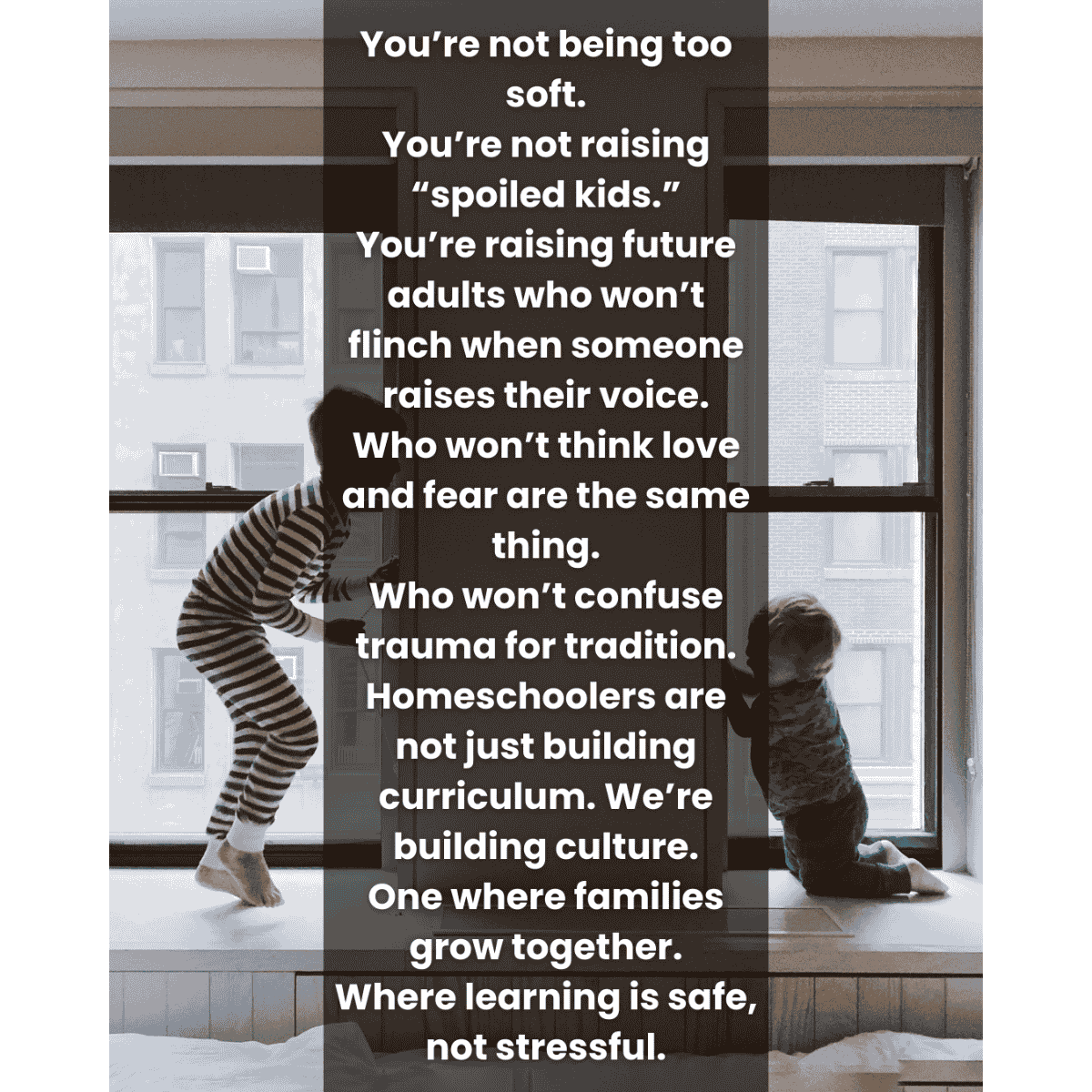
You’re not being too soft nor raising “spoiled kids.”

You’re raising future adults who won’t flinch when someone raises their voice.

Who won’t think love and fear are the same thing.

Who won’t confuse trauma for tradition.

This is why Schoolio matters to me.

Because we’re not just building curriculum. We’re building culture.

One where families grow together.

Where learning is safe, not stressful.

Where discipline is about guiding — not punishing.

This isn’t about making parenting easier. It’s about making it better.

And the better way?

Starts with us.

Sathish

still learning, still unlearning

The Impact of Migrant Stories: Inspiring Peers through Cultural Sharing

The Impact of Migrant Stories: Inspiring Peers through Cultural Sharing

The Impact of Migrant Stories: Inspiring Peers through Cultural Sharing

As we navigate an increasingly interconnected world, the importance of understanding and appreciating these stories cannot be overstated. In educational settings, the impact of migrant stories extends far beyond the classroom. Shaping perspectives, fostering empathy, and inspiring students to embrace diversity. Through supportive learning environments, personalized education initiatives, and inclusive homeschool programs, immigrant families are empowered to share their stories, celebrate their heritage, and enrich the educational experience for all. Join us on a journey to explore the profound impact of migrant stories and discover how they inspire peers through cultural sharing.

The Impact of Migrant Stories: Start Now

1. Understanding the Power of Migrant Narratives

Migrant stories hold immense power in shaping perspectives, fostering empathy, and inspiring others. Each migrant journey is unique, marked by resilience, courage, and the pursuit of a better life. By sharing their experiences, migrants provide valuable insights into diverse cultures, challenges, and triumphs. This sharing not only enriches the lives of others but also empowers migrants by validating their identities and experiences. In educational settings, the impact of migrant stories is profound, offering students a window into the world beyond their own and fostering a culture of inclusivity and understanding.

Schoolio Family Plan

2. Fostering Empathy and Inclusivity in Education

Supportive learning environments for immigrants are crucial for their academic and emotional well-being. When immigrant students feel valued and understood, they are more likely to thrive academically and socially. One way to create such an environment is by incorporating migrant narratives into the curriculum. By listening to and learning from the experiences of their peers, students develop empathy and a deeper appreciation for diversity. This not only benefits immigrant students but also enriches the educational experience for all learners, promoting inclusivity and multicultural understanding.

3. The Power of Personalized Immigrant Education

Education for immigrant children should be personalized to meet their unique needs and experiences. Traditional educational approaches may not always resonate with immigrant students who come from diverse cultural backgrounds. Inclusive homeschool programs offer a flexible and supportive alternative, allowing immigrant families to tailor their educational experiences to align with their cultural values and beliefs. By incorporating elements of their heritage into the curriculum, immigrant children can develop a stronger sense of identity and belonging while also excelling academically.

4. Breaking Barriers Through Cultural Exchange

Cultural sharing plays a vital role in breaking down barriers and fostering connections between immigrant and non-immigrant students. Furthermore, through storytelling, music, art, and cuisine, students can celebrate the richness of different cultures and find common ground despite their differences. In homeschooling for newcomers, cultural exchange can be seamlessly integrated into the learning process, creating opportunities for collaboration and mutual learning. By embracing diversity and promoting cultural exchange, educators can create inclusive learning environments where all students feel valued and respected.

Schoolio e-books

5. Empowering Immigrant Families Through Education

Education is not only a means of academic advancement but also a tool for empowerment for immigrant families. Additionally, by providing access to quality education and supportive resources, communities can help immigrant families navigate the challenges of adapting to a new country while preserving their cultural heritage. Inclusive homeschooling programs offer a supportive framework for immigrant families, allowing them to actively participate in their children’s education and foster a sense of continuity with their cultural roots. Empowering immigrant families through education is essential for building strong, resilient communities where every individual has the opportunity to thrive.

6. Overcoming Challenges Through Resilience and Determination

The journey of migration is often fraught with challenges, from language barriers to cultural adjustment issues. However, through resilience and determination, immigrant families overcome these obstacles and forge a better future for themselves and their children. In homeschooling for diverse families, parents play a central role in guiding their children’s education and instilling values of perseverance and adaptability. By sharing their stories of resilience and triumph, immigrant families inspire others to persevere in the face of adversity and embrace the opportunities that education affords.

7. Celebrating Diversity and Promoting Social Cohesion

In today’s increasingly globalized world, celebrating diversity and promoting social cohesion are more important than ever. Education plays a pivotal role in shaping attitudes and fostering a sense of belonging among diverse communities. By incorporating migrant narratives into the curriculum and promoting inclusive educational practices, schools can cultivate an environment where differences are celebrated and respected. Through collaborative learning experiences and cultural exchange initiatives, students learn to appreciate the richness of diversity and work together towards a more inclusive and harmonious society.

Embracing the Power of Migrant Stories

Migrant stories have the power to inspire, educate, and unite people from all walks of life. By listening to and learning from the experiences of immigrant families, we can create supportive learning environments where every individual feels valued and empowered to succeed. Inclusive homeschool programs offer a unique opportunity to craft education for immigrant children. Doing so by helping them to thrive academically while preserving their cultural heritage. As educators and community members, it is our responsibility to embrace the power of migrant stories. While also aiming for inclusivity, empathy, and understanding in our schools and communities. Together, we can build a more just and compassionate society where everyone has the opportunity to reach their full potential.

Schoolio Learning Resources

How to Enhance Involvement in Education for Migrant Parents

How to Enhance Involvement in Education for Migrant Parents

How to Enhance Involvement in Education for Migrant Parents

Are you wondering how to enhance involvement in your child’s education as a migrant parent? Navigating the education system can be a daunting journey for immigrant families, often laden with unique challenges. From language barriers to cultural differences, migrant students and their parents encounter hurdles that can impede their academic success and engagement. Here’s how to enhance involvement in education for migrant parents.

Enhancing Involvement in Your Child’s Education

For immigrant families, the transition into a new educational environment can be overwhelming. Language barriers often pose significant obstacles, making it challenging for parents to actively participate in their children’s schooling. Moreover, cultural disparities may create misunderstandings or uncertainties about the education system’s expectations and processes.

Despite these challenges, there are numerous strategies that migrant parents can employ to enhance their involvement in their child’s education.

Schoolio Family Plan

Here are Seven Effective Approaches to Consider When Enhancing Involvement in Education:

Utilize Online Learning for Kids:

Embracing online learning platforms can provide flexibility and accessibility for migrant families. Online resources cater to diverse learning needs and can bridge language gaps through multilingual options, enabling parents to actively engage in their child’s educational journey regardless of their proficiency in the host country’s language.

Explore Full Year Homeschool Curriculum:

Homeschooling offers a tailored approach to education, allowing parents to customize their child’s learning experience according to their unique needs and circumstances. Full year homeschool curriculums provide comprehensive academic programs that foster a supportive and inclusive learning environment for immigrant children.

Tap into Homeschooling for Newcomers:

Homeschooling can serve as a valuable avenue for newcomers to acclimate to their new educational landscape while maintaining continuity in their academic progress. By embracing homeschooling, immigrant families can establish a sense of stability and consistency amid transitions, fostering a conducive environment for educational growth.

Leverage the Schoolio Learning Platform:

The Schoolio Learning Platform offers a comprehensive suite of educational resources designed to support diverse learners, including immigrant families. With its inclusive homeschool programs and supportive learning environment, Schoolio Learning empowers parents to actively participate in their child’s education while fostering academic excellence.

Facilitate Catch-up or Stay on Track with Schoolio Learning Platform:

Moving to a new location can disrupt a child’s academic trajectory. However, with the Schoolio Learning Platform, parents can seamlessly facilitate their child’s transition and ensure they stay on track with their studies. Tailored learning modules cater to individual needs, enabling students to thrive despite relocation.

Schoolio e-books

Prioritize Education for Immigrant Children:

Recognizing the importance of education for immigrant children is paramount. By prioritizing their educational needs and actively engaging with school administrators and teachers, migrant parents can advocate for inclusive policies and support systems that address the unique challenges faced by their children.

Embrace Tailored Learning for Immigrants:

Tailoring educational approaches to accommodate the diverse backgrounds and experiences of immigrant families is crucial. By embracing culturally sensitive teaching methods and providing resources that resonate with students’ identities, educators can create an inclusive learning environment that fosters academic success and empowerment.

Paving the Way for a Brighter Future for Generations to Come

Enhancing involvement in education for migrant parents requires a multifaceted approach. One that addresses the unique challenges and needs of immigrant families. By leveraging online learning platforms, embracing homeschooling, and advocating for inclusive educational policies. Migrant parents can play an active role in their child’s academic journey. By fostering a supportive and nurturing learning environment that promotes success and empowerment. With initiatives like the Schoolio Learning Platform, the path to educational excellence for immigrant children becomes more accessible and inclusive, paving the way for a brighter future for generations to come.

Schoolio Learning Resources

Learn about the impact of Migrant Stories on education

Bridging Cultures: Exploring Education Through Migrant Perspectives

Bridging Cultures: Exploring Education Through Migrant Perspectives

Bridging Cultures: Exploring Education through Migrant Perspectives

In a world increasingly interconnected, the exchange of cultures and ideas has become a cornerstone of our global society. One of the most potent avenues for this exchange is education, a fundamental human right that transcends borders and backgrounds. However, for immigrant families navigating new environments, education takes on a special significance, serving by bridging cultures to the host society and a means of preserving their cultural identity.

Challenges and Choices: The Journey of Immigrant Families

For many immigrant families, the journey towards educational integration begins with a myriad of challenges. Language barriers, cultural differences, and unfamiliar systems can pose significant hurdles to accessing quality education. In response, homeschooling has emerged as a popular choice. By offering newcomers the flexibility to navigate these challenges while providing a tailored approach to learning. Homeschooling for newcomers isn’t just about academics; it’s about fostering a sense of belonging and empowerment within a new community.

Schoolio Family Plan

Preserving Heritage: Immigrant Family Education

Immigrant family education is a multifaceted endeavor, often driven by a desire to preserve heritage and instill cultural values in the next generation. Through personalized immigrant education, families can weave their traditions into the fabric of their children’s learning experience. This creates a harmonious blend of old and new. Inclusive homeschool programs, like Schoolio, play a crucial role in this process. By offering support and resources tailored to the unique needs of immigrant families.

Building Inclusive Communities: Supportive Learning for Immigrants

Supportive learning for immigrants extends beyond the confines of traditional schooling, encompassing a holistic approach to education that nurtures the mind, body, and spirit. From language classes to cultural workshops. Extracurricular activities play a vital role in fostering cross-cultural understanding and appreciation. By embracing diversity in all its forms, educational institutions can create an environment where every child feels valued and empowered to succeed.

Schoolio e-books

Celebrating Diversity: The Power of Education

Education for immigrant children is not just about assimilation; it’s about celebration – of heritage, of diversity, and of the human spirit. By embracing tailored learning approaches and inclusive homeschool programs, we can harness the power of education. Which will help to build bridges across cultures and create a more inclusive and harmonious society for all. As we navigate the complexities of our interconnected world, let us remember that education is not just a means to an end – it’s a journey of discovery, enlightenment, and above all, understanding.

Embracing Change: Towards a Brighter Future

As we look towards the future, it’s clear that education will continue to play a pivotal role in shaping our societies. By embracing the diverse perspectives and experiences of immigrant families, we can enrich our educational systems and foster greater understanding and empathy among all members of our communities. Through collaboration, innovation, and a commitment to inclusivity. We can create educational environments where every child has the opportunity to thrive, regardless of their background or circumstances. Together, let’s embark on this journey of learning and cultural exchange. By building a brighter and more harmonious future for generations to come.

Click here to learn about how to enhance involvement in education

Schoolio Learning Resources

Overcoming Educational Challenges: Stories of Triumph from Immigrant Students

Overcoming Educational Challenges: Stories of Triumph from Immigrant Students

Overcoming Educational Challenges: Stories of Triumph from Immigrant Students

The journey for immigrant students often comes with unique challenges. Navigating a new culture, language barriers, and unfamiliar academic systems can be daunting. However, amidst these challenges, stories of triumph are emerging, showcasing the resilience and determination of immigrant children. In this blog, we delve into the transformative power of homeschooling for newcomers and the role of tailored learning through the Schoolio Learning Platform. And how children are overcoming educational challenges because of customized learning and support. These narratives highlight the significance of inclusive homeschool programs, emphasizing support and empowerment for immigrant children in diverse families.

Tailored Learning for Immigrants:

One key element in the success stories of immigrant students is the implementation of tailored learning. The Schoolio Learning Platform has proven to be instrumental in providing customized education. Doing so by addressing the specific needs of immigrant children. Tailored learning recognizes the diverse backgrounds and learning styles of students. By allowing them to progress at their own pace while building a solid academic foundation.

Schoolio Family Plan

Inclusive Homeschool Programs:

In the realm of education for immigrant children, inclusive homeschool programs play a vital role. These programs are designed to embrace diversity and create a supportive learning environment. Through the Schoolio Learning Platform, educators and parents alike can access resources that cater to various cultural and linguistic needs. This inclusivity fosters a sense of belonging, enabling immigrant students to thrive academically and socially.

Supportive Learning for Immigrants:

The success stories of immigrant students are a testament to the importance of supportive learning environments. Homeschooling for diverse families, especially those navigating the challenges of immigration, requires a comprehensive support system. The Schoolio Learning Platform integrates not only academic resources but also offers tools for emotional and social development. This holistic approach ensures that immigrant students receive the encouragement and support they need to overcome hurdles and achieve academic success.

Stories of Triumph:

Maria, is young immigrant who faced the daunting task of adapting to a new country and educational system. But with the help of homeschooling and the Schoolio Learning Platform, Maria excelled academically. The tailored learning approach allowed her to grasp English more effectively, and the inclusive homeschool programs provided resources that celebrated her cultural background. Maria’s success story highlights the transformative impact of education tailored to the needs of immigrant students.

Schoolio e-books

Similarly, the journey of Ahmed, a newcomer from a war-torn region, showcases the resilience of immigrant children. Through homeschooling for newcomers and the Schoolio Learning Platform, Ahmed found solace in a supportive learning environment. The flexibility of the program allowed him to catch up on missed education while adapting to a new language and culture. Ahmed’s story exemplifies the strength that comes from tailored learning and inclusive homeschool programs.

Customized Education Has the Power to Transform Lives

In the face of educational challenges, the stories of triumph from immigrant students using the Schoolio Learning Platform are beacons of hope. Tailored learning for immigrants, inclusive homeschool programs, and supportive learning environments contribute significantly to the success of these students. As we celebrate these achievements, it becomes evident that education, when customized to the unique needs of immigrant children, has the power to transform lives and pave the way for a brighter future.

Learn more

Schoolio Learning Resources