But What About Socialization? (Let’s Talk About It.)

But What About Socialization? (Let’s Talk About It.)


Ah yes… the classic question that every homeschooler has heard (probably a few dozen times):

“But… what about socialization?”

It’s asked by grandparents. Aunts and uncles. Curious friends. Grocery store strangers.

And yes, we’ve seen the memes. We’ve done the eyerolls. We’ve even — on occasion — offered a snarky reply.

But truthfully? I don’t mind the question. I like giving people a better picture of what homeschooling really looks like.

And when it comes to socialization, I answer it in two parts — because most people are actually asking the wrong thing.


?️ Part 1: Yes, My Kids Socialize

Let’s start with the easy answer.

Do my kids spend time with other kids?

Do they have friends? Go to activities? Go on field trips?

YES. Yes. And yes.

My kids were always part of our local homeschool group.

Here’s what my kids do with their homeschool group:

  • Soccer
  • Gymnastics
  • Swimming
  • Skating
  • Art lessons
  • Track and field
  • Academic co-op (monthly)
  • PE co-op (twice a month in winter)
  • Holiday parties & themed events
  • Weekly summer park meetups
  • 3 field trips per month (far more than they ever got in public school!)

And best of all — these are the same kids they see over and over again. The friendships are deep and real. The connections are consistent. The community is strong.

We even text each other to coordinate sign-ups for events, just like any other friend group would.

So yes. My kids socialize. A lot.


? Bonus Perk: Our Evenings and Weekends Are Peaceful

Because our extracurriculars happen during the day (with our homeschool group), we’re not cramming activities into busy evenings or rushing around on weekends.

We eat dinner together.

We go to bed at reasonable times.

We rest.

Homeschooling has given us the gift of balance — and that’s good for everyone’s mental health.


? Part 2: Let’s Talk About Socialization (The Real Kind)

Now for the word people use… without really understanding it.

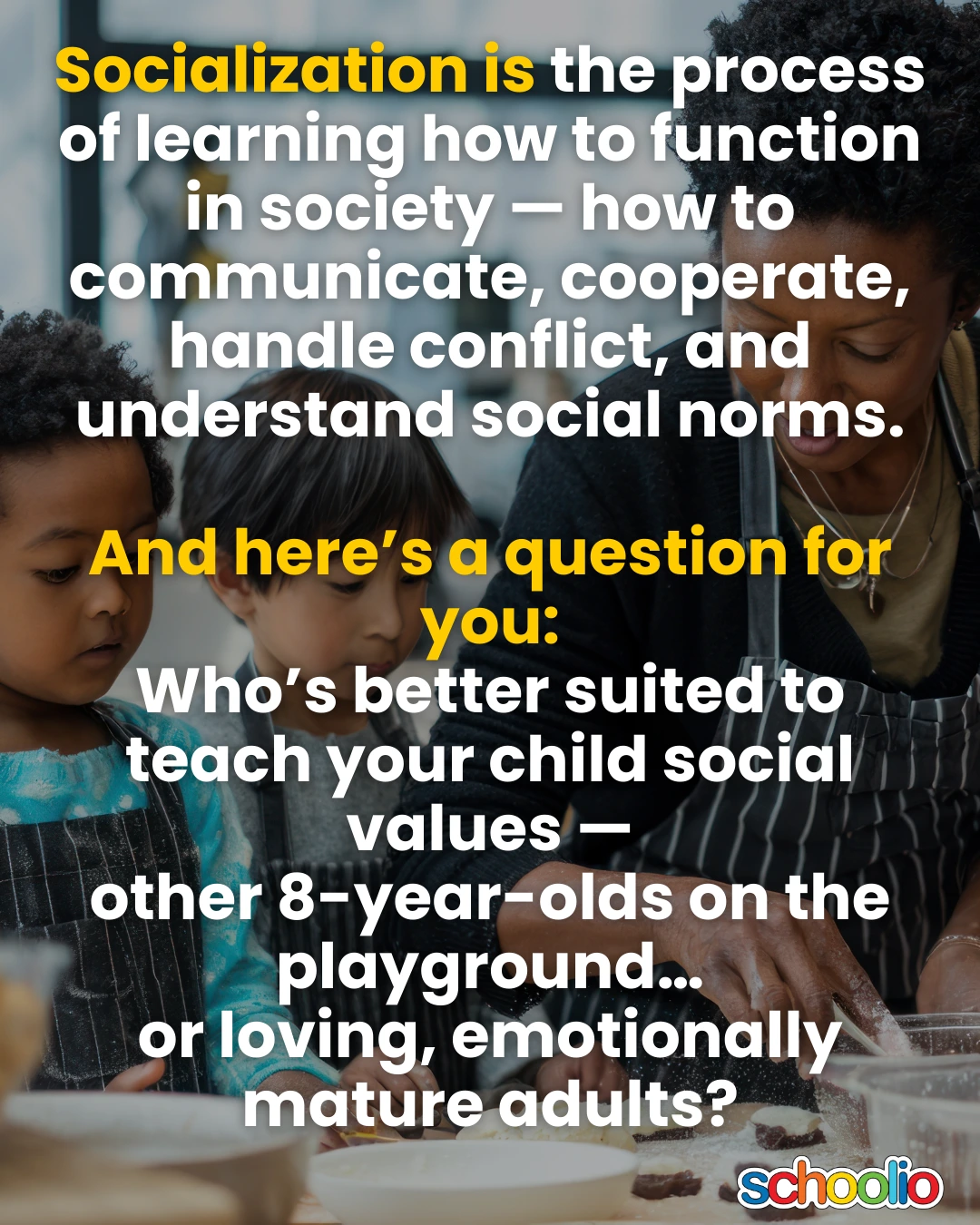
Socialization is the process of learning how to function in society — how to communicate, cooperate, handle conflict, and understand social norms.

And here’s a question for you:

Who’s better suited to teach your child social values —

other 8-year-olds on the playground…

or loving, emotionally mature adults?

When my child is at a homeschool event and has a conflict with a friend, they can come to me right away for support and coaching.

I help them understand the situation, plan a response, and reflect on how it went.

That means they’re learning social skills in real time, with guidance.

It’s not “helicopter parenting.” It’s real mentorship.

The result? Even very young homeschooled kids learn to resolve conflict with kindness and maturity.


? Homeschooled Teens Are (Surprise!) Really Cool

If you’ve ever had a full conversation with a homeschooled teen, you know what I mean.

They’re articulate.

Confident.

Curious.

Engaging.

Not sullen or withdrawn. Not afraid to talk to adults. Not obsessed with fitting in. Just… lovely humans.

No weird stereotypes. No Stepford vibes. Just kids who’ve had space to grow up at their own pace, in their own way.


? Public School Culture Is Not the Social Utopia People Think It Is

Yes, some kids enjoy the social side of school.

But many don’t — and for good reason.

Here’s what socialization looks like in most public schools:

  • Friend groups sorted by birth year only (not interest or personality)
  • Pressure to conform or risk bullying and isolation
  • Toxic norms that teach kids not to trust or confide in adults
  • A culture where “fitting in” > being yourself

Even kids who succeed socially often do so by constantly managing their behavior to meet those unwritten rules — and it’s exhausting.

We wonder why so many kids are anxious. But is it any surprise when the stakes of every interaction feel this high?


?‍♀️ “But School Prepares Them for the Real World…”

Here’s the thing:

Being trapped in a toxic environment with no way out is not “real world prep.”

Yes, adults deal with difficult coworkers. But as adults, we have:

  • Control over our environment
  • Emotional regulation
  • Resources
  • Options

Children don’t.

When a kid is being bullied at school, school is their entire world.

They often feel trapped, unsupported, and completely alone.

That’s not “character building.” That’s trauma.


✅ So Let’s Wrap It Up

Do my kids socialize? Yes. Joyfully, regularly, and with a diverse group of friends.

Are they socialized? Yes. In ways that are healthy, supported, and guided by loving adults.

And honestly?

They’re thriving — not despite homeschooling, but because of it.


Lindsey

Certified Special Ed Educator & Co-Founder, Schoolio
Homeschooling in Action: When Real Life Is the Lesson

 Homeschooling in Action: When Real Life Is the Lesson


This has been on my mind today…

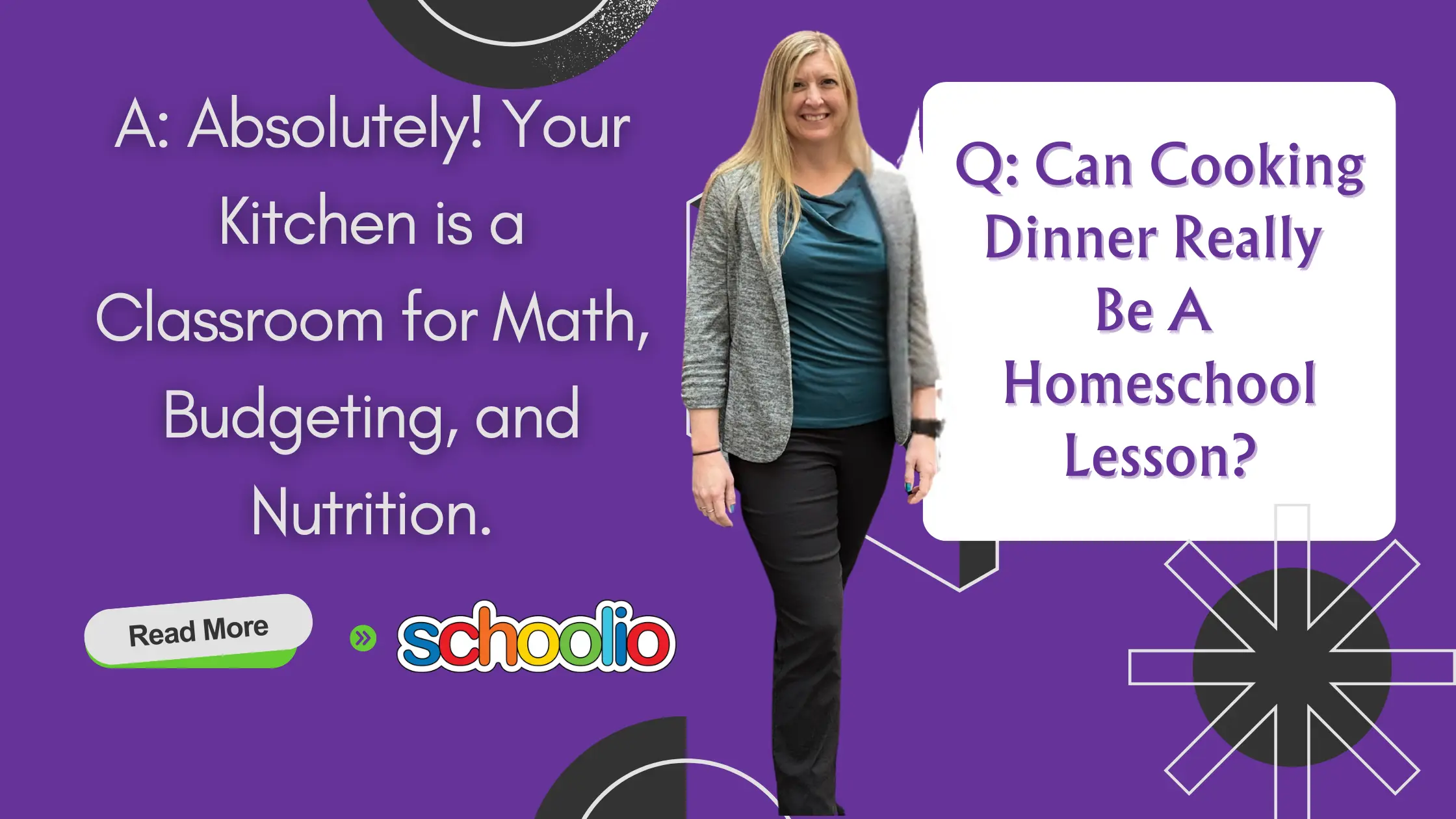
Some of our best homeschool lessons didn’t happen at a desk. They happened in the kitchen.

Once a month, I had each of my kids choose a meal they wanted to learn to cook. Step one? Read the recipe. Step two? Make a grocery list. Then we’d take clipboards to the store and suddenly math came alive. They priced out items as we added them to the cart and compared brands. They calculated totals. Without a single worksheet, they were budgeting, adding, multiplying, and problem-solving in real time.

But here’s where it got really interesting: they also learned that meals cost very different amounts. One month, my son picked steak, asparagus, and Caesar salad. Delicious — but pricey. That same month, my daughter chose spaghetti with garlic bread. Much more affordable. They could see, right in front of them, how food choices affect a budget.

And there was another rule: each meal had to be balanced. So they weren’t just thinking about money, they were thinking about nutrition. Is there a protein? A vegetable? A healthy grain? They learned how to make choices that weren’t just tasty, but healthy, too.

Then came cooking day. Each child had their turn, side by side with me, learning how to chop, stir, season, and time things so it all came together. And in the end? We all sat down to eat the fruits of their labor together.

It was never just about cooking. It was reading comprehension, sequencing, chemistry, motor skills, patience, budgeting, and nutrition — all in one. And the learning stuck because it mattered to them.

That’s what I love about homeschooling. The “curriculum” doesn’t always look like curriculum. Learning is embedded in life. It’s tactile, it’s real, and that makes sense to kids, and that learning lasts.

So if you’re ever worried you’re not doing “enough,” here’s your reminder: cooking dinner together is school. And your kids might just learn more from it than any worksheet could offer.


? Lindsey

Certified Special-Ed Educator & Co-Founder, Schoolio

What Is Summer Learning Loss?

What is Summer Learning Loss?

Summer Learning Loss

As the temperature rises and schools close their doors for the summer break, and homeschool parents analyse their homeschool year. Many students and parents look forward to a much-needed break from the rigours of academic life. However, the long vacation can come at a cost. Research suggests that students often experience a phenomenon known as “summer learning loss,” which refers to the decline in academic skills and knowledge during the summer months. This blog post will delve into the concept of summer learning loss, its impact on students, and strategies to prevent or mitigate its effects. Let’s begin with what is summer learning loss.

Understanding Summer Learning Loss.

Summer learning loss, also known as the “summer slide,” is a well-documented phenomenon that affects students during the summer break. It refers to the loss of academic knowledge and skills that students experience when they are not actively engaged in educational activities during this period. The concept primarily applies to core subjects like math and reading, but it can extend to other areas as well.

The Impact on Students:

Research has shown that summer learning loss can have a significant impact on students’ academic progress. The decline in knowledge and skills acquired during the school year can result in students starting the new academic year at a disadvantage, requiring time and effort to catch up. The effect of summer learning loss is particularly pronounced among students from low-income backgrounds, who may have limited access to educational resources and experiences during the break.

The Alarming Extent of Summer Learning Loss.

Summer Learning Loss Statistics

Statistics reveal the alarming extent of summer learning loss and emphasize the need for effective interventions. According to a study conducted by the National Summer Learning Association, students can lose up to two months of grade-level equivalency in math skills over the summer. Moreover, the same study found that low-income students experience more significant learning loss than their peers, potentially setting them further behind academically.

Another research report published by the RAND Corporation estimates that the summer slide can account for approximately two-thirds of the achievement gap observed between students from low-income and higher-income families by the ninth grade. These statistics highlight the urgency for targeted strategies to combat summer learning loss and ensure that all students have an equal opportunity to thrive academically.

Reducing and Preventing Summer Learning Loss:

While summer learning loss is a prevalent concern, there are several strategies that students, parents, and educators can implement to prevent or mitigate its effects.

Reading:

Encourage students to read regularly during the summer. Provide access to a variety of age-appropriate books, visit the library, or consider joining a summer reading program. Reading helps maintain and improve literacy skills. The Schoolio Summer Reading Challenge is a fantastic opportunity for students to develop their reading skills. While also cultivating a love for literature during the summer break. The Schoolio Summer Reading Challenge encourages students to set reading goals, track their progress, and earn rewards for their achievements. Schoolio makes it easy for students to get started on their reading journey and embark on a summer filled with imagination and knowledge.

Enrichment Programs:

Explore local community centers and organizations that offer summer enrichment programs. These programs provide opportunities for students to engage in hands-on learning experiences and explore new interests.

Online Learning:

Leverage the power of technology by exploring online platforms and resources. There are many that offer educational content aligned with students’ interests and grade levels. Many websites and apps provide interactive learning activities to keep students intellectually engaged without spending too much time in front of a screen. Check out the Schoolio Digital Platform for bite-size lessons to keep your child from slipping down the summer slide.

Family Engagement:

Involve parents and family members in summer learning activities. Encourage discussions about books, current events, or hands-on projects that foster critical thinking and problem-solving skills. Family engagement is a crucial aspect of preventing summer learning loss and fostering a supportive learning environment during the break. When parents and family members actively participate in educational activities, it enhances students’ motivation, curiosity, and overall academic success.

Family engagement

Educational Games and Apps:

Utilize educational games and apps that make learning enjoyable. These tools often combine entertainment with educational content, helping students retain knowledge in a fun and engaging way.

Tutoring or Summer School:

If necessary, consider enrolling in tutoring programs or summer school classes. These options can provide targeted instruction and support to help students bridge any learning gaps.

Zoo Visits:

A trip to the zoo offers an excellent opportunity for students to learn about various animals, their habitats, and conservation efforts. Many zoos provide educational programs and guided tours specifically designed for children of different age groups. By observing animals up close, students can develop an appreciation for biodiversity and gain knowledge about different species. Encourage students to ask questions, read informational signs, and engage in interactive activities provided by the zoo. Additionally, zoos often organize special events and workshops during the summer. Which focus on specific themes or animals, which can further enrich the learning experience.

Zoo

Museum Visits:

Museums offer a treasure trove of knowledge and interactive exhibits across a range of subjects, including science, history, art, and culture. Take advantage of local museums in your area, including science centers, history museums, art museums, or children’s museums. These institutions frequently host summer programs and workshops tailored to different age groups, providing hands-on activities and engaging demonstrations. Encourage students to explore the exhibits, participate in interactive displays. While also interacting with museum staff who can provide additional insights and information. Many museums also offer guided tours or audio guides that can enhance the learning experience.

The Summer Schoolio Program:

Schoolio’s Summer Learning Program offers a unique solution to balance the enjoyment of summer break. While also ensuring that children maintain their learning skills. Designed to be flexible and convenient, content can be completed for just three days a week during a six week duration.

Summer Schoolio

This schedule allows children to have ample time to relax, explore their interests, and engage in other summer activities. By dedicating a few focused days each week to academic learning. Students can prevent summer learning loss and continue building upon their educational foundation.

The Summer Schoolio Program provides carefully curated curriculum and engaging activities that are tailored to each student’s grade level and learning needs. With this program, parents can have peace of mind. Knowing that their child will have a well-rounded summer experience, striking a balance between relaxation and intellectual growth.

Check out the Summer Schoolio Program:

Beat Summer Learning Loss with these Resources.

Summer learning loss can be a real concern for students. But with proactive measures, its impact can be minimized. By encouraging reading, engaging in enrichment programs, utilizing online resources, involving families, and exploring educational games. Students can continue learning and prevent the summer slide. By taking advantage of the wealth of resources available, we can ensure that summer break becomes an opportunity for growth and continued intellectual development.