When Your Homeschool Program Stops Working

When Your Homeschool Program Stops Working


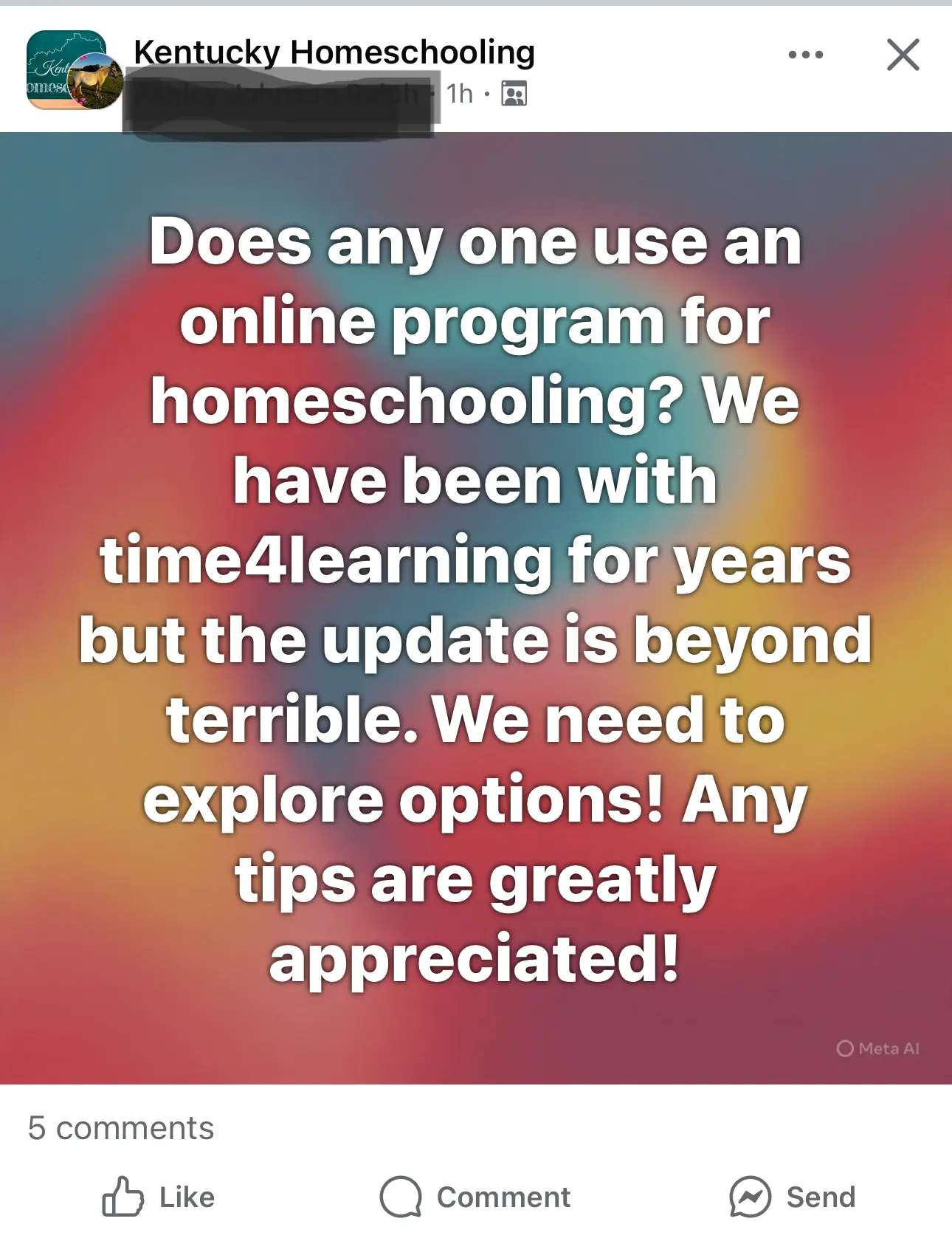
Lately, I’ve been hearing the same story from homeschool parents:

“We’ve used this program for years, but after the latest update it just isn’t working for us anymore. The kids hate it. I feel stuck. What else is out there?”

If that’s you, you’re not alone.

Sometimes a program that served you well in one season stops fitting in the next. Maybe your kids have grown and their needs have changed. Maybe what felt simple and reliable at first now feels limiting. Maybe the content just doesn’t line up with the kind of education you want your child to have.

That doesn’t mean you’ve failed. It just means your homeschool is evolving — and your tools need to evolve with it.

That’s why more and more families are switching to Schoolio.

Not because we’re “perfect” (no program is), but because Schoolio was designed to support the things that matter most in a modern homeschool:

Flexibility: Mix and match grade levels across subjects, skip ahead in one area and slow down in another, and create a program that fits your child instead of forcing your child to fit the program.

Future-Readiness: We go beyond the basics of math, science, and reading. Schoolio includes courses like Financial Literacy, Emotional Intelligence, and Emerging Technology — so kids don’t just learn to pass tests, they learn to thrive in the real world.

Neurodivergent-Friendly Design: Short, bite-sized lessons. Minimized distractions. Hands-on and interest-based options. Schoolio was created by homeschooling parents who know what it’s like to teach ADHD, autistic, and otherwise unique learners — because we’ve lived it.

At the end of the day, switching programs can feel like a big leap. But sometimes, it’s exactly the reset your homeschool needs.

If your current program no longer feels like a fit, that’s not the end of the story — it’s the start of building a homeschool that works better for you today.


? Lindsey

Connecting with Other Digital Nomad Families: Building a Supportive Community

Connecting with Other Digital Nomad Families: Building a Supportive Community

Connecting with Other Digital Nomad Families: Building a Supportive Community

In today’s fast paced world, more families are embracing the freedom of a nomadic lifestyle. Digital nomad families, in particular, are rewriting the rulebook on education, work, and travel. One of the key aspects that contribute to their success is the creation of a supportive community. In this blog post, we’ll explore valuable tips for connecting with other digital nomad families and building a network that can enrich both your family’s journey and your children’s education.

How to Start Connecting With Other Digital Nomad Families:

Join Education Programs Tailored for Nomads

One of the challenges digital nomad families often face is finding suitable educational programs for their children. To address this, consider enrolling your kids in specialized education programs designed for nomadic lifestyles. Look for online platforms that offer remote learning opportunities, combining both traditional subjects and experiential learning. Some programs cater specifically to the needs of traveling families, providing a flexible and adaptable curriculum that aligns with your unique lifestyle.

Schoolio Family Plan

Embrace Homeschooling on the Road

Homeschooling has become a popular choice for digital nomad families, offering the flexibility to tailor the learning experience to each child’s needs and interests. While on the road, take advantage of the vast array of resources available online. Incorporate educational apps, virtual field trips, and online tutors into your homeschooling routine. The key is to strike a balance between formal education and real-world experiences, turning each destination into a classroom for your children.

Seek Out Traveling Family Education Communities

Connecting with other digital nomad families who share similar educational philosophies is crucial for building a supportive community. Join online forums, social media groups, and platforms dedicated to traveling family education. Engage in discussions, share your experiences, and seek advice from seasoned nomadic families. This exchange of knowledge can not only enhance your understanding of different educational approaches but also provide valuable insights into the challenges and triumphs of life on the road.

Explore Remote Homeschool Programs

Remote homeschool programs offer a structured curriculum that can be accessed from anywhere in the world. Research and enroll in reputable programs that align with your family’s values and educational goals. These programs often provide a sense of continuity and stability, ensuring that your children receive a consistent education regardless of your current location. Additionally, being part of a remote homeschooling community allows your children to interact with peers facing similar challenges, fostering a sense of connection.

Schoolio e-books

Attend Digital Nomad Family Meetups

To strengthen your ties with other digital nomad families, consider attending meetups or gatherings specifically tailored to your lifestyle. These events provide an excellent opportunity to connect with like-minded individuals, share stories, and exchange tips and resources. Whether in-person or virtual, these gatherings contribute to the creation of a tight-knit community. One that understands the unique challenges and joys of combining travel with education.

Learn how to create a travel journal

Building a supportive community as a digital nomad family involves actively seeking out and participating in educational programs. Additionally, you will need to connect with homeschooling initiatives, and communities designed for families on the move. By connecting with others who share your lifestyle, you not only enrich your children’s educational experiences but also create a network of support. One that can enhance every aspect of your nomadic journey.

Schoolio Learning Resources

Are you facing challenges from migrating to a new country?