How to Prevent Summer Learning Loss 

How to Prevent Summer Learning Loss

Summer Learning Loss

Summer vacation is a beautiful time for relaxation and fun, but it’s important to prevent the dreaded “summer learning loss.Research has shown that students can lose valuable knowledge and skills during the long break, which can set them back when they return to school in the fall. However, with some planning and creativity, you can keep your mind sharp and actively engage in learning during the summer months. Are you curious about how to prevent summer learning loss? This blog will explore practical strategies for avoiding summer learning loss and maximizing your vacation.

Learning About Summer Learning Loss as a Parent.

As a parent, understanding the concept of summer learning loss is crucial because it allows you to take proactive steps to prevent it. Summer learning loss refers to the decline in academic skills and knowledge that can occur during the extended break from school.

By being aware of this phenomenon, you can make informed decisions about structuring your child’s summer activities to ensure their hard-earned knowledge and skills are not lost. Recognizing the importance of continuous learning and actively engaging your child in educational activities during the summer can help them maintain their academic progress and be better prepared for the upcoming school year. Addressing summer learning loss can set a strong foundation for your child’s long-term educational success.

To learn more about what Summer Learning Loss is, please click here.

How to Prevent Summer Learning Loss.

Here is a simple list of practical ways to prevent summer learning loss for your child this summer.

1. Read, Read, Read:

Reading is one of the most effective ways to prevent learning loss. Encourage your children to read for pleasure by providing books matching their interests. Take regular trips to the library or set up a book exchange with friends. Reading improves vocabulary and comprehension skills and stimulates imagination and critical thinking.

Reading to prevent summer learning loss

2. Explore Summer Enrichment Programs:

Many communities offer summer enrichment programs that provide academic support and engaging activities. Look for programs that align with your child’s interests and encourage them to participate. These programs often combine learning with fun, hands-on experiences like science experiments, art classes, or coding workshops.

3. Engage in Educational Technology:

In today’s digital age, educational apps and online platforms can make learning enjoyable and interactive. Explore educational websites, mobile apps, and online courses that cater to different subjects and age groups. From language learning to math games, countless resources are available to keep your child’s mind active and learning throughout the summer.

4. Create a Learning Schedule:

Establishing a routine for learning can help maintain a sense of structure during the summer break. Set aside a specific time each day for reading, practicing math skills, or exploring educational activities. Incorporating learning into your daily routine will make it a habit and less like a chore.

5. Take Educational Field Trips:

Summer is the perfect time to explore museums, historical sites, nature reserves, and science centers. Plan educational field trips that blend entertainment with learning. These experiences can inspire curiosity, spark new interests, and deepen understanding of various subjects.

6. Encourage Writing:

Writing is an essential skill that often gets overlooked during the summer break. Encourage your children to journal, write stories, or start a blog. Writing not only helps maintain language proficiency but also enhances creativity and self-expression.

7. Involve the Whole Family:

Learning doesn’t have to be an individual endeavour. Engage the entire family in activities that promote learning. Organize family game nights, where educational board games are played. Choose movies or documentaries that are educational and stimulate meaningful discussions. When learning becomes a shared experience, it becomes more enjoyable and impactful.

8. Embrace Hands-On Learning:

Summer is a great time to engage in hands-on learning experiences. Encourage your child to pursue hobbies such as gardening, cooking, woodworking, or crafts. These activities provide opportunities for problem-solving, creativity, and practical skills development.

Embrace Hands-On Learning

9. Participate in Community Programs and Workshops:

Parents can help their children avoid summer learning loss by encouraging them to participate in community programs or workshops. Many communities offer summer camps, classes, or workshops on various subjects such as science, art, music, sports, and more. These programs provide an excellent opportunity for children to learn and engage in hands-on activities in a structured and social environment. By enrolling your child in these programs, they can continue to develop new skills, explore their interests, and interact with peers who share similar passions. These community programs prevent learning loss, foster personal growth, boost self-confidence, and encourage teamwork.

10. The Summer Schoolio Workbooks:

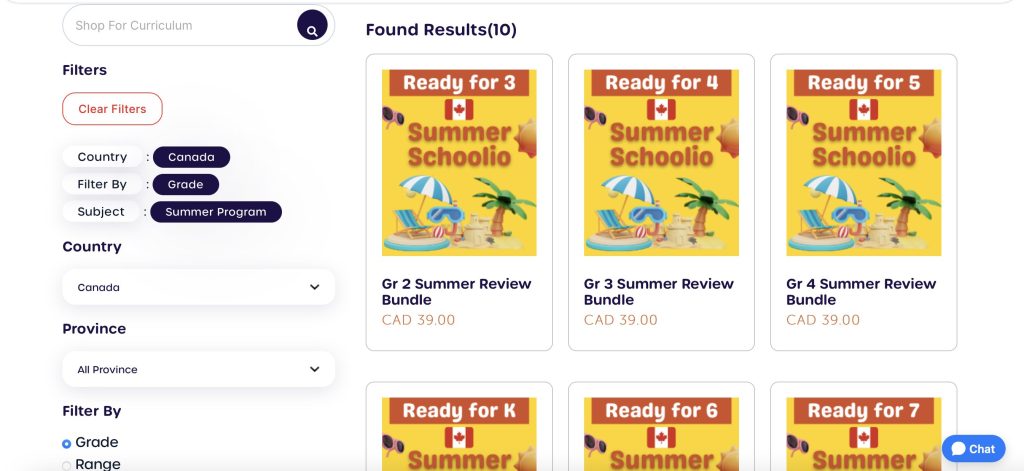
Another effective way to prevent summer learning loss is utilizing the Summer Schoolio workbooks. These workbooks bridge the learning gap and reinforce key academic skills during the summer break. They offer a comprehensive range of subjects, including math, reading, writing, and critical thinking, tailored to different grade levels.
Summer Schoolio

By incorporating Summer Schoolio workbooks into your child’s summer routine, you can provide structured and engaging activities that align with their curriculum. These workbooks offer a mix of exercises, puzzles, and interactive content to make learning enjoyable and effective. With Summer Schoolio workbooks, your child can continue learning at their own pace, ensuring they stay sharp and prepared for the next school year.

Learning Should Be Fun!

Preventing summer learning loss is crucial to ensure students start the new school year on the right foot. You can create an environment that fosters continuous learning by incorporating reading, educational programs, technology, field trips, writing, and hands-on activities into your summer routine. Remember, learning can be fun and should never stop, even during the vacation months. Embrace the opportunity to explore new topics, expand your knowledge, and grow intellectually.
Avoid Summer Learning Loss

Summer break is easily one of the highlights for children everywhere! The excitement of making fun a priority for a couple of months is such an intriguing thought. How can we help our children embrace all the fun they can get this summer while also aiming to avoid summer learning loss?

Summer Learning Loss is a significant issue.

What is summer learning loss? Summer learning loss is the loss of knowledge and academic skills throughout summer vacation. This issue causes a significant problem for children, especially in the younger grades when reading and math practice are essential for maintaining skills.

The reality is that when the school year ends, many children will have very few opportunities to engage in reading and mathematical ways of thinking. This is why it’s so important to look at learning methods to avoid summer learning loss.

Children have already lost so much essential learning time from pandemic learning loss.

Harvard Professor Tom Kane says, “There’s no time to waste.” His latest research has demonstrated that many, if not most, school districts are seeing pandemic learning losses much more severe than they initially imagined.

Even when education experiences were average, and the pandemic hadn’t turned life and learning completely upside-down, children still faced significant learning losses during the summer.

Every summer, children lose 2.6 months of math skills, two months of reading skills, and the equivalent of one month of overall learning. When they get back to learning in the fall, it is estimated that they will spend up to six weeks trying to re-learn old material to make up for these losses.

Those statistics are pretty severe and, unfortunately, don’t even consider that children are already struggling and way behind where they should be due to pandemic learning.

How can you help your child avoid summer learning loss and perhaps even begin to catch up from pandemic learning loss?

1. Make learning time a priority.

Setting a learning time doesn’t mean your child needs to be doing school every day! Alternatively, you can make a schedule each day to include 30 minutes per day of ‘learning time.’ During that 30 minutes, they can work on their summer learning materials like the Summer Schoolio books. Dedicating just 30 minutes daily to focus on completing the daily activities can help boost your child’s learning while significantly helping your child avoid summer learning loss.

2. Schedule Outdoor Learning Experiences.

Your child likely loves to explore the outdoors during the summer months, especially after months of winter weather and being stuck inside. And conveniently, plenty of outdoor experiences are waiting to help your child learn while having fun. Outdoor adventures help your child apply what they’ve learned in the classroom while improving cognitive functioning and physical health.

Some fun outdoor activities include:

3. Focus on Specific Areas of Learning.

You’re likely able to pinpoint the subject(s) your child is experiencing the most difficulty with. Prioritize learning around this subject throughout the summer.

4. Encourage Your Child to Read Anywhere.

If you live in the Northern Hemisphere, it can be tough to stay inside when the weather is fantastic. Instead of telling your child that they can’t go outside until they’ve finished reading – encourage them to take the book out and read on the porch or in the backyard.

When you take story time to the outdoors, you are providing their young minds with the opportunity to indulge in the sights and sounds of the outdoors. The outdoors provides an excellent multi-sensory experience that can help your child better connect to their surroundings while developing phonemic awareness.

5. Include Reading Materials About Outdoor Activities.

Is your child interested in gardening? Swimming? Birds? Then head to the library and pick up some fun books about those subjects, allowing them to read and learn about something that greatly interests them while helping them develop their reading skills.

6. Utilize a Local Community Garden.

Community gardens offer many learning opportunities for children (and adults) of all ages. When you and your child become involved with a local community garden, they will have the chance to learn about important things like cultivation, seed preservation, essential bugs, landscaping and horticulture. All of which are so important for our children to learn!

7. Limit Screen Time and Encourage Imaginative Play.

It can be tempting to allow your child to stay on their device for hours as you can get a much-needed break. But we all know this can be very bad for their mental health and detrimental to their developing brains. Encourage them to use their imaginations to play and create. If your child is used to always being on a screen, this will likely be a bumpy start. Stay strong and be consistent.

8. Pick up a Summer Schoolio Book.

Help your child avoid summer learning loss and prepare for the coming school year using this unique Schoolio program. Summer Schoolio Books are specifically designed to be suitable for any student learner that has completed their grade level.

The Summer Schoolio Program focuses on reviewing and solidifying important mathematical and language concepts studied in the previous year of learning. Throughout the program, your child will review materials in Number Sense and Numeration, Algebra and Patterning, Data Management and probability, Geometry and Spatial Reasoning, and Financial Literacy while also engaging in weekly writing activities.

Check Out the Summer Schoolio Program


Never overstress your child.

We understand the desire to help your child completely catch up on everything while also aiming to avoid summer learning loss. But remember, there’s a fine line that you need to walk. Keep an eye on your child, especially during reading/learning times, if they’re getting agitated and want to be done for the day. Then let them be. Learning is even more challenging to accomplish when the brain is under stress. As parents, we often feel we must constantly work to help our children succeed. But remember, sometimes downtime is just as crucial as learning time.