There is a Japanese art form called Kintsugi. When a bowl or cup breaks, it is not thrown away. The pieces are carefully put back together, and the cracks are filled with gold. The repair is not hidden. It is highlighted. The object becomes more valuable because it has been broken and repaired with care. The story becomes part of its beauty.
I think about that a lot when I reflect on my own life. I also think about it when I look at the families we support through homeschooling and the work we are building at Schoolio.
Too many children move through school systems quietly absorbing a message that they are broken. Not always through words, but through looks, labels, meetings, and expectations. They are told to sit still when their bodies want to move. To keep up when they need time. To fit into systems that were never designed for how they learn. Eventually, many of them begin to believe that something is wrong with them.
When those children come home, something different can happen. With patience, care, and attention, the pressure starts to lift. Confidence begins to return. Curiosity peeks back out. Learning feels possible again. Not rushed. Not forced. Just human.
But here is the part that matters most to me. Healing should never feel like hiding.
Homeschooling should not feel like punishment or retreat. It should not feel like we are sweeping children out of sight. It should feel like kintsugi. A celebration of the whole child. A recognition that learning differently does not mean learning less. It means learning in a way that honors who they are.
At Schoolio, we see this every day. Children who were once labeled as struggling begin to thrive when the pressure is removed and the support is real. When learning adapts to them instead of asking them to adapt to it. When their cracks are not erased, but respected.
Every student who leaves a system that did not serve them carries an incredible story. Those cracks are not flaws. They are experiences. When they are filled with care, trust, and belief, something stronger is created. Something more meaningful than what existed before.
Does Your Kid Struggle with School? What Is After-School Restraint Collapse?
If your kid struggles with school, you may be familiar with After-School Restraint Collapse, even if you’ve never heard the term. Does your child have frequent emotional outbursts or meltdowns immediately or shortly after getting home from school? They may be experiencing [After-School Restraint Collapse](https://www.bbc.co.uk/bitesize/articles/z863cxs#:~:text=This type of behaviour is,to let it all out!). This phenomenon often occurs because kids suppress their emotions and needs in order to hold themselves together during the school day, behave, and conform to the strictly structured system. They then release that pent-up energy and frustration once they’re back in the safety of their home. After-School Restraint Collapse can happen to any child, but for kids who are ADHD, autistic, or have other neurodivergencies, it can be more frequent and more intense, because school is just that much harder for them to manage, and they are more easily overwhelmed or overstimulated. This intense emotional release can feel overwhelming for your child, and can be incredibly hard to witness as their parent.
Let’s talk about what After-School Restraint Collapse is, why it’s more common in neurodivergent kids, and then look at some practical ways to support your child. We’ll also talk about how homeschooling can be a viable option for families dealing with extreme school struggles.
What is After-School Restraint Collapse?
After-School Restraint Collapse is the emotional or physical meltdown that occurs when children who have been controlling their emotions all day at school finally feel safe enough to let go. This is especially common in kids struggling with school, where the effort to manage expectations and regulate their behavior leads to emotional exhaustion. After a day of staying relatively still and quiet, following directions, and meeting social expectations, they return home and can’t hold it together anymore.
For neurodivergent children—such as those who are ADHD, autistic, or have sensory processing disorders—this collapse can be even more intense. School environments can be highly demanding, with sensory overload, social complexities, and academic pressures draining their emotional and mental energy.
Why Does After-School Restraint Collapse Happen More Often in Neurodivergent Kids?
Many kids struggling with school are neurodivergent, such as those who are ADHD or autistic, and often face unique challenges that make the school day even more exhausting and overwhelming than for their neurotypical peers. Here are some of the reasons why your neurodivergent kiddo is more likely to experience After-School Restraint Collapse:
1. Sensory Overload
Neurodivergent children often have sensory sensitivities, which can make the school environment overwhelming. Loud classrooms, bright lights, crowded hallways, and constant stimuli can make it difficult for them to stay regulated. By the time they get home, they are overstimulated and emotionally exhausted, leading to a meltdown.
2. Social and Communication Pressures
For a lot of our neurodivergent kids, social communication is difficult or confusing, which makes the social aspect of school exhausting. Neurodivergent children often spend significant mental energy trying to fit in, understand social cues, and avoid conflicts with peers or teachers. This constant effort can lead to emotional exhaustion by the time they return home.
3. Executive Dysfunction
Many neurodivergent children struggle with executive dysfunction, which affects their ability to plan, organize, and manage tasks. The school day can be filled with tasks that require executive functioning, and the effort to stay on top of things like class transitions, homework, and listening to instructions can become overwhelming. In addition, they may hear a lot of negativity about their inability to self-manage the way their neurotypical peers can and wonder why they can’t keep up, leading to self esteem issues and more emotional exhaustion.
4. Emotional Regulation Difficulties
For children who are ADHD or autistic emotional regulation can be challenging. Our kids may suppress their emotions throughout the day to meet behavioral expectations, but once they are home, they release all the frustration and stress they’ve been holding in all day.
Ways to Support Your Child Through After-School Restraint Collapse
Understanding the causes of After-School Restraint Collapse is the first step toward supporting your child. There are several strategies that can help ease your child’s transition from school to home and reduce emotional overload. Drawing from expert advice, let’s look at some practical and concrete ways to support a kid struggling with school:
1. Create a Safe Space for Unwinding
Provide a quiet, calm space at home where your child can unwind after school. This space should be free of distractions and filled with comforting items, such as soft blankets, pillows, or their favorite sensory toys. Creating a sensory-friendly environment where your child can decompress will help reduce overstimulation and provide a sense of security.
2. Prioritize Downtime After School
Don’t jump straight into homework, chores, or structured activities when your child gets home. Limit demands and expectations no matter how small they may seem to you. Allow them to have downtime to relax and recharge. This might be free play, reading, or any activity they find soothing. Don’t try to ask them too many questions about their day or engage in conversation immediately if your child isn’t feeling it. Let them have quiet and their own space. and allow them to decide when they’re ready to start homework or other after-school activities. By reducing pressure and giving them control over their time, you give your child the freedom to decompress, which will help prevent emotional meltdowns.
3. Offer Physical Outlets
Some children find that engaging in physical activity helps release the built-up tension from the school day, especially those who are ADHD- Hyperactive Type. Whether it’s jumping on a trampoline, going for a walk, or engaging in a fun physical activity like dancing, movement can help reduce emotional overload and improve their mood.
4. Seek Support When Needed
If your child seems unusually upset after school, it might be because of an issue during the day that wasn’t fully addressed or resolved. After-school behavior could indicate that something challenging happened while they were at school.
It’s important to check in and find out if something during their school day is affecting them. Bullying is unfortunately extremely common for neurodivergent children, so you want to make sure your child isn’t being victimized at school. They are also more likely to have social struggles with peers, so fights and misunderstandings with friends can happen and leave your child feeling hurt and confused. Do your best to know what’s happening at school so you can address the issues at home and help guide your child through these altercations, as well as reach out to the school if needed.
5. Validate Their Feelings and Make Sure They Feel Heard
After a long day of masking their emotions, your child needs to feel heard and understood. Validate their emotions by acknowledging their feelings: “I know today was tough, and it’s okay to feel upset.” Listening without judgement helps your child feel supported and understood, which can lessen the intensity of their emotional outbursts.
6. Understand How Hard School Is For Some Children
Many children struggle with anxiety, separation, and security. Being away from the safety and connection of their parents all day is hard for these kids, especially our neurodivergent kiddos. All of this is in addition to having dealt with the day, peers, academics, and sensory stimulation. Reconnecting with you at the end of the day can bring a flood of emotions, from relief to frustration, all laddering up to a feeling of overwhelm.
Considering Homeschooling?
If your kid struggles with school to the point that After-School Restraint Collapse is becoming a daily occurrence, homeschooling may be an option worth considering. Homeschooling offers the flexibility to create an environment that’s specifically tailored to your child’s unique needs, making it a great alternative for neurodivergent kids who find the traditional school environment overwhelming.
How Homeschooling Can Support Neurodivergent Kids
Flexible Learning Environment: Homeschooling allows you to customize your child’s learning environment to fit their sensory preferences. You can create a space that’s quiet and calm, free of the sensory triggers that may overwhelm them in a traditional classroom.
Personalized Curriculum: Homeschooling offers the freedom to choose a curriculum that fits your child’s learning style and pace. You can select a curriculum like Schoolio that’s designed with neurodivergent learners in mind, offering bite-sized lessons, interest-based electives, and unique flexibility.
Social Learning with Support: For neurodivergent children who struggle with social interactions, homeschooling provides an environment where they can engage with others at a frequency that doesn’t drain their social battery or create overwhelm.. Socialization can take place in smaller, more controlled settings, reducing the stress of large group dynamics. Not only that, but with your regular support they can learn emotional regulation and social skills in a healthy manner with guidance from an adult who has their best interests at heart.
Emotional Support: Homeschooling gives you the chance to be present for your child throughout the day, offering emotional support as needed. This allows you to incorporate social-emotional learning into your daily routine, helping your child develop the emotional regulation skills they need to thrive.
The First 3 Steps to Get Started with Homeschooling
Understand Your State Laws: Homeschooling laws vary by state, so it’s important to familiarize yourself with the specific regulations in your area. Some states require you to notify your local school district, while others have stricter guidelines around curriculum and testing.
Choose a Curriculum: There are many homeschooling curricula available, but it’s important to find one that fits your child’s learning style. Schoolio is a great option for families starting out with homeschooling, as it offers all subjects in one place, flexibility and lots of support. It’s also designed to be accessible for neurodivergent learners, making your initial dive into homeschooling much easier and stress-free.
Find Support: Look for local or online homeschooling communities where you can connect with other parents and seek advice and support. Joining a homeschooling co-op or an online group can provide much-needed support and confidence for both you and your child.
Conclusion
After-School Restraint Collapse is a common experience for lots of kids, and those of us with neurodivergent kids struggle in school even more. With the right support strategies, you can help your child manage their emotions and hopefully ease the transition from school to home. If school is simply not a fit for your child and likely never will be, don’t hesitate to consider homeschooling as a viable option. Your child’s emotional well-being should always be the top priority. If your kid struggles with school, it’s essential to listen to their needs.
One winter morning, we set out on a nature walk. Nothing fancy, just some fresh air and a chance to stretch our legs. That’s when it happened. The kids stopped, pointed, and announced with total fascination:
“POOP!”
There it was on the path. Just sitting there, waiting to be discovered. And instead of me steering them back to the “lesson plan,” they had one question that became our curriculum for the whole week:
“What animal did this come from?”
We started guessing. Deer? Rabbit? Maybe raccoon? The curiosity snowballed. Back at home, we started researching. We found pictures of animal scat (yes, that’s the proper word) and compared them. We talked about the diets of different animals and how that shows up in their droppings. The kids wanted to make their own scavenger hunt checklist of “poops to find,” so we did. Suddenly every walk was a full-on investigation, magnifying glasses in hand, kids crouched down like little detectives.
And then nature gave us another gift — snow. Once they had learned about scat, the curiosity expanded:
“If we can tell an animal by its poop, can we tell it by its footprints too?”
That week turned into tracking lessons. We studied paw shapes, stride lengths, and patterns. We matched tracks to the animals in our region. Every walk became a treasure hunt. They weren’t just “getting exercise.” They were observing, comparing, classifying, and recording. In other words, science.
And here’s the thing: none of it was on my lesson plan. There was no worksheet waiting on the table that morning titled “Animal Scat and Tracks.” But it was real learning. Engaged, memorable, full of wonder.
The kids didn’t just learn about animals. They learned how to follow a question, how to investigate, how to let curiosity guide them. That’s the kind of learning you don’t forget — even if it started with poop.
So yes, sometimes school looks like math books at the table. Other times, it looks like poop on a trail. Both count. Both matter. And both are homeschooling.
How to Homeschool Multiple Kids Without Losing Your Mind
by Lindsey, Head of Curriculum at Schoolio
This has been on my mind today…
Homeschooling even one child is a full-time emotional and mental job. Homeschooling two or three? That’s a whole circus. And if they’re at different grade levels? Let’s just say it took me a while to stop waking up already overwhelmed.
I remember those early years when I felt like I had to mimic a real school day. Everyone had to be at the table at the same time, working on math at 9, reading at 10, science after lunch. It was rigid, exhausting, and full of frustration. Someone always needed help, someone else was bored or acting out. There were tantrums. Sometimes theirs. Sometimes mine.
What saved us was realizing that homeschooling doesn’t have to look anything like public school. And honestly, it probably shouldn’t.
One of the biggest mindset shifts we had was dropping the idea that everyone had to do the same subject at the same time. That’s not how real life works, and it’s not how learning naturally happens. So I started calling the kids to me one at a time. When one was off playing, I could work through a new math concept with the other. Once they had the hang of it, I’d set them up with independent work and call the next one in for reading time. It wasn’t about multitasking anymore. It was about focused, calm, short bursts of one-on-one time.
The second big shift came when I stopped letting grade levels rule our world. At first I was clinging to the public school timeline — this topic in science at this age, this history chapter in third grade, and so on. But it didn’t make sense anymore. Why teach something just because the curriculum says it’s “time,” if they’re not curious or ready? So we started learning science and social studies as a team — everyone at the same time, just at different depths. We’d dive into volcanoes or ancient Egypt or the weather together, and I’d tweak the activities up or down depending on the child. They started helping each other, sharing facts, building projects side by side. The learning stuck. And I wasn’t exhausted.
I used to feel guilty every day. Guilty that one child got more of my attention. Guilty we didn’t finish the lesson plan. Guilty I wasn’t following the school’s rhythm. But I’ve learned that flexibility is not a failure. In homeschooling, it’s a strength.
We use our homeschool planner loosely now — more like a compass than a stopwatch. And the beauty of online homeschool programs is that they let you set your own pace. With Schoolio, I can see where each kid is, pick the lessons that matter most for them right now, and let go of the rest.
So if you’re in the thick of trying to homeschool multiple kids and feeling like you’re falling apart, I promise you’re not alone. The magic isn’t in doing it all at once. The magic is in tuning into your children, one by one, moment by moment — and building a life that works for your family.
Curious how Schoolio helps families balance learning for multiple kids? Start a 7-day free trial or explore our all-in-one planner built for real homeschool life.
The word “progress” shows up a lot when we talk about education. Are they on grade level? Are they reading at the right age? Are they behind? Ahead? Caught up? We use these markers like a ruler held up against our kids — even when we know, deep down, that learning doesn’t work that way.
I’ve spoken to so many families who felt pressure to make their homeschool look like school. If their child wasn’t hitting the same pace or benchmarks, something must be wrong. But more and more I’m hearing stories from parents that flip that narrative completely.
Like Suzanne. Her son is autistic and in grade 6. They were searching for something — anything — that would actually work for him. She called finding Schoolio a “game changer.” For the first time, her son is doing really well. Not just keeping up — thriving. Not because someone pushed him through a one-size-fits-all curriculum, but because they finally found a platform that met him where he was.
Or Holly, who told us her daughter was developmentally behind and struggling to understand things. Public school left her confused and overwhelmed. But now? With Schoolio lessons, she’s finally understanding. She’s gaining confidence. She’s calm and learning. And Holly said, “I couldn’t be happier.”
These stories remind me that real progress isn’t always loud. It doesn’t always show up on a test score. Sometimes progress is your child smiling during a lesson instead of crying. Sometimes it’s the first time they ask to keep going. Or the first time they feel safe enough to say, “I don’t get it,” and actually get the support they need.
We have to unlearn the idea that speed equals success. Learning isn’t a race. If your child needs more time to grasp a concept, that’s not failure — that’s human. Especially for neurodivergent learners or kids recovering from years of being overwhelmed by noise, rules, and fast-paced instruction.
Progress can be your child doing less… but doing it with joy. It can be fewer meltdowns. More calm. Asking questions again. Finding confidence. Progress might not be a straight line. But when we build learning around the child — not the system — it shows up in ways that actually matter.
So if you’re homeschooling and worried that your child is “behind,” take a breath. Ask yourself — are they more curious? More relaxed? Starting to enjoy learning again?
That might be the most important kind of progress there is.
No, I’m Not Sheltering My Kids. I’m Preparing Them Differently.
This has been on my mind today…
When people hear I homeschool, the first thing they say isn’t about academics. It’s usually something like,
“But how will your kids learn to handle the real world?”
And I get it. I used to ask the same thing.
It took me a while to realize that what we call the “real world” — the world of comparison, competition, cliques, and compliance — isn’t the one I want my kids trained to survive in.
I want them prepared to thrive in the world. And there’s a difference.
I don’t want my children to practice ignoring their needs just to fit in. I don’t want them to believe that being bullied is normal or that stress is a requirement of achievement.
I want them to know how to self-regulate. To set boundaries. To ask big questions. To speak kindly. To be confident in who they are without needing a grade to prove it.
No, we don’t have the same “socialization” that school provides. But you know what we do have?
Conversations that go deep.
Friendships that aren’t based on age.
Time for rest and play.
A learning path that honors their needs, not their test scores.
I’m not sheltering my kids from the world. I’m preparing them to enter it with strength, empathy, and a sense of self that isn’t shaken the first time someone tells them they’re not good enough.
And if that looks different than what most people expect — I’m okay with that.
Homeschool travel, also called worldschooling, is an innovative approach to education where learning happens on the move. Instead of staying confined to a traditional classroom, families explore new countries, cultures, and environments while using flexible homeschooling tools to ensure their child’s academic growth.
For first-time homeschoolers and digital nomad families, this lifestyle offers the chance to turn the world into a living classroom.
Why More Families Are Choosing Homeschool Travel
In an age of remote work and flexible learning, more families are embracing the freedom to live and learn on their own terms. Here’s why homeschool travel is gaining popularity.
1. Flexible Schedules and Remote Work
As remote work becomes more common, parents no longer have to choose between careers and education. They can work online while guiding their children’s learning from anywhere in the world.
2. A Personalized Approach to Education
Every destination offers something new to explore, whether it’s marine biology in Thailand or Roman history in Italy. With the right curriculum, you can teach core subjects while aligning lessons with real-world experiences.
From visiting ancient ruins to trying new languages in local markets, homeschool travel turns everyday life into an educational opportunity. These experiences foster critical thinking, adaptability, and a deep understanding of global cultures.
What Kids Learn Through Homeschool Travel
Learning Area
Real-Life Experience Example
Science
Studying coral reefs while snorkeling in Belize
Geography
Navigating public transit in Tokyo
History
Exploring Egyptian pyramids and learning their stories
Language
Practicing Spanish while shopping in Mexico
Social Studies
Attending local festivals and observing traditions
These lessons stay with children far longer than worksheets or lectures.
The Hidden Benefits of Homeschool Travel
Beyond academics, families often find that homeschool travel strengthens family bonds and builds emotional intelligence.
Cultural empathy: Kids grow up respecting differences and appreciating diversity.
Problem-solving: Travel presents real-world challenges like missed buses, language barriers, or new routines that build resilience.
Stronger family connections: Shared experiences create lasting memories and deeper relationships.
What About Structure?
Worried about keeping your child on track while traveling?
At Schoolio, we’ve built a flexible curriculum designed to travel with you. Whether you’re planning a month-long trip or a year-long journey, our digital and printable lessons give you structure without limiting your freedom.
Clarify Your Why: Do you want cultural immersion, academic freedom, or lifestyle flexibility?
Choose a Curriculum: Look for one that’s portable, flexible, and easy to follow on the road, like Schoolio.
Plan Your Route: Start with destinations that are safe, affordable, and education-rich.
Set Realistic Goals: Combine learning with exploration. A lesson a day can go a long way.
Join the Community: Connect with other homeschool travelers via social media, forums, or Schoolio’s parent groups.
Final Thoughts: Education That Goes Beyond Borders
Homeschool travel is not just a trend. It is a movement focused on raising adaptable, curious, and globally aware children. Whether you’re exploring the world full-time or starting small with weekend trips, the possibilities for learning are endless.
You don’t have to do it alone.
With Schoolio, you get the support, curriculum, and flexibility to turn travel into a meaningful educational journey for your family.
Ready to Pack Learning Into Your Suitcase?
Explore our complete homeschool curriculum and start your travel learning adventure today.
Department of Education Inspectorate reports on the Home School Community Liaison Service in Primary and Post-Primary Schools
Strengthening Home Education Through Community Engagement and Support
At the heart of home education lies the connection between families, schools, and communities. A recent report by the Irish Department of Education highlights the critical role of Home School Community Liaison (HSCL) coordinators in fostering this connection. These dedicated professionals work to improve educational outcomes by bridging the gap between home and school, ensuring children receive the support they need to thrive academically and socially.
Empowering Families in Home Education
The HSCL program showcases how empowering families can lead to better attendance, engagement, and retention in education. Coordinators, who are experienced teachers, collaborate with parents, schools, and community organizations to support children’s learning journeys. From organizing activities like cookery classes and library visits to facilitating access to mental health services, HSCL coordinators help create a robust support system that aligns with the principles of effective homeschooling.
For homeschoolers, the report provides valuable insights into the power of engaging with community resources to enhance educational experiences. Whether through partnerships with local organizations or targeted interventions, a strong community network is essential for fostering growth and resilience in children.
Lessons for Homeschooling Families
The report also highlights areas for improvement that homeschoolers can learn from. Effective use of data, such as tracking attendance and progress, ensures that strategies align with educational goals. Similarly, regular reviews of teaching methods and resources can help families adjust their approaches to better meet their children’s needs.
For those homeschooling, these strategies can be implemented at home to create a more structured and effective learning environment. The emphasis on collaboration, targeted interventions, and ongoing review mirrors the flexibility and adaptability that home education embodies.
The Importance of Inclusion and Advocacy
Homeschooling is a journey that often requires advocacy and inclusion. The HSCL program’s work with marginalized groups, such as children from homeless families and unaccompanied minors, underscores the importance of tailoring education to meet diverse needs. Homeschooling families can draw inspiration from this commitment to equity, striving to create inclusive environments where every child feels valued and supported.
Building a Future of Empowered Education
The Irish Department of Education’s report reinforces the need for systemic support, collaboration, and continuous improvement in education—values that resonate deeply with the homeschooling movement. As families take on the responsibility of home education, they can look to programs like HSCL for strategies that emphasize connection, community, and personalized learning.
By adopting these practices, homeschooling families can ensure their children not only achieve academic success but also develop the social and emotional skills needed to thrive in a rapidly changing world. Together, we can create a future where every child has the opportunity to learn, grow, and succeed.
Welcome to Week 4 of the Schoolio Summer Series! If you missed out on previous weeks, don’t worry—each week is designed as its own adventure, so you can jump in at any time. This series is a fantastic way to keep your kids engaged and learning throughout the summer!
Every week of the Schoolio Summer Series introduces a new theme filled with resources, a day-by-day schedule, and exciting activities. On Fridays, we share the upcoming week’s plan, including lessons, crafts, and more, all in an easy-to-follow schedule. This gives you the weekend to gather supplies and print any materials you need. We’re thrilled to provide everything you need for a fun and educational summer program. Let’s dive into Week 4 of the Schoolio Summer Series: Woodland Wonders!
Discover Your Neighborhood’s Nature Networks
Get ready to embark on an unforgettable Schoolio Summer Camp adventure where the magic of forests and ponds comes alive. This unique camp experience is perfect for adventurous, nature-loving students eager to explore forests and ponds while engaging in hands-on learning.
Imagine spending your days exploring lush forest trails, identifying majestic trees, and learning about the diverse wildlife that inhabits these woods. You’ll engage in activities such as tree identification and learn about timely topics such as forest conservation. Alongside your forest exploration, enjoy hands-on pond studies, learn about aquatic ecosystems, and participate in activities like water sampling, fishing, and nature-inspired endeavors.
Schoolio Summer Series: Woodland Wonders is designed for those who are enthusiastic about outdoor activities and have a passion for environmental science, biology, and conservation. This immersive experience is meant to connect students with the beauty and mysteries of nature, providing both fun and education.
Associated Curricular Activity: A Walk in the Woods
Additional Activity: Tree Climbing! Safely climb trees in your local community to experience the forest from above and investigate tree anatomy up close.
Wednesday
Morning Session
Lesson 5: Fish
Schoolio Curriculum: Pond Life pg. 17-20
Associated Curricular Activity: Pond Visit, Fish Journal Entry & Fish Identification
Additional Activity: Raft Building! Construct small rafts from natural materials and test their buoyancy on the pond.
Associated Curricular Activity: Deciduous and Coniferous Trees
Additional Activity: Movie Night! Watch The Princess and The Frog, this movie includes scenes set around a bayou pond in New Orleans, where the characters embark on various adventures.
By participating in the Schoolio Summer Series: Woodland Wonders, students not only enjoy a fantastic summer experience but also develop environmental stewardship and a lifelong appreciation for the natural world. We offer a dynamic mix of educational materials and exciting activities that inspire students to become informed, responsible stewards of our planet, all while creating lasting memories.
Join us for this exciting week and discover the wonders waiting just outside your door! Whether you’re a budding naturalist or just looking for a new adventure, Schoolio Summer Series: Woodland Wonders is the perfect way to explore, learn, and grow this summer.
Share the Excitement!
We’d love to see your kids in action during our Schoolio Summer Series! Share photos of your little explorers by emailing them to us or using the hashtag #SchoolioSummer on social media.
Let’s make this a summer to remember, full of wonder, learning, and a dedication to protecting our planet’s biodiversity. Join us in nurturing curiosity and fostering a love for nature. See you at the Schoolio Summer Series: Woodland Wonders!
Black Families Turn to Homeschooling and Microschools for Safe and Personalized Education
In recent years, a growing number of Black families have been turning to homeschooling and microschools to ensure a safe, personalized, and high-quality education for their children. These alternative educational paths are increasingly seen as viable solutions to the challenges posed by traditional schooling environments, which can sometimes feel unsafe or inadequate. This trend is reshaping the landscape of education, providing families with more control over their children’s learning experiences.
The Rise of Homeschooling Among Black Families
Homeschooling offers a unique opportunity for parents to create a customized homeschool curriculum tailored to their children’s specific needs, interests, and learning styles. For many Black families, homeschooling is not just about academic excellence; it’s also about ensuring a safe and supportive environment where children can thrive without the fear of discrimination or violence.
According to a study by the National Home Education Research Institute, the number of Black families choosing to homeschool has increased significantly over the past decade. This shift is driven by a desire for greater control over their children’s education and the ability to instill cultural values and history in the curriculum. An article from Forbes highlights that many Black parents are dissatisfied with the public school system’s handling of racial bias and the lack of representation in the curriculum, prompting them to take their children’s education into their own hands.
Benefits of Homeschooling and Microschools
Safety and Well-being
One of the primary reasons Black families are turning to homeschooling and microschools is to provide a safe learning environment. Traditional schools can sometimes expose children to bullying, racial discrimination, and violence. Homeschooling allows parents to create a secure and nurturing space where children can focus on their studies without these concerns. As one parent mentioned in a Schoolio review, “Homeschooling has given my children a safe haven to learn and grow, free from the anxieties they faced in public school.”
Customized Learning Experience
Homeschooling and microschools offer the flexibility to design a customized homeschool curriculum that aligns with the child’s interests and learning pace. This personalized approach can lead to better academic outcomes and a more enjoyable learning experience. Platforms like Schoolio provide comprehensive resources and digital tools to help parents create effective and engaging curricula tailored to their children’s needs. A parent shared, “Schoolio’s tailored curriculum has transformed our homeschooling experience, making learning fun and effective for my child.”
Focus on Cultural Education
For many Black families, it is important that their children receive an education that includes their cultural history and values. Homeschooling allows parents to integrate African American history, literature, and cultural studies into the curriculum, ensuring that their children have a well-rounded understanding of their heritage. The Forbes article points out that this cultural integration helps children develop a stronger sense of identity and pride in their background.
Community and Support
While homeschooling can seem isolating, many Black families are finding ways to build supportive communities through co-ops and microschools. These small, community-based educational settings provide socialization opportunities, peer interaction, and shared resources, making the homeschooling experience richer and more collaborative. Schoolio’s digital platform offers a community forum where parents can connect, share resources, and support each other.
The Role of Technology in Modern Homeschooling
Technology plays a crucial role in modern homeschooling, offering tools that enhance learning and provide access to a vast array of resources. Schoolio’s digital platform is an excellent example of how technology can support homeschooling families. It offers interactive lessons, customizable curricula, and a community of educators and parents who share best practices and resources.
With Schoolio, parents can easily find and integrate high-quality educational materials into their homeschooling plans. The platform’s flexible and adaptive tools make it easier to cater to the unique needs of each student, ensuring that learning is both effective and enjoyable.
Challenges and Considerations
Despite the many benefits, homeschooling and microschools also come with challenges that families need to consider:
Time and Commitment
Homeschooling requires a significant time investment from parents. Planning lessons, teaching, and managing assessments can be demanding, especially for working parents. However, many families find that the benefits outweigh the challenges, and platforms like Schoolio help streamline the process with ready-to-use resources and support.
Financial Costs
While homeschooling can be cost-effective compared to private schooling, there are still expenses for materials, resources, and extracurricular activities. Families need to budget for these costs and may need to make financial adjustments to accommodate homeschooling. As highlighted in the Forbes article, some families might find financial relief through community resources and support networks.
Regulatory Requirements
Homeschooling regulations vary by state, and it’s important for families to be aware of and comply with local requirements. This includes submitting necessary documentation and ensuring that their homeschooling program meets state educational standards.
Conclusion
The shift towards homeschooling and microschools among Black families highlights a growing desire for safe, personalized, and culturally relevant education. These alternative educational paths offer numerous benefits, from a customized learning experience to a focus on cultural education. With the support of technology and platforms like Schoolio, families can overcome challenges and create enriching educational environments for their children.
As more families explore homeschooling and microschools, the landscape of education continues to evolve, offering diverse and flexible learning options that cater to the unique needs of every child. Explore Schoolio to find out how you can support your homeschooling journey with comprehensive resources and community support.
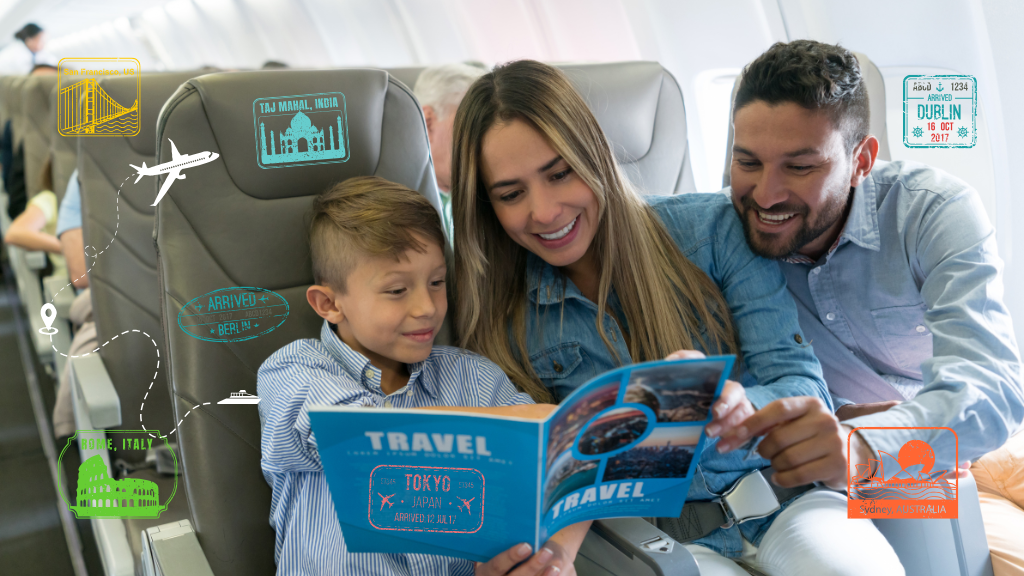
In the grand adventure of life, there’s a unique joy that comes from exploring the world with our children. As parents, we embark on journeys not just to see new places but to open the doors of understanding and curiosity for our little ones. Let’s delve into the reasons why parents travel with their kids and the incredible benefits of introducing them to diverse cultures and languages.
1. Opening Windows to the World: Traveling with kids serves as a magical window through which they witness the beauty, diversity, and richness of the world. Experiencing different cultures firsthand fosters a sense of appreciation for the vast tapestry of humanity.
2. Cultivating Global Awareness: By immersing children in various cultures, parents cultivate a global perspective that goes beyond textbooks. This awareness helps kids appreciate differences, celebrate diversity, and develop a more profound understanding of the interconnected world we live in.
3. Language Learning Made Fun: Traveling exposes children to different languages in authentic settings, making language learning an exciting adventure. Kids naturally pick up phrases, greetings, and expressions, laying the foundation for a broader linguistic understanding.
4. Building Empathy and Tolerance: Exposure to diverse cultures encourages empathy and tolerance. Kids learn to embrace different perspectives, understand that there’s more than one way to live, and appreciate the beauty in our global tapestry.
5. Creating Lasting Memories: Family travels create indelible memories that last a lifetime. These shared experiences become a foundation for strong family bonds, creating a treasure trove of stories that children carry into adulthood.
How Schoolio Learning Expands Horizons:
Enter Schoolio Learning, a platform designed to nurture young minds and broaden their understanding of the world. Through captivating e-books, Schoolio Learning introduces wonderful topics about different countries, sparking curiosity and encouraging exploration.
? Discover the World Through E-Books: Schoolio Learning’s e-books transport children to far-off lands, exploring cultures, traditions, and the wonders of our planet. With topics ranging from the pyramids of Egypt to the rainforests of Brazil, these e-books make learning about different countries engaging and fun.
? Cultivating Lifelong Learners: Schoolio Learning goes beyond traditional learning, instilling a love for discovery and a curiosity about the world. The Schoolio Learning e-books become companions on a journey of exploration, helping children understand and appreciate the rich tapestry of our global community.
In conclusion, as we travel with our kids, we not only show them the world but also equip them with the tools to understand and embrace it. With Schoolio Learning’s e-books, we open up new realms of knowledge, ensuring our children become curious, empathetic, and globally aware citizens. The journey of exploration begins now, and the world is their classroom! ??
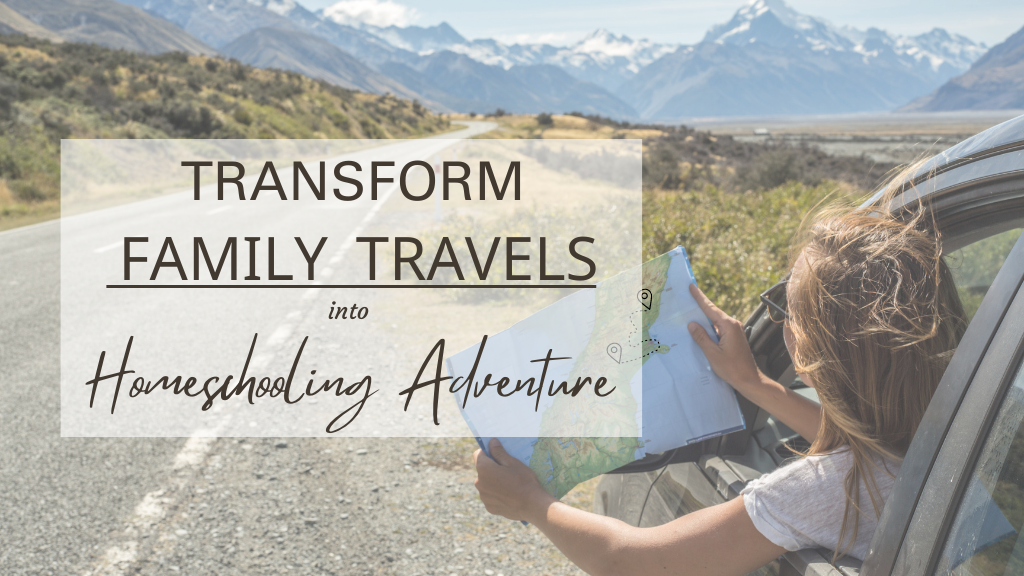
Embark on a thrilling journey where education meets exploration, and family vacations become an immersive learning experience! In this guide, we’ll explore the trendiest tips for transforming your family travels into captivating homeschooling adventures. Buckle up and get ready to unlock the secrets of “Traveling with Kids: Unlocking Learning Like a Homeschooler.” ??
Chapter 1: The Rise of Educational Travel ? Discover how the modern family is redefining travel by infusing education into their journeys. Uncover the benefits of turning each trip into an opportunity for learning, growth, and unforgettable family moments. Learn why the hashtag #HomeschoolingAdventures is taking the travel community by storm!
Chapter 2: Planning with Purpose ?️ Explore the art of purposeful planning. Dive into tips on researching destinations that offer educational opportunities for your children. From museums to historical sites, uncover the key to creating a travel itinerary that aligns with your homeschooling goals. Turn your vacation into a hands-on learning experience!
Chapter 3: Hands-On Experiences for Active Learning ? Ignite your children’s curiosity through hands-on experiences! Learn how to seek out interactive activities wherever you go, from museums with engaging exhibits to workshops and guided tours. Discover the magic of turning every destination into a living classroom where learning is fun and memorable.
Chapter 4: Making History Come Alive ? Immerse your family in history by bringing lessons to life. Find out how researching historical sites and landmarks in advance enhances the learning experience. Explore ways to encourage your children to absorb the atmosphere, delve into architecture, and imagine life in different eras. History becomes an adventure waiting to be uncovered!
Chapter 5: Learning On the Go ? Utilize travel time as an opportunity for education! Uncover tips on engaging your kids with age-appropriate books, puzzles, and educational games related to your destinations. Turn every journey into a moving classroom, where curiosity knows no bounds and learning is a constant companion.
Chapter 6: Journaling for Reflection ✍️ Encourage your children to document their adventures with travel journals. Learn how journaling enhances literacy skills, allows for reflection, and creates beautiful keepsakes to cherish. Dive into the world of expressive writing as your kids capture the essence of their travel experiences.
Chapter 7: Integrating Math and Geography ?️➕ Discover how to incorporate math and geography into your travels. From planning routes to calculating distances, engage your children in activities that enhance their spatial awareness and problem-solving skills. Let the world become their classroom, where learning transcends traditional boundaries.
Chapter 8: Technology as a Learning Tool ? Explore the benefits of utilizing educational apps, podcasts, and online resources aligned with your destinations. Learn how technology can be a powerful tool to enhance understanding and engagement, making learning an interactive and dynamic experience.
Chapter 9: Balancing Adventure and Downtime ⏸️ Recognize the importance of balancing adventure with downtime. Explore tips on scheduling breaks to rest, recharge, and reflect on experiences. Create a harmonious blend of excitement and relaxation, ensuring your family’s energy levels are maintained throughout the educational journey.
Conclusion: Embrace the nomadic homeschooler lifestyle and turn your family travels into an extraordinary adventure of curiosity and growth. Let every trip become a chapter in your homeschooling story, where the world becomes your classroom, and education becomes an unforgettable journey. ?? #TravelSmart #HomeschoolingRevolution